



SOD
Superoxide Dismutase
SOD (Superoxide dismutase), an antioxidant enzyme, are a group of metalloenzymes that defenses against reactive oxygen species (ROS)-mediated injury. SOD can catalyze the dismutation of superoxide radicals (O2˙-) into hydrogen peroxide (H2O2) and oxygen (O2). The chemical moiety of SOD contains some metal ions such as Cu2+, Zn2+, Mn2+, and Fe2+ in the active site, which mediates the dismutation process. On the basis of these metallic cofactors, SOD can be classified into three distinct types, SOD1 (Cu/Zn-SOD), SOD2 (Mn-SOD), and SOD3 (Fe-SOD)[1][2].
References:
- [1]. Younus H. Therapeutic potentials of superoxide dismutase. Int J Health Sci (Qassim). 2018 May-Jun;12(3):88-93. [Content Brief]
- [2]. Saurav Suman, et al. Chapter 14 - Biotic stresses on plants: reactive oxygen species generation and antioxidant mechanism. Frontiers in Plant-Soil Interaction. Molecular Insights Into Plant Adaptation. 2021, 381-411.
All Product Categories
-
SOD Related Products (231)
Related Products (231)

-
Antibodies (4)
-
Flavokawain C
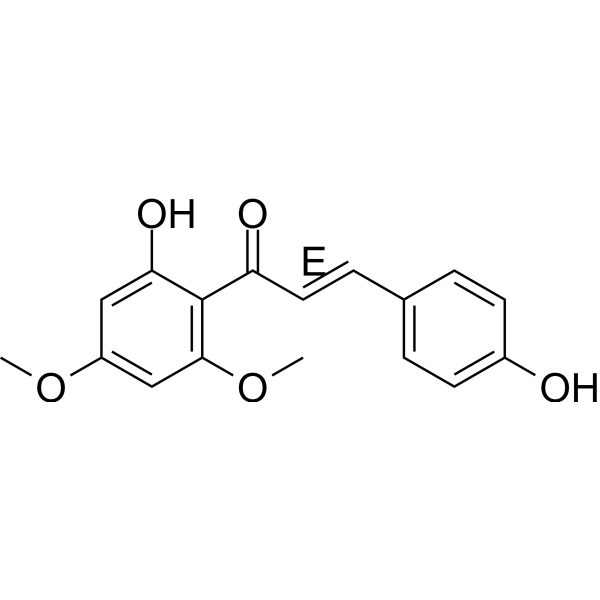 0 ImagesFlavokawain C is an orally active natural chalcone. Flavokawain C inhibits the proliferation of various cancer cells. Flavokawain C upregulates GADD153 in cancer cells, inhibits the phosphorylation of Akt and JNK, suppresses early ERK phosphorylation, activates late ERK phosphorylation, activates caspase related subtypes, induces PARP-1 cleavage, causes upregulation of p21 and p27, downregulation of mutant p53 and anti-apoptotic IAP proteins, elevates intracellular ROS levels, reduces SOD activity, and induces apoptosis. Flavokawain C downregulates FABP4, induces autophagy in cancer cells, and activates the AMPK/mTOR pathway. Flavokawain C decreases the expression of glycolysis-related proteins GLUT1 and HK2, and inhibits glycolysis in nasopharyngeal carcinoma cells. Flavokawain C inhibits the activation of the EGFR/PI3K/Akt/mTOR signaling pathway and reduces the expression of HSP90B1. Flavokawain C inhibits angiogenesis by decreasing the expression of angiogenic proteins Ang-1 and VEGF in human umbilical vein endothelial cells. Flavokawain C increases γ-H2AX levels in cells, inhibits the phosphorylation of FAK, PI3K and AKT in cells, and induces DNA damage in cells. Flavokawain C exerts anti-tumor activity in multiple tumor xenograft mouse models. Flavokawain C is applicable to research related to colorectal cancer, colon adenocarcinoma, nephroblastoma, nasopharyngeal carcinoma and liver cancer.
-
Macranthoidin B
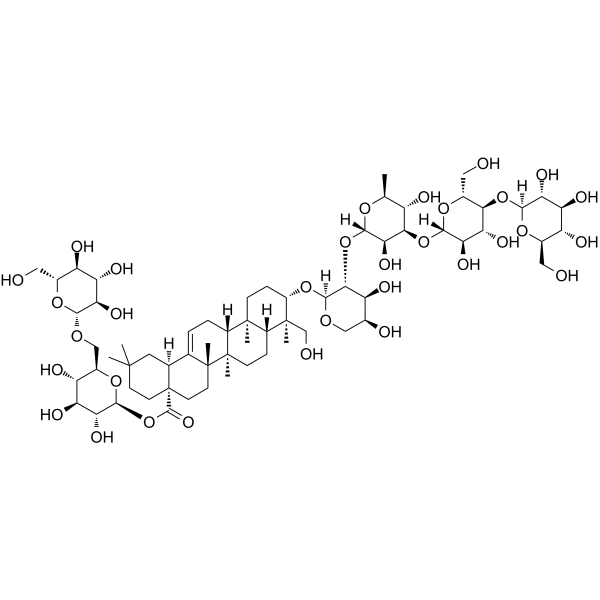 0 ImagesSynonyms: Macranthoiside IMacranthoidin B (Macranthoiside I) is an orally active triterpene saponin. Macranthoidin B inhibits epithelial-mesenchymal transition in endometriosis via the COX‑2/PGE2 pathway, and also induces tumor cell apoptosis and inhibits their proliferation by regulating metabolism and increasing ROS levels. Macranthoidin B can be used in studies related to endometriosis, colorectal cancer and hepatocellular carcinoma.
-
Bispyribac sodium
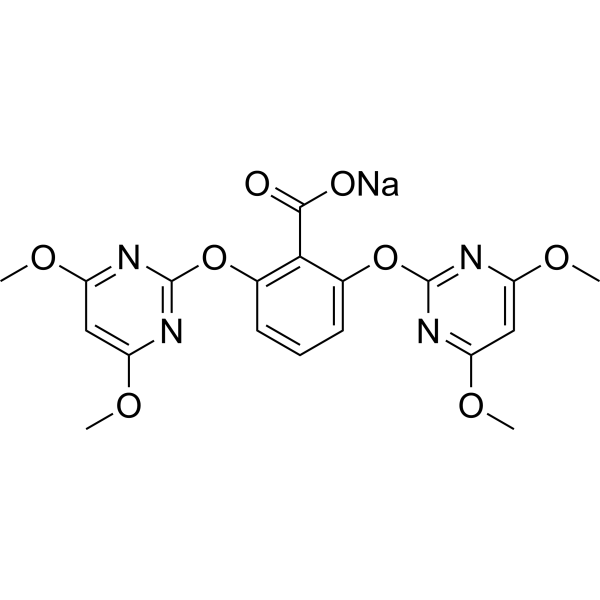 0 ImagesBispyribac sodium is a selective, orally active, systemic and post-emergence herbicide. Bispyribac sodium reduces SOD levels and inhibits ALS activity. Bispyribac sodium blocks the biosynthesis of branched-chain amino acids, resulting in growth retardation, chlorosis and necrosis of weeds. Bispyribac sodium exerts herbicidal activity against grass, sedge and broadleaf weeds in rice fields. Bispyribac sodium is hepatotoxic and genotoxic.
-
Grosvenorine
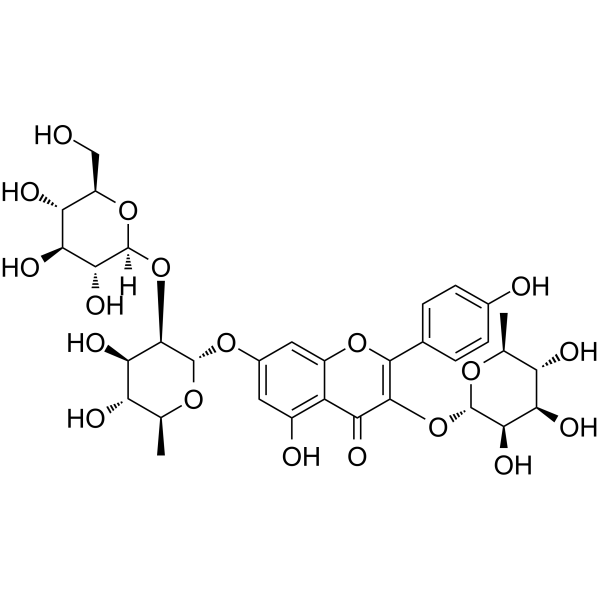 0 ImagesGrosvenorine is an orally active flavonoid glycoside found in S. grosvenorii. Grosvenorine exhibits antibacterial, antioxidant and antiinflammation activities. Grosvenorine can induce apoptosis and increases anti-apoptotic Bcl-2 protein expression and reduces pro-apoptotic P53 protein expression in gastric tissues. Grosvenorine enhances mucin/glycoprotein secretion, regulates gastric pH, and reduces gastric lesion incidence.Grosvenorine increases glutathione peroxidase, catalase, and SOD levels, reduces lipid peroxidation (MDA), and lowers TNF-α and IL-6 levels. Grosvenorine can be used for the researches of bacterial infection and Gastric ulcer.
-
Diclofenac acyl glucuronide
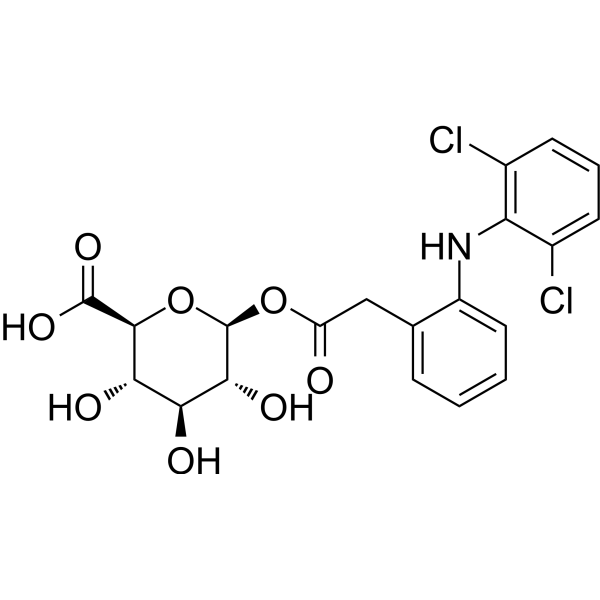 0 ImagesSynonyms: D-1-O-GDiclofenac acyl glucuronide (D-1-O-G) is an orally active glucuronide metabolite of Diclofenac (HY-15036). Diclofenac acyl glucuronide exhibits SOD inhibitory activity, COX-1 inhibitory activity (IC50 = 0.620 μM), and COX-2 inhibitory activity (IC50 = 2.91 μM). Diclofenac acyl glucuronide induces reactive oxygen species (ROS) production and acts as a substrate of OATP2B1. Diclofenac acyl glucuronide induces small intestinal ulcers. Diclofenac acyl glucuronide can be used in research related to intestinal diseases and small intestinal ulcers.
-
Insect repellent M 3535
 0 ImagesSynonyms: Ethyl butylacetylaminopropionate; IR-3535Insect repellent M 3535 (Ethyl butylacetylaminopropionate) is a broad-spectrum, mild insect repellent based on the structure of β-alanine. Insect repellent M 3535 exerts repellent effects by interfering with the olfaction of mosquitoes, but it poses risks of developmental and cardiac toxicity to aquatic organisms such as zebrafish embryos in aquatic environments, and can activate oxidative stress responses.
-
Ethylenediaminetetraacetic acid tetrasodium
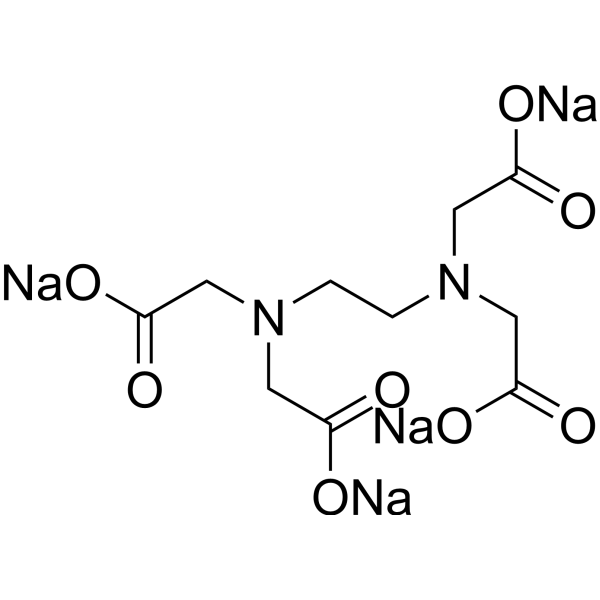 0 ImagesEthylenediaminetetraacetic acid (EDTA) tetrasodium is a kind of metal chelating agent (binds to bivalent and trivalent metal cations, including calcium). Ethylenediaminetetraacetic acid tetrasodium has antibacterial, anti-inflammatory, antioxidant, anti-hypercalcemia and anticoagulant activities. Ethylenediaminetetraacetic acid tetrasodium decreases the metal ion-catalyzed oxidative damage to proteins, and allows maintenance of reducing environment during protein purification. Ethylenediaminetetraacetic acid tetrasodium can alleviate the liver fibrosis. Ethylenediaminetetraacetic acid tetrasodium can be used for coronary artery disease and neural system disease research.
-
Quercetin-3'-O-glucoside
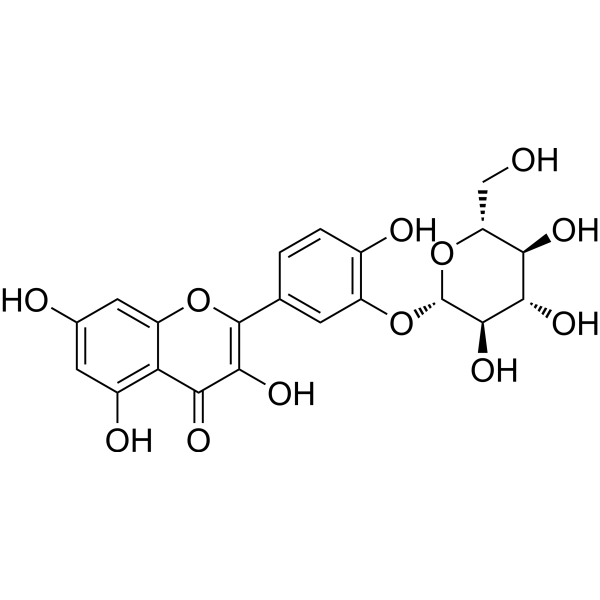 0 ImagesQuercetin-3'-O-glucoside is an orally active flavonoid glycoside. Quercetin-3'-O-glucoside reduces liver glucose-6-phosphatase activity, alters serum insulin and glucose levels, and regulates the activities of antioxidant enzymes in the liver and kidney. Quercetin-3'-O-glucoside inhibits DNA topoisomerase II, induces S-phase cell cycle arrest and caspase-3-mediated apoptosis in hepatocellular carcinoma cells. Quercetin-3'-O-glucoside selectively inhibits EGFR-mediated signaling pathways targeting AKT, ERK1/2, FAK and MEK1/2. Quercetin-3'-O-glucoside inhibits growth factor-induced migration and invasion in pancreatic cancer cells. Quercetin-3'-O-glucoside exerts free radical scavenging effects. Quercetin-3'-O-glucoside is applicable to research related to pancreatic cancer, diabetes, hepatocellular carcinoma and malignant tumors.
-
3′,4′,7-Trihydroxyflavone
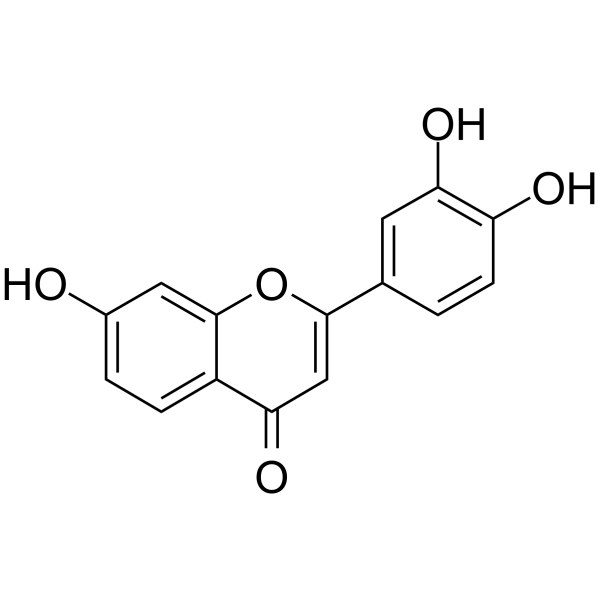 0 Images3′,4′,7-Trihydroxyflavone is an orally active inhibitor of OXA-48 (IC50 = 1.89 μM) and COX-1 (IC50 = 36.37 μM). 3′,4′,7-Trihydroxyflavone exhibits antioxidant and anti-inflammatory properties, inhibiting the release of inflammatory cytokines such as IL-6, IL-8, and TNF-α. 3′,4′,7-Trihydroxyflavone inhibits H2O2-induced neuronal apoptosis and ROS accumulation, and exerts anti-neuroinflammatory effects by suppressing the JNK-STAT1 pathway. 3′,4′,7-Trihydroxyflavone exhibits antimicrobial and antibiotic-modifying activities against multidrug-resistant Gram-negative enteric bacteria. 3′,4′,7-Trihydroxyflavone inhibits RANKL-induced osteoclast formation via NFATc1. 3′,4′,7-Trihydroxyflavone activates the CREB-BDNF axis and restores scopolamine (HY-N0296)-induced memory deficits in mice.
-
Picoxystrobin
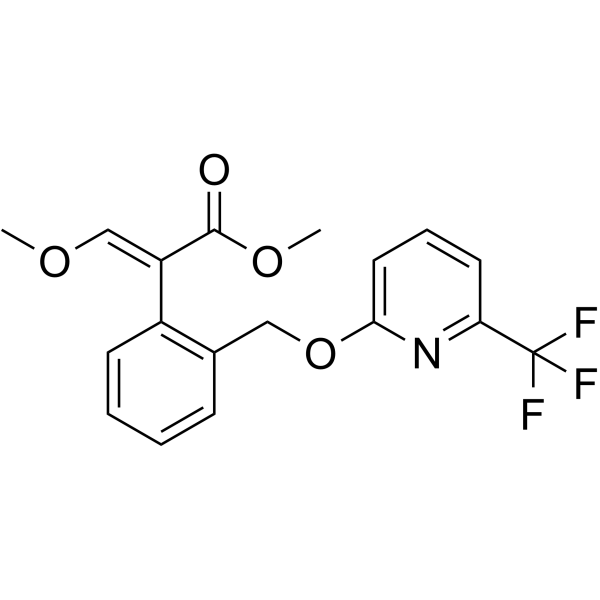 0 ImagesPicoxystrobin is a strobilurin fungicide. Picoxystrobin controls plant diseases by inhibiting mitochondrial respiration. Picoxystrobin is highly toxic to zebrafish embryos, causing developmental abnormalities, oxidative stress, and immunotoxicity.
-
Ombuoside
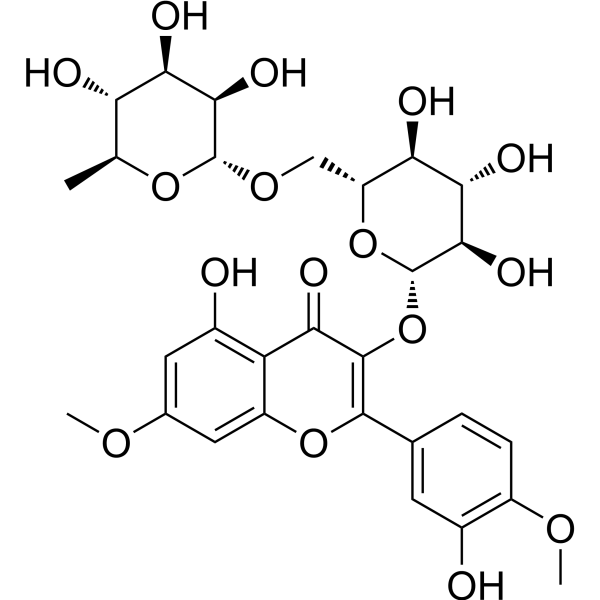 0 ImagesOmbuoside has antioxidant properties, inhibiting ROS production and apoptosis. Ombuoside exerts neuroprotective effects through the ERK-JNK-caspase-3 system. Ombuoside promotes Dopamine biosynthesis through TH and CREB activation. Ombuoside exhibits antimicrobial activity against several Gram-positive and Gram-negative bacteria, as well as Candida albicans
-
EDTA hydrate sodium
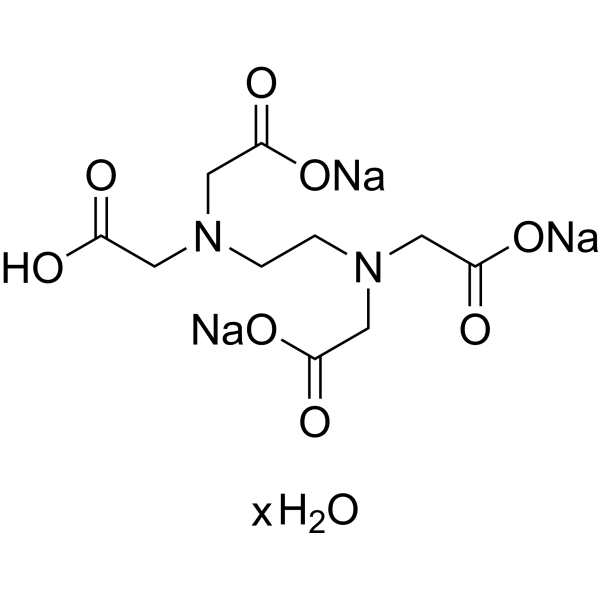 0 ImagesCat. No.: HY-W127774CAS No.: 85715-60-2Synonyms: Ethylenediaminetetraacetic acid hydrate sodiumEDTA (Ethylenediaminetetraacetic acid) hydrate sodium is a kind of metal chelating agent (binds to bivalent and trivalent metal cations, including calcium). EDTA hydrate sodium has antibacterial, anti-inflammatory, antioxidant, anti-hypercalcemia and anticoagulant activities. EDTA hydrate sodium decreases the metal ion-catalyzed oxidative damage to proteins, and allows maintenance of reducing environment during protein purification. EDTA hydrate sodium can alleviate the liver fibrosis. Ethylenediaminetetraacetic acid can be used for coronary artery disease and neural system disease research.
-
Allyl methyl sulfide
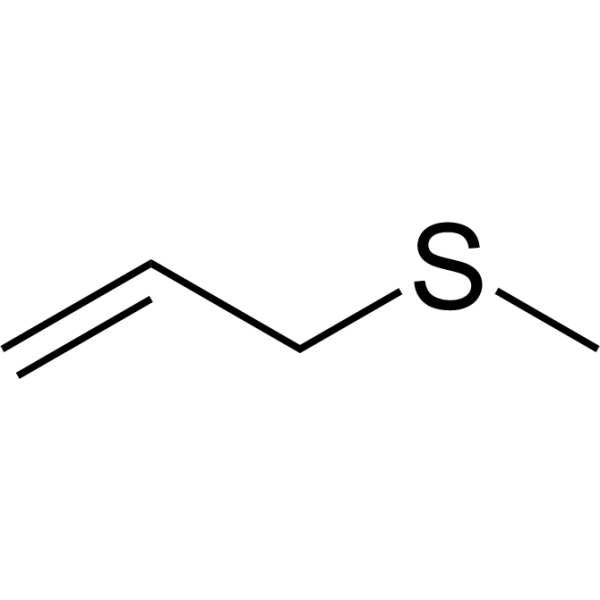 0 ImagesAllyl methyl sulfide is an orally active organic sulfide. Allyl methyl sulfide is one of the main active ingredients in garlic volatile metabolites. Allyl methyl sulfide can be extracted from garlic. Allyl methyl sulfide enhances SOD activity, inhibits NF-κB signaling pathway, and upregulates pancreatic GLUT2 expression. Allyl methyl sulfide has significant antioxidant, anti-inflammatory and hypoglycemic activities. Allyl methyl sulfide can be used in the research of diabetes and its complications.
-
NUCC-0000323
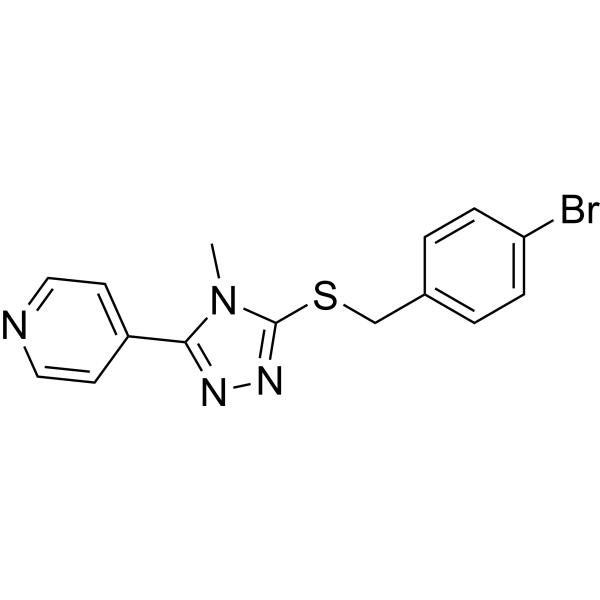 0 ImagesNUCC-0000323 is a potent superoxide dismutase 1 (SOD1) inhibitor. NUCC-0000323 inhibits SOD1 expression. NUCC-0000323 can be used in research of amyotrophic lateral sclerosis (ALS).
-
N-Isopropyl-N'-phenyl-p-phenylenediamine
 0 ImagesN-Isopropyl-N'-phenyl-p-phenylenediamine is an antioxidant used in rubber manufacturing to reduce the detrimental effect of oxygen. N-Isopropyl-N'-phenyl-p-phenylenediamine can cause contact allergy.
-
Rehmannioside A
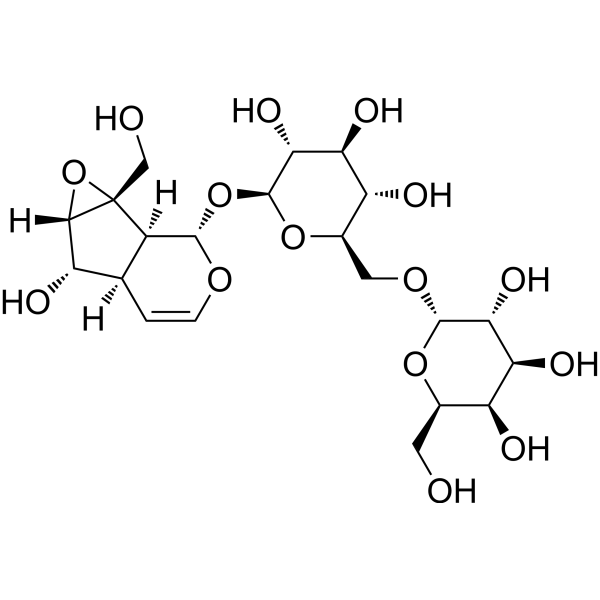 0 ImagesRehmannioside A is a compound that can be isolated from Rehmanniae radix. Rehmannioside A is an inhibitor of CYP3A4, 2C9 and 2D6, with IC50 values of 10.08, 12.62 and 16.43 μM, respectively. Rehmannioside A has anti-inflammatory, antioxidant, anti-apoptosis, anti-ferroptosis, cognitive improvement and neuroprotective activities. Rehmannioside A can be used for the research of nervous system and inflammation-related diseases.
-
N-3-Oxo-octanoyl-L-homoserine lactone
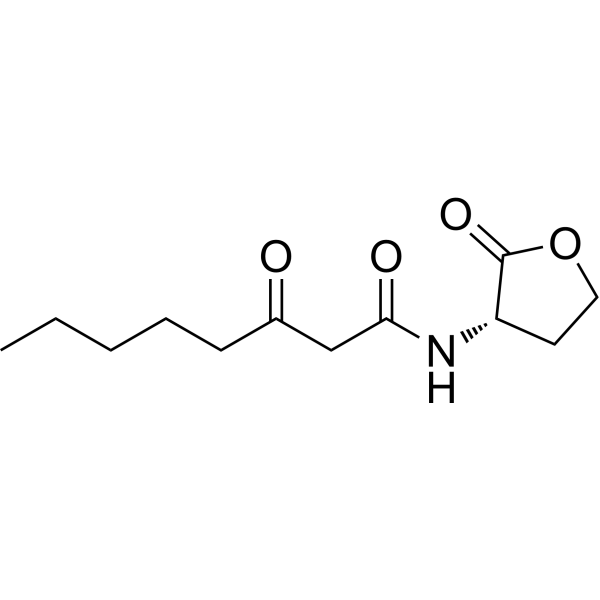 0 ImagesN-3-Oxo-octanoyl-L-homoserine lactone, a quorum-sensing signal, is an Agrobacterium autoinducer.
-
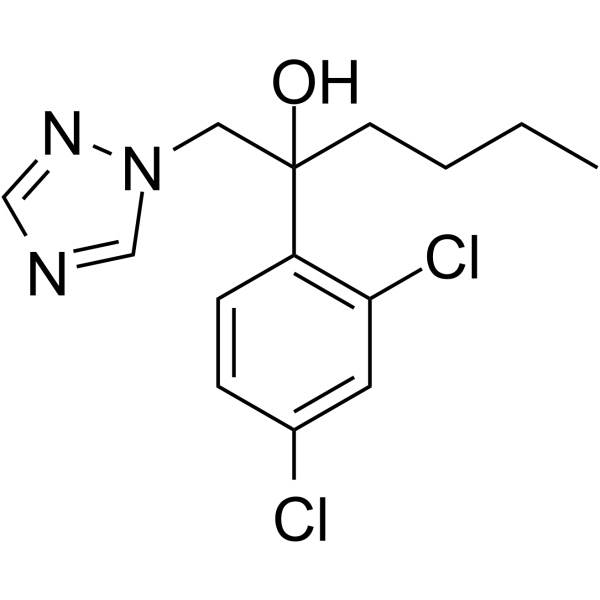
Tempone
 0 ImagesTempone (4-Oxo-Tempo) is a stable water-soluble nitro radical. Tempone is widely used as a contrast agent for metabolic activity and hypoxic sensitivity in electron spin resonance spectroscopy, magnetic resonance imaging and dynamic nuclear polarization. Tempone reduces superoxide radicals by mimicking the activity of superoxide dismutase (SOD), thereby reducing the formation of hydroxyl radicals and peroxynitrites. Tempone can be used in the study of ischemia-reperfusion injury and acute renal failure.
-
1,3-Diphenylguanidine
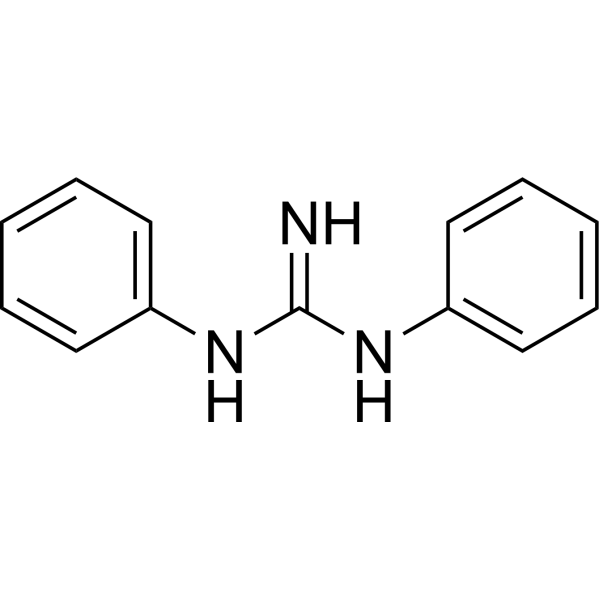 0 Images1,3-Diphenylguanidine is a widely used accelerator in rubber vulcanization. 1,3-Diphenylguanidine increases ROS activity and decreases SOD and CAT activity. 1,3-Diphenylguanidine accelerates the vulcanization process. 1,3-Diphenylguanidine impairs the reproduction and growth of Moina macrocopa[1] [2] [3] .




