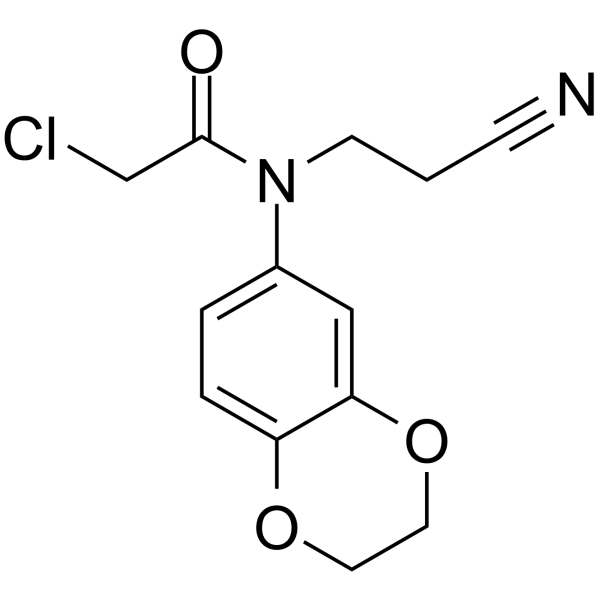
SOD Activator
-
Ethylenediaminetetraacetic acid
 0 Images
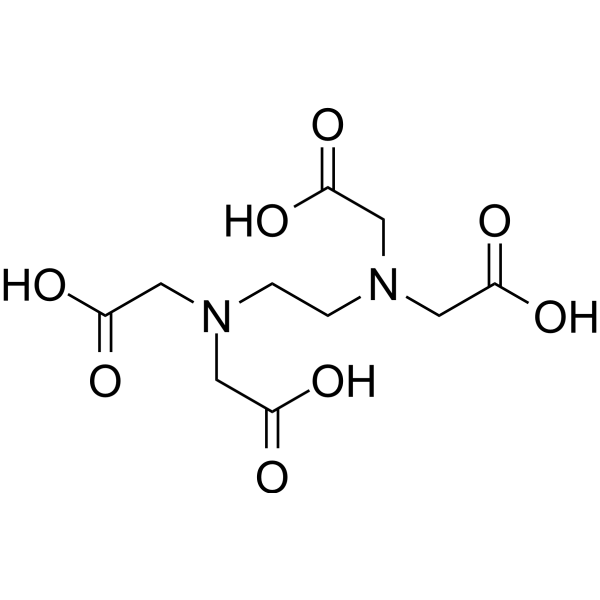
Ethylenediaminetetraacetic acid (EDTA) is a kind of metal chelating agent (binds to bivalent and trivalent metal cations, including calcium). Ethylenediaminetetraacetic acid has antibacterial, anti-inflammatory, antioxidant, anti-hypercalcemia and anticoagulant activities. Ethylenediaminetetraacetic acid decreases the metal ion-catalyzed oxidative damage to proteins, and allows maintenance of reducing environment during protein purification. Ethylenediaminetetraacetic acid can alleviate the liver fibrosis. Ethylenediaminetetraacetic acid can be used for coronary artery disease and neural system disease research.
-
Diallyl Trisulfide
 0 Images
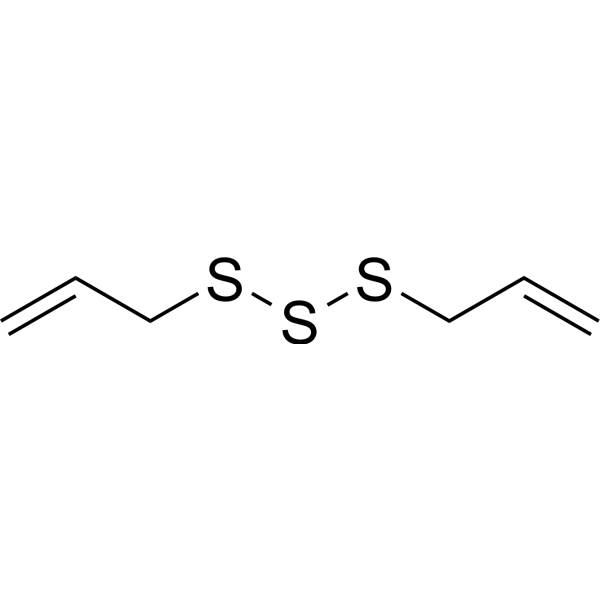
Diallyl Trisulfide is an orally active anticancer agent that can be isolated from garlic. Diallyl Trisulfide has the ability to induce apoptosis and exhibits anticancer, anti-inflammatory, antioxidant, and antibacterial activities. Diallyl Trisulfide can be used to study a variety of cancers, including liver, colon and prostate cancer.
-
Dendrobine
 0 Images
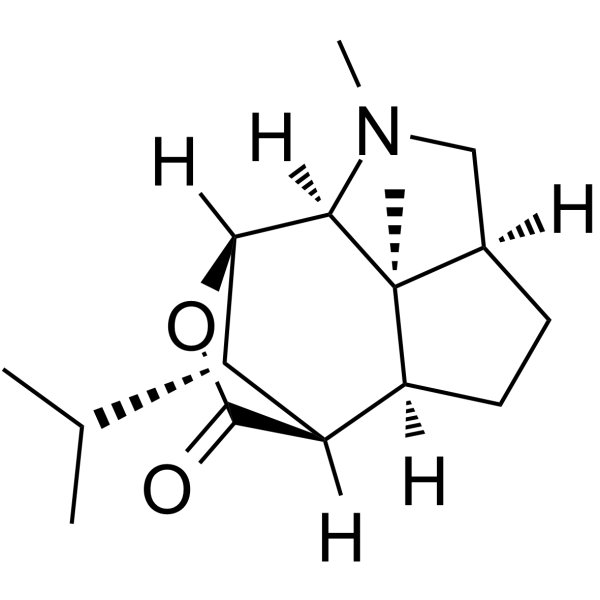
Dendrobine is an alkaloid isolated from Dendrobium nobile. Dendrobine possesses antiviral activity against influenza A viruses, with IC50s of 3.39 μM, 2.16 μM and 5.32 μM for A/FM-1/1/47 (H1N1), A/Puerto Rico/8/34 H274Y (H1N1) and A/Aichi/2/68 (H3N2), respectively. Dendrobine activates the JNK/p38/Nrf2 signaling pathway. Dendrobine exhibits antiviral, antitumor, anti-inflammatory, and neuroprotective properties.
-
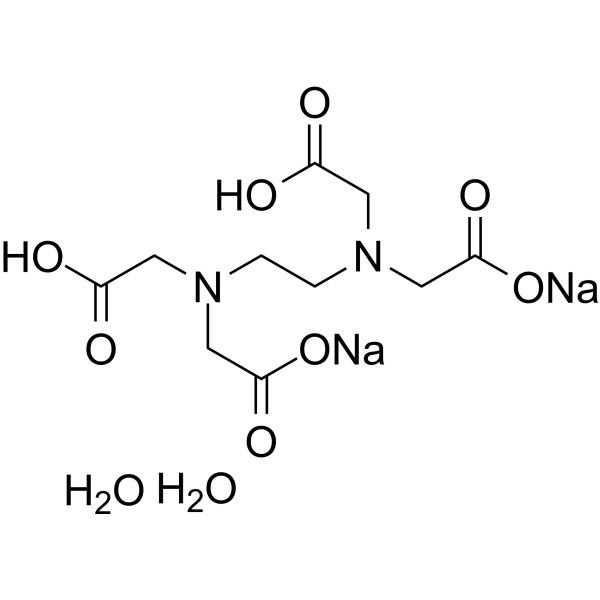
Ethylenediaminetetraacetic acid disodium dihydrate
 0 Images
Ethylenediaminetetraacetic acid (EDTA) disodium dehydrate is a kind of metal chelating agent (binds to bivalent and trivalent metal cations, including calcium). Ethylenediaminetetraacetic acid disodium dehydrate has antibacterial, anti-inflammatory, antioxidant, anti-hypercalcemia and anticoagulant activities. Ethylenediaminetetraacetic acid disodium dehydrate decreases the metal ion-catalyzed oxidative damage to proteins, and allows maintenance of reducing environment during protein purification. Ethylenediaminetetraacetic acid disodium dehydrate can alleviate the liver fibrosis. Ethylenediaminetetraacetic acid disodium dehydrate can be used for coronary artery disease and neural system disease research.
-
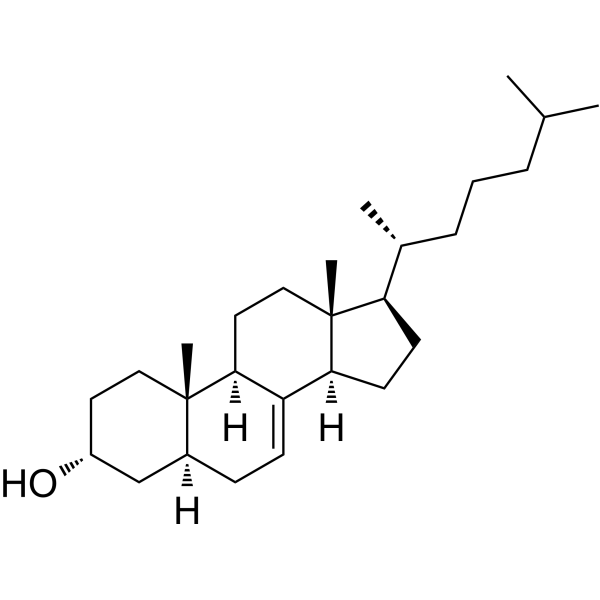
Lathosterol
 0 Images
Lathosterol is a plant sterol and cholesterol-like molecule. Lathosterol increases antioxidant enzymes (such as SOD, CAT, and GSH) and decreases LDH. Lathosterol has a hepatoprotective effect on mice with acetaminophen (HY-66005)-induced liver injury[1].
-
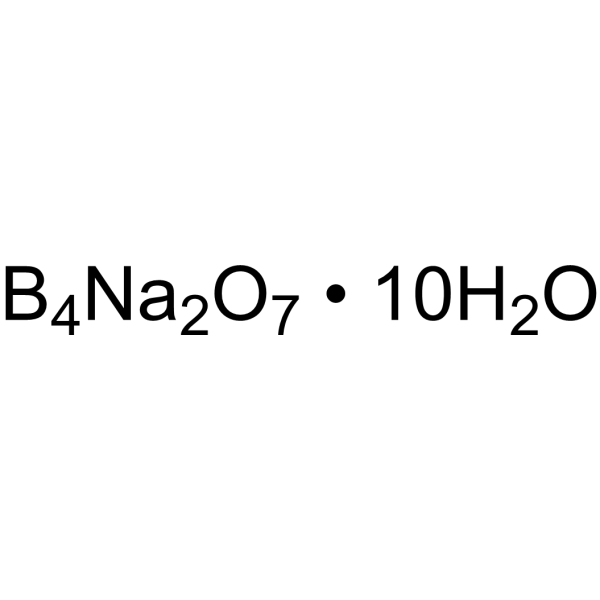
Sodium tetraborate decahydrate
 0 Images
Sodium tetraborate decahydrate is an orally active biochemical reagent and antibacterial agent. Sodium tetraborate decahydrate leads to an increase in the activity of Catalase, Superoxide dismutase. Sodium tetraborate decahydrate reduces Hydrogen sulfide and the sulfate-reducing bacteria population of swine manure. Sodium tetraborate decahydrate serves as flame suppressant for wood cellulose. Sodium tetraborate decahydrate is a triglyceride transesterification catalyst. Sodium tetraborate decahydrate suppresses the formation of chlorinated by-products in Cl−-containing water. Sodium tetraborate decahydrate has a neuroprotective effect against chromium poisoning. Sodium tetraborate decahydrate can protect the heart from chromium damage at low doses. Sodium tetraborate in a low dose with an isolated application shows an antioxidant effect.
-
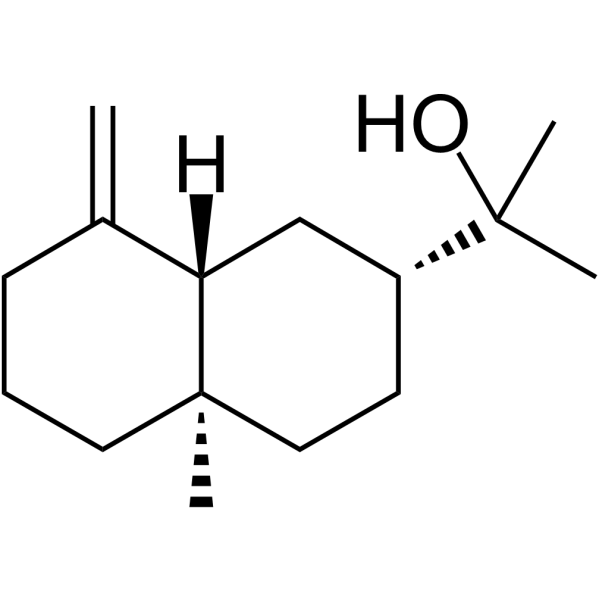
β-Eudesmol
 0 Images
β-Eudesmol has anticancer and anti-inflammatory activities. Beta-Eudesmol can induce apoptosis. β-Eudesmol is a neostigmine antagonist. β-Eudesmol can antagonize neostigmine-induced neuromuscular failure. β-Eudesmoll can be used in the study of sepsis diseases. β-Eudesmol is a sesquiterpene-like compound that can be extracted from the rhizome of Atractylodes lancea.
-
DHICA
 0 ImagesCat. No.: HY-W018158CAS No.: 4790-08-3Synonyms: 5,6-Dihydroxyindole-2-carboxylic acid
DHICA (5,6-Dihydroxyindole-2-carboxylic acid) is an eumelanin building block, GPR35 agonist and melanin synthesis intermediate. DHICA activates GPR35, triggering dynamic mass redistribution and β-arrestin translocation. DHICA interacts with DNA and interferes with Fpg activity. DHICA promotes the generation of single-strand breaks in plasmid DNA. DHICA increases the activity and expression levels of SOD and Catalase. DHICA is applicable to research related to skin cancer and colon cancer.
-
β-Glucogallin
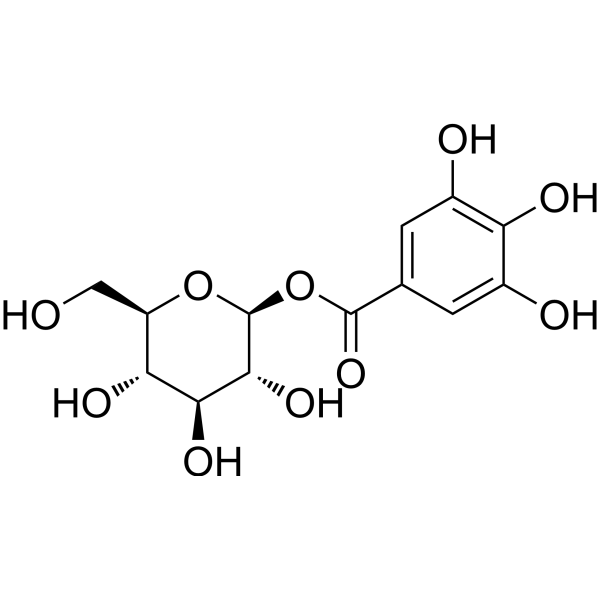 0 ImagesSynonyms: Glucogallin; 1-O-Galloyl-β-D-glucose
β-Glucogallin is an orally active and selective aldose reductase (AKR1B1) inhibitor with an IC50 value of 58 μM when using Glyceraldehyde (HY-128748) as AKR1B1 substrate. β-Glucogallin reduces ROS, PDGF, RAGE, and NF-κB. β-Glucogallin increases SOD. β-Glucogallin has antioxidant and hepatoprotective effects. β-Glucogallin can be used in retinal research.
-
Ginsenoside F2
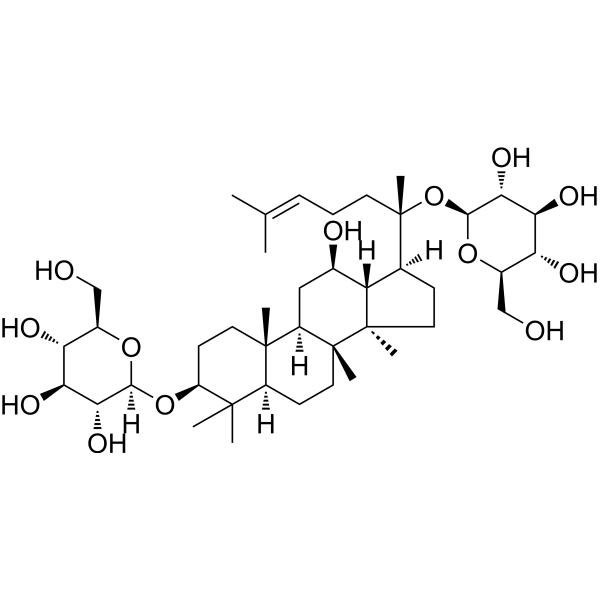 0 Images
Ginsenoside F2 is an orally active bioactive compound that participates in the regulation of metabolism and inflammation. Ginsenoside F2 promotes the phosphorylation of AMPK and ACC, binds to PPARγ, inhibits the phosphorylation of MAPK, activates the PI3K/AKT/GSK-3β pathway, reduces GLRX expression, and regulates lipid metabolism. Ginsenoside F2 reduces ROS production and MDA levels, restores SOD activity in cells, and alleviates oxidative stress. Ginsenoside F2 induces cell apoptosis (Apoptosis) and increases the number of cleaved caspase-3-positive cells. Ginsenoside F2 reduces body weight gain, adipose tissue weight and serum lipid levels in obese mice, and activates the hepatic AMPK signaling pathway and the expression of antioxidant enzymes. Ginsenoside F2 alleviates atopic dermatitis in mice by inhibiting inflammation and reshaping the gut microbiota. Ginsenoside F2 is applicable to research related to insulin resistance, obesity, atopic dermatitis, liver cancer, glioblastoma and glioma.
-
2"-O-Galloylhyperin
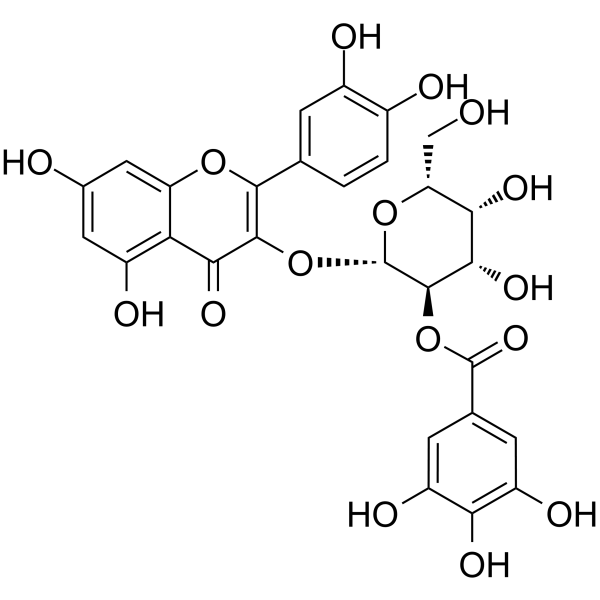 0 Images
2''-O-Galloylhyperin is an active natural compound with anti‑inflammatory, antioxidant, anti‑adipogenic, antifibrotic, and cytostatic activities. 2''-O-Galloylhyperin upregulates SIRT1/Nrf2 signaling, inhibits NF-κB and MAPK (ERK1/2, p38, JNK) phosphorylation, suppresses TSHR activation, reduces ROS accumulation, and enhances SOD and GSH-Px activities. 2''-O-Galloylhyperin protects against LPS-induced tissue injury, enhances survival, and inhibits adipogenesis and fibrosis. 2"-O-Galloylhyperin can be used for the research of sepsis, acute lung injury, and thyroid eye disease.
-
(S)-(+)-Carvone
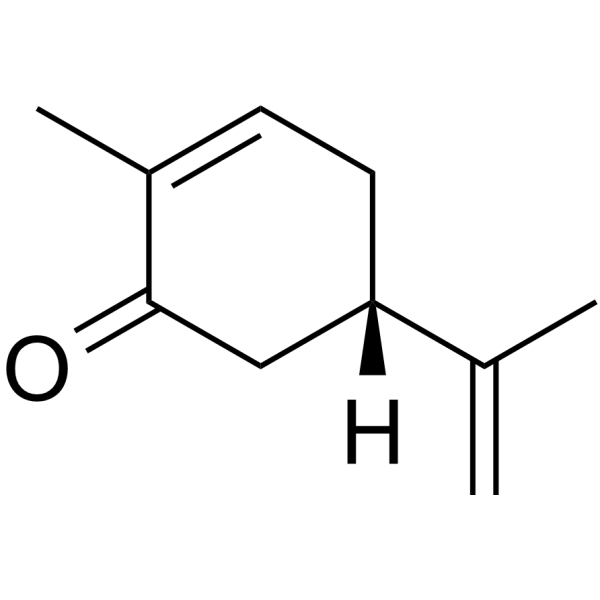 0 ImagesSynonyms: D-Carvone
(S)-(+)-Carvone is an orally active natural product. (S)-(+)-Carvone increases the activity of antioxidant enzymes (SOD, CAT) and ROS, reduces the levels of oxidative stress markers (MDA, AChE), reduces the secretion of proinflammatory cytokines (IL-1β, IL-4, IL-6, IL-10), and downregulates NLRP3. (S)-(+)-Carvone increases the activities of caspase-8, -9 and -3. (S)-(+)-Carvone induces apoptotic death. (S)-(+)-Carvone has antimanic-like effect, liver protection and anticancer activity against skin cancer. (S)-(+)-Carvone improves memory and arthritis.
-
Astragaloside II
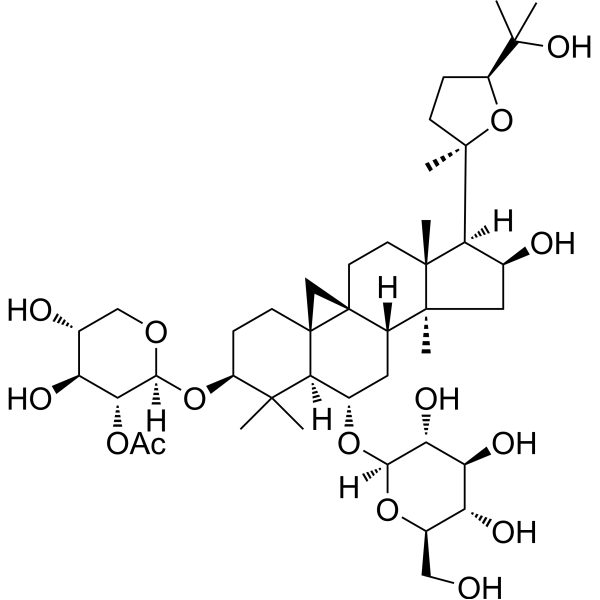 0 ImagesSynonyms: Astrasieversianin VIII
Astragaloside II is an orally active Cycloartane-type triterpene glycoside. Astragaloside II can be extracted from Astragalus membranaceus. Astragaloside II inhibits Autophagy, decreases pro-inflammatory cytokines (IL-6, IL-1β), HIF-α, p-p65, p-IκB and increases SOD. Astragaloside II regulates immunity and reduces inflammatory responses. Astragaloside II can be used in the research of diseases such as liver cancer, osteoporosis, immunosuppressive diseases, and ulcerative colitis.
-
Diludine
 0 ImagesSynonyms: Et-HE; 1,4-DHP
Diludine (BNP-7787) is an orally effective feed additive. Diludine reduces the activity of G6PD and increases the level of superoxide dismutase (SOD). Diludine reduces the mutagenic effect of environmental pollutants, protects parental reproductive systems and improves offspring quality. Diludine is mainly applied during the transition period of dairy cows to increase milk yield and milk fat content, and improve health status during parturition. Diludine can be used in animal feeding research.
-
Clofibric acid
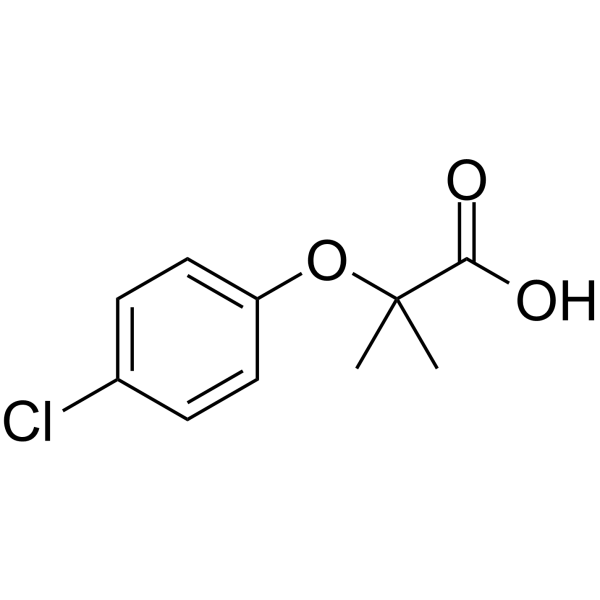 0 Images
Clofibric acid (Chlorofibrinic acid) is an orally active PPARα agonist. Clofibric acid inhibits the fimbriation of Escherichia coli. Clofibric acid increases SOD activity. Clofibric acid lowers blood lipids and prevents experimental pyelonephritis. Clofibric acid has anticancer activity against ovarian cancer. Clofibric acid is also a herbicide. Clofibric acid is used in ovarian cancer, liver cancer, obesity, and urinary tract infection research.
-
Thiophanate-Methyl
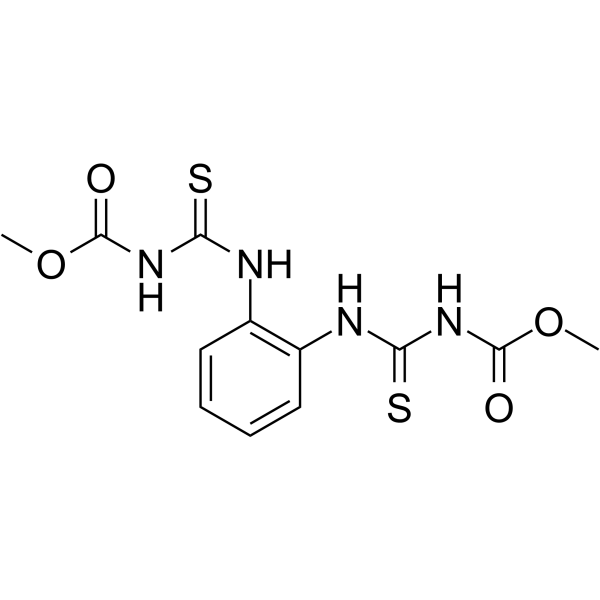 0 Images
Thiophanate-Methyl is a pesticide residue and fungicide. Thiophanate-Methyl induces hepatotoxicity via caspase-3-mediated apoptosis and oxidative stress, thereby causing metabolic imbalance in the liver of zebrafish. Thiophanate-Methyl impairs the rhizobacteria-mediated defense response of cucumber against fusarium wilt.
-
Inotodiol
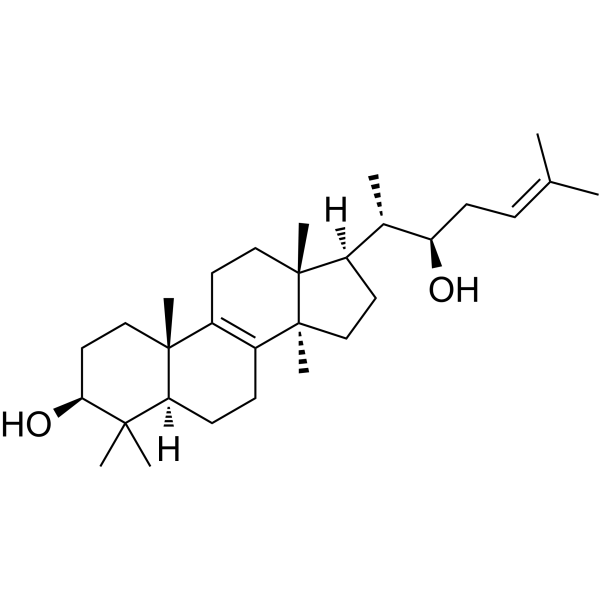 0 Images
Inotodiol activates p53 signaling pathway, inhibits MMP-2/9, and exhibits antitumor activity in cancer cell HeLa. Inotodiol inhibits the generation of ROS and exhibits antioxidant and neuroprotective effects. Inotodiol inhibits the activation of MAPK and NF-κB signaling pathway, and exhibits anti-inflammatory activity. Inotodiol inhibits TLR-4 mediated TNF-α production (IC50s in BMMC and BMDM is 0.7 μM and 3.0 μM), inhibits the degranulation in mast cell, exhibits anti-allergic activity. Inotodiol is orally active.
-
Pseudoginsenoside F11
 0 ImagesSynonyms: Ginsenoside A1
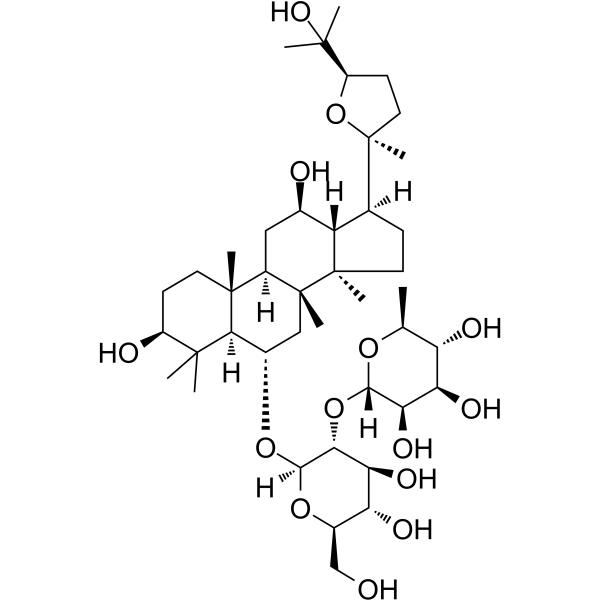
Pseudoginsenoside F11 is an orally active neuroprotective agent. Pseudoginsenoside F11 reduces the expression of β-amyloid precursor protein, inhibits the production of Aβ1-40, downregulates the expression of JNK2, p53 and activated Caspase 3, and restores the activities of SOD and Glutathione peroxidase. Pseudoginsenoside F11 inhibits the excessive activation of μ-Calpain and restores the level of neuronal Nitric oxide synthase. Pseudoginsenoside F11 reduces infarct volume, alleviates cerebral edema, decreases neuronal loss, improves neurological deficits and enhances long-term functional outcomes in transient cerebral ischemia models. Pseudoginsenoside F11 antagonizes Methamphetamine-induced behavioral deficits, dopamine level reduction and neurotoxicity without altering the baseline behaviors of normal mice. Pseudoginsenoside F11 can be used in studies related to Alzheimer's disease, transient cerebral ischemic injury and Methamphetamine-induced neurotoxicity.
-
Ethylene glycol dimethacrylate
 0 Images
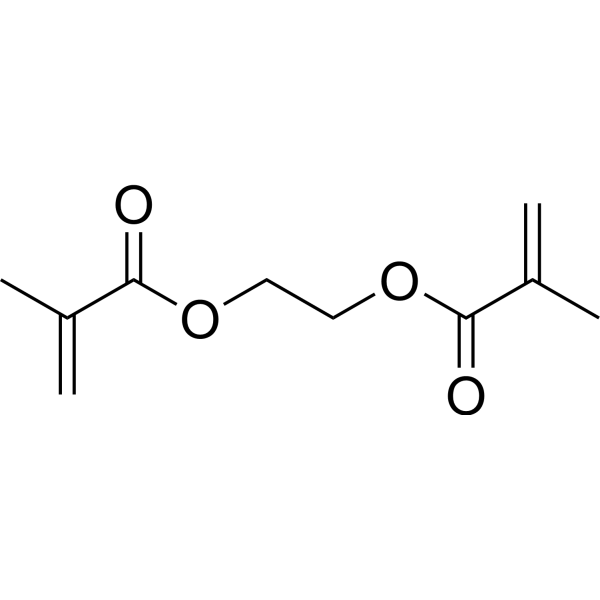
Ethylene glycol dimethacrylate is a diester formed by the condensation of Ethylene glycol (HY-Y0338) and Methacrylic acid. Ethylene glycol dimethacrylate is a cross-linking agent for polymers. Ethylene glycol dimethacrylate increases Apoptosis, GPx4, SOD2, ROS. Ethylene glycol dimethacrylate is cytotoxic and genotoxic. Ethylene glycol dimethacrylate exhibits cross-linking activity, enhancing the mechanical properties and stability of materials.