



Fluorescent Dye
Fluorescence is a phenomenon of photoluminescence in luminescence. When an atom is irradiated by light, some electrons around the nucleus jump from their original orbitals to higher energy orbitals under the influence of light energy, i.e., from the ground state to the first or second excited single-line state, etc. Due to the instability of the first or second excited singlet state, the electron returns from the excited singlet state to the ground state accompanied by released energy, resulting in fluorescence.
Fluorescent dyes can be covalently bound or physically adsorbed in the structure of the substance. The fluorescence properties allow for the characterization, localization and quantitative analysis of the labeled object. Fluorescent dyes have shown great potential for the detection of proteins, nucleic acids, cells, and immunoassays, attributed to the advantages in non-radioactive contamination, simple experimental operation and easy observation.
Fluorescent dyes have penetrated many fields such as pharmacology, physiology, environmental science, and information science, as well as functional studies of proteins and drug screening.
All Product Categories
-
Fluorescent Dye Related Products (4790)
Related Products (4790)

-
Antibodies (4)
-
Cy5.5
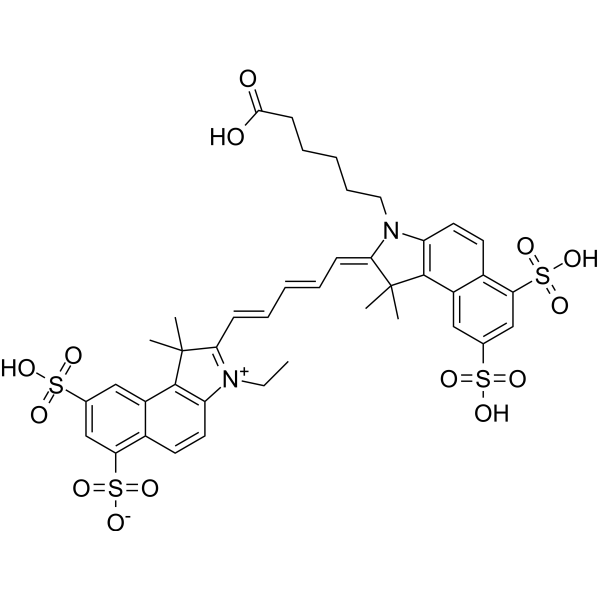 0 ImagesSynonyms: Sulfo-Cyanine5.5Cy5.5 is a CY dye. CY, short for Cyanine, is a compound consisting of two nitrogen atoms connected by an odd number of methyl units. Cyanine compounds have the characteristics of long wavelength, adjustable absorption and emission, high extinction coefficient, good water solubility and relatively simple synthesis. CY dyes are of en used for the labeling of proteins, antibodies and small molecular compounds. For the labeling of protein antibodies, the combination can be completed through a simple mixing reaction. Below, we introduce the labeling method of protein antibody labeling, which has certain reference significance.
-
Rhod-2 AM
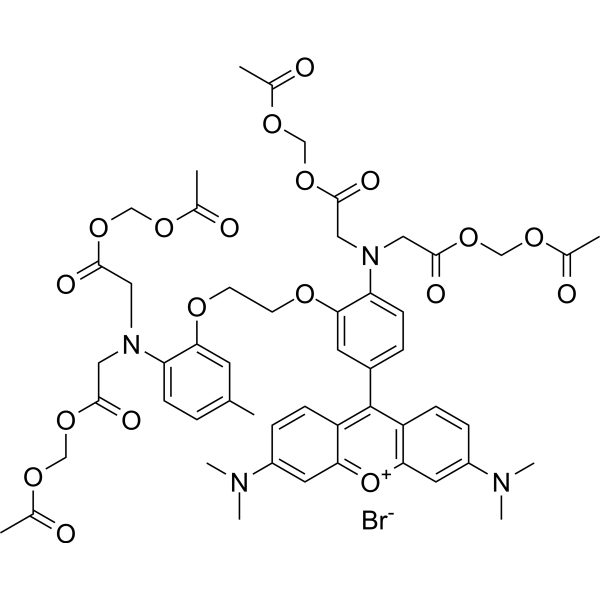 0 ImagesCat. No.: HY-D0989CAS No.: 145037-81-6Rhod-2 is a high-affinity visible light excitation wavelength Ca2+ fluorescent probe, Rhod-2, AM is an acetyl methyl ester derivative of Rhod-2, which has cell membrane permeability and can easily enter cells with simple culture. Once it enters the cell, it is sheared by its lactesterase to produce Rhod-2 without membrane permeability, which remains in the cell to perform the corresponding physiological functions. Maximum excitation/emission wavelength: 549/578 nm.
-
DiD perchlorate
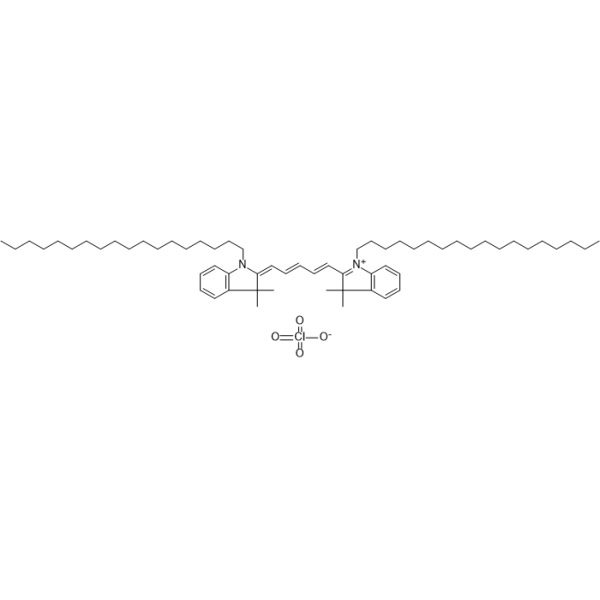 0 ImagesDiD is a long-chain carbocyanine dye. Carbocyanine dyes are widely used as Di to label cells, organelles, liposomes, viruses and lipoproteins (Ex/Em = 633/665 nm).
-
TMRE
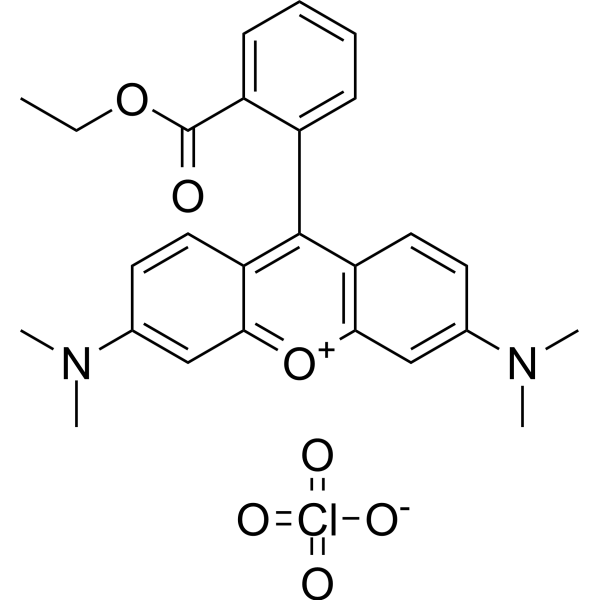 0 ImagesSynonyms: Tetramethylrhodamine ethyl ester perchlorateRhodamine dyes are membrane-permeable cationic fluorescent probes that specifically recognize mitochondrial membrane potentials, thereby attaching to mitochondria and producing bright fluorescence, and at certain concentrations, rhodamine dyes have low toxicity to cells, so they are commonly used to detect mitochondria in animal cells, plant cells, and microorganisms.
-
CY5
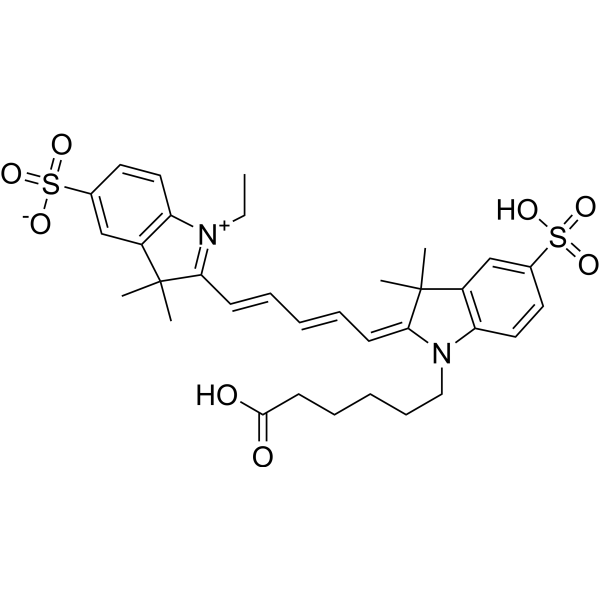 0 ImagesSynonyms: Sulfo-Cyanine5CY5 is a CY dye. CY, short for Cyanine, is a compound consisting of two nitrogen atoms connected by an odd number of methyl units. Cyanine compounds have the characteristics of long wavelength, adjustable absorption and emission, high extinction coefficient, good water solubility and relatively simple synthesis. CY dyes are of en used for the labeling of proteins, antibodies and small molecular compounds. For the labeling of protein antibodies, the combination can be completed through a simple mixing reaction. Below, we introduce the labeling method of protein antibody labeling, which has certain reference significance.
-
Indocyanine green
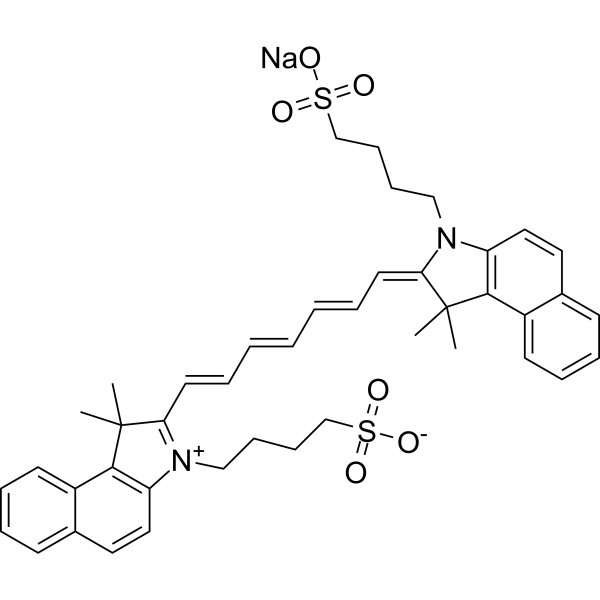 0 ImagesIndocyanine green (Foxgreen) is a low toxicic fluorescent agent that has been widely used in medical diagnostics, such as determining cardiac output, hepatic function, and liver blood flow, and for ophthalmic angiography (Ex/Em = 785/813 nm).
-
D-Luciferin sodium
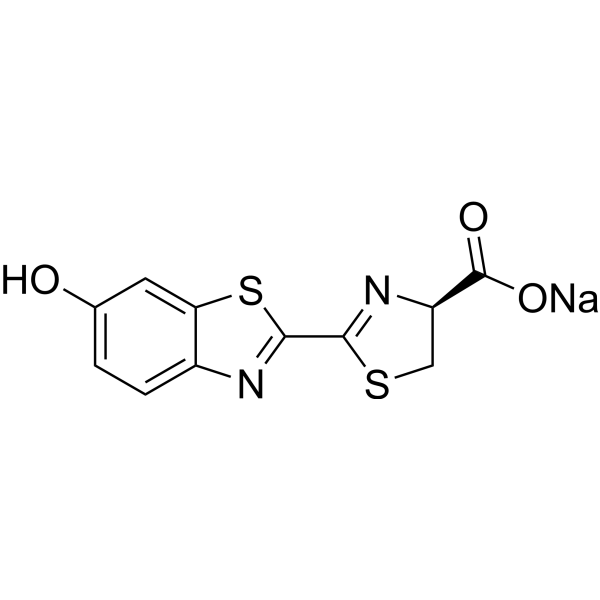 0 ImagesSynonyms: D-(-)-Luciferin sodium; Firefly luciferin sodium; Beetle Luciferin sodiumD-luciferin sodium is the natural substrate of the enzyme luciferase (Luc) that catalyzes the production of the typical yellowgreen light of fireflies. The 560 nm chemiluminescence from this reaction peaks within seconds, with light output that is proportional to luciferase concentration when the substrate luciferin is present in excess. The luciferase (luc) gene is a popular reporter gene for research and agent screening. Chemiluminescent techniques are virtually background-free, making the luc reporter gene ideal for detecting low-level gene expression. As little as 0.02 pg of luciferase can be reliably measured in a standard scintillation counter. In addition to its role as a reporter of gene expression, luciferase is commonly used in an extremely sensitive assay for ATP. We of er the firefly luciferase (HY-P1004A), luciferin free acid (HY-12591A), as well as its water-soluble sodium salts (HY-12591) and potassium salts (HY-12591B) .
-
Laurdan
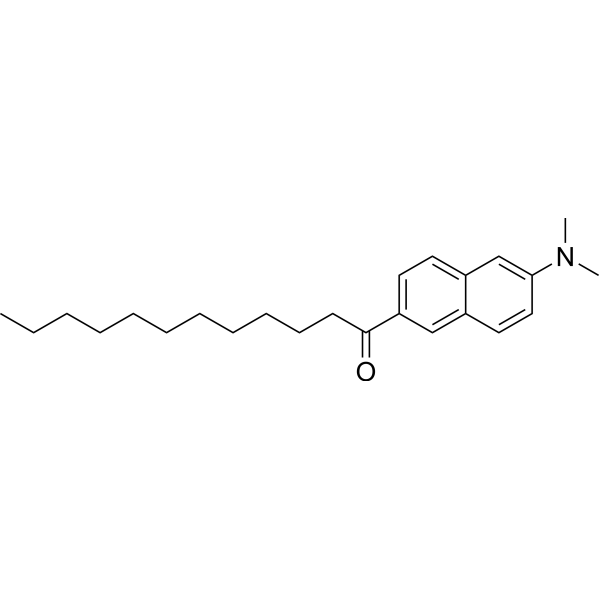 0 ImagesLaurdan is a membrane-permeable fluorescent probe that displays spectral sensitivity to the phospholipid phase of the cell membrane to which it is bound. Quantitation of generalized polarization (GP) of Laurdan can be used to identify phospholipid phase (Ex/Em = 370/440-490 nm).
-
FITC-Dextran (MW 10000)
 0 ImagesCat. No.: HY-128868CAS No.: 60842-46-8FITC-Dextran (MW 10000) is a fluorescent probe for fluorescein isothiocyanate (FITC) dextran (Ex=495 nm; Em=525 nm). FITC-Dextran (MW 10000) can be used as a marker to reveal heat shock-induced cell damage and to study the early and late stages of apoptosis. FITC-Dextran (MW 10000) can also be used for cell permeability studies, such as blood-brain barrier permeability and determination of the extent of blood-brain barrier disruption.
-
Thiazolyl Blue
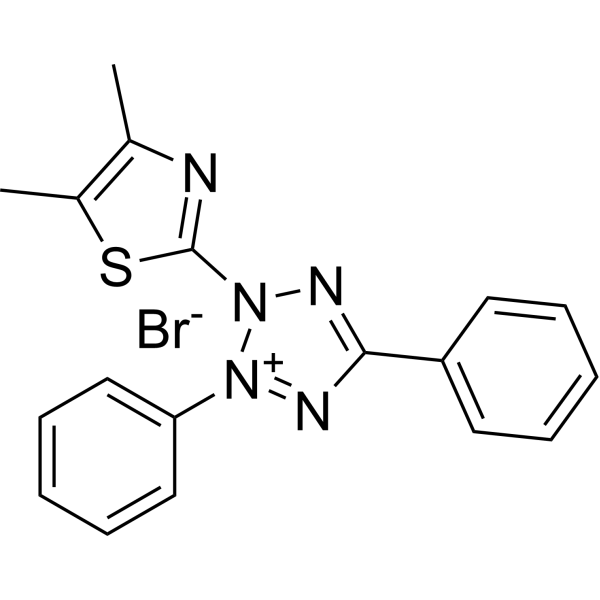 0 ImagesSynonyms: MTT; Thiazolyl Blue Tetrazolium bromide; Methylthiazolyldiphenyl-tetrazolium bromideThiazolyl Blue (MTT) is a cell-permeable and positively charged tetrazolium dye that is used to detect reductive metabolism in cells. Thiazolyl Blue is taken up by cells through the plasma membrane and then reduced to formazan by intracellular NAD (P) H-oxidoreductases. Thiazolyl Blue is frequently used in colorimetric assays to measure cell proliferation, cytotoxicity, and apoptosis.
-
PKH 26
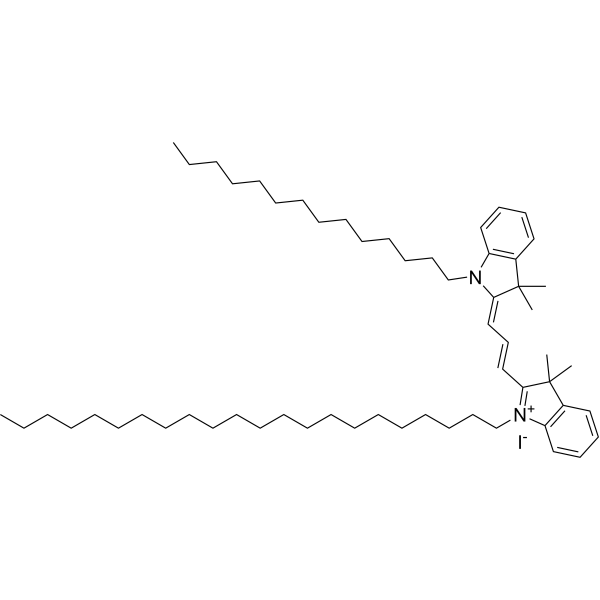 0 ImagesPKH 26 is a red fluorescent dye, PKH 26 can stably bind to the lipid region of cell membrane and emit red fluorescence (Ex/Em=551/567 nm), which is mainly used for in vitro cell labeling, in vitro cell proliferation studies and in vivo and in vitro cell tracing studies.
-
Coppersensor 1
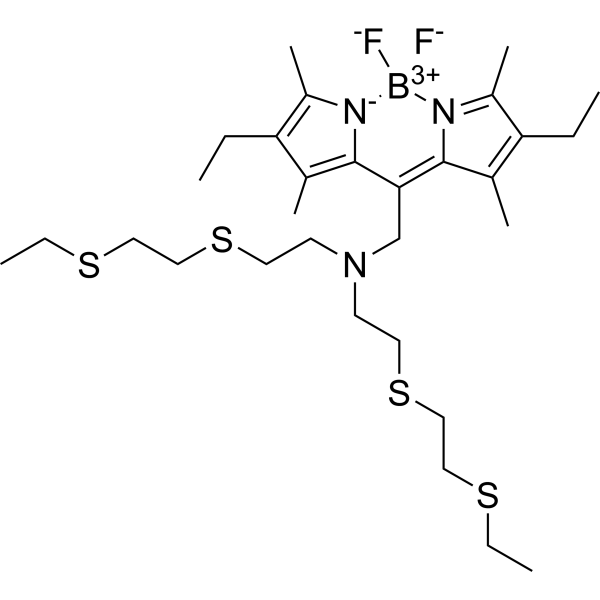 0 ImagesCat. No.: HY-141511CAS No.: 874748-20-6Coppersensor-1 (CS1) is a membrane-permeable fluorescent dye. Coppersensor-1 has a picomolar affinity for Cu+ with high selectivity over competing cellular metalions. Coppersensor-1 as a probe, can selective and sensitive detection of copper(I) ions (Cu+) in biological samples, including live cells. Coppersensor-1 can be used for the research of imaging of severe diseases such as cancer, cardiovascular disorders and neurogenerative diseases.
-
MitoTracker Green FM
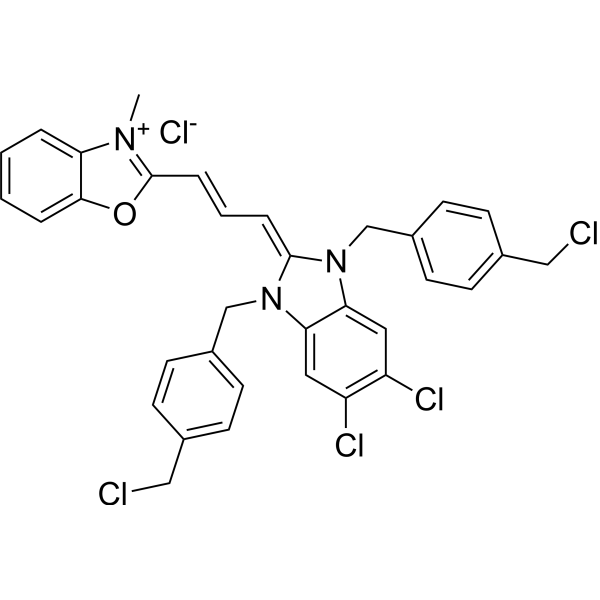 0 ImagesCat. No.: HY-135056CAS No.: 201860-17-5Mito-Tracker Green is a green fluorescent dye that selectively accumulates in the mitochondrial matrix. MitoTracker Green FM covalently binds mitochondrial proteins by reacting with free mercaptan of cysteine residues, allowing staining of mitochondrial membrane potential independent of membrane potential. Excitation/emission wavelength 490/523 nm.
-
MitoTracker Deep Red FM
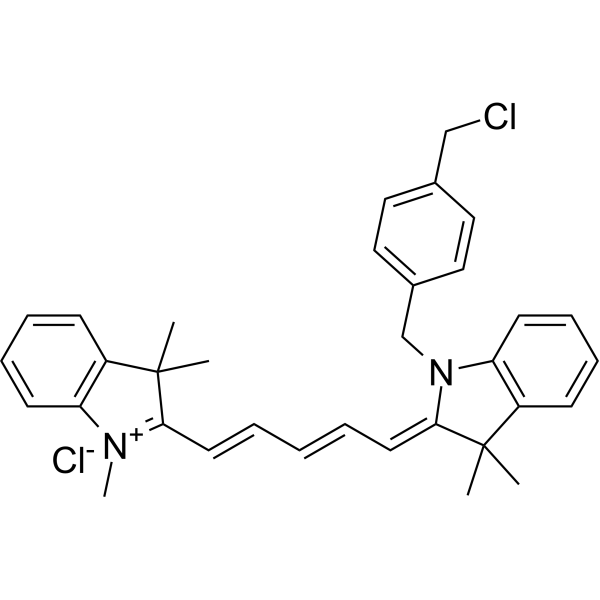 0 ImagesSynonyms: MTDR FMMitoTracker Deep Red (MTDR) FM fluorescent dye that selectively accumulates in the mitochondrial matrix. MitoTracker Deep Red FM covalently binds mitochondrial proteins by reacting with free mercaptan of cysteine residues, allowing staining of mitochondrial membrane potential independent of membrane potential. Excitation/emission wavelength 644/665 nm. MitoTracker Deep Red dyes have an excitation/emission wavelength of 633/650-750 nm.
The Ex/Em of MitoTracker Deep Red (MTDR) FM is 644/665 nm.
-
TMRM Perchlorate
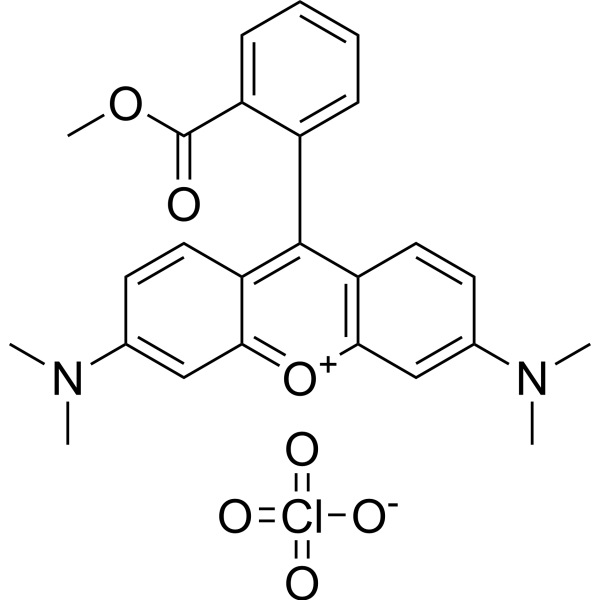 0 ImagesSynonyms: T668Rhodamine dyes are membrane-permeable cationic fluorescent probes that specifically recognize mitochondrial membrane potentials, thereby attaching to mitochondria and producing bright fluorescence, and at certain concentrations, rhodamine dyes have low toxicity to cells, so they are commonly used to detect mitochondria in animal cells, plant cells, and microorganisms.
-
D-Luciferin
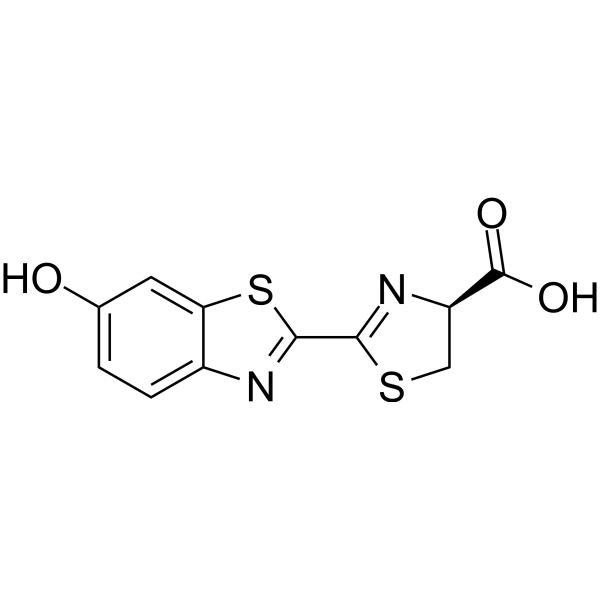 0 ImagesSynonyms: D-(-)-Luciferin; Firefly luciferin; Beetle LuciferinD-luciferin is the natural substrate of the enzyme luciferase (Luc) that catalyzes the production of the typical yellowgreen light of fireflies. The 560 nm chemiluminescence from this reaction peaks within seconds, with light output that is proportional to luciferase concentration when the substrate luciferin is present in excess. The luciferase (luc) gene is a popular reporter gene for research and agent screening. Chemiluminescent techniques are virtually background-free, making the luc reporter gene ideal for detecting low-level gene expression. As little as 0.02 pg of luciferase can be reliably measured in a standard scintillation counter. In addition to its role as a reporter of gene expression, luciferase is commonly used in an extremely sensitive assay for ATP. We of er the firefly luciferase (HY-P1004A), luciferin free acid (HY-12591A), as well as its water-soluble sodium salts (HY-12591) and potassium salts (HY-12591B) .
-
RhoNox-1
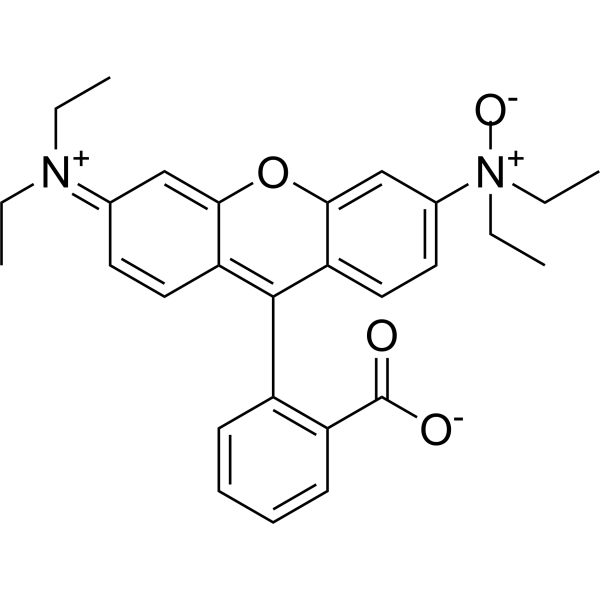 0 ImagesRhoNox-1 is a fluorescent probe for the specific detection of divalent iron ions, and when RhoNox-1 reacts with Fe2+. RhoNox-1 can generate an irreversible orange (red) fluorescent product (Ex/Em:540/575 nm) . FeRhoNox-1 can enter the cell well, suitable for the detection of Fe2+ in living cells, and tends to be localized in the Golgi apparatus.
-
Biotinyl tyramide
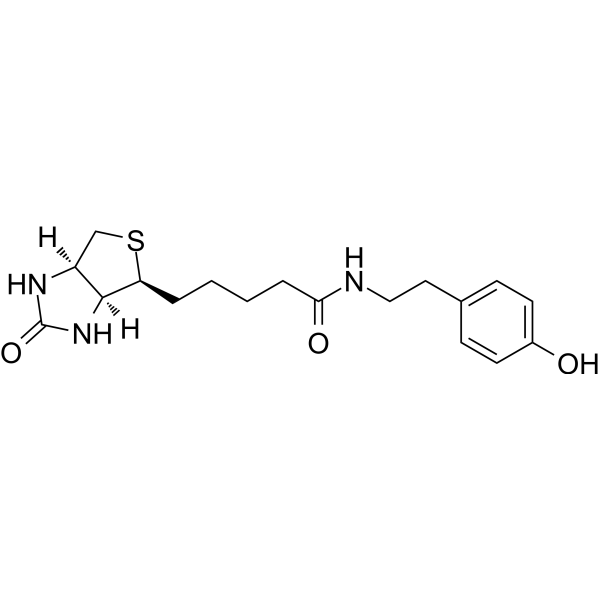 0 ImagesBiotinyl tyramide is a biotin derivative used for tyramide signal amplification (TSA), as a reagent to amplify both immunohistochemical signals and in situ hybridization protocols. Biotinyl tyramide can be used for the research of tyramide signal amplification.
-
CY5-SE
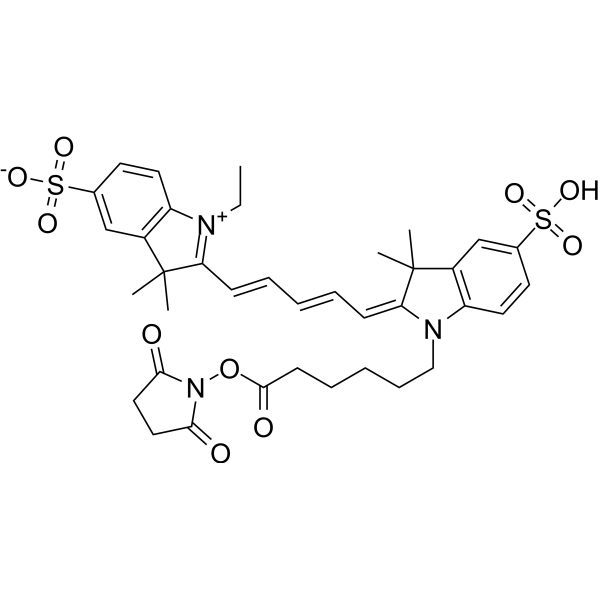 0 ImagesSynonyms: Cy5 NHS Ester; Sulfo-Cyanine5 Succinimidyl EsterCy5-SE (Cy5 NHS Ester) is a reactive dye for the labeling of amino-groups in peptides, proteins, and oligonucleotides. This dye requires small amount of organic co-solvent (such as DMF or DMSO) to be used in labeling reaction. This reagent is ideal for very cost-efficient labeling of soluble proteins, as well as all kinds of peptides and oligonucleotides. This reagent also works well in organic solvents for small molecule labeling. Excitation (nm):649, Emission (nm): 670.
-
Halo tag TMR
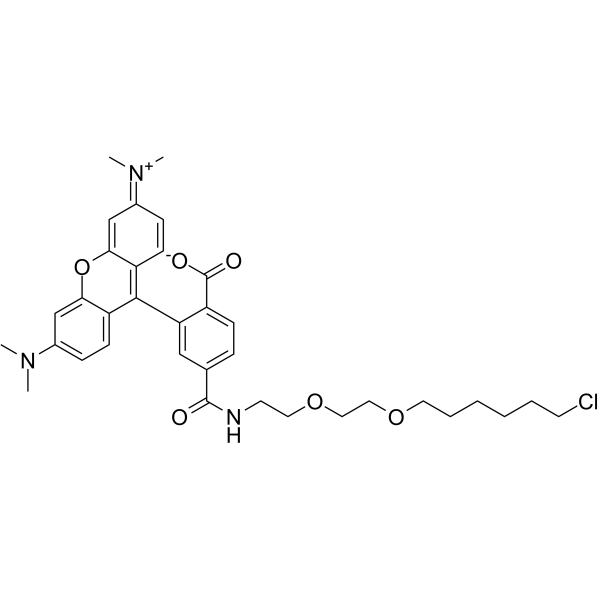 0 ImagesCat. No.: HY-D2270CAS No.: 2764890-88-0Halo tag TMR is a red fluorescent dye composed of Halo tag ligand molecules and TMR (TAMRA). Halo tag can quickly and stably covalently bind to Halo protein with high specificity and affinity (Ex/Em = 550/576 nm).




