



AP-III-a4
Based on 18 publication(s) in Google Scholar
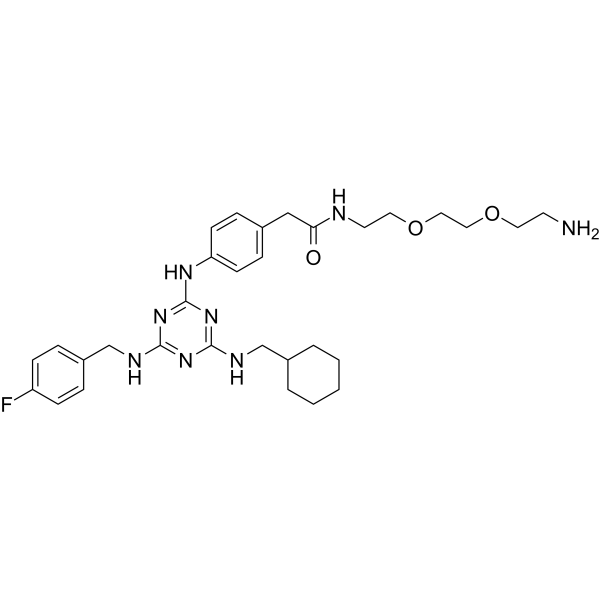
AP-III-a4 (ENOblock) is a nonsubstrate analogue enolase inhibitor with an IC50 of 0.576 uM. AP-III-a4 can be used for the research of cancer and diabetic.
Nur für Forschungszwecke. Wir verkaufen nicht an Patienten.
- Reinheit : 99.37%
- CAS. Nr.: 1177827-73-4
- Formel: C31H43FN8O3
- Molecular Weight:594.72
-
Speicherung:
4°C, protect from light
* In solvent : -80°C, 6 months; -20°C, 1 month (protect from light)

To place orders, for customer services and technical support, please contact: MedChemExpress USA
Tel: 609-228-6898 E-mail: [email protected] [email protected]


-
 Biologische Aktivität
-
Chemical Information
-
Lösungsmittel & Löslichkeit
- Reinheit & Dokumentation
- Verweise
-
 Help & FAQs


-
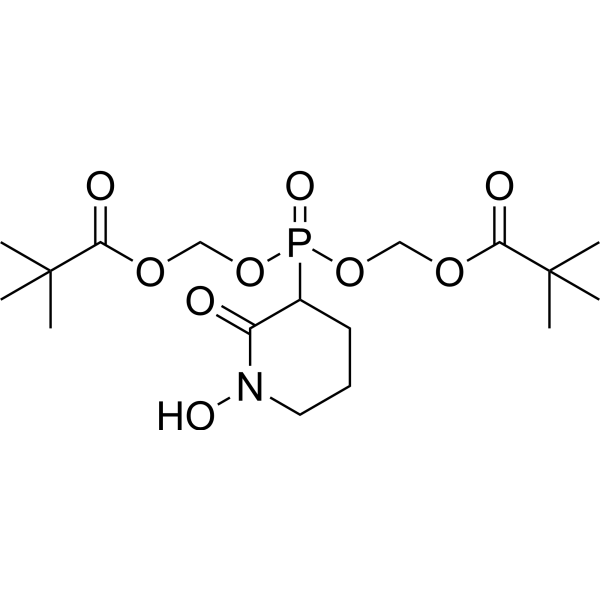
HY-131904
POMHEXENO2 Inhibitor -
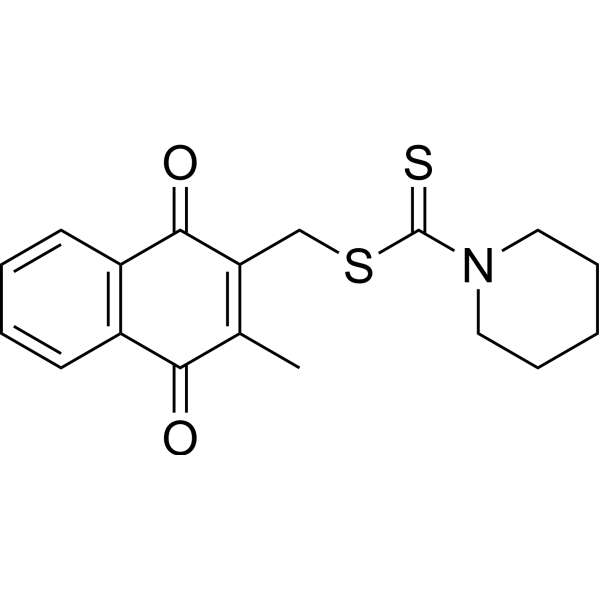
HY-103617
PKM2-IN-1PKM2 Inhibitor -
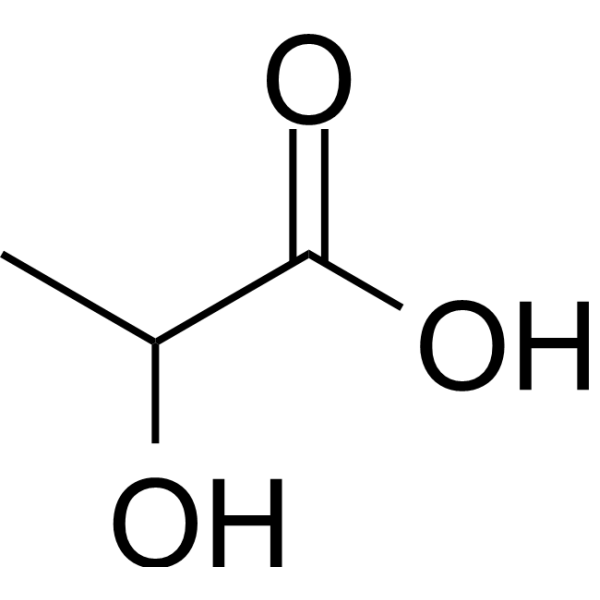
HY-B2227
Lactic acidGlycolysis Production -
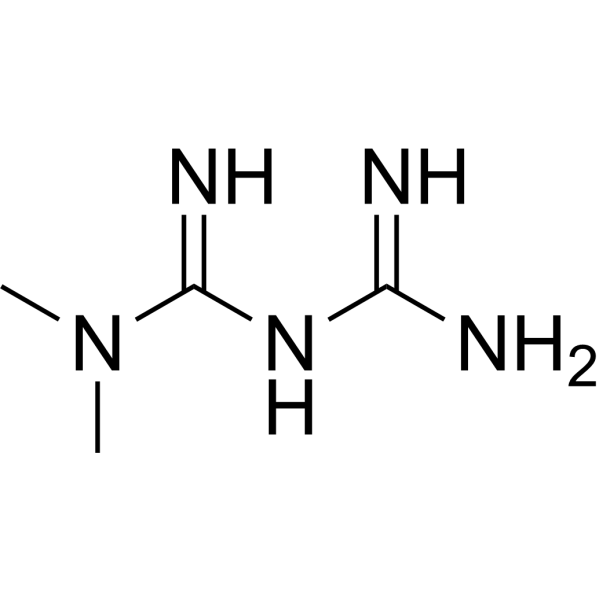
HY-B0627
MetforminAntihyperglycemic Agent -
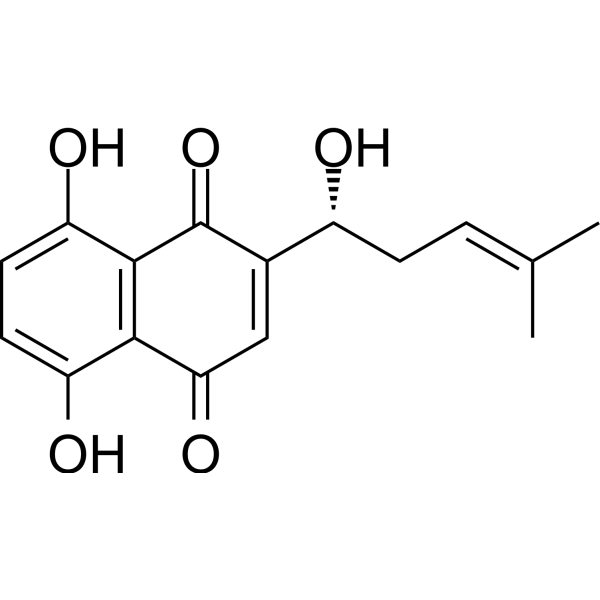
HY-N0822
ShikoninChloride Channel Inhibitor -
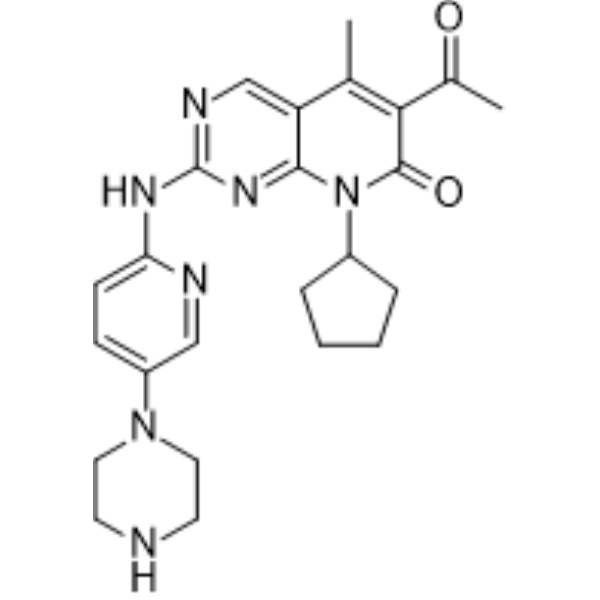
HY-50767
PalbociclibCDK4/6 Inhibitor -
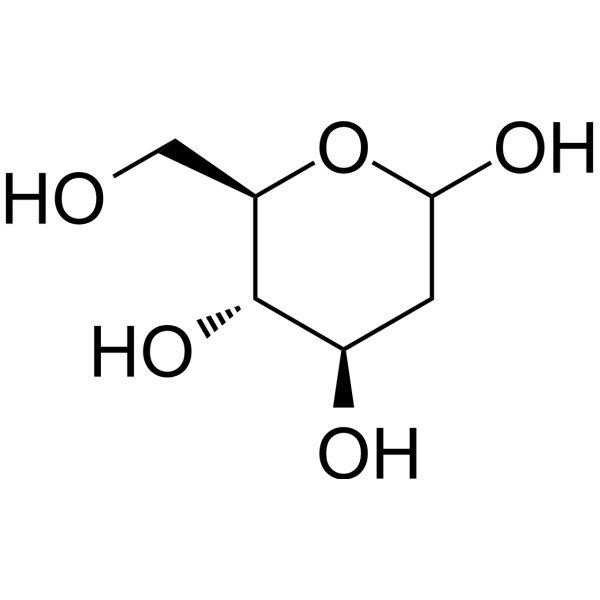
HY-13966
2-Deoxy-D-glucoseGlycolysis Inhibitor -

HY-K0301
Cell Counting Kit-8 -
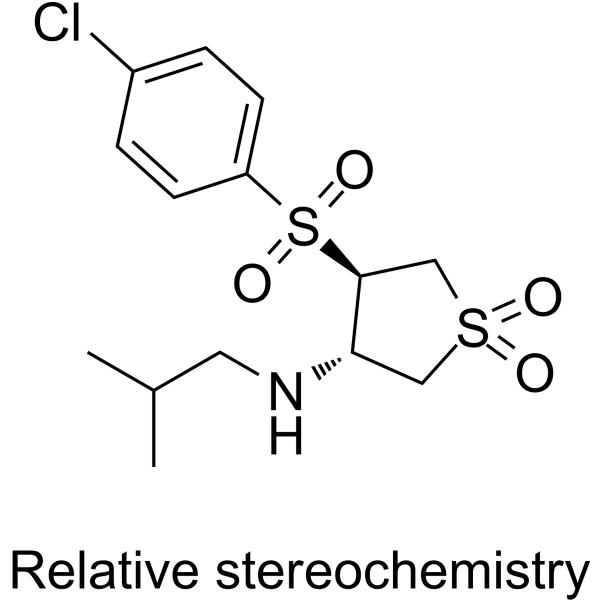
HY-134205A
CBR-470-1PGK1 Inhibitor -
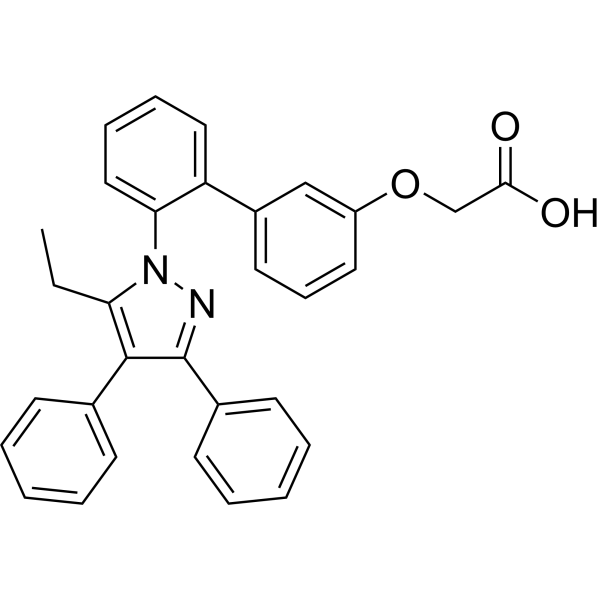
HY-101903
BMS-309403FABP4 Inhibitor -

HY-D1056
Lipopolysaccharides, from E. coli O55:B5Endotoxin -
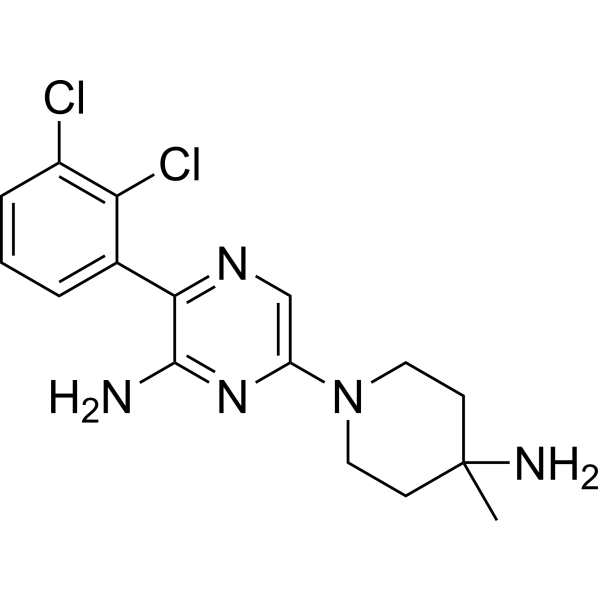
HY-100388
SHP099SHP2 Inhibitor
Publications Citing Use of MedChemExpress (MCE) AP-III-a4
More- Signal Transduct Target Ther. 2026 Aug 21;11(1):341.
- Cancer Cell. 2024 Aug 12;42(8):1386-1400.e8. [Abstract]
- Gastroenterology. 2024 May;166(5):772-786.e14. [Abstract]
- Nat Aging. 2026 Apr;6(4):831-848. [Abstract]
- Cancer Res. 2025 Nov 21:10.1158/0008-5472.CAN-24-3753. [Abstract]
- Nat Commun. 2026 Feb 12;17(1):1214. [Abstract]
- Cell Discov. 2020 Aug 18:6:56. [Abstract]
- Theranostics. 2019 Aug 12;9(20):5769-5783. [Abstract]
- Acta Pharm Sin B. 2026 Mar 14.
- Proc Natl Acad Sci U S A. 2025 May 13;122(19):e2415089122. [Abstract]
- EMBO Mol Med. 2025 Dec;17(12):3496-3524. [Abstract]
- Int J Mol Sci. 2025 Apr 13;26(8):3677. [Abstract]
- Cancers (Basel). 2020 Jan 29;12(2):311. [Abstract]
- Biomedicines. 2026 May 18;14(5):1145. [Abstract]
- bioRxiv. 2024 October 25.
- Biomed Pharmacother. 2024 Aug:177:116970. [Abstract]
- SSRN. 2023 Feb 10.
- Research Square Print. November 14th, 2022
 Customer Validation & Images

-
Bio/Physico-chemical Assay
-
RT-PCR
-
Cell Proliferation/Viability Assay
-
WB
-
Bio/Physico-chemical Assay


Biologische Aktivität
Beschreibung
IC50 & Target
IC50: 0.576 uM (enolase)[1]
Cellular Effect
|
Cell Line

|
Type | Value | Description | References |
|---|---|---|---|---|
| HUVEC | IC50 |
48.25 μg/mL
Compound: ENOblock
|
Cytotoxicity against human HUVEC cells assessed as cell viability measured after 24 hrs by CCK-8 assay
Cytotoxicity against human HUVEC cells assessed as cell viability measured after 24 hrs by CCK-8 assay
|
[PMID: 38381075] |
In Vitro
AP-III-a4 (ENOblock) (0-10 μM; 24 h) inhibits HCT116 cell viability in a dose-dependent manner[1].
AP-III-a4 directly binds to enolase and inhibits its activity[1].
AP-III-a4 (0-10 μM; 24 or 48 h) inhibits cancer cell migration and invasion, induces cancer cell apoptosis[1].
AP-III-a4 (10 μM; 24 h) can induce glucose uptake and inhibit phosphoenolpyruvate carboxykinase (PEPCK) expression in hepatocytes and kidney cells[1].
MedChemExpress (MCE) has not independently confirmed the accuracy of these methods. They are for reference only.
-
Cell Line:HCT116
-
Concentration:1.25, 2.5, 5 and 10 μM
-
Incubation Time:24 h
-
Result:Induced higher levels of HCT116 colon cancer cell death in hypoxic conditions compared to normoxia.
-
Cell Line:HCT116
-
Concentration:1.25, 2.5, 5 and 10 μM
-
Incubation Time:24 h for AKT, 48 h for Bcl-Xl
-
Result:Bound to enolase in cell lysate and bound to purified enolase.
Decreased the expression of AKT and Bcl-Xl, which are negative regulators of apoptosis.
-
Cell Line:HCT116
-
Concentration:0.156, 0.312, 0.625, 1.25 and 2.5 μM
-
Incubation Time:24 h
-
Result:Significantly inhibits cancer cell invasion at a treatment concentration of 0.625 μM.
-
Cell Line:HCT116
-
Concentration:0.625, 1.25 and 2.5 μM
-
Incubation Time:24 h
-
Result:Inhibited cell migration dose-dependently.
-
Cell Line:Huh7 and HEK
-
Concentration:10 μM
-
Incubation Time:24 h
-
Result:Induced glucose uptake and inhibited PEPCK expression.
In Vivo
MedChemExpress (MCE) has not independently confirmed the accuracy of these methods. They are for reference only.
-
Animal Model:The zebrafish cancer cell HCT116 xenograft model[1]
-
Dosage:10 μM
-
Administration:96 h
-
Result:Reduced cancer cell dissemination. Inhibited PEPCK expression and induced glucose uptake. Inhibited adipogenesis and foam cell formation.


Chemical Information
-
CAS. Nr. 1177827-73-4
-
Appearance Solid
-
Molecular Weight 594.72
-
Formel C31H43FN8O3
-
Color Off-white to light yellow
-
SMILES
FC1=CC=C(CNC2=NC(NCC3CCCCC3)=NC(NC4=CC=C(CC(NCCOCCOCCN)=O)C=C4)=N2)C=C1
-
Synonyms
ENOblock
-
Versand
Room temperature in continental US; may vary elsewhere.
-
Speicherung
4°C, protect from light
* In solvent : -80°C, 6 months; -20°C, 1 month (protect from light)


Publications (18)
-
Journal Impact Factor
-
Most Recent
-
-
Cancer Cell
Integrative plasma and fecal metabolomics identify functional metabolites in adenoma-colorectal cancer progression and as early diagnostic biomarkers. [Abstract]2024 Aug 12;42(8):1386-1400.e8. PMID: 39137727
AP-III-a4 purchased from MedChemExpress. Usage Cited in: Cancer Cell. 2024 Aug 12;42(8):1386-1400.e8. [Abstract]
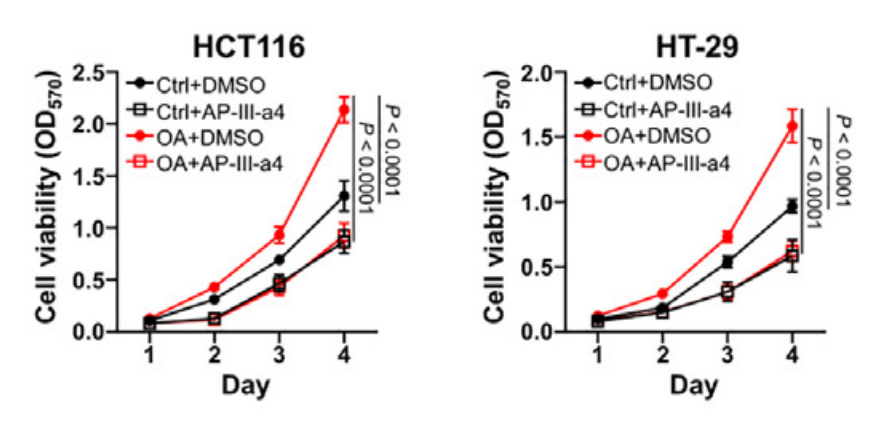
ENO1 antagonist AP-III-a4 (10 μM) reversed the increase in viability of CRC cells (HCT116, HT-29) induced by oleic acid.
AP-III-a4 purchased from MedChemExpress. Usage Cited in: Cancer Cell. 2024 Aug 12;42(8):1386-1400.e8. [Abstract]
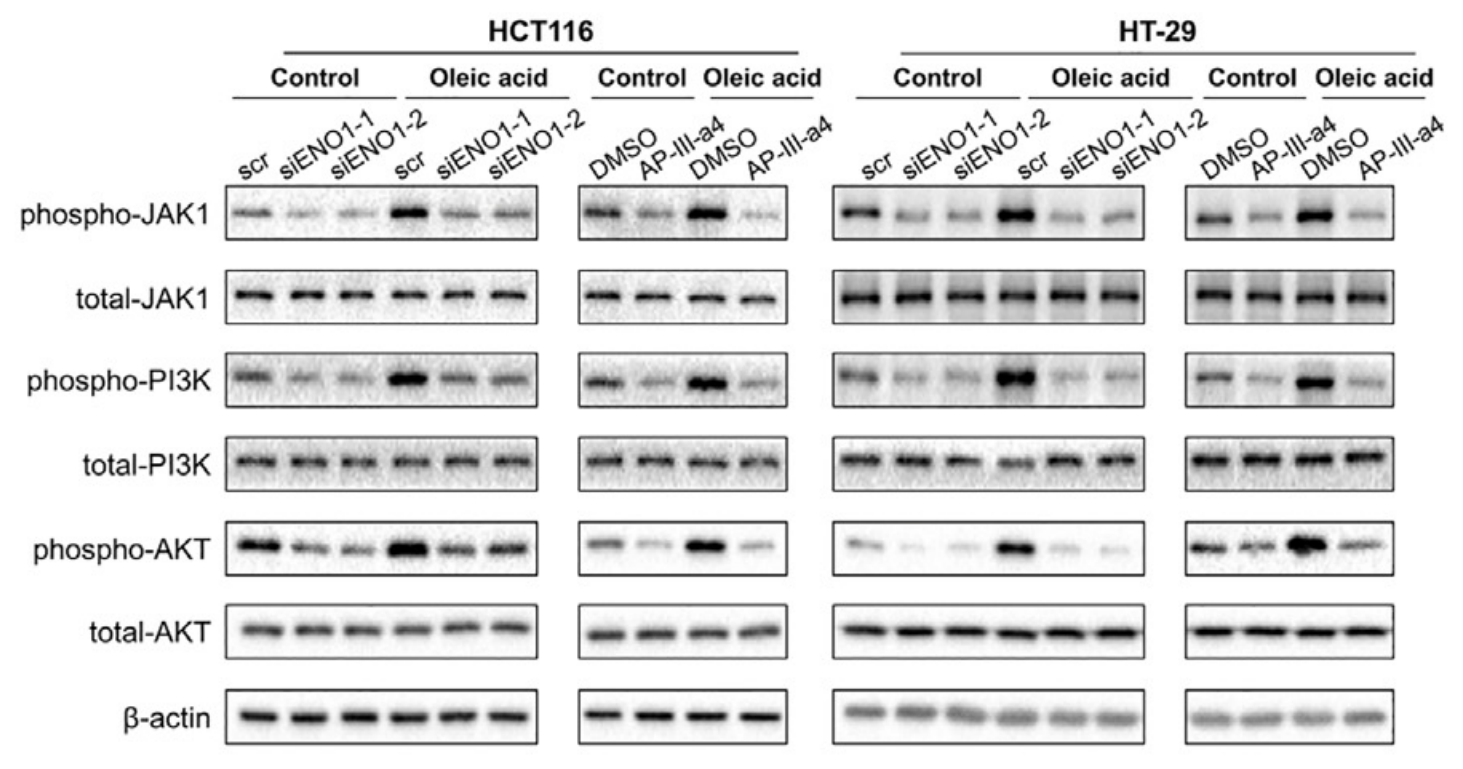
ENO1 antagonist AP-III-a4 (10 μM) reversed the increased protein expression of phosphorylated JAK1, PI3K, and AKT in human CRC cells (HCT116, HT-29) induced by oleic acid.
-
Gastroenterology
2024 May;166(5):772-786.e14. PMID: 38272100 -
Nat Aging
The glycolytic metabolite phosphoenolpyruvate restricts cGAS-driven inflammation to promote healthy aging. [Abstract]2026 Apr;6(4):831-848. PMID: 41792330 -
Cancer Res
Single-Cell Lineage Tracing Uncovers Resistance Signatures and Sensitizing Strategies to FLT3 Inhibitors in Acute Myeloid Leukemia. [Abstract]2025 Nov 21:10.1158/0008-5472.CAN-24-3753. PMID: 41270153 -
Nat Commun
Human iPSC-based Modeling of Pulmonary Fibrosis Reveals p300/CBP Inhibition Suppresses Alveolar Transitional Cell State. [Abstract]2026 Feb 12;17(1):1214. PMID: 41680175 -
Cell Discov
2020 Aug 18:6:56. PMID: 32864161 -
Theranostics
Inhibition of HSP90β Improves Lipid Disorders by Promoting Mature SREBPs Degradation via the Ubiquitin-proteasome System. [Abstract]2019 Aug 12;9(20):5769-5783. PMID: 31534518
AP-III-a4 purchased from MedChemExpress. Usage Cited in: Theranostics. 2019 Aug 12;9(20):5769-5783. [Abstract]
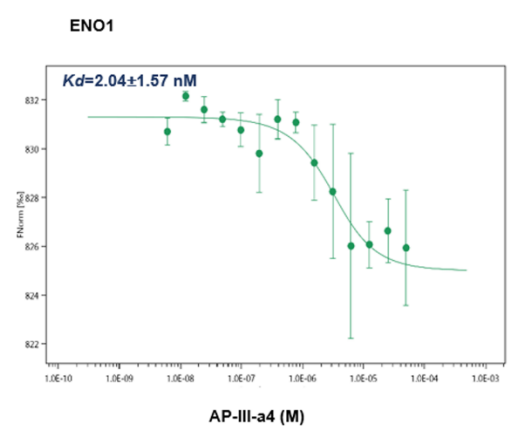
ENO1 concentration was kept constant at 20 nM and the small molecule was titrated from AP-III-a4 (50 μM).
-
-
Proc Natl Acad Sci U S A
Proviral insights of glycolytic enolase in Bamboo mosaic virus replication associated with chloroplasts and mitochondria. [Abstract]2025 May 13;122(19):e2415089122. PMID: 40327700
AP-III-a4 purchased from MedChemExpress. Usage Cited in: Proc Natl Acad Sci U S A. 2025 May 13;122(19):e2415089122. [Abstract]
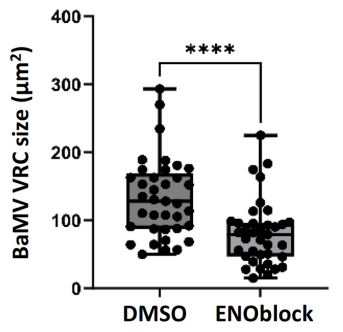
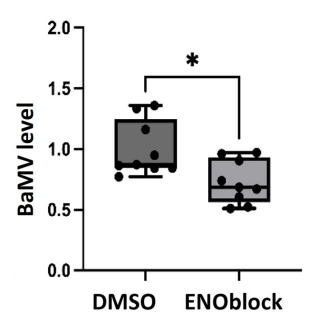
AP-III-a4 (ENOblock) (20 μM; 16 h) significantly reduced the size of BaMV VRC clusters of 3-wk-old WT N. benthamiana.
AP-III-a4 purchased from MedChemExpress. Usage Cited in: Proc Natl Acad Sci U S A. 2025 May 13;122(19):e2415089122. [Abstract]
AP-III-a4 (ENOblock) (20 μM; 16 h) significantly reduced the BaMV titer of 3-wk-old WT N. benthamiana.
-
EMBO Mol Med
2025 Dec;17(12):3496-3524. PMID: 41174184 -
Int J Mol Sci
Paeoniflorin Directly Targets ENO1 to Inhibit M1 Polarization of Microglia/Macrophages and Ameliorates EAE Disease. [Abstract]2025 Apr 13;26(8):3677. PMID: 40332313 -
Cancers (Basel)
Cinnamaldehyde Enhances Antimelanoma Activity through Covalently Binding ENO1 and Exhibits a Promoting Effect with Dacarbazine. [Abstract]2020 Jan 29;12(2):311. PMID: 32013122 -
Biomedicines
HIF-1α Promotes Macrophage Extracellular Trap Formation and Exacerbates Acute Lung Injury in Neonatal Sepsis. [Abstract]2026 May 18;14(5):1145. PMID: 42193470 -
-
Biomed Pharmacother
Ciwujianoside E inhibits Burkitt lymphoma cell proliferation and invasion by blocking ENO1-plasminogen interaction and TGF-β1 activation. [Abstract]2024 Aug:177:116970. PMID: 38897160 -
-


Lösungsmittel & Löslichkeit
In Vitro:
DMSO : 100 mg/mL (168.15 mM; Need ultrasonic; Hygroscopic DMSO has a significant impact on the solubility of product, please use newly opened DMSO)
H2O : < 0.1 mg/mL (insoluble)
Please refer to the solubility information to select the appropriate solvent. Once prepared, please aliquot and store the solution to prevent product inactivation from repeated freeze-thaw cycles.
Storage method and period of stock solution: -80°C, 6 months; -20°C, 1 month (protect from light). When stored at -80°C, please use it within 6 months. When stored at -20°C, please use it within 1 month.
Please refer to the solubility information to select the appropriate solvent. Once prepared, please aliquot and store the solution to prevent product inactivation from repeated freeze-thaw cycles.
Storage method and period of stock solution: -80°C, 6 months; -20°C, 1 month (protect from light). When stored at -80°C, please use it within 6 months. When stored at -20°C, please use it within 1 month.
Konzentration (Stammlösung) × Volumen (Stammlösung) = Konzentration (Ziellösung) × Volumen (Ziellösung)
In Vivo:
Select the appropriate dissolution method based on your experimental animal and administration route.
- For the following dissolution methods, please ensure to first prepare a clear stock solution using an In Vitro approach and then sequentially add co-solvents:
- To ensure reliable experimental results, the clarified stock solution can be appropriately stored based on storage conditions. As for the working solution for In Vivo experiments, it is recommended to prepare freshly and use it on the same day.
- The percentages shown for the solvents indicate their volumetric ratio in the final prepared solution. If precipitation or phase separation occurs during preparation, heat and/or sonication can be used to aid dissolution.
Add each solvent one by one: 10% DMSO 40% PEG300 5% Tween-80 45% Saline
Solubility: ≥ 2.5 mg/mL (4.20 mM); Clear solution
This protocol yields a clear solution of ≥ 2.5 mg/mL (saturation unknown).
Taking 1 mL working solution as an example, add 100 μL DMSO stock solution (25.0 mg/mL) to 400 μL PEG300, and mix evenly; then add 50 μL Tween-80 and mix evenly; then add 450 μL Saline to adjust the volume to 1 mL.
Preparation of Saline: Dissolve 0.9 g sodium chloride in ddH₂O and dilute to 100 mL to obtain a clear Saline solution.
Add each solvent one by one: 10% DMSO 90% (20% SBE-β-CD in Saline)
Solubility: 2.5 mg/mL (4.20 mM); Suspended solution; Need ultrasonic
This protocol yields a suspended solution of 2.5 mg/mL. Suspended solution can be used for oral and intraperitoneal injection.
Taking 1 mL working solution as an example, add 100 μL DMSO stock solution (25.0 mg/mL) to 900 μL 20% SBE-β-CD in Saline, and mix evenly.
Preparation of 20% SBE-β-CD in Saline (4°C, storage for one week): 2 g SBE-β-CD powder is dissolved in 10 mL Saline, completely dissolve until clear.
In Vivo Dissolution Calculator
Please enter the basic information of animal experiments:
-
-
-
-
Recommended: Prepare an additional quantity of animals to account for potential losses during experiments.
Please enter your animal formula composition:
-
%DMSO +
Recommended: Keep the proportion of DMSO in working solution below 2% if your animal is weak.
-
%+
-
+%Tween-80 + +
-
%Saline +
The co-solvents required include: DMSO, . All of co-solvents are available by MedChemExpress (MCE). , Tween 80. All of co-solvents are available by MedChemExpress (MCE).
Working solution concentration: 0.22 mg/mL
Method for preparing stock solution: mg drug dissolved in μL DMSO. Stock solution concentration: mg/mL. * In solvent : -80°C, 6 months; -20°C, 1 month (protect from light)
1. Take μL DMSO stock solution;
2. Add μL .
μL , mix evenly;
3. Then add μL Tween 80, mix evenly;
4. Then add μL
Please ensure that the stock solution in the first step is dissolved to a clear state, and add co-solvents in sequence. You can use ultrasonic heating (ultrasonic cleaner, recommended frequency 20-40 kHz), vortexing, etc. to assist dissolution.


Reinheit & Dokumentation
-
Data Sheet (275 KB)
-
SDS (394 KB)
- English - EN (394 KB)
- Français - FR (394 KB)
- Deutsch - DE (394 KB)
- Norwegian - NO (394 KB)
- Español - ES (394 KB)
- Swedish - SV (394 KB)
- Italian - IT (394 KB)
- Korean - KR (394 KB)
- Portuguese - PT (394 KB)
-
Handling Instructions (2659 KB)
Verweise


Complete Stock Solution Preparation Table
Please refer to the solubility information to select the appropriate solvent. Once prepared, please aliquot and store the solution to prevent product inactivation from repeated freeze-thaw cycles.
Storage method and period of stock solution: -80°C, 6 months; -20°C, 1 month (protect from light). When stored at -80°C, please use it within 6 months. When stored at -20°C, please use it within 1 month.
| Optional Solvent | Concentration Solvent Mass | 1 mg | 5 mg | 10 mg | 25 mg |
|---|---|---|---|---|---|
| DMSO | 1 mM | 1.6815 mL | 8.4073 mL | 16.8146 mL | 42.0366 mL |
| 5 mM | 0.3363 mL | 1.6815 mL | 3.3629 mL | 8.4073 mL | |
| 10 mM | 0.1681 mL | 0.8407 mL | 1.6815 mL | 4.2037 mL | |
| 15 mM | 0.1121 mL | 0.5605 mL | 1.1210 mL | 2.8024 mL | |
| 20 mM | 0.0841 mL | 0.4204 mL | 0.8407 mL | 2.1018 mL | |
| 25 mM | 0.0673 mL | 0.3363 mL | 0.6726 mL | 1.6815 mL | |
| 30 mM | 0.0560 mL | 0.2802 mL | 0.5605 mL | 1.4012 mL | |
| 40 mM | 0.0420 mL | 0.2102 mL | 0.4204 mL | 1.0509 mL | |
| 50 mM | 0.0336 mL | 0.1681 mL | 0.3363 mL | 0.8407 mL | |
| 60 mM | 0.0280 mL | 0.1401 mL | 0.2802 mL | 0.7006 mL | |
| 80 mM | 0.0210 mL | 0.1051 mL | 0.2102 mL | 0.5255 mL | |
| 100 mM | 0.0168 mL | 0.0841 mL | 0.1681 mL | 0.4204 mL |


AP-III-a4 Related Classifications
HY-15858 Related Classifications
 Powered by Bioz