



ERK
ERK1/2 are related protein-serine/threonine kinases in the Ras-Raf-MEK-ERK cascade, which regulates cell adhesion, cell-cycle progression, migration, survival, differentiation, metabolism, proliferation, and transcription[1]. Mechanistically, MEK1/2 phosphorylates ERK1/2, enabling ERK-dependent signaling outputs that connect extracellular stimulation to nuclear and cytoplasmic responses[1]. In cell-cycle research, sustained ERK1/2 activation supports G1-to-S-phase progression and regulates positive and antiproliferative cell-cycle factors[2]. In disease-relevant models, deregulated ERK1/2 activity associates with developmental syndromes and several human diseases, making pathway output a practical readout for phosphoproteomics and signaling-network studies[3]. Compared with related isoforms, ERK1 and ERK2 show strong functional redundancy during development, and mouse genetic data indicate that total ERK1/2 activity, rather than strict isoform identity, determines developmental output[4]. Evolutionary analysis also supports interchangeable ERK1/2 action in tetrapods and highlights total ERK quantity as a relevant experimental variable[5]. For experimental applications, selective ERK1/2 inhibitors such as SCH772984 exploit a unique ERK1/2 binding site and provide tools for probing kinase activity and pathway dependence[6]. Clinically oriented studies use ulixertinib as an ERK1/2 inhibitor with preclinical activity in BRAF- and RAS-mutant cancer models[7].
Références:
- [1]. Roskoski R Jr. ERK1/2 MAP kinases: structure, et al. ERK1/2 MAP kinases: structure, function, and regulation. Pharmacol Res. 2012 Aug;66(2):105-43. [Content Brief]
- [2]. Meloche S, et al. The ERK1/2 mitogen-activated protein kinase pathway as a master regulator of the G1- to S-phase transition. Oncogene. 2007 May 14;26(22):3227-39. [Content Brief]
- [3]. Courcelles M, et al. Phosphoproteome dynamics reveal novel ERK1/2 MAP kinase substrates with broad spectrum of functions. Mol Syst Biol. 2013 May 28;9:669. [Content Brief]
- [4]. Frémin C, et al. Functional Redundancy of ERK1 and ERK2 MAP Kinases during Development. Cell Rep. 2015 Aug 11;12(6):913-21. [Content Brief]
- [5]. Buscà R, et al. ERK1 and ERK2 present functional redundancy in tetrapods despite higher evolution rate of ERK1. BMC Evol Biol. 2015 Sep 3;15:179. [Content Brief]
- [6]. Chaikuad A, et al. A unique inhibitor binding site in ERK1/2 is associated with slow binding kinetics. Nat Chem Biol. 2014 Oct;10(10):853-60. [Content Brief]
- [7]. Sullivan RJ, et al. First-in-Class ERK1/2 Inhibitor Ulixertinib (BVD-523) in Patients with MAPK Mutant Advanced Solid Tumors: Results of a Phase I Dose-Escalation and Expansion Study. Cancer Discov. 2018 Feb;8(2):184-195. [Content Brief]
-
ERK Produits associés (622)
Produits associés (622)

-
Daporinad
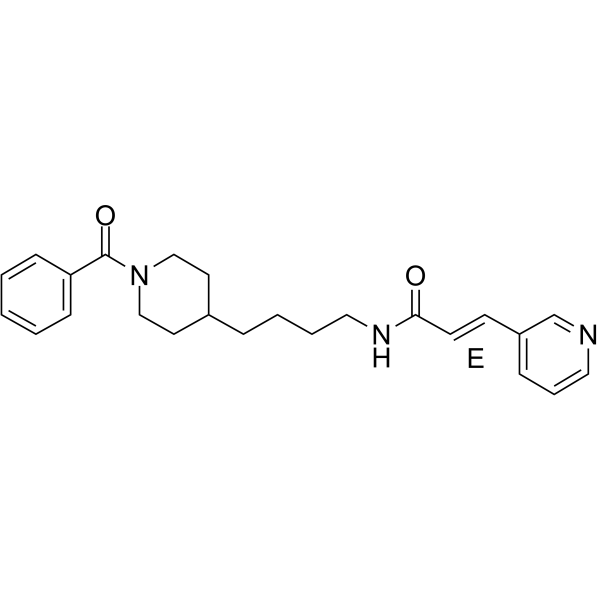 0 ImagesSynonyms: FK866; APO866Daporinad (FK866) is a non-competitive inhibitor of nicotinamide phosphoribosyltransferase (Nampt), with a Ki value of 0.3 nM. Daporinad depletes NAD+ and ATP levels, inhibits mTORC1 and MAPK/ERK pathways, and activates TFEB to induce autophagy. Daporinad causes the depletion of the endoplasmic reticulum Ca²⁺ pool, ultimately weakening the mitogen-induced Ca²⁺ signal and the activation and function of T cells. Daporinad induces cell cycle arrest and apoptosis, and inhibits cell proliferation. Daporinad can be used for the study of myeloma, liver cancer, and immunosuppression.
-
Tauroursodeoxycholate
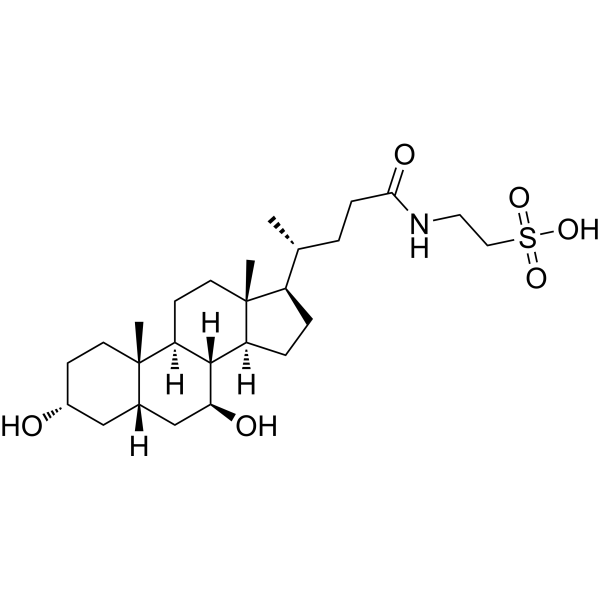 0 ImagesSynonyms: Tauroursodeoxycholic acid; TUDCA; UR 906
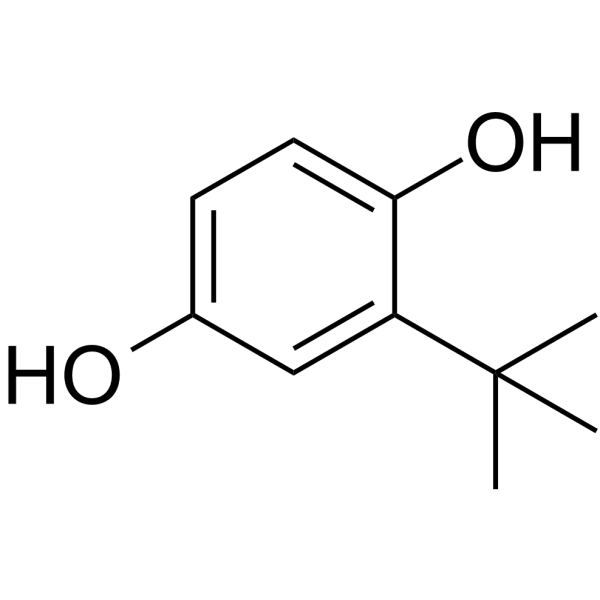
-
C16-PAF
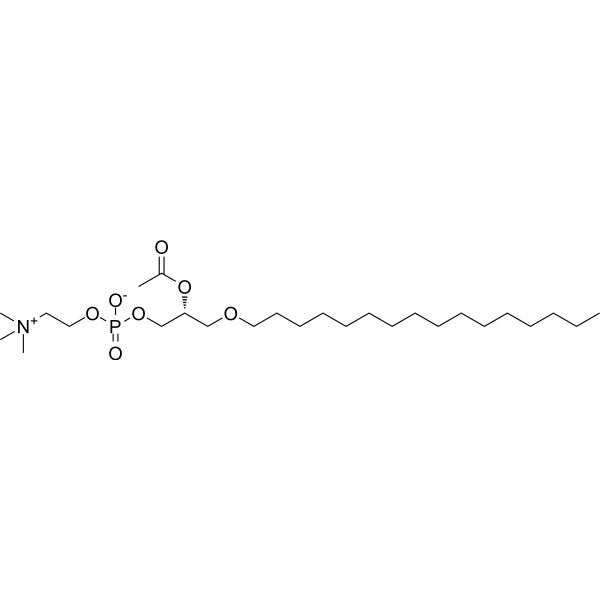 0 ImagesSynonyms: PAF (C16)C16-PAF (PAF (C16)), a phospholipid mediator, is a platelet-activating factor and ligand for PAF G-protein-coupled receptor (PAFR). C16-PAF exhibits anti-apoptotic effect and inhibits caspase-dependent death by activating the PAFR. C16-PAF is a potent MAPK and MEK/ERK activator. C16-PAF induces increased vascular permeability.
-
Tauroursodeoxycholate sodium
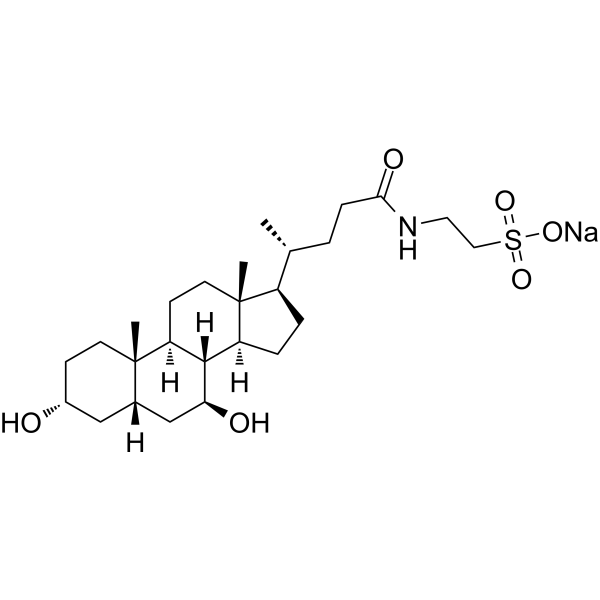 0 ImagesSynonyms: Tauroursodeoxycholic acid sodium; TUDCA sodium; UR 906 sodium
-
PACAP (1-38), human, ovine, rat
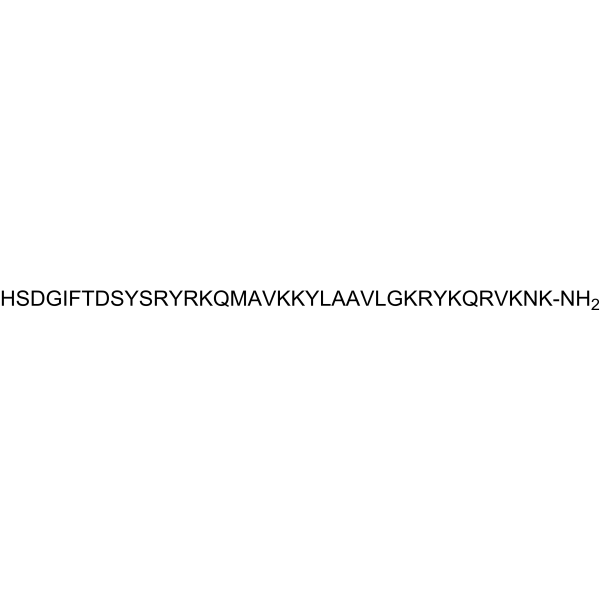 0 ImagesSynonyms: Pituitary Adenylate Cyclase Activating Polypeptide 38PACAP (1-38), human, ovine, rat is a PAC1 receptor agonist. PACAP (1-38), human, ovine, rat binds to PACAP type I receptor, PACAP type II receptor VIP1, and PACAP type II receptor VIP2 with IC50s of 4 nM, 2 nM, and 1 nM, respectively. PACAP (1-38), human, ovine, rat increases the α-secretase activity. PACAP (1-38), human, ovine, rat elevates cytosolic Ca2+, increases proliferation and increases phosphorylation of extracellular regulates kinase (ERK) and the epidermal growth factor receptor (EGFR). PACAP (1-38), human, ovine, rat demonstrates potent, efficacious, and sustained stimulatory effects on sympathetic neuronal NPY and catecholamine production. PACAP (1-38), human, ovine, rat can be used for neurotrophic and neuroprotective research.
-
Aminoguanidine hydrochloride
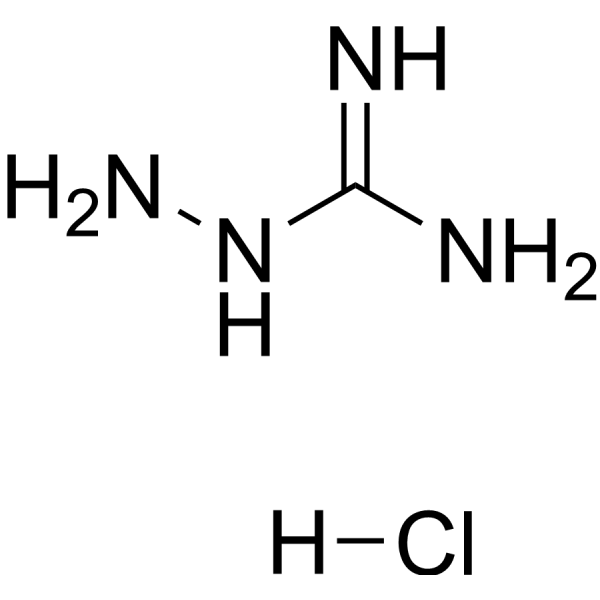 0 ImagesSynonyms: Pimagedine hydrochloride; GER-11; Aminoguanidinium hydrochlorideAminoguanidine (Pimagedine) hydrochloride is an inhibitor of diamine oxidase (DAO) and nitric oxide synthase (NOS). Aminoguanidine hydrochloride can reduce the formation of advanced glycation end products (AGEs). Aminoguanidine hydrochloride has a dose-dependent inhibitory effect on Doxorubicin (HY-15142)-induced cell apoptosis. Aminoguanidine hydrochloride has antioxidant properties. Aminoguanidine hydrochloride can be used in the research of diabetic nephropathy.
-
Patritumab
 0 ImagesSynonyms: AMG-888; U3-1287Patritumab (Human Anti-ERBB3 Recombinant Antibody) is a neutralizing monoclonal antibody to ERBB3. Patritumab shows a synergy with Cetuximab (HY-P9905), potently inhibits the phosphorylation of EGFR, HER2, HER3, ERK, and AKT. Patritumab also induces cell apoptosis and suppresses the growth of pancreatic, non-small cell lung cancer, and colorectal cancer xenograft tumors.
-
Lidocaine
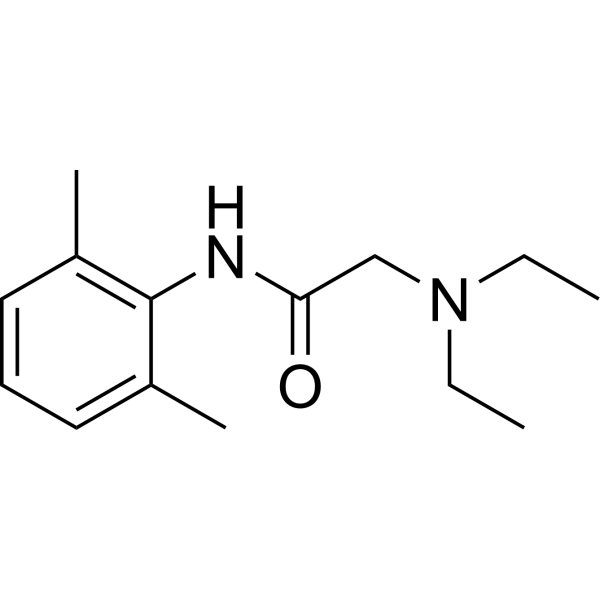 0 ImagesLidocaine (Lignocaine) inhibits sodium channels involving complex voltage and using dependence. Lidocaine decreases growth, migration and invasion of gastric carcinoma cells via up-regulating miR-145 expression and further inactivation of MEK/ERK and NF-κB signaling pathways. Lidocaine is an amide derivative and has potential for the research of ventricular arrhythmia.
-
Candidalysin
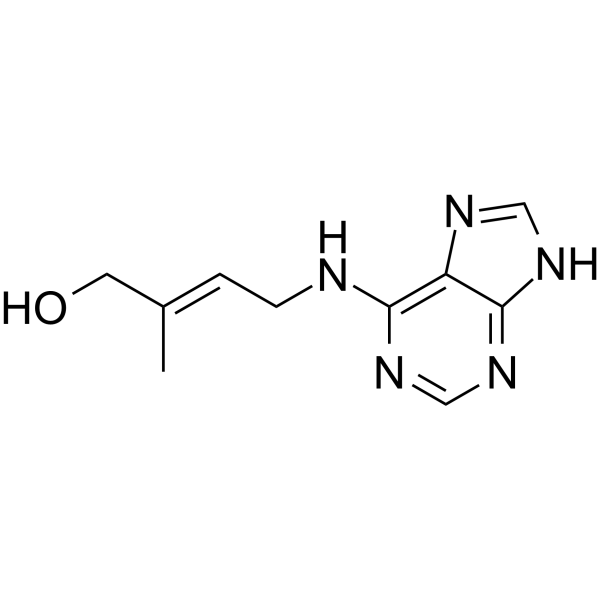
 0 ImagesCandidalysin is a cytolytic peptide toxin secreted by the fungus Candida albicans. Candidalysin drives epithelial immune responses by activating the EGFR-MAPK signaling pathway, inducing MMP expression and calcium influx, and regulating the c-Fos transcription factor and MKP1 via p38 MAPK and ERK1/2 respectively. Candidalysin is essential for mucosal and systemic infections, activating NLRP3 to promote inflammatory responses, neutrophil recruitment, and Th17 immunity. Candidalysin activates LDH causing membrane damage and exhibiting cytotoxicity
-
N-3-oxo-dodecanoyl-L-homoserine lactone
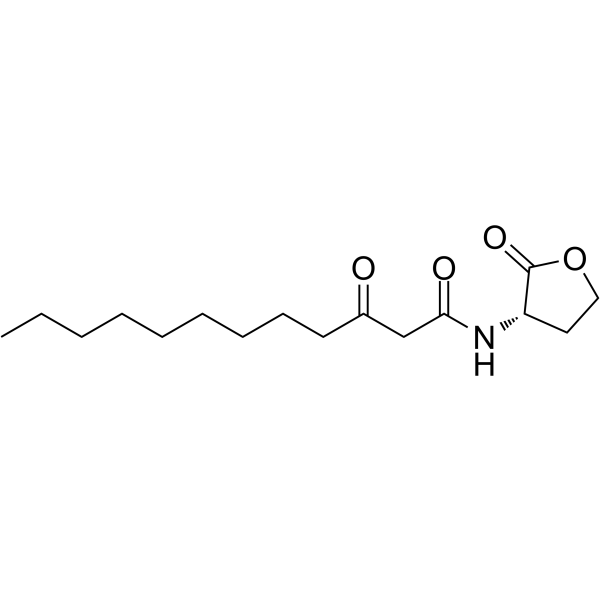 0 ImagesSynonyms: OdDHLN-3-oxo-dodecanoyl-L-Homoserine lactone (3-oxo-C12-HSL) is a bacterial quorum-sensing signaling molecule produced by P. aeruginosa and strains of the B. cepacia complex.Quorum sensing is a regulatory system used by bacteria for controlling gene expression in response to increasing cell density.N-3-oxo-dodecanoyl-L-Homoserine lactone induces the production of IL-8 in 16HBE human bronchial epithelial cells.
-
Ononin
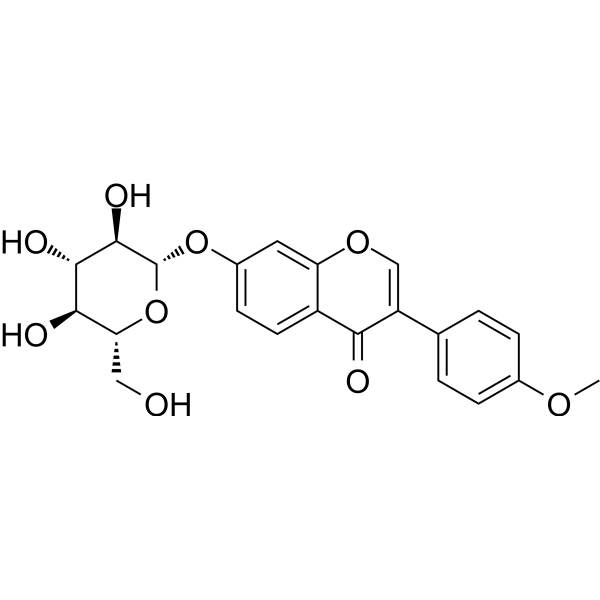 0 ImagesSynonyms: Ononoside; Formononetin 7-O-β-D-glucopyranosideOnonin is an orally active isoflavone. Ononin inhibits the ERK/JNK/p38 and PI3K/Akt/mTOR pathways. Ononin regulates Apoptosis. Ononin has anti-tumor effects on laryngeal cancer and lung cancer. Ononin has neuroprotective effects. Ononin alleviates endoplasmic reticulum stress and diabetic nephropathy.
-
FR900359
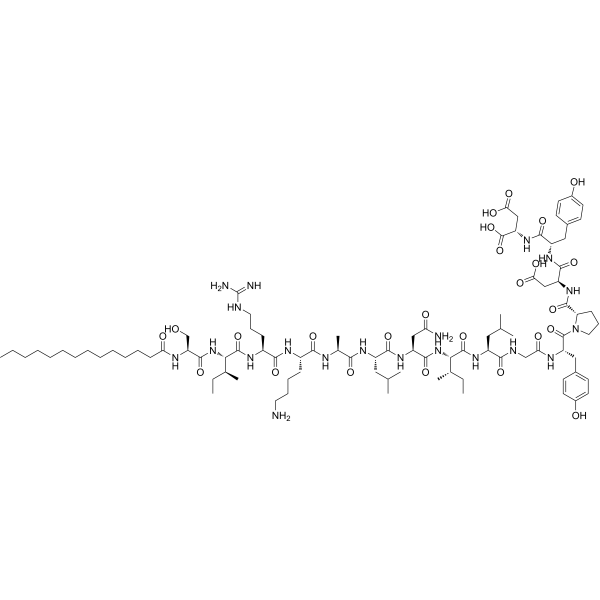
 0 ImagesFR900359 is a depsipeptide selective inhibitor of Gαq/11/14 in mammalia, can inhibits ERK pathway. FR900359 suppresses the proliferation of melanoma cells and decreases of blood pressure. FR900359 also protected against airway hyperreactivity in murine models of allergen sensitization in Ovalbumin, low endotoxin (HY-W250978A)-induced sensitization model of asthma. FR900359 can be used for cancer and cardiovascular disease research.
-
7α-Hydroxycholesterol
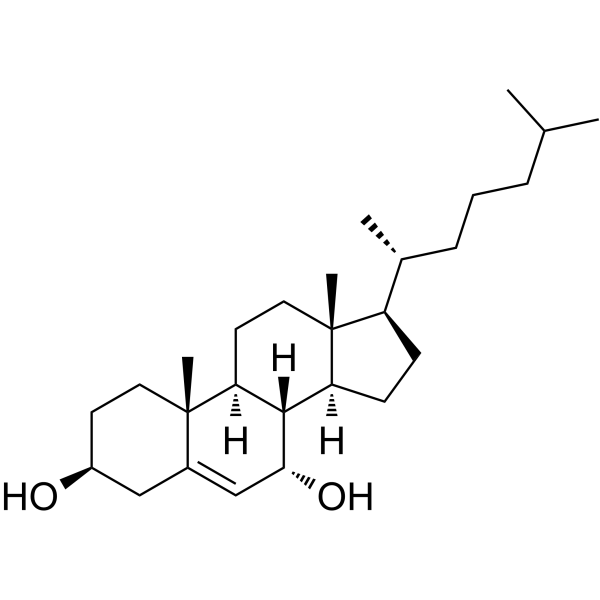 0 Images7α-Hydroxycholesterol is a cholesterol oxide and can serve as a biomarker for oxidative stress and lipid peroxidation. 7α-Hydroxycholesterol has cytotoxic and pro-inflammatory activities. 7α-Hydroxycholesterol can also inhibit sterol synthesis and reduce the activity of HMG-CoA reductase. 7α-Hydroxycholesterol can be used in the research of diseases such as diabetes and atherosclerosis.
-
Lidocaine hydrochloride
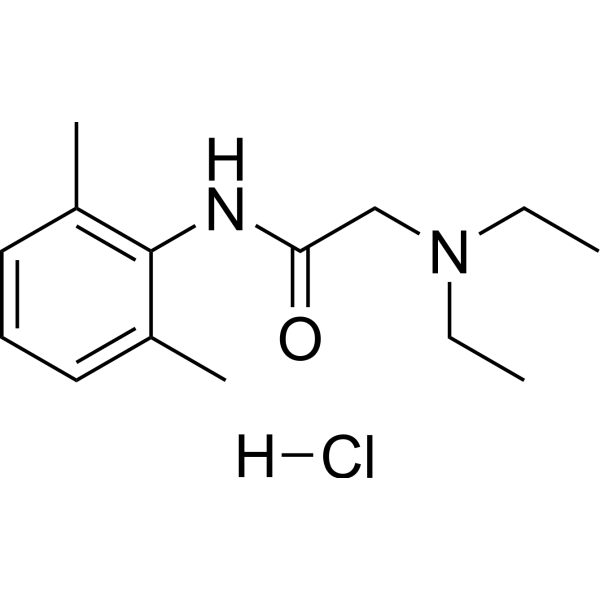 0 ImagesLidocaine hydrochloride (Lignocaine hydrochloride) inhibits sodium channels involving complex voltage and using dependence. Lidocaine hydrochloride decreases growth, migration and invasion of gastric carcinoma cells via up-regulating miR-145 expression and further inactivation of MEK/ERK and NF-κB signaling pathways. Lidocaine hydrochloride is an amide derivative and a agent to treat ventricular arrhythmia and an effective tumor-inhibitor.
-
Geranylgeranyl pyrophosphate triammonium
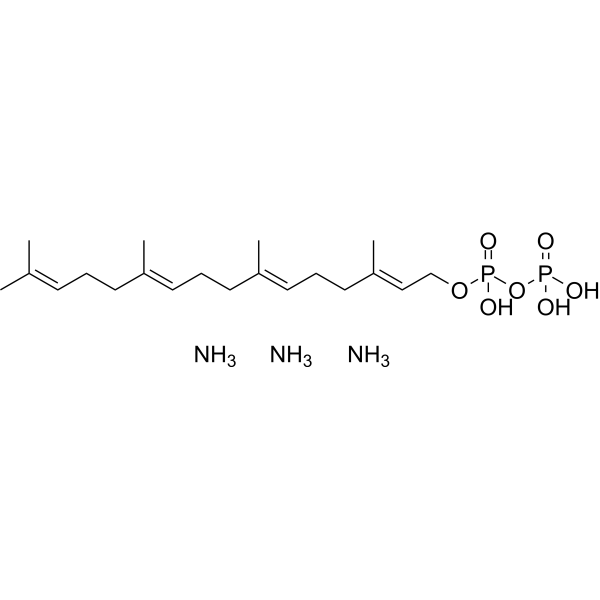 0 ImagesCat. No.: HY-126370ACAS No.: 313263-08-0Geranylgeranyl pyrophosphate triammonium is a type of isoprenoid metabolic intermediate, mainly synthesized through the mevalonate pathway. Geranylgeranyl pyrophosphate triammonium is a key precursor in various biological synthesis processes, especially as a necessary substrate for post-translational modification of proteins - geranylgeranyl phosphorylation. Geranylgeranyl pyrophosphate triammonium regulates various cellular processes and disease progression through protein geranylgeranyl phosphorylation, such as activating the YAP signaling pathway, promoting cell proliferation and inhibiting apoptosis; promoting IL-2 production and STAT5 phosphorylation; and influencing metabolic homeostasis and cancer, etc.
-
Pachymic acid
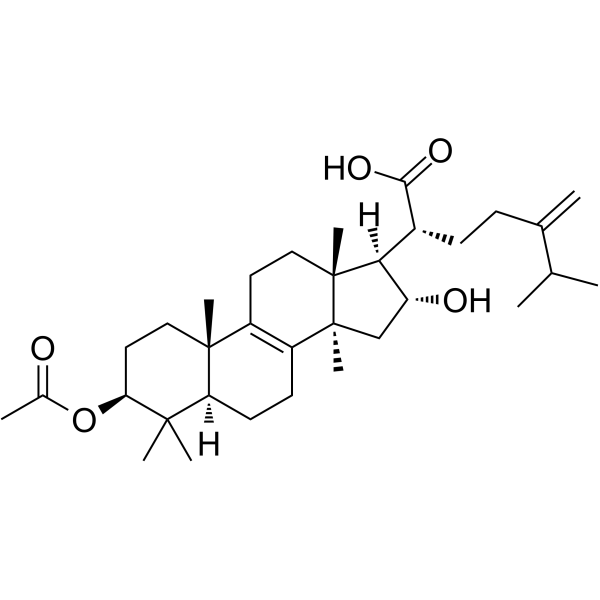 0 ImagesSynonyms: 3-O-Acetyltumulosic acid
-
6-OAU
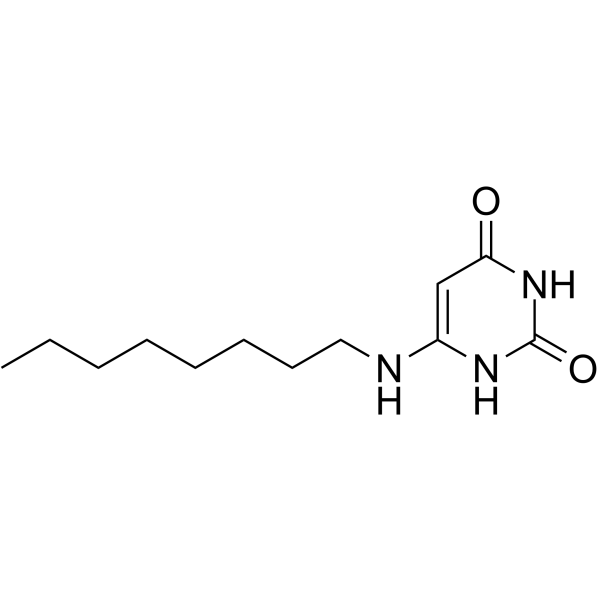 0 ImagesSynonyms: GTPL58466-OAU (GTPL5846) (6-n-octylaminouracil) is an GPR84 (G protein-coupled receptor 84) agonist, with an EC50 value of 105 nM. 6-OAU works as a chemoattractant to both PMNs and macrophages, and amplifies the proinflammatory cytokine IL-8, shows proinflammatory function. 6-OAU also displays anti-bacterial function.



