



TRP Channel Activator
-
1,4-Cineole
 0 Images
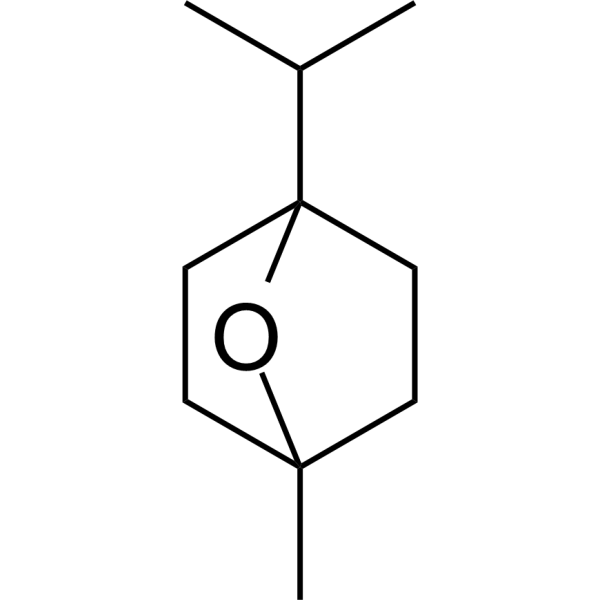
1,4-Cineole is an oxygenated monoterpene found in eucalyptus oil. 1,4-Cineole is a hTRPM8 and hTRPA1 agonist. 1,4-Cineole can increase intracellular Ca2+ concentration. 1,4-Cineole exhibits anti-anxiety and anti-depression effects. 1,4-Cineole can be used for the research of neurological disease, such as depression .

-
JTE-907
 0 Images
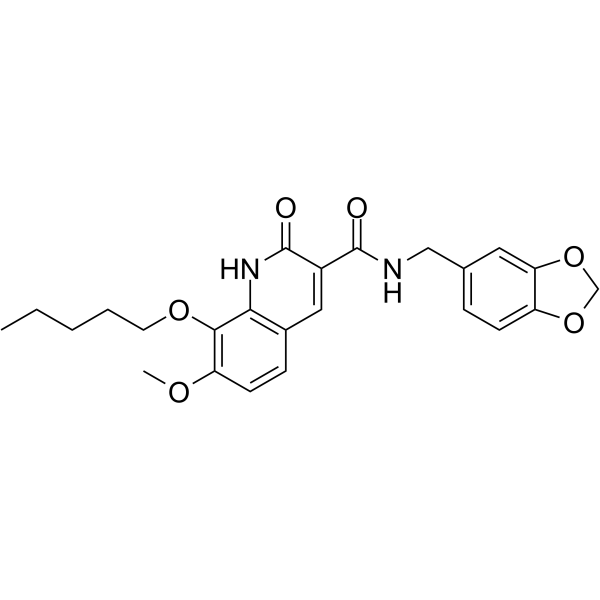
JTE-907 is a selective and orally active cannabinoid CB2 receptor inverse agonist and exerts anti-inflammatory effects. JTE-907 upregulates IL-6, MCP-1, IL-1β, VEGF, ANGPTL4, and TRPV1 in mature adipocytes. JTE-907 downregulates CB1, MCP-1, and IL-1β in preadipocytes. JTE-907 inhibits ear swelling in mice. JTE-907 reverses the protective effects of CB2 agonists and Anandamide (HY-10863) against cytokine-evoked colonic mucosal damage. JTE-907 can be used for the research of allergic dermatitis, obesity, and colitis.
-
Diisopropyl adipate
 0 Images
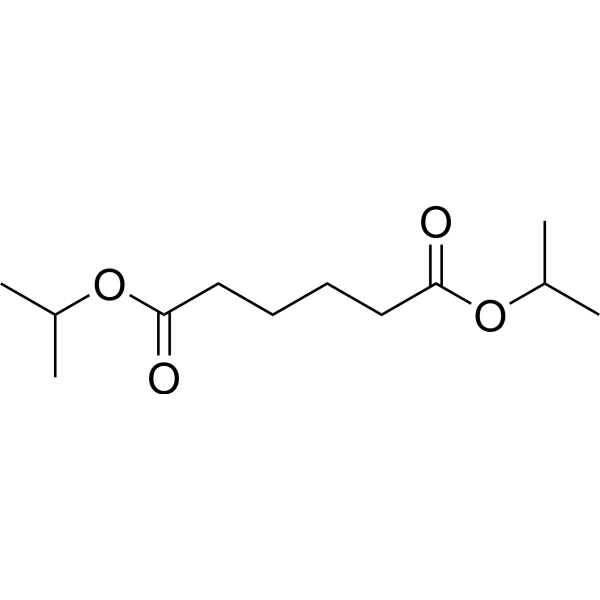
Diisopropyl adipate is an alternative plasticizer and a TRPA1 activator. Diisopropyl adipate activates TRPA1 and enhances FITC-induced contact hypersensitivity (CHS).Diisopropyl adipate also serves as an ingredient in cosmetics and drug formulations topically applied to the skin. Diisopropyl adipate can be used as an excipient, such as emollients, plasticizers. Pharmaceutical excipients, or pharmaceutical auxiliaries, refer to other chemical substances used in the pharmaceutical process other than pharmaceutical ingredients. Pharmaceutical excipients generally refer to inactive ingredients in pharmaceutical preparations, which can improve the stability, solubility and processability of pharmaceutical preparations. Pharmaceutical excipients also affect the absorption, distribution, metabolism, and elimination (ADME) processes of co-administered drugs.
-
AM9053
 0 Images
AM9053 is a selective, effective and slowly reversible inhibitor of N-acyl ethanolamine acid amidease (NAAA) (IC50 = 30 nM). The effect of AM9053 on FAAH activity is limited (IC50 > 100 nM). AM9053 inhibits the proliferation of colorectal cancer cells by activating the PPAR-α and TRPV1 dependent mechanisms and induces S-phase cell cycle arrest. AM9053 alleviates intestinal fibrosis by regulating macrophage activity and inhibiting the IL-23 signaling pathway. AM9053 leads to an increase in NAE levels, especially PEA and OEA. AM9053 can be used for the study of colorectal cancer and intestinal fibrosis.
-
Adenosine 5′-diphosphoribose sodium (Standard)
 0 ImagesSynonyms: ADP ribose sodium (Standard)
Adenosine 5′-diphosphoribose (sodium) (Standard) is the analytical standard of Adenosine 5′-diphosphoribose (sodium). This product is intended for research and analytical applications. Adenosine 5′-diphosphoribose sodium (ADP ribose sodium) is a nicotinamide adenine nucleotide (NAD+) metabolite. Adenosine 5′-diphosphoribose sodium is the most potent and primary intracellular Ca2+-permeable cation TRPM2 channel activator. Adenosine 5′-diphosphoribose sodium also can enhance autophagy.
-
1-Stearoyl-2-Arachidonoyl-d8-sn-Glycerol
 0 ImagesCat. No.: HY-131897SCAS No.: 2692624-31-8
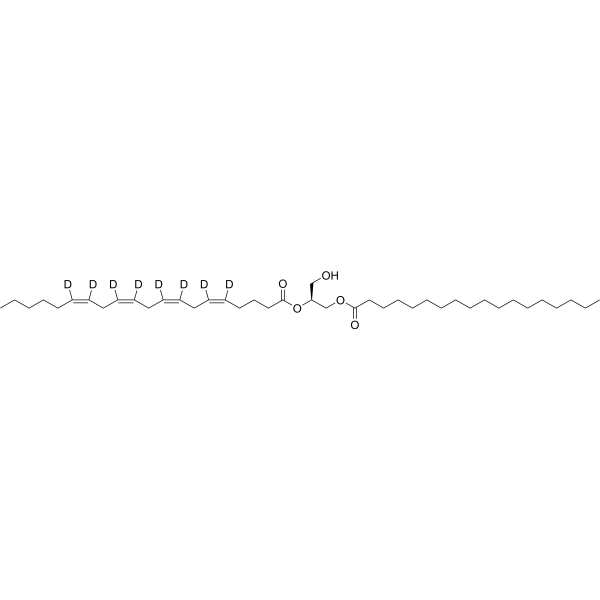
1-Stearoyl-2-Arachidonoyl-d8-sn-Glycerol is the deuterium labeled 1-Stearoyl-2-arachidonoyl-sn-glycerol. 1-Stearoyl-2-arachidonoyl-sn-glycerol is a diacylglycerol (DAG) containing polyunsaturated fatty acids. 1-Stearoyl-2-arachidonoyl-sn-glycerol can activate PKC. 1-Stearoyl-2-arachidonoyl-sn-glycerol also can augment nonselective cation channel (NSCC) activity.
-
Pregnenolone monosulfate-d4 sodium
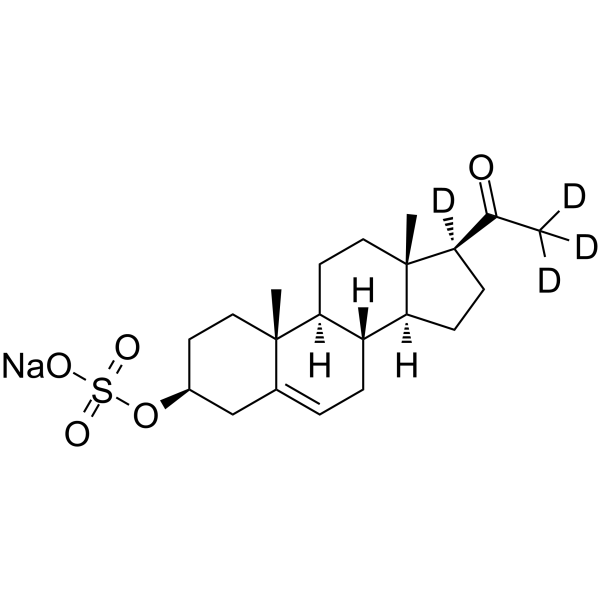 0 ImagesSynonyms: 3β-Hydroxy-5-pregnen-20-one monosulfate-d4 sodium
Pregnenolone monosulfate-d4 sodium is the deuterium labeled Pregnenolone monosulfate sodium (HY-110189) . Pregnenolone monosulfate sodium (3β-Hydroxy-5-pregnen-20-one monosulfate sodium) is a powerful neurosteroid, the main precursor of various steroid hormones including steroid ketones. Pregnenolone monosulfate sodium acts as a signaling-specific inhibitor of cannabinoid CB1 receptor, inhibits the effects of tetrahydrocannabinol (THC) that are mediated by the CB1 receptors. Pregnenolone monosulfate sodium can protect the brain from cannabis intoxication. Pregnenolone monosulfate sodium is also a TRPM3 channel activator, and also can weakly activate TRPM1 channels.
-
Pregnenolone-d4
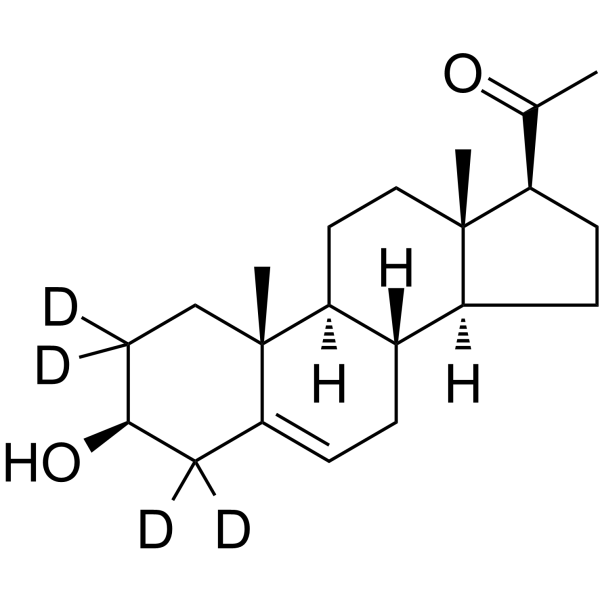 0 ImagesCat. No.: HY-B0151SSynonyms: 3β-Hydroxy-5-pregnen-20-one-d4
Pregnenolone-d4 is the deuterium labeled Pregnenolone. Pregnenolone (3β-Hydroxy-5-pregnen-20-one) is a powerful neurosteroid, the main precursor of various steroid hormones including steroid ketones. Pregnenolone acts as a signaling-specific inhibitor of cannabinoid CB1 receptor, inhibits the effects of tetrahydrocannabinol (THC) that are mediated by the CB1 receptors. Pregnenolone can protect the brain from cannabis intoxication. Pregnenolone is also a TRPM3 channel activator, and also can weakly activate TRPM1 channels.
-
D-erythro-Sphingosine hydrochloride
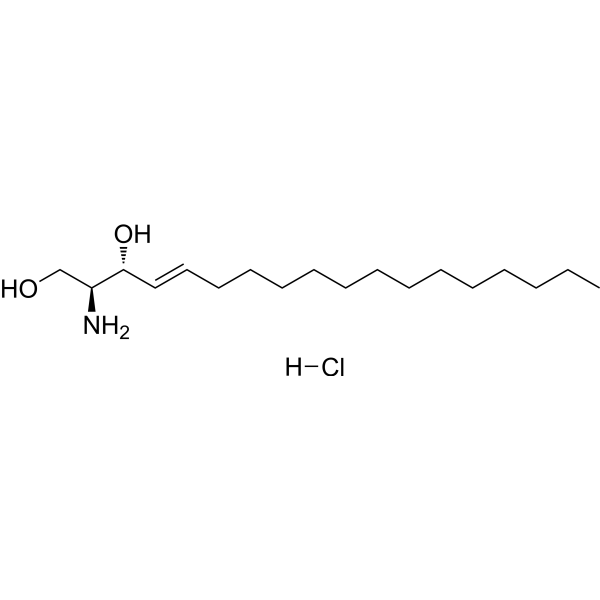 0 ImagesSynonyms: Erythrosphingosine hydrochloride; erythro-C18-Sphingosine hydrochloride; trans-4-Sphingenine hydrochloride
D-erythro-Sphingosine (Erythrosphingosine) hydrochloride is a specific TRPM3 activator. D-erythro-Sphingosine also induces retinoblastoma protein dephosphorylation.
-
N-Docosanoyl taurine
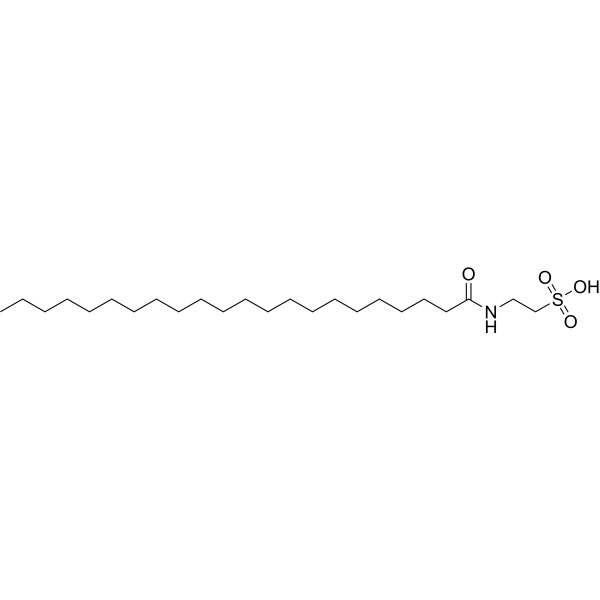 0 Images
N-Docosanoyl taurine is a lipoamino acid. N-Docosanoyl taurine is a discriminatory metabolity that drive the classification of brain regions.
-
1,4-Cineole (Standard)
 0 Images
1,4-Cineole (Standard) is the analytical standard of 1,4-Cineole (HY-N7117). 1,4-Cineole is an oxygenated monoterpene found in eucalyptus oil. 1,4-Cineole is a hTRPM8 and hTRPA1 agonist. 1,4-Cineole can increase intracellular Ca2+ concentration. 1,4-Cineole exhibits anti-anxiety and anti-depression effects. 1,4-Cineole can be used for the research of neurological disease, such as depression .
-
Wasabi Receptor Toxin TFA
 0 ImagesCat. No.: HY-P5914APureté: 99.96%Synonyms: WaTx TFA
Wasabi Receptor Toxin TFA (WaTx TFA) is the TFA salt form of Wasabi Receptor Toxin (HY-P5914). Wasabi Receptor Toxin TFA is a cell-penetrating scorpion toxin. Wasabi Receptor Toxin TFA is the activator for TRPA1 ion channel with EC50 in nanomolar level, and prolongs the channel open time, but reduces Ca2+ permeability. Wasabi Receptor Toxin TFA causes thermal hypersensitivity and mechanical allodynia in rats, without triggering neurogenic inflammation.
-
Wasabi Receptor Toxin
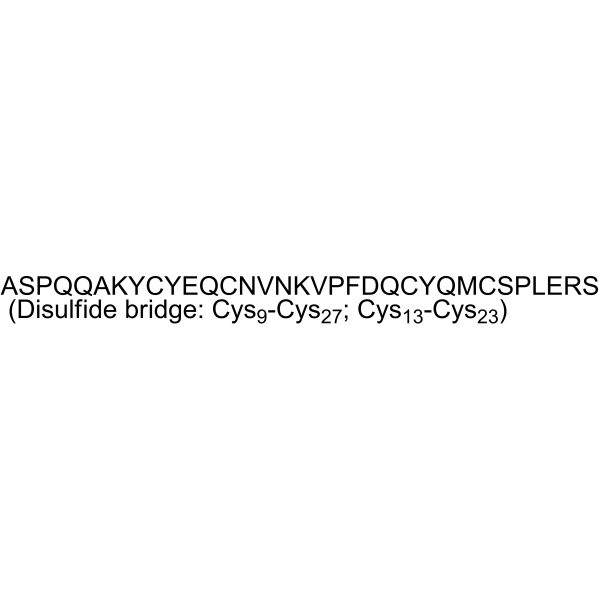 0 ImagesCat. No.: HY-P5914CAS No.: 2569291-86-5Synonyms: WaTx
Wasabi Receptor Toxin is a cell-penetrating scorpion toxin. Wasabi Receptor Toxin is the activator for TRPA1 ion channel with EC50 in nanomolar level, and prolongs the channel open time, but reduces Ca2+ permeability. Wasabi Receptor Toxin causes thermal hypersensitivity and mechanical allodynia in rats, without triggering neurogenic inflammation.
-
Sphingosylphosphorylcholine-d7
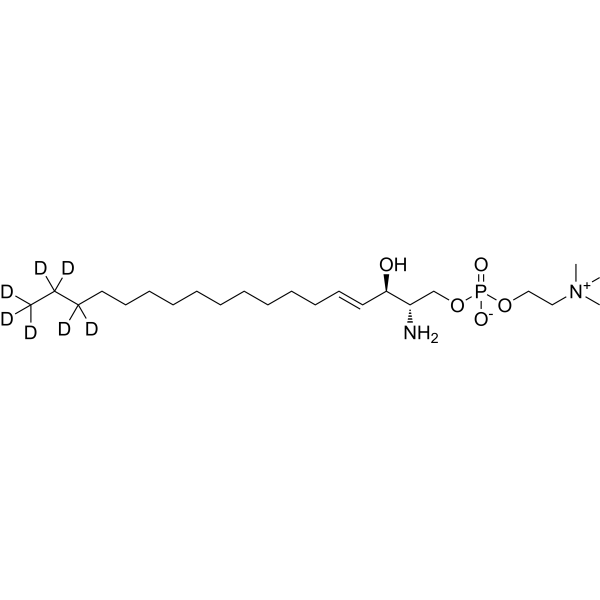 0 Images
Sphingosylphosphorylcholine-d7 is the deuterium labeled Sphingosylphosphorylcholine (HY-132187).
-
KS0365
 0 ImagesCat. No.: HY-186172CAS No.: 1689577-22-7
KS0365 is a selective TRPV3 agonist with an EC50 of 5.08 μM. KS0365 does not activate TRPV2 or TRPV4 channels. KS0365 triggers an increase in [Ca2+]i and accelerates keratinocyte migration. KS0365 can be used in studies related to impaired skin wound healing.
-
Lazertinib mesylate hydrate
 0 ImagesCat. No.: HY-109061ACAS No.: 2411549-88-5Synonyms: YH25448 mesylate hydrate; GNS-1480 mesylate hydrate
Lazertinib (YH25448; GNS-1480) mesylate hydrate is an orally active, blood-brain barrier permeable third-generation EGFR tyrosine kinase inhibitor, as well as an ABCB1/ABCG2 inhibitor and a TRPA1 activator. Lazertinib mesylate hydrate exhibits IC50 values of 0.4 mM and 0.2 mM against human ABCB1 and ABCG2, respectively. By inhibiting mutant EGFR signaling, EGFR phosphorylation and the downstream ERK/AKT pathway, as well as upregulating surface expression of EGFR/MET, Lazertinib mesylate hydrate induces cell cycle arrest, apoptosis, spontaneous calcium responses, hyperexcitability of dorsal root ganglion (DRG) neurons, and TRPA1-dependent pain-like behaviors. Lazertinib mesylate hydrate competitively binds to the substrate-binding sites of ABCB1/ABCG2, stimulates their ATPase activity without altering their expression or plasma membrane localization, thereby enhancing ADCC activity, acting as a chemosensitizer, and reversing ABCB1-mediated multidrug resistance. It exerts antitumor activity as a single agent or in combination with other drugs. Lazertinib mesylate hydrate is applicable to research related to non-small cell lung cancer, multidrug-resistant cancers, and paresthesia.
-
Taurultam-d2 hydrochloride
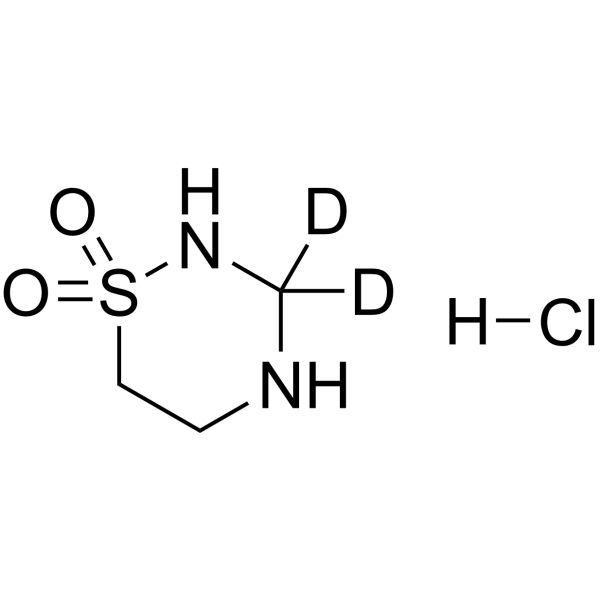 0 ImagesCat. No.: HY-136820S1
Taurultam-d2 hydrochloride is the d2-labeled Taurultam (HY-136820) hydrochloride. Taurultam is the major active hydrolytic metabolite of Taurolidine (HY-W011522), which selectively activates hTRPA1 to trigger effects in sensory neurons. Taurultam exhibits activity against SARS-CoV-2 variants, influenza A viruses (H1N1, H3N2) and influenza B viruses. Taurultam induces mild tracheal sensory nerve stimulation and CGRP release in mice. Taurultam can be used in studies related to SARS-CoV-2 infection, influenza virus infection, and co-infection with SARS-CoV-2 and influenza A virus.
-
TRPV4-KCa2.3 modulator 1
 0 ImagesCat. No.: HY-178509CAS No.: 2616611-60-8
TRPV4-KCa2.3 modulator 1 (Compound IB-2) is a TRPV4-KCa2.3 protein complex enhancer with antihypertensive activity. TRPV4-KCa2.3 modulator 1 enhances endothelial cell hyperpolarization and vasodilatio. TRPV4-KCa2.3 modulator 1 is promising for research of hypertension and cardiovascular disorders.
-
AM12
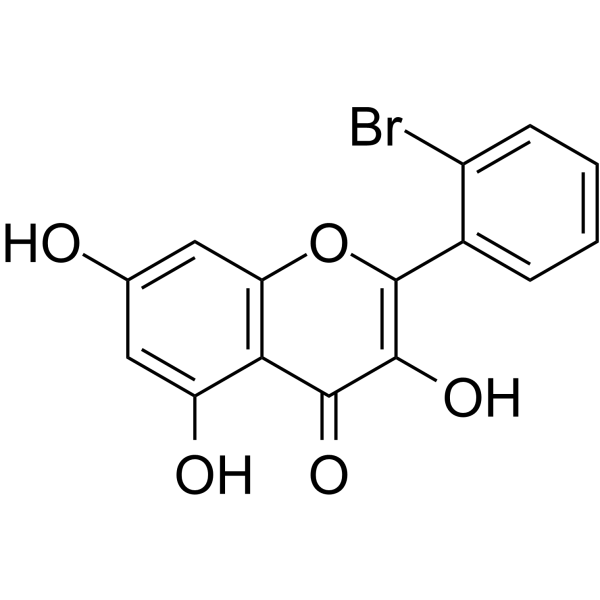 0 ImagesCat. No.: HY-128561CAS No.: 2387510-84-9
AM12 inhibits Lanthanide-evoked TRPC5 activity with an IC50 of 0.28 μM.



