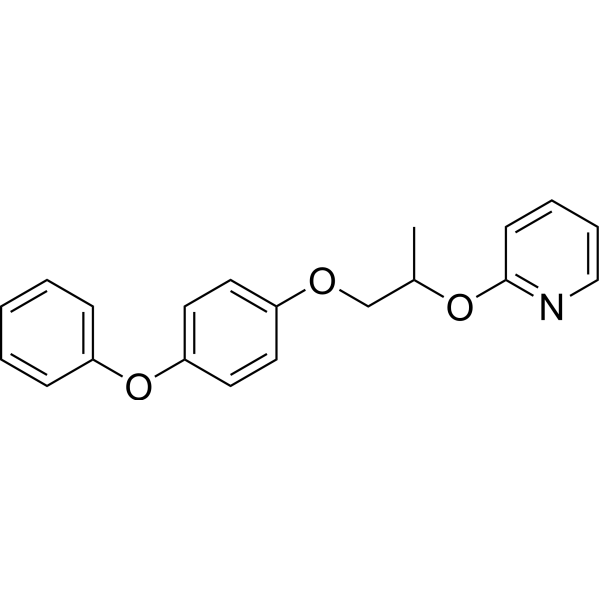
From 11:00 pm to 12:00 pm EST ( 8:00 pm to 9:00 pm PST ) on January 6th, the website will be under maintenance. We are sorry for the inconvenience. Please arrange your schedule properly.
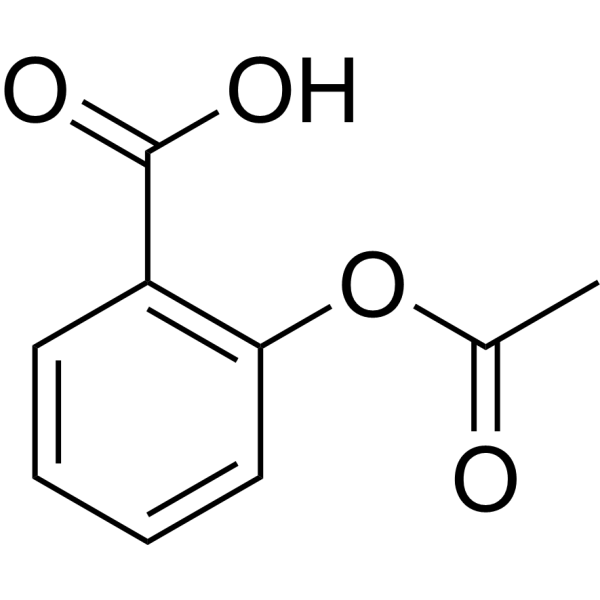
Aspirin (Acetylsalicylic acid) is an orally active, potent and irreversible inhibitor of cyclooxygenase COX-1 and COX-2, with IC50 values of 5 and 210 μg/mL, respectively. Aspirin induces apoptosis. Aspirin inhibits the activation of NF-κB. Aspirin also inhibits platelet prostaglandin synthetase, and can prevent coronary artery and cerebrovascular thrombosis .
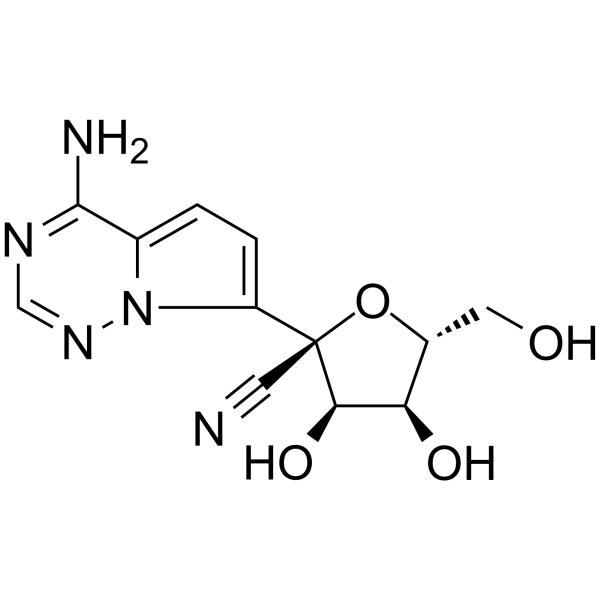
GS-441524 is a potent, orally active and CNS-penetrant viral RNA-dependent RNA polymerase inhibitor. GS-441524 competes with natural nucleosides to block viral RNA transcription as an alternative substrate and RNA chain terminator. GS-441524 inhibits the replication of feline infectious peritonitis virus, African swine fever virus, and severe acute respiratory syndrome coronavirus 2. GS-441524 reduces viral RNA levels in cats. GS-441524 can be used in research related to feline infectious peritonitis, African swine fever, and coronavirus disease 2019 (COVID-19) .
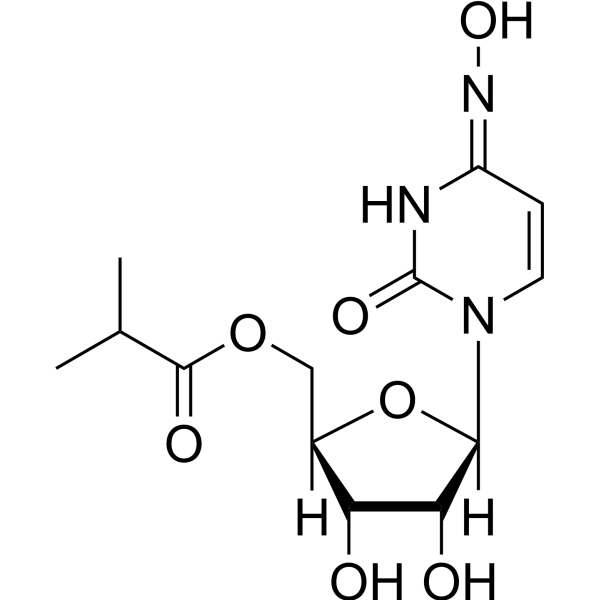
Molnupiravir (EIDD-2801) is an orally bioavailable proagent of the ribonucleoside analog EIDD-1931. Molnupiravir has broad spectrum antiviral activity against influenza virus and multiple coronaviruses, such as SARS-CoV-2, MERS-CoV, SARS-CoV. Molnupiravir has the potential for the research of COVID-19, and seasonal and pandemic influenza .
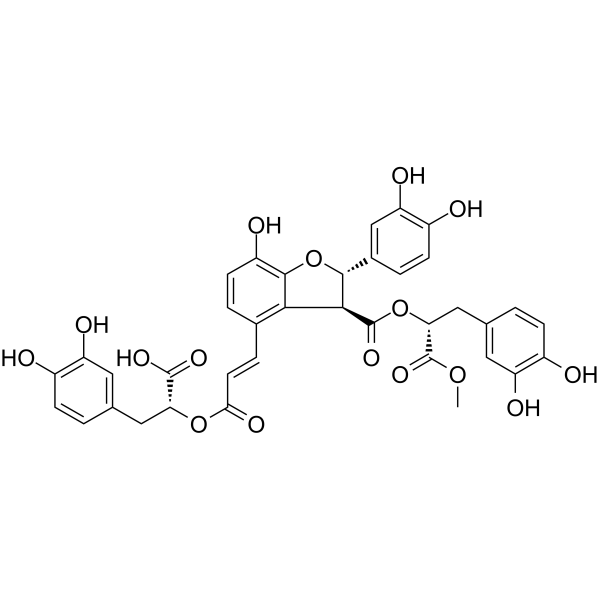
9''-Methyl salvianolate B (MSB) is a blood-brain barrier-permeable inhibitor with high affinity for g5Rp, with a Kd value of 117 nM against African swine fever virus (ASFV) g5Rp. 9''-Methyl salvianolate B also acts as a ZBP1 inhibitor. It exhibits strong binding affinity to key proteins in the PPARγ/NF-κB pathway. 9''-Methyl salvianolate B blocks the interaction between ASFV g5Rp and host proteins eIF5A or RPS15. It restores hypusination modification of eIF5A, promotes autophagy (Autophagy), and inhibits ASFV replication. 9''-Methyl salvianolate B effectively disrupts ZBP1-mediated PANoptosome assembly. It effectively alleviates myocardial ischemia/reperfusion injury. 9''-Methyl salvianolate B can be used in studies related to African swine fever .
D-Dopa (3-Hydroxy-D-tyrosine) is a potent, orally active, non-competitive and allosteric inhibitor of glutamate carboxypeptidase II (GCPII) with an IC50 of 200 nM. D-Dopa elevates brain dopamine and produce turning behavior in rats. D-Dopa inhibit severe fever with thrombocytopenia syndrome (SFTS) virus infection. D-Dopa can be used for neurological disease and virus infection research .
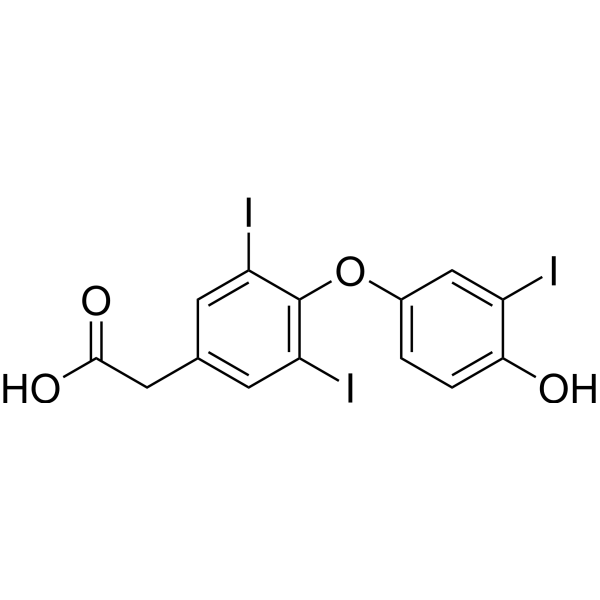
Tiratricol is an orally available thyroid hormone analog that inhibits pituitary thyroid-stimulating hormone secretion. Tiratricol is an intracellular toxin neutralizer that inhibits LPS and lipid A cytotoxicity with IC50s of 20 μM and 32 μM, respectively. Tiratricol reduces TNF production in lipopolysaccharide-stimulated macrophages. Tiratricol also has antiviral activity and is an inhibitor of yellow fever virus (Flavivirus). It can bind to the RdRp domain of the viral NS5 protein to hinder YFV replication. .
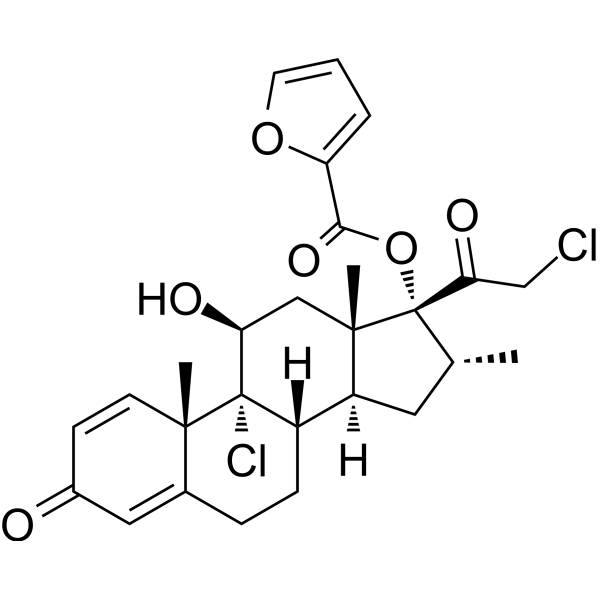
Mometasone furoate (Sch32088) is a glucocorticoid receptor agonist with anti-inflammatory and anti-allergic activity. Mometasone furoate acts as a corticosteroid agent and used for topical applications in chronic skin eczema and airway inflammation management of asthma in vivo
Rabbit Serum Albumin is a plasma protein derived from rabbits. Rabbit Serum Albumin can hydrolyze the carbamate pesticide carbaryl and induce fever in rabbits. Rabbit Serum Albumin can be used for biochemical and immunological research, including vaccine developing .
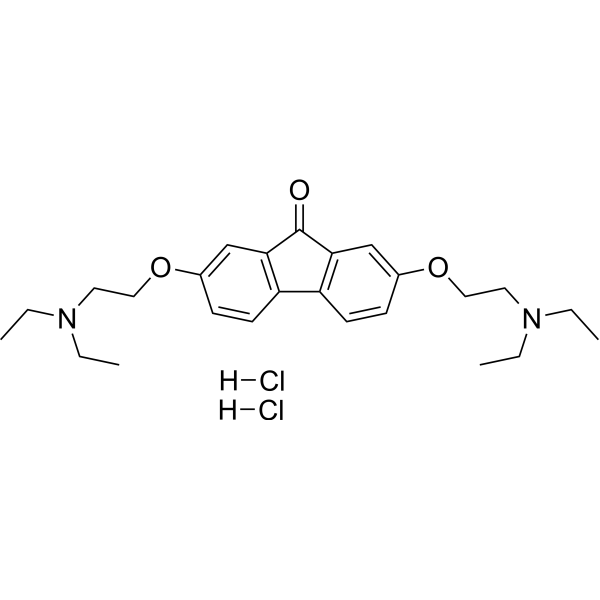
Tilorone dihydrochloride is an orally active interferon (IFN) inducer with broad-spectrum antiviral activities. Tilorone dihydrochloride possesses robust anti-Severe fever with thrombocytopenia syndrome virus (SFTSV) activity in vitro and in vivo through stimulation of host innate immunity. Tilorone dihydrochloride can penetrate the blood-brain barrier to activate HIF in the CNS .Tilorone dihydrochloride exhibits an inhibitory activity with EC50 of 230 nM against Ebola virus (EBOV) .
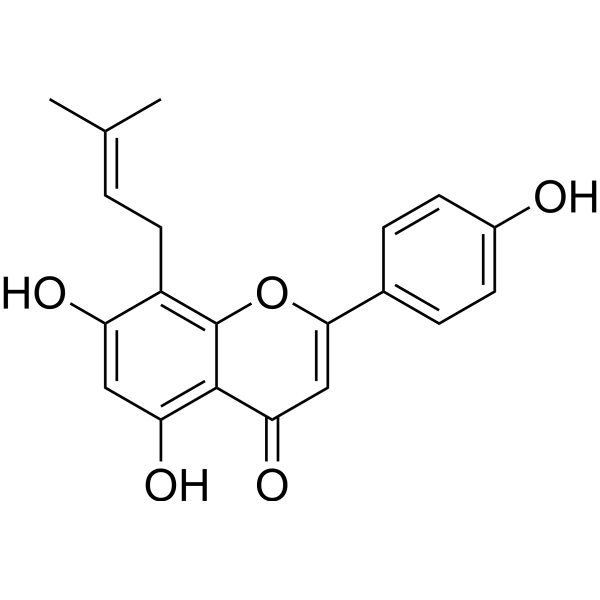
Licoflavone C is a broad-spectrum antiviral inhibitor with estrogen-like properties. Licoflavone C binds to viral endonuclease (CEN) and inhibits the replication of various bunyaviruses including severe fever with thrombocytopenia syndrome virus (SFTSV) and lymphocytic choriomeningitis virus in a non-substrate competitive manner. The IC50 values of Licoflavone C against SFTSV CEN and SFTSV CEN are 35.5 μM and 135.8 μM, respectively, and its Kd value against SFTSV CEN is 9.53 μM. After viral entry into cells, Licoflavone C reduces viral loads in mouse tissues in a dose-dependent manner, and exhibits extremely low cytotoxicity and genotoxicity. Licoflavone C induces apoptosis by increasing caspase 3/7 activity, blocks the cell cycle, and alleviates chemotherapy-induced chromosomal damage. Licoflavone C is applicable to the research on severe fever with thrombocytopenia syndrome and related viral infection mechanisms .
4-Methylamino antipyrine is an active metabolite of Metamizole. Metamizole is a pyrazolone non-steroidal anti-inflammatory drug (NSAID) and inhibits COX. Metamizole is an nonopioid analgesic agent and can be used for pain and fever . 4-Methylamino antipyrine has analgesic, antipyretic, and relatively weak antiinflammatory properties .
Felbinac is a metabolite of fenbufen, an orally active nonsteroidal anti-inflammatory agent and a cyclooxygenase (COX) inhibitor with an IC50 of 865.68 nM for COX1 and 976 nM for COX2. Felbinac reduces the production of prostaglandins by inhibiting COX to relieve pain, reduce inflammation and reduce fever. Felbinac can inhibit CHIKV viral activity .
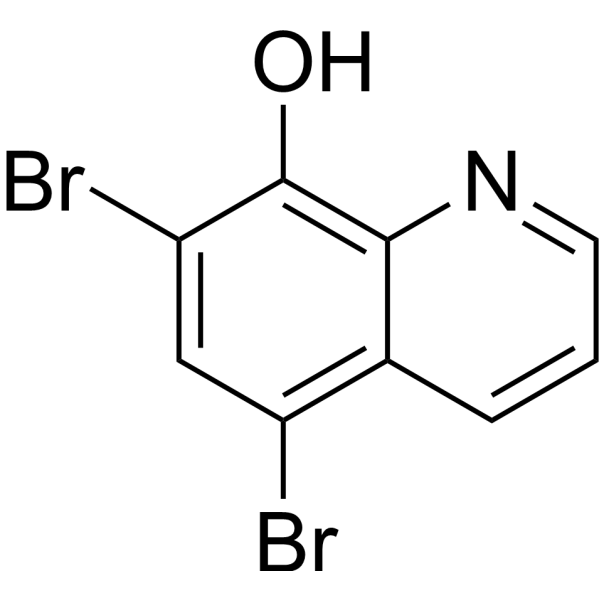
Broxyquinoline (Dibromohydroxyquinoline) is an effective inhibitor of severe fever with thrombocytopenia syndrome virus (SFTSV) with an IC50 of 5.8 µM. Additionally, Broxyquinoline is an inhibitor of CpACBP1 with an IC50 of 64.9 μM. CpACBP1 is a fatty acyl-CoA binding protein of Cryptosporidium parvum, thus Broxyquinoline has the potential to inhibit parasite growth. Broxyquinoline shows promise for research in the field of infectious diseases .
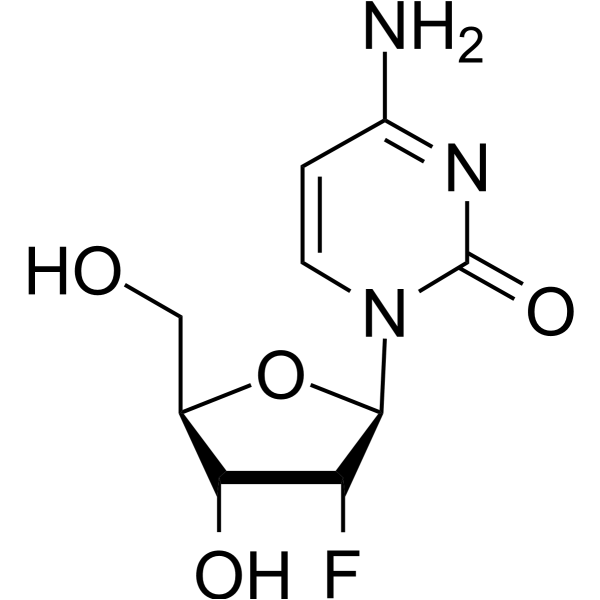
2'-Deoxy-2'-fluorocytidine, an nucleoside analog, is a potent inhibitor of Crimean-Congo hemorrhagic fever virus (CCHFV) replication. 2′-deoxy-2′-fluorocytidine can act synergistically with T705 to increase the potency of both compounds antiviral effects on CCHFV replication .
Diphenylpyraline hydrochloride is a potent histamine H1?receptor antagonist. Diphenylpyraline hydrochloride acts as an orally active antihistamine agent?with antimuscarinic and antiallergic effects. Diphenylpyraline hydrochloride can be used for the relief of allergic conditions including rhinitis and hay fever, and in pruritic skin disorders in vivo.
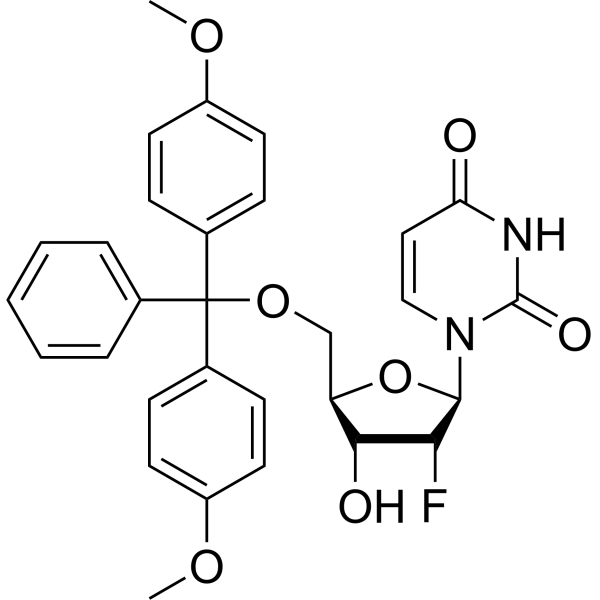
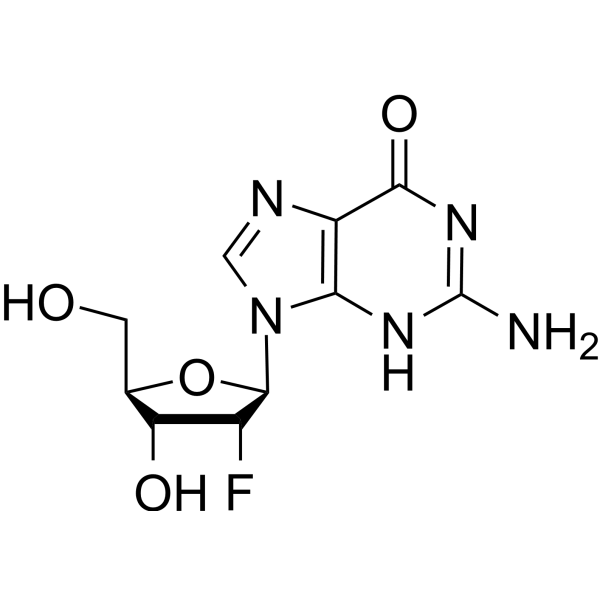
2′-Deoxy-2′-fluoroguanosine is a nucleoside analog and potent influenza virus inhibitor with an EC90 value of <0.35 μM against influenza A and B viruses. 2′-Deoxy-2′-fluoroguanosine inhibits influenza virus replication in the upper respiratory tract, thereby ameliorating fever and nasal inflammation .
Dodecyl gallate (Lauryl gallate) has been widely used as an antioxidant in food manufacturing, as well as in the pharmaceutical and cosmetic industries. Dodecyl gallate also acts antibacterial activity specifically against Gram-positive bacteria. Dodecyl gallate also is active against a highly relevant animal virus such as African swine fever virus (ASFV) .
Firocoxib (ML 1785713) is a potent, selective and orally active COX-2 inhibitor with an IC50 of 0.13 μM. Firocoxib shows 58-fold more selective for COX-2 than COX-1 (IC50 of 7.5 μM). Firocoxib has anti-inflammatory effects .
α-MSH (11-13) (ACTH-(11-13)) acetate is a C-terminal tripeptide of α-MSH that can cross the blood-brain barrier. α-MSH (11-13) acetate exhibits antipyretic, anti-inflammatory, and antibacterial activities. α-MSH (11-13) acetate also exerts neuroprotective effects after traumatic brain injury by inhibiting excessive activation of microglia and reducing neuronal apoptosis. α-MSH (11-13) acetate can be used in research related to traumatic brain injury, fever, and bacterial infections .
Maackiain (DL-Maackiain) is an orally active multi-target inhibitor with anti-tumor activity and neuroprotective effects. Maackiain activates the AMPK, NLRP3 and Nrf2/HO-1 pathways, and inhibits key targets such as NF-κB, mTOR, MAO-B, NFATc1 and PKCδ, thereby precisely regulating processes including apoptosis, autophagy and pyroptosis. Maackiain also effectively inhibits microglial activation, osteoclast formation, and proliferation and invasion of tumor cells, and protects dopaminergic neurons from damage. Maackiain is applicable to the research of various diseases such as Alzheimer's disease, osteoporosis, sepsis and dengue fever 。
2-Methylbenzaldehyde is an acaricide found in Morinda officinalis. 2-Methylbenzaldehyde exerts fumigant and contact acaricidal activity against Dermatophagoides farinae, Dermatophagoides pteronyssinus, and Haemaphysalis longicornis. 2-Methylbenzaldehyde can be used for the research of severe fever with thrombocytopenia syndrome .
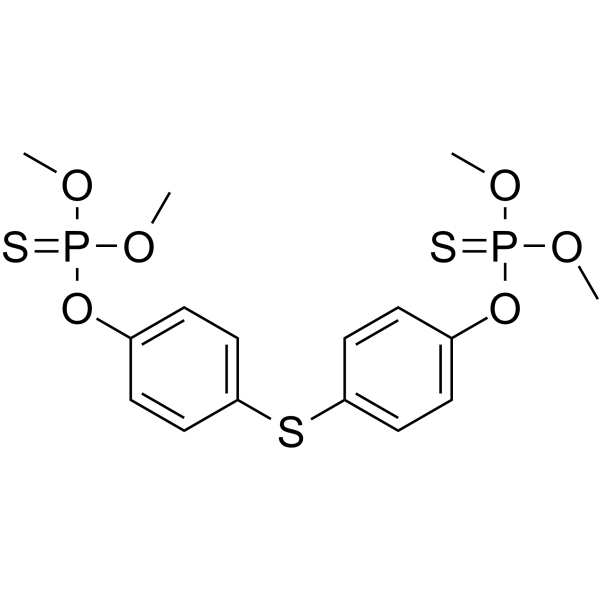
Temephos (Temefos) is an orally active, blood-brain barrier-permeable organophosphate insecticide and AChE inhibitor. By irreversibly inhibiting AChE to induce cholinergic overactivation, Temephos effectively blocks larval development of Aedes aegypti (yellow fever mosquito) and Aedes albopictus (Asian tiger mosquito), and is commonly used in studies related to Dengue Virus, Zika Virus and other relevant pathogens. Temephos exhibits genotoxicity and neurodevelopmental toxicity, and may also cause liver injury, reproductive system abnormalities and cholinergic poisoning symptoms in mammals. Temephos tends to accumulate in adipose tissues and aquatic organisms, and is excreted via feces after metabolism through oxidation and hydrolysis. Note that CYP-mediated metabolic detoxification may reduce the actual larvicidal efficacy of Temephos against some mosquito species. Temephos can be used in research related to dengue fever, Zika virus disease, chikungunya and dracunculiasis .
GS-441524 hydrochloride is a potent, orally active and CNS-penetrant viral RNA-dependent RNA polymerase inhibitor. GS-441524 hydrochloride competes with natural nucleosides to block viral RNA transcription as an alternative substrate and RNA chain terminator. GS-441524 hydrochloride inhibits the replication of feline infectious peritonitis virus, African swine fever virus, and severe acute respiratory syndrome coronavirus 2. GS-441524 hydrochloride reduces viral RNA levels in cats. GS-441524 hydrochloride can be used in research related to feline infectious peritonitis, African swine fever, and coronavirus disease 2019 (COVID-19) .
Licoisoflavone B is an orally active flavonoid found in licorice. Licoisoflavone B alleviates psoriasis via SCD1-targeted lipid metabolism reprogramming and suppression of Th17/IL-17-mediated inflammation. Licoisoflavone B inhiibits superoxide anion generation and superoxide anion-induced lipid peroxidation. Licoisoflavone B binds tightly to Lassa virus nucleoprotein and can be used as a nucleoprotein antagonist of Lassa virus. Licoisoflavone B exhibits anti-mutagenic activity against carcinogenic mutagen, by preventing DNA damage. Licoisoflavone B can be used for the research of psoriasis, Lassa fever, inflammation and cancer .
Daphnin is one of the major coumarin bioactive components with antibacterial activity. Daphnin is isolated from the whole herb of Daphne odora (Thunb.), which is a folk medicine in China for the relief of fever .
LASV-IN-1 is a Lassa fever virus (LASV) inhibitor. LASV-IN-1 binds with LASV glycoprotein (GP) and promotes virus membrane fusion and infection. LASV-IN-1 can be used for LASV infection research .
DV1 is a CXCR4 inhibitor with anti-proteolytic properties that specifically blocks the binding of SDF-1α to its receptor. DV1 inhibits the migration of breast cancer cells and enables the targeted delivery of avidin-PLGA nanoparticles to CXCR4-expressing cancer cells. DV1 not only effectively suppresses the progression of metastatic breast cancer in mouse models, but also preferentially accumulates in brain tumor tissues rather than normal brain tissues, showing potential for inhibiting intracranial tumor metastasis. As a humoral immune stimulant, DV1 induces the production of specific IgG, neutralizing antibodies and cellular immune responses, thereby providing the host with protection against lethal challenges. DV1 has been applied to studies on CXCR4-expressing cancers, glioblastoma, dengue fever and other related diseases .
α-MSH (11-13) (ACTH-(11-13)) is a C-terminal tripeptide of α-MSH that can cross the blood-brain barrier. α-MSH (11-13) exhibits antipyretic, anti-inflammatory, and antibacterial activities. α-MSH (11-13) also exerts neuroprotective effects after traumatic brain injury by inhibiting excessive activation of microglia and reducing neuronal apoptosis. α-MSH (11-13) can be used in research related to traumatic brain injury, fever, and bacterial infections .
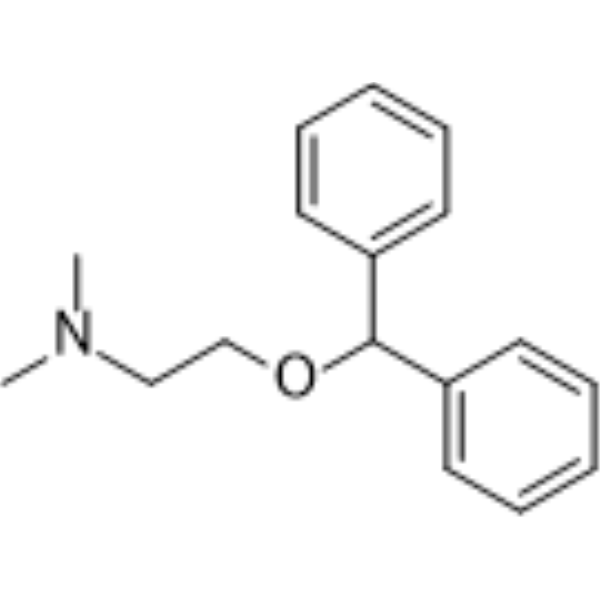
Diphenhydramine (Standard) is the analytical standard of Diphenhydramine. This product is intended for research and analytical applications. Diphenhydramine is a first-generation histamine H1-receptor antagonist with anti-cholinergic effect. Diphenhydramine hydrochloride can across the ovine blood-brain barrier (BBB) .
Calcium propionate is an orally active auxiliary agent for preventing milk fever and improving the health of dairy cows. Calcium propionate can be used for research on dairy cow milk fever and subclinical hypocalcemia .
IHVR-19029 is a potent endoplasmic reticulum (ER) α-glucosidases I and II inhibitor, with an IC50 of 0.48 μM for ER a-glucosidase I. IHVR-19029 efficiently blocks the replication of several hemorrhagic fever viruses, such as Dengue virus (DENV), Ebola virus (EBOV) and Rift Valley fever virus. The combination of IHVR-19029 with Favipiravir (HY-14768) improves the antiviral efficacy .
FGI-106 tetrahydrochloride is a potent and broad-spectrum inhibitor with inhibitory activity against multiple viruses. FGI-106 tetrahydrochloride is active against Ebola, Rift Valley and Dengue Fever viruses with EC50s of 100 nM, 800 nM and 400-900 nM, respectively. FGI-106 tetrahydrochloride also inhibits non-hemorrhagic fever viruses HCV and HIV-1 with EC50s of 200 nM and 150 nM, respectively .
Naproxen glucuronide ((S)-Naproxen-β-D-glucuronide) is a non-selective COX inhibitor. Naproxen glucuronide, a metabolite of naproxen, is a nonsteroidal anti-inflammatory drug (NSAID) of the propionic acid class (the same as ibuprofen) that relieves pain, fever, swelling, and stiffness .
4-Formylaminoantipyrine is an excreted metabolite of aminophenazone. Aminophenazone is a pyrazolone with analgesic, anti-inflammatory, and antipyretic effects in vivo .
Anatumomab mafenatox (ABR-214936) is a 73 KDa recombinant protein to recognize the tumor-associated antigen 5T4, which is widely expressing in malignancy. Anatumomab mafenatox is between a modified form of SEA and a murine Fab. The main side effects of Anatumomab mafenatox are reported to include fever, low blood pressure, pain, nausea and drowsiness .
D4-Ribavirin (Compound 4) is a deoxygenated ribavirin analogue. D4-Ribavirin has antiviral property in vitro against the RNA-containing bunyaviruses–Rift Valley Fever () with an IC50 of 61 μg/mL .
AGU654 (Compound 44) is a selective mPGES-1 inhibitor with an IC50 of 2.9 nM against mPGES-1. AGU654 inhibits mPGES-1 to block the pathway converting arachidonic acid into prostaglandin E2 (PGE2) by COX-1/2, thereby alleviating inflammatory responses, pain, and fever. In activated human monocyte-derived macrophages and human whole blood models, AGU654 selectively suppresses bacterial exotoxin-induced PGE2 production while preserving the production of other prostaglandins. In guinea pig models, AGU654 significantly alleviates fever, inflammation, and inflammatory pain, exhibiting excellent anti-inflammatory, analgesic, and antipyretic effects. AGU654 holds promise as a strategy for studying inflammatory diseases and pain .
4-Methylamino antipyrine hydrochloride is an active metabolite of Metamizole. Metamizole is a pyrazolone non-steroidal anti-inflammatory drug (NSAID) and inhibits COX. Metamizole is an nonopioid analgesic agent and can be used for pain and fever . 4-Methylamino antipyrine hydrochloride has analgesic, antipyretic, and relatively weak antiinflammatory properties .
2-Methylbenzaldehyde- 13C is the 13C labeled 2-Methylbenzaldehyde (HY-Y0442) . 2-Methylbenzaldehyde is an acaricide found in Morinda officinalis. 2-Methylbenzaldehyde exerts fumigant and contact acaricidal activity against Dermatophagoides farinae, Dermatophagoides pteronyssinus, and Haemaphysalis longicornis. 2-Methylbenzaldehyde can be used for the research of severe fever with thrombocytopenia syndrome .
Calcium propionate, meets analytical specification of E282 is an orally active auxiliary agent for preventing milk fever and improving the health of dairy cows. Calcium propionate can be used for research on dairy cow milk fever and subclinical hypocalcemia .
FGI-106 is a potent and broad-spectrum inhibitor with inhibitory activity against multiple viruses. FGI-106 is active against Ebola, Rift Valley and Dengue Fever viruses with EC50s of 100 nM, 800 nM and 400-900 nM, respectively. FGI-106 also inhibits non-hemorrhagic fever viruses HCV and HIV-1 with EC50s of 200 nM and 150 nM, respectively .
Tilorone (dihydrochloride) (Standard) is the analytical standard of Tilorone (dihydrochloride). This product is intended for research and analytical applications. Tilorone dihydrochloride is an orally active interferon (IFN) inducer with broad-spectrum antiviral activities. Tilorone dihydrochloride possesses robust anti-Severe fever with thrombocytopenia syndrome virus (SFTSV) activity in vitro and in vivo through stimulation of host innate immunity. Tilorone dihydrochloride can penetrate the blood-brain barrier to activate HIF in the CNS .Tilorone dihydrochloride exhibits an inhibitory activity with EC50 of 230 nM against Ebola virus (EBOV) .
RBT-9 prevents progression to severe COVID-19 and organ failure. RBT-9 also has antiviral effects, as demonstrated in several enveloped viruses, including influenza, HCV, dengue, and yellow fever .
Galidesivir (BCX4430; Immucillin-A) dihydrochloride is a broad-spectrum RNA virus inhibitor that can inhibit Ebola and yellow fever virus (Flavivirus) infections. Galidesivir has potent antiviral activity against tick-borne encephalitis virus (TBEV) and also inhibits the proliferation of many other medically important flaviviruses .
DENV-IN-14 (Compound 3c) is a thiazole hydrazone derivative with anti-dengue virus (DENV) activity with an EC50 of 0.01 μM and the selectivity index (SI) of 200. DENV-IN-14 exhibits rapid plasma clearance and its metabolic stability is limited. DENV-IN-14 can be used for research on dengue fever .
4-Methylamino antipyrine-d3 (hydrochloride) is deuterium labeled 4-Methylamino antipyrine (hydrochloride). 4-Methylamino antipyrine hydrochloride is an active metabolite of Metamizole. Metamizole is a pyrazolone non-steroidal anti-inflammatory drug (NSAID) and inhibits COX. Metamizole is an nonopioid analgesic agent and can be used for pain and fever . 4-Methylamino antipyrine hydrochloride has analgesic, antipyretic, and relatively weak antiinflammatory properties .
Tiratricol (Standard) is the analytical standard of Tiratricol. This product is intended for research and analytical applications. Tiratricol is an orally available thyroid hormone analog that inhibits pituitary thyroid-stimulating hormone secretion. Tiratricol is an intracellular toxin neutralizer that inhibits LPS and lipid A cytotoxicity with IC50s of 20 μM and 32 μM, respectively. Tiratricol reduces TNF production in lipopolysaccharide-stimulated macrophages. Tiratricol also has antiviral activity and is an inhibitor of yellow fever virus (Flavivirus). It can bind to the RdRp domain of the viral NS5 protein to hinder YFV replication. .
Molnupiravir (Standard) is the analytical standard of Molnupiravir. This product is intended for research and analytical applications. Molnupiravir (EIDD-2801) is an orally bioavailable proagent of the ribonucleoside analog EIDD-1931. Molnupiravir has broad spectrum antiviral activity against influenza virus and multiple coronaviruses, such as SARS-CoV-2, MERS-CoV, SARS-CoV. Molnupiravir has the potential for the research of COVID-19, and seasonal and pandemic influenza .
NSC-323241 is a potent STT3A-mediated mega protein complex assembly inhibitor. NSC-323241 disrupts he endoplasmic reticulum (ER) mega complex nucleated by STT3A during dengue virus (DENV) and Zika virus (ZIKV) infection. NSC-323241 targets the binding of STT3A subcomplex with viral nonstructural proteins (e.g., NS2B, NS3) and host translocon proteins, disrupting the formation of viral replication microenvironment. NSC-323241 is promising for research of flavivirus infection, such as dengue fever and Zika virus .
Aspirin calcium is an orally active, potent and irreversible inhibitor of cyclooxygenase COX-1 and COX-2, with IC50 values of 5 and 210 μg/mL, respectively. Aspirin calcium induces apoptosis. Aspirin calcium inhibits the activation of NF-κB. Aspirin calcium also inhibits platelet prostaglandin synthetase, and can prevent coronary artery and cerebrovascular thrombosis .
Aspirin (Acetylsalicylic Acid) lithium is an orally active, potent and irreversible inhibitor of cyclooxygenase COX-1 and COX-2, with IC50 values of 5 and 210 μg/mL, respectively. Aspirin lithium induces apoptosis. Aspirin lithium inhibits the activation of NF-κB. Aspirin lithium also inhibits platelet prostaglandin synthetase, and can prevent coronary artery and cerebrovascular thrombosis .
Calcium propionate, United States Pharmacopeia (USP) Reference Standard is an orally active auxiliary agent for preventing milk fever and improving the health of dairy cows. Calcium propionate can be used for research on dairy cow milk fever and subclinical hypocalcemia. Calcium propionate is a reference standard grade of the United States Pharmacopeia (USP) and a primary pharmaceutical standard .
Calcium propionate, meets analytical specification of E282 (Standard) is the analytical standard of Calcium propionate, meets analytical specification of E282. This product is intended for research and analytical applications. Calcium propionate, meets analytical specification of E282 is an orally active auxiliary agent for preventing milk fever and improving the health of dairy cows. Calcium propionate can be used for research on dairy cow milk fever and subclinical hypocalcemia .
Ibuprofen guaiacol ester (AF 2259; Metoxibutropate) is a potent and orally active prostaglandin synthesis inhibitor. Ibuprofen guaiacol ester has the potential for the research of edema and fever .
Bermoprofen (AD-1590) is an orally active non-steroidal anti-inflammatory agent. Bermoprofen has potent antipyretic activities with a short biological half-life. Bermoprofen is a potent antagonist of LPS-induced fever in rabbits .
SR140333B is a selective NK1 receptor inhibitor that can reduce LPS-induced fever and mitigate LPS (HY-D1056)-induced changes in brain tissue in rats .
7,11,15-Trimethyl-3-methylidenehexadecane-1,2-diol is a terpenoid that can be isolated from Eupatorium fortunei. 7,11,15-Trimethyl-3-methylidenehexadecane-1,2-diol is used in dropsy, chill, and fever research .
Diphenylpyraline is a potent histamine H1 receptor antagonist. Diphenylpyraline acts as an orally active antihistamine agent with antimuscarinic and antiallergic effects. Diphenylpyraline can be used for the research of allergic diseases, including rhinitis and hay fever, and pruritic skin disorders et.al .
Diphenylpyraline (Standard) is the analytical standard of Diphenylpyraline. This product is intended for research and analytical applications. Diphenylpyraline is a potent histamine H1?receptor antagonist. Diphenylpyraline acts as an orally active antihistamine agent?with antimuscarinic and antiallergic effects. Diphenylpyraline can be used for the research of allergic diseases, including rhinitis and hay fever, and pruritic skin disorders et.al .
EBOV-IN-2 (Compound 2) is an inhibitor of Ebola virus (EBOV) with IC50 values of 0.37 μM and 2.54 μM against Ebola virus glycoprotein pseudotype virus (pEBOV) and African swine fever virus (ASFV), respectively .
N-Methylcalycinine is a nature product with AChE inhibitory activity. N-Methylcalycinine can be isolated from the roots of Stephania epigaea. N-Methylcalycinine can be used for the research of asthma, cancer, dysentery, fever, hyperglycemia, intestinal complaints, inflammation, sleep disturbances, tuberculosis and so on .
Saikosaponin I is a triterpene saponin extracted from Bupleurum falcatum L. Saikosaponin can be used to treat fever, inflammation, liver disease, and nephritis .
W-2429 (NSC294836) is considerably more effective than acetylsalicylic acid in inhibiting carrageenan-induced edema and in reducing brewer's yeast-induced fever in rats .
Daphnin (Standard) is the analytical standard of Daphnin. This product is intended for research and analytical applications. Daphnin is one of the major coumarin bioactive components with antibacterial activity. Daphnin is isolated from the whole herb of Daphne odora (Thunb.), which is a folk medicine in China for the relief of fever .
Dodecyl gallate (Standard) is the analytical standard of Dodecyl gallate. This product is intended for research and analytical applications. Dodecyl gallate (Lauryl gallate) has been widely used as an antioxidant in food manufacturing, as well as in the pharmaceutical and cosmetic industries. Dodecyl gallate also is active against a highly relevant animal virus such as African swine fever virus (ASFV) .
Metamizole (Dipyrone) hemimagnesium is an anti-inflammatory and antioxidant agent with the property of reducing body temperature. Metamizole hemimagnesium can decrease the levels of C-reactive protein (CRP) and interleukin 6 (IL-6). It is also an orally active cyclooxygenase (COX) inhibitor. Metamizole hemimagnesium can inhibit cell proliferation and promote apoptosis. It can be used in the research of inflammation and fever .
Human IL6 mRNA encodes the human interleukin 6 (IL6) protein, a cytokine that functions in inflammation and the maturation of B cells. IL6 has been shown to be an endogenous pyrogen capable of inducing fever in people with autoimmune diseases or infections. The functioning of this gene is implicated in a wide variety of inflammation-associated disease states, including suspectibility to diabetes mellitus and systemic juvenile rheumatoid arthritis.
Temephos-d12 is the deuterium labeled Temephos. Temephos (Temefos) is an orally active, blood-brain barrier-permeable organophosphate insecticide and AChE inhibitor. By irreversibly inhibiting AChE to induce cholinergic overactivation, Temephos effectively blocks larval development of Aedes aegypti (yellow fever mosquito) and Aedes albopictus (Asian tiger mosquito), and is commonly used in studies related to Dengue Virus, Zika Virus and other relevant pathogens. Temephos exhibits genotoxicity and neurodevelopmental toxicity, and may also cause liver injury, reproductive system abnormalities and cholinergic poisoning symptoms in mammals. Temephos tends to accumulate in adipose tissues and aquatic organisms, and is excreted via feces after metabolism through oxidation and hydrolysis. Note that CYP-mediated metabolic detoxification may reduce the actual larvicidal efficacy of Temephos against some mosquito species. Temephos can be used in research related to dengue fever, Zika virus disease, chikungunya and dracunculiasis .
Temephos (Standard) is the analytical standard of Temephos. This product is intended for research and analytical applications. Temephos (Temefos) is an orally active, blood-brain barrier-permeable organophosphate insecticide and AChE inhibitor. By irreversibly inhibiting AChE to induce cholinergic overactivation, Temephos effectively blocks larval development of Aedes aegypti (yellow fever mosquito) and Aedes albopictus (Asian tiger mosquito), and is commonly used in studies related to Dengue Virus, Zika Virus and other relevant pathogens. Temephos exhibits genotoxicity and neurodevelopmental toxicity, and may also cause liver injury, reproductive system abnormalities and cholinergic poisoning symptoms in mammals. Temephos tends to accumulate in adipose tissues and aquatic organisms, and is excreted via feces after metabolism through oxidation and hydrolysis. Note that CYP-mediated metabolic detoxification may reduce the actual larvicidal efficacy of Temephos against some mosquito species. Temephos can be used in research related to dengue fever, Zika virus disease, chikungunya and dracunculiasis .
Fluazuron is an insect growth regulator with activity against larvae of Amblyomma sculptum. Fluazuron exhibits 100% efficacy by interfering with the molting process. Fluazuron has shown rapid absorption and slow metabolism in experiments. The use of Fluazuron offers a potential preventive measure for the control of Brazilian spotted fever. The results of Fluazuron offer good prospects for the development of feed products containing FLU to control ticks in free-living capybaras .
Naproxen ethyl ester ((S)-Naproxen ethyl ester) is a nonsteroidal anti-inflammatory drug with activity in relieving pain, fever, swelling and stiffness. Naproxen ethyl ester exerts its effects by inhibiting non-selective cyclooxygenase (COX). The R-(-)-isomer of Naproxen ethyl ester shows stronger immunogenicity, and the Michaelis-Menten parameter of its catalytic reaction is K(M)=6.67 mM, and the catalytic efficiency is 5.8 x 10^4 times higher than that of the non-catalytic reaction .
4-Methylamino antipyrine (hydrochloride) (Standard) is the analytical standard of 4-Methylamino antipyrine (hydrochloride). This product is intended for research and analytical applications. 4-Methylamino antipyrine hydrochloride is an active metabolite of Metamizole. Metamizole is a pyrazolone non-steroidal anti-inflammatory drug (NSAID) and inhibits COX. Metamizole is an nonopioid analgesic agent and can be used for pain and fever . 4-Methylamino antipyrine hydrochloride has analgesic, antipyretic, and relatively weak antiinflammatory properties .
4-Methylamino antipyrine (Standard) is the analytical standard of 4-Methylamino antipyrine. This product is intended for research and analytical applications. 4-Methylamino antipyrine is an active metabolite of Metamizole. Metamizole is a pyrazolone non-steroidal anti-inflammatory drug (NSAID) and inhibits COX. Metamizole is an nonopioid analgesic agent and can be used for pain and fever . 4-Methylamino antipyrine has analgesic, antipyretic, and relatively weak antiinflammatory properties .
Sulfalene (Standard) is the analytical standard of Sulfalene. This product is intended for research and analytical applications. Sulfalene (Sulfametopyrazine; AS-18908) is an orally active antimalarial agent. Sulfalene competes for para-aminobenzoic acid binding in plasmodial folic acid synthesis. Sulfalene, combined with Trimethoprim (HY-B0510), clears parasites, resolves fever, and resists induced resistance against drug-sensitive and drug-resistant Plasmodium falciparum. Sulfalene can be used for the research of acute falciparum malaria and Schistosoma mansoni infection .
NLRP3-IN-60 (Compound 39) is the orally active inhibitor for NLRP3. NLRP3-IN-60 inhibits pyroptosis with an IC50 of 13 nM in THP-1 cell. NLRP3-IN-60 inhibits IL-1β release with an IC50 of 225 nM in human whole blood .
Vitacoxib is an Imidazole (HY-D0837) derivative, selective COX-2 inhibitor, anti-inflammatory agent. Vitacoxib can be used in the research of inflammatory diseases, pain and fever .
Tetramethylfluthrin is an insecticide with potent activity against Aedes albopictus. Tetramethylfluthrin contributes to rapid Aedes albopictus population reduction when deployed via unmanned aerial vehicle cold mist spray. Tetramethylfluthrin exerts a knock-down effect and exhibits high toxicity to target insects. Tetramethylfluthrin can be used for the research of dengue fever and dengue hemorrhagic fever .
Parvaquone is an antiparasite agent with an in vitro ED50 of 0.006 mg/L. Parvaquone reduces the proportion of Theileria parva schizont-infected cells. Parvaquone can be used for the research of east coast fever (Theileria parva infection) .
CCHFV-IN-1 (compound Z10) is a potent and selective Crimean-Congo hemorrhagic fever virus (CCHFV) inhibitor. CCHFV-IN-1 exhibits potent antiviral activity (EC50 = 0.60 μM) and high selectivity against CCHFV. CCHFV-IN-1 can be used for CCHFV infection research .
Arevirumab (Arevirumab-3) is a pan-lineage neutralizing human monoclonal antibody cocktail (8.9F, 12.1F, 37.D). Arevirumab protects cynomolgus monkeys from severe Lassa fever caused by lineage II and III LASV isolates. Arevirumab is applicable to research related to Lassa fever .
Cusculine (FAC21) is an oropouche virus (OROV) endonuclease inhibitor with an IC50 of 1.4 μM. Cusculine strongly interacts with OROV endonuclease, possibly limiting viral RNA interaction with other proteins, intercalates into double-stranded RNA (a viral replication intermediate), and efficiently inhibits OROV viral replication in vitro. Cusculine can be used for the research of oropouche fever .
VGD020 is a highly potent and selective Sec61 translocon inhibitor . VGD020 suppresses the expression of cell surface CD4 by inhibiting signal peptide-dependent co-translational ER translocation, interferes with the initiation of ER translocation of dengue virus polyprotein, and reduces the expression of Sortilin in breast cancer cells. VGD020 exhibits broad anti-flavivirus and anti-HIV activities. VGD020 can be used in research related to dengue virus infection, Zika virus infection, yellow fever virus infection, human immunodeficiency virus infection, and breast cancer .
ARN-75039 is an orally active arenavirus inhibitor. ARN-75039 binds to sites on the GP2 subunit of the mammarenavirus glycoprotein complex, stabilizes prefusion conformation, and blocks viral entry and endosomal membrane fusion to inhibit viral replication and spread. ARN-75039 can be used for the research of lassa fever, arenaviral hemorrhagic fever, and lethal Junín virus infection .
Picfeoside A is a phenylethanoid glycoside compound that can be isolated from Picria felterrae Lour. Picfeoside A can be used in research related to diseases such as fever, herpes infections, cancer, and inflammation.
Antiviral agent 85 is a broad-spectrum arenavirus entry inhibitor with an EC90 of 0.13 µM against Junín virus (JUNV). Antiviral agent 85 blocks the entry of various arenaviruses through both hTfR1-dependent and hTfR1-independent pathways, acting on the early and early post-entry stages of infection. Antiviral agent 85 exhibits antiviral activity against a variety of arenaviruses, is well tolerated in hTfR1-expressing JUNV-infected mouse models, but fails to provide protective effects. Antiviral agent 85 can be used in studies related to arenavirus hemorrhagic fevers .
Eukovoside is a cinnamic acid derivative found in Euphrasia regelii with anti-inflammatory, antioxidant, antibacterial, antiallergic, and antihistamine activity. Eukovoside can be used for the research of hyperglycemic diseases, eye inflammation, upper respiratory passages inflammation, hay fever, conjunctivitis, colds, influenza, sinusitis .
4-Formylaminoantipyrine (Standard) is the analytical standard of 4-Formylaminoantipyrine. This product is intended for research and analytical applications. 4-Formylaminoantipyrine is an excreted metabolite of aminophenazone. Aminophenazone is a pyrazolone with analgesic, anti-inflammatory, and antipyretic effects in vivo .
CN-716 dihydrochloride is a reversible covalent flavivirus NS2B·NS3 protease inhibitor with antiviral activity. CN-716 dihydrochloride effectively inhibits the replication of dengue virus (DENV2), West Nile virus (WNV) and Zika virus (ZIKV). The IC50 values of CN-716 dihydrochloride against the proteases of the above three viruses are 0.066 μM, 0.11 μM and 0.25 μM, respectively, while the Ki values against the same proteases are 0.051 μM, 0.082 μM and 0.04 μM, respectively. CN-716 dihydrochloride can be used to study the infection mechanisms of dengue fever, West Nile fever and Zika virus infection .
GS-441524 (Standard) is the analytical standard of GS-441524 (HY-103586). GS-441524 is a potent, orally active and CNS-penetrant viral RNA-dependent RNA polymerase inhibitor. GS-441524 competes with natural nucleosides to block viral RNA transcription as an alternative substrate and RNA chain terminator. GS-441524 inhibits the replication of feline infectious peritonitis virus, African swine fever virus, and severe acute respiratory syndrome coronavirus 2. GS-441524 reduces viral RNA levels in cats. GS-441524 can be used in research related to feline infectious peritonitis, African swine fever, and coronavirus disease 2019 (COVID-19) .
GS-441524-d is the deuterium labeled GS-441524 (HY-103586). GS-441524 is a potent, orally active and CNS-penetrant viral RNA-dependent RNA polymerase inhibitor. GS-441524 competes with natural nucleosides to block viral RNA transcription as an alternative substrate and RNA chain terminator. GS-441524 inhibits the replication of feline infectious peritonitis virus, African swine fever virus, and severe acute respiratory syndrome coronavirus 2. GS-441524 reduces viral RNA levels in cats. GS-441524 can be used in research related to feline infectious peritonitis, African swine fever, and coronavirus disease 2019 (COVID-19) .
4-Methylamino antipyrine-d3-1 is the deuterium labeled 4-Methylamino antipyrine-1. 4-Methylamino antipyrine is an active metabolite of Metamizole. Metamizole is a pyrazolone non-steroidal anti-inflammatory drug (NSAID) and inhibits COX. Metamizole is an nonopioid analgesic agent and can be used for pain and fever . 4-Methylamino antipyrine has analgesic, antipyretic, and relatively weak antiinflammatory properties .
ZX-2401 (Compound 98a) is a 1,3,5-Triazine-based analogue of Purine (HY-34431). ZX-2401 has a significant antiviral activity against viruses of the Flaviviridae family, such as West Nile Virus (WNV), Hepatitis C (HCV), Yellow Fever Virus (YFV), Dengue Virus (DV), Bovine Viral Diarrhea Virus (BVDV) and Banzi Virus (BV) with EC90s of 0.6-10 μg/mL. ZX-2401 significantly reduces virus production with an EC90 of 3.3 mg/mL. ZX-2401 can be used for influenza infections research .
Diphenhydramine is a first-generation histamine H1-receptor antagonist with anti-cholinergic effect. Diphenhydramine hydrochloride can across the ovine blood-brain barrier (BBB) .
Proadifen (SKF-525A) hydrochloride is a non-competitive Cytochrome P450 inhibitor with an IC50 value of 19 μM. Proadifen hydrochloride reduces monoamine oxidase A (MAO-A) activity and reverses the antidepressantlike behavioral effect of Imipramine (HY-B1490A) and Desipramine (HY-B1272A) in rats. Proadifen hydrochloride also reduces N, N-dimethyltryptamine (DMT) metabolism in liver microsomes and inhibits N-demethylationand Acridone (HY-W007771) formation. Proadifen hydrochloride augments Lipopolysaccharide (LPS) (HY-D1056)-induced fever and exacerbates Prostaglandin E2 (PGE2) (HY-101952) levels in the rat. Proadifen hydrochloride is promising for research of metabolism-related deseases, ovarian carcinoma, inflammation and dopamine neurons-related deseases .
GNF-2-deg is a PROTAC degrader for dengue virus envelope protein (DENV E protein) with DC50 of 0.83 μM. GNF-2-deg prevents viral entry by inhibiting E-mediated membrane fusion, prevents virion production by protein degradation, and thereby exhibits antiviral activity against DENV 2 with EC90 of 3.5 μM. GNF-2-deg exhibits antiviral activity against ZIKV, JEV, WNV and YFV with EC90 of 1.96-7.79 μM. (Pink: ligand for target protein (HY-161805); Black: linker (HY-42149); Blue: ligand for E3 ligase (HY-23095))
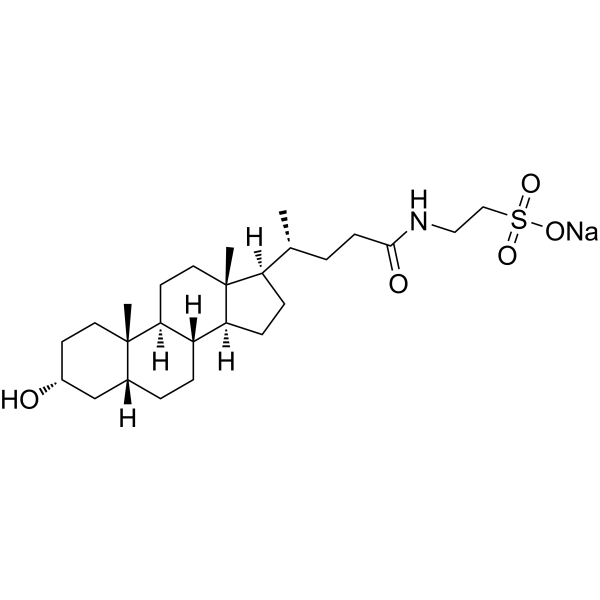
Taurolithocholic acid is an orally active bile acid and antiviral agent. Taurolithocholic acid upregulates FADS2 by activating the TGR5-PI3K/AKT-SREBP2 signaling axis, inhibits SFTSV-induced ferroptosis (Ferroptosis), viral replication and viral entry of HBV/HDV, while reducing the release of IL-1β, lipid ROS and LDH. While exerting antiviral protective effects, Taurolithocholic acid also stimulates the recycling of hepatocellular membrane transporters, impairs canalicular bile acid secretion function, and induces hepatocyte cholestasis, apoptosis and acute hepatocellular injury. Taurolithocholic acid serves as an experimental model compound for hepatocellular cholestasis. At concentrations ≤200 μM, Taurolithocholic acid shows no cytotoxicity and does not activate the interferon pathway. Taurolithocholic acid not only protects mice from lethal SFTSV infection but also is suitable for studies related to severe fever with thrombocytopenia syndrome and cholestasis .
Taurolithocholic acid sodium salt is an orally active bile acid and antiviral agent. Taurolithocholic acid sodium salt upregulates FADS2 by activating the TGR5-PI3K/AKT-SREBP2 signaling axis, inhibits SFTSV-induced ferroptosis, viral replication and viral entry of HBV/HDV, while reducing the release of IL-1β, lipid ROS and LDH. While exerting antiviral protective effects, Taurolithocholic acid sodium salt also stimulates the recycling of hepatocellular membrane transporters, impairs canalicular bile acid secretion function, and induces hepatocyte cholestasis, apoptosis and acute hepatocellular injury. Taurolithocholic acid sodium salt serves as an experimental model compound for hepatocellular cholestasis. At concentrations ≤200 μM, Taurolithocholic acid sodium salt shows no cytotoxicity and does not activate the interferon pathway. Taurolithocholic acid sodium salt not only protects mice from lethal SFTSV infection but also is suitable for studies related to severe fever with thrombocytopenia syndrome and cholestasis .
Proadifen (hydrochloride) (Standard) is the analytical standard of Proadifen (hydrochloride). This product is intended for research and analytical applications. Proadifen (SKF-525A) hydrochloride is a non-competitive Cytochrome P450 inhibitor with an IC50 value of 19 μM. Proadifen hydrochloride reduces monoamine oxidase A (MAO-A) activity and reverses the antidepressantlike behavioral effect of Imipramine (HY-B1490A) and Desipramine (HY-B1272A) in rats. Proadifen hydrochloride also reduces N, N-dimethyltryptamine (DMT) metabolism in liver microsomes and inhibits N-demethylationand Acridone (HY-W007771) formation. Proadifen hydrochloride augments Lipopolysaccharide (LPS) (HY-D1056)-induced fever and exacerbates Prostaglandin E2 (PGE2) (HY-101952) levels in the rat. Proadifen hydrochloride is promising for research of metabolism-related deseases, ovarian carcinoma, inflammation and dopamine neurons-related deseases [4] .
Phenopyrazone (Diphenox), a derivative of Antipyrine (HY-B0171), exhibits oral activity as well as analgesic, antipyretic, anti-inflammatory, and antidiarrheal properties. Phenopyrazone can be used in research related to headache, rheumatism, chronic diarrhea and varicose veins .
DV1 TFA is a CXCR4 inhibitor with anti-proteolytic properties that specifically blocks the binding of SDF-1α to its receptor. DV1 TFA inhibits the migration of breast cancer cells and enables the targeted delivery of avidin-PLGA nanoparticles to CXCR4-expressing cancer cells. DV1 TFA not only effectively suppresses the progression of metastatic breast cancer in mouse models, but also preferentially accumulates in brain tumor tissues rather than normal brain tissues, showing potential for inhibiting intracranial tumor metastasis. As a humoral immune stimulant, DV1 TFA induces the production of specific IgG, neutralizing antibodies and cellular immune responses, thereby providing the host with protection against lethal challenges. DV1 TFA has been applied to studies on CXCR4-expressing cancers, glioblastoma, dengue fever and other related diseases .
Taurolithocholic acid-d4 (sodium) is the deuterium labeled Taurolithocholic acid (sodium salt). Taurolithocholic acid sodium is an orally active bile acid and antiviral agent. Taurolithocholic acid sodium upregulates FADS2 by activating the TGR5-PI3K/AKT-SREBP2 signaling axis, inhibits SFTSV-induced ferroptosis, viral replication and viral entry of HBV/HDV, while reducing the release of IL-1β, lipid ROS and LDH. While exerting antiviral protective effects, Taurolithocholic acid sodium also stimulates the recycling of hepatocellular membrane transporters, impairs canalicular bile acid secretion function, and induces hepatocyte cholestasis, apoptosis and acute hepatocellular injury. Taurolithocholic acid sodium serves as an experimental model compound for hepatocellular cholestasis. At concentrations ≤200 μM, Taurolithocholic acid sodium shows no cytotoxicity and does not activate the interferon pathway. Taurolithocholic acid sodium not only protects mice from lethal SFTSV infection but also is suitable for studies related to severe fever with thrombocytopenia syndrome and cholestasis .
Taurolithocholic acid-d4-1 (sodium) is the deuterium labeled Taurolithocholic acid. Taurolithocholic acid sodium is an orally active bile acid and antiviral agent. Taurolithocholic acid sodium upregulates FADS2 by activating the TGR5-PI3K/AKT-SREBP2 signaling axis, inhibits SFTSV-induced ferroptosis, viral replication and viral entry of HBV/HDV, while reducing the release of IL-1β, lipid ROS and LDH. While exerting antiviral protective effects, Taurolithocholic acid sodium also stimulates the recycling of hepatocellular membrane transporters, impairs canalicular bile acid secretion function, and induces hepatocyte cholestasis, apoptosis and acute hepatocellular injury. Taurolithocholic acid sodium serves as an experimental model compound for hepatocellular cholestasis. At concentrations ≤200 μM, Taurolithocholic acid sodium shows no cytotoxicity and does not activate the interferon pathway. Taurolithocholic acid sodium not only protects mice from lethal SFTSV infection but also is suitable for studies related to severe fever with thrombocytopenia syndrome and cholestasis .
Taurolithocholic acid-d5 is deuterium labeled Taurolithocholic acid. Taurolithocholic acid is an orally active bile acid and antiviral agent. Taurolithocholic acid upregulates FADS2 by activating the TGR5-PI3K/AKT-SREBP2 signaling axis, inhibits SFTSV-induced ferroptosis, viral replication and viral entry of HBV/HDV, while reducing the release of IL-1β, lipid ROS and LDH. While exerting antiviral protective effects, Taurolithocholic acid also stimulates the recycling of hepatocellular membrane transporters, impairs canalicular bile acid secretion function, and induces hepatocyte cholestasis, apoptosis and acute hepatocellular injury. Taurolithocholic acid serves as an experimental model compound for hepatocellular cholestasis. At concentrations ≤200 μM, Taurolithocholic acid shows no cytotoxicity and does not activate the interferon pathway. Taurolithocholic acid not only protects mice from lethal SFTSV infection but also is suitable for studies related to severe fever with thrombocytopenia syndrome and cholestasis .
Taurolithocholic acid-d4 is deuterium labeled Taurolithocholic acid. Taurolithocholic acid is an orally active bile acid and antiviral agent. Taurolithocholic acid upregulates FADS2 by activating the TGR5-PI3K/AKT-SREBP2 signaling axis, inhibits SFTSV-induced ferroptosis, viral replication and viral entry of HBV/HDV, while reducing the release of IL-1β, lipid ROS and LDH. While exerting antiviral protective effects, Taurolithocholic acid also stimulates the recycling of hepatocellular membrane transporters, impairs canalicular bile acid secretion function, and induces hepatocyte cholestasis, apoptosis and acute hepatocellular injury. Taurolithocholic acid serves as an experimental model compound for hepatocellular cholestasis. At concentrations ≤200 μM, Taurolithocholic acid shows no cytotoxicity and does not activate the interferon pathway. Taurolithocholic acid not only protects mice from lethal SFTSV infection but also is suitable for studies related to severe fever with thrombocytopenia syndrome and cholestasis .
Taurolithocholic Acid-d5 (sodium) is the deuterium labeled Taurolithocholic acid sodium salt. Taurolithocholic Acid sodium salt is an orally active bile acid and antiviral agent. Taurolithocholic Acid sodium salt upregulates FADS2 by activating the TGR5-PI3K/AKT-SREBP2 signaling axis, inhibits SFTSV-induced ferroptosis, viral replication and viral entry of HBV/HDV, while reducing the release of IL-1β, lipid ROS and LDH. While exerting antiviral protective effects, Taurolithocholic Acid sodium salt also stimulates the recycling of hepatocellular membrane transporters, impairs canalicular bile acid secretion function, and induces hepatocyte cholestasis, apoptosis and acute hepatocellular injury. Taurolithocholic Acid sodium salt serves as an experimental model compound for hepatocellular cholestasis. At concentrations ≤200 μM, Taurolithocholic Acid sodium salt shows no cytotoxicity and does not activate the interferon pathway. Taurolithocholic Acid sodium salt not only protects mice from lethal SFTSV infection but also is suitable for studies related to severe fever with thrombocytopenia syndrome and cholestasis .
AH-D peptide is a brain-penetrant antiviral agent disrupting highly curved lipid membranes. AH-D peptide exhibits broad-spectrum antiviral activity against ZIKV, Dengue virus, Chikungunya virus, yellow fever virus and Japanese encephalitis virus, with IC50 values of 11.9, 12.5, 35.7, 206 and 136 nM, respectively. AH-D peptide reduces the viral load in the brain, suppresses inflammation, protects neurons, and does not damage the blood brain barrier. AH-D peptide restores antitumor immunity by decreasing circulating PD-L1 + exosomes, reducing intratumoral immunosuppressive cells (regulatory T cells, myeloid-derived suppressor cells), and enhancing T cell function. AH-D peptide inhibits membrane-enveloped viruses and cancer cell metastasis in vivo. AH-D peptide exhibits no immunogenicity and has negligible effects on normal tissues. AH-D peptide can be used for research in Zika virus and other mosquito-borne viruses, cancer immunotherapy and metastasis .
Taurolithocholic acid (sodium salt) (Standard) is the analytical standard of Taurolithocholic acid (sodium salt). This product is intended for research and analytical applications. Taurolithocholic acid sodium salt is an orally active bile acid and antiviral agent. Taurolithocholic acid sodium salt upregulates FADS2 by activating the TGR5-PI3K/AKT-SREBP2 signaling axis, inhibits SFTSV-induced ferroptosis, viral replication and viral entry of HBV/HDV, while reducing the release of IL-1β, lipid ROS and LDH. While exerting antiviral protective effects, Taurolithocholic acid sodium salt also stimulates the recycling of hepatocellular membrane transporters, impairs canalicular bile acid secretion function, and induces hepatocyte cholestasis, apoptosis and acute hepatocellular injury. Taurolithocholic acid sodium salt serves as an experimental model compound for hepatocellular cholestasis. At concentrations ≤200 μM, Taurolithocholic acid sodium salt shows no cytotoxicity and does not activate the interferon pathway. Taurolithocholic acid sodium salt not only protects mice from lethal SFTSV infection but also is suitable for studies related to severe fever with thrombocytopenia syndrome and cholestasis .
(+)-Mosnodenvir is an isomer of Mosnodenvir (HY-153810). Mosnodenvir (JNJ-1802) is an orally active pan serotype dengue virus (DENV) inhibitor, with EC50 values ranging from 0.057 to 11 nM for four dengue virus (DENV) serotypes. Mosnodenvir blocks viral replication by inhibiting the formation of complexes between two viral proteins, nonstructural protein 3 (NS3) and NS4B, thereby preventing the formation of new viral RNA. Mosnodenvir exhibits picomolar to nanomolar antiviral activity in vitro and has antiviral efficacy in mice and non-human primates .
(+)-(1S)-Camphorquinone is an isomer of Camphorquinone (HY-W086630). (+)-(1S)-Camphorquinone can be used as a biological material or organic compound for life science related research .
Rabbit Serum Albumin is a plasma protein derived from rabbits. Rabbit Serum Albumin can hydrolyze the carbamate pesticide carbaryl and induce fever in rabbits. Rabbit Serum Albumin can be used for biochemical and immunological research, including vaccine developing .
Calcium propionate is an orally active auxiliary agent for preventing milk fever and improving the health of dairy cows. Calcium propionate can be used for research on dairy cow milk fever and subclinical hypocalcemia .
Calcium propionate, meets analytical specification of E282 is an orally active auxiliary agent for preventing milk fever and improving the health of dairy cows. Calcium propionate can be used for research on dairy cow milk fever and subclinical hypocalcemia .
Calcium propionate, United States Pharmacopeia (USP) Reference Standard is an orally active auxiliary agent for preventing milk fever and improving the health of dairy cows. Calcium propionate can be used for research on dairy cow milk fever and subclinical hypocalcemia. Calcium propionate is a reference standard grade of the United States Pharmacopeia (USP) and a primary pharmaceutical standard .
Calcium propionate, meets analytical specification of E282 (Standard) is the analytical standard of Calcium propionate, meets analytical specification of E282. This product is intended for research and analytical applications. Calcium propionate, meets analytical specification of E282 is an orally active auxiliary agent for preventing milk fever and improving the health of dairy cows. Calcium propionate can be used for research on dairy cow milk fever and subclinical hypocalcemia .
D-Dopa (3-Hydroxy-D-tyrosine) is a potent, orally active, non-competitive and allosteric inhibitor of glutamate carboxypeptidase II (GCPII) with an IC50 of 200 nM. D-Dopa elevates brain dopamine and produce turning behavior in rats. D-Dopa inhibit severe fever with thrombocytopenia syndrome (SFTS) virus infection. D-Dopa can be used for neurological disease and virus infection research .
α-MSH (11-13) (ACTH-(11-13)) acetate is a C-terminal tripeptide of α-MSH that can cross the blood-brain barrier. α-MSH (11-13) acetate exhibits antipyretic, anti-inflammatory, and antibacterial activities. α-MSH (11-13) acetate also exerts neuroprotective effects after traumatic brain injury by inhibiting excessive activation of microglia and reducing neuronal apoptosis. α-MSH (11-13) acetate can be used in research related to traumatic brain injury, fever, and bacterial infections .
DV1 is a CXCR4 inhibitor with anti-proteolytic properties that specifically blocks the binding of SDF-1α to its receptor. DV1 inhibits the migration of breast cancer cells and enables the targeted delivery of avidin-PLGA nanoparticles to CXCR4-expressing cancer cells. DV1 not only effectively suppresses the progression of metastatic breast cancer in mouse models, but also preferentially accumulates in brain tumor tissues rather than normal brain tissues, showing potential for inhibiting intracranial tumor metastasis. As a humoral immune stimulant, DV1 induces the production of specific IgG, neutralizing antibodies and cellular immune responses, thereby providing the host with protection against lethal challenges. DV1 has been applied to studies on CXCR4-expressing cancers, glioblastoma, dengue fever and other related diseases .
α-MSH (11-13) (ACTH-(11-13)) is a C-terminal tripeptide of α-MSH that can cross the blood-brain barrier. α-MSH (11-13) exhibits antipyretic, anti-inflammatory, and antibacterial activities. α-MSH (11-13) also exerts neuroprotective effects after traumatic brain injury by inhibiting excessive activation of microglia and reducing neuronal apoptosis. α-MSH (11-13) can be used in research related to traumatic brain injury, fever, and bacterial infections .
AH-D peptide is a brain-penetrant antiviral agent disrupting highly curved lipid membranes. AH-D peptide exhibits broad-spectrum antiviral activity against ZIKV, Dengue virus, Chikungunya virus, yellow fever virus and Japanese encephalitis virus, with IC50 values of 11.9, 12.5, 35.7, 206 and 136 nM, respectively. AH-D peptide reduces the viral load in the brain, suppresses inflammation, protects neurons, and does not damage the blood brain barrier. AH-D peptide restores antitumor immunity by decreasing circulating PD-L1 + exosomes, reducing intratumoral immunosuppressive cells (regulatory T cells, myeloid-derived suppressor cells), and enhancing T cell function. AH-D peptide inhibits membrane-enveloped viruses and cancer cell metastasis in vivo. AH-D peptide exhibits no immunogenicity and has negligible effects on normal tissues. AH-D peptide can be used for research in Zika virus and other mosquito-borne viruses, cancer immunotherapy and metastasis .
DV1 TFA is a CXCR4 inhibitor with anti-proteolytic properties that specifically blocks the binding of SDF-1α to its receptor. DV1 TFA inhibits the migration of breast cancer cells and enables the targeted delivery of avidin-PLGA nanoparticles to CXCR4-expressing cancer cells. DV1 TFA not only effectively suppresses the progression of metastatic breast cancer in mouse models, but also preferentially accumulates in brain tumor tissues rather than normal brain tissues, showing potential for inhibiting intracranial tumor metastasis. As a humoral immune stimulant, DV1 TFA induces the production of specific IgG, neutralizing antibodies and cellular immune responses, thereby providing the host with protection against lethal challenges. DV1 TFA has been applied to studies on CXCR4-expressing cancers, glioblastoma, dengue fever and other related diseases .
Anatumomab mafenatox (ABR-214936) is a 73 KDa recombinant protein to recognize the tumor-associated antigen 5T4, which is widely expressing in malignancy. Anatumomab mafenatox is between a modified form of SEA and a murine Fab. The main side effects of Anatumomab mafenatox are reported to include fever, low blood pressure, pain, nausea and drowsiness .
Arevirumab (Arevirumab-3) is a pan-lineage neutralizing human monoclonal antibody cocktail (8.9F, 12.1F, 37.D). Arevirumab protects cynomolgus monkeys from severe Lassa fever caused by lineage II and III LASV isolates. Arevirumab is applicable to research related to Lassa fever .
Diphenhydramine is a first-generation histamine H1-receptor antagonist with anti-cholinergic effect. Diphenhydramine hydrochloride can across the ovine blood-brain barrier (BBB) .
9''-Methyl salvianolate B (MSB) is a blood-brain barrier-permeable inhibitor with high affinity for g5Rp, with a Kd value of 117 nM against African swine fever virus (ASFV) g5Rp. 9''-Methyl salvianolate B also acts as a ZBP1 inhibitor. It exhibits strong binding affinity to key proteins in the PPARγ/NF-κB pathway. 9''-Methyl salvianolate B blocks the interaction between ASFV g5Rp and host proteins eIF5A or RPS15. It restores hypusination modification of eIF5A, promotes autophagy (Autophagy), and inhibits ASFV replication. 9''-Methyl salvianolate B effectively disrupts ZBP1-mediated PANoptosome assembly. It effectively alleviates myocardial ischemia/reperfusion injury. 9''-Methyl salvianolate B can be used in studies related to African swine fever .
Taurolithocholic acid sodium salt is an orally active bile acid and antiviral agent. Taurolithocholic acid sodium salt upregulates FADS2 by activating the TGR5-PI3K/AKT-SREBP2 signaling axis, inhibits SFTSV-induced ferroptosis, viral replication and viral entry of HBV/HDV, while reducing the release of IL-1β, lipid ROS and LDH. While exerting antiviral protective effects, Taurolithocholic acid sodium salt also stimulates the recycling of hepatocellular membrane transporters, impairs canalicular bile acid secretion function, and induces hepatocyte cholestasis, apoptosis and acute hepatocellular injury. Taurolithocholic acid sodium salt serves as an experimental model compound for hepatocellular cholestasis. At concentrations ≤200 μM, Taurolithocholic acid sodium salt shows no cytotoxicity and does not activate the interferon pathway. Taurolithocholic acid sodium salt not only protects mice from lethal SFTSV infection but also is suitable for studies related to severe fever with thrombocytopenia syndrome and cholestasis .
Licoflavone C is a broad-spectrum antiviral inhibitor with estrogen-like properties. Licoflavone C binds to viral endonuclease (CEN) and inhibits the replication of various bunyaviruses including severe fever with thrombocytopenia syndrome virus (SFTSV) and lymphocytic choriomeningitis virus in a non-substrate competitive manner. The IC50 values of Licoflavone C against SFTSV CEN and SFTSV CEN are 35.5 μM and 135.8 μM, respectively, and its Kd value against SFTSV CEN is 9.53 μM. After viral entry into cells, Licoflavone C reduces viral loads in mouse tissues in a dose-dependent manner, and exhibits extremely low cytotoxicity and genotoxicity. Licoflavone C induces apoptosis by increasing caspase 3/7 activity, blocks the cell cycle, and alleviates chemotherapy-induced chromosomal damage. Licoflavone C is applicable to the research on severe fever with thrombocytopenia syndrome and related viral infection mechanisms .
Maackiain (DL-Maackiain) is an orally active multi-target inhibitor with anti-tumor activity and neuroprotective effects. Maackiain activates the AMPK, NLRP3 and Nrf2/HO-1 pathways, and inhibits key targets such as NF-κB, mTOR, MAO-B, NFATc1 and PKCδ, thereby precisely regulating processes including apoptosis, autophagy and pyroptosis. Maackiain also effectively inhibits microglial activation, osteoclast formation, and proliferation and invasion of tumor cells, and protects dopaminergic neurons from damage. Maackiain is applicable to the research of various diseases such as Alzheimer's disease, osteoporosis, sepsis and dengue fever 。
2-Methylbenzaldehyde is an acaricide found in Morinda officinalis. 2-Methylbenzaldehyde exerts fumigant and contact acaricidal activity against Dermatophagoides farinae, Dermatophagoides pteronyssinus, and Haemaphysalis longicornis. 2-Methylbenzaldehyde can be used for the research of severe fever with thrombocytopenia syndrome .
Licoisoflavone B is an orally active flavonoid found in licorice. Licoisoflavone B alleviates psoriasis via SCD1-targeted lipid metabolism reprogramming and suppression of Th17/IL-17-mediated inflammation. Licoisoflavone B inhiibits superoxide anion generation and superoxide anion-induced lipid peroxidation. Licoisoflavone B binds tightly to Lassa virus nucleoprotein and can be used as a nucleoprotein antagonist of Lassa virus. Licoisoflavone B exhibits anti-mutagenic activity against carcinogenic mutagen, by preventing DNA damage. Licoisoflavone B can be used for the research of psoriasis, Lassa fever, inflammation and cancer .
Daphnin is one of the major coumarin bioactive components with antibacterial activity. Daphnin is isolated from the whole herb of Daphne odora (Thunb.), which is a folk medicine in China for the relief of fever .
Diphenhydramine (Standard) is the analytical standard of Diphenhydramine. This product is intended for research and analytical applications. Diphenhydramine is a first-generation histamine H1-receptor antagonist with anti-cholinergic effect. Diphenhydramine hydrochloride can across the ovine blood-brain barrier (BBB) .
4-Formylaminoantipyrine is an excreted metabolite of aminophenazone. Aminophenazone is a pyrazolone with analgesic, anti-inflammatory, and antipyretic effects in vivo .
Taurolithocholic acid (sodium salt) (Standard) is the analytical standard of Taurolithocholic acid (sodium salt). This product is intended for research and analytical applications. Taurolithocholic acid sodium salt is an orally active bile acid and antiviral agent. Taurolithocholic acid sodium salt upregulates FADS2 by activating the TGR5-PI3K/AKT-SREBP2 signaling axis, inhibits SFTSV-induced ferroptosis, viral replication and viral entry of HBV/HDV, while reducing the release of IL-1β, lipid ROS and LDH. While exerting antiviral protective effects, Taurolithocholic acid sodium salt also stimulates the recycling of hepatocellular membrane transporters, impairs canalicular bile acid secretion function, and induces hepatocyte cholestasis, apoptosis and acute hepatocellular injury. Taurolithocholic acid sodium salt serves as an experimental model compound for hepatocellular cholestasis. At concentrations ≤200 μM, Taurolithocholic acid sodium salt shows no cytotoxicity and does not activate the interferon pathway. Taurolithocholic acid sodium salt not only protects mice from lethal SFTSV infection but also is suitable for studies related to severe fever with thrombocytopenia syndrome and cholestasis .
7,11,15-Trimethyl-3-methylidenehexadecane-1,2-diol is a terpenoid that can be isolated from Eupatorium fortunei. 7,11,15-Trimethyl-3-methylidenehexadecane-1,2-diol is used in dropsy, chill, and fever research .
N-Methylcalycinine is a nature product with AChE inhibitory activity. N-Methylcalycinine can be isolated from the roots of Stephania epigaea. N-Methylcalycinine can be used for the research of asthma, cancer, dysentery, fever, hyperglycemia, intestinal complaints, inflammation, sleep disturbances, tuberculosis and so on .
Saikosaponin I is a triterpene saponin extracted from Bupleurum falcatum L. Saikosaponin can be used to treat fever, inflammation, liver disease, and nephritis .
Daphnin (Standard) is the analytical standard of Daphnin. This product is intended for research and analytical applications. Daphnin is one of the major coumarin bioactive components with antibacterial activity. Daphnin is isolated from the whole herb of Daphne odora (Thunb.), which is a folk medicine in China for the relief of fever .
Cusculine (FAC21) is an oropouche virus (OROV) endonuclease inhibitor with an IC50 of 1.4 μM. Cusculine strongly interacts with OROV endonuclease, possibly limiting viral RNA interaction with other proteins, intercalates into double-stranded RNA (a viral replication intermediate), and efficiently inhibits OROV viral replication in vitro. Cusculine can be used for the research of oropouche fever .
Picfeoside A is a phenylethanoid glycoside compound that can be isolated from Picria felterrae Lour. Picfeoside A can be used in research related to diseases such as fever, herpes infections, cancer, and inflammation.
Eukovoside is a cinnamic acid derivative found in Euphrasia regelii with anti-inflammatory, antioxidant, antibacterial, antiallergic, and antihistamine activity. Eukovoside can be used for the research of hyperglycemic diseases, eye inflammation, upper respiratory passages inflammation, hay fever, conjunctivitis, colds, influenza, sinusitis .
4-Formylaminoantipyrine (Standard) is the analytical standard of 4-Formylaminoantipyrine. This product is intended for research and analytical applications. 4-Formylaminoantipyrine is an excreted metabolite of aminophenazone. Aminophenazone is a pyrazolone with analgesic, anti-inflammatory, and antipyretic effects in vivo .
p30 protein, pivotal in ASFV infection, influences HNRNPK's subcellular distribution, potentially affecting mRNA processing. This interaction underscores p30's role in vital molecular events for ASFV infection. Essential for virus internalization, p30 forms oligomers and interacts with host HNRNPK, emphasizing its significance in the viral life cycle and host-pathogen interactions during ASFV infection. p30 Protein, African swine fever virus is the recombinant Virus-derived p30 protein, expressed by E. coli , with tag free.
RVFV is an RNA virus in the Phlebovirus genus of the Bunyaviridae family. The virus is enveloped, spherical, and has a diameter of approximately 80-120 nm. G1 is a glycoprotein that enter the viral envelope to form a ribonucleoprotein complex (RNP) with the N protein. RVFV is a high-risk pathogen that can induce fatal encephalitis and hemorrhagic fever in humans and ruminants. glycoprotein/G1 Protein, RVFV (sf9, His) is the recombinant Virus-derived glycoprotein/G1 protein, expressed by Sf9 insect cells , with C-His labeled tag.
RVFV is an RNA virus in the Phlebovirus genus of the Bunyaviridae family. The virus is enveloped, spherical, and has a diameter of approximately 80-120 nm. G1 is a glycoprotein that enter the viral envelope to form a ribonucleoprotein complex (RNP) with the N protein. RVFV is a high-risk pathogen that can induce fatal encephalitis and hemorrhagic fever in humans and ruminants. glycoprotein/G2 Protein, RVFV (sf9, His) is the recombinant Virus-derived glycoprotein/G2 protein, expressed by Sf9 insect cells , with N-His labeled tag.
Taurolithocholic acid-d4 is deuterium labeled Taurolithocholic acid. Taurolithocholic acid is an orally active bile acid and antiviral agent. Taurolithocholic acid upregulates FADS2 by activating the TGR5-PI3K/AKT-SREBP2 signaling axis, inhibits SFTSV-induced ferroptosis, viral replication and viral entry of HBV/HDV, while reducing the release of IL-1β, lipid ROS and LDH. While exerting antiviral protective effects, Taurolithocholic acid also stimulates the recycling of hepatocellular membrane transporters, impairs canalicular bile acid secretion function, and induces hepatocyte cholestasis, apoptosis and acute hepatocellular injury. Taurolithocholic acid serves as an experimental model compound for hepatocellular cholestasis. At concentrations ≤200 μM, Taurolithocholic acid shows no cytotoxicity and does not activate the interferon pathway. Taurolithocholic acid not only protects mice from lethal SFTSV infection but also is suitable for studies related to severe fever with thrombocytopenia syndrome and cholestasis .
2-Methylbenzaldehyde- 13C is the 13C labeled 2-Methylbenzaldehyde (HY-Y0442) . 2-Methylbenzaldehyde is an acaricide found in Morinda officinalis. 2-Methylbenzaldehyde exerts fumigant and contact acaricidal activity against Dermatophagoides farinae, Dermatophagoides pteronyssinus, and Haemaphysalis longicornis. 2-Methylbenzaldehyde can be used for the research of severe fever with thrombocytopenia syndrome .
4-Methylamino antipyrine-d3 (hydrochloride) is deuterium labeled 4-Methylamino antipyrine (hydrochloride). 4-Methylamino antipyrine hydrochloride is an active metabolite of Metamizole. Metamizole is a pyrazolone non-steroidal anti-inflammatory drug (NSAID) and inhibits COX. Metamizole is an nonopioid analgesic agent and can be used for pain and fever . 4-Methylamino antipyrine hydrochloride has analgesic, antipyretic, and relatively weak antiinflammatory properties .
Taurolithocholic Acid-d5 (sodium) is the deuterium labeled Taurolithocholic acid sodium salt. Taurolithocholic Acid sodium salt is an orally active bile acid and antiviral agent. Taurolithocholic Acid sodium salt upregulates FADS2 by activating the TGR5-PI3K/AKT-SREBP2 signaling axis, inhibits SFTSV-induced ferroptosis, viral replication and viral entry of HBV/HDV, while reducing the release of IL-1β, lipid ROS and LDH. While exerting antiviral protective effects, Taurolithocholic Acid sodium salt also stimulates the recycling of hepatocellular membrane transporters, impairs canalicular bile acid secretion function, and induces hepatocyte cholestasis, apoptosis and acute hepatocellular injury. Taurolithocholic Acid sodium salt serves as an experimental model compound for hepatocellular cholestasis. At concentrations ≤200 μM, Taurolithocholic Acid sodium salt shows no cytotoxicity and does not activate the interferon pathway. Taurolithocholic Acid sodium salt not only protects mice from lethal SFTSV infection but also is suitable for studies related to severe fever with thrombocytopenia syndrome and cholestasis .
Temephos-d12 is the deuterium labeled Temephos. Temephos (Temefos) is an orally active, blood-brain barrier-permeable organophosphate insecticide and AChE inhibitor. By irreversibly inhibiting AChE to induce cholinergic overactivation, Temephos effectively blocks larval development of Aedes aegypti (yellow fever mosquito) and Aedes albopictus (Asian tiger mosquito), and is commonly used in studies related to Dengue Virus, Zika Virus and other relevant pathogens. Temephos exhibits genotoxicity and neurodevelopmental toxicity, and may also cause liver injury, reproductive system abnormalities and cholinergic poisoning symptoms in mammals. Temephos tends to accumulate in adipose tissues and aquatic organisms, and is excreted via feces after metabolism through oxidation and hydrolysis. Note that CYP-mediated metabolic detoxification may reduce the actual larvicidal efficacy of Temephos against some mosquito species. Temephos can be used in research related to dengue fever, Zika virus disease, chikungunya and dracunculiasis .
Taurolithocholic acid-d4 (sodium) is the deuterium labeled Taurolithocholic acid (sodium salt). Taurolithocholic acid sodium is an orally active bile acid and antiviral agent. Taurolithocholic acid sodium upregulates FADS2 by activating the TGR5-PI3K/AKT-SREBP2 signaling axis, inhibits SFTSV-induced ferroptosis, viral replication and viral entry of HBV/HDV, while reducing the release of IL-1β, lipid ROS and LDH. While exerting antiviral protective effects, Taurolithocholic acid sodium also stimulates the recycling of hepatocellular membrane transporters, impairs canalicular bile acid secretion function, and induces hepatocyte cholestasis, apoptosis and acute hepatocellular injury. Taurolithocholic acid sodium serves as an experimental model compound for hepatocellular cholestasis. At concentrations ≤200 μM, Taurolithocholic acid sodium shows no cytotoxicity and does not activate the interferon pathway. Taurolithocholic acid sodium not only protects mice from lethal SFTSV infection but also is suitable for studies related to severe fever with thrombocytopenia syndrome and cholestasis .
Taurolithocholic acid-d4-1 (sodium) is the deuterium labeled Taurolithocholic acid. Taurolithocholic acid sodium is an orally active bile acid and antiviral agent. Taurolithocholic acid sodium upregulates FADS2 by activating the TGR5-PI3K/AKT-SREBP2 signaling axis, inhibits SFTSV-induced ferroptosis, viral replication and viral entry of HBV/HDV, while reducing the release of IL-1β, lipid ROS and LDH. While exerting antiviral protective effects, Taurolithocholic acid sodium also stimulates the recycling of hepatocellular membrane transporters, impairs canalicular bile acid secretion function, and induces hepatocyte cholestasis, apoptosis and acute hepatocellular injury. Taurolithocholic acid sodium serves as an experimental model compound for hepatocellular cholestasis. At concentrations ≤200 μM, Taurolithocholic acid sodium shows no cytotoxicity and does not activate the interferon pathway. Taurolithocholic acid sodium not only protects mice from lethal SFTSV infection but also is suitable for studies related to severe fever with thrombocytopenia syndrome and cholestasis .
Taurolithocholic acid-d5 is deuterium labeled Taurolithocholic acid. Taurolithocholic acid is an orally active bile acid and antiviral agent. Taurolithocholic acid upregulates FADS2 by activating the TGR5-PI3K/AKT-SREBP2 signaling axis, inhibits SFTSV-induced ferroptosis, viral replication and viral entry of HBV/HDV, while reducing the release of IL-1β, lipid ROS and LDH. While exerting antiviral protective effects, Taurolithocholic acid also stimulates the recycling of hepatocellular membrane transporters, impairs canalicular bile acid secretion function, and induces hepatocyte cholestasis, apoptosis and acute hepatocellular injury. Taurolithocholic acid serves as an experimental model compound for hepatocellular cholestasis. At concentrations ≤200 μM, Taurolithocholic acid shows no cytotoxicity and does not activate the interferon pathway. Taurolithocholic acid not only protects mice from lethal SFTSV infection but also is suitable for studies related to severe fever with thrombocytopenia syndrome and cholestasis .
GS-441524-d is the deuterium labeled GS-441524 (HY-103586). GS-441524 is a potent, orally active and CNS-penetrant viral RNA-dependent RNA polymerase inhibitor. GS-441524 competes with natural nucleosides to block viral RNA transcription as an alternative substrate and RNA chain terminator. GS-441524 inhibits the replication of feline infectious peritonitis virus, African swine fever virus, and severe acute respiratory syndrome coronavirus 2. GS-441524 reduces viral RNA levels in cats. GS-441524 can be used in research related to feline infectious peritonitis, African swine fever, and coronavirus disease 2019 (COVID-19) .
4-Methylamino antipyrine-d3-1 is the deuterium labeled 4-Methylamino antipyrine-1. 4-Methylamino antipyrine is an active metabolite of Metamizole. Metamizole is a pyrazolone non-steroidal anti-inflammatory drug (NSAID) and inhibits COX. Metamizole is an nonopioid analgesic agent and can be used for pain and fever . 4-Methylamino antipyrine has analgesic, antipyretic, and relatively weak antiinflammatory properties .
Mometasone furoate (Sch32088) is a glucocorticoid receptor agonist with anti-inflammatory and anti-allergic activity. Mometasone furoate acts as a corticosteroid agent and used for topical applications in chronic skin eczema and airway inflammation management of asthma in vivo
Human IL6 mRNA encodes the human interleukin 6 (IL6) protein, a cytokine that functions in inflammation and the maturation of B cells. IL6 has been shown to be an endogenous pyrogen capable of inducing fever in people with autoimmune diseases or infections. The functioning of this gene is implicated in a wide variety of inflammation-associated disease states, including suspectibility to diabetes mellitus and systemic juvenile rheumatoid arthritis.
Inquiry Online
Your information is safe with us. * Required Fields.
Western blot analysis of extracts from THP-1(lane 2(20μg), Jurkat (lane 3(20μg) and NIH3T3(lane 4(20μg) using FOXO1A (HY-P80132) Rabbit mAb. Proteins were transferred
to a PVDF membrane and blocked with 5% non-fat milk in TBST for 2 hour at room temperature. The primary antibody (1/1000) and Loading control antibody (Beta Actin, HY-P80438, 1/10000) was
used in 5% non-fat milk in TBST at 4°C overnight. Goat Anti-Mouse/Rabbit IgG-HRP Secondary Antibody (1/10000) was used for 1 hour at room temperature.
Western blot analysis of extracts from THP-1(lane 2(20μg), Jurkat (lane 3(20μg) and NIH3T3(lane 4(20μg) using FOXO1A (HY-P80132) Rabbit mAb. Proteins were transferred
to a PVDF membrane and blocked with 5% non-fat milk in TBST for 2 hour at room temperature. The primary antibody (1/1000) and Loading control antibody (Beta Actin, HY-P80438, 1/10000) was
used in 5% non-fat milk in TBST at 4°C overnight. Goat Anti-Mouse/Rabbit IgG-HRP Secondary Antibody (1/10000) was used for 1 hour at room temperature.
Western blot analysis of extracts from THP-1(lane 2(20μg), Jurkat (lane 3(20μg) and NIH3T3(lane 4(20μg) using FOXO1A (HY-P80132) Rabbit mAb. Proteins were transferred
to a PVDF membrane and blocked with 5% non-fat milk in TBST for 2 hour at room temperature. The primary antibody (1/1000) and Loading control antibody (Beta Actin, HY-P80438, 1/10000) was
used in 5% non-fat milk in TBST at 4°C overnight. Goat Anti-Mouse/Rabbit IgG-HRP Secondary Antibody (1/10000) was used for 1 hour at room temperature.
Western blot analysis of extracts from THP-1(lane 2(20μg), Jurkat (lane 3(20μg) and NIH3T3(lane 4(20μg) using FOXO1A (HY-P80132) Rabbit mAb. Proteins were transferred
to a PVDF membrane and blocked with 5% non-fat milk in TBST for 2 hour at room temperature. The primary antibody (1/1000) and Loading control antibody (Beta Actin, HY-P80438, 1/10000) was
MedchemExpress Validation 03
Western blot analysis of extracts from THP-1(lane 2(20μg), Jurkat (lane 3(20μg) and NIH3T3(lane 4(20μg) using FOXO1A (HY-P80132) Rabbit mAb. Proteins were transferred
MedchemExpress Validation 04
Western blot analysis of extracts from THP-1(lane 2(20μg), Jurkat (lane 3(20μg) and NIH3T3(lane 4(20μg) using FOXO1A (HY-P80132) Rabbit mAb. Proteins were transferred
to a PVDF membrane and blocked with 5% non-fat milk in TBST for 2 hour at room temperature. The primary antibody (1/1000) and Loading control antibody (Beta Actin, HY-P80438, 1/10000) was
used in 5% non-fat milk in TBST at 4°C overnight. Goat Anti-Mouse/Rabbit IgG-HRP Secondary Antibody (1/10000) was used for 1 hour at room temperature.
MedchemExpress Validation
Western blot analysis of extracts from THP-1(lane 2(20μg), Jurkat (lane 3(20μg) and NIH3T3(lane 4(20μg) using FOXO1A (HY-P80132) Rabbit mAb. Proteins were transferred
to a PVDF membrane and blocked with 5% non-fat milk in TBST for 2 hour at room temperature. The primary antibody (1/1000) and Loading control antibody (Beta Actin, HY-P80438, 1/10000) was
used in 5% non-fat milk in TBST at 4°C overnight. Goat Anti-Mouse/Rabbit IgG-HRP Secondary Antibody (1/10000) was used for 1 hour at room temperature.
Western blot analysis of extracts from THP-1(lane 2(20μg), Jurkat (lane 3(20μg) and NIH3T3(lane 4(20μg) using FOXO1A (HY-P80132) Rabbit mAb. Proteins were transferred
to a PVDF membrane and blocked with 5% non-fat milk in TBST for 2 hour at room temperature. The primary antibody (1/1000) and Loading control antibody (Beta Actin, HY-P80438, 1/10000) was
used in 5% non-fat milk in TBST at 4°C overnight. Goat Anti-Mouse/Rabbit IgG-HRP Secondary Antibody (1/10000) was used for 1 hour at room temperature.
MedchemExpress Validation
Western blot analysis of extracts from THP-1(lane 2(20μg), Jurkat (lane 3(20μg) and NIH3T3(lane 4(20μg) using FOXO1A (HY-P80132) Rabbit mAb. Proteins were transferred
to a PVDF membrane and blocked with 5% non-fat milk in TBST for 2 hour at room temperature. The primary antibody (1/1000) and Loading control antibody (Beta Actin, HY-P80438, 1/10000) was
used in 5% non-fat milk in TBST at 4°C overnight. Goat Anti-Mouse/Rabbit IgG-HRP Secondary Antibody (1/10000) was used for 1 hour at room temperature.
MedchemExpress Validation
Western blot analysis of extracts from THP-1(lane 2(20μg), Jurkat (lane 3(20μg) and NIH3T3(lane 4(20μg) using FOXO1A (HY-P80132) Rabbit mAb. Proteins were transferred
to a PVDF membrane and blocked with 5% non-fat milk in TBST for 2 hour at room temperature. The primary antibody (1/1000) and Loading control antibody (Beta Actin, HY-P80438, 1/10000) was
used in 5% non-fat milk in TBST at 4°C overnight. Goat Anti-Mouse/Rabbit IgG-HRP Secondary Antibody (1/10000) was used for 1 hour at room temperature.
MedchemExpress Validation
Western blot analysis of extracts from THP-1(lane 2(20μg), Jurkat (lane 3(20μg) and NIH3T3(lane 4(20μg) using FOXO1A (HY-P80132) Rabbit mAb. Proteins were transferred
to a PVDF membrane and blocked with 5% non-fat milk in TBST for 2 hour at room temperature. The primary antibody (1/1000) and Loading control antibody (Beta Actin, HY-P80438, 1/10000) was
used in 5% non-fat milk in TBST at 4°C overnight. Goat Anti-Mouse/Rabbit IgG-HRP Secondary Antibody (1/10000) was used for 1 hour at room temperature.
MedchemExpress Validation
Western blot analysis of extracts from THP-1(lane 2(20μg), Jurkat (lane 3(20μg) and NIH3T3(lane 4(20μg) using FOXO1A (HY-P80132) Rabbit mAb. Proteins were transferred
to a PVDF membrane and blocked with 5% non-fat milk in TBST for 2 hour at room temperature. The primary antibody (1/1000) and Loading control antibody (Beta Actin, HY-P80438, 1/10000) was
used in 5% non-fat milk in TBST at 4°C overnight. Goat Anti-Mouse/Rabbit IgG-HRP Secondary Antibody (1/10000) was used for 1 hour at room temperature.
MedchemExpress Validation
Western blot analysis of extracts from THP-1(lane 2(20μg), Jurkat (lane 3(20μg) and NIH3T3(lane 4(20μg) using FOXO1A (HY-P80132) Rabbit mAb. Proteins were transferred
to a PVDF membrane and blocked with 5% non-fat milk in TBST for 2 hour at room temperature. The primary antibody (1/1000) and Loading control antibody (Beta Actin, HY-P80438, 1/10000) was
used in 5% non-fat milk in TBST at 4°C overnight. Goat Anti-Mouse/Rabbit IgG-HRP Secondary Antibody (1/10000) was used for 1 hour at room temperature.
MedchemExpress Validation
Western blot analysis of extracts from THP-1(lane 2(20μg), Jurkat (lane 3(20μg) and NIH3T3(lane 4(20μg) using FOXO1A (HY-P80132) Rabbit mAb. Proteins were transferred
to a PVDF membrane and blocked with 5% non-fat milk in TBST for 2 hour at room temperature. The primary antibody (1/1000) and Loading control antibody (Beta Actin, HY-P80438, 1/10000) was
used in 5% non-fat milk in TBST at 4°C overnight. Goat Anti-Mouse/Rabbit IgG-HRP Secondary Antibody (1/10000) was used for 1 hour at room temperature.
MedChemExpress values your privacy and your trust is important to us. We use cookies to enhance your website experience. Some cookies are necessary to run the website.
Privacy and Cookie Policy

