99 Results for "

2B1

" in MedChemExpress (MCE) Product Catalog:
Products (99)

99 Results for "2B1" in MCE Product Catalog:

143
143 Publications Verification
Cat. No.: HY-50896
CAS No.: 183321-74-6
Synonyms: CP-358774; NSC 718781; OSI-774
Target:  

EGFR OAT ERK GSK-3 β-catenin

Research Areas:  

Endocrinology Cancer

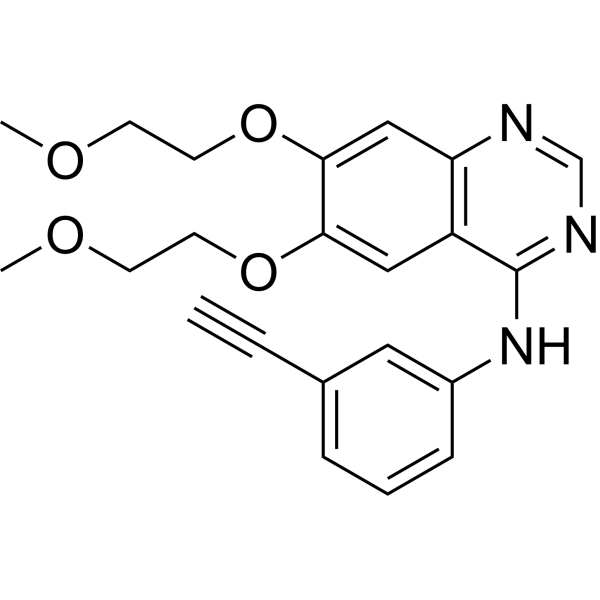
Erlotinib (CP-358774) is a selective, orally active EGFR tyrosine kinase inhibitor. Erlotinib also acts as a substrate and inhibitor of OATP2B1, with an IC50 of approximately 0.079 μM for inhibiting OATP2B1-mediated uptake of estrone 3-sulfate. Erlotinib blocks EGFR phosphorylation, downstream signal transduction, as well as the growth and proliferation of cancer cells. Erlotinib inhibits MMP-10-mediated renal injury, fibrotic lesions, the ERK1/2, GSK-3β and β-catenin signaling pathways, fibronectin, α-SMA, collagen deposition, and renal injury markers. Erlotinib is metabolized via CYP3A to produce the active metabolite OSI-420. Erlotinib can be used in research related to non-small cell lung cancer, gastric cancer, papillary renal cell carcinoma, pancreatic cancer, renal fibrosis, and other conditions .
loading...
    loading...
143
143 Publications Verification
Cat. No.: HY-12008
CAS No.: 183319-69-9
Purity:  99.94%
Synonyms: CP-358774 hydrochloride; NSC 718781 hydrochloride; OSI-774 hydrochloride
Target:  

EGFR OAT ERK GSK-3 β-catenin

Research Areas:  

Endocrinology Cancer

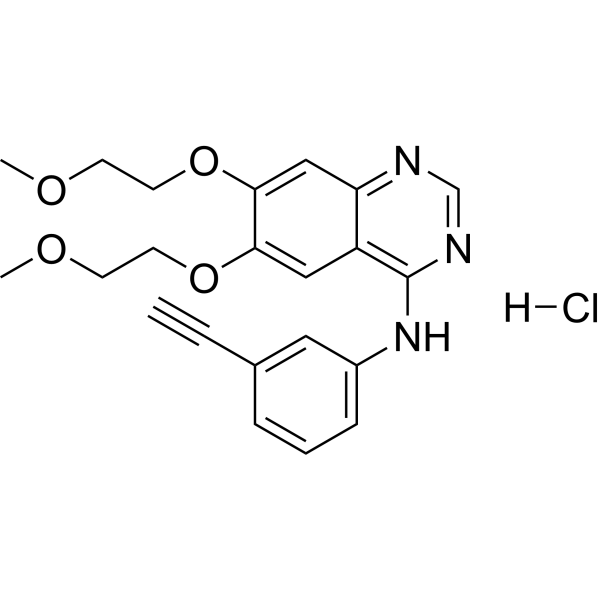
Erlotinib (CP-358774) Hydrochloride is a selective, orally active EGFR tyrosine kinase inhibitor. Erlotinib Hydrochloride also acts as a substrate and inhibitor of OATP2B1, with an IC50 of approximately 0.079 μM for inhibiting OATP2B1-mediated uptake of estrone 3-sulfate. Erlotinib Hydrochloride blocks EGFR phosphorylation, downstream signal transduction, as well as the growth and proliferation of cancer cells. Erlotinib Hydrochloride inhibits MMP-10-mediated renal injury, fibrotic lesions, the ERK1/2, GSK-3β and β-catenin signaling pathways, as well as the deposition of fibronectin, α-SMA, collagen and renal injury markers. Erlotinib Hydrochloride is metabolized via CYP3A to produce the active metabolite OSI-420. Erlotinib Hydrochloride can be used in research related to non-small cell lung cancer, gastric cancer, papillary renal cell carcinoma, EGFR inhibitor resistance and renal fibrosis .
loading...
    loading...
11
11 Cited Publications
Cat. No.: HY-12882A
CAS No.: 23210-58-4
Purity:  99.95%
Synonyms: NP-120 tartrate; RC-61-91 tartrate
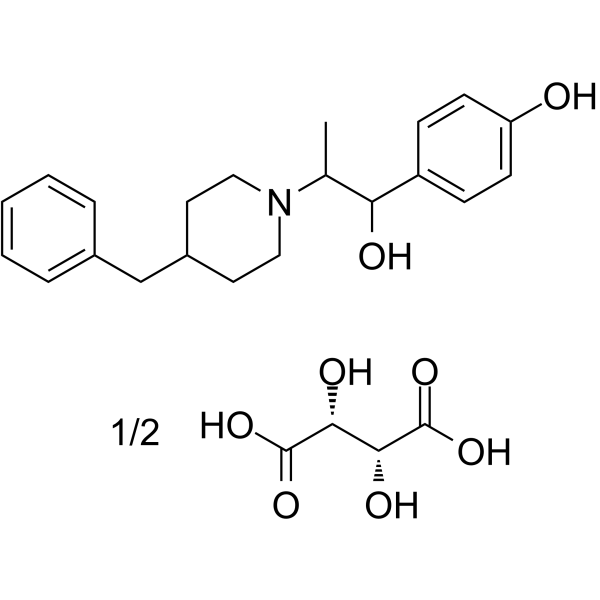
Ifenprodil (NP-120) tartrate, a cerebral vasodilator, is a noncompetitive NMDA receptor antagonist. Ifenprodil tartrate exerts high affinity at NR1A/NR2B receptors (IC50=0.34 μM) over 400-fold than at NR1A/NR2A receptors (IC50=146 μM) . Ifenprodil tartrate is an α1 adrenergic receptor antagonist. Ifenprodil tartrate inhibits GIRK (Kir3), reduces inward currents through the basal GIRK activity. Ifenprodil tartrate has reliable inhibitory effects against A/H1N1 strains (EC50 of 6.6 µM). Ifenprodil tartrate has neuroprotective, anticonvulsant and antinociceptive effects. Ifenprodil tartrate can be used for the study of cerebrovascular diseases and peripheral arterial obliterative disease .
loading...
    loading...
11
11 Cited Publications
Cat. No.: HY-12882
CAS No.: 23210-56-2
Purity:  99.94%
Synonyms: NP-120; RC-61-91
Ifenprodil (NP-120), a cerebral vasodilator, is a noncompetitive NMDA receptor antagonist. Ifenprodil exerts high affinity at NR1A/NR2B receptors (IC50=0.34 μM) over 400-fold than at NR1A/NR2A receptors (IC50=146 μM) . Ifenprodil is an α1 adrenergic receptor antagonist. Ifenprodil inhibits GIRK (Kir3), reduces inward currents through the basal GIRK activity. Ifenprodil has reliable inhibitory effects against A/H1N1 strains (EC50 of 6.6 µM). Ifenprodil has neuroprotective, anticonvulsant and antinociceptive effects. Ifenprodil can be used for the study of cerebrovascular diseases and peripheral arterial obliterative disease .
loading...
    loading...
8
8 Cited Publications
Cat. No.: HY-N3513
CAS No.: 62949-79-5
Synonyms: Kuwanon C
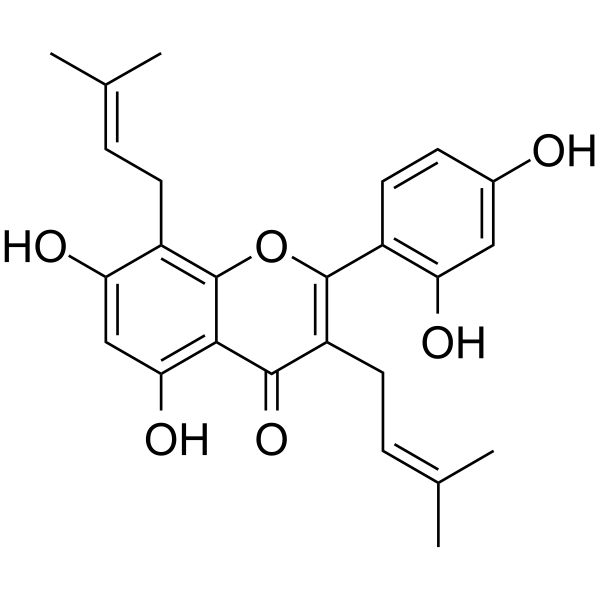
Mulberrin is a strong inhibitor of organic anion-transporting polypeptide 2B1 (OATP2B1)-mediated estrone-3-sulfate (E3S) uptake with an IC50 value being 1.8?±1.5 μM.
loading...
    loading...
1
1 Cited Publications
Cat. No.: HY-13457
CAS No.: 852918-02-6
Purity:  99.06%
Target:  

iGluR

Research Areas:  

Neurological Disease

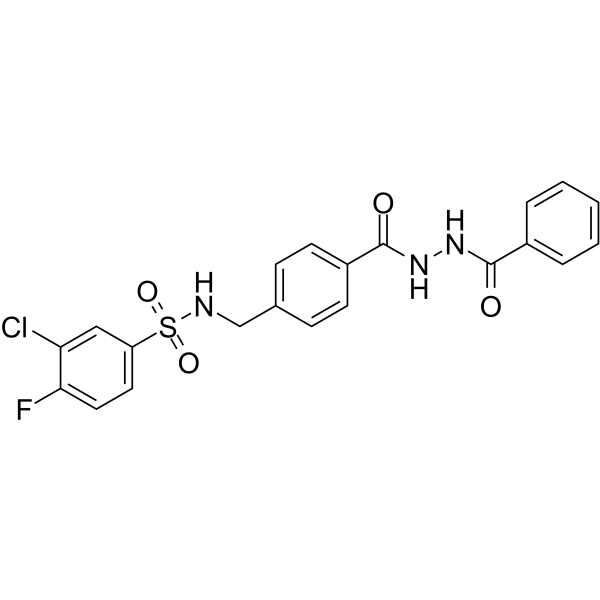
TCN 201 is a potent, selective and non-competitive antagonist of GluN1/GluN2A NMDA receptor, with a pIC50 of 6.8. TCN 201 is selective for GluN1/GluN2A NMDA receptor over GluN1/GluN2B NMDA receptor (pIC50<4.3) .
loading...
    loading...
1
1 Cited Publications
Cat. No.: HY-N7755
CAS No.: 14982-12-8
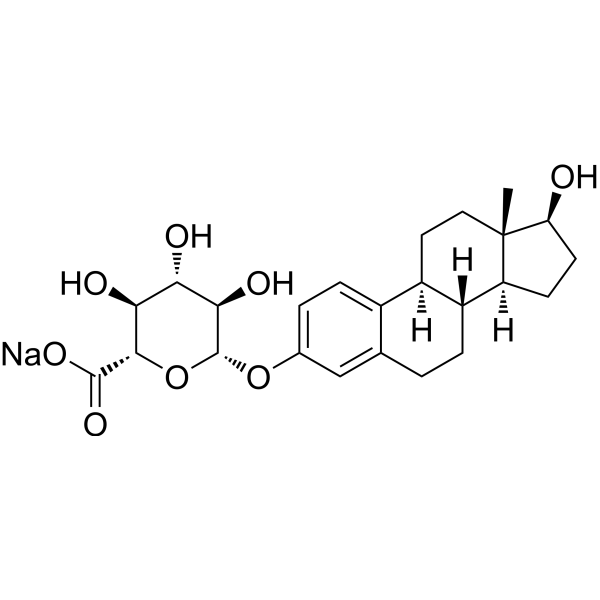
Estradiol 3-glucuronide sodium is an estrogen metabolite, which is a glucuronide conjugate formed by the catalysis of uridine diphosphate glucuronosyltransferase in tissues such as the liver from Estradiol (HY-B0141). Estradiol 3-glucuronide sodium is a potent substrate of Mrp2, with an S50 of 55.7 μM. Estradiol 3-glucuronide sodium achieves hepatobiliary transport in hepatocytes through basolateral uptake via OATP1B1, OATP1B3 and OATP2B1, as well as apical efflux via MRP2 and BCRP .
loading...
    loading...
1
1 Cited Publications
Cat. No.: HY-W585842
CAS No.: 15270-30-1
Estradiol 3-glucuronide is an estrogen metabolite, which is a glucuronide conjugate formed from Estradiol (HY-B0141) via catalysis by uridine diphosphate glucuronosyltransferases in tissues such as the liver. Estradiol 3-glucuronide is a potent substrate of Mrp2, with an S50 value of 55.7 μM. Estradiol 3-glucuronide achieves hepatobiliary transport in hepatocytes through basolateral uptake via OATP1B1, OATP1B3 and OATP2B1, as well as apical efflux via MRP2 and BCRP .
loading...
    loading...
1
1 Cited Publications
Cat. No.: HY-P76666
Purity:  ≥ 90%, as determined by reducing SDS-PAGE.
Synonyms: ST2B1; Sulfotransferase 2B1; Alcohol Sulfotransferase; HSST2
Species:  
Source:  
loading...
    loading...
Cat. No.: HY-50896R
CAS No.: 183321-74-6
Synonyms: CP-358774 (Standard); NSC 718781 (Standard); OSI-774 (Standard)
Erlotinib Standard (CP-358774 Standard) is the analytical standard of Erlotinib (HY-50896). This product is intended for research and analytical applications. Erlotinib (CP-358774) is a selective, orally active EGFR tyrosine kinase inhibitor. Erlotinib also acts as a substrate and inhibitor of OATP2B1, with an IC50 of approximately 0.079 μM for inhibiting OATP2B1-mediated uptake of estrone 3-sulfate. Erlotinib blocks EGFR phosphorylation, downstream signal transduction, as well as the growth and proliferation of cancer cells. Erlotinib inhibits MMP-10-mediated renal injury, fibrotic lesions, the ERK1/2, GSK-3β and β-catenin signaling pathways, as well as the deposition of fibronectin, α-SMA, collagen and renal injury markers. Erlotinib is metabolized via CYP3A to produce the active metabolite OSI-420. Erlotinib can be used in research related to non-small cell lung cancer, gastric cancer, papillary renal cell carcinoma, EGFR inhibitor resistance and renal fibrosis .
loading...
    loading...
Cat. No.: HY-78086
CAS No.: 620-23-5
Synonyms: 3-Methylbenzaldehyde
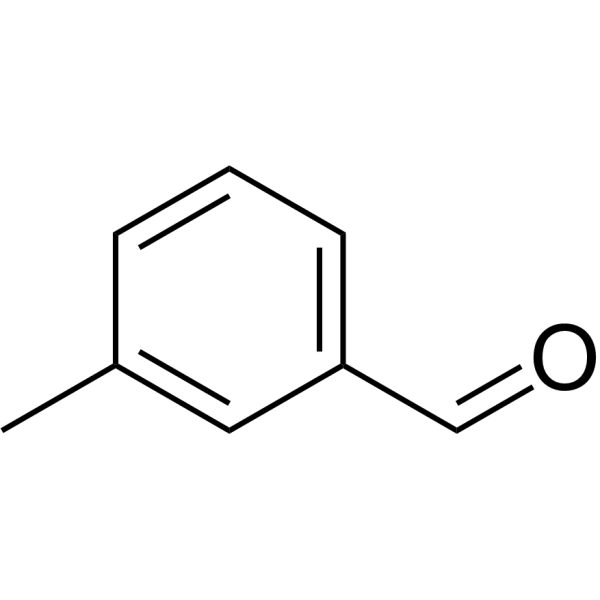
m-Tolualdehyde (3-Methylbenzaldehyde) is an aldehyde metabolite produced by m-xylene metabolism, and it bidirectionally regulates the CYP 2B1, CYP 2E1, and CYP 4B1 isoenzymes in the respiratory tract of rats. m-Tolualdehyde serves as an oxidation substrate and carbon source for Pseudomonas Pxy, and it can be oxidized to m-toluic acid in an NAD + -dependent manner. m-Tolualdehyde exerts a dose-dependent inhibitory effect on CYP 2B1 and CYP 2E1 in the nasal mucosa and lungs of rats, and a dose-dependent activating effect on pulmonary CYP 4B1. m-Tolualdehyde can form aldehyde-heme adducts with the heme group of cytochrome P450. m-Tolualdehyde can be used in studies related to metabolic enzymes in the respiratory tract of rats .
loading...
    loading...
Cat. No.: HY-B1042
CAS No.: 1949-20-8
Synonyms: SKF-9976 citrate; AF-438 citrate
Target:  

Cytochrome P450

Research Areas:  

Inflammation/Immunology

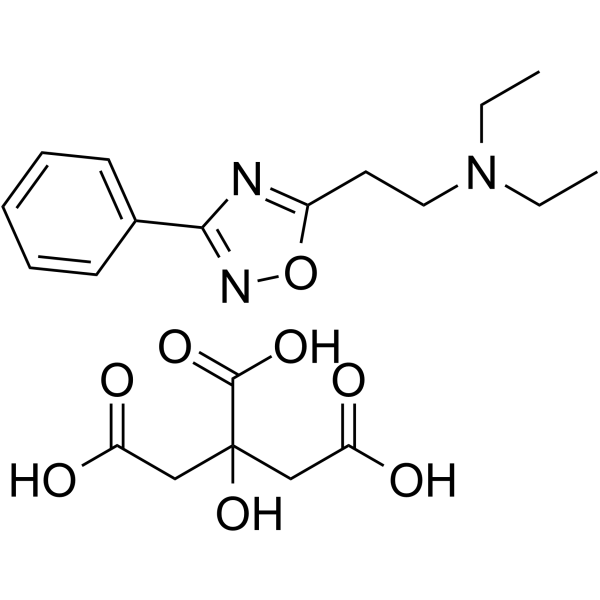
Oxolamine citrate (SKF-9976 citrate) is an orally active antitussive. Oxolamine citrate can inhibit CYP2B1/2. Oxolamine citrate has anti-inflammatory effects on the respiratory organs of guinea pigs. Oxolamine citrate increases the AUC of Warfarin (HY-B0687) and prolongs its terminal half-life. Oxolamine citrate can be used in respiratory disease research .
loading...
    loading...
Cat. No.: HY-126848
CAS No.: 64118-81-6
Purity:  95.6%
Synonyms: D-1-O-G
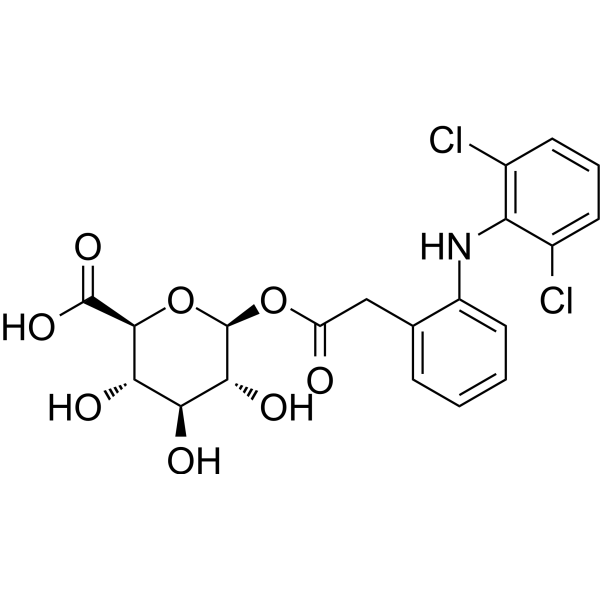
Diclofenac acyl glucuronide (D-1-O-G) is an orally active glucuronide metabolite of Diclofenac (HY-15036). Diclofenac acyl glucuronide exhibits SOD inhibitory activity, COX-1 inhibitory activity (IC50 = 0.620 μM), and COX-2 inhibitory activity (IC50 = 2.91 μM). Diclofenac acyl glucuronide induces reactive oxygen species (ROS) production and acts as a substrate of OATP2B1. Diclofenac acyl glucuronide induces small intestinal ulcers . Diclofenac acyl glucuronide can be used in research related to intestinal diseases and small intestinal ulcers .
loading...
    loading...
Cat. No.: HY-131452
CAS No.: 34993-56-1
Purity:  97.10%
Target:  

Cytochrome P450

Research Areas:  

Cancer

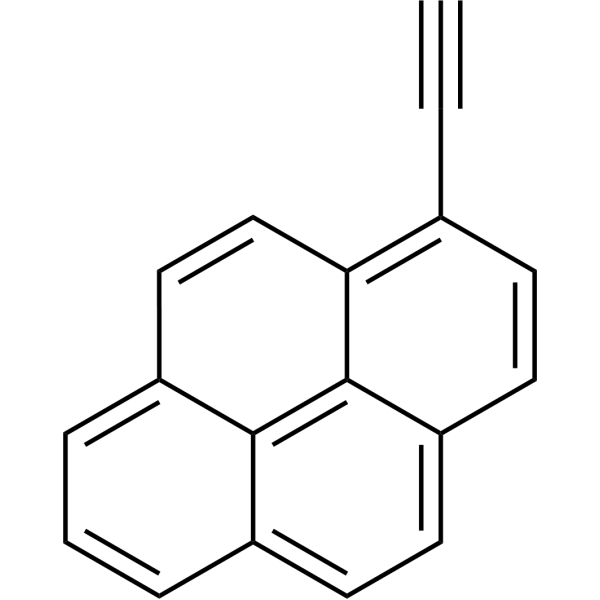
1-Ethynylpyrene is an aryl acetylenic inhibitor of cytochromes P450 1A1, 1A2, and 2B1 with IC50s of 0.18, 0.32, and 0.04 μM, respectively . 1-Ethynylpyrene is a click chemistry reagent, it contains an Alkyne group and can undergo copper-catalyzed azide-alkyne cycloaddition (CuAAc) with molecules containing Azide groups.
loading...
    loading...
Cat. No.: HY-101043
CAS No.: 201216-39-9
Purity:  99.63%
Target:  

Sigma Receptor iGluR

Research Areas:  

Neurological Disease

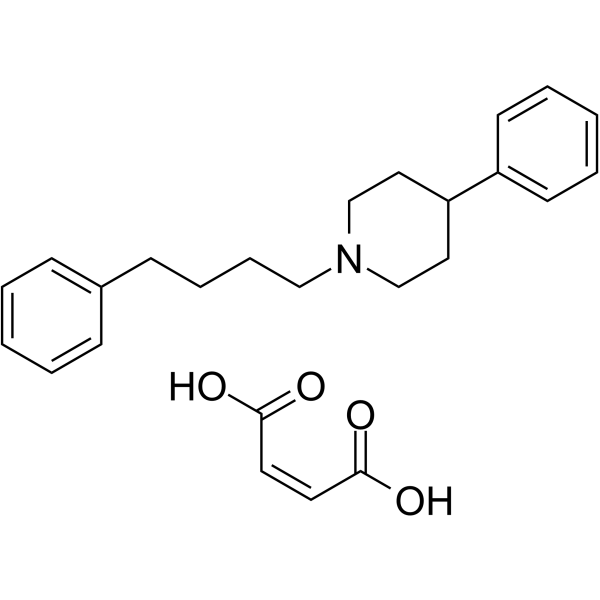
4-PPBP maleate is a potent σ 1 receptor ligand and agonist. 4-PPBP maleate is a non-competitive, selective NR1a/2B NMDA receptors (expressed in Xenopus oocytes) antagonist. 4-PPBP maleate provides neuroprotection .
loading...
    loading...
Cat. No.: HY-B1404
CAS No.: 849-55-8
Synonyms: Buphenine hydrochloride
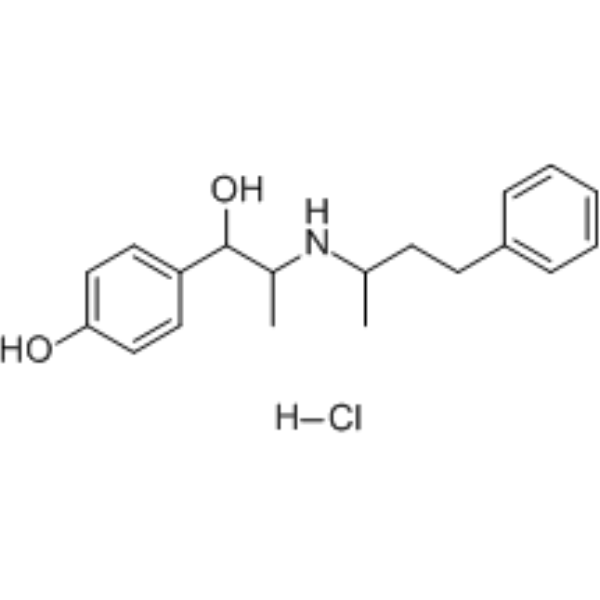
Nylidrin hydrochloride (Buphenine hydrochloride) is an orally active β-adrenergic agonist. Nylidrin hydrochloride antagonizes NR1A/2B NMDA receptors (IC50 = 0.18 μM in Xenopus oocytes). Nylidrin hydrochloride reduces the levels of NP, HA, and M1. Nylidrin hydrochloride has antiviral activity against multiple H1N1 subtype influenza A viruses. Nylidrin hydrochloride improves hemorrhagic shock and anti-allergic effects .
loading...
    loading...
Cat. No.: HY-W008038
CAS No.: 39512-49-7
Target:  

iGluR

Research Areas:  

Others

NMDAR antagonist 3 (Compound 2) is an antagonist of the NMDA receptor. NMDAR antagonist 3 has a certain but weak inhibitory activity against the NR1A/2B subtype of the NMDA receptor .
loading...
    loading...
Cat. No.: HY-12008R
CAS No.: 183319-69-9
Synonyms: CP-358774 hydrochloride (Standard); NSC 718781 hydrochloride (Standard); OSI-774 hydrochloride (Standard)
Erlotinib Hydrochloride Standard (CP-358774 hydrochloride Standard) is the analytical standard of Erlotinib Hydrochloride (HY-12008). This product is intended for research and analytical applications. Erlotinib (CP-358774) Hydrochloride is a selective, orally active EGFR tyrosine kinase inhibitor. Erlotinib Hydrochloride also acts as a substrate and inhibitor of OATP2B1, with an IC50 of approximately 0.079 μM for inhibiting OATP2B1-mediated uptake of estrone 3-sulfate. Erlotinib Hydrochloride blocks EGFR phosphorylation, downstream signal transduction, as well as the growth and proliferation of cancer cells. Erlotinib Hydrochloride inhibits MMP-10-mediated renal injury, fibrotic lesions, the ERK1/2, GSK-3β and β-catenin signaling pathways, as well as the deposition of fibronectin, α-SMA, collagen and renal injury markers. Erlotinib Hydrochloride is metabolized via CYP3A to produce the active metabolite OSI-420. Erlotinib Hydrochloride can be used in research related to non-small cell lung cancer, gastric cancer, papillary renal cell carcinoma, EGFR inhibitor resistance and renal fibrosis .
loading...
    loading...
Cat. No.: HY-50896S
CAS No.: 1034651-23-4
Synonyms: CP-358774-d6; NSC 718781-d6; OSI-774-d6
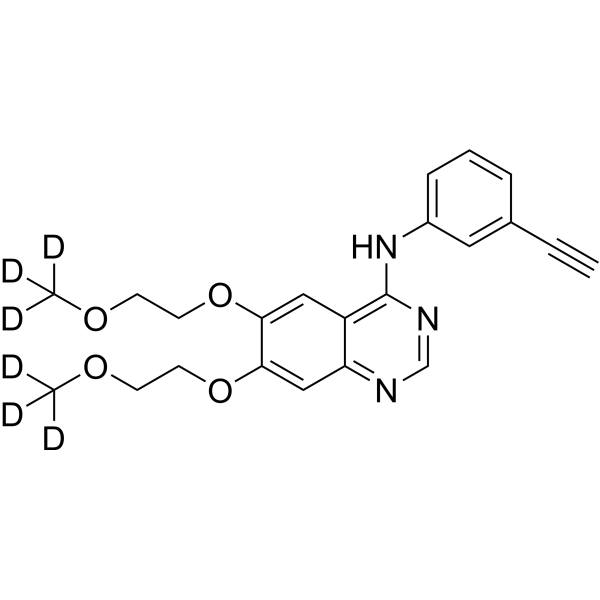
Erlotinib-d6 (CP-358774-d6) is the deuterated-labeled Erlotinib (HY-50896). Erlotinib (CP-358774) is a selective, orally active EGFR tyrosine kinase inhibitor. Erlotinib also acts as a substrate and inhibitor of OATP2B1, with an IC50 of approximately 0.079 μM for inhibiting OATP2B1-mediated uptake of estrone 3-sulfate. Erlotinib blocks EGFR phosphorylation, downstream signal transduction, as well as the growth and proliferation of cancer cells. Erlotinib inhibits MMP-10-mediated renal injury, fibrotic lesions, the ERK1/2, GSK-3β and β-catenin signaling pathways, fibronectin, α-SMA, collagen deposition, and renal injury markers. Erlotinib is metabolized via CYP3A to produce the active metabolite OSI-420. Erlotinib can be used in research related to non-small cell lung cancer, gastric cancer, papillary renal cell carcinoma, pancreatic cancer, renal fibrosis, and other conditions .
loading...
    loading...
Cat. No.: HY-107707
CAS No.: 302799-86-6
Purity:  99.84%
Target:  

iGluR

Research Areas:  

Neurological Disease

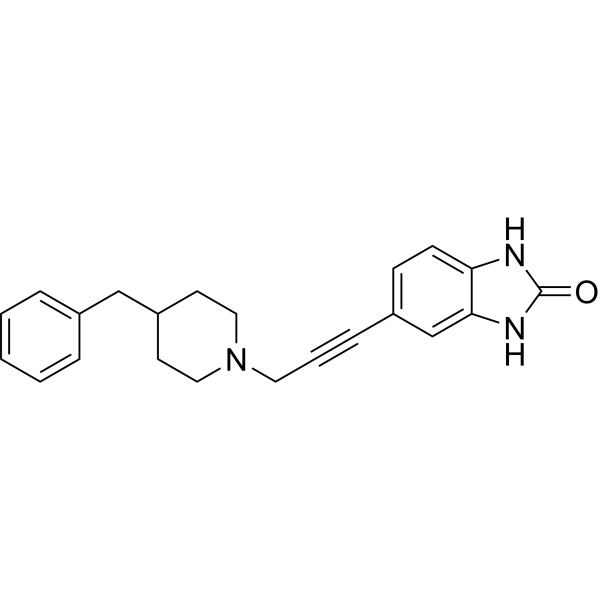
TCS 46b (Compound 46b) is a potent, selective and orally active NMDA NR1A/2B receptor antagonist with an IC50 of 5.3 nM . TCS 46b is a click chemistry reagent, it contains an Alkyne group and can undergo copper-catalyzed azide-alkyne cycloaddition (CuAAc) with molecules containing Azide groups.
loading...
    loading...

