10024 Results for "

ASO/siRNA lipidation

" in MedChemExpress (MCE) Product Catalog:
Products (10024)

10024 Results for "ASO/siRNA lipidation" in MCE Product Catalog:

168
168 Publications Verification
Cat. No.: HY-112251
CAS No.: 1224606-06-7
Purity:  99.68%
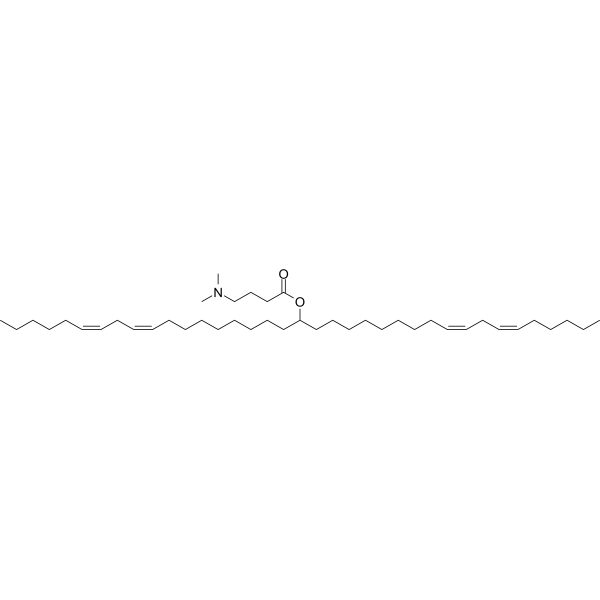
D-Lin-MC3-DMA, an ionizable cationic lipid, is a potent siRNA delivery vehicle.
loading...
    loading...
155
155 Cited Publications
Cat. No.: HY-D1301
CAS No.: 217075-36-0
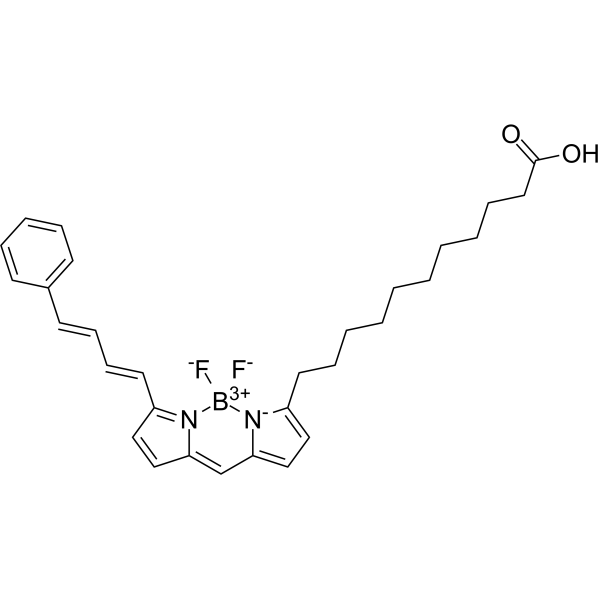
BODIPY 581/591 C11 is a BODIPY borofluoroprene derivative with good light stability and low fluorescence artifacts. BODIPY 581/591 C11 can be used for study lipid peroxidation and antioxidant properties in living cells, or detect ferroptosis by reaction with hydroxyl radicals. BODIPY 581/591 C11 is emitted at 591 nm (reduced prototype), or redshifted to 510 nm (oxidized type). The excitation wavelengths were 581 nm (reduced prototype) and 500 nm (oxidized type) .
loading...
    loading...
129
129 Cited Publications
Cat. No.: HY-D0718
CAS No.: 7385-67-3
Synonyms: Nile Blue A oxazone; Phenoxazone 9
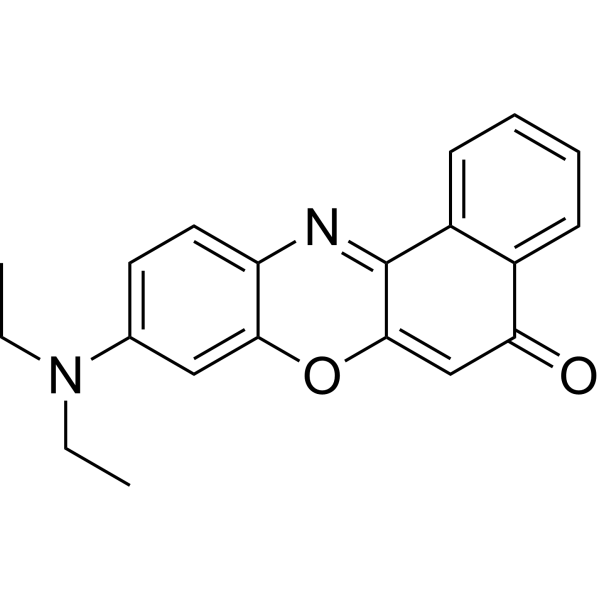
Nile red (Nile blue oxazone) is a lipophilic stain. Nile red has environment-sensitive fluorescence. Nile red is intensely fluorescent in a lipid-rich environment while it has minimal fluorescence in aqueous media. Nile red is an excellent vital stain for the detection of intracellular lipid droplets by fluorescence microscopy and flow cytof uorometry. Nile red stains intracellular lipid droplets red. The fluorescence wavelength is 559/635 nm .
loading...
    loading...
126
126 Cited Publications
Cat. No.: HY-W090090
CAS No.: 121207-31-6
Synonyms: Pyrromethene 546
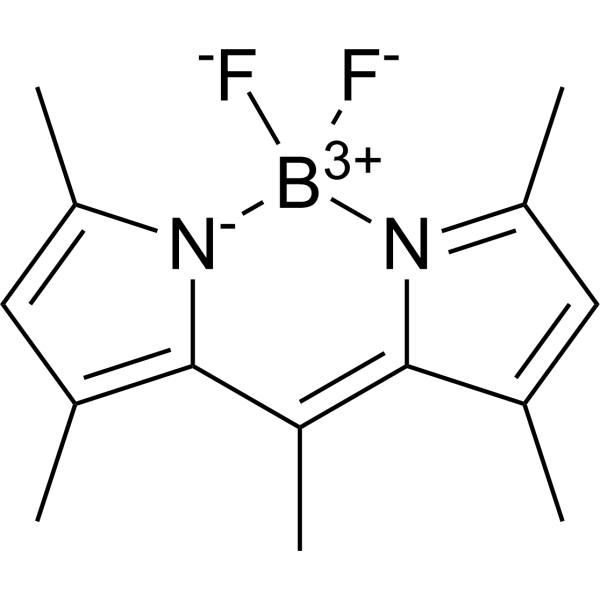
BODIPY493/503 is a BODIPY dye. BODIPY dye is a small molecule dye with strong ultraviolet absorption ability, its fluorescence peak is relatively sharp, and the quantum yield is high. They are relatively insensitive to the polarity and pH of the environment and are relatively stable under different physiological conditions. Due to its structural asymmetry, BODIPY derives a variety of structural products. BODIPY lipid droplet dyes can well pass through the cell membrane into the cell, and localize the neutral lipids in the cell to specifically stain the lipid droplets, which can be used for labeling of live cells and fixed cells . Maximum excitation/emission wavelength: 493/503 nm .
loading...
    loading...
50
50 Cited Publications
Cat. No.: HY-134541
CAS No.: 2089251-47-6
Purity:  99.97%
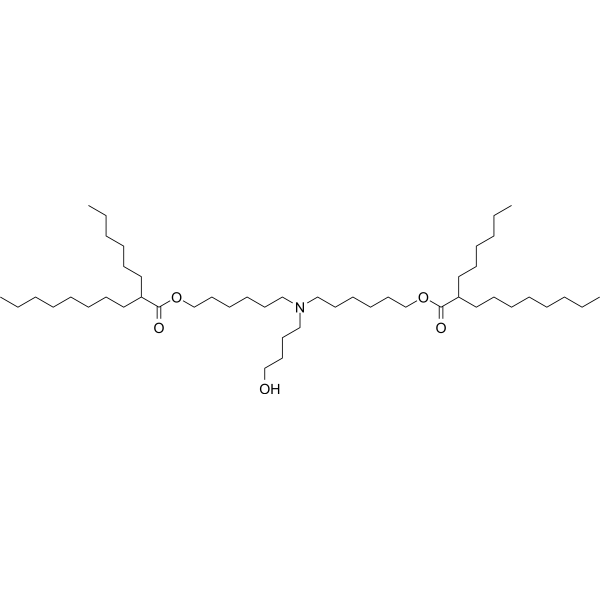
SM-102 is an amino cationic lipid useful in the formation of lipid nanoparticles (LNPs). SM-102 has higher transfection efficiency. SM-102 plays an important role in the effectiveness of lipid nanoparticles (LNPs) in delivering mRNA therapeutics and vaccines .
loading...
    loading...
44
44 Cited Publications
Cat. No.: HY-138170
CAS No.: 2036272-55-4
Purity:  99.81%
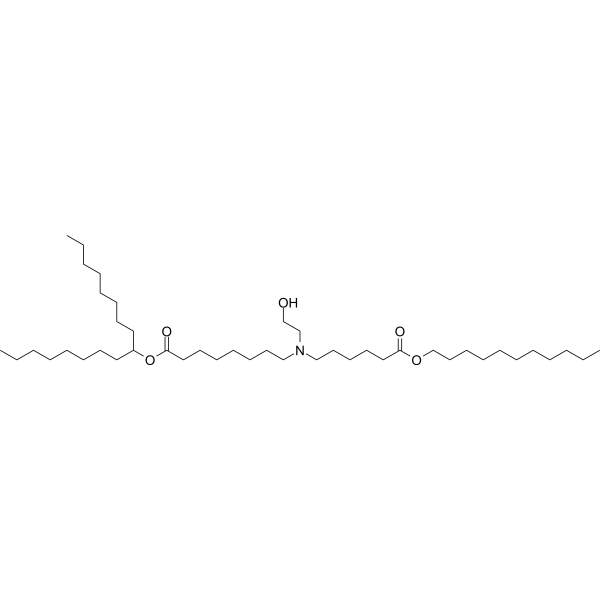
ALC-0315 is an ionisable aminolipid that is responsible for mRNA compaction and aids mRNA cellular delivery and its cytoplasmic release through suspected endosomal destabilization. ALC-0315 can be used to form lipid nanoparticle (LNP) delivery vehicles. Lipid-Nanoparticles have been used in the research of mRNA COVID-19 vaccine .
loading...
    loading...
30
30 Cited Publications
Cat. No.: HY-13771A
CAS No.: 2898-95-5
Purity:  99.06%
Synonyms: Ursodeoxycholate sodium; Ursodiol sodium; UCDA sodium
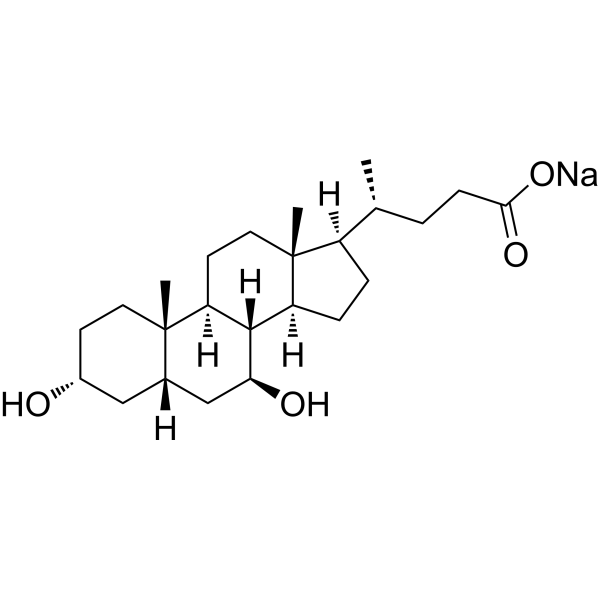
Ursodeoxycholic acid (Ursodeoxycholate) sodium is a secondary bile acid issued from the transformation of (cheno)deoxycholic acid by intestinal bacteria, acting as a key regulator of the intestinal barrier integrity and essential for lipid metabolism. Ursodeoxycholic acid sodium acts as signaling molecule, exerting its effects by interacting with bile acid activated receptors, including G-protein coupled bile acid receptor 5 (TGR5, GPCR19) and the farnesoid X receptor (FXR). Ursodeoxycholic acid sodium can be used for the research of a variety of hepatic and gastrointestinal diseases. Orally active .
loading...
    loading...
30
30 Cited Publications
Cat. No.: HY-13771
CAS No.: 128-13-2
Purity:  99.94%
Synonyms: Ursodeoxycholate; Ursodiol; UDCA
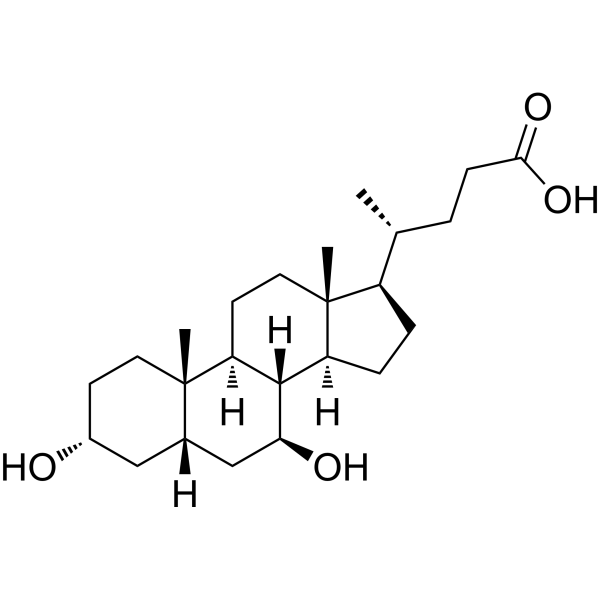
Ursodeoxycholic acid (Ursodeoxycholate) is a secondary bile acid issued from the transformation of (cheno)deoxycholic acid by intestinal bacteria, acting as a key regulator of the intestinal barrier integrity and essential for lipid metabolism. Ursodeoxycholic acid acts as signaling molecule, exerting its effects by interacting with bile acid activated receptors, including G-protein coupled bile acid receptor 5 (TGR5, GPCR19) and the farnesoid X receptor (FXR). Ursodeoxycholic acid can be used for the research of a variety of hepatic and gastrointestinal diseases. Ursodeoxycholic acid also reduces ACE2 expression and is beneficial for reducing SARS-CoV-2 infection. Orally active .
loading...
    loading...
27
27 Cited Publications
Cat. No.: HY-150150
Purity:  96.40%
Research Areas:  

Inflammation/Immunology

SiRNA Negative Control is a siRNA of 21 nucleotides, and can be used as a negative control. SiRNA Negative Control has no homology to most known gene sequence. SiRNA Negative Control can be used in human, mouse and rat cells in vitro. SiRNA Negative Control can be used as experimental control benchmark, verification of experimental reliability and standardization reference. SiRNA Negative Control is a common negative control used in most research articles.
loading...
    loading...
26
26 Cited Publications
Cat. No.: HY-112764
CAS No.: 160743-62-4
Purity:  98.40%
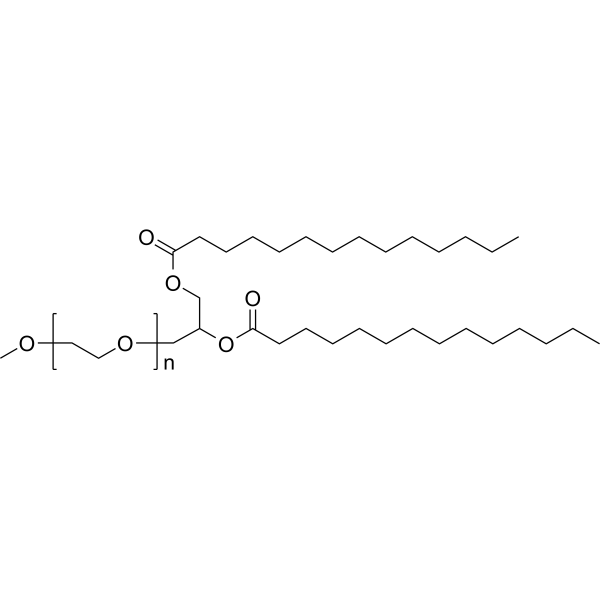
mPEG2000-DMG is used for the preparation of liposome for siRNA delivery with improved transfection efficiency in vitro. mPEG2000-DMG is also used for the lipid nanoparticle for an oral plasmid DNA delivery approach in vivo through a facile surface modification to improve the mucus permeability and delivery efficiency of the nanoparticles .
loading...
    loading...
24
24 Cited Publications
Cat. No.: HY-113378
CAS No.: 300-85-6
Purity:  99.31%
Synonyms: β-Hydroxybutyric acid
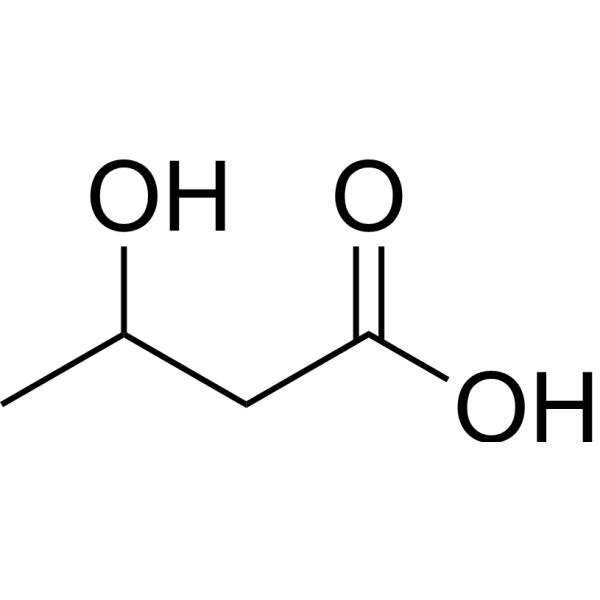
3-Hydroxybutyric acid (β-Hydroxybutyric acid) is a metabolite that is elevated in type I diabetes. 3-Hydroxybutyric acid can modulate the properties of membrane lipids .
loading...
    loading...
24
24 Cited Publications
Cat. No.: HY-W010452
CAS No.: 150-83-4
Synonyms: β-Hydroxybutyric acid sodium
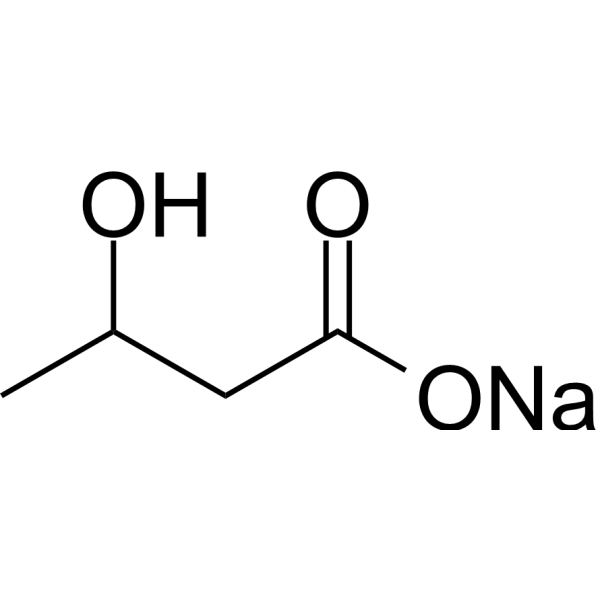
3-Hydroxybutyric acid sodium (β-Hydroxybutyric acid sodium) is a metabolite that is elevated in type I diabetes. 3-Hydroxybutyric acid sodium can modulate the properties of membrane lipids .
loading...
    loading...
22
22 Cited Publications
Cat. No.: HY-B2130
CAS No.: 69-93-2
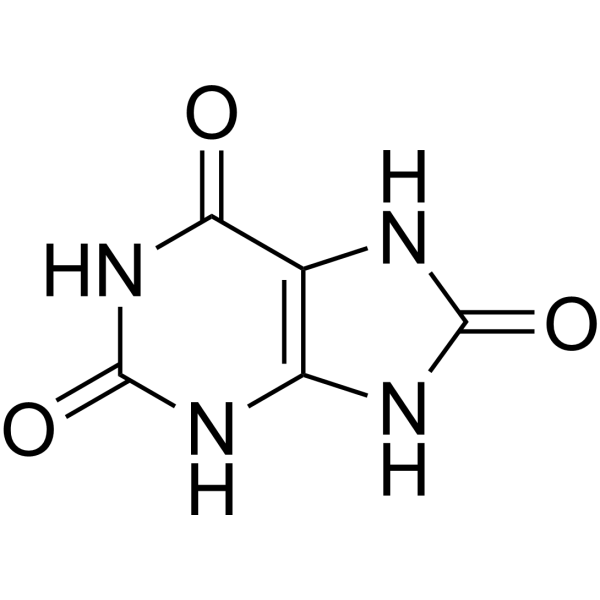
Uric acid is an orally active oxygen free radical scavenger that helps maintain stable blood pressure and combat oxidative stress. Uric acid can scavenge ROS, such as singlet oxygen and peroxynitrite, and inhibit lipid peroxidation. Uric acid can be used as a modeling agent in research on hyperuricemia-induced hypertension models .
loading...
    loading...
22
22 Cited Publications
Cat. No.: HY-B2130A
CAS No.: 1198-77-2
Synonyms: Monosodium urate
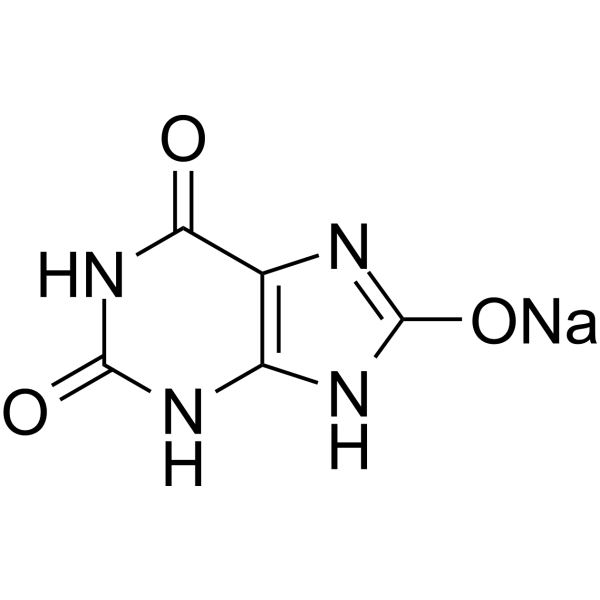
Uric acid sodium is an orally active oxygen free radical scavenger that helps maintain stable blood pressure and combat oxidative stress. Uric acid sodium can scavenge ROS, such as singlet oxygen and peroxynitrite, and inhibit lipid peroxidation. Uric acid sodium can be used as a modeling agent in research on hyperuricemia-induced hypertension models .
loading...
    loading...
21
21 Cited Publications
Cat. No.: HY-W040193
CAS No.: 816-94-4
Synonyms: 1,2-Distearoyl-sn-glycero-3-PC; 1,2-Distearoyl-sn-glycero-3-phosphorylcholine
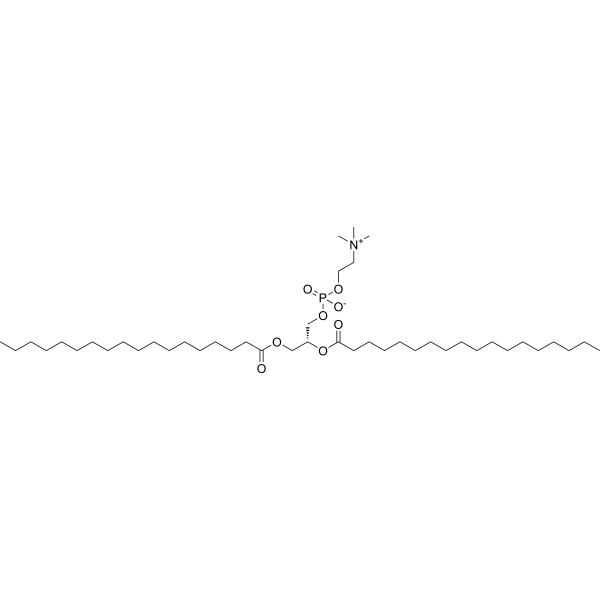
DSPC (1,2-Distearoyl-sn-glycero-3-phosphorylcholine) is a cylindrical-shaped lipid. DSPC is used to synthesize liposomes, and is the lipid component in the lipid nanoparticle (LNP) system .
loading...
    loading...
21
21 Cited Publications
Cat. No.: HY-108496
CAS No.: 26993-30-6
Purity:  ≥99.0%
Synonyms: S1P
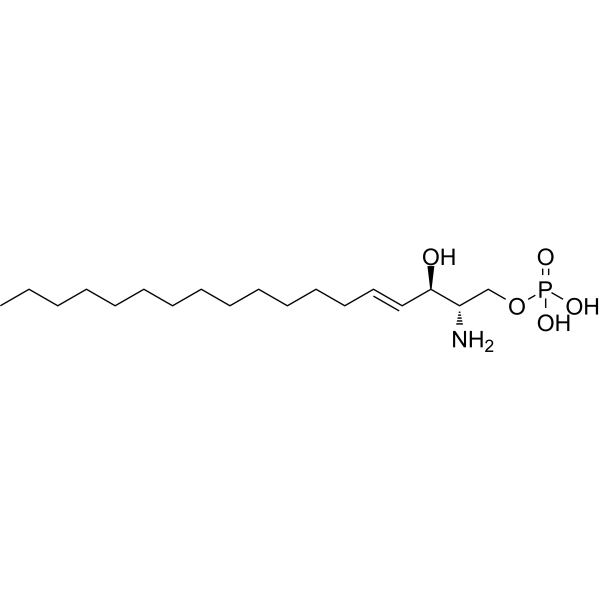
Sphingosine-1-phosphate (S1P) is an agonist of S1P1-5 receptors and a ligand of GPR3, GPR6 and GPR12. Sphingosine-1-phosphate is an intracellular second messenger and mobilizes Ca 2+ as an extracellular ligand for G protein-coupled receptors . Sphingosine-1-phosphate is an important lipid mediator generated from Sphingomyelin (HY-113498) or other membrane phospholipids . Sphingosine-1-phosphate stimulates the DNA synthesis, cell proliferation and migration .
loading...
    loading...
20
20 Cited Publications
Cat. No.: HY-145405
CAS No.: 1220890-25-4
Purity:  99.91%
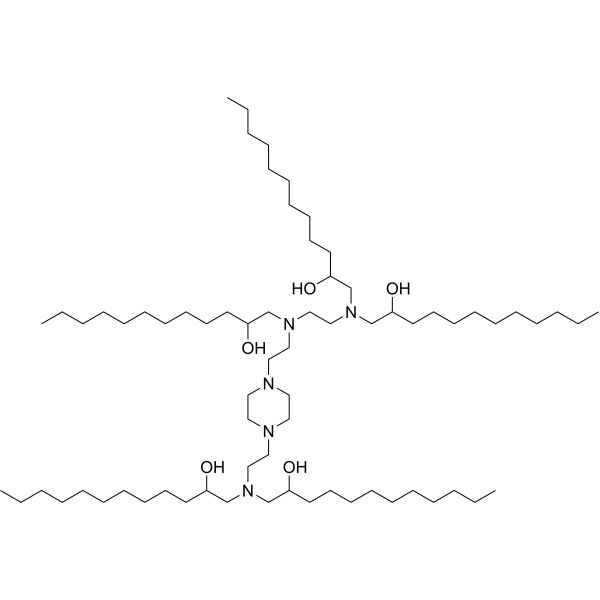
C12-200 is a type of ionizable cationic lipid and helper lipid commonly used for mRNA delivery. In the hemophilia B mouse model, mRNA encoding human erythropoietin (EPO) and coagulation factor IX (FIX) can be successfully delivered and expressed using C12-200. C12-200 is utilized in research related to hemophilia B .
loading...
    loading...
20
20 Cited Publications
Cat. No.: HY-F0003
CAS No.: 2646-71-1
Research Areas:  

Metabolic Disease Cancer

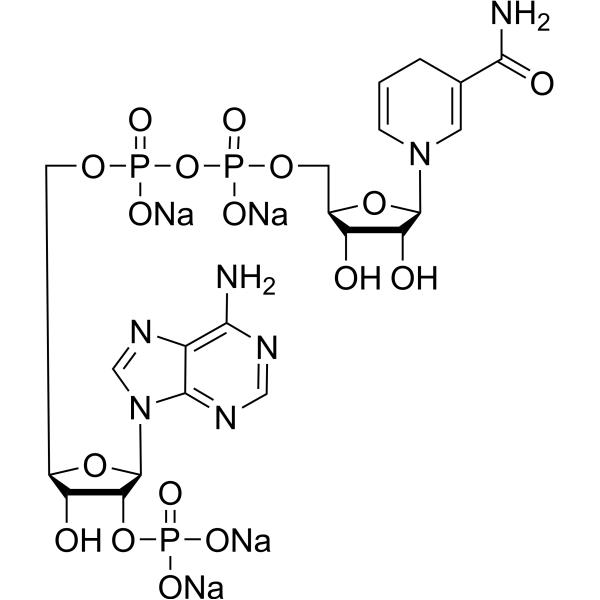
NADPH tetrasodium salt functions as an important cofactor in a variety of metabolic and biosynthetic pathways. NADPH tetrasodium salt is an endogenous inhibitor of ferroptosis. NADPH tetrasodium salt plays a vital role in the biosynthesis of agents, chiral alcohols, fatty acids and biopolymers, while also being required for lipid biosynthesis, biomass formation, and cell replication .
loading...
    loading...
20
20 Cited Publications
Cat. No.: HY-F0003A
CAS No.: 100929-71-3
Research Areas:  

Metabolic Disease Cancer

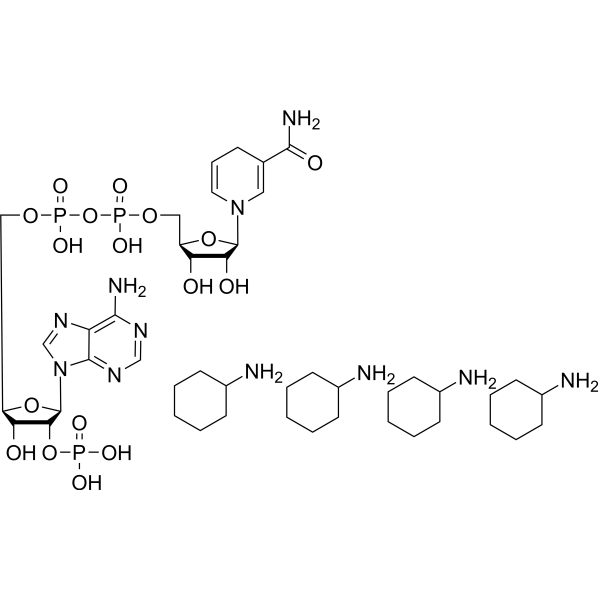
NADPH tetracyclohexanamine functions as an important cofactor in a variety of metabolic and biosynthetic pathways. NADPH tetracyclohexanamine is an endogenous inhibitor of ferroptosis. NADPH tetracyclohexanamine plays a vital role in the biosynthesis of agents, chiral alcohols, fatty acids and biopolymers, while also being required for lipid biosynthesis, biomass formation, and cell replication .
loading...
    loading...
19
19 Cited Publications
Cat. No.: HY-112754A
CAS No.: 132172-61-3
Purity:  99.91%
Synonyms: 1,2-Dioleoyl-3-trimethylammonium-propane chloride
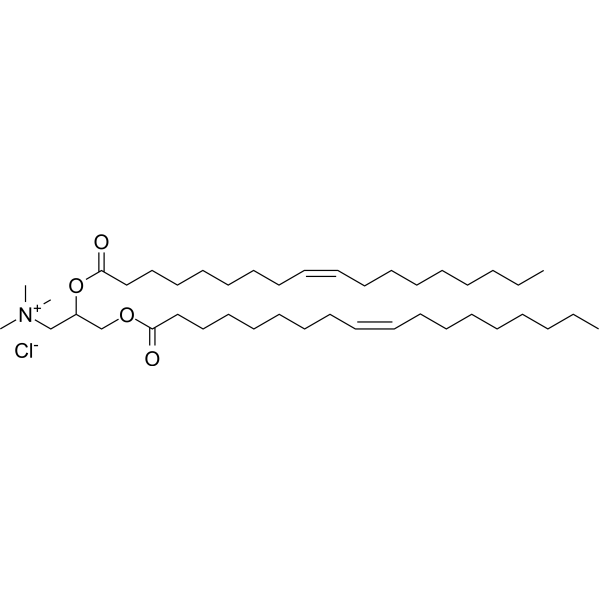
DOTAP chloride is a useful and effective cationic lipid for transient and stable transfection DNA (plasmids, bacmids) and modified nucleic acids (antisense oligonucleotides) with out the use of helper lipid .
loading...
    loading...

