From 11:00 pm to 12:00 pm EST ( 8:00 pm to 9:00 pm PST ) on January 6th, the website will be under maintenance. We are sorry for the inconvenience. Please arrange your schedule properly.
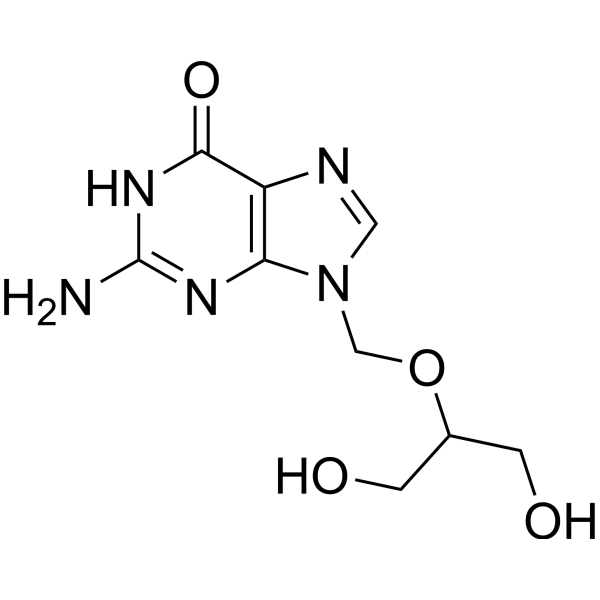
Ganciclovir (BW 759), a nucleoside analogue, is an orally active antiviral agent with activity against CMV. Ganciclovir also has activity in vitro against members of the herpes group and some other DNA viruses. Ganciclovir inhibits the in vitro replication of human herpes viruses (HSV 1 and 2, CMV) and adenovirus serotypes 1, 2, 4, 6, 8, 10, 19, 22 and 28. Ganciclovir has an IC50 of 5.2 μM for feline herpesvirus type-1 (FHV-1) and can diffuse into the brain .
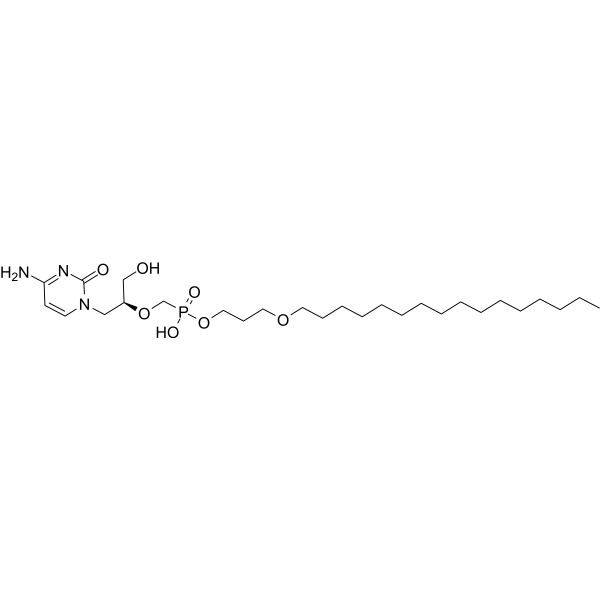
Brincidofovir (CMX001), the lipid-conjugated prodrug of Cidofovir (HY-17438), is an orally available, long-acting antiviral. Brincidofovir shows activity against a broad spectrum of DNA viruses including cytomegalovirus (CMV), adenovirus (ADV), varicella zoster virus, herpes simplex virus, polyomaviruses, papillomaviruses, poxviruses, and mixed double-stranded DNA virus infections. Brincidofovir, an oral antiviral in late stage development, has proven effective against orthopoxviruses in vitro and in vivo .
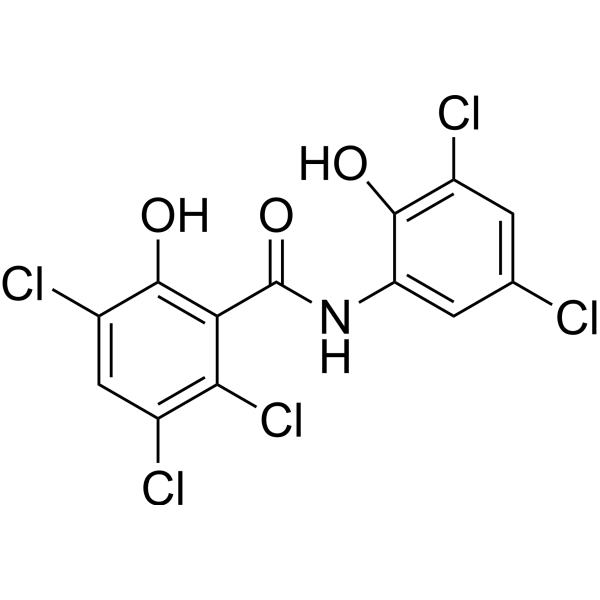
Oxyclozanide is an orally active salicylanilide anthelmintic agent that mainly acts by uncoupling oxidative phosphorylation in flukes. Oxyclozanide shows good anti-adenovirus, anti-biofilm, antifungal, and antibacterial activity .
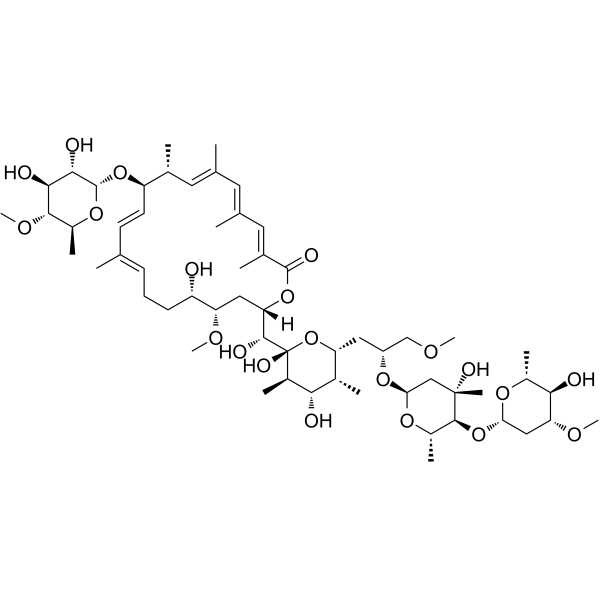
Apoptolidin is a polyketide isolated from Nocardiopsis bacteria . Apoptolidin is a selective mitochondrial F1FO ATPase inhibitor. Apoptolidin is an apoptosis inducer and induces apoptotic cell death in cells transformed with the adenovirus type 12 oncogenes including ElA (IC50=10-17 ng/ml) but not in normal cells .
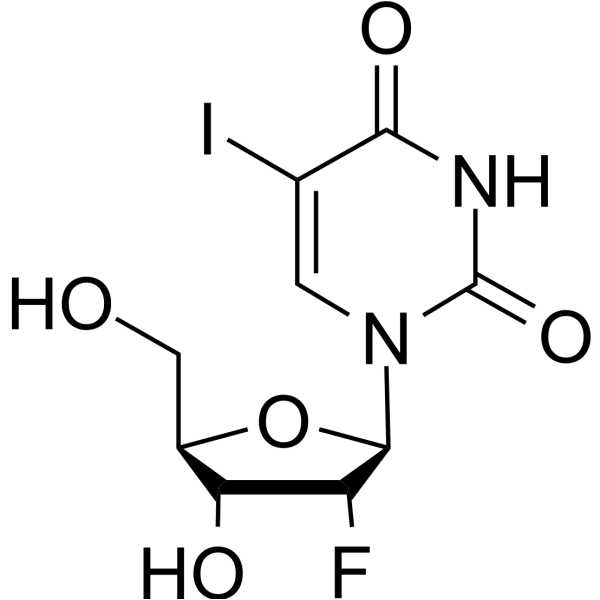
2'-Deoxy-2'-fluoro-5-iodouridine (FIRU) is a nucleoside analog. When labeled with 123I, 2'-Deoxy-2'-fluoro-5-iodouridine accumulates highly selectively in tumors expressing the HSV1-tk gene. Radiolabeled 2'-Deoxy-2'-fluoro-5-iodouridine enables imaging of adenovirus-mediated HSV1-tk suicide gene transfer .
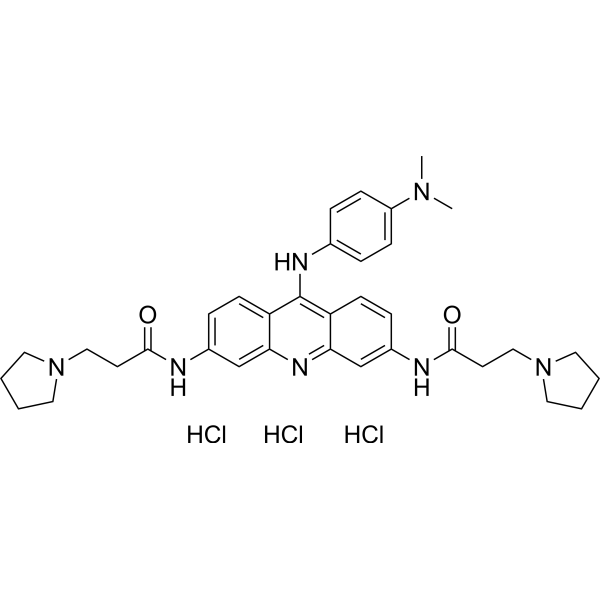
Braco-19 trihydrochloride is a potent telomerase/telomere inhibitor, preventing the capping and catalytic action of telomerase. Braco-19 acts as G-quadruplex (GQ) binding ligand, stabilizing G-quadruplexes formation at the 3V telomeric DNA overhang and produce rapid senescence or selective cell death. Braco-19 is also a HAdV virus replication inhibitor .
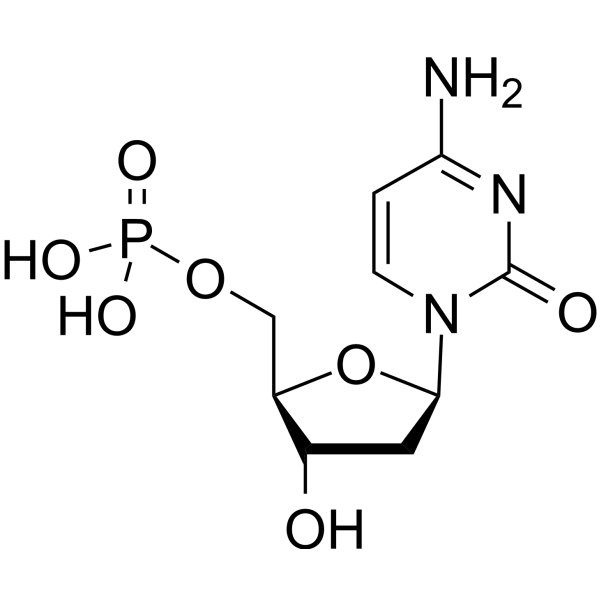
2'-Deoxycytidine-5'-monophosphate (5'-dCMP) is a compound that binds to the adenovirus terminal protein with a molecular weight of 80000 daltons. 2'-Deoxycytidine-5'-monophosphate forms a covalent complex with this protein and is associated with adenovirusDNA replication .
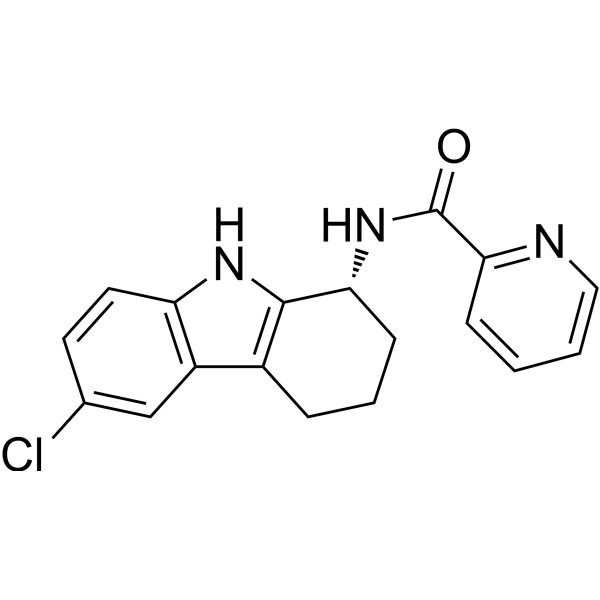
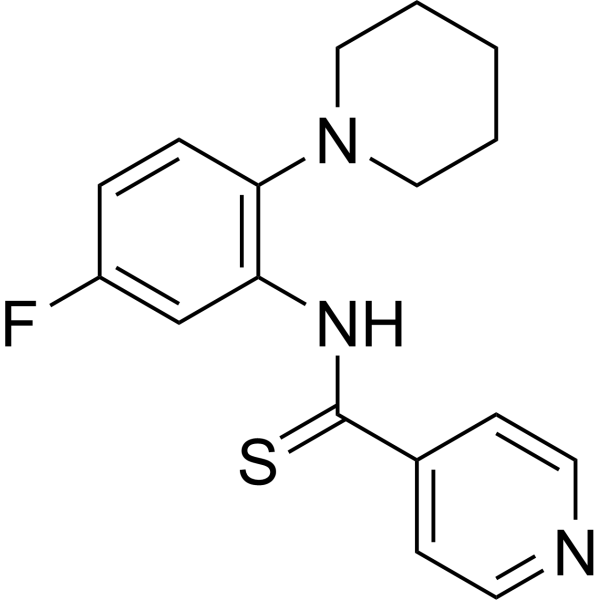
GSK983 is a broad-spectrum antiviral agent. GSK983 inhibits the replication of adenovirus-5 (Ad-5) and polyoma virus SV40. GSK983 inhibits the growth of cell lines immortalized by
EBV, HTLV1, HPV. GSK983 induces the expression of interferon-stimulated genes .
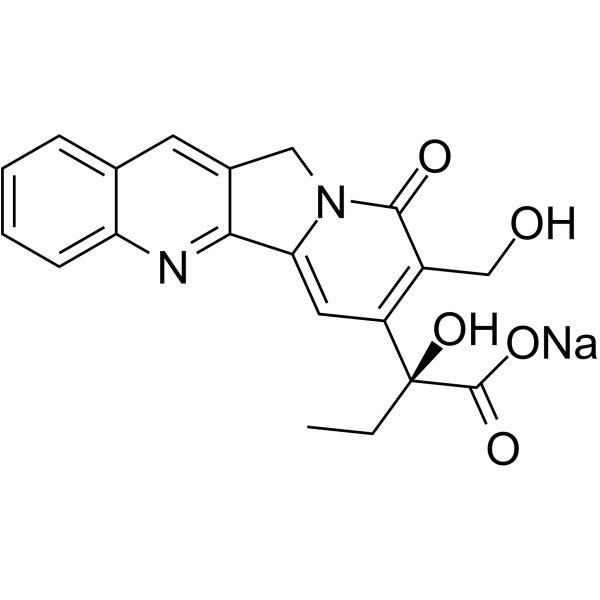
Sodium Camptothecin is a plant alkaloid, with antitumor activity. Sodium Camptothecin is a reversible inhibitor of RNA synthesis. Sodium Camptothecin is an effective inhibitor of adenovirus replication. Sodium Camptothecin inhibits DNA synthesis and causes breaks in intracellular preformed viral DNA .
λ Protein phosphatase is a serine/threonine phosphatase encoded by bacteriophage Lambda. λ Protein phosphatase is activated with requirement for divalent cations, such as Mn 2+. λ Protein phosphatase is able to dephosphorylate casein, adenovirus E1A protein, and the α subunit of phosphorylase kinase
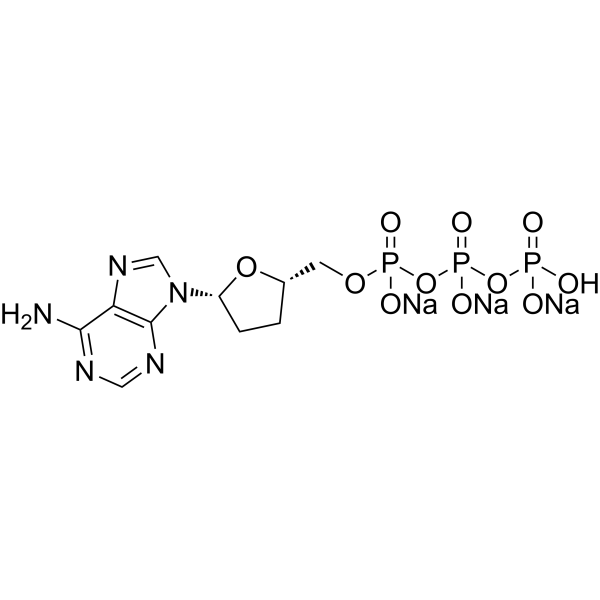
ddATP (2',3'-Dideoxyadenosine 5'-triphosphate) trisodium, an active metabolite of 2',3'-dideoxyinosine, is a chain-elongating inhibitor of DNA polymerase. ddATP trisodium can be used for Sanger method for DNA sequencing and research of virus infection .
FIT-039 is a selective, ATP-competitive and orally active CDK9 inhibitor with an IC50 of 5.8 μM for CKD9/cyclin T1. FIT-039 does not inhibit other CDKs and other kinases. FIT-039 inhibits replication of HSV-1 (IC50 of 0.69 μM), HSV-2, human adenovirus, and human CMV. FIT-039 is a promising antiviral agent for inhibiting drug-resistant HSVs and other DNA viruses.
Peptide P60 is a FOXP3 inhibitor. Peptide P60 reduces the nuclear translocation of FOXP3 and impairs FOXP3-mediated inhibition of NF-κB and NFAT activity. Peptide P60 inhibits the immunosuppressive activity of regulatory T cells and restores the proliferation and activation of effector T cells. Peptide P60 induces lymphoproliferative autoimmune syndrome in neonatal ICR mice and reduces the number of CD4 +CD25 +Foxp3 + T cells in the spleen. Peptide P60 enhances the efficacy of AH1 (HY-P4193) peptide vaccine and recombinant adenovirus-based HCV NS3 vaccine in BALB/c mice, including protective effects against CT26 tumor implantation. Peptide P60 can be used in studies related to tumor immunity, viral infection and lymphoproliferative autoimmune syndrome .
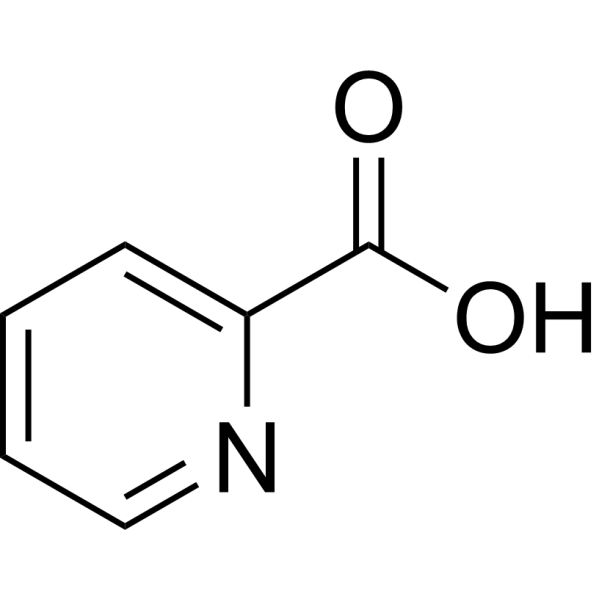
Picolinic acid (Standard) is the analytical standard of Picolinic acid. This product is intended for research and analytical applications. Picolinic acid (PCL 016) is a topical antiviral agent, which inhibits adenovirus replication in rabbits.
Ingavirin (Ingamine) exhibits broad spectrum antiviral activities against human respiratory viruses, such as influenza virus A (IVA), human parainfluenza virus (hPIV) and human adenovirus (AdV). Ingavirin exhibits no toxixcity to mice at the dose of 3000 mg/kg .
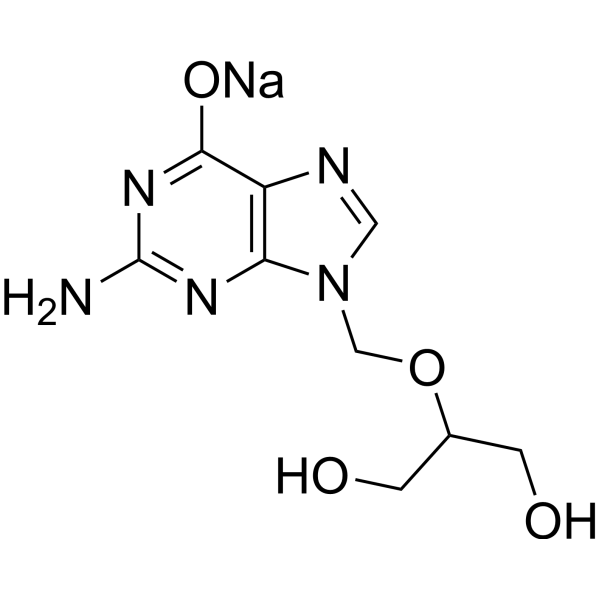
Ganciclovir (BW 759) sodium, a nucleoside analogue, is an orally active antiviral agent with activity against CMV. Ganciclovir sodium also has activity in vitro against members of the herpes group and some other DNA viruses. Ganciclovir sodium inhibits the in vitro replication of human herpes viruses (HSV 1 and 2, CMV) and adenovirus serotypes 1, 2, 4, 6, 8, 10, 19, 22 and 28. Ganciclovir sodium has an IC50 of 5.2 μM for feline herpesvirus type-1 (FHV-1) and can diffuse into the brain .
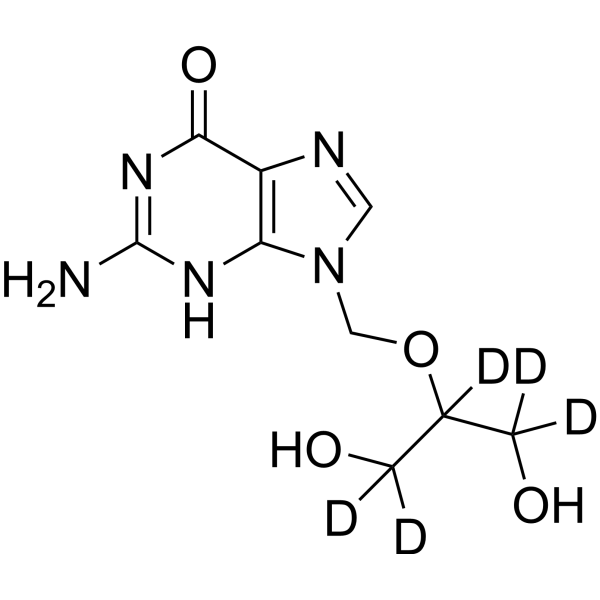
Ganciclovir-d5 is the deuterium labeled Ganciclovir. Ganciclovir (BW 759), a nucleoside analogue, is an orally active antiviral agent with activity against CMV. Ganciclovir also has activity in vitro against members of the herpes group and some other DNA viruses. Ganciclovir inhibits the in vitro replication of human herpes viruses (HSV 1 and 2, CMV) and adenovirus serotypes 1, 2, 4, 6, 8, 10, 19, 22 and 28. Ganciclovir has an IC50 of 5.2 μM for feline herpesvirus type-1 (FHV-1) .
Ganciclovir (Standard) is the analytical standard of Ganciclovir. This product is intended for research and analytical applications. Ganciclovir (BW 759), a nucleoside analogue, is an orally active antiviral agent with activity against CMV. Ganciclovir also has activity in vitro against members of the herpes group and some other DNA viruses. Ganciclovir inhibits the in vitro replication of human herpes viruses (HSV 1 and 2, CMV) and adenovirus serotypes 1, 2, 4, 6, 8, 10, 19, 22 and 28. Ganciclovir has an IC50 of 5.2 μM for feline herpesvirus type-1 (FHV-1) and can diffuse into the brain .
HD5 is an innate immune effector peptide and SARS-CoV Inhibitor. HD5 binds to the ligand-binding domain of angiotensin-converting enzyme-2 (ACE2) via multiple hydrogen bonds to competitively block the receptor, shielding it from viral recognition. HD5 can be used for the research of COVID-19, HPV16 infection, epithelial ovarian cancer, small-cell lung cancer, and colon cancer .
Anti-CD4 Antibody (OKT-4) is a kind of mouse IgG2b κ chimeric antibody inhibitor, targeting to human CD4. Anti-CD4 Antibody (OKT-4) can deplete T cells. Anti-CD4 Antibody (OKT-4) can be used for the researches of cancer, infection and immunology, such as melanoma and adenovirus infection .
Brincidofovir-d6 (CMX001-d6) is the deuterium labeled Brincidofovir (HY-14532). Brincidofovir (CMX001), the lipid-conjugated prodrug of Cidofovir (HY-17438), is an orally available, long-acting antiviral. Brincidofovir shows activity against a broad spectrum of DNA viruses including cytomegalovirus (CMV), adenovirus (ADV), varicella zoster virus, herpes simplex virus, polyomaviruses, papillomaviruses, poxviruses, and mixed double-stranded DNA virus infections. Brincidofovir, an oral antiviral in late stage development, has proven effective against orthopoxviruses in vitro and in vivo. .
TLD-1433 is the fourth-generation ruthenium (II) based photodynamic compound (PDC). TLD-1433 is activated by green light (525 ± 25 nm) and efficiently generates ROS to achieve pathogen inactivation. After photoinactivation, TLD-1433 significantly induces lipid peroxidation of the cell membrane, which can directly damage the integrity of the viral envelope. TLD-1433 has ID50 for enveloped viruses (such as H1N1 influenza virus, coronavirus OC43, HSV-1, Zikavirus) is as low as nanomolar level; for non-enveloped viruses (such as adenovirus Ad5, mammalian rotavirus MRV), a concentration of micro-molar level is required for inactivation. TLD-1433 has antigen retention property and can be used for the preparation of inactivated vaccines .
Oxyclozanide (Standard) is the analytical standard of Oxyclozanide. This product is intended for research and analytical applications. Oxyclozanide is an orally active salicylanilide anthelmintic agent that mainly acts by uncoupling oxidative phosphorylation in flukes. Oxyclozanide shows good anti-adenovirus, anti-biofilm, antifungal, and antibacterial activity .
ddATP (2',3'-Dideoxyadenosine 5'-triphosphate), an active metabolite of 2',3'-dideoxyinosine, is a chain-elongating inhibitor of DNA polymerase. ddATP can be used for Sanger method for DNA sequencing and research of virus infection .
Cidofovir diphosphate- 13C3 is the 13C-labeled Cidofovir diphosphate (HY-131606). Cidofovir diphosphate is the intracellular active metabolite of Cidofovir (HY-17438) and its oral prodrug Brincidofovir (HY-14532). By inhibiting viral DNA polymerase (Ki ≈ 76.3 μM), cidofovir diphosphate is widely used in studies on double-stranded DNA virus infections, including cytomegalovirus (CMV), adenovirus (AdV), and poxviruses (such as monkeypox and molluscum contagiosum virus, MCV) .
Ganciclovir (BW 759) hydrate, a nucleoside analogue, is an orally active antiviral agent with activity against CMV. Ganciclovir hydrate also has activity in vitro against members of the herpes group and some other DNA viruses. Ganciclovir hydrate inhibits the in vitro replication of human herpes viruses (HSV 1 and 2, CMV) and adenovirus serotypes 1, 2, 4, 6, 8, 10, 19, 22 and 28. Ganciclovir hydrate has an IC50 of 5.2 μM for feline herpesvirus type-1 (FHV-1) and can diffuse into the brain .
FIT-039 (Standard) is the analytical standard of FIT-039. This product is intended for research and analytical applications. FIT-039 is a selective, ATP-competitive and orally active CDK9 inhibitor with an IC50 of 5.8 μM for CKD9/cyclin T1. FIT-039 does not inhibit other CDKs and other kinases. FIT-039 inhibits replication of HSV-1 (IC50 of 0.69 μM), HSV-2, human adenovirus, and human CMV. FIT-039 is a promising antiviral agent for inhibiting drug-resistant HSVs and other DNA viruses.
CTC 96 is an antiviral agent, showing inhibitory effects particularly on herpes viruses and adenoviruses. CTC 96 directly blocks the fusion process between the viral envelope and the cell membrane, preventing the entry of viral nucleic acids and proteins into the cells. CTC 96 can completely block the penetration and intercellular transmission of HSV-1, preventing the synthesis of viral proteins and mRNA. CTC 96 exhibits significant anti-adenovirus activity in rabbit eye models. CTC 96 is also effective against varicella-zoster virus (VZV) and vesicular stomatitis virus (VSV). CTC 96 can be used for broad-spectrum antiviral research .
Ganciclovir (sodium) (Standard) is the analytical standard of Ganciclovir (sodium). This product is intended for research and analytical applications. Ganciclovir (BW 759) sodium, a nucleoside analogue, is an orally active antiviral agent with activity against CMV. Ganciclovir sodium also has activity in vitro against members of the herpes group and some other DNA viruses. Ganciclovir sodium inhibits the in vitro replication of human herpes viruses (HSV 1 and 2, CMV) and adenovirus serotypes 1, 2, 4, 6, 8, 10, 19, 22 and 28. Ganciclovir sodium has an IC50 of 5.2 μM for feline herpesvirus type-1 (FHV-1) and can diffuse into the brain[1][2][3].
APD-209 is a sialic acid conjugate with a PEG4 polar linker and a PDA non-polar tail. APD-209 aggregates adenovirus type 37 particles, blocks the binding of viral particles to human corneal epithelial cells, and inhibits cellular entry of adenovirus type 37. APD-209 can be used for the research of epidemic keratoconjunctivitis .
MRC37 is a potent and selective small-molecule ligand of TRIM21 that binds the PRYSPRY domain of TRIM21. MRC37 inhibits the natural antiviral function of TRIM21 by preventing antibody neutralisation of adenovirus 5 (Adv5). MRC37 is also capable of inhibiting Trim-Away, a targeted protein degradation technology where TRIM21 is recruited to specific proteins via electroporated antibodies .
1,3-Diarachidonoyl glycerol (DG(20:4/0:0/20:4)) is a compound that is being studied for its selective cell killing mechanism, and it has a selective killing effect on cells transformed by the E1A gene of adenovirus type 12. Its killing effect is attributed to lipid peroxidation, and its structural characteristics are crucial to the specificity of this cytotoxicity, which ultimately exerts cytotoxic effects by destroying the cell membrane.
(S)-HPMPA is an antiviral agent. (S)-HPMPA can bind to and interfere with viral DNA polymerase activity, thereby inhibiting viral DNA synthesis. (S)-HPMPA can be used for the study of DNA viruses .
HD5 TFA is an innate immune effector peptide and SARS-CoV Inhibitor. HD5 TFA binds to the ligand-binding domain of angiotensin-converting enzyme-2 (ACE2) via multiple hydrogen bonds to competitively block the receptor, shielding it from viral recognition. HD5 TFA can be used for the research of COVID-19, HPV16 infection, epithelial ovarian cancer, small-cell lung cancer, and colon cancer .
ddATP (2',3'-Dideoxyadenosine 5'-triphosphate), an active metabolite of 2',3'-dideoxyinosine, is a chain-elongating inhibitor of DNA polymerase. ddATP can be used for Sanger method for DNA sequencing and research of virus infection .
Peptide P60 is a FOXP3 inhibitor. Peptide P60 reduces the nuclear translocation of FOXP3 and impairs FOXP3-mediated inhibition of NF-κB and NFAT activity. Peptide P60 inhibits the immunosuppressive activity of regulatory T cells and restores the proliferation and activation of effector T cells. Peptide P60 induces lymphoproliferative autoimmune syndrome in neonatal ICR mice and reduces the number of CD4 +CD25 +Foxp3 + T cells in the spleen. Peptide P60 enhances the efficacy of AH1 (HY-P4193) peptide vaccine and recombinant adenovirus-based HCV NS3 vaccine in BALB/c mice, including protective effects against CT26 tumor implantation. Peptide P60 can be used in studies related to tumor immunity, viral infection and lymphoproliferative autoimmune syndrome .
HD5 is an innate immune effector peptide and SARS-CoV Inhibitor. HD5 binds to the ligand-binding domain of angiotensin-converting enzyme-2 (ACE2) via multiple hydrogen bonds to competitively block the receptor, shielding it from viral recognition. HD5 can be used for the research of COVID-19, HPV16 infection, epithelial ovarian cancer, small-cell lung cancer, and colon cancer .
HD5 TFA is an innate immune effector peptide and SARS-CoV Inhibitor. HD5 TFA binds to the ligand-binding domain of angiotensin-converting enzyme-2 (ACE2) via multiple hydrogen bonds to competitively block the receptor, shielding it from viral recognition. HD5 TFA can be used for the research of COVID-19, HPV16 infection, epithelial ovarian cancer, small-cell lung cancer, and colon cancer .
Anti-CD4 Antibody (OKT-4) is a kind of mouse IgG2b κ chimeric antibody inhibitor, targeting to human CD4. Anti-CD4 Antibody (OKT-4) can deplete T cells. Anti-CD4 Antibody (OKT-4) can be used for the researches of cancer, infection and immunology, such as melanoma and adenovirus infection .
Apoptolidin is a polyketide isolated from Nocardiopsis bacteria . Apoptolidin is a selective mitochondrial F1FO ATPase inhibitor. Apoptolidin is an apoptosis inducer and induces apoptotic cell death in cells transformed with the adenovirus type 12 oncogenes including ElA (IC50=10-17 ng/ml) but not in normal cells .
Sodium Camptothecin is a plant alkaloid, with antitumor activity. Sodium Camptothecin is a reversible inhibitor of RNA synthesis. Sodium Camptothecin is an effective inhibitor of adenovirus replication. Sodium Camptothecin inhibits DNA synthesis and causes breaks in intracellular preformed viral DNA .
Picolinic acid (Standard) is the analytical standard of Picolinic acid. This product is intended for research and analytical applications. Picolinic acid (PCL 016) is a topical antiviral agent, which inhibits adenovirus replication in rabbits.
rHuCoxsackievirus and Adenovirus receptor/CXADR, His ; Coxsackievirus and Adenovirus Receptor; CAR; hCAR; CVB3-Binding Protein; Coxsackievirus B-Adenovirus Receptor; HCVADR; CXADR; CAR
CXADR proteins are components of the epithelial apical junction complex and, as cell adhesion molecules, are critical for the integrity of tight junctions. CXADR Protein, Human (HEK293, His) is the recombinant human-derived CXADR protein, expressed by HEK293 , with C-6*His labeled tag.
CXADR protein is a key component of the epithelial apical junction complex, which maintains the integrity of tight junctions and enables leukocyte migration through adhesive interactions with JAML. This interaction activates γ-δ T cells and promotes tissue repair through cell signaling involving PI3 kinase and MAP kinase. CXADR Protein, Mouse (HEK293, Fc) is the recombinant mouse-derived CXADR protein, expressed by HEK293 , with C-hFc labeled tag.
CXADR protein is a key component of the epithelial apical junction complex, which maintains the integrity of tight junctions and enables leukocyte migration through adhesive interactions with JAML. This interaction activates γ-δ T cells and promotes tissue repair through cell signaling involving PI3 kinase and MAP kinase. CXADR Protein, Mouse (Biotinylated, HEK293, Avi-His) is the recombinant mouse-derived CXADR protein, expressed by HEK293 , with C-Avi, C-6*His labeled tag.
BNIP3L, a pro-apoptotic member of the Bcl-2 family, possesses a BH3 domain and binds to Bcl-2. It directly targets mitochondria, inducing apoptotic changes like membrane potential loss and cytochrome c release. With ubiquitous expression, especially in fat and ovary, the gene suggests involvement in diverse physiological processes across multiple organs, emphasizing its potential significance. BNIP3L Protein, Human is the recombinant human-derived BNIP3L protein, expressed by E. coli , with tag free.
Ganciclovir-d5 is the deuterium labeled Ganciclovir. Ganciclovir (BW 759), a nucleoside analogue, is an orally active antiviral agent with activity against CMV. Ganciclovir also has activity in vitro against members of the herpes group and some other DNA viruses. Ganciclovir inhibits the in vitro replication of human herpes viruses (HSV 1 and 2, CMV) and adenovirus serotypes 1, 2, 4, 6, 8, 10, 19, 22 and 28. Ganciclovir has an IC50 of 5.2 μM for feline herpesvirus type-1 (FHV-1) .
Brincidofovir-d6 (CMX001-d6) is the deuterium labeled Brincidofovir (HY-14532). Brincidofovir (CMX001), the lipid-conjugated prodrug of Cidofovir (HY-17438), is an orally available, long-acting antiviral. Brincidofovir shows activity against a broad spectrum of DNA viruses including cytomegalovirus (CMV), adenovirus (ADV), varicella zoster virus, herpes simplex virus, polyomaviruses, papillomaviruses, poxviruses, and mixed double-stranded DNA virus infections. Brincidofovir, an oral antiviral in late stage development, has proven effective against orthopoxviruses in vitro and in vivo. .
Cidofovir diphosphate- 13C3 is the 13C-labeled Cidofovir diphosphate (HY-131606). Cidofovir diphosphate is the intracellular active metabolite of Cidofovir (HY-17438) and its oral prodrug Brincidofovir (HY-14532). By inhibiting viral DNA polymerase (Ki ≈ 76.3 μM), cidofovir diphosphate is widely used in studies on double-stranded DNA virus infections, including cytomegalovirus (CMV), adenovirus (AdV), and poxviruses (such as monkeypox and molluscum contagiosum virus, MCV) .
Brincidofovir (CMX001), the lipid-conjugated prodrug of Cidofovir (HY-17438), is an orally available, long-acting antiviral. Brincidofovir shows activity against a broad spectrum of DNA viruses including cytomegalovirus (CMV), adenovirus (ADV), varicella zoster virus, herpes simplex virus, polyomaviruses, papillomaviruses, poxviruses, and mixed double-stranded DNA virus infections. Brincidofovir, an oral antiviral in late stage development, has proven effective against orthopoxviruses in vitro and in vivo .
2'-Deoxy-2'-fluoro-5-iodouridine (FIRU) is a nucleoside analog. When labeled with 123I, 2'-Deoxy-2'-fluoro-5-iodouridine accumulates highly selectively in tumors expressing the HSV1-tk gene. Radiolabeled 2'-Deoxy-2'-fluoro-5-iodouridine enables imaging of adenovirus-mediated HSV1-tk suicide gene transfer .
2'-Deoxycytidine-5'-monophosphate (5'-dCMP) is a compound that binds to the adenovirus terminal protein with a molecular weight of 80000 daltons. 2'-Deoxycytidine-5'-monophosphate forms a covalent complex with this protein and is associated with adenovirusDNA replication .
ddATP (2',3'-Dideoxyadenosine 5'-triphosphate), an active metabolite of 2',3'-dideoxyinosine, is a chain-elongating inhibitor of DNA polymerase. ddATP can be used for Sanger method for DNA sequencing and research of virus infection .
Liposomal adjuvant (M107) is mainly composed of phospholipids and prepared with highly purified immunostimulatory substances, with a pH value of 5-7. This adjuvant is safe, non-toxic, and metabolizable. It can induce strong Th1-mediated cellular immunity. This adjuvant is suitable for various pet vaccines, such as feline panleukopenia, rhinotracheitis, calicivirus (FRC), canine distemper, adenovirus, parvovirus, parainfluenza (DAPP), and others.
Inquiry Online
Your information is safe with us. * Required Fields.
Western blot analysis of extracts from THP-1(lane 2(20μg), Jurkat (lane 3(20μg) and NIH3T3(lane 4(20μg) using FOXO1A (HY-P80132) Rabbit mAb. Proteins were transferred
to a PVDF membrane and blocked with 5% non-fat milk in TBST for 2 hour at room temperature. The primary antibody (1/1000) and Loading control antibody (Beta Actin, HY-P80438, 1/10000) was
used in 5% non-fat milk in TBST at 4°C overnight. Goat Anti-Mouse/Rabbit IgG-HRP Secondary Antibody (1/10000) was used for 1 hour at room temperature.
Western blot analysis of extracts from THP-1(lane 2(20μg), Jurkat (lane 3(20μg) and NIH3T3(lane 4(20μg) using FOXO1A (HY-P80132) Rabbit mAb. Proteins were transferred
to a PVDF membrane and blocked with 5% non-fat milk in TBST for 2 hour at room temperature. The primary antibody (1/1000) and Loading control antibody (Beta Actin, HY-P80438, 1/10000) was
used in 5% non-fat milk in TBST at 4°C overnight. Goat Anti-Mouse/Rabbit IgG-HRP Secondary Antibody (1/10000) was used for 1 hour at room temperature.
Western blot analysis of extracts from THP-1(lane 2(20μg), Jurkat (lane 3(20μg) and NIH3T3(lane 4(20μg) using FOXO1A (HY-P80132) Rabbit mAb. Proteins were transferred
to a PVDF membrane and blocked with 5% non-fat milk in TBST for 2 hour at room temperature. The primary antibody (1/1000) and Loading control antibody (Beta Actin, HY-P80438, 1/10000) was
used in 5% non-fat milk in TBST at 4°C overnight. Goat Anti-Mouse/Rabbit IgG-HRP Secondary Antibody (1/10000) was used for 1 hour at room temperature.
Western blot analysis of extracts from THP-1(lane 2(20μg), Jurkat (lane 3(20μg) and NIH3T3(lane 4(20μg) using FOXO1A (HY-P80132) Rabbit mAb. Proteins were transferred
to a PVDF membrane and blocked with 5% non-fat milk in TBST for 2 hour at room temperature. The primary antibody (1/1000) and Loading control antibody (Beta Actin, HY-P80438, 1/10000) was
MedchemExpress Validation 03
Western blot analysis of extracts from THP-1(lane 2(20μg), Jurkat (lane 3(20μg) and NIH3T3(lane 4(20μg) using FOXO1A (HY-P80132) Rabbit mAb. Proteins were transferred
MedchemExpress Validation 04
Western blot analysis of extracts from THP-1(lane 2(20μg), Jurkat (lane 3(20μg) and NIH3T3(lane 4(20μg) using FOXO1A (HY-P80132) Rabbit mAb. Proteins were transferred
to a PVDF membrane and blocked with 5% non-fat milk in TBST for 2 hour at room temperature. The primary antibody (1/1000) and Loading control antibody (Beta Actin, HY-P80438, 1/10000) was
used in 5% non-fat milk in TBST at 4°C overnight. Goat Anti-Mouse/Rabbit IgG-HRP Secondary Antibody (1/10000) was used for 1 hour at room temperature.
MedchemExpress Validation
Western blot analysis of extracts from THP-1(lane 2(20μg), Jurkat (lane 3(20μg) and NIH3T3(lane 4(20μg) using FOXO1A (HY-P80132) Rabbit mAb. Proteins were transferred
to a PVDF membrane and blocked with 5% non-fat milk in TBST for 2 hour at room temperature. The primary antibody (1/1000) and Loading control antibody (Beta Actin, HY-P80438, 1/10000) was
used in 5% non-fat milk in TBST at 4°C overnight. Goat Anti-Mouse/Rabbit IgG-HRP Secondary Antibody (1/10000) was used for 1 hour at room temperature.
Western blot analysis of extracts from THP-1(lane 2(20μg), Jurkat (lane 3(20μg) and NIH3T3(lane 4(20μg) using FOXO1A (HY-P80132) Rabbit mAb. Proteins were transferred
to a PVDF membrane and blocked with 5% non-fat milk in TBST for 2 hour at room temperature. The primary antibody (1/1000) and Loading control antibody (Beta Actin, HY-P80438, 1/10000) was
used in 5% non-fat milk in TBST at 4°C overnight. Goat Anti-Mouse/Rabbit IgG-HRP Secondary Antibody (1/10000) was used for 1 hour at room temperature.
MedchemExpress Validation
Western blot analysis of extracts from THP-1(lane 2(20μg), Jurkat (lane 3(20μg) and NIH3T3(lane 4(20μg) using FOXO1A (HY-P80132) Rabbit mAb. Proteins were transferred
to a PVDF membrane and blocked with 5% non-fat milk in TBST for 2 hour at room temperature. The primary antibody (1/1000) and Loading control antibody (Beta Actin, HY-P80438, 1/10000) was
used in 5% non-fat milk in TBST at 4°C overnight. Goat Anti-Mouse/Rabbit IgG-HRP Secondary Antibody (1/10000) was used for 1 hour at room temperature.
MedchemExpress Validation
Western blot analysis of extracts from THP-1(lane 2(20μg), Jurkat (lane 3(20μg) and NIH3T3(lane 4(20μg) using FOXO1A (HY-P80132) Rabbit mAb. Proteins were transferred
to a PVDF membrane and blocked with 5% non-fat milk in TBST for 2 hour at room temperature. The primary antibody (1/1000) and Loading control antibody (Beta Actin, HY-P80438, 1/10000) was
used in 5% non-fat milk in TBST at 4°C overnight. Goat Anti-Mouse/Rabbit IgG-HRP Secondary Antibody (1/10000) was used for 1 hour at room temperature.
MedchemExpress Validation
Western blot analysis of extracts from THP-1(lane 2(20μg), Jurkat (lane 3(20μg) and NIH3T3(lane 4(20μg) using FOXO1A (HY-P80132) Rabbit mAb. Proteins were transferred
to a PVDF membrane and blocked with 5% non-fat milk in TBST for 2 hour at room temperature. The primary antibody (1/1000) and Loading control antibody (Beta Actin, HY-P80438, 1/10000) was
used in 5% non-fat milk in TBST at 4°C overnight. Goat Anti-Mouse/Rabbit IgG-HRP Secondary Antibody (1/10000) was used for 1 hour at room temperature.
MedchemExpress Validation
Western blot analysis of extracts from THP-1(lane 2(20μg), Jurkat (lane 3(20μg) and NIH3T3(lane 4(20μg) using FOXO1A (HY-P80132) Rabbit mAb. Proteins were transferred
to a PVDF membrane and blocked with 5% non-fat milk in TBST for 2 hour at room temperature. The primary antibody (1/1000) and Loading control antibody (Beta Actin, HY-P80438, 1/10000) was
used in 5% non-fat milk in TBST at 4°C overnight. Goat Anti-Mouse/Rabbit IgG-HRP Secondary Antibody (1/10000) was used for 1 hour at room temperature.
MedchemExpress Validation
Western blot analysis of extracts from THP-1(lane 2(20μg), Jurkat (lane 3(20μg) and NIH3T3(lane 4(20μg) using FOXO1A (HY-P80132) Rabbit mAb. Proteins were transferred
to a PVDF membrane and blocked with 5% non-fat milk in TBST for 2 hour at room temperature. The primary antibody (1/1000) and Loading control antibody (Beta Actin, HY-P80438, 1/10000) was
used in 5% non-fat milk in TBST at 4°C overnight. Goat Anti-Mouse/Rabbit IgG-HRP Secondary Antibody (1/10000) was used for 1 hour at room temperature.
MedchemExpress Validation
Western blot analysis of extracts from THP-1(lane 2(20μg), Jurkat (lane 3(20μg) and NIH3T3(lane 4(20μg) using FOXO1A (HY-P80132) Rabbit mAb. Proteins were transferred
to a PVDF membrane and blocked with 5% non-fat milk in TBST for 2 hour at room temperature. The primary antibody (1/1000) and Loading control antibody (Beta Actin, HY-P80438, 1/10000) was
used in 5% non-fat milk in TBST at 4°C overnight. Goat Anti-Mouse/Rabbit IgG-HRP Secondary Antibody (1/10000) was used for 1 hour at room temperature.
MedChemExpress values your privacy and your trust is important to us. We use cookies to enhance your website experience. Some cookies are necessary to run the website.
Privacy and Cookie Policy

