1. Search Result
Search Result
Results for "

Arachidonoyl

" in MedChemExpress (MCE) Product Catalog:

82

Inhibitors & Agonists

1

Fluorescent Dyes

7

Biochemical Assay Reagents

2

Peptides

4

Natural
Products

13

Isotope-Labeled Compounds

10

Oligonucleotides

Cat. No. Product Name Target Research Areas Chemical Structure
  • HY-10863
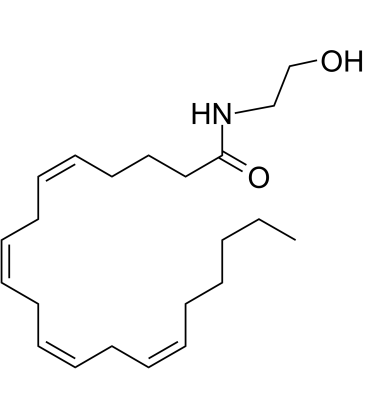
    Anandamide
    2 Publications Verification

    AEA; Arachidonoyl ethanolamide

    Cannabinoid Receptor PPAR TRP Channel GPR55 Fungal Tau Protein Endogenous Metabolite Infection Neurological Disease Metabolic Disease Inflammation/Immunology
    Anandamide is an endocannabinoid. Anandamide modulates both neuronal and immune functions through two protein-coupled cannabinoid receptors (CB1 and CB2). Anandamide can activate numerous other receptors like PPARS, TRPV1, and GPR18/GPR55. Anandamide also has potential anti-fungal and anti-inflammatory activities. Anandamide can be used for the research of Alzheimer’s disease (AD) and ulcerative colitis .
    Anandamide
  • HY-177475

    1-Arachidonoyl-sn-glycero-3-phosphocholine

    Endogenous Metabolite Metabolic Disease Cancer
    LysoPC 20:4 (20:4) (1-Arachidonoyl-sn-glycero-3-phosphocholine) is a serum metabolite. LysoPC 20:4 (20:4) decreases in tumor-bearing mice, but the reduction is not significant. LysoPC (20:4) can be used in cancer and obesity-related research .
    LysoPC(20:4)
  • HY-131897
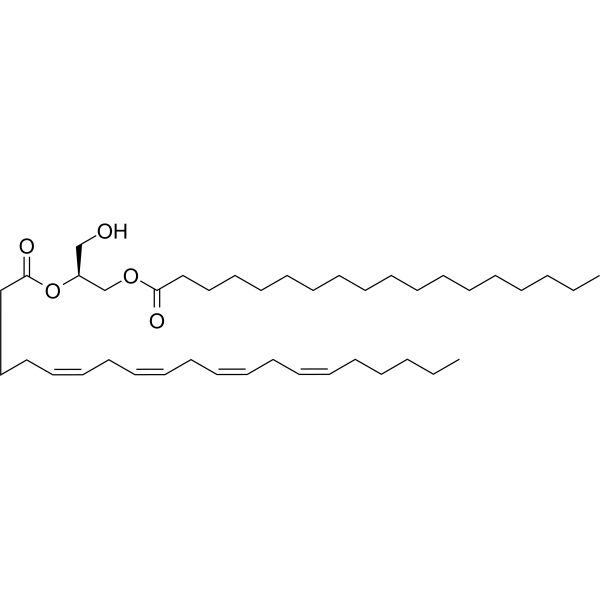
    1-Stearoyl-2-arachidonoyl-sn-glycerol
    1 Publications Verification

    PKC TRP Channel Endogenous Metabolite Neurological Disease
    1-Stearoyl-2-arachidonoyl-sn-glycerol is a diacylglycerol (DAG) containing polyunsaturated fatty acids. 1-Stearoyl-2-arachidonoyl-sn-glycerol can activate PKC. 1-Stearoyl-2-arachidonoyl-sn-glycerol also can augment nonselective cation channel (NSCC) activity .
    1-Stearoyl-2-arachidonoyl-sn-glycerol
  • HY-110292

    TRP Channel Calcium Channel Inflammation/Immunology
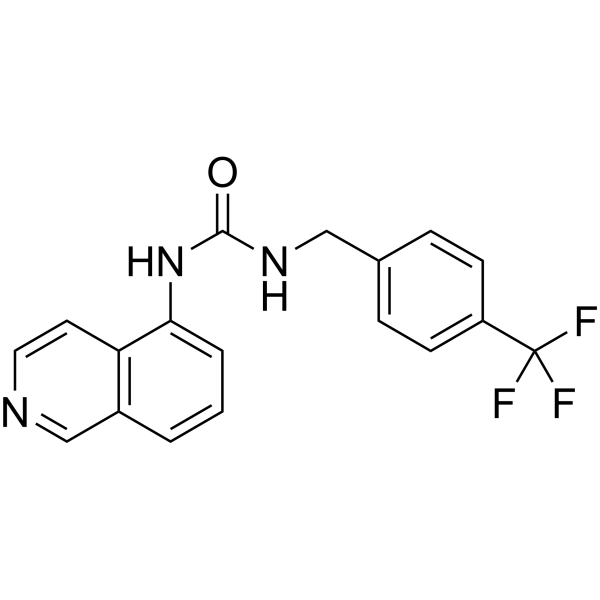
    A-425619 is an orally active and selective transient receptor potential type V1 (TRPV1) antagonist. A-425619 blocks Capsaicin (HY-10448)- and N-arachidonoyl-dopamine (NADA)-induced Ca 2+ influx in dorsal root ganglia and trigeminal ganglia. A-425619 relieves pathophysiological pain associated with inflammation and tissue injury in rats. A-425619 can be used for the study of pain related to inflammation and tissue injury .
    A-425619
  • HY-126356

    Liposome Cardiovascular Disease
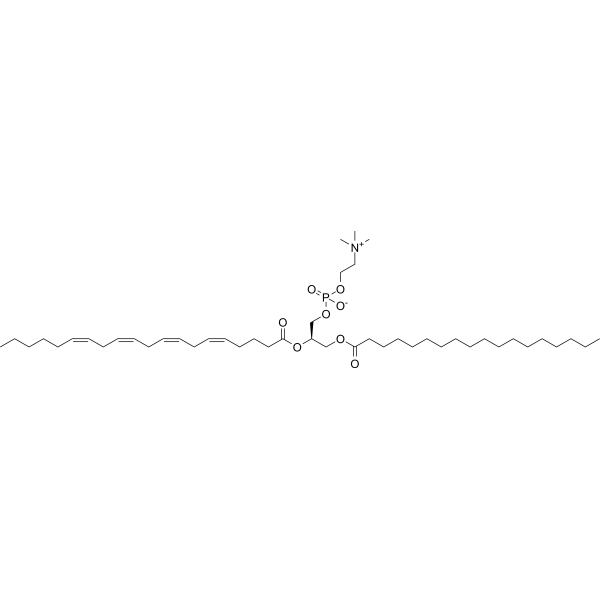
    1-Stearoyl-2-arachidonoyl-sn-glycero-3-phosphocholine is a major phospholipid in low-density lipoprotein and belongs to the group of 1-acyl phosphatidylcholines. 1-Stearoyl-2-arachidonoyl-sn-glycero-3-phosphocholine does not induce morphological changes in washed human platelets. 1-Stearoyl-2-arachidonoyl-sn-glycero-3-phosphocholine can be used for the research of atherosclerosis and thrombotic diseases .
    1-Stearoyl-2-arachidonoyl-sn-glycero-3-phosphocholine
  • HY-110072S

    AEA-d4; Arachidonoyl ethanolamide-d4

    Isotope-Labeled Compounds Others
    Anandamide-d4 (AEA-d4) is the deuterium labeled Anandamide.
    Anandamide-d4
  • HY-112747

    LPI; PE (soy)

    Phospholipase Infection
    Soy PE (LPI) is the most abundant phospholipid in prokaryotes and the second most abundant found in the membrane of mammalian, plant, and yeast cells, comprising approximately 25% of total mammalian phospholipids. In the brain, phosphatidylethanolamine comprises almost half of the total phospholipids. It is synthesized mainly through the cytidine diphosphate-ethanolamine and phosphatidylserine decarboxylation pathways, which occur in the endoplasmic reticulum (ER) and mitochondrial membranes, respectively. It is a precursor in the synthesis of phosphatidylcholine and arachidonoyl ethanolamide and is a source of ethanolamine used in various cellular functions. In E.coli, phosphatidylethanolamine deficiency prevents proper assembly of lactose permease, suggesting a role as a lipid chaperone. It is a cofactor in the propagation of prions in vitro and can convert recombinant mammalian proteins into infectious molecules even in the absence of RNA. This product contains phosphatidylethanolamine molecular species with variable fatty acyl chain lengths at the sn-1 and sn-2 positions .
    Soy PE
  • HY-148979

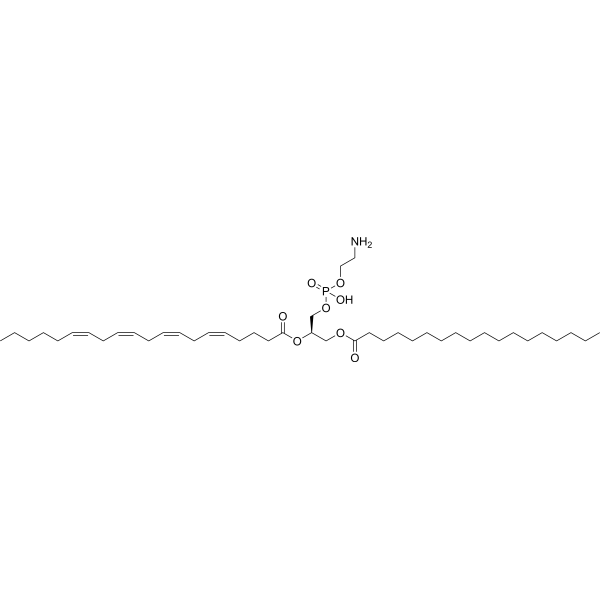
    SAPE

    Biochemical Assay Reagents Others
    1-Stearoyl-2-arachidonoyl-sn-glycero-3-phosphorylethanolamine (SAPE) is a naturally-occurring phospholipid that can be found in inner mitochondrial membrane (MITO) .
    1-Stearoyl-2-arachidonoyl-sn-glycero-3-phosphorylethanolamine
  • HY-131678

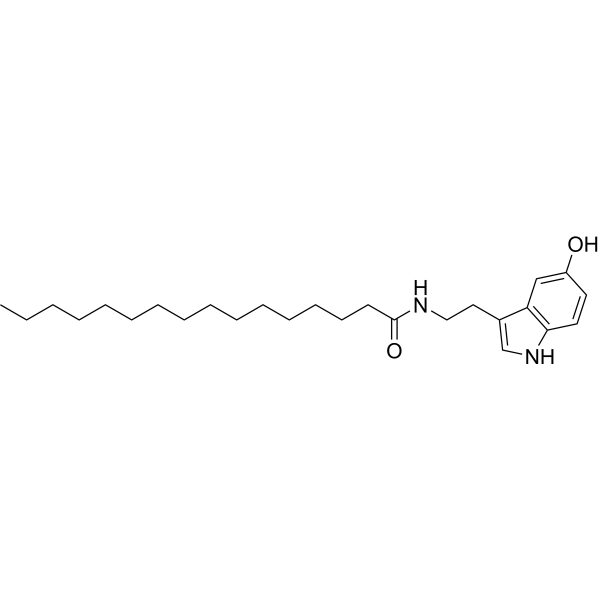
    PA-5HT

    FAAH Neurological Disease
    Palmitoyl serotonin is a hybrid molecule patterned after arachidonoyl serotonin, antagonist of FAAH. Palmitoyl serotonin inhibits L-3,4-dihydroxyphenylalanine (HY-N0304) induced abnormal involuntary movements. Palmitoyl serotonin has the potential for the research of parkinson's disease (PD) .
    Palmitoyl serotonin
  • HY-115701

    1-Stearoyl-2-15(S)-HpETE-sn-glycero-3-phosphoethanolamine; 15(S)-HpETE-SAPE; 15(S)-hydroperoxyeicostetraenoic acid-SAPE

    Ferroptosis Inflammation/Immunology
    1-Stearoyl-2-15(S)-HpETE-sn-glycero-3-Pe is a phospholipid that contains stearic acid (HY-B2219) at the sn-1 position and 15(S)-HpETE at the sn-2 position. It is produced via oxidation of 1-stearoyl-2-arachidonoyl-sn-glycero-3-Pe (SAPE) by 15-lipoxygenase (15-LO). 1-Stearoyl-2-15(S)-HpETE-sn-glycero-3-Pe (0.6 and 0.9 μM) increases ferroptotic cell death in wild-type and Acsl4 knockout Pfa1 mouse embryonic fibroblasts (MEFs) treated with the GPX4 inhibitor RSL3.
    1-Stearoyl-2-15(S)-Hpete-Sn-Glycero-3-Pe
  • HY-157629

    PAPE; 1-Palmitoyl-2-Arachidonoyl PE

    Reactive Oxygen Species (ROS) Others
    1-Palmitoyl-2-arachidonoyl-sn-glycero-3-PE (PAPE), a compound isolated from egg yolk with antioxidant activity related to the unsaturated fatty acid content, was extracted, purified, and analyzed by various techniques.
    1-Palmitoyl-2-arachidonoyl-sn-glycero-3-PE
  • HY-120957

    AMC-AA; 7-Amino-4-methyl coumarin-arachidonamide

    Endogenous Metabolite Metabolic Disease
    AMC arachidonoyl amide (AMC-AA) is one of several fatty acid amides which can be used to measure fatty acid amide hydrolase (FAAH) activity.1 FAAH is a relatively unselective enzyme in that it accepts a variety of amide head groups other than the ethanolamine of its nominal endogenous substrate anandamide.2 Exposure of AMC-AA to FAAH activity results in the release of the fluorescent aminomethyl coumarin that absorbs at 360 nm and emits at 465 nm. This allows the fast and convenient measurement of FAAH activity using a simple cuvette or microplate fluorometer.
    AMC Arachidonoyl Amide
  • HY-117141

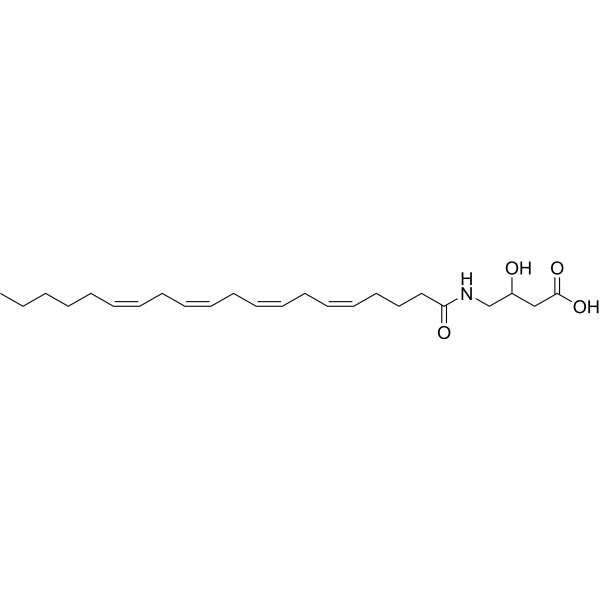
    AGABA

    Amino Acid Derivatives Others
    N-Arachidonoyl-3-hydroxy-γ-aminobutyric acid is an arachidonoyl amino acid .
    N-Arachidonoyl-3-hydroxy-γ-aminobutyric acid
  • HY-141636

    1-Palmitoyl-2-Arachidonoyl-sn-glycero-3-phosphocholine; PAPC; PC(16:0/20:4)

    Endogenous Metabolite Biochemical Assay Reagents Cardiovascular Disease
    1-Palmitoyl-2-arachidonoyl-sn-glycero-3-PC (PAPC) is a phospholipid containing palmitic acid (16:0) and arachidonic acid (20:4) at the sn-1 and sn-2 positions, respectively, that is found in biological membranes. PAPC is oxidized in vivo, and its oxidation products are involved in chronic inflammation and vascular disease. PAPC has been used to study signaling of oxidized phospholipids. Levels of PAPC are decreased in isolated human multiple myeloma cells.
    1-PalMitoyl-2-arachidoyllecithin
  • HY-157697

    18:0p/20:4-PE; C18(Plasm)-20:4-PE; PE(P-18:0/20:4)

    Endogenous Metabolite Metabolic Disease
    1-1(Z)-Octadecenyl-2-arachidonoyl-sn-glycero-3-PE (18:0p/20:4-PE; C18(Plasm)-20:4-PE) is a plasmalogen that contains 1(Z)-octadecenoic acid and arachidonic acid (HY-109590) at the sn-1 and sn-2 positions, respectively.
    1-1(Z)-Octadecenyl-2-arachidonoyl-sn-glycero-3-PE
  • HY-120962

    TRP Channel Metabolic Disease
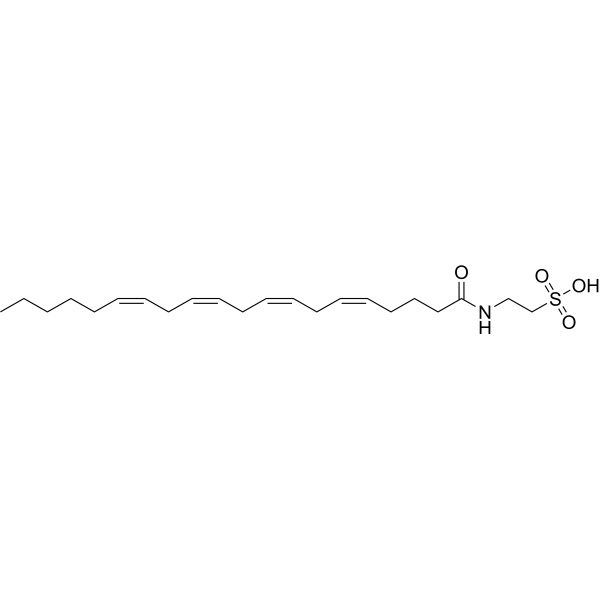
    N-Arachidonoyl Taurine is an activator of the transient receptor potential vanilloid TRPV1 and TRPV4, with EC50s value of 28 μM and 21 μM, respectively .
    N-Arachidonoyl Taurine
  • HY-108455

    PALDA

    Dopamine Receptor TRP Channel Neurological Disease
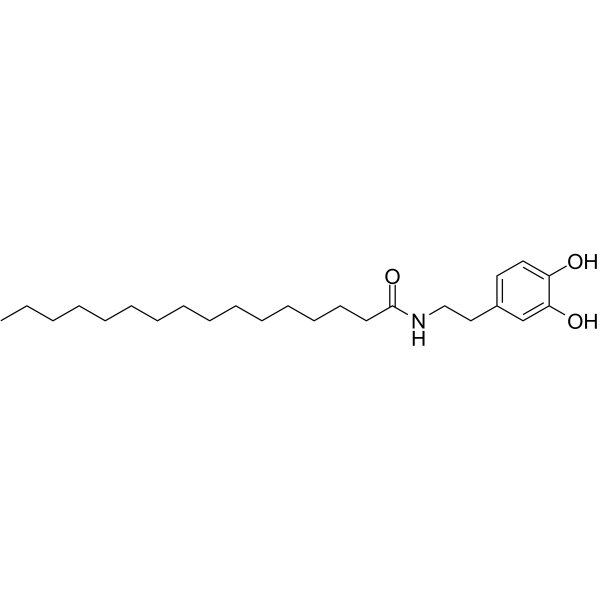
    N-Palmitoyl dopamine (PALDA) is a endogenous, long-chain, linear fatty acid dopamide, which is inactive on TRPV1. N-Palmitoyl dopamine displays 'entourage' effects on endovanilloids N-arachidonoyl-dopamine (NADA) and anandamide .
    N-Palmitoyl dopamine
  • HY-125139

    ω-3 Arachidonic acid ethyl ester, in ethanol, 98%; (all-Z)-8,11,14,17-Eicosatetraenoic acid ethyl ester, in ethanol, 98%

    Biochemical Assay Reagents Cardiovascular Disease Others
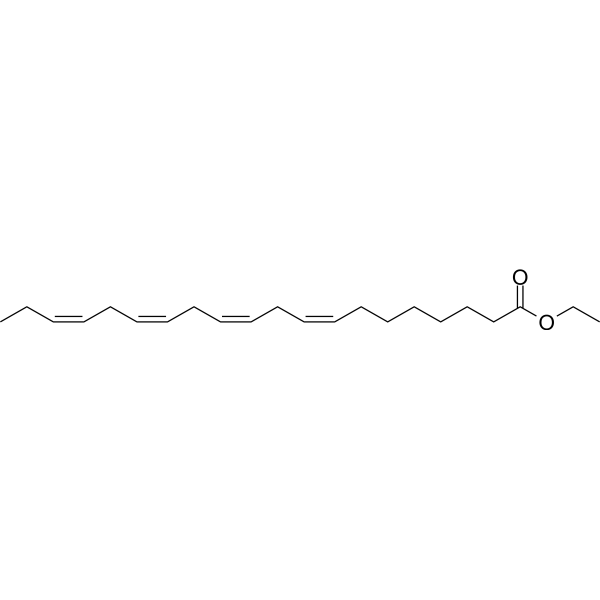
    omega-3 Arachidonic acid ethyl ester, in ethanol, 98% is a rare polyunsaturated fatty acid found in very small amounts in dietary sources. Omega-3 fatty acids are known to be essential for the growth and development of infants, and they protect against heart disease, blood clots, high blood pressure, and inflammatory and autoimmune diseases. In human platelet membranes, omega-3 arachidonic acid inhibits arachidonyl-CoA synthetase with a Ki of 14 μM. It also inhibits arachidonoyl-CoA synthetase in calf brain extract with an IC50 of approximately 5 μM. Omega-3 ethyl arachidonate is the more lipophilic form of the free acid.
    omega-3 Arachidonic acid ethyl ester, in ethanol, 98%
  • HY-N8633

    Endogenous Metabolite Others
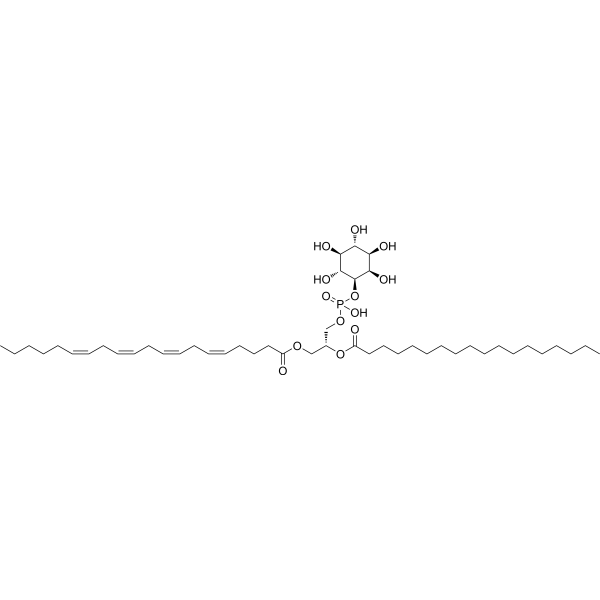
    1-Stearoyl-2-arachidonoyl-sn-glycero-3-phosphoinositol is an endogenous metabolite that is a cell membrane component .
    1-Stearoyl-2-arachidonoyl-sn-glycero-3-phosphoinositol
  • HY-157698

    C18(plasm)-20:4-PC; 18:0p/20:4-PC; PC(P-18:0/20:4)

    Endogenous Metabolite Metabolic Disease
    1-1(Z)-Octadecenyl-2-arachidonoyl-sn-glycero-3-PC is a plasmalogen that contains 1(Z)-octadecenoic acid and arachidonic acid (HY-109590) at the sn-1 and sn-2 positions, respectively. It scavenges singlet oxygen in a cell-free assay.
    1-1(Z)-Octadecenyl-2-arachidonoyl-sn-glycero-3-PC
  • HY-120963

    Endogenous Metabolite Metabolic Disease
    Several different arachidonoyl amino acids, including N-arachidonoyl dopamine and N-arachidonoyl serine, have been isolated and characterized from bovine brain.1 During mass spectral lipidomics analysis of rat brain, a series of fatty acyl amides of a third amino acid, taurine, were discovered.2 This novel class of compounds is present in kidney and activates members of the transient receptor potential (TRP) family of calcium channels.3 N-Oleoyl taurine is an amino-acyl endocannabinoid isolated from rat brain that may activate TRPV1 and TRPV4.
    N-Oleoyl Taurine
  • HY-134545
    N-Arachidonoyl-L-alanine
    2 Publications Verification

    NALA

    Reactive Oxygen Species (ROS) Cancer
    N-Arachidonoyl-L-alanine is an endocannabinoid analog with anti-cancer effects. N- Arachidonoyl-L-alanine kills HNSCC cells through 5-LO-mediated ROS productio .
    N-Arachidonoyl-L-alanine
  • HY-134173

    Cannabinoid Receptor Apoptosis Neurological Disease
    Arachidonoyl ethanolamide phosphate, an endocannabinoid, is an endogenous ligand for cannabinoid receptors in the central nervous system (CB1 subtype) and peripheral immune cells (CB2 subtype) .
    Arachidonoyl ethanolamide phosphate
  • HY-W127380

    Biochemical Assay Reagents Others
    Arachidonoyl Thio-PC is a substrate of many phospholipase A2 (PLA2), including sPLA2, cPLA2 and iPLA2. Cleavage of sn-2 fatty acids by PLA2 results in the production of free thiols, which react with chromogenic reagents such as DTNB (Ellman's reagent) and DTP, allowing quantification of PLA2 activity. Isozyme-specific cPLA2 activity can be measured by depleting or inhibiting sPLA2 and iPLA2 activity in the assay.
    Arachidonoyl thio-PC
  • HY-120965

    Endogenous Metabolite Metabolic Disease
    Several different arachidonoyl amino acids, including N-arachidonoyl dopamine (NADA) and N-arachidonoyl serine (ARA-S), have been isolated and characterized from bovine brain.1 During mass spectral lipidomic analysis of rat brain, a series of fatty acyl amides of a third amino acid, taurine, is discovered. N-Palmitoyl taurine is a prominent amino-acyl endocannabinoid isolated from rat brain during lipidomics profiling. Its function is currently under investigation.
    N-Palmitoyl Taurine
  • HY-126031A

    Endogenous Metabolite Others
    (S)-KT109 is an inhibitor of diacylglycerol lipase β (DAGLβ) with low inhibitory activity (IC50 = 39.81 nM). (S)-KT109 has relatively low inhibitory activity against DAGLα-mediated hydrolysis of 1-stearoyl-2-arachidonoyl-sn-glycerol (IC50 = 794.3 nM). (S)-KT109 also has relatively low inhibitory activity against α/β-amidase domain-containing 6 (ABHD6) (IC50 = 630.9 nM) .
    (S)-KT109
  • HY-134428

    Endogenous Metabolite Metabolic Disease
    Arachidonoyl coenzyme A lithium is an unsaturated fatty acyl coenzyme A, formed by the condensation of the thiol group of coenzyme A with the carboxyl group of arachidonic acid .
    Arachidonoyl coenzyme A lithium
  • HY-145486

    20:4 Lyso PA

    Liposome Neurological Disease
    1-Arachidonoyl-sn-glycerol 3-phosphate ammonium (20:4 Lyso PA) is a phospholipid and an LPA derived from arachidonic acid. The concentration of 1-Arachidonoyl-sn-glycerol 3-phosphate ammonium in plasma is significantly correlated with the age of onset of cocaine use and the duration of abstinence. 1-Arachidonoyl-sn-glycerol 3-phosphate ammonium can be used in the research of biomarkers for cocaine use disorder (CUD) .
    1-Arachidonoyl-sn-glycerol 3-phosphate ammonium
  • HY-139931S

    Isotope-Labeled Compounds Others
    1-Stearoyl-2-Arachidonoyl-d8-sn-glycero-3-PC is the deuterium labeled 1-Stearoyl-2-Arachidonoyl-sn-glycero-3-PC .
    1-Stearoyl-2-Arachidonoyl-d8-sn-glycero-3-PC
  • HY-W127407

    Biochemical Assay Reagents Others
    Glycerophospho-N-Arachidonoyl Ethanolamine is a N-acylated ethanolamines (NAEs). Most NAEs are naturally occurring lipids with diverse biological activities. Different types of NAE can be derived from glycerophosphate-linked precursors through the activity of glycerophosphodiesterase 1 (GDE1). Glycerophosphate-N-Arachidonoyl Ethanolamine is the precursor of Anandamide (AEA), also known as Anandamide. AEA is an endocannabinoid neurotransmitter that binds to central cannabinoid (CB1) and peripheral cannabinoid (CB2) receptors. It inhibits the specific binding of [3H]-HU-243 to synaptosomal membranes with a Ki value of 52 nM compared to 46 nM for δ9-THC.
    Glycerophospho-N-arachidonoyl ethanolamine
  • HY-103507

    GABA Receptor Neurological Disease
    N-Arachidonoyl-GABA is one member of a new class of lipoamino acids related to anandamide identified in bovine brain. N-Arachidonoyl-GABA displays analgesic activity .
    N-Arachidonyl-GABA
  • HY-139182

    Endogenous Metabolite Metabolic Disease
    CAY10762 is an inhibitor of monoacylglycerol lipase (MAGL; IC50=34.1 nM). It reduces hydrogen peroxide-induced lactate dehydrogenase (LDH) release from Neuro2a cells when used at a concentration of 1 μM. CAY10762 (10 mg/kg) increases levels of 2-arachidonoyl glycerol in mouse brain.
    MAGL-IN-3
  • HY-120964

    Endogenous Metabolite Metabolic Disease
    Several different arachidonoyl amino acids, including N-arachidonoyl dopamine (NADA) and N-arachidonoyl serine (ARA-S), have been isolated and characterized from bovine brain.1 During mass spectral lipidomic analysis of rat brain, a series of fatty acyl amides of a third amino acid, taurine, is discovered.2 This novel class of compounds is present in kidney and activates members of the transient receptor potential (TRP) family of calcium channels.3 N-Stearoyl taurine is a prominent amino-acyl endocannabinoid isolated from rat brain during lipidomics profiling.
    N-Stearoyl Taurine
  • HY-126720

    Endogenous Metabolite Metabolic Disease
    N-Lignoceroyl Taurine is an arachidonoyl amino acid and taurine conjugate with a fatty acid that can be isolated from bovine brain. N-Lignoceroyl Taurine is one of several novel taurine-conjugated fatty acids discovered during mass spectrometry lipidomic analysis of the brain and spinal cord of wild-type and fatty acid amide hydrolase (FAAH) knockout mice. N-Lignoceroyl Taurine levels were 23-26-fold higher in FAAH -/- mice compared to wild-type mice, suggesting that FAAH utilizes N-Lignoceroyl Taurine as a substrate. However, in vitro experiments with purified FAAH showed that N-Lignoceroyl Taurine was hydrolyzed 2,000-fold slower in FAAH compared to oleoylethanolamide. N-Acyl Taurines with polyunsaturated acyl chains can activate members of the transient receptor potential (TRP) calcium channel family, including TRPV1 and TRPV4.
    N-Lignoceroyl Taurine
  • HY-171906A

    1-Arachidonoyl-sn-glycerol 3-phosphate sodium; 1-Arachidonoyl LPA sodium; LPA (20:4) sodium

    LPL Receptor Cancer
    1-Arachidonoyl-2-hydroxy-sn-glycero-3-PA (sodium) (1-Arachidonoyl-sn-glycerol 3-phosphate (sodium)) is a phospholipid with arachifonic acid at the sn-1 position. 1-Arachidonoyl-2-hydroxy-sn-glycero-3-PA (sodium) binds to the LPA2/EDG4 receptor (EC50 of 10 nM). 1-Arachidonoyl-2-hydroxy-sn-glycero-3-PA (sodium) can be found in rat brain as 37% of the arachidoinic acid-containing lysophosphatidic acid species. 1-Arachidonoyl-2-hydroxy-sn-glycero-3-PA (sodium) is the precursor to 1-arachidonoyl glycerol. 1-Arachidonoyl-2-hydroxy-sn-glycero-3-PA (sodium) can prevent TNF-α and IL-6 secretion in wild type LPS-stimulated dendritic cells. 1-Arachidonoyl-2-hydroxy-sn-glycero-3-PA (sodium) reduces differentiation of HT-29 colon carcinoma cells into goblet cells when sodium butyrate is present .
    1-Arachidonoyl-2-hydroxy-sn-glycero-3-PA sodium
  • HY-146945S

    Isotope-Labeled Compounds Others
    Arachidonoyl LPA-d5 is deuterium labeled Arachidonoyl LPA.
    Arachidonoyl LPA-d5
  • HY-158784

    FAAH Others
    Arachidonoyl m-Nitroaniline (AmNA) is one of several nitroaniline fatty acid amides which can be used to measure fatty acid amide hydrolase (FAAH) activity. Arachidonoyl m-Nitroaniline is a FAAH substrate .
    Arachidonoyl m-nitroaniline
  • HY-120960

    ARA-S

    Akt p38 MAPK Apoptosis Potassium Channel Cardiovascular Disease Neurological Disease
    N-Arachidonoyl-L-serine (ARA-S) is an endocannabinoid. N-Arachidonoyl-L-serine induces phosphorylation of Akt and MAPK in endothelial cells. N-Arachidonoyl-L-serine also induces endothelium-dependent vasodilation in isolated rat mesenteric and abdominal aortas. N-Arachidonoyl-L-serine exhibits neuroprotective effects after traumatic brain injury by reducing apoptosis. N-Arachidonoyl-L-serine promotes the opening of KV7.1/KCNE1 channels in mammalian cells and shortens the action potential duration in cardiomyocytes. N-Arachidonoyl-L-serine may be used in research on cardiovascular and cerebrovascular diseases and neurological disorders .
    N-Arachidonoyl-L-serine
  • HY-158801

    C20:4 Carnitine chloride; L-Arachidonoylcarnitine chloride; L-Carnitine Arachidonoyl ester chloride

    Endogenous Metabolite Metabolic Disease
    Arachidonoyl-L-carnitine (C20:4 Carnitine) chloride is an arachidonic acid-L-carnitine complex .
    Arachidonoyl-L-carnitine chloride
  • HY-165157

    16:0p/20:4-PC; PC(P-16:0/20:4); C16(plasm)-20:4-PC

    Biochemical Assay Reagents Others
    1-1(Z)-Hexadecenyl-2-arachidonoyl-sn-glycero-3-PC is a biochemical reagent.
    1-1(Z)-Hexadecenyl-2-arachidonoyl-sn-glycero-3-PC
  • HY-152898A

    Biochemical Assay Reagents Others
    Arachidonoyl CoA triammonium is used as a substrate in the synthesis of Arachidonoyl amino acids. Arachidonoyl CoA triammonium directly interacts with FadR to inhibit binding at its DNA targets .
    Arachidonoyl CoA triammonium
  • HY-111293

    Arachidonoyl amine; Arachidonic acid amide

    FAAH Metabolic Disease
    Arachidonamide is substrate of anandamide amidohydrolase .
    Arachidonamide
  • HY-134224

    Cannabinoid Receptor Endocrinology
    Arachidonoyl 2'-fluoroethylamide is an anandamide analog. Arachidonoyl 2'-fluoroethylamide has the potential for the research of intraocular hypertension .
    Arachidonoyl 2'-fluoroethylamide
  • HY-171906

    1-Arachidonoyl-sn-glycerol 3-phosphate; 1-Arachidonoyl LPA; LPA (20:4)

    LPL Receptor Inflammation/Immunology
    1-Arachidonoyl-2-hydroxy-sn-glycero-3-PA is a phospholipid containing arachidonic acid at the sn-1 position. It is a precursor to 1-arachidonoyl glycerol (1-Monoarachidin; HY-130567) . 1-Arachidonoyl-2-hydroxy-sn-glycero-3-PA binds to the LPA2/EDG4 receptor with an EC50 value of approximately 10 nM . It prevents TNF-α and IL-6 secretion in wild-type but not Lpa2-/- dendritic cells stimulated by LPS . It also decreases differentiation of HT-29 human colon carcinoma cells to goblet cells in the presence of sodium butyrate .
    1-Arachidonoyl-2-hydroxy-sn-glycero-3-PA
  • HY-120962S

    Isotope-Labeled Compounds Others
    N-Arachidonoyl Taurine-d4 is the deuterium labeled N-Arachidonoyl Taurine .
    N-Arachidonoyl Taurine-d4
  • HY-W742940

    Isotope-Labeled Compounds Cannabinoid Receptor Metabolic Disease
    O-Arachidonoyl glycidol-d5 is the deuterium labeled O-Arachidonoyl glycidol (HY-131995). O-Arachidonoyl glycidol (compound 1) is a 2-arachidonoylglycerol (2-AG) analog. O-Arachidonoyl glycidol inhibits cytosolic 2-oleoylglycerol (2-OG) hydrolysis with an IC50 value of 4.5 μM. O-Arachidonoyl glycidol blocks 2-OG hydrolysis in membrane fractions and anandamide hydrolysis with IC50s of 19, 12 μM, respectively .
    O-Arachidonoyl glycidol-d5
  • HY-139394

    Lipocalin Family Metabolic Disease
    Arachidonoyl-1-thio-glycerol (Compound 5) is an nonretinoid ligand lipid that can interact with cellular retinol binding protein 2 (CRBP2) .
    Arachidonoyl-1-thio-glycerol
  • HY-121476

    MAGL Neurological Disease
    Arachidonoyl Serinol, an endogenous cannabimimetic metabolite, is an inhibitor of monoacylglycerol lipase (MAGL). Arachidonoyl Serinol inhibits the hydrolysis of [ 3H]2-oleoylglycerol and [ 3H]anandamide with IC50s of ~70 μM .
    Arachidonoyl Serinol
  • HY-131995

    Cannabinoid Receptor Metabolic Disease
    O-Arachidonoyl glycidol (compound 1) is a 2-arachidonoylglycerol (2-AG) analog. O-Arachidonoyl glycidol inhibits cytosolic 2-oleoylglycerol (2-OG) hydrolysis with an IC50 value of 4.5 µM. O-Arachidonoyl glycidol blocks 2-OG hydrolysis in membrane fractions and anandamide hydrolysis with IC50s of 19, 12 µM, respectively .
    O-Arachidonoyl glycidol
  • HY-134019

    Others Others
    Arachidonoyl p-nitroaniline is a substrate for the hydrolysis of p-nitroaniline by FAAH in Dictyostelium discoideum with long-chain unsaturated fatty acids. Arachidonoyl p-nitroaniline can be used in enzyme kinetic studies. Examples include determining the hydrolysis rate of Arachidonoyl p-nitroaniline and analyzing the fatty acid amide hydrolase activity of recombinant His-FAAH purified from Dictyostelium to characterize the binding and catalytic specificity of mammalian FAAH enzymes .
    Arachidonoyl p-nitroaniline

Inquiry Online

Your information is safe with us. * Required Fields.

Salutation


Country or Region *

Applicant Name *


Organization Name *

Department *


Email Address *


Product Name *

Cat. No.


Requested quantity *

Phone Number *


Remarks

Inquiry Online

Inquiry Information

Product Name:
Cat. No.:
Quantity:
MCE Japan Authorized Agent:

