

Search Result
Results for "
Beans
" in MedChemExpress (MCE) Product Catalog:
9
Biochemical Assay Reagents
12
Isotope-Labeled Compounds
| Cat. No. |
Product Name |
Target |
Research Areas |
Chemical Structure |
-
- HY-N7038
-
|
PHA-M
|
NF-κB
COX
Interleukin Related
Reactive Oxygen Species (ROS)
|
Neurological Disease
Inflammation/Immunology
Cancer
|
|
Phytohemagglutinin (PHA-M), the major seed lectin of the common bean, Phaseolus vulgaris, is a T-cell activator. Phytohemagglutinin stimulates human mononuclear leukocytes, inducing the expression of ChAT mRNA and potentiating ACh synthesis. Phytohemagglutinin induces dose- and time-dependent toxicity in THP-1 monocytes/macrophages, alters cellular morphology, causes organelle dysfunction, and increases the expression of NF-κB, COX2, IL-1β .
|
-
-
- HY-P2149
-
|
|
Mitosis
|
Infection
Metabolic Disease
Inflammation/Immunology
Cancer
|
|
Concanavalin A can be coupled to agarose to form Concanavalin A (agarose) (HY-P2149A). Concanavalin A (ConA) is a selective, competitive binding agent that targets specific carbohydrate structures containing glucose and mannose; it acts as a mitogen and exhibits varying degrees of cytotoxicity, hepatotoxicity, and teratogenicity. Concanavalin A is also utilized for in vivo blood glucose monitoring in the context of diabetes .
|
-
-
- HY-N0098
-
|
p-Vanillin; m-Methoxy-p-hydroxybenzaldehyde; p-Hydroxy-m-methoxybenzaldehyde
|
Environmental Pollutants
Endogenous Metabolite
|
Others
|
|
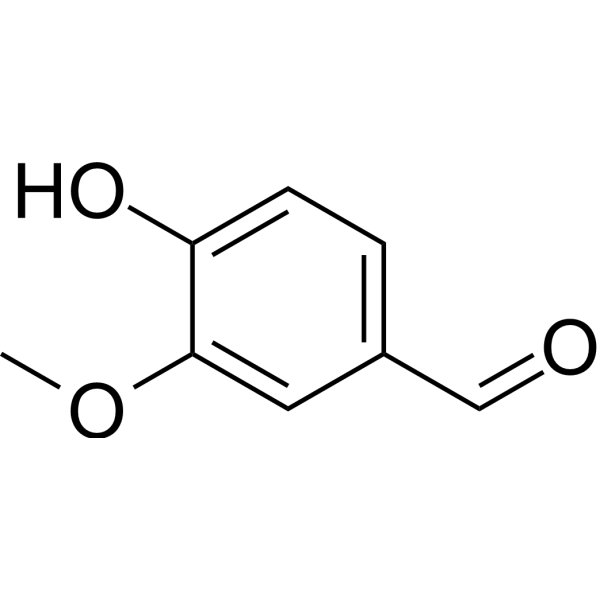
Vanillin (p-Vanillin) is a single molecule extracted from vanilla beans and also a popular odor used widely in perfume, food and medicine.
|
-
-
- HY-N2022
-
|
|
Glycosidase
|
Inflammation/Immunology
Cancer
|
|
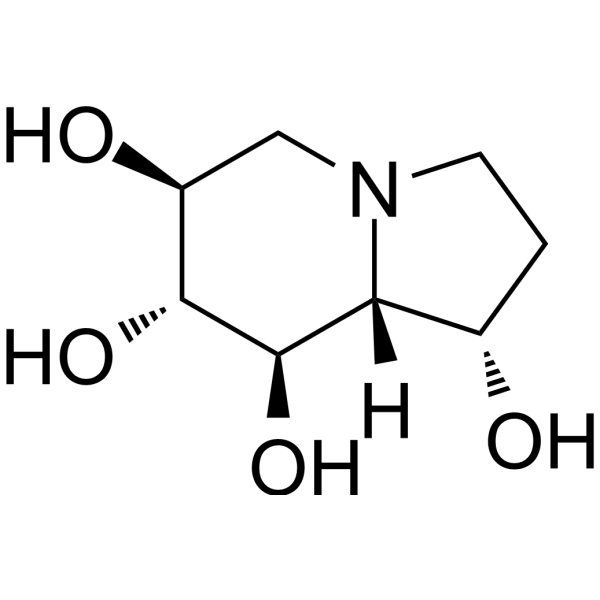
Castanospermine is a natural alkaloid that can be extracted from black beans or the Moreton Bay chestnut tree (Castanospermum australae). Castanospermine is an α/ β-glucosidase inhibitor. Castanospermine has anti-inflammatory, antiviral replication and anti-metastatic effects on prostate cancer. Castanospermine can be used as an immunosuppressant to prevent transplant rejection .
|
-
-
- HY-N0138
-
-
-
- HY-P2767
-
|
|
Bacterial
|
Others
|
|
Urease, Jack bean is derived from jack bean and Catalyzes hydrolysis of urea to carbon dioxide and ammonia. Urease, Jack bean is useful in the determination of urea in body fluids.
|
-
-
- HY-N7906
-
|
Myricetin 3-β-D-glucopyranoside
|
Bacterial
Parasite
Antibiotic
|
Infection
Inflammation/Immunology
|
|
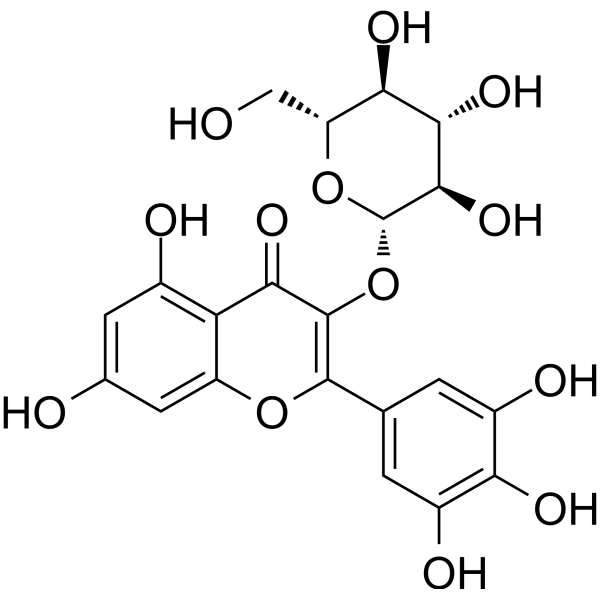
Myricetin 3-O-glucoside (Myricetin 3-β-D-glucopyranoside) is a flavonol from Tibouchina paratropica and Hakmeitau beans. Myricetin 3-O-glucoside exhibits anti-Leishmanial, anti-inflammatory and antimicrobial activities .
|
-
-
- HY-Y1217
-
|
Hydroxycyclohexane; NSC 54711; Naxol; Cyclohexanol
|
Environmental Pollutants
Biochemical Assay Reagents
|
Endocrinology
|
|
1-Cyclohexanol (Hydroxycyclohexane; NSC 5471) is an orally active Cramer Class I flavor ingredient that can be used in fragrances. 1-Cyclohexanol has a wide margin of safety and is environmentally friendly .
|
-
-
- HY-W013040
-
|
1,4-Diazine
|
MOFs
Drug Intermediate
|
Cardiovascular Disease
Infection
Inflammation/Immunology
Cancer
|
|
Pyrazine is an aromatic nitrogen-containing heterocyclic compound with two nitrogen atoms, and is well known for its electron-deficient property. Pyrazine serves as a key pharmacophore in a variety of drugs, and also acts as the core skeleton of derivatives with anticancer, antimycobacterial, antithrombotic and anti-inflammatory activities .
|
-
-
- HY-30152
-
-
-
- HY-136633
-
|
|
Environmental Pollutants
Herbicide
|
Others
|
|
Pyroxasulfone is a broad-spectrum pyrazole Herbicide. Pyroxasulfone is effective against a variety of annual grass weeds and some broadleaf weeds. Pyroxasulfone causes reduced plant height, decreased above-ground dry weight and yield loss in pinto beans and red Mexican beans .
|
-
-
- HY-N1470
-
|
|
Glycosidase
|
Metabolic Disease
|
|
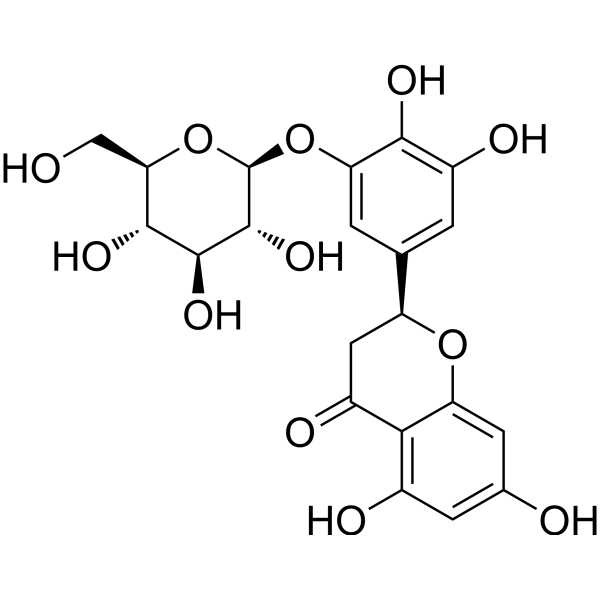
Plantagoside is a flavanone glucoside found in Plantago asiatica seeds, acting as a specific non-competitive α-mannosidase inhibitor with IC50 values of 5 μM and a Ki of 2.7 μM (jack bean). Plantagoside suppresses antibody response and Concanavalin A (HY-P2149)-induced lymphocyte proliferation in mouse spleen cells. Plantagoside inhibits the Maillard reaction, advanced glycation end product formation, and glycation-dependent protein-protein cross-link formation. Plantagoside can be used for the research of diabetes .
|
-
-
- HY-NP077
-
|
PHA-L
|
Biochemical Assay Reagents
|
Neurological Disease
|
|
Phaseolus vulgaris leucoagglutinin (PHA-L) is a lectin, that can be extracted from red kidney beans (Phaseolus vulgaris). Phaseolus vulgaris leucoagglutinin can be used as an anterograde axonal tracer in neuroanatomical research to study the morphology of neurons, axons, and terminal structures in the nervous system .
|
-
-
- HY-128852
-
|
|
Galectin
Endogenous Metabolite
|
Others
|
|
N-Acetyl-D-galactosamine (GalNAc) is a terminal essential amino sugar derived from galactose and forms the antigens of blood group A in humans. N-Acetyl-D-galactosamine (GalNAc) interact with Soya bean agglutinin (SBA), hence decreasing the effects of SBA on cellular membrane permeability and tight junction protein expression in piglets .
N-Acetyl-D-galactosamine (GalNAc) inhibits the hemagglutinating activity by the lectin .
|
-
-
- HY-116831
-
|
|
Drug Metabolite
|
Others
|
|
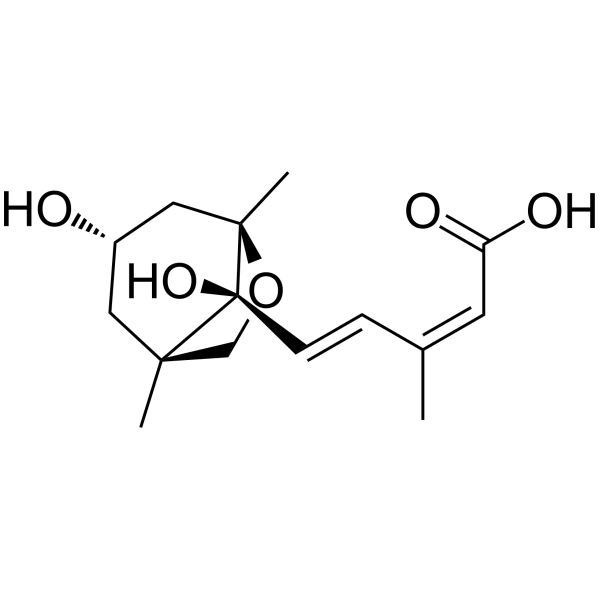
4′-Dihydrophaseic acid is a metabolite of the plant hormone abscisic acid and is present in legume seeds .
|
-
-
- HY-N7929
-
|
|
Tyrosinase
|
Cancer
|
|
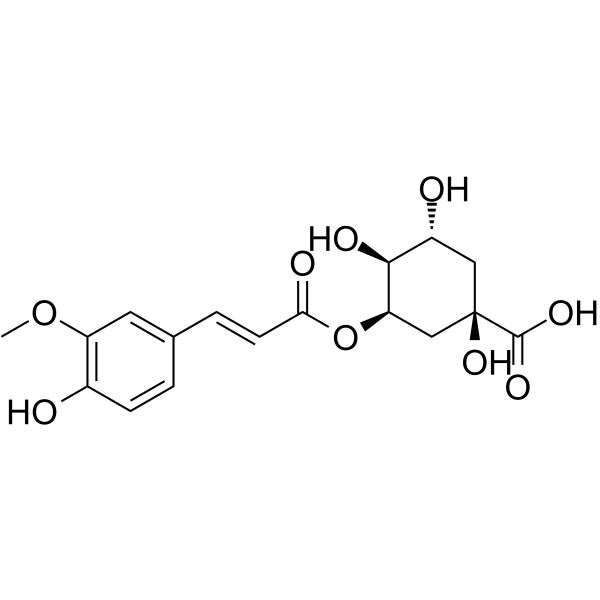
5-Feruloylquinic acid (5-FQA) is a hydroxycinnamic acid derivative. 5-Feruloylquinic acid can be isolated from green coffee beans. 5-Feruloylquinic acid inhibits tyrosinase activity. 5-Feruloylquinic acid has antioxidant properties. 5-Feruloylquinic acid has anticancer activity against lymphoma, oral epidermal cancer, and breast cancer .
|
-
-
- HY-W093282
-
|
Soybean oil epoxide
|
Environmental Pollutants
Biochemical Assay Reagents
|
Others
|
|
Epoxidized soya bean oil (ESBO) is a vegetable oil-derived organic compound used as a plasticizer and stabilizer in various applications. It is produced by epoxidation of soybean oil, which introduces epoxy groups into the fatty acid chains of the oil. ESBO is a viscous, pale yellow liquid that is soluble in many organic solvents, such as chloroform and ethanol, but insoluble in water. It is commonly used as a plasticizer in polyvinyl chloride (PVC) products, including toys, food packaging materials and medical devices. In addition to its plasticizing properties, ESBO acts as an antioxidant and UV stabilizer, helping to prevent degradation and discoloration of PVC products over time. ESBOs have been investigated for their potential use in biodegradable plastics and as bio-based alternatives to traditional petroleum-derived plasticizers.
|
-
-
- HY-125923
-
|
|
Bacterial
|
Infection
Endocrinology
|
|
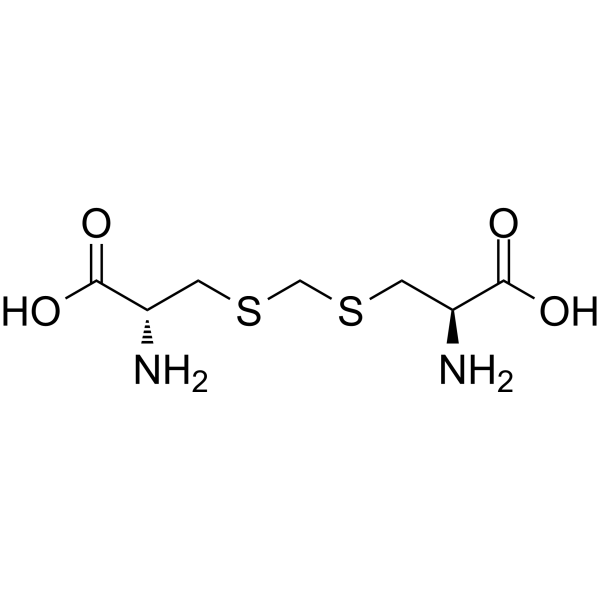
Djenkolic acid is a sulfur-containing amino acid. Djenkolic acid can be isolated from the djenkol beans of the Southeast Asian plant Archidendron jiringa. Djenkolic acid de-inhibits the SO4 2- uptake system in Pseudomonas fluorescens. Djenkolic acid causes supersaturation of the urinary system with djenkolic acid crystals, leading to urinary tract obstruction and acute kidney injury .
|
-
-
- HY-W001663
-
|
|
Bacterial
|
Infection
|
|
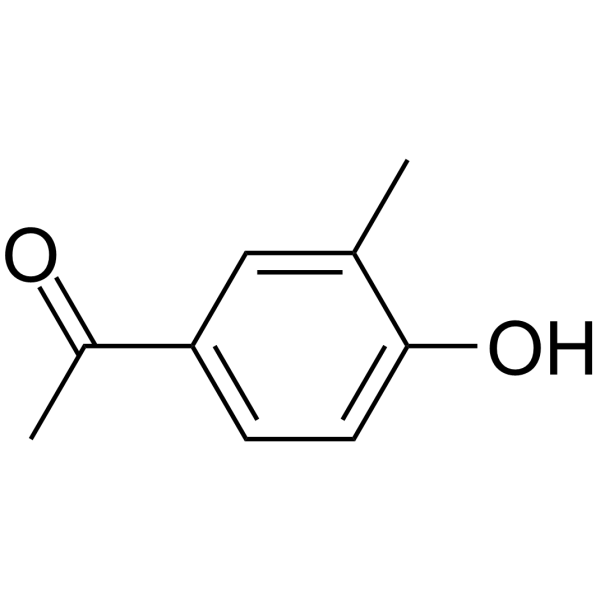
4'-Hydroxy-3'-methylacetophenone is a phenolic volatile compound. 4'-Hydroxy-3'-methylacetophenone can be isolated from Hawaiian green coffee beans (Coffea Arabica L.). 4'-Hydroxy-3'-methylacetophenone is believed to possess potent antioxidant activity similar to that of other phenolic volatile compounds, Thymol (HY-N6810) and Eugenol (HY-N0337). 4'-Hydroxy-3'-methylacetophenone also can be used to synthesize heterocyclic compounds which have antimycobacterial activity .
|
-
-
- HY-W040141
-
|
|
Endogenous Metabolite
|
Metabolic Disease
|
|
L-Arabinitol is a potential biomarker for the comsuption of the food products such as sweet potato, deerberry, moth bean, and is also associated with Alzheimer's disease and ribose-5-phosphate isomerase deficiency.
|
-
-
- HY-W250146
-
|
Locust bean gum, Polysaccharide>75%, 5000-6500 mPa·S
|
Environmental Pollutants
Biochemical Assay Reagents
|
Others
|
|
Locust bean gum is a natural polysaccharide derived from the seeds of the carob tree. It is commonly used as a thickening, stabilizing and gelling agent in a variety of foods, including dairy, baked goods and meat products. Locust bean gum has several properties suitable for these applications, including high water retention capacity, ability to form stable gels at low temperatures, and resistance to acidic conditions. Additionally, it can be used as a dietary fiber supplement due to its potential health benefits, including improving digestion and lowering cholesterol levels.
|
-
-
- HY-N0098S2
-
|
p-Vanillin-13C6; m-Methoxy-p-hydroxybenzaldehyde-13C6; p-Hydroxy-m-methoxybenzaldehyde-13C6
|
Endogenous Metabolite
|
Others
|
|
Vanillin- 13C6 is the 13C labeled Vanillin . Vanillin (p-Vanillin) is a single molecule extracted from vanilla beans and also a popular odor used widely in perfume, food and medicine .
|
-
-
- HY-W012998
-
|
|
Drug Intermediate
|
Neurological Disease
Inflammation/Immunology
|
|
2,3-Pentanedione is a common constituent of synthetic flavorings and is used to impart a butter, strawberry, caramel, fruit, rum, or cheese flavor in beverages, ice cream, candy, baked goods, gelatins, and puddings. 2,3-Pentanedione also occurs naturally as a fermentation product in beer, wine, and yogurt and is releasedduring roasting of coffee beans .
|
-
-
- HY-N0138S1
-
-
-
- HY-N0098R
-
|
p-Vanillin (Standard); m-Methoxy-p-hydroxybenzaldehyde (Standard); p-Hydroxy-m-methoxybenzaldehyde (Standard)
|
Reference Standards
Endogenous Metabolite
|
Others
|
|
Vanillin (Standard) is the analytical standard of Vanillin. This product is intended for research and analytical applications. Vanillin (p-Vanillin) is a single molecule extracted from vanilla beans and also a popular odor used widely in perfume, food and medicine.
|
-
-
- HY-148921
-
|
|
Fungal
|
Infection
|
|
SDH-IN-2 is a potent succinate dehydrogenase (SDH) inhibitor with an IC50 of 0.55 μg/mL. SDH-IN-2 is also an antifungal agent. SDH-IN-2 inhibits phytopathogenic fungia with average EC50 values of 3.82-9.81 μg/mL for all the fungi . SDH-IN-2 is a click chemistry reagent, it contains an Alkyne group and can undergo copper-catalyzed azide-alkyne cycloaddition (CuAAc) with molecules containing Azide groups.
|
-
-
- HY-116056
-
-
-
- HY-B2020
-
|
|
Environmental Pollutants
Herbicide
|
Others
|
|
Fenuron is a water-soluble herbicide used to control annual broad-leaved weeds and woody plants, which is widely applied in the fields of beans, spinach, sugar beet, and other fruits .
|
-
-
- HY-138164
-
|
|
Glutathione S-transferase
COX
|
Cancer
|
|
Cafestol palmitate is an active constituent of green coffee beans. Cafestol palmitate can enhance glutathione S-transferase activity in the mouse. Cafestol palmitate also exhibits weak COX-2 inhibitory activity .
|
-
-
- HY-W016187
-
|
2-Naphthylacetic acid
|
Biochemical Assay Reagents
|
Metabolic Disease
|
|
2-(Naphthalen-2-yl)acetic acid (2-Naphthylacetic acid) is a plant growth regulator that can improve the quality and yield of crops such as bean sprouts. In addition, 2-(Naphthalen-2-yl)acetic acid can be used as a probe to study the distribution of amino acid conjugation mechanisms in different species .
|
-
-
- HY-N2093
-
Vicine
2 Publications Verification
|
Drug Metabolite
|
Cardiovascular Disease
Metabolic Disease
|
|
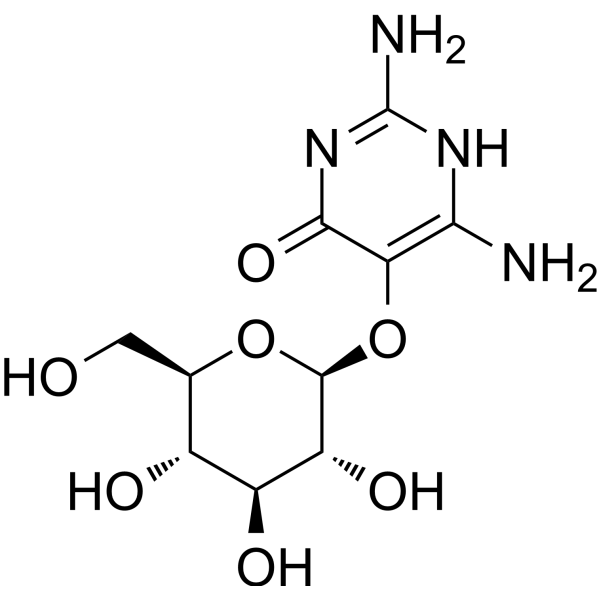
Vicine, an alkaloid glycoside found mainly in fava beans, is toxic in individuals who have a hereditary loss of the enzyme glucose-6-phosphate dehydrogenase and may cause haemolytic anaemia.Vicine is an inactive compound that is hydrolysed by the intestinal microflora to a highly reactive free radical generating compound, the aglycone divicine when Vicine enters the body through food .
|
-
-
- HY-W012998R
-
|
|
Reference Standards
Biochemical Assay Reagents
|
Neurological Disease
Inflammation/Immunology
|
|
2,3-Pentanedione (Standard) is the analytical standard of 2,3-Pentanedione. This product is intended for research and analytical applications. 2,3-Pentanedione is a common constituent of synthetic flavorings and is used to impart a butter, strawberry, caramel, fruit, rum, or cheese flavor in beverages, ice cream, candy, baked goods, gelatins, and puddings. 2,3-Pentanedione also occurs naturally as a fermentation product in beer, wine, and yogurt and is releasedduring roasting of coffee beans .
|
-
-
- HY-W090317
-
|
DMBQ; 2,5-Dimethyl-p-quinone; Phlorone
|
Urease
|
Others
|
|
2,5-Dimethyl-1,4-benzoquinone is a jack bean urease (HY-P2767) inhibitor (IC50: 0.98 μM). 2,5-Dimethyl-1,4-benzoquinone can be used in the study of soil urease activity in agriculture .
|
-
-
- HY-135738
-
|
|
Drug Intermediate
|
Others
|
|
Convicine is a pyrimidine glycoside. Convicine, as well as Vicine, is the precursor of the aglycones Divicine and Isouramil. Convicine is the main factors of favism, which is a genetic condition leading to severe hemolysis after faba bean ingestion. Convicine can be isolated from the faba bean .
|
-
-
- HY-N3087
-
|
|
Others
|
Others
|
|
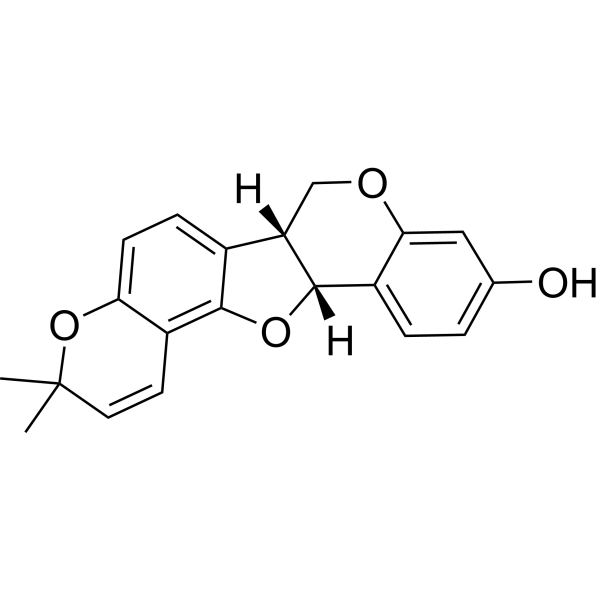
Phaseollin is an isoflavonoid phytoalexin that can be isolated from Phaseolus vulgaris . Phaseollin is toxic to bean hypocotyl and endocarp cells, and causes a complete lysis of sheep erythrocytes .
|
-
-
- HY-N2022R
-
|
|
Reference Standards
Glycosidase
|
Inflammation/Immunology
Cancer
|
|
Castanospermine is a natural alkaloid that can be extracted from black beans or the Moreton Bay chestnut tree (Castanospermum australae). Castanospermine is an α/ β-glucosidase inhibitor. Castanospermine has anti-inflammatory, antiviral replication and anti-metastatic effects on prostate cancer. Castanospermine can be used as an immunosuppressant to prevent transplant rejection .
|
-
-
- HY-N12272
-
|
Acetyl-soyasaponin A2
|
Others
|
Others
|
|
Soyasaponin Af (Acetyl-soyasaponin A2) is a saponin isolated from Black bean (Phaseolus vulgaris L.) seed coats .
|
-
-
- HY-B2039
-
|
|
Herbicide
|
Others
|
|
Bentazone is a post-emergence herbicide used for selective control of broadleaf weeds and sedges in beans, rice, corn, peanuts, mint and others. It acts by interfering with photosynthesis .
|
-
-
- HY-N0138S
-
-
-
- HY-N0138R
-
-
-
- HY-N0098S3
-
|
|
Endogenous Metabolite
|
Others
|
|
Vanillin- 13C is the 13C labeled Vanillin . Vanillin (p-Vanillin) is a single molecule extracted from vanilla beans and also a popular odor used widely in perfume, food and medicine .
|
-
-
- HY-135243
-
|
|
DNA/RNA Synthesis
|
Cancer
|
|
Ypenyl is a cytostatic. Ypenyl hydrochloride, belonging to the alkylating agent class, exhibits clear genotoxicity and cell cycle disruption properties. Ypenyl induces chromosomal aberrations in broad bean root tip meristem cells and leads to a decrease in the mitotic index. Ypenyl may be used in cancer research .
|
-
-
- HY-P11176
-
|
|
Fungal
HIV
|
Infection
|
|
Coccinin is an antifungal peptide. Coccinin can be purified from the seeds of large scarlet runner beans. Coccinin inhibits HIV-1 reverse transcriptase. Coccinin shows antifungal activity against M. arachidicola, F. oxysporum, P. piricola, B. cinerea, C. comatus and R. solani, with IC50s of 75, 81, 89, 109, 122 and 134 μM, respectively .
|
-
-
- HY-126118
-
|
Decachlor
|
Parasite
|
Infection
|
|
Dienochlor (Decachlor) is a miticide that inhibits Mexican bean beetle, Epilachna varivestis Mulsant, from laying eggs on pinto beans .
|
-
-
- HY-W012185A
-
-
-
- HY-115939
-
|
|
Bacterial
Urease
|
Infection
|
|
Urease-IN-2 (compound 8g) is a non-competitive urease inhibitor with an IC50 of 0.94 μM and a Ki of 1.6 μM. Urease-IN-2 inhibits the Jack bean urease (JBU) in a non-competitive manner .
|
-
-
- HY-149775
-
|
|
Bacterial
Urease
|
Infection
|
|
Urease-IN-10 (Conjugate 4) is a competitive Urease inhibitor, with an IC50 of 3.59±0.07 μM and a Ki of 7.45 μM. Urease-IN-10 is a conjugate consisting of Diclofenac (HY-15036) and Sulfanilamide (HY-B0242). Diclofenac-sulfanilamide inhibits the Jack bean urease(JBU) in a competitive manner .
|
-
-
- HY-125923R
-
|
|
Reference Standards
Bacterial
|
Infection
Endocrinology
|
|
Djenkolic acid (Standard) is the analytical standard of Djenkolic acid (HY-125923). This product is intended for research and analytical applications. Djenkolic acid is a sulfur-containing amino acid. Djenkolic acid can be isolated from the djenkol beans of the Southeast Asian plant Archidendron jiringa. Djenkolic acid de-inhibits the SO4 2- uptake system in Pseudomonas fluorescens. Djenkolic acid causes supersaturation of the urinary system with djenkolic acid crystals, leading to urinary tract obstruction and acute kidney injury .
|
-
-
- HY-N13223
-
|
|
Others
|
Others
|
|
White Kidney Bean Extract (10:1) is the extract of White Kidney Bean.
|
-
-
- HY-N13204
-
|
|
Others
|
Others
|
|
Black Bean Hull Extract is the extract of Black Bean Hull, with content of 25% Anthocyanidins.
|
-
- HY-W001663R
-
|
|
Reference Standards
Bacterial
|
Infection
|
|
4'-Hydroxy-3'-methylacetophenone (Standard) is an analytical standard of 4'-Hydroxy-3'-methylacetophenone (HY-W001663). This product is intended for research and analytical applications. 4'-Hydroxy-3'-methylacetophenone is a phenolic volatile compound. 4'-Hydroxy-3'-methylacetophenone can be isolated from Hawaiian green coffee beans (Coffea Arabica L.). 4'-Hydroxy-3'-methylacetophenone is believed to possess potent antioxidant activity similar to that of other phenolic volatile compounds, Thymol (HY-N6810) and Eugenol (HY-N0337). 4'-Hydroxy-3'-methylacetophenone also can be used to synthesize heterocyclic compounds which have antimycobacterial activity .
|
-
- HY-RS01462
-
|
|
Small Interfering RNA (siRNA)
|
Others
|
|
BEAN1 Human Pre-designed siRNA Set A contains three designed siRNAs for BEAN1 gene (Human), as well as a negative control, a positive control, and a FAM-labeled negative control.
|
-
BEAN1 Human Pre-designed siRNA Set A
- HY-119830
-
|
|
Fungal
|
Infection
|
|
Azaconazole is an agriculture fungicide, and can be used for controlling powdery mildew on crops and bean rust .
|
-
- HY-127098
-
|
|
Biochemical Assay Reagents
|
Others
|
|
Kahweol linoleate is a diterpenoid ester, which found in coffee beans. Kahweol linoleate exhibits an impact on the aroma and taste of coffee .
|
-
- HY-149587
-
|
R-(-)-Callosobruchusic acid
|
Insecticide
|
Others
|
|
Callosobruchusic acid (R-(-)-Callosobruchusic acid) is an active compound in sex pheromone of the bean pest Callosobruchus chinensis L. Callosobruchusic acid can be used in pest control strategy development .
|
-
- HY-N2093R
-
|
|
Reference Standards
Others
|
Metabolic Disease
|
|
Vicine (Standard) is the analytical standard of Vicine. This product is intended for research and analytical applications. Vicine, an alkaloid glycoside found mainly in fava beans, is toxic in individuals and may cause haemolytic anaemia .
|
-
- HY-B2039S1
-
|
|
Isotope-Labeled Compounds
|
Others
|
|
Bentazone-d7 is the deuterium labeled Bentazone . Bentazone is a post-emergence herbicide used for selective control of broadleaf weeds and sedges in beans, rice, corn, peanuts, mint and others. It acts by interfering with photosynthesis .
|
-
- HY-B2039R
-
|
|
Herbicide
Reference Standards
|
Others
|
|
Bentazone (Standard) is the analytical standard of Bentazone. This product is intended for research and analytical applications. Bentazone is a post-emergence herbicide used for selective control of broadleaf weeds and sedges in beans, rice, corn, peanuts, mint and others. It acts by interfering with photosynthesis .
|
-
- HY-N4241
-
|
|
Others
|
Others
|
|
Kauran-18-oic acid, 16,17,19-trihydroxy-, (4α)- (compound 5) is a endogenous ent-kaurane diterpene compound in green coffee beans, providing direct chemical indicators of low-quality coffee .
|
-
- HY-N3864
-
|
|
Glycosidase
|
Others
|
|
Erythro-Guaiacylglycerol beta-coniferyl ether (compound 22) can be isolated from the stems and leaves of mung beans. Erythro-Guaiacylglycerol beta-coniferyl ether inhibits α-Glycosidase activity with EC50 value of 18.71 μM .
|
-
- HY-N0098S
-
|
p-Vanillin-13C,d3; m-Methoxy-p-hydroxybenzaldehyde-13C,d3; p-Hydroxy-m-methoxybenzaldehyde-13C,d3
|
Endogenous Metabolite
|
Others
|
|
Vanillin- 13C,d3 is the 13C and deuterium labeled Vanillin . Vanillin (p-Vanillin) is a single molecule extracted from vanilla beans and also a popular odor used widely in perfume, food and medicine .
|
-
- HY-N0098S1
-
|
|
Endogenous Metabolite
|
Others
|
|
4- Hydroxy-3-methoxy benzaldehyde-d3 is the deuterium labeled Vanillin . Vanillin (p-Vanillin) is a single molecule extracted from vanilla beans and also a popular odor used widely in perfume, food and medicine .
|
-
- HY-B2020R
-
|
|
Herbicide
Reference Standards
|
Others
|
|
Fenuron (Standard) is the analytical standard of Fenuron. This product is intended for research and analytical applications. Fenuron is a water-soluble herbicide used to control annual broad-leaved weeds and woody plants, which is widely applied in the fields of beans, spinach, sugar beet, and other fruits .
|
-
- HY-N8357R
-
|
|
Reference Standards
Endogenous Metabolite
|
Others
|
|
Fenuron (Standard) is the analytical standard of Fenuron. This product is intended for research and analytical applications. Fenuron is a water-soluble herbicide used to control annual broad-leaved weeds and woody plants, which is widely applied in the fields of beans, spinach, sugar beet, and other fruits .
|
-
- HY-W040141R
-
|
|
Reference Standards
Endogenous Metabolite
|
Metabolic Disease
|
|
L-Arabinitol (Standard) is the analytical standard of L-Arabinitol. This product is intended for research and analytical applications. L-Arabinitol is a potential biomarker for the comsuption of the food products such as sweet potato, deerberry, moth bean, and is also associated with Alzheimer's disease and ribose-5-phosphate isomerase deficiency.
|
-
- HY-B2039S
-
|
|
Isotope-Labeled Compounds
|
Others
|
|
Bentazone- 13C10, 15N is the 13C-labeled and 15N-labeled Bentazone. Bentazone is a post-emergence herbicide used for selective control of broadleaf weeds and sedges in beans, rice, corn, peanuts, mint and others. It acts by interfering with photosynthesis .
|
-
- HY-N9746
-
|
|
Parasite
|
Infection
|
|
(R)-4-Methoxydalbergione is a urease inhibitor with IC50s of 59.72 and 67.33 μM for Bacillus pasteurii urease and Jack bean urease. (R)-4-Methoxydalbergione also has antiplasmodial activity. (R)-4-Methoxydalbergione can be isolated from Ranunculus repens .
|
-
- HY-W012998S2
-
|
|
Isotope-Labeled Compounds
Biochemical Assay Reagents
|
Neurological Disease
Inflammation/Immunology
|
|
2,3-Pentanedione-d3 is deuterated labeled 2,3-Pentanedione (HY-W012998). 2,3-Pentanedione is a common constituent of synthetic flavorings and is used to impart a butter, strawberry, caramel, fruit, rum, or cheese flavor in beverages, ice cream, candy, baked goods, gelatins, and puddings. 2,3-Pentanedione also occurs naturally as a fermentation product in beer, wine, and yogurt and is releasedduring roasting of coffee beans .
|
-
- HY-N6745S
-
|
|
Na+/K+ ATPase
Apoptosis
Isotope-Labeled Compounds
|
Infection
|
|
Citreoviridin- 13C23 is 13C labeled 2,3-Pentanedione (HY-W012998). 2,3-Pentanedione is a common constituent of synthetic flavorings and is used to impart a butter, strawberry, caramel, fruit, rum, or cheese flavor in beverages, ice cream, candy, baked goods, gelatins, and puddings. 2,3-Pentanedione also occurs naturally as a fermentation product in beer, wine, and yogurt and is releasedduring roasting of coffee beans .
|
-
- HY-N7929R
-
|
|
Reference Standards
Tyrosinase
|
Cancer
|
|
5-Feruloylquinic acid (Standard) is the analytical standard of 5-Feruloylquinic acid (HY-N7929). This product is intended for research and analytical applications. 5-Feruloylquinic acid (5-FQA) is a hydroxycinnamic acid derivative. 5-Feruloylquinic acid can be isolated from green coffee beans. 5-Feruloylquinic acid inhibits tyrosinase activity. 5-Feruloylquinic acid has antioxidant properties. 5-Feruloylquinic acid has anticancer activity against lymphoma, oral epidermal cancer, and breast cancer .
|
-
- HY-161860
-
|
|
Bacterial
|
Cancer
|
|
Antibacterial agent 233 (Compound 7c) exhibits inhibitory efficacy against Helicobacter pylori with MIC of 0.4-1.6 μg/mL. Antibacterial agent 233 inhibits jack bean urease (IC50 is 0.27 μg/mL), changes the permeability of H. pylori cell membrane, causes the leakage of cellular contents. Antibacterial agent 233 exhibits metabolic stability in whole blood and artificial gastric fluid. Antibacterial agent 233 exhibits antitumor efficacy against U2OS in mice .
|
-
- HY-W012998S1
-
|
|
Isotope-Labeled Compounds
Biochemical Assay Reagents
|
Neurological Disease
Inflammation/Immunology
|
|
2,3-Pentanedione- 13C2 is 13C labeled 2,3-Pentanedione (HY-W012998). 2,3-Pentanedione is a common constituent of synthetic flavorings and is used to impart a butter, strawberry, caramel, fruit, rum, or cheese flavor in beverages, ice cream, candy, baked goods, gelatins, and puddings. 2,3-Pentanedione also occurs naturally as a fermentation product in beer, wine, and yogurt and is releasedduring roasting of coffee beans .
|
-
- HY-30152R
-
|
8-Hydroxypsoralen (Standard)
|
Reference Standards
5-HT Receptor
Reactive Oxygen Species (ROS)
Endogenous Metabolite
|
Neurological Disease
Inflammation/Immunology
|
|
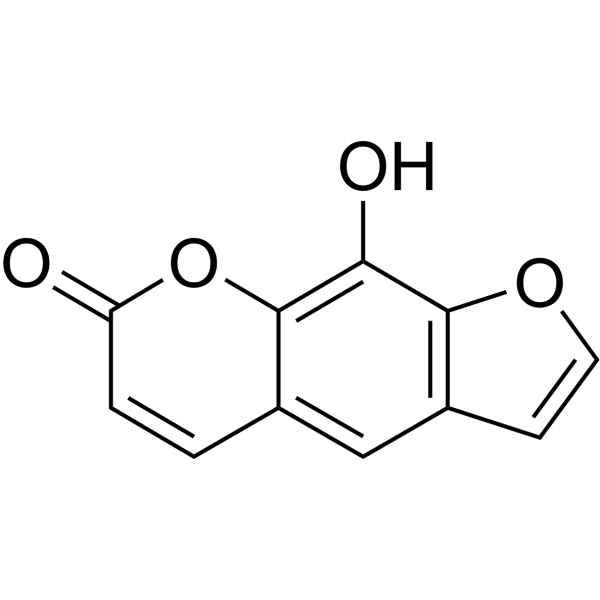
Xanthotoxol (Standard) is the analytical standard of Xanthotoxol. This product is intended for research and analytical applications. Xanthotoxol (8-Hydroxypsoralen) It is a kind of fragrant bean substance, and it is a CYP450 inhibitor. Xanthotoxol has anti-inflammatory, anti-inflammatory, and 5-HT antagonistic and protective effects. Xanthotoxol inhibited CYP3A4 sum CYP1A2 IC50s separation 7.43 μM sum 27.82 μM. Xanthotoxol can pass through MAPK and NF-κB, inhibiting inflammation .
|
-
- HY-P2871I
-
|
|
Biochemical Assay Reagents
|
Metabolic Disease
|
|
α-Galactosidase, Green coffee beans (EC 3.2.1.22) is a glycoside hydrolase enzyme that hydrolyses the terminal alpha-galactosyl moieties from glycolipids and glycoproteins.
|
-
- HY-W748453
-
|
|
Drug Derivative
|
Others
|
|
Cyclokievitone is an isoflavanone found in cuprous chloride-treated seedlings of Phaseolus lunatus (lima bean) .
|
-
- HY-N13223A
-
|
|
Others
|
Metabolic Disease
|
|
White Kidney Bean Extract (30:1) is the extract of White Kidney Bean. White Kidney Bean Extract (30:1) can be used in the study of obesity .
|
-
- HY-W726476
-
|
|
Others
|
Others
|
|
(+)-N-[3',4'-Dihydroxy-(E)-cinnamoyl]-L-aspartic acid is an N-phenylpropenoyl amino acid compound that can be isolated from cocoa beans.
|
-
- HY-N19067
-
|
|
Others
|
Neurological Disease
|
|
Coffea robusta extract is derived from coffee beans. This extract is rich in chlorogenic acid and other antioxidants, thus offering numerous health benefits. Coffea robusta extract is known for its energizing and invigorating effects.
|
-
- HY-W726468
-
|
|
Others
|
Others
|
|
Feruloylaspartic acid (Compound 19) is an N-cinnamoyl-L-amino acid, and it is a key astringent compound responsible for the puckering sensation in roasted cocoa beans. Feruloylaspartic acid elicits a puckering, astringent oral sensation without exhibiting a bitter taste .
|
-
- HY-N17762
-
|
|
Others
|
Others
|
|
p-Coumaroyl-N-tryptophan is a hydroxycinnamic acid amide compound that can be isolated from coffee beans (Coffea arabica, Coffea canephora, Coffea liberica). p-Coumaroyl-N-tryptophan can be used to differentiate Robusta coffee from other coffee varieties.
|
-
- HY-W700644
-
|
Caffeoyl-N-tyrosine
|
Others
|
Others
|
|
(-)-N-[3',4'-Dihydroxy-(E)-cinnamoyl]-L-tyrosine (Caffeoyl-N-tyrosine) is an N-phenylpropenoylamino acid compound that can be isolated from cocoa beans. (-)-N-[3',4'-Dihydroxy-(E)-cinnamoyl]-L-tyrosine is involved in cocoa flavor formation.
|
-
- HY-E71025
-
|
|
Biochemical Assay Reagents
|
Metabolic Disease
|
|
β 1-4,6-Galactosidase, Jack bean (EC 3.2.1.23) is a hydrolase enzyme that catalyzes the hydrolysis of β-galactosides into monosaccharides. Substrates of different β-galactosidases include ganglioside GM1, lactosylceramides, lactose, and various glycoproteins.
|
-
- HY-122145
-
|
|
DNA/RNA Synthesis
|
Cancer
|
|
Ypenyl hydrochloride is a cytostatic. Ypenyl hydrochloride, belonging to the alkylating agent class, exhibits clear genotoxicity and cell cycle disruption properties. Ypenyl hydrochloride induces chromosomal aberrations in broad bean root tip meristem cells and leads to a decrease in the mitotic index. Ypenyl hydrochloride may be used in cancer research .
|
-
- HY-W338799
-
-
- HY-W017143
-
|
|
Fungal
|
Infection
|
|
Antifungal agent 158 is an α-pyrone derivative that can be found in Trichoderma harzianum, exhibiting antifungal activity against select plant-pathogenic fungi, including Chaetomium spp., Curvularia lunata, and Aspergillus flavus. Antifungal agent 158 is non-toxic to greenhouse-grown bean, corn, and tobacco plants. Antifungal agent 158 can be used for research on Aspergillus flavus infection .
|
-
- HY-W612164
-
|
|
Drug Derivative
|
Infection
|
|
2-Methyl-3-phenylpropanal is a volatile aromatic compound found in the flowers of legume host plants such as cowpeas and lentils. 2-Methyl-3-phenylpropanal can specifically bind to the odor-binding protein MvitOBP3 of the bean pod moth and exert potential oviposition attraction activity. 2-Methyl-3-phenylpropanal can be used for pest control .
|
-
- HY-W012998S
-
|
|
Isotope-Labeled Compounds
Biochemical Assay Reagents
|
Neurological Disease
Inflammation/Immunology
|
|
2,3-Pentanedione-d5 is the deuterium labeled 2,3-Pentanedione (HY-W012998). 2,3-Pentanedione is a common constituent of synthetic flavorings and is used to impart a butter, strawberry, caramel, fruit, rum, or cheese flavor in beverages, ice cream, candy, baked goods, gelatins, and puddings. 2,3-Pentanedione also occurs naturally as a fermentation product in beer, wine, and yogurt and is releasedduring roasting of coffee beans .
|
-
- HY-N17760
-
|
|
Fungal
|
Others
|
|
(25RS)-Schidigera-saponin E1 is a steroidal saponin with anti-yeast activity, which can be isolated from the stems of Yucca schidigera (Mojave yucca). (25RS)-Schidigera-saponin E1 exerts weak anti-yeast activity by affecting the integrity of microbial cell membranes, with a MIC≥100 μg/mL against some food spoilage yeasts. (25RS)-Schidigera-saponin E1 can be used in the field of food preservation to extend the shelf life of foods containing cooked rice, beans, fermented condiments, etc.
|
-
- HY-W714199
-
|
Potablan
|
Herbicide
|
Others
|
|
Monalide (Potablan) is a soil-applied and contact herbicide that acts both via absorption by plant roots from the soil and through contact with the aboveground parts of plants. Monalide inhibits weed growth. Monalide decomposes within several weeks in soil and leaves no residues on crops .
|
-
- HY-N1470R
-
|
|
Reference Standards
Glycosidase
|
Metabolic Disease
|
|
Plantagoside (Standard) is the analytical standard of Plantagoside (HY-N1470). This product is intended for research and analytical applications. Plantagoside is a flavanone glucoside found in Plantago asiatica seeds, acting as a specific non-competitive α-mannosidase inhibitor with IC50 values of 5 μM and a Ki of 2.7 μM (jack bean). Plantagoside suppresses antibody response and Concanavalin A (HY-P2149)-induced lymphocyte proliferation in mouse spleen cells. Plantagoside inhibits the Maillard reaction, advanced glycation end product formation, and glycation-dependent protein-protein cross-link formation. Plantagoside can be used for the research of diabetes .
|
-
- HY-121853
-
|
|
Biochemical Assay Reagents
|
Others
|
|
D-Xylopyranose is a type of sugar. D-Xylopyranose exists in the forms of α-D-Xylopyranose (HY-N2018) and β-D-Xylopyranose. β-D-Xylopyranose is regarded as a model structural motif of the fundamental chemical structure of hemicellulose .
|
-
- HY-W142283
-
|
|
Drug Derivative
|
Others
|
|
2,3-Dimethylfuran is a furan derivative. 2,3-Dimethylfuran can be formed by the cyclization of (Z)-3-methylpent-2-en-4-yn-1-ol by various methods .
|
-
- HY-113053F
-
|
PGA1-biotin
|
Drug Derivative
|
Infection
|
|
Prostaglandin A1-biotin (PGA1-biotin) is a biotin-labeled Prostaglandin A1 (HY-113053). Prostaglandin A1-biotin can be found in the culture filtrate of rhizobia, and the culture filtrate containing this compound exhibits significant antiviral activity .
|
-
- HY-181149
-
|
|
Urease
Bacterial
|
Infection
Cancer
|
|
Urease/thymidine phosphorylase-IN-1 (compound 8) is a urease and thymidine phosphorylase inhibitor with a urease IC50 of 8.20 μM, thymidine phosphorylase IC50 of 9.29 μM. Urease/thymidine phosphorylase-IN-1 can be used for the research of helicobacter pylori infection, proteus mirabilis infection, cancer .
|
-
- HY-W751375
-
|
|
Endogenous Metabolite
|
Others
|
|
Triricinolein is a triacylglycerol composed entirely of ricinoleic acid residues, and it is a fatty acid component of Malaysian castor oil .
|
-
- HY-N12752
-
|
Casbene
|
Bacterial
Fungal
|
Infection
|
|
(-)-Casbene (Casbene) is an antimicrobial agent that can be found in Euphorbiaceae plants. (-)-Casbene retards Aspergillus niger development, and inhibits Escherichia coli growth. (-)-Casbene can be used for the research of bacterial and fungal infection .
|
-
| Cat. No. |
Product Name |
Type |
-
- HY-113053F
-
|
PGA1-biotin
|
Fluorescent Dye
|
|
Prostaglandin A1-biotin (PGA1-biotin) is a biotin-labeled Prostaglandin A1 (HY-113053). Prostaglandin A1-biotin can be found in the culture filtrate of rhizobia, and the culture filtrate containing this compound exhibits significant antiviral activity .
|
| Cat. No. |
Product Name |
Type |
-
- HY-P2149
-
|
|
Biochemical Assay Reagents
|
|
Concanavalin A can be coupled to agarose to form Concanavalin A (agarose) (HY-P2149A). Concanavalin A (ConA) is a selective, competitive binding agent that targets specific carbohydrate structures containing glucose and mannose; it acts as a mitogen and exhibits varying degrees of cytotoxicity, hepatotoxicity, and teratogenicity. Concanavalin A is also utilized for in vivo blood glucose monitoring in the context of diabetes .
|
-
- HY-Y1217
-
|
Hydroxycyclohexane; NSC 54711; Naxol; Cyclohexanol
|
Biochemical Assay Reagents
|
|
1-Cyclohexanol (Hydroxycyclohexane; NSC 5471) is an orally active Cramer Class I flavor ingredient that can be used in fragrances. 1-Cyclohexanol has a wide margin of safety and is environmentally friendly .
|
-
- HY-NP077
-
|
PHA-L
|
Biochemical Assay Reagents
|
|
Phaseolus vulgaris leucoagglutinin (PHA-L) is a lectin, that can be extracted from red kidney beans (Phaseolus vulgaris). Phaseolus vulgaris leucoagglutinin can be used as an anterograde axonal tracer in neuroanatomical research to study the morphology of neurons, axons, and terminal structures in the nervous system .
|
-
- HY-128852
-
|
|
Biochemical Assay Reagents
|
|
N-Acetyl-D-galactosamine (GalNAc) is a terminal essential amino sugar derived from galactose and forms the antigens of blood group A in humans. N-Acetyl-D-galactosamine (GalNAc) interact with Soya bean agglutinin (SBA), hence decreasing the effects of SBA on cellular membrane permeability and tight junction protein expression in piglets .
N-Acetyl-D-galactosamine (GalNAc) inhibits the hemagglutinating activity by the lectin .
|
-
- HY-W093282
-
|
Soybean oil epoxide
|
Biochemical Assay Reagents
|
|
Epoxidized soya bean oil (ESBO) is a vegetable oil-derived organic compound used as a plasticizer and stabilizer in various applications. It is produced by epoxidation of soybean oil, which introduces epoxy groups into the fatty acid chains of the oil. ESBO is a viscous, pale yellow liquid that is soluble in many organic solvents, such as chloroform and ethanol, but insoluble in water. It is commonly used as a plasticizer in polyvinyl chloride (PVC) products, including toys, food packaging materials and medical devices. In addition to its plasticizing properties, ESBO acts as an antioxidant and UV stabilizer, helping to prevent degradation and discoloration of PVC products over time. ESBOs have been investigated for their potential use in biodegradable plastics and as bio-based alternatives to traditional petroleum-derived plasticizers.
|
-
- HY-W250146
-
|
Locust bean gum, Polysaccharide>75%, 5000-6500 mPa·S
|
Biochemical Assay Reagents
|
|
Locust bean gum is a natural polysaccharide derived from the seeds of the carob tree. It is commonly used as a thickening, stabilizing and gelling agent in a variety of foods, including dairy, baked goods and meat products. Locust bean gum has several properties suitable for these applications, including high water retention capacity, ability to form stable gels at low temperatures, and resistance to acidic conditions. Additionally, it can be used as a dietary fiber supplement due to its potential health benefits, including improving digestion and lowering cholesterol levels.
|
-
- HY-B2020
-
|
|
Biochemical Assay Reagents
|
|
Fenuron is a water-soluble herbicide used to control annual broad-leaved weeds and woody plants, which is widely applied in the fields of beans, spinach, sugar beet, and other fruits .
|
-
- HY-W016187
-
|
2-Naphthylacetic acid
|
Biochemical Assay Reagents
|
|
2-(Naphthalen-2-yl)acetic acid (2-Naphthylacetic acid) is a plant growth regulator that can improve the quality and yield of crops such as bean sprouts. In addition, 2-(Naphthalen-2-yl)acetic acid can be used as a probe to study the distribution of amino acid conjugation mechanisms in different species .
|
-
- HY-B2020R
-
|
|
Biochemical Assay Reagents
|
|
Fenuron (Standard) is the analytical standard of Fenuron. This product is intended for research and analytical applications. Fenuron is a water-soluble herbicide used to control annual broad-leaved weeds and woody plants, which is widely applied in the fields of beans, spinach, sugar beet, and other fruits .
|
| Cat. No. |
Product Name |
Target |
Research Area |
-
- HY-P11176
-
|
|
Fungal
HIV
|
Infection
|
|
Coccinin is an antifungal peptide. Coccinin can be purified from the seeds of large scarlet runner beans. Coccinin inhibits HIV-1 reverse transcriptase. Coccinin shows antifungal activity against M. arachidicola, F. oxysporum, P. piricola, B. cinerea, C. comatus and R. solani, with IC50s of 75, 81, 89, 109, 122 and 134 μM, respectively .
|
| Cat. No. |
Product Name |
Category |
Target |
Chemical Structure |
-
- HY-N7038
-
-
-
- HY-N0098
-
-
-
- HY-N2022
-
-
-
- HY-N0138
-
-
-
- HY-N7906
-
-
-
- HY-30152
-
-
-
- HY-N1470
-
-
-
- HY-128852
-
-
-
- HY-116831
-
-
-
- HY-N7929
-
-
-
- HY-125923
-
-
-
- HY-W001663
-
-
-
- HY-W040141
-
-
-
- HY-W012998
-
|
|
Structural Classification
other families
Classification of Application Fields
Ketones, Aldehydes, Acids
Other Diseases
Plants
Disease Research Fields
Source Classification
|
Drug Intermediate
|
|
2,3-Pentanedione is a common constituent of synthetic flavorings and is used to impart a butter, strawberry, caramel, fruit, rum, or cheese flavor in beverages, ice cream, candy, baked goods, gelatins, and puddings. 2,3-Pentanedione also occurs naturally as a fermentation product in beer, wine, and yogurt and is releasedduring roasting of coffee beans .
|
-
-
- HY-N0098R
-
-
-
- HY-116056
-
-
-
- HY-N2093
-
-
-
- HY-W012998R
-
|
|
Structural Classification
Microorganisms
other families
Ketones, Aldehydes, Acids
Plants
Source Classification
|
Reference Standards
Biochemical Assay Reagents
|
|
2,3-Pentanedione (Standard) is the analytical standard of 2,3-Pentanedione. This product is intended for research and analytical applications. 2,3-Pentanedione is a common constituent of synthetic flavorings and is used to impart a butter, strawberry, caramel, fruit, rum, or cheese flavor in beverages, ice cream, candy, baked goods, gelatins, and puddings. 2,3-Pentanedione also occurs naturally as a fermentation product in beer, wine, and yogurt and is releasedduring roasting of coffee beans .
|
-
-
- HY-135738
-
-
-
- HY-N3087
-
-
-
- HY-N2022R
-
-
-
- HY-N12272
-
-
-
- HY-N0138R
-
-
-
- HY-125923R
-
|
|
other families
Amino acids
Plants
Archidendron jiringa
Source Classification
|
Reference Standards
Bacterial
|
|
Djenkolic acid (Standard) is the analytical standard of Djenkolic acid (HY-125923). This product is intended for research and analytical applications. Djenkolic acid is a sulfur-containing amino acid. Djenkolic acid can be isolated from the djenkol beans of the Southeast Asian plant Archidendron jiringa. Djenkolic acid de-inhibits the SO4 2- uptake system in Pseudomonas fluorescens. Djenkolic acid causes supersaturation of the urinary system with djenkolic acid crystals, leading to urinary tract obstruction and acute kidney injury .
|
-
-
- HY-W001663R
-
|
|
Structural Classification
Monophenols
Ketones, Aldehydes, Acids
Rubiaceae
Phenols
Plants
Coffea arabica L.
Source Classification
|
Reference Standards
Bacterial
|
|
4'-Hydroxy-3'-methylacetophenone (Standard) is an analytical standard of 4'-Hydroxy-3'-methylacetophenone (HY-W001663). This product is intended for research and analytical applications. 4'-Hydroxy-3'-methylacetophenone is a phenolic volatile compound. 4'-Hydroxy-3'-methylacetophenone can be isolated from Hawaiian green coffee beans (Coffea Arabica L.). 4'-Hydroxy-3'-methylacetophenone is believed to possess potent antioxidant activity similar to that of other phenolic volatile compounds, Thymol (HY-N6810) and Eugenol (HY-N0337). 4'-Hydroxy-3'-methylacetophenone also can be used to synthesize heterocyclic compounds which have antimycobacterial activity .
|
-
-
- HY-N2093R
-
-
-
- HY-N4241
-
-
-
- HY-N3864
-
-
-
- HY-N8357R
-
-
-
- HY-W040141R
-
-
-
- HY-N9746
-
-
-
- HY-N7929R
-
-
-
- HY-30152R
-
-
-
- HY-W748453
-
-
-
- HY-N13223A
-
-
-
- HY-W726476
-
-
-
- HY-N19067
-
|
|
Structural Classification
Extract
|
Others
|
|
Coffea robusta extract is derived from coffee beans. This extract is rich in chlorogenic acid and other antioxidants, thus offering numerous health benefits. Coffea robusta extract is known for its energizing and invigorating effects.
|
-
-
- HY-W726468
-
-
-
- HY-N17762
-
-
-
- HY-W700644
-
-
-
- HY-W017143
-
|
|
Structural Classification
Microorganisms
Ketones, Aldehydes, Acids
Source Classification
|
Fungal
|
|
Antifungal agent 158 is an α-pyrone derivative that can be found in Trichoderma harzianum, exhibiting antifungal activity against select plant-pathogenic fungi, including Chaetomium spp., Curvularia lunata, and Aspergillus flavus. Antifungal agent 158 is non-toxic to greenhouse-grown bean, corn, and tobacco plants. Antifungal agent 158 can be used for research on Aspergillus flavus infection .
|
-
-
- HY-W612164
-
-
-
- HY-N17760
-
-
-
- HY-N1470R
-
|
|
Plantaginaceae
Structural Classification
Flavonoids
Flavonones
Phenols
Polyphenols
Plantago asiatica L.
Plants
Source Classification
|
Reference Standards
Glycosidase
|
|
Plantagoside (Standard) is the analytical standard of Plantagoside (HY-N1470). This product is intended for research and analytical applications. Plantagoside is a flavanone glucoside found in Plantago asiatica seeds, acting as a specific non-competitive α-mannosidase inhibitor with IC50 values of 5 μM and a Ki of 2.7 μM (jack bean). Plantagoside suppresses antibody response and Concanavalin A (HY-P2149)-induced lymphocyte proliferation in mouse spleen cells. Plantagoside inhibits the Maillard reaction, advanced glycation end product formation, and glycation-dependent protein-protein cross-link formation. Plantagoside can be used for the research of diabetes .
|
-
-
- HY-N12752
-
-
| Cat. No. |
Product Name |
Chemical Structure |
-
- HY-N0098S2
-
|
|
|
Vanillin- 13C6 is the 13C labeled Vanillin . Vanillin (p-Vanillin) is a single molecule extracted from vanilla beans and also a popular odor used widely in perfume, food and medicine .
|
-
-
- HY-N0138S1
-
1 Publications Verification
|
|
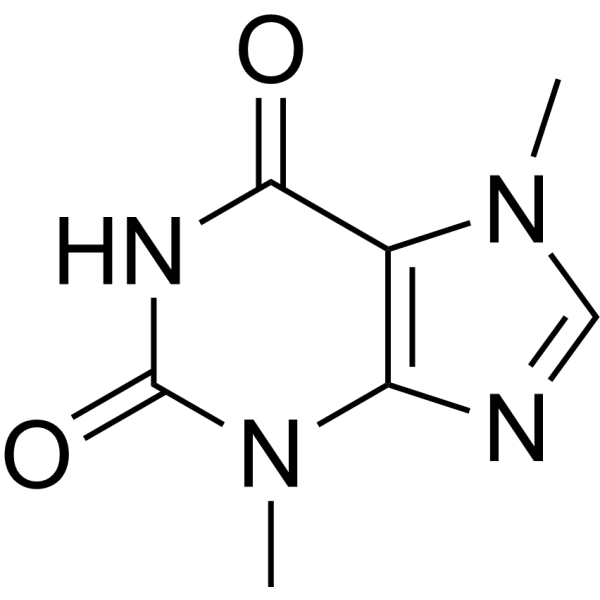
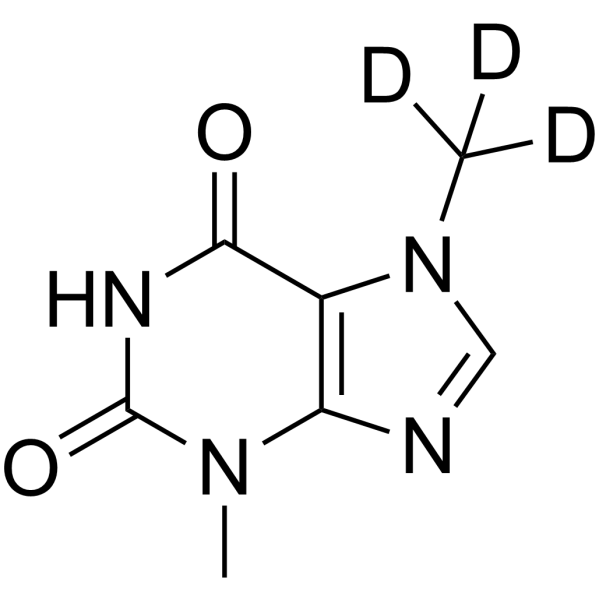
Theobromine-d3 is the deuterium labeled Theobromine. Theobromine is a methylxanthine found in cacao beans which can inhibit adenosine receptor A1 (AR1) signaling.
|
-
-
- HY-N0138S
-
|
|
|
Theobromine-d6 is the deuterium labeled Theobromine. Theobromine is a methylxanthine found in cacao beans which can inhibit adenosine receptor A1 (AR1) signaling.
|
-
-
- HY-N0098S3
-
|
|
|
Vanillin- 13C is the 13C labeled Vanillin . Vanillin (p-Vanillin) is a single molecule extracted from vanilla beans and also a popular odor used widely in perfume, food and medicine .
|
-
-
- HY-B2039S1
-
|
|
|
Bentazone-d7 is the deuterium labeled Bentazone . Bentazone is a post-emergence herbicide used for selective control of broadleaf weeds and sedges in beans, rice, corn, peanuts, mint and others. It acts by interfering with photosynthesis .
|
-
-
- HY-N0098S
-
|
|
|
Vanillin- 13C,d3 is the 13C and deuterium labeled Vanillin . Vanillin (p-Vanillin) is a single molecule extracted from vanilla beans and also a popular odor used widely in perfume, food and medicine .
|
-
-
- HY-N0098S1
-
|
|
|
4- Hydroxy-3-methoxy benzaldehyde-d3 is the deuterium labeled Vanillin . Vanillin (p-Vanillin) is a single molecule extracted from vanilla beans and also a popular odor used widely in perfume, food and medicine .
|
-
-
- HY-B2039S
-
|
|
|
Bentazone- 13C10, 15N is the 13C-labeled and 15N-labeled Bentazone. Bentazone is a post-emergence herbicide used for selective control of broadleaf weeds and sedges in beans, rice, corn, peanuts, mint and others. It acts by interfering with photosynthesis .
|
-
-
- HY-W012998S2
-
|
|
|
2,3-Pentanedione-d3 is deuterated labeled 2,3-Pentanedione (HY-W012998). 2,3-Pentanedione is a common constituent of synthetic flavorings and is used to impart a butter, strawberry, caramel, fruit, rum, or cheese flavor in beverages, ice cream, candy, baked goods, gelatins, and puddings. 2,3-Pentanedione also occurs naturally as a fermentation product in beer, wine, and yogurt and is releasedduring roasting of coffee beans .
|
-
-
- HY-N6745S
-
|
|
|
Citreoviridin- 13C23 is 13C labeled 2,3-Pentanedione (HY-W012998). 2,3-Pentanedione is a common constituent of synthetic flavorings and is used to impart a butter, strawberry, caramel, fruit, rum, or cheese flavor in beverages, ice cream, candy, baked goods, gelatins, and puddings. 2,3-Pentanedione also occurs naturally as a fermentation product in beer, wine, and yogurt and is releasedduring roasting of coffee beans .
|
-
-
- HY-W012998S1
-
|
|
|
2,3-Pentanedione- 13C2 is 13C labeled 2,3-Pentanedione (HY-W012998). 2,3-Pentanedione is a common constituent of synthetic flavorings and is used to impart a butter, strawberry, caramel, fruit, rum, or cheese flavor in beverages, ice cream, candy, baked goods, gelatins, and puddings. 2,3-Pentanedione also occurs naturally as a fermentation product in beer, wine, and yogurt and is releasedduring roasting of coffee beans .
|
-
-
- HY-W012998S
-
|
|
|
2,3-Pentanedione-d5 is the deuterium labeled 2,3-Pentanedione (HY-W012998). 2,3-Pentanedione is a common constituent of synthetic flavorings and is used to impart a butter, strawberry, caramel, fruit, rum, or cheese flavor in beverages, ice cream, candy, baked goods, gelatins, and puddings. 2,3-Pentanedione also occurs naturally as a fermentation product in beer, wine, and yogurt and is releasedduring roasting of coffee beans .
|
-
| Cat. No. |
Product Name |
|
Classification |
-
- HY-148921
-
|
|
|
Alkynes
|
|
SDH-IN-2 is a potent succinate dehydrogenase (SDH) inhibitor with an IC50 of 0.55 μg/mL. SDH-IN-2 is also an antifungal agent. SDH-IN-2 inhibits phytopathogenic fungia with average EC50 values of 3.82-9.81 μg/mL for all the fungi . SDH-IN-2 is a click chemistry reagent, it contains an Alkyne group and can undergo copper-catalyzed azide-alkyne cycloaddition (CuAAc) with molecules containing Azide groups.
|
| Cat. No. |
Product Name |
|
Classification |
-
- HY-N0098
-
|
p-Vanillin; m-Methoxy-p-hydroxybenzaldehyde; p-Hydroxy-m-methoxybenzaldehyde
|
|
Flavoring Agents
|
|
Vanillin (p-Vanillin) is a single molecule extracted from vanilla beans and also a popular odor used widely in perfume, food and medicine.
|
-
- HY-RS01462
-
|
|
|
siRNAs
Human Pre-designed siRNA Sets
|
|
BEAN1 Human Pre-designed siRNA Set A contains three designed siRNAs for BEAN1 gene (Human), as well as a negative control, a positive control, and a FAM-labeled negative control.
|
Your information is safe with us. * Required Fields.
Inquiry Information
- Product Name:
- Cat. No.:
- Quantity:
- MCE Japan Authorized Agent:

