Search Result
Results for "
CYP-450
" in MedChemExpress (MCE) Product Catalog:
5
Isotope-Labeled Compounds
| Cat. No. |
Product Name |
Target |
Research Areas |
Chemical Structure |
-
- HY-17514
-
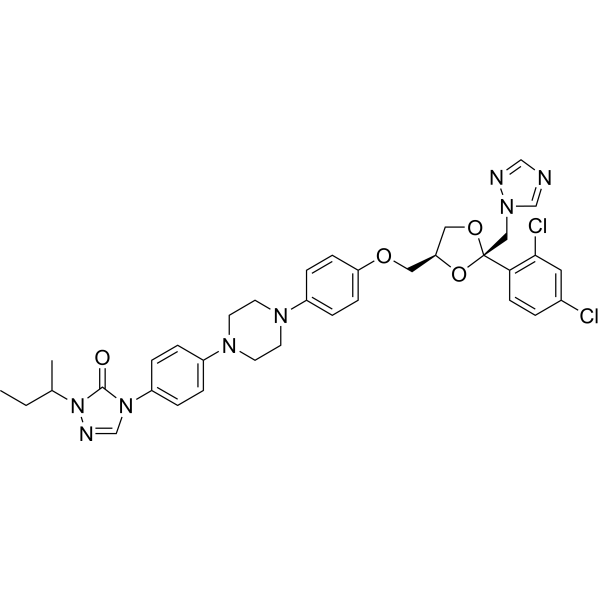
Itraconazole
Maximum Cited Publications
24 Publications Verification
R51211
|
Fungal
Hedgehog
Cytochrome P450
Autophagy
Antibiotic
Bacterial
|
Infection
Cancer
|
|
Itraconazole (R51211) is a triazole antifungal agent and a potent and orally active Hedgehog (Hh) signaling pathway antagonist with an IC50 of ~800 nM. Itraconazole potently inhibits lanosterol 14α-demethylase (cytochrome P450 enzyme), thereby inhibits the oxidative conversion of lanosterol to ergosterol. Itraconazole has anticancer and antiangiogenic effects. Itraconazole is a oxysterol-binding protein (OSBP) inhibitor .
|
-
-
- HY-P3252A
-
|
|
Complement System
|
Inflammation/Immunology
|
|
Pegcetacoplan acetate is a pegylated complement C3/C3b inhibitor. Pegcetacoplan acetate acts by specifically binding to and inhibiting C3 and C3b, thereby suppressing the complement cascade at its proximal stage. Pegcetacoplan is not a known inhibitor or inducer of CYP450 isoenzymes. Pegcetacoplan acetate can be used for the research of complement-mediated diseases, including paroxysmal nocturnal hemoglobinuria (PNH) and age-related macular degeneration (AMD) .
|
-
-
- HY-124527
-
|
|
Cytochrome P450
|
Cardiovascular Disease
Cancer
|
|
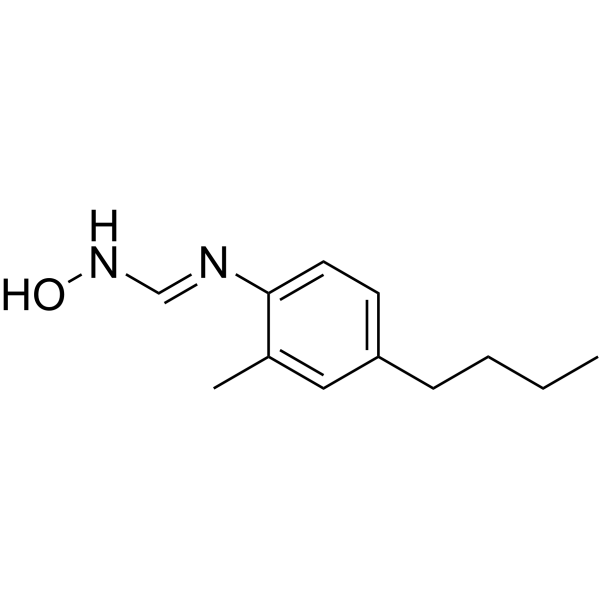
HET0016 is a potent and selective 20-hydroxyeicosatetraenoic acid (20-HETE) synthase inhibitor, with IC50 values of 17.7 nM, 12.1 nM and 20.6 nM for recombinant CYP4A1-, CYP4A2- and CYP4A3-catalyzed 20-HETE synthesis, respectively. HET0016 also is a selective CYP450 inhibitor, which has been shown to inhibit angiogenesis and tumor growth .
|
-
-
- HY-12594
-
|
ABT-450; Veruprevir
|
HCV Protease
HCV
SARS-CoV
|
Infection
|
|
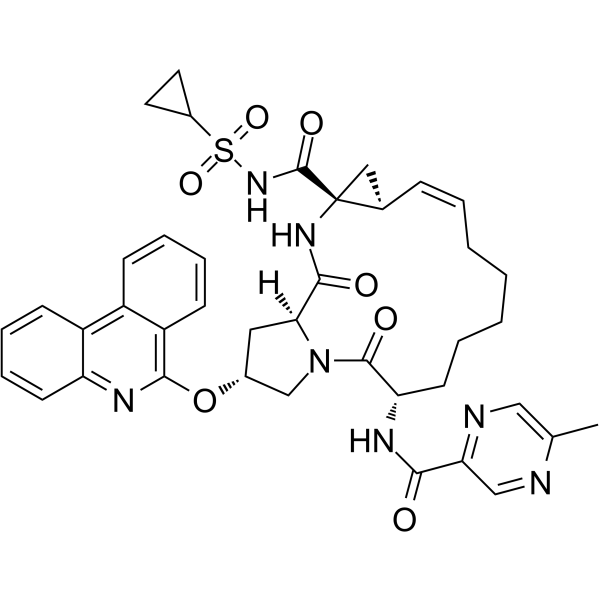
Paritaprevir (ABT-450) is a potent, orally active and antiviral non-structural protein 3/4A (NS3/4A) protease inhibitor with EC50s of 1 and 0.21 nM against HCV 1a and 1b, respectively. Paritaprevir is also a SARS-CoV 3CL pro inhibitor with an IC50 of 1.31 μM. Paritaprevir is metabolized primarily by cytochrome P450 (CYP) 3A. The plasma concentration and half-life of Paritaprevir can be enhanced by Ritonavir (a CYP450 inhibitor) .
|
-
-
- HY-B0725
-
|
|
Histamine Receptor
Cytochrome P450
|
Neurological Disease
Cancer
|
|
Doxepin hydrochloride is an orally active tricyclic antidepressant agent. Doxepin hydrochloride is a potent and selective histamine receptor H1 antagonist. Doxepin hydrochloride is also a potent CYP450 inhibitor and significantly inhibits CYP450 2C19 and 1A2 . Doxepin inhibits reuptake of serotonin and norepinephrine as a tricyclic antidepressant .. Doxepin has therapeutic effects in atopic dermatitis,chronic urticarial,can improve cognitive processes, protect central nervous system .. Doxepin has also been proposed as a protective factor against oxidative stress ..
|
-
-
- HY-101016
-
17-ODYA
1 Publications Verification
|
Cytochrome P450
Apoptosis
|
Cardiovascular Disease
|
|
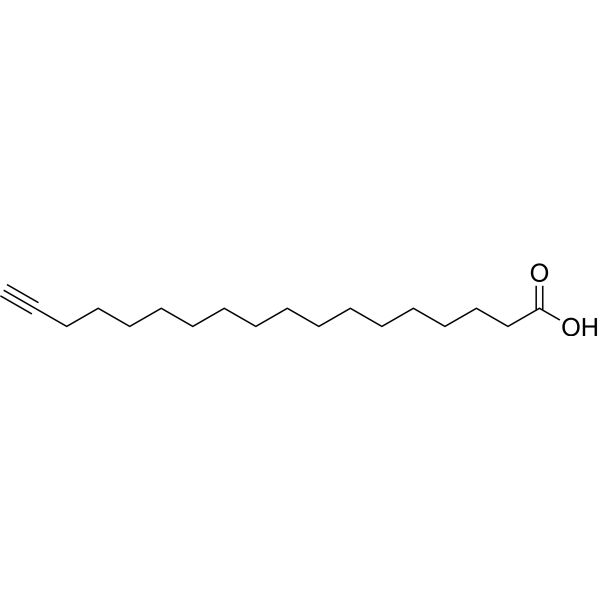
17-ODYA is a CYP450 ω-hydroxylase inhibitor. 17-ODYA is also a potent inhibitor (IC50<100 nM) of the formation of 20-hydroxyeicosatetraenoic acid (20-HETE), epoxyeicosatrienoic acids and dihydroxyeicosatrienoic acids by rat renal cortical microsomes incubated with arachidonic acid. 17-ODYA completely attenuates the isoproterenol (ISO)-induced apoptosis, and necrosis in cultured cardiomyocytes . 17-ODYA is a click chemistry reagent, it contains an Alkyne group and can undergo copper-catalyzed azide-alkyne cycloaddition (CuAAc) with molecules containing Azide groups.
|
-
-
- HY-30152
-
-
-
- HY-Z0056S
-
|
pentadeuterobromobenzene
|
Cytochrome P450
|
Endocrinology
|
|
Bromobenzene-d5 is the deuterium labeled Bromobenzene. Bromobenzene is a well-known environmental toxin which causes liver and kidney damage through CYP450-mediated bio-activation to generate reactive metabolites and, consequently, oxidative stress .
|
-
-
- HY-133091
-
|
7-O-Ethylumbelliferone
|
Cytochrome P450
|
Metabolic Disease
|
|
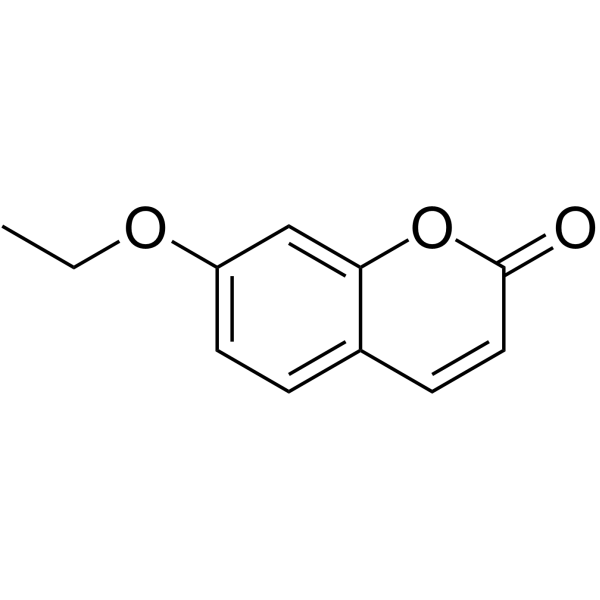
7-Ethoxycoumarin is a substrate of cytochrome P450 (CYP450). 7-Ethoxycoumarin has been used for the functional characterization of various CYPs and for the generation of 7-hydroxycoumarin (HY-N0573) .
|
-
-
- HY-B0653A
-
|
(S)-(-)-Bupivacaine monohydrochloride
|
Sodium Channel
Ferroptosis
|
Cardiovascular Disease
Neurological Disease
Cancer
|
|
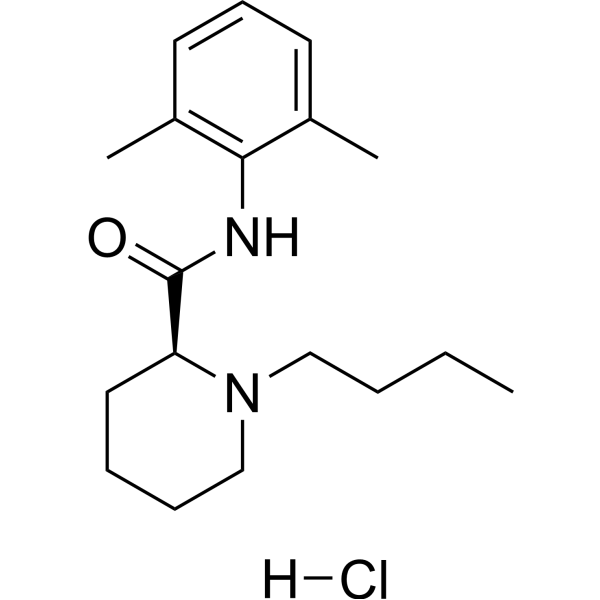
Levobupivacaine hydrochloride ((S)-(-)-Bupivacaine monohydrochloride) is a long-acting amide local agent that can suppress or relieve pain. Levobupivacaine hydrochloride exerts agent that can suppress or relieve pain. and analgesic effects through reversible blockade of neuronal sodium channel. Levobupivacaine hydrochloride can inhibit impulse transmission and conduction in cardiovascular and other tissues, possessing certain cardiac and CNS toxicity. Levobupivacaine hydrochloride is metabolized by hepatic cytochrome P450 (CYP450) enzymes in vivo. Levobupivacaine hydrochloride can also induce ferroptosis by miR-489-3p/SLC7A11 signaling in gastric cancer .
|
-
-
- HY-N2071
-
-
-
- HY-108315
-
|
6-Chrysenamine
|
Drug Derivative
|
Inflammation/Immunology
Cancer
|
|
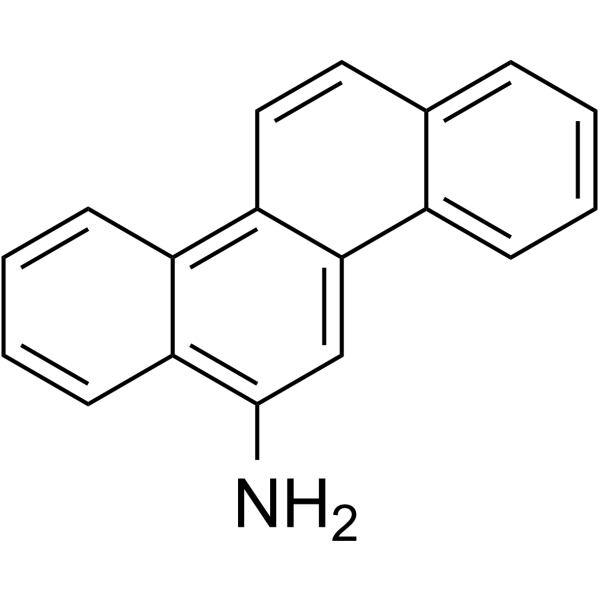
6-Aminochrysene (6-Aminochrysene) is an aromatic amine used as a chemotherapeutic agent in the treatment of splenomegaly, myeloid leukemia, and breast cancer. 6-Aminochrysene is activated by CYP450 in rat liver .
|
-
-
- HY-113482
-
|
1β-OH-DCA
|
Endogenous Metabolite
Cytochrome P450
|
Metabolic Disease
|
|
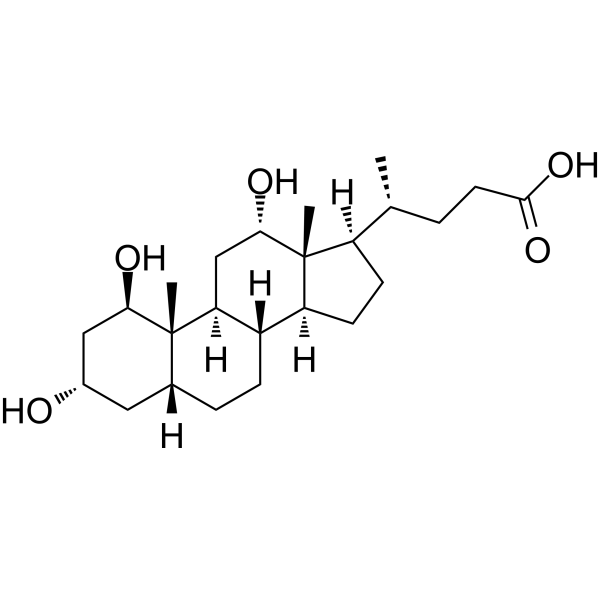
1β-Hydroxydeoxycholic acid (1β-OH-DCA), a secondary bile acid, is a CYP3A biomarker. Deoxycholic acid is specifically metabolized into 1β-Hydroxydeoxycholic acid by CYP3A4 and CYP3A7 using recombinant human CYP450 enzymes .
|
-
-
- HY-N6023
-
|
|
Cytochrome P450
Pregnane X Receptor (PXR)
|
Others
|
|
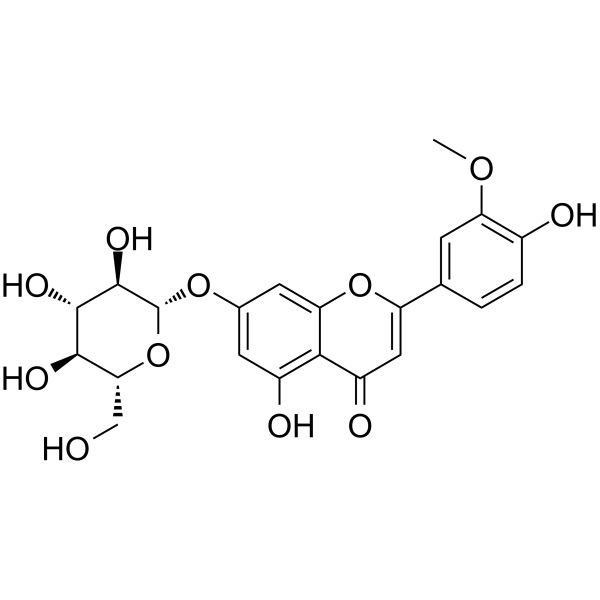
Thermopsoside is a CYP450 isoenzyme inhibitor and PXR activator. Thermopsoside inhibits CYP3A4, CYP2C19, CYP2D6 and CYP2C9 with IC50 values of 6.0 μM, 9.5 μM, 12.0 μM and 32.0 μM, respectively .
|
-
-
- HY-N1282
-
|
|
Glutathione S-transferase
Cytochrome P450
|
Cancer
|
|
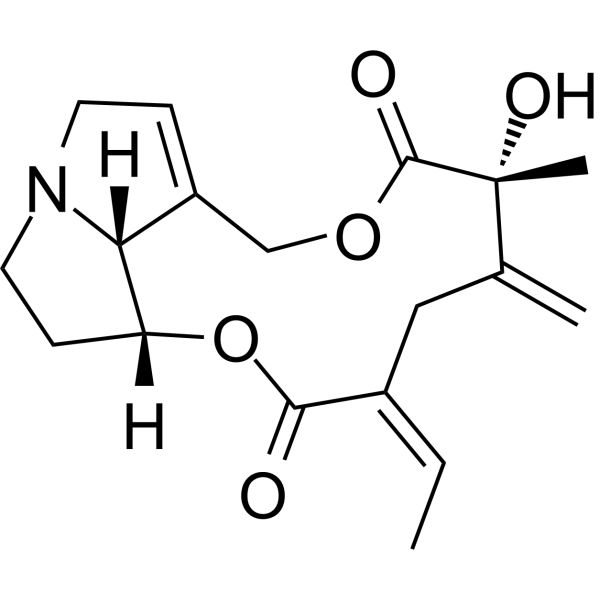
Seneciphylline is an orally effective hepatotoxic inducer. Seneciphylline is metabolized by CYP450 enzymes into active intermediates, which covalently bind to intracellular biomacromolecules such as proteins and DNA to form adducts, which in turn trigger a series of toxic reactions, such as inducing cell apoptosis and damaging mitochondrial function. Seneciphylline can be used in hepatotoxicity research[1][2].
|
-
-
- HY-10965
-
|
KW-3902
|
Adenosine Receptor
|
Neurological Disease
|
|
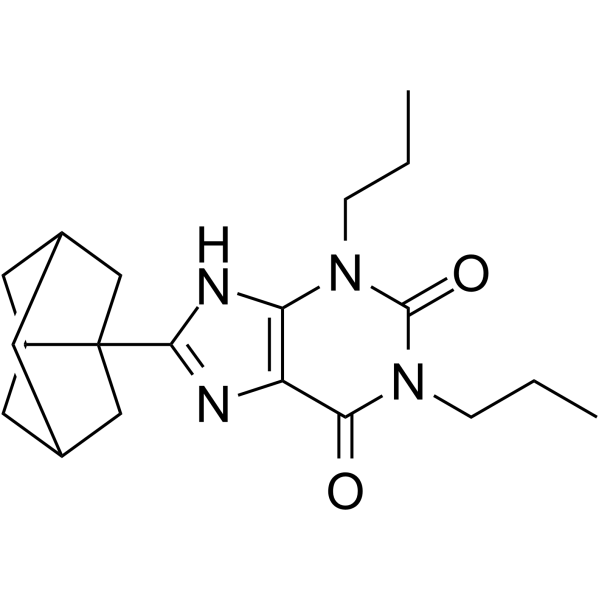
Rolofylline (KW-3902) is a potent, selective adenosine A1 receptor antagonist that is under development for the treatment of patients with acute congestive heart failure and renal impairment.
Rolofylline is metabolized primarily to the pharmacologically active M1-trans and M1-cis metabolites by cytochrome P450 (CYP450) .
Rolofylline is alleviating the presynaptic dysfunction and restores neuronal activity as well as dendritic spine levels in vitro, is an interesting candidate to combat the hypometabolism and neuronal dysfunction associated with Tau-induced neurodegenerative diseases .
|
-
-
- HY-W074537
-
|
|
Phosphodiesterase (PDE)
|
Neurological Disease
|
|
P7-2104 is a selective CNS-penetrant PDE7A inhibitor with an IC50 of of 31 nM. P7-2104 exhibits selectivity over hERG channels and most CYP450 isoforms. P7-2104 can be used for PDE7-targeted PET neuroimaging, and for the research of neurodegenerative disorders .
|
-
-
- HY-164049
-
|
|
Prostaglandin Receptor
|
Inflammation/Immunology
|
|
TG8-260 is a second-generation EP2 antagonist developed to alleviate the pathology of central nervous system and peripheral diseases driven by inflammation. TG8-260 can reduce neuroinflammation and gliosis in the hippocampus of rats after pilocarpine-induced persistent epileptic status. Pharmacokinetic data of TG8-260 showed that its plasma half-life was 2.14 hours and its oral bioavailability was 77.3%. TG8-260 is also a potent inhibitor of CYP450 and shows antagonistic activity in inhibiting EP2 receptor-mediated inflammatory gene expression in BV2-hEP2 microglia, which is suitable for studying anti-inflammatory pathways in animal models of peripheral inflammatory diseases .
|
-
-
- HY-17514R
-
|
R51211 (Standard)
|
Reference Standards
Fungal
Hedgehog
Cytochrome P450
Autophagy
Antibiotic
Bacterial
|
Infection
Cancer
|
|
Itraconazole (Standard) is the analytical standard of Itraconazole. This product is intended for research and analytical applications. Itraconazole (R51211) is a triazole antifungal agent and a potent and orally active Hedgehog (Hh) signaling pathway antagonist with an IC50 of ~800 nM. Itraconazole potently inhibits lanosterol 14α-demethylase (cytochrome P450 enzyme), thereby inhibits the oxidative conversion of lanosterol to ergosterol. Itraconazole has anticancer and antiangiogenic effects. Itraconazole is a oxysterol-binding protein (OSBP) inhibitor .
|
-
-
- HY-170920
-
|
|
Cytochrome P450
SOD
Glutathione S-transferase
Acetolactate Synthase (ALS)
|
Others
|
|
Herbicide safener-4 (Compound I-15) is a Herbicide safener, improving the herbicide resistance of crops without reducing the herbicidal effect on targeted weed species. Herbicide safener-4 competitively binds to the ALS active site with Mesosulfuron-methyl (HY-126987). Herbicide safener-4 enhances GSH (HY-D0187), GST, CYP450, POD, SOD and ALS activity in plants .
|
-
-
- HY-B0653
-
|
(S)-(-)-Bupivacaine
|
Sodium Channel
Ferroptosis
|
Neurological Disease
Cancer
|
|
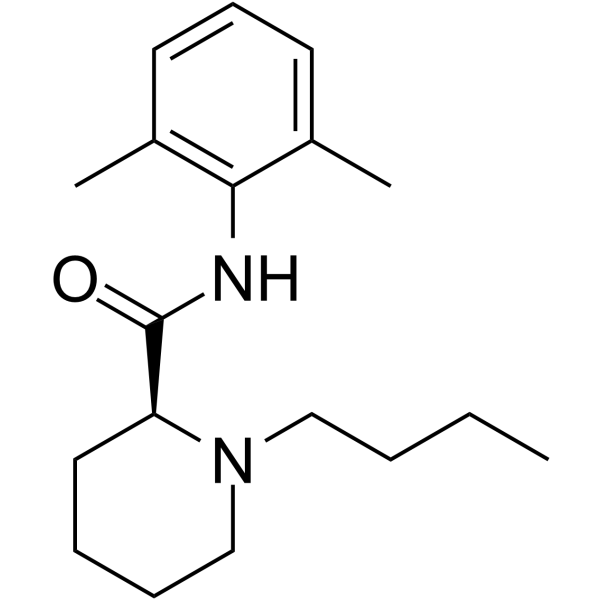
Levobupivacaine ((S)-(-)-Bupivacaine) is a long-acting amide local agent that can suppress or relieve pain. Levobupivacaine exerts agent that can suppress or relieve pain. and analgesic effects through reversible blockade of neuronal sodium channel. Levobupivacaine can inhibit impulse transmission and conduction in cardiovascular and other tissues, possessing certain cardiac and CNS toxicity. Levobupivacaine is metabolized by hepatic cytochrome P450 (CYP450) enzymes in vivo. Levobupivacaine can also induce ferroptosis by miR-489-3p/SLC7A11 signaling in gastric cancer .
|
-
-
- HY-157170
-
-
-
- HY-B0725S
-
|
|
Histamine Receptor
Cytochrome P450
|
Neurological Disease
|
|
Doxepin-d3 (hydrochloride) is a deuterium labeled Doxepin Hydrochloride. Doxepin hydrochloride is an orally active tricyclic antidepressant. Doxepin hydrochloride is a potent and selective histamine receptor H1 antagonist. Doxepin hydrochloride is also a potent CYP450 inhibitor and significantly inhibits CYP450 2C19 and 1A2 .
|
-
-
- HY-129247
-
|
|
MDM-2/p53
Aryl Hydrocarbon Receptor
Cytochrome P450
|
Cancer
|
|
Versicolorin A is a biosynthetic precursor of Aflatoxin B1 (HY-N6615). Versicolorin A induces phosphorylation of p53. Versicolorin A activates the aryl hydrocarbon receptor AhR and significantly induces the expression of CYP1A1. Versicolorin A exerts genotoxic and cytotoxic effects. Versicolorin A enhances the genotoxicity of aflatoxin B1 in cells by promoting CYP450-mediated bioactivation of aflatoxin B1. Versicolorin A can be used in research related to colorectal cancer and hepatocellular carcinoma .
|
-
-
- HY-153671
-
|
|
Fungal
|
Infection
|
|
4'-Methyl-β-naphthoflavone is a metabolite of Naphthoflavones (benzoflavones) in fungal. Naphthoflavones are activators or inhibitors of CYP-450 .
|
-
-
- HY-N16478
-
|
|
Cytochrome P450
|
Metabolic Disease
|
|
Echihumiline is an alkaloid targeting hepatic cytochrome P450 enzymes (CYP450). Echihumiline induces DNA cross-linking and oxidative stress in hepatocytes, leading to liver necrosis and fibrosis. Echihumiline is promising for research of liver diseases .
|
-
-
- HY-115493
-
|
|
CXCR
|
Others
|
|
TIQ-15 is a potent CXCR4 antagonist with an IC50 value of 6 nM for CXCR4 Ca 2+ flux. TIQ-15 inhibits CYP450 2D6 with an IC50 value of 0.32 μM .
|
-
-
- HY-133091R
-
|
7-O-Ethylumbelliferone (Standard)
|
Cytochrome P450
Reference Standards
|
Metabolic Disease
|
|
7-Ethoxycoumarin (Standard) is the analytical standard of 7-Ethoxycoumarin. This product is intended for research and analytical applications. 7-Ethoxycoumarin is a substrate of cytochrome P450 (CYP450). 7-Ethoxycoumarin has been used for the functional characterization of various CYPs and for the generation of 7-hydroxycoumarin (HY-N0573) .
|
-
-
- HY-130550
-
-
-
- HY-133091S
-
|
|
Cytochrome P450
Isotope-Labeled Compounds
|
Others
|
|
7-Ethoxycoumarin-d5 is deuterium labeled 7-Ethoxycoumarin. 7-Ethoxycoumarin is a substrate for cytochrome P450(CYP450) and has been used in the functional characterization of various CYPs .
|
-
-
- HY-145546
-
|
|
Cytochrome P450
|
Metabolic Disease
|
|
14(15)-EpETE is the epoxide of cytochrome P450 (CYP450) and is involved in the regulation of vascular tone and renal function .
|
-
-
- HY-130219
-
|
|
Endogenous Metabolite
|
Others
|
|
18-HETE (compound 3) is a monooxygenase metabolite of cytochrome P450 (CYP450).18- HETE consists of arachidonic acid bearing a hydroxy substituent at position 18 .
|
-
-
- HY-B0725R
-
|
|
Reference Standards
Histamine Receptor
Cytochrome P450
|
Neurological Disease
Cancer
|
|
Doxepin (Hydrochloride) (Standard) is the analytical standard of Doxepin (Hydrochloride). This product is intended for research and analytical applications. Doxepin hydrochloride is an orally active tricyclic antidepressant agent. Doxepin hydrochloride is a potent and selective histamine receptor H1 antagonist. Doxepin hydrochloride is also a potent CYP450 inhibitor and significantly inhibits CYP450 2C19 and 1A2 . Doxepin inhibits reuptake of serotonin and norepinephrine as a tricyclic antidepressant .. Doxepin has therapeutic effects in atopic dermatitis,chronic urticarial,can improve cognitive processes, protect central nervous system .. Doxepin has also been proposed as a protective factor against oxidative stress ..
|
-
-
- HY-W803860
-
|
|
Drug Metabolite
Sodium Channel
|
Cardiovascular Disease
|
|
N-Depropylpropafenone is an active metabolite of Propafenone (HY-B0432), generated through the CYP450 enzyme system (mainly CYP2D6). It functions by blocking sodium ion channels, slowing myocardial conduction and exhibiting certain antiarrhythmic effects .
|
-
-
- HY-130309
-
|
(±)8,9-EEQ; (±)8,9-epoxy Eicosatetraenoic acid
|
Angiotensin-converting Enzyme (ACE)
|
Cardiovascular Disease
|
|
Eicosapentaenoic acid (EPA) is converted to epoxyeicosatetraenoic acids (EpETEs) by several cytochrome P450 isoforms. The major product of this epoxygenase pathway, (±)17(18)-EpETE, relaxes vascular and airway smooth muscle by activating large conductance Ca 2+-activated K + (BKCa) channels by directly interacting with BKα channel subunits. (±)8(9)-EpETE is an epoxygenase pathway product produced from EPA by CYP450 both in vitro and in vivo.
|
-
-
- HY-30152R
-
|
8-Hydroxypsoralen (Standard)
|
Reference Standards
5-HT Receptor
Reactive Oxygen Species (ROS)
Endogenous Metabolite
|
Neurological Disease
Inflammation/Immunology
|
|
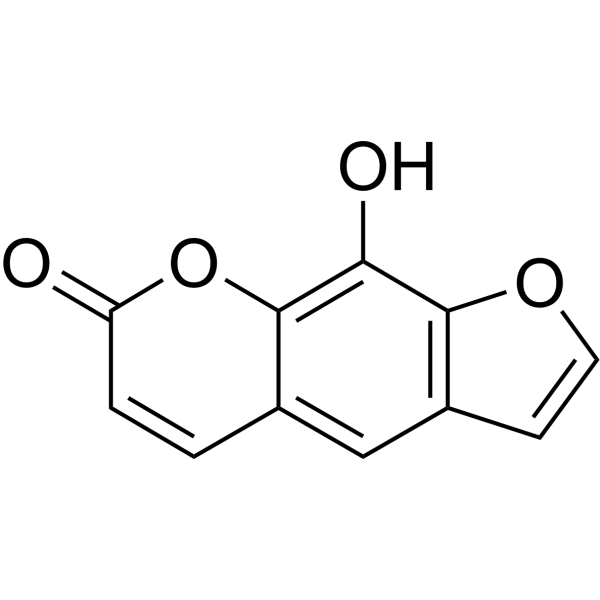
Xanthotoxol (Standard) is the analytical standard of Xanthotoxol. This product is intended for research and analytical applications. Xanthotoxol (8-Hydroxypsoralen) It is a kind of fragrant bean substance, and it is a CYP450 inhibitor. Xanthotoxol has anti-inflammatory, anti-inflammatory, and 5-HT antagonistic and protective effects. Xanthotoxol inhibited CYP3A4 sum CYP1A2 IC50s separation 7.43 μM sum 27.82 μM. Xanthotoxol can pass through MAPK and NF-κB, inhibiting inflammation .
|
-
-
- HY-165060
-
|
(±)2-14,15-EG
|
DNA/RNA Synthesis
|
Metabolic Disease
|
|
(±)2-(14,15-Epoxyeicosatrienoyl) glycerol ((±)2-14,15-EG) is a novel CYP450 metabolite of 2-Arachidonoyl glycerol (2-AG) in the kidney. (±)2-(14,15-Epoxyeicosatrienoyl) glycerol is a potent mitogen for renal epithelial cells, increasing DNA synthesis in LLCPKcl4 cells. (±)2-(14,15-Epoxyeicosatrienoyl) glycerol activates the metalloprotease ADAM17, which cleaves proTGF-α and releases TGF-α as a ligand that initiates the EGFR-ERK signalling pathway .
|
-
-
- HY-124527R
-
|
|
Cytochrome P450
|
Cardiovascular Disease
Cancer
|
|
HET0016 (Standard) is the analytical standard of HET0016. This product is intended for research and analytical applications. HET0016 is a potent and selective 20-hydroxyeicosatetraenoic acid (20-HETE) synthase inhibitor, with IC50 values of 17.7 nM, 12.1 nM and 20.6 nM for recombinant CYP4A1-, CYP4A2- and CYP4A3-catalyzed 20-HETE synthesis, respectively. HET0016 also is a selective CYP450 inhibitor, which has been shown to inhibit angiogenesis and tumor growth .
|
-
-
- HY-12594A
-
|
ABT-450 dihydrate; Veruprevir dihydrate
|
HCV Protease
HCV
SARS-CoV
|
Infection
|
|
Paritaprevir (ABT-450) dihydrate is a potent, orally active and antiviral non-structural protein 3/4A (NS3/4A) protease inhibitor with EC50s of 1 and 0.21 nM against HCV 1a and 1b, respectively. Paritaprevir dihydrate is also a SARS-CoV 3CL pro inhibitor with an IC50 of 1.31 μM. Paritaprevir dihydrate is metabolized primarily by cytochrome P450 (CYP) 3A. The plasma concentration and half-life of Paritaprevir dihydrate can be enhanced by Ritonavir (a CYP450 inhibitor) .
|
-
-
- HY-178479
-
|
|
Indoleamine 2,3-Dioxygenase (IDO)
Cytochrome P450
|
Inflammation/Immunology
Cancer
|
|
IDO1-IN-30 (Compound (R)-100) is a potent and highly selective IDO1 inhibitor. IDO1-IN-30 has an IC50 of 4.8 nM to IDO1 in SKOV3 cells. IDO1-IN-30 does not show significant cytotoxicity at 25 µM in HepG2 cells. IDO1-IN-30 can eliminate inhibition of CYP450 enzymes (such as 3A4, 2C9, 2D6). IDO1-IN-30 can be used for research on cancer and inflammatory conditions .
|
-
-
- HY-12594R
-
|
ABT-450 (Standard); Veruprevir (Standard)
|
HCV Protease
HCV
SARS-CoV
Reference Standards
|
Infection
|
|
Paritaprevir (Standard) is the analytical standard of Paritaprevir. This product is intended for research and analytical applications. Paritaprevir (ABT-450) is a potent, orally active and antiviral non-structural protein 3/4A (NS3/4A) protease inhibitor with EC50s of 1 and 0.21 nM against HCV 1a and 1b, respectively. Paritaprevir is also a SARS-CoV 3CLpro inhibitor with an IC50 of 1.31 μM. Paritaprevir is metabolized primarily by cytochrome P450 (CYP) 3A. The plasma concentration and half-life of Paritaprevir can be enhanced by Ritonavir (a CYP450 inhibitor) .
|
-
-
- HY-10965R
-
|
KW-3902 (Standard)
|
Adenosine Receptor
Reference Standards
|
Neurological Disease
|
|
Rolofylline (Standard) is the analytical standard of Rolofylline. This product is intended for research and analytical applications. Rolofylline (KW-3902) is a potent, selective adenosine A1 receptor antagonist that is under development for the treatment of patients with acute congestive heart failure and renal impairment.
Rolofylline is metabolized primarily to the pharmacologically active M1-trans and M1-cis metabolites by cytochrome P450 (CYP450) .
Rolofylline is alleviating the presynaptic dysfunction and restores neuronal activity as well as dendritic spine levels in vitro, is an interesting candidate to combat the hypometabolism and neuronal dysfunction associated with Tau-induced neurodegenerative diseases .
|
-
-
- HY-101016R
-
|
|
Reference Standards
Cytochrome P450
Apoptosis
|
Cardiovascular Disease
|
|
17-ODYA (Standard) is the analytical standard of 17-ODYA. This product is intended for research and analytical applications. 17-ODYA is a CYP450 ω-hydroxylase inhibitor. 17-ODYA is also a potent inhibitor (IC50<100 nM) of the formation of 20-hydroxyeicosatetraenoic acid (20-HETE), epoxyeicosatrienoic acids and dihydroxyeicosatrienoic acids by rat renal cortical microsomes incubated with arachidonic acid. 17-ODYA completely attenuates the isoproterenol (ISO)-induced apoptosis, and necrosis in cultured cardiomyocytes[1][2][3]. 17-ODYA is a click chemistry reagent, it contains an Alkyne group and can undergo copper-catalyzed azide-alkyne cycloaddition (CuAAc) with molecules containing Azide groups.
|
-
-
- HY-B0653AS
-
|
(S)-(–)-Bupivacaie-d9hydrochloride
|
Isotope-Labeled Compounds
Ferroptosis
Sodium Channel
|
Cardiovascular Disease
Neurological Disease
Cancer
|
|
Levobupivacaine-d9 ((S)-(–)-Bupivacaie-d9) hydrochloride is deuterium labeled Levobupivacaine hydrochloride (HY-B0653A). Levobupivacaine hydrochloride ((S)-(-)-Bupivacaine monohydrochloride) is a long-acting amide local agent that can suppress or relieve pain. Levobupivacaine hydrochloride exerts agent that can suppress or relieve pain. and analgesic effects through reversible blockade of neuronal sodium channel. Levobupivacaine hydrochloride can inhibit impulse transmission and conduction in cardiovascular and other tissues, possessing certain cardiac and CNS toxicity. Levobupivacaine hydrochloride is metabolized by hepatic cytochrome P450 (CYP450) enzymes in vivo. Levobupivacaine hydrochloride can also induce ferroptosis by miR-489-3p/SLC7A11 signaling in gastric cancer .
|
-
-
- HY-N2071R
-
|
(+)-Cedrol (Standard); α-Cedrol (Standard)
|
Reference Standards
Cytochrome P450
Fungal
Apoptosis
Caspase
|
Infection
Neurological Disease
Inflammation/Immunology
Cancer
|
|
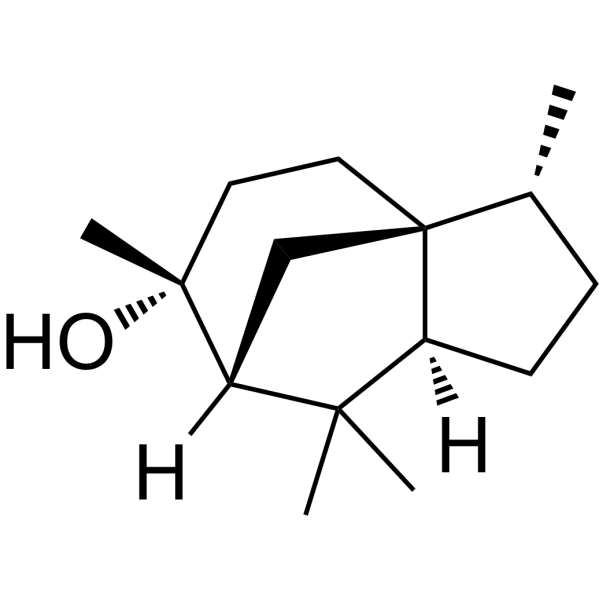
Cedrol (Standard) is the analytical standard of Cedrol. This product is intended for research and analytical applications. Cedrol is a potent competitive inhibitor of cytochrome P-450(CYP) enzyme. Cedrol plays an anticancer role by inducing cell cycle arrest and Caspase-dependent apoptosis. Cedrol acts as a neutrophil agonist that can desensitize cells to subsequent stimulation of N-formyl peptides. Cedrol prevents neuropathic pain caused by chronic contractile injury by inhibiting oxidative stress and inflammation. In addition, Cedrol has antibacterial, hair loss prevention and anti-anxiety properties.
|
-
-
- HY-175075
-
|
|
Drug Metabolite
|
Others
|
|
(±)11(12)-EET Ethanolamide is a potential metabolite of Anandamide (HY-10863), and it is produced by the catalysis of cytochrome P450 (CYP450) enzymes .
|
-
-
- HY-172569
-
|
|
Drug Metabolite
|
Metabolic Disease
|
|
(±)8(9)-EET Ethanolamide is a CYP450 metabolite of Arachidonic acid (HY-109590). (±)8(9)-EET Ethanolamide induces preglomerular vasoconstriction .
|
-
-
- HY-181407
-
|
|
Herbicide
Glutathione S-transferase
Cytochrome P450
SOD
|
Others
|
|
Herbicide safener-5 is a herbicide (Herbicide) safener. Herbicide safener-5 promotes plant growth recovery, enhances the activities of detoxifying enzymes (ALS, GST, CYP450, POD), and reduces SOD activity. Herbicide safener-5 is applicable to herbicide-related research .
|
-
-
- HY-180424
-
-
-
- HY-N1500A
-
|
(-)-Pulegone
|
Cytochrome P450
|
Cancer
|
|
(S)-Pulegone ((-)-Pulegone) is a cytochrome P450 (CYP450) substrate. (S)-Pulegone induces urothelial cytotoxicity, necrosis, regenerative proliferation and urinary bladder tumors in female rats. (S)-Pulegone induces rodent nephropathy, olfactory metaplasia, gastric hyperplasia/perforation at high dose. (S)-Pulegone can be used for the research of urinary bladder and hepatic neoplasms .
|
-
- HY-108315R
-
|
6-Chrysenamine (Standard)
|
Reference Standards
Others
|
Inflammation/Immunology
Cancer
|
|
6-Aminochrysene (Standard) is the analytical standard of 6-Aminochrysene (HY-108315). This product is intended for research and analytical applications. 6-Aminochrysene (6-Aminochrysene) is an aromatic amine used as a chemotherapeutic agent in the treatment of splenomegaly, myeloid leukemia, and breast cancer. 6-Aminochrysene is activated by CYP450 in rat liver .
|
-
- HY-183919
-
|
|
Acetyl-CoA Carboxylase
Cytochrome P450
|
Metabolic Disease
|
|
ACC2-IN-1 is an orally active, selective inhibitor of acetyl-CoA carboxylase 2 (ACC2), with an IC50 of 1.9 nM against human targets. ACC2-IN-1 acts as a reducing agent to decrease malonyl-CoA levels in skeletal muscle and exhibits a favorable CYP450 inhibition profile. ACC2-IN-1 can be used in the research of type 2 diabetes .
|
-
- HY-P3252AS
-
|
|
Isotope-Labeled Compounds
Complement System
|
Inflammation/Immunology
|
|
Pegcetacoplan- 13C3, 15N TFA is the 13C- and 15N-labeled Pegcetacoplan TFA. Pegcetacoplan is a pegylated complement C3/C3b inhibitor. Pegcetacoplan acts by specifically binding to and inhibiting C3 and C3b, thereby suppressing the complement cascade at its proximal stage. Pegcetacoplan is not a known inhibitor or inducer of CYP450 isoenzymes. Pegcetacoplan can be used for the research of complement-mediated diseases, including paroxysmal nocturnal hemoglobinuria (PNH) and age-related macular degeneration (AMD).
|
-
- HY-117593
-
|
|
P-glycoprotein
Cytochrome P450
Drug Isomer
|
Cancer
|
|
NSC 23925B is a P-glycoprotein (P-gp) inhibitor, as well as the most biologically active isomer of NSC23925 (HY-19626), which reverses and prevents P-glycoprotein-mediated multidrug resistance in cancer cells. NSC 23925B shows weak inhibition against most CYP450 enzymes (IC50 > 10 μM), and exhibits moderate inhibitory activity against CYP2B6 and CYP2D6 with IC50 values of 8.589 μM and 1.407 μM, respectively. NSC 23925B can be used for the research of multidrug-resistant cancers .
|
-
- HY-181051
-
|
|
Polo-like Kinase (PLK)
Apoptosis
|
Cancer
|
|
PLK1-IN-16 is a selective polo-like kinase 1 (PLK1) inhibitor with an IC50 of 0.25 nM. PLK1-IN-16 exhibits lower inhibitory potency against PLK2 and PLK3, induces G2 phase cell cycle arrest, induces apoptosis, and exhibits antiproliferative activity against tumor cells. PLK1-IN-16 can be stable under simulated gastric acid environmental conditions, and acceptable CYP 450 inhibition. PLK1-IN-16 can be used for the study of triple-negative breast cancer (TNBC), breast cancer, leukemia .
|
-
| Cat. No. |
Product Name |
Target |
Research Area |
-
- HY-P3252A
-
|
|
Complement System
|
Inflammation/Immunology
|
|
Pegcetacoplan acetate is a pegylated complement C3/C3b inhibitor. Pegcetacoplan acetate acts by specifically binding to and inhibiting C3 and C3b, thereby suppressing the complement cascade at its proximal stage. Pegcetacoplan is not a known inhibitor or inducer of CYP450 isoenzymes. Pegcetacoplan acetate can be used for the research of complement-mediated diseases, including paroxysmal nocturnal hemoglobinuria (PNH) and age-related macular degeneration (AMD) .
|
-
- HY-P3252AS
-
|
|
Isotope-Labeled Compounds
Complement System
|
Inflammation/Immunology
|
|
Pegcetacoplan- 13C3, 15N TFA is the 13C- and 15N-labeled Pegcetacoplan TFA. Pegcetacoplan is a pegylated complement C3/C3b inhibitor. Pegcetacoplan acts by specifically binding to and inhibiting C3 and C3b, thereby suppressing the complement cascade at its proximal stage. Pegcetacoplan is not a known inhibitor or inducer of CYP450 isoenzymes. Pegcetacoplan can be used for the research of complement-mediated diseases, including paroxysmal nocturnal hemoglobinuria (PNH) and age-related macular degeneration (AMD).
|
| Cat. No. |
Product Name |
Category |
Target |
Chemical Structure |
| Cat. No. |
Product Name |
Chemical Structure |
-
- HY-Z0056S
-
|
|
|
Bromobenzene-d5 is the deuterium labeled Bromobenzene. Bromobenzene is a well-known environmental toxin which causes liver and kidney damage through CYP450-mediated bio-activation to generate reactive metabolites and, consequently, oxidative stress .
|
-
-
- HY-B0725S
-
|
|
|
Doxepin-d3 (hydrochloride) is a deuterium labeled Doxepin Hydrochloride. Doxepin hydrochloride is an orally active tricyclic antidepressant. Doxepin hydrochloride is a potent and selective histamine receptor H1 antagonist. Doxepin hydrochloride is also a potent CYP450 inhibitor and significantly inhibits CYP450 2C19 and 1A2 .
|
-
-
- HY-133091S
-
|
|
|
7-Ethoxycoumarin-d5 is deuterium labeled 7-Ethoxycoumarin. 7-Ethoxycoumarin is a substrate for cytochrome P450(CYP450) and has been used in the functional characterization of various CYPs .
|
-
-
- HY-B0653AS
-
|
|
|
Levobupivacaine-d9 ((S)-(–)-Bupivacaie-d9) hydrochloride is deuterium labeled Levobupivacaine hydrochloride (HY-B0653A). Levobupivacaine hydrochloride ((S)-(-)-Bupivacaine monohydrochloride) is a long-acting amide local agent that can suppress or relieve pain. Levobupivacaine hydrochloride exerts agent that can suppress or relieve pain. and analgesic effects through reversible blockade of neuronal sodium channel. Levobupivacaine hydrochloride can inhibit impulse transmission and conduction in cardiovascular and other tissues, possessing certain cardiac and CNS toxicity. Levobupivacaine hydrochloride is metabolized by hepatic cytochrome P450 (CYP450) enzymes in vivo. Levobupivacaine hydrochloride can also induce ferroptosis by miR-489-3p/SLC7A11 signaling in gastric cancer .
|
-
-
- HY-P3252AS
-
|
|
|
Pegcetacoplan- 13C3, 15N TFA is the 13C- and 15N-labeled Pegcetacoplan TFA. Pegcetacoplan is a pegylated complement C3/C3b inhibitor. Pegcetacoplan acts by specifically binding to and inhibiting C3 and C3b, thereby suppressing the complement cascade at its proximal stage. Pegcetacoplan is not a known inhibitor or inducer of CYP450 isoenzymes. Pegcetacoplan can be used for the research of complement-mediated diseases, including paroxysmal nocturnal hemoglobinuria (PNH) and age-related macular degeneration (AMD).
|
-
| Cat. No. |
Product Name |
|
Classification |
-
- HY-101016
-
17-ODYA
1 Publications Verification
|
|
Alkynes
|
|
17-ODYA is a CYP450 ω-hydroxylase inhibitor. 17-ODYA is also a potent inhibitor (IC50<100 nM) of the formation of 20-hydroxyeicosatetraenoic acid (20-HETE), epoxyeicosatrienoic acids and dihydroxyeicosatrienoic acids by rat renal cortical microsomes incubated with arachidonic acid. 17-ODYA completely attenuates the isoproterenol (ISO)-induced apoptosis, and necrosis in cultured cardiomyocytes . 17-ODYA is a click chemistry reagent, it contains an Alkyne group and can undergo copper-catalyzed azide-alkyne cycloaddition (CuAAc) with molecules containing Azide groups.
|
Your information is safe with us. * Required Fields.
Inquiry Information
- Product Name:
- Cat. No.:
- Quantity:
- MCE Japan Authorized Agent:

