
1. Search Result
Search Result
Results for "

Cancer Therapy

" in MedChemExpress (MCE) Product Catalog:

194

Inhibitors & Agonists

21

Screening Libraries

15

Fluorescent Dye

20

Biochemical Assay Reagents

12

Peptides

8

Inhibitory Antibodies

13

Natural
Products

1

Isotope-Labeled Compounds

4

Click Chemistry

7

Oligonucleotides

10

GMP Molecules

Targets Recommended:
Cat. No. Product Name Target Research Areas Chemical Structure
  • HY-P99575
    Tarlatamab
    1 Publications Verification

    AMG-757

    Notch Inflammation/Immunology Cancer
    Tarlatamab (AMG-757) is a bispecific T-cell engager (BiTE) antibody targeting delta-like ligand 3 (DLL3). DLL3 is a target that is selectively expressed in small-cell lung cancer (SCLC) tumors, but with minimal normal tissue expression. Tarlatamab has the KDs of 0.64 nM and 0.50 nM for human and nonhuman primate (NHP) DLL3, respectively. Tarlatamab has the KDs of 14.9 nM and 12 nM for human and NHP CD3, respectively. Tarlatamab is a first-in-class HLE BiTE immuno-oncology therapy targeting DLL3 and has the potential for SCLC research .
    Tarlatamab
  • HY-N0140
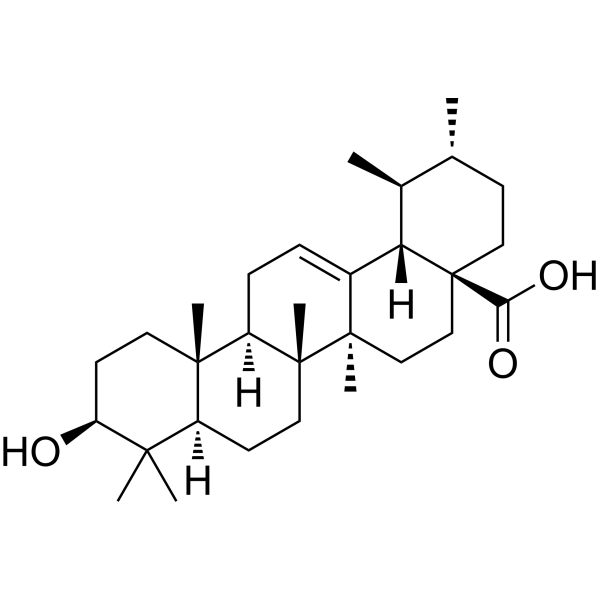
    Ursolic acid
    Maximum Cited Publications
    20 Publications Verification

    Prunol; Urson; Malol

    Autophagy Endogenous Metabolite Cancer
    Ursolic acid (Prunol) is a natural pentacyclic triterpenoid carboxylic acid, exerts anti-tumor effects and is an effective compound for cancer prevention and therapy.
    Ursolic acid
  • HY-18777
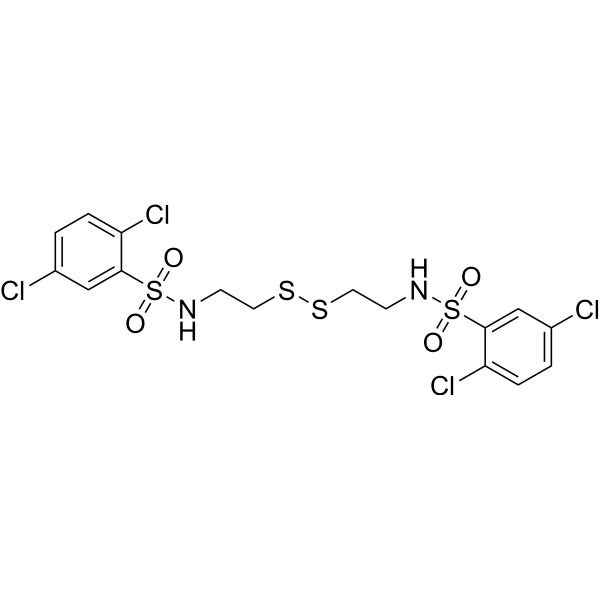
    KC7F2
    Maximum Cited Publications
    20 Publications Verification

    HIF/HIF Prolyl-Hydroxylase Cancer
    KC7F2 is a potent hypoxia inducible factor-1 (HIF-1) pathway inhibitor with an IC50 of 20 μM in LN229-HRE-AP cells, and with potential as a cancer therapy agent .
    KC7F2
  • HY-128973
    Pyropheophorbide-a
    3 Publications Verification

    Reactive Oxygen Species (ROS) Cancer
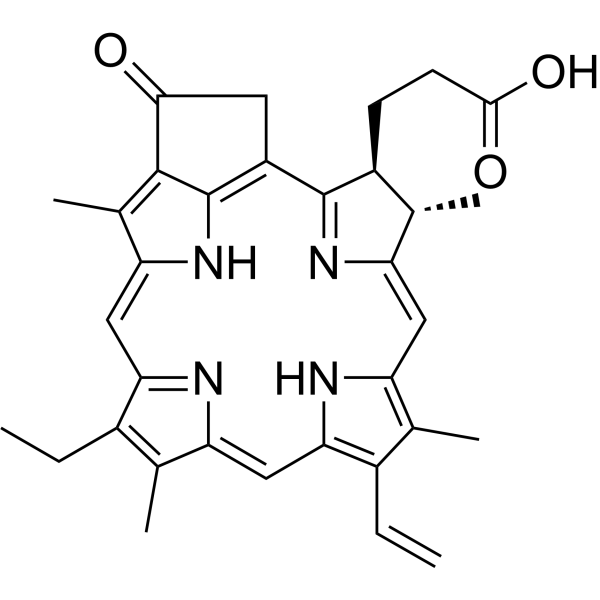
    Pyropheophorbide-a (Ppa) is a photosensitizer used in photodynamic therapy (PDT) for tumors. Pyropheophorbide-a exhibits phototoxic effects on tumor cells, such as cervical cancer cells, and also has anti-lipogenesis activity. Pyropheophorbide-a shows potential for research in the fields of cancer and age-related macular degeneration (AMD). Pyropheophorbide-a derivatives also demonstrate inhibitory activity against tumor cells .
    Pyropheophorbide-a
  • HY-113011
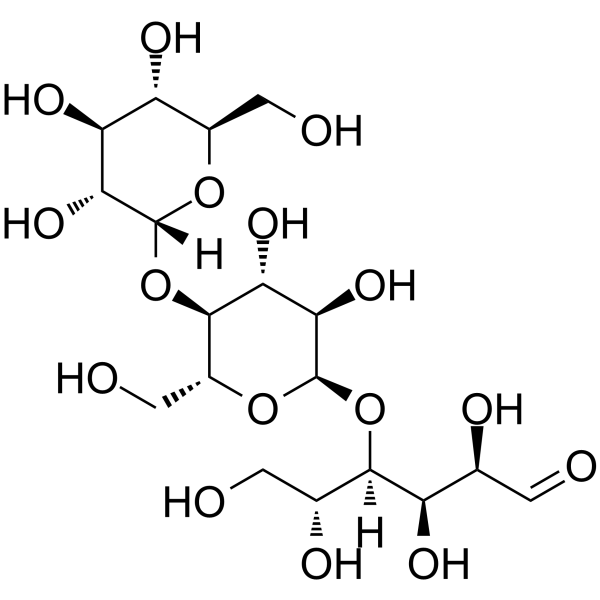
    Maltotriose
    1 Publications Verification

    Endogenous Metabolite Others
    Maltotriose is a maltooligosaccharide and a specific inducer of the Escherichia coli maltose operon. The oligosaccharide structure of Maltotriose acts as a highly efficient drug delivery carrier, which significantly enhances the targeting ability and water solubility of photosensitizers in photodynamic therapy for pancreatic cancer .
    Maltotriose
  • HY-16488
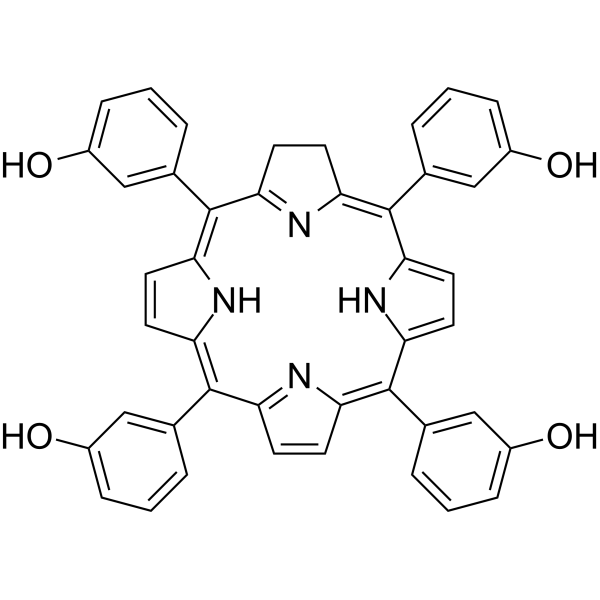
    Temoporfin
    10+ Cited Publications

    m-THPC; KW2345

    Reactive Oxygen Species (ROS) Cancer
    Temoporfin (m-THPC), a reduced porphyrin, is a potent second-generation photosensitizer. Temoporfin can be used in the research of photodynamic therapy (PDT) for head and neck cancers .
    Temoporfin
  • HY-W087830

    L-BPA

    Biochemical Assay Reagents Cancer
    L-p-Boronophenylalanine is a boron-containing substrate for L-type amino acid transporters (LAT1 and LAT2). L-p-Boronophenylalanine enters tumor cells by competing with natural amino acids for LAT, selectively accumulating boron in cancer cells. L-p-Boronophenylalanine can be used in boron neutron capture therapy (BNCT). When boron-10 captures thermal neutrons, a nuclear reaction occurs, producing high-energy alpha particles and lithium nuclei, which kill cancer cells at close range with little damage to surrounding tissues. L-p-Boronophenylalanine can be used in cancer research, especially glioblastoma and anaplastic astrocytoma .
    L-p-Boronophenylalanine
  • HY-16477
    Talaporfin sodium
    4 Publications Verification

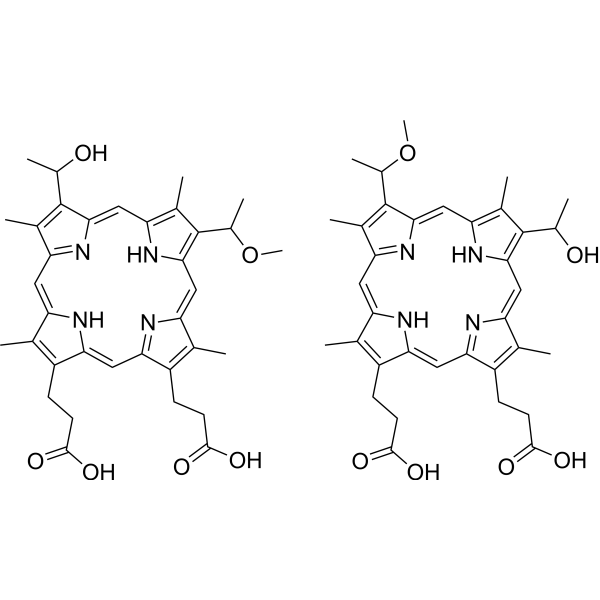
    ME2906; Mono-L-aspartyl chlorin e6; NPe6

    Photosensitizer Cancer
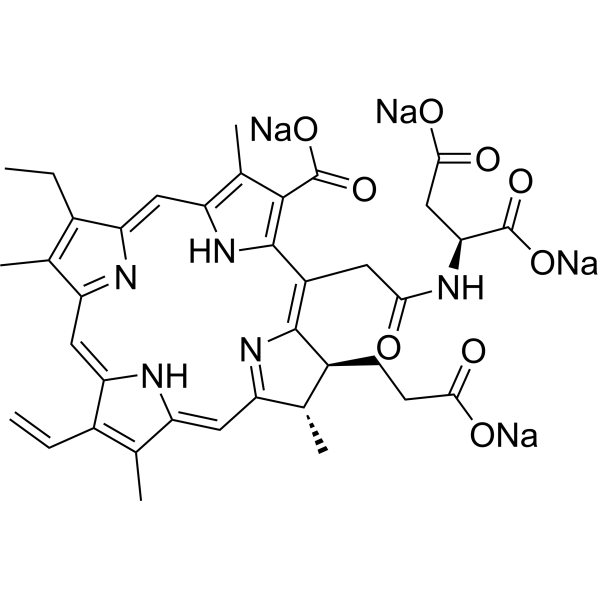
    Talaporfin (ME2906) sodium is a chlorin based photosensitizer. Talaporfin sodium can be used for the research of various cancers by using photodynamic therapy (PDT) .
    Talaporfin sodium
  • HY-137473
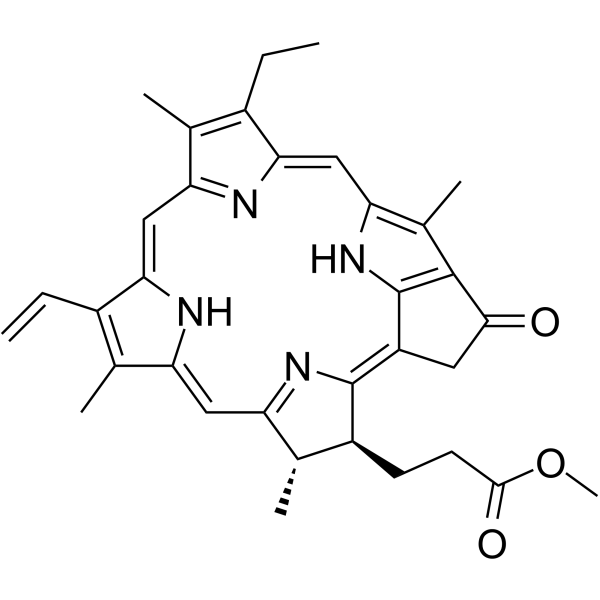
    Methyl pyropheophorbide-a
    2 Publications Verification

    Pyropheophorbide-a methyl ester

    Apoptosis Cancer
    Methyl pyropheophorbide-a (Pyropheophorbide-a methyl ester), a chlorophyll-a derivative, is a potent photosensitizer that can be used in photodynamic therapy (PDT) of cancer. Methyl pyropheophorbide-a has photodynamic activity and can induce apoptosis and inhibit tumor growth .
    Methyl pyropheophorbide-a
  • HY-158420

    Autophagy Cancer
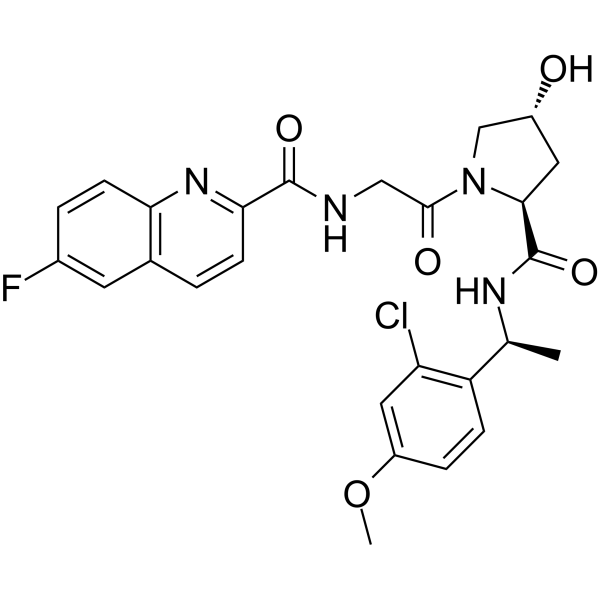
    STL001 is potent and selective FOXM1 inhibitor. STL001 induces the translocation of nuclear FOXM1 to the cytoplasm and promotes its autophagic degradation. STL001 sensitizes human cancers to a broad-spectrum of cancer therapies .
    STL001
  • HY-N1453
    Hypocrellin B
    1 Publications Verification

    Apoptosis Fungal Parasite Infection Cancer
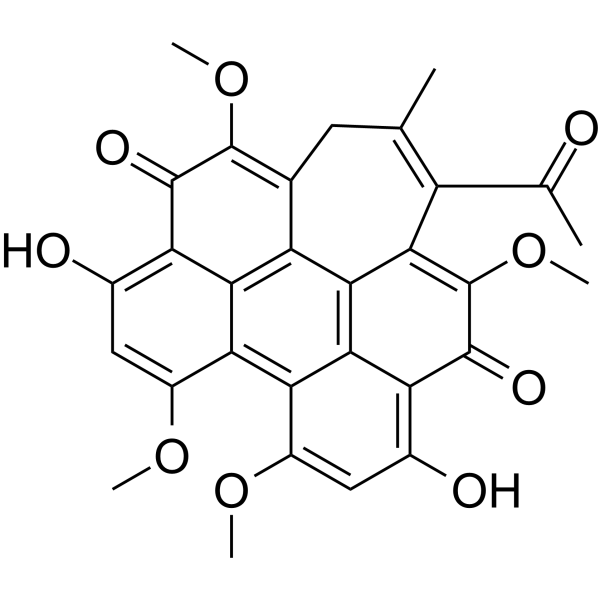
    Hypocrellin B, a pigment isolated from the fungi Hypocrella bambusae and Shiraia bambusicola, is an apoptosis inducer. Hypocrellin B can be used as a photosensitizer for photodynamic therapy of cancer. Hypocrellin B also has antimicrobial and antileishmanial activities .
    Hypocrellin B
  • HY-103656

    TPP; Tetraphenylporphine; meso-Tetraphenylporphyrin

    MOFs Cancer
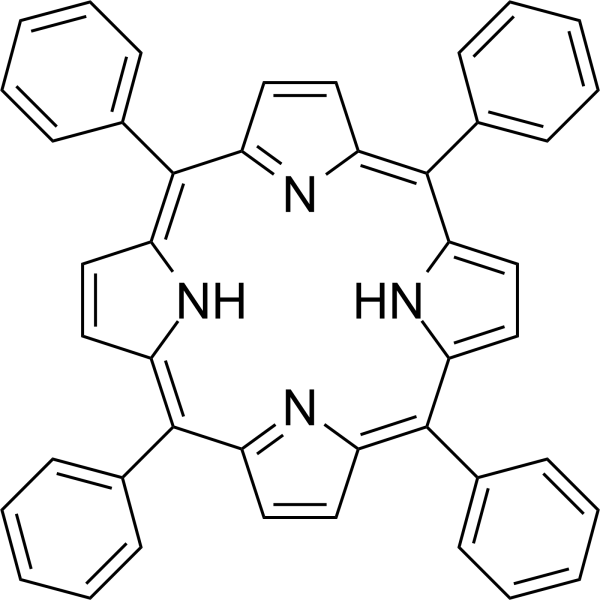
    Tetraphenylporphyrin (TPP) is a symmetrically substituted porphyrin-based heterocyclic compound and used as a structural block for supramolecular synthesis. Tetraphenylporphyrin derivatives can be used for cancer research .
    Tetraphenylporphyrin
  • HY-124012

    DNA/RNA Synthesis Apoptosis Cancer
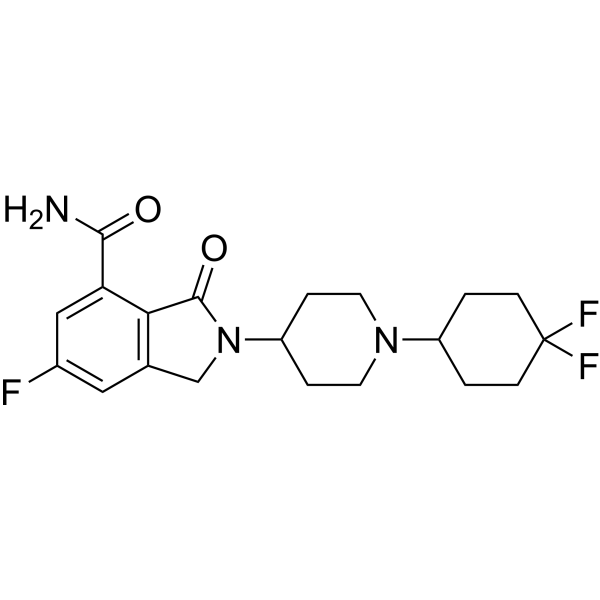
    PCNA-I1 is a selective small molecule inhibitor targeting proliferating cell nuclear antigen (PCNA) with anticancer activity. PCNA-I1 can stabilize the PCNA trimer structure (Kd=0.14-0.41μM), reduce its binding to chromatin, induce tumor cell cycle arrest, inhibit DNA replication and repair, and enhance the anti-tumor effect of DNA damaging agents. PCNA-I1 can be used in the study of targeted therapy for prostate cancer, lung cancer and other tumors .
    PCNA-I1
  • HY-18954
    NMS-P118
    3 Publications Verification

    PARP Cancer
    NMS-P118 is a potent, orally available, and highly selective PARP-1 Inhibitor for cancer therapy.
    NMS-P118
  • HY-153598

    PROTACs RIP kinase Apoptosis Inflammation/Immunology Cancer
    LD4172 is a selective RIPK1 PROTAC degrader with a Ki of 4.8 nM. LD4172 induces RIPK1 protein degradation via ternary complex formation with RIPK1 and VHL E3 ligase, driving ubiquitination and proteasomal breakdown. LD4172 abrogates TNF-induced classical NF-κB signaling in TRAF2-deficient cells, impairing IκBα phosphorylation and degradation, and reducing IL-8 production. LD4172 induces apoptosis and immunogenic cell death in tumor cells, enhances tumor-infiltrating lymphocyte responses, and sensitizes tumors to anti-PD1 therapy. LD4172 acts as a chemical probe for investigating RIPK1 scaffolding functions. LD4172 can be used for the research of melanoma, colon cancer .
    LD4172
  • HY-12964
    SGI-7079
    3 Publications Verification

    TAM Receptor Cancer
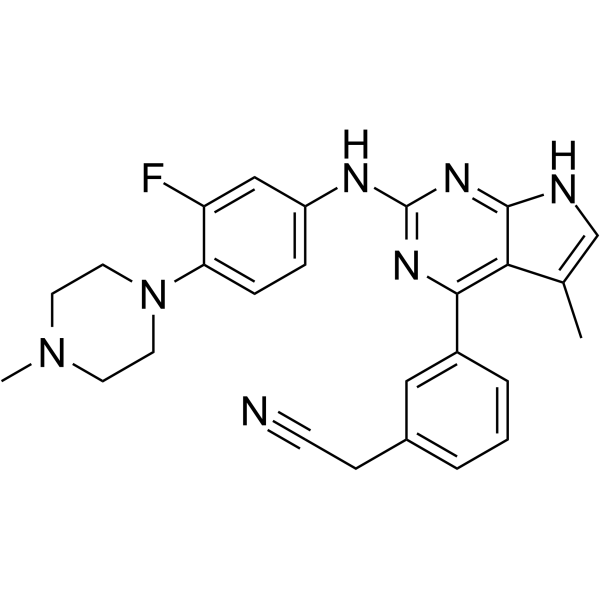
    SGI-7079 is a selective, ATP-competitive, orally active inhibitor of the receptor tyrosine kinase Axl. SGI-7079 blocks Axl-mediated signaling pathways such as NF-κB activation and MMP-9 expression, thereby inhibiting tumor cell proliferation, migration and invasion. SGI-7079 is mainly used in the research of malignant tumors such as inflammatory breast cancer and bladder cancer, as well as in combination with immunization (used in combination with PD-1 therapy)[1][2][3].
    SGI-7079
  • HY-N0140R

    Prunol (Standard); Urson (Standard); Malol (Standard)

    Reference Standards Autophagy Endogenous Metabolite Cancer
    Ursolic acid (Standard) is the analytical standard of Ursolic acid. This product is intended for research and analytical applications. Ursolic acid (Prunol) is a natural pentacyclic triterpenoid carboxylic acid, exerts anti-tumor effects and is an effective compound for cancer prevention and therapy.
    Ursolic acid (Standard)
  • HY-100865

    DBPR114

    FLT3 Cancer
    BPR1K871 is a potent and selective dual FLT3/AURKA inhibitor with IC50s of 19 nM and 22 nM for FLT3 and AURKA, respectively, acts as a preclinical development candidate for anti-cancer therapy .
    BPR1K871
  • HY-W008951

    EDTMP

    Radionuclide-Drug Conjugates (RDCs) Neurological Disease Cancer
    Ethylenediaminetetramethylenephosphonic acid (EDTMP) is a bone-targeted chelating agent. Ethylenediaminetetramethylenephosphonic acid sodium‘s phosphonic acid groups possess a unique ability to bind with high affinity to hydroxyapatite in bone, and can form radioactive compounds with 153Sm and 177Lu. Ethylenediaminetetramethylenephosphonic acid is used to study palliative therapy for pain associated with multiple bone metastatic cancers .
    Ethylenediaminetetra(methylenephosphonic acid)
  • HY-P990059

    INT-016; AZD8205 Antibody

    ADC Antibody CD276/B7-H3 Cancer
    Puxitatug (INT-016; AZD8205 Antibody) is a monoclonal antibody targeting VTCN1/B7-H4. Puxitatug can be used to synthesize antibody-drug conjugates (ADCs), such as Puxitatug samrotecan (HY-171689), which can be applied to various solid tumors. Puxitatug can also be used for researching adjuvant therapies for gastric cancer .
    Puxitatug
  • HY-164165

    Microtubule/Tubulin Drug Derivative Cancer
    Paclitaxel-2′-succinate NHS ester is a paclitaxel derivative with a succinic acid linker, in which the carboxyl group is activated by the NHS ester. The NHS ester group is highly reactive toward amino or hydroxyl groups and can be used to conjugate with other molecules such as peptides, proteins, antibodies, enzymes or polymers. Paclitaxel-2′-succinate NHS ester can be used in the development of nanomedicines and in the study of cancer therapy .
    Paclitaxel-2′-succinate NHS ester
  • HY-151486

    GLUT Cancer
    GLUT1-IN-1 is a glucose transporter 1 (GLUT1) inhibitor and has a GLUT1-specific inactivation ability. GLUT1-IN-1 exhibits concentration-dependent cytotoxicity for HeLa, A549 and HepG2 cells with IC50 values of 5.49 μM, 11.14 μM, and 8.73 μM, respectively. GLUT1-IN-1 can be used for the research of photodynamic therapy (PDT) and severals cancer .
    GLUT1-IN-1
  • HY-169903

    Apoptosis Cancer
    SMIP34 is a PELP1 inhibitor. SMIP34 binds to PELP1 with a Kd of 37.4 μM. SMIP34 inhibits cancer cell proliferation and tumor progression. SMIP34 can be used for breast cancer research, and is active against wild-type (WT), mutant (MT) ER+ and therapy-resistant (TR)-ER+ breast cancer .
    SMIP34
  • HY-151168

    β-glucuronidase Bacterial Inflammation/Immunology Cancer
    3-Chlorogentisyl alcohol is a potent E. coli β-glucuronidase inhibitor with an IC50 value of 0.74 μM, an Ki value of 0.58 μM. 3-Chlorogentisyl alcohol shows antiproliferative activity. 3-Chlorogentisyl alcohol has the potential for the research of anti-cancer and anti-inflammatory therapies .
    3-Chlorogentisyl alcohol
  • HY-W854659
    Chlorin e6 trisodium
    15+ Cited Publications

    Ce6 trisodium

    Photosensitizer Cancer
    Chlorin e6 Ce6 (trisodium) is a water-soluble derivative of chlorophyll, belonging to the chlorin class of photosensitizers with an absorption wavelength range of 600-670 nm. Chlorin e6 trisodium emits characteristic red fluorescence upon light excitation, enabling real-time identification of tumor boundaries and progression. Chlorin e6 trisodium can be used for the study of photodynamic therapy (PDT) of cancers (bladder cancer) and fluorescence diagnosis of neoplastic lesions .
    Chlorin e6 trisodium
  • HY-171572

    Antibody-Drug Conjugates (ADCs) Microtubule/Tubulin Apoptosis Inflammation/Immunology Cancer
    Atezolizumab-MMAE is an anti-PD-L1 antibody-drug conjugate (ADC) with an EC50 of 1.1 nM. Atezolizumab-MMAE is composed of a humanized anti-PD-L1 antibody (Atezolizumab) (HY-P9904), a lysosomally cleavable dipeptide linker (valine-citrulline), a tubulin inhibitor (MMAE) (HY-15162), and the drug-linker conjugate for ADC is VcMMAE (HY-15575). Atezolizumab-MMAE has a potent cytotoxicity (EC50: 9.75-11.94 nM) and immune activation effect. Atezolizumab-MMAE has a significantly anti-tumor activity in MC38 xenograft PD-1-humanized immune system mice model .
    Atezolizumab-MMAE
  • HY-175744

    PSMA Cancer
    PSMA-MAL-5 is a PSMA ligand. PSMA-MAL-5 covalently binds to Cys466 of PSMA. PSMA-MAL-5 labeled with 177Lu and 225Ac has high radiostability and tumor uptake. PSMA-MAL-5 also effectively inhibits tumor growth. PSMA-MAL-5 can be used for SPECT/CT imaging and radionuclide therapy of prostate cancer .
    PSMA-MAL-5
  • HY-170779

    FAP Cancer
    DOTA-NI-FAPI-04 is a FAP inhibitor (IC50 = 7.44 nM). By integrating FAP targeting with hypoxia-sensitive groups (nitroimidazole), DOTA-NI-FAPI-04 significantly enhances tumor uptake and retention capabilities. DOTA-NI-FAPI-04 chelates metallic isotopes (such as 68Ga and 177Lu) through DOTA to produce radioactive probes ([68Ga]Ga/DOTA-NI-FAPI-04 and [177Lu]Lu/DOTA-NI-FAPI-04), which can be used for research in tumor diagnostics and therapeutic agents. DOTA-NI-FAPI-04 holds dual targeting potential in the fields of cancer imaging, tumor microenvironment analysis, and radionuclide therapy, particularly suitable for scenarios where the tumor stroma and hypoxic regions synergistically interact .
    DOTA-NI-FAPI-04
  • HY-W440886

    Liposome Others
    DSPE-PEG3400-Biotin is a phospholipid PEG for biotinylation. The amphiphilic property of the DSPE-PEG is useful for precision drug delivery and cancer therapy.
    DSPE-PEG3400-Biotin
  • HY-164725

    Radionuclide-Drug Conjugates (RDCs) FAP Cancer
    FAPI-mFS is an irreversible fibroblast activation protein (FAP) inhibitor, that enhances the uptake and retention time in cancer cells through its covalent binding property for FAP. FAPI-mFS can be used for cancer imaging the therapy, when labeled with radioactive 68Ga or 177Lu . FAPI-mFS can be used for the synthesis/research of Radionuclide-Drug Conjugates (RDCs).
    FAPI-mFS
  • HY-13266

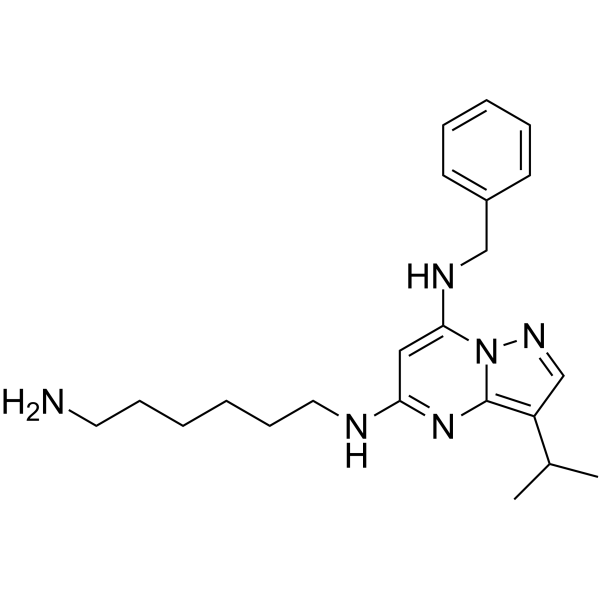
    CDK Apoptosis Cancer
    BS-181 is a potent and selective CDK7 inhibitor (IC50=21 nM) than Seliciclib (HY-30237). BS-181 is also against CDK2, CDK5 and CDK9 with IC50 values of 880, 3000 and 4200 nM, respectively (fails to block CDK1, 4 and 6). BS-181 inhibits a panel of cancer cells growth (IC50=11.5 μM-37.3 μM) and induces cell apoptosis. BS-181 has the potential for the research of cancer therapy .
    BS-181
  • HY-175673

    Carnitine Palmitoyltransferase (CPT) Apoptosis Oxidative Phosphorylation Mitochondrial Metabolism Reactive Oxygen Species (ROS) Cancer
    LCB-2151 (Compound 2), a nucleoside analogue, is an anticancer agent. LCB-2151 disrupts the two primary sources of ATP production (glycolysis and mitochondrial oxidative phosphorylation), reducing the bioenergetic capacity of KRAS-mutated pancreatic cancer cells and inducing ROS formation. LCB-2151 effectively inhibits key enzymes (such as CACT and CPT2) in glycolysis, the TCA cycle and fatty acid β-oxidation. LCB-2151 has significant cytotoxicity and induces cells apoptosis. LCB-2151 can be used for radiation therapy of cancers research .
    LCB-2151
  • HY-137474

    Photosensitizer Cancer
    Purpurin 18 methyl ester, a chlorophyll-a derivative, is a photosensitizer that can be used in photodynamic therapy (PDT). Purpurin 18 methyl ester has photodynamic activity to induce cancer cell death .
    Purpurin 18 methyl ester
  • HY-175685

    FAP Cancer
    FAP-IN-7 (Compound 5b) is a FAPtherapy of cancers research .
    FAP-IN-7
  • HY-W040270

    PROTAC Linkers Cancer
    Amino-PEG10-amine, a PEG-based PROTAC linker used to combine two mono diethylstilbestrol (DES)-based ligands, provides an alternative strategy for preparing more selective and active ER antagonists for endocrine therapy of breast cancer .
    Amino-PEG10-amine
  • HY-161795

    Drug Metabolite Cancer
    SP3CHO is an active metabolite generated by the metabolism of SP3N in cell culture by the action of amine oxidase. SP3CHO can induce polyubiquitination of specific proteins by recruiting the SCFFBXO22 E3 ligase complex. SP3CHO can be used in cancer therapy research .
    SP3CHO
  • HY-145973

    m7(3'OMeG)(5')ppp(5')(2'OMeA)pG

    DNA/RNA Synthesis Others
    3'OMe-m7GpppAmpG is a trinucleotide Cap analogue. 3'OMe-m7GpppAmpG shows a significant translational efficiency. 3'OMe-m7GpppAmpG can be used as a potential molecular biology tool in the field of mRNA vaccines and mRNA transfection, such as protein production, gene therapy and anti-cancer immunization .
    3'OMe-m7GpppAmpG
  • HY-149664

    DC-Chol

    Liposome Cancer
    3β-[N-(N′,N′-Dimethylaminoethyl)carbamoyl]cholesterol, a lipid, has been investigated in cancer gene therapy and vaccine delivery system .
    3β-[N-(N′,N′-Dimethylaminoethyl)carbamoyl]cholesterol
  • HY-137473R

    Pyropheophorbide-a methyl ester (Standard)

    Apoptosis Reference Standards Cancer
    Methyl pyropheophorbide-a (Standard) is the analytical standard of Methyl pyropheophorbide-a. This product is intended for research and analytical applications. Methyl pyropheophorbide-a (Pyropheophorbide-a methyl ester), a chlorophyll-a derivative, is a potent photosensitizer that can be used in photodynamic therapy (PDT) of cancer. Methyl pyropheophorbide-a has photodynamic activity and can induce apoptosis and inhibit tumor growth .
    Methyl pyropheophorbide-a (Standard)
  • HY-16488R

    m-THPC (Standard); KW2345 (Standard)

    Reactive Oxygen Species (ROS) Reference Standards Cancer
    Temoporfin (Standard) is the analytical standard of Temoporfin. This product is intended for research and analytical applications. Temoporfin (m-THPC), a reduced porphyrin, is a potent second-generation photosensitizer. Temoporfin can be used in the research of photodynamic therapy (PDT) for head and neck cancers .
    Temoporfin (Standard)
  • HY-N16394

    Endogenous Metabolite Cancer
    4-Hydroxyscytalone (Compound 3) is a microbial secondary metabolite. 4-Hydroxyscytalone can be isolated from the oak fungus Diplodia corticola. 4-Hydroxyscytalone has toxicity against Artemia salina with a LC50 of 90.6 μ/mL, but no significant antifungal activity. 4-Hydroxyscytalone can be used for cancer therapy research .
    4-Hydroxyscytalone
  • HY-110368

    CDK Cancer
    BS-181 dihydrochloride is a potent and selective CDK7 inhibitor (IC50=21 nM) than Seliciclib (HY-30237). BS-181 is also against CDK2, CDK5 and CDK9 with IC50 values of 880 nM, 3000 nM and 4200 nM, respectively (fails to block CDK1, 4 and 6). BS-181 dihydrochloride inhibits a panel of cancer cells growth (IC50=11.5 μM-37.3 μM) and induces cell apoptosis. BS-181 dihydrochloride has the potential for the research of cancer therapy .
    BS-181 dihydrochloride
  • HY-175633

    Glutathione Peroxidase Ferroptosis Reactive Oxygen Species (ROS) Cancer
    ML210-ansaFc (Compound III-13) is a covalent GPX4 inhibitor with a -ferrocenophane group (IC50 of 3.4 μM). ML210-ansaFc potently induces ferroptosis by increasing the level of ROSand promoting lipid peroxidation (LPO) in cancers cells. ML210-ansaFc has an anticancer activity and suppresses tumor growth in tumor 3D spheroids. ML210-ansaFc can be used for cancer therapy resistance research .
    ML210-ansaFc
  • HY-116865

    Endogenous Metabolite Endocrinology Cancer
    Equilenin is a B-ring unsaturated estrogen and one of the main ingredients in Premarin, a drug commonly used in estrogen replacement therapy. Equilenin can bind to estrogen receptors in the body and exert effects similar to endogenous estrogen. Equilenin can be used in estrogen replacement therapy and breast cancer research .
    Equilenin
  • HY-156290

    STING Inflammation/Immunology Cancer
    SAP-04 is a potent and orally active STING agonist. SAP-04 exhibits potent immunomodulatory effects for cancer therapy .
    SAP-04
  • HY-176927

    Drug-Linker Conjugates for ADC Cancer
    ADC-VI (Compound 6) is a conjugate of a toxic molecule and a linker, in which the cytotoxin carried by CPD6 is Deruxtecan (HY-13631E). Tricyclene is used to form an antibody-drug conjugate (ADC) by a chemical conjugation reaction through linking with an anti-FGFR2b antibody .
    ADC-VI
  • HY-130411

    PROTAC Linkers Cancer
    Amino-PEG11-amine, a PEG-based (12 units) PROTAC linker used to combine two mono diethylstilbestrol (DES)-based ligands, provides an alternative strategy for preparing more selective and active ER antagonists for endocrine therapy of breast cancer .
    Amino-PEG11-amine
  • HY-W738979

    Photosensitizer
    Silicon naphthalocyanine dichloride is a photosensitizer with potential anti-tumor activity. Silicon naphthalocyanine dichloride is used as a cancer-inhibiting compound in photodynamic therapy. Silicon naphthalocyanine dichloride can effectively absorb light energy of a specific wavelength, thereby generating oxygen free radicals that help destroy cancer cells. The biocompatibility of Silicon naphthalocyanine dichloride makes it show good prospects in medical applications.
    Silicon naphthalocyanine dichloride
  • HY-145268

    Cadherin Cancer
    SLEC-11 is a CDH1/E-cadherin modulator that potently inhibits cell death in E-cadherin-deficient cells (EC50=8.2 μM). SLEC-11 can be used to study potential synthetic lethal therapies for gastric cancer .
    SLEC-11
  • HY-113011R

    Reference Standards Endogenous Metabolite Others
    Maltotriose (Standard) is the analytical standard of Maltotriose (HY-13011). This product is intended for research and analytical applications. Maltotriose is a maltooligosaccharide and a specific inducer of the Escherichia coli maltose operon. The oligosaccharide structure of Maltotriose acts as a highly efficient drug delivery carrier, which significantly enhances the targeting ability and water solubility of photosensitizers in photodynamic therapy for pancreatic cancer.
    Maltotriose (Standard)

Inquiry Online

Your information is safe with us. * Required Fields.

Salutation


Country or Region *

Applicant Name *


Organization Name *

Department *


Email Address *


Product Name *

Cat. No.


Requested quantity *

Phone Number *


Remarks

Inquiry Online

Inquiry Information

Product Name:
Cat. No.:
Quantity:
MCE Japan Authorized Agent:

