

1. Search Result
Search Result
Results for "

Chloride

" in MedChemExpress (MCE) Product Catalog:

71

Inhibitors & Agonists

2

Fluorescent Dye

8

Biochemical Assay Reagents

1

Inhibitory Antibodies

12

Natural
Products

1

Isotope-Labeled Compounds

Cat. No. Product Name Target Research Areas Chemical Structure
  • HY-B1494
    Picrotoxinin
    4 Publications Verification

    Chloride Channel GABA Receptor Neurological Disease
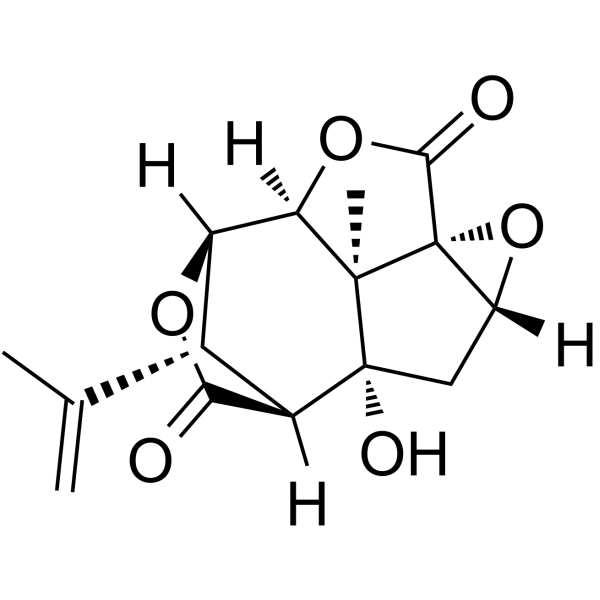
    Picrotoxinin, a potent convulsant, is a chloride channel blocker. Picrotoxinin is a noncompetitive GABAA receptor antagonist, which negatively modulates the action of GABA on GABAA receptors. Picrotoxinin inhibits α1β2γ2L GABAA receptor with an IC50 of 1.15 μM .
    Picrotoxinin
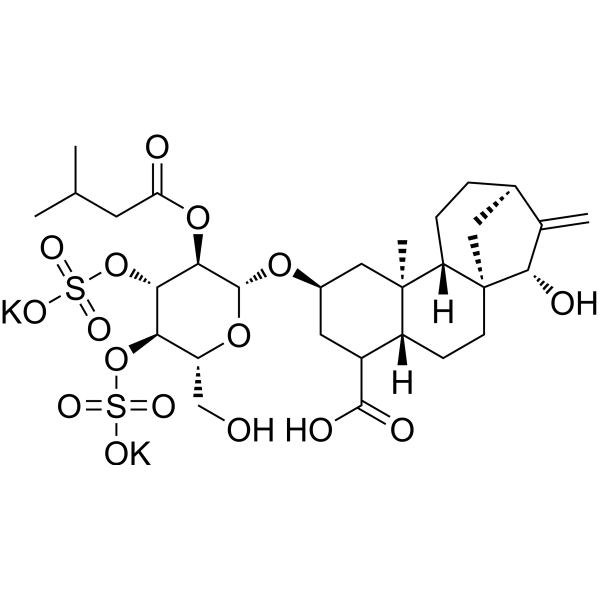
  • HY-N1462
    Atractyloside potassium salt
    4 Publications Verification

    Chloride Channel Autophagy mTOR AMPK Cardiovascular Disease Metabolic Disease Cancer
    Atractyloside potassium salt is a powerful and specific inhibitor of mitochondrial ADP/ATP transport. Atractyloside potassium salt inhibits chloride channels from mitochondrial membranes of rat heart. Atractyloside potassium salt activates autophagy, inhibits ANT2, mTOR and promotes the activation of p-AMPK. Atractyloside potassium salt has anti-cancer effects on non-small cell lung cancer and can inhibit liver steatosis. Atractylodesin potassium salt has nephrotoxicity .
    Atractyloside potassium salt
  • HY-142104

    2-Chlorotrityl Chloride Resin (100-200 mesh,1% DVB,0.4-3.0mmol/g)

    Drug Intermediate Cancer
    2-CTC Resin (100-200 mesh,1% DVB,0.4-3.0mmol/g) is a solid-phase synthesis carrier that has been used to study metabolic disorders in prostate cancer cells. 2-CTC Resin (100-200 mesh,1% DVB,0.4-3.0mmol/g) can be used as a reaction solution of terminal residues and adenine nucleotides to form cyclic peptides. 2-CTC Resin (100-200 mesh,1% DVB,0.4-3.0mmol/g) can prevent racemization during the incorporation of the first protected amino acid and minimized diketopiperazine formation. 2-CTC Resin (100-200 mesh,1% DVB,0.4-3.0mmol/g) is one of the most commonly used and versatile resins available for large-scale production of peptides .
    2-CTC Resin (100-200 mesh,1% DVB,0.4-3.0mmol/g)
  • HY-Y0537E
    Potassium chloride, for cell culture
    1 Publications Verification

    Environmental Pollutants Calcium Channel Potassium Channel Biochemical Assay Reagents Neurological Disease
    Potassium chloride, for cell culture is potassium chloride that can be used for cell culture. Potassium chloride, for cell culture increases extracellular potassium ion concentration to induce cellular depolarization, thereby activating voltage-gated calcium channels and regulating intracellular calcium signaling. Potassium chloride, for cell culture upregulates Brn-5. Potassium chloride, for cell culture inhibits the proliferation of neurons and some plant cells .
    Potassium chloride, for cell culture
  • HY-B0493
    Niflumic acid
    4 Publications Verification

    Chloride Channel COX Inflammation/Immunology Cancer
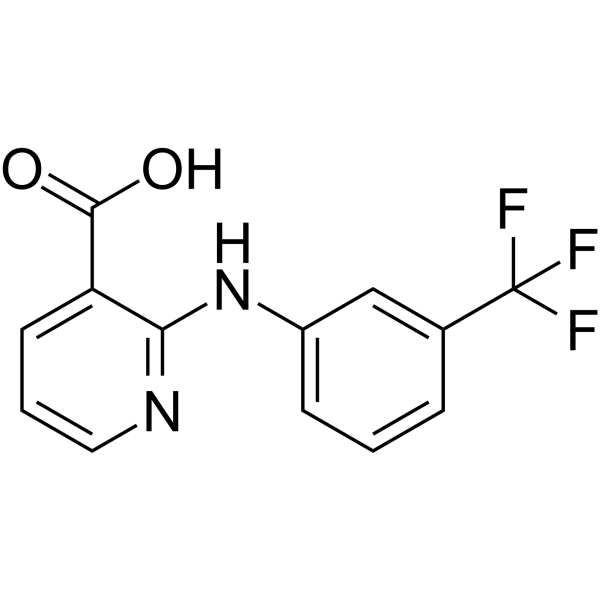
    Niflumic acid is a calcium-activated chloride channel blocker and COX-2 inhibitor with the IC50 value of 100 nM. Niflumic acid induces apoptosis through caspase-8/Bid/Bax pathway in lung cancer cells. Niflumic acide exhibits anti-tumor activity by affecting the expression of ERK1/2 and the activity of MMP2 and MMP9. Niflumic acid has orally bioactivity. Niflumic acid acts on rheumatoid arthritis .
    Niflumic acid
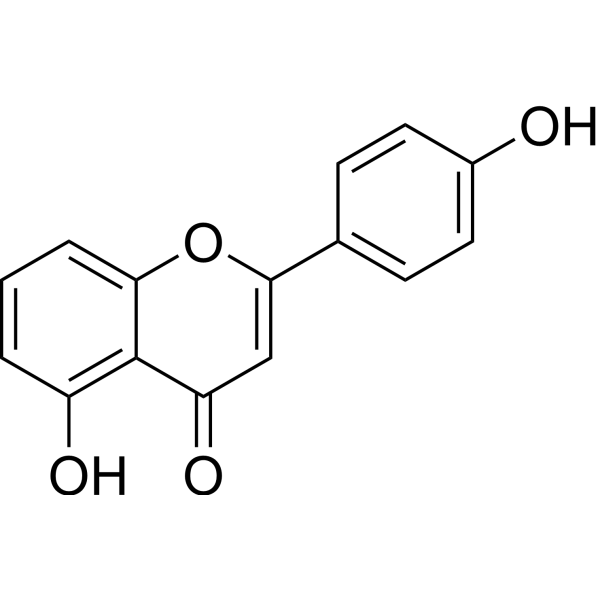
  • HY-N1881
    4',5-Dihydroxyflavone
    3 Publications Verification

    Lipoxygenase Glycosidase Inflammation/Immunology
    4',5-Dihydroxyflavone (Compound 2c; Compound B3) is a type of flavonoid compound. 4',5-Dihydroxyflavone can inhibit various oxidases and its IC50 values for collagenase A (ColA) and α-glucosidase are less than 1 μM and 66 μM respectively; for soybean lipoxygenase-1 (LOX-1), its Ki value is 102.6 μM. 4',5-Dihydroxyflavone can be used in studies on anti-toxicity and anti-diabetes .
    4',5-Dihydroxyflavone
  • HY-125159

    PF-00520904

    Parasite nAChR Infection
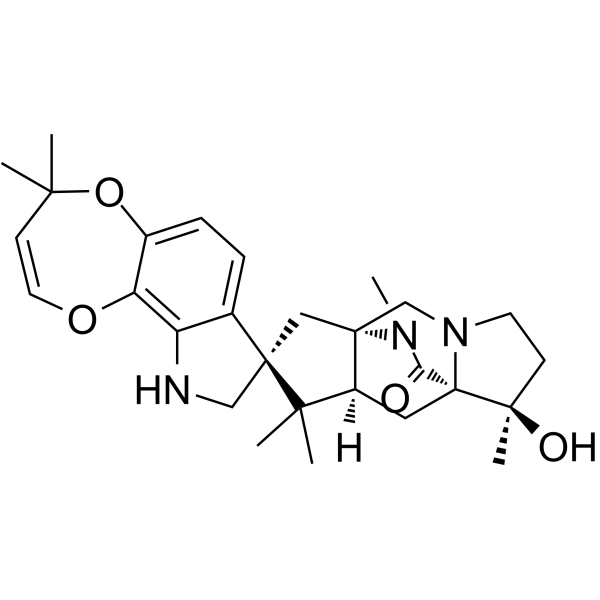
    Derquantel, a spirocyclic anthelmintic, is a competitive, orally active nicotinic acetylcholine receptor (nAChR) antagonist. Derquantel inhibits ACh-induced depolarization with an IC50 of 0.22 μM. By selectively antagonizing nAChRs on the somatic muscles of nematodes, Derquantel causes flaccid paralysis of muscles, thereby dislodging parasites from the host's gastrointestinal tract. Derquantel is applicable to research related to Haemonchus contortus infection and Ascaris suum infection .
    Derquantel
  • HY-101329

    9-Anthracenecarboxylic acid

    MOFs Chloride Channel Others
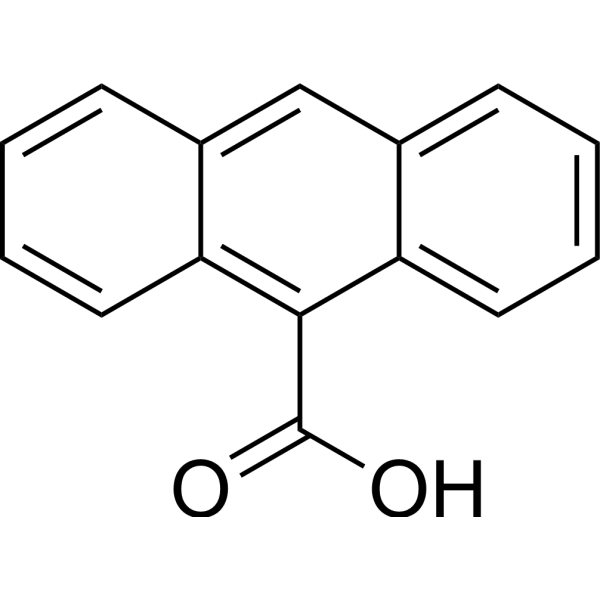
    Anthracene-9-carboxylic acid (9-Anthracenecarboxylic acid) is an anthracene derivative traditionally used to block and identify Ca 2+-activated Cl - currents (CaCCs) in various cell types, like diverse smooth muscle cells, epithelial cells and salivary gland cells .
    Anthracene-9-carboxylic acid
  • HY-113404

    Tyrosinase Dopamine Receptor Neurological Disease
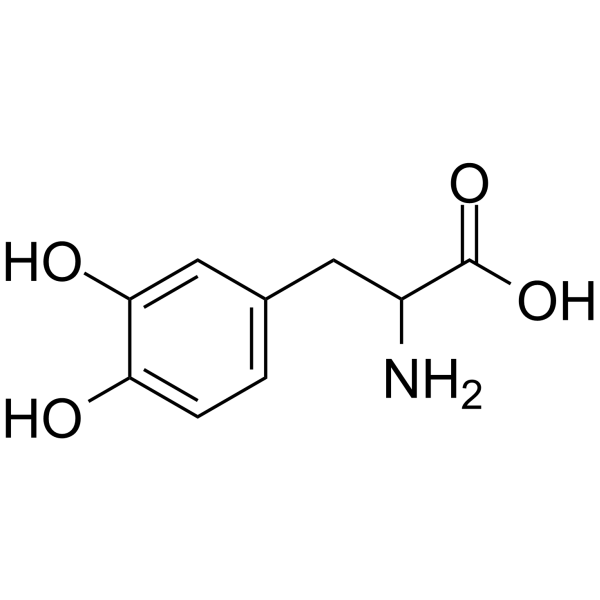
    DL-Dopa is a dopamine precursor. It serves as a substrate for Mushroom Tyrosinase, which oxidizes it to dopaquinone, an intermediate in the DOPA-melanin polymerization process, and this reaction can be detected at 475 nm. DL-Dopa also forms synergistic hydrophobic and π-π stacking interactions with cationic surfactants. Its binding to cetylpyridinium chloride (HY-B1464) is stronger and exhibits better thermodynamic stability than its binding to benzalkonium chloride (HY-B2232). DL-Dopa can compensate for dopamine depletion in the brain and is applicable to research related to Parkinson's disease .
    DL-Dopa
  • HY-W134328

    Dextran blue (MW 2000000)

    Biochemical Assay Reagents Others
    Blue dextran (Dextran blue) (MW 2000000) is a high-molecular-weight long-chain polymer of D-glucose. Blue dextran (MW 2000000) serves as an important model macromolecular drug and molecular weight estimation marker, and can be used as a standard for gel permeation chromatography. The release of Blue dextran (MW 2000000) from alginate microspheres is regulated by preparation conditions; its release rate in a pH 6.8 environment is significantly faster than that in pH 1.2, and it exhibits release characteristics close to zero-order kinetics under this condition .
    Blue dextran (MW 2000000)
  • HY-126437I

    Biochemical Assay Reagents DNA Alkylator/Crosslinker Amino Acid Derivatives Cancer
    Poly-L-lysine hydrobromide (MW 1000-5000) is a homopolymer of L-lysine and a polycationic non-viral gene delivery vector. Poly-L-lysine hydrobromide (MW 1000-5000) forms complexes with plasmid DNA. Poly-L-lysine hydrobromide (MW 1000-5000) is applicable to relevant research on lung cancer .
    Poly-L-lysine hydrobromide (MW 1000-5000)
  • HY-N3651
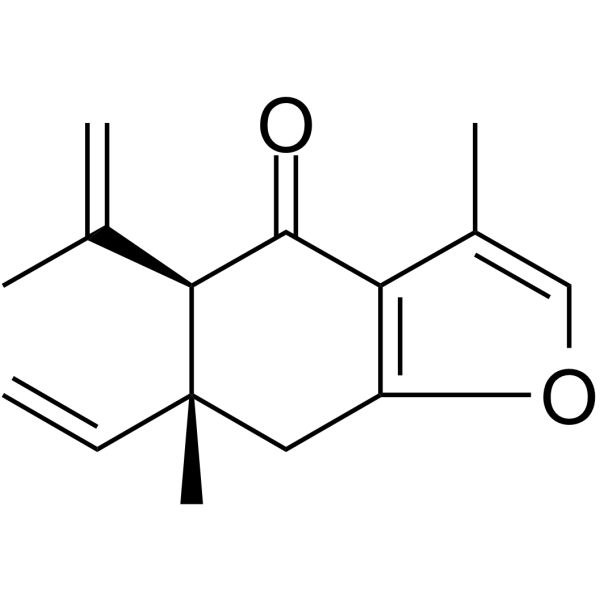
    Curzerenone
    1 Publications Verification

    Bacterial Reactive Oxygen Species (ROS) Apoptosis PI3K Akt mTOR Infection Cancer
    Curzerenone is an orally active sesquiterpene compound and Antibacterial agent. Curzerenone can be isolated from Curcuma zedoaria and Curcuma aeruginosa plants. Curzerenone increases ROS levels, activates Apoptotic signaling pathways, and attenuates the PI3K/AKT/mTOR signaling pathway. Curzerenone exhibits anticancer activity against liver cancer and cervical cancer. Curzerenone has antioxidant effects. Curzerenone shows weak antibacterial activity against Escherichia coli. Curzerenone can be used in research related to hepatocellular carcinoma, cervical cancer, and Escherichia coli infection .
    Curzerenone
  • HY-W034344

    Biochemical Assay Reagents Others
    Sodium methanesulfonate is a hygroscopic atmospheric aerosol, which typically forms from the reaction of methanesulfonic acid with sodium chloride or sea salt particles. Sodium methanesulfonate can serve as a substrate for oxidation reactions, undergoing heterogeneous oxidation by hydroxyl radicals at the air-aerosol interface, thereby initiating subsequent aerosol-phase chain reactions. Sodium methanesulfonate exhibits significant temperature-dependent deliquescence and efflorescence properties; particularly at lower temperatures relevant to the troposphere, its deliquescence and efflorescence relative humidity increase accordingly .
    Sodium methanesulfonate
  • HY-59137

    Drug Intermediate Cancer
    1-Methylimidazole acts as a membrane performance regulator that promotes the formation of reverse osmosis membranes with a dense ultra-thin polyamide layer. Such membranes exhibit higher flux and salt rejection rate, while also conferring excellent pH stability to the membrane. 1-Methylimidazole can serve as a ligand for ruthenium (II) complexes to construct metal-based anticancer agents .
    1-Methylimidazole
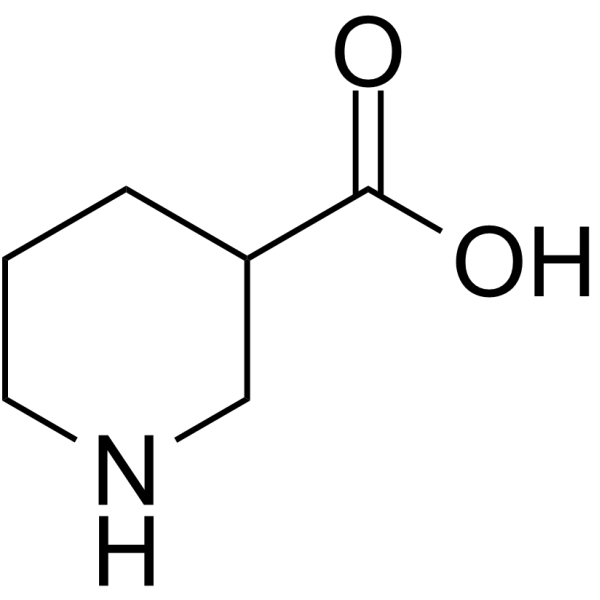
  • HY-69359
    Nipecotic acid
    1 Publications Verification

    (±)-β-Homoproline; Hexahydronicotinic acid; 3-Carboxypiperidine

    GABA Receptor Neurological Disease
    Nipecotic acid ((±)-β-Homoproline) is a potent inhibitor of neuronal and glial-aminobutyric acid (GABA) uptake in vitro. Nipecotic acid can also directly activate GABAA-like chloride channels, with an EC50 of approximately 300 μM .
    Nipecotic acid
  • HY-W009823

    Chloride Channel Others
    Phenyl benzoate is a benzoate ester obtained by the formal condensation of phenol with benzoic acid. Phenyl benzoate is a chloride transport blocker, inhibits Cl --dependent Glu accumulation into vesicles. Phenyl benzoate can be used as preservative in cosmetic products .
    Phenyl benzoate
  • HY-146320
    ANO1-IN-1
    2 Publications Verification

    Chloride Channel Cancer
    ANO1-IN-1 (Compound 9c) is a selective ANO1 channel blocker with an IC50 of 2.56 μM and 15.43 μM against ANO1 and ANO2, respectively. ANO1-IN-1 suppresses strongly proliferation of glioblastoma cells .
    ANO1-IN-1
  • HY-B2078A

    Neurokinin Receptor Inflammation/Immunology
    Eprazinone dihydrochloride is a gent with mucolytic, secretolytic, antitussive, and bronchial antispasmodic properties. Eprazinone dihydrochloride is a neurokinin 1 receptor (NK1R) ligand. Eprazinone dihydrochloride has the potential for chronic bronchitis treatment that improved pulmonary function and arterial partial pressure of oxygen .
    Eprazinone dihydrochloride
  • HY-76562

    Biochemical Assay Reagents Others
    Methyl 6-bromopicolinate is a synthetic intermediate used in the preparation of γ-secretase inhibitor library scaffolds .
    Methyl 6-bromopicolinate
  • HY-W040265

    N-Phenylanthranilic acid

    Chloride Channel Inflammation/Immunology
    Fenamic acid (N-Phenylanthranilic acid, NPAA) is an orally active chloride channel blocker. Fenamic acid is the basic constituent of non-steroidal anti-inflammatory agents (NSAIA), and derives into mefenamic, tofenacin, flufenac acid and melofenac acid. Fenamic acid also acts as antibacterial and analgesic agent - .
    Fenamic acid
  • HY-P2799A
    Creatine Kinase (CPK/CK), Bovine Heart
    1 Publications Verification

    CK, CPK, Creatine Phosphokinase

    Endogenous Metabolite Creatine Kinase Cardiovascular Disease
    Creatine Kinase (CPK/CK), Bovine Heart (CK) is a creatine kinase derived from bovine heart. Creatine Kinase (CPK/CK), Bovine Heart catalyzes the reversible phosphate transfer reaction between phosphocreatine and ADP, and is widely used in myocardial energy metabolism research and quality control of clinical biochemical tests .
    Creatine Kinase (CPK/CK), Bovine Heart
  • HY-59243
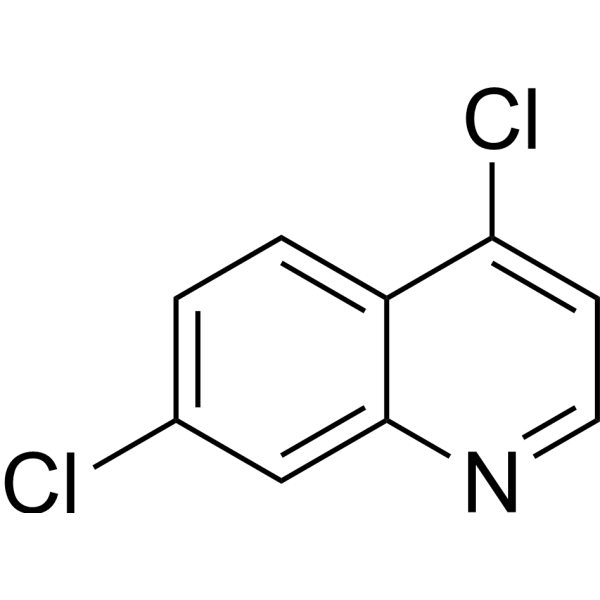
    4,7-Dichloroquinoline
    1 Publications Verification

    Drug Intermediate Others
    4,7-Dichloroquinoline is a dichloro-substituted quinoline that can be used for the synthesis of other active compounds .
    4,7-Dichloroquinoline
  • HY-Y0532
    N-Chlorosuccinimide
    1 Publications Verification

    Succinchlorimide

    Environmental Pollutants Bacterial Infection
    N-Chlorosuccinimide is a five-membered N-containing heterocyclic molecule. N-Chlorosuccinimide is a versatile reagent and can be used for different types of reactions, such as aliphatic and aromatic chlorination. N-Chlorosuccinimide can enhance the antimicrobial effect of Benzalkonium chloride (HY-B2232) on biofilm Pseudomonas aeruginosa .
    N-Chlorosuccinimide
  • HY-Z6449

    Adrenergic Receptor Neurological Disease
    Phenylephrine hydrochlorid is an α1-adrenergic receptor agonist. As a sympathomimetic agent, Phenylephrine hydrochlorid exerts similar effects to epinephrine and ephedrine. Phenylephrine hydrochlorid induces vasoconstriction and increases perfusion pressure .
    Phenylephrone hydrochloride
  • HY-D0876

    Biochemical Assay Reagents Others
    POPSO is a zwitterionic buffer, increases osmolality and shows marked inhibition of anion uniport. POPSO inhibits chloride uniport with an IC50 value of 24 mM. POPSO enhances copper uptake and toxicity in alga, impairs mitochondrial inner membrane. The working pH range of POPSO sesquisodium salt is 7.2-8.5 .
    POPSO
  • HY-168366

    Opioid Receptor Neurological Disease
    R-6890 is a Brorphine-related opioid receptor antagonist that exhibits differential binding activities toward rat opioid receptors (IC50=4.6 nM (0.05 M Tris; pH 7.4) and 170 nM (0.05 M Tris+0.1 M NaCl)). R-6890 displaces bound labeled opioids from receptors, and its binding affinity is affected by environmental factors, decreasing in the presence of NaCl. R-6890 crosses the blood-brain barrier (BBB) and exerts analgesic effects in the warm water-induced tail-flick reflex model of male Wistar rats .
    R-6890
  • HY-W687022A

    Polyvinyl Chloride

    Environmental Pollutants Biochemical Assay Reagents Endocrinology
    Chloroethene polymer (Polyvinyl chloride) is an orally active vinyl chloride polymer. Chloroethene polymer is cytotoxic, reproductively toxic, and an endocrine disruptor. Chloroethene polymer can be used in the research of packaging inner surfaces, food wrapping paper, agricultural crop coverings, and plastic bottles .
    Chloroethene (polymer)
  • HY-130423

    Insecticide Infection
    Milbemycin A3 is a 16-membered macrocyclic lactone compound found in the soil bacterium Saccharopolyspora hygroscopicus subsp. aureolacrimosus. Milbemycin A3 enhances the opening of glutamate- and GABA-gated chloride channels and exhibits insecticidal activity. Milbemycin A3 can be used in insect resistance-related research .
    Milbemycin A3
  • HY-W392413

    Drug Derivative Reactive Oxygen Species (ROS) Cardiovascular Disease Neurological Disease Metabolic Disease Inflammation/Immunology
    Glutathione monoethyl ester is a glutathione derivative that can be transported into cells and hydrolyzed into glutathione. Glutathione monoethyl ester downregulates the gene expression of TEN1 and CTC1 while upregulating TERT expression. Glutathione monoethyl ester enhances telomerase activity, promotes proliferation and differentiation in aged bone marrow stromal cells, while elevating glutathione levels and reducing oxidative stress, protein aggregation and cell death in motor neuronal cells. Glutathione monoethyl ester confers broad multi-organ protection against cerebral ischemia, renal injury, liver damage, and pancreatitis. Glutathione monoethyl ester can be used for the research of amyotrophic lateral sclerosis, stroke, acute renal failure, liver injury, and acute pancreatitis .
    Glutathione monoethyl ester
  • HY-122369

    Carboxypeptidase Metabolic Disease
    Histargin is a selective carboxypeptidase B inhibitor with an IC50 of 17 μg/mL and a Ki of 30 μM. Histargin exerts competitive inhibition with substrate, with inhibitory activity abolished by metal cations. Histargin shows no significant inhibitory activity against carboxypeptidase A, aminopeptidase A, or aminopeptidase B .
    Histargin
  • HY-Y0344H

    Halite (Pharmaceutical primary standard, USP)

    Biochemical Assay Reagents Na+/K+ ATPase Interleukin Related Inflammation/Immunology Cancer
    Sodium chloride, United States Pharmacopeia (USP) Reference Standard is an orally active salt. Sodium chloride, United States Pharmacopeia (USP) Reference Standard induces the expression of ATP1A1. Sodium chloride, for cell culture induces the pro-inflammatory cytokines IL-2, TNFα, IL-9 and several chemokines. Sodium chloride, United States Pharmacopeia (USP) Reference Standard enhances the anti-tumor activities of Digoxin (HY-B1049) against small cell lung cancer. Sodium chloride, United States Pharmacopeia (USP) Reference Standard drives autoimmune disease by the induction of pathogenic Th17 cells .
    Sodium chloride, United States Pharmacopeia (USP) Reference Standard
  • HY-B0493R

    Reference Standards Chloride Channel COX Inflammation/Immunology
    Niflumic acid (Standard) is the analytical standard of Niflumic acid. This product is intended for research and analytical applications. Niflumic acid is a calcium-activated chloride channel blocker and COX-2 inhibitor with the IC50 value of 100 nM. Niflumic acid induces apoptosis through caspase-8/Bid/Bax pathway in lung cancer cells. Niflumic acide exhibits anti-tumor activity by affecting the expression of ERK1/2 and the activity of MMP2 and MMP9. Niflumic acid has orally bioactivity. Niflumic acid acts on rheumatoid arthritis .
    Niflumic acid (Standard)
  • HY-177552

    GABA Receptor Chloride Channel Insecticide Infection
    4''-Oxoavermectin B1a is a potentiator targeting GABA (γ-aminobutyric acid) and glutamate-gated chloride channels with insecticidal and acaricidal activities. 4''-Oxoavermectin B1a is promising for research of agricultural pests .
    4''-Oxoavermectin B1a
  • HY-117494

    NSC 44626

    Sodium Channel Chloride Channel Cardiovascular Disease
    Flumethiazide (NSC 44626) is an orally active diuretic agent. Flumethiazide has marked diuretic and natruretic effects with significant effects on Sodium, Chloride and water but not on potassium excretion. Flumethiazide can be used for cardiac diseases like essential hypertension research .
    Flumethiazide
  • HY-109542

    Biochemical Assay Reagents Metabolic Disease
    Cyclopenthiazide is a benzothiadiazine diuretic with antihypertensive properties. Cyclopenthiazide exerts a diuretic effect by inhibiting the reabsorption of sodium chloride and water at the distal renal tubules. Cyclopenthiazide increases the excretory capacity of the rat kidney .
    Cyclopenthiazide
  • HY-W001692

    DOV 273547

    GABA Receptor Neurological Disease
    Ocinaplon (DOV 273547) is an orally active positive allosteric modulator of GABAA receptor, with an EC50 ranging from 3.07 μM (α1β2γ2 subtype) to 10.03 μM (α1β2γ3 subtype). Ocinaplon enhances GABA-stimulated chloride currents across multiple GABAA receptor subtypes, with varying potency between different subtypes. Ocinaplon exerts anxiolytic and anticonvulsant effects, and causes motor impairment at high doses. Ocinaplon can be used for research on generalized anxiety disorder .
    Ocinaplon
  • HY-101014

    Biochemical Assay Reagents Infection
    Octanoylcarnitine chloride is a homolog of acetylcarnitine chloride. Octanoylcarnitine chloride can enhance absorption of drugs from gastrointestinal tract .
    Octanoylcarnitine chloride
  • HY-118170

    Chloride Channel Others
    T16A(inh)-C01 is an inhibitor of TMEM16A (ANO1). T16A(inh)-C01 blocks chloride channel mediated by ANO1 with an IC50 of 8.4 μM, without interfering with calcium signaling .
    T16A(inh)-C01
  • HY-Y0532R

    Bacterial Reference Standards Infection
    N-Chlorosuccinimide is a five-membered N-containing heterocyclic molecule. N-Chlorosuccinimide is a versatile reagent and can be used for different types of reactions, such as aliphatic and aromatic chlorination. N-Chlorosuccinimide can enhance the antimicrobial effect of Benzalkonium chloride (HY-B2232) on biofilm Pseudomonas aeruginosa .
    N-Chlorosuccinimide (Standard)
  • HY-129140
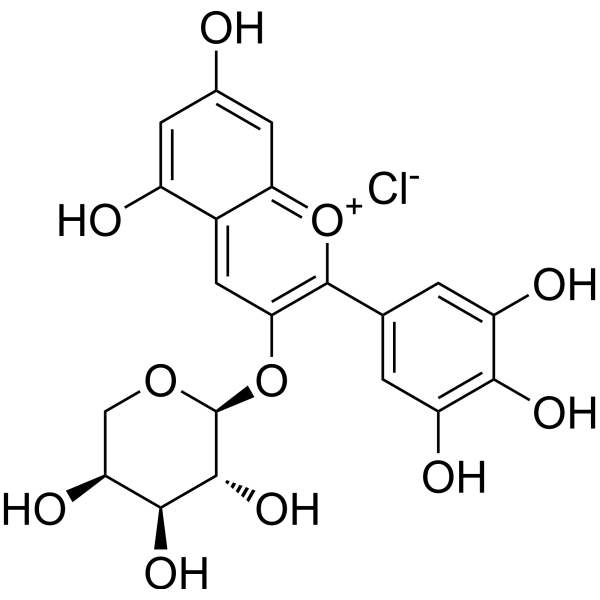
    Delphinidin-3-O-arabinoside chloride
    1 Publications Verification

    Others Others
    Delphinidin-3-O-arabinoside chloride is an anthocyanin chloride compound. It is formed by combining Delphinidin (an anthocyanin with a natural purple color) with the 3-O-arabinoside group. Delphinidin-3-O-arabinoside can be isolated from Rhododendron and is in the form of furanose .
    Delphinidin-3-O-arabinoside chloride
  • HY-101136

    AT-265

    Antibiotic Carbonic Anhydrase Bacterial Infection
    Dealanylascamycin (AT-265) (Compound 2) is a nucleoside antibiotic. AT 265 is a carbonic anhydrase (CA) inhibitor, with Ki values of 167, 65.2, 234, and 143 nM for hCA I, hCA II, hCA IV, and hCA IX respectively. Dealanylascamycin is the active form of Ascamycin (HY-121071). Dealanylascamycin exhibits broad-spectrum antibacterial activity and is effective against pathogenic bacteria such as Xanthomonas citri (MIC = 0.4 μg/mL). Dealanylascamycin has high cytotoxicity .
    Dealanylascamycin
  • HY-W687022AR

    Polyvinyl Chloride (Standard)

    Reference Standards Biochemical Assay Reagents Endocrinology
    Chloroethene (polymer) (Standard) is the analytical standard of Chloroethene (polymer) (HY-W687022A). This product is intended for research and analytical applications. Chloroethene polymer (Polyvinyl chloride) is an orally active vinyl chloride polymer. Chloroethene polymer is cytotoxic, reproductively toxic, and an endocrine disruptor. Chloroethene polymer can be used in the research of packaging inner surfaces, food wrapping paper, agricultural crop coverings, and plastic bottles .
    Chloroethene (polymer) (Standard)
  • HY-69359R

    (±)-β-Homoproline (Standard); Hexahydronicotinic acid (Standard); 3-Carboxypiperidine (Standard)

    GABA Receptor Reference Standards Neurological Disease
    Nipecotic acid (Standard) is the analytical standard of Nipecotic acid. This product is intended for research and analytical applications. Nipecotic acid ((±)-β-Homoproline) is a potent inhibitor of neuronal and glial-aminobutyric acid (GABA) uptake in vitro. Nipecotic acid can also directly activate GABAA-like chloride channels, with an EC50 of approximately 300 μM .
    Nipecotic acid (Standard)
  • HY-N1462R

    Reference Standards Chloride Channel Autophagy mTOR AMPK Cardiovascular Disease Metabolic Disease Cancer
    Atractyloside (potassium salt) (Standard) is the analytical standard of Atractyloside (potassium salt). This product is intended for use in research and analytical applications. Atractyloside potassium salt is a powerful and specific inhibitor of mitochondrial ADP/ATP transport. Atractyloside potassium salt inhibits chloride channels from mitochondrial membranes of rat heart. Atractyloside potassium salt activates autophagy, inhibits ANT2, mTOR and promotes the activation of p-AMPK. Atractyloside potassium salt has anti-cancer effects on non-small cell lung cancer and can inhibit liver steatosis. Atractylodesin potassium salt has nephrotoxicity .
    Atractyloside potassium salt (Standard)
  • HY-B1494R

    Reference Standards Chloride Channel GABA Receptor Neurological Disease
    Picrotoxinin (Standard) is the analytical standard of Picrotoxinin. This product is intended for research and analytical applications. Picrotoxinin, a potent convulsant, is a chloride channel blocker. Picrotoxinin is a noncompetitive GABAA receptor antagonist, which negatively modulates the action of GABA on GABAA receptors. Picrotoxinin inhibits α1β2γ2L GABAA receptor with an IC50 of 1.15 μM .
    Picrotoxinin (Standard)
  • HY-W009823R

    Reference Standards Chloride Channel Others
    Phenyl benzoate (Standard) is the analytical standard of Phenyl benzoate. This product is intended for research and analytical applications. Phenyl benzoate is a benzoate ester obtained by the formal condensation of phenol with benzoic acid. Phenyl benzoate is a chloride transport blocker, inhibits Cl--dependent Glu accumulation into vesicles. Phenyl benzoate can be used as preservative in cosmetic products .
    Phenyl benzoate (Standard)
  • HY-101329R

    9-Anthracenecarboxylic acid (Standard)

    Reference Standards Chloride Channel Others
    Anthracene-9-carboxylic acid (Standard) is the analytical standard of Anthracene-9-carboxylic acid. This product is intended for research and analytical applications. Anthracene-9-carboxylic acid (9-Anthracenecarboxylic acid) is an anthracene derivative traditionally used to block and identify Ca2+-activated Cl- currents (CaCCs) in various cell types, like diverse smooth muscle cells, epithelial cells and salivary gland cells .
    Anthracene-9-carboxylic acid (Standard)
  • HY-113202S1

    Isotope-Labeled Compounds GlyT Endogenous Metabolite PKC Neurological Disease Metabolic Disease
    Stearoyl-L-carnitine-d9 chloride is the deuterium labeled Stearoyl-L-carnitine chloride. Stearoyl-L-carnitine chloride, a fatty ester lipid molecule, is an endogenous metabolite. Stearoyl-L-carnitine chloride can be used as PKC inhibitor. Stearoyl-L-carnitine chloride accumulates in β cells, leading to arrest of insulin synthesis and energy deficiency in type 2 diabetes mouse. Stearoyl-L-carnitine chloride inhibits lecithin cholesterol acyltransferase (LCAT) in rat and rabbits plasma. Stearoyl-L-carnitine chloride acts as a metabolomics biomarker for Parkinson’s disease. Stearoyl-L-carnitine chloride is a less potent inhibitor of GlyT2 .
    Stearoyl-L-carnitine-d9 chloride
  • HY-157203

    Biochemical Assay Reagents Others
    Cholic acid-cysteine-cyanuric chloride complex is a hapten linker molecule comprising of the antigen, cholic acid and the reactive group for covalent attachment, cyanuric chloride .
    Cholic acid-cysteine-cyanuric chloride complex
  • HY-116806

    CFTR Endocrinology
    AF-2785 is a potent CFTR blocker. AF-2785 inhibits the cAMP-activated chloride current in rat epididymal cells with an IC50 of 170.6 μM. AF-2785 can be used in research related to contraceptives .
    AF-2785

Inquiry Online

Your information is safe with us. * Required Fields.

Salutation


Country or Region *

Applicant Name *


Organization Name *

Department *


Email Address *


Product Name *

Cat. No.


Requested quantity *

Phone Number *


Remarks

Inquiry Online

Inquiry Information

Product Name:
Cat. No.:
Quantity:
MCE Japan Authorized Agent:

