1. Search Result
Search Result
Results for "

DNA-dependent

" in MedChemExpress (MCE) Product Catalog:

52

Inhibitors & Agonists

1

Screening Libraries

1

Peptides

8

Natural
Products

2

Recombinant Proteins

3

Isotope-Labeled Compounds

7

Antibodies

2

Click Chemistry

2

Oligonucleotides

1

GMP Molecules

Targets Recommended:
Cat. No. Product Name Target Research Areas Chemical Structure
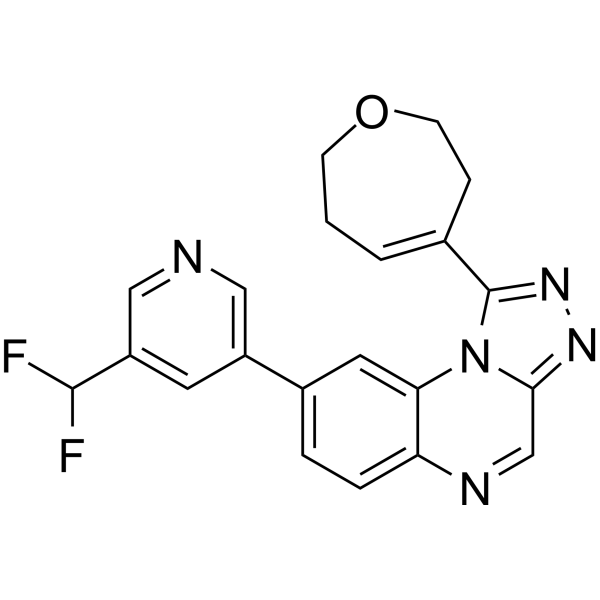
  • HY-101570
    Nedisertib
    Maximum Cited Publications
    27 Publications Verification

    Peposertib; M3814

    DNA-PK BCRP Cancer
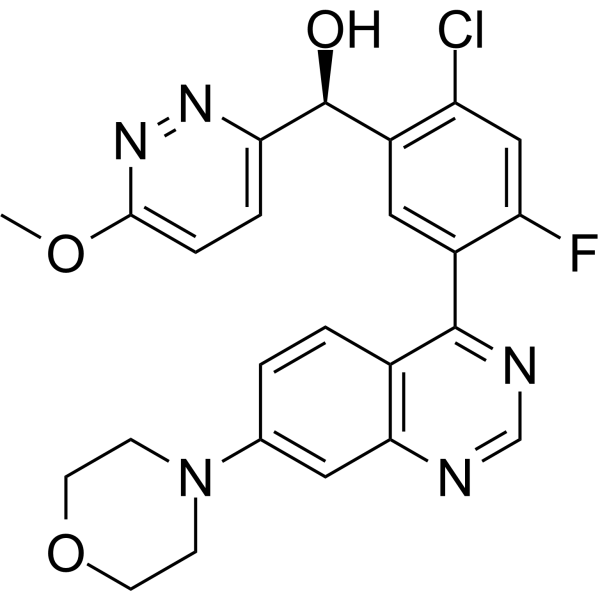
    Nedisertib (Peposertib) is an orally active selective DNA-dependent protein kinase (DNA-PK) inhibitor with an IC50 value of less than 3 nM. Nedisertib also acts as a modulator of ABCG2, capable of reversing ABCG2-mediated multidrug resistance (MDR), thus providing new strategies for combination therapy. By inhibiting DNA double-strand break repair, Nedisertib can enhance the efficacy of chemotherapy and radiotherapy. Nedisertib exhibits antitumor activity .
    Nedisertib
  • HY-17025
    Rifabutin
    5+ Cited Publications

    Ansamycin; LM-427

    DNA/RNA Synthesis Bacterial Antibiotic Infection
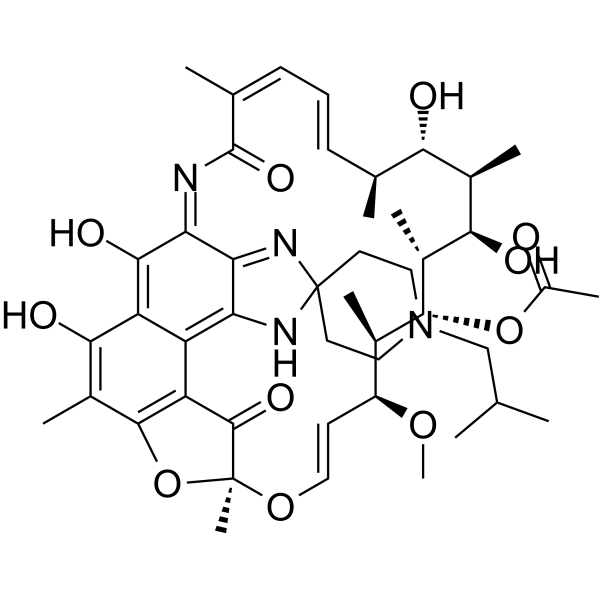
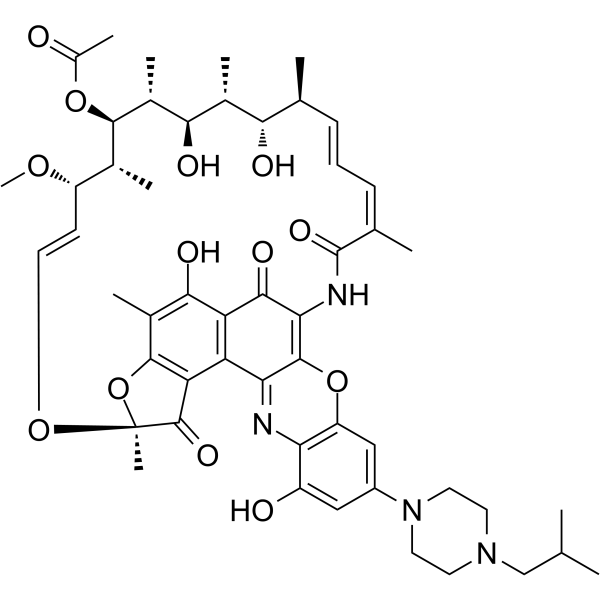
    Rifabutin (Ansamycin) is a semisynthetic ansamycin antibiotic with potent antimycobacterial properties. Rifabutin inhibits DNA-dependent RNA polymerase.
    Rifabutin
  • HY-13234
    Rifaximin
    5+ Cited Publications

    Bacterial Antibiotic DNA/RNA Synthesis Infection Cancer
    Rifaximin, a gastrointestinal-selective antibiotic, binds the β-subunit of bacterial DNA-dependent RNA polymerase, resulting in inhibition of bacterial RNA synthesis. Rifaximin susceptibility is higher against Gram-positive strains (MIC: 0.03-5 mg/ml) compared to Gram-negative bacteria (MIC: 8-50 mg/mL) .
    Rifaximin
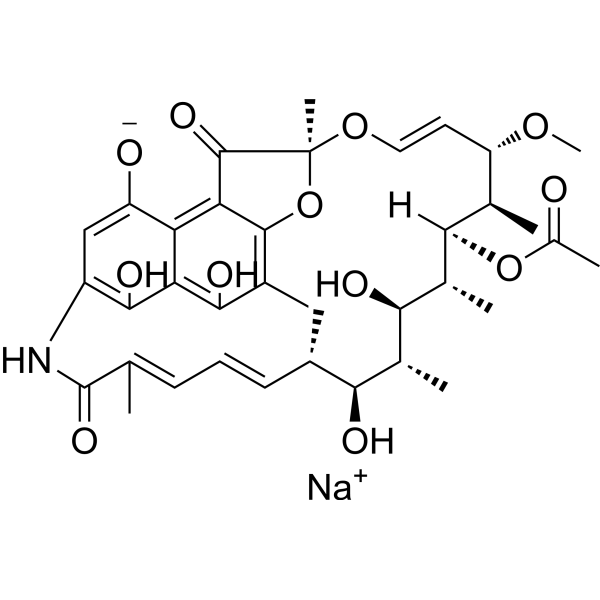
  • HY-B1907
    Rifamycin sodium
    2 Publications Verification

    Rifamycin SV sodium

    Antibiotic Bacterial DNA/RNA Synthesis Infection Inflammation/Immunology
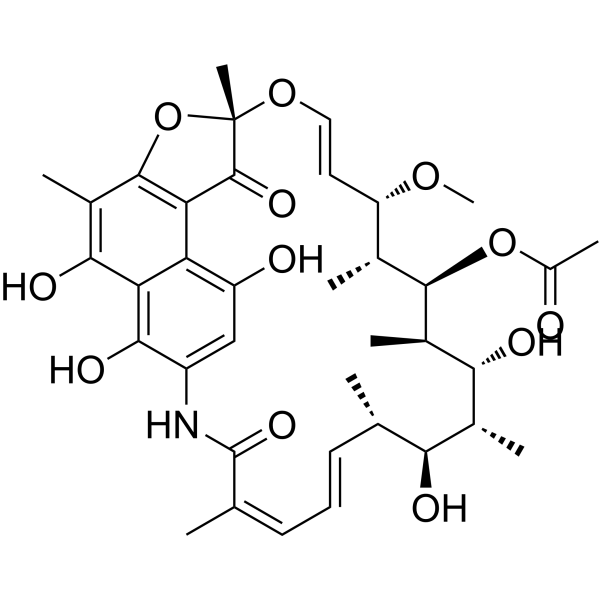
    Rifamycin sodium (Rifamycin SV monosodium) is an orally active ansamycin antibiotic. Rifamycin sodium inhibits DNA-dependent RNA synthesis. Rifamycin sodium has antibacterial activity against Mycobacterium tuberculosis. Rifamycin sodium interferes with hepatic bile acid metabolism. Rifamycin sodium has anti-inflammatory effects. Rifamycin sodium can be used in the study of Mycobacterium tuberculosis, Bacteroides fragilis infection, and Lipopolysaccharide (HY-D1056B3)-induced inflammation .
    Rifamycin sodium
  • HY-W012078
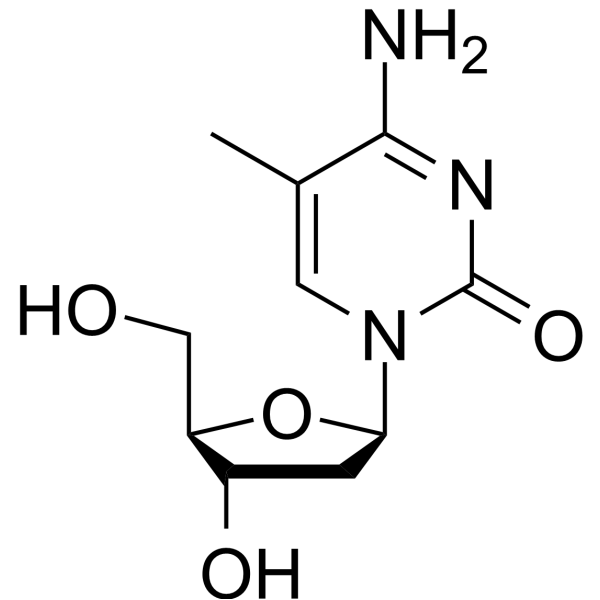
    5-Methyl-2'-deoxycytidine
    3 Publications Verification

    5-Methyldeoxycytidine

    DNA Methyltransferase Endogenous Metabolite Others
    5-Methyl-2'-deoxycytidine (5mdC) is an endogenous substrate of DNA methyltransferases (such as mammalian 5-C-MTase) and binds to DNA dependent on the formation of DNA stem-loop structures. 5-Methyl-2'-deoxycytidine guides de novo DNA methylation by acting as a methylation mark and activates the methylation of adjacent CpG sites in single-stranded DNA through cis action. 5-Methyl-2'-deoxycytidine regulates DNA methylation patterns by recruiting methyltransferases to specific chromatin regions, affecting chromatin condensation and gene expression. Its distribution in plant cells is related to cell proliferation and differentiation stages. The methylation level of 5-Methyl-2'-deoxycytidine is low in proliferating cells and high in differentiated cells .
    5-Methyl-2'-deoxycytidine
  • HY-128729
    DNA2 inhibitor C5
    5+ Cited Publications

    DNA/RNA Synthesis Cancer
    DNA2 inhibitor C5 is a potent, competitive, and specific DNA2 nuclease inhibitor with an IC50 of 20 μM. DNA2 inhibitor C5 inhibits the nuclease, DNA-dependent ATPase, helicase, and DNA-binding activities of DNA2. DNA2 inhibitor C5 can be used in breast cancer and colorectal cancer research .
    DNA2 inhibitor C5
  • HY-168534

    SF3B1 Apoptosis Cancer
    WX-02-23 is a small-molecule probe that stereoselectively and site-specifically binds to C258 of FOXA1 and C1111 of SF3B1. WX-02-23 remodels FOXA1's chromatin binding and pioneer activity in a DNA-dependent manner, disrupts spliceosome assembly, and enhances the thermal stability of SF3B1. WX-02-23 inhibits tumor cell proliferation and induces apoptosis. WX-02-23 can be used for research on cancers such as prostate cancer .
    WX-02-23
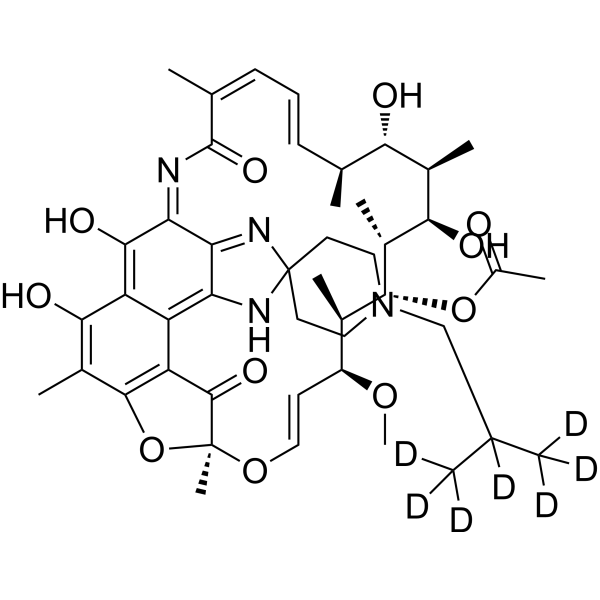
  • HY-17025S

    Ansamycin-d7; LM-427-d7

    Isotope-Labeled Compounds Bacterial Antibiotic Infection
    Rifabutin-d7 is the deuterium labeled Rifabutin. Rifabutin (Ansamycin) is a semisynthetic ansamycin antibiotic with potent antimycobacterial properties. Rifabutin inhibits DNA-dependent RNA polymerase.
    Rifabutin-d7
  • HY-B1907A
    Rifamycin
    2 Publications Verification

    Rifamycin SV

    Antibiotic Bacterial DNA/RNA Synthesis Infection
    Rifamycin (Rifamycin SV) is an orally active ansamycin antibiotic. Rifamycin inhibits DNA-dependent RNA synthesis. Rifamycin has antibacterial activity against Mycobacterium tuberculosis. Rifamycin interferes with hepatic bile acid metabolism. Rifamycin has anti-inflammatory effects. Rifamycin can be used in the study of Mycobacterium tuberculosis, Bacteroides fragilis infection, and Lipopolysaccharide (HY-D1056B3)-induced inflammation .
    Rifamycin
  • HY-160222

    HSV STING Infection Inflammation/Immunology
    HSV-60mer sodium is a 60 bp double-stranded oligonucleotide containing viral DNA motifs that derive from the herpes simplex virus 1 (HSV-1) genome . Transfected HSV-60 has been shown to potently induce IFN-β in a Toll-like receptor (TLR)-, DNA-dependent activator of IRFs (DAI)-, and RNA polymerase III (Pol III)-independent, but STING-, TBK1- and IFN regulatory factor 3 (IRF3)-dependent manner.
    HSV-60mer sodium
  • HY-105099

    KRM-1648; ABI-1648

    Antibiotic DNA/RNA Synthesis Bacterial Infection Inflammation/Immunology
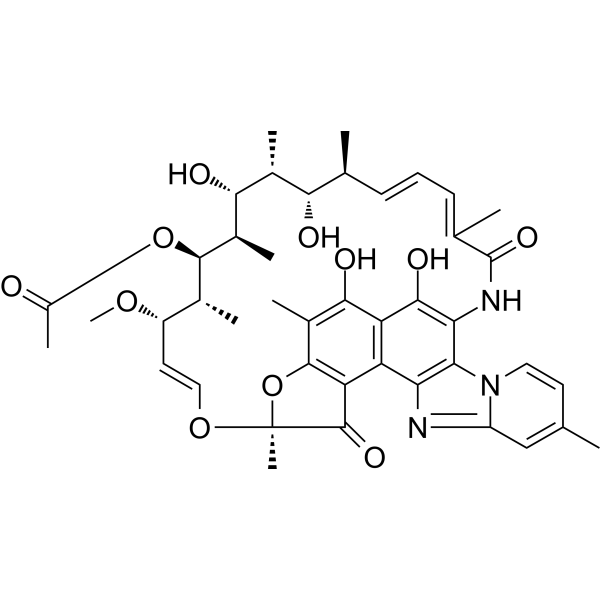
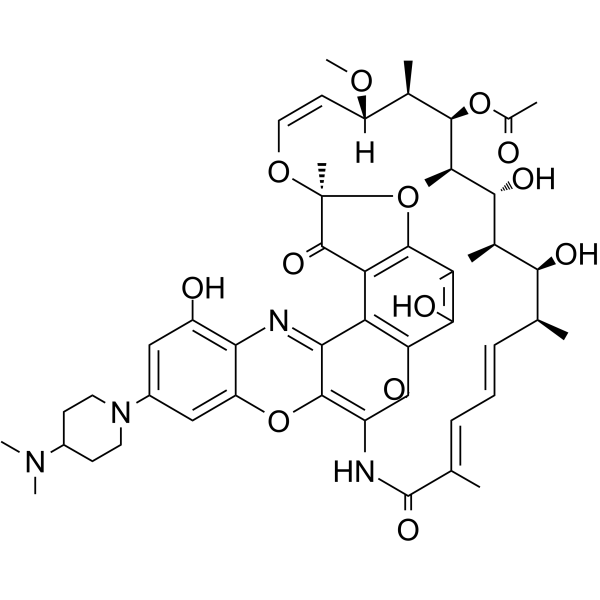
    Rifalazil (KRM-1648; ABI-1648), a rifamycin derivative, inhibits the bacterial DNA-dependent RNA polymerase and kills bacterial cells by blocking off the β-subunit in RNA polymerase . Rifalazil (KRM-1648; ABI-1648) is an antibiotic, exhibits high potency against mycobacteria, gram-positive bacteria, Helicobacter pylori, C. pneumoniae and C. trachomatis with MIC values from 0.00025 to 0.0025 μg/ml . Rifalazil (KRM-1648; ABI-1648) has the potential for the treatment of Chlamydia infection, Clostridium difficile associated diarrhea (CDAD), and tuberculosis (TB) .
    Rifalazil
  • HY-132293
    BAY-8400
    3 Publications Verification

    DNA-PK Cancer
    BAY-8400 is an orally active, potent and selective DNA-dependent protein kinase (DNA-PK) inhibitor (IC50=81 nM). BAY-8400 can be used for the research of cancer .
    BAY-8400
  • HY-128916

    Antibiotic Bacterial Infection
    dmDNA31 is a rifamycin-class antibiotic that inhibits bacterial DNA-dependent RNA polymerase with potent bactericidal activity against S. aureus .
    dmDNA31
  • HY-17025R

    Ansamycin (Standard); LM-427 (Standard)

    Reference Standards Bacterial Antibiotic Infection
    Rifabutin (Standard) is the analytical standard of Rifabutin. This product is intended for research and analytical applications. Rifabutin (Ansamycin) is a semisynthetic ansamycin antibiotic with potent antimycobacterial properties. Rifabutin inhibits DNA-dependent RNA polymerase.
    Rifabutin (Standard)
  • HY-135780A

    3'-dUTP trisodium

    Nucleoside Antimetabolite/Analog DNA/RNA Synthesis Endogenous Metabolite Metabolic Disease
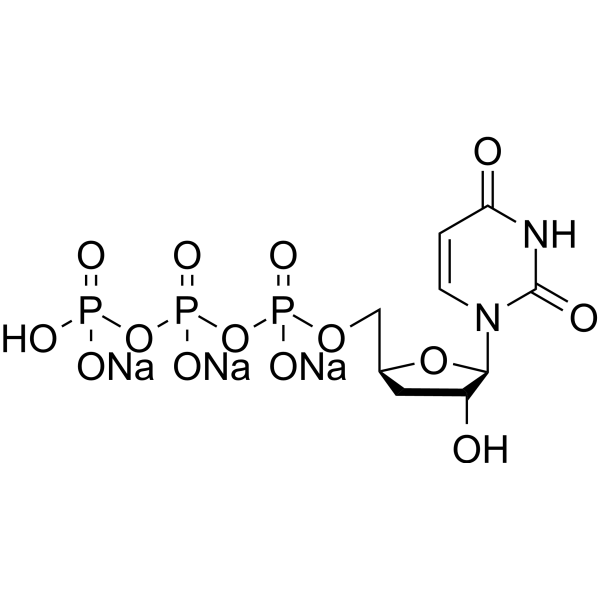
    3'-Deoxyuridine-5'-triphosphate trisodium (3'-dUTP trisodium) is a nucleotide analogue that inhibits DNA-dependent RNA polymerases I and II. 3'-Deoxyuridine-5'-triphosphate trisodium strongly and competitively inhibits the incorporations of UTP into RNA with a Ki value of 2.0 μM .
    3'-Deoxyuridine-5'-triphosphate trisodium
  • HY-E70095

    Others Others
    T4 UvsY Protein is an accessory protein for in vitro catalysis of strand exchange. T4 UvsY Protein enhances strand exchange by UvsX protein by interacting specifically with UvsX protein. UvsY protein enhances the rate of single-stranded-DNA-dependent ATP hydrolysis by UvsX protein .
    T4 UvsY Protein
  • HY-W740027

    5-Methyldeoxycytidine-d3

    Isotope-Labeled Compounds DNA Methyltransferase Endogenous Metabolite Others
    5-Methyl-2'-deoxycytidine-d3 (5-Methyldeoxycytidine-d3) is the deuterium labeled Methyl-2'-deoxycytidine (HY-W012078). 5-Methyl-2'-deoxycytidine (5mdC) is an endogenous substrate of DNA methyltransferases (such as mammalian 5-C-MTase) and binds to DNA dependent on the formation of DNA stem-loop structures. 5-Methyl-2'-deoxycytidine guides de novo DNA methylation by acting as a methylation mark and activates the methylation of adjacent CpG sites in single-stranded DNA through cis action. 5-Methyl-2'-deoxycytidine regulates DNA methylation patterns by recruiting methyltransferases to specific chromatin regions, affecting chromatin condensation and gene expression. Its distribution in plant cells is related to cell proliferation and differentiation stages. The methylation level of 5-Methyl-2'-deoxycytidine is low in proliferating cells and high in differentiated cells .
    5-Methyl-2'-deoxycytidine-d3
  • HY-16124

    TLK-286; TER286

    DNA-PK Apoptosis Cancer
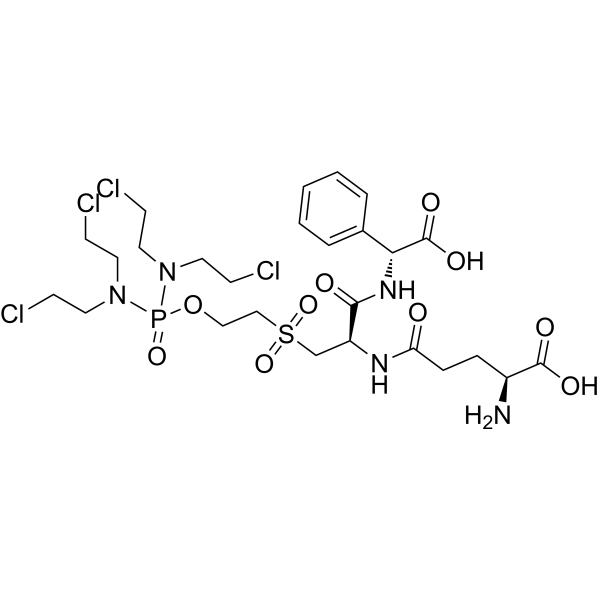
    Canfosfamide (TLK-286, TER286) is a glutathione analogue prodrug that is activated by glutathione S-transferase P1-1 and induces apoptosis. Canfosfamide also inhibits the catalytic kinase activity of DNA-dependent protein kinase (DNA-PK). Canfosfamide produces an anticancer alkylating agent and a glutathione derivative after activation. Canfosfamide can be used to research malignancies .
    Canfosfamide
  • HY-134320B

    8-Azidoadenosine 5'-triphosphate trisodium; 8-N3-ATP trisodium

    Potassium Channel Metabolic Disease
    8-Azido-ATP (8-N3-ATP) trisodium, a photoreactable nucleotide analog, is useful for the identification of proteins, such as DNA-dependent RNA polymerase. 8-Azido-ATP trisodium is a click chemistry reagent that contains an Azide group and can undergo copper-catalyzed azide-alkyne cycloaddition reaction (CuAAc) with molecules containing Alkyne groups. 8-Azido-ATP trisodium can also undergo strain-promoted alkyne-azide cycloaddition (SPAAC) with molecules containing DBCO or BCN groups .
    8-Azido-ATP trisodium solution (100 mM)
  • HY-134320

    8-Azidoadenosine 5'-triphosphate; 8-N3-ATP

    Potassium Channel Metabolic Disease
    8-Azido-ATP, a photoreactable nucleotide analog, is useful for the identification of proteins, such as DNA-dependent RNA polymerase . 8-Azido-ATP is a click chemistry reagent, it contains an Azide group and can undergo copper-catalyzed azide-alkyne cycloaddition reaction (CuAAc) with molecules containing Alkyne groups. It can also undergo strain-promoted alkyne-azide cycloaddition (SPAAC) reactions with molecules containing DBCO or BCN groups.
    8-Azido-ATP
  • HY-135780

    3'-dUTP

    Nucleoside Antimetabolite/Analog DNA/RNA Synthesis Endogenous Metabolite Metabolic Disease
    3'-Deoxyuridine-5'-triphosphate (3'-dUTP) is a nucleotide analogue that inhibits DNA-dependent RNA polymerases I and II. 3'-Deoxyuridine-5'-triphosphate strongly and competitively inhibits the incorporations of UTP into RNA with a Ki value of 2.0 μM .
    3'-Deoxyuridine-5'-triphosphate
  • HY-100707

    DNA-PK Apoptosis Inflammation/Immunology Cancer
    IC 86621 is a potent DNA-dependent protein kinase (DNA-PK) inhibitor, with an IC50 of 120 nM. IC 86621 also acts as a selective and reversible ATP-competitive inhibitor.IC 86621 inhibits DNA-PK mediated cellular DNA double-strand break (DSB) repair (EC50=68 µM). IC 86621 increases DSB-induced antitumor activity without cytotoxic effects. IC 86621 can protects rheumatoid arthritis (RA) T cells from apoptosis .
    IC 86621
  • HY-128909

    Drug-Linker Conjugates for ADC Cancer
    MC-Val-Cit-PAB-rifabutin is a agent-linker conjugate for ADC with potent antitumor activity by using rifabutin (an DNA-dependent RNA polymerase inhibitor), linked via the ADC linker MC-Val-Cit-PAB.
    MC-Val-Cit-PAB-rifabutin
  • HY-146565

    DNA-PK Cancer
    DNA-PK-IN-8 is a highly potent, selective and orally active DNA-dependent protein kinase (DNA-PK) inhibitor with an IC50 value of 0.8 nM. DNA-PK-IN-8 exhibits synergistic antiproliferative activity against a series of cancer cell lines and significantly suppresses HL-60 tumor growth, when using in combination with Doxorubicin .
    DNA-PK-IN-8
  • HY-101570G

    Peposertib; M3814

    DNA-PK BCRP Cancer
    Nedisertib (GMP) (Peposertib (GMP)) is Nedisertib (HY-101570) produced by using GMP guidelines. GMP small molecules works appropriately as an auxiliary reagent for cell therapy manufacture. Nedisertib is an orally active selective DNA-dependent protein kinase (DNA-PK) inhibitor with an IC50 value of less than 3 nM. Nedisertib also acts as a modulator of ABCG2, capable of reversing ABCG2-mediated multidrug resistance (MDR), thus providing new strategies for combination therapy. By inhibiting DNA double-strand break repair, Nedisertib can enhance the efficacy of chemotherapy and radiotherapy. Nedisertib exhibits antitumor activity .
    Nedisertib
  • HY-163015

    DNA/RNA Synthesis Infection
    RNA polymerase-IN-1 (compound 4) is s DNA-dependent RNA polymerase inhibitor. RNA polymerase-IN-1 inhibits CYP isozymes .
    RNA polymerase-IN-1
  • HY-177631A

    DT01 sodium; coDbait sodium

    Poly(ADP-ribose) Glycohydrolase (PARG) Cancer
    Etidaligide sodium, an AsiDNA, a first-in-class DNA repair inhibitor designed to prevent the repair of DNA damage in tumour cells. It also activates DNA-dependent protein kinase (DNA-PK) and poly (ADP-ribose) polymerase enzymes that induce phosphorylation
    Etidaligide sodium
  • HY-177631

    DT01; coDbait

    Poly(ADP-ribose) Glycohydrolase (PARG) Cancer
    Etidaligide, an AsiDNA, a first-in-class DNA repair inhibitor designed to prevent the repair of DNA damage in tumour cells. It also activates DNA-dependent protein kinase (DNA-PK) and poly (ADP-ribose) polymerase enzymes that induce phosphorylation of H2A
    Etidaligide
  • HY-128729R

    Reference Standards DNA/RNA Synthesis Cancer
    DNA2 inhibitor C5 (Standard) is the analytical standard of DNA2 inhibitor C5 (HY-128729). This product is intended for research and analytical applications. DNA2 inhibitor C5 is a potent, competitive, and specific DNA2 nuclease inhibitor with an IC50 of 20 μM. DNA2 inhibitor C5 inhibits the nuclease, DNA-dependent ATPase, helicase, and DNA-binding activities of DNA2. DNA2 inhibitor C5 can be used in breast cancer and colorectal cancer research.
    DNA2 inhibitor C5 (Standard)
  • HY-W012078R
    5-Methyl-2'-deoxycytidine (Standard)
    1 Publications Verification

    5-Methyldeoxycytidine (Standard)

    Reference Standards DNA Methyltransferase Endogenous Metabolite Others
    5-Methyl-2'-deoxycytidine (5mdC) is an endogenous substrate of DNA methyltransferases (such as mammalian 5-C-MTase) and binds to DNA dependent on the formation of DNA stem-loop structures. 5-Methyl-2'-deoxycytidine guides de novo DNA methylation by acting as a methylation mark and activates the methylation of adjacent CpG sites in single-stranded DNA through cis action. 5-Methyl-2'-deoxycytidine regulates DNA methylation patterns by recruiting methyltransferases to specific chromatin regions, affecting chromatin condensation and gene expression. Its distribution in plant cells is related to cell proliferation and differentiation stages. The methylation level of 5-Methyl-2'-deoxycytidine is low in proliferating cells and high in differentiated cells .
    5-Methyl-2'-deoxycytidine (Standard)
  • HY-147904

    HIV Infection
    HIV-IN-5 (compound 5r) is a potent HIV-1 inhibitor, with an IC50 of 0.16 μM. HIV-IN-5 shows inhibition of HIV DNA-dependent DNA polymerization activity, with an IC50 of 2.18 μM. HIV-IN-5 can bind to NNIBP (NNRTIs (non-nucleoside reverse transcriptase inhibitors) binding pocket) .
    HIV-IN-5
  • HY-147903

    DNA/RNA Synthesis HIV Infection
    HIV-1 inhibitor-42 (compound 5b) is a potent HIV-1 inhibitor, with an IC50 of 0.06 μM. HIV-1 inhibitor-42 inhibits HIV-1 RT RNA-dependent DNA polymerase and DNA-dependent DNA polymerase, with IC50 values of 0.518 and 0.072 μM .
    HIV-1 inhibitor-42
  • HY-N13915

    Bacterial Fungal DNA/RNA Synthesis Infection
    Scorodonin has anti-bacterial, Streptomyces and fungal effects. Scorodonin inhibits DNA-dependent RNA polymerases with an IC50 of 25 μg/mL .
    Scorodonin
  • HY-142944

    DNA-PK Cancer
    DNA-PK-IN-2 is a potent inhibitor of DNA-PK. DNA-dependent protein kinase (DNA-PK) is a DNA-PK enzyme complex composed of Ku70/Ku80 heterodimer and DNA-dependent protein kinase catalytic subunit (DNA-PKcs). DNA-PK-IN-2 has the potential for the research of cancer diseases (extracted from patent WO2021136462A1, compound 1) .
    DNA-PK-IN-2
  • HY-142943

    DNA-PK Cancer
    DNA-PK-IN-1 is a potent inhibitor of DNA-PK. DNA-dependent protein kinase (DNA-PK) is a DNA-PK enzyme complex composed of Ku70/Ku80 heterodimer and DNA-dependent protein kinase catalytic subunit (DNA-PKcs). DNA-PK-IN-1 has the potential for the research of cancer diseases (extracted from patent WO2021136463A1, compound 1) .
    DNA-PK-IN-1
  • HY-163016

    DNA/RNA Synthesis Infection
    RNA polymerase-IN-2 (compound 5) is s DNA-dependent RNA polymerase inhibitor. RNA polymerase-IN-2 inhibits CYP isozymes .
    RNA polymerase-IN-2
  • HY-17025S1

    Ansamycin-d6; LM-427-d6

    Isotope-Labeled Compounds Antibiotic Bacterial Infection
    Rifabutin-d6 (Ansamycin-d6) is deuterium labeled Rifabutin. Rifabutin (Ansamycin) is a semisynthetic ansamycin antibiotic with potent antimycobacterial properties. Rifabutin inhibits DNA-dependent RNA polymerase.
    Rifabutin-d6
  • HY-146566

    DNA-PK Cancer
    DNA-PK-IN-9 (compound YK6) is a potent DNA-dependent protein kinase (DNA-PK) inhibitor with an IC50 value of 10.47 nM. DNA-PK-IN-9 can be used for researching anticancer .
    DNA-PK-IN-9
  • HY-164539

    HDAC Autophagy Cancer
    TMU 35435 is a histone deacetylase (HDAC) inhibitor. TMU-35435 inhibits the NHEJ pathway through ubiquitination of DNA-dependent protein kinase catalytic subunit (DNA-PKcs). In addition, TMU 35435 enhances radiosensitivity by inducing misfolded protein aggregation and autophagy in TNBC .
    TMU 35435
  • HY-134033A

    2'-Fluoro dATP sodium

    Nucleoside Antimetabolite/Analog Infection
    2'-Deoxy-2'-fluoroadenosine-5'-O-triphosphate sodium (2'-fluoro dATP) is a fluorinated derivative of ATP (HY-B2176). 2'-Deoxy-2'-fluoroadenosine-5'-O-triphosphate sodium is a substrate and an inhibitor for E.coli DNA-dependent RNA polymerase, with a Ki of 200 µM .
    2'-Deoxy-2'-fluoroadenosine-5'-O-triphosphate sodium
  • HY-13234R

    Reference Standards Bacterial Antibiotic DNA/RNA Synthesis Infection Cancer
    Rifaximin (Standard) is the analytical standard of Rifaximin. This product is intended for research and analytical applications. Rifaximin, a gastrointestinal-selective antibiotic, binds the β-subunit of bacterial DNA-dependent RNA polymerase, resulting in inhibition of bacterial RNA synthesis. Rifaximin susceptibility is higher against Gram-positive strains (MIC: 0.03-5 mg/ml) compared to Gram-negative bacteria (MIC: 8-50 mg/mL) .
    Rifaximin (Standard)
  • HY-114923

    DNA-PK PI3K Cancer
    SU-11752 is an inhibitor for DNA-dependent protein kinase (DNA-PK) with an IC50 of 0.13 μM. SU-11752 inhibits PI3K p110γ kinase with IC50 of 1.1 μM. SU-11752 binds competitively for ATP-site in DNA-PK, results in inhibition of intracellular DNA double-strand break repair and increases the sensitivity of cells to radiotherapy .
    SU-11752
  • HY-B1907R

    Rifamycin SV sodium (Standard)

    Reference Standards Bacterial Antibiotic Infection
    Rifamycin (sodium) (Standard) is the analytical standard of Rifamycin (sodium). This product is intended for research and analytical applications. Rifamycin sodium (Rifamycin SV sodium) is an orally active ansamycin antibiotic. Rifamycin sodium inhibits DNA-dependent RNA synthesis. Rifamycin sodium has antibacterial activity against Mycobacterium tuberculosis. Rifamycin sodium interferes with hepatic bile acid metabolism. Rifamycin sodium has anti-inflammatory effects. Rifamycin sodium can be used in the study of Mycobacterium tuberculosis, Bacteroides fragilis infection, and Lipopolysaccharide (HY-D1056B3)-induced inflammation .
    Rifamycin sodium (Standard)
  • HY-105099R

    KRM-1648 (Standard); ABI-1648 (Standard)

    Antibiotic Reference Standards DNA/RNA Synthesis Bacterial Infection Inflammation/Immunology
    Rifalazil (Standard) is the analytical standard of Rifalazil. This product is intended for research and analytical applications. Rifalazil (KRM-1648; ABI-1648), a rifamycin derivative, inhibits the bacterial DNA-dependent RNA polymerase and kills bacterial cells by blocking off the β-subunit in RNA polymerase[1]. Rifalazil (KRM-1648; ABI-1648) is an antibiotic, exhibits high potency against mycobacteria, gram-positive bacteria, Helicobacter pylori, C. pneumoniae and C. trachomatis with MIC values from 0.00025 to 0.0025 μg/ml[3]. Rifalazil (KRM-1648; ABI-1648) has the potential for the treatment of Chlamydia infection, Clostridium difficile associated diarrhea (CDAD), and tuberculosis (TB)[2].
    Rifalazil (Standard)
  • HY-108975

    DNA-PK Others
    OK-1035 is a selective DNA-dependent protein kinase (DNA-PK) inhibitor with an IC50 of 100 μM .
    OK-1035
  • HY-122176

    Drug Derivative DNA-PK Cancer
    NU-7107 is a derivative of NU7026 (HY-15719) and a DNA-dependent protein kinase (DNA-PK) inhibitor with an IC50 >10 μM. NU-7107 is applicable for cancer research .
    NU-7107
  • HY-122226

    DNA-PK Cancer
    IC-87361 is a DNA-dependent protein kinase (DNA-PKcs) inhibitor and radiosensitizer. IC-87361 inhibits the catalytic activity of DNA-PKcs and blocks non-homologous end joining (NHEJ) DNA double-strand break repair. IC-87361 can be used for the research of lung cancer and melanoma .
    IC-87361
  • HY-181848

    DNA-PK Apoptosis Cancer
    DNA-PK-IN-16 is an orally active DNA-dependent protein kinase (DNA-PK) inhibitor with an IC50 of 10.2 nM. DNA-PK-IN-16 induces the upregulation of γH2A.X, a biomarker of DNA double-strand breaks. DNA-PK-IN-16 exhibits antiproliferative activity in various cancer cell lines. DNA-PK-IN-16 enhances the infiltration of CD8 + T cells in tumor tissues through synergistic action with anti-PD-L1 monoclonal antibody. DNA-PK-IN-16 is applicable for cancer research .
    DNA-PK-IN-16
  • HY-134360A

    (y-AmNS)-ATP sodium

    Fluorescent Dye Metabolic Disease
    ATP-1-Aminonaphthalene-5-sulfonate ((y-AmNS)-ATP) sodium is a fluorescent analog of ATP (HY-B2176). ATP-1-Aminonaphthalene-5-sulfonate is a substrate for DNA-dependent RNA polymerase and valyl t-RNA synthetase (Ex/Em = 320/460 nm) .
    ATP-1-Aminonaphthalene-5-sulfonate sodium
  • HY-134320A

    8-Azidoadenosine 5'-triphosphate tetrasodium; 8-N3-ATP tetrasodium

    Potassium Channel Metabolic Disease
    8-Azido-ATP (8-Azidoadenosine 5'-triphosphate) tetrasodium, a photoreactable nucleotide analog, is useful for the identification of proteins, such as DNA-dependent RNA polymerase. 8-Azido-ATP tetrasodium is a click chemistry reagent that contains an Azide group and can undergo copper-catalyzed azide-alkyne cycloaddition reaction (CuAAc) with molecules containing Alkyne groups. 8-Azido-ATP tetrasodium can also undergo strain-promoted alkyne-azide cycloaddition (SPAAC) with molecules containing DBCO or BCN groups .
    8-Azido-ATP tetrasodium

Inquiry Online

Your information is safe with us. * Required Fields.

Salutation


Country or Region *

Applicant Name *


Organization Name *

Department *


Email Address *


Product Name *

Cat. No.


Requested quantity *

Phone Number *


Remarks

Inquiry Online

Inquiry Information

Product Name:
Cat. No.:
Quantity:
MCE Japan Authorized Agent:

