576 Results for "

F+ cells

" in MedChemExpress (MCE) Product Catalog:
Products (576)

576 Results for "F+ cells" in MCE Product Catalog:

100
100 Publications Verification
Cat. No.: HY-N6682
CAS No.: 22144-77-0
Synonyms: Zygosporin A; NSC 209835
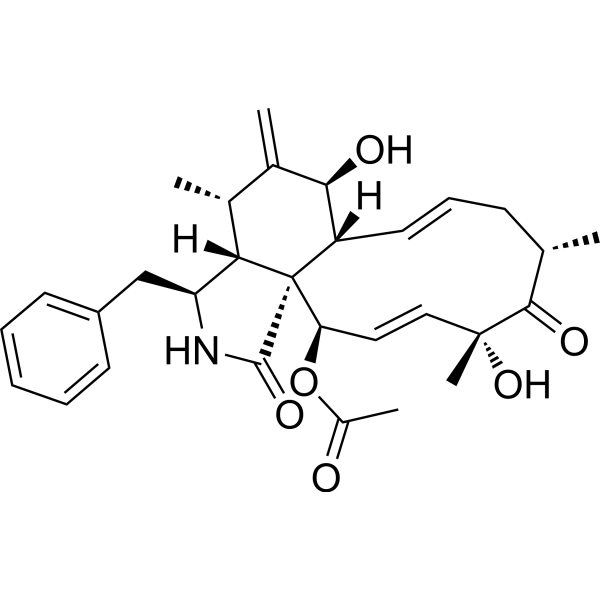
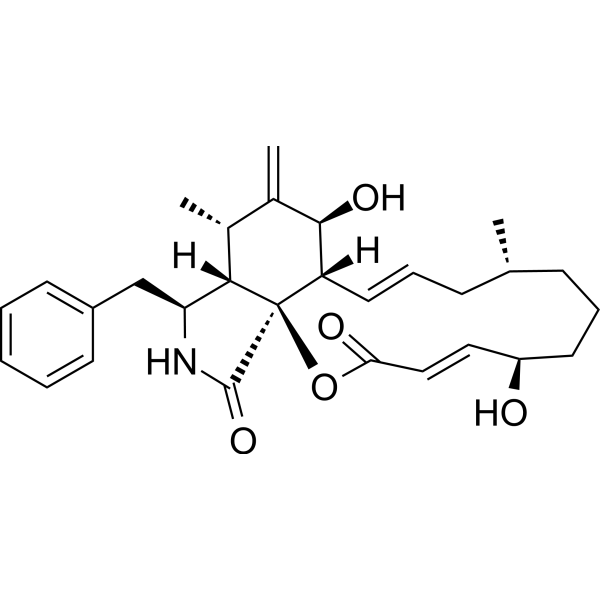
Cytochalasin D (Zygosporin A) is a potent actin polymerization inhibitor, could be derived from fungus. Cytochalasin D has cell-permeable activity. Cytochalasin D inhibits the G-actin–cofilin interaction by binding to G-actin. Cytochalasin D also inhibits the binding of cofilin to F-actin and decreases the rate of both actin polymerization and depolymerization in living cells. Cytochalasin D can reduce exosome release, in turn reducing the amount of survivin present in the tumour environment. Cytochalasin D induces phosphorylation and cytoplasmic retention of Yap .
loading...
    loading...
57
57 Cited Publications
Cat. No.: HY-134653
CAS No.: 168649-23-8
Purity:  99.51%
Research Areas:  

Cancer

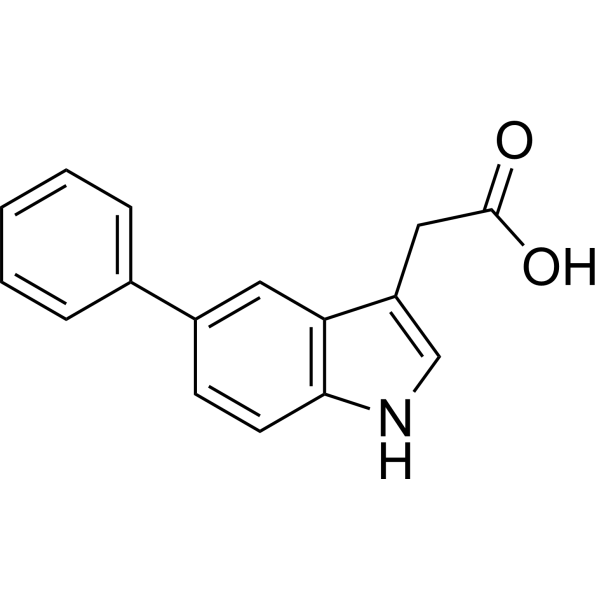
5-Ph-IAA is a derivative of IAA. 5-Ph-IAA, a ligand, establishes the auxin-inducible degron 2 (AID2) system together with an OsTIR1 (F74G) mutant. AID2 induces rapid and efficient depletion of mAID-fused proteins to study protein function in living cells, causing tumor suppression .
loading...
    loading...
54
54 Cited Publications
Cat. No.: HY-10409
CAS No.: 936091-26-8
Purity:  99.83%
Synonyms: TG-101348; SAR 302503
Target:  

JAK Apoptosis

Research Areas:  

Cancer

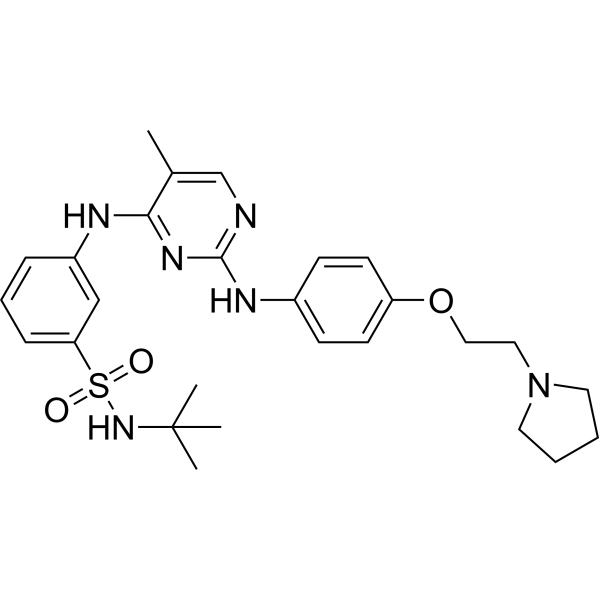
Fedratinib (TG-101348) is a potent, selective, ATP-competitive and orally active JAK2 inhibitor with IC50s of 3 nM for both JAK2 and JAK2V617F kinase. Fedratinib shows 35- and 334-fold selectivity over JAK1 and JAK3, respectively. Fedratinib induces cancer cell apoptosis and has the potential for myeloproliferative disorders research .
loading...
    loading...
54
54 Cited Publications
Cat. No.: HY-10409A
CAS No.: 1374744-69-0
Purity:  99.92%
Synonyms: TG-101348 hydrochloride hydrate; SAR 302503 hydrochloride hydrate
Target:  

JAK Apoptosis

Research Areas:  

Cancer

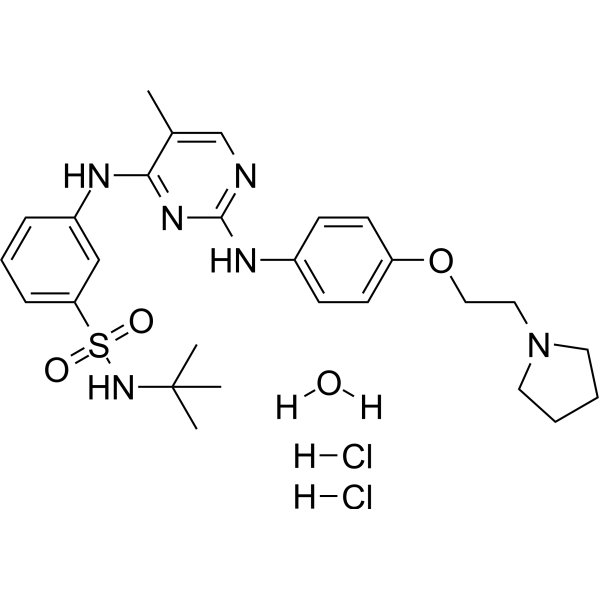
Fedratinib hydrochloride hydrate (TG-101348 hydrochloride hydrate) is a potent, selective, ATP-competitive and orally active JAK2 inhibitor with IC50s of 3 nM for both JAK2 and JAK2V617F kinase. Fedratinib hydrochloride hydrate shows 35- and 334-fold selectivity over JAK1 and JAK3, respectively. Fedratinib hydrochloride hydrate induces cancer cell apoptosis and has the potential for myeloproliferative disorders research .
loading...
    loading...
47
47 Cited Publications
Cat. No.: HY-16928
CAS No.: 14930-96-2
Synonyms: Phomin
Cytochalasin B is a cell-permeable mycotoxin binding to the barbed end of actin filaments, disrupting the formation of actin polymers, with Kd value of 1.4-2.2 nM for F-actin. Cytochalasin B blocks cell migration.
loading...
    loading...
28
28 Cited Publications
Cat. No.: HY-15448
CAS No.: 1152311-62-0
Purity:  99.85%
Synonyms: VX-661
Target:  

CFTR

Research Areas:  

Cancer

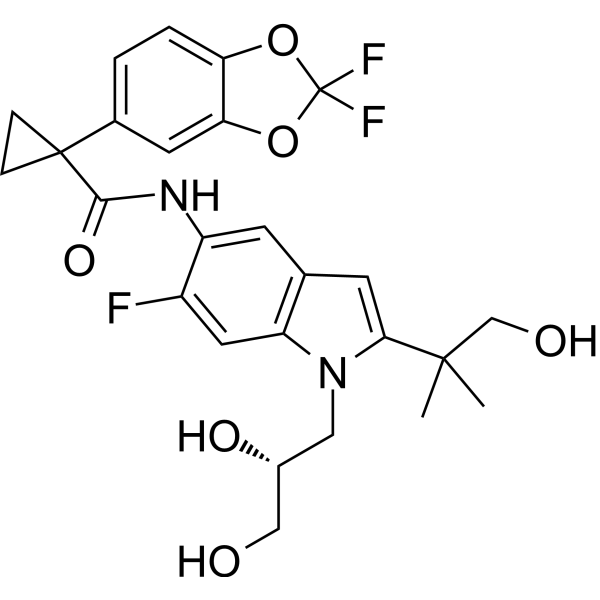
Tezacaftor (VX-661) is a F508del CFTR corrector. It helps CFTR protein reach the cell surface. However, Ivacaftor (VX-770, HY-13017), a CFTR potentiator, helps to prolong the opening time of cell surface CFTR protein channels. Tezacaftor combining with Ivacaftor, shows potent efficacy against cystic fibrosis and diseases with homozygous for the CFTR Phe508del mutation. Moreover, Elexacaftor (VX-445, HY-111772) is also a CFTR corrector. Elexacaftor-Tezacaftor-Ivacaftor aims at with cystic fibrosis (CF) with at least one Phe508del mutation, often avoids the indication for lung transplantation .
loading...
    loading...
25
25 Cited Publications
Cat. No.: HY-B1302
CAS No.: 6151-40-2
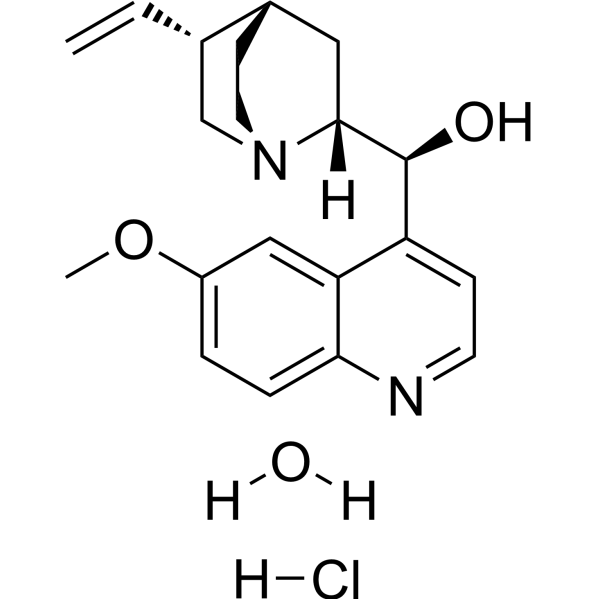
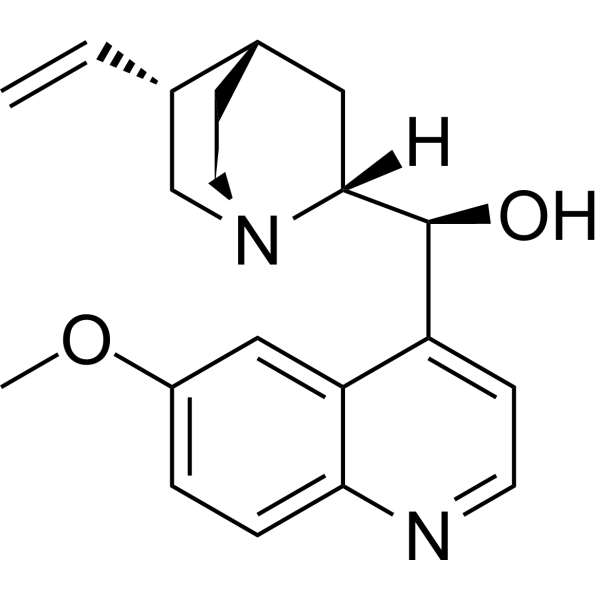
Quinidine hydrochloride monohydrate is an orally active antiarrhythmic agent. Quinidine hydrochloride monohydrate reduces the expression level of P-gp, inhibits P-gp-mediated efflux, increases the intracellular accumulation of P-gp substrates, induces PARP cleavage and Caspase-3 activation, and elevates the proportion of Apoptotic cells at the sub-G1 phase. Quinidine hydrochloride monohydrate exerts sustained block and open-channel block effects on IK(f). Quinidine hydrochloride monohydrate alters the urinary metabolic ratio of Amphetamine, modulates the Pentylenetetrazol-induced seizure threshold, and regulates the anticonvulsant effect of Dextromethorphan. Quinidine hydrochloride monohydrate can be used in studies related to uterine sarcoma and seizures .
loading...
    loading...
24
24 Cited Publications
Cat. No.: HY-18777
CAS No.: 927822-86-4
Research Areas:  

Cancer

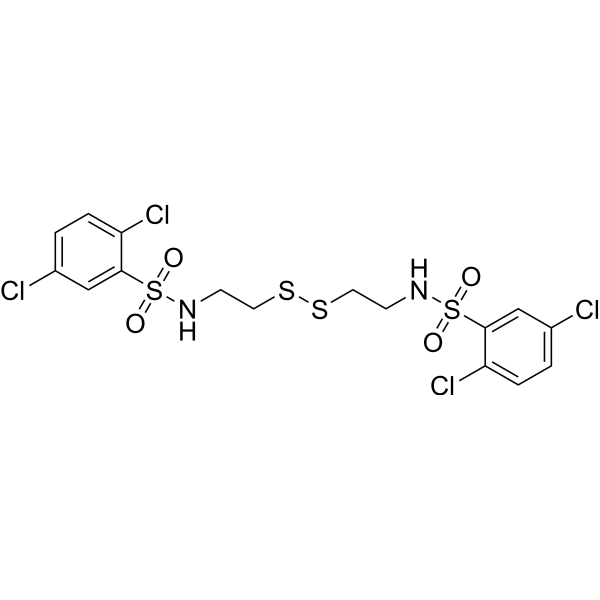
KC7F2 is a potent hypoxia inducible factor-1 (HIF-1) pathway inhibitor with an IC50 of 20 μM in LN229-HRE-AP cells, and with potential as a cancer therapy agent .
loading...
    loading...
24
24 Cited Publications
Cat. No.: HY-B1751
CAS No.: 56-54-2
Quinidine (15% dihydroquinidine) is an orally active antiarrhythmic agent. Quinidine (15% dihydroquinidine) reduces the expression level of P-gp, inhibits P-gp-mediated efflux, increases the intracellular accumulation of P-gp substrates, induces PARP cleavage and Caspase-3 activation, and elevates the proportion of Apoptotic cells at the sub-G1 phase. Quinidine (15% dihydroquinidine) exerts sustained block and open-channel block effects on IK(f). Quinidine (15% dihydroquinidine) alters the urinary metabolic ratio of Amphetamine, modulates the Pentylenetetrazol-induced seizure threshold, and regulates the anticonvulsant effect of Dextromethorphan. Quinidine (15% dihydroquinidine) can be used in studies related to uterine sarcoma and seizures .
loading...
    loading...
17
17 Cited Publications
Cat. No.: HY-101257
CAS No.: 1957203-01-8
Purity:  98.79%
Target:  

CDK

Research Areas:  

Cancer

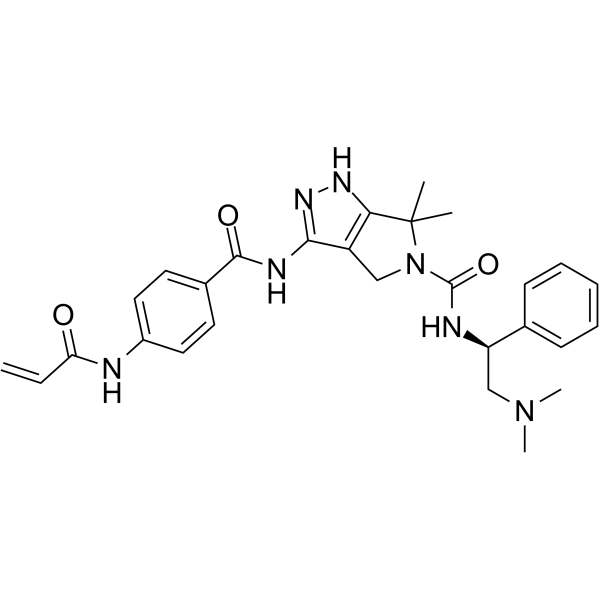
YKL-5-124 is a potent, selective, irreversible and covalent CDK7 inhibitor with IC50s of 53.5 nM and 9.7 nM for CDK7 and CDK7/Mat1/CycH, respectively. YKL-5-124 is >100-fold greater selective for CDK7 than CDK9 and CDK2, and inactive against CDK12 and CDK13. YKL-5-124 induces a strong cell-cycle arrest, inhibits E2F-driven gene expression, and exhibits little effect on RNA polymerase II phosphorylation status .
loading...
    loading...
17
17 Cited Publications
Cat. No.: HY-101257B
CAS No.: 2748220-93-9
Purity:  99.74%
Target:  

CDK

Research Areas:  

Cancer

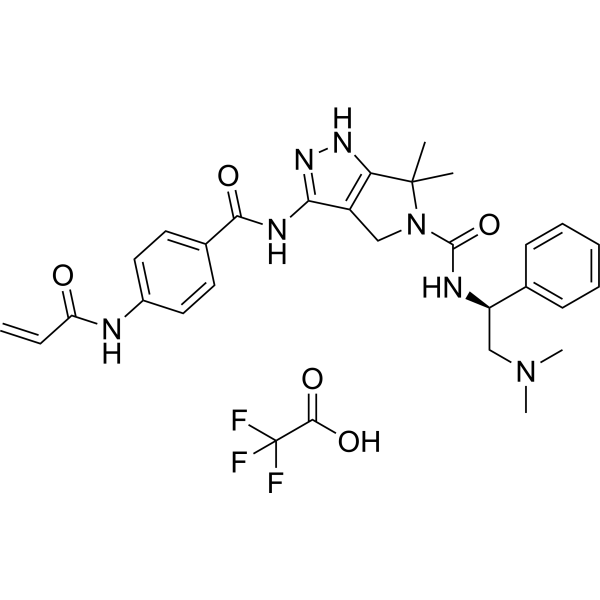
YKL-5-124 TFA is a potent, selective, irreversible and covalent CDK7 inhibitor with IC50s of 53.5 nM and 9.7 nM for CDK7 and CDK7/Mat1/CycH, respectively. YKL-5-124 TFA is >100-fold greater selective for CDK7 than CDK9 and CDK2, and inactive against CDK12 and CDK13. YKL-5-124 TFA induces a strong cell-cycle arrest, inhibits E2F-driven gene expression, and exhibits little effect on RNA polymerase II phosphorylation status .
loading...
    loading...
16
16 Cited Publications
Cat. No.: HY-104010
CAS No.: 1492952-76-7
Purity:  99.61%
Synonyms: ABL001
Target:  

Bcr-Abl

Research Areas:  

Cancer

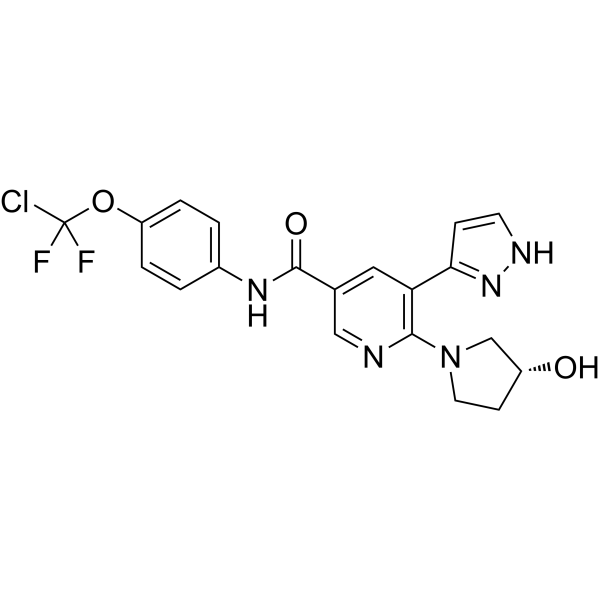
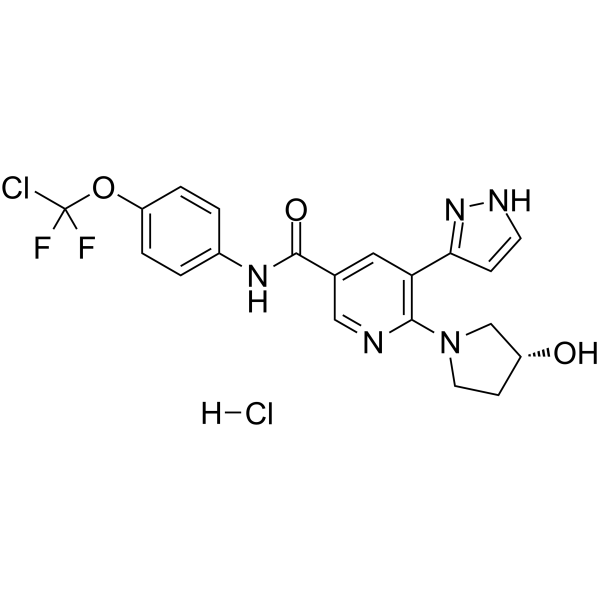
Asciminib (ABL001) is a potent and selective allosteric BCR-ABL1 inhibitor, which inhibits Ba/F3 cells grown with an IC50 of 0.25 nM .
loading...
    loading...
16
16 Cited Publications
Cat. No.: HY-104010A
CAS No.: 2119669-71-3
Purity:  99.84%
Synonyms: ABL001 hydrochloride
Target:  

Bcr-Abl

Research Areas:  

Cancer

Asciminib (ABL001) hydrochloride is a potent and selective allosteric BCR-ABL1 inhibitor, which inhibits Ba/F3 cells grown with an IC50 of 0.25 nM .
loading...
    loading...
10
10 Cited Publications
Cat. No.: HY-16667
CAS No.: 353519-63-8
Target:  

Early 2 Factor (E2F)

Research Areas:  

Cancer

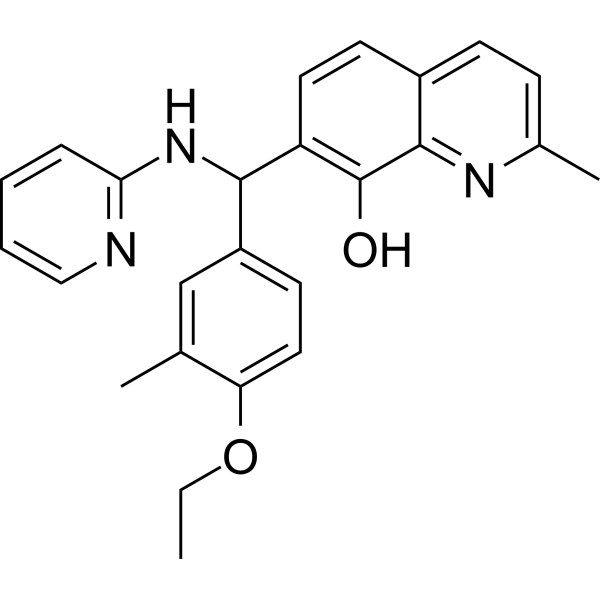
HLM006474 is a pan E2F inhibitor, which inhibits E2F4 DNA-binding with an IC50 of 29.8 μM in A375 cells.
loading...
    loading...
10
10 Cited Publications
Cat. No.: HY-150287
Synonyms: ITS-G
Insulin-Transferrin-Selenium, 100X (ITS-G) is a mixture of Insulin, transferrin, and sodium selenite that is a general supplement designed for use in classic media such as DMEM, RPMI-1640, and nutrient media such as Ham's F-12, DMEM/F-12. Insulin-Transferrin-Selenium is added to basal medium to reduce the amount of fetal calf serum required to culture cells .
loading...
    loading...
10
10 Cited Publications
Cat. No.: HY-112163
CAS No.: 2098191-53-6
Purity:  99.69%
Synonyms: eFT226
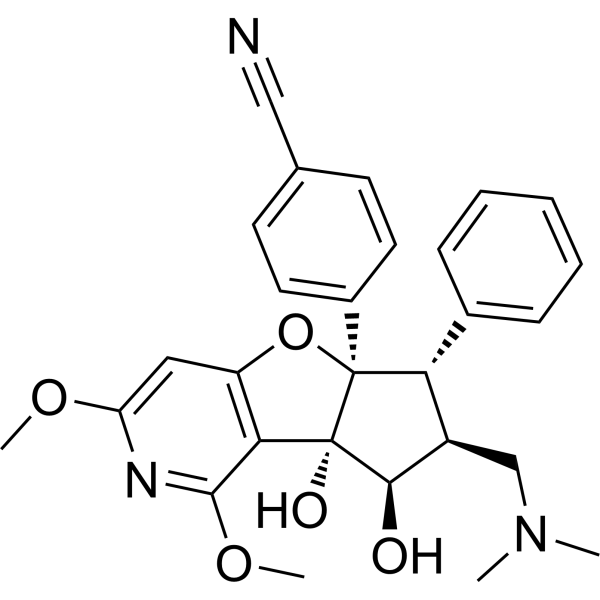
Zotatifin (eFT226) is a potent, selective, and well-tolerated eIF4A inhibitor. Zotatifin promotes eIF4A binding to specific mRNA sequences with recognition motifs in the 5’-UTRs (IC50=2 nM) and interferes with the assembly of the eIF4F initiation complex . Zotatifin shows robust antiviral effects, it effectively reduces viral infectivity by inhibiting SARS-CoV-2 NP protein biogenesis (IC90=37 nM) . Zotatifin induces cell apoptosis .
loading...
    loading...
8
8 Cited Publications
Cat. No.: HY-K3002

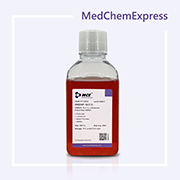
DMEM/F-12 (Dulbecco's Modified Eagle Medium/Nutrient Mixture F-12) is a widely used basal medium for supporting the growth of many different mammalian cells. Cell successfully cultured in DMEM/F-12 include MDCK, glial cells, fibroblasts, human endothelial cells, etc. The 500 mL is defined as the base specification. All larger sizes correspond to incremental volumes of this base.

loading...
    loading...
8
8 Cited Publications
Cat. No.: HY-15237
CAS No.: 77307-50-7
Purity:  ≥98.0%
Synonyms: SL0101
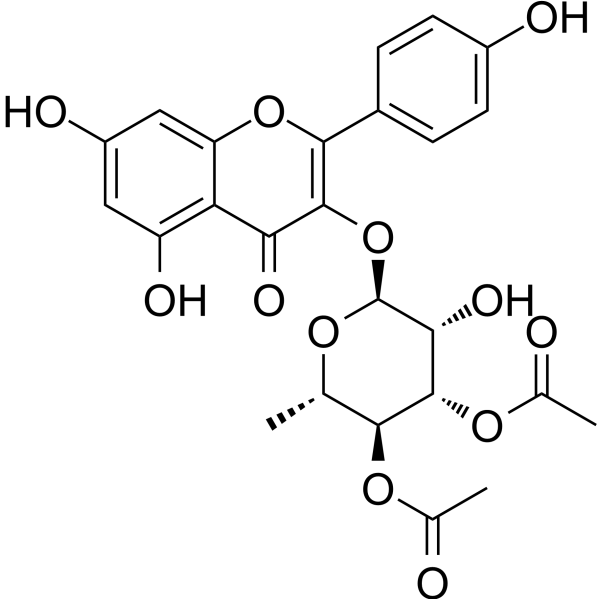
SL 0101-1 (SL0101), a kaempferol glycoside, isolated from the tropical plant F. refracta, is a cell-permeable, selective, reversible, ATP-competitive p90 Ribosomal S6 Kinase (RSK) inhibitor, with an IC50 of 89 nM . SL 0101-1 (SL0101) is a selective RSK1/2 inhibitor, with a Ki of 1 μM .
loading...
    loading...
8
8 Cited Publications
Cat. No.: HY-D1005
CAS No.: 9003-11-6
Synonyms: PEG-PPG-PEG, 12600 (Average Mn)
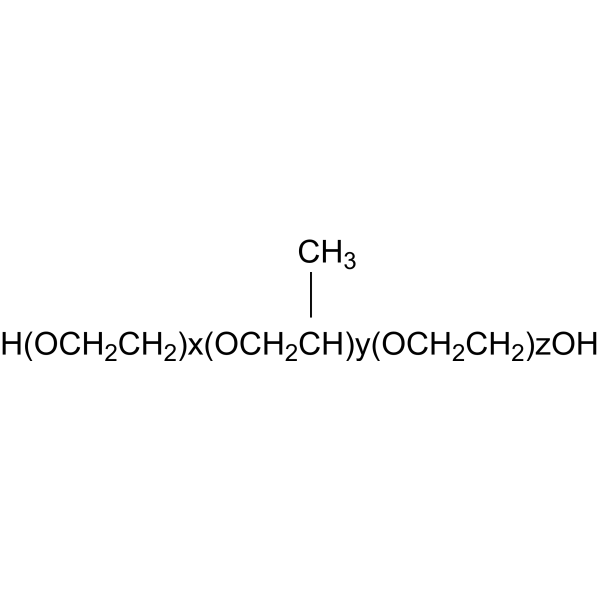
Poloxamer 407 (F127) is a nonionic surfactant that is 100% active and relatively non-toxic to cells at low concentrations, and frequently used with dye AM esters such as Indo-1 AM, Fura-2 AM, Calcein AM, Fluo-3 AM, Fluo-4 AM, Quest Fluo-8 AM and Quest Rhod-4 AM, etc. to improve their water solubility. Poloxamer 407 is also a lipoprotein lipase inhibitor .
loading...
    loading...
7
7 Cited Publications
Cat. No.: HY-112904
CAS No.: 2375193-43-2
Purity:  99.08%
Target:  

p62 Autophagy

Research Areas:  

Cancer

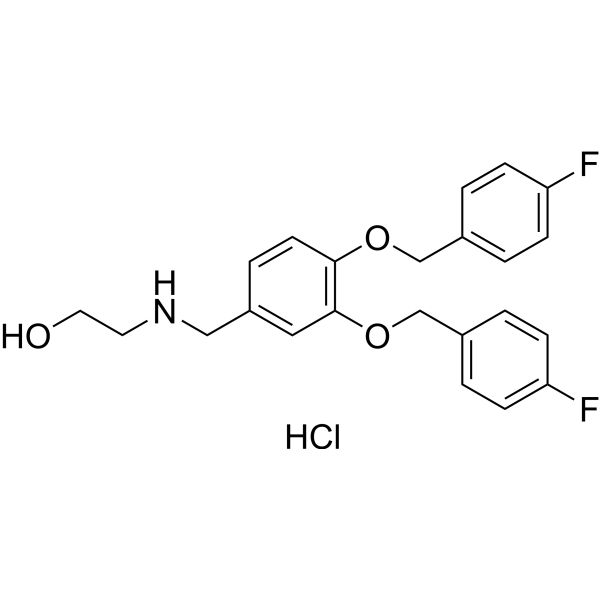
XRK3F2 is a p62 (sequestosome-1) ZZ domain inhibitor that has specificity for the p62-ZZ domain over other p62 signaling domains. XRK3F2 blocks TNFα effects and upregulation in bone marrow stromal cells, and induces multiple myeloma cell apoptosis. XRK3F2 can be used for the research of multiple myeloma bone disease, acute myeloid leukemia, and multiple myeloma .
loading...
    loading...

