From 11:00 pm to 12:00 pm EST ( 8:00 pm to 9:00 pm PST ) on January 6th, the website will be under maintenance. We are sorry for the inconvenience. Please arrange your schedule properly.
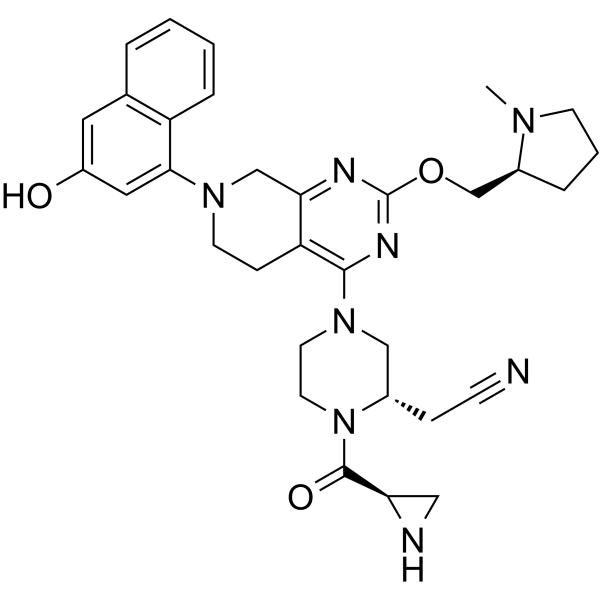
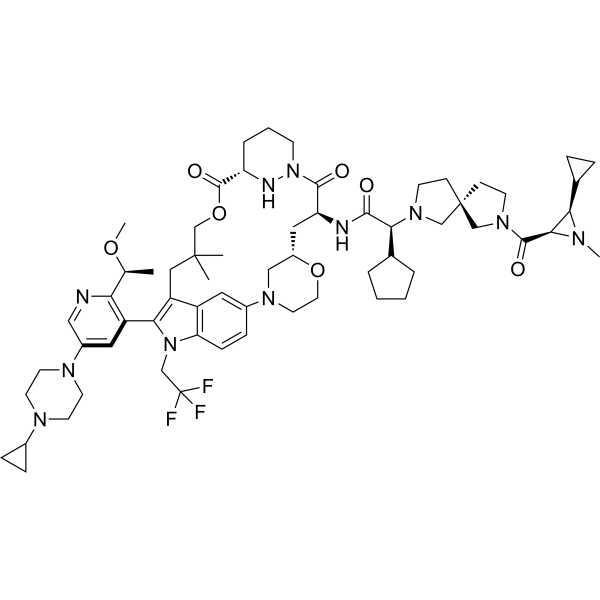
Zoldonrasib (RMC-9805) is a potent and orally active KRAS G12D inhibitor.Zoldonrasib induces apoptosis in KRAS G12D mutant cancer cells. Zoldonrasib has the potential for the research of KRAS G12D mutant cancer .
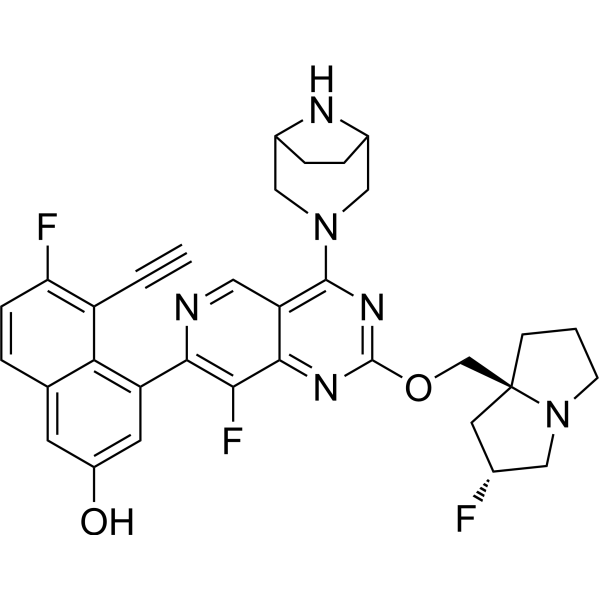
MRTX1133 is a noncovalent, potent, and selective alkyne-based KRAS G12D inhibitor. MRTX1133 optimally fills the switch II pocket and extends three substituents to favorably interact with the protein, resulting in an estimated KD against KRAS G12D of 0.2 pM. MRTX1133 prevents SOS1-catalyzed nucleotide exchange and/or formation of the KRAS G12D/GTP/RAF1 complex, thereby inhibiting mutant KRAS-dependent signal transduction. MRTX1133 selectively inhibits KRAS G12D mutant, but not KRAS wild-type, tumor cells. MRTX1133 has single digit nanomolar activity in cellular assays and marked in vivo efficacy in tumor models harboring KRAS G12D mutations .
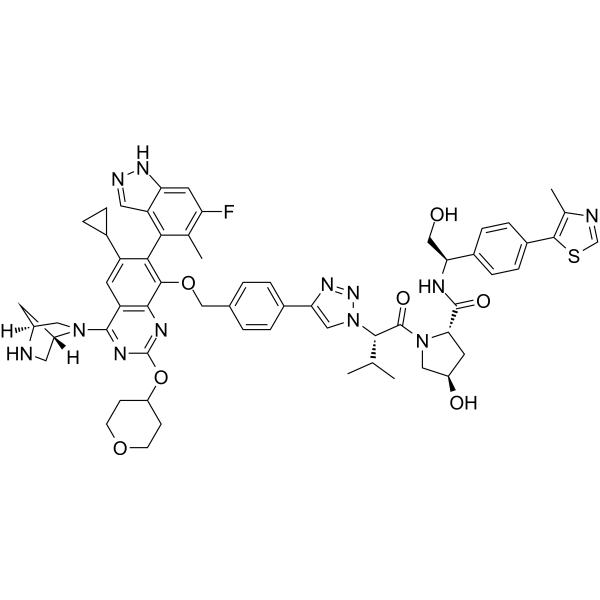
Setidegrasib (KRAS G12D inhibitor 17, ASP3082) is a PROTACKRAS degrader (DC50: 37 nM). Setidegrasib induces the degradation of G12D-mutationKRAS protein. Setidegrasib suppresses p-ERK, p-AKT, p-S6 levels in AsPC-1 cells. Setidegrasib exhibits anti-tumor activity in various cancer xenograft models in mice. Setidegrasib can be used for the study of KRAS(G12D)-mutated solid tumors. (Blue: VHL ligase ligand (HY-168699); Black: linker (HY-168698); Pink: G12D ligand (HY-168700)) .
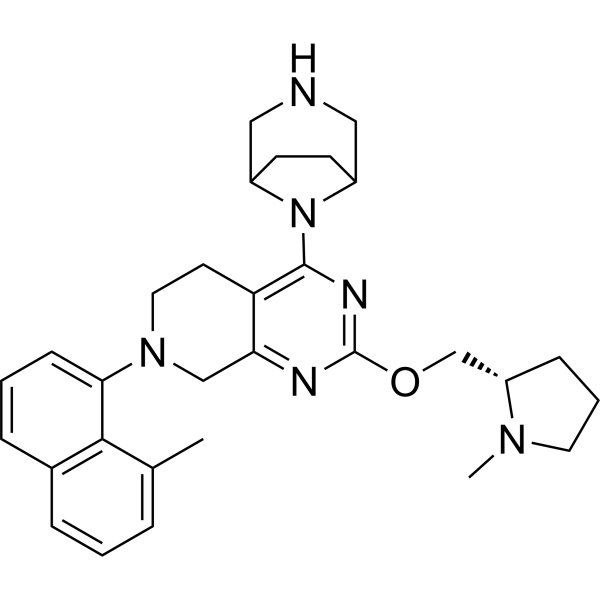
HRS-4642 is a high affinity, selective, long-acting, and non-covalent KRAS G12D inhibitor with a Kd value of 0.083 nM. HRS-4642 inhibits the binding of KRAS G12D to SOS1 or RAF1, thereby blocking the downstream MEK-ERK signaling pathway. HRS-4642 promotes Apoptosis. HRS-4642 alone or combined with Carfilzomib (HY-10455) effectively shapes the tumor microenvironment. HRS-4642 has an anti-cancer effect on pancreatic and colorectal cancers carrying the KRAS G12D mutation[1][2][3].
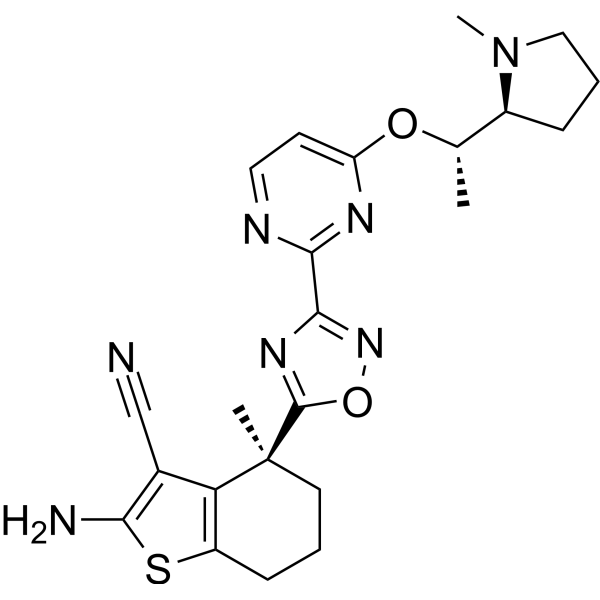
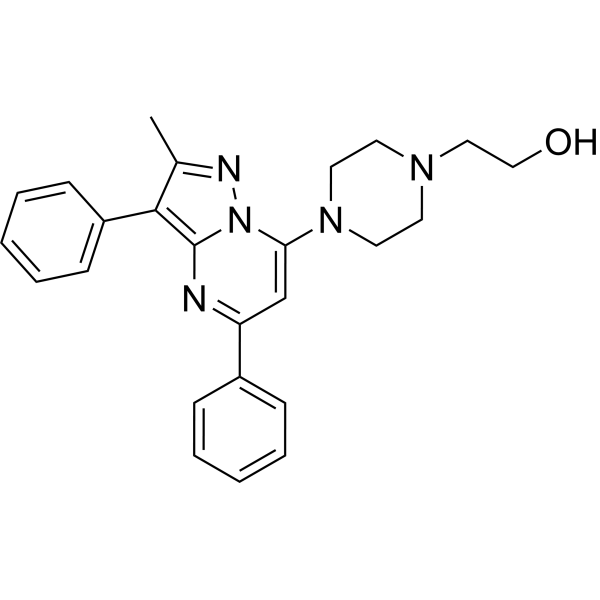
KRAS G12D inhibitor 29 (Compound Formula (I)) is an orally active and selective KRAS G12D mutant inhibitor. KRAS G12D inhibitor 29 blocks downstream signaling pathways mediated by KRAS G12D, suppressing tumor cell proliferation. KRAS G12D inhibitor 29 is promising for research of KRAS G12D mutation-related cancers (such as pancreatic cancer, lung cancer, colorectal cancer) .
KRAS G12D inhibitor 14 is a potent KRAS G12D inhibitor with a KD of 33 nM for binding to KRAS G12D protein. KRAS G12D inhibitor 14 decreases the active form of KRAS G12D (KRAS G12D-GTP) but not KRAS G13D .
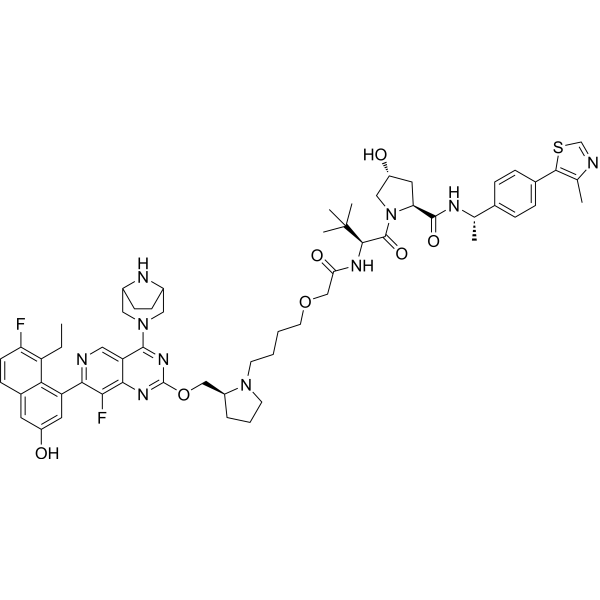
RP03707 is a PROTAC degrader of KRAS G12D. RP03707 forms a ternary complex with KRAS G12D and the CRBN E3 ligase, promoting the ubiquitination and proteasomal degradation of KRAS G12D. RP03707 inhibits the growth of KRAS G12D-positive tumor cells .
2,4,7-Trichloro-8-fluoropyridopyrimidine is a pyridopyrimidine synthetic intermediate of MRTX1133 (HY-134813), which can be used for the synthesis of non-covalent KRAS G12D inhibitors .
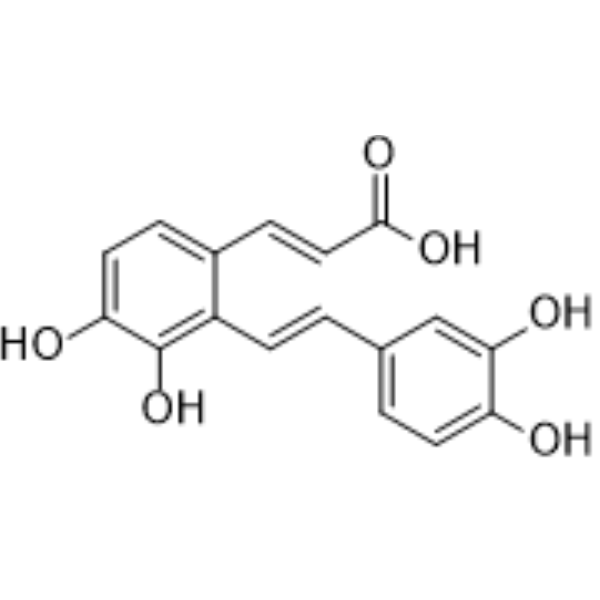
Salvianolic acid F is a KRAS inhibitor, especially for KRASG12D. Salvianolic acid F inhibits NF-kB, MMP-9, and NO simultaneously. Salvianolic acid F inhibits cancer cell growth, invasion, and migration and induces apoptosis via the EP300/PI3K/AKT pathway in vitro. Salvianolic acid F inhibits the growth of KRAS-dependent lung cancer cells via the PI3K/AKT signaling pathway in vivo. Salvianolic acid F can be used in the research of various cancers, including KRASG12D-driven non-small cell lung cancer (NSCLC) and ovarian cancer .
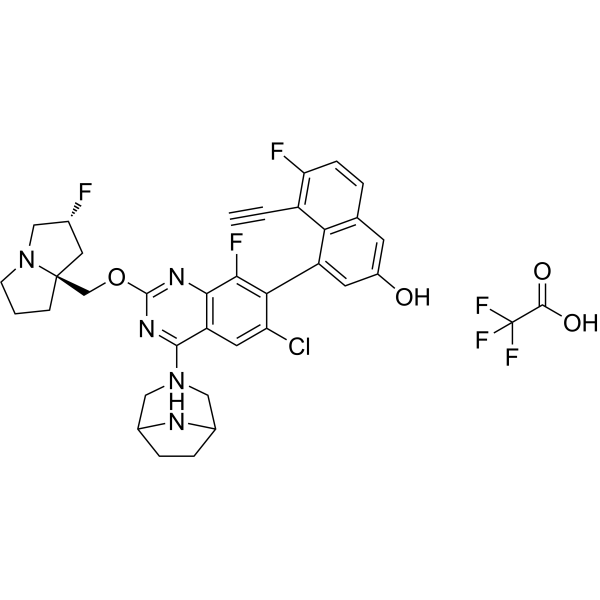
KRAS G12D inhibitor 3 TFA is a KRAS G12D inhibitor with an IC50 of <500 nM. KRAS G12D inhibitor 3 TFA has antitumor effects (WO2022002102A1; compound 146) . KRAS G12D inhibitor 3 (TFA) is a click chemistry reagent, it contains an Alkyne group and can undergo copper-catalyzed azide-alkyne cycloaddition (CuAAc) with molecules containing Azide groups.
IPS-06061 is an orally active molecular glue forming a ternary complex of CRBN-KRAS G12D-IPS06061, degrading KRAS G12D with a DC50 value lower than 500 nM. IPS-06061 shows a strong anti-tumor efficacy .
KRAS inhibitor-31 (compound 33) is a KRAS inhibitor, with KD (SPR) values of 0.019 nM, 0.019 nM and 0.096 nM for KRas G12D, KRas G12C and KRas G12V, respectively .
TH-Z827 is a mutant selective KRAS(G12D) inhibitor with an IC50 of 2.4 μM. TH-Z827 does not bind KRAS(WT) or KRAS(G12C). TH-Z827 blocked the KRAS(G12D)-CRAF interaction with an IC50 value of 42 μM .
PROTAC K-Ras Degrader-5 is a cereblon-based K-Ras PROTAC degrader with a DC50 of <100 nM for KRAS G12D. PROTAC K-Ras Degrader-5 recruits KRAS G12D to the cereblon E3 ubiquitin ligase complex for ubiquitination and subsequent proteasomal degradation. PROTAC K-Ras Degrader-5 suppresses pERK levels downstream of KRAS G12D degradation in cancer cells. PROTAC K-Ras Degrader-5 reduces proliferation of cancer cells. PROTAC K-Ras Degrader-5 induces caspase 3/7 activity and cPARP, markers of apoptosis, in pancreatic cancer spheroids and tumors. PROTAC K-Ras Degrader-5 can be used for the research of pancreatic cancer and colorectal cancer .
TH-Z835 is a mutant selective KRAS (G12D) inhibitor with an IC50 of 1.6 μM. TH-Z835 inhibits both mantGMPPNP/GPPNP exchange and GPPNP/mantGMPPNP exchange .
(R)-G12Di-7 is a covalent ligand for KRAS-G12D, which selectively labels K-Ras-G12D·GDP and K-Ras-G12D·GppNHp. (R)-G12Di-7 exhibits inhibitory activity against G12D mutated cancer cells .
KRAS G12D inhibitor 10 is a potent inhibitor of KRAS G12D. The Ras family of proteins is an important intracellular signaling molecule that plays an important role in growth and development. KRAS G12D inhibitor 10 has the potential for the research of KRAS G12D-mediated cancer (extracted from patent WO2021108683A1, compound 34) .
KRAS G12D inhibitor 13 is a potent inhibitor of KRAS G12D. The Ras family of proteins is an important intracellular signaling molecule that plays an important role in growth and development. KRAS G12D inhibitor 13 has the potential for the research of KRAS G12D-mediated cancer (extracted from patent WO2021108683A1, compound 142) .
PROTAC KRAS G12D degrader 2 is a peptidomimetic PROTAC specifically targeting the dimeric SARS-CoV-2 3CL Pro protein. PROTAC KRAS G12D degrader 2 inhibits SARS-CoV-2 3CLPro with an IC50 of 21.2 μM. PROTAC KRAS G12D degrader 2 specifically binds to the active site of SARS-CoV-2 3CL Pro. PROTAC KRAS G12D degrader 2 reduces protein levels of SARS-CoV-2 3CL Pro without affecting cell viability. PROTAC KRAS G12D degrader 2 can be used for the study of viral infections in Coronavirus genera .
PROTAC pan-KRAS degrader-1 is a pan-KRASPROTAC degrader for degrading different KRAS mutation types, such as G12D, G12C, G12V, and G13D. PROTAC pan-KRAS degrader-1 potently degrades KRAS mutation (G12D) in AGS cells, with a DC50 of 1.1 nM, Dmax of 95%. PROTAC pan-KRAS degrader-1 can be used to search diseases caused by KRAS mutation or amplification, especially cancers such as breast cancer, bladder cancer, gastric cancer, etc . Pink: pan-KRAS ligand (HY-176490); Blue: VHL ligase ligand (HY-170353); Black: linker (HY-176491);
KRAS G12D-IN-30 (Compound 4) is a KRAS inhibitor. KRAS G12D-IN-30 inhibits the activation of the downstream MAPK signaling cascade (Raf1-MEK-ERK) by blocking the activity of the KRAS G12 mutant. KRAS G12D-IN-30 can be used for the research of cancer .
(R)-KRAS G12D inhibitor 28 hydrochloride dehydrate is the hydrochloride dehydrate of (R)-KRAS G12D inhibitor 28 (HY-172626). KRAS G12D inhibitor 28 (Compound 2) is a KRAS G12D inhibitor. KRAS G12D inhibitor 28 (Compound 2) can be used in the cancer research .
SAH-SOS1A TFA is a peptide-based SOS1/KRAS protein interaction inhibitor. SAH-SOS1A TFA binds to wild-type and mutant KRAS (G12D, G12V, G12C, G12S, and Q61H) with nanomolar affinity (EC50=106-175 nM). SAH-SOS1A TFA directly and independently blocks nucleotide association. SAH-SOS1A TFA impairs KRAS-driven cancer cell viability and exerts its effects by on-mechanism blockade of the ERK-MAPK phosphosignaling cascade downstream of KRAS .
KRAS G12D inhibitor 1 is a KRAS G12D inhibitor with an IC50 value of 0.4 nM. KRAS G12D inhibitor 1 inhibits KRas G12D-mediated ERK phosphorylation. KRAS G12D inhibitor 1 can be used for cancer research .
KRAS G12D ligand-Linker Conjugate 2 is a conjugate of the KRAS (G12D) ligand (HY-175859) and the linker (HY-168698). KRAS G12D ligand-Linker Conjugate 2 can be used for synthesizing PROTAC KRAS (G12D) degrader ASP-3082 (HY-157505) .
KRAS G12D inhibitor 3 is a KRAS G12D inhibitor with an IC50 of <500 nM. KRAS G12D inhibitor 3 has antitumor effects (WO2022002102A1; compound 146) . KRAS G12D inhibitor 3 is a click chemistry reagent, it contains an Alkyne group and can undergo copper-catalyzed azide-alkyne cycloaddition (CuAAc) with molecules containing Azide groups.
KRAS G12D inhibitor 15 is a potent inhibitor of KRAS G12D. KRAS G12D inhibitor 15 has the potential for the research of various diseases or disorders, such as cancer or cancer metastasis (extracted from patent WO2022042630A1, compound 243) . KRAS G12D inhibitor 15 is a click chemistry reagent, it contains an Alkyne group and can undergo copper-catalyzed azide-alkyne cycloaddition (CuAAc) with molecules containing Azide groups.
KRAS G12D inhibitor 12 is a potent inhibitor of KRAS G12D. The Ras family of proteins is an important intracellular signaling molecule that plays an important role in growth and development. KRAS G12D inhibitor 12 has the potential for the research of KRAS G12D-mediated cancer (extracted from patent WO2021108683A1, compound 134) .
KRAS G12D inhibitor 11 is a potent inhibitor of KRAS G12D. The Ras family of proteins is an important intracellular signaling molecule that plays an important role in growth and development. KRAS G12D inhibitor 11 has the potential for the research of KRAS G12D-mediated cancer (extracted from patent WO2021108683A1, compound 52) .
KRAS G12D inhibitor 8 is a potent inhibitor of KRAS G12D. The Ras family of proteins is an important intracellular signaling molecule that plays an important role in growth and development. KRAS G12D inhibitor 8 has the potential for the research of KRAS G12D-mediated cancer (extracted from patent WO2021107160A1, compound 2) .
MRTX-EX185 formic is a potent KRAS (G12D) inhibitor with an IC50 of 90 nM. MRTX-EX185 formic can binds both GDP-loaded and active GNP states of KRAS and KRAS (G12D). MRTX-EX185 formic exhibits broad-spectrum binding properties with IC50s of 110, 290, 130 and 240 nM for KRAS WT, KRAS (G12C), KRAS (Q61H), KRAS (G13D). MRTX-EX185 formic also binds GDP-loaded HRAS. MRTX-EX185 formic can be used to study various RAS-driven tumors (such as pancreatic cancer) .
KRASG12D-IN-1 (compound 22) is a KRAS G12D Inhibitor. KRASG12D-IN-1 has dose-dependent anti-tumor efficacy in the AsPC-1 xenograft mouse models with a tumor growth inhibition .
KRAS G12D inhibitor 22 (compound 6) is a inhibitor of KRAS mutation. KRAS G12D inhibitor 22 has high activity (IC50<100 nM), good selectivity and low toxicity.KRAS G12D inhibitor 22 can be used in breast cancer research .
KRAS G12D inhibitor 16 is a KRAS G12D inhibitor. KRAS G12D inhibitor 16 has inhibitory activity against KRAS G12D and KRAS G12D mutation with IC50 value of 0.7 nM and 0.35 μM, respectively. KRAS G12D inhibitor 16 can be used for the research of many malignant tumor, such as pancreatic ductal adenocarcinomas (PDAC), colon and rectal carcinomas (CRC), non-small cell lung carcinomas (NSCLC) .
KRAS G12D-IN-34 (Compound 13) is a KRAS (G12D) inhibitor with IC50 values for KRAS (G12D) and KRAS (WT) of 1.05 nM and 1.59 μM respectively. KRAS G12D-IN-34 can be used for research on non-small cell lung cancer .
KRAS G12D inhibitor 23 (compound 46-3) is a potent inhibitor of KRAS G12D, with the IC50 of 0.007 μM. KRAS G12D inhibitor 23 plays an important role in cancer research .
YK-8S is a dual-targeted K-Ras (G12D/G12C) covalent inhibitor. YK-8S shows no significant binding to wild-type K-Ras and other mutants (G12R, G13D, Q61R/K). YK-8S exhibits anti-proliferative activity against H358 (G12C) and AGS (G12D) cells. YK-8S inhibits the phosphorylation of p-AKT/p-ERK in BaF3/G12D and G12C cells. YK-8S can be used for pancreatic cancer, colorectal cancer and other tumors with high incidence of G12D .
KRASG12D-IN-3 is an orally active KRAS G12D inhibitor. KRASG12D-IN-3 inhibits the growth of gastric cancer and pancreatic cancer cells. KRASG12D-IN-3 inhibits the activity of p-ERK in gastric cancer cells. KRASG12D-IN-3 can be used for the research of gastric cancer and pancreatic cancer .
KRASG12D-IN-2 (compound 28) is a KRAS G12D Inhibitor. KRASG12D-IN-1 has dose-dependent anti-tumor efficacy in the AsPC-1 xenograft mouse models with a tumor growth inhibition .
KRAS inhibitor-37 (compound 2) is a potent KRAS inhibitor with KDs of 0.004 nM, 0.041 nM, 0.019 nM and 0.144 nM for KRAS wild type, KRAS G12D, KRAS G12C and KRAS G12V by SPR binding assay, respectively. KRAS inhibitor-37 inhibits cell proliferation with IC50s of <2 nM-14 nM for H358, SW620, PANC08.13 cells, respectively. KRAS inhibitor-37 has the potential for cancer research .
KRAS G12D modulator-1 (compound 6) is a potent KRAS G12D modulator with IC50 values of 1-10 μM for NEA-G12D, PPI-G12D, and p ERK-AGS, respectively. KRAS G12D modulator-1 can be used in research of cancer .
(S)-AZD0022 is an isomer of AZD0022, AZD0022 is a selective and orally active KRAS G12D inhibitor. AZD0022 inhibits KRAS pathway suppression in the GP2D xenograft model .
KRAS G12D inhibitor 9 is a potent inhibitor of KRAS G12D. The Ras family of proteins is an important intracellular signaling molecule that plays an important role in growth and development. KRAS G12D inhibitor 9 has the potential for the research of KRAS G12D-mediated cancer (extracted from patent WO2021108683A1, compound 20) .
KRAS G12D inhibitor 25 (Compound 148) is an inhibitor for KRAS G12C and HSP90α with IC50 of < 0.1 μM and 0.1-1 μM, respectively. KRAS G12D inhibitor 25 inhibits the proliferation of MIA PaCa-2 and NCI-H358 with EC50 of < 0.1 μM and 0.1-1 μM, respectively. KRAS G12D inhibitor 25 degrades ERBB2 with a DC50 of 0.1-1 μM .
KRAS G12D-IN-31 is a potent KRAS G12D inhibitor with an IC50 of < 100 nM. KRAS G12D-IN-31 inhibits the proliferation of RAS-dependent cells (KRAS G12C, KRAS G12D, KRAS G12V and KRAS WT). KRAS G12D-IN-31 can be used to study non-small cell lung cancer, gastric cancer, colon cancer, and malignant melanoma .
KRAS-IN-5 (Compound Ex 6) is an orally active and selective inhibitor targeting KRAS mutants (including KRAS G12D, KRAS G12V, KRAS WT) with a GNE IC50 value of 1.3 nM against KRAS G12D. KRAS-IN-5 blocks tumor cell proliferation by inhibiting KRAS-mediated signaling pathways (e.g., reducing ERK phosphorylation). KRAS-IN-5 is promising for research of KRAS mutation-related cancers, such as pancreatic cancer, colorectal cancer, lung cancer .
MRTX-EX185 is a potent KRAS (G12D) inhibitor with an IC50 of 90 nM. MRTX-EX185 can binds both GDP-loaded and active GNP states of KRAS and KRAS (G12D). MRTX-EX185 exhibits broad-spectrum binding properties with IC50s of 110, 290, 130 and 240 nM for KRAS WT, KRAS (G12C), KRAS (Q61H), KRAS (G13D). MRTX-EX185 also binds GDP-loaded HRAS. MRTX-EX185 can be used to study various RAS-driven tumors (such as pancreatic cancer) .
SAH-SOS1A is a peptide-based SOS1/KRAS protein interaction inhibitor. SAH-SOS1A binds to wild-type and mutant KRAS (G12D, G12V, G12C, G12S, and Q61H) with nanomolar affinity (EC50=106-175 nM), directly and independently blocks nucleotide association, impairs KRAS-driven cancer cell viability, and exerts its effects by on-mechanism blockade of the ERK-MAPK phosphosignaling cascade downstream of KRAS .
KRAS-IN-48 (Compound 1-01) is a KRAS mutant inhibitor, with Kd values of 2.58 nM and 5.49 μM for KRAS-G12D and KRAS-G12V, respectively. KRAS-IN-48 can be used in the research of cancer .
KRAS-IN-41 is an inhibitor of KRAS with IC50 values of <0.01 μM for KRAS G12D and KRAS G12V. KRAS-IN-41 inhibits RAS mutant cell lines, GP2D (KRAS-G12D) and SW620 (KRAS-G12V). KRAS-IN-41 can be used in cancer research .
KRAS G12D ligand-3 is a KRAS G12D PROTAC ligand. KRAS G12D ligand-3 can be conjugated with E3 ligase Ligand (HY-170348) and linke (HY-W895436) to synthesize KRAS G12D PROTAC degrader MS243 (HY-181728). MS243 can be used for cancer research .
KRASG12D-IN-4 (example 38) is a KRas G12D inhibitor with an IC50 of 3.3 nM. KRASG12D-IN-4 inhibits proliferation of pancreatic cancer ASPC-1 cells with an IC50 of 12 nM .
KRAS-IN-42 (Compound Z1063) is a covalent KRAS G12D mutants inhibitor. KRAS-IN-42 is promising for research of KRAS G12D-mutant cancers (e.g., non-small cell lung cancer, colorectal cancer) .
KRASG12D-IN-5 (Compound 241) is an orally active KRAS(G12D) inhibitor with an IC50 of 11 nM. KRASG12D-IN-5 has potent anticancer activity with no significant cytotoxicity against BxPC-3 (WT), KRAS mutation AsPC-1 (G12D) and MIAPaCa-2 cells (G12C) with CC50s of 10.37, 0.76 and 0.3 μM, respectively. KRASG12D-IN-5 can be used for cancer research, such as lung, pancreatic and colorectal cancer .
MRTX1133 formic is a noncovalent, potent, and selective KRAS G12D inhibitor. MRTX1133 formic optimally fills the switch II pocket and extends three substituents to favorably interact with the protein, resulting in an estimated KD against KRAS G12D of 0.2 pM. MRTX1133 formic prevents SOS1-catalyzed nucleotide exchange and/or formation of the KRASG12D/GTP/RAF1 complex, thereby inhibiting mutant KRAS-dependent signal transduction. MRTX1133 formic shows efficacy in tumor models harboring KRAS G12D mutations .
KRASG12D-IN-7 is a selective KRAS G12D inhibitor. KRASG12D-IN-7 displays strong binding activity for KRAS G12D in both its GDP- and GTP- bound states, with Kd value of 1.12 nM and 1.86 nM, respectively. KRASG12D-IN-7 inhibits the proliferation of KRAS G12D harboring AsPC-1 cells with an IC50 value of 10 nM and suppresses MAPK signaling. KRASG12D-IN-7 induces G0/G1 phase arrest and apoptosis in AsPC-1 cells, and strongly inhibits their colony formation. KRASG12D-IN-7 can be used for the study of cancers harboring KRAS G12D mutation, particularly pancreatic ductal adenocarcinoma (PDAC) .
Pan-RAS-IN-6 (compound 24) is an inhibitor targeting DUSP6, which reduces MAPK activation in the brain of the NCI-H1373-Luc model (DUSP6), at the same time, it shows significant tumor growth inhibition and tumor regression effects in the NSCLC brain metastasis mouse model. Pan-RAS-IN-6 shows high selectivity and strong inhibitory effects, especially in KRAS mutation-related signaling pathways, demonstrating varying inhibitory activity against different KRAS mutants and interacting proteins. The IC50 values for KRAS G12C, G12D, and G12V are 1.3 nM, 4.7 nM, and 0.3 nM, respectively .
pan-KRAS-IN-7 (Compound 25) is an inhibitor for in human tumor mutated genes KRAS, which inhibits proliferation of KRAS mutated cells AsPC-1 (G12D mutant) and SW480 (G12V mutant) with IC50 of 0.35 and 0.51 nM, respectively .
pan-KRAS-IN-10 (Compound 58) is an inhibitor for in human tumor mutated genes KRAS, which inhibits proliferation of KRAS mutated cells AsPC-1 (G12D mutant) and SW480 (G12V mutant) with IC50 of 0.7 and 0.24 nM, respectively .
KRAS inhibitor-22 (compound FB9/6B9) is a potent inhibitor of K-Ras. KRAS inhibitor-22 targets to Kras 4B(G12D) and (G12C), which can be used for cancer research .
KRAS G12D-IN-27 (H12a) is an inhibitor of KRAS G12D. KRAS G12D-IN-27 inhibits ERK phosphorylation, with an IC50 of 112 nM. KRAS G12D-IN-27 can be used in cancer research .
KRAS G12D-IN-37 is a KRAS G12D inhibitor. KRAS G12D-IN-37 shows antiproliferative activity against KRAS G12D mutant tumor cells and minimal cytotoxicity toward normal cells. KRAS G12D-IN-37 binds stably to KRAS G12D via hydrogen bond interactions with residues His 95, Arg 68, and Asp 12, and inhibits downstream ERK/AKT signaling pathways. KRAS G12D-IN-37 elevates ROS levels, induces apoptosis, disrupts mitochondrial membrane potential. KRAS G12D-IN-37 downregulates the level of anti-apoptotic protein Bcl-2, and upregulates the levels of pro-apoptotic proteins Bax and caspase 3. KRAS G12D-IN-37 can be used for the research of cancer, such as gastric adenocarcinoma and colorectal cancer .
KRAS G12D-IN-35 (example 7) is a potent and orally active KRAS G12D inhibitor. KRAS G12D-IN-35 suppresses p-ERK in AGS cells and potently inhibits the proliferation of various KRAS G12D-mutant cancer cell lines. KRAS G12D-IN-35 inhibits tumor growth in HPAC and GP2D mouse models. KRAS G12D-IN-35 can be used for cancer research, such as pancreatic and colorectal cancer .
KRAS G12D-IN-32 (Page 158) is a KRAS G12D inhibitor. KRAS G12D-IN-32 can be used to study adenocarcinoma, colorectal cancer, and non-small cell lung cancer .
KRAS G12D-IN-36 (Compound 53a) is a highly selective and orally active KRAS-G12D inhibitor with an IC50 of 1.63 nM. KRAS G12D-IN-36 effectively inhibits p-ERK with an IC50 of 8.4 nM. KRAS G12D-IN-36 shows potent anti-proliferative activity against AsPC-1 cells. KRAS G12D-IN-36 can be used for research on pancreatic cancer .
pan-KRAS-IN-8 (Compound 38) is an inhibitor for in human tumor mutated genes KRAS, which inhibits proliferation of KRAS mutated cells AsPC-1 (G12D mutant) and SW480 (G12V mutant) with IC50 of 0.07 and 0.18 nM, respectively .
pan-KRAS-IN-9 (Compound 52) is an inhibitor for in human tumor mutated genes KRAS, which inhibits proliferation of KRAS mutated cells AsPC-1 (G12D mutant) and SW480 (G12V mutant) with IC50 of 0.24 and 0.30 nM, respectively .
MS243 is a potent KRAS G12D PROTAC degrader with a DC50 of 4.2 nM. MS243 promotes the proximity between KRAS G12D and the VHL E3 ubiquitin ligase, drives the ubiquitination and proteasomal degradation of KRAS G12D, and inhibits the proliferation of cancer cells harboring KRAS G12D. MS243 can be used in the research of KRAS G12D-carrying cancers, such as colon cancer and pancreatic cancer .
KRAS-IN-58 is a KRAS inhibitor with a IC50 of 0.223 μM against KRAS G12D. KRAS-IN-58 binds to KRAS G12C and KRAS G12D proteins, and reduces the levels of phosphorylated Raf1, AKT and ERK in pancreatic cancer cells. KRAS-IN-58 can be used for the research of pancreatic cancer .
KRAS-IN-48 free base (Compound 1-01) is a mutant KRAS inhibitor, with Kd values of 2.58 nM and 5.49 μM for KRAS G12D and KRAS G12V, respectively. KRAS-IN-48 free base affects pERK expression in cells harboring KRAS G12D and KRAS G12V mutations, with IC50 values of 1.1 μM and 1.51 μM, respectively. KRAS-IN-48 free base can be used in the research of cancer .
IACS-56676 is a selective NRASG12D inhibitor with a target Kd of 0.031 μM. IACS-56676 stabilizes the p-loop, maintains key interactions with Asp12, Gly60 and Asp69, and achieves selectivity over wild-type KRAS through substitution targeting Leu95. IACS-56676 can be used for research on melanoma, hematologic malignancies and thyroid cancer .
KRAS-IN-54 is a macrocyclic KRAS inhibitor. KRAS-IN-54 exhibits activity against cell viability and pERK inhibition in cells with KRAS G12D and KRAS G13D mutations. KRAS-IN-54 can be used in the research of KRAS-mutant cancers, including pancreatic adenocarcinoma, colorectal cancer, non-small cell lung cancer, esophageal cancer, gallbladder cancer, melanoma, ovarian cancer and endometrial cancer .
RMC-9945 (RM-044) is a KRAS inhibitor and selective, covalent, orally active RAS(ON) G12D inhibitor. RMC-9945 increases β-Catenin/TCF transcriptional activity. RMC-9945 exerts durable disease control in preclinical colorectal cancer models of early liver metastasis .
PPI stabilizer-1-1 (Compound 2) is a KRAS dimerizing agent. PPI stabilizer-1-1 dimerizes KRAS with a KD of 3.8 µM. PPI stabilizer-1-1 co-crystallizes with GCP-KRASG12D. PPI stabilizer-1 can be used for the research of KRAS-driven cancers .
E3 Ligase Ligand-linker Conjugate 224 is an E3 Ligase Ligand-Linker Conjugate that incorporates a ligand for VHL (HY-170348) and a PROTAC linker (HY-W895436). E3 Ligase Ligand-linker Conjugate 224 can be used for synthesis of KRAS G12D PROTAC degrader MS243 (HY-181728) .
AMG410 is a non-covalent and selective pan-KRAS inhibitor with IC50 values of 1-4 nM for KRAS G12D, KRAS G12V, and KRAS G13D. AMG410 shows greater than 100-fold selectivity against both HRAS and NRAS. AMG410 is a dual GTP(on)- and GDP(off)-state inhibitor (Kd(GDP-state) of 1 nM; Kd(GTP-state) of 22 nM). AMG410 blocks KRAS signaling in a cycling state-independent manner and also blocks proliferation in wildtype KRAS-amplified tumor cells. AMG410 can be used for the study of colorectal, pancreatic, and lung cancers .
PROTAC K-Ras Degrader-3 (compound 40) is a PROTAC degrader of K-Ras with a DC50 of ≤ 1 nM against SW620 KRAS G12D, and a GI50 of ≤ 10 nM against SW620 3D cell growth. PROTAC K-Ras Degrader-3 can be utilized in cancer research, such as non-small-cell lung cancer (NSCLC) .
SS-3091 is a pan-KRas inhibitor active across KRasG12D, KRasG12C, KRasG12V, KRasG12S mutants, with minimal effects on non-KRas-driven cancer cells. SS-3091 binds to the KRas·ARaf interaction interface, destabilizes the complex, and attenuates KRas activity. SS-3091 suppresses phosphorylation of S6K, Akt, and ERK. SS-3091 reduces proliferation and decreases colony formation of cancer cells bearing KRasG12 mutations. SS-3091 can be used for the research of KRas-driven cancers .
KS-58 is a KRpep-2d (HY-P3277) derivative. KS-58 is a K-Ras(G12D) inhibitory peptide that selectively binds K-Ras. KS-58 can enter cells and block intracellular Ras interaction with effector proteins. KS-58 inhibits the proliferation of tumor cells and has antitumor activity .
KRAS-IN-55 is a pan-KRAS inhibitor with IC50 values of 4.3, 9.6 and 1.6 nM against KRAS G12C, KRAS G12D and KRAS G12V, respectively. KRAS-IN-55 induces the formation of a new binding pocket on KRAS, thereby forming a high-affinity ternary complex with cyclophilin A (CYPA), inhibiting the interactions of KRAS with downstream effectors RAF and PI3K, and blocking oncogenic MAPK and PI3K signaling pathways. KRAS-IN-55 is applicable to cancer research such as colorectal cancer and non-small cell lung cancer .
AMG410 diTFA is a non-covalent and selective pan-KRAS inhibitor with IC50 values of 1-4 nM for KRAS G12D, KRAS G12V, and KRAS G13D. AMG410 diTFA shows greater than 100-fold selectivity against both HRAS and NRAS. AMG410 diTFA is a dual GTP(on)- and GDP(off)-state inhibitor (Kd(GDP-state) of 1 nM; Kd(GTP-state) of 22 nM). AMG410 diTFA blocks KRAS signaling in a cycling state-independent manner and also blocks proliferation in wildtype KRAS-amplified tumor cells. AMG410 diTFA can be used for the study of colorectal, pancreatic, and lung cancers .
Eras-4001 (Compound 14-1) is a pan-KRAS inhibitor. Eras-4001 has potent antitumor activities and significantly inhibits the proliferation of wild-type and mutant (such as KRAS G12D, KRAS G12V and KRAS G12C) cancer cells. Eras-4001 effectively inhibits tumor growth in GP2D and Panc0403 xenograft mouse models .
KRAS inhibitor-3 is an inhibitor of KRAS inhibitor. KRAS inhibitor-3 binds to WT and oncogenic KRAS mutants with high affinity (KD: 0.28 μM for KRAS WT, 0.63 μM for KRAS G12C, 0.37 μM for KRAS G12D, 0.74 μM for KRAS Q61H). KRAS inhibitor-3 also disrupts interaction of KRAS with Raf .
pan-KRAS-IN-2 (Compound 6) is a pan-inhibitor with IC50s ≤ 10 nM for KRAS WT and mutants (G12D,G12C, G12V, G12S, G12A and Q61H); and an IC50 > 10 μM for KRAS G13D. pan-KRAS-IN-2 can be used to study various KRAS-mediated cancers, such as pancreatic cancer and colorectal cancer .
(2R,7aS)-2-Fluorotetrahydro-1H-pyrrolizine-7a(5H)-methanol is a drug intermediate for synthesis of various active compounds. (2R,7aS)-2-Fluorotetrahydro-1H-pyrrolizine-7a(5H)-methanol is a core structural framework of the compounds targeting KRAS G12D mutation.
MEK/RAF-IN-1 (Compound 16b) is an inhibitor of both MEK and RAF. It shows potent inhibition with IC50 values of 28 nM for MEK1, and 3 nM each for BRAF and BRAFV600E. MEK/RAF-IN-1 demonstrates significant antitumor activity, effectively inhibiting cell proliferation in vitro against MIA PaCa-2 (G12C KRAS), HCT116 (G13D KRAS), and C26 (G12D KRAS) cells. Additionally, it inhibits tumor growth in xenograft mouse models of colorectal cancer .
KRAS inhibitor-9, a potent KRAS inhibitor (Kd=92 μM), blocks the formation of GTP-KRAS and downstream activation of KRAS. KRAS inhibitor-9 binds to KRAS G12D, KRAS G12C and KRAS Q61H protein with a moderate binding affinity. KRAS inhibitor-9 causes G2/M cell cycle arrest and induces apoptosis. KRAS inhibitor-9 selectively inhibits the proliferation of NSCLC cells with KRAS mutation but not normal lung cells .
PROTAC K-Ras Degrader-4 (Compound 4) is a PROTAC degrader for KRAS that degrades KRAS G12D in GP5d and degrades KRAS G12V in cell SW620 with DC50s of 1 nM and 13 nM. PROTAC K-Ras Degrader-4 inhibits MAPK signaling pathway . (Pink: ligand for target protein pan-KRAS degrader 1 (HY-162960); Black: linker (HY-159790); Blue: ligand for E3 ligase VHL (HY-W998248))
KRAS inhibitor-27 (Compound 15h) is the inhibitor for KRAS. KRAS inhibitor-27 inhibits KRAS G12D/G12V mutated cells AsPC-1, SW620 and KRAS wildtype cell HT-29 with IC50 of 378, 0.6 and 3230 nM, respectively. KRAS inhibitor-27 inhibits ERK phosphorylation (IC50 in cell AsPC-1 and SW620 is 0.6 nM and 1 nM), reduces the expression of DUSP4, thereby inhibiting MAPK signaling pathway .
TDI-012804 is a TNKS2 inhibitor that selectively inhibits intracellular endogenous TNKS2 protein. TDI-012804 increases the expression of AXIN1 protein in cells that are heterozygous (Tnks1HET) and completely knocks out (Tnks1KO) for TNKS1. TDI-012804 inhibits the proliferation of ApcQ1405X/Tnks1KO organoids (EC50 of 59.1 nM) and is selectively toxic to Tnks1KO AKP-G12D and AKP-G13D organoids .
SIAIS562055 is a potent cereblon-based SOS1 PROTAC with a Kd of 95.9 nM. SIAIS562055 exhibits sustained degradation of SOS1 and inhibition of downstream ERK pathways. SIAIS562055 effectively blocked the binding of KRAS G12C or KRAS G12D to SOS1, with the IC50 values of 95.7 nM and 134.5 nM, respectively. SIAIS562055 exhibits potent anticancer activity. (Pink: SOS1 ligand (HY-168638); Black: linker (HY-W539874); Blue: E3 ligase ligand (HY-W076696)) .
Basroparib (STP1002) is a selective, orally active inhibitor of tankyrase (TNKS1/TNKS2) with IC50 of 29.94 nM and 3.68 nM for TNKS1 and TNKS2, respectively. Basroparib has an IC50 of >10 μM for PARP1. Basroparib binds to TNKS, stabilizes AXIN1/2 proteins, blocks Wnt/β-catenin signaling pathway, inhibits tumor cell proliferation and induces apoptosis, while reducing cancer stem cell properties. Basroparib can be used in colorectal cancer (CRC) studies with KRAS mutations (such as G12V/G12D) to overcome acquired resistance to MEK inhibitors. STP1002 has synergistic antitumor activity with MEK inhibitors .
MCB-36 is a VHL-recruiting pan-KRAS PROTAC degrader without affecting KRAS transcription. MCB-36 exhibits minimal effects on HRAS and NRAS protein levels. MCB-36 binds to the GDP-loaded state of G12D, G12C, G12V, and wild-type KRAS with high affinities Kd ≈ 1 pM). MCB-36 decreases p-ERK levels, leading to cell apoptosis. MCB-36 effectively suppress KRAS G12C inhibitor-resistant cancer cells and remodel the tumor immune microenvironment. MCB-36 can be used for the study of colorectal cancer and lung cancer (Pink: Target protein ligand; Blue: E3 ligand (HY-112078); Black: Linker (HY-W091879)) .
MCB-294 is a dual-state pan-KRAS inhibitor that selectively inhibits KRAS over NRAS and HRAS. MCB-294 capable of binding both the active (GTP-bound) and inactive (GDP-bound) forms of KRAS with Kds of approximately 1 pM and 10 nM, respectively. MCB-294 broadly impairs the growth of hTERT-HPNE cells expressing G12D, G12C, G12V, G12S, G13D, and wild-type KRAS, with IC50s of approximately 700 nM. MCB-294 induces irreversible apoptosis in KRAS-mutated tumors. MCB-294 effectively suppress KRAS G12C inhibitor-resistant cancer cells and remodel the tumor immune microenvironment. MCB-294 can be used for the study of pancreatic cancer, colorectal cancer and lung cancer .
(7R)-Eras-4001 is an orally active KRAS mutant inhibitor with remarkable selectivity for H-RAS and N-RAS. (7R)-Eras-4001 effectively suppresses cancer cell viability by blocking downstream signaling pathways mediated by RAF family proteins, inhibiting the formation of the KRAS G12D-RAF1 RBD complex and the phosphorylation of ERK1/2. (7R)-Eras-4001 induces tumor growth inhibition and regression in a dose-dependent manner, and also reduces plasma ERK1/2 phosphorylation levels. (7R)-Eras-4001 exerts a synergistic effect with anti-PD-1 Cetuximab (HY-P9905). (7R)-Eras-4001 can be used in research on non-small cell lung cancer, pancreatic cancer, colorectal cancer, and ovarian cancer .
KRASG12C IN-19 is a selective and orally active KRAS G12C inhibitor. KRASG12C IN-19 exerts potent antiproliferative activity against the KRAS G12C-mutant non small cell lung cancer (NSCLC) cell line H358 with an IC50 of 7.6 nM, and effectively suppresses downstream ERK phosphorylation (IC50 = 24.06 nM). KRASG12C IN 19 has no significant inhibitory activity against KRAS G12V and KRAS G12D-mutant cancer cells (PANC 1, Panc, AsPC 1, and GP2d cells) with IC50 > 10,000 nM. KRASG12C IN-19 rapidly forms a covalent bond with KRAS G12V-GDP, leading to dose-dependent inhibition of the downstream KRAS pathway. KRASG12C IN 19 can be employed for research in KRAS G12C driven cancers, including non small cell lung cancer, pancreatic cancer, and colorectal cancer .
Daraxonrasib (RMC-6236) is an orally active, non-covalent RAS (ON) inhibitor. Daraxonrasib disrupts the interaction of wild-type or mutant RAS proteins with the RAS binding domain of BRAF, with EC50 values ranging from 28-220 nM for wild-type KRAS, NRAS, HRAS, and multiple oncogenic RAS variants. Daraxonrasib inhibits pERK. Daraxonrasib has anti-tumor activity against KRAS mutant tumors .
Rineterkib hydrochloride (compound B) is an orally available ERK1 and ERK2 inhibitor in the treatment of a proliferative disease characterized by activating mutations in the MAPK pathway. The activity is particularly related to the treatment of KRAS-mutant NSCLC, BRAF-mutant NSCLC, KRAS-mutant pancreatic cancer, KRAS-mutant colorectal cancer (CRC) and KRAS-mutant ovarian cancer. Rineterkib hydrochloride can also inhibit RAF .
Rineterkib (compound B) is an orally available ERK1 and ERK2 inhibitor in the treatment of a proliferative disease characterized by activating mutations in the MAPK pathway. The activity is particularly related to the treatment of KRAS-mutant NSCLC, BRAF-mutant NSCLC, KRAS-mutant pancreatic cancer, KRAS-mutant colorectal cancer (CRC) and KRAS-mutant ovarian cancer. Rineterkib hydrochloride can also inhibit RAF .
BC-LI-0186 is a potent and selective inhibitor of Leucyl-tRNA synthetase (LRS; LeuRS) and Ras-related GTP-binding protein D (RagD) interaction (IC50=46.11 nM). BC-LI-0186 competitively binds to the RagD interacting site of LRS (Kd=42.1 nM) and has on effects on LRS-Vps34, LRS-EPRS, RagB-RagD association, mTORC1 complex formation or the activities of 12 kinases. BC-LI-0186 can effectively suppress the activity of cancer-associated?MTOR?mutants and the growth of rapamycin-resistant cancer cells.?BC-LI-0186 is a promising agent for lung cancer research .
CH091138 is a potent and selective KRASG12D PROTAC degrader with DC50s of 148.3 nM in HeLa cells and 469.8 nM in AsPC-1 cells. CH091138 selectively degrades exogenous and endogenous KRASG12D but not KRAS WT or other KRAS mutants (G12C/G12S/G12V), depending on the VHL-mediated ubiquitin-proteasome system. CH091138 exhibits potent anti-tumor activity and induces cancer cell apoptosis. CH091138 can be used for the studies of pancreatic cancer and colon cancer. (Pink: KRASG12D ligand (HY-175144); Blue: VHL E3 ligase ligand (HY-138678); Black: Linker; VHL E3 ligase ligand + Linker (HY-136006B)) .
KRASG12D-IN-6 is a PROTAC target protein ligand that can be used to synthesize CH091138 (HY-175025). CH091138 is a potent and selective KRASG12D PROTAC degrader with anti-tumor activity .
K-Ras-IN-58 is a K-RAS inhibitor and shows inhibitory activity against KRASG12D,KRASG12C and KRAS WT. K-Ras-IN-58 inhibits proliferation of cancer cells .
Rineterkib (compound B) is an orally available ERK1 and ERK2 inhibitor in the treatment of a proliferative disease characterized by activating mutations in the MAPK pathway. The activity is particularly related to the treatment of KRAS-mutant NSCLC, BRAF-mutant NSCLC, KRAS-mutant pancreatic cancer, KRAS-mutant colorectal cancer (CRC) and KRAS-mutant ovarian cancer. Rineterkib hydrochloride can also inhibit RAF .
SAH-SOS1A TFA is a peptide-based SOS1/KRAS protein interaction inhibitor. SAH-SOS1A TFA binds to wild-type and mutant KRAS (G12D, G12V, G12C, G12S, and Q61H) with nanomolar affinity (EC50=106-175 nM). SAH-SOS1A TFA directly and independently blocks nucleotide association. SAH-SOS1A TFA impairs KRAS-driven cancer cell viability and exerts its effects by on-mechanism blockade of the ERK-MAPK phosphosignaling cascade downstream of KRAS .
SAH-SOS1A is a peptide-based SOS1/KRAS protein interaction inhibitor. SAH-SOS1A binds to wild-type and mutant KRAS (G12D, G12V, G12C, G12S, and Q61H) with nanomolar affinity (EC50=106-175 nM), directly and independently blocks nucleotide association, impairs KRAS-driven cancer cell viability, and exerts its effects by on-mechanism blockade of the ERK-MAPK phosphosignaling cascade downstream of KRAS .
KS-58 is a KRpep-2d (HY-P3277) derivative. KS-58 is a K-Ras(G12D) inhibitory peptide that selectively binds K-Ras. KS-58 can enter cells and block intracellular Ras interaction with effector proteins. KS-58 inhibits the proliferation of tumor cells and has antitumor activity .
Salvianolic acid F is a KRAS inhibitor, especially for KRASG12D. Salvianolic acid F inhibits NF-kB, MMP-9, and NO simultaneously. Salvianolic acid F inhibits cancer cell growth, invasion, and migration and induces apoptosis via the EP300/PI3K/AKT pathway in vitro. Salvianolic acid F inhibits the growth of KRAS-dependent lung cancer cells via the PI3K/AKT signaling pathway in vivo. Salvianolic acid F can be used in the research of various cancers, including KRASG12D-driven non-small cell lung cancer (NSCLC) and ovarian cancer .
The Kras4B protein interacts specifically with GPR31, dependent on farnesylation. This binding suggests a regulatory role for Kras4B in association with GPR31, emphasizing the importance of the farnesylation process. Comprehensive exploration into the molecular details of this interaction is crucial to understand the precise mechanisms and functional implications in cellular processes or signaling pathways. Kras4B Protein, Human (G12D, His) is the recombinant human-derived Kras4B protein, expressed by E. coli, with N-His labeled tag.
MCB-294 is a dual-state pan-KRAS inhibitor that selectively inhibits KRAS over NRAS and HRAS. MCB-294 capable of binding both the active (GTP-bound) and inactive (GDP-bound) forms of KRAS with Kds of approximately 1 pM and 10 nM, respectively. MCB-294 broadly impairs the growth of hTERT-HPNE cells expressing G12D, G12C, G12V, G12S, G13D, and wild-type KRAS, with IC50s of approximately 700 nM. MCB-294 induces irreversible apoptosis in KRAS-mutated tumors. MCB-294 effectively suppress KRAS G12C inhibitor-resistant cancer cells and remodel the tumor immune microenvironment. MCB-294 can be used for the study of pancreatic cancer, colorectal cancer and lung cancer .
KRASG12D-IN-1 (compound 22) is a KRAS G12D Inhibitor. KRASG12D-IN-1 has dose-dependent anti-tumor efficacy in the AsPC-1 xenograft mouse models with a tumor growth inhibition .
KRASG12D-IN-2 (compound 28) is a KRAS G12D Inhibitor. KRASG12D-IN-1 has dose-dependent anti-tumor efficacy in the AsPC-1 xenograft mouse models with a tumor growth inhibition .
KRAS G12D-IN-35 (example 7) is a potent and orally active KRAS G12D inhibitor. KRAS G12D-IN-35 suppresses p-ERK in AGS cells and potently inhibits the proliferation of various KRAS G12D-mutant cancer cell lines. KRAS G12D-IN-35 inhibits tumor growth in HPAC and GP2D mouse models. KRAS G12D-IN-35 can be used for cancer research, such as pancreatic and colorectal cancer .
MRTX1133 is a noncovalent, potent, and selective alkyne-based KRAS G12D inhibitor. MRTX1133 optimally fills the switch II pocket and extends three substituents to favorably interact with the protein, resulting in an estimated KD against KRAS G12D of 0.2 pM. MRTX1133 prevents SOS1-catalyzed nucleotide exchange and/or formation of the KRAS G12D/GTP/RAF1 complex, thereby inhibiting mutant KRAS-dependent signal transduction. MRTX1133 selectively inhibits KRAS G12D mutant, but not KRAS wild-type, tumor cells. MRTX1133 has single digit nanomolar activity in cellular assays and marked in vivo efficacy in tumor models harboring KRAS G12D mutations .
MCB-36 is a VHL-recruiting pan-KRAS PROTAC degrader without affecting KRAS transcription. MCB-36 exhibits minimal effects on HRAS and NRAS protein levels. MCB-36 binds to the GDP-loaded state of G12D, G12C, G12V, and wild-type KRAS with high affinities Kd ≈ 1 pM). MCB-36 decreases p-ERK levels, leading to cell apoptosis. MCB-36 effectively suppress KRAS G12C inhibitor-resistant cancer cells and remodel the tumor immune microenvironment. MCB-36 can be used for the study of colorectal cancer and lung cancer (Pink: Target protein ligand; Blue: E3 ligand (HY-112078); Black: Linker (HY-W091879)) .
KRAS G12D inhibitor 3 TFA is a KRAS G12D inhibitor with an IC50 of <500 nM. KRAS G12D inhibitor 3 TFA has antitumor effects (WO2022002102A1; compound 146) . KRAS G12D inhibitor 3 (TFA) is a click chemistry reagent, it contains an Alkyne group and can undergo copper-catalyzed azide-alkyne cycloaddition (CuAAc) with molecules containing Azide groups.
KRAS inhibitor-31 (compound 33) is a KRAS inhibitor, with KD (SPR) values of 0.019 nM, 0.019 nM and 0.096 nM for KRas G12D, KRas G12C and KRas G12V, respectively .
MCB-294 is a dual-state pan-KRAS inhibitor that selectively inhibits KRAS over NRAS and HRAS. MCB-294 capable of binding both the active (GTP-bound) and inactive (GDP-bound) forms of KRAS with Kds of approximately 1 pM and 10 nM, respectively. MCB-294 broadly impairs the growth of hTERT-HPNE cells expressing G12D, G12C, G12V, G12S, G13D, and wild-type KRAS, with IC50s of approximately 700 nM. MCB-294 induces irreversible apoptosis in KRAS-mutated tumors. MCB-294 effectively suppress KRAS G12C inhibitor-resistant cancer cells and remodel the tumor immune microenvironment. MCB-294 can be used for the study of pancreatic cancer, colorectal cancer and lung cancer .
KRAS G12D inhibitor 1 is a KRAS G12D inhibitor with an IC50 value of 0.4 nM. KRAS G12D inhibitor 1 inhibits KRas G12D-mediated ERK phosphorylation. KRAS G12D inhibitor 1 can be used for cancer research .
KRAS G12D ligand-Linker Conjugate 2 is a conjugate of the KRAS (G12D) ligand (HY-175859) and the linker (HY-168698). KRAS G12D ligand-Linker Conjugate 2 can be used for synthesizing PROTAC KRAS (G12D) degrader ASP-3082 (HY-157505) .
KRAS G12D inhibitor 3 is a KRAS G12D inhibitor with an IC50 of <500 nM. KRAS G12D inhibitor 3 has antitumor effects (WO2022002102A1; compound 146) . KRAS G12D inhibitor 3 is a click chemistry reagent, it contains an Alkyne group and can undergo copper-catalyzed azide-alkyne cycloaddition (CuAAc) with molecules containing Azide groups.
KRAS G12D inhibitor 15 is a potent inhibitor of KRAS G12D. KRAS G12D inhibitor 15 has the potential for the research of various diseases or disorders, such as cancer or cancer metastasis (extracted from patent WO2022042630A1, compound 243) . KRAS G12D inhibitor 15 is a click chemistry reagent, it contains an Alkyne group and can undergo copper-catalyzed azide-alkyne cycloaddition (CuAAc) with molecules containing Azide groups.
MRTX-EX185 formic is a potent KRAS (G12D) inhibitor with an IC50 of 90 nM. MRTX-EX185 formic can binds both GDP-loaded and active GNP states of KRAS and KRAS (G12D). MRTX-EX185 formic exhibits broad-spectrum binding properties with IC50s of 110, 290, 130 and 240 nM for KRAS WT, KRAS (G12C), KRAS (Q61H), KRAS (G13D). MRTX-EX185 formic also binds GDP-loaded HRAS. MRTX-EX185 formic can be used to study various RAS-driven tumors (such as pancreatic cancer) .
KRASG12D-IN-1 (compound 22) is a KRAS G12D Inhibitor. KRASG12D-IN-1 has dose-dependent anti-tumor efficacy in the AsPC-1 xenograft mouse models with a tumor growth inhibition .
KRAS G12D inhibitor 23 (compound 46-3) is a potent inhibitor of KRAS G12D, with the IC50 of 0.007 μM. KRAS G12D inhibitor 23 plays an important role in cancer research .
KRASG12D-IN-2 (compound 28) is a KRAS G12D Inhibitor. KRASG12D-IN-1 has dose-dependent anti-tumor efficacy in the AsPC-1 xenograft mouse models with a tumor growth inhibition .
MRTX-EX185 is a potent KRAS (G12D) inhibitor with an IC50 of 90 nM. MRTX-EX185 can binds both GDP-loaded and active GNP states of KRAS and KRAS (G12D). MRTX-EX185 exhibits broad-spectrum binding properties with IC50s of 110, 290, 130 and 240 nM for KRAS WT, KRAS (G12C), KRAS (Q61H), KRAS (G13D). MRTX-EX185 also binds GDP-loaded HRAS. MRTX-EX185 can be used to study various RAS-driven tumors (such as pancreatic cancer) .
KRAS-IN-48 (Compound 1-01) is a KRAS mutant inhibitor, with Kd values of 2.58 nM and 5.49 μM for KRAS-G12D and KRAS-G12V, respectively. KRAS-IN-48 can be used in the research of cancer .
KRASG12D-IN-4 (example 38) is a KRas G12D inhibitor with an IC50 of 3.3 nM. KRASG12D-IN-4 inhibits proliferation of pancreatic cancer ASPC-1 cells with an IC50 of 12 nM .
KRAS-IN-42 (Compound Z1063) is a covalent KRAS G12D mutants inhibitor. KRAS-IN-42 is promising for research of KRAS G12D-mutant cancers (e.g., non-small cell lung cancer, colorectal cancer) .
KRAS G12D-IN-36 (Compound 53a) is a highly selective and orally active KRAS-G12D inhibitor with an IC50 of 1.63 nM. KRAS G12D-IN-36 effectively inhibits p-ERK with an IC50 of 8.4 nM. KRAS G12D-IN-36 shows potent anti-proliferative activity against AsPC-1 cells. KRAS G12D-IN-36 can be used for research on pancreatic cancer .
KRAS-IN-48 free base (Compound 1-01) is a mutant KRAS inhibitor, with Kd values of 2.58 nM and 5.49 μM for KRAS G12D and KRAS G12V, respectively. KRAS-IN-48 free base affects pERK expression in cells harboring KRAS G12D and KRAS G12V mutations, with IC50 values of 1.1 μM and 1.51 μM, respectively. KRAS-IN-48 free base can be used in the research of cancer .
Inquiry Online
Your information is safe with us. * Required Fields.
Western blot analysis of extracts from THP-1(lane 2(20μg), Jurkat (lane 3(20μg) and NIH3T3(lane 4(20μg) using FOXO1A (HY-P80132) Rabbit mAb. Proteins were transferred
to a PVDF membrane and blocked with 5% non-fat milk in TBST for 2 hour at room temperature. The primary antibody (1/1000) and Loading control antibody (Beta Actin, HY-P80438, 1/10000) was
used in 5% non-fat milk in TBST at 4°C overnight. Goat Anti-Mouse/Rabbit IgG-HRP Secondary Antibody (1/10000) was used for 1 hour at room temperature.
Western blot analysis of extracts from THP-1(lane 2(20μg), Jurkat (lane 3(20μg) and NIH3T3(lane 4(20μg) using FOXO1A (HY-P80132) Rabbit mAb. Proteins were transferred
to a PVDF membrane and blocked with 5% non-fat milk in TBST for 2 hour at room temperature. The primary antibody (1/1000) and Loading control antibody (Beta Actin, HY-P80438, 1/10000) was
used in 5% non-fat milk in TBST at 4°C overnight. Goat Anti-Mouse/Rabbit IgG-HRP Secondary Antibody (1/10000) was used for 1 hour at room temperature.
Western blot analysis of extracts from THP-1(lane 2(20μg), Jurkat (lane 3(20μg) and NIH3T3(lane 4(20μg) using FOXO1A (HY-P80132) Rabbit mAb. Proteins were transferred
to a PVDF membrane and blocked with 5% non-fat milk in TBST for 2 hour at room temperature. The primary antibody (1/1000) and Loading control antibody (Beta Actin, HY-P80438, 1/10000) was
used in 5% non-fat milk in TBST at 4°C overnight. Goat Anti-Mouse/Rabbit IgG-HRP Secondary Antibody (1/10000) was used for 1 hour at room temperature.
Western blot analysis of extracts from THP-1(lane 2(20μg), Jurkat (lane 3(20μg) and NIH3T3(lane 4(20μg) using FOXO1A (HY-P80132) Rabbit mAb. Proteins were transferred
to a PVDF membrane and blocked with 5% non-fat milk in TBST for 2 hour at room temperature. The primary antibody (1/1000) and Loading control antibody (Beta Actin, HY-P80438, 1/10000) was
MedchemExpress Validation 03
Western blot analysis of extracts from THP-1(lane 2(20μg), Jurkat (lane 3(20μg) and NIH3T3(lane 4(20μg) using FOXO1A (HY-P80132) Rabbit mAb. Proteins were transferred
MedchemExpress Validation 04
Western blot analysis of extracts from THP-1(lane 2(20μg), Jurkat (lane 3(20μg) and NIH3T3(lane 4(20μg) using FOXO1A (HY-P80132) Rabbit mAb. Proteins were transferred
to a PVDF membrane and blocked with 5% non-fat milk in TBST for 2 hour at room temperature. The primary antibody (1/1000) and Loading control antibody (Beta Actin, HY-P80438, 1/10000) was
used in 5% non-fat milk in TBST at 4°C overnight. Goat Anti-Mouse/Rabbit IgG-HRP Secondary Antibody (1/10000) was used for 1 hour at room temperature.
MedchemExpress Validation
Western blot analysis of extracts from THP-1(lane 2(20μg), Jurkat (lane 3(20μg) and NIH3T3(lane 4(20μg) using FOXO1A (HY-P80132) Rabbit mAb. Proteins were transferred
to a PVDF membrane and blocked with 5% non-fat milk in TBST for 2 hour at room temperature. The primary antibody (1/1000) and Loading control antibody (Beta Actin, HY-P80438, 1/10000) was
used in 5% non-fat milk in TBST at 4°C overnight. Goat Anti-Mouse/Rabbit IgG-HRP Secondary Antibody (1/10000) was used for 1 hour at room temperature.
Western blot analysis of extracts from THP-1(lane 2(20μg), Jurkat (lane 3(20μg) and NIH3T3(lane 4(20μg) using FOXO1A (HY-P80132) Rabbit mAb. Proteins were transferred
to a PVDF membrane and blocked with 5% non-fat milk in TBST for 2 hour at room temperature. The primary antibody (1/1000) and Loading control antibody (Beta Actin, HY-P80438, 1/10000) was
used in 5% non-fat milk in TBST at 4°C overnight. Goat Anti-Mouse/Rabbit IgG-HRP Secondary Antibody (1/10000) was used for 1 hour at room temperature.
MedchemExpress Validation
Western blot analysis of extracts from THP-1(lane 2(20μg), Jurkat (lane 3(20μg) and NIH3T3(lane 4(20μg) using FOXO1A (HY-P80132) Rabbit mAb. Proteins were transferred
to a PVDF membrane and blocked with 5% non-fat milk in TBST for 2 hour at room temperature. The primary antibody (1/1000) and Loading control antibody (Beta Actin, HY-P80438, 1/10000) was
used in 5% non-fat milk in TBST at 4°C overnight. Goat Anti-Mouse/Rabbit IgG-HRP Secondary Antibody (1/10000) was used for 1 hour at room temperature.
MedchemExpress Validation
Western blot analysis of extracts from THP-1(lane 2(20μg), Jurkat (lane 3(20μg) and NIH3T3(lane 4(20μg) using FOXO1A (HY-P80132) Rabbit mAb. Proteins were transferred
to a PVDF membrane and blocked with 5% non-fat milk in TBST for 2 hour at room temperature. The primary antibody (1/1000) and Loading control antibody (Beta Actin, HY-P80438, 1/10000) was
used in 5% non-fat milk in TBST at 4°C overnight. Goat Anti-Mouse/Rabbit IgG-HRP Secondary Antibody (1/10000) was used for 1 hour at room temperature.
MedchemExpress Validation
Western blot analysis of extracts from THP-1(lane 2(20μg), Jurkat (lane 3(20μg) and NIH3T3(lane 4(20μg) using FOXO1A (HY-P80132) Rabbit mAb. Proteins were transferred
to a PVDF membrane and blocked with 5% non-fat milk in TBST for 2 hour at room temperature. The primary antibody (1/1000) and Loading control antibody (Beta Actin, HY-P80438, 1/10000) was
used in 5% non-fat milk in TBST at 4°C overnight. Goat Anti-Mouse/Rabbit IgG-HRP Secondary Antibody (1/10000) was used for 1 hour at room temperature.
MedchemExpress Validation
Western blot analysis of extracts from THP-1(lane 2(20μg), Jurkat (lane 3(20μg) and NIH3T3(lane 4(20μg) using FOXO1A (HY-P80132) Rabbit mAb. Proteins were transferred
to a PVDF membrane and blocked with 5% non-fat milk in TBST for 2 hour at room temperature. The primary antibody (1/1000) and Loading control antibody (Beta Actin, HY-P80438, 1/10000) was
used in 5% non-fat milk in TBST at 4°C overnight. Goat Anti-Mouse/Rabbit IgG-HRP Secondary Antibody (1/10000) was used for 1 hour at room temperature.
MedchemExpress Validation
Western blot analysis of extracts from THP-1(lane 2(20μg), Jurkat (lane 3(20μg) and NIH3T3(lane 4(20μg) using FOXO1A (HY-P80132) Rabbit mAb. Proteins were transferred
to a PVDF membrane and blocked with 5% non-fat milk in TBST for 2 hour at room temperature. The primary antibody (1/1000) and Loading control antibody (Beta Actin, HY-P80438, 1/10000) was
used in 5% non-fat milk in TBST at 4°C overnight. Goat Anti-Mouse/Rabbit IgG-HRP Secondary Antibody (1/10000) was used for 1 hour at room temperature.
MedchemExpress Validation
Western blot analysis of extracts from THP-1(lane 2(20μg), Jurkat (lane 3(20μg) and NIH3T3(lane 4(20μg) using FOXO1A (HY-P80132) Rabbit mAb. Proteins were transferred
to a PVDF membrane and blocked with 5% non-fat milk in TBST for 2 hour at room temperature. The primary antibody (1/1000) and Loading control antibody (Beta Actin, HY-P80438, 1/10000) was
used in 5% non-fat milk in TBST at 4°C overnight. Goat Anti-Mouse/Rabbit IgG-HRP Secondary Antibody (1/10000) was used for 1 hour at room temperature.
MedChemExpress values your privacy and your trust is important to us. We use cookies to enhance your website experience. Some cookies are necessary to run the website.
Privacy and Cookie Policy