205 Results for "

GPCR

" in MedChemExpress (MCE) Product Catalog:
Products (205)

205 Results for "GPCR" in MCE Product Catalog:

244
244 Publications Verification
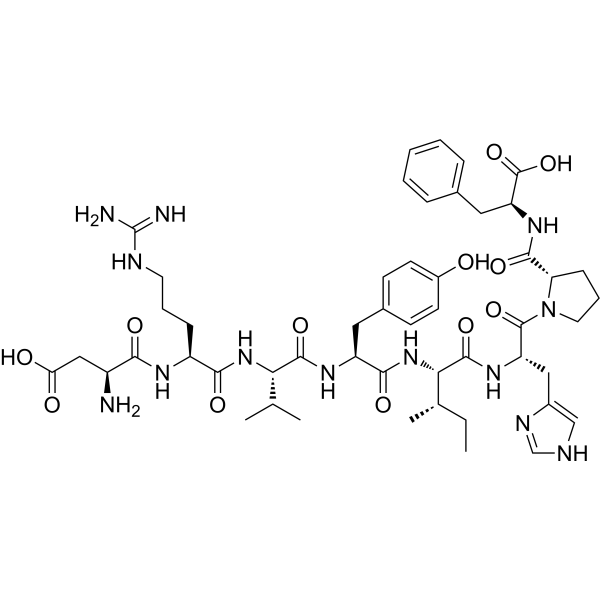
Cat. No.: HY-13948
CAS No.: 4474-91-3
Purity:  99.98%
Synonyms: Angiotensin II; Ang II; DRVYIHPF
Angiotensin II (Angiotensin II) is a vasoconstrictor and a major bioactive peptide of the renin/angiotensin system. Angiotensin II human plays a central role in regulating human blood pressure, which is mainly mediated by interactions between Angiotensin II and the G-protein-coupled receptors (GPCRs) Angiotensin II type 1 receptor (AT1R) and Angiotensin II type 2 receptor (AT2R). Angiotensin II human stimulates sympathetic nervous stimulation, increases aldosterone biosynthesis and renal actions. Angiotensin II human induces growth of vascular smooth muscle cells, increases collagen type I and III synthesis in fibroblasts, leading to thickening of the vascular wall and myocardium, and fibrosis. Angiotensin II human also induces apoptosis. Angiotensin II induces capillary formation from endothelial cells via the LOX-1 dependent redox-sensitive pathway .
loading...
    loading...
244
244 Publications Verification
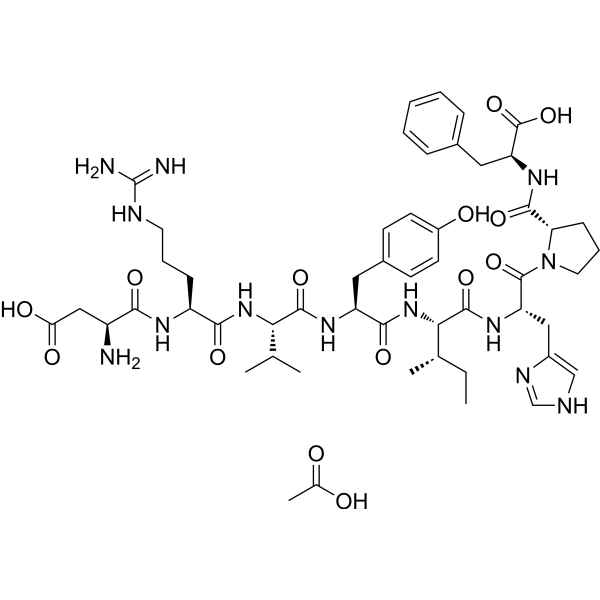
Cat. No.: HY-13948A
CAS No.: 68521-88-0
Purity:  99.62%
Synonyms: Angiotensin II acetate; Ang II acetate; DRVYIHPF acetate
Angiotensin II human (Angiotensin II) acetate is a vasoconstrictor and a major bioactive peptide of the renin/angiotensin system. Angiotensin II human acetate plays a central role in regulating human blood pressure, which is mainly mediated by interactions between Angiotensin II and the G-protein-coupled receptors (GPCRs) Angiotensin II type 1 receptor (AT1R) and Angiotensin II type 2 receptor (AT2R). Angiotensin II human acetate stimulates sympathetic nervous stimulation, increases aldosterone biosynthesis and renal actions. Angiotensin II human acetate induces growth of vascular smooth muscle cells, increases collagen type I and III synthesis in fibroblasts, leading to thickening of the vascular wall and myocardium, and fibrosis. Angiotensin II human acetate also induces apoptosis. Angiotensin II human acetate induces capillary formation from endothelial cells via the LOX-1 dependent redox-sensitive pathway .
loading...
    loading...
244
244 Publications Verification
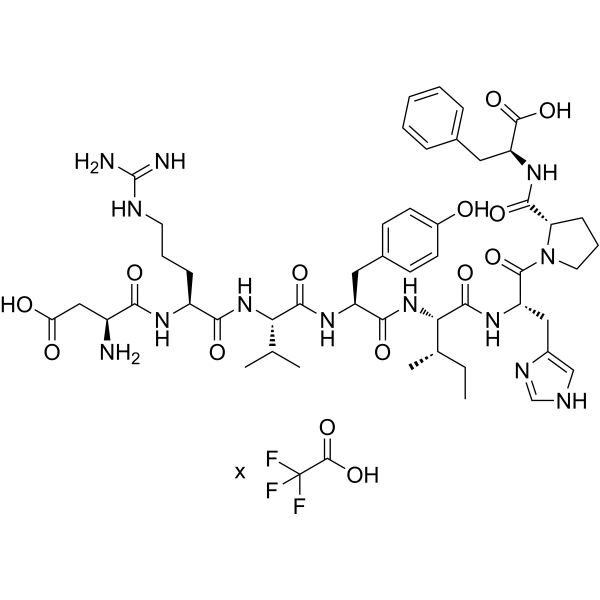
Cat. No.: HY-13948B
CAS No.: 2761969-44-0
Purity:  98.84%
Synonyms: Angiotensin II TFA; Ang II TFA; DRVYIHPF TFA
Angiotensin II human (Angiotensin II) TFA is a vasoconstrictor and a major bioactive peptide of the renin/angiotensin system. Angiotensin II human TFA plays a central role in regulating human blood pressure, which is mainly mediated by interactions between Angiotensin II and the G-protein-coupled receptors (GPCRs) Angiotensin II type 1 receptor (AT1R) and Angiotensin II type 2 receptor (AT2R). Angiotensin II human TFA stimulates sympathetic nervous stimulation, increases aldosterone biosynthesis and renal actions. Angiotensin II human TFA induces growth of vascular smooth muscle cells, increases collagen type I and III synthesis in fibroblasts, leading to thickening of the vascular wall and myocardium, and fibrosis. Angiotensin II human TFA also induces apoptosis. Angiotensin II human TFA induces capillary formation from endothelial cells via the LOX-1 dependent redox-sensitive pathway .
loading...
    loading...
39
39 Cited Publications
Cat. No.: HY-111534
CAS No.: 882366-16-7
Purity:  99.22%
Research Areas:  

Others

SBI-115 is a TGR5 (GPCR19) antagonist. SBI-115 decreases hepatic cystogenesis with polycystic liver diseases via inhibiting TGR5 .
loading...
    loading...
30
30 Cited Publications
Cat. No.: HY-13771A
CAS No.: 2898-95-5
Purity:  99.06%
Synonyms: Ursodeoxycholate sodium; Ursodiol sodium; UCDA sodium
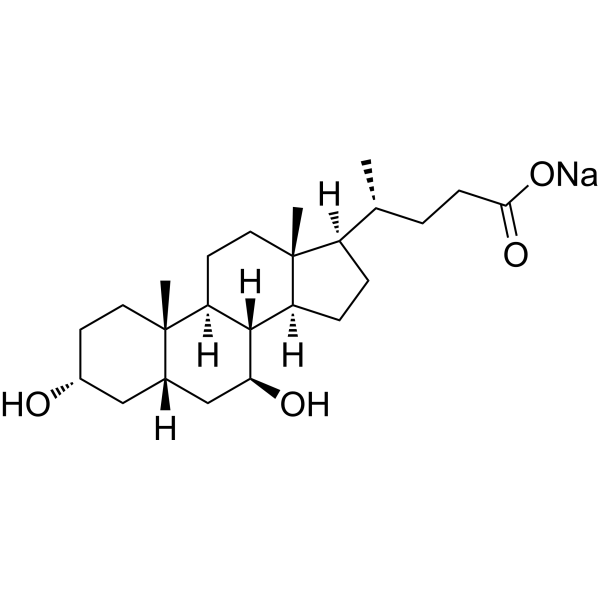
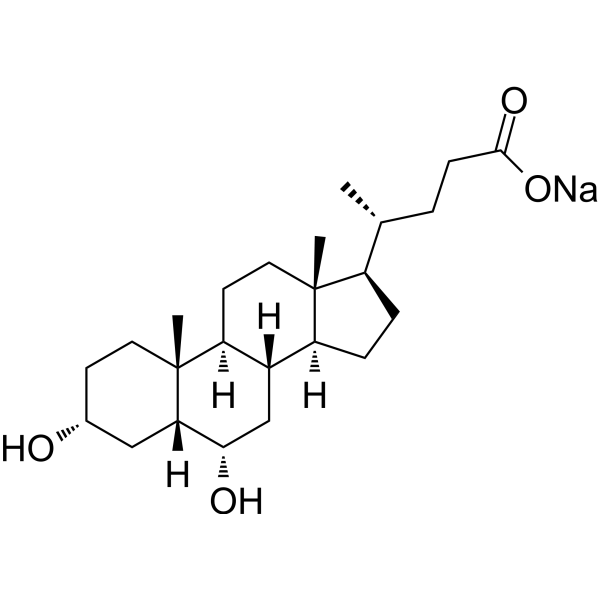
Ursodeoxycholic acid (Ursodeoxycholate) sodium is a secondary bile acid issued from the transformation of (cheno)deoxycholic acid by intestinal bacteria, acting as a key regulator of the intestinal barrier integrity and essential for lipid metabolism. Ursodeoxycholic acid sodium acts as signaling molecule, exerting its effects by interacting with bile acid activated receptors, including G-protein coupled bile acid receptor 5 (TGR5, GPCR19) and the farnesoid X receptor (FXR). Ursodeoxycholic acid sodium can be used for the research of a variety of hepatic and gastrointestinal diseases. Orally active .
loading...
    loading...
30
30 Cited Publications
Cat. No.: HY-13771
CAS No.: 128-13-2
Purity:  99.94%
Synonyms: Ursodeoxycholate; Ursodiol; UDCA
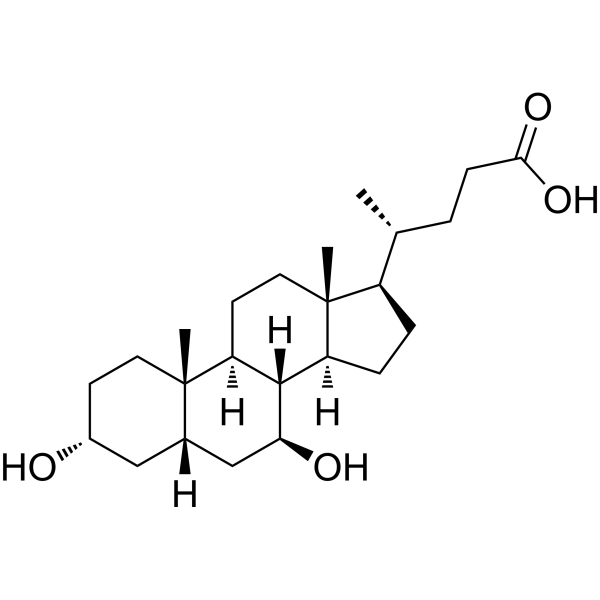
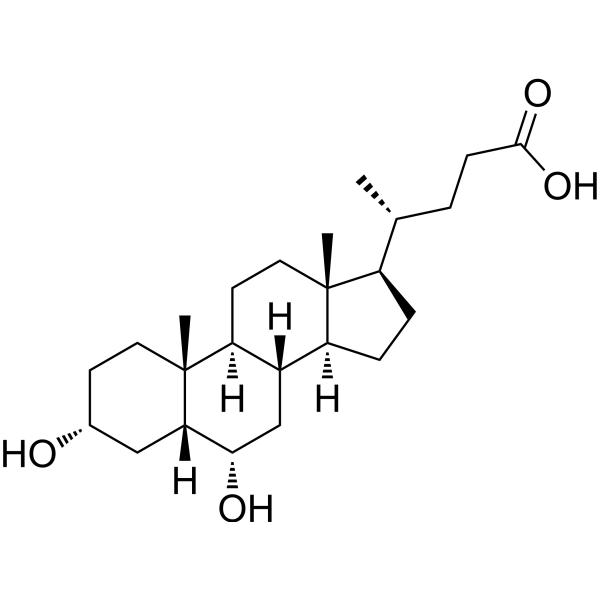
Ursodeoxycholic acid (Ursodeoxycholate) is a secondary bile acid issued from the transformation of (cheno)deoxycholic acid by intestinal bacteria, acting as a key regulator of the intestinal barrier integrity and essential for lipid metabolism. Ursodeoxycholic acid acts as signaling molecule, exerting its effects by interacting with bile acid activated receptors, including G-protein coupled bile acid receptor 5 (TGR5, GPCR19) and the farnesoid X receptor (FXR). Ursodeoxycholic acid can be used for the research of a variety of hepatic and gastrointestinal diseases. Ursodeoxycholic acid also reduces ACE2 expression and is beneficial for reducing SARS-CoV-2 infection. Orally active .
loading...
    loading...
18
18 Cited Publications
Cat. No.: HY-B0228
CAS No.: 58-61-7
Synonyms: Adenine riboside; D-Adenosine
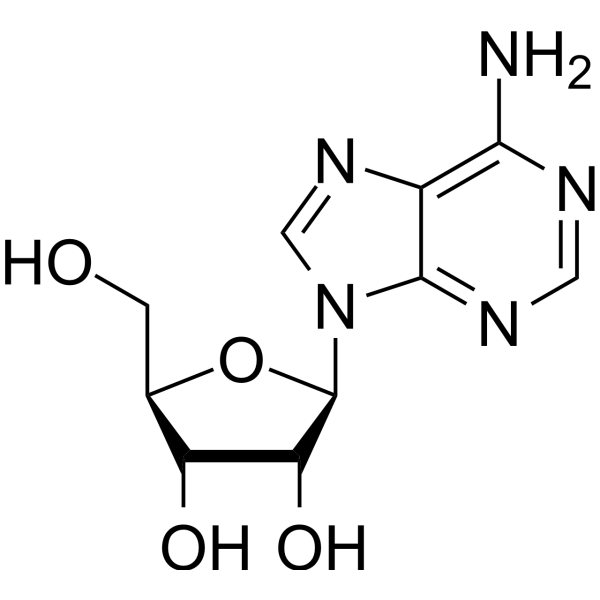
Adenosine (Adenine riboside), a ubiquitous and BBB-permeable endogenous autacoid, acts through the enrollment of four G protein-coupled receptors: A1, A2A, A2B, and A3. Adenosine affects almost all aspects of cellular physiology, including neuronal activity, vascular function, platelet aggregation, and blood cell regulation .
loading...
    loading...
9
9 Cited Publications
Cat. No.: HY-10805
CAS No.: 871224-64-5
Purity:  99.46%
Synonyms: ACT 078573
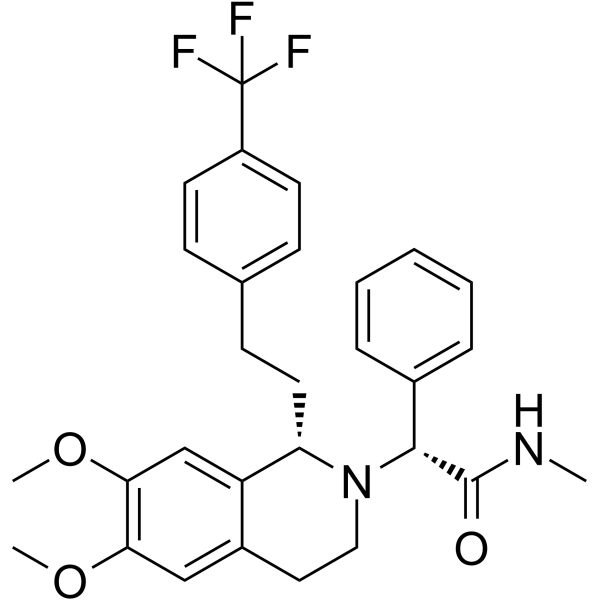
Almorexant (ACT 078573) is an orally active, potent and competitive dual orexin receptor antagonist, with Kd values of 1.3 nM (OX1) and 0.17 nM (OX2), respectively. Almorexant reversibly blocks signaling of orexin-A and orexin-B peptides. Almorexant totally blocked the intracellular Ca 2+ signal pathway. Almorexant stimulates caspase-3 activity in AsPC-1 cells and induces apoptosis .
loading...
    loading...
9
9 Cited Publications
Cat. No.: HY-10805A
CAS No.: 913358-93-7
Purity:  99.98%
Synonyms: ACT 078573 hydrochloride
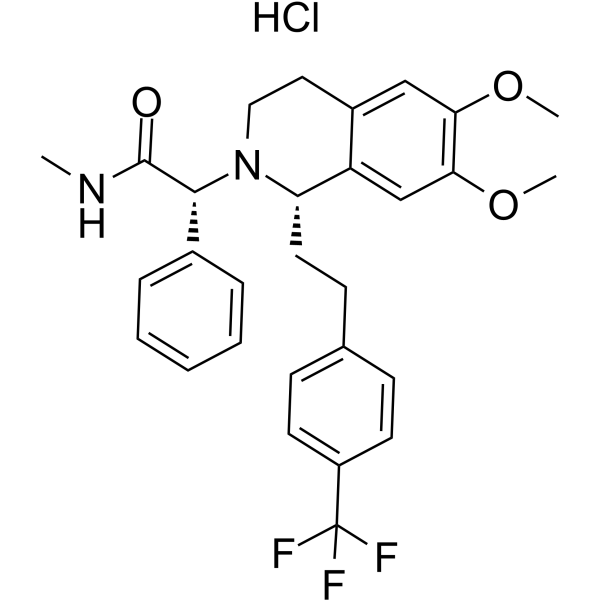
Almorexant (ACT 078573) hydrochloride is an orally active, potent and competitive dual orexin receptor antagonist, with Kd values of 1.3 nM (OX1) and 0.17 nM (OX2), respectively. Almorexant hydrochloride reversibly blocks signaling of orexin-A and orexin-B peptides. Almorexant hydrochloride totally blocked the intracellular Ca 2+ signal pathway. Almorexant hydrochloride stimulates caspase-3 activity in AsPC-1 cells and induces apoptosis .
loading...
    loading...
8
8 Cited Publications
Cat. No.: HY-15589
CAS No.: 885101-89-3
Purity:  99.23%
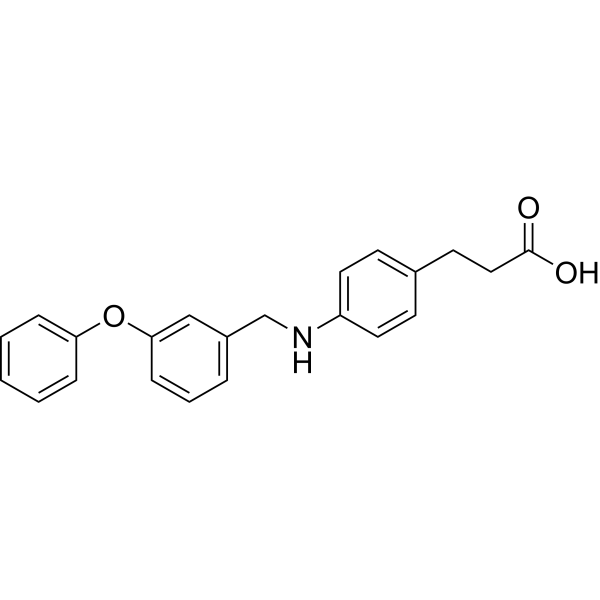
GW9508 is a potent and selective G protein-coupled receptors FFA1 (GPR40) and GPR120 agonist with pEC50s of 7.32 and 5.46, respectively. GW9508 shows ~100-fold selectivity for GPR40 over GPR120. GW9508 is inactive against other GPCRs, kinases, proteases, integrins and PPARs. GW9508 is a glucose-sensitive insulin secretagogue and an ATP-sensitive potassium (KATP) channels opener. Anti-inflammatory and anti-atherosclerotic activities .
loading...
    loading...
6
6 Cited Publications
Cat. No.: HY-N0169
CAS No.: 83-49-8
Synonyms: HDCA
Hyodeoxycholic acid is a secondary bile acid formed in the small intestine by the gut flora, and acts as a TGR5 (GPCR19) agonist, with an EC50 of 31.6 µM in CHO cells.
loading...
    loading...
6
6 Cited Publications
Cat. No.: HY-P1125
CAS No.: 300851-67-6
Research Areas:  

Others

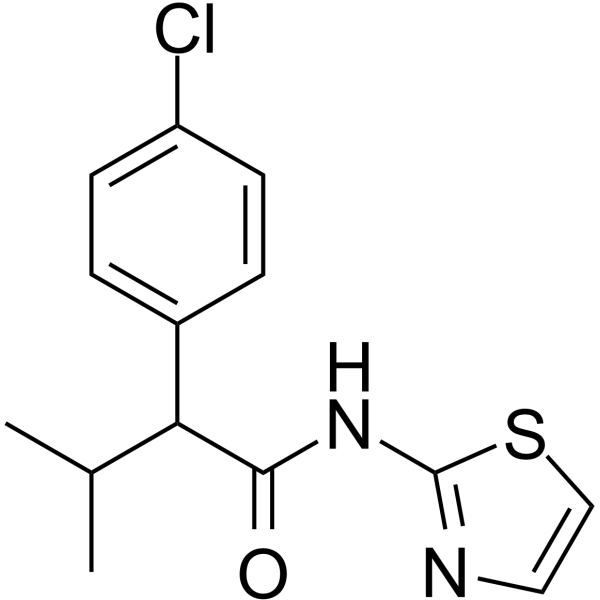
4-CMTB is a selective free fatty acid receptor 2 (FFA2/GPR43) agonist and a positive allosteric modulator (pEC50=6.38) .
loading...
    loading...
4
4 Cited Publications
Cat. No.: HY-113962
CAS No.: 64907-22-8
Purity:  99.88%
Synonyms: 7α,25-OHC
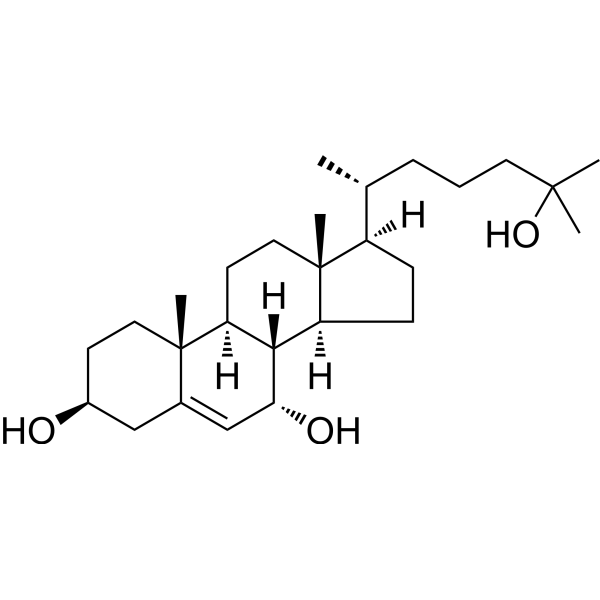
7α, 25-dihydroxycholesterol (7α,25-OHC) is a potent and selective agonist and endogenous ligand of the orphan GPCR receptor EBI2 (GPR183). 7α, 25-dihydroxycholesterol is highly potent at activating EBI2 (EC50=140 pM; Kd=450 pM). 7α, 25-dihydroxycholesterol can serve as a chemokine directing migration of B cells, T cells and dendritic cells .
loading...
    loading...
3
3 Cited Publications
Cat. No.: HY-15564
CAS No.: 733750-99-7
Purity:  99.58%
Target:  

GPR119

Research Areas:  

Metabolic Disease

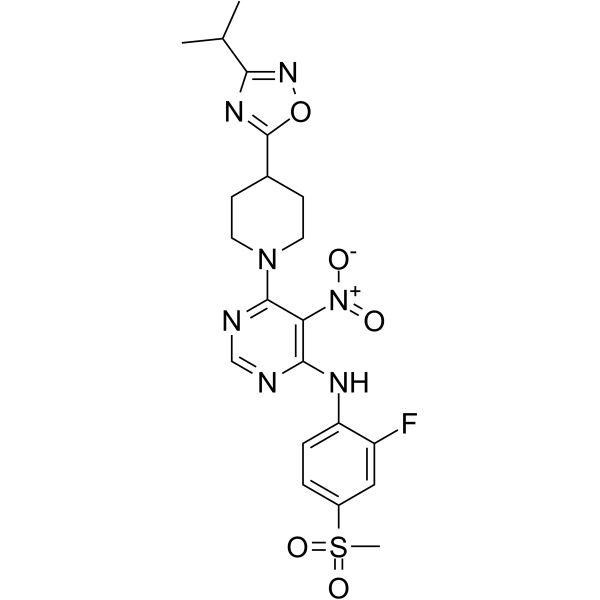
AR 231453 is a potent, specific and orally available GPR119 agonist. AR 231453 can stimulate β-cell replication and improve islet graft function s .
loading...
    loading...
3
3 Cited Publications
Cat. No.: HY-47573
CAS No.: 2750414-35-6
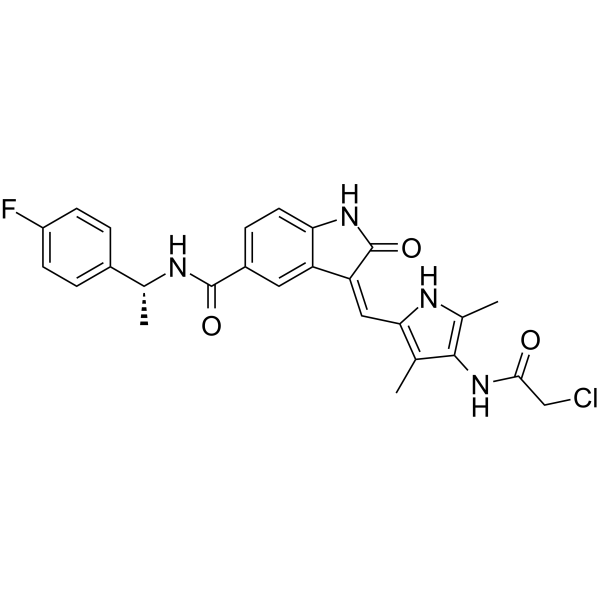
CCG273441 is a covalent inhibitor of G protein-coupled receptor (GPCR) kinase 5 (GRK5) with an IC50 value of 3.8 nM. CCG273441 is highly selective to GRK5 over GRK2 (IC50=4.8 μM) by binding Cys474, a GRK5 subfamily-specific residue, as a covalent handle .
loading...
    loading...
3
3 Cited Publications
Cat. No.: HY-119222
CAS No.: 862892-90-8
Purity:  99.11%
Target:  

GPR109A

Research Areas:  

Metabolic Disease

GSK256073 is a potent, selective and orally active GPR109A agonist and a long-lasting and non-flushing HCA2 full agonist with a pEC50 of 7.5 (human HCA2). GSK256073 acutely improves glucose homeostasis via inhibition of lipolysis and has the potential for the study of type 2 diabetes mellitus (T2DM)and dyslipidemia . GPR109A: G-protein coupled receptor 109A; HCA2: hydroxy-carboxylic acid receptor 2
loading...
    loading...
3
3 Cited Publications
Cat. No.: HY-14229
CAS No.: 1197300-24-5
Purity:  99.71%
Synonyms: CCDC
TGR5 Receptor Agonist (CCDC), a potent Takeda G protein-coupled receptor 5 (TGR5; GPCR19) agonist, shows improved potency in the U2-OS cells and melanophore cells with pEC50s of 6.8 and 7.5, respectively. TGR5 Receptor Agonist can induce peripheral and central hypersensitivity to bladder distension in mice, and increase intracellular Ca 2+ concentration. TGR5 Receptor Agonist can also reduces food intake and improves insulin responsiveness, in diet-induced obese mice. TGR5 Receptor Agonist can be used to research diabetes, bladder hypersensitivity and anti-obesity .
loading...
    loading...
2
2 Cited Publications
Cat. No.: HY-101483
CAS No.: 674786-20-0
Purity:  99.23%
Target:  

Drug Derivative

Research Areas:  

Neurological Disease Cancer

Dihydromunduletone (DHM) is a rotenoid derivative and a selective, potent adhesion G protein-coupled receptor (aGPCR) (GPR56 and GPR114/ADGRG5) antagonist with an IC 50 of 20.9 μM for GPR56, but not inhibit GPR110 or class A GPCRs .
loading...
    loading...
2
2 Cited Publications
Cat. No.: HY-134494
CAS No.: 2375070-79-2
Purity:  99.90%
Target:  

GPR68

Research Areas:  

Neurological Disease

MS48107 is a potent and selective positive allosteric modulator of G protein-coupled receptor 68 (GPR68). MS48107 is selective for GPR68 over the closely related proton GPCRs, neurotransmitter transporters, and hERG ion channels. MS48107 can readily cross the blood-brain barrier (BBB) in mice .
loading...
    loading...
2
2 Cited Publications
Cat. No.: HY-107625A
CAS No.: 1781934-47-1
Purity:  99.90%
Target:  

MCHR1 (GPR24)

Research Areas:  

Neurological Disease

SNAP 94847 hydrochloride is a novel, high affinity selective melanin-concentrating hormonereceptor1 (MCHR1) antagonist with (Ki= 2.2 nM, Kd=530 pM), it displays >80-fold and >500-fold selectivity over MCHα1A and MCHD2 receptors respectively. SNAP 94847 hydrochloride binds with high affinity to the mouse and rat MCHR1 with minimal cross-reactivity to other GPCR, ion channels, enzymes, and transporters .
loading...
    loading...

