Search Result
Results for "
HEK293T
" in MedChemExpress (MCE) Product Catalog:
8
Biochemical Assay Reagents
1
Isotope-Labeled Compounds
| Cat. No. |
Product Name |
Target |
Research Areas |
Chemical Structure |
-
- HY-B1456A
-
|
LILLY-53858
|
COX
Melanocortin Receptor
ERK
|
Inflammation/Immunology
|
|
Fenoprofen (LILLY-53858) is a nonsteroidal anti-inflammatory agent (NSAID) and inhibits cyclooxygenase (COX). Fenoprofen is a melanocortin receptors (MCRs) positive allosteric modulator (PAM). Fenoprofen also increases ERK1/2 activation in HEK293T cells. Fenoprofen has anti-arthritic activities and can be used for the study of rheumatoid arthritis and osteoarthritis .
|
-
-
- HY-15888
-
|
|
BMI1
Autophagy
|
Cancer
|
|
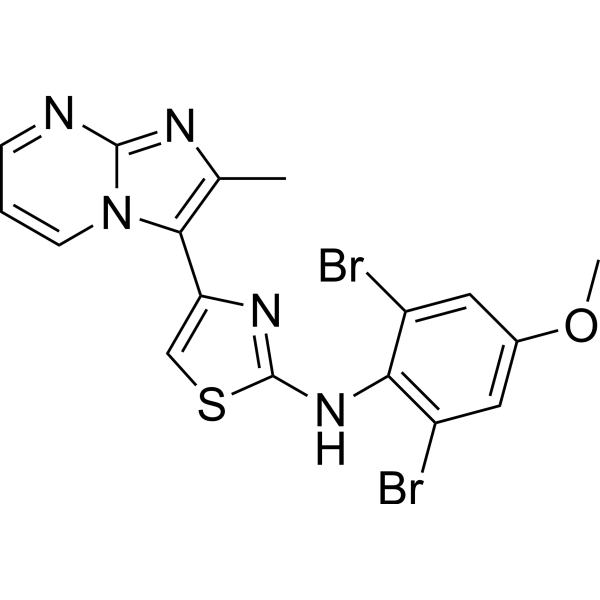
PTC-209 is a specific BMI-1 inhibitor with an IC50 of 0.5 μM in HEK293T cell line. PTC-209 irreversibly impairs colorectal cancer-initiating cells (CICs). PTC-209 shows potent anti-myeloma activity and impairs the tumor microenvironment .
|
-
-
- HY-108317
-
|
|
Phosphatase
|
Cancer
|
|
ABL127 is a selective and covalent inhibitor of protein methylesterase 1 (PME-1) with IC50s of 6.4 nM and 4.2 nM in HEK293T and MDA-MB-231 cells, respectively.
|
-
-
- HY-147010
-
-
-
- HY-P990043
-
|
VGL101
|
Ser/Thr Kinase
TREM receptor
|
Inflammation/Immunology
|
|
Iluzanebart is a human monoclonal IgG1 antibody and is the agonist antibody for human TREM2 (hTREM2). Iluzanebart improves the survival and function of microglia by activating the TREM2 signaling pathway to compensate for the loss of CSF1R function. Iluzanebart can be used for research of adult-onset leukoencephalopathy associated with CSF1R (colony stimulating factor 1 receptor) (CSF1R-ALSP) .
|
-
-
- HY-N2189
-
-
-
- HY-P1680
-
|
Asterin
|
STING
HSV
|
Infection
Inflammation/Immunology
Cancer
|
|
Astin C (Asterin) is a cyclopeptide that can be extracted from Aster tataricus. Astin C has anti-inflammatory and anti-cancer activities. Astin C can specifically inhibit the cGAS-STING signaling pathway, block the recruitment of IRF3 to the STING signalosome, and thus inhibit the innate inflammatory response. Astin C can be used in the research of autoimmune diseases and cancers .
|
-
-
- HY-130714
-
TD-165
1 Publications Verification
|
PROTACs
|
Cancer
|
|
TD-165 is a PROTAC-based cereblon (CRBN) degrader. TD-165 comprises a?cereblon (CRBN)?ligand binding group, a linker and an?von Hippel-Landau (VHL)?binding group .
|
-
-
- HY-153188
-
|
|
PROTACs
Apoptosis
IRAK
|
Cancer
|
|
JNJ-1013 is a potent and selective IRAK1 PROTAC degrader with an IC50s of 72, 443, 1071 nM for IRAK1, IRAK4, VHL FP respectively. JNJ-1013 induces apoptosis and increases the expression of cleavaged PARP. JNJ-1013 decreases the expression IRAK1, p-IKBα, pSTAT3(Tyr705) (Pink: ligand for target protein (HY-138834); black: linker (HY-Y1760); Blue: E3 ligase ligand (HY-112078)) .
|
-
-
- HY-P5819
-
|
|
Wnt
PROTACs
β-catenin
|
Cancer
|
|
xStAx-VHLL is a β-catenin PROTAC degrader that promotes ubiquitination and proteasome degradation of β-catenin. xStAx-VHLL inhibits the Wnt/β-catenin signaling pathway. xStAx-VHLL can inhibit the proliferation of colon cancer cells and has anti-tumor activity .
|
-
-
- HY-150089
-
|
|
CFTR
|
Inflammation/Immunology
|
|
SRI-37240 is a potent premature termination codons (PTCs) inhibitor. SRI-37240 suppresses CFTR nonsense mutations. SRI-37240 alters cellular translation termination at PTCs in HEK293T cells. SRI-37240 can also restore CFTR function in primary bronchial epithelial cells when combination with G418 .
|
-
-
- HY-126037
-
|
|
ROR
|
Inflammation/Immunology
|
|
(±)-ML 209 (compound 4n), a diphenylpropanamide, is a retinoic acid-related orphan receptor RORγ antagonist with an IC50 of 1.1 μM. (±)-ML 209 inhibits RORγt transcriptional activity with an IC50 of 300 nM in HEK293t cells. (±)-ML 209 inhibits the transcriptional activity of RORγt, but not RORα in cells. (±)-ML 209 selectively inhibits murine Th17 cell differentiation without affecting the differentiation of naïve CD4 + T cells into other lineages, including Th1 and regulatory T cells .
|
-
-
- HY-B0288B
-
|
LILLY-53858 Calcium hydrate
|
COX
Melanocortin Receptor
ERK
|
Inflammation/Immunology
|
|
Fenoprofen (LILLY-53858) Calcium hydrate is a nonsteroidal anti-inflammatory agent (NSAID) and inhibits cyclooxygenase (COX). Fenoprofen Calcium hydrate is a melanocortin receptors (MCRs) positive allosteric modulator (PAM). Fenoprofen Calcium hydrate also increases ERK1/2 activation in HEK293T cells. Fenoprofen Calcium hydrate has anti-arthritic activities and can be used for the study of rheumatoid arthritis and osteoarthritis .
|
-
-
- HY-12833
-
AMZ30
1 Publications Verification
|
Phosphatase
Akt
ERK
|
Others
|
|
AMZ30 is selective protein phosphatase methylesterase-1(PME-1) inhibitor with IC50s of 600 nM and 3.5 µM in human cell lysates and in HEK 293T cells, respectively. AMZ30 shows >100-fold selectivity relative to other serine hydrolases. AMZ30 reduces the demethylated form of PP2A in living cells. AMZ30 attenuates muscle cell differentiation. AMZ30 increases the resistance of U87MG and U251MG glioblastoma cells to t-BHP-induced oxidative stress. AMZ30can be used for the study of glioblastoma .
|
-
-
- HY-W585876
-
|
|
FXR
|
Metabolic Disease
|
|
Chenodeoxycholic acid 3-glucuronide is a metabolite of Chenodeoxycholic acid that can activate the key nuclear receptor (FXR), with an EC50 of 8 μM, and in HEK293T cells, the EC50 for activating FXR is 11 μM .
|
-
-
- HY-N3504
-
|
|
Sirtuin
OAT
|
Cancer
|
|
Ophiopogonin D' is a steroidal saponin and a SIRT1 activator. Ophiopogonin D' can also regulate the activities of transporters OATP1B1 and OATP1B3. Ophiopogonin D' exhibits certain toxicity to tumor cells. Ophiopogonin D' can be used in tumor research .
|
-
-
- HY-176136
-
|
|
Orphan Nuclear Receptor
|
Metabolic Disease
|
|
HNF4 agonist 1 is a HNF4 agonist. HNF4 agonist 1 activates HNF4α and HNF4γ with EC50 values of 6 nM and 17 nM, respectively. HNF4 agonist 1 can be used in studies related to maturity-onset diabetes of the young type 1 (mody-1) .
|
-
-
- HY-122657
-
|
|
RUNX
|
Cancer
|
|
AI-10-104 is an inhibitor for runt-related transcription factor (RUNX), which enhances the cytotoxicity in myeloma cells .
|
-
-
- HY-155938
-
|
|
Acyltransferase
|
Neurological Disease
Inflammation/Immunology
Cancer
|
|
Cyano-myracrylamide is an inhibitor of zinc finger DHHC domain-containing palmitoyltransferase 20 (zDHHC20) with an IC50 value of 1.35 µM. Cyano-myracrylamide also inhibits the S-Acylation of EGFR and CD36. Cyano-myracrylamide also inhibits S-acylation of Legionella E3 ligase GobX, MyD88, and Ras, which are substrates of zDHHC20, zDHHC9, and zDHHC6, respectively, in HEK293T cells expressing recombinant Legionella GobX, recombinant human MyD88, or endogenous Ras .
|
-
-
- HY-160496
-
|
|
STAT
|
Cancer
|
|
STAT3-IN-25 (Compound 2p) is a potent STAT3 inhibitor with a p-trifluoroethoxy benzyl substituent. STAT3-IN-25 shows STAT3 luciferase inhibition activity using HEK293T cells with an IC50 of 22.3 nM and ATP production inhibition activity using BxPC-3 cells with an IC50 of 32.5 nM. STAT3-IN-25 has the potential for pancreatic cancer research .
|
-
-
- HY-175764
-
|
|
PROTACs
IRAK
NF-κB
p38 MAPK
TNF Receptor
Interleukin Related
|
Inflammation/Immunology
|
|
FIP22 is a potent and selective IRAK4 PROTAC degrader (HEK293T cells: DC50 = 3.2 nM; THP-1 cells: DC50 = 10.6 nM). FIP22 induces the ubiquitin-proteasome system by forming an IRAK4-FIP22-CRBN ternary complex (EC50 = 12.63 nM), thereby potently blocking IRAK4-mediated NF-κB and MAPK signaling pathways. FIP22 can be used for the study of atopic dermatitis (Pink: IRAK4 ligand (HY-175765); Blue: CRBN ligand (HY-W087383); Black: Linker (HY-46871)) .
|
-
-
- HY-139603
-
|
|
YAP
|
Cancer
|
|
MYF-01-37 is a covalent TEAD inhibitor targeting Cys380. MYF-01-37 has a reversible inhibition on YAP/TEAD interaction .
|
-
-
- HY-111547
-
|
|
HIF/HIF Prolyl-Hydroxylase
|
Cancer
|
|
M1001 is a weak hypoxia-inducible factor-2α (HIF-2α) agonist. M1001 can bind to the HIF-2α PAS-B domain, with a Kd of 667 nM. M1001 can be used in chronic kidney disease research .
|
-
-
- HY-118368
-
-
-
- HY-122716
-
|
|
PPAR
|
Others
|
|
PTGR2-IN-1 is a potent PTGR2 inhibitor with an IC50 of ~0.7 μM. PTGR2-IN-1 increases 15-keto-PGE2-dependent PPARγ transcriptional activity in PTGR2-transfected HEK293T cells .
|
-
-
- HY-151465
-
|
|
HIF/HIF Prolyl-Hydroxylase
|
Cancer
|
|
HIF-1α-IN-4 is a HIF-1α inhibitor with an IC50 value of 24 nM (in HEK293T cell). HIF-1α-IN-4 downregulates VEGF and PDK1 mRNA expressions under hypoxia. HIF-1α-IN-4 can be used in the research of cancer .
|
-
-
- HY-15888A
-
|
|
BMI1
Autophagy
|
Cancer
|
|
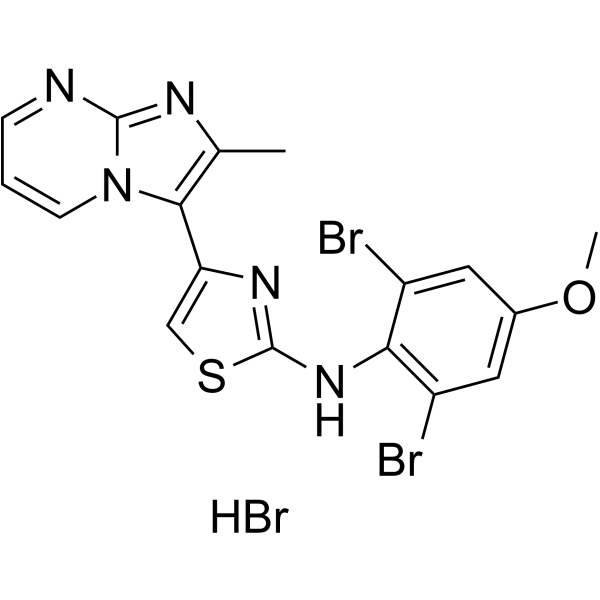
PTC-209 hydrobromide is a specific BMI-1 inhibitor with an IC50 of 0.5 μM in HEK293T cell line. PTC-209 hydrobromide irreversibly impairs colorectal cancer-initiating cells (CICs). PTC-209 hydrobromide shows potent anti-myeloma activity and impairs the tumor microenvironment .
|
-
-
- HY-148254
-
|
|
Deubiquitinase
|
Cancer
|
|
8RK64, a chemical probe, is a covalent UCHL1 inhibitor (IC50: 0.32 μM) . 8RK64 is a click chemistry reagent, it contains an Azide group and can undergo copper-catalyzed azide-alkyne cycloaddition reaction (CuAAc) with molecules containing Alkyne groups. It can also undergo strain-promoted alkyne-azide cycloaddition (SPAAC) reactions with molecules containing DBCO or BCN groups.
|
-
-
- HY-161168
-
|
|
CDK
|
Cancer
|
|
Cyclin K degrader 1 (compound 40) is an AT7519 (HY-50940) based Cyclin K degrader with DC50 of 21 nM. Cyclin K degrader 1 has an affinity for cyclin K that is ~500-fold higher than its affinity for CDK12 .
|
-
-
- HY-P5819A
-
|
|
PROTACs
β-catenin
Wnt
|
Cancer
|
|
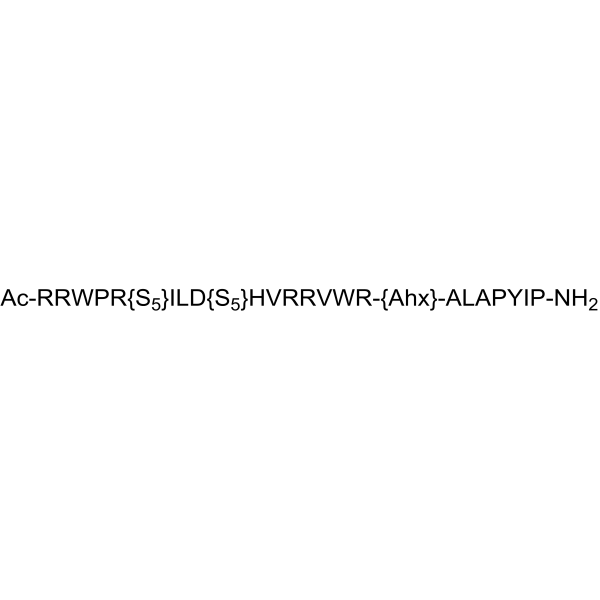
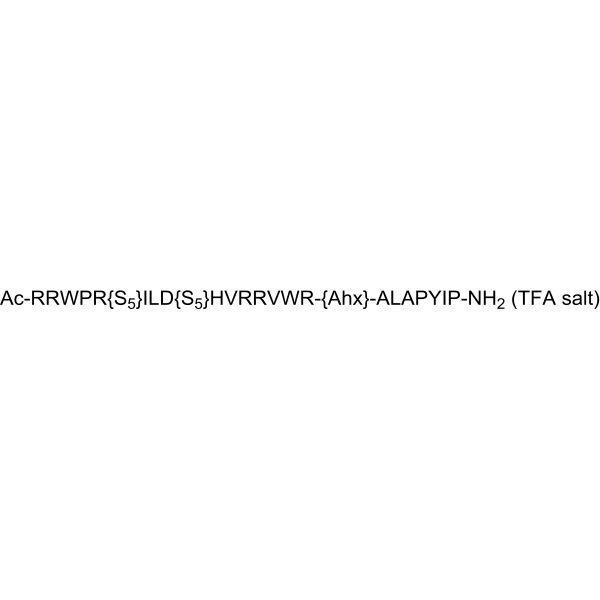
xStAx-VHLL TFA is a β-catenin PROTAC degrader that promotes ubiquitination and proteasome degradation of β-catenin. xStAx-VHLL TFA inhibits the Wnt/β-catenin signaling pathway. xStAx-VHLL TFA can inhibit the proliferation of colon cancer cells and has anti-tumor activity .
|
-
-
- HY-152265
-
|
|
PINK1/Parkin
Mitophagy
|
Neurological Disease
|
|
PARL-IN-1 is a potent PARL inhibitor with an IC50 value of 28 nM. PARL-IN-1 inhibits PARL and leads to a robust activation of the PINK1/Parkin pathway. PARL-IN-1 promotes PINK1/Parkin-dependent mitophagy .
|
-
-
- HY-116895
-
|
|
Androgen Receptor
MAGL
|
Metabolic Disease
|
|
JJH260 is AIG1inhibitor, and inhibit the fluorophosphonate reactivity and fatty acid esters of hydroxy fatty acid (FAHFA) hydrolysis activity of AIG1in HEK293T cells, with IC50 values of 0.50 μM and 0.57 μM, respectively .
|
-
-
- HY-B0288A
-
|
LILLY-53858 Calcium
|
COX
Melanocortin Receptor
ERK
|
Inflammation/Immunology
|
|
Fenoprofen (LILLY-53858) Calcium is a nonsteroidal anti-inflammatory agent (NSAID) and inhibits cyclooxygenase (COX). Fenoprofen Calcium is a melanocortin receptors (MCRs) positive allosteric modulator (PAM). Fenoprofen Calcium also increases ERK1/2 activation in HEK293T cells. Fenoprofen Calcium has anti-arthritic activities and can be used for the study of rheumatoid arthritis and osteoarthritis .
|
-
-
- HY-161740
-
|
|
AUTOTACs
Estrogen Receptor/ERR
Autophagy
|
Cancer
|
|
PHTPP-1304 is a PHTPP-based autophagy targeting chimera (AUTOTAC). PHTPP-1304 induces the degradation of estrogen receptor ERβ through the autophagy pathway, rather than ubiquitination (DC50 ≈ 2 nM, in HEK293T cells; < 100 nM in ACHN renal carcinoma and MCF-7 breast cancer cells). PHTPP-1304 can induce the self-oligomerization of p62. PHTPP-1304 can be used to study various cancers mediated by ERβ .
|
-
-
- HY-132866
-
|
|
P-glycoprotein
|
Cancer
|
|
YS-370 (compound 44) is a potent, high selective, and orally active inhibitor of P-glycoprotein (P-gp). YS-370 stimulates the P-gp ATPase activity and has moderate inhibition against CYP3A4. YS-370 effectively reverses multidrug resistance (MDR) to paclitaxel and colchicine in SW620/AD300 and HEK293T-ABCB1 cells. YS-370 in combination with paclitaxel achieves much stronger antitumor activity .
|
-
-
- HY-170517
-
|
|
Wee1
Ephrin Receptor
|
Cancer
|
|
PKMYT1-IN-8 (Compound 137) is the inhibitor for PKMYT1 with an IC50 of 9 nM. PKMYT1-IN-8 inhibits EPHB3, EPHA1, KIT, EPHB1, EPHA2, EPHA3, and EPHB2with IC50s of 1.79, 3.17, 4.29, 6.32, 6.83, 8.10, and 10.9 μM, respectively. PKMYT1-IN-8 inhibits the proliferation of cancer cell OVCAR3 with GI50 of 2.02 μM .
|
-
-
- HY-160709
-
|
|
Wnt
β-catenin
|
Cancer
|
|
Wnt/β-catenin-IN-2 (Compound 3235-0367) is a Wnt/β-catenin signaling pathway inhibitor, with IC50 and KD values of 7.1 and 2.5 μM, respectively. Wnt/β-catenin-IN-2 can be used for the research of cancer .
|
-
-
- HY-153132
-
|
|
mGluR
|
Metabolic Disease
|
|
mGluR3 modulator-1 (compound 3) is a mGluR3 modulator, with an EC50 of 1-10 μM in HEK293T-mGluR-Gqi5 Calcium Mobilization Assay .
|
-
-
- HY-151466
-
|
|
HIF/HIF Prolyl-Hydroxylase
Monoamine Oxidase
|
Cancer
|
|
HIF-1α-IN-5 is a HIF-1α inhibitor with an IC50 value of 24 nM (in HEK293T cell). HIF-1α-IN-5 also inhibits MAO-A activity. HIF-1α-IN-5 downregulates VEGF and PDK1 mRNA expressions under hypoxia. HIF-1α-IN-5 can be used in the research of cancer .
|
-
-
- HY-179475
-
|
|
CaSR
|
Endocrinology
|
|
KP-2067 is a form of the CaSR agonist peptide. KP-2067 can result in dose-dependent activation of CaSR in HEK293T overexpressing hCaSR cell line, with an EC50 of 18.4 μM. KP-2067 significantly reduces plasma parathyroid hormone in rat model .
|
-
-
- HY-178803
-
|
|
PROTACs
BCL6
|
Cancer
|
|
PROTAC BCL6 Degrader-2 (Compound A19) is an orally active, selective BCL6 PROTAC degrader (DC50s: 34 pM in OCI-LY1 cells and 0.45 nM in HEK293T cells). PROTAC BCL6 Degrader-2 promotes the ubiquitination and degradation of BCL6. PROTAC BCL6 Degrader-2 exhibits anticancer activity against BCL6-dependent diffuse large B-cell lymphoma (Pink: BCL6 ligand (HY-178804); Blue: E3 ligase ligand (HY-W087383); E3 ligase ligand + linker (HY-W998306)) .
|
-
-
- HY-160501
-
|
|
Molecular Glues
CDK
|
Cancer
|
|
DS17 is a molecular glue that acts as a potent degrader of cyclin K, with an EC50 of 13 nM. DS17 plays an important role in cancer research .
|
-
-
- HY-162477
-
|
|
Cathepsin
Apoptosis
|
Cancer
|
|
TS-24 is an inhibitor for cathepsin S, with an IC50 of 4.3 μM. TS-24 exhibits radiosensitizing activity in wild type breast cancer susceptibility gene 1 (BRCA1) and in TNBC xenograft mice model, through induction of apoptosis .
|
-
-
- HY-177071
-
|
|
HIV
|
Infection
|
|
Asuptegravir (Compound 1) is an inhibitor of HIV integrase activity. Asuptegravir inhibits HIV in HEK293T cells (EC50 = 1.08 nM). Asuptegravir can be studied in anti-AIDs/HIV research .
|
-
-
- HY-156401
-
|
|
PROTACs
Epigenetic Reader Domain
|
Cancer
|
|
BRD9 c-1 (Compound 13-7) is a PROTAC BRD9 degrader . BRD9 Degrader-1 has a micromolar binding affinity for BRD9 and a nanomolar affinity for the BRD9-VCB ternary complex. BRD9 Degrader-1 induces BRD9 proteasome degradation in HEK293T cells, which can be reversed by MLN4924 (HY-70062). (Blue: VH032-cyclopropane-F (HY-125905); Black: linker (HY-W763939); Pink: HY-168695) .
|
-
-
- HY-171247
-
|
|
TGF-β Receptor
|
Others
|
|
CDD-1281 is a highly potent and selective BMPR2 kinase inhibitor with an IC50 of 1.2 nM. CDD-1281 can effectively inhibit BMP-mediated gene expression .
|
-
-
- HY-175187
-
|
|
CDK
E1/E2/E3 Enzyme
|
Cancer
|
|
LO-3-63, a Ribociclib (HY-15777) analog bearing a truncated fumaramide handle, is a PROTAC-like CDK4/6 degrader. LO-3-63 induces CUL4 DCAF16-dependent degradation of CDK4/6 in cells .
|
-
-
- HY-172675
-
-
-
- HY-164445
-
|
|
STAT
|
Cancer
|
|
STAT3-IN-32 (compound 2p) is an orally active, potent STAT3 dual phosphorylation inhibitor with an indole-containing tetra-aromatic heterocycle scaffold. STAT3-IN-32 exhibits STAT3 luciferase inhibition activity using HEK293T cells with an IC50 of 5.3 nM and ATP production inhibition activity using BxPC-3 cells with an IC50 of 4.2 nM. STAT3-IN-32 significantly blocks p-Tyr705 and p-Ser727 and causes the abrogation of the corresponding nuclear transcription and mitochondrial oxidative phosphorylation functions of STAT3 by targeting the STAT3 SH2 domain (KD=21.3 nM). STAT3-IN-32 exhibits significant suppressive effects in a pancreatic cancer xenograft model .
|
-
-
- HY-148243
-
|
STL5-T-0057
|
Aldehyde Dehydrogenase (ALDH)
|
Cancer
|
|
IGUANA-1 free base (STL5-T-0057) is an selective ALDH1 B1 inhibitor with an IC50 value of 30 nM. IGUANA-1 free base inhibits cell growth of SW480 cells in adherent and spheroid conditions with IC50 values of 2.46 and 0.39 μM, respectively. IGUANA-1 free base can be used for the research of cancer .
|
-
- HY-119102
-
|
|
HCN Channel
|
Inflammation/Immunology
|
|
BPU-11 is a hyperpolarization-activated cyclic nucleotide-gated (HCN) C-linker pocket (CLP) HCN4 CLP ligand. BPU-11 can be used for the research of congenital immune disease .
|
-
- HY-152265A
-
|
|
PINK1/Parkin
Mitophagy
|
Neurological Disease
|
|
PARL-IN-1 TFA is a potent PARL inhibitor with an IC50 value of 28 nM. PARL-IN-1 TFA inhibits PARL and leads to a robust activation of the PINK1/Parkin pathway. PARL-IN-1 TFA promotes PINK1/Parkin-dependent mitophagy .
|
-
- HY-129808
-
|
|
LPL Receptor
|
Cardiovascular Disease
Cancer
|
|
VPC12249 is a competitive dual LPA1/LPA3 antagonist with Ki values of 137nM and 428 nM, respectively. VPC12249 inhibits calcium mobilization in HEK293T cells with a Ki value of ~130 nM. VPC12249 is promising for research of ovarian cancer and hypertensive diseases .
|
-
- HY-171942A
-
|
C24:1-GM2 ammonium
|
Endogenous Metabolite
|
Neurological Disease
|
|
C24:1 Ganglioside GM2 (d18:1/24:1) (ammonium) is an endogenous monosialylated ganglioside. C24:1 Ganglioside GM2 (d18:1/24:1) (ammonium) is a self-lipid that can bind to CD1d in HEK293T cells .
|
-
- HY-175136
-
|
GAh acetate
|
Adrenergic Receptor
|
Infection
Neurological Disease
|
|
Chloroguanabenz (acetate) is an antiprion agent and a derivative of the α2-adrenergic receptor agonist guanabenz. Chloroguanabenz (acetate) can inhibit the formation of prion in yeast and mammalian in vitro assays. Chloroguanabenz (acetate) can reduce the levels of truncated Huntingtin derivative Htt48 in HEK293T cells. Chloroguanabenz (acetate) can be studied in research on Huntington’s disease .
|
-
- HY-172541
-
|
|
CXCR
|
Cardiovascular Disease
|
|
LN6023 (hydrochloride) (Compound 27) is a CXCR7 agonist. LN6023 (hydrochloride) induces the recruitment of β-arrestin in HEK293T cells expressing human CXCR7 (EC50 = 3.5 µM). LN6023 (hydrochloride) reduces the surface level of P-selectin in isolated and washed human platelets. LN6023 (hydrochloride) can be used to study platelet-mediated thrombosis .
|
-
- HY-158058
-
|
|
Toll-like Receptor (TLR)
Pyroptosis
|
Inflammation/Immunology
Cancer
|
|
WYJ-2 is a selective agonist for toll-like receptor 2/1 (TLR2/1) with EC50 of 18.57 nM in human TLR2 and TLR1 transient-cotransfected HEK 293T cells. WYJ-2 induces pyroptosis and exhibits anticancer activity against non-small cell lung cancer (NSCLC) .
|
-
- HY-162714
-
|
|
P-glycoprotein
|
Cancer
|
|
C3N-Dbn-Trp2 is an inhibitor for ATP-binding cassette transporter ABCB1. C3N-Dbn-Trp2 inhibits the ABCB1-mediated Rhodamine 123 (HY-D0816) efflux in cells HEK293T and HCT-15 with IC50 of 5.9 µM and 2.2 µM. C3N-Dbn-Trp2 inhibits the Doxorubicin (HY-15142A) efflux, enhances the cytotoxicity of Doxorubicin in ABCB1-expressing cells .
|
-
- HY-162885
-
|
|
Proteasome
JAK
STAT
Interleukin Related
|
Cancer
|
|
YSY01A is a proteasome inhibitor that can suppress cancer cell survival by inducing apoptosis (Apoptosis). Its IC50 values are 51.0 nM for HEK293T, 9.2 nM for A549, 5.2 nM for MCF-7, 8.9 nM for MGC-803, and 35.4 nM for PC-3M cells. Additionally, YSY01A eliminates constitutive STAT3 signaling by downregulating gp130 and JAK2 in human A549 lung cancer cells. YSY01A holds promise for research in the field of cancer therapy .
|
-
- HY-P1432A
-
|
|
GHSR
|
Cancer
|
|
K-(D-1-Nal)-FwLL-NH2 TFA is a high affinity and potent ghrelin receptor inverse agonist (Ki values are 4.9 and 31 nM in COS7 and HEK293T cells, respectively). K-(D-1-Nal)-FwLL-NH2 blocks ghrelin receptor-mediated Gq- and G13-dependent signaling pathways.
|
-
- HY-173431
-
|
|
Dopamine Receptor
Reactive Oxygen Species (ROS)
|
Cancer
|
|
Dopamine D4 receptor ligand 3 (Compound 16) is a dopamine D4 receptor (D4R) antagonist (pKi: 8.86). Dopamine D4 receptor ligand 3 has pIC50 values of 5.78, 5.55, and 6.17 for Go, Gi, and βArr2 sensors in HEK-293T cells, respectively. Dopamine D4 receptor ligand 3 inhibits the viability of three human glioma cell lines, U87 MG, T98G, and U251 MG. Dopamine D4 receptor ligand 3 induces ROS production and mitochondrial dysfunction in glioma cells .
|
-
- HY-B1456AR
-
|
LILLY-53858 (Standard)
|
Reference Standards
COX
Melanocortin Receptor
ERK
|
Inflammation/Immunology
|
|
Fenoprofen (Standard) (LILLY-53858 (Standard)) is the analytical standard of Fenoprofen (HY-B1456A). This product is intended for research and analytical applications. Fenoprofenc is a nonsteroidal anti-inflammatory agent (NSAID) and inhibits cyclooxygenase (COX). Fenoprofen is a melanocortin receptors (MCRs) positive allosteric modulator (PAM). Fenoprofen also increases ERK1/2 activation in HEK293T cells. Fenoprofen has anti-arthritic activities and can be used for the study of rheumatoid arthritis and osteoarthritis.
|
-
- HY-176051
-
|
RgE
|
GLUT
|
Cancer
|
|
Rapaglutin E (RgE) is a glucose transporter (GLUT) inhibitor. Rapaglutin E exhibits dose-dependent inhibition of [ 3H]-2DG uptake in A549, Jurkat T, PANC10.05, and RBC, with IC50 values 8.9 nM, 3.1 nM, 35.5 nM, 74.2 nM. Rapaglutin E inhibits cell proliferation in A549, PANC10.05, HeLa, Jurkat T, and HEK293T cells .
|
-
- HY-168384
-
|
|
STING
TNF Receptor
Interleukin Related
CD28
|
Inflammation/Immunology
|
|
M04 is an agonist of STING. It induces the expression of the IFN reporter gene in HEK293T cells expressing wild-type human STING, but does not induce this expression in HEK293T cells expressing the R71H-G230A-R293Q (HAQ) STING variant or in mouse RAW 264.7 cells, indicating that its activity is dependent on allelic and species variations. M04 induces the production of TNF-α, IL-10, IL-1β, and IL-12p70 in human peripheral blood mononuclear cells (PBMCs). At a concentration of 50 µM, M04 stimulates dendritic cells isolated from PBMCs to express the MHC class II cell surface receptor HLA-DR and co-stimulatory molecules CD40, CD80, and CD86, and also enhances their ability to activate T cells in an ex vivo assay. M04 can be used in research on inflammatory immune diseases .
|
-
- HY-B0288BR
-
|
LILLY-53858 Calcium hydrate (Standard)
|
Reference Standards
COX
Melanocortin Receptor
ERK
|
Inflammation/Immunology
|
|
Fenoprofen (LILLY-53858 (Standard)) (Standard) Calcium hydrate is the analytical standard of Fenoprofen Calcium hydrate (HY-B0288B). This product is intended for research and analytical applications. Fenoprofen is a nonsteroidal anti-inflammatory agent (NSAID) and inhibits cyclooxygenase (COX). Fenoprofen is a melanocortin receptors (MCRs) positive allosteric modulator (PAM). Fenoprofen also increases ERK1/2 activation in HEK293T cells. Fenoprofen has anti-arthritic activities and can be used for the study of rheumatoid arthritis and osteoarthritis.
|
-
- HY-126489
-
|
|
Parasite
|
Infection
|
|
Tetromycin B is a cysteine protease inhibitor with Ki values of 0.62, 1.42, 32.5, and 1.59 μM for rhodesain, falcipain-2, cathepsin L, and cathepsin B, respectively. It inhibits the growth of T. brucei in vitro (IC50=30.87 μM). Tetromycin B is also cytotoxic to HEK293T kidney cells and J774.1 macrophages (IC50s=71.77 and 20.2 μM, respectively).
|
-
- HY-172965
-
|
|
SARS-CoV
Virus Protease
|
Infection
Inflammation/Immunology
|
|
SARS-CoV-2 Mpro-IN-43 (Compound 1) is a coronavirus main protease (Mpro) inhibitor (IC50: 72 μM). SARS-CoV-2 Mpro-IN-43 interacts with key residues in the active site of Mpro via non-covalent binding, exerting its anti-coronavirus effect. SARS-CoV-2 Mpro-IN-43 exhibits moderate to low cytotoxicity, with CC50 values of 13.24, 41.02, and 42.26 µM in HaCaT, HEK293T, and HepG2 cells, respectively. SARS-CoV-2 Mpro-IN-43 can be used in anti-SARS-CoV-2 research .
|
-
- HY-B1456AS
-
|
LILLY-53858-13C6 sodium hydrate
|
Isotope-Labeled Compounds
COX
Melanocortin Receptor
ERK
|
Inflammation/Immunology
|
|
Fenoprofen- 13C6 (LILLY-53858- 13C6) sodium hydrate is the 13C labeled Fenoprofen (HY-B1456A).Fenoprofen (LILLY-53858) is a nonsteroidal anti-inflammatory agent (NSAID) and inhibits cyclooxygenase (COX). Fenoprofen is a melanocortin receptors (MCRs) positive allosteric modulator (PAM). Fenoprofen also increases ERK1/2 activation in HEK293T cells. Fenoprofen has anti-arthritic activities and can be used for the study of rheumatoid arthritis and osteoarthritis .
|
-
- HY-178439
-
|
|
SARS-CoV
|
Infection
|
|
SARS-CoV-2 3CLpro-IN-33 (Compound 16) is an orally active SARS-CoV-2 3CL protease inhibitor, with an IC50 value of 1.5 nM. SARS-CoV-2 3CLpro-IN-33 shows excellent anti-SARS-CoV-2 viral activity in the HEK293T-AT cell model with an EC50 of 0.017 μM. SARS-CoV-2 3CLpro-IN-33 can be used for the study of COVID-19 infetction .
|
-
- HY-139226
-
|
2-Guanidine-4-methylquinazoline
|
GABA Receptor
|
Inflammation/Immunology
|
|
GMQ is an acid-sensing ion channel modulator, competitive GABAAR antagonist. GMQ preferentially, potently, competitively inhibits GABAARs. GMQ inhibits α1β2, α1β2γ2, α4β2γ2 and α5β2γ2 GABAARs. GMQ enhances neuronal excitation through inhibition of GABAergic transmission. GMQ has anti-histamine effects in the enteric system, inhibiting gastric acid secretion .
|
-
- HY-178804
-
|
|
Ligands for Target Protein for PROTAC
BCL6
|
Cancer
|
|
BCL6 ligand-5 (Compound 37) is a BCL6 ligand. BCL6 ligand-5 can be used as a ligand for target protein for PROTAC to develop and design degraders for PROTAC BCL6, such as PROTAC BCL6 Degrader-2 (HY-178803). BCL6 ligand-5 can also be used in tumor research .
|
-
- HY-176259
-
|
|
RIBOTAC
Apoptosis
Galectin
|
Cancer
|
|
F3-PEG8-RiboTAC is a RiboTAC that can specifically degrade the mRNA of the oncogene LGALS1. F3-PEG8-RiboTAC can induce tumor cell apoptosis and inhibit invasion. F3-PEG8-RiboTAC has anti-tumor activity and can be used in the research of tumors such as leukemia and triple-negative breast cancer. (RNase L ligand (HY-177030); RNA binder (HY-177031); Linker (HY-W019798)) .
|
-
- HY-162240
-
-
- HY-175179
-
|
|
Epigenetic Reader Domain
E1/E2/E3 Enzyme
|
Cancer
|
|
LO-3-61, a JQ-1 (HY-13030) analog bearing a truncated fumaramide handle, is a PROTAC (proteolysis-targeting chimeras)-like BRD4 degrader. LO-3-61 degrades both the long and short isoforms of BRD4 CUL4DcAr16-dependently in cells. LO-3-61 shows selectivity for BRD3 and BRD4 degradation in MDA-MB-231 cells .
|
-
- HY-163801
-
|
|
Nuclear Hormone Receptor 4A/NR4A
|
Neurological Disease
|
|
Nurr1 agonist 9 (Compound 36) is an agonist for Nurr1 with an EC50 of 0.090 µM and a Kd of 0.17 µM. Nurr1 agonist 9 activates the Nurr1 homodimer (NurRE, EC50=0.094 µM) and the Nurr1-RXR heterodimer (DR5, EC50=0.165 µM). Nurr1 agonist 9 induces the expression of Nurr1-regulated tyrosine hydroxylase (TH) in organoid Parkinson's Disease model. Nurr1 agonist 9 is human brain endothelial cell barrier prmeable .
|
-
- HY-169846
-
|
|
Sirtuin
|
Metabolic Disease
|
|
CL5D is an activator of protein deacetylase SIRT6. CL5D can significantly enhance the deacetylation activity of SIRT6 and improve its catalytic efficiency. CL5D regulates SIRT6 activity by promoting conformational changes, especially dependent on the role of Arg-65 residue. CL5D can be used to study the activation mechanism of SIRT6 and its function in metabolism, DNA repair and aging .
|
-
- HY-151533
-
|
|
Epigenetic Reader Domain
|
Cancer
|
|
PBRM1-BD2-IN-6 is a potent PBRM1 bromodomain inhibitor with an IC50 value of 0.22 μM. PBRM1-BD2-IN-6 shows antiproliferation activity. PBRM1-BD2-IN-6 has the potential for the research of PBRM1-dependent cancer .
|
-
- HY-178510
-
|
|
PROTACs
Epigenetic Reader Domain
|
Cancer
|
|
JQ1-S(GlcNAc)Cq is a sugar-coated BRD4 PROTAC degrader. JQ1-S(GlcNAc)Cq can inhibit the formation of the ternary complex between CRBN and BRD4(BD1/BD2). JQ1-S(GlcNAc)Cq can be used for the research of cancer . (Structure Note: Pink: BRD4 ligand (HY-78695); Blue: CRBN ligand (HY-178514); Black: linker (HY-W105727); BRD4 ligand-Linker: (HY-178519))
|
-
- HY-P5157
-
|
|
Potassium Channel
|
Neurological Disease
|
|
BmP02 is a selective Kv1.3 channel blocker and a highly-selective Kv4.2 modulator, which can be isolated from Chinese scorpion (Buthus martensi Karsch) venom. BmP02 also delays the inactivation of Kv4.2 in HEK293T cells, with an EC50 value of ~850 nM. BmP02 inhibits the transient outward potassium currents (Ito) in ventricular muscle cells .
|
-
- HY-180781
-
|
|
ADAMTS
|
Inflammation/Immunology
Cancer
|
|
ADAMTS-5-IN-4 (Compound 4b) is a selective ADAMTS5 inhibitor with an IC₅₀ of 9.4 μM. ADAMTS-5-IN-4 significantly inhibits the degradation of Aggrecan in the implants of the osteoarthritis model. ADAMTS-5-IN-4 effectively inhibits the pseudopod elongation and directional migration of ovarian cancer cells. ADAMTS-5-IN-4 shows significant cytotoxicity to HEK293T cells, human chondrocytes, and porcine chondrocyte implants. ADAMTS-5-IN-4 can be used for the study of osteoarthritis and ovarian cancer .
|
-
- HY-177903
-
|
|
Drug Derivative
GLUT
DNA/RNA Synthesis
|
Cancer
|
|
Triptolide-6-succinate-β-D-glucose (Compound 2) is a glucose-conjugated derivative of Triptolide (HY-32735). Triptolide-6-succinate-β-D-glucose is a tumor-selective prodrug targeting glucose transporters ( GLUT). Triptolide-6-succinate-β-D-glucose can induce the degradation of the RPB subunit of RNA polymerase II. Triptolide-6-succinate-β-D-glucose inhibits the proliferation of HEK293T cells with an IC50 value of 268 nM. Triptolide-6-succinate-β-D-glucose can be used for the research of cancer, such as prostatic cancer .
|
-
- HY-158308
-
|
|
HDAC
|
Cancer
|
|
HDAC6-IN-41 (Compound E24) is a selective inhibitor for histone deacetylase 6 (HDAC6), with IC50 of 14 and 422 nM, for HDAC6 and HDAC8, respectively. HDAC6-IN-41 upregulates the acetylation of α-tubulin and histone site SMC3 .
|
-
- HY-142678
-
|
|
EGFR
|
Cancer
|
|
EGFR-IN-21 is a potent EGFR inhibtior with an IC50 of 0.38 nM. EGFR-IN-21 has antitumor activity .
|
-
- HY-171229
-
|
|
mTOR
|
Others
|
|
1-Acetyl-DHA (Compound 7) is a substrate of the phosphotriesterase homology protein (PHP) and can be hydrolyzed by PHP with a kcat/km value of 100 M -1s -1. The level of 1-Acetyl-DHA is regulated by mTORC1 and is negatively correlated with the nuclear acetate level. 1-Acetyl-DHA plays an important role in cellular metabolism and the regulation of histone acetylation .
|
-
- HY-168861
-
|
|
Beta-lactamase
Bacterial
|
Infection
|
|
NDM-1 inhibitor-8 (Compound 18b) is the covalent inhibitor for new delhi metallo-β-lactamase-1 (NDM-1) with an IC50 of 7.03 μM. NDM-1 inhibitor-8 inhibits the drug resistant strains, exhibits synergistic antibacterial effect with the use of Meropenem (HY-13678). NDM-1 inhibitor-8 exhibits anti-infectious activity in mouse models .
|
-
- HY-163637
-
|
|
Sodium Channel
|
Cardiovascular Disease
|
|
Sodium Channel inhibitor 5 (compound 7d) is a potent inhibitor of sodium channel, with the IC50 of 2.7 μM. Sodium Channel inhibitor 5 plays an important role in antiarrhythmic research .
|
-
- HY-P5873
-
|
JZTX-X
|
Potassium Channel
|
Neurological Disease
|
|
Jingzhaotoxin-X (JZTX-X) is a selective Kv4.2 and Kv4.3 potassium channels inhibitor. Jingzhaotoxin-X causes long-lasting mechanical hyperalgesia .
|
-
- HY-173076
-
|
|
HDAC
YAP
|
Inflammation/Immunology
|
|
HDAC11-IN-1 (Compound 14-N C6OH) is a selective macrocyclic inhibitor of HDAC11 with a Ki of 40 nM. HDAC11-IN-1 exhibits good cell permeability and can inhibit the expression of YAP1 and SOX2 .
|
-
- HY-173115
-
|
|
COX
Lipoxygenase
Interleukin Related
PPAR
|
Metabolic Disease
Inflammation/Immunology
|
|
15-LOX-IN-2 (Compound 2a) is an orally active COX-2/15-LOX inhibitor and a partial agonist of PPARγ. 15-LOX-IN-2 has anti-inflammatory activity and inhibits the levels of 20-HETE, IL-1β and TNF-α in RAW 264.7 cells treated with LPS (HY-D1056). In addition, 15-LOX-IN-2 has significant glucose uptake capacity in the absence of insulin. 15-LOX-IN-2 can be used for the research of metabolic diseases .
|
-
- HY-173446
-
|
|
PARP
|
Cancer
|
|
PARP1-IN-38 (compound ent-6_P) is a potent PARP1 inhibitor with an IC50 of 10 μM. PARP1-IN-38 shows selective cytotoxic activity in BRCA mutant cancer cells
|
-
- HY-169147
-
|
|
Ligands for E3 Ligase
|
Cancer
|
|
MY-11B is a DCAF1 ligand. MY-11B shows reactivity with DCAF1_C1113. MY-11B blockes YT41R and YT47R-mediated degradation of HA-FKBP12. MY-11B can be used in the synthesis of PROTACs .
|
-
- HY-171248
-
|
|
Anaplastic lymphoma kinase (ALK)
|
Cardiovascular Disease
Endocrinology
|
|
CDD-1115 is a potent, selective inhibitor of BMPR2 with IC50 of 1.8 nM, Kiapp of 6.2 nM. CDD-1115 inhibits bone morphogenetic protein (BMP)-mediated gene expression. BMP controls cellular processes across many tissue types, including the kidney, skeletal muscle, heart, and reproductive organs. BMP induces ectopic bone formation .
|
-
- HY-168334
-
|
|
5-HT Receptor
|
Neurological Disease
|
|
5-HT2C agonist-4 (Compound 3i) is an agonist for 5-HT2C receptor with an EC50 of 5.7 nM. 5-HT2C agonist-4 reduces locomotor activity in the zebrafish larval model .
|
-
- HY-163822
-
|
|
Histone Acetyltransferase
|
Others
|
|
WIZ degrader 5 (compound 41) is a WIZ degrader and induces the degradation of WIZ with maximum degradation of 88.6% in 293T cells. WIZ degrader 5 can be used for study of sickle cell disease
.
|
-
- HY-161523
-
|
|
Xanthine Oxidase
URAT1
|
Metabolic Disease
|
|
XOR/URAT1-IN-1 (Compound II15) is a dual inhibitor for xanthine oxidoreductase (XOR) and uric acid transporter 1 (URAT1), with IC50 of 6 nM and 12.9 μM. XOR/URAT1-IN-1 lowers the levels of uric acid in Potassium oxonate (HY-17511)/Hypoxanthine (HY-N0091)-induced acute hyperuricemia mouse model .
|
-
- HY-162665
-
|
|
Histone Methyltransferase
|
Others
|
|
WIZ degrader 1 (Compound 141) is a degrader for widely interspaced zinc finger motifs (WIZ) with an AC50 of 2 nM. WIZ degrader 1 induces the expression of fetal hemoglobin (HbF) with an EC50 of 6 mM. WIZ degrader 1 is used in research of inherited blood disorders .
|
-
- HY-171249
-
|
|
TGF-β Receptor
|
Cardiovascular Disease
Endocrinology
|
|
CDD-1431 is a low-nanomolar selective kinase inhibitors of BMPR2, with Kiapp value of 20.6 nM. CDD-1431 suppresses BRE-reporter activity, with an IC50 of 4.87 μM. BMP controls cellular processes across many tissue types, including the kidney, skeletal muscle, heart, and reproductive organs. BMP induces ectopic bone formation .
|
-
- HY-179673
-
|
|
Bacterial
|
Infection
|
|
Antitubercular agent-54 is an antitubercular agent with potent intramacrophage activity (EC50 = 0.68 μM). Antitubercular agent-54 shows a MIC of 0.31 μM against Mycobacterium tuberculosis (Mtb) H37Rv in cholesterol-containing medium. Antitubercular agent-54 can be used for the research of tuberculosis .
|
-
- HY-163531
-
-
- HY-179649
-
|
|
Bacterial
|
Infection
|
|
sALT629 is an orally active antitubercular agent with potent intramacrophage activity (EC50 = 1.5 μM). sALT629 shows broad-spectrum anti-Mycobacterium tuberculosis (Mtb) activities across four carbon sources, equipotent efficacy against drug-resistant Mtb, and activity against both slow-replicating and nonreplicating Mtb. sALT629 exhibits synergistic activity when combined with oxazolidinone drugs, such as Linezolid (HY-10394) and Sutezolid (HY-10392). sALT629 can be used for the research of tuberculosis .
|
-
- HY-181289
-
|
|
PROTACs
FKBP
Glucocorticoid Receptor
|
Neurological Disease
Metabolic Disease
|
|
SelDeg51 is a selective FKBP51 PROTAC degrader with a Kd value of 18 nM and a Dmax of 90%. SelDeg51 induces proteasomal degradation of FKBP51 via the FKBP51:SelDeg51:VCB ternary complex and reactivates the glucocorticoid receptor signaling pathway. SelDeg51 can be used for research on stress-related mental disorders, chronic pain, and obesity .
|
-
- HY-101513R
-
|
|
Eukaryotic Initiation Factor (eIF)
Reference Standards
|
Neurological Disease
Cancer
|
|
eIF4A3-IN-1 (Standard) is the analytical standard of eIF4A3-IN-1 (HY-101513). This product is intended for research and analytical applications. eIF4A3-IN-1 is a selective eIF4A3 inhibitor (IC50: 0.26 μM; Kd: 0.043 μM) with cellular nonsense-mediated RNA decay (NMD) inhibitory activity. eIF4A3-IN-1 can specifically bind to the non-ATP binding site of eIF4A3. eIF4A3-IN-1 has anti-tumor and analgesic activities .
|
-
- HY-175678
-
|
|
PROTACs
Epigenetic Reader Domain
|
Cancer
|
|
PROTAC BRD2 BD1 Degrader-1 (compound 21-1) is a potent and selective BRD2 BD1 PROTAC degrader. PROTAC BRD2 BD1 Degrader-1 induces the association of BRD2 BD1 and von Hippel–Lindau-elongin C-elongin B (VCB). (Pink: BRD2-BD1 Ligand (HY-175679); Blue: E3 ligase ligand (HY-125845); Black: Linker (HY-W069332)) .
|
-
- HY-176493
-
-
- HY-174210
-
|
|
PROTACs
Epigenetic Reader Domain
|
Cancer
|
|
PROTAC BRD4 Degrader-31 is a BRD4 PROTAC degrader with DC50 s of 164 and 80 nM at 4 h and 24 h, respectively. PROTAC BRD4 Degrader-31 potently degrades BRD4 in cells with long acting degradation kinetics . Pink: BRD4 ligand (HY-78695); Blue: KLHDC2 ligand (HY-174218)
|
-
- HY-175680
-
-
- HY-175679
-
-
- HY-174286
-
|
|
Liposome
|
Others
|
|
C16-18:1 PE is a lipid. C16-18:1 PE has the activity of promoting membrane fusion and enhancing endosomal escape, which can significantly improve the delivery efficiency of mRNA. C16-18:1 PE is used in the synthesis of lipid nanoparticles (LNP) .
|
-
- HY-161718
-
|
|
Adenosine Receptor
|
Inflammation/Immunology
|
|
MRS8028 is an agonist for A3 adenosine receptor (A3AR), which binds hA3AR with Ki of 2.44 nM. MRS8028 is potential for ameliorating ischemia and inflammatory diseases .
|
-
- HY-101513
-
|
|
Eukaryotic Initiation Factor (eIF)
|
Neurological Disease
Cancer
|
|
eIF4A3-IN-1 is a selective eIF4A3 inhibitor (IC50: 0.26 μM; Kd: 0.043 μM) with cellular nonsense-mediated RNA decay (NMD) inhibitory activity. eIF4A3-IN-1 can specifically bind to the non-ATP binding site of eIF4A3. eIF4A3-IN-1 has anti-tumor and analgesic activities .
|
-
- HY-157083
-
|
|
YAP
|
Cancer
|
|
mCMY020 is a covalent inhibitor of TEAD. mCMY020 effectively reduces YAP (Yes-associated protein)-driven transcription and selectively slows the proliferation of Hippo-deficient cancer cells. mCMY020 can be used in cancer research .
|
-
- HY-178100
-
|
|
PARP
BCRP
|
Cancer
|
|
PARP1-IN-45 (Compound 15) is a PARP1 inhibitor with an IC50 of 17 nM. PARP1-IN-45 effectively stimulates ATPase activity of ABCG2. PARP1-IN-45 can be used for cancers like ovarian cancer research .
|
-
- HY-12483
-
|
|
PPAR
|
Metabolic Disease
|
|
SR1664 is a PPARγ antagonist. SR1664 binds to PPARγ and potently inhibits Cdk5-mediated PPARγ phosphorylation (IC50=80 nM; Ki= 28.67 nM) .
|
-
- HY-139212
-
|
|
IRE1
|
Others
|
|
IXA6 is a novel IRE1/XBP1s activator, and can induce IRE1 RNase activity .
|
-
- HY-181498
-
|
|
Proteasome Cap Targeting Chimeras
FKBP
Proteasome
|
Others
|
|
RAFKBP12 is a FKBP12 CAP-TAC (proteinase complex cap-targeted chimera) degrader. RAFKBP12 demonstrates the feasibility of the CAP-TAC strategy, which enables proteasome-dependent degradation of FKBP12 that is independent of E3 ubiquitin ligases and protein ubiquitination .
|
-
- HY-122359A
-
|
rel-L-Centchroman; Ormeloxifene
|
Estrogen Receptor/ERR
Apoptosis
Reactive Oxygen Species (ROS)
|
Cancer
|
|
rel-Levormeloxifene (rel-L-Centchroman) is the relative configuration of Levormeloxifene (HY-122359). rel-Levormeloxifene is a selective estrogen receptor modulator (SERM). rel-Levormeloxifene inhibits proliferation of leukemia cells with IC50 about 7 μM, arrests cell cycle at G0/G1 phase, and induces apoptosis. rel-Levormeloxifene induces differentation of myelogenesis leukemia, and enhances ROS production in K562 cells .
|
-
- HY-172134
-
|
|
NOD-like Receptor (NLR)
|
Inflammation/Immunology
|
|
NLRP3-IN-70 (Compound 5m) is an NLRP3 inflammasome inhibitor with low oral bioavailability. NLRP3-IN-70 can directly bind to the NACHT domain of the NLRP3 protein and block the interaction of NLRP3 and ASC, thus inhibiting ASC oligomerization and NLRP3 inflammasome assembly. NLRP3-IN-70 can be used in the research of sepsis and nonalcoholic steatohepatitis .
|
-
- HY-N7117R
-
|
|
Reference Standards
TRP Channel
|
Neurological Disease
|
|
1,4-Cineole (Standard) is the analytical standard of 1,4-Cineole (HY-N7117). 1,4-Cineole is an oxygenated monoterpene found in eucalyptus oil. 1,4-Cineole is a hTRPM8 and hTRPA1 agonist. 1,4-Cineole can increase intracellular Ca 2+ concentration. 1,4-Cineole exhibits anti-anxiety and anti-depression effects. 1,4-Cineole can be used for the research of neurological disease, such as depression .
|
-
- HY-163807
-
|
|
PROTACs
FKBP
|
Cancer
|
|
22-SLF is a PROTAC degrader, that degrades FK506-binding protein 12 (FKBP12) with a DC50 of 0.5 µM. 22-SLF interacts with C227 and C228 in FBXO22 to induce a ternary complex between FKBP12 and FBXO22, and degrades FKBP12 in a FBXO22-dependent manner. 22-SLF can be used for fundamental cancer research as a probe to study the FBXO22 degradation pathway. (Pink: FKBP12 ligand (HY-114872); Black: Linker (HY-163821); Blue: FBXO22 ligand (HY-163826)) .
|
-
- HY-168920
-
|
|
Histone Methyltransferase
Apoptosis
|
Cancer
|
|
NSD-IN-4 (Compound A8) is a potent and an orally active NSD3 inhibitor. NSD-IN-4 induces Apoptosis in a dose-dependent manner. NSD-IN-4 exhibits significant antitumor effects against lung squamous carcinoma .
|
-
- HY-162289
-
|
|
DNA/RNA Synthesis
|
Neurological Disease
Cancer
|
|
FAZ-3780 is an inhibitor that binds to the NTF2L domain of G3BP1/2. FAZ-3780 binds to the NTF2L nsP3 of G3BP1 with high affinity, with a Kd of 0.15 μM and a Pep-FRET IC50 of 0.7 μM. FAZ-3780 targets the protein-protein interaction domain of G3BP1/2, and specifically inhibits the co-condensation of G3BP1, caprin 1 and RNA in vitro. FAZ-3780 inhibits stress granule formation and disassembles pre-formed stress granules. FAZ-3780 can be used in studies related to cancer and neurodegenerative diseases .
|
-
- HY-168273
-
|
|
Amyloid-β
|
Neurological Disease
Cancer
|
|
Glutaminyl cyclases-IN-2 (compound 27) is a potent inhibitor of glutaminyl cyclase, with the IC50 of 0.08 μM. Glutaminyl cyclases-IN-2 plays an important role in cancer research .
|
-
- HY-110315A
-
|
|
Epigenetic Reader Domain
Apoptosis
MDM-2/p53
|
Cardiovascular Disease
|
|
Ischemin is a CBP bromodomain inhibitor that inhibits p53 interaction with CBP and transcriptional activity in cells. Ischemin inhibits p53-induced p21 activation with an IC50 value of 5 µM. Ischemin also prevents apoptosis in ischemic cardiomyocytes. Ischemin can be used in the study of cardiovascular diseases (such as myocardial ischemia) .
|
-
- HY-170670
-
|
|
Autophagy
mTOR
|
Cancer
|
|
DQ661 is a potent PPT1 inhibitor. DQ661 is a dimeric quinacrine autophagy inhibitor. DQ661 inhibits mTORC1 activity. DQ661 decreases the protein expression of pS6K T389, pS6 S240-244. DQ661 shows anticancer activity .
|
-
- HY-N7117
-
|
|
Environmental Pollutants
TRP Channel
|
Neurological Disease
|
|
1,4-Cineole is an oxygenated monoterpene found in eucalyptus oil. 1,4-Cineole is a hTRPM8 and hTRPA1 agonist. 1,4-Cineole can increase intracellular Ca 2+ concentration. 1,4-Cineole exhibits anti-anxiety and anti-depression effects. 1,4-Cineole can be used for the research of neurological disease, such as depression .
|
-
- HY-172788
-
|
|
Pyroptosis
NF-κB
|
Inflammation/Immunology
|
|
NLRP3-IN-78 (compound 21) is a NLRP3 inhibitor with the inhibition rate of 46.72% in GSDMD-induced pyroptosis at 5 μM. NLRP3-IN-78 binds to the NLRP3 protein and inhibits GSDMD-NT oligomerization. NLRP3-IN-78 also inhibits GSDMD cleavage, and upstream NF-κB signaling, demonstrating its anti-inflammatory activity .
|
-
- HY-P5914A
-
|
WaTx TFA
|
TRP Channel
|
Neurological Disease
|
|
Wasabi Receptor Toxin TFA (WaTx TFA) is the TFA salt form of Wasabi Receptor Toxin (HY-P5914). Wasabi Receptor Toxin TFA is a cell-penetrating scorpion toxin. Wasabi Receptor Toxin TFA is the activator for TRPA1 ion channel with EC50 in nanomolar level, and prolongs the channel open time, but reduces Ca 2+ permeability. Wasabi Receptor Toxin TFA causes thermal hypersensitivity and mechanical allodynia in rats, without triggering neurogenic inflammation .
|
-
- HY-176488
-
|
|
Porcupine
Wnt
β-catenin
c-Myc
|
Cancer
|
|
Y-99 is a PORCN inhibitor with an IC50 of 155.4 nM against the Wnt/β-catenin signaling pathway. Y-99 inhibits the expression of p-LRP6, β-catenin, and c-Myc .
|
-
- HY-110315
-
|
|
Apoptosis
MDM-2/p53
Epigenetic Reader Domain
|
Cardiovascular Disease
|
|
Ischemin sodium is a CBP bromodomain inhibitor that inhibits p53 interaction with CBP and transcriptional activity in cells. Ischemin sodium salt inhibits p53-induced p21 activation with an IC50 value of 5 µM. Ischemin sodium salt also prevents apoptosis in ischemic cardiomyocytes. Ischemin sodium salt can be used in the study of cardiovascular diseases (such as myocardial ischemia) .
|
-
- HY-P5914
-
|
WaTx
|
TRP Channel
|
Neurological Disease
|
|
Wasabi Receptor Toxin is a cell-penetrating scorpion toxin. Wasabi Receptor Toxin is the activator for TRPA1 ion channel with EC50 in nanomolar level, and prolongs the channel open time, but reduces Ca 2+ permeability. Wasabi Receptor Toxin causes thermal hypersensitivity and mechanical allodynia in rats, without triggering neurogenic inflammation .
|
-
- HY-12372
-
|
|
IAP
Caspase
|
Cancer
|
|
Sanggenon G is a cell-permeable and potent inhibitor of X-linked inhibitor of apoptosis protein (XIAP). Sanggenon G binds specifically to the BIR3 domain of XIAP with a binding affinity of 34.26 μM. Sanggenon G enhances caspase activation .
|
-
- HY-W338764
-
|
|
Apoptosis
Aryl Hydrocarbon Receptor
|
Cancer
|
|
AHR agonist 3 is an aryl hydrocarbon receptor (AhR) agonist, that can induces cell cycle arrest or apoptosis via activation of tumor-suppressive transcriptional programs. AHR agonist 3 inhibits triple-negative breast cancer (TNBC) stem cell growth via AhR while exhibits minimal cytotoxicity against normal human primary cells and can be used for cancer research .
|
-
- HY-111432
-
|
|
Ras
|
Others
|
|
CCG-232601 (compound 8f) is a potent and orally active Rho/MRTF/SRF transcriptional pathway inhibitor. CCG-232601 inhibits the development of Bleomycin-induced dermal fibrosis in mice. CCG-232601 has the potential for the research of antifibrotic for systemic scleroderma .
|
-
- HY-134955
-
VT103
5 Publications Verification
|
YAP
|
Cancer
|
|
VT103, an analog of VT101, is an orally active and selective TEAD1 protein palmitoylation inhibitor. VT103 inhibits YAP/TAZ-TEAD promoted gene transcription, blocks TEAD auto-palmitoylation, and disrupts interaction between YAP/TAZ and TEAD. VT103 can be used for the research of cancer .
|
-
- HY-149053
-
|
|
P-glycoprotein
|
Cancer
|
|
OY-101 is an orally active, potent and specific P-glycoprotein (P-gp) inhibitor. OY-101 can sensitize drug-resistant tumors and effectively reverse tumor multidrug resistance. OY-101 is improvements in water-solubility, cytotoxicity, and reversal activity compared to Tetrandrine (HY-13764) .
|
-
- HY-175813
-
|
|
Neuropeptide S Receptor
Interleukin Related
TNF Receptor
|
Inflammation/Immunology
|
|
NPSR1 antagonist-1 is a potent and peripherally restricted neuropeptide S receptor 1 (NPSR1) antagonist. NPSR1 antagonist-1 can inhibit IL-6, PTGS2, IL-20, and CXCL8 expression. NPSR1 antagonist-1 can reduce TNF-α cytokine levels. NPSR1 antagonist-1 can be used for the research of inflammation, such as peritonitis .
|
-
- HY-123972
-
|
KL-2
|
DNA/RNA Synthesis
|
Cancer
|
|
SEC inhibitor KL-2 (KL-2), a peptidomimetic lead compound, is a potent, selective super elongation complex (SEC) inhibitor and disrupts the interaction between the SEC scaffolding protein AFF4 and P-TEFb, resulting in impaired release of Pol II from promoter-proximal pause sites and a reduced average rate of processive transcription elongation. SEC inhibitor KL-2 exhibits an dose-dependent inhibitory effect on AFF4-CCNT1 interaction with a Ki of 1.50 μM .
|
-
- HY-113217
-
|
|
Liposome
Endogenous Metabolite
|
Metabolic Disease
Cancer
|
|
Cholesteryl oleate is an ester compound formed from Cholesterol (HY-N0322) and Oleic acid (HY-N1446), which is involved in lipid transport, storage and cell membrane formation in living organisms. Cholesteryl oleate may serve as a potential biomarker for prostate cancer. Cholesteryl oleate can also prepare cationic solid lipid nanoparticles (SLNs) for efficient gene silencing .
|
-
- HY-151481
-
|
|
FXR
|
Metabolic Disease
|
|
FXR antagonist 1 (compound F6) is an orally active and selective intestinal FXR antagonist (IC50=2.1 μM). FXR antagonist 1 selectively inhibits intestinal FXR signalling through antagonism of intestinal FXR and feedback activation of hepatic FXR to improve hepatic steatosis, inflammation and fibrosis in NASH (nonalcoholic steatohepatitis) models. FXR antagonist 1 can be used in NASH studies .
|
-
- HY-170983
-
|
|
FKBP
|
Cancer
|
|
MC-25B is a specific FKBP12 PROTAC degrader. MC-25B degrades FKBP12 with a DC50 of 0.35 μM and a Dmax of 89%. MC-25B facilitates the degradation of nuclear-localized FKBP12 through a DCAF16-dependent mechanism. (Pink: FKBP12 ligand (HY-170988); Blue: E3 ligase ligand HY-170986); Black: linker (HY-128844); FKBP12 ligand+ linker (HY-170987)) .
|
-
- HY-183141
-
-
- HY-163195
-
|
|
Microtubule/Tubulin
|
Cancer
|
|
Tubulin inhibitor 40 (compound 45) is a tubulin inhibitor with IC50 of 1.2 μM. Tubulin inhibitor 40 shows selective cytotoxicity towards cancer cells. Tubulin inhibitor 40 processes antitumor activity .
|
-
- HY-175232
-
|
|
Nuclear Factor of activated T Cells (NFAT)
Endogenous Metabolite
|
Endocrinology
|
|
GL64 is a selective agonist of ADGRD1 (EC50 = 3.98 μM). GL64 has low selectivity for ADGRD2, ADGRG5, ADGRG6, CELSR1, CELSR2, CELSR3, and ADGRG4 isoforms. GL64 activates ADGRD1 by mimicking the satchel sequence. GL64 regulates osteoclast maturation through the cAMP-PKA-NFATC1 pathway. GL64 effectively inhibits osteoclastogenesis and prevents bone loss both in vitro and in vivo. GL64 is useful in the study of osteoclast-related diseases .
|
-
- HY-127072
-
|
|
Antibiotic
Bacterial
|
Infection
Inflammation/Immunology
Cancer
|
|
Amicoumacin A is an orally active antibiotic. Amicoumacin A targets bacterial ribosomes and inhibits bacterial translation by stabilizing the interaction between mRNA and ribosomes. Amicoumacin A induces cancer cell death by targeting eukaryotic ribosomes. Amicoumacin A exhibits anti-inflammatory and anti-ulcer activities, inhibits carrageenan-induced paw edema, and prevents stress-induced gastric ulcers. Amicoumacin A inhibits the growth of Gram-positive bacteria, Salmonella spp., Shigella spp., Helicobacter pylori, and methicillin-resistant Staphylococcus aureus. Amicoumacin A can be used in the research of lung cancer, breast cancer, bacterial infections, inflammatory edema and gastric ulcers [2] .
|
-
- HY-159805
-
|
|
CDK
|
Cancer
|
|
CDK2-IN-31 is a CCNE1:CDK2 complex inhibitor with an IC50 of 0.13 μM. CDK2-IN-31 binds to a cryptic allosteric pocket at the CCNE1:CDK2 interface, inducing structural rearrangements of the CDK2 A-loop that disrupt the kinase's active conformation and interfere with substrate binding. CDK2-IN-31 inhibits phosphorylation of retinoblastoma protein 1 (RB1) in CCNE1-dependent ovarian cancer cells. CDK2-IN-31 impairs coenrichment of protein PRC1 with CCNE1-N112C:CDK2 complexes. CDK2-IN-31 can be used for the research of ovarian cancer .
|
-
- HY-112582
-
|
1-Methylpseudouridine; N1-methyl-pseudouridine
|
Nucleoside Antimetabolite/Analog
DNA/RNA Synthesis
|
Inflammation/Immunology
|
|
N1-methyl-pseudouridine (1-Methylpseudouridine), a methylpseudouridine, outperforms 5 mC and 5 mC/N1-methyl-pseudouridine in translation. N1-methyl-pseudouridine in mRNA enhances translation through eIF2α-dependent and independent mechanisms by increasing ribosome density .
|
-
- HY-181521
-
-
- HY-161769
-
|
|
PROTACs
Epigenetic Reader Domain
Apoptosis
|
Cancer
|
|
HL435 is a heterobifunctional molecule that degrades BRD4 by linking to JQ1, with DC50 of 11.9 nM and 21.9 nM, in MDA-MB-231 and MCF-7 cells, respectively. HL435 inhibits the proliferation of MDA-MB-231, MCF-7, 22Rv1 and A549, arrests the cell cycle and induces apoptosis. HL435 exhibits antitumor activity in mouse model. (Pink: ligand for target protein JQ-1 (HY-78695); Black: linker (HY-W004640); blue: ligand for E3 ligase HL389 (HY-161770))
|
-
- HY-177554
-
|
|
Biochemical Assay Reagents
|
Cancer
|
|
KB05yne is a site-selective, alkyne-functionalized electrophilic "probe" fragment probe designed for covalent ligand discovery, with preferential reactivity toward specific cysteine residues in proteins. KB05yne strongly labels wild-type target proteins (e.g., CDKN2AIP, HPCAL1) but does not label their cysteine-to-alanine mutants, confirming site-specific cysteine reactivity. KB05yne can be used for the discovery and optimization of site-specific covalent ligands, and is applicable to proteins with diverse structures and functions, especially in studies targeting cysteine residues in cancer-related or difficult-to-purify proteins .
|
-
- HY-108449R
-
|
WS-12 (Standard); AR-15512 (Standard); AVX-012 (Standard)
|
Reference Standards
TRP Channel
|
Neurological Disease
|
|
Acoltremon (Standard) is the analytical standard of Acoltremon (HY-108449). This product is intended for research and analytical applications. Acoltremon (WS-12; AR-15512) is a potent and selective TRPM8 agonist, the menthol derivative, as a cooling agent. Acoltremon shows analgesic effect, and can be used in chronic neuropathic pain research .
|
-
- HY-161773
-
|
|
E3 Ligase Ligand-Linker Conjugates
|
Cancer
|
|
HL389-NHC2-PEG3-C2NH inhibits proliferation of cancer cells MDA-MB-231 and MCF-7, with IC50 of 11.39 μM and 9.66 μM. HL389-NHC2-PEG3-C2NH can be utilized as a conjugate of an E3 ligase ligand and a linker, for the synthesis of PROTAC degrader HL435 (HY-161769) .
|
-
- HY-153728
-
WM-586
1 Publications Verification
|
WDR5
|
Cancer
|
|
WM-586 is a covalent WDR5 inhibitor. WM-586 specifically decreases WDR5 and MYC interaction with an IC50 of 101 nM. WM-586 is used in research on a variety of cancers including neuroblastoma, breast cancer, bladder cancer and colorectal cancer .
|
-
- HY-161770
-
|
|
Ligands for E3 Ligase
|
Cancer
|
|
HL389 inhibits proliferation of cancer cells MDA-MB-231 and MCF-7, with IC50 of 11.39 μM and 9.66 μM. HL389 can be utilized as the ligand for E3 ligase for the synthesis of PROTAC degrader HL435 (HY-161769) .
|
-
- HY-120087
-
|
|
MOFs
HIF/HIF Prolyl-Hydroxylase
|
Cancer
|
|
KG-548 is an ARNT/TACC3 disruptor and a HIF-1α inhibitor. KG-548 directly interferes with ARNT/TACC3 complex formation by competing with TACC3 for binding to the ARNT PAS-B domain. ARNT is the aryl hydrocarbon receptor nuclear translocator, also known as HIF-β .
|
-
- HY-108449
-
|
WS-12; AR-15512; AVX-012
|
TRP Channel
|
Neurological Disease
|
|
Acoltremon (WS-12; AR-15512) is a potent and selective TRPM8 agonist, the menthol derivative, as a cooling agent. Acoltremon shows analgesic effect, and can be used in chronic neuropathic pain research .
|
-
- HY-162568
-
|
|
DNA Stain
|
Cancer
|
|
7-tert-Butylfascaplysin (7-TB) is a derivative of Fascaplysin (HY-112328), that can be isolated from Fascaplysinopsis sp.. 7-tert-Butylfascaplysin induces replication stress, leads to toxic DNA double-strand breaks and apoptosis-like cell death, and thus exhibits cytotoxicity in cancer cells in nanomolar levels. 7-tert-Butylfascaplysin exhibits DNA intercalating activity with EC50 of 3.2 μM .
|
-
- HY-175452
-
-
- HY-162809
-
|
|
Ras
|
Cancer
|
|
XMU-MP-9 is a bifunctional compound that binds to the C2 domain of Nedd4-1 and the allosteric site of K-Ras. XMU-MP-9 enhances the interaction between Nedd4-1 and K-Ras, induces conformational changes in the Nedd4-1/K-Ras complex, promotes the ubiquitination and degradation of multiple K-Ras mutants, and inhibits the proliferation of cells carrying K-Ras mutants. XMU-MP-9 can be used for the study of colon, lung and pancreatic cancer .
|
-
- HY-141477
-
|
|
Ras
|
Cancer
|
|
RM-018 is a potent, functionally distinct tricomplex KRAS G12C active-state inhibitor. RM-018 retains the ability to bind and inhibit KRAS G12C/Y96D and could overcome resistance. RM-018 binds specifically to the GTP-bound, active [“RAS(ON)”] state of KRAS G12C .
|
-
- HY-131181
-
LEI-401
2 Publications Verification
|
Phospholipase
|
Neurological Disease
|
|
LEI-401 is a first-in-class, selective, and CNS-active NAPE-PLD (N-acylphosphatidylethanolamine phospholipase D) inhibitor, with an IC50 of 27 nM. LEI-401 modulates emotional behavior in mice .
|
-
- HY-168491
-
|
|
Phosphodiesterase (PDE)
STING
PD-1/PD-L1
|
Cancer
|
|
Enpp-1-IN-25 (Compound 30) is an ENPP1 inhibitor with an IC50 of 8.05 nM and low oral bioavailability. Enpp-1-IN-25 can effectively activate the intracellular STING pathway by inhibiting cGAMP degradation. Enpp-1-IN-25 can enhance immune cell infiltration in the tumor microenvironment and type I interferon responses, and potentiate the antitumor efficacy of the anti-PD-L1 antibody. Enpp-1-IN-25 can be used in the research of cancer immunotherapy .
|
-
- HY-170799
-
|
|
DNA/RNA Synthesis
SARS-CoV
Arenavirus
|
Infection
|
|
HNC-1664 is the orally active inhibitor for RNA-dependent RNA polymerase (RdRP). HNC-1664 exhibits broad-spectrum antiviral activity against coronavirus (SARS-CoV-2 wildtype and its mutants XBB.1.18, HK.3.1, BF.7.14, BA.1HCoV-229E, HCoV-OC43) and arenavirus. HNC-1664 exhibits anti-infectious activity in SARS-CoV-2 Delta infected mouse models .
|
-
- HY-152955
-
|
|
STING
|
Infection
Inflammation/Immunology
|
|
STING agonist-22 (CF501) is a potent non-nucleotide STING agonist. STING agonist-22 is a adjuvant by activating STING to induce the type I interferon (IFN-I) response and proinflammatory cytokine production. STING agonist-22 can be used as an adjuvant to boost the original protein vaccine, producing potent, broad, and long-term immune protection. STING agonist-22 can be used for SARS-CoV-2 variants and sarbecovirus diseases research .
|
-
- HY-174856
-
|
|
PROTACs
HBV
|
Infection
|
|
PROTAC HBeAg degrader-1 is a PROTAC targeting degradation agent for HBeAg. PROTAC HBeAg degrader-1 recruits the VHL E3 ligase but degrades HBV protein HBeAg through VHL-independent mechanism. PROTAC HBeAg degrader-1 decreases levels of secreted and intracellular HBeAg. PROTAC HBeAg degrader-1 can be used for the research of hepatitis B virus (HBV) . (Structure Note: Pink: HBeAg ligand (HY-174857); Blue: VHL Ligand (HY-125845); Black: linker; E3-linker (HY-135045))
|
-
- HY-172902
-
|
|
DNA/RNA Synthesis
|
Neurological Disease
|
|
RNA binder 1 (Compound 4b) is a blood-brain permeable RNA binder. RNA binder 1 can selectively bind to the G-quadruplex structure of the G4C2 repeat sequence RNA of the C9orf72 gene. RNA binder 1 significantly reduces the levels of toxic polypeptides poly(GA) and poly(GP) produced by the G4C2 repeat sequence in amyotrophic lateral sclerosis (ALS) patient-derived cells. RNA binder 1 has no significant effect on the antisense polypeptide poly(PR), showing selectivity for sense RNA. RNA binder 1 can be used in the study of ALS and frontotemporal dementia (FTD) .
|
-
- HY-D3387
-
|
|
Fluorescent Dye
|
Others
|
|
TBI is a fluorescence enhancer with a Kd of 71 nM for the Broccoli fluorogenic RNA aptamer. TBI binds to the Broccoli fluorogenic RNA aptamer to activate its fluorescence.TBI undergoes photobleaching of its trans form, which dissociates rapidly, while cis-TBI from the media replaces the dissociated fluorophore to enable fluorophore recycling.TBI enables enhanced fluorescence of Broccoli during continuous cellular imaging (Ex/Em = 485/527 nm) .
|
-
- HY-171955
-
|
|
Lipoxygenase
Apoptosis
Reactive Oxygen Species (ROS)
FAK
|
Cancer
|
|
LXG6403 is an orally active and irreversible LOX inhibitor (IC50 = 1.3 μM). LXG6403 is ~3.5-fold more specific for LOX than LOXL2 and does not inhibit LOXL1. LXG6403 inhibits FAK signaling and induces ROS generation and DNA damage, leading to G1 arrest and apoptosis in chemoresistant triple-negative breast cancer (TNBC) cell lines. LXG6403 alters the extracellular matrix (ECM) and collagen structure, reducing collagen cross-linking and deposition, thereby increasing drug penetration and reducing tumor stiffness. LXG6403 overcomes Doxorubicin (HY-15142) resistance in chemoresistant TNBC PDX in vivo and can be used to study high-stiffness resistant tumors .
|
-
- HY-17505
-
-
- HY-175240
-
|
|
PROTACs
Epigenetic Reader Domain
|
Cancer
|
|
PROTAC BRD4 Degrader-38 is a BRD4 PROTAC degrader with DC50s of 86 and 106 nM for the short and long isoforms of BRD4, respectively. PROTAC BRD4 Degrader-38 significantly induces the degradation of BRD4 by covalently engaging C232 of E3 ligase TRIM28 .Pink: BRD4 ligand (HY-78695); Blue: E3 ligase ligand (HY-203082); Black: linker (HY-40172)
|
-
- HY-B1177
-
|
|
Environmental Pollutants
TRP Channel
Parasite
|
Infection
|
|
Crotamiton is a TRPV4 inhibitor. Crotamiton inhibits TRPV4 currents. Crotamiton inhibits TRPV4 selective agonist-induced pruritus-related behaviors in mice. Crotamiton inhibits Histamine- and Chloroquine-induced calcium influx via the H1R/TRPV1, MRGPRA3/TRPA1 pathways, and also suppresses calcium influx in primary mouse dorsal root ganglion neurons. Crotamiton is applicable to research related to pruritus, scabies, and non-scabietic pruritus .
|
-
- HY-183543
-
|
|
URAT1
GLUT
|
Metabolic Disease
Endocrinology
|
|
URAT1/GLUT9-IN-2 (Compound 42) is a selective, orally active URAT1/GLUT9 inhibitor, with an IC50 of 2.81 μM against URAT1 and an IC50 of 12.53 μM against GLUT9. URAT1/GLUT9-IN-2 reduces serum uric acid levels and protects renal function. URAT1/GLUT9-IN-2 can be used in research related to hyperuricemia and hyperuricemic nephropathy .
|
-
- HY-100976
-
-
- HY-161788
-
|
|
DNA/RNA Synthesis
Bacterial
|
Infection
|
|
DNA Gyrase-IN-11 (Compound 23Be) is an inhibitor for protein synthesis (IC50 is 0.74 μM) and DNA replication. DNA Gyrase-IN-11 inhibits DNA gyrase, that inhibits E. coli DNA supercoiling with IC50 of 11.9 μM. DNA Gyrase-IN-11 exhibits antibacterial efficacy, that inhibits Streptococcus pneumoniae, Streptococcus pyogenes, Haemophilus influenzae and Staphylococcus aureus, with MICs of 0.008-0.25 μg/mL .
|
-
- HY-181895
-
|
|
RET
|
Cancer
|
|
PROTAC HyTTD Degrader-1 (Compound B2) is a hydrophobic tag tethered degrader (HyTTD) targeting RET, as well as a degrader of the CCDC6-RET fusion protein. PROTAC HyTTD Degrader-1 induces the degradation of the CCDC6-RET fusion protein via the ubiquitin-proteasome pathway. PROTAC HyTTD Degrader-1 is applicable to the research of RET-driven cancers .
|
-
- HY-186045
-
|
|
Histone Methyltransferase
Apoptosis
DNA/RNA Synthesis
ATP-binding cassette (ABC) transporters
|
Cancer
|
|
SKLB06489 is a selective and orally active inhibitor of type I PRMT enzymes, with IC50 values of 64.55 nM (PRMT1), 4.21 nM (PRMT6), and 51.27 nM (PRMT8). SKLB06489 inhibits cell proliferation, colony formation, DNA replication, and DNA damage repair in cancer cells. SKLB06489 induces G0/G1-phase cell cycle arrest and apoptosis in cancer cells. SKLB06489 enhances intracellular cholesterol efflux via ABCA1 and ABCG1 upregulation, disrupts cholesterol metabolic homeostasis, and suppresses tumor growth in subcutaneous xenograft models. SKLB06489 can be used for the research of triple-negative breast cancer (TNBC) .
|
-
- HY-182334
-
|
|
Sodium Channel
|
Cardiovascular Disease
|
|
azo-Q2a is a photoswitchable NaV1.5 inhibitor. azo-Q2a exists as the trans isomer with low activity in the dark or under 480 nm illumination, and exists as the cis isomer with higher inhibitory potency under 365 nm illumination. azo-Q2a reduces the heart rate of living zebrafish larvae in a light-dependent manner. azo-Q2a can be used for the study of arrhythmias .
|
-
- HY-181063
-
|
|
Sodium Channel
|
Cardiovascular Disease
|
|
Nav1.5-IN-1 is a selective Nav1.5 inhibitor with an IC50 of 1.38 μM. Nav1.5-IN-1 shows selectivity over other Nav subtypes. Nav1.5-IN-1 reduces cardiac conduction in isolated rat hearts.Nav1.5-IN-1 can be used for the research of arrhythmias .
|
-
- HY-173189
-
|
2′,5′-ApApA; 2′,5′-trioligoadenylate; 5'-O-Triphosphoryladenylyl-(2'→5')-adenylyl-(2'→5')-adenosine
|
DNA/RNA Synthesis
RSV
|
Infection
Cancer
|
|
2-5A is a RNase L activator, signal mediator and innate immune second messenger. 2-5A induces the expression of interferons and interferon-stimulated genes in recipient cells in a RNase L-dependent manner. 2-5A inhibits tumor growth in mouse models via paracrine RNase L activation derived from cancer cells. 2-5A can be used in studies related to viral infection and cancer .
|
-
- HY-173564
-
|
|
Epigenetic Reader Domain
Necroptosis
|
Inflammation/Immunology
|
|
DW34 is an orally active pan-BRD4-D1 biased inhibitor with additional BRD4-D2 inhibitive activity. DW34 displays comparable inhibitive efficacy to I-BET151 (HY-13235) (EC50 = 0.16 μM) with low nanomolar EC50 values of 0.14 μM. DW34 significantly reduces liver inflammation induced by LPS (HY-D1056) and APAP (HY-66005) via reducing chemokine expression and cellular necrosis .
|
-
- HY-D1726
-
|
|
Deubiquitinase
|
Cancer
|
|
8RK59, a Bodipy probe, is a potent UCHL1 (ubiquitin C-terminal hydrolase L1) inhibitor, with an IC50 close to 1 μM. 8RK59 could penetrate and label living cells. BodipyFL-alkyne is coupled to the azide of 8RK64 (HY-148254) using copper(I)-mediated click chemistry, resulting in compound 8RK59 .
|
-
- HY-122882
-
|
|
E1/E2/E3 Enzyme
|
Inflammation/Immunology
|
|
HOIPIN-8 is a potent inhibitor of linear ubiquitin chain assembly complex (LUBAC) with an IC50 of 11 nM. HOIPIN-8 is a HOIPIN-1 derivative with enhanced the potency by 255-fold in the petit-LUBAC inhibition, and 10-fold and 4-fold in the LUBAC- and TNF-α-mediated NF-κB activation, respectively than HOIPIN-1. HOIPIN-1 is a promising tool to explore the cellular functions of LUBAC .
|
-
- HY-N12302
-
|
N1-Dihydrocaffeoyl, N10-caffeoyl spermidine
|
mAChR
|
Others
|
|
Scotanamine D (N1-Dihydrocaffeoyl, N10-caffeoyl spermidine) is a spermidine alkaloid. It can be isolated from S. tangutica. Scotanamine D potently and selectively inhibits the activity of the M1 muscarinic acetylcholine receptor, with an IC50 of 32 nM. It can be used in studies related to Parkinson's disease .
|
-
- HY-181956
-
|
|
Opioid Receptor
|
Neurological Disease
|
|
MPAM-15 is a blood-brain barrier-penetrant pan-orthosteric allosteric modulator (PAM) of opioid receptors, with ≥16-fold selectivity for μOR over δOR and κOR. MPAM-15 acts as an anti-nociceptive potentiator and analgesic, and its activity is observed in mouse models via both intracerebroventricular and intraperitoneal administration. MPAM-15 is applicable for pain-related research .
|
-
- HY-172193
-
|
SGC-UBD1031
|
Deubiquitinase
HDAC
|
Inflammation/Immunology
Cancer
|
|
UBD1031 (SGC-UBD1031) is a selective USP16/HDAC6-UBD antagonist with a human USP16-UBD IC50 of 10.6 μM, KD value of 48 nM, and a human HDAC6-UBD KD of 16 nM. UBD1031 disrupts ISG15 C-terminus interactions with USP16-UBD and HDAC6-UBD, and exhibits cooperative inhibition of full-length USP16 deubiquitinase activity via USP16-UBD binding. UBD1031 can be used in research on cancer, autoimmune diseases, and Down syndrome .
|
-
- HY-Y0682B
-
|
EDTA tetrasodium
|
Environmental Pollutants
Biochemical Assay Reagents
Bacterial
SOD
|
Cardiovascular Disease
Neurological Disease
Cancer
|
|
Ethylenediaminetetraacetic acid (EDTA) tetrasodium is a kind of metal chelating agent (binds to bivalent and trivalent metal cations, including calcium). Ethylenediaminetetraacetic acid tetrasodium has antibacterial, anti-inflammatory, antioxidant, anti-hypercalcemia and anticoagulant activities. Ethylenediaminetetraacetic acid tetrasodium decreases the metal ion-catalyzed oxidative damage to proteins, and allows maintenance of reducing environment during protein purification. Ethylenediaminetetraacetic acid tetrasodium can alleviate the liver fibrosis. Ethylenediaminetetraacetic acid tetrasodium can be used for coronary artery disease and neural system disease research .
|
-
- HY-Y0682R
-
|
EDTA (Standard)
|
Biochemical Assay Reagents
Reference Standards
Bacterial
SOD
|
Cardiovascular Disease
Neurological Disease
Cancer
|
|
Ethylenediaminetetraacetic acid (Standard) is the analytical standard of Ethylenediaminetetraacetic acid. This product is intended for research and analytical applications. Ethylenediaminetetraacetic acid (EDTA) is a kind of metal chelating agent (binds to bivalent and trivalent metal cations, including calcium). Ethylenediaminetetraacetic acid has antibacterial, anti-inflammatory, antioxidant, anti-hypercalcemia and anticoagulant activities. Ethylenediaminetetraacetic acid decreases the metal ion-catalyzed oxidative damage to proteins, and allows maintenance of reducing environment during protein purification. Ethylenediaminetetraacetic acid can alleviate the liver fibrosis. Ethylenediaminetetraacetic acid can be used for coronary artery disease and neural system disease research [4] .
|
-
- HY-175451
-
|
|
Molecular Glues
Src
|
Infection
Cancer
|
|
MRT-10350 (Compound 2) is a cereblon-based HCK molecular glue degrader. MRT-10350 can be used for cancers like chronic myeloid leukemia and HIV-1 infections research .
|
-
- HY-B1009
-
|
EDTA trisodium salt; Trisodium EDTA
|
Environmental Pollutants
Bacterial
SOD
Ferroptosis
|
Cardiovascular Disease
Neurological Disease
Cancer
|
|
Ethylenediaminetetraacetic acid trisodium salt (EDTA trisodium salt; Trisodium EDTA) is a kind of metal chelating agent (binds to bivalent and trivalent metal cations, including calcium). Ethylenediaminetetraacetic acid trisodium salt has antibacterial, anti-inflammatory, antioxidant, anti-hypercalcemia and anticoagulant activities. Ethylenediaminetetraacetic acid trisodium salt decreases the metal ion-catalyzed oxidative damage to proteins, and allows maintenance of reducing environment during protein purification. Ethylenediaminetetraacetic acid trisodium salt can alleviate the liver fibrosis. Ethylenediaminetetraacetic acid can be used for coronary artery disease and neural system disease research .
|
-
- HY-Y0682AR
-
|
EDTA disodium dihydrate (Standard)
|
Biochemical Assay Reagents
Reference Standards
Bacterial
SOD
|
Cardiovascular Disease
Neurological Disease
Cancer
|
|
Ethylenediaminetetraacetic acid (disodium dihydrate) (Standard) is the analytical standard of Ethylenediaminetetraacetic acid (disodium dihydrate). This product is intended for research and analytical applications. Ethylenediaminetetraacetic acid (EDTA) disodium dehydrate is a kind of metal chelating agent (binds to bivalent and trivalent metal cations, including calcium). Ethylenediaminetetraacetic acid disodium dehydrate has antibacterial, anti-inflammatory, antioxidant, anti-hypercalcemia and anticoagulant activities. Ethylenediaminetetraacetic acid disodium dehydrate decreases the metal ion-catalyzed oxidative damage to proteins, and allows maintenance of reducing environment during protein purification. Ethylenediaminetetraacetic acid disodium dehydrate can alleviate the liver fibrosis. Ethylenediaminetetraacetic acid disodium dehydrate can be used for coronary artery disease and neural system disease research [4] .
|
-
- HY-P992455
-
|
|
CD38
Fc Receptor (FcR)
Apoptosis
|
Cancer
|
|
SAR442085 is an Fc-engineered anti-CD38 monoclonal antibody with a Kd of 0.2 nM for human CD38. SAR442085 inhibits CD38, induces apoptosis, and triggers antibody-dependent cellular cytotoxicity and phagocytosis in CD38-expressing tumor cells. SAR442085 binds allelic variants of FcγRIIa and FcγRIIIa, enhances NK cell activation, degranulation and cytokine secretion, and exerts anti-tumor activity in human Fc receptor transgenic mice. SAR442085 can be used in the research of multiple myeloma .
|
-
- HY-137342
-
|
|
PROTACs
Src
IRAK
Bcr-Abl
MAP4K
Cyclin G-associated Kinase (GAK)
CDK
|
Cancer
|
|
SB1-G-187 is a multi-target kinase PROTAC degrader with activity against various kinases including GCK, YES1, IRAK1 and LYN. SB1-G-187 induces degradation of target kinases via a p97-dependent pathway, and forms ternary complexes with CRBN and specific functional kinases. SB1-G-187 can be used in tumor-related research. (Pink: multi-target kinase ligand (HY-125142); Blue: CRBN ligand (HY-A0003); Black: linker) .
|
-
- HY-B1009R
-
|
EDTA trisodium salt (Standard); Trisodium EDTA (Standard)
|
Ferroptosis
Bacterial
SOD
Reference Standards
|
Cardiovascular Disease
Neurological Disease
Cancer
|
|
Ethylenediaminetetraacetic acid (trisodium salt) (Standard) is the analytical standard of Ethylenediaminetetraacetic acid (trisodium salt). This product is intended for research and analytical applications. Ethylenediaminetetraacetic acid trisodium salt (EDTA trisodium salt; Trisodium EDTA) is a kind of metal chelating agent (binds to bivalent and trivalent metal cations, including calcium). Ethylenediaminetetraacetic acid trisodium salt has antibacterial, anti-inflammatory, antioxidant, anti-hypercalcemia and anticoagulant activities. Ethylenediaminetetraacetic acid trisodium salt decreases the metal ion-catalyzed oxidative damage to proteins, and allows maintenance of reducing environment during protein purification. Ethylenediaminetetraacetic acid trisodium salt can alleviate the liver fibrosis. Ethylenediaminetetraacetic acid can be used for coronary artery disease and neural system disease research .
|
-
- HY-W105700
-
|
EDTA sodium hydrate
|
Biochemical Assay Reagents
Bacterial
SOD
|
Cardiovascular Disease
Neurological Disease
Cancer
|
|
Ethylenediaminetetraacetic acid (EDTA) sodium hydrate is a kind of metal chelating agent (binds to bivalent and trivalent metal cations, including calcium). Ethylenediaminetetraacetic acid sodium hydrate has antibacterial, anti-inflammatory, antioxidant, anti-hypercalcemia and anticoagulant activities. Ethylenediaminetetraacetic acid sodium hydrate decreases the metal ion-catalyzed oxidative damage to proteins, and allows maintenance of reducing environment during protein purification. Ethylenediaminetetraacetic acid sodium hydrate can alleviate the liver fibrosis. Ethylenediaminetetraacetic acid sodium hydrate can be used for coronary artery disease and neural system disease research .
|
-
- HY-155218
-
|
|
PROTACs
CDK
|
Cancer
|
|
TMX-2172 is a selective bivalent cereblon-recruiting PROTAC-based dual CDK2 and CDK5 degrader with IC50 values of 6.5 nM and 6.8 nM, respectively. TMX-2172 shows selectivity for CDK2 and CDK5 over other cell cycle CDKs (CDK1, CDK4, and CDK6) and transcriptional CDKs (CDK7 and CDK9). TMX-2172 inhibits CDK2/CDK5 enzymatic activity, induces their proteasomal degradation, reduces ASCL1 protein levels and half-life, induces cancer cell death, and exerts antiproliferative effects. TMX-2172 can be used for the research of ovarian cancer and small cell lung cancer .
|
-
- HY-Y0682A
-
|
EDTA disodium dihydrate
|
Environmental Pollutants
Biochemical Assay Reagents
Bacterial
SOD
|
Cardiovascular Disease
Neurological Disease
Cancer
|
|
Ethylenediaminetetraacetic acid (EDTA) disodium dehydrate is a kind of metal chelating agent (binds to bivalent and trivalent metal cations, including calcium). Ethylenediaminetetraacetic acid disodium dehydrate has antibacterial, anti-inflammatory, antioxidant, anti-hypercalcemia and anticoagulant activities. Ethylenediaminetetraacetic acid disodium dehydrate decreases the metal ion-catalyzed oxidative damage to proteins, and allows maintenance of reducing environment during protein purification. Ethylenediaminetetraacetic acid disodium dehydrate can alleviate the liver fibrosis. Ethylenediaminetetraacetic acid disodium dehydrate can be used for coronary artery disease and neural system disease research .
|
-
- HY-172157
-
|
|
HDAC
AMPK
|
Metabolic Disease
|
|
HDAC11-IN-2 (compound B6) is a high selective Histone Deacetylase 11 (HDAC11) inhibitor. HDAC11-IN-2 inhibits HDAC11 and HDAC8 with IC50s of 51.1 ×10 -3 μM and 5 μM, respectively. HDAC11-IN-2 inhibits denovolipogenesis (DNL) and promotes fatty acid oxidation, thus mitigating hepaticlipid accumulation and pathological symptoms in MASLD mice. HDAC11-IN-2 enhances the phosphorylation of AMPKα1 at Thr172 through the inhibition of HDAC11, consequently modulating DNL and fatty acid oxidation in the liver .
|
-
- HY-W127774
-
|
Ethylenediaminetetraacetic acid hydrate sodium
|
Biochemical Assay Reagents
Bacterial
SOD
|
Cardiovascular Disease
Neurological Disease
Cancer
|
|
EDTA (Ethylenediaminetetraacetic acid) hydrate sodium is a kind of metal chelating agent (binds to bivalent and trivalent metal cations, including calcium). EDTA hydrate sodium has antibacterial, anti-inflammatory, antioxidant, anti-hypercalcemia and anticoagulant activities. EDTA hydrate sodium decreases the metal ion-catalyzed oxidative damage to proteins, and allows maintenance of reducing environment during protein purification. EDTA hydrate sodium can alleviate the liver fibrosis. Ethylenediaminetetraacetic acid can be used for coronary artery disease and neural system disease research .
|
-
- HY-173149
-
|
|
Anaplastic lymphoma kinase (ALK)
TGF-beta/Smad
TGF-β Receptor
|
Cancer
|
|
CDD-2789 is a potent and selective ALK2 inhibitor with an IC50 0.54 μM and a Kd of 2.1 nM, respectively. CDD-2789 exhibits >120-fold selectivity over ALK3/5/6. CDD-2789 reduces activin A- and BMP2-induced SMAD1/5 phosphorylation in fibroblasts. CDD-2789 can be used for ALK2-related cancer research .
|
-
- HY-Y0682
-
|
EDTA
|
Environmental Pollutants
Biochemical Assay Reagents
Bacterial
SOD
|
Cardiovascular Disease
Neurological Disease
Cancer
|
|
Ethylenediaminetetraacetic acid (EDTA) is a kind of metal chelating agent (binds to bivalent and trivalent metal cations, including calcium). Ethylenediaminetetraacetic acid has antibacterial, anti-inflammatory, antioxidant, anti-hypercalcemia and anticoagulant activities. Ethylenediaminetetraacetic acid decreases the metal ion-catalyzed oxidative damage to proteins, and allows maintenance of reducing environment during protein purification. Ethylenediaminetetraacetic acid can alleviate the liver fibrosis. Ethylenediaminetetraacetic acid can be used for coronary artery disease and neural system disease research .
|
-
- HY-W087947
-
|
Ethylenediaminetetraacetic acid dihydrate tripotassium
|
Bacterial
SOD
|
Cardiovascular Disease
Neurological Disease
Cancer
|
|
EDTA dihydrate tripotassium (Ethylenediaminetetraacetic acid dihydrate tripotassium) is a kind of metal chelating agent (binds to bivalent and trivalent metal cations, including calcium). EDTA dihydrate tripotassium has antibacterial, anti-inflammatory, antioxidant, anti-hypercalcemia and anticoagulant activities. EDTA dihydrate tripotassium decreases the metal ion-catalyzed oxidative damage to proteins, and allows maintenance of reducing environment during protein purification. EDTA dihydrate tripotassium can alleviate the liver fibrosis. EDTA dihydrate tripotassium can be used for coronary artery disease and neural system disease research .
|
-
- HY-181560
-
|
|
Wnt
β-catenin
|
Metabolic Disease
|
|
SLD1121 is an agonist of the Wnt/β-catenin signaling pathway that enhances Wnt signaling by targeting LRP6 (Kd: 4.52-7.49 nM). SLD1121 interacts with the intracellular domain of LRP6, stabilizes LRP6, promotes its nuclear translocation, and facilitates its binding to β-catenin, TCF4 or LEF1 in the nucleus, thereby inducing the expression of Wnt-regulated genes and stem cell-related genes. SLD1121 induces the transition of hair follicles from telogen to anagen in the mouse hair growth cycle and promotes hair growth in mice. SLD1121 is applicable to hair loss-related research .
|
-
- HY-N2707
-
|
|
Reactive Oxygen Species (ROS)
|
Neurological Disease
Cancer
|
|
6-Deoxyjacareubin is a natural xanthone, that can be isolated from the leaves of Vismia latifolia. 6-Deoxyjacareubin protects against non-apoptotic cell death by inhibiting ROS production. 6-Deoxyjacareubin ameliorates neurodegeneration in a mouse model of familial amyotrophic lateral sclerosis (ALS) .
|
-
- HY-N7755
-
|
|
Endogenous Metabolite
ATP-binding cassette (ABC) transporters
OAT
|
Others
|
|
Estradiol 3-glucuronide sodium is an estrogen metabolite, which is a glucuronide conjugate formed by the catalysis of uridine diphosphate glucuronosyltransferase in tissues such as the liver from Estradiol (HY-B0141). Estradiol 3-glucuronide sodium is a potent substrate of Mrp2, with an S50 of 55.7 μM. Estradiol 3-glucuronide sodium achieves hepatobiliary transport in hepatocytes through basolateral uptake via OATP1B1, OATP1B3 and OATP2B1, as well as apical efflux via MRP2 and BCRP .
|
-
- HY-181594
-
|
|
PROTACs
SNIPERs
YAP
|
Cancer
|
|
PROTAC TEAD/IAP degrader-1 is a TEAD/IAP PROTAC degrader. PROTAC TEAD/IAP degrader-1 is also a specific and Nongenetic inhibitor of apoptosis protein (IAP)-dependent protein eraser (SNIPERs). PROTAC TEAD/IAP degrader-1 recruits cIAP1 to form ternary complexes, induces ubiquitination, proteasomal TEAD1, TEAD4 degradation. PROTAC TEAD/IAP degrader-1 inhibits TEAD transcriptional activity, reduces CTGF expression, and reduces cell proliferation. PROTAC TEAD/IAP degrader-1 can be used for the research of mesothelioma .
|
-
- HY-125217
-
|
|
PARP
|
Cancer
|
|
PARP10-IN-1 is a PARP10 inhibitor with an IC50 of 1.8 μM, 2.7 μM, and >10-fold selectivity over most PARP family members, excluding PARP7 and PARP16.PARP10-IN-1 inhibits PARP10-mediated mono-ADP-ribosylation, including auto-MARylation of PARP10 and MARylation of its protein targets.PARP10-IN-1 is membrane permeable and inhibits PARP10-dependent MARylation in human embryonic kidney cells.PARP10-IN-1 can be used for the research of cancer .
|
-
- HY-125142
-
-
- HY-D3393
-
|
|
Fluorescent Dye
Epigenetic Reader Domain
|
Cancer
|
|
JQ1-FITC TFA is a BRD4-binding fluorescent tracer. JQ1-FITC TFA binds to BRD4 BD1, BD2, recombinant bromodomains, and endogenous BRD4 in cell lysates. JQ1-FITC TFA can be used for the research of breast cancer and cancer (Ex/Em = 495/525 nm) .
|
-
- HY-183266
-
|
|
SARS-CoV
Virus Protease
|
Infection
|
|
SR-A-174 is a SARS-CoV-2 M Pro inhibitor with an IC50 of 0.060 μM. SR-A-174 has limited cell permeability and exhibits low activity in cells expressing M Pro-eGFP, with a cellular IC50 > 10 μM. SR-A-174 can be used in COVID-19-related research .
|
-
- HY-153385
-
|
|
Molecular Glues
Epigenetic Reader Domain
|
Cancer
|
|
TMX1 is a covalent, selective BRD4 molecular glue degrader. TMX1 binds to the JQ1-binding site of BRD4BD2, forms covalent bonds with Cys58 of DCAF16 and Cys87 of GAK in a BRD4BD2-dependent template-assisted manner, stabilizes the BRD4-TMX1-DCAF16 ternary complex, and promotes the ubiquitination of BRD4 via the CRL4DCAF16 ubiquitin ligase complex. TMX1 induces selective degradation of BRD4, mild degradation of BRD2 and BRD3, as well as DCAF16-dependent cytotoxicity .
|
-
- HY-181102
-
|
|
G protein-coupled Bile Acid Receptor 1
|
Metabolic Disease
Inflammation/Immunology
|
|
TGR5 agonist 10 is a selective, allosteric and orally active Takeda G protein coupled receptor 5 (TGR5) agonist with EC50s of 0.8 μM and 0.6 μM for human TGR5 and mouse TGR5, respectively. TGR5 agonist 10 demonstrates selectivity for TGR5 over FXR. TGR5 agonist 10 activates hTGR5 and mTGR5 to induce cAMP accumulation, and positively modulates lithocholic acid functional activity and potency at hTGR5, with higher selectivity for cAMP formation over β-arrestin2 recruitment. TGR5 agonist 10 exerts glucose-lowering effects in Mus musculus oral glucose tolerance tests. TGR5 agonist 10 can be used for the research of diabetes .
|
-
- HY-181495
-
|
|
Proteasome Cap Targeting Chimeras
PROTACs
Proteasome
Epigenetic Reader Domain
|
Cancer
|
|
RAJQ14 is a BRD4 PROTAC-like CAP-TAC (Proteasome Cap Targeting Chimeras) degrader. RAJQ14 binds to 19S proteasome cap subunits RPN1, RPN10, RPN13, and USP14 to recruit target proteins to the proteasome for ubiquitination-independent, proteasome-dependent degradation. RAJQ14 can be used for the research of cancer (Pink: BRD4 Ligand (HY-181496); Blue: Proteasome Ligand (HY-128978); Black: Linker).
|
-
- HY-N16121
-
|
|
PKC
|
Neurological Disease
|
|
12-Deoxyphorbol 13-isobutyrate (ER272) (DPB), a diterpene, is a PKCα activator. 12-Deoxyphorbol 13-isobutyrate can be isolated from Euphorbia resinifera's latex. 12-Deoxyphorbol 13-isobutyrate facilitates neural stem cells (NSCs) proliferation and activation as well as TGFα release in a reaction dependent on PKCα activation. 12-Deoxyphorbol 13-isobutyrate increases cognitive performance and hippocampal neurogenesis in senescence-accelerated mouse-prone (SAMP8) models. 12-Deoxyphorbol 13-isobutyrate can be used for neurodegenerative diseases research .
|
-
- HY-183050
-
|
|
Mas-related G-protein-coupled Receptor (MRGPR)
|
Others
|
|
HEP-50768 is an orally active and selective MRGPRX4 (hX4) antagonist. HEP-50768 suppresses basal and bile-acid-stimulated hX4 activity. HEP-50768 binds the receptor’s transmembrane pocket and induces extracellular loop rearrangements. HEP-50768 modulates GPCR microswitch motifs and reduces bile-acid-induced pruritic scratching behaviors. HEP-50768 can be used for the research of cholestatic pruritus .
|
-
- HY-182971
-
|
|
PROTACs
Enterovirus
|
Infection
|
|
PROTAC EV-A71 Degrader-1 is a PROTAC degrader targeting EV-A71 3D polymerase, with broad-spectrum activity against a variety of enteroviruses. PROTAC EV-A71 Degrader-1 induces the degradation of EV-A71 3D polymerase through the ubiquitin-proteasome and autophagy-lysosome pathways, and blocks viral replication. PROTAC EV-A71 Degrader-1 protects infected mice from death, alleviates tissue damage, and exhibits safety profiles. PROTAC EV-A71 Degrader-1 can be used in the research of enterovirus infections. (Pink: EV-A71 ligand (HY-19339); Blue: E3 ligase ligand (HY-W012479); Black: linker (HY-W105744)) .
|
-
- HY-119264
-
|
|
Molecular Glues
Ras
Apoptosis
HIF/HIF Prolyl-Hydroxylase
|
Cancer
|
|
PRLX-93936 is a molecular Glues that binds to and reprograms the TRIM21 ubiquitin ligase to degrade nuclear pore complexes. PRLX-93936 binds to TRIM21, forms a ternary complex with TRIM21 and NUP98, and mediates the ubiquitination and proteasomal degradation of NUP98 and other nuclear pore complex proteins. PRLX-93936 induces the loss of short-lived cytoplasmic mRNA transcripts, triggers cancer cell apoptosis (Apoptosis), and inhibits the activated Ras pathway. PRLX-93936 inhibits HIF-1 under hypoxic conditions (IC50 = 0.09 μM in cell-based reporter gene assay). PRLX-93936 suppresses tumor growth in mouse models and improves survival rates in mouse models of multiple myeloma. PRLX-93936 is applicable to research related to pancreatic cancer and multiple myeloma .
|
-
- HY-W614507
-
|
|
NADPH Oxidase
Apoptosis
Bcl-2 Family
|
Metabolic Disease
Cancer
|
|
Dihydronicotinamide riboside is a potent NAD + concentration enhancer. Dihydronicotinamide riboside modulates targets BAX, PUMA, NQO2, and IκB kinase. Dihydronicotinamide riboside mediates apoptosis, induces pro-oxidant activity, mitochondrial dysfunction, metabolic dysregulation, redox modulation, and pro-inflammatory M1 phenotype induction. Dihydronicotinamide riboside increases intracellular and mitochondrial NAD + levels, maintains cell survival against NAD +-depleting genotoxins. Dihydronicotinamide riboside can be used for the research of hepatocellular carcinoma .
|
-
- HY-186169B
-
-
- HY-175278
-
|
|
NOD-like Receptor (NLR)
|
Neurological Disease
Inflammation/Immunology
|
|
BAL-1516 is an orally active NLRP3 inhibitor with human NLRP3 Kd of 14.2 nM, mouse NLRP3 Kd of 200 nM, and blood-brain barrier penetration.BAL-1516 binds to a surface groove of the NLRP3 nucleotide-binding domain, contacts FISNA and WHD subdomains, forms three hydrogen bonds to the peripheral β-strand of the triple-ATPase, and does not alter NLRP3 ATP-hydrolysis activity.BAL-1516 shows specificity for NLRP3 over other NOD-like receptors, directly binds mouse NLRP3, and inhibits inflammasome formation in monocytes and microglia .
|
-
- HY-P11810
-
|
|
GnRH Receptor
Neuropeptide FF Receptor
|
Metabolic Disease
|
|
GUB08248 is a full GPR10 agonist and a partial NPFF2R agonist, with EC50 values of 0.5 nM and 2.5 nM, respectively. GUB08248 inhibits food intake and induces sustained weight loss. GUB08248 can be used in obesity-related research .
|
-
- HY-182939
-
|
|
MNK
Eukaryotic Initiation Factor (eIF)
NF-κB
|
Inflammation/Immunology
|
|
MNK1/2-IN-10 is an orally active, selective MNK1/MNK2 inhibitor, with an IC50 of 10.84 nM for MNK1 and an IC50 of 12.81 nM for MNK2. MNK1/2-IN-10 inhibits eIF4E phosphorylation, the NF-κB signaling pathway, macrophage polarization, oxidative stress and the production of pro-inflammatory cytokines. MNK1/2-IN-10 alleviates kidney and spleen damage in LPS (HY-D1056)-induced inflammatory mouse models. Anti-inflammatory agent 115 is applicable for research related to acute inflammation .
|
-
- HY-182945
-
|
|
Molecular Glues
IKZF Family
HOXA
Interleukin Related
NF-κB
|
Cancer
|
|
IKZF2-degrader 5 is a highly efficient, highly selective, rapidly acting, and orally active IKZF2 molecular glue degrader. IKZF2-degrader 5 induces IKZF2 degradation via the Cullin-CRBN-dependent pathway. IKZF2-degrader 5 promotes the production of pro-inflammatory IL-2. IKZF2-degrader 5 attenuates the immunosuppressive function of regulatory T cells (Tregs). IKZF2-degrader 5 triggers rapid, significant, and sustained IKZF2 degradation in the spleen and thymus of mice. IKZF2-degrader 5 inhibits tumor growth. IKZF2-degrader 5 can be used for the research of B16F melanoma .
|
-
- HY-125472
-
|
|
p97
|
Cancer
|
|
LC-1028 (Compound 20) is an irreversible, non-competitive, covalent p97 inhibitor with a Ki app value of 33.2 nM. LC-1028 covalently modifies the cysteine residues (Cys105, Cys522, Cys535) of p97. LC-1028 can be used in the research of pancreatic cancer .
|
-
- HY-181533
-
|
|
Ligands for E3 Ligase
IAP
|
Cancer
|
|
IAP ligand 9 is an ASX-series, non-peptidic SMAC mimetic and IAP binder with high cell permeability. IAP ligand 9 selectively targets cIAP1-BIR3, XIAP-BIR3, exhibits extremely weak binding affinity for XIAP-BIR2, with a KD of 100 nM for cIAP1-BIR3 and 10 nM for XIAP-BIR2. IAP ligand 9 can be used to synthesize IAP-recruiting protein degraders (IPD), and can calibrate the cell permeability and cellular-level target binding assays of the IPD molecule SNIPER (TEAD)-1 (HY-181607). IAP ligand 9 and its series of degraders can be used in the research of solid tumors such as malignant pleural mesothelioma associated with abnormal activation of the Hippo pathway .
|
-
- HY-176220
-
|
|
AUTACs
Autophagy
Glutathione Peroxidase
Ferroptosis
|
Cancer
|
|
GPX4-AUTAC is a GPX4-targeting autophagy-mediated degrader (AUTAC). GPX4-AUTAC consists of an inhibitor ML162-yne (HY-153748), a degradation tag FBnG (HY-W073762) and a glycol linker (HY-W021401). GPX4-AUTAC promotes the ubiquitination of GPX4 by E3 ligase TRAF6, and enhances the binding with GPX4 and p62, leading to the selective autophagy-dependent degradation of GPX4. GPX4-AUTAC significantly induces ferroptosis and shows a potent anti-cancer activity in breast cancer cells, breast cancer-derived organoids (PDOs) and MDA-MB-231 tumor xenograft mice model, with potent synergistic effects when combined with Sulfasalazine (SAS) (HY-14655) or chemotherapy drugs (Paclitaxel (HY-B0015) or Cisplatin (HY-17394)) .
|
-
- HY-119264A
-
|
|
Molecular Glues
Apoptosis
Ras
HIF/HIF Prolyl-Hydroxylase
|
Cancer
|
|
PRLX-93936 dihydrochloride is a molecular Glues that binds to and reprograms the TRIM21 ubiquitin ligase to degrade nuclear pore complexes. PRLX-93936 dihydrochloride binds to TRIM21, forms a ternary complex with TRIM21 and NUP98, and mediates the ubiquitination and proteasomal degradation of NUP98 and other nuclear pore complex proteins. PRLX-93936 dihydrochloride induces the loss of short-lived cytoplasmic mRNA transcripts, triggers cancer cell apoptosis (Apoptosis), and inhibits the activated Ras pathway. PRLX-93936 dihydrochloride inhibits HIF-1 under hypoxic conditions (IC50 = 0.09 μM in cell-based reporter gene assay). PRLX-93936 dihydrochloride suppresses tumor growth in mouse models and improves survival rates in mouse models of multiple myeloma. PRLX-93936 dihydrochloride is applicable to research related to pancreatic cancer and multiple myeloma .
|
-
- HY-181815
-
|
|
ULK
Beclin1
Autophagy
MHC
Caspase
Apoptosis
|
Cancer
|
|
SBP-5147 is an orally active ULK1/ULK2 inhibitor, with an IC50 of 2 nM against ULK1 and an IC50 of 53 nM against ULK2. SBP-5147 inhibits the phosphorylation of Beclin-1 and Vps34, reduces autophagy flux, downregulates the expression of ATG13 and ATG101, upregulates the expression of MHC-I, induces caspase-dependent apoptosis, and decreases the viability of non-small cell lung cancer cells. SBP-5147 is applicable to research related to non-small cell lung cancer [1] .
|
-
- HY-181961
-
|
|
GABA Receptor
|
Cardiovascular Disease
Neurological Disease
|
|
SR-THAP is a γ-aminobutyric acid transporter 3 (GAT3) inhibitor with an IC50 of 4.9 μM, and exhibits 42-fold and 23-fold selectivity over GAT1 and GlyT1, respectively. SR-THAP inhibits GABA uptake in mammalian cells. SR-THAP is applicable to the research of epilepsy, Alzheimer's disease and ischemic stroke .
|
-
- HY-168534
-
|
|
SF3B1
Apoptosis
|
Cancer
|
|
WX-02-23 is a small-molecule probe that stereoselectively and site-specifically binds to C258 of FOXA1 and C1111 of SF3B1. WX-02-23 remodels FOXA1's chromatin binding and pioneer activity in a DNA-dependent manner, disrupts spliceosome assembly, and enhances the thermal stability of SF3B1. WX-02-23 inhibits tumor cell proliferation and induces apoptosis. WX-02-23 can be used for research on cancers such as prostate cancer .
|
-
- HY-183799
-
|
|
PROTACs
IRAK
NF-κB
p38 MAPK
|
Inflammation/Immunology
|
|
GSI526 is a IRAK4 PROTAC degrader (DC50=40.17 nM, Dmax=97%; THP-1) based on the VHL ubiquitin-proteasome system. GSI526 inhibits IRAK4-mediated NF-κB and MAPK inflammatory signaling pathways, and induces IRAK4 degradation in myeloid cells. GSI526 is applicable to inflammation-related research .
|
-
- HY-181612
-
|
|
COX
Calcium Channel
Interleukin Related
TNF Receptor
|
Neurological Disease
Inflammation/Immunology
|
|
COX-2/CaV2.2-IN-1 is an orally active and selective dual COX-2/CaV2.2 inhibitor, exhibiting a COX-2 IC50 of 0.26 μM and a CaV2.2 IC50 of 0.29 μM. COX-2/CaV2.2-IN-1 suppresses inflammatory responses and inflammatory mediator (IL-6, TNF-α, NO) production. COX-2/CaV2.2-IN-1 produces pronounced analgesic effects in diverse models of inflammatory, neuropathic, and visceral pain. COX-2/CaV2.2-IN-1 can be used for the research of chronic pain .
|
-
- HY-175674
-
|
|
NF-κB
Toll-like Receptor (TLR)
GLUT
|
Inflammation/Immunology
|
|
NGI-235 is an STT3A-selective oligosaccharyltransferase complex OST-A inhibitor. NGI-235 preferentially inhibits OST-A catalytic activity, impairing N-glycosylation of OST-A substrates. NGI-235 causes the hypoglycosylation of both TLR4, GLUT1 and inhibits NF-κB signaling. NGI-235 can be used for the research of inflammation .
|
-
- HY-183281
-
|
|
TRP Channel
|
Others
|
|
TRPV3 antagonist-1 is a selective TRPV3 channel antagonist with an IC50 of 11.97 μM. TRPV3 antagonist-1 shows selectivity over hTRPV1, hTRPV4, hTRPA1, and hTRPM8. TRPV3 antagonist-1 shows low cytotoxicity .
|
-
- HY-160406
-
|
|
STING
IFNAR
Interleukin Related
|
Inflammation/Immunology
Cancer
|
|
SNX281 is a selective STING agonist, with IC50 values of 4.1, 4.5, 10.7, and 3.7 μM against human, mouse, rat, and monkey STING, respectively. SNX281 undergoes homodimerization at the STING binding site, triggering a conformational shift of STING from an inactive open state to an active closed state, thereby driving downstream STING-dependent signaling pathways. SNX281 induces type I interferons, IFN-β, TNF-α, IL-6, cytokine release, T cell responses, and long-lasting immune memory. SNX281 exhibits anti-tumor activity and is applicable to research related to colorectal cancer, melanoma, advanced solid tumors, lymphoma, and ovarian cancer .
|
-
- HY-149004
-
-
- HY-182416
-
|
|
Monocarboxylate Transporter
|
Inflammation/Immunology
Cancer
|
|
slCeMM1 is a selective SLC16A3 (MCT4) inhibitor. slCeMM1 inhibits lactate transport, induces intracellular lactate accumulation, reduces viability of SLC16A3-dependent cells, and inhibits growth of SLC16A3-dependent cells. slCeMM1 can be used for the research of rheumatoid arthritis and cancer .
|
-
- HY-183763
-
|
|
ROR
Interleukin Related
|
Inflammation/Immunology
|
|
RORγt inverse agonist 37 is an orally active RORγt inverse agonist with an IC50 of 10.8 nM against human targets. RORγt inverse agonist 37 destabilizes helix 12 of RORγt in the agonist-bound conformation, thereby inhibiting transcriptional activity. RORγt inverse agonist 37 inhibits the secretion of IL-17 in cells and in LPS-induced systemic inflammation mouse models. RORγt inverse agonist 37 improves disease-related symptoms in mouse models of psoriasiform dermatitis. RORγt inverse agonist 37 can be used in research related to psoriasiform dermatitis and systemic inflammation .
|
-
- HY-183578
-
|
|
LPL Receptor
|
Inflammation/Immunology
|
|
TYY-31 is an orally active, selective S1PR1 agonist with an EC50 of 1.13 pM. TYY-31 promotes the phosphorylation of ERK1/2. TYY-31 exerts anti-inflammatory and immunosuppressive effects, ameliorates DSS-induced colitis in mice, and reduces peripheral blood lymphocyte counts in mice in a dose-dependent manner. TYY-31 can be used for the research of ulcerative colitis .
|
-
- HY-183753
-
|
|
YAP
Apoptosis
|
Cancer
|
|
LC-TD-05 is a non-covalent inhibitor of TEAD1, TEAD2 and TEAD4, with IC50 values of 116.6 nM, 168.7 nM and 68.3 nM, respectively; it shows weak activity against TEAD3, with a human IC50 of 1261.0 nM. LC-TD-05 induces apoptosis in hepatocellular carcinoma cells. LC-TD-05 can be used for the research of hepatocellular carcinoma .
|
-
- HY-182464
-
|
|
Potassium Channel
|
Infection
Others
|
|
DABMA is a TMEM175 channel activator with a human EC50 of 17.9 μM. DABMA directly increases TMEM175 channel current via interaction with intracellular, transmembrane, or endosomal lumen-associated domains, and does not alter TMEM175 mRNA or protein levels. DABMA delays endolysosomal substrate degradation, modulates endolysosomal trafficking, increases acidic organelle accumulation, induces cholesterol accumulation and altered late endosome morphology. DABMA can be used for the research of coronavirus disease, Clostridium difficile infection, Pseudomonas aeruginosa infection, rabies, and influenza virus infection .
|
-
- HY-149193
-
|
|
Endogenous Metabolite
|
Metabolic Disease
|
|
5-Taurinomethyluridine is a taurine-containing modified uridine and translation regulator that exists in Trp and Leu (UUR) tRNAs of mammalian mitochondria. 5-Taurinomethyluridine is located at the first position of the anticodon of these mitochondrial tRNAs. 5-Taurinomethyluridine is synthesized from taurine and one-carbon metabolites by GTPBP3/MTO1, and its deficiency directly causes abnormal mitochondrial translation and various human mitochondrial diseases .
|
-
- HY-175756
-
|
|
Molecular Glues
SWI/SNF Complex
|
Cancer
|
|
SMARCA2/4 degrader-1 is a SMARCA2/4 molecular glue degrader with a DCAF16 EC50 of 110 nM. SMARCA2/4 degrader-1 covalently adducts at cysteine to form a ternary complex with SMARCA2/4 and recruits CUL4 DCAF16 and CRL1 FBXO22 E3 ligase complexes. SMARCA2/4 degrader-1 induces ubiquitination and proteasomal degradation of SMARCA2/4. SMARCA2/4 degrader-1 can be used for research of SMARCA4-deficient malignancies, non-small cell lung cancer (NSCLC), and colorectal cancer .
|
-
- HY-181756
-
|
|
PROTACs
Epigenetic Reader Domain
|
Cancer
|
|
LGF308 is a PROTAC degrader of BRD4 that exhibits selective cytotoxicity toward cancer cells over normal cells. LGF308 mediates the formation of a ternary complex between BRD4 and DCAF11 to achieve BRD4 degradation. LGF308 induces tumor cell apoptosis by upregulating apoptosis-related proteins. LGF308 inhibits tumor cell proliferation and migration in breast cancer and triple-negative breast cancer cell lines. LGF308 can be used for the research of breast cancer .
|
-
- HY-183287
-
|
|
Androgen Receptor
|
Cancer
|
|
Androgen receptor antagonist-14 (Compound S-94) is a selective antagonist of the T878A mutant androgen receptor (AR) with an IC50 of 0.38 μM. Androgen receptor antagonist-14 selectively antagonizes the transcriptional activity of the AR T878A, AR F877L/T878A and AR H875Y/T878A mutant androgen receptors. Androgen receptor antagonist-14 exhibits anticancer activity against prostate cancer. Androgen receptor antagonist-14 can be used in the research of prostate cancer .
|
-
- HY-174329
-
|
|
Molecular Glues
|
Neurological Disease
Cancer
|
|
MRT-5702D is a G3BP2 molecular glue degrader. MRT-5702D forms a CRBN-MRT-5702D-G3BP2 ternary complex to activate the ubiquitin-proteasome system for G3BP2 degradation. MRT-5702D can be used for research of G3BP2-related cancers and neurodegenerative diseases .
|
-
- HY-111648
-
|
|
Nucleoside Antimetabolite/Analog
|
Others
|
|
6-O-Methyl Guanosine is a Ribonucleoside. Replacement of the conserved G5, G8 or G12 residues in hammerhead ribozymes with 6-O-Methyl Guanosine reduces kcat without altering Km. 6-O-Methyl Guanosine exerts position-dependent regulatory effects on ribosomal velocity and fidelity. When 6-O-Methyl Guanosine is located at the first or third position of a codon, it decreases the accuracy of tRNA selection. When 6-O-Methyl Guanosine is located at the second position of a codon, it slows down the peptide bond formation rate of cognate aminoacyl-tRNA but does not change the reaction rate of near-cognate aminoacyl-tRNA .
|
-
- HY-170316
-
|
|
Ras
|
Cancer
|
|
Ibetazol is a Importin β1 (KPNB1) inhibitor and nucleocytoplasmic transport disruptor. Ibetazol binds covalently to Cys585 of Importin β1, blocks both Importin β1-mediated direct transport and Importin α-dependent nuclear import processes, without affecting transport mediated by other nucleocytoplasmic transport proteins. Ibetazol induces cytoplasmic accumulation of Importin α1, and inhibits nuclear import of substrates carrying nuclear localization signals (NLS), including the NLS-cMyc reporter gene, RelA/p65 and SREBP1. Ibetazol triggers spindle malformation and chromosome misalignment by disrupting the mitotic function of Importin β1. Ibetazol inhibits the proliferation of cells expressing wild-type Importin β1. Ibetazol has a high activity-cytotoxicity window, lacks intrinsic fluorescence, and acts rapidly on nucleocytoplasmic transport processes. Ibetazol serves as a tool compound for investigating nuclear import processes specifically mediated by Importin β1 .
|
-
- HY-173156
-
|
|
Histone Methyltransferase
|
Cancer
|
|
UNC10013 is an inhibitor targeting the triple Tudor domain (3TD) of SETDB1. UNC10013 covalently binds to Cys385 of SETDB1 3TD, acts as a negative allosteric modulator of the methyltransferase domain of SETDB1, reduces the level of Akt methylation mediated by SETDB1, and blocks Tyr308 phosphorylation of Akt. UNC10013 is applicable to cancer-related research .
|
-
- HY-169369
-
|
XJZ-06-462
|
MDM-2/p53
Apoptosis
|
Cancer
|
|
TRAP-1 (XJZ-06-462) is a non-covalent regulated induced proximity targeting chimera (RIPTAC) with JQ-1 carboxylic acid (HY-78695) as its target protein ligand. TRAP-1 forms a ternary complex with p53 Y220C and BRD4, potently activates p53 transcription, and inhibits the growth and proliferation of tumor cells. TRAP-1 upregulates p21 and other p53 target genes in pancreatic cell lines carrying p53 Y220C, and induces cellular senescence and apoptosis. TRAP-1 can be used in cancer research involving p53 Y220C-carrying tumors .
|
-
- HY-181231
-
|
|
PROTACs
CDK
HIV
DNA/RNA Synthesis
|
Infection
|
|
PROTAC CDK9 degrader-12 is a selective CDK9 PROTAC degrader with a DC50 of 23 nM. PROTAC CDK9 degrader-12 induces proteasome-dependent degradation of CDK9, blocks CDK9-mediated HIV-1 transcriptional elongation, and reduces HIV-1 RNA synthesis. PROTAC CDK9 degrader-12 is applicable to research related to HIV-1 infection .
|
-
- HY-183280
-
|
|
17β-HSD
CDK
Amyloid-β
Tau Protein
Reactive Oxygen Species (ROS)
|
Neurological Disease
|
|
17β-HSD10/CDK5-IN-1 is a poent dual 17β-HSD10 and CDK5 inhibitor with IC50s of 2.44 and 0.26 μM for 17β-HSD10 and CDK5, respectively. 17β-HSD10/CDK5-IN-1 reduces ROS accumulation, attenuates pathological Tau phosphorylation, reduces Aβ plaque deposition, and ameliorates cognitive deficits in Alzheimer's mice. 17β-HSD10/CDK5-IN-1 can be used for the research of Alzheimer's disease .
|
-
- HY-182500A
-
|
|
Toll-like Receptor (TLR)
|
Neurological Disease
|
|
(S,S)-SARM1-IN-9 (Compound MY-13A) is a stereoselective SARM1 inhibitor with covalent binding properties. (S,S)-SARM1-IN-9 covalently modifies Cys311 in the autoregulatory ARM domain of wild-type SARM1, thereby blocking NADase activity, without inhibiting the SARM1 C311A or SARM1 C311S mutants. (S,S)-SARM1-IN-9 blocks vacor- and vincristine-induced axon degeneration in primary rodent dorsal root ganglion neurons. (S,S)-SARM1-IN-9 can be used for research on axon degeneration-dependent neurological disorders, including chemotherapy-induced peripheral neuropathy .
|
-
- HY-162094
-
|
|
Acyltransferase
Bacterial
|
Infection
|
|
CMX410 is an orally active and selective Mycobacterium tuberculosis Pks13 acyltransferase domain inhibitor and anti-bacterial agent. CMX410 reacts with the catalytic serine of the Pks13-AT domain to form a stable β-lactam ring, disables the enzyme’s active site, reduces trehalose monomycolate and trehalose dimycolate levels, triggers cell lysis, and reduces intracellular bacterial burden. CMX410 can be used for the research of tuberculosis .
|
-
- HY-W489121
-
|
|
p62
Autophagy
|
Cancer
|
|
YTK-105 is a p62/ZZ binding domain ligand and Autophagy enhancer. YTK-105 activates p62-dependent selective macroautophagy. YTK-105 serves as an autophagy-targeting ligand (ATL) for synthesizing AUTOTAC degraders .
|
-
- HY-N8107
-
|
|
STING
IFNAR
HBV
|
Infection
|
|
Matairesinol monoglucoside is a STING activator. Matairesinol monoglucoside modulates the STING-TBK1-IRF3 signaling axis, promotes STING transcriptional expression, increases TBK1 and IRF3 phosphorylation. Matairesinol monoglucoside induces IFN-α and IFN-β production, reduces HBV DNA, HBsAg, and HBeAg expression. Matairesinol monoglucoside can be used for the research of hepatitis b virus (hbv) infection .
|
-
- HY-181287
-
|
|
PROTACs
CCR
E1/E2/E3 Enzyme
|
Inflammation/Immunology
|
|
PROTAC CCR9 Degrader 1 is a PROTAC-based degrader targeting CCR9. PROTAC CCR9 Degrader 1 induces ubiquitination, proteasomal degradation of CCR9 and reduces intracellular CCR9 levels by recruiting the VHL E3 ligase. PROTAC CCR9 Degrader 1 has a Ki value of 78.0 nM against human CCR9. PROTAC CCR9 Degrader 1 modulates GPCR activity by binding to the intracellular allosteric binding site of CCR9. PROTAC CCR9 Degrader 1 can be used in research related to Crohn's disease .
|
-
- HY-183357
-
|
|
GABA Receptor
5-HT Receptor
Reactive Oxygen Species (ROS)
TNF Receptor
Interleukin Related
COX
NF-κB
IKK
NO Synthase
|
Neurological Disease
Inflammation/Immunology
|
|
GABAAR/5-HT2AR modulator-1 is an orally active and brain-penetrant GABAAR agonist and 5-HT2AR antagonist with Kd values of 0.89 and 0.78 μM. GABAAR/5-HT2AR modulator-1 blocks 5-HT-stimulated IP1 accumulation, inducing a chloride current, reduces LPS (HY-D1056)-induced increases of ROS, NO, TNF-α, IL-6, IL-1β, iNOS, and COX-2 levels. Antidepressant agent 11 dihydrochloride inhibits NF-κB pathway activation by reducing IκBα and p65 phosphorylation and blocking p65 nuclear translocation. GABAAR/5-HT2AR modulator-1 alleviates depression-like behaviors in LPS-challenged and chronic restraint stress-challenged mice, and protects hippocampal neurons against inflammation-mediated damage .
|
-
- HY-122094
-
-
- HY-172162
-
|
|
Molecular Glues
NEKs
Interleukin Related
|
Inflammation/Immunology
Cancer
|
|
LC-04-045 is a selective NIMA-related kinase 7 (NEK7) molecular glue degrader. LC-04-045 induces NEK7 degradation via the CRBN-based ubiquitin-proteasome system, dependent on the glycine 57-containing degron motif. LC-04-045 inhibits secretion of downstream cytokines IL-1β and IL-18. LC-04-045 can be used for the research of lymphoblastic leukemia .
|
-
- HY-D2188
-
|
|
Deubiquitinase
|
Cancer
|
|
IMP-2373 is a low-toxicity activity-based probe targeting covalent pan-deubiquitinase (DUB), which modulates and monitors DUB activity via covalent binding to the catalytic cysteine and active site of DUB. IMP-2373 enables real-time tracking of dynamic intracellular DUB activity in physiologically relevant living cell systems, and quantitative analysis of activity changes induced by pharmacological inhibition or MYC dysregulation. IMP-2373 can be used for research on related diseases such as B-cell lymphoma .
|
-
- HY-177531
-
|
|
Liposome
mRNA
|
Neurological Disease
Inflammation/Immunology
Cancer
|
|
S-Ac7-DOG is a cationic lipid with biodegradability, low immunogenicity and high nucleic acid transfection capacity, which is commonly used to construct lipid nanoparticles for nucleic acid molecule delivery. S-Ac7-DOG can bind to mRNA, microRNA and self-amplifying RNA through electrostatic interaction. Lipid nanoparticles formed by S-Ac7-DOG enter cells via an energy-dependent endocytic pathway, release nucleic acid cargos, induce antigen-specific CD8 + T cell responses, promote the generation of precursor memory T cells, and regulate neuroinflammatory pathways. S-Ac7-DOG can be used in the research of retinal diseases, neuroinflammation and cancer .
|
-
- HY-173425
-
|
|
STING
IFNAR
TNF Receptor
Interleukin Related
|
Inflammation/Immunology
|
|
STING-IN-15 is an orally active STING inhibitor, with an IC50 of 116 nM against h-STING and an IC50 of 96.3 nM against m-STING. STING-IN-15 inhibits the STING signaling pathway in cells, reduces the secretion of IFN-β and IP-10, downregulates the expression of ISG15, ISG56 and TNF-α, and suppresses the phosphorylation of TBK1/IRF3. STING-IN-15 alleviates systemic and renal inflammation induced by STING agonists in mice, reduces tissue damage and the expression of interferon pathway genes, and inhibits spontaneous tissue inflammation in mice. STING-IN-15 can be used for the research of acute kidney injury and autoimmune/inflammatory diseases .
|
-
- HY-176426
-
|
|
Deubiquitinase
NF-κB
IFNAR
|
Cancer
|
|
Subquinocin is a tumor suppressor CYLD inhibitor that inhibits USP family deubiquitinases (DUBs) activity of CYLD with an IC50 of 30 μM. Subquinocin enhances the activation of NF-κB and IFN pathways by inhibiting CYLD. Subquinocin promotes RIG-I-mediated activation of IRF3/IRF7 in the interferon pathway. Subquinocin can be used for the research of cancer and neurodegenerative diseases .
|
-
- HY-186118
-
|
|
Ligands for Target Protein for PROTAC
YAP
|
Neurological Disease
Cancer
|
|
TEAD ligand 6 is a TEAD ligand. TEAD ligand 6 serves as a ligand for target protein for PROTAC (Ligands for Target Protein for PROTAC) and is used to develop and design PROTAC-based TEAD degraders, such as KG-FP-003 (HY-186117). TEAD ligand 6 applies to glioblastoma research .
|
-
- HY-182690
-
|
|
HIV
|
Infection
|
|
CK147 is a Sec61α translocase inhibitor that blocks the co-translational translocation of proteins by binding to and inhibiting the Sec61 protein translocation channel on the endoplasmic reticulum membrane. CK147 exhibits potent CD4 downregulation activity with an IC50 of 0.04 µM. CK147 prevents HIV entry into host cells and shows significant cytotoxicity. CK147 can be used in studies related to HIV infection .
|
-
- HY-182533
-
|
|
CXCR
|
Cardiovascular Disease
|
|
LN5972 is a selective ACKR3 agonist with an EC50 of 3.40 μM, showing higher selectivity for ACKR3 over CXCR4. LN5972 induces β-arrestin recruitment to ACKR3/CXCR7. LN5972 reduces the surface expression of P-selectin. LN5972 is applicable to studies related to platelet-mediated thrombosis .
|
-
- HY-185661
-
|
|
CCR
|
Cancer
|
|
IBS007125 is a c-Maf inhibitor. IBS007125 does not alter the protein level or post-translational modification of c-Maf. IBS007125 inhibits some target genes of c-Maf (such as ITGB7 and CCR1). IBS007125 exerts anticancer effects on multiple myeloma expressing c-Maf. IBS007125 can be used for the research of multiple myeloma .
|
-
- HY-186170B
-
|
|
5-HT Receptor
|
Neurological Disease
|
|
(R,S)-MDMA acts as a partial agonist of 5-HT2A, 5-HT2B and 5-HT2C receptors. (R,S)-MDMA belongs to psychoactive substances. (R,S)-MDMA exhibits antidepressant activity. (R,S)-MDMA can be used for research on mental disorders such as post-traumatic stress disorder and depression .
|
-
- HY-P992467
-
|
|
ADC Antibody
|
Cancer
|
|
SOT102 Antibody is an IgG1 monoclonal antibody targeting CLDN18.2. SOT102 Antibody binds selectively to CLDN18.2, and promotes internalization. SOT102 Antibody can be used for the research of cancer [2].
|
-
- HY-181965
-
|
|
Ras
ERK
p38 MAPK
|
Cancer
|
|
KRAS G12C-IN-78 is a selective SWII-binding KRASG12C dual inhibitor targeting both inactive and active states. KRAS G12C-IN-78 rapidly inhibits ERK1/2 phosphorylation, induces covalent adduct formation with endogenous KRASG12C, suppresses MAPK pathway gene expression, and inhibits cellular proliferation in KRASG12C mutant cells. KRAS G12C-IN-78 can be used for the research of KRASG12C mutant solid tumors, including pancreatic ductal adenocarcinoma and non-small cell lung cancer .
|
-
- HY-113137
-
|
|
Endogenous Metabolite
|
Cancer
|
|
N2,N2-Dimethylguanosine is a methylated modified nucleoside present in RNA and serves as a structural modification component of tRNA. N2,N2-Dimethylguanosine inhibits reverse transcriptase-mediated cDNA synthesis and is one of the key modifications affecting sequencing efficiency in high-throughput RNA sequencing. N2,N2-Dimethylguanosine can be selectively demethylated at one methyl group by AlkB mutant enzymes (such as D135S/L118V) and converted to N2-methylguanosine, thereby reducing the inhibition of reverse transcription .
|
-
- HY-161746
-
|
|
AUTOTACs
Autophagy
|
Neurological Disease
|
|
Anle138b-F105 is an autophagy-targeting chimera (AUTOTAC) that targets p62/Sequestosome-1/SQSTM1. Anle138b-F105 binds to the ZZ domain of p62, induces conformational activation, self-oligomerization, interaction with LC3, and formation of autophagosomes. Anle138b-F105 induces autophagic flux of ubiquitin-conjugated aggregated proteins, leading to their lysosomal degradation. Anle138b-F105 is applicable for the research of neurodegenerative proteinopathies .
|
-
- HY-182769
-
|
|
Thyroid Hormone Receptor
|
Inflammation/Immunology
|
|
TRβ agonist-4 is an orally bioavailable, liver-targeted selective agonist of hTHR-β (EC50=6.0 nM), with a 105.3-fold selectivity over THR-α. TRβ agonist-4 exists in multiple crystal forms, including Form A, Form B, Form C, Form D, Form E, as well as an amorphous form. TRβ agonist-4 can be used for research related to non-alcoholic steatohepatitis (NASH) .
|
-
- HY-183840
-
|
|
Insulin Receptor
|
Neurological Disease
Cancer
|
|
PP185 is a insulin receptor kinase substrate. PP185 undergoes rapid tyrosine phosphorylation, with activity dependent on divalent cations and inhibited by insulin receptor kinase domain antibodies. PP185 can be used for the research of neuroblastoma .
|
-
- HY-181743
-
-
- HY-120602
-
-
- HY-183602
-
|
|
DNA/RNA Synthesis
|
Cancer
|
|
FRC-303 is a CHD1 inhibitor with a Kd of 0.14 μM and an IC50 of 0.18 μM. FRC-303 binds to the H3K4me3 binding site of CHD1 tandem chromodomain, forms aromatic cage interactions and extended ligand contacts, acts as a methyl-lysine mimic, and occupies natural peptide ligand-binding regions. FRC-303 can be used for the research of prostate cancer .
|
-
- HY-N15159
-
|
|
Cyclic GMP-AMP Synthase
STING
Parasite
|
Infection
Inflammation/Immunology
|
|
Cladophorol A is a cyclic GMP-AMP synthase (cGAS) inhibitor. Cladophorol A binds to the conserved adenosine nucleobase binding site within the cGAS active site to inhibit its catalytic activity. Cladophorol A effectively inhibits the overactivation of the cGAS-STING pathway with an IC50 of 370 nM. Cladophorol A inhibits asexual blood-stage Plasmodium falciparum with an EC50 of 0.7 μg/mL. Cladophorol A can be used for the researches of inflammatory disease and malaria .
|
-
- HY-125099A
-
|
|
Protein Arginine Deiminase
|
Inflammation/Immunology
Cancer
|
|
AFM-30a hydrochloride is a potent protein arginine deiminase 2 (PAD2) inhibitor and has excellent PAD2-selectivity. AFM-30a hydrochloride binds to PAD2 with an EC50 value of 9.5 μM. AFM-30a hydrochloride also inhibits H3 citrullination with an EC50 value of 0.4 μM. AFM-30a hydrochloride can be used for the research of certain cancers and a variety of autoimmune diseases including rheumatoid arthritis (RA), multiple sclerosis, lupus, and ulcerative colitis .
|
-
- HY-175437
-
|
|
Molecular Glues
Src
Bcr-Abl
|
Inflammation/Immunology
Cancer
|
|
MRT-7612 (Compound 4) is a cereblon-based tyrosine kinases molecular glue degrader. MRT-7612 significantly induces HCK and LYN degradation, with week efficacy on LCK. MRT-7612 can be used for cancers like chronic myeloid leukemia, autoimmune and chronic inflammatory diseases research .
|
-
- HY-125099
-
|
|
Protein Arginine Deiminase
|
Inflammation/Immunology
Cancer
|
|
AFM-30a is a potent protein arginine deiminase 2 (PAD2) inhibitor and has excellent PAD2-selectivity. AFM-30a binds to PAD2 with an EC50 value of 9.5 μM. AFM-30a also inhibits H3 citrullination with an EC50 value of 0.4 μM. AFM-30a can be used for the research of certain cancers and a variety of autoimmune diseases including rheumatoid arthritis (RA), multiple sclerosis, lupus, and ulcerative colitis .
|
-
- HY-126031
-
|
|
DAGL
|
Inflammation/Immunology
|
|
(R)-KT109 is a peripherally restricted serine hydrolase inhibitor that cannot cross the blood-brain barrier. (R)-KT109 irreversibly inhibits ABHD6, DAGLα and DAGLβ via carbamoylation of the active-site serine. (R)-KT109 exerts selective inhibitory effects on serine hydrolases in mouse brains, with pIC50 values of 8.6, 9.1 and 8.2 against human ABHD6, DAGLα and DAGLβ, respectively. (R)-KT109 effectively reduces the levels of 2-arachidonoylglycerol, arachidonic acid, eicosanoids and TNF-α. (R)-KT109 is widely used in studies of metabolic syndrome-related diseases and neuroinflammation .
|
-
- HY-182288
-
|
|
STAT
Apoptosis
|
Cancer
|
|
YN11 is a STAT3 inhibitor (Kd=11.9 μM). YN11 directly binds to the SH2 domain of STAT3, inhibits the phosphorylation of STAT3, and reduces the expression of downstream target proteins. YN11 induces cell cycle arrest, promotes apoptosis, and inhibits cell invasion and migration in prostate cancer cells. YN11 suppresses tumor growth in a prostate cancer xenograft mouse model. YN11 does not cause significant body weight loss or obvious histopathological changes in major organs in xenograft mice. YN11 is applicable to relevant research on prostate cancer .
|
-
- HY-172350
-
|
|
SARS-CoV
Virus Protease
Interleukin Related
|
Infection
|
|
WEHI-P8 is an orally active SARS-CoV-2 papain-like protease (PLpro) inhibitor with an IC50 of 12 nM and a Kd of 9.0 nM. WEHI-P8 reduces viral load, body weight loss, pulmonary inflammation, immune cell infiltration and pro-inflammatory mediator levels in SARS-CoV-2-infected mice. WEHI-P8 prevents pulmonary hemorrhage, immune cell infiltration, fibrotic remodeling and neuroinflammation, and improves cognitive function in a mouse model of post-acute sequelae of SARS-CoV-2 infection (PASC). WEHI-P8 is applicable for the research of COVID-19 and PASC .
|
-
- HY-186189
-
|
|
Biochemical Assay Reagents
|
Infection
Cancer
|
|
OPA-S-S-alkyne is a cell surface protein-selective labeling agent. OPA-S-S-alkyne selectively labels hyper-reactive extracellular lysines including ROR2 K382 and ENG K285, blocks ENG-BMP9 interaction, and labels purified human serum albumin with minimal bias. OPA-S-S-alkyne can be used for the research of hematologic and influenza A virus infection .
|
-
- HY-P11704
-
|
|
Formyl Peptide Receptor (FPR)
Bacterial
|
Neurological Disease
|
|
f-MKKFRW is a selective mouse formyl peptide receptor 3 (Fpr3) activator and bacterial MgrB-derived peptide motif. f-MKKFRW activates Fpr3 to trigger downstream signaling and calcium responses in Fpr3-expressing cells. f-MKKFRW stimulates a subset of mouse vomeronasal sensory neurons in the accessory olfactory system to evoke calcium responses. f-MKKFRW drives innate avoidance behavior in mice via nasal contact .
|
-
- HY-132580
-
|
BIIB067; ISIS-SOD1Rx; ISIS 333611
|
SOD
|
Neurological Disease
|
|
Tofersen (BIIB067) is an antisense oligonucleotide and SOD1 mRNA inhibitor with an IC50 of 320 pM. Tofersen mediates RNase H-dependent degradation of SOD1 mRNA to reduce SOD1 protein levels in cerebrospinal fluid and serum. Tofersen downregulates cerebrospinal fluid neurofilament light chain, neurofilament heavy chain, amyloid-beta 1-40, amyloid-beta 1-42, neuropeptide Y, ubiquitin C-terminal hydrolase L1, neuropentraxins 1, 2, R, corticotropin-releasing hormone, IL-15, and serum neurofilament light chain, neurofilament heavy chain. Tofersen can be used for the research of superoxide dismutase 1-associated amyotrophic lateral sclerosis .
|
-
- HY-181485
-
|
|
GPR68
TNF Receptor
Interleukin Related
|
Inflammation/Immunology
|
|
GPR68 antagonist 1 is a GPR68 antagonist with an IC50 of 81 nM. GPR68 antagonist 1 inhibits the mouse GPR68-mediated cAMP signaling pathway with an IC50 of 179 nM. GPR68 antagonist 1 alleviates disease symptoms in a dextran sulfate sodium (DSS) (HY-116282C)-induced mouse model of inflammatory bowel disease. GPR68 antagonist 1 is applicable to research related to inflammatory bowel disease .
|
-
- HY-183756
-
|
|
Cytochrome P450
Apoptosis
|
Cancer
|
|
CYP4Z1-IN-3 is a selective CYP4Z1 inhibitor with a human IC50 of 55.3 nM. CYP4Z1-IN-3 inhibits breast cancer cell migration and induces apoptosis. CYP4Z1-IN-3 can be used for the research of breast cancer .
|
-
- HY-183324
-
|
|
iGluR
Dopamine Transporter
|
Neurological Disease
|
|
AMPA receptor modulator-12 is an orally acrive AMPA receptor positive allosteric modulator. AMPA receptor modulator-12 also exhibits moderate binding affinity for the human dopamine transporter with a Kd of 1.57 μM. AMPA receptor modulator-12 enhances AMPA receptor-mediated ion currents, delays channel deactivation. AMPA receptor modulator-12 prolongs sleep latency, reduces sleep duration, extends forced swimming time, improves rotarod endurance, and alleviates acute sleep deprivation-related behavioral deficits. AMPA receptor modulator-12 does not increase spontaneous locomotion. AMPA receptor modulator-12 can be used for the research of narcolepsy and fatigue-related conditions .
|
-
- HY-115719
-
|
|
Ser/Thr Kinase
|
Neurological Disease
|
|
NR162 is a selective CASK (Ca 2+/calmodulin-dependent Ser/Thr kinase) inhibitor with an IC50 of 80 nM and a Kd of 22 nM. NR162 shows about 50-fold selectivity for CASK than TYRO3. NR162 targets the unique GFG motif of CASK and has excellent shape complementarity to the CASK ATP binding pocket. NR162 can be used for the research of neurological diseases .
|
-
- HY-183279
-
|
|
FXR
AMPK
|
Metabolic Disease
|
|
FXR antagonist 4 (Compound 4l) is an orally active, selective FXR antagonist with an IC50 of 0.70 μM. FXR antagonist 4 binds to FXR, differentially regulates bile acid and lipid transporter genes, and exerts no effect on gluconeogenesis-related genes. FXR modulator 1 activates the AMPK signaling pathway to inhibit fatty acid synthesis. FXR modulator 1 alleviates hepatic steatosis, ballooning degeneration and fibrosis, and improves dyslipidemia. FXR modulator 1 can be used for research on metabolic dysfunction-associated steatohepatitis .
|
-
- HY-181661
-
|
|
SARS-CoV
Virus Protease
|
Infection
|
|
YL1004 is a potent, selective and orally active noncovalent inhibitor of SARS-CoV-2 papain-like protease (PL pro). YL1004 shows an IC50 of 17.5 nM and a Ki of 2.3 nM against PL pro, with an in vitro anti-SARS-CoV-2 EC50 of 0.08 μM-1.37 μM. YL1004 suppresses the proteolytic activity of PL pro and blocks its deubiquitinating and deISGylating effects to restore host innate antiviral immune signaling. YL1004 inhibits the replication of wild-type, Delta, Omicron variants and nirmatrelvir-resistant strains of SARS-CoV-2. YL1004 can be used for the research of COVID-19 (SARS-CoV-2 infection) .
|
-
- HY-182674
-
|
|
Sec61
HIV
Flavivirus
Neurotensin Receptor
|
Infection
Cancer
|
|
VGD020 is a highly potent and selective Sec61 translocon inhibitor . VGD020 suppresses the expression of cell surface CD4 by inhibiting signal peptide-dependent co-translational ER translocation, interferes with the initiation of ER translocation of dengue virus polyprotein, and reduces the expression of Sortilin in breast cancer cells. VGD020 exhibits broad anti-flavivirus and anti-HIV activities. VGD020 can be used in research related to dengue virus infection, Zika virus infection, yellow fever virus infection, human immunodeficiency virus infection, and breast cancer .
|
-
- HY-160525
-
|
|
Molecular Glues
|
Cancer
|
|
NVS-VHL720 is a selective VHL-based cysteine dioxygenase (CDO1) molecular glue degrader. NVS-VHL720 recruits CDO1 to the VHL E3 ligase complex, driving ubiquitin-dependent proteasomal degradation of CDO1. NVS-VHL720 can be used for the research of cancer .
|
-
- HY-18314B
-
|
|
Orphan Nuclear Receptor
Ferroptosis
|
Cardiovascular Disease
|
|
(Z)-GW 441756 is a hepatocyte nuclear factor 4α (HNF4α) activator, with an EC50 of 9.2 μM and a Ka of 4.6 μM in human systems. (Z)-GW 441756 directly interacts with the ligand-binding domain of HNF4α via persistent hydrogen bonds and hydrophobic interactions within the binding pocket. (Z)-GW 441756 reduces the accumulation of triglycerides and total cholesterol. (Z)-GW 441756 inhibits ferroptosis through a non-antioxidant mechanism. (Z)-GW 441756 decreases plasma triglyceride and total cholesterol levels in animal models of hyperlipidemia. (Z)-GW 441756 can be used in studies related to hyperlipidemia .
|
-
- HY-183604
-
|
|
Deubiquitinase
|
Cancer
|
|
T-10531 is a selective USP25/USP28 inhibitor. T-10531 exhibits an IC50 of 0.03 μM and a Kd of 0.2 μM against human USP25, as well as an IC50 of 0.12 μM and a Kd of 0.06 μM against human USP28. T-10531 inhibits USP25/USP28 activity and induces the degradation of USP25 via the proteasomal pathway, without inhibiting other deubiquitinases. T-10531 can be used in the research of squamous cell carcinoma, colorectal cancer, gastric cancer, triple-negative breast cancer and pancreatic cancer .
|
-
- HY-183603
-
|
|
DNA/RNA Synthesis
|
Cancer
|
|
FRC-222 is a CHD1 tandem chromodomain inhibitor with a Kd of 0.15 μM and an IC50 of 0.18 μM. FRC-222 binds to the H3K4me3 binding site of CHD1 tandem chromodomain via aromatic cage interactions and extended ligand contacts. FRC-222 can be used for the research of prostate cancer[1].
|
-
- HY-172265
-
|
|
PROTACs
FKBP
|
Cancer
|
|
FKBP12 PROTAC FM4 is a PROTAC degrader of FKBP12, with a DC50 value of 0.09-0.22 nM. FKBP12 PROTAC FM4 inhibits global protein synthesis, induces apoptosis, and selectively reduces the viability of cervical cancer cells expressing MTH1-E6 and FKBP12 F36V-tagged SARS1. FKBP12 PROTAC FM4 is applicable to research related to HPV-positive cervical cancer .
|
-
- HY-W009123
-
|
cis-13-Docosenamide
|
Endogenous Metabolite
Bacterial
|
Infection
Neurological Disease
|
|
Erucamide is an orally active, blood-brain barrier-permeable TMEM19 ligand and T3SS inhibitor. Erucamide exerts retinal neuroprotective effects in mouse models of retinal degeneration. Erucamide attenuates depression- and anxiety-like behaviors in mice.\n\nErucamide binds to the conserved hydrophobic pocket in HrcC, disrupts its outer membrane localization, and blocks T3SS-mediated effector protein secretion in Gram-negative pathogenic bacteria. Erucamide enhances the antimicrobial immunity of plants against pathogenic bacteria. Erucamide can be used in research related to retinitis pigmentosa, anxiety and depression, bacterial wilt, and bacterial blight .
|
-
- HY-182365
-
|
|
Histone Demethylase
|
Neurological Disease
Inflammation/Immunology
|
|
EED-IN-4 is an orally active, EZH2-selective immunomodulator and EED-H3K27me3 inhibitor (EED, IC50=28.21 nM) with anti-inflammatory activity. In mouse models, EED-IN-4 preferentially and persistently accumulates in lymph nodes after oral administration. By reducing the H3K27me3 level of dendritic cells and inhibiting their migration, EED-IN-4 reduces the infiltration of immune cells into the central nervous system and effectively alleviates spinal cord inflammation. EED-IN-4 shows weak inhibitory activity against hERG channels and is non-mutagenic, with no obvious toxicity observed upon long-term oral administration. EED-IN-4 can be used for the research of multiple sclerosis .
|
-
- HY-N16792
-
-
- HY-P5183
-
|
|
Sodium Channel
|
Neurological Disease
|
|
Hm1a is a venom peptide and a selective hNaV1.1 activator with an EC50 of 7.5 nM. Hm1a enhances hNaV1.1 and hNaV1.3 channel currents via delayed inactivation. Hm1a restores action potential firing in Dravet syndrome GABAergic inhibitory interneurons, reduces interictal epileptiform discharges and whole-brain hyperexcitability, lowers seizure frequency, and rescues premature death in Dravet syndrome mice. Hm1a can be used for the research of neurological disease, such as Dravet syndrome .
|
-
- HY-168046
-
|
|
Thyroid Hormone Receptor
|
Metabolic Disease
|
|
ALG-055009 is a selective and orally active Thyroid Hormone Receptor Beta (THR-β) agonist with an EC50 of 0.063 μM. ALG-055009 binds to the T3 hormone pocket of human THR-β, forming polar interactions with protein residues. ALG-055009 can lower total cholesterol levels in rats on a high-fat diet. ALG-055009 exhibits high metabolic stability, good permeability, a long in vivo half-life, and limited drug-drug interaction liability. ALG-055009 can be used in studies related to metabolic dysfunction-associated fatty liver disease .
|
-
- HY-121511
-
|
|
Epigenetic Reader Domain
Wnt
|
Cancer
|
|
EML631 is a SPIN1 inhibitor with a Kd of 3-7 μM. EML631 interacts with the second Tudor domain of SPIN1 and blocks its ability to read the H3K4me3 histone mark. EML631 inhibits the coactivator activity of SPIN1 in the Wnt signaling pathway and reduces the activity of Wnt response reporter genes. EML631 can be used in cancer-related research .
|
-
- HY-182989
-
|
|
Tyrosinase
|
Metabolic Disease
Inflammation/Immunology
|
|
Tyrosinase-IN-50 (Compound 14) is a Tyrosinase inhibitor (IC50 is 0.06 μM or 0.16 μM). Tyrosinase-IN-50 inhibits melanogenesis in multiple cell types. Tyrosinase-IN-50 can be used for the research of hyperpigmentation-related diseases and inflammatory diseases .
|
-
- HY-176296
-
|
SR-8541A
|
Phosphodiesterase (PDE)
STING
|
Cancer
|
|
Vizenpistat is an orally active ENPP1 inhibitor. Vizenpistat increases cGAMP levels, blocks 2′3′-cGAMP hydrolysis, inhibits adenosine production, regulates innate immune signaling mediated by the STING pathway, and modulates anti-tumor immune responses. Vizenpistat is applicable to research related to breast cancer and metastatic microsatellite-stable colorectal cancer .
|
-
- HY-P992474
-
|
|
Interleukin Related
STAT
CCR
Fc Receptor (FcR)
|
Inflammation/Immunology
|
|
TAVO101 is a humanized anti-TSLP antibody with an EC50 of 0.19 nM against hTSLP. TAVO101 inhibits STAT5 activation and CCL17 release. TAVO101 carries Fc region mutations that enhance its binding to FcRn while reducing its binding to FcγRI, FcγRIIIA and C1q, thereby attenuating effector functions. TAVO101 reduces the levels of inflammatory markers, cell infiltration and histopathological damage in preclinical models of asthma, psoriasis and atopic dermatitis. TAVO101 can be used for research related to asthma, psoriasis and atopic dermatitis .
|
-
- HY-185447
-
|
|
PD-1/PD-L1
|
Cancer
|
|
Biotin-itaconate is a biotin-labeled itaconic anhydride that targets PD-L1. Biotin-itaconate acts as a biotin probe for in vitro alkylation assays to identify itaconate-modified protein substrates. Biotin-itaconate is applicable to cancer research .
|
-
- HY-D2348
-
|
|
Fluorescent Dye
|
Infection
Others
|
|
ACE is a low-background, photostable fluorophore with nanomolar binding affinity for the Okra RNA aptamer. ACE enables clear visualization of mRNA in live bacteria and mammalian cells, including tracking the trafficking of mRNA to stress granules and dual-color super-resolution imaging of RNA in live cells. (Ex=488 nm, Em=555 nm) .
|
-
- HY-181072
-
|
|
Mitochondrial Metabolism
DNA/RNA Synthesis
Oxidative Phosphorylation
|
Cancer
|
|
POLRMT-IN-4 is a photoactivated mitochondrial RNA polymerase (POLRMT) inhibitor. POLRMT-IN-4 can be liberated from the photoactivatable prodrug upon irradiation, enables spatiotemporally precise inhibition and localized tissue selectivity. POLRMT-IN-4 disrupts mitochondrial transcription, impairs oxidative phosphorylation, and suppresses cancer cell proliferation. POLRMT-IN-4 can be used in research on various cancers, such as pancreatic cancer .
|
-
- HY-176812
-
|
|
Ras
PI3K
Akt
|
Cancer
|
|
VVD-849 is a RAS ligand. VVD-849 covalently binds to Cys242 in the RAS-binding domain of PI3K p110α and promotes RAS/PI3K interaction. VVD-849 partially inhibits pAKT (S473) in HER2-overexpressing tumors. VVD-849 can be used for the research of cancers such as breast cancer .
|
-
- HY-176811
-
|
|
Ras
PI3K
Akt
|
Cancer
|
|
VVD-442 is an inhibitor targeting PI3Kα. VVD-442 covalently binds to Cys242 in the RAS-binding domain of PI3K p110α, induces conformational changes, and disrupts the interaction between PI3K p110α and RAS proteins. VVD-442 also blocks RAS-mediated PI3K activation. VVD-442 can be used in research related to RAS-mutant cancers and HER2-overexpressing cancers .
|
-
- HY-182893
-
|
|
α-synuclein
Reactive Oxygen Species (ROS)
Tyrosine Hydroxylase
|
Neurological Disease
|
|
SK-129 is a blood-brain barrier-permeable inhibitor of α-synuclein (αS) oligomers with a Kd of 221 nM. SK-129 preferentially binds to neurotoxic αS oligomers over physiological αS monomers, inhibits αS aggregation, blocks the interaction and co-aggregation of αS with tau protein, and prevents the maturation of αS-tau condensates into amyloid aggregates. SK-129 reduces ROS production, rescues dopaminergic neuron degeneration, improves motor function, restores endogenous dopamine synthesis, increases the number of Tyrosine Hydroxylase-positive neurons, prevents brain histopathological changes, alleviates neuroinflammation, and improves survival rates in relevant models. SK-129 can be used in research related to Parkinson's disease (PD) and Lewy body dementia (LBD) .
|
-
- HY-186169
-
|
|
5-HT Receptor
Drug Derivative
|
Neurological Disease
|
|
R-MDDMA, 4-methylenedioxymethamphetamine (MDMA) analogue, is a 5-HT2A/5-HT2C receptor modulator. R-MDDMA shows antagonistic activity against 5-HT2A/5-HT2C with IC50 values of 642 and 137 nM, and also shows partial agonist activity with EC50 values of 24.5 and 14.4 nM, but does not activate 5-HT2B receptors. R-MDDMA promotes cortical neuron growth. R-MDDMA facilitates fear extinction learning and produces antidepressant-like effects in preclinical rodent models. R-MDDMA can be used for the researches of post-traumatic stress disorder and depression .
|
-
- HY-182380
-
|
|
STAT
NOD-like Receptor (NLR)
Apoptosis
|
Others
Neurological Disease
Inflammation/Immunology
Cancer
|
|
ODZ10117 is a STAT3 and NLRP3 inhibitor with a human STAT3 SH2 domain IC50 of 7.5 μM. ODZ10117 binds to the STAT3 SH2 domain, suppressing tyrosine phosphorylation, dimerization, nuclear translocation, and transcriptional activity. ODZ10117 binds to NLRP3, impairs NEK7 interaction, prevents inflammasome formation, and inhibits caspase-1 and IL-1β cleavage.ODZ10117 reduces MSU (HY-B2130A)-induced IL-1β release, lowers LPS (HY-D1056)-induced sepsis mortality, and exhibits anti-inflammatory effects. ODZ10117 induces apoptosis, suppresses breast cancer cell migration and invasion, reduces tumor growth and lung metastasis, and extends survival in breast cancer models. ODZ10117 can be used for the research of Monosodium urate (HY-B2130A)-induced peritonitis, LPS-induced sepsis, breast cancer, glioblastoma, and Alzheimer's disease .
|
-
- HY-181626
-
|
|
HSP
Aurora Kinase
Apoptosis
|
Cancer
|
|
NN-01-195 is a HSP90 and AURKA inhibitor. NN-01-195 binds tightly to and inhibits AURKA and HSP90, with an IC50 of 3.1 nM against AURKA and an IC50 of 8.7 nM against HSP90α. NN-01-195 induces mitotic arrest and spindle abnormality in tumor cells, and triggers cell apoptosis. NN-01-195 can be used in the research of solid tumors .
|
-
- HY-112247
-
|
|
PPAR
TGF-beta/Smad
|
Metabolic Disease
Inflammation/Immunology
|
|
SR 16832 is a dual-site covalent, orthosteric and allosteric PPARγ antagonist. SR 16832 activates the TGF-β signaling pathway and upregulates the expression of Vimentin and Fibronectin (Fibronectin). SR 16832 is toxic to bronchial epithelium. SR 16832 can be used in research related to type 2 diabetes and pulmonary fibrosis .
|
-
- HY-173405
-
|
|
Ras
PI3K
Akt
|
Cancer
|
|
VVD-699 is a covalent blocker of the RAS-p110α interaction with oral activity. VVD-699 inhibits activation of PI3Kα (IC50: 104 nM in H358 cells) . VVD-699 inhibits phosphorylated AKT. VVD-699 can be used for the research of KRAS mutant/amplified cancer .
|
-
- HY-164795A
-
|
|
Neurotensin Receptor
Arrestin
iGluR
ERK
Sodium Channel
|
Neurological Disease
|
|
SBI-810 hydrochloride is a blood-brain barrier-permeable NTSR1 modulator. SBI-810 hydrochloride promotes the recruitment of β-arrestin-2 to NTSR1 and antagonizes NTSR1-mediated Gq activation. SBI-810 hydrochloride inhibits excitatory synaptic transmission, NMDA receptor and extracellular signal-regulated kinase (ERK) signaling in spinal nociceptive neurons, reduces surface expression of Nav1.7 and action potential firing in primary sensory neurons, and attenuates C-fiber responses. SBI-810 hydrochloride effectively alleviates acute and chronic pain in various rodent models through peripheral and central modulation. SBI-810 hydrochloride is applicable to research related to multiple pain disorders .
|
-
- HY-183741
-
|
|
PI3K
Akt
|
Cancer
|
|
VVD-844 is an orally active covalent inhibitor of PI3Kα inhibitor. VVD-844 covalently binds to Cys 242 in the RAS binding domain of p110α, blocking RAS-p110α interaction and inhibiting PI3Kα activity. VVD-844 inhibits PI3Kα signaling activation in HER2-overexpressing cells via a RAS-independent mechanism. VVD-844 suppresses tumor growth in mouse. VVD-844 can be used for the research of cancers .
|
-
- HY-185426
-
|
SC-011
|
Antibody-Drug Conjugates (ADCs)
|
Cancer
|
|
ABBV-011 (SC-011) is a SEZ6-targeted, antibody-drug conjugate (ADC). ABBV-011 binds cell surface-expressed SEZ6 by anti-SEZ6 antibody Turmetabart (HY-P991041), triggers ADC-receptor complex internalization into lysosomes, releases Calicheamicin (HY-19609) payload, and mediates cytotoxicity. ABBV-011 induces tumor regression and mediates selective killing of SEZ6-positive cells. ABBV-011 can be used for the research of small cell lung cancer .
|
-
- HY-164795
-
|
|
Neurotensin Receptor
Arrestin
iGluR
ERK
Sodium Channel
|
Neurological Disease
|
|
SBI-810 is a blood-brain barrier-permeable NTSR1 modulator. SBI-810 promotes the recruitment of β-arrestin-2 to NTSR1 and antagonizes NTSR1-mediated Gq activation. SBI-810 inhibits excitatory synaptic transmission, NMDA receptor and extracellular signal-regulated kinase (ERK) signaling in spinal nociceptive neurons, reduces surface expression of Nav1.7 and action potential firing in primary sensory neurons, and attenuates C-fiber responses. SBI-810 effectively alleviates acute and chronic pain in various rodent models through peripheral and central modulation. SBI-810 is applicable to research related to multiple pain disorders .
|
-
- HY-181234
-
|
|
c-Myc
Apoptosis
|
Cancer
|
|
Y502-3888 is a c-Myc inhibitor. Y502-3888 binds to the c-Myc G4 structure, inhibits c-Myc transcription, and downregulates c-Myc expression at both mRNA and protein levels. Y502-3888 inhibits the viability of myeloma cells and induces cell apoptosis. Y502-3888 can be used for the research of multiple myeloma .
|
-
- HY-181885
-
|
|
Influenza Virus
Drug Derivative
|
Infection
|
|
Antiviral agent 80 is a conjugate of Zanamivir (HY-13210) and Amantadine (HY-13317), acting as a dual inhibitor of influenza virus M2 ion channel/neuraminidase (NA). Antiviral agent 80 exhibits potent inhibitory activity against both wild-type and drug-resistant influenza neuraminidase mutants, with an IC50 value range of 1.50 nM to 120.4 nM. Antiviral agent 80 can be used in influenza-related research .
|
-
- HY-181682
-
|
|
Neurokinin Receptor
|
Endocrinology
|
|
NK3R antagonist-1 is an orally active neurokinin-3 receptor (NK3R) antagonist with an IC50 of 53.61 nM. NK3R antagonist-1 reduces plasma luteinizing hormone (LH) levels in ovariectomized rat models. NK3R antagonist-1 is applicable to research related to menopausal hot flushes .
|
-
- HY-159779
-
|
|
PROTACs
Nuclear Hormone Receptor 4A/NR4A
|
Inflammation/Immunology
Cancer
|
|
NR-V04 is a selective NR4A1 PROTAC degrader. NR-V04 forms a ternary complex with NR4A1 and the VHL E3 ligase, mediates proteasome-dependent degradation of NR4A1. NR-V04 induces tumor-infiltrating B cells and effector memory CD8 + T cells and reduces monocytic myeloid-derived suppressor cells in tumor microenvironments. NR-V04 can be used for the research of melanoma and colon cancer .
|
-
- HY-185205
-
|
|
PI3K
Akt
|
Cancer
|
|
VVD-484 is a PI3K p110α inhibitor with an IC50 of 0.59 μM against human targets.,VVD-484, classified as a "silent ligand", forms a covalent bond with Cys242 of PI3K p110α without disrupting the p110α-KRAS G12C interaction. VVD-484 inhibits phosphorylation (S473) of AKT via a RAS-independent pathway. VVD-484 can be used in the research of HER2-overexpressing cancers .
|
-
- HY-W093017
-
|
|
Amine N-methyltransferase
|
Others
|
|
4-Chloropyridine is a NNMT (Nicotinamide N-methyltransferase) substrate and suicide inhibition-based protein labeling scaffold precursor.4-Chloropyridine undergoes NNMT-catalyzed pyridine nitrogen methylation to increase C4 electrophilicity, enabling aromatic nucleophilic substitution by NNMT cysteine C159 for covalent NNMT modification and inactivation.4-Chloropyridine can be used for the research of various cancers .
|
-
- HY-D1736
-
|
|
Fluorescent Dye
|
Others
|
|
BODIPY FL-C16 is a BODIPY-labeled analog of Palmitic acid (HY-N0830), which serves as a fluorescent lipid tracer. BODIPY FL-C16 also acts as a ligand for liver fatty acid-binding protein (L-FABP) and intestinal fatty acid-binding protein (I-FABP) , with Kd values of 270 nM and 330 nM, respectively. BODIPY FL-C16 is rapidly taken up by cells, and after metabolic conversion to phospholipids, it is incorporated into the membrane structures of intracellular organelles and extracellular vesicles .
|
-
- HY-Y0258A
-
|
|
Sodium Channel
Calcium Channel
|
Neurological Disease
|
|
Benzocaine hydrochloride is an orally active local anesthetic. Benzocaine hydrochloride non-competitively inhibits the binding of Ca-ATPase to Ca 2+, with an IC50 of 47.1 mM. Benzocaine hydrochloride exerts anesthetic effects by blocking voltage-gated sodium channels. Benzocaine hydrochloride induces methemoglobinemia in various experimental animals .
|
-
- HY-182896
-
|
|
TRP Channel
Calcium Channel
|
Neurological Disease
Cancer
|
|
HKC54 is a selective TRPV2 antagonist with an IC50 of 0.4 μM. HKC54 binds directly to TRPV2 and inhibits TRPV2-mediated calcium influx. HKC54 inhibits glioblastoma cell migration in vitro and breast cancer metastasis in vivo. HKC54 can be used for the research of breast cancer lung metastasis .
|
-
- HY-P992057
-
|
|
Tau Protein
|
Neurological Disease
|
|
Armanezumab is a pathological tau protein inhibitor that specifically binds to the N-terminal domain exposed by pathological tau protein (epitope covering amino acids 4-8: PRQEF). Armanezumab is applicable to research related to Alzheimer's disease, frontotemporal dementia, and Pick's disease .
|
-
- HY-186170
-
|
|
5-HT Receptor
|
Neurological Disease
|
|
R-MDMA, 4-methylenedioxymethamphetamine (MDMA) isomer, is a 5-HT2A/5-HT2C receptor antagonist with an IC50 of 629 and 61.4 nM. R-MDMA promotes cortical neuron growth. R-MDMA facilitates fear extinction learning and produces antidepressant-like effects in preclinical rodent models. R-MDMA can be used for the researches of post-traumatic stress disorder and depression .
|
-
- HY-141539
-
|
|
Histone Methyltransferase
Akt
|
Cancer
|
|
SETDB1-TTD-IN-1 is a SETDB1 methyltransferase activator and SETDB1-TTD competitive inhibitor (Kd of 88 nM), and selectivity for SETDB1-TTD over other tudor and bromodomain proteins. SETDB1-TTD-IN-1 stimulates methyltransferase activity via increased catalytic activity, promotes Akt1 Lys64 methylation, Akt1 Thr308 phosphorylation and activation. SETDB1-TTD-IN-1 prevents SETDB1-TTD-histone H3 peptide association, induces global gene expression changes, exhibits cellular target engagement, and acts as a tool compound for SETDB1-TTD function exploration. SETDB1-TTD-IN-1 can be used for the research of breast cancer .
|
-
- HY-161844
-
|
|
SARS-CoV
Dengue Virus
|
Infection
|
|
Virapinib is a macropinocytosis inhibitor with antiviral activity. Virapinib exhibits broad-spectrum antiviral activity against SARS-CoV-2, monkeypox virus, tick-borne encephalitis virus, and Ebola pseudotyped vesicular stomatitis virus, and it enhances Dengue Virus infection. Virapinib blocks viral entry by inhibiting macropinocytosis, reduces syncytium formation in SARS-CoV-2-infected cells, and impairs cellular entry of SARS-CoV-2 variants. Virapinib upregulates the expression of genes related to sterol biosynthesis. Virapinib can be used in studies related to COVID-19, monkeypox, tick-borne encephalitis, and Ebola virus infection .
|
-
- HY-182624
-
|
|
Na+/H+ Exchanger (NHE)
Wnt
Apoptosis
|
Cancer
|
|
FJ9 is a NHERF1/PDZ inhibitor with human NHERF1 PDZ1 IC50 1540 μM, NHERF1 PDZ2 IC50 160 μM, and Frizzled-7-Dishevelled PDZ complex Ki 10 μM. FJ9 binds ligand-binding pockets of NHERF1 PDZ domains to block cognate ligand interactions, disrupts Frizzled-7-Dishevelled interactions, and down-regulates canonical Wnt signaling. FJ9 induces apoptosis in cancer cells with intact β-catenin signaling. FJ9 can be used for the research of non-small cell lung cancer, melanoma .
|
-
- HY-183776
-
|
|
Dopamine Receptor
|
Others
|
|
Dopamine D3 receptor agonist-2 is a selective dopamine D3 receptor partial agonist with a Ki of 0.268 nM. Dopamine D3 receptor agonist-2 exhibits 29-fold selectivity over dopamine D2 receptor (Ki= 7.67nM) .
|
-
- HY-182346
-
|
|
FBPase
|
Metabolic Disease
|
|
FBPase-IN-7 is a fructose-1,6-bisphosphatase (FBPase) inhibitor with an IC50 of 0.75 μM. FBPase-IN-7 binds to a cryptic allosteric pocket of FBPase, induces conformational rearrangement of key residues, forms a hydrogen-bond network, and disrupts substrate catalysis. FBPase-IN-7 confirms cellular stabilizes HuFBPase in hepatic cells. FBPase-IN-7 has hypoglycemic activity. FBPase-IN-7 can be used for the research of type 2 diabetes .
|
-
- HY-145586A
-
|
ZSP1273 monohydrate
|
Influenza Virus
DNA/RNA Synthesis
|
Infection
|
|
Onradivir (ZSP1273) monohydrate is an orally active antiviral agent targeting influenza A virus RNA polymerase PB2 subunit with an IC50 of 0.562 nM. Onradivir monohydrate inhibits cap binding to influenza A virus RNA polymerase PB2 subunit, suppresses viral replication, reduces viral titres and RNA loads, and inhibits influenza A virus infection. Onradivir monohydrate maintains high survival rates in influenza A virus-infected mice, and reduces influenza A virus titers in a murine model. Onradivir monohydrate can be used for the research of influenza A virus infection .
|
-
- HY-W141374
-
|
|
DNA/RNA Synthesis
|
Neurological Disease
|
|
CB096 is an r(G4C2) exp RNA binder with EC50 values of 19 μM, 20 μM and 33 μM. CB096 selectively interacts with the 5′CGG/3′GGC 1×1 GG internal loop motif of folded r(G4C2) exp RNA, alters motif dynamics and closed base pairs, and rescues disease-related pathways. CB096 can be used for research on inherited amyotrophic lateral sclerosis/frontotemporal dementia (c9ALS/FTD) .
|
-
- HY-147412
-
|
QR-421a
|
Nucleoside Antimetabolite/Analog
DNA/RNA Synthesis
|
Neurological Disease
|
|
Ultevursen (QR-421a) is a splice-modulating antisense oligonucleotide targeting exon 13 of the USH2A gene, which restores the functional expression of Usherin protein by inducing exon skipping. Ultevursen binds to USH2A pre-mRNA and modulates the splicing process to specifically skip exon 13 carrying the pathogenic mutation c.2299delG, generating an in-frame transcript and a truncated yet functionally normal protein. Ultevursen exhibits concentration-dependent exon skipping activity in human cells and retinal organoid models, and restores Usherin expression and retinal function in zebrafish and gene-edited mouse models. Ultevursen can be used for related research on type 2 Usher syndrome and non-syndromic retinitis pigmentosa .
|
-
- HY-145586
-
|
ZSP1273
|
Influenza Virus
DNA/RNA Synthesis
|
Infection
|
|
Onradivir (ZSP1273) is an orally active antiviral agent targeting influenza A virus RNA polymerase PB2 subunit with an IC50 of 0.562 nM. Onradivir inhibits cap binding to influenza A virus RNA polymerase PB2 subunit, suppresses viral replication, reduces viral titres and RNA loads, and inhibits influenza A virus infection. Onradivir maintains high survival rates in influenza A virus-infected mice, and reduces influenza A virus titers in a murine model. Onradivir can be used for the research of influenza A virus infection .
|
-
- HY-182798
-
|
|
Bacterial
Reactive Oxygen Species (ROS)
|
Infection
|
|
Antibacterial agent 337 is an antibacterial agent. Antibacterial agent 337 specifically interacts with PG in bacterial cell membranes, triggering membrane disruption, membrane depolarization, increased permeability, cytoplasmic leakage, ROS accumulation and rapid bacterial death. Antibacterial agent 337 inhibits biofilm formation and disrupts mature biofilms. Antibacterial agent 337 exhibits potent in vivo antibacterial efficacy in a mouse model of Staphylococcus aureus skin abscess. Antibacterial agent 337 can be used in studies of Gram-positive bacterial infections, including methicillin-resistant Staphylococcus aureus infections, vancomycin-resistant Enterococcus faecalis infections and bacterial biofilm infections .
|
-
- HY-181517
-
|
|
Bacterial
|
Infection
Cancer
|
|
Antitumor agent-212 is a α-exo-methylene-selenolactone derivative with prominent selective antitumor activity. Antitumor agent-212 exhibits an MIC value of 128 μg/mL against Gram-positive bacteria. Antitumor agent-212 exhibits significant antitumor effects in the U87 human glioma xenograft model. Antitumor agent-212 can be used for the study of glioma, breast cancer and non-small cell lung cancer, and antibacterial study .
|
-
- HY-141878
-
|
|
RIBOTAC
DNA/RNA Synthesis
|
Neurological Disease
|
|
di-Ellipticine-RIBOTAC is a RNase recruiting chimera (RIBOTAC) degrader, capable of specifically binding and degrading expanded G4C2 RNA repeat (r(G4C2) exp). di-Ellipticine-RIBOTAC selectively binds the three-dimensional (3D) structure formed by r(G4C2) exp and that recruits an endogenous ribonuclease (RNase) to cleave r(G4C2) exp. di-Ellipticine-RIBOTAC selectively degrades the mutant chromosome 9 open reading frame 72 (C9orf72) allele and reduces quantities of toxic dipeptide repeat proteins (DPRs) translated from r(G4C2) exp. di-Ellipticine-RIBOTAC significantly improves the pathological phenotype of amyotrophic lateral sclerosis/ frontotemporal dementia (c9ALS/FTD) in cells and mouse models. di-Ellipticine-RIBOTAC can be used for the study of amyotrophic lateral sclerosis (ALS) and frontotemporal dementia (FTD) .
|
-
- HY-141878A
-
|
|
RIBOTAC
DNA/RNA Synthesis
|
Neurological Disease
|
|
di-Ellipticine-RIBOTAC TFA is a RNase recruiting chimera (RIBOTAC) degrader, capable of specifically binding and degrading expanded G4C2 RNA repeat (r(G4C2) exp). di-Ellipticine-RIBOTAC TFA selectively binds the three-dimensional (3D) structure formed by r(G4C2) exp and that recruits an endogenous ribonuclease (RNase) to cleave r(G4C2) exp. di-Ellipticine-RIBOTAC TFA selectively degrades the mutant chromosome 9 open reading frame 72 (C9orf72) allele and reduces quantities of toxic dipeptide repeat proteins (DPRs) translated from r(G4C2) exp. di-Ellipticine-RIBOTAC TFA significantly improves the pathological phenotype of amyotrophic lateral sclerosis/ frontotemporal dementia (c9ALS/FTD) in cells and mouse models. di-Ellipticine-RIBOTAC TFA can be used for the study of amyotrophic lateral sclerosis (ALS) and frontotemporal dementia (FTD) .
|
-
- HY-181010
-
|
|
HDAC
Parasite
|
Infection
|
|
HDAC1-IN-12 is a Plasmodium falciparum HDAC1 (PfHDAC1) inhibitor with an IC50 of 4.1 nM against Pf3D7. HDAC1-IN-12 inhibits PfHDAC1, upregulates histone H3 acetylation in P. falciparum parasites, downregulates malaria invasion-related gene expression, and exhibits favorable safety profiles, improved physicochemical properties, and potent in vivo antimalarial activity. HDAC1-IN-12 can be used for the research of malaria .
|
-
| Cat. No. |
Product Name |
Type |
-
- HY-D1736
-
|
|
Fluorescent Dyes
|
|
BODIPY FL-C16 is a BODIPY-labeled analog of Palmitic acid (HY-N0830), which serves as a fluorescent lipid tracer. BODIPY FL-C16 also acts as a ligand for liver fatty acid-binding protein (L-FABP) and intestinal fatty acid-binding protein (I-FABP) , with Kd values of 270 nM and 330 nM, respectively. BODIPY FL-C16 is rapidly taken up by cells, and after metabolic conversion to phospholipids, it is incorporated into the membrane structures of intracellular organelles and extracellular vesicles .
|
-
- HY-D2348
-
|
|
Fluorescent Dyes
|
|
ACE is a low-background, photostable fluorophore with nanomolar binding affinity for the Okra RNA aptamer. ACE enables clear visualization of mRNA in live bacteria and mammalian cells, including tracking the trafficking of mRNA to stress granules and dual-color super-resolution imaging of RNA in live cells. (Ex=488 nm, Em=555 nm) .
|
-
- HY-D2188
-
|
|
Fluorescent Dyes
|
|
IMP-2373 is a low-toxicity activity-based probe targeting covalent pan-deubiquitinase (DUB), which modulates and monitors DUB activity via covalent binding to the catalytic cysteine and active site of DUB. IMP-2373 enables real-time tracking of dynamic intracellular DUB activity in physiologically relevant living cell systems, and quantitative analysis of activity changes induced by pharmacological inhibition or MYC dysregulation. IMP-2373 can be used for research on related diseases such as B-cell lymphoma .
|
-
- HY-D1726
-
|
|
Fluorescent Dyes
|
|
8RK59, a Bodipy probe, is a potent UCHL1 (ubiquitin C-terminal hydrolase L1) inhibitor, with an IC50 close to 1 μM. 8RK59 could penetrate and label living cells. BodipyFL-alkyne is coupled to the azide of 8RK64 (HY-148254) using copper(I)-mediated click chemistry, resulting in compound 8RK59 .
|
-
- HY-D3387
-
|
|
Fluorescent Dyes
|
|
TBI is a fluorescence enhancer with a Kd of 71 nM for the Broccoli fluorogenic RNA aptamer. TBI binds to the Broccoli fluorogenic RNA aptamer to activate its fluorescence.TBI undergoes photobleaching of its trans form, which dissociates rapidly, while cis-TBI from the media replaces the dissociated fluorophore to enable fluorophore recycling.TBI enables enhanced fluorescence of Broccoli during continuous cellular imaging (Ex/Em = 485/527 nm) .
|
-
- HY-D3393
-
|
|
Fluorescent Dyes
|
|
JQ1-FITC TFA is a BRD4-binding fluorescent tracer. JQ1-FITC TFA binds to BRD4 BD1, BD2, recombinant bromodomains, and endogenous BRD4 in cell lysates. JQ1-FITC TFA can be used for the research of breast cancer and cancer (Ex/Em = 495/525 nm) .
|
| Cat. No. |
Product Name |
Type |
-
- HY-Y0682
-
|
EDTA
|
Biochemical Assay Reagents
|
|
Ethylenediaminetetraacetic acid (EDTA) is a kind of metal chelating agent (binds to bivalent and trivalent metal cations, including calcium). Ethylenediaminetetraacetic acid has antibacterial, anti-inflammatory, antioxidant, anti-hypercalcemia and anticoagulant activities. Ethylenediaminetetraacetic acid decreases the metal ion-catalyzed oxidative damage to proteins, and allows maintenance of reducing environment during protein purification. Ethylenediaminetetraacetic acid can alleviate the liver fibrosis. Ethylenediaminetetraacetic acid can be used for coronary artery disease and neural system disease research .
|
-
- HY-Y0682A
-
|
EDTA disodium dihydrate
|
Biochemical Assay Reagents
|
|
Ethylenediaminetetraacetic acid (EDTA) disodium dehydrate is a kind of metal chelating agent (binds to bivalent and trivalent metal cations, including calcium). Ethylenediaminetetraacetic acid disodium dehydrate has antibacterial, anti-inflammatory, antioxidant, anti-hypercalcemia and anticoagulant activities. Ethylenediaminetetraacetic acid disodium dehydrate decreases the metal ion-catalyzed oxidative damage to proteins, and allows maintenance of reducing environment during protein purification. Ethylenediaminetetraacetic acid disodium dehydrate can alleviate the liver fibrosis. Ethylenediaminetetraacetic acid disodium dehydrate can be used for coronary artery disease and neural system disease research .
|
-
- HY-113217
-
|
|
Biochemical Assay Reagents
|
|
Cholesteryl oleate is an ester compound formed from Cholesterol (HY-N0322) and Oleic acid (HY-N1446), which is involved in lipid transport, storage and cell membrane formation in living organisms. Cholesteryl oleate may serve as a potential biomarker for prostate cancer. Cholesteryl oleate can also prepare cationic solid lipid nanoparticles (SLNs) for efficient gene silencing .
|
-
- HY-W127774
-
|
Ethylenediaminetetraacetic acid hydrate sodium
|
Biochemical Assay Reagents
|
|
EDTA (Ethylenediaminetetraacetic acid) hydrate sodium is a kind of metal chelating agent (binds to bivalent and trivalent metal cations, including calcium). EDTA hydrate sodium has antibacterial, anti-inflammatory, antioxidant, anti-hypercalcemia and anticoagulant activities. EDTA hydrate sodium decreases the metal ion-catalyzed oxidative damage to proteins, and allows maintenance of reducing environment during protein purification. EDTA hydrate sodium can alleviate the liver fibrosis. Ethylenediaminetetraacetic acid can be used for coronary artery disease and neural system disease research .
|
-
- HY-W105700
-
|
EDTA sodium hydrate
|
Biochemical Assay Reagents
|
|
Ethylenediaminetetraacetic acid (EDTA) sodium hydrate is a kind of metal chelating agent (binds to bivalent and trivalent metal cations, including calcium). Ethylenediaminetetraacetic acid sodium hydrate has antibacterial, anti-inflammatory, antioxidant, anti-hypercalcemia and anticoagulant activities. Ethylenediaminetetraacetic acid sodium hydrate decreases the metal ion-catalyzed oxidative damage to proteins, and allows maintenance of reducing environment during protein purification. Ethylenediaminetetraacetic acid sodium hydrate can alleviate the liver fibrosis. Ethylenediaminetetraacetic acid sodium hydrate can be used for coronary artery disease and neural system disease research .
|
-
- HY-W087947
-
|
Ethylenediaminetetraacetic acid dihydrate tripotassium
|
Biochemical Assay Reagents
|
|
EDTA dihydrate tripotassium (Ethylenediaminetetraacetic acid dihydrate tripotassium) is a kind of metal chelating agent (binds to bivalent and trivalent metal cations, including calcium). EDTA dihydrate tripotassium has antibacterial, anti-inflammatory, antioxidant, anti-hypercalcemia and anticoagulant activities. EDTA dihydrate tripotassium decreases the metal ion-catalyzed oxidative damage to proteins, and allows maintenance of reducing environment during protein purification. EDTA dihydrate tripotassium can alleviate the liver fibrosis. EDTA dihydrate tripotassium can be used for coronary artery disease and neural system disease research .
|
-
- HY-Y0682R
-
|
EDTA (Standard)
|
Biochemical Assay Reagents
|
|
Ethylenediaminetetraacetic acid (Standard) is the analytical standard of Ethylenediaminetetraacetic acid. This product is intended for research and analytical applications. Ethylenediaminetetraacetic acid (EDTA) is a kind of metal chelating agent (binds to bivalent and trivalent metal cations, including calcium). Ethylenediaminetetraacetic acid has antibacterial, anti-inflammatory, antioxidant, anti-hypercalcemia and anticoagulant activities. Ethylenediaminetetraacetic acid decreases the metal ion-catalyzed oxidative damage to proteins, and allows maintenance of reducing environment during protein purification. Ethylenediaminetetraacetic acid can alleviate the liver fibrosis. Ethylenediaminetetraacetic acid can be used for coronary artery disease and neural system disease research [4] .
|
-
- HY-Y0682AR
-
|
EDTA disodium dihydrate (Standard)
|
Biochemical Assay Reagents
|
|
Ethylenediaminetetraacetic acid (disodium dihydrate) (Standard) is the analytical standard of Ethylenediaminetetraacetic acid (disodium dihydrate). This product is intended for research and analytical applications. Ethylenediaminetetraacetic acid (EDTA) disodium dehydrate is a kind of metal chelating agent (binds to bivalent and trivalent metal cations, including calcium). Ethylenediaminetetraacetic acid disodium dehydrate has antibacterial, anti-inflammatory, antioxidant, anti-hypercalcemia and anticoagulant activities. Ethylenediaminetetraacetic acid disodium dehydrate decreases the metal ion-catalyzed oxidative damage to proteins, and allows maintenance of reducing environment during protein purification. Ethylenediaminetetraacetic acid disodium dehydrate can alleviate the liver fibrosis. Ethylenediaminetetraacetic acid disodium dehydrate can be used for coronary artery disease and neural system disease research [4] .
|
| Cat. No. |
Product Name |
Target |
Research Area |
-
- HY-P1680
-
|
Asterin
|
STING
HSV
|
Infection
Inflammation/Immunology
Cancer
|
|
Astin C (Asterin) is a cyclopeptide that can be extracted from Aster tataricus. Astin C has anti-inflammatory and anti-cancer activities. Astin C can specifically inhibit the cGAS-STING signaling pathway, block the recruitment of IRF3 to the STING signalosome, and thus inhibit the innate inflammatory response. Astin C can be used in the research of autoimmune diseases and cancers .
|
-
- HY-P5819
-
|
|
Wnt
PROTACs
β-catenin
|
Cancer
|
|
xStAx-VHLL is a β-catenin PROTAC degrader that promotes ubiquitination and proteasome degradation of β-catenin. xStAx-VHLL inhibits the Wnt/β-catenin signaling pathway. xStAx-VHLL can inhibit the proliferation of colon cancer cells and has anti-tumor activity .
|
-
- HY-P5819A
-
|
|
PROTACs
β-catenin
Wnt
|
Cancer
|
|
xStAx-VHLL TFA is a β-catenin PROTAC degrader that promotes ubiquitination and proteasome degradation of β-catenin. xStAx-VHLL TFA inhibits the Wnt/β-catenin signaling pathway. xStAx-VHLL TFA can inhibit the proliferation of colon cancer cells and has anti-tumor activity .
|
-
- HY-179475
-
|
|
CaSR
|
Endocrinology
|
|
KP-2067 is a form of the CaSR agonist peptide. KP-2067 can result in dose-dependent activation of CaSR in HEK293T overexpressing hCaSR cell line, with an EC50 of 18.4 μM. KP-2067 significantly reduces plasma parathyroid hormone in rat model .
|
-
- HY-P5183
-
|
|
Sodium Channel
|
Neurological Disease
|
|
Hm1a is a venom peptide and a selective hNaV1.1 activator with an EC50 of 7.5 nM. Hm1a enhances hNaV1.1 and hNaV1.3 channel currents via delayed inactivation. Hm1a restores action potential firing in Dravet syndrome GABAergic inhibitory interneurons, reduces interictal epileptiform discharges and whole-brain hyperexcitability, lowers seizure frequency, and rescues premature death in Dravet syndrome mice. Hm1a can be used for the research of neurological disease, such as Dravet syndrome .
|
-
- HY-P1432A
-
|
|
GHSR
|
Cancer
|
|
K-(D-1-Nal)-FwLL-NH2 TFA is a high affinity and potent ghrelin receptor inverse agonist (Ki values are 4.9 and 31 nM in COS7 and HEK293T cells, respectively). K-(D-1-Nal)-FwLL-NH2 blocks ghrelin receptor-mediated Gq- and G13-dependent signaling pathways.
|
-
- HY-P5157
-
|
|
Potassium Channel
|
Neurological Disease
|
|
BmP02 is a selective Kv1.3 channel blocker and a highly-selective Kv4.2 modulator, which can be isolated from Chinese scorpion (Buthus martensi Karsch) venom. BmP02 also delays the inactivation of Kv4.2 in HEK293T cells, with an EC50 value of ~850 nM. BmP02 inhibits the transient outward potassium currents (Ito) in ventricular muscle cells .
|
-
- HY-P5873
-
|
JZTX-X
|
Potassium Channel
|
Neurological Disease
|
|
Jingzhaotoxin-X (JZTX-X) is a selective Kv4.2 and Kv4.3 potassium channels inhibitor. Jingzhaotoxin-X causes long-lasting mechanical hyperalgesia .
|
-
- HY-173076
-
|
|
HDAC
YAP
|
Inflammation/Immunology
|
|
HDAC11-IN-1 (Compound 14-N C6OH) is a selective macrocyclic inhibitor of HDAC11 with a Ki of 40 nM. HDAC11-IN-1 exhibits good cell permeability and can inhibit the expression of YAP1 and SOX2 .
|
-
- HY-P5914A
-
|
WaTx TFA
|
TRP Channel
|
Neurological Disease
|
|
Wasabi Receptor Toxin TFA (WaTx TFA) is the TFA salt form of Wasabi Receptor Toxin (HY-P5914). Wasabi Receptor Toxin TFA is a cell-penetrating scorpion toxin. Wasabi Receptor Toxin TFA is the activator for TRPA1 ion channel with EC50 in nanomolar level, and prolongs the channel open time, but reduces Ca 2+ permeability. Wasabi Receptor Toxin TFA causes thermal hypersensitivity and mechanical allodynia in rats, without triggering neurogenic inflammation .
|
-
- HY-P5914
-
|
WaTx
|
TRP Channel
|
Neurological Disease
|
|
Wasabi Receptor Toxin is a cell-penetrating scorpion toxin. Wasabi Receptor Toxin is the activator for TRPA1 ion channel with EC50 in nanomolar level, and prolongs the channel open time, but reduces Ca 2+ permeability. Wasabi Receptor Toxin causes thermal hypersensitivity and mechanical allodynia in rats, without triggering neurogenic inflammation .
|
-
- HY-P11810
-
|
|
GnRH Receptor
Neuropeptide FF Receptor
|
Metabolic Disease
|
|
GUB08248 is a full GPR10 agonist and a partial NPFF2R agonist, with EC50 values of 0.5 nM and 2.5 nM, respectively. GUB08248 inhibits food intake and induces sustained weight loss. GUB08248 can be used in obesity-related research .
|
-
- HY-P11704
-
|
|
Formyl Peptide Receptor (FPR)
Bacterial
|
Neurological Disease
|
|
f-MKKFRW is a selective mouse formyl peptide receptor 3 (Fpr3) activator and bacterial MgrB-derived peptide motif. f-MKKFRW activates Fpr3 to trigger downstream signaling and calcium responses in Fpr3-expressing cells. f-MKKFRW stimulates a subset of mouse vomeronasal sensory neurons in the accessory olfactory system to evoke calcium responses. f-MKKFRW drives innate avoidance behavior in mice via nasal contact .
|
-
- HY-K2014
-
|
|
|
MCE PEI Transfection Reagent is designed based on 25 kDa PEI. It has high-efficiency, low-toxicity, strong-stability, and is suitable for many cell types, such as HEK-293、HEK-293T、CHO-K1、COS-1、COS-7、NIH/3T3、Sf9、HepG2 and HeLa et, even some hard-to-transfect cells. It can also be applied to large-scale recombinant protein expression and virus production. The 1 mL is defined as the base specification. All larger sizes correspond to incremental volumes of this base.
|
| Cat. No. |
Product Name |
Target |
Research Area |
Image |
-
- HY-P990043
-
|
VGL101
|
Ser/Thr Kinase
TREM receptor
|
Inflammation/Immunology
|
|
Iluzanebart is a human monoclonal IgG1 antibody and is the agonist antibody for human TREM2 (hTREM2). Iluzanebart improves the survival and function of microglia by activating the TREM2 signaling pathway to compensate for the loss of CSF1R function. Iluzanebart can be used for research of adult-onset leukoencephalopathy associated with CSF1R (colony stimulating factor 1 receptor) (CSF1R-ALSP) .
|
-
(5)
-
- HY-P992455
-
|
|
CD38
Fc Receptor (FcR)
Apoptosis
|
Cancer
|
|
SAR442085 is an Fc-engineered anti-CD38 monoclonal antibody with a Kd of 0.2 nM for human CD38. SAR442085 inhibits CD38, induces apoptosis, and triggers antibody-dependent cellular cytotoxicity and phagocytosis in CD38-expressing tumor cells. SAR442085 binds allelic variants of FcγRIIa and FcγRIIIa, enhances NK cell activation, degranulation and cytokine secretion, and exerts anti-tumor activity in human Fc receptor transgenic mice. SAR442085 can be used in the research of multiple myeloma .
|
-
(5)
-
- HY-P992467
-
|
|
ADC Antibody
|
Cancer
|
|
SOT102 Antibody is an IgG1 monoclonal antibody targeting CLDN18.2. SOT102 Antibody binds selectively to CLDN18.2, and promotes internalization. SOT102 Antibody can be used for the research of cancer [2].
|
-
(5)
-
- HY-P992474
-
|
|
Interleukin Related
STAT
CCR
Fc Receptor (FcR)
|
Inflammation/Immunology
|
|
TAVO101 is a humanized anti-TSLP antibody with an EC50 of 0.19 nM against hTSLP. TAVO101 inhibits STAT5 activation and CCL17 release. TAVO101 carries Fc region mutations that enhance its binding to FcRn while reducing its binding to FcγRI, FcγRIIIA and C1q, thereby attenuating effector functions. TAVO101 reduces the levels of inflammatory markers, cell infiltration and histopathological damage in preclinical models of asthma, psoriasis and atopic dermatitis. TAVO101 can be used for research related to asthma, psoriasis and atopic dermatitis .
|
-
(5)
-
- HY-P992057
-
|
|
Tau Protein
|
Neurological Disease
|
|
Armanezumab is a pathological tau protein inhibitor that specifically binds to the N-terminal domain exposed by pathological tau protein (epitope covering amino acids 4-8: PRQEF). Armanezumab is applicable to research related to Alzheimer's disease, frontotemporal dementia, and Pick's disease .
|
-
(5)
| Cat. No. |
Product Name |
Category |
Target |
Chemical Structure |
-
- HY-113217
-
-
-
- HY-N2189
-
-
-
- HY-P1680
-
|
Asterin
|
Natural Products
Plants
Compositae
Erythrina latissima E. Mey.
Source Classification
|
STING
HSV
|
|
Astin C (Asterin) is a cyclopeptide that can be extracted from Aster tataricus. Astin C has anti-inflammatory and anti-cancer activities. Astin C can specifically inhibit the cGAS-STING signaling pathway, block the recruitment of IRF3 to the STING signalosome, and thus inhibit the innate inflammatory response. Astin C can be used in the research of autoimmune diseases and cancers .
|
-
-
- HY-N3504
-
-
-
- HY-N7117
-
-
-
- HY-113137
-
-
-
- HY-122094
-
-
-
- HY-12372
-
-
-
- HY-N12302
-
-
-
- HY-127072
-
|
|
Structural Classification
Microorganisms
Antibiotics
Other Antibiotics
Source Classification
|
Antibiotic
Bacterial
|
|
Amicoumacin A is an orally active antibiotic. Amicoumacin A targets bacterial ribosomes and inhibits bacterial translation by stabilizing the interaction between mRNA and ribosomes. Amicoumacin A induces cancer cell death by targeting eukaryotic ribosomes. Amicoumacin A exhibits anti-inflammatory and anti-ulcer activities, inhibits carrageenan-induced paw edema, and prevents stress-induced gastric ulcers. Amicoumacin A inhibits the growth of Gram-positive bacteria, Salmonella spp., Shigella spp., Helicobacter pylori, and methicillin-resistant Staphylococcus aureus. Amicoumacin A can be used in the research of lung cancer, breast cancer, bacterial infections, inflammatory edema and gastric ulcers [2] .
|
-
-
- HY-N15159
-
-
-
- HY-N8107
-
-
-
- HY-N16121
-
|
|
Euphorbia triangularis Desf.
Terpenoids
Diterpenoids
Euphorbiaceae
Plants
Source Classification
|
PKC
|
|
12-Deoxyphorbol 13-isobutyrate (ER272) (DPB), a diterpene, is a PKCα activator. 12-Deoxyphorbol 13-isobutyrate can be isolated from Euphorbia resinifera's latex. 12-Deoxyphorbol 13-isobutyrate facilitates neural stem cells (NSCs) proliferation and activation as well as TGFα release in a reaction dependent on PKCα activation. 12-Deoxyphorbol 13-isobutyrate increases cognitive performance and hippocampal neurogenesis in senescence-accelerated mouse-prone (SAMP8) models. 12-Deoxyphorbol 13-isobutyrate can be used for neurodegenerative diseases research .
|
-
-
- HY-N7117R
-
-
-
- HY-N2707
-
-
-
- HY-N16792
-
-
| Cat. No. |
Product Name |
Chemical Structure |
-
- HY-B1456AS
-
|
|
|
Fenoprofen- 13C6 (LILLY-53858- 13C6) sodium hydrate is the 13C labeled Fenoprofen (HY-B1456A).Fenoprofen (LILLY-53858) is a nonsteroidal anti-inflammatory agent (NSAID) and inhibits cyclooxygenase (COX). Fenoprofen is a melanocortin receptors (MCRs) positive allosteric modulator (PAM). Fenoprofen also increases ERK1/2 activation in HEK293T cells. Fenoprofen has anti-arthritic activities and can be used for the study of rheumatoid arthritis and osteoarthritis .
|
-
| Cat. No. |
Product Name |
|
Classification |
-
- HY-137342
-
|
|
|
PROTAC Synthesis
|
|
SB1-G-187 is a multi-target kinase PROTAC degrader with activity against various kinases including GCK, YES1, IRAK1 and LYN. SB1-G-187 induces degradation of target kinases via a p97-dependent pathway, and forms ternary complexes with CRBN and specific functional kinases. SB1-G-187 can be used in tumor-related research. (Pink: multi-target kinase ligand (HY-125142); Blue: CRBN ligand (HY-A0003); Black: linker) .
|
-
- HY-148254
-
|
|
|
Azide
|
|
8RK64, a chemical probe, is a covalent UCHL1 inhibitor (IC50: 0.32 μM) . 8RK64 is a click chemistry reagent, it contains an Azide group and can undergo copper-catalyzed azide-alkyne cycloaddition reaction (CuAAc) with molecules containing Alkyne groups. It can also undergo strain-promoted alkyne-azide cycloaddition (SPAAC) reactions with molecules containing DBCO or BCN groups.
|
-
- HY-173115
-
|
|
|
Alkynes
|
|
15-LOX-IN-2 (Compound 2a) is an orally active COX-2/15-LOX inhibitor and a partial agonist of PPARγ. 15-LOX-IN-2 has anti-inflammatory activity and inhibits the levels of 20-HETE, IL-1β and TNF-α in RAW 264.7 cells treated with LPS (HY-D1056). In addition, 15-LOX-IN-2 has significant glucose uptake capacity in the absence of insulin. 15-LOX-IN-2 can be used for the research of metabolic diseases .
|
-
- HY-186189
-
|
|
|
Alkynes
|
|
OPA-S-S-alkyne is a cell surface protein-selective labeling agent. OPA-S-S-alkyne selectively labels hyper-reactive extracellular lysines including ROR2 K382 and ENG K285, blocks ENG-BMP9 interaction, and labels purified human serum albumin with minimal bias. OPA-S-S-alkyne can be used for the research of hematologic and influenza A virus infection .
|
| Cat. No. |
Product Name |
|
Classification |
-
- HY-Y0682A
-
|
EDTA disodium dihydrate
|
|
Antioxidants
Chelating Agents
|
|
Ethylenediaminetetraacetic acid (EDTA) disodium dehydrate is a kind of metal chelating agent (binds to bivalent and trivalent metal cations, including calcium). Ethylenediaminetetraacetic acid disodium dehydrate has antibacterial, anti-inflammatory, antioxidant, anti-hypercalcemia and anticoagulant activities. Ethylenediaminetetraacetic acid disodium dehydrate decreases the metal ion-catalyzed oxidative damage to proteins, and allows maintenance of reducing environment during protein purification. Ethylenediaminetetraacetic acid disodium dehydrate can alleviate the liver fibrosis. Ethylenediaminetetraacetic acid disodium dehydrate can be used for coronary artery disease and neural system disease research .
|
-
- HY-113217
-
|
|
|
Cholesterol
|
|
Cholesteryl oleate is an ester compound formed from Cholesterol (HY-N0322) and Oleic acid (HY-N1446), which is involved in lipid transport, storage and cell membrane formation in living organisms. Cholesteryl oleate may serve as a potential biomarker for prostate cancer. Cholesteryl oleate can also prepare cationic solid lipid nanoparticles (SLNs) for efficient gene silencing .
|
-
- HY-112582
-
|
1-Methylpseudouridine; N1-methyl-pseudouridine
|
|
Nucleoside Analogs
Uridine
|
|
N1-methyl-pseudouridine (1-Methylpseudouridine), a methylpseudouridine, outperforms 5 mC and 5 mC/N1-methyl-pseudouridine in translation. N1-methyl-pseudouridine in mRNA enhances translation through eIF2α-dependent and independent mechanisms by increasing ribosome density .
|
-
- HY-132580
-
|
BIIB067; ISIS-SOD1Rx; ISIS 333611
|
|
Antisense Oligonucleotides
|
|
Tofersen (BIIB067) is an antisense oligonucleotide and SOD1 mRNA inhibitor with an IC50 of 320 pM. Tofersen mediates RNase H-dependent degradation of SOD1 mRNA to reduce SOD1 protein levels in cerebrospinal fluid and serum. Tofersen downregulates cerebrospinal fluid neurofilament light chain, neurofilament heavy chain, amyloid-beta 1-40, amyloid-beta 1-42, neuropeptide Y, ubiquitin C-terminal hydrolase L1, neuropentraxins 1, 2, R, corticotropin-releasing hormone, IL-15, and serum neurofilament light chain, neurofilament heavy chain. Tofersen can be used for the research of superoxide dismutase 1-associated amyotrophic lateral sclerosis .
|
-
- HY-111648
-
|
|
|
Nucleoside Analogs
Guanosine
|
|
6-O-Methyl Guanosine is a Ribonucleoside. Replacement of the conserved G5, G8 or G12 residues in hammerhead ribozymes with 6-O-Methyl Guanosine reduces kcat without altering Km. 6-O-Methyl Guanosine exerts position-dependent regulatory effects on ribosomal velocity and fidelity. When 6-O-Methyl Guanosine is located at the first or third position of a codon, it decreases the accuracy of tRNA selection. When 6-O-Methyl Guanosine is located at the second position of a codon, it slows down the peptide bond formation rate of cognate aminoacyl-tRNA but does not change the reaction rate of near-cognate aminoacyl-tRNA .
|
-
- HY-147412
-
|
QR-421a
|
|
Antisense Oligonucleotides
|
|
Ultevursen (QR-421a) is a splice-modulating antisense oligonucleotide targeting exon 13 of the USH2A gene, which restores the functional expression of Usherin protein by inducing exon skipping. Ultevursen binds to USH2A pre-mRNA and modulates the splicing process to specifically skip exon 13 carrying the pathogenic mutation c.2299delG, generating an in-frame transcript and a truncated yet functionally normal protein. Ultevursen exhibits concentration-dependent exon skipping activity in human cells and retinal organoid models, and restores Usherin expression and retinal function in zebrafish and gene-edited mouse models. Ultevursen can be used for related research on type 2 Usher syndrome and non-syndromic retinitis pigmentosa .
|
-
- HY-160050
-
|
|
|
Aptamers
|
|
CD63-1 aptamer sodium is a high-affinity and specific DNA aptamer targeting the CD63 protein (Kd: 38.71 nM). CD63-1 aptamer sodium efficiently binds to CD63-positive cells, including breast cancer MDA-MB-231 cells and CD63-overexpressing HEK293T cells, with moderate binding affinity (Kd~100 nM) as assessed by flow cytometry .
|
-
- HY-177531
-
|
|
|
Cationic Lipids
|
|
S-Ac7-DOG is a cationic lipid with biodegradability, low immunogenicity and high nucleic acid transfection capacity, which is commonly used to construct lipid nanoparticles for nucleic acid molecule delivery. S-Ac7-DOG can bind to mRNA, microRNA and self-amplifying RNA through electrostatic interaction. Lipid nanoparticles formed by S-Ac7-DOG enter cells via an energy-dependent endocytic pathway, release nucleic acid cargos, induce antigen-specific CD8 + T cell responses, promote the generation of precursor memory T cells, and regulate neuroinflammatory pathways. S-Ac7-DOG can be used in the research of retinal diseases, neuroinflammation and cancer .
|
-
- HY-160051
-
|
|
|
Aptamers
|
|
CD63-2 aptamer sodium is a high-affinity and specific DNA aptamer targeting the CD63 protein (Kd: 78.43 nM). CD63-1 aptamer sodium efficiently binds to CD63-positive cells, including breast cancer MDA-MB-231 cells and CD63-overexpressing HEK293T cells, with moderate binding affinity (Kd~100 nM) as assessed by flow cytometry .
|
Your information is safe with us. * Required Fields.
Inquiry Information
- Product Name:
- Cat. No.:
- Quantity:
- MCE Japan Authorized Agent:

