1. Search Result
Search Result
Results for "

Hpbmc

" in MedChemExpress (MCE) Product Catalog:

22

Inhibitors & Agonists

3

Inhibitory Antibodies

2

Natural
Products

Cat. No. Product Name Target Research Areas Chemical Structure
  • HY-N1346
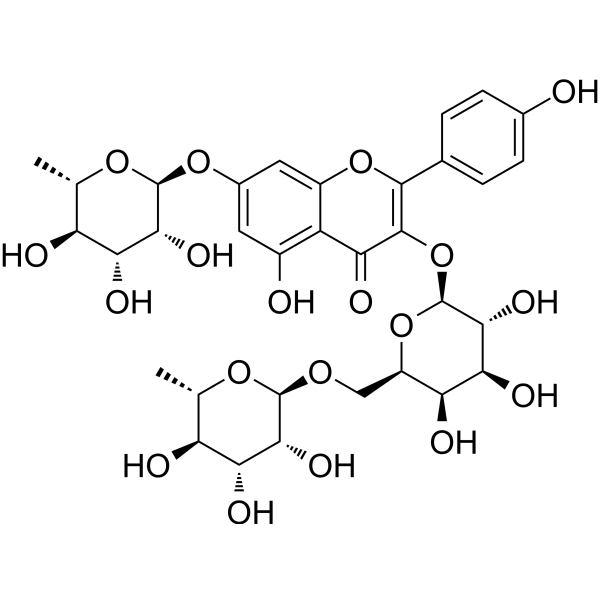
    Robinin
    5 Publications Verification

    Toll-like Receptor (TLR) Apoptosis Inflammation/Immunology Cancer
    Robinin is a flavonoid that can be extracted from the leaves of purple cowpea, inhibiting TGF-β, TLR4/NF-κB and TLR2-PI3k-AKT signaling pathways. Robinin exerts anti-inflammatory and anti-tumor effects. The combination of Robinin and Methotrexate (HY-14519) reduces inflammation in experimental arthritis, Robinin can decrease the Doxorubicin (HY-15142A) induced cardiac toxicity effect .
    Robinin
  • HY-17015A
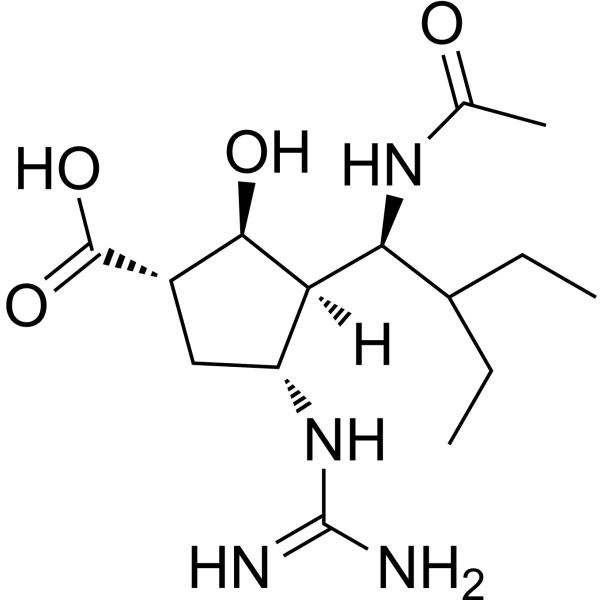
    Peramivir
    Maximum Cited Publications
    13 Publications Verification

    RWJ-270201; BCX-1812

    IKK JNK STAT p38 MAPK ERK Infection Inflammation/Immunology
    Peramivir is an novel cyclopentane neuraminidase inhibitor of influenza virus. Peramivir has antiviral activity and anti-cytokines stom effects. Peramivir can be used for the research of COVID-19 .
    Peramivir
  • HY-P991149

    YH32367; ABL105

    TNF Receptor Cancer
    Nesfrotamig (YH32367; ABL105) is a bispecific activator targeting HER2 and 4-1BB. The Kd values of Nesfrotamig for human HER2 and human 4-1BB are 0.48 nM and 3.36 nM, respectively. By blocking tumor cell growth signals, activating HER2-dependent local 4-1BB in tumors to maintain T cell survival, and inducing NK cell-mediated antibody-dependent cellular cytotoxicity, Nesfrotamig enhances the cytotoxicity and tumor infiltration ability of immune cells. Nesfrotamig promotes the generation of tumor-specific memory T cells, drives T cell-mediated tumor lysis, exhibits significant anti-tumor efficacy against both HER2-positive and HER2-low-expressing tumors, and shows synergistic activity when combined with anti-PD-1 antibodies. In cynomolgus monkey studies, Nesfrotamig demonstrates good safety and is suitable for research related to HER2-positive and HER2-low-expressing tumors .
    Nesfrotamig
  • HY-111358

    Toll-like Receptor (TLR) Inflammation/Immunology
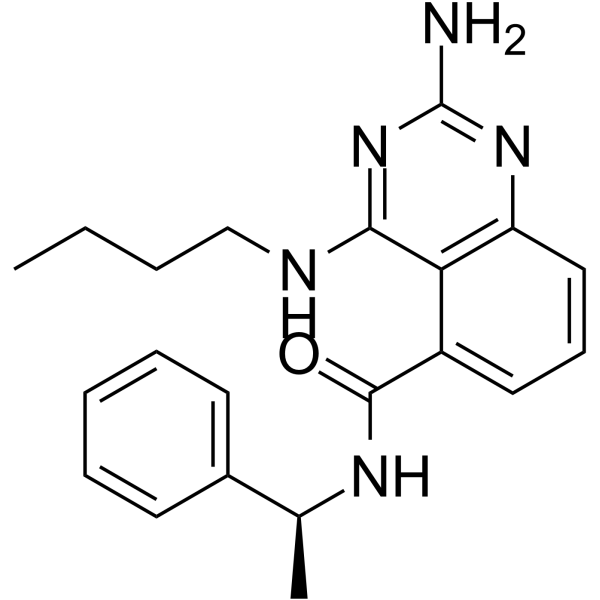
    TLR7 agonist 1 is a selective TLR7 agonist with an LEC value of 90 nM. TLR7 agonist 1 activates downstream immune regulation and shows no activity against TLR8. TLR7 agonist 1 induces endogenous IFN-α production in mice .
    TLR7 agonist 1
  • HY-17015
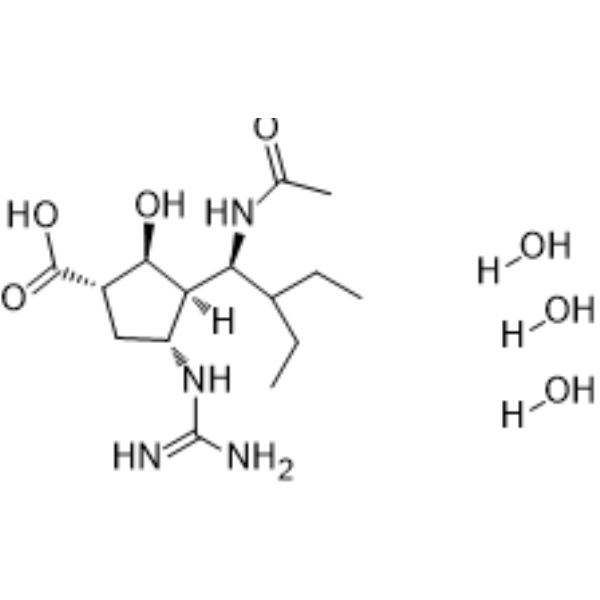
    Peramivir trihydrate
    Maximum Cited Publications
    13 Publications Verification

    RWJ 270201 trihydrate; BCX 1812 trihydrate

    Influenza Virus IKK JNK STAT p38 MAPK ERK Infection Inflammation/Immunology
    Peramivir trihydrate (RWJ-270201 trihydrate) is a highly potent, selective and orally active influenza virus neuraminidase (NA) inhibitor, with IC50 values ranging from 0.9 to 4.3 nM for nine NA subtypes .
    Peramivir trihydrate
  • HY-156174

    Toll-like Receptor (TLR) ADC Payload Cancer
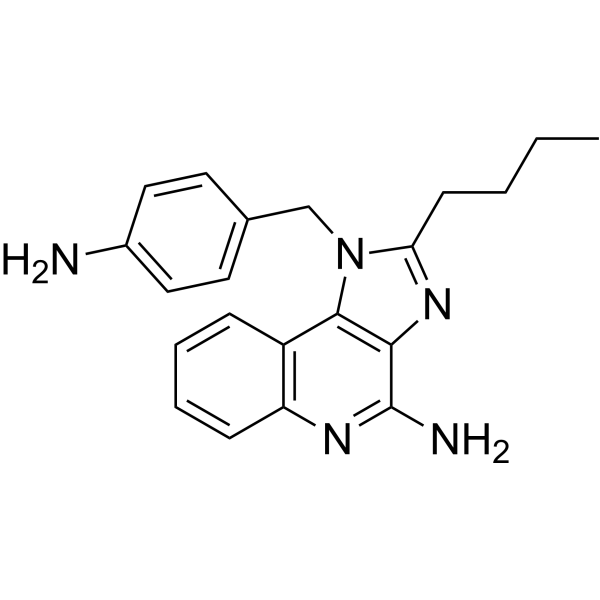
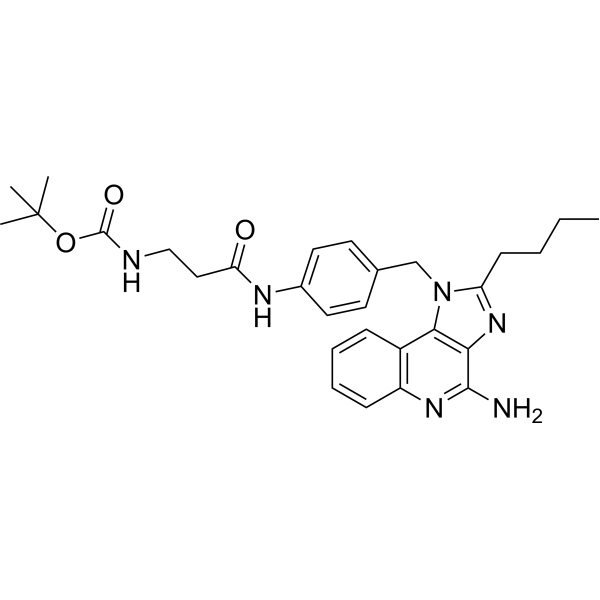
    E104 (compound 1) is a potent and selective TLR7 agonist. E104 can be delivered by antibody-drug conjugate (ADC) technology to elicit potent anticancer activity. E104 induces the activation of mouse macrophages and hPBMCs .
    E104
  • HY-145886

    Toll-like Receptor (TLR) Interleukin Related Infection Inflammation/Immunology Cancer
    TLR7/8 antagonist 1 (Compound 16c) is a competitive TLR7/8 antagonist with IC50 values of 3.91 μM and 2.19 μM, respectively. TLR7/8 antagonist 1 reduces agonist-induced production of proinflammatory cytokines, including TNFα, IFNγ and IL-1β .
    TLR7/8 antagonist 1
  • HY-156177

    Toll-like Receptor (TLR) Inflammation/Immunology
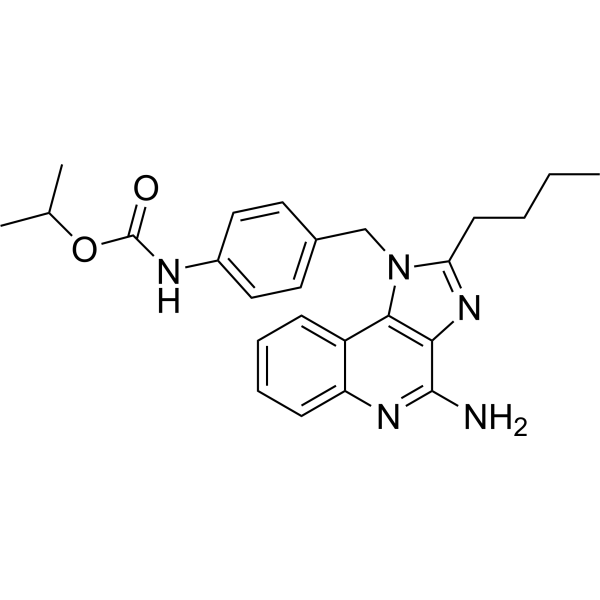
    TLR7 agonist 16 (compound 16d) is a highly potent TLR7 agonist with an EC50 of 18 nM. TLR7 agonist 16 potently induces the activation of mouse macrophages and hPBMCs at low-nanomolar concentrations .
    TLR7 agonist 16
  • HY-156176

    Toll-like Receptor (TLR) Inflammation/Immunology
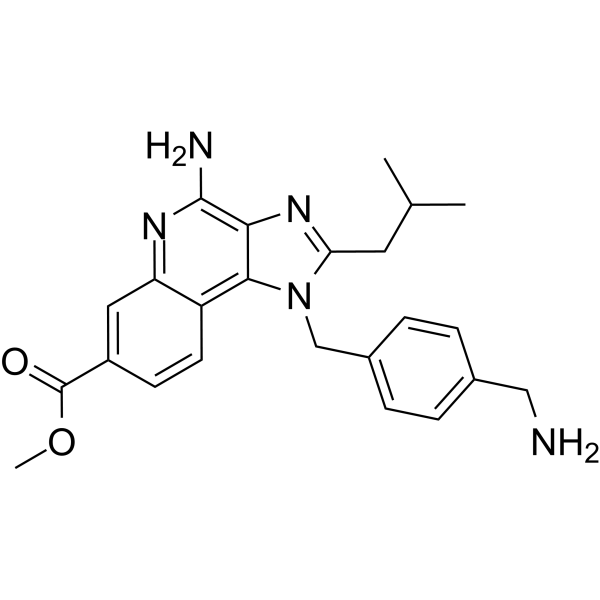
    TLR7 agonist 15 (compound 16b) is a highly potent TLR7 agonist with an EC50 of 18 nM. TLR7 agonist 15 potently induces the activation of mouse macrophages and hPBMCs at low-nanomolar concentrations .
    TLR7 agonist 15
  • HY-177300

    Toll-like Receptor (TLR) HBV IFNAR Interleukin Related Infection Inflammation/Immunology
    TLR7/8 agonist 13 is an orally active dual agonist of TLR7 (lowest effective concentrations (LEC) [hTLR7] = 1.6 μM) and TLR8 (LEC [hTLR8] = 1.6 μM). TLR7/8 agonist 13 exhibits agonistic activity against human peripheral blood mononuclear cells (hPBMCs) (LEC [hPBMC] = 0.5 μM). TLR7/8 agonist 13 induces endogenous IFNα, activating myeloid dendritic cells and monocytes toward a TH1 phenotype in mice and cynomolgus monkeys. TLR7/8 agonist 13 reduces viral load and HBV surface antigen expression in a mouse model of chronic AAV-HBV infection. TLR7/8 agonist 13 has the potential to indirectly induce IFNγ, which may promote HBV antigen-specific CD8 T cell-mediated responses. TLR7/8 agonist 13 can be used to study hepatitis B virus .
    TLR7/8 agonist 13
  • HY-P991634

    CD73 TNF Receptor Interleukin Related IFNAR Inflammation/Immunology Cancer
    IBI-325 is a humanized monoclonal antibody inhibitor targeting CD73. IBI-325 completely inhibits CD73 enzymatic activity without hook effect. IBI-325 reverses Adenosine monophosphate (HY-A0181)-mediated immune suppression and significantly inhibits T cell proliferation and cytokines (IL-2, IFN-γ and TNF-α) release. IBI-325 has potent antitumor activities in hPBMC-reconstituted mice model and hCD73 knock-in mice model. IBI-325 can be used for cancer immunotherapy research .
    IBI-325
  • HY-156175

    Toll-like Receptor (TLR) Inflammation/Immunology
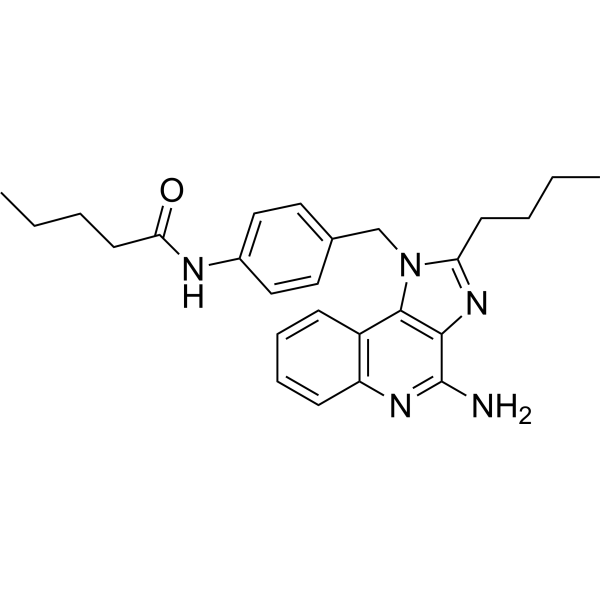
    TLR7 agonist 14 (compound 17b) is a highly potent TLR7 agonist with an EC50 of 18 nM. TLR7 agonist 14 potently induces the activation of mouse macrophages and hPBMCs at low-nanomolar concentrations .
    TLR7 agonist 14
  • HY-153952

    TNF Receptor Interleukin Related Potassium Channel Inflammation/Immunology Cancer
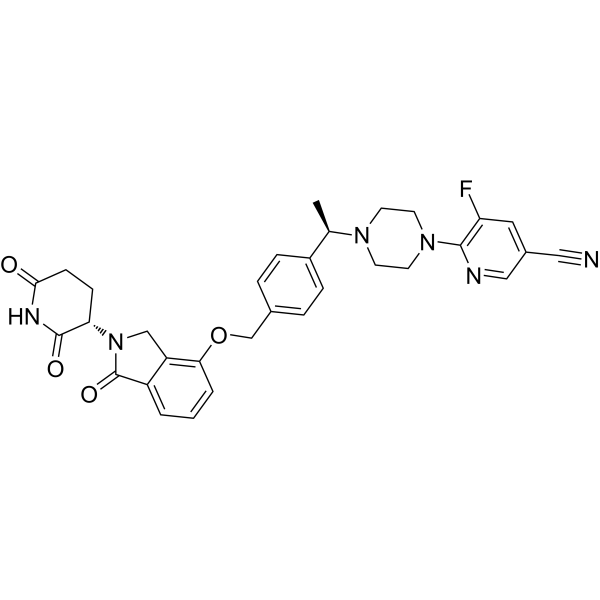
    Immuno modulator-1 (compound 22) inhibits TNFα and IL-2 secretion in human peripheral blood mononuclear cells (hPBMC), with IC50 values of 4.7 and 26 nM, respectively. Immuno modulator-1 shows hERG potassium channel blocking effect, with Inhibitory percentage of 20% at 3 μM .
    Immuno modulator-1
  • HY-N1346R

    Reference Standards Toll-like Receptor (TLR) Apoptosis Inflammation/Immunology
    Robinin (Standard) is the analytical standard of Robinin. This product is intended for research and analytical applications. Robinin is a flavonoid that can be extracted from the leaves of purple cowpea, inhibiting TGF-β, TLR4/NF-κB and TLR2-PI3k-AKT signaling pathways. Robinin exerts anti-inflammatory and anti-tumor effects. The combination of Robinin and Methotrexate (HY-14519) reduces inflammation in experimental arthritis, Robinin can decrease the Doxorubicin (HY-15142A) induced cardiac toxicity effect .
    Robinin (Standard)
  • HY-162074

    HIV Infection
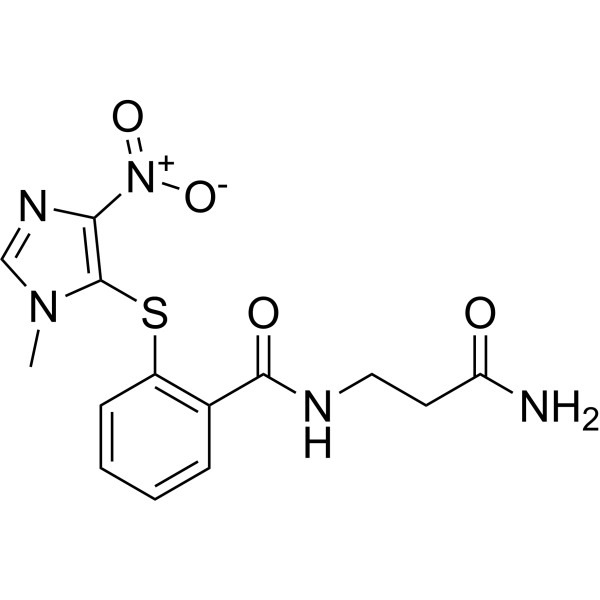
    Nipamovir is an anti-HIV prodrug. Nipamovir is cleaved in vivo by glutathione and other active thiols. Nipamovir inhibits the replication of HIV-1RF and HIV-192HT599 in cells, with EC50 values of 3.64 μM and 3.23 μM, respectively. Nipamovir can be used in studies related to HIV infection .
    Nipamovir
  • HY-180566

    HIV Infection
    HIV-IN-13 (compound 7) is a potent HIV inhibitor with low cellular toxicity. HIV-IN-13 inhibits HIV in CEM-SS cells with an EC50 of 1.38 μM. HIV-IN-13 displays antiviral activity in hPBMCs infected with different HIV strains (EC50 = 2.01-10.7 μM), while showing low cellular toxicity (TC50 >100 μM). HIV-IN-13 can be used for HIV-infection research .
    HIV-IN-13
  • HY-182596

    MAPKAPK2 (MK2) Inflammation/Immunology Cancer
    INHIB1X is a tetracyclic MAPKAP-K2 (MK2) inhibitor with an IC50 of 0.02 μM. INHIB1X inhibits LPS-induced TNFα release in human peripheral blood mononuclear cells (hPBMCs). INHIB1X suppresses the phosphorylation of hsp27 in Anisomycin-stimulated THP-1 cells. INHIB1X can be used for the research of inflammatory and tumor diseases .
    INHIB1X
  • HY-171254

    p38 MAPK Inflammation/Immunology
    p38-α MAPK-IN-9 (Compound 25a) is a p38-α MAPK inhibitor (Ki: 0.057 nM). p38-α MAPK-IN-9 inhibits LPS (HY-D1056) induced TNFα production in hPBMCs (IC50: 18 nM) .
    p38-α MAPK-IN-9
  • HY-182238

    MAP4K Interleukin Related Cancer
    HPK1-IN-69 is an orally active HPK1 inhibitor with an IC50 of 1.7 nM. HPK1-IN-69 inhibits the HPK1-mediated TCR signaling pathway, reduces the phosphorylation level of SLP76, and promotes the release of IL-2. HPK1-IN-69 exhibits in vivo anti-tumor activity in mouse models. HPK1-IN-69 can be used for the research of colorectal cancer and MC38 syngeneic tumors .
    HPK1-IN-69
  • HY-183763

    ROR Interleukin Related Inflammation/Immunology
    RORγt inverse agonist 37 is an orally active RORγt inverse agonist with an IC50 of 10.8 nM against human targets. RORγt inverse agonist 37 destabilizes helix 12 of RORγt in the agonist-bound conformation, thereby inhibiting transcriptional activity. RORγt inverse agonist 37 inhibits the secretion of IL-17 in cells and in LPS-induced systemic inflammation mouse models. RORγt inverse agonist 37 improves disease-related symptoms in mouse models of psoriasiform dermatitis. RORγt inverse agonist 37 can be used in research related to psoriasiform dermatitis and systemic inflammation .
    RORγt inverse agonist 37
  • HY-P992021

    Transmembrane Glycoprotein Cancer
    WM-A1-3389 is an anti-human IGSF1monoclonal antibody and tumor growth inhibitor. WM-A1-3389 specifically binds to the C-terminus of IGSF1, increases secretion of Granzyme B, IFN−γ, and TNF−α, and inhibits growth of colon cancer or biliary tract cancer in xenogeneic or allogeneic mouse implantation models. WM-A1-3389 can be used for the research of colon cancer, biliary tract cancer, and head and neck cancer .
    WM-A1-3389
  • HY-182047

    PD-1/PD-L1 Cancer
    PD-1/PD-L1-IN-61 is a PD-1/PD-L1 interaction inhibitor with a human IC50 of 5.3 nM. PD-1/PD-L1-IN-61 embeds into the hydrophobic pocket at the PD-L1 dimer interface, stabilizing binding through hydrogen bonds and π-π stacking with PD-L1 residues. PD-1/PD-L1-IN-61 acts as an immune activator, enhances immune-killing activity of peripheral blood mononuclear cells against cancer cells, restores T-cell immune function, and promotes IFN-γ secretion. PD-1/PD-L1-IN-61 can be used for the research of triple-negative breast cancer .
    PD-1/PD-L1-IN-61

Inquiry Online

Your information is safe with us. * Required Fields.

Salutation


Country or Region *

Applicant Name *


Organization Name *

Department *


Email Address *


Product Name *

Cat. No.


Requested quantity *

Phone Number *


Remarks

Inquiry Online

Inquiry Information

Product Name:
Cat. No.:
Quantity:
MCE Japan Authorized Agent:

