






1. Search Result
Search Result
Results for "

Human macrophages

" in MedChemExpress (MCE) Product Catalog:

216

Inhibitors & Agonists

9

Fluorescent Dyes

8

Biochemical Assay Reagents

16

Peptides

31

Inhibitory Antibodies

41

Natural
Products

3

Isotope-Labeled Compounds

4

Click Chemistry

12

Oligonucleotides

1

GMP Molecules

Cat. No. Product Name Target Research Areas Chemical Structure
  • HY-N7038
    Phytohemagglutinin
    Maximum Cited Publications
    7 Publications Verification

    PHA-M

    NF-κB COX Interleukin Related Reactive Oxygen Species (ROS) Neurological Disease Inflammation/Immunology Cancer
    Phytohemagglutinin (PHA-M), the major seed lectin of the common bean, Phaseolus vulgaris, is a T-cell activator. Phytohemagglutinin stimulates human mononuclear leukocytes, inducing the expression of ChAT mRNA and potentiating ACh synthesis. Phytohemagglutinin induces dose- and time-dependent toxicity in THP-1 monocytes/macrophages, alters cellular morphology, causes organelle dysfunction, and increases the expression of NF-κB, COX2, IL-1β .
    Phytohemagglutinin
  • HY-P9977
    Amivantamab
    3 Publications Verification

    JNJ-61186372

    EGFR Inflammation/Immunology Cancer
    Amivantamab (JNJ-61186372) is a human EGFR-MET bispecific antibody with immune anticancer activity. Amivantamab inhibits ligand binding, promotes endocytosis and degradation of receptor-antibody complexes, and induces Fc-dependent cytokinesis in macrophages and antibody-dependent cytotoxicity in natural killer cells .
    Amivantamab
  • HY-123942
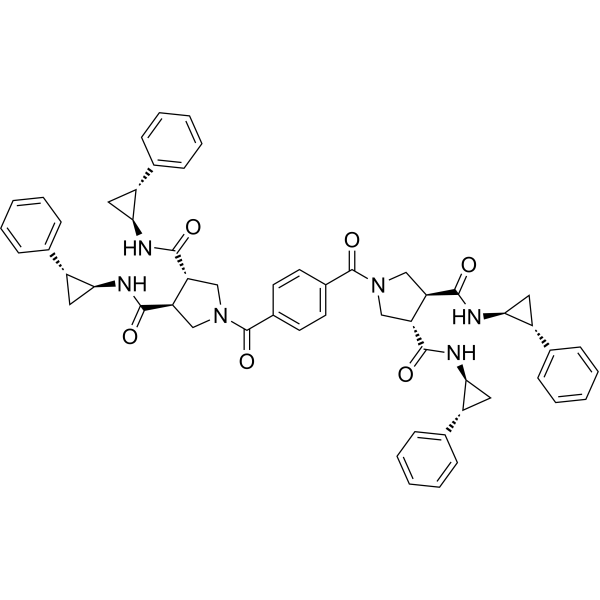
    Diprovocim
    10+ Cited Publications

    Toll-like Receptor (TLR) TNF Receptor p38 MAPK NF-κB Inflammation/Immunology Cancer
    Diprovocim is a potent TLR1/TLR2 agonist. Diprovocim elicits full agonist activity in human THP-1 cells (EC50=110 pM). Diprovocim stimulates the release of TNF-α from mouse macrophages (EC50=1.3 nM). Diprovocim activates downstream MAPK and NF-κB signaling pathway. Diprovocim displays strong adjuvant activity in mice, particularly abetting cellular immune responses .
    Diprovocim
  • HY-B1218
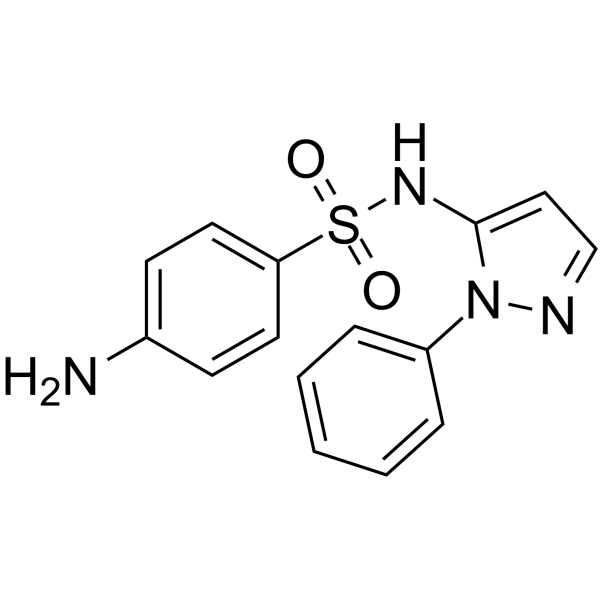
    Sulfaphenazole
    10+ Cited Publications

    Cytochrome P450 Antibiotic Bacterial Necroptosis Apoptosis Infection Cardiovascular Disease
    Sulfaphenazole is a selective inhibitor of human cytochrome P450 (CYP) 2C9 enzyme. Sulfaphenazole is a cytoprotective agent against light-induced death of photoreceptors. Sulfaphenazole inhibits light-induced necrosis and mitochondrial stress-initiated apoptosis. Sulfaphenazole is an off patent sulfonamide antibiotic and demonstrates bactericidal activity through enhanced M1 macrophage activity. Sulfaphenazole can significantly reduce infarct size and restore post-ischemic coronary flow following ischemia and reperfusion .
    Sulfaphenazole
  • HY-132831
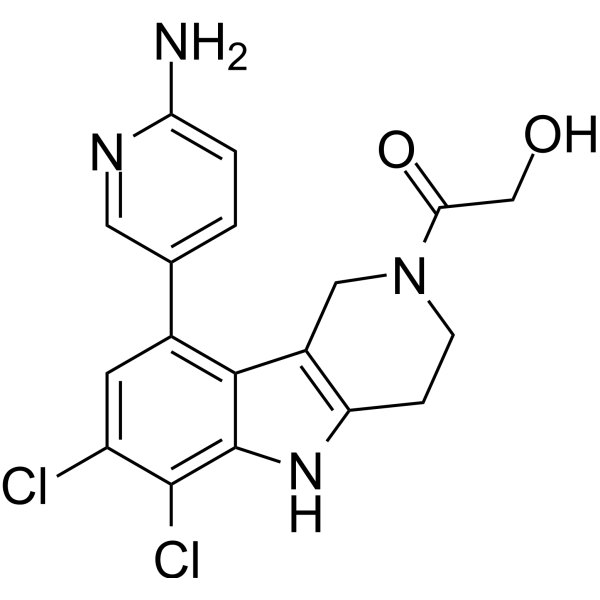
    Selnoflast
    1 Publications Verification

    Somalix; RO-7486967; IZD334

    NOD-like Receptor (NLR) Interleukin Related Neurological Disease Inflammation/Immunology
    Selnoflast (RO7486967), formerly somalix/RG6418/IZD334, is an orally active, potent, selective and reversible small molecule NLRP3 inflammasome inhibitor. Selnoflast is a potent inhibitor of IL-1β release stimulated by NLRP3 activation in human Alzheimer's disease (AD) monocyte-derived macrophages. Selnoflast is promising for research of AD and systemic inflammatory diseases, such as ulcerative colitis and chronic obstructive pulmonary disease .
    Selnoflast
  • HY-N6739

    Bacterial Apoptosis Fungal PI3K Akt TNF Receptor Interleukin Related Infection Cancer
    Beauvericin is a cyclohexapeptide Fusarium toxin with insecticidal, antibacterial, anticancer, antiviral and cytotoxic activities. Beauvericin causes cellular genotoxicity by producing DNA breaks, chromosomal aberrations and micronuclei, and inhibits the PI3K/AKT pathway to induce apoptosis, thereby inhibiting the growth of HCC. In addition, Beauvericin affects immune function by inhibiting lymphocyte proliferation and interfering with the differentiation process of human monocytes into macrophages .
    Beauvericin
  • HY-139413
    β-D-Glucan
    1 Publications Verification

    Toll-like Receptor (TLR) Cancer
    β-D-glucan is a natural non-digestible polysaccharide and high biocompatibility that can be selectively recognized by recognition receptors such as Dectin-1 and Toll-like receptors as well as being easily internalized by murine or human macrophages, which is likely to attribute to a target delivery . β-d-glucan is an enteric delivery vehicle for probiotics .
    β-D-Glucan
  • HY-128583
    G150
    5+ Cited Publications

    Cyclic GMP-AMP Synthase Inflammation/Immunology
    G150 is a highly selective human cyclic GMP-AMP synthase (h-cGAS) inhibitor with an IC50 of 10.2 nM. G150 represses dsDNA-triggered interferon expression, and G150 can be used for the research of inflammatory .
    G150
  • HY-P99188
    Carlumab
    4 Publications Verification

    CNTO 888

    CCR Cancer
    Carlumab (CNTO 888) is a human anti-CCL2 (chemokine ligand 2) monoclonal antibody. Carlumab binds and neutralises profibrotic activities of human CCL2. Carlumab inhibits tumor growth by reducing macrophage infiltration and decreasing tumor microvascular density. Carlumab can be used for the research of cancer, suah as prostate cancer .
    Carlumab
  • HY-N0577
    Apiin
    1 Publications Verification

    Apigenin 7-O-apiosylglucoside; Apigenin 7-(2-O-apiosylglucoside)

    NO Synthase Inflammation/Immunology
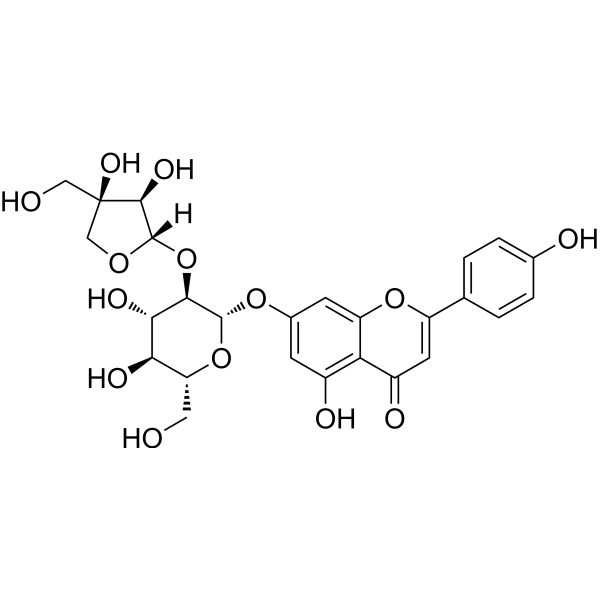
    Apiin is a flavonoid glycoside-based iNOS inhibitor. Apiin inhibits the expression of inducible nitric oxide synthase in activated macrophages. Apiin exhibits anti-inflammatory activity .
    Apiin
  • HY-P99175

    CD47 Cancer
    KWAR23 is an anti-human SIRPα antibody. KWAR23 binds human SIRPα with high affinity and disrupts its binding to CD47. KWAR23 shows antitumor activity in combination with tumor-opsonizing antibodies and can be used in cancer immunotherapy research .
    KWAR 23
  • HY-P99262

    BAX69; Anti-Human MIF Recombinant Antibody

    Macrophage migration inhibitory factor (MIF) Cancer
    Imalumab (BAX69) is a recombinant, human IgG1 monoclonal antibody that targets macrophage inhibitory factor (MIF). Imalumab can be used for the research of ovarian carcinoma, recurrent malignant ascites and cancer .
    Imalumab
  • HY-P99777
    Ontorpacept
    1 Publications Verification

    TTI-621

    CD47 Cancer
    Ontorpacept (TTI-621) is a soluble fusion protein that consists of the human SIRPα N-terminal (1-118) linked to the Fc region of human IgG1. The N-terminal (1-118)-fragment of ontorpacept is a binding domain for CD47 which is an inhibitor of phagocytosis by macrophages. Ontorpacept is a CD47-blocking checkpoint inhibitor with antitumor activity .
    Ontorpacept
  • HY-P991316

    DX-2400; DX-2410

    MMP NO Synthase Inflammation/Immunology Cancer
    KD014 (DX-2400) is a human monoclonal antibody that selectively targets MMP‑14. KD014 inhibits collagen degradation and regulates the polarization of macrophages toward an anti-inflammatory/anti-tumor phenotype. KD014 alleviates joint damage in rheumatoid arthritis and suppresses tumor growth and invasion. KD014 can be used in studies related to breast cancer and rheumatoid arthritis .
    KD014
  • HY-N6031
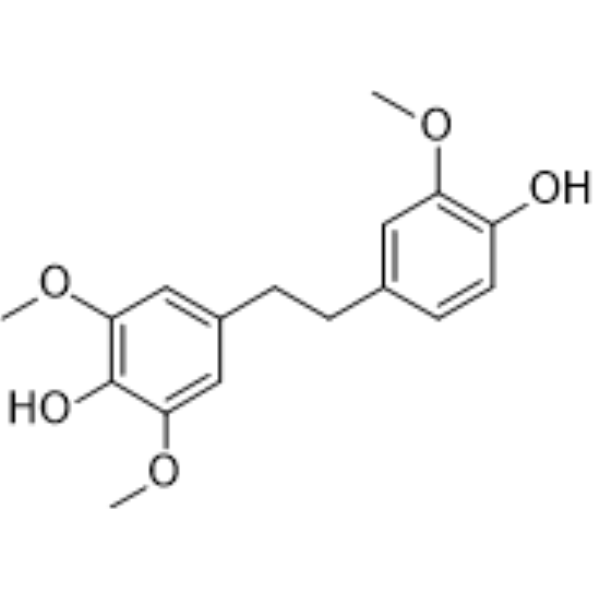
    Dendrophenol
    3 Publications Verification

    Moscatilin

    NF-κB Apoptosis COX HIF/HIF Prolyl-Hydroxylase Wnt β-catenin JNK Cardiovascular Disease Inflammation/Immunology Cancer
    Dendrophenol (Moscatilin) is a NF-κB inhibitor that inhibits inflammation. Dendrophenol exerts potent cytotoxic effect against tumor cells and induces cell cycle arrest and apoptosis. Dendrophenol has antitumor activity. In addition, Dendrophenol can inhibit vascular calcification by inhibiting the activation of WNT3/β-catenin .
    Dendrophenol
  • HY-P991621

    EOS-215

    TREM receptor Cancer
    EOS006215 (EOS-215) is a humanized monoclonal antibody targeting TREM-2. EOS006215 competes with TREM2 ligands, prevents TREM2 multimerization, and blocks downstream signaling. EOS006215 inhibits efferocytosis, reprograms transcriptomic profiles of monocyte-derived macrophages, alters metabolism and immune response genes, and increases pro-inflammatory marker secretion. EOS006215 reduces metastasis burden, delays tumor growth, and reprograms the tumor microenvironment to overcome anti-PD-1 resistance. EOS006215 can be used for the research of triple negative breast cancer and colorectal cancer .
    EOS006215
  • HY-159069

    Toll-like Receptor (TLR) TNF Receptor Connexin Infection Cancer
    Zymosan (ZM), 95% is a yeast cell wall-derived carbohydrate-rich preparation and immunomodulator. Zymosan (ZM), 95% binds to and activates TLR-2, TLR-4, and Dectin-1 receptor to trigger downstream signaling pathways. Zymosan (ZM), 95% upregulates TLR-2, TLR-4, and TNF-α mRNA expression, increases serum TNF-α levels, and stimulates splenocyte number and viability in mice. Zymosan (ZM), 95% attenuates melanoma growth progression, modulates macrophage marker gene expression, and mediates phagocytosis, ROS generation, and cytokine production. Zymosan (ZM), 95% reduces Connexin 43 protein and mRNA levels, inhibits gap junctional intercellular communication, and induces proinflammatory factor production in human corneal cells. Zymosan (ZM), 95% induces peritoneal inflammation in mice, functions as a drug carrier, and supports fibroblast cell attachment in hydrogel formulations. Zymosan (ZM), 95% can be used for the research of melanoma, tumors, fungal keratitis, ocular surface inflammatory disorders, and peritoneal inflammation .
    Zymosan (ZM), 95%
  • HY-P99273

    TNF Receptor Cancer
    Vorsetuzumab (Anti-Human CD70 Recombinant Antibody) is a human anti-CD70 antibody. Vorsetuzumab enhances macrophage-related phagocytosis of renal carcinoma cells, shows inhibitory efficacy against Burkitt’s lymphoma .
    Vorsetuzumab
  • HY-P99375

    IMC-RON8; LY3012219; Anti-MSPR/RON/CD136 Reference Antibody (narnatumab)

    Tyrosinase c-Met/HGFR Cancer
    Narnatumab (IMC-RON8) is a neutralizing human monoclonal antibody that blocks RON binding to its ligand, macrophage-stimulating protein (MSP), with a Kd of 32 pM. Narnatumab can be used for the research of cancer .
    Narnatumab
  • HY-106228

    Fungal Bacterial Glutathione Peroxidase Infection
    HLF1-11, a human lactoferrin-derived peptide, is a broad spectrum antimicrobial agent. HLF1-11 inhibits human MPO activity. HLF1-11 also directs GM-CSF-driven monocyte differentiation toward macrophages, and enhances immune responses .
    HLF1-11
  • HY-N2350

    MMP NF-κB TNF Receptor Cancer
    Cynaropicrin is a sesquiterpene lactone which can inhibit tumor necrosis factor (TNF-α) release with IC50s of 8.24 and 3.18 μM for murine and human macrophage cells, respectively. Cynaropicrin also inhibits the increase of cartilage degradation factor (MMP13) and suppresses NF-κB signaling.
    Cynaropicrin
  • HY-156649

    CR6086

    Prostaglandin Receptor Interleukin Related MMP PD-1/PD-L1 Cardiovascular Disease Inflammation/Immunology Cancer
    Vorbipiprant (CR6086) is an orally active EP4 receptor antagonist with high selectivity for the human EP4 receptor (Ki: 16.6 nM). Vorbipiprant has immunomodulatory, anti-inflammatory, antitumor, and anti-angiogenic activities. Vorbipiprant can inhibit the expression of multiple pro-inflammatory cytokines and the activation of immune cells, and convert "cold" tumors unresponsive to immune checkpoint inhibitors into "hot" tumors. Vorbipiprant is used in the research of diseases such as rheumatoid arthritis and colon cancer .
    Vorbipiprant
  • HY-13740G

    R848; S28463

    Toll-like Receptor (TLR) Inflammation/Immunology Cancer
    Resiquimod (R848) (GMP) is Resiquimod (HY-13740) produced by using GMP guidelines. GMP small molecules work appropriately as an auxiliary reagent for cell therapy manufacture. Resiquimod is a Toll-like receptor 7 and 8 (TLR7/TLR8) agonist. Resiquimod (GMP) can induce human mMDSC to mature into inflammatory macrophages .
    Resiquimod
  • HY-N4099

    Drug Metabolite Inflammation/Immunology
    Luteolin-3-O-beta-D-glucuronide, a glucuronide derivative of Luteolin (HY-N0162), is found in the leaves of Rosmarinus officinalis L. Luteolin-3-O-beta-D-glucuronide inhibits nitrite production in macrophages and binds strongly to FYN kinase .
    Luteolin-3-O-beta-D-glucuronide
  • HY-176497

    G297X

    Cytochrome P450 Metabolic Disease Cancer
    GW273297X is a selective CYP27A1 inhibitor. GW273297X blocks 27-hydroxycholesterol biosynthesis and sterol product formation in human macrophages. GW273297X reduces cancer cells colonization by inhibiting pro-metastatic effects of 27-hydroxycholesterol. GW273297X can be used for the researches of cancer and metabolic disease, such as breast cancer .
    GW273297X
  • HY-NP070

    LTL

    Inflammation/Immunology
    Lotus tetragonolobus lectin (LTL) is a plant lectin that specifically recognizes and binds to α-L-fucopyranosyl residues, a sugar structure serving as the key terminal glycosyl group of human blood type O antigen (H antigen). Lotus tetragonolobus lectin exerts macrophage migration inhibitory activity in monomeric form. Lotus tetragonolobus lectin labels and identifies renal proximal tubular epithelial cells to evaluate histopathological changes of sepsis-induced acute kidney injury. Lotus tetragonolobus lectin is applicable to studies in glycobiology, immunology and renal pathology .
    Lotus tetragonolobus lectin
  • HY-173679

    PROTACs PARP Interleukin Related STAT Integrin HSV VSV Infection Cancer
    RBN012811 is a highly selective PROTAC-based PARP14 degrader. RBN012811 forms a ternary complex with cereblon by binding to the NAD + site of PARP14, and mediates the specific degradation of PARP14 via the ubiquitin-proteasome pathway (IC50=10 nM). RBN012811 effectively depletes endogenous PARP14 in various cell lines and primary human macrophages, thereby downregulating IL-10 production and IFN-β mRNA levels, increasing phosphorylated STAT1 levels to enhance inflammatory signaling, and inhibiting interferon-induced ADPr condensate formation. RBN012811 also modulates viral replication, exhibiting increased HSV1 replication while reducing VSV replication. RBN012811 has important application value in research related to cancer and viral infections .
    RBN012811
  • HY-P991401

    TNF Receptor Inflammation/Immunology
    GSK2862277 is a human monoclonal antibody (mAb) targeting TNFRSF1A. GSK2862277 increases neutrophil extracellular trap formation and alveolar macrophage phagocytosis. GSK2862277 can be used in Acute lung injury and Acute Respiratory Distress Syndrome (ARDS) research. Recommended isotype control: VHH-hFc .
    GSK2862277
  • HY-P10943

    Fluorescent Dye Inflammation/Immunology Cancer
    APO-15 is a phosphatidylserine-binding fluorescent probe and apoptosis imaging reagent. APO-15 exhibits high chemical stability under proteolytic and oxidative conditions, enables quantification and imaging of drug-induced apoptosis in preclinical mouse models, and is applicable to fixed tissue samples and multiple in vivo administration routes (Ex = 488 nm; Em = 525 nm). APO-15 can be used in studies related to acute lung injury and breast cancer .
    APO-15
  • HY-N6801

    Caspase Apoptosis Bcl-2 Family Infection Inflammation/Immunology Cancer
    Nivalenol, a trichothecene mycotoxin that can be produced by Fusarium graminearum, is a fungal metabolite present in agricultural product. Nivalenol modulates apoptotic pathway, cell cycle regulation, Bax, ERK, caspase-3, and poly-ADP-ribose synthase activity in macrophages. Nivalenol inhibits ribosomal peptidyltransferase site, protein synthesis, DNA synthesis, and cell proliferation. Nivalenol induces late-stage apoptotic morphological changes, reduces cellular metabolism, and decreases cell proliferation in erythroleukemia cells. Nivalenol induces lymphocyte apoptosis in murine thymus, spleen, and Peyer's patches. Nivalenol can be used for the research of erythroleukemia .
    Nivalenol
  • HY-P99795

    GSK 3196165; MOR103

    c-Fms Inflammation/Immunology
    Otilimab (GSK 3196165) is an anti-granulocyte-macrophage colony-stimulating factor (GM-CSF) human monoclonal antibody. Otilimab neutralises the biological function of GM-CSF by blocking the interaction of GM-CSF with its cell surface receptor .
    Otilimab
  • HY-135517

    RXP-470

    MMP Cardiovascular Disease
    RXP470.1 (RXP-470) is a potent, selective MMP-12 inhibitor with a Ki of 0.2 nM against human MMP-12. RXP470.1 is 2 to 4 orders of magnitude less potent against other MMPs. RXP470.1 significantly reduces atherosclerotic plaque cross-sectional area in mouse. RXP470.1 results in less complex plaques with increased smooth muscle cell:macrophage ratio, less macrophage apoptosis, increased cap thickness, smaller necrotic cores, and decreased incidence of calcification .
    RXP470.1
  • HY-P990132

    CD47 Inflammation/Immunology Cancer
    Anti-Mouse/Rat/Human CD47/IAP Antibody (MIAP410) is an anti-mouse/rat/human CD47/IAP IgG1 monoclonal antibody. Anti-Mouse/Rat/Human CD47/IAP Antibody (MIAP410) can effectively block CD47 signaling and enhance macrophage phagocytic function. Anti-Mouse/Rat/Human CD47/IAP Antibody (MIAP410) can increase the infiltration of immune cells. Anti-Mouse/Rat/Human CD47/IAP Antibody (MIAP410) may interfere with wound healing. Anti-Mouse/Rat/Human CD47/IAP Antibody (MIAP410) can be used for researches on cancer and inflammation conditions such as breast cancer and intestinal mucosal repair .
    Anti-Mouse/Rat/Human CD47/IAP Antibody (MIAP410)
  • HY-158741

    APG-2 Acetoxymethyl ester

    Fluorescent Dye Potassium Channel Others
    IPG-2 AM (APG-2 Acetoxymethyl ester) is a membrane-permeant acetoxymethyl ester derivative and selective fluorescent potassium ion indicator. IPG-2 AM exhibits fluorescence increases proportional to extracellular potassium ion concentrations. IPG-2 AM enables real-time monitoring of cytosolic free potassium ion fluxes in human platelets and macrophages. IPG-2 AM can be used for the research of intracellular potassium concentration dynamics .
    IPG-2 AM
  • HY-138869

    Endogenous Metabolite Cancer
    AubipyOMe serves as a potent inhibitor of tartrate-resistant acid phosphatase (TRAP/ACP5), a metalloenzyme found in activated osteoclasts and macrophages, demonstrating IC50 values of 1.3 μM for TRAP5a and 1.8 μM for TRAP5b, while effectively inhibiting TRAP activity in extracts from murine macrophages and human lung tissue.
    AubipyOMe
  • HY-145491

    ERK NF-κB CCR Inflammation/Immunology
    Resolvin D5 is an anti-inflammatory and analgesic agent produced in M2 macrophages. Resolvin D5 alleviates Paclitaxel (HY-B0015)-induced mechanical allodynia and inflammatory pain by activating the GPR32 receptor, with gender specificity (effective only in male mice) and independence from TRPV1 or TRPA1 channels. Resolvin D5 attenuates LPS-induced ERK phosphorylation and NF-κB nuclear translocation, downregulates proinflammatory mediators such as IL-6 and CCL5, inhibits Th17 cell differentiation and osteoclastogenesis, promotes regulatory T cell differentiation, and shows no cytotoxicity to human monocytes. The level of Resolvin D5 is elevated in arthritic SKG mice, but Resolvin D5 has no effect on dendritic cell differentiation or M1 macrophage polarization, nor does it prevent ZyA-induced arthritis progression. Resolvin D5 is suitable for research related to chemotherapy-induced peripheral neuropathy, inflammatory pain and rheumatoid arthritis .
    Resolvin D5
  • HY-176192

    Toll-like Receptor (TLR) NF-κB p38 MAPK ERK IKK TNF Receptor Interleukin Related Inflammation/Immunology
    SMU-14a is a selective Toll-like receptor 3 (TLR3) inhibitor wirh an IC50 of 0.18 μM. SMU-14a reduces phosphorylation of p65, ERK, and TBK1 via NF-κB, MAPK, and IRF3 signaling pathways. SMU-14a inhibits IL-6 secretion in mouse peritoneal macrophages, downregulates TNF-α in human peripheral blood monocytes and decreases serum alanine aminotransferase (ALT) and aspartate aminotransferase (AST) levels. SMU-14a can be used for the research of acute hepatitis .
    SMU-14a
  • HY-152581

    Cannabinoid Receptor Inflammation/Immunology
    CB2R antagonist 3 is a selective antagonist of cannabinoid type 2 receptor (CB2R). CB2R antagonist 3 has high affinity for human CB2R and specific selectivity for CB1R. CB2R antagonist 3 can be combined with CB65 (HY-110047), the activator of CB2R. CB2R antagonist 3 effectively up-regulates the expression of anti-inflammatory cytokines and down-regulates the expression of pro-inflammatory cytokines .
    CB2R antagonist 3
  • HY-P10894

    Epigenetic Reader Domain Cancer
    mUNO is a tumor-homing peptide (mUNO, sequence: "CSPGAK") that specifically binds to mouse CD206, targeting tumor-associated macrophages that express CD206/MRC1. mUNO can interact with human recombinant CD206 .
    mUNO
  • HY-174631

    mRNA Inflammation/Immunology
    Human IL18 mRNA encodes the human interleukin 18 (IL18) protein, a proinflammatory cytokine of the IL-1 family. IL18 is constitutively found as a precursor within the cytoplasm of a variety of cells including macrophages and keratinocytes. This cytokine has been implicated in the injury of different organs, and in potentially fatal conditions characterized by a cytokine storm.
    Human IL18 mRNA
  • HY-142125

    Xanthine Oxidase Reactive Oxygen Species (ROS) Apoptosis Inflammation/Immunology Cancer
    Broussochalcone A is an antioxidant and an inhibitor of Xanthine Oxidase (IC50=2.21 μM), with free radical scavenging activity. Broussochalcone A inhibits iron-induced lipid peroxidation and nitric oxide synthesis in lipopolysaccharide (LPS) -activated macrophages. Broussochalcone A also induces Apoptosis of human renal carcinoma cells by increasing ROS levels and activating FOXO3 signaling pathways .
    Broussochalcone A
  • HY-161440

    AMPK Inflammation/Immunology
    SIK-IN-1 (Compound 53) is an inhibitor for salt-inducible kinase (SIK), which inhibits SIK1, SIK2 and SIK3 with IC50s of 0.1, 0.4 and 1.5 nM, respectively. SIK-IN-1 inhibits the release of TNFa with IC50 of 0.5 nM, stimulates the LPS (HY-D1056) -induced IL-10 release with EC50 of 4 nM in human macrophages .
    SIK-IN-1
  • HY-P991057

    CD47 Cancer
    STI-6643 is a fully human IgG4 antibody that targets CD47. STI-6643 blocks CD47-SIRPα interaction, and enables macrophage-mediated phagocytosis of tumor cells. STI-6643 shows anti-tumor activity in mouse lymphoma xenograft models. STI-6643 can be used for the research of Burkitt's lymphoma, solid tumors, relapsed or refractory tumors, and lymphoma. The isotype control for STI-6643 can refer to Human IgG4 (S228P) kappa, Isotype Control (HY-P99003) .
    STI-6643
  • HY-106739

    NAT 05-239

    Phosphodiesterase (PDE) Inflammation/Immunology
    Motapizone (NAT 05-239) is a selective PDE3 inhibitor. Motapizone moderately inhibits cytokine release in lipopolysaccharide (LPS)-induced alveolar macrophages. Motapizone also inhibits human platelet aggregation by increasing intracellular cAMP .
    Motapizone
  • HY-106409
    Tefinostat
    1 Publications Verification

    CHR-2845

    HDAC Apoptosis Cancer
    Tefinostat (CHR-2845) is a monocyte/macrophage targeted histone deacetylase (HDAC) inhibitor. Tefinostat can be cleaved into active acid CHR-2847 by the intracellular esterase human carboxylesterase-1 (hCE-1). Tefinostat can be used for the research of leukaemias .
    Tefinostat
  • HY-151132

    IsoQC-IN-1

    CD47 Cancer
    Glutaminyl cyclases-IN-1 (IsoQC-IN-1) is a potent glutaminyl cyclases (QC) inhibitor with IC50 values of 12 nM and 73 nM for human QC and isoQC, respectively. Glutaminyl cyclases-IN-1 can selectively interfere with the interaction of CD47/SIRPα through isoQC inhibition, and enhances the increased phagocytic activity of both THP-1 and U937 macrophages .
    Glutaminyl cyclases-IN-1
  • HY-173070

    Toll-like Receptor (TLR) IFNAR PD-1/PD-L1 ADC Payload Inflammation/Immunology Cancer
    TLR7 agonist 29 (Compound 1) is the agonist for TLR7 with an EC50 of 5.2 nM for human TLR7 (EC50 for mouse TLR7 is 48.2 nM). TLR7 agonist 29 activates bone marrow-derived macrophages (BMDMs), stimulates myeloid cells in the tumor microenvironment, promotes the expression of PD-L1, CD86 and IFN-α. TLR7 agonist 29 can be used as payload for synthesis of ADC .
    TLR7 agonist 29
  • HY-177559

    NEKs Interleukin Related NOD-like Receptor (NLR) Inflammation/Immunology
    NEK7 degrader-2 (Compound 25) is a NEK7 degrader. NEK7 degrader-2 shows dose-dependent NEK7 degradation ability in human PBMC-derived macrophages. NEK7 degrader-2 reduce the release level of pro-inflammatory cytokines IL-1β induced by NLRP3 inflammasome activation. NEK7 degrader-2 can be used for the study of inflammatory diseases .
    NEK7 degrader-2
  • HY-P991181

    Transmembrane Glycoprotein Cancer
    VTX-1218 is a VSIG4 inhibitor with human Kd 7.4 nM. VTX-1218 blocks VSIG4 activity, relieves VSIG4-mediated macrophage suppression, repolarizes tumor-associated macrophages and induces T cell activation. VTX-1218 upregulates cytokines and chemokines linked to immune cell recruitment. VTX-1218 can be used for the research of multiple cancer types .
    VTX-1218
  • HY-N3700

    Rutaceline

    Bacterial HIV TNF Receptor Interleukin Related Infection Inflammation/Immunology
    Decarine (Rutaceline) is a benzophenanthridine alkaloid found in Zanthoxylum species. Decarinewith shows anti-inflammatory, antimycobacterial, and anti-HIV activity. Decarine inhibits NO, TNF-α, IL-1β, IL-6, and IL-8 production in inflammatory cell models. Decarine inhibits growth of Mycobacterium tuberculosis strains, reduces intracellular Mycobacterium tuberculosis survival, and shows low cytotoxicity toward human macrophages. Decarine inhibits HIV replication in acutely infected lymphocytes. Decarine can be used for the researches of inflammation, tuberculosis, and HIV infection .
    Decarine

Inquiry Online

Your information is safe with us. * Required Fields.

Salutation


Country or Region *

Applicant Name *


Organization Name *

Department *


Email Address *


Product Name *

Cat. No.


Requested quantity *

Phone Number *


Remarks

Inquiry Online

Inquiry Information

Product Name:
Cat. No.:
Quantity:
MCE Japan Authorized Agent:

