44 Results for "

Hypersensitivity Inhibitors

" in MedChemExpress (MCE) Product Catalog:
Products (44)

44 Results for "Hypersensitivity Inhibitors" in MCE Product Catalog:

5
5 Cited Publications
Cat. No.: HY-100459
CAS No.: 1627856-64-7
Purity:  98.41%
Target:  

RET

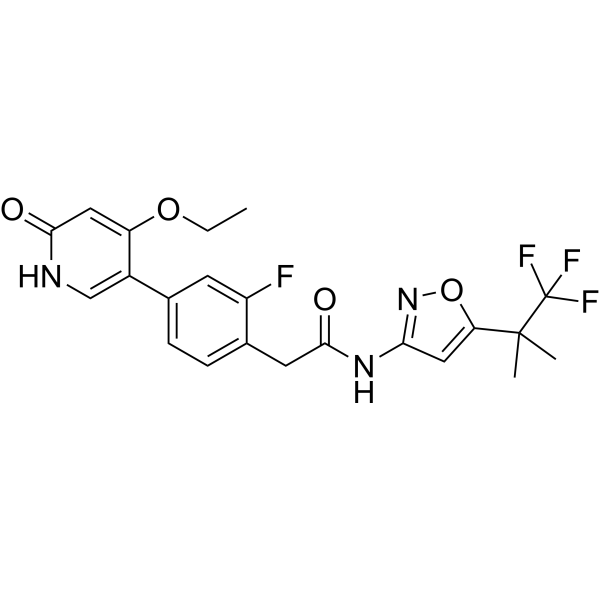
GSK3179106 is an orally active and selective RET kinase inhibitor with IC50s of 0.4 nM, 0.2 nM for human RET and rat RET, respectively. GSK3179106 has the potential for irritable bowel syndrome (IBS) through the attenuation of post-inflammatory and stress-induced visceral hypersensitivity .
loading...
    loading...
3
3 Cited Publications
Cat. No.: HY-A0059
CAS No.: 4936-47-4
Synonyms: NF 113; SAP 113; Methylmercadone
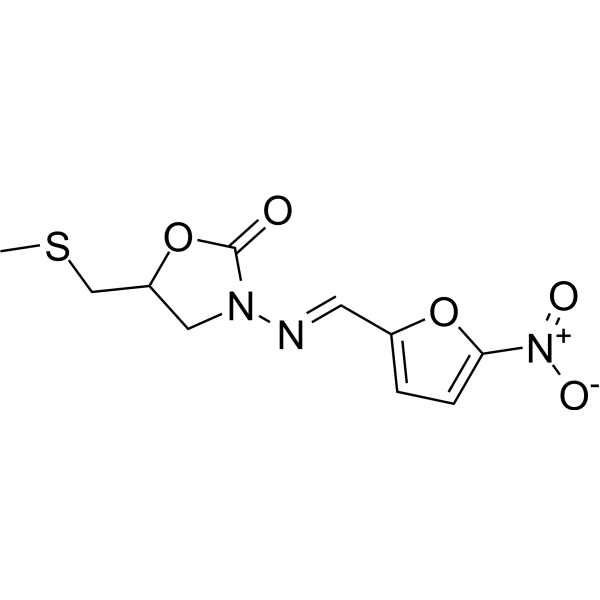
Nifuratel (NF 113) is an orally active broad-spectrum antibiotic with antiprotozoal, antibacterial, anticancer and anti-inflammatory activities, and has good inhibitory effects on Candida and Trichomonas. Nifuratel is also a STAT3 inhibitor, which significantly inhibits the growth and proliferation of human gastric cancer cells and induces apoptosis. In addition, Nifuratel also inhibits mast cell-mediated antigen hypersensitivity reactions and can be used in the study of IgE-mediated allergic diseases .
loading...
    loading...
2
2 Cited Publications
Cat. No.: HY-10035
CAS No.: 1072018-68-8
Purity:  99.92%
Synonyms: T-Type calcium channel inhibitor
Target:  

Calcium Channel

Research Areas:  

Neurological Disease

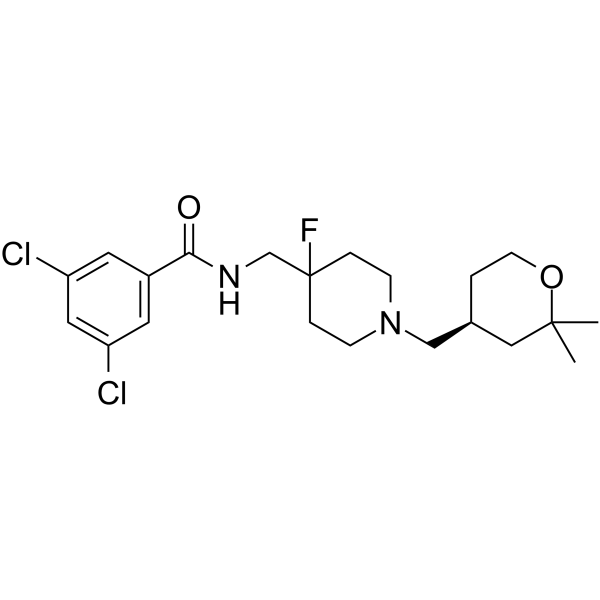
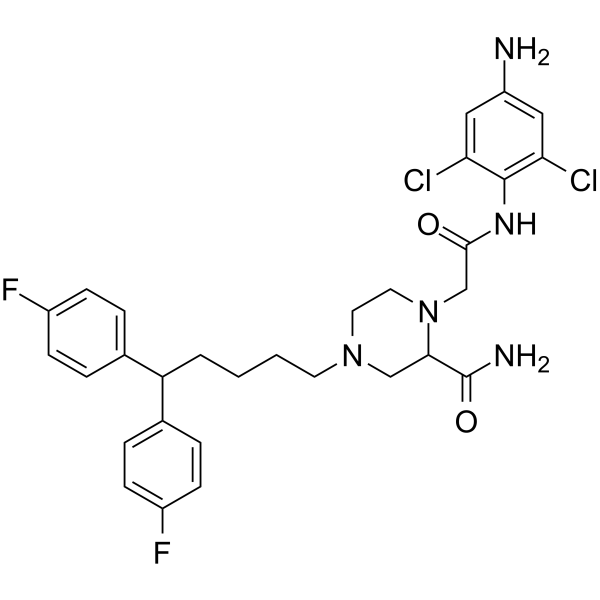
TTA-P2 (T-Type calcium channel inhibitor) is a selective, orally active, and BBB-penetrant T-type calcium channel blocker (IC50 = 22 nM). TTA-P2 reduces mechanical hypersensitivity and alleviates acute as well as chronic pain. TTA-P2 significantly reduces firing rates in temporal lobe epilepsy (TLE) neurons to control levels and suppresses synaptically evoked burst firing. TTA-P2 can be studied in research for neurological diseases such as tremor and absence epilepsy < sup>[4] .
loading...
    loading...
2
2 Cited Publications
Cat. No.: HY-17484
CAS No.: 99464-64-9
Synonyms: CP 65703
Target:  

Drug Derivative

Research Areas:  

Inflammation/Immunology

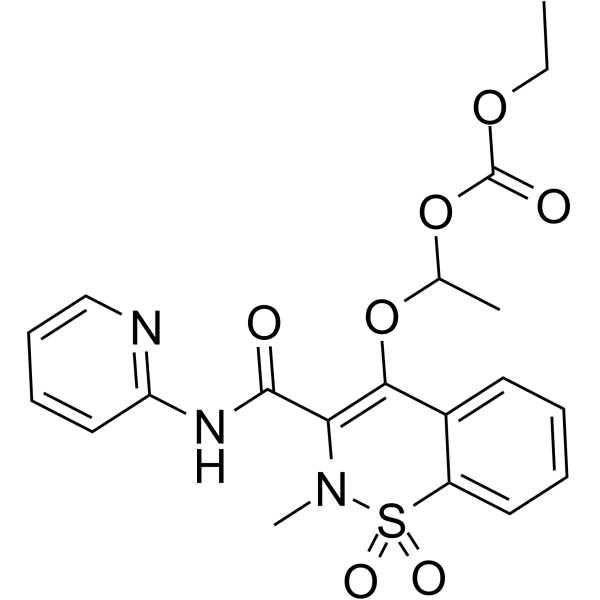
Ampiroxicam is an orally active prodrug of non-steroidal anti-inflammatory drug (NSAID). Ampiroxicam inhibits paw swelling in adjuvant-induced arthritis and acute inflammation models, and suppresses phenylbenzoquinone-induced stretching responses in mice. Ampiroxicam is rapidly and completely converted to Piroxicam (HY-B0253) via non-specific esterases and first-pass metabolism. Ampiroxicam induces contact hypersensitivity and photosensitivity reactions through photoproducts generated by UVA. Ampiroxicam can be used in research related to photosensitivity, adjuvant-induced arthritis, rheumatism, osteoarthritis and other inflammatory diseases .
loading...
    loading...
1
1 Cited Publications
Cat. No.: HY-106841
CAS No.: 120770-34-5
Purity:  99.06%
Synonyms: R-75231; R88021
Draflazine (R-75231) is a ENT1 inhibitor. Draflazine (R-75231) completely reverses the hypersensitivity in the complete Freund’s adjuvant (CFA) model of mechanical hyperalgesia and the carrageenan inflammation model of thermal and mechanical hyperalgesia .
loading...
    loading...
Cat. No.: HY-P2717
CAS No.: 149231-65-2
Target:  

Caspase

Research Areas:  

Infection

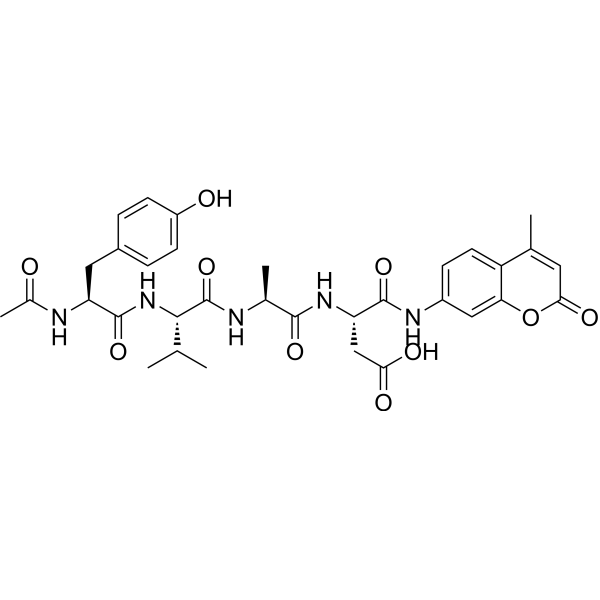
Ac-YVAD-AMC is an inhibitor for caspase. Ac-YVAD-AMC inhibits bacteria-induced cell death of hypersensitive response (HR) cells .
loading...
    loading...
Cat. No.: HY-76938
CAS No.: 18699-02-0
Synonyms: 4-Acetylaminophenylacetic acid; MS-932
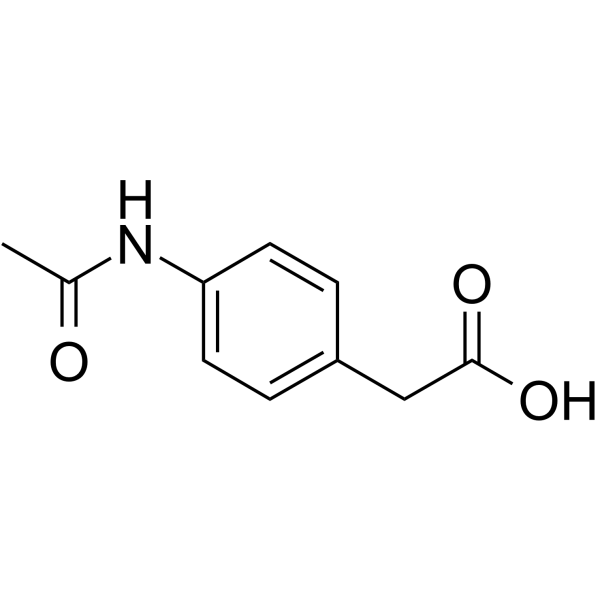
Actarit (4-Acetylaminophenylacetic acid) is an orally active Carbonic Anhydrase II (CAII) inhibitor with an IC50 of 422 nM. Actarit shows suppressive effects experimental autoimmune encephalomyelitis in rats. Actarit inhibits the development of type ll collagen (CII)-induced arthritis in mice by suppressing delayed-type hypersensitivity to CII. Actarit can be used for the study of Multiple Sclerosis (MS) and rheumatoid arthritis .
loading...
    loading...
Cat. No.: HY-P1726
CAS No.: 1416983-77-1
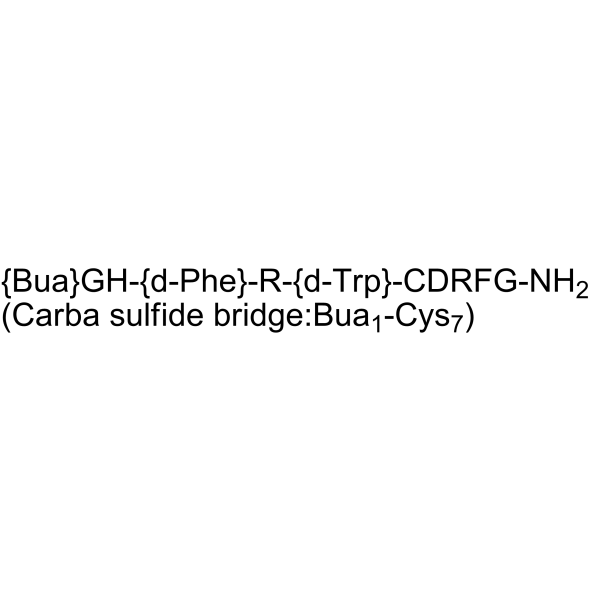
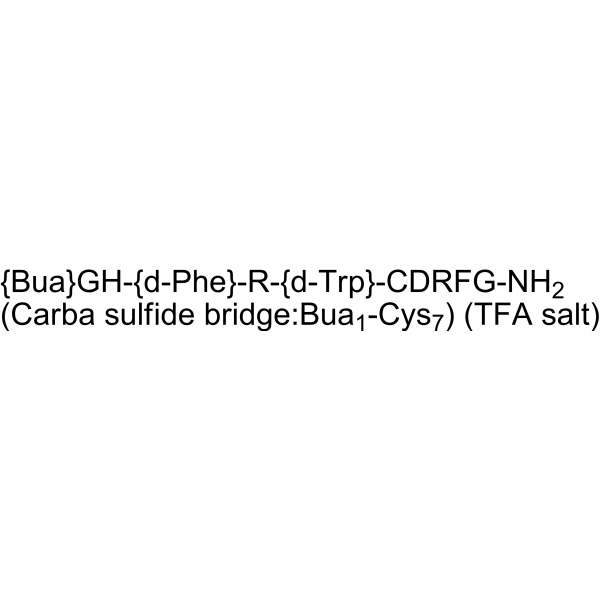
MSG606 is a selective melanocortin 1 receptor (MC1R) antagonist. MSG606 can abolish the neuroprotective effects of BMS-470539 (HY-15616) (MC1R agonist). MSG606 can inhibit cancer cell proliferation and transition from the G1 to the S phase. MSG606 can delay pain hypersensitivity and reduce cholesterol levels. MSG606 can be used for the researches of cancer, inflammation, neurological and metabolic disease, such as breast cancer and subarachnoid hemorrhage (SAH) .
loading...
    loading...
Cat. No.: HY-N5025
CAS No.: 1354-84-3
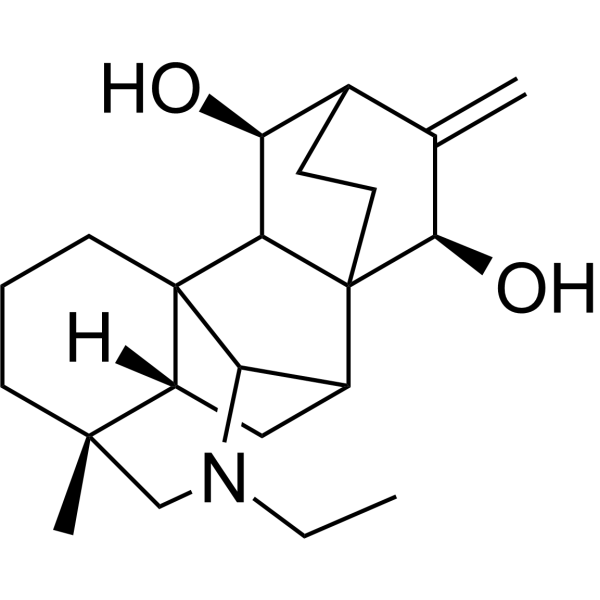
Bullatine A, a diterpenoid alkaloid, is a potent P2X7 antagonist. Bullatine A possesses anti-rheumatic, anti-inflammatory and anti-nociceptive effects. Bullatine A inhibits ATP-induced BV-2 cell death/apoptosis and P2X receptor-mediated inflammatory responses. Bullatine A suppresses glioma cell growth by targeting SIRT6. Bullatine A specifically attenuates pain hypersensitivity in rats. Bullatine A attenuates LPS (HY-D1056)-induced systemic inflammatory response by inhibiting the ROS/JNK/NF-κB pathway in mice. Bullatine A improves despair behavior in Chronic chronic social defeat stress (CSDS) mice. Bullatine A can be used for the study of inflammation, glioblastoma (GBM) and depression .
loading...
    loading...
Cat. No.: HY-106856
CAS No.: 126100-97-8
Purity:  ≥98.0%
Synonyms: NT-11624
Target:  

iGluR

Research Areas:  

Cancer

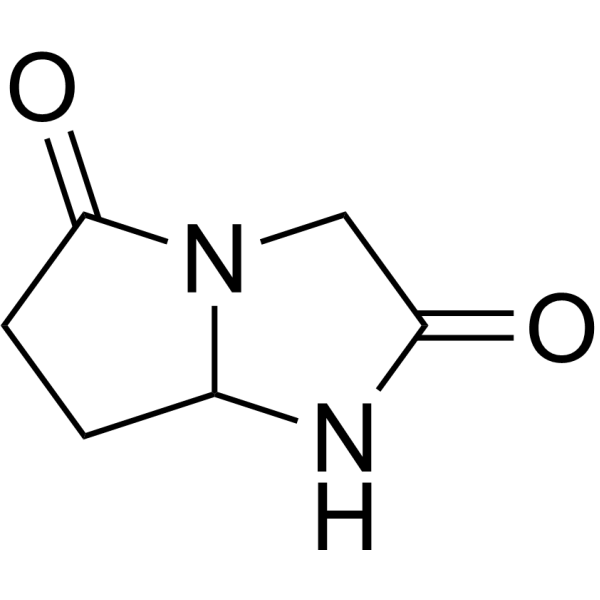
Dimiracetam is an orally active compound, with anti-neuropathic activity. Dimiracetam inhibits hypersensitivity and neurological alterations, and inhibits Sorafenib (HY-10201)-induced neuropathy in cold stimulation rat models .
loading...
    loading...
Cat. No.: HY-136427
CAS No.: 79220-94-3
Purity:  98.08%
KRM-III is an orally active TCR inhibitor and NFAT inhibitor with an IC50 of 5 μM against NFAT. KRM-III has no effect on the activation of nuclear factor-κB. KRM-III inhibits T cell proliferation induced by T cell antigen receptor stimulation. KRM-III abrogates anti-CD3 antibody-induced cell activation in vivo. KRM-III reduces paw pad swelling in delayed-type hypersensitivity induced by Bovine serum albumin (HY-D0842). KRM-III alleviates the severity of experimental autoimmune encephalomyelitis (EAE) in mice. KRM-III can be used in studies related to experimental autoimmune encephalomyelitis .
loading...
    loading...
Cat. No.: HY-149711
CAS No.: 68000-92-0
Target:  

ICMT

Research Areas:  

Metabolic Disease

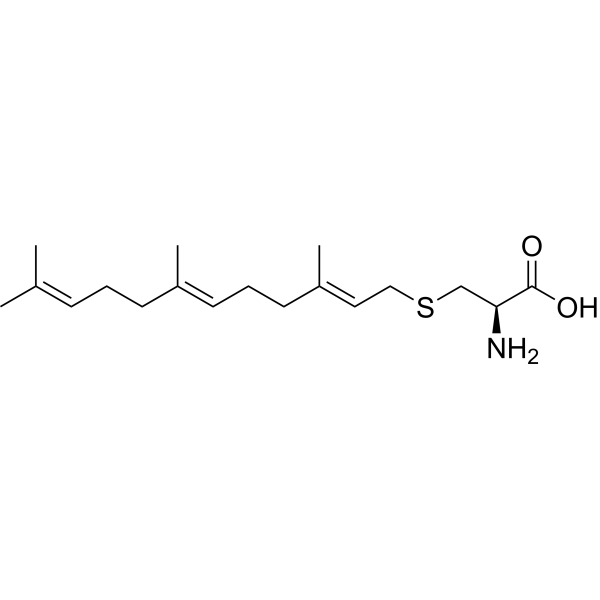
Farnesylcysteine (FC) is a competitive inhibitor of ICMT. The fcly mutant has quantitatively low farnesylcysteine (FC) lyase activity and an enhanced response to ABA. Farnesylcysteine induces an ABA hypersensitive phenotype in Arabidopsis thaliana .
loading...
    loading...
Cat. No.: HY-175231
Target:  

5-HT Receptor

Research Areas:  

Neurological Disease

ST171 is a bitopic 5-HT1AR agonist with an Ki of 0.41  nM. ST171 selectively activates Gi/o signaling pathway and inhibits 5-HT1AR-mediated cAMP accumulation without Gs activation and marginal β-arrestin recruitment. T171 reduces hypersensitivity in chronic neuropathic and inflammatory pain mice model. ST171 can be used for pain research .
loading...
    loading...
Cat. No.: HY-N4171
CAS No.: 13201-14-4
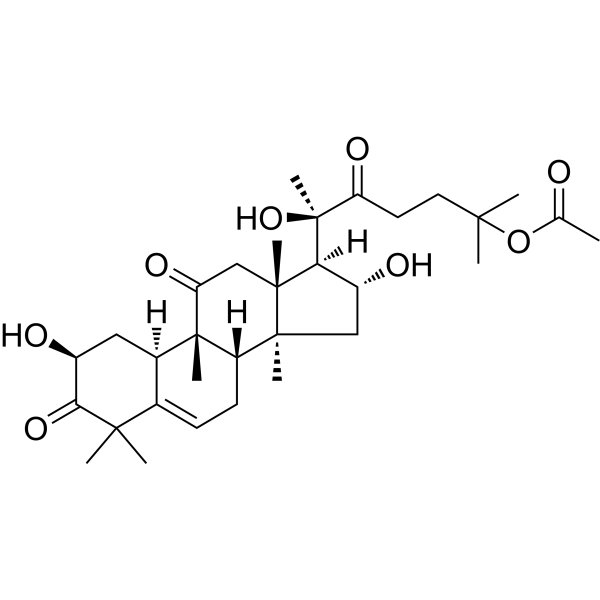
Dihydrocucurbitacin B, a triterpene isolated from Cayaponia tayuya roots, inhibits nuclear factor of activated T cells (NFAT), induces cell cycle arrested in the G0 phase, and inhibits delayed type hypersensitivity .
loading...
    loading...
Cat. No.: HY-16384
CAS No.: 125228-51-5
Synonyms: Antibiotic L 156602; PD 124966
Target:  

Complement System

Research Areas:  

Inflammation/Immunology

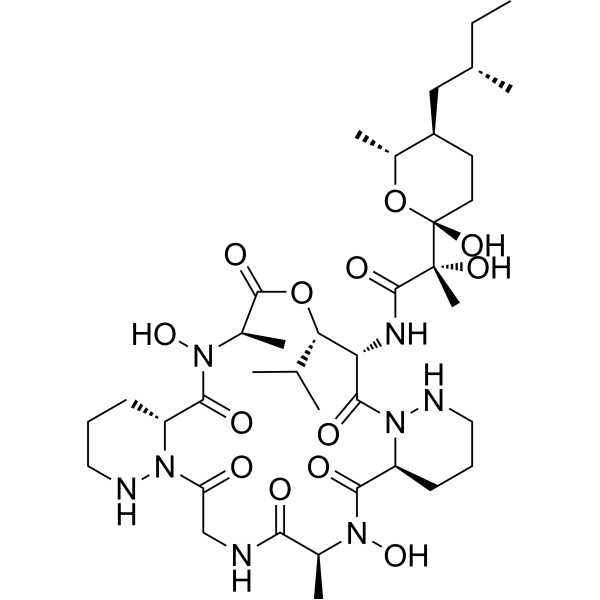
L-156602 is a C5a receptor antagonist. L-156602 inhibits inflammation, and the migration of monocytes and neutrophils to the infiltrating site in mouse inflammatory models. L-156602 suppresses the efferent phase of delayed-type hypersensitivity (DTH) .
loading...
    loading...
Cat. No.: HY-178926
CAS No.: 3034560-21-6
RAGE406R is an orally active RAGE-DIAPH1 interaction antagonist. RAGE406R can bind to ctRAGE and prevent the formation of the RAGE-DIAPH1 complex and inhibit its interaction. RAGE406R can reduce the expression of CCL2, TNF, and IL-6 in THP1 cells. RAGE406R suppresses delayed-type hypersensitivity in T2D mice. RAGE406R can be used for the study of diabetes .
loading...
    loading...
Cat. No.: HY-P5352
CAS No.: 299157-43-0
Target:  

CD44

Research Areas:  

Inflammation/Immunology Cancer

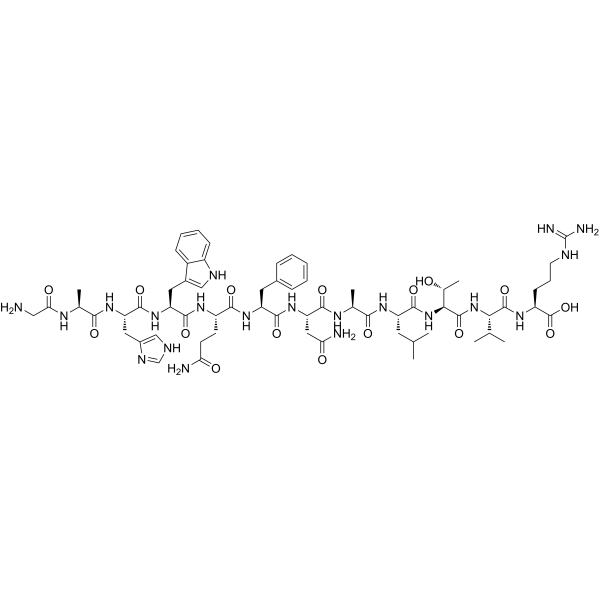
Hyaluronan-IN-1 (Pep-1) is a Hyaluronan inhibitor with a Kd value of 1.65 μM. Hyaluronan-IN-1 blocks CD44-dependent cell adhesion. Hyaluronan-IN-1 inhibits cell adhesion to hyaluronan substrates. Hyaluronan-IN-1 suppresses the development of contact hypersensitivity in mice by blocking the homing process of inflammatory cells to the skin. Hyaluronan-IN-1 also inhibits responses during the sensitization phase. Hyaluronan-IN-1 reduces lung metastasis of melanoma and prolongs the survival of mice. Hyaluronan-IN-1 can be used in research related to contact hypersensitivity, chronic skin inflammation, and melanoma .
loading...
    loading...
Cat. No.: HY-120044
CAS No.: 156511-34-1
Research Areas:  

Cancer

L-739749 is a farnesyl transferase inhibitor. L-739749 inhibits the selective hypersensitivity of JMML cells to granulocyte-macrophage colony-stimulating factor (GM-CSF) by blocking the prenylation of Ras. L-739749 exhibits a strong inhibitory effect on the growth of primary human JMML cells in vitro .
loading...
    loading...
Cat. No.: HY-P1726A
MSG606 TFA is a selective melanocortin 1 receptor (MC1R) antagonist. MSG606 TFA can abolish the neuroprotective effects of BMS-470539 (HY-15616) (MC1R agonist). MSG606 TFA can inhibit cancer cell proliferation and transition from the G1 to the S phase. MSG606 TFA can delay pain hypersensitivity and reduce cholesterol levels. MSG606 TFA can be used for the researches of cancer, inflammation, neurological and metabolic disease, such as breast cancer and subarachnoid hemorrhage (SAH) .
loading...
    loading...
Cat. No.: HY-15616
CAS No.: 457893-92-4
Target:  

Melanocortin Receptor

Research Areas:  

Cancer

BMS-470539 is a synthetic MC-1R agonist with potent anti-inflammatory properties. BMS-470539 selectively activates human and murine MC-1R with EC50 values ??of 16.8 nM and 11.6 nM, respectively. In vitro studies have shown that BMS-470539 is able to dose-dependently inhibit TNF-alpha-induced NF-kB activation in human melanoma cells expressing MC-1R. In vivo, subcutaneous injection of BMS-470539 into BALB/c mice effectively inhibited LPS-induced TNF-alpha production with an ED50 of approximately 10 μmol/kg and a pharmacodynamic half-life of approximately 8 hours. It also significantly reduced leukocyte infiltration in a lung inflammation model and attenuated paw swelling in a delayed-type hypersensitivity model, highlighting its efficacy as an anti-inflammatory agent through MC-1R modulation .
loading...
    loading...

