1. Search Result
Search Result
Results for "

M-2 (Standard)

" in MedChemExpress (MCE) Product Catalog:

68

Inhibitors & Agonists

2

Biochemical Assay Reagents

25

Natural
Products

Cat. No. Product Name Target Research Areas Chemical Structure
  • HY-A0004R

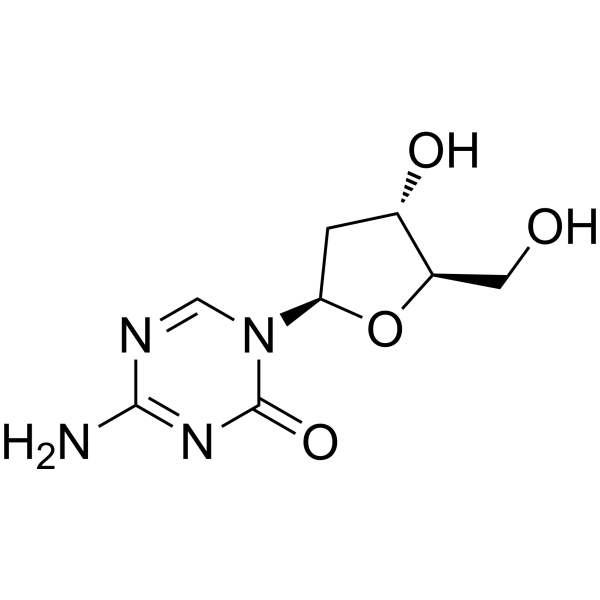
    5-Aza-2'-deoxycytidine (Standard); 5-AZA-CdR (Standard); NSC 127716 (Standard)

    Reference Standards DNA Methyltransferase Apoptosis Nucleoside Antimetabolite/Analog Cancer
    Decitabine (Standard) is the analytical standard of Decitabine. This product is intended for research and analytical applications. Decitabine (NSC 127716) is an orally active deoxycytidine analogue antimetabolite and a DNA methyltransferase inhibitor. Decitabine incorporates into DNA in place of cytosine can covalently trap DNA methyltransferase to DNA causing irreversible inhibition of the enzyme. Decitabine induces cell G2/M arrest and cell apoptosis. Decitabine has potent anticancer activity .
    Decitabine (Standard)
  • HY-N1428R
    Citric acid (standard)
    5+ Cited Publications

    Reference Standards Apoptosis Endogenous Metabolite Bacterial Infection Cardiovascular Disease Metabolic Disease Inflammation/Immunology Cancer
    Citric acid (Standard) is the analytical standard of Citric acid (HY-N1428). This product is intended for research and analytical applications. Citric acid is a natural preservative and food tartness enhancer. Citric acid induces apoptosis and cell cycle arrest at G2/M phase and S phase in HaCaT cells. Citric acid cause oxidative damage of the liver by means of the decrease of antioxidative enzyme activities. Citric acid is also an acidulant, emulsifier, sequestrant and buffering agent widely used across many industries .
    Citric acid (standard)
  • HY-B0011R

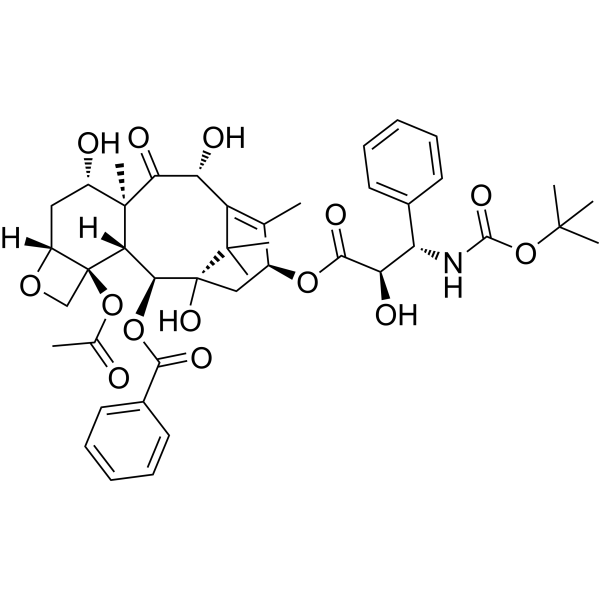
    RP-56976 (Standard)

    Reference Standards Microtubule/Tubulin Apoptosis Endogenous Metabolite Cancer
    Docetaxel (Standard) is the analytical standard of Docetaxel. This product is intended for research and analytical applications. Docetaxel (RP-56976) is a microtubule depolymerization inhibitor, with an IC50 of 0.2 μM. Docetaxel attenuates the effects of bcl-2 and bcl-xL gene expression. Docetaxel arrests the cell cycle at G2/M and leads to cell apoptosis. Docetaxel has anti-cancer activity .
    Docetaxel (Standard)
  • HY-B0461R

    mAChR Reference Standards Neurological Disease
    Trospium (chloride) (Standard) is the analytical standard of Trospium (chloride). This product is intended for research and analytical applications. Trospium chloride is an orally active, specific and competitive antagonist of muscarinic cholinergic receptors (mAChRs), with antimuscarinic activity. Trospium chloride binds to muscarinic receptors M1, M2 and M3 with high affinity, but not nicotinic, cholinergic receptors .
    Trospium chloride (Standard)
  • HY-B0527AR
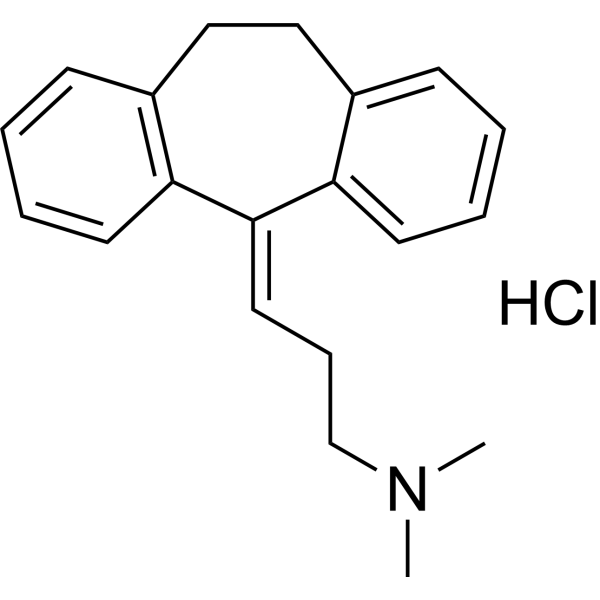
    Amitriptyline hydrochloride (Standard)
    4 Publications Verification

    Reference Standards Serotonin Transporter 5-HT Receptor Histamine Receptor mAChR Adrenergic Receptor Trk Receptor Sodium Channel Potassium Channel Dopamine Transporter Apoptosis Neurological Disease Inflammation/Immunology Endocrinology
    Amitriptyline hydrochloride (Standard) is the analytical standard of Amitriptyline hydrochloride (HY-B0527A). This product is intended for research and analytical applications. Amitriptyline hydrochloride is an orally active tricyclic antidepressant (TCA). Amitriptyline hydrochloride mainly exerts its antidepressant effect by blocking SERT (Ki = 3.45 nM) and NET (Ki = 13.3 nM), thereby increasing the concentrations of 5-hydroxytryptamine (5-HT) and norepinephrine (NE) in the synaptic cleft. Amitriptyline hydrochloride is also an agonist at α2A and TrkA/TrkB receptors, thereby exerting analgesic and neurotrophic activities (inhibiting cell apoptosis). Amitriptyline hydrochloride can reduce inflammation, angiogenesis and fibrosis. Amitriptyline hydrochloride binds to DAT (with Ki = 2.58 μM). Amitriptyline hydrochloride has high affinity for a series of receptors and can antagonize muscarinic cholinergic receptors (M1/M2/M3/M4/M5 receptors) (Ki = 11-24 nM), H1 receptors (Ki = 0.5-1.1 nM), adrenergic α1 receptors (Ki = 4.4 nM), etc., resulting in a series of side effects. Amitriptyline hydrochloride can block sodium channels and hERG potassium channel (IC50 = 4.78 μM) and it has cardiotoxicity.
    Amitriptyline hydrochloride (Standard)
  • HY-N0440R

    Reference Standards Influenza Virus NF-κB 5 alpha Reductase Keap1-Nrf2 Lactate Dehydrogenase Apoptosis Infection Neurological Disease Inflammation/Immunology Endocrinology Cancer
    Germacrone (Standard) is an analytical standard of Gemmacrone (HY-N0440). This product is intended for research and analytical applications. Germacrone (Standard) is a sesquiterpene compound with multiple biological activities. Germacrone (Standard) inhibits the H1N1 and H3N2 influenza A viruses and the influenza B virus. Germacrone (Standard) blocks the progressionof arthritis by regulating Th1/Th2 balance and inhibiting NF-κB signaling. Germacrone (Standard) can arrest the cell cycle at G0/G1 and G2/M phases and induce apoptosis in breast cancer cells. Germacrone (Standard) inhibits 5α-reductase and has anti-androgenic effect. Germacrone (Standard) has neuroprotective functions and can be used for the study of traumatic brain injury (TBI). Germacrone (Standard) also has antioxidant activity .
    Germacrone (Standard)
  • HY-N0822R

    C.I. 75535 (Standard); Isoarnebin 4 (Standard)

    Reference Standards Exosomes Chloride Channel Pyruvate Kinase NF-κB TNF Receptor HIV AIM2 Cancer
    Shikonin (Standard) is the analytical standard of Shikonin. This product is intended for research and analytical applications. Shikonin is a major component of a Chinese herbal medicine named zicao. Shikonin is a potent TMEM16A chloride channel inhibitor with an IC50 of 6.5 μM . Shikonin is a specific pyruvate kinase M2 (PKM2) inhibitor and can also inhibit TNF-α and NF-κB pathway . Shikonin decreases exosome secretion through the inhibition of glycolysis . Shikonin inhibits AIM2 inflammasome activation .
    Shikonin (Standard)
  • HY-B0114R

    GP 47680 (Standard)

    Reference Standards Sodium Channel Apoptosis Neurological Disease Cancer
    Oxcarbazepine (Standard) is the analytical standard of Oxcarbazepine. This product is intended for research and analytical applications. Oxcarbazepine is a sodium channel blocker . Oxcarbazepine significantly inhibits glioblastoma cell growth and induces apoptosis or G2/M arrest in glioblastoma cell lines . Anti-cancer and anticonvulsant effects .
    Oxcarbazepine (Standard)
  • HY-B1357R

    Reference Standards Bcl-2 Family Caspase Apoptosis HSV Na+/K+ ATPase Calcium Channel Cardiovascular Disease Cancer
    Digitoxin (Standard) is the analytical standard of Digitoxin. This product is intended for research and analytical applications. Digitoxin is an anti-cancer agent. Digitoxin induces apoptosis, inhibits influenza cytokine storm, causes DNA double-stranded breaks (DSBs) and blocks the cell cycle at the G2/M phase. Digitoxin induces calcium uptake into cells by forming transmembrane calcium channels and can be used for research of heart failure .
    Digitoxin (Standard)
  • HY-128669R

    LSN2839567 (Standard)

    Reference Standards CDK Drug Metabolite Cancer
    Abemaciclib metabolite M2 (Standard) is the analytical standard of Abemaciclib metabolite M2. This product is intended for research and analytical applications. Abemaciclib metabolite M2 (LSN2839567) is a metabolite of Abemaciclib, acts as a potent CDK4 and CDK6 inhibitor, with IC50s of 1.2 and 1.3 nM, respectively. Anti-cancer activity[1][2].
    Abemaciclib metabolite M2 (Standard)
  • HY-B0338R

    1-Rimantadine (Standard)

    Influenza Virus Autophagy Reference Standards Infection
    Rimantadine (Standard) is the analytical standard of Rimantadine. This product is intended for research and analytical applications. Rimantadine is an orally active inhibitor for M2 protein, that blocks the hydrogen ion channel activity, prevents the entry and replication of the virus, and exhibits board-spectrum antiviral activity .
    Rimantadine (Standard)
  • HY-N1996R

    Reference Standards COX Lipoxygenase SARS-CoV Influenza Virus Infection Inflammation/Immunology
    Chebulagic acid (Standard) is the analytical standard of Chebulagic acid. This product is intended for research and analytical applications. Chebulagic acid is a COX-LOX dual inhibitor isolated from the fruits of Terminalia chebula Retz, on angiogenesis. Chebulagic acid is a M2 serine to asparagine 31 mutation (S31N) inhibitor and influenza antiviral. Chebulagic acid also against SARS-CoV-2 viral replication with an EC50 of 9.76 μM.
    Chebulagic acid (Standard)
  • HY-101671R

    M-2 (Standard)

    Reference Standards MMP Drug Metabolite Inflammation/Immunology
    S-methyl-KE-298 (Standard) is the analytical standard of S-methyl-KE-298. This product is intended for research and analytical applications. S-methyl-KE-298 is an active metabolite of KE-298. KE-298 inhibits matrix metalloproteinase (MMP-1) production from rheumatoid arthritis (RA) synovial cells.
    S-methyl-KE-298 (Standard)
  • HY-B0402AR

    1-Adamantanamine hydrochloride (Standard); 1-Adamantylamine hydrochloride (Standard); 1-Aminoadamantane hydrochloride (Standard)

    Reference Standards Influenza Virus Orthopoxvirus SARS-CoV Apoptosis Bcl-2 Family CDK Infection Neurological Disease Cancer
    Amantadine (hydrochloride) (Standard) is the analytical standard of Amantadine (hydrochloride). This product is intended for research and analytical applications. Amantadine (1-Adamantanamine) hydrochloride is an orally avtive and potent antiviral agent with activity against influenza A viruses. Amantadine hydrochloride inhibits several ion channels such as NMDA and M2, and also inhibits Coronavirus ion channels. Amantadine hydrochloride also has anti-orthopoxvirus and anticancer activity. Amantadine hydrochloride can be used for Parkinson's disease, postoperative cognitive dysfunction (POCD) and COVID-19 research .
    Amantadine hydrochloride (Standard)
  • HY-B0402R1

    1-Adamantanamine in Methanol (Standard); 1-Aminoadamantane in Methanol (Standard)

    Reference Standards Influenza Virus Orthopoxvirus SARS-CoV Apoptosis CDK Bcl-2 Family Infection Neurological Disease Cancer
    Amantadine in Methanol (Standard) is the solution of Amantadine (Standard). This product is intended for research and analytical applications. Amantadine (1-Adamantanamine) is an orally avtive and potent antiviral agent with activity against influenza A viruses. Amantadine inhibits several ion channels such as NMDA and M2, and also inhibits Coronavirus ion channels. Amantadine also has anti-orthopoxvirus and anticancer activity. Amantadine can be used for Parkinson's disease, postoperative cognitive dysfunction (POCD) and COVID-19 research [4] .
    Amantadine in Methanol (Standard)
  • HY-W027553R

    NIK-247 free base (Standard); Amiridine free base (Standard)

    Reference Standards Cholinesterase (ChE) Potassium Channel Sodium Channel Neurological Disease Metabolic Disease
    Ipidacrine (Standard) is the analytical reference standard of Ipidacrine. This product is used for research and analytical applications. Ipidacrine is orally active and blood-brain-barrier-penetrant AChE and BuChE inhibitors with IC50 values of 1 μM and 1.9 μM, respectively, which is also a partial agonist of M2-cholinergic receptors and a reversible cholinesterase inhibitor. Ipidacrine has a stimulating effect on neuromuscular transmission and excitation along the nerve fibres with a moderately anti-pain effect. Ipidacrine is an aminopyridines and is structurally similar to Tacrine (HY-111338). Ipidacrine is effective in various amnesia models, improves erectile function and inhibits K + and Na +-channels in the neuronal membrane in diabetic rats. Ipidacrine is promising for research of Alzheimer’s disease, ischaemic stroke, idiopathic neuropathy of the facial nerve, diabetes mellitus-induced erectile dysfunction and other deficits in central or peripheral cholinergic deseases .
    Ipidacrine (Standard)
  • HY-N2110R

    Reference Standards Akt Sirtuin Integrin STAT PI3K Apoptosis ERK PPAR PKC Toll-like Receptor (TLR) HIV Infection Cardiovascular Disease Neurological Disease Metabolic Disease Inflammation/Immunology Cancer
    Phellopterin (Standard) is the analytical standard of Phellopterin. Phellopterin, an orally active furocoumarin with multiple biological activities. Phellopterin is a partial agonist of the central benzodiazepine receptors. Phellopterin exerts anti-inflammatory effects by upregulating SIRT1, downregulating ICAM-1 (reducing chronic inflammation, aiding diabetic ulcer healing), inhibiting STAT3 phosphorylation (easing atopic dermatitis inflammation), regulating Akt/PKC pathways (lowering TNF-α-induced VCAM-1 to block monocyte adhesion), and inhibiting TLR4/NF-κB pathway and macrophage M2 polarization (alleviating colitis-related cancers). Phellopterin suppresses ovarian cancer progression via inhibiting the PU.1/CLEC5A/PI3K-AKT loop (inducing cell cycle arrest, apoptosis, DNA damage). Phellopterin alleviates murine diabetes by promoting adipocyte differentiation and increasing PPARγ. Phellopterin also has anti-HSV-1 activity. Phellopterin can be used for studying anti-inflammation, anti-cancer (e.g., ovarian cancer, colitis cancer), blood glucose lowering, anti-diabetes, and anti-virus.
    Phellopterin (Standard)
  • HY-B0935R

    Phenylmethyl benzoate (Standard)

    Reference Standards Parasite Endogenous Metabolite Angiotensin Receptor Bacterial Fungal Infection Cardiovascular Disease Inflammation/Immunology
    Benzyl benzoate (Standard) is the analytical standard of Benzyl benzoate. This product is intended for research and analytical applications. Benzyl benzoate (Phenylmethyl benzoate) is an orally active anti-scabies agent, acaricide (EC50= 0.06 g/m 2) and fungicide. Benzyl benzoate is an angiotensin II (Ang II) inhibitor with antihypertensive effects. Benzyl benzoate can be used in perfumes, pharmaceuticals and the food industry .
    Benzyl benzoate (Standard)
  • HY-N2369R

    Reference Standards Apoptosis Influenza Virus Infection Cancer
    Chelidonine (Standard) is the analytical standard of Chelidonine. This product is intended for research and analytical applications. Chelidonine, an isoquinoline alkaloid, can be isolated from Chelidonium majus L.. Chelidonine causes G2/M arrest and induces caspase-dependent and caspase-independent apoptosis, and prevents cell cycle progression of stem cells in Dugesia japonica. Chelidonine has cytotoxic activity against melanoma cell lines. with anticancer and antiviral activity .
    Chelidonine (Standard)
  • HY-N1428AR

    Reference Standards Endogenous Metabolite Apoptosis Bacterial Infection Cardiovascular Disease Metabolic Disease Inflammation/Immunology Cancer
    Citric acid monohydrate (Standard) is the analytical standard of Citric acid monohydrate (HY-N1428A). This product is intended for research and analytical applications. Citric acid monohydrate is a natural preservative and food tartness enhancer. Citric acid monohydrate induces apoptosis and cell cycle arrest at G2/M phase and S phase in HaCaT cells. Citric acid monohydrate cause oxidative damage of the liver by means of the decrease of antioxidative enzyme activities. Citric acid monohydrate is also an acidulant, emulsifier, sequestrant and buffering agent widely used across many industries .
    Citric acid monohydrate (Standard)
  • HY-B0407AR

    Reference Standards Dopamine Receptor Autophagy Cytochrome P450 5-HT Receptor Cardiovascular Disease Neurological Disease Cancer
    Chlorpromazine (hydrochloride) (Standard) is the analytical standard of Chlorpromazine (hydrochloride). This product is intended for research and analytical applications. Chlorpromazine hydrochloride is an orally active, blood-brain barrier-transparent antipsychotic agent that effectively antagonises D2 dopamine receptors and 5-HT2A, which is widely used in schizophrenia and other psychiatric disorders. Chlorpromazine hydrochloride exerts anti-cancer activity through a variety of pathways, including anti-proliferation, induction of autophagy and cycle arrest (G2-M phase), inhibition of cytochrome c oxidase (CcO), inhibition of tumour growth and metastasis, and inhibition of tumour immune escape. Chlorpromazine hydrochloride also blocks hNav1.7 channels (IC50=25.9 μM; concentration-dependent) and HERG potassium channels (IC50=21.6 μM), which has potential for analgesic and cardiac arrhythmic studies. Chlorpromazine hydrochloride also can inhibit clathrin-mediated endocytosis .
    Chlorpromazine hydrochloride (Standard)
  • HY-I0678R

    Reference Standards Drug Metabolite PDGFR Cancer
    Quinocetone (Standard) is the analytical standard of Quinocetone. This product is intended for research and analytical applications. Quinocetone is a potent synthetic antimicrobial agent that is used for improving the feed efficiency and controlling dysentery in food-producing animals .
    Regorafénib N-oxyde (M2) (Standard)
  • HY-B1076R

    HMS (Standard); 6α-Methyl-11β-hydroxyprogesterone (Standard)

    Reference Standards STAT VEGFR CCR Inflammation/Immunology
    Medrysone (Standard) is the analytical standard of Medrysone. This product is intended for research and analytical applications. Medrysone (HMS; 6α-Methyl-11β-hydroxyprogesterone) is a STAT6 modulator and M2 macrophage polarization inducer. Medrysone enhances IL-4-triggered STAT6 activation, upregulates the expression of M2 markers, and promotes the secretion of VEGF and CCL2. Medrysone also enhances the pro-migratory activity of M2-like macrophages toward endothelial cells. By regulating macrophage polarization and related repair pathways, Medrysone significantly promotes corneal wound repair in a rat mechanical injury model. Medrysone can be used for research related to corneal injury .
    Medrysone (Standard)
  • HY-B0338AR

    Reference Standards Influenza Virus Autophagy Infection
    Rimantadine (hydrochloride) (Standard) is the analytical standard of Rimantadine (hydrochloride). This product is intended for research and analytical applications. Rimantadine is an orally active inhibitor for M2 protein, that blocks the hydrogen ion channel activity, prevents the entry and replication of the virus, and exhibits board-spectrum antiviral activity .
    Rimantadine hydrochloride (Standard)
  • HY-A0034R

    YM905 free base (Standard)

    Reference Standards mAChR Neurological Disease Cancer
    Solifenacin (Standard) is the analytical standard of Solifenacin. This product is intended for research and analytical applications. Solifenacin (YM905 free base) is a novel muscarinic receptor antagonist with pKis of 7.6, 6.9 and 8.0 for M1, M2 and M3 receptors, respectively.
    Solifenacin (Standard)
  • HY-A0002R

    YM905 (Standard)

    Reference Standards mAChR Neurological Disease Cancer
    Solifenacin (Succinate) (Standard) is the analytical standard of Solifenacin (Succinate). This product is intended for research and analytical applications. Solifenacin Succinate (YM905) is a novel muscarinic receptor antagonist with pKis of 7.6, 6.9 and 8.0 for M1, M2 and M3 receptors, respectively.
    Solifenacin Succinate (Standard)
  • HY-B0406AR

    Carbamyl-β-methylcholine chloride (Standard)

    mAChR Reference Standards Neurological Disease Cancer
    Bethanechol (chloride) (Standard) is the analytical standard of Bethanechol (chloride). This product is intended for research and analytical applications. Bethanechol chloride (Carbamyl-β-methylcholine chloride), a parasympathomimetic agent, is a mAChR agonist that exerts its effects via directly stimulating the mAChR (M1, M2, M3, M4, and M5) of the parasympathetic nervous system .
    Bethanechol chloride (Standard)
  • HY-A0030R

    Reference Standards mAChR Neurological Disease Metabolic Disease Cancer
    Fesoterodine (fumarate) (Standard) is the analytical standard of Fesoterodine (fumarate). This product is intended for research and analytical applications. Fesoterodine Fumarate is an orally active, nonsubtype selective, competitive muscarinic receptor (mAChR) antagonist with pKi values of 8.0, 7.7, 7.4, 7.3, 7.5 for M1, M2, M3, M4, M5 receptors, respectively. Fesoterodine Fumarate is used for the overactive bladder (OAB) .
    Fesoterodine fumarate (Standard)
  • HY-17360R

    BA679 BR (Standard)

    Reference Standards mAChR Neurological Disease
    Tiotropium (Bromide) (Standard) is the analytical standard of Tiotropium (Bromide). This product is intended for research and analytical applications. Tiotropium bromide (BA-679 BR) is a long-acting anticholinergic bronchodilator. Tiotropium bromide blocks the action of acetylcholine at muscarinic M1, M2, and M3 receptors, prevents bronchoconstriction, and dilates bronchial airways. Tiotropium bromide is applicable to research related to chronic obstructive pulmonary disease and asthma .
    Tiotropium Bromide (Standard)
  • HY-B1332R

    Sch 1000 bromide hydrate (Standard)

    Reference Standards mAChR Neurological Disease Inflammation/Immunology
    Ipratropium (bromide hydrate) (Standard) is the analytical standard of Ipratropium (bromide hydrate). This product is intended for research and analytical applications. Ipratropium bromide (Sch 1000) hydrate is a muscarinic receptor antagonist, with IC50s of 2.9 nM, 2 nM, and 1.7 nM for M1, M2, and M3 receptors, respectively. Ipratropium bromide hydrate relaxes smooth muscle, can be used in the research for COPD (chronic obstructive pulmonary disease) and asthma .
    Ipratropium bromide hydrate (Standard)
  • HY-B1339R

    Dicycloverine hydrochloride (Standard)

    Reference Standards mAChR Neurological Disease
    Dicyclomine (hydrochloride) (Standard) is the analytical standard of Dicyclomine (hydrochloride). This product is intended for research and analytical applications. Dicyclomine hydrochloride is a potent and orally active muscarinic cholinergic receptors antagonist. Dicyclomine hydrochloride shows high affinity for muscarinic M1 receptor subtype (Ki=5.1 nM) and M2 receptor subtype (Ki=54.6 nM) in brush-border membrane and basal plasma membranes, respectively . Dicyclomine is an antispasmodic agent and relieves smooth muscle spasm of the gastrointestinal tract in vivo .
    Dicyclomine hydrochloride (Standard)
  • HY-B0402R

    1-Adamantanamine (Standard); 1-Aminoadamantane (Standard)

    Reference Standards Influenza Virus Orthopoxvirus SARS-CoV Apoptosis CDK Bcl-2 Family Infection Neurological Disease Cancer
    Amantadine (Standard) is the analytical standard of Amantadine. This product is intended for research and analytical applications. Amantadine (1-Adamantanamine) is an orally avtive and potent antiviral agent with activity against influenza A viruses. Amantadine inhibits several ion channels such as NMDA and M2, and also inhibits Coronavirus ion channels. Amantadine also has anti-orthopoxvirus and anticancer activity. Amantadine can be used for Parkinson's disease, postoperative cognitive dysfunction (POCD) and COVID-19 research [4] .
    Amantadine (Standard)
  • HY-136587R

    Reference Standards Histamine Receptor mGluR Inflammation/Immunology
    Oxomemazine (Standard) is the analytical standard of Oxomemazine (HY-136587). This product is intended for research and analytical applications. Oxomemazine is a phenothiazine-based histamine H1-receptor blocker. Oxomemazine is a selective antagonist for muscarinic M1 receptor, displays about 20-fold difference in the affinity for high (Ki = 84 nM, M1 receptor) and low (Ki = 1.65 μM, M2 receptor) affinity sites. Oxomemazine is an antihistamine and anticholinergic agent used for the study of cough treatment. Oxomemazine is protective against anaphylactic microshock in guinea pigs .
    Oxomemazine (Standard)
  • HY-N0566R

    Anemosapogenin (Standard)

    Reference Standards Apoptosis Autophagy Bcl-2 Family Caspase Survivin p38 MAPK MMP Cancer
    23-Hydroxybetulinic acid (Standard) is the analytical standard of 23-Hydroxybetulinic acid (HY-N0566). This product is intended for research and analytical applications. 23-Hydroxybetulinic acid (Anemosapogenin) is an orally active triterpenoid with broad-spectrum anticancer activity. 23-Hydroxybetulinic acid reduces the levels of Bcl-2 and survivin, elevates the level of Bax, promotes the cleavage/activation of caspase-3 and caspase-9, and induces apoptosis via the endogenous mitochondrial pathway involving cytochrome C release and mitochondrial membrane potential disruption. 23-Hydroxybetulinic acid arrests the cell cycle at S and G1 phases, inhibits cancer cell proliferation, blocks the MAPK signaling pathway, regulates MMP2, and induces autophagic apoptosis by upregulating beclin-1. 23-Hydroxybetulinic acid inhibits the activity and efflux function of P-gp, increases the intracellular accumulation of chemotherapeutic drugs, and synergistically enhances cytotoxicity with Doxorubicin (HY-15142). 23-Hydroxybetulinic acid inhibits the phosphorylation and nuclear translocation of STAT6, blocks M2 macrophage polarization, and reduces M2 macrophage-mediated apoptosis resistance of colon cancer cells. 23-Hydroxybetulinic acid can be used in related studies on chronic myeloid leukemia, hepatocellular carcinoma, sarcoma 180, multidrug-resistant breast cancer, leukemia, Doxorubicin-induced cardiotoxicity, and colorectal cancer.
    23-Hydroxybetulinic acid (Standard)
  • HY-N0340R

    Hyoscine butylbromide (Standard); (-)-Scopolamine butylbromide (Standard); Butylscopolamine bromide (Standard)

    Reference Standards mAChR Neurological Disease Inflammation/Immunology
    Scopolamine butylbromide (Standard) is the analytical standard of Scopolamine butylbromide (HY-N0340). This product is intended for research and analytical applications. Scopolamine butylbromide (Hyoscine butylbromide) is an orally active anticholinergic agent and spasmolytic. Scopolamine butylbromide binds with high affinity to rat cardiac M2 (Ki 83 nmol/L), hM2 (Ki 233 nmol/L), rat intestinal M3 (Ki 290 nmol/L) and hM3 (Ki 643 nmol/L) muscarinic receptors. Scopolamine butylbromide exerts a dose-dependent antagonistic effect on Carbachol-induced gastrointestinal smooth muscle spasm. Scopolamine butylbromide can be used for the research of abdominal colic and pain associated with gastrointestinal spasm, functional abdominal pain, chronic gastropathy and gastric ulcer .
    Scopolamine butylbromide (Standard)
  • HY-B1101AR

    Pimetixene maleate (Standard)

    Reference Standards 5-HT Receptor Histamine Receptor Neurological Disease Endocrinology
    Pimethixene maleate (Standard) is the analytical standard of Pimethixene maleate. This product is intended for research and analytical applications. Pimethixene maleate is antihistamine and antiserotonergic compound, acts as an antimigraine agent. Pimethixene maleate is a highly potent antagonist of 5-HT1A, 5-HT2A, 5-HT2B, 5-HT2C, histamine H1, dopamine D2 and D4.4 as well as muscarinic M1 and M2 receptors, with pKis of 7.63, 10.22, 10.44, 8.42, 10.14, 8.19, 7.54, 8.61 and 9.38, respectively .
    Pimethixene maleate (Standard)
  • HY-122496R

    Syringidin (Standard)

    Reference Standards Apoptosis Cancer
    Malvidin (chloride) (Standard) is the analytical standard of Malvidin (chloride). This product is intended for research and analytical applications. Malvidin (chloride) is a bioactive compound isolated from grape. Malvidin shows cytotoxicity through the arrest of the G2/M phase of cell cycle and induction of apoptosis. Malvidin can be used for the research of cancer .
    Malvidin chloride (Standard)
  • HY-10222R

    BMS-247550 (Standard); Aza-epothilone B (Standard)

    Reference Standards Microtubule/Tubulin Apoptosis Bacterial Cancer
    Ixabepilone (Standard) is the analytical standard of Ixabepilone. This product is intended for research and analytical applications. Ixabepilone (BMS-247550) is an orally bioavailable microtubule inhibitor, which binds to tubulin and promotes tubulin polymerization and microtubule stabilization, thereby arrests cells in the G2-M phase of the cell cycle and induces tumor cell apoptosis.
    Ixabepilone (Standard)
  • HY-N2374R

    Reference Standards Apoptosis Cancer
    Eupatorin (Standard) is the analytical standard of Eupatorin. This product is intended for research and analytical applications. Eupatorin, a naturally occurring flavone, arrests cells at the G2-M phase of the cell cycle and induces apoptotic cell death involving activation of multiple caspases, mitochondrial release of cytochrome c and poly(ADP-ribose) polymerase cleavage .
    Eupatorin (Standard)
  • HY-13451R

    Reference Standards Bacterial Antibiotic Infection
    Citric acid (Standard) is the analytical standard of Citric acid. This product is intended for research and analytical applications. Citric acid is a natural preservative and food tartness enhancer. Citric acid induces apoptosis and cell cycle arrest at G2/M phase and S phase in HaCaT cells. Citric acid cause oxidative damage of the liver by means of the decrease of antioxidative enzyme activities. Citric acid causes renal toxicity in mice .
    Finafloxacin (Standard)
  • HY-N0421R

    Cinobufagine (Standard)

    Reference Standards Apoptosis Neurological Disease Cancer
    Cinobufagin (Standard) is the analytical standard of Cinobufagin. This product is intended for research and analytical applications. Cinobufagin is an anticancer agent that can be secreted by the Asiatic toad Bufo gargarizans. Cinobufagin induces the cell cycle arrests in the G1 phase or G2/M phase, leading to apoptosis in cancer cells. Cinobufagin inhibits tumor growth in melanoma and glioblastoma multiforme xenograft mouse models .
    Cinobufagin (Standard)
  • HY-121214R

    Reference Standards Fungal Mitochondrial Metabolism Apoptosis Reactive Oxygen Species (ROS) Infection Cardiovascular Disease
    Amisulbrom (Standard) is the analytical standard of Amisulbrom (HY-121214). Amisulbrom is a fungicide. Amisulbrom can inhibit the cytochrome-bc1 complex of the mitochondrial electron and induce mitochondrial dysfunction. Amisulbrom can induce cell apoptosis, ROS production and cause G2/M phase arrest. Amisulbrom shows cardiovascular toxicity to zebrafish. Amisulbrom can be used for the researches of infection and cardiovascular disease .
    Amisulbrom (Standard)
  • HY-N0047R

    Reference Standards JNK mTOR Akt PDK-1 Autophagy Apoptosis Cancer
    Polyphyllin I (Standard) is the analytical standard of Polyphyllin I. This product is intended for research and analytical applications. Polyphyllin I is a bioactive constituent extracted from Paris polyphylla, has strong anti-tumor activity. Polyphyllin I is an activator of the JNK signaling pathway and is an inhibitor of PDK1/Akt/mTOR signaling. Polyphyllin I induces autophagy, G2/M phase arrest and apoptosis .
    Polyphyllin I (Standard)
  • HY-W009156R

    Potassium citrate monohydrate (Standard)

    Reference Standards Apoptosis Endogenous Metabolite Bacterial Infection Cardiovascular Disease Metabolic Disease Inflammation/Immunology Cancer
    Citric acid tripotassium hydrate (Standard) (Potassium citrate monohydrate (Standard)) is the analytical standard of Citric acid tripotassium hydrate (HY-W009156). This product is intended for research and analytical applications. Citric acid tripotassium hydrate is a natural preservative and food tartness enhancer. Citric acid tripotassium hydrate induces apoptosis and cell cycle arrest at G2/M phase and S phase in HaCaT cells. Citric acid tripotassium hydrate cause oxidative damage of the liver by means of the decrease of antioxidative enzyme activities. Citric acid tripotassium hydrate is also an acidulant, emulsifier, sequestrant and buffering agent widely used across many industries .
    Citric acid tripotassium hydrate (Standard)
  • HY-N0816R

    Reference Standards Apoptosis Pyroptosis Cancer
    Polyphyllin VI (Standard) is the analytical standard of Polyphyllin VI. This product is intended for research and analytical applications. Polyphyllin VI, an active saponin, possess anti-cancer activities. Polyphyllin VI induces G2/M cell cycle arrest and triggers apoptosis. Polyphyllin VI induces caspase-1-mediated pyroptosis via the induction of ROS/NF-κB/NLRP3/GSDMD signal axis in non-small cell lung cancer .
    Polyphyllin VI (Standard)
  • HY-B0011AR

    RP-56976 Trihydrate (Standard)

    Reference Standards Microtubule/Tubulin Apoptosis Cancer
    Docetaxel (Trihydrate) (Standard) is the analytical standard of Docetaxel (Trihydrate). This product is intended for research and analytical applications. Docetaxel Trihydrate (RP-56976 Trihydrate) is an antineoplastic agent and inhibits microtubule?depolymerization with an IC50 value of 0.2 μM . Docetaxel Trihydrate is a semisynthetic analog of taxol and attenuates the effects of?bcl-2?and?bcl-xL?gene expression. Docetaxel Trihydrate arrests the cell cycle at G2/M and leads to cell apoptosis .
    Docetaxel Trihydrate (Standard)
  • HY-12485R

    Reference Standards Bacterial Antibiotic Infection
    Polyphyllin VI (Standard) is the analytical standard of Polyphyllin VI. This product is intended for research and analytical applications. Polyphyllin VI, an active saponin, possess anti-cancer activities. Polyphyllin VI induces G2/M cell cycle arrest and triggers apoptosis. Polyphyllin VI induces caspase-1-mediated pyroptosis via the induction of ROS/NF-κB/NLRP3/GSDMD signal axis in non-small cell lung cancer .
    TBA-354 (Standard)
  • HY-B1295R

    Litarex tetrahydrate (Standard)

    Apoptosis Endogenous Metabolite Bacterial Reference Standards Infection Cardiovascular Disease Metabolic Disease Inflammation/Immunology Cancer
    Lithium citrate (tetrahydrate) (Standard) is the analytical standard of Lithium citrate (tetrahydrate). This product is intended for research and analytical applications. Lithium citrate (Litarex) tetrahydrate is a natural preservative and food tartness enhancer. Lithium citrate tetrahydrate induces apoptosis and cell cycle arrest at G2/M phase and S phase in HaCaT cells. Lithium citrate tetrahydrate cause oxidative damage of the liver by means of the decrease of antioxidative enzyme activities. Lithium citrate tetrahydrate is also an acidulant, emulsifier, sequestrant and buffering agent widely used across many industries .
    Lithium citrate tetrahydrate (Standard)
  • HY-N2447R

    Reference Standards AMPK Apoptosis Metabolic Disease Cancer
    Amarogentin (Standard) is the analytical standard of Amarogentin. This product is intended for research and analytical applications. Amarogentin is a secoiridoid glycoside that is mainly extracted from Swertia and Gentiana roots. Amarogentin exhibits many biological effects, including anti-oxidative, anti-tumour, and anti-diabetic activities. Amarogentin exerts hepatoprotective and immunomodulatory effects. Amarogentin promotes apoptosis, arrests G2/M cell cycle and downregulates of PI3K/Akt/mTOR signalling pathways. Amarogentin exerts beneficial vasculo-metabolic effect by activating AMPK .
    Amarogentin (Standard)
  • HY-N3011R

    Reference Standards Apoptosis PI3K Pyruvate Kinase Reactive Oxygen Species (ROS) JAK Akt NF-κB STAT Metabolic Disease Inflammation/Immunology Cancer
    Iridin (Standard) is the analytical standard of Iridin. This product is intended for research and analytical applications. Iridin is an orally active natural isoflavone. Iridin inhibits the PI3K/AKT and PKM2 signaling pathways, and downregulates the JAK/STAT and NF-κB pathways. Iridin induces Fas-mediated extrinsic apoptosis, G2/M cell cycle arrest, and inhibits cell proliferation. Iridin reduces inflammation, inhibits ROS production, suppresses glycolysis, and also exhibits antioxidant and antidiabetic activities. Iridin can be used in research related to gastric cancer and acute lung injury .
    Iridin (Standard)

Inquiry Online

Your information is safe with us. * Required Fields.

Salutation


Country or Region *

Applicant Name *


Organization Name *

Department *


Email Address *


Product Name *

Cat. No.


Requested quantity *

Phone Number *


Remarks

Inquiry Online

Inquiry Information

Product Name:
Cat. No.:
Quantity:
MCE Japan Authorized Agent:

