Search Result
Results for "
MDA cell lines
" in MedChemExpress (MCE) Product Catalog:
| Cat. No. |
Product Name |
Target |
Research Areas |
Chemical Structure |
-
- HY-119272
-
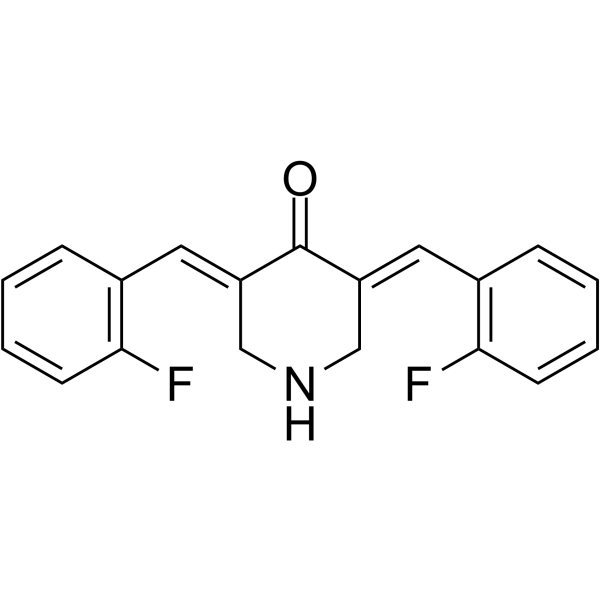
EF24
2 Publications Verification
|
ERK
Caspase
NF-κB
Apoptosis
p38 MAPK
Reactive Oxygen Species (ROS)
|
Inflammation/Immunology
Cancer
|
|
EF24, a curcumin analogue, is an NF-kB inhibitor with great anti-tumor efficacy and oral bioavailability via deactivation of the MAPK/ERK signaling pathway in oral squamous cell carcinoma (OSCC). EF24 is active against melanoma and breast cancer cell lines with GI50 values of 0.7 μM and 0.8 μM, respectively. EF24 induces cell cycle arrest and apoptosis in MDA-MB-231 human breast cancer cells and DU-145 human prostate cancer cells. EF24 increases the levels of activated caspase 3 and 9, and decreases the phosphorylated forms of MEK1 and ERK .
|
-
-
- HY-112338
-
|
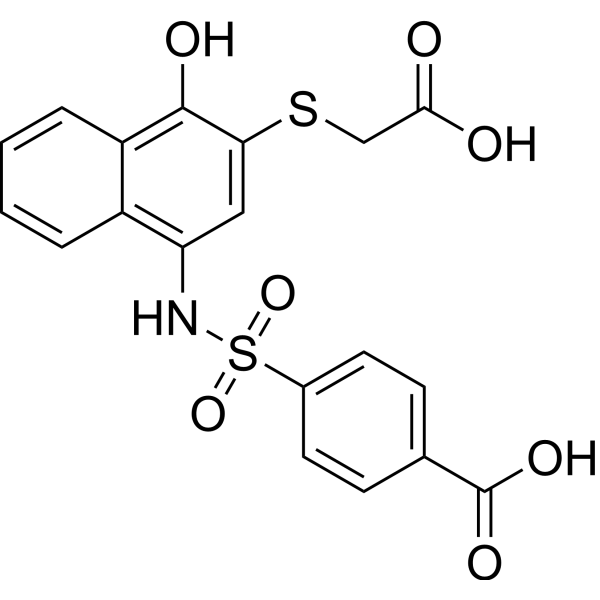
CPD188
|
STAT
Apoptosis
|
Cancer
|
|
C188 (CPD188) is a STAT3 inhibitor with anticancer effects. C188 inhibits STAT3 SH2/pY-peptide binding (IC50 of 20 µM against pY-peptide binding) and IL-6-mediated STAT3 phosphorylation. C188 is selective for STAT3 over STAT1. C188 inhibits nuclear-to-cytoplasmic translocation of Stat3. C188 shows highly active induces apoptosis in breast cancer cell lines with constitutive Stat3 activation (EC50s of 0.73 µM, 3.96 µM, and 7.01 µM in MDA-MB-468, MDA-MB-231, and MDA-MB-435 cultures, respectively) .
|
-
-
- HY-161456
-
|
|
Phosphoglycerate Dehydrogenase (PHGDH)
|
Cancer
|
|
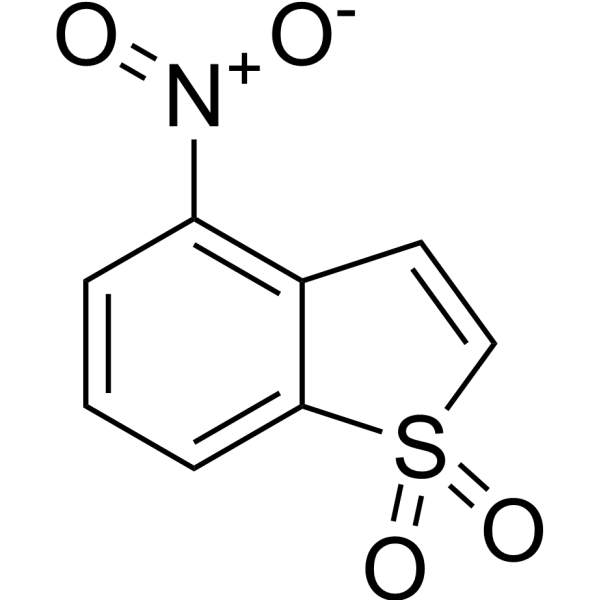
PHGDH-IN-5 (Compound B12) is a covalen inhibitor of PHGDH with an IC50 value of 0.29 μM. PHGDH-IN-5 can inhibit cell proliferation in cancer cell lines overexpressing PHGDH. PHGDH-IN-5 can reduce the production of serine derived from glucose in MDA-MB-468 cells .
|
-
-
- HY-139659
-
|
|
PROTACs
Androgen Receptor
Progesterone Receptor
Apoptosis
|
Cancer
|
|
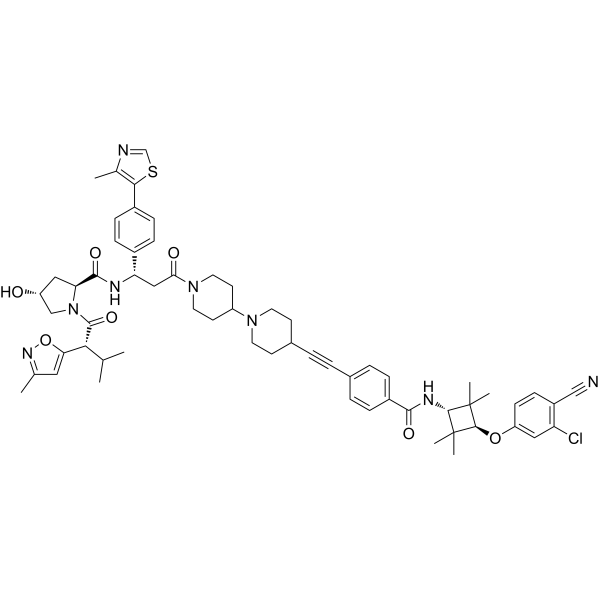
ARD-61 is a highly potent, effective and specific PROTAC androgen receptor (AR) degrader. ARD-61 potently and effectively induces AR and progesterone receptors (PR) degradation in AR+ cancer cell lines. ARD-61 induces apoptosis and effectively induces tumor growth inhibition in the MDA-MB-453 xenograft model in mice . ARD-61 is a click chemistry reagent, it contains an Alkyne group and can undergo copper-catalyzed azide-alkyne cycloaddition (CuAAc) with molecules containing Azide groups.
|
-
-
- HY-170620
-
|
|
PROTACs
PARP
|
Cancer
|
|
PARP1 PROTAC 180055 (Compound 180055) is a selective PARP1 PROTAC degrader (DC50 in T47D and MDA-MB-231 cell lines is 180 nM and 240 nM, respectively). PARP1 PROTAC 180055 promotes ubiquitination and degradation of PARP1 as well as inhibits PARP1 enzyme activity without a noticeable DNA trapping effect. PARP1 PROTAC 180055 inhibits tumors carrying BRCA mutations with a minor impact on the growth of normal cells (Pink: PARP1 ligand (HY-10617A); Blue: E3 ligase VHL ligand (HY-125845); Black: linker (HY-W014787)) .
|
-
-
- HY-N3057
-
|
|
Others
|
Cancer
|
|
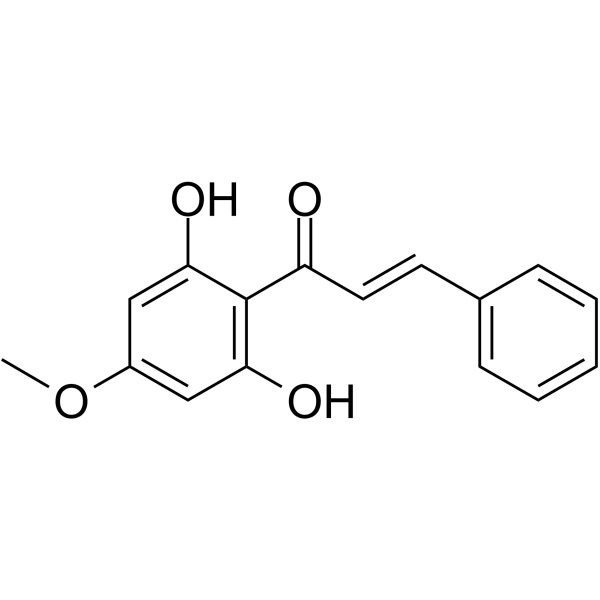
Pinostrobin chalcone is found to be potent natural cytotoxic compounds against MDA-MB-231 and HT-29 colon cancer cell lines(IC50 = 20.42±2.23 and 22.51±0.42 μg/mL) .
|
-
-
- HY-N6990
-
|
|
Others
|
Cancer
|
|
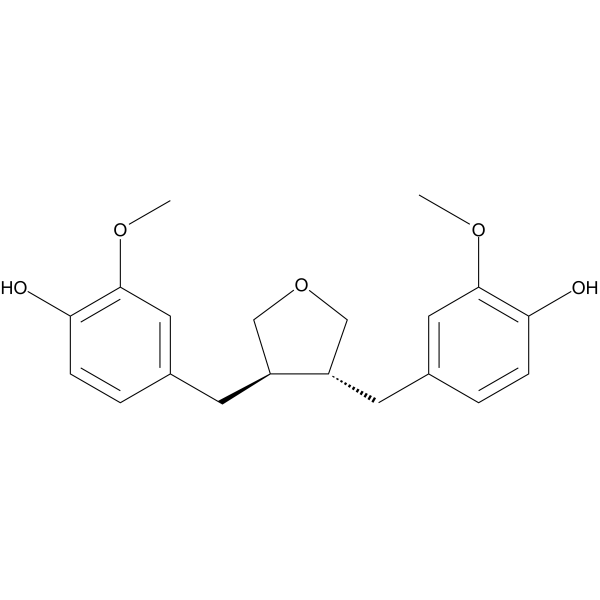
Anhydrosecoisolariciresinol is from the flower of Wedelia biflora, has anti-tumor activities .
Anhydrosecoisolariciresinol decreases the growth of human breast cancer MCF-7 and MDA-MB-231 cell lines .
|
-
-
- HY-120275
-
|
|
Bcl-2 Family
Apoptosis
|
Cancer
|
|
CYD-2-11 is a selective Bax agonist with a Ki value of 34.1 nM. CYD-2-11 induces cell apoptosis and shows antiproliferative activity to breast cancer MDA-MB-231 and MCF-7 cell lines with IC50 values of 3.22 and 3.81 μM, respectively. CYD-2-11 suppresses tumor growth in MDA-MB-231 tumor models. CYD-2-11 can be used for the research of breast and lung cancer .
|
-
-
- HY-148368
-
|
|
Bcl-2 Family
Apoptosis
|
Cancer
|
|
CYD-4-61 is a novel Bax activator used for breast cancer research. CYD-4-61 inhibits triple-negative breast cancer MDA-MB-231 and ER-positive breast cancer MCF-7 cell lines proliferation. CYD-4-61 activates Bax protein to induce cytochrome c release and regulate apoptotic biomarkers, leading to cancer cell apoptosis .
|
-
-
- HY-W231513
-
|
|
MASTL
Ser/Thr Protease
Aurora Kinase
|
Cancer
|
|
MASTL/Aurora A-IN-1 (Compound MA4) is a dual inhibitor of MASTL and Aurora A kinases with IC50 values of 0.56 μM and 0.16 μM, respectively. MASTL/Aurora A-IN-1 has broad-spectrum anticancer activity and has potent anticancer activity against SR (leukemia), K-562 (leukemia), MDA-MB-435 (melanoma), MOLT-4 (leukemia), and SK-MEL-2 (melanoma) cell lines in NCI-60 cancer cell lines with GI50 values of 0.023, 0.032, 0.037, 0.044, and 0.051 μM, respectively. MASTL/Aurora A-IN-1 inhibits Aurora A and MASTL kinases, inducing cell cycle G2/M arrest, thereby inhibiting cancer cell proliferation. MASTL/Aurora A-IN-1 can be used in cancer research, especially for tumors with dysregulated mitosis .
|
-
-
- HY-W661499
-
|
|
Phosphatase
Apoptosis
Reactive Oxygen Species (ROS)
Caspase
|
Cancer
|
|
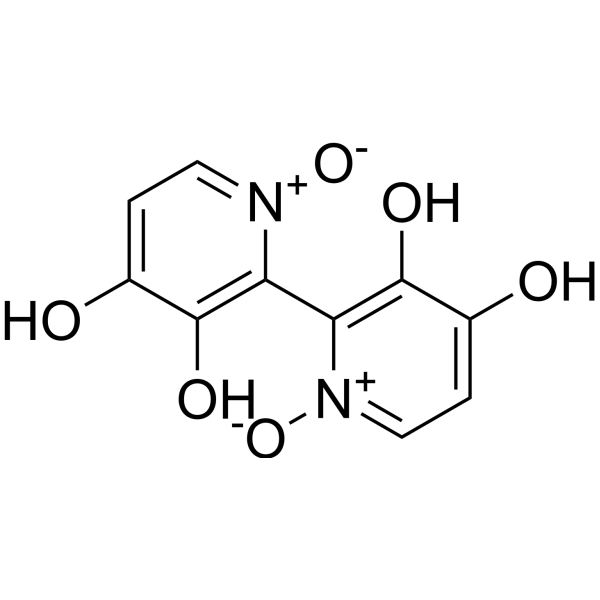
Orellanine, a nephrotoxic alkaloid found in Cortinarius orellanus, is an orally active and selective non-competitive inhibitor of alkaline phosphatase. Orellanine chelates iron, generates reactive oxygen species (ROS), induces DNA scission, forms ortho-semiquinone radicals, downregulates antioxidant defenses, and inhibits mitochondrial function. Orellanine induces caspase 8/9-mediated apoptosis. Orellanine inhibits synthesis of proteins, RNA, DNA, and mitochondrial protein synthesis, with metabolic activation required for cell-free protein synthesis inhibition. Orellanine can be used for the research of metastatic clear cell renal cell carcinoma, acute renal failure, chronic renal insufficiency, and kidney damage .
|
-
-
- HY-172957
-
|
|
JAK
|
Cancer
|
|
JNN-5 is a potent and selective JAK2 inhibitor with an IC50 of 0.41 nM. JNN-5 shows strong antiproliferative activities in the TNBC cell lines (MDA-MB-468, MDA-MB-213, HCC70, MDA-MB-157) .
|
-
-
- HY-W1117786
-
|
|
ADC Payload
NAMPT
|
Cancer
|
|
Nampt-IN-10 (Compound 4) is an efficient inhibitor of nicotinamide phosphoribosyltransferase (NAMPT). Nampt-IN-10 exhibits nanomolar-level inhibitory activity against cell lines such as MDA-MB453, NCI-N87, and NCI-H526. Nampt-IN-10 can be used as an ADC payload, and the ADC constructed with it as the core demonstrates significant anti-tumor activity .
|
-
-
- HY-W643128
-
|
|
Cholinesterase (ChE)
|
Infection
|
|
Carlina oxide is an AChE inhibitor and antioxidant that kills Culex pipiens larvae (LC50=1.39 μg/mL). Carlina oxide is cytotoxic to vertebrate cells, human dermis, HCT116 and MDA-MB231 cell lines .
|
-
-
- HY-161096
-
|
|
ROR
|
Cancer
|
|
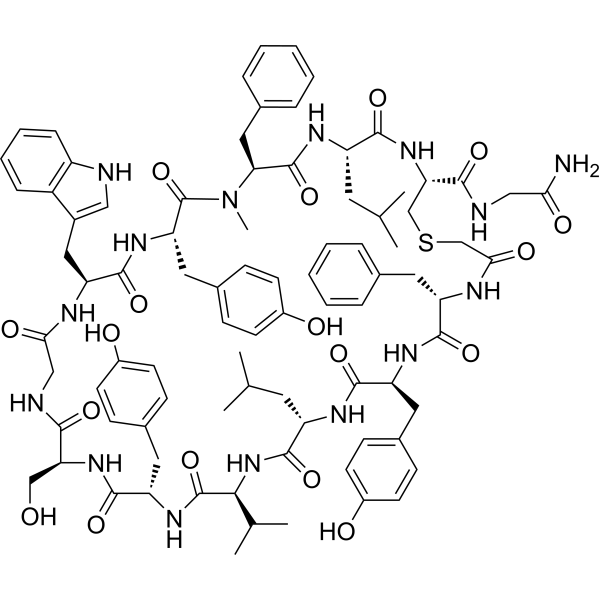
Antitumor agent-127 (compound 1) is a parent macrocyclic peptide. Antitumor agent-127 displays nanomolar cell-based binding to ROR1 and relatively good internalization in 786-O and MDA-MB-231 tumor cell lines .
|
-
-
- HY-10062
-
|
EBP-921
|
Akt
Farnesyl Transferase
|
Cancer
|
|
AZD3409 is a prenyl inhibitor that exhibits inhibitory activity against both farnesyl transferase and geranylgeranyl transferase I. AZD3409 inhibits the growth of breast cancer cells, with IC50s of 220 nM (MDA-MB-468), 180 nM (MDA-MB-361), and 290 nM (SK-Br-3). AZD3409 significantly reduces the activation level of AKT in breast cancer cell lines. AZD3409 induces G0/G1 phase arrest in MDA-MB-468 cells, causes G2/M phase arrest in MDA-MB-361 cells. AZD3409 can be used for the study of breast cancer .
|
-
-
- HY-171777
-
|
ErPC3; Erucylphosphohomocholine
|
PI3K
Akt
Ras
Raf
p38 MAPK
|
Cancer
|
|
Erufosine is an inhibitor of PI3K/Akt and Ras/Raf/MAPK signaling pathways. Erufosine inhibits the activity of breast cancer cell lines MCF-7 and MDA-MB 231 (IC50: 40.95/40.8 μM). Erufosine reduces the phosphorylation of PI3K (p85), Akt (PKB), and cRaf. Erufosine can be used in the study of breast cancer and myeloid leukemia .
|
-
-
- HY-172562
-
|
|
PROTACs
Epigenetic Reader Domain
|
Cancer
|
|
BTR2004 is a selective BET family (BRD2/3/4) protein PROTAC degrader. BTR2004 forms a ternary complex with BRD proteins and KLHL20, inducing ubiquitination and proteasomal degradation through the UPS pathway. BTR2004 is promising for research of PC3 prostate cancer and MDA-MB-231 breast cancer cell lines. Pink: (+)-JQ1-OH (HY-161125); Blue: BTR2000 (HY-172563); Black: Linker (HY-W015236) .
|
-
-
- HY-172159
-
|
|
HDAC
Apoptosis
|
Cancer
|
|
FF2039 (compound 1j) is a specific HDAC1, HDAC6, and HDAC isoforms of class I, IIa and IIb PROTAC degrader. FF2039 demonstrates s significant antiproliferative activity against both hematological and solid cancer cell lines, driven by cell cycle arrest and Apoptosis induction. FF2039 inhibits HDAC isoform of HDAC1, HDAC2, HDAC4 and HDAC6 with IC50s of 1.03, 2.15, 12.4 and 0.053 μM, respectively. FF2039 shows antiproliferative activity against different tumor entities of MM.1S, MDA-MB-231 and U-87MG with EC50s of 2.8, 28 and 30 μM, respectively. (Pink: PRMT5 ligand (HY-168864); Blue: E3 ligase ligand HY-W957284); Black: linker (HY-W881439); E3+linker (HY-172185 )) .
|
-
-
- HY-153272
-
|
|
Biochemical Assay Reagents
|
Cancer
|
|
Antitumor agent-93 (compound 7D) is an anticancer agent that can effectively inhibit the growth of several tumor cell lines, such as MDA-MB-231 and HCT-116 cell lines .
|
-
-
- HY-N15759
-
|
|
Biochemical Assay Reagents
|
Cancer
|
|
8,2'-Diprenylquercetin 3-methyl ether is isolated from Sinopodophyllum hexandrum (Royle) Ying (Sinopodophylli Fructus). 8,2'-Diprenylquercetin 3-methyl ether is cytotoxic to MDA-231 and T47D breast cancer cell lines .
|
-
-
- HY-173075
-
|
|
RIP kinase
Mixed Lineage Kinase
Necroptosis
|
Cancer
|
|
Anticancer agent 267 (Compound 5q) is the activator for RIPK3 and MLKL. Anticancer agent 267 inhibits the proliferation in a variety of cancer cell lines (IC50 for MDA-MB-231, MDA-MB-486 and MCF-7 is 9.79, 10.77 and 5.94 μM, respectively), arrests cell cycle at subG1 phase, and induces necroptosis in cell MDA-MB-231. Anticancer agent 267 exhibits antitumor activity in mouse xenograft models .
|
-
-
- HY-162034
-
|
|
FAK
|
Cancer
|
|
FAK-IN-17 is a focal adhesion kinase (FAK) inhibitor. FAK-IN-17 possesses anticancer activity against A549 and MDA-MB-231 cell lines with IC50 values of 130 nM and 94 nM .
|
-
-
- HY-N3057R
-
|
|
Reference Standards
Others
|
Cancer
|
|
Pinostrobin chalcone (Standard) is the analytical standard of Pinostrobin chalcone. This product is intended for research and analytical applications. Pinostrobin chalcone is found to be potent natural cytotoxic compounds against MDA-MB-231 and HT-29 colon cancer cell lines(IC50 = 20.42±2.23 and 22.51±0.42 μg/mL) .
|
-
-
- HY-146452
-
|
|
Apoptosis
|
Cancer
|
|
Anticancer agent 57 (compound 14) potently inhibits MDA-MB-231, MDA-MB-468, and MCF-7 cell lines, with IC50s of 6.43 ~ 8.00 μM. Anticancer agent 57 induces cell cycle arrest and significantly promotes apoptosis. Anticancer agent 57 inhibits tumor growth in nude mice xenografted with MADMB-231 cells. Anticancer agent 57 can be used for researching triple negative breast cancer (TNBC) .
|
-
-
- HY-161151
-
|
|
DNA/RNA Synthesis
Apoptosis
|
Cancer
|
|
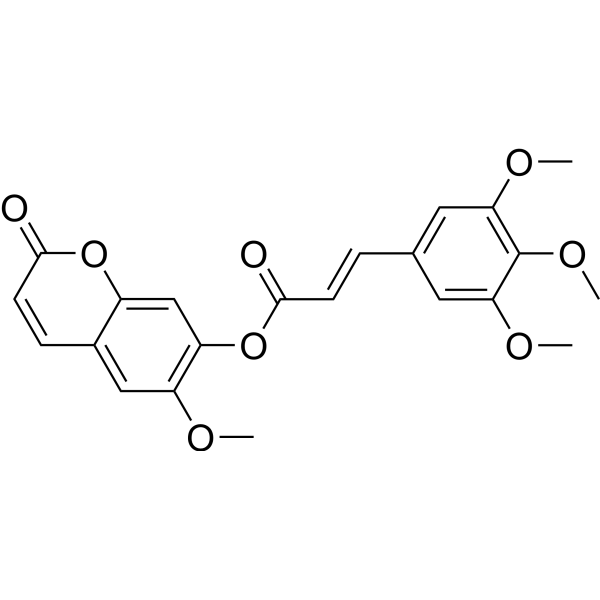
Frangulin B (Compd 11g), a potent anticancer agent, is a potential pan RecQ helicase inhibitor . Frangulin B (Compd 11g) induces apoptosis in both HCT-116 and MDA-MB-231 cell lines, but also causes an G2/M phase cell cycle arrest in HCT-116 cells .
|
-
-
- HY-156097
-
|
|
EGFR
|
Cancer
|
|
Anticancer agent 158 (compound 7c) is a potent anticancer agent. The IC50s for inhibiting HepG-2, MDA-MB-231, and HCT-116 cell lines are 7.93 μM, 9.28 μM, 13.28 μM, and 181.89 μM, respectively .
|
-
-
- HY-147556
-
|
|
Potassium Channel
|
Cancer
|
|
SK3 Channel-IN-1 (compound 7a) is a potent and specific SK3 channel modulator. SK3 Channel-IN-1 has efficient effect on breast cancer MDA-MB-435 cell migration while exhibiting low cytotoxicity in other cell lines. SK3 Channel-IN-1 can modulate ion channels’activity in cancer .
|
-
-
- HY-163995
-
|
|
Ferroptosis
Glutathione Peroxidase
|
Cancer
|
|
GPX4-IN-13 (compound 16) is a GPX4 inhibitor with anticancer activity. GPX4-IN-13 reduces thyroid cell proliferation and induces ferroptosis by inhibiting the expression level of GPX4. GPX4-IN-13 inhibits the growth of three thyroid cancer cell lines: N-thy-ori-3-1 (IC50=8.39 μM), MDA-T32 (IC50=10.28 μM) and MDA-T41 (IC50=8.18 μM) .
|
-
-
- HY-163760
-
|
|
HuR
MMP
|
Cancer
|
|
ZM-32 is an inhibitor for human antigen R (HuR), that downregulates the expression of VEGF-A and MMP9, and thus inhibits breast cancer tumor angiogenesis. ZM-32 exhibits broad-spectrum anti-proliferative effects in a variety of cancer cell lines, and exhibits antitumor efficacy against MDA-MB-231 in mouse models .
|
-
-
- HY-162868
-
|
|
c-Met/HGFR
HDAC
Apoptosis
|
Cancer
|
c-Met/HDAC-IN-4 is a dual inhibitor of c-Met/HDAC. The IC50 value of c-Met/HDAC-IN-4 for c-Met is 28.92 nM. c-Met/HDAC-IN-4 can induce G0/G1 phase cell cycle arrest and apoptosis in MDA-MB-231 breast cancer cells, and it inhibits the proliferation and invasion of breast cancer cell lines .
|
-
-
- HY-179232
-
|
|
Estrogen Receptor/ERR
|
Cancer
|
|
ERα antagonist 2 (Compound 5b) is an ER-α antagonist with an IC50 value of 1729 nM. ERα antagonist 2 exhibits significant inhibitory activity against breast cancer cell lines, and is still effective against ER-negative cells (MDA-MB-231), suggesting the existence of ER-independent pathways. ERα antagonist 2 can be used for the study of breast cancer .
|
-
-
- HY-117782
-
|
|
Others
|
Cancer
|
|
Anticancer agent 236 (compound JP-8g) is a broad-spectrum anticancer agent that has toxic effects on several cancer cell lines with IC50 values of 6.925 μM (MDA), 6.296 μM (U937), 6.548 μM (Jurkat), 6.373 μM (Hela), and 10.381 μM (EJ) .
|
-
-
- HY-149407
-
|
|
VEGFR
CDK
EGFR
Necroptosis
Apoptosis
|
Cancer
|
|
Multi-kinase-IN-4 (compound 5d) is multi-targeted kinase inhibitor, including VEGFR2, EGFR, HER2, and CDK2, with IC50 values of 0.33, 0.22, 0.18 and 2.09 μM, respectively. Multi-kinase-IN-4 shows broad-spectrum anti-cancer activities against HepG2, MCF-7, MDA-231, and HeLa cell lines (IC50 = 1.94–7.1 µM), but exhibits lower toxicity in the WI-38 cells (IC50 = 40.85 µM). Multi-kinase-IN-4 induces apoptosis and arrests cell cycle at S phase in HepG2 cells. Multi-kinase-IN-4 has the potential for the research of cancer .
|
-
-
- HY-144306
-
|
|
Estrogen Receptor/ERR
Apoptosis
|
Cancer
|
|
ERα degrader 4 is an excellent and selective estrogen receptor α (ERα) degrader (IC50 of 0.31, 0.41 and 0.48 μM in MDA-MB-231, MCF-7 and MCF-7/ADR cells, respectively). ERα degrader 4 has potent inhibitory activity against MCF-7 cell lines. ERα degrader 4 is a potential SERDs candidate for the research of breast cancer .
|
-
-
- HY-170965
-
|
|
CDK
DNA/RNA Synthesis
|
Cancer
|
|
Anticancer agent 264 (Compound 5w) is an anticancer agent that exhibits significant antiproliferative activity across tumor cell lines, with an IC50 range of 7.5-33.67 μM.
Anticancer agent 264 significantly induces G2/M phase arrest in MDA-MB-231, MIA PaCa-2, and DU-145 cell lines.
Anticancer agent 264 reduces the expression of key cell cycle proteins, including CDK1, CDK2, and Cyclin B1, in a dose-dependent manner, and shows strong binding affinity with inhibitor of differentiation (ID) proteins and DNA-binding proteins.
Anticancer agent 264 can be used for research in the field of cancer-related diseases .
|
-
-
- HY-N0985
-
|
|
Others
|
Cancer
|
|
1,4,5,6-Tetrahydroxy-7,8-diprenylxanthone is a xanthone that can be isolated from Garcinia xanthochymus. 1,4,5,6-Tetrahydroxy-7,8-diprenylxanthone shows moderate cytotoxicities against MDA-MB-435S and A549 cell lines with IC50s of 1.3 and 3.86 μg/ml, respectively .
|
-
-
- HY-146239
-
|
|
EGFR
Thymidylate Synthase
|
Cancer
|
|
EGFR/HER2/TS-IN-2 (compound 17) is a potent EGFR/HER2 and TS (Thymidylate synthase) inhibitor, with IC50 values of 0.173, 0.125, and 1.12 μM, respectively. EGFR/HER2/TS-IN-2 shows cytotoxic activity against MDA-MB-231 cancer cell lines, with an IC50 of 1.69 µM .
|
-
-
- HY-N15636
-
|
(-)-Coccinine
|
Serotonin Transporter
P-glycoprotein
|
Neurological Disease
Cancer
|
|
Coccinine ((-)-Coccinine) is a weak inhibitor of SERT (IC50: 196.3 μM; Ki: 106.8 μM) and P-gp (IC50: 0.96 mM). Coccinine exhibits significant anti-tumor activity against various cancer cell lines, such as breast cancer (MCF7, Hs578T, MDA-MB-231), colon cancer (HCT-15), and lung cancer (A549). Coccinine can be used in the research of tumors and neurological diseases .
|
-
-
- HY-161855
-
|
|
VEGFR
Apoptosis
|
Cancer
|
|
VEGFR-2-IN-50 (Compound 10f) is a VEGFR-2 inhibitor and apoptosis inducer, with an IC50 value of 0.33 μM. VEGFR-2-IN-50 (Compound 10f) has growth inhibitory activity on MCF-7 and MDA-MB-231 breast cancer cell lines, with IC50 values of 19.86 μM and 10.88 μM, respectively, which is expected to be used in the study of breast cancer diseases .
|
-
-
- HY-134997
-
|
4-oxo DHA
|
PPAR
|
Cancer
|
|
4-oxo Docosahexaenoic acid (4-oxo DHA) is a putative metabolite of Docosahexaenoic acid (HY-B2167) with antiproliferative and PPARγ agonist activity. It inhibits the growth of several triple negative breast cancer cell lines (MCF-10F, trMCF, bsMCF, MDA-MB-231, and BT549) at 50-100 μM, however it increased proliferation of MCF-7 cells. 4-oxo DHA binds covalently to PPARγ and activates gene transcription in luciferase reporter assays and in dendritic cells with EC50 values of approximately 8-16 μM.
|
-
-
- HY-146103
-
|
|
Apoptosis
Reactive Oxygen Species (ROS)
|
Cancer
|
|
Antiproliferative agent-7 (compound 8f) is a potent anti-proliferative agent. Antiproliferative agent-7 has antiproliferative activity against cancer cell lines MCF-7, MDA-MB-231, HCT-116 and FR-2 with IC50s of 3.5 μM, 15.54 μM, 30.43 μM and 34.8 μM, respectively. Antiproliferative agent-7 can increase ROS production and induce apoptosis .
|
-
-
- HY-172886
-
|
|
PI3K
Bcl-2 Family
Apoptosis
|
Cancer
|
|
PI3K-IN-58 (Compound 17f) is a PI3Kα inhibitor (IC50: 0.039 μM). PI3K-IN-58 exhibits significant antiproliferative effects on PC-3, 22RV1, MDA-MB-231 and MDA-MB-453 cell lines with IC50s of 3.48 μM, 1.06 μM, 2.21 μM and 0.93 μM, respectively. PI3K-IN-58 induces apoptosis by downregulating the expression levels of anti-apoptotic proteins Bcl-XL and Bcl-2 and upregulating the expression of anti-apoptosis protein BAX. PI3K-IN-58 can be used in PI3K-targeted cancer research .
|
-
-
- HY-169382
-
|
|
Melatonin Receptor
|
Cancer
|
|
Melatonin-Tamoxifen Conjugate (compound 16c) is an anticancer drug conjugate composed of Melatonin (HY-B0075) and Tamoxifen (HY-13757A), which is a potent antagonist of ERα (IC50=863 nM). Melatonin-Tamoxifen Conjugate binds to MLT receptor (Ki=3.1 nM) and promotes β-arrestin (EC50=914 nM) and ERK activation (EC50=98 nM) in cells expressing hMT1 receptor. Melatonin-Tamoxifen Conjugate against several common cell lines MCF-7, MDA-MB-231, and HT-1080 with IC50s of 6.8 μM, 6.4 μM, and 1.7 μM, respectively.
|
-
-
- HY-163434
-
|
|
EGFR
Histone Methyltransferase
|
Cancer
|
|
PRMT5/EGFR-IN-1 (Compound 10p) is an orally active dual PRMT5/EGFR inhibitor, with IC50s of 15.47 and 19.31 μM, respectively. PRMT5/EGFR-IN-1 exhibits antiproliferative activity against A549, MCF7, HeLa, and MDA-MB-231 cell lines. PRMT5/EGFR-IN-1 has favorable in vivo PK and PD properties. PRMT5/EGFR-IN-1 can significantly inhibit the growth of MCF7 orthotopic xenograft tumors .
|
-
-
- HY-183197
-
|
|
Drug Derivative
|
Cancer
|
|
SR 13915 is a structural analog of EGCG (HY-13653), a green tea polyphenol, and exhibits an IC50 greater than 100 μM against both MCF‑7 and MDA‑MB‑231 cell lines .
|
-
-
- HY-173365
-
|
|
VEGFR
|
Cancer
|
|
VEGFR-2-IN-67 (Compound 6b) is an inhibitor of vascular endothelial growth factor receptor 2 (VEGFR-2). Its IC50 values for MDA-231 and MCF-7 cell lines are 5.91 µM and 7.16 µM respectively, and its inhibitory effect on VEGFR-2 is comparable to that of Sorafenib (HY-10201) (IC50 is 53.63 nM). VEGFR-2-IN-67 exerts significant anti-cancer activity through mechanisms such as inducing Apoptosis (the early apoptosis rate reaches 57.20%), arresting the cell cycle at the G1 phase, upregulating pro-apoptotic markers and downregulating Bcl-2. VEGFR-2-IN-67 can be used for research in the field of cancer .
|
-
-
- HY-184178A
-
|
|
Apoptosis
|
Cancer
|
|
HF-125 is an orally active, highly selective small-molecule inhibitor of Tribbles 2 (TRIB2). HF-125 promotes the destabilization and degradation of TRIB2 protein via the proteasome pathway. HF-125 downregulates neuroendocrine markers, induces cell cycle arrest and apoptosis, inhibits tumor cell colony formation and invasion, and reverses tumor cell resistance to Enzalutamide (HY-70002). HF-125 significantly inhibits tumor growth in SCID mouse xenograft models, and exerts synergistic inhibitory effects when combined with Enzalutamide. HF-125 can be used in research related to prostate cancer .
|
-
-
- HY-179430
-
|
|
Mps1
|
Cancer
|
|
TTK-IN-5 is an orally active covalent threonine tyrosine kinase (TTK) inhibitor with selectivity (IC50 = 8.918 nM). TTK-IN-5 exhibits anti-proliferative potencies against MDA-MB-231, A2780, HCT116, HCC1569 and MKN1 cell lines (IC50 values of 0.113 μM, 0.476 μM, 3.136 μM, 3.649 μM, and 1.856 μM, respectively). TTK-IN-5 potently suppresses tumor growth without notable toxicity in A2780 and MDA-MB-231 xenograft mouse models. TTK-IN-5 can be used for the research of cancer such as breast cancer and ovarian cancer .
|
-
| Cat. No. |
Product Name |
Target |
Research Area |
-
- HY-161096
-
|
|
ROR
|
Cancer
|
|
Antitumor agent-127 (compound 1) is a parent macrocyclic peptide. Antitumor agent-127 displays nanomolar cell-based binding to ROR1 and relatively good internalization in 786-O and MDA-MB-231 tumor cell lines .
|
| Cat. No. |
Product Name |
Category |
Target |
Chemical Structure |
-
- HY-N3057
-
-
-
- HY-N6990
-
-
-
- HY-W661499
-
|
|
Structural Classification
Natural Products
Microorganisms
Source Classification
|
Phosphatase
Apoptosis
Reactive Oxygen Species (ROS)
Caspase
|
|
Orellanine, a nephrotoxic alkaloid found in Cortinarius orellanus, is an orally active and selective non-competitive inhibitor of alkaline phosphatase. Orellanine chelates iron, generates reactive oxygen species (ROS), induces DNA scission, forms ortho-semiquinone radicals, downregulates antioxidant defenses, and inhibits mitochondrial function. Orellanine induces caspase 8/9-mediated apoptosis. Orellanine inhibits synthesis of proteins, RNA, DNA, and mitochondrial protein synthesis, with metabolic activation required for cell-free protein synthesis inhibition. Orellanine can be used for the research of metastatic clear cell renal cell carcinoma, acute renal failure, chronic renal insufficiency, and kidney damage .
|
-
-
- HY-W643128
-
-
-
- HY-N15759
-
-
-
- HY-N3057R
-
-
-
- HY-N0985
-
-
-
- HY-N15636
-
-
| Cat. No. |
Product Name |
|
Classification |
-
- HY-139659
-
|
|
|
PROTAC Synthesis
|
|
ARD-61 is a highly potent, effective and specific PROTAC androgen receptor (AR) degrader. ARD-61 potently and effectively induces AR and progesterone receptors (PR) degradation in AR+ cancer cell lines. ARD-61 induces apoptosis and effectively induces tumor growth inhibition in the MDA-MB-453 xenograft model in mice . ARD-61 is a click chemistry reagent, it contains an Alkyne group and can undergo copper-catalyzed azide-alkyne cycloaddition (CuAAc) with molecules containing Azide groups.
|
-
- HY-179232
-
|
|
|
Tetrazine
|
|
ERα antagonist 2 (Compound 5b) is an ER-α antagonist with an IC50 value of 1729 nM. ERα antagonist 2 exhibits significant inhibitory activity against breast cancer cell lines, and is still effective against ER-negative cells (MDA-MB-231), suggesting the existence of ER-independent pathways. ERα antagonist 2 can be used for the study of breast cancer .
|
Your information is safe with us. * Required Fields.
Inquiry Information
- Product Name:
- Cat. No.:
- Quantity:
- MCE Japan Authorized Agent:

