
1. Search Result
Search Result
Results for "

Multidrug-resistant

" in MedChemExpress (MCE) Product Catalog:

282

Inhibitors & Agonists

2

Screening Libraries

3

Fluorescent Dye

1

Biochemical Assay Reagents

22

Peptides

65

Natural
Products

25

Isotope-Labeled Compounds

3

Click Chemistry

1

Oligonucleotides

1

GMP Molecules

Cat. No. Product Name Target Research Areas Chemical Structure
  • HY-N0717
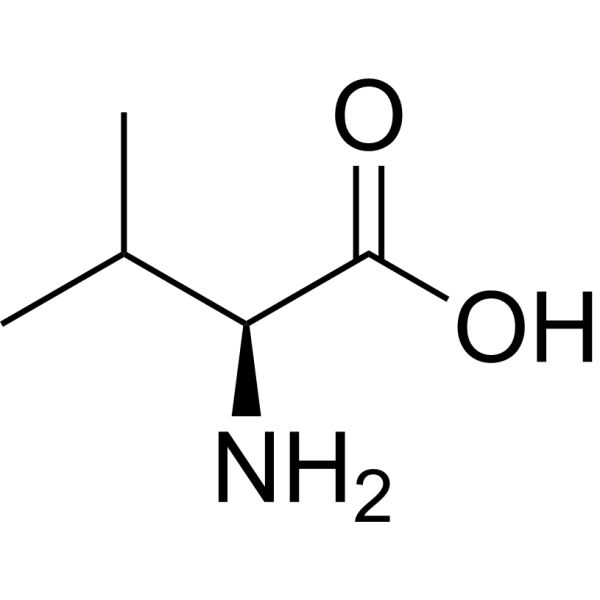
    L-Valine
    5 Publications Verification

    (S)-Valine

    Bacterial Arginase Akt Infection
    L-Valine ((S)-Valine) is a nonlinear semiorganic material. L-Valine causes lipid peroxidation and accumulation of malondialdehyde (MDA), exhibits inhibitory activity against cyanobacteria. L-Valine inhibits multidrug-resistant bacteria through activation of PI3K/Akt signaling pathway and inhibition of arginase .
    L-Valine
  • HY-B0030
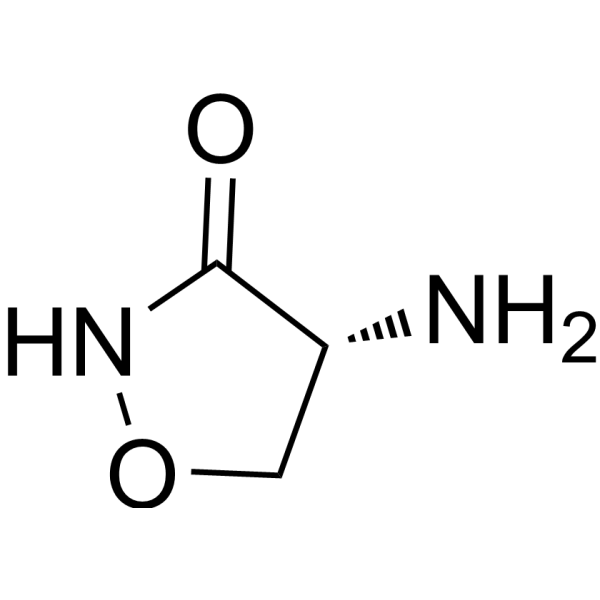
    D-Cycloserine
    5+ Cited Publications

    iGluR Bacterial Antibiotic Infection Neurological Disease Cancer
    D-Cycloserine is an antibiotic which targets sequential bacterial cell wall peptidoglycan biosynthesis enzymes, with blood-brain barrier permeability. D-Cycloserine is a partial NMDA agonist that can improve cognitive functions. D-Cycloserine can be used for multidrug-resistant tuberculosis research .
    D-Cycloserine
  • HY-W016420
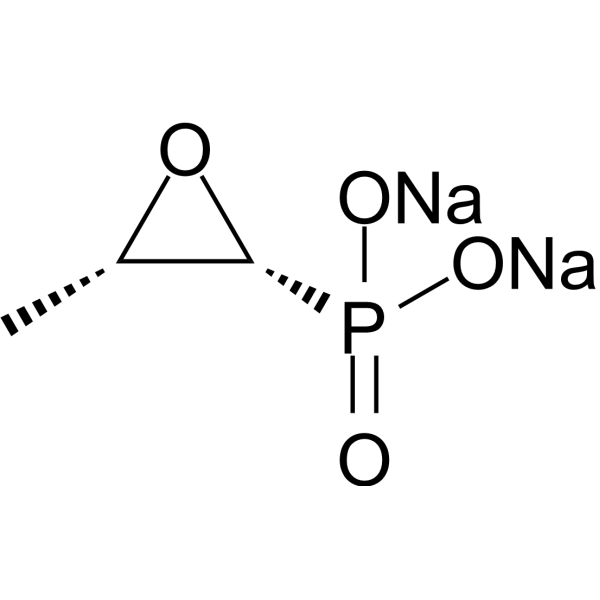
    Fosfomycin sodium
    Maximum Cited Publications
    14 Publications Verification

    MK-0955 sodium

    Bacterial Antibiotic Infection Cancer
    Fosfomycin (MK-0955) sodium is a blood-brain barrier penetrating, broad-spectrum antibiotic by irreversibly inhibiting an early stage in cell wall synthesis. Fosfomycin sodium shows both in vivo and in vitro activity against a wide range of bacteria, including multidrug-resistant (MDR), extensively drug-resistant (XDR), and pan-drug-resistant (PDR) bacteria .
    Fosfomycin sodium
  • HY-B0334
    Sulbactam
    10+ Cited Publications

    CP45899

    Bacterial Antibiotic Infection
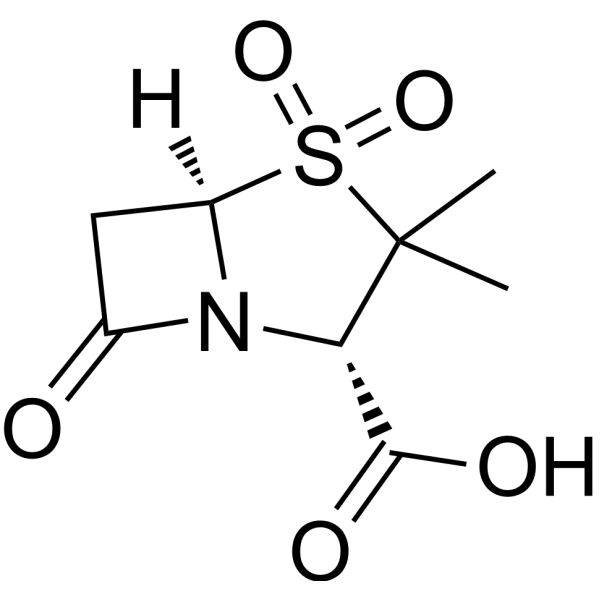
    Sulbactam (CP45899) is a competitive, irreversible beta-lactamase inhibitor. Sulbactam shows antimicrobial activity against multidrug-resistant (MDR) acinetobacter calcoaceticus--Acinetobacter baumannii (Acb) complex .
    Sulbactam
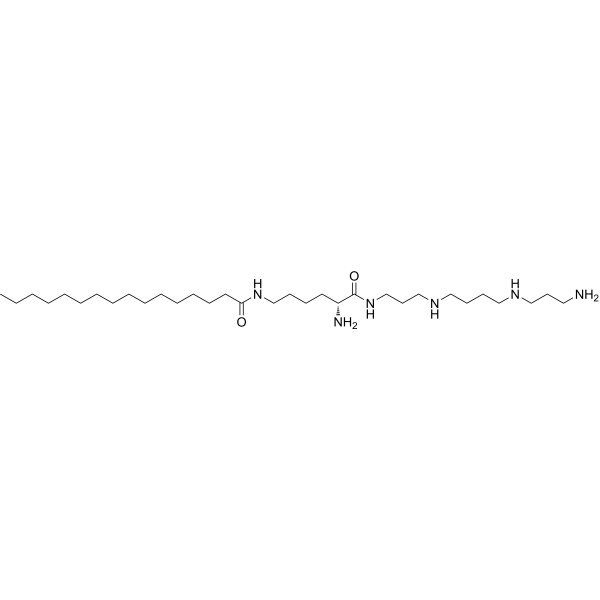
  • HY-124617A
    AMXT-1501 tetrahydrochloride
    5+ Cited Publications

    Apoptosis Bacterial Infection Inflammation/Immunology Cancer
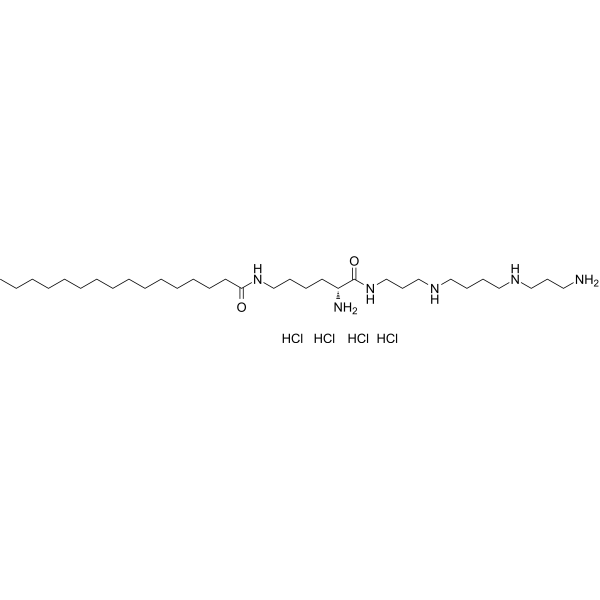
    AMXT-1501 tetrahydrochloride is a Bacterial agent and polyamine transport system inhibitor. AMXT-1501 tetrahydrochloride targets membrane phospholipids and exhibits antibacterial activity against a variety of Gram-positive and Gram-negative multidrug-resistant bacteria . AMXT-1501 tetrahydrochloride inhibits capsular biosynthesis in Streptococcus pneumoniae . AMXT-1501 tetrahydrochloride targets ornithine decarboxylase and polyamines to inhibit the proliferation of neuroblastoma cells . AMXT-1501 tetrahydrochloride in combination with DFMO (HY-B0744) induces Apoptosis in neuroblastoma cells. AMXT-1501 tetrahydrochloride is applicable to research related to multidrug-resistant bacterial infections, pneumococcal infections, Streptococcus pneumoniae infections, and neuroblastoma .
    AMXT-1501 tetrahydrochloride
  • HY-113678

    Polymyxin E

    Antibiotic Bacterial Infection
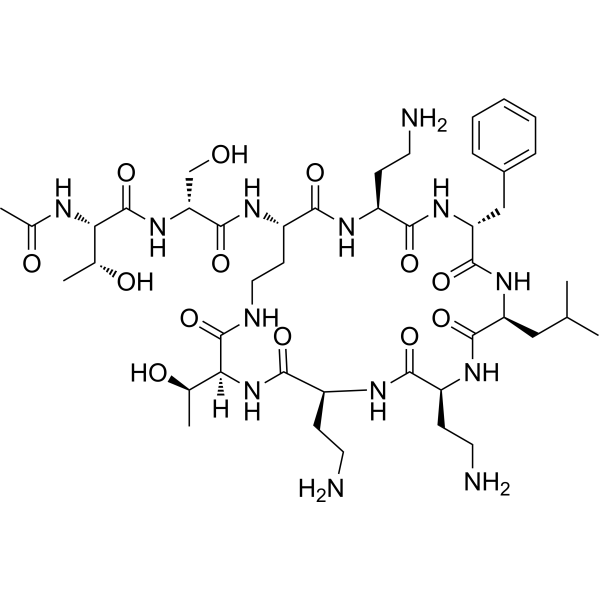
    Colistin is an orally active polypeptide antibiotic. Colistin has excellent activity against various Gram-negative rod-shaped bacteria, including multidrug-resistant Pseudomonas aeruginosa, Acinetobacter baumannii and Klebsiella pneumoniae. Colistin is associated with nephrotoxicity. Colistin can be used for the research of infections caused by Gram-negative bacilli .
    Colistin
  • HY-A0248A
    Polymyxin B1
    1 Publications Verification

    Bacterial Infection
    Polymyxin B1 is a potent antimicrobial lipopeptide first derived from Bacilus polymyxa. Polymyxin B1 is the major component in Polymyxin B (HY-A0248). Polymyxin B1 can induce lysis of bacterial cells through interaction with their membranes. Polymyxin B1 has the potential for multidrug-resistant Gram-negative bacterial infections treatment .
    Polymyxin B1
  • HY-124617
    AMXT-1501
    5+ Cited Publications

    Apoptosis Bacterial Infection Cancer
    AMXT-1501 is a Bacterial agent and polyamine transport system inhibitor. AMXT-1501 targets membrane phospholipids and exhibits antibacterial activity against a variety of Gram-positive and Gram-negative multidrug-resistant bacteria . AMXT-1501 inhibits capsular biosynthesis in Streptococcus pneumoniae . AMXT-1501 targets ornithine decarboxylase and polyamines to inhibit the proliferation of neuroblastoma cells . AMXT-1501 in combination with DFMO (HY-B0744) induces Apoptosis in neuroblastoma cells. AMXT-1501 is applicable to research related to multidrug-resistant bacterial infections, pneumococcal infections, Streptococcus pneumoniae infections, and neuroblastoma .
    AMXT-1501
  • HY-B1075
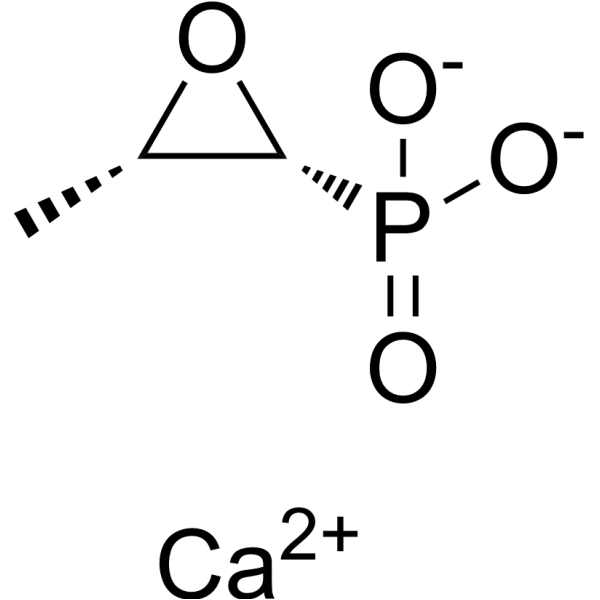
    Fosfomycin calcium
    10+ Cited Publications

    MK-​0955 calcium

    Bacterial Antibiotic Infection Cancer
    Fosfomycin (MK-0955) calcium is a blood-brain barrier penetrating, broad-spectrum antibiotic by irreversibly inhibiting an early stage in cell wall synthesis. Fosfomycin calcium shows both in vivo and in vitro activity against a wide range of bacteria, including multidrug-resistant (MDR), extensively drug-resistant (XDR), and pan-drug-resistant (PDR) bacteria .
    Fosfomycin calcium
  • HY-B0334A
    Sulbactam sodium
    10+ Cited Publications

    CP45899 sodium

    Bacterial Antibiotic Infection
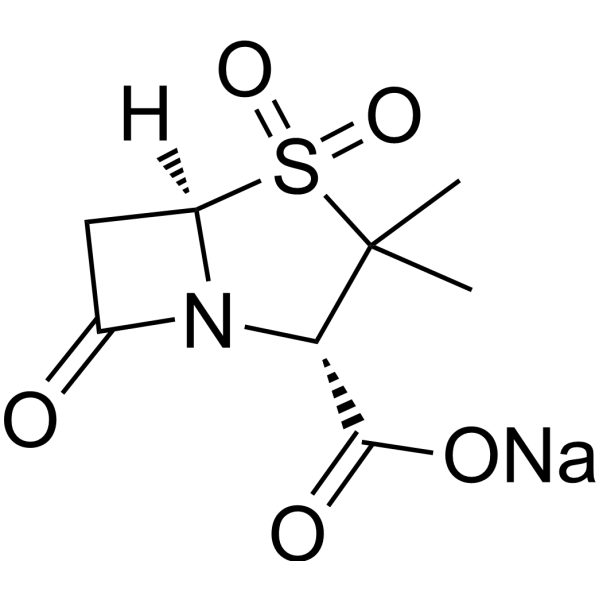
    Sulbactam (CP45899) sodium is a competitive, irreversible beta-lactamase inhibitor. Sulbactam sodium shows antimicrobial activity against multidrug-resistant (MDR) acinetobacter calcoaceticus--Acinetobacter baumannii (Acb) complex .
    Sulbactam sodium
  • HY-12479A
    Epetraborole hydrochloride
    2 Publications Verification

    GSK2251052 hydrochloride

    Bacterial Aminoacyl-tRNA Synthetase Infection
    Epetraborole (GSK2251052) hydrochloride is a novel leucyl-tRNA synthetase (LeuRS) inhibitor (IC50=0.31 μM), thereby inhibiting protein synthesis. Epetraborole hydrochloride can be used in multidrug-resistant gram-negative pathogens infection research .
    Epetraborole hydrochloride
  • HY-P1649
    SPR741
    3 Publications Verification

    NAB741

    Bacterial Antibiotic Infection
    SPR741 (NAB741) is a cationic peptide derived from polymyxin B and is a potentiator molecule. SPR741 increases the permeability of the outer membrane of Gram-negative bacteria and is used to treat severe Gram-negative bacteria infections. SPR741 inhibits multidrug-resistant Gram-negative bacteria. The spectrum of activity of the antibiotic can be widened when used in combination with SPR741 .
    SPR741
  • HY-B1075A

    MK-0955

    Bacterial Antibiotic Infection Cancer
    Fosfomycin (MK-0955) is a broad-spectrum antibiotic. Fosfomycin can cross blood-brain barrier penetrating, and irreversibly inhibits an early stage in cell wall synthesis. Fosfomycin shows anti-bacteria activity for a range of bacteria, including multidrug-resistant (MDR), extensively drug-resistant (XDR), and pan-drug-resistant (PDR) bacteria .
    Fosfomycin
  • HY-P1649B
    SPR741 acetate
    3 Publications Verification

    NAB741 acetate

    Bacterial Antibiotic Infection
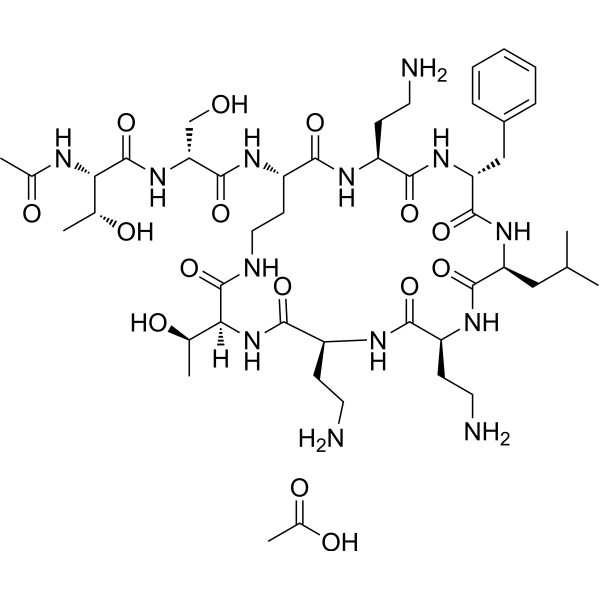
    SPR741 acetate (NAB741 acetate) is a cationic peptide derived from polymyxin B and is a potentiator molecule. SPR741 acetate increases the permeability of the outer membrane of Gram-negative bacteria and is used to treat severe Gram-negative bacteria infections. SPR741 acetate inhibits multidrug-resistant Gram-negative bacteria. The spectrum of activity of the antibiotic can be widened when used in combination with SPR741 acetate .
    SPR741 acetate
  • HY-N10549
    Gigantol
    1 Publications Verification

    Ferroptosis c-Myc Glutathione Peroxidase JNK Reactive Oxygen Species (ROS) GSK-3 Infection Metabolic Disease Cancer
    Gigantol is an orally active bibenzyl compound. Gigantol targets MYC to promote its ubiquitin-proteasomal degradation and inhibit the growth of lung cancer cells. Gigantol exerts anti-lung cancer activity by inducing ferroptosis (Ferroptosis) via the SLC7A11-GPX4 axis. Gigantol restores the sensitivity of mcr-harboring multidrug-resistant bacteria to colistin. Gigantol ameliorates carbon tetrachloride-induced liver injury by inhibiting the activation of the JNK/cPLA2/12-LOX inflammatory pathway. Gigantol promotes cholesterol metabolism and progesterone biosynthesis in Leydig cells. Gigantol can be used in studies related to diseases such as lung cancer, multidrug-resistant Gram-negative bacterial infections, and acute liver injury .
    Gigantol
  • HY-B0609
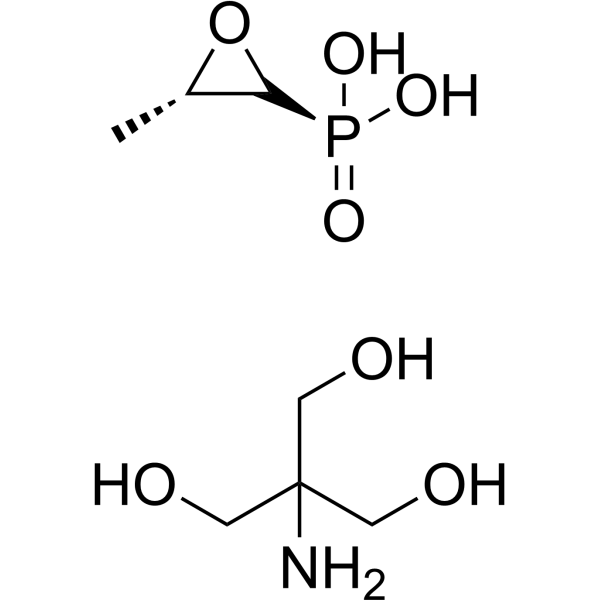
    Fosfomycin tromethamine
    10+ Cited Publications

    MK-0955 tromethamine

    Bacterial Antibiotic Infection Cancer
    Fosfomycin (MK-0955) tromethamine is a blood-brain barrier penetrating, broad-spectrum antibiotic by irreversibly inhibiting an early stage in cell wall synthesis. Fosfomycin tromethamine shows both in vivo and in vitro activity against a wide range of bacteria, including multidrug-resistant (MDR), extensively drug-resistant (XDR), and pan-drug-resistant (PDR) bacteria .
    Fosfomycin tromethamine
  • HY-137433
    Befotertinib
    2 Publications Verification

    D-0316

    EGFR P-glycoprotein Apoptosis Cancer
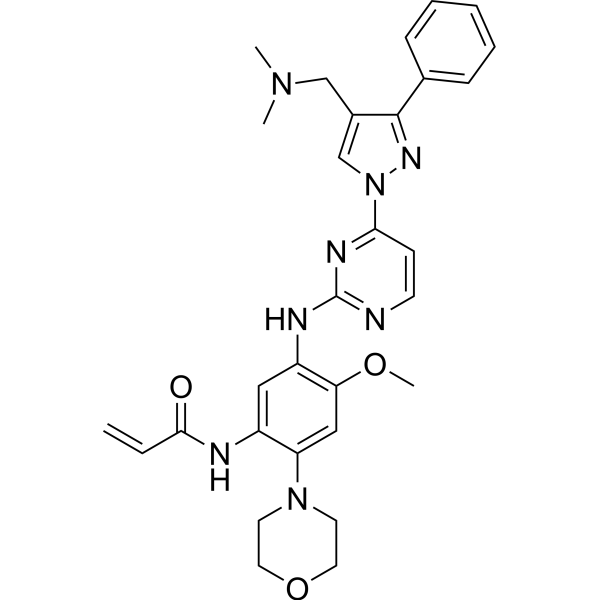
    Befotertinib (D-0316) is an orally active EGFR inhibitor and ABCB1 inhibitor. Befotertinib selectively targets EGFR mutations including EGFR T790M, EGFR L858R and delE746-A750, forms covalent bonds with EGFR C797, inhibits oncogenic signaling pathways, and exerts antiproliferative effects. Befotertinib inhibits ABCB1-mediated drug efflux, activates the ATPase activity of ABCB1, acts as a chemosensitizer and apoptosis enhancer, and restores the sensitivity of multidrug-resistant cancer cells. Befotertinib can be used in research related to multidrug-resistant cancers and non-small cell lung cancer .
    Befotertinib
  • HY-125941

    Bacterial Infection
    PNU-101603 is a sulfoxide metabolite of Sutezolid (HY-10392). PNU-101603 alone or combined with SQ109 (HY-14989) shows excellent activity against Mycobacterium tuberculosis (MTB), as well as against agent-susceptible and multidrug-resistant TB .
    PNU-101603
  • HY-135813
    LtaS-IN-1
    1 Publications Verification

    Bacterial Infection
    LtaS-IN-1 (compound 1771) is a potent small-molecule inhibitor of Lipoteichoic acid (LTA) synthesis in multidrug-resistant (MDR) E. faecium and by altering the cell wall morphology. LtaS-IN-1 alone inhibits Enterococcus.spp 28 strains with varying MIC values ranging from 0.5 μg/mL to 64 μg/mL. LtaS-IN-1 combination with antibiotics abolishs multidrug-resistant E. faecium growth almost completely .
    LtaS-IN-1
  • HY-W014118

    Environmental Pollutants Inflammation/Immunology Cancer
    α-Hexylcinnamaldehyde is an O-acetyltransferase (OAT) inhibitor. α-Hexylcinnamaldehyde inhibits OAT-mediated bioactivation of nitroarene mutagens, exerts antimutagenic activity through demutagenic and bioantimutagenic mechanisms, and interferes with ATP-binding cassette (ABC) transporter function to reduce substrate efflux. α-Hexylcinnamaldehyde alters membrane permeability, fluidizes phospholipid membranes, exerts antioxidant effects, and enhances the antiproliferative effect of Doxorubicin on human cancer cells. α-Hexylcinnamaldehyde can be used in the research of colorectal adenocarcinoma, T-cell leukemia, and multidrug-resistant cancers .
    α-Hexylcinnamaldehyde
  • HY-N125722

    Aabomycin A1

    ATP Synthase Antibiotic Infection
    Venturicidin A (Aabomycin A1), from actinomycetes, is a membrane-active natural product inhibitor of ATP synthase. Venturicidin A potentiates the aminoglycoside antibiotic gentamicin against multidrug-resistant clinical isolates of Staphylococcus, Enterococcus, and Pseudomonas aeruginosa. Venturicidin A shows noticeable toxicity toward human embryonic-kidney (HEK)cells with an IC50 of 31 μg/mL.
    Venturicidin A
  • HY-N3373

    Bacterial Infection
    Loganetin is a non-toxic natural product that may be applied in the antibacterial agent development for treating multidrug-resistant Gram negative infections.
    Loganetin
  • HY-N2103

    P-glycoprotein Cancer
    Tenacissoside G is a C21 steroid from the stems of Marsdenia tenacissima. Tenacissoside G reverses multidrug resistance in P-glycoprotein (Pgp)-overexpressing multidrug-resistant cancer cells .
    Tenacissoside G
  • HY-B0030R
    D-Cycloserine (Standard)
    5+ Cited Publications

    Reference Standards iGluR Bacterial Antibiotic Infection Neurological Disease Cancer
    D-Cycloserine (Standard) is the analytical standard of D-Cycloserine. This product is intended for research and analytical applications. D-Cycloserine is an antibiotic which targets sequential bacterial cell wall peptidoglycan biosynthesis enzymes. D-Cycloserine is a partial NMDA agonist that can improve cognitive functions. D-Cycloserine can be used for multidrug-resistant tuberculosis research .
    D-Cycloserine (Standard)
  • HY-124679

    Bacterial Infection
    DS86760016 is a potent leucyl-tRNA synthetase (LeuRS) inhibitor with activity against multidrug-resistant (MDR) Gram-negative bacteria, such as Escherichia coli, Klebsiella pneumoniae, and Pseudomonas aeruginosa. DS86760016 inhibits LeuRS enzymes from Escherichia coli, Pseudomonas aeruginosa, and Acinetobacter baumannii, with IC50s of 0.38, 0.62, and 0.16 μM, respectively .
    DS86760016
  • HY-B0334AR

    CP45899 sodium (Standard)

    Reference Standards Bacterial Antibiotic Infection
    Sulbactam (sodium) (Standard) is the analytical standard of Sulbactam (sodium). This product is intended for research and analytical applications. Sulbactam (CP45899) sodium is a competitive, irreversible beta-lactamase inhibitor. Sulbactam sodium shows antimicrobial activity against multidrug-resistant (MDR) acinetobacter calcoaceticus--Acinetobacter baumannii (Acb) complex .
    Sulbactam sodium (Standard)
  • HY-W064918

    Bacterial Infection
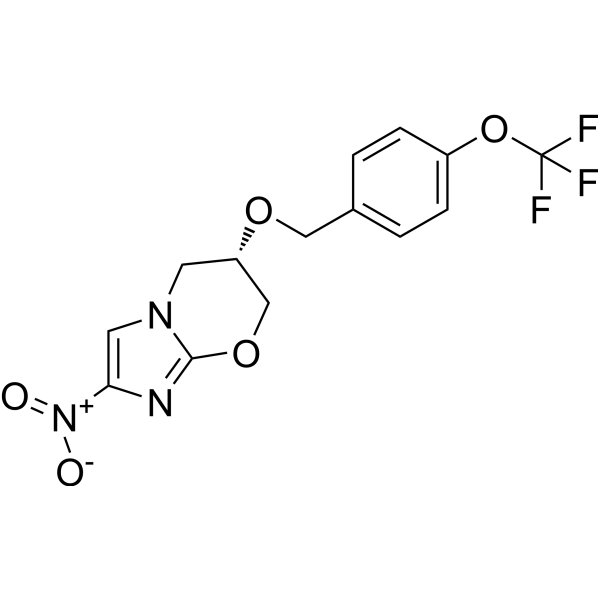
    NITD-304 is an orally active anti-tuberculosis agent. NITD-304 exerts inhibitory and bactericidal activities gainst Mycobacterium tuberculosis and multidrug-resistant Mycobacterium tuberculosis. NITD-304 inhibits mycobacterial cell wall biosynthesis and demonstrates synergistic or additive growth inhibitory activity with select antibacterial agents. NITD-304 shows low risk of cardiotoxicity and drug-drug interactions, with no inhibition of major cytochrome P-450 enzymes or hERG channel. NITD-304 can be used for the research of tuberculosis and multidrug-resistant tuberculosis .
    NITD-304
  • HY-179220

    HIV Protease HIV Infection
    HIV-1-IN-88 (compound 20a) is a potent HIV‑1 protease inhibitor (IC50 = 10 pM) with an antiviral EC50 of 10.4 nM. HIV-1-IN-88 exhibits potency against the multidrug-resistant variants HIV-1Muta and HIV-1I50V with EC50 values of 30.0 and 34.3 nM, respectively. HIV-1-IN-88 can be used for HIV research .
    HIV-1-IN-88
  • HY-N15551

    Bacterial Infection
    Armeniaspirol C is a potent antibacterial agent targeting Gram-positive bacteria. Armeniaspirol C is is promising for research of infections caused by multidrug-resistant Gram-positive bacteria .
    Armeniaspirol C
  • HY-19915A

    MRX-4

    Bacterial Antibiotic Infection Inflammation/Immunology
    Contezolid acefosamil (MRX-4) is the orally active proagent of the active antimicrobial metabolite Contezolid (MRX-I), an oxazolidinone which shows potent in vitro activity against various multidrug-resistant Gram-positive bacteria, including MRSA .
    Contezolid acefosamil
  • HY-B0334AS

    Bacterial Antibiotic Infection
    Sulbactam-d5 (sodium) is the deuterium labeled Sulbactam sodium. Sulbactam (CP45899) sodium is a competitive, irreversible beta-lactamase inhibitor. Sulbactam sodium shows antimicrobial activity against multidrug-resistant (MDR) acinetobacter calcoaceticus--Acinetobacter baumannii (Acb) complex .
    Sulbactam-d5 sodium
  • HY-128384

    Bacterial Infection
    Benzyldodecyldimethylammonium chloride dihydrate is a quaternary ammonium compound (QAC) and can be used as a biocide to target antibiotic-resistant bacteria, such as methicillin-resistant Staphylococcus aureus (MRSA), multidrug-resistant (MDR) P. aeruginosa et. al. Benzyldodecyldimethylammonium chloride dihydrate, an antimicrobial agent, bacteriostatic or bactericidal properties depending on the concentration.
    Benzyldodecyldimethylammonium chloride dihydrate
  • HY-16955

    ACHN 490

    Antibiotic Bacterial Infection Inflammation/Immunology
    Plazomicin (ACHN 490) is a semi-synthetic aminoglycoside Antibiotic. Plazomicin acts as a substrate for Aminoglycoside acetyltransferase and Aminoglycoside phosphotransferase. Plazomicin is not modified by various common aminoglycoside-modifying enzymes. Plazomicin selectively inhibits MATE2-K. Plazomicin exhibits activity against multidrug-resistant bacteria, including carbapenem-resistant Enterobacterales .
    Plazomicin
  • HY-18051

    Calcium Channel Cancer
    CXL 017 is a sarco/endoplasmic reticulum Ca 2+-ATPase (SERCA) inhibitor. CXL 017 can inhibit the ATPase activity of SERCA by competing with ATP for binding. CXL 017 exhibits selective cytotoxicity against multidrug-resistant acute myeloid leukemia cells HL60/MX2. CXL 017 can be used in the research of tumors such as multidrug-resistant acute myeloid leukemia .
    CXL 017
  • HY-B2170

    Bacterial Infection
    Octenidine is a potent antibacterial agent, possessing activity against multidrug-resistant Gram-negative pathogens. Octenidine can inhibit the expression of biofilm genes and destroy the formation of biofilms .
    Octenidine
  • HY-12479

    GSK-2251052; AN 3365

    Bacterial Aminoacyl-tRNA Synthetase Infection
    Epetraborole (GSK2251052) is a leucyl-tRNA synthetase (LeuRS) inhibitor (IC50=0.31 μM), thereby inhibiting protein synthesis. Epetraborole can be used in multidrug-resistant gram-negative pathogens infection research .
    Epetraborole
  • HY-120366

    Penicillin-binding protein (PBP) Beta-lactamase Bacterial Infection
    WCK-5153 is a Penicillin-Binding Protein 2 (PBP2) inhibitor with an IC50 of 0.14 μg/ml (for P. aeruginosa PBP2) and acts as a β-lactam enhancer against Pseudomonas aeruginosa. WCK-5153 can be used in studies of multidrug-resistant (MDR) pathogens .
    WCK-5153
  • HY-170219

    Parasite Epigenetic Reader Domain Infection
    RMM23 is an inhibitor targeting PfBDP1 with a Kd value of 1.24 μM. RMM23 against the wild-type strains 3D7 and NF54, and the multidrug-resistant K1 strain in vitro blood stage, with EC50 values of 18 μM, 14 μM, 20 μM, respectively .
    RMM23
  • HY-174219

    Bacterial Infection
    BT-33 is a fuorinated macrobicyclic oxepanoprolinamide antibiotic with broad-spectrum activity against multidrug-resistant bacterial pathogens .
    BT-33
  • HY-P1720

    Antibiotic Bacterial Infection
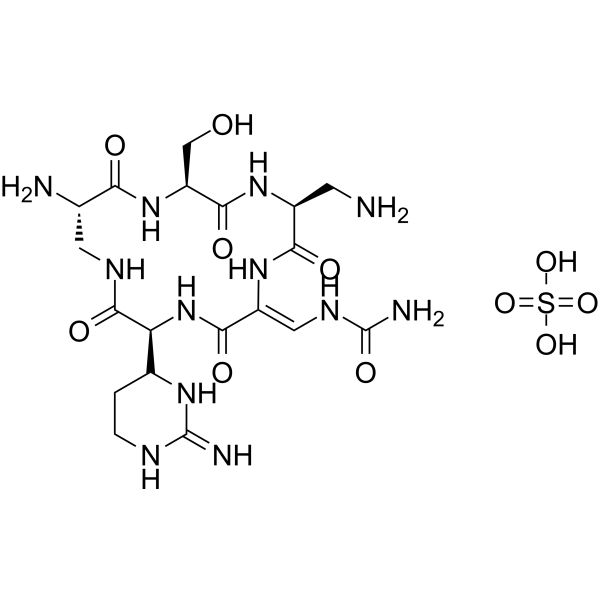
    Telomycin is a calcium-dependent antibiotic, which can be produced by Streptomyces. Telomycin inhibits gram-positive bacteria, including multidrug-resistant (MDR) pathogens .
    Telomycin
  • HY-129279

    Farnesyl Transferase Cancer
    Andrastin A meroterpenoid compound, is a farnesyltransferase inhibitor. Andrastin A inhibits the efflux of anticancer compounds from multidrug-resistant cancer cells. Andrastin A can be isolated from Penicillium species .
    Andrastin A
  • HY-120924

    Dihydroorotate Dehydrogenase DNA/RNA Synthesis Parasite Infection
    BRD9185 is a Dihydroorotate dehydrogenase (DHODH) inhibitor, with an EC50 of 16 nM against multidrug-resistant blood-stage parasites in vitro and is curative after just three doses in a P. berghei mouse model .
    BRD9185
  • HY-N2906

    Atalantoflavone

    Parasite Cancer
    Limonianin (Atalantoflavone) is a flavone, that can be isolated from Erythrina sigmoidea and the root bark of Citrus limonia. Limonianin presents inhibitory effect against P. gingivalis. Limonianin shows cytotoxic activity against multidrug-resistant (MDR) cancer cell lines .
    Limonianin
  • HY-105510

    Topoisomerase DNA/RNA Synthesis Cancer
    Hydroxyrubicin is an antitumor agent. Hydroxyrubicin can induce topoisomerase II-mediated DNA cleavage. Hydroxyrubicin induces DNA unwinding. Hydroxyrubicin has a significant inhibitory effect on tumor cells. Hydroxyrubicin can be used for the study of Multidrug-resistant (MDR) leukemia .
    Hydroxyrubicin
  • HY-B1075R

    MK-​0955 calcium (Standard)

    Reference Standards Bacterial Antibiotic Infection Cancer
    Fosfomycin (calcium) (Standard) is the analytical standard of Fosfomycin (calcium). This product is intended for research and analytical applications. Fosfomycin (MK-0955) calcium is a blood-brain barrier penetrating, broad-spectrum antibiotic by irreversibly inhibiting an early stage in cell wall synthesis. Fosfomycin calcium shows both in vivo and in vitro activity against a wide range of bacteria, including multidrug-resistant (MDR), extensively drug-resistant (XDR), and pan-drug-resistant (PDR) bacteria .
    Fosfomycin calcium (Standard)
  • HY-137433A

    D-0316 mesylate

    EGFR P-glycoprotein Apoptosis Inflammation/Immunology Cancer
    Befotertinib (D-0316) mesylate is an orally active EGFR inhibitor and ABCB1 inhibitor. Befotertinib mesylate selectively targets EGFR mutations including EGFR T790M, EGFR L858R and delE746-A750, forms covalent bonds with EGFR C797, inhibits oncogenic signaling pathways, and exerts antiproliferative effects. Befotertinib mesylate inhibits ABCB1-mediated drug efflux, activates the ATPase activity of ABCB1, acts as a chemosensitizer and apoptosis enhancer, and restores the sensitivity of multidrug-resistant cancer cells. Befotertinib mesylate can be used in research related to multidrug-resistant cancers and non-small cell lung cancer .
    Befotertinib mesylate
  • HY-N7047

    Bacterial Infection
    8-Epidiosbulbin E acetate, a furanoid, is abundant in Dioscorea bulbifera L.. 8-Epidiosbulbin E acetate exhibits broad-spectrum plasmid-curing activity against multidrug-resistant (MDR) bacteria. 8-Epidiosbulbin E acetate induces liver injury in mice .
    8-Epidiosbulbin E acetate
  • HY-B0334AS1

    CP45899-d2 sodium

    Bacterial Antibiotic Infection
    Sulbactam-d2 (sodium) is the deuterium labeled Sulbactam sodium . Sulbactam (CP45899) sodium is a competitive, irreversible beta-lactamase inhibitor. Sulbactam sodium shows antimicrobial activity against multidrug-resistant (MDR) acinetobacter calcoaceticus--Acinetobacter baumannii (Acb) complex .
    Sulbactam-d2 sodium
  • HY-B0334S

    CP45899-d3

    Isotope-Labeled Compounds Antibiotic Bacterial Infection
    Sulbactam-d3 (CP45899-d3) is deuterium labeled Sulbactam. Sulbactam (CP45899) is a competitive, irreversible beta-lactamase inhibitor. Sulbactam shows antimicrobial activity against multidrug-resistant (MDR) acinetobacter calcoaceticus--Acinetobacter baumannii (Acb) complex .
    Sulbactam-d3
  • HY-P11100

    Bacterial Infection
    PepW is a potent antimicrobial peptide targeting the capsule of multidrug-resistant Klebsiella pneumoniae (MIC=2-8 μM). PepW achieves bactericidal activity via capsule polysaccharide aggregation and structural disruption. PepW is promising for research of infectious diseases caused by Gram-negative bacteria (e.g., pneumonia, sepsis) .
    PepW

Inquiry Online

Your information is safe with us. * Required Fields.

Salutation


Country or Region *

Applicant Name *


Organization Name *

Department *


Email Address *


Product Name *

Cat. No.


Requested quantity *

Phone Number *


Remarks

Inquiry Online

Inquiry Information

Product Name:
Cat. No.:
Quantity:
MCE Japan Authorized Agent:

