Search Result
Results for "
Mycobacteria
" in MedChemExpress (MCE) Product Catalog:
1
Biochemical Assay Reagents
2
Isotope-Labeled Compounds
| Cat. No. |
Product Name |
Target |
Research Areas |
Chemical Structure |
-
- HY-16566A
-
|
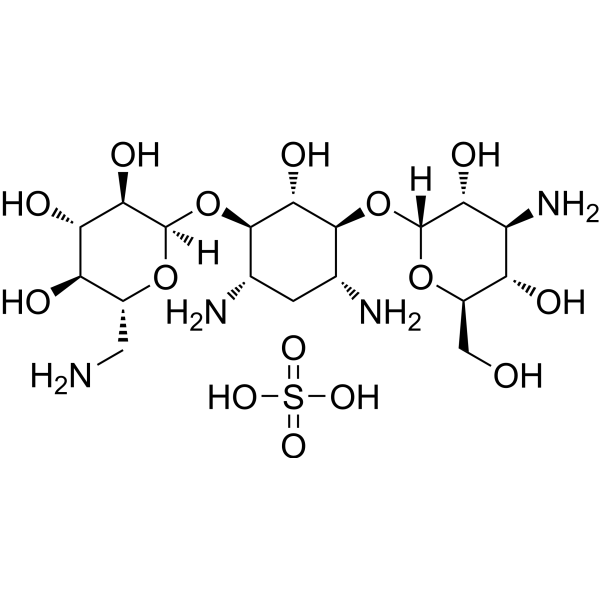
Kanamycin A sulfate
|
Bacterial
Antibiotic
|
Infection
|
|
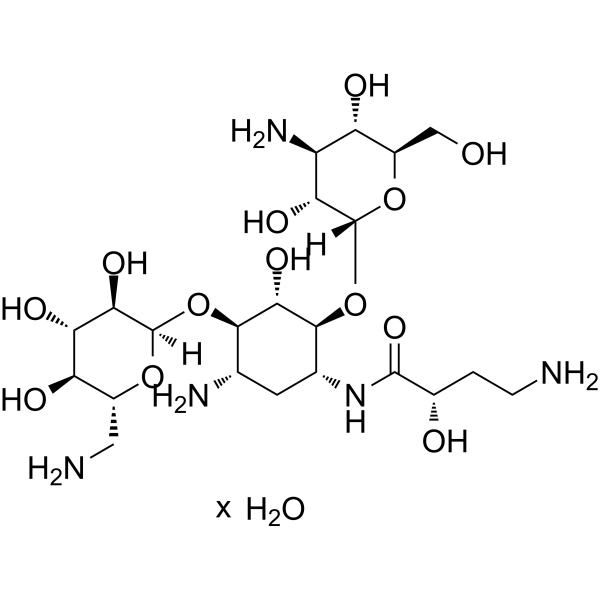
Kanamycin (Kanamycin A) sulfate is an orally active antibacterial (gram-negative/positive bacteria) agent, inhibits translocation and causes misencoding by binding to the 70 S ribosomal subunit. Kanamycin sulfate shows good inhibitory activity to both M. tuberculosis (sensitive and drug-resistant ) and K. pneumonia, which can be used in studies of tuberculosis and pneumonia .
|
-
-
- HY-B0329
-
|
INH; Isonicotinic acid hydrazide; Isonicotinic hydrazide
|
Bacterial
Autophagy
Mitophagy
Antibiotic
|
Infection
|
|
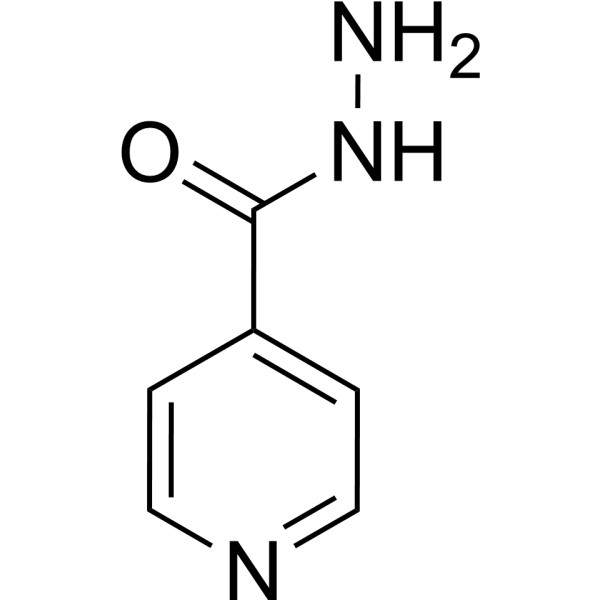
Isoniazid (INH) is a proagent and must be activated by a bacterial catalase-peroxidase enzyme KatG. Isoniazid is bactericidal to rapidly dividing mycobacteria and has anti-tuberculostatic activity .
|
-
-
- HY-16566
-
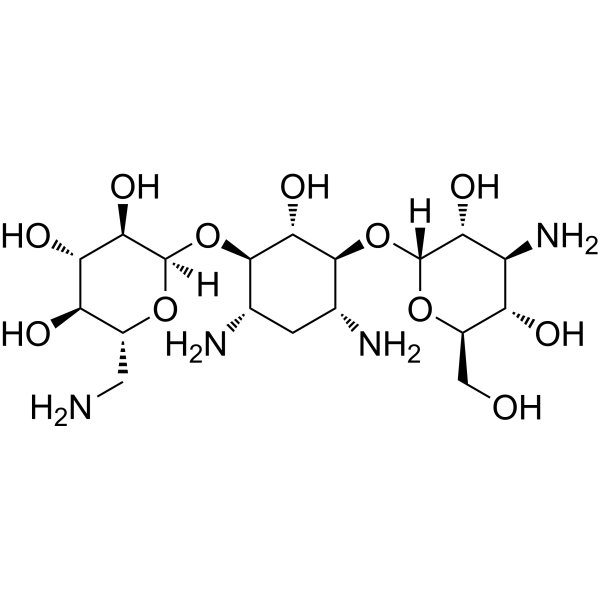
Kanamycin
Maximum Cited Publications
29 Publications Verification
Kanamycin A
|
Antibiotic
Bacterial
|
Infection
Inflammation/Immunology
|
|
Kanamycin (Kanamycin A) is an orally active antibacterial (gram-negative/positive bacteria) agent, inhibits translocation and causes misencoding by binding to the 70 S ribosomal subunit. Kanamycin shows good inhibitory activity to both M. tuberculosis (sensitive and drug-resistant ) and K. pneumonia, which can be used in studies of tuberculosis and pneumonia .
|
-
-
- HY-B0509B
-
|
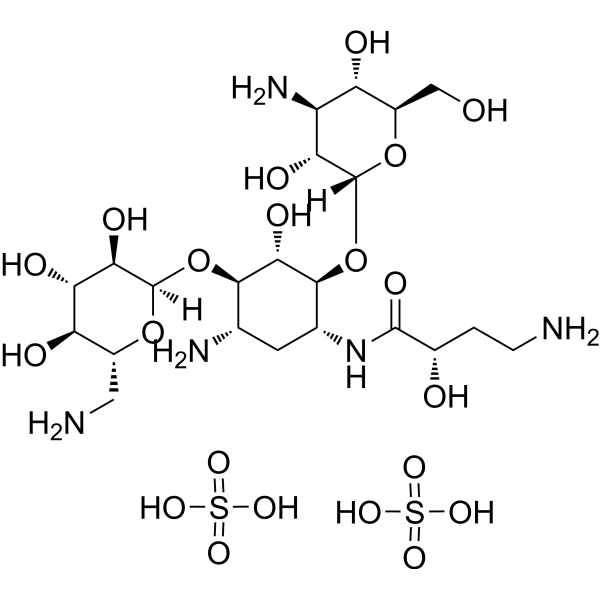
BAY 41-6551 disulfate
|
Bacterial
Antibiotic
|
Infection
Cancer
|
|
Amikacin disulfate (BAY 41-6551 dissulfate) is an aminoglycoside antibiotic and a semisynthetic analog of kanamycin. Amikacin disulfate is bactericidal, acting directly on the 30S and 50S bacerial ribosomal subunits to inhibit protein synthesis. Amikacin disulfate is very active against most Gram-negative bacteria including gentamicin- and tobramycin-resistant strains. Amikacin disulfate also inhibits the infections caused by susceptible Nocardia and nontuberculous mycobacteria .
|
-
-
- HY-10392
-
|
PNU-100480; U-100480; PF-02341272
|
Bacterial
Antibiotic
|
Infection
|
|
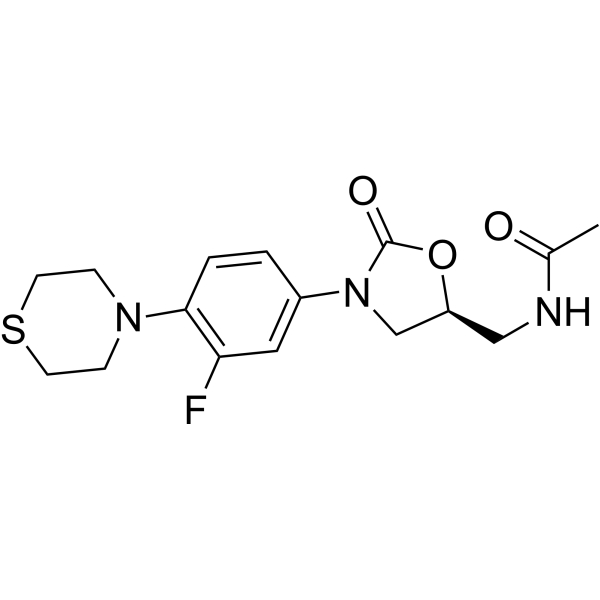
Sutezolid (PNU-100480), an orally active oxazolidinone antimicrobial agent, acts by inhibiting bacterial protein synthesis. Sutezolid has potent activity against mycobacteria, and is used for the research of drug-resistant tuberculosis .
|
-
-
- HY-107813
-
|
BAY 41-6551 sulfate
|
Bacterial
Antibiotic
|
Infection
Cancer
|
|
Amikacin sulfate (BAY 41-6551 sulfate) is an aminoglycoside antibiotic and a semisynthetic analog of kanamycin. Amikacin sulfate is bactericidal, acting directly on the 30S and 50S bacerial ribosomal subunits to inhibit protein synthesis. Amikacin sulfate is very active against most Gram-negative bacteria including gentamicin- and tobramycin-resistant strains. Amikacin sulfate also inhibits the infections caused by susceptible Nocardia and nontuberculous mycobacteria .
|
-
-
- HY-B0901
-
-
-
- HY-Y0607
-
|
|
Bacterial
Drug Intermediate
|
Infection
|
|
4-Nitrobenzoic acid is a nitroaromatic compound that can be used in the synthesis of other active compounds. 4-Nitrobenzoic acid is also an inhibitor agent, which can be used for the recognition of the Mycobacterium tuberculosis complex and differentiation from non-tuberculous mycobacteria .
|
-
-
- HY-100725
-
BM212
4 Publications Verification
|
Bacterial
|
Infection
|
|
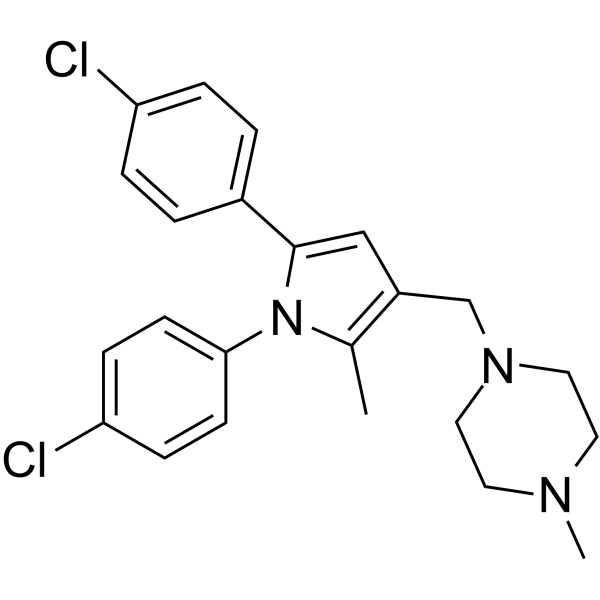
BM212 is a potent Mycobacterial membrane protein Large 3 (MmpL3) inhibitor. BM212 has strong bactericidal activity against both M. tuberculosis and some nontuberculosis mycobacteria. BM212 exhibits antimycobacterial activity against M. tuberculosis H37Rv with an MIC of 5 µM .
|
-
-
- HY-B1864A
-
|
Ksg hydrochloride
|
Environmental Pollutants
Antibiotic
Bacterial
|
Infection
|
|
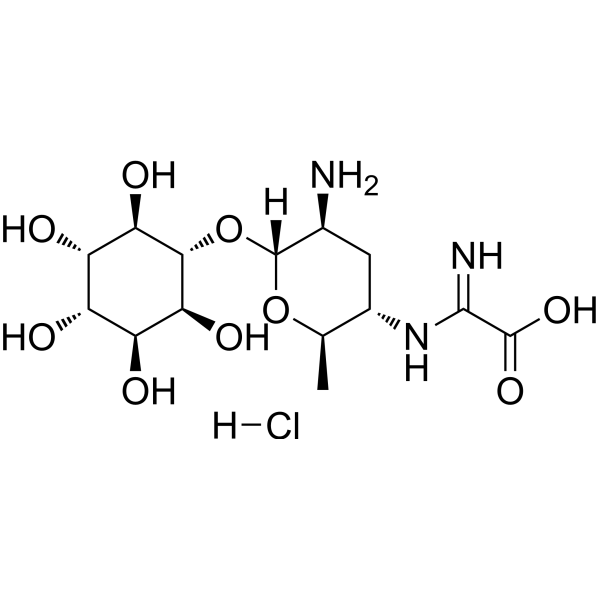
Kasugamycin (Ksg) hydrochloride hydrate is an antibiotic that binds to 30s and 70s ribosomes but not to the 50s subunit, and has anti-infective activity. Kasugamycin hydrochloride hydrate mimics mRNA nucleotides, disrupts tRNA binding and inhibits canonical translation initiation. Kasugamycin hydrochloride hydrate increases the sensitivity of mycobacteria to Rifampicin (HY-B0272) in vitro and in mouse infection models .
|
-
-
- HY-D2919
-
|
|
Fluorescent Dye
|
Infection
|
|
DMN-Tre is a conjugate of a solvatochromic fluorescent dye and trehalose. DMN-Tre takes advantage of the substrate promiscuity of the endogenous antigen 85 protein complex in mycobacteria to be metabolically integrated into the hydrophobic mycobacterial membrane. Once entering this hydrophobic environment, the linked DMN dye fluorescence is "turned on", enabling specific labeling . DMN-Tre can be used to reflect bacterial metabolic activity and support physiological studies of Mycobacterium tuberculosis .
|
-
-
- HY-W506116
-
|
Ostruthine
|
Bacterial
DNA/RNA Synthesis
|
Cardiovascular Disease
Infection
|
|
Ostruthin is a natural coumarin compound with bacterial and antimycobacterial activities . Ostruthin inhibits the growth of mycobacteria and Staphylococcus aureus. Ostruthin suppresses vascular smooth muscle cell proliferation as well as de novo cellular DNA synthesis. Ostruthin is applicable to research related to mycobacterial infections and cardiovascular and cerebrovascular diseases .
|
-
-
- HY-B1864B
-
|
Ksg hydrochloride hydrate
|
Antibiotic
Bacterial
|
Infection
|
|
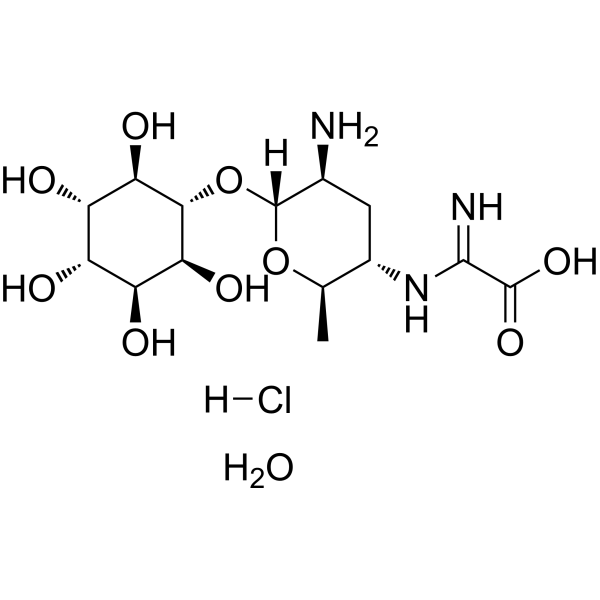
Kasugamycin (Ksg) hydrochloride hydrate is an antibiotic that binds to 30s and 70s ribosomes but not to the 50s subunit, and has anti-infective activity. Kasugamycin hydrochloride hydrate mimics mRNA nucleotides, disrupts tRNA binding and inhibits canonical translation initiation. Kasugamycin hydrochloride hydrate increases the sensitivity of mycobacteria to Rifampicin (HY-B0272) in vitro and in mouse infection models .
|
-
-
- HY-B0509
-
|
BAY 41-6551 hydrate
|
Bacterial
Antibiotic
|
Infection
Cancer
|
|
Amikacin hydrate (BAY 41-6551 hydrate) is an aminoglycoside antibiotic and a semisynthetic analog of kanamycin. Amikacin hydrate is bactericidal, acting directly on the 30S and 50S bacerial ribosomal subunits to inhibit protein synthesis. Amikacin hydrate is very active against most Gram-negative bacteria including gentamicin- and tobramycin-resistant strains. Amikacin hydrate also inhibits the infections caused by susceptible Nocardia and nontuberculous mycobacteria .
|
-
-
- HY-P4284
-
|
|
Proteasome
ClpP
Bacterial
|
Infection
|
|
Z-GGF-CMK is an Antibacterial agent, an inhibitor of the ClpP1P2 serine protease complex (with an IC50 of 50 μM against intracellular ClpP1P2 protease activity in Mycobacterium bovis BCG), and a selective inhibitor of the mycobacterial Proteasome (with an IC50 of 50 μM against the proteasome in M. bovis BCG). Z-GGF-CMK inhibits the growth of mycobacteria. Z-GGF-CMK exhibits cytotoxic activity against liver cancer cells. Z-GGF-CMK can be used in the research of tuberculosis .
|
-
-
- HY-D1543
-
|
|
DNA Stain
|
Infection
|
|
Pyronin B is an organic cationic dye used for the staining of bacteria, mycobacteria and ribonucleic acids. Pyronin B is also used as a small hydrophobic (SH) protein channel inhibitor .
|
-
-
- HY-B0329S
-
|
INH-d4; Isonicotinic acid hydrazide-d4; Isonicotinic hydrazide-d4
|
Bacterial
Autophagy
Mitophagy
Antibiotic
|
Infection
|
|
Isoniazid-d4 is the deuterium labeled Isoniazid. Isoniazid (INH) is a proagent and must be activated by a bacterial catalase-peroxidase enzyme KatG. Isoniazid is bactericidal to rapidly dividing mycobacteria and has anti-tuberculostatic activity .
|
-
-
- HY-145301
-
|
|
Bacterial
|
Infection
|
|
Mycobactin-IN-1, a pyrazoline analogue, is a mycobactin biosynthesis inhibitor against mycobacteria. Mycobactin-IN-1 binds to salicyl-AMP ligase (MbtA), a key enzyme in the mycobactin biosynthetic pathway. Mycobactin-IN-1 inhibits whole-cell drug efflux pumps in M. smegmatis. Mycobactin-IN-1 eradicates intracellularly surviving mycobacteria. Mycobactin-IN-1 shows an excellent in vivo pharmacokinetic profile. Mycobactin-IN-1 can be used for the research of tuberculosis .
|
-
-
- HY-122394
-
|
|
Antibiotic
Bacterial
Fatty Acid Synthase (FASN)
|
Infection
|
|
Thiolactomycin is an orally active bacterial type II fatty acid synthase (FAS-II) inhibitor with antibacterial and antimalarial activities. Thiolactomycin specifically targets KasA/KasB in mycobacteria and FabB/FabF in bacteria, thereby inhibiting the biosynthesis of fatty acids and mycolic acids. Thiolactomycin can be used in studies related to tuberculosis, systemic bacterial infections, and experimental pyelonephritis .
|
-
-
- HY-12930
-
SPR719
4 Publications Verification
VXc-486
|
Topoisomerase
Bacterial
|
Infection
|
|
SPR719 (VXc-486) is an orally active gyrase B inhibitor, with bactericidal activity. SPR719 potently inhibits multiple agent-sensitive isolates and drug-resistant isolates of Mycobacterium tuberculosis, with MICs of 0.03 to 0.30 μg/ml and 0.08 to 5.48 μg/ml, respectively. SPR719 is promising for research of lung disease caused by non-tuberculous mycobacteria (NTM) .
|
-
-
- HY-B0329R
-
|
INH (Standard); Isonicotinic acid hydrazide (Standard); Isonicotinic hydrazide (Standard)
|
Reference Standards
Bacterial
Autophagy
Mitophagy
Antibiotic
|
Infection
|
|
Isoniazid (Standard) is the analytical standard of Isoniazid. This product is intended for research and analytical applications. Isoniazid (INH) is a proagent and must be activated by a bacterial catalase-peroxidase enzyme KatG. Isoniazid is bactericidal to rapidly dividing mycobacteria and has anti-tuberculostatic activity .
|
-
-
- HY-148478
-
|
(R)-GSK1729177A
|
DNA/RNA Synthesis
|
Infection
|
|
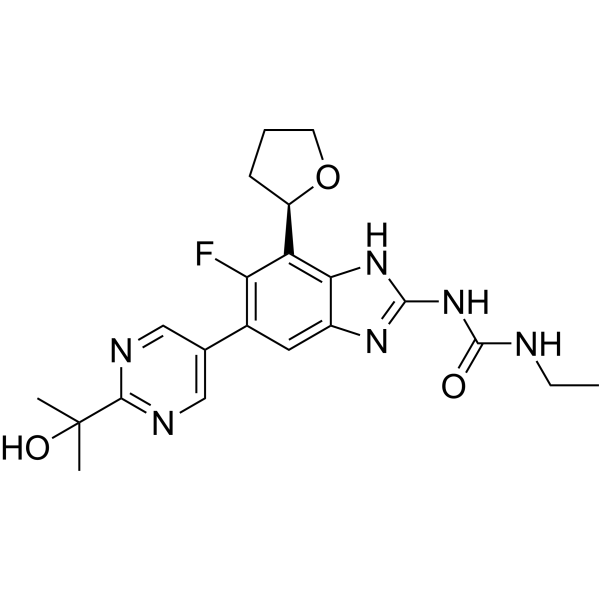
MMV688845 is a nontuberculous mycobacteria (NTM) RNA polymerase inhibitor with bactericidal activity against Mycobacterium abscessus and anti-tuberculosis efficacy .
|
-
-
- HY-P2948
-
|
Ser/Thr protein kinase
|
Biochemical Assay Reagents
|
Infection
|
|
Protein serine/threonine kinase is a type of serine/threonine protein kinase. Protein serine/threonine kinases are pleiotropic signaling proteins that can phosphorylate various substrates, thereby initiating branched signaling pathways. Mycobacteria protein serine/threonine kinase plays a crucial role in signal transduction pathways, ultimately determining the growth and metabolic adaptability of mycobacteria .
|
-
-
- HY-121473
-
|
|
Antibiotic
Bacterial
Fungal
Parasite
|
Infection
|
|
Aklavin is a structural analog of Aclacinomycin A (HY-N2306) produced by Streptomyces strain A 1165. Aklavin possesses Z-DNA-inducing and stabilizing activities, along with antibiotic, anti-phage and broad-spectrum antimicrobial activities. Aklavin inhibits the proliferation of various viruses (such as influenza virus and poliovirus) and interferes with their nucleoprotein synthesis, while also exhibiting inhibitory effects on staphylococci, mycobacteria and specific fungi. Aklavin blocks phage-induced bacterial lysis by regulating host-parasite interactions. Aklavin shows specific toxicity to fertilized eggs and mice, and does not alter the splicing of the SMN2 gene .
|
-
-
- HY-100048
-
|
AcINH
|
Drug Metabolite
|
Infection
|
|
Acetylisoniazid is a primary Isoniazid (HY-B0329) metabolite mediated by N-acetyltransferase (NAT). Isoniazid is bactericidal to rapidly dividing mycobacteria and has anti-tuberculostatic activity .
|
-
-
- HY-N1969
-
|
3,8-Di-O-methylellagic acid
|
Bacterial
|
Infection
|
|
3,3'-Di-O-methylellagic acid obtained from Euphorbia adenochlora selectively inhibits the formation of acid-fastness in mycobacteria without retardation of their growth. 3,3'-di-O-methylellagic acid as a hepatoprotective compound is apparently due to its antioxidative effect .
|
-
-
- HY-155639
-
|
|
Biochemical Assay Reagents
|
Others
|
|
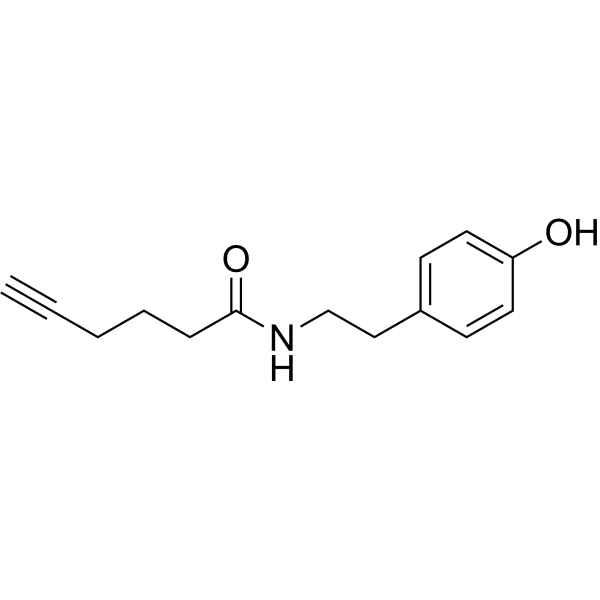
Tyramide alkyne is an alternative labeling substrate that can be coupled to detection or enrichment moieties via a Copper-catalyzed Azide/Alkyne Cycloaddition (CuAAC) “click” reaction. Tyramide alkyne can be used for ascorbate peroxidase 2 (APEX2) labeling .
|
-
-
- HY-A0155
-
|
|
Antibiotic
Bacterial
|
Infection
|
|
Viomycin is a potent antibiotic against Mycobacteria. Viomycin rapidly inhibits polypeptide chain elongation when added to purified endogenous Escherichia coli polysomes actively engaged in polypeptide synthesis .
|
-
-
- HY-161135A
-
|
|
Bacterial
|
Infection
|
|
(rac)-TBAJ-5307 is the racemate of TBAJ-5307 (HY-161135). TBAJ-5307 is a broad spectrum anti-non-tuberculous mycobacteria inhibitor that can target the FO-domain of the engine and preventing rotation and proton-translocation .
|
-
-
- HY-Z16210
-
|
Nebramine factor 5′; 6′′-O-Carbamoyltobramycin
|
Antibiotic
Bacterial
|
Infection
|
|
Nebramycin V' (Nebramine factor 5′) is a multi-component aminoglycoside antibiotic with a broad-spectrum activity against Gram-positive and Gram-negative bacteria and mycobacteria .
|
-
-
- HY-144665
-
|
|
Bacterial
Thymidylate Synthase
|
Infection
|
|
MtTMPK-IN-3 (compound 25) is a potent Mycobacterium tuberculosis thymidylate kinase (MtTMPK) inhibitor with an IC50 value of 0.12 μM. MtTMPK-IN-3 has inhibitory activity against Mtb H37Rv (MIC = 12.5 μM). MtTMPK-IN-3 exhibits certain cytotoxicity in human fibroblast cells MRC-5 (EC50 = 12.5 μM). MtTMPK-IN-3 can be used for researching tuberculosis .
|
-
-
- HY-16566R
-
|
Kanamycin A (Standard)
|
Reference Standards
Antibiotic
Bacterial
|
Infection
Inflammation/Immunology
|
|
Kanamycin (Standard) is the analytical standard of Kanamycin. This product is intended for research and analytical applications. Kanamycin (Kanamycin A) is an orally active antibacterial (gram-negative/positive bacteria) agent, inhibits translocation and causes misencoding by binding to the 70 S ribosomal subunit. Kanamycin shows good inhibitory activity to both M. tuberculosis (sensitive and drug-resistant ) and K. pneumonia, which can be used in studies of tuberculosis and pneumonia[1][2][3][4].
|
-
-
- HY-161135
-
|
|
Bacterial
|
Infection
|
|
TBAJ-5307 is a broad spectrum anti-non-tuberculous mycobacteria inhibitor that can target the FO-domain of the engine and preventing rotation and proton-translocation. TBAJ-5307 inhibits non-tuberculous mycobacteria in vitro and in vivo .
|
-
-
- HY-A0155B
-
|
|
Antibiotic
Bacterial
|
Infection
|
|
Viomycin sulfate hydrate is a potent antibiotic against Mycobacteria. Viomycin sulfate hydrate rapidly inhibits polypeptide chain elongation when added to purified endogenous Escherichia coli polysomes actively engaged in polypeptide synthesis .
|
-
-
- HY-122289
-
|
|
Dihydrofolate reductase (DHFR)
Bacterial
|
Infection
|
|
Metioprim is a competitive inhibitor of bacterial Dihydrofolate reductase (DHFR). Metioprim has inhibitory activity against anaerobic bacteria. Metioprim shows synergistic activity in combination with DDS (HY-B0688) against E. coli. and various mycobacteria .
|
-
-
- HY-N10069
-
|
|
Bacterial
|
Infection
|
|
Bonducellin is a a homoisoflavonoid, which can be isolated from Caesalpinia digyna roots. Bonducellin is a potent inhibitor of efflux pump (EP), while EP induces resistance in mycobacteria and serves as a target of anti-TB (tuberculosis) agents. Bonducellin reduces MIC of EtBr by 8-fold against M. smegmatis (MIC=62.5 mg/L) .
|
-
-
- HY-135285
-
|
|
Antibiotic
Bacterial
|
Infection
|
|
Rifamexil is an antibiotic Rifamycin (HY-B1907A) derivative that is active against Mycobacterium avium complex and other mycobacteria .
|
-
-
- HY-B0901A
-
|
R-11333 hydrochloride
|
Dopamine Receptor
Bacterial
|
Neurological Disease
|
|
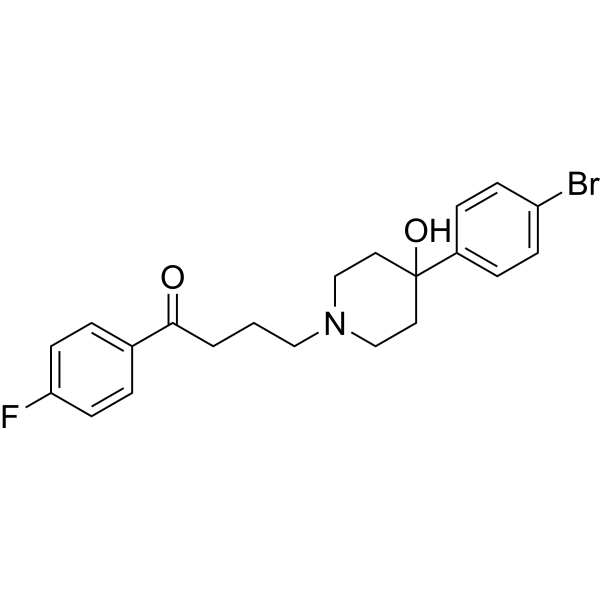
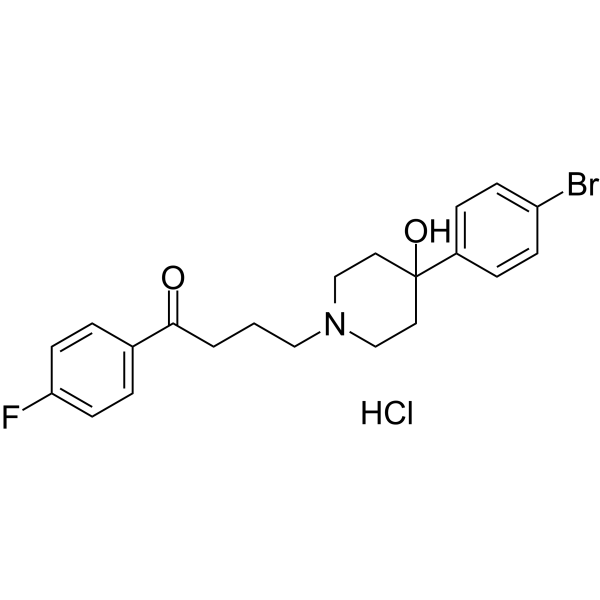
Bromperidol (R-11333) hydrochloride possesses antipsychotic activity, with a high affinity for central dopamine receptors D2. Bromperidol hydrochloride can kill Mycobacteria in a synergistic manner with Spectinomycin .
|
-
-
- HY-146702
-
|
|
Bacterial
Thymidylate Synthase
|
Infection
|
|
MtTMPK-IN-8 (compound 27) is a moderate M. tuberculosis thymidylate kinase (MtbTMPK) inhibitor. MtTMPK-IN-8 has sub-micromolar activity against mycobacteria (MICs = 0.78~9.4 μM) without significant cytotoxicity. MtTMPK-IN-8 can be used for researching tuberculosis .
|
-
-
- HY-146701
-
|
|
Bacterial
Thymidylate Synthase
|
Infection
|
|
MtTMPK-IN-7 (compound 26) is a moderate M. tuberculosis thymidylate kinase (MtbTMPK) inhibitor with an IC50 value of 47 μM. MtTMPK-IN-7 has sub-micromolar activity against mycobacteria (MICs = 2.3~4.7 μM) without significant cytotoxicity. MtTMPK-IN-7 can be used for researching tuberculosis .
|
-
-
- HY-146703
-
|
|
Bacterial
Thymidylate Synthase
|
Infection
|
|
MtTMPK-IN-9 (compound 28) is a moderate M. tuberculosis thymidylate kinase (MtbTMPK) inhibitor with an IC50 value of 48 μM. MtTMPK-IN-9 has sub-micromolar activity against mycobacteria (MICs = 6.25~9.4 μM) without significant cytotoxicity. MtTMPK-IN-9 can be used for researching tuberculosis .
|
-
-
- HY-118481
-
|
|
Lipase
|
Infection
|
|
H-Pro-Glu-OH is a protein secreted by pathogenic mycobacteria through the Type VII secretion system. H-Pro-Glu-OH targets LipY lipases to the cell Surface via the ESX-5 Pathway .
|
-
-
- HY-120733
-
|
FKI-4905
|
Bacterial
Endogenous Metabolite
|
Infection
Inflammation/Immunology
|
|
Calpinactam (FKI-4905), a fungal metabolite, is a new anti-mycobacterial agent.Calpinactam is active only against Mycobacteria among various microorganisms, including Gram-positive and Gram-negative bacteria, fungi and yeasts. Calpinactam inhibits the growth of Mycobacterium smegmatis and Mycobacterium tuberculosis with MIC values of 0.78 and 12.5 μg/ml, respectively .
|
-
-
- HY-N14913
-
-
-
- HY-N14902
-
|
|
Antibiotic
Bacterial
|
Infection
|
|
Mimosamycin is an antibiotic. Mimosamycin has activity against mycobacteria and streptomyces resistant strains .
|
-
-
- HY-N14469
-
|
|
Antibiotic
Bacterial
|
Infection
|
|
Sakyomicin C is a Benzoquinone antibiotic. Sakyomicin C has activity against Gram-positive bacteria and mycobacteria .
|
-
-
- HY-N13995
-
|
|
Antibiotic
Bacterial
Fungal
|
Infection
|
|
Serratamolide is a depsipeptide antibiotic. Serratamolide has anti-Gram-positive bacteria, mycobacteria and fungi activity, but the activity is weak .
|
-
-
- HY-N14803
-
-
-
- HY-118553
-
|
|
Bacterial
|
Infection
|
|
Saframycin D has the effect of anti-Gram-positive bacteria. Saframycin D also has weak activity against mycobacteria .
|
-
-
- HY-N14541
-
|
|
Bacterial
|
Infection
|
|
Saframycin B has the effect of anti-Gram-positive bacteria. Saframycin B also has weak activity against mycobacteria .
|
-
- HY-N14538
-
|
|
Bacterial
|
Infection
|
|
Saframycin E has the effect of anti-Gram-positive bacteria. Saframycin B also has weak activity against mycobacteria .
|
-
- HY-121136A
-
|
|
Antibiotic
Bacterial
|
Infection
|
|
Chartreusin sodium is an antibiotic that is active against certain Gram-positive organisms and mycobacteria. Chartreusin is also active against the Micrococcus fiyogenes v. aureus phage .
|
-
- HY-N14865
-
|
|
Bacterial
|
Infection
|
|
Midecamycin A4 is a macrolide compound with strong anti-Gram-positive bacteria and weak anti-Gram-negative bacteria, mycobacteria and fungi activity .
|
-
- HY-N14485
-
|
|
Antibiotic
Bacterial
|
Infection
|
|
Nebramycin IV is an aminoglycoside antibiotic. Nebramycin IV has a broad antibacterial spectrum and has a strong effect on Gram-positive and negative bacteria and mycobacteria .
|
-
- HY-N14864
-
|
|
Bacterial
|
Infection
|
|
Midecamycin A3 is a macrolide compound with strong anti-Gram-positive bacteria and weak anti-Gram-negative bacteria, mycobacteria and fungi activity .
|
-
- HY-121136
-
|
|
Antibiotic
Bacterial
|
Infection
|
|
Chartreusin is an antibiotic that is active against certain Gram-positive organisms and mycobacteria. Chartreusin is also active against the Micrococcus fiyogenes v. aureus phage .
|
-
- HY-N14862
-
|
|
Bacterial
|
Infection
|
|
Midecamycin A2 is a macrolide compound with strong anti-Gram-positive bacteria and weak anti-Gram-negative bacteria, mycobacteria and fungi activity .
|
-
- HY-146699
-
|
|
Bacterial
Thymidylate Synthase
|
Infection
|
|
MtTMPK-IN-5 (compound 17) is a potent M. tuberculosis thymidylate kinase (MtbTMPK) inhibitor with an IC50 value of 34 μM. MtTMPK-IN-5 combines favorable enzyme inhibitory activity with significant activity against M. tuberculosis (MIC = 12.5 μM). MtTMPK-IN-5 can be used for researching tuberculosis .
|
-
- HY-146700
-
|
|
Bacterial
Thymidylate Synthase
|
Infection
|
|
MtTMPK-IN-6 (compound 1) is a potent M. tuberculosis thymidylate kinase (MtbTMPK) inhibitor with an IC50 value of 29 μM. MtTMPK-IN-6 can be used for researching tuberculosis .
|
-
- HY-N14475
-
|
|
Antibiotic
Bacterial
|
Infection
|
|
Sakyomicin B is a Benzoquinone antibiotic found in the strain of Nocardia sp. M-53. Sakyomicin B has activity against Gram-positive bacteria and mycobacteria .
|
-
- HY-156359
-
|
|
Bacterial
|
Others
|
|
Tuberculosis inhibitor 10 shows moderate inhibitory effect on the enzymatic activity of MSMEG_6649. Tuberculosis inhibitor 10 enhances the inhibitory activity of PAS against mycobacteria .
|
-
- HY-N14677
-
|
|
Bacterial
|
Infection
Cancer
|
|
Pillaromycin A has anti-mycobacteria, Gram-positive bacteria and Gram-negative bacteria effects, but the effect of anti-Gram-negative bacteria is weak. Pillaromycin A also has antitumor activity .
|
-
- HY-130511
-
|
|
Bacterial
|
Infection
|
|
FCE 22250 is a 3-azinomethylrifamycin with long-term in vivo persistence and good oral absorption. FCE 22250 shows superior efficacy against a broad antimicrobial spectrum including mycobacteria .
|
-
- HY-145302
-
|
|
Bacterial
|
Infection
|
|
Mycobactin-IN-2 (compound 49) is a mycobactin biosynthesis inhibitor against mycobacteria. Mycobactin-IN-2 binds to salicyl-AMP ligase (MbtA), a key enzyme in the mycobactin biosynthetic pathway .
|
-
- HY-162503
-
|
|
Bacterial
|
Infection
|
|
ST166 free acid is a inhibitor of formation of the PhoP-DNA complex with the IC50 values of 18 and 24 μM against PhoP and MtrAC binding with DNA, respectively. ST166 free acid shows antibacterial activity against Macrobacterium marinum .
|
-
- HY-173617
-
|
SAM002706100
|
Bacterial
|
Infection
Inflammation/Immunology
|
|
GDI-5755 (SAM002706100), an antibacterial agent by inhibiting ClpP1P2, inhibits the growth of Mtb and M. bovis BCG, the model organism of mycobacteria. GDI-5755 can be used in the research for tuberculosis (TB) .
|
-
- HY-126117
-
|
|
Fungal
Carbonic Anhydrase
|
Infection
|
|
(+)-Xylariamide A (compound 6b) is a mycobacterial and fungal carbonic anhydrase probe with inhibitory activity against pathogen β-carbonic anhydrases .
|
-
- HY-144664
-
|
|
Bacterial
Thymidylate Synthase
|
Infection
|
|
MtTMPK-IN-2 (compound 15) is a potent Mycobacterium tuberculosis thymidylate kinase (MtTMPK) inhibitor with an IC50 value of 1.1 μM. MtTMPK-IN-2 has inhibitory activity against Mtb H37Rv (MIC = 12.5 μM). MtTMPK-IN-2 exhibits certain cytotoxicity in human fibroblast cells MRC-5 (EC50 = 6.1 μM). MtTMPK-IN-2 can be used for researching tuberculosis .
|
-
- HY-144663
-
|
|
Bacterial
Thymidylate Synthase
|
Infection
|
|
MtTMPK-IN-1 (compound 3) is a potent Mycobacterium tuberculosis thymidylate kinase (MtTMPK) inhibitor with an IC50 value of 2.5 μM. MtTMPK-IN-1 has moderate to weak activity against Mtb H37Rv and low cytotoxicity in human fibroblast cells MRC-5. MtTMPK-IN-1 can be used for researching tuberculosis .
|
-
- HY-162782A
-
|
|
Antibiotic
Bacterial
|
Infection
|
|
V–C6–Bg-PhCl TFA (compound 5e) is a biguanide-vancomycin conjugate. V–C6–Bg-PhCl TFA has broad-spectrum antibacterial activity against both Gram-negative and Gram-positive bacteria .
|
-
- HY-172263
-
|
|
Antibiotic
Bacterial
|
Infection
|
|
KU13 is an inhibitor of nontuberculous mycobacteria (NTM). The minimum inhibitory concentrations (MIC) of KU13 against Mycobacterium and E. coli are 0.032-8 μg/mL and 2 μg/mL, respectively. KU13 can be used for research in the field of anti-infection .
|
-
- HY-B0901R
-
|
R-11333 (Standard)
|
Reference Standards
Dopamine Receptor
Bacterial
|
Infection
Neurological Disease
|
|
Bromperidol (Standard) is the analytical standard of Bromperidol. This product is intended for research and analytical applications. Bromperidol (R-11333) possesses antipsychotic activity, with a high affinity for central dopamine receptors D2. Bromperidol can kill Mycobacteria in a synergistic manner with Spectinomycin .
|
-
- HY-W026339
-
|
|
Bacterial
|
Infection
|
|
IMB-XMA0038 is a MtASADH inhibitor with an IC50 value of 0.59 μg/mL. IMB-XMA0038 inhibits various agent-resistant Mycobacteria tuberculosis potently with MICs of 0.25-0.5 μg/mL. IMB-XMA0038 shows anti-tuberculosis activity .
|
-
- HY-N14889
-
|
|
Antibiotic
Bacterial
|
Infection
|
|
Ophiobolin D is a terpenoid antibiotic found in Cochliobulus miyabeanus and has four components A, B, C and D. A, B, C have anti-Gram-positive bacteria, mycobacteria and fungi, and have a strong inhibitory effect on some plant pathogens. D has a weak inhibitory effect on Staphylococcus aureus .
|
-
- HY-10392R
-
|
PNU-100480 (Standard); U-100480 (Standard); PF-02341272 (Standard)
|
Reference Standards
Bacterial
Antibiotic
|
Infection
|
|
Sutezolid (Standard) is the analytical standard of Sutezolid. This product is intended for research and analytical applications. Sutezolid (PNU-100480), an orally active oxazolidinone antimicrobial agent, acts by inhibiting bacterial protein synthesis. Sutezolid has potent activity against mycobacteria, and is used for the research of drug-resistant tuberculosis[1][2].
|
-
- HY-10392S
-
|
PNU-100480-13C4; U-100480-13C4; PF-02341272-13C4
|
Isotope-Labeled Compounds
Antibiotic
Bacterial
|
Infection
|
|
Sutezolid- 13C4 (PNU-100480- 13C4) is 13C labeled Sutezolid. Sutezolid (PNU-100480), an orally active oxazolidinone antimicrobial agent, acts by inhibiting bacterial protein synthesis. Sutezolid has potent activity against mycobacteria, and is used for the research of drug-resistant tuberculosis .
|
-
- HY-B1864C
-
|
Ksg sulfate
|
Antibiotic
Bacterial
|
Infection
|
|
Kasugamycin (Ksg) hydrochloride hydrate is an antibiotic that binds to 30s and 70s ribosomes but not to the 50s subunit, and has anti-infective activity. Kasugamycin hydrochloride hydrate mimics mRNA nucleotides, disrupts tRNA binding and inhibits canonical translation initiation. Kasugamycin hydrochloride hydrate increases the sensitivity of mycobacteria to Rifampicin (HY-B0272) in vitro and in mouse infection models .
|
-
- HY-173355
-
|
|
Bacterial
|
Infection
|
|
RCB18350 is an antituberculosis agent that belongs to the class of isoxazole derivatives. RCB18350 has bacteriostatic activity and inhibits the growth of Mycobacterium tuberculosis with an MIC of 1.25 μg/mL. RCB18350 is effective against multidrug-resistant Mycobacterium tuberculosis (MDR-TB) clinical isolates, slow-growing mycobacteria such as Mycobacterium bovis BCG and Mycobacterium avium .
|
-
- HY-100725R
-
|
|
Reference Standards
Bacterial
|
Infection
|
|
BM212 (Standard) is the analytical standard of BM212. This product is intended for research and analytical applications. BM212 is a potent Mycobacterial membrane protein Large 3 (MmpL3) inhibitor. BM212 has strong bactericidal activity against both M. tuberculosis and some nontuberculosis mycobacteria. BM212 exhibits antimycobacterial activity against M. tuberculosis H37Rv with an MIC of 5 µM .
|
-
- HY-16566AR
-
|
Kanamycin A sulfate (Standard)
|
Reference Standards
Bacterial
Antibiotic
|
Infection
|
|
Kanamycin (sulfate) (Standard) is the analytical standard of Kanamycin (sulfate). This product is intended for research and analytical applications. Kanamycin (Kanamycin A) sulfate is an orally active antibacterial (gram-negative/positive bacteria) agent, inhibits translocation and causes misencoding by binding to the 70 S ribosomal subunit. Kanamycin sulfate shows good inhibitory activity to both M. tuberculosis (sensitive and drug-resistant ) and K. pneumonia, which can be used in studies of tuberculosis and pneumonia .
|
-
- HY-B1864AR
-
|
Ksg hydrochloride (Standard)
|
Reference Standards
Antibiotic
Bacterial
|
Infection
|
|
Kasugamycin (Ksg) hydrochloride (Standard) is the analytical standard of Kasugamycin hydrochloride (HY-B1864A). This product is intended for research and analytical applications. Kasugamycin (Ksg) hydrochloride hydrate is an antibiotic that binds to 30s and 70s ribosomes but not to the 50s subunit, and has anti-infective activity. Kasugamycin hydrochloride hydrate mimics mRNA nucleotides, disrupts tRNA binding and inhibits canonical translation initiation. Kasugamycin hydrochloride hydrate increases the sensitivity of mycobacteria to Rifampicin (HY-B0272) in vitro and in mouse infection models .
|
-
- HY-122292
-
|
|
Antibiotic
Bacterial
|
Infection
Inflammation/Immunology
|
|
Celastramycin A is an antibiotic isolated from Streptomyces MaB-QuH-8, which exhibits antimicrobial activity against series of gram-negative bacteria and mycobacteria, with MICs between 0.05-3.1 μg/ml . Celastramycin A exhibits immunosuppressing efficacy in ex vivo Drosophila through immune deficiency pathway (IC50 of 0.008 μg/ml), inhibits the immunoresponse in human innate immunity through TNF-α signaling, inhibits IL-8 production in HUEVCs with IC50 of 0.06 μg/ml .
|
-
- HY-B1864BR
-
|
Ksg hydrochloride hydrate (Standard)
|
Reference Standards
Antibiotic
Bacterial
|
Infection
|
|
Kasugamycin (Ksg) hydrochloride hydrate (Standard) is the analytical standard of Kasugamycin hydrochloride hydrate (HY-B1864B). This product is intended for research and analytical applications. Kasugamycin (Ksg) hydrochloride hydrate is an antibiotic that binds to 30s and 70s ribosomes but not to the 50s subunit, and has anti-infective activity. Kasugamycin hydrochloride hydrate mimics mRNA nucleotides, disrupts tRNA binding and inhibits canonical translation initiation. Kasugamycin hydrochloride hydrate increases the sensitivity of mycobacteria to Rifampicin (HY-B0272) in vitro and in mouse infection models .
|
-
- HY-B0509BR
-
|
BAY 41-6551 disulfate (Standard)
|
Reference Standards
Bacterial
Antibiotic
|
Infection
Cancer
|
|
Amikacin (disulfate) (Standard) is the analytical standard of Amikacin (disulfate). This product is intended for research and analytical applications. Amikacin disulfate (BAY 41-6551 dissulfate) is an aminoglycoside antibiotic and a semisynthetic analog of kanamycin. Amikacin disulfate is bactericidal, acting directly on the 30S and 50S bacerial ribosomal subunits to inhibit protein synthesis. Amikacin disulfate is very active against most Gram-negative bacteria including gentamicin-and tobramycin-resistant strains. Amikacin disulfate also inhibits the infections caused by susceptible Nocardia and nontuberculous mycobacteria .
|
-
- HY-D2729
-
|
|
Fluorescent Dye
|
Infection
|
|
Cy3-NO2-Tre is a nitroreductase-responsive cyanine-based fluorescent probe that specifically labels Mycobacterium tuberculosis (Mtb). Cy3-NO2-tre generated fluorescence after activation by a specific nitroreductase, Rv3368c, which is conserved in the Mycobacteriaceae. Cy3-NO2-tre effectively imaged mycobacteria within infected host cells, tracked the infection process, and visualized Mycobacterium smegmatis being endocytosed by macrophages (Ex/Em= 540-550/575-625 nm) .
|
-
- HY-157433
-
|
|
Bacterial
|
Infection
|
|
Mab-SaS-IN-1 (compoud 1H) is Mab-SaS inhibitor with the IC50 of 2 μM. Mab-SaS-IN-1 can be used for study of antibiosis by blocking iron uptake and metabolism .
|
-
- HY-159899
-
|
|
Bacterial
Antibiotic
Dihydrofolate reductase (DHFR)
|
|
|
DHFR-IN-22 (Compound 8) is a DHFR (Dihydrofolate Reductase) inhibitor belonging to the class of 2,4-diaminopyrimidine compounds. DHFR-IN-22 exhibits significant inhibitory activity against purified DHFR enzyme and major species of nontuberculous mycobacteria (NTM), namely Mycobacterium avium and Mycobacterium abscessus. It shows an IC50 of 1.1 nM and MIC of 1.5 μg/mL against M. abscessus, and an IC50 of 6.3 nM and MIC of 0.1 μg/mL against M. avium. Additionally, it demonstrates an IC50 of 2100 nM against human DHFR. DHFR-IN-22 holds potential for studying novel strategies to combat NTM infections .
|
-
- HY-201256
-
|
|
Bacterial
MDM-2/p53
|
Infection
|
|
UCI-14 is a gltA1/lprQ modulator with in vitro anti-tuberculosis activity against drug-sensitive and multidrug-resistant mycobacteria. UCI-14 upregulates the expression of genes encoding citrate synthase I, downregulates the expression of genes encoding conserved mycobacterial lipoprotein, and alters the carbon metabolism of mycobacteria. UCI-14 reactivates the expression of wild-type p53 target genes in p53-mutated cells. UCI-14 can be used in the research of tuberculosis and cancer .
|
-
- HY-202273
-
|
|
Bacterial
|
Infection
|
|
Capreomycin IA is a bactericidal agent targeting bacterial ribosomes, with activity limited primarily to mycobacteria. Capreomycin IA blocks translocation of peptidyl-transfer RNA from the A to the P site to inhibit protein synthesis. Capreomycin IA exerts activity against Mycobacterium tuberculosis. Capreomycin IA can be used for the research of tuberculosis .
|
-
- HY-N13971
-
|
|
Bacterial
|
Infection
|
|
Bamicetin is mainly resistant to Gram-positive bacteria and Mycobacteria .
|
-
- HY-153572A
-
|
|
PROTACs
Bacterial
|
Infection
|
|
Homo-BacPROTAC7 TFA is a PROTAC protein degrader targeting ClpC1/ClpC2 with a Kd of 0.5-2.5 nM for both targets. Homo-BacPROTAC7 (TFA) acts as a bactericidal agent, induces killing of pathogenic mycobacteria, retains activity against dormant-like mycobacterial cells with reduced intracellular ATP levels, and shows elevated antibiotic potency relative to its parent monomer. Homo-BacPROTAC7 (TFA) can be used for the research of tuberculosis .
|
-
- HY-E71336
-
|
|
Biochemical Assay Reagents
|
Others
|
|
γ-Glutamyl hercynylcysteine S-oxide hydrolase (EC 3.5.1.118) is part of the biosynthesis pathway of ergothioneine in mycobacteria.
|
-
- HY-D3389
-
|
|
Fluorescent Dye
Bacterial
|
Infection
|
|
sCy5DL-amide is an amidated fluorescent D-amino acid conjugated to Sulfo-Cyanine 5, and a peptidoglycan labeling agent. sCy5DL-amide incorporates into bacterial peptidoglycan cell wall via transpeptidase-mediated reactions, replacing the fourth or fifth D-amino acid of the peptidoglycan stem peptide for visualization of nascent peptidoglycan biosynthesis. sCy5DL-amide produces clear cell outline, septum labeling, and high localization density in Bacillus subtilis, including a 'V-shape' pattern at cell-cell contact areas. sCy5DL-amide exhibits robust incorporation into Gram-positive bacteria and mycobacteria, with reduced incorporation into Gram-negative bacteria (Ex/Em = 646/666 nm) .
|
-
- HY-D3391
-
|
|
Bacterial
|
Infection
|
|
RMR-Tre is a fluorescent probe targeting the mycobacterial acyltransferase Ag85. Under the catalysis of Ag85, RMR-Tre undergoes 6-position mycoloylation and anchors to the mycobacterial membrane, while achieving fluorescence activation by inhibiting the intramolecular twisted charge transfer state transition. RMR-Tre can distinguish live mycobacteria from dead ones through metabolism-driven labeling, enabling rapid, wash-free, low-background detection of viable bacteria. RMR-Tre reports the drug resistance of Mycobacterium tuberculosis via the trehalose catalytic shift activity readout associated with TreS. In addition, RMR-Tre can be combined with flow cytometry or high-content imaging techniques to visualize and quantitatively analyze the metabolic heterogeneity of Mycobacterium tuberculosis related to persistence and drug resistance. RMR-Tre is widely used in tuberculosis-related research .
|
-
- HY-170519
-
|
|
Bacterial
|
Infection
|
|
K13787 is an acetohydroxyacid synthase (AHAS) inhibitor with antibacterial activity. K13787 has antibacterial activity against a variety of nontuberculous mycobacteria (NTM) and clarithromycin (CLR) resistant strains .
|
-
- HY-181286
-
|
|
Cytochrome P450
|
Infection
|
|
ETX1975-3 is an orally active inhibitor and bactericide targeting the bd cytochrome oxidase of Mycobacterium tuberculosis. ETX1975-3 disrupts electron transfer between the b-heme centers of the target enzyme, and in combination with Q203 (HY-101040), exerts bactericidal activity against both replicating and non-replicating Mycobacterium tuberculosis, and reduces bacterial loads in acute mouse models. ETX1975-3 retains activity against clinical isolates of multidrug-resistant/extensively drug-resistant Mycobacterium tuberculosis and non-tuberculous mycobacteria, while possessing favorable preclinical ADMET properties. ETX1975-3 can be used in studies related to tuberculosis and non-tuberculous mycobacterial infections .
|
-
- HY-E70909
-
|
|
Endogenous Metabolite
|
Metabolic Disease
|
|
Phosphopantetheine adenylyltransferase, Mycobacterium tuberculosis (EC 2.7.7.3) catalyzes the fourth stage of coenzyme A biosynthesis. Coenzyme A is involved in a great number of metabolic pathways, in particular it participates in the synthesis of the cell wall components of mycobacteria.
|
-
- HY-D3390
-
|
|
Fluorescent Dye
Bacterial
|
Infection
|
|
sCy5DA is a is a fluorescent D-amino acid . sCy5DA incorporates into bacterial peptidoglycan layers and cross-links via transpeptidase action, replacing peptidoglycan stem peptide D-amino acids. sCy5DA labels live bacterial cell walls, nascent peptidoglycan biosynthesis sites, and diverse bacterial species including Gram-negative, Gram-positive, and mycobacteria (Ex/Em = 646/665 nm) .
|
-
- HY-179444
-
|
|
Bacterial
|
Inflammation/Immunology
|
|
Antituberculosis agent-17 (compound 21) is a potent and selective antituberculosis agent. Antituberculosis agent-17 displays excellent anti-Tuberculosis (TB) activity against H37Rv, MDR and XDR strains of TB (MIC = 0.2-0.78 μM). Antituberculosis agent-17 exhibits selectivity for Mycobacterium tuberculosis over selected non-TB forming mycobacteria and bacteria. Antituberculosis agent-17 can be used for TB research .
|
-
- HY-181282
-
|
|
Bacterial
|
Infection
|
|
MSU-44147 is an inhibitor and antimicrobial agent targeting MmpL3 in Mycobacterium abscessus, with low eukaryotic cytotoxicity, a narrow antimicrobial spectrum that is specific only to mycobacteria, and low drug resistance frequency. MSU-44147 reduces trehalose dimycolate levels by inhibiting MmpL3 function, disrupts biofilm formation and reduces the viability of related bacteria, while exerting bactericidal effects on intracellular Mycobacterium abscessus. MSU-44147 exhibits additive or synergistic effects with antibiotics and can be used in research on multidrug-resistant isolates and infections of Mycobacterium abscessus .
|
-
- HY-105099
-
|
KRM-1648; ABI-1648
|
Antibiotic
DNA/RNA Synthesis
Bacterial
|
Infection
Inflammation/Immunology
|
|
Rifalazil (KRM-1648; ABI-1648), a rifamycin derivative, inhibits the bacterial DNA-dependent RNA polymerase and kills bacterial cells by blocking off the β-subunit in RNA polymerase . Rifalazil (KRM-1648; ABI-1648) is an antibiotic, exhibits high potency against mycobacteria, gram-positive bacteria, Helicobacter pylori, C. pneumoniae and C. trachomatis with MIC values from 0.00025 to 0.0025 μg/ml . Rifalazil (KRM-1648; ABI-1648) has the potential for the treatment of Chlamydia infection, Clostridium difficile associated diarrhea (CDAD), and tuberculosis (TB) .
|
-
- HY-10393
-
|
PNU-100592
|
Bacterial
Antibiotic
|
Infection
|
|
Eperezolid (PNU-100592) is an orally active protein synthesis inhibitor that targets the bacterial 50S ribosomal subunit. Eperezolid competitively binds to a specific site on the ribosomal 50S subunit (overlapping with the binding sites of chloramphenicol (HY-B0239) and lincomycin (HY-117660)) to inhibit the translation initiation stage and exert antibacterial activity. Eperezolid can induce host cell autophagy to enhance the clearance of intracellular mycobacteria, and its MIC90 for Staphylococcus aureus and Enterococcus is 1-4 μg/mL. Eperezolid is mainly used for antibacterial research on infections with Gram-positive bacteria such as methicillin-resistant (HY-121544) Staphylococci and vancomycin-resistant (HY-B0671) Enterococci, as well as infections with intracellular bacteria such as Mycobacterium tuberculosis .
|
-
- HY-N1976
-
|
(3R,8S)-Falcarindiol; 3(R),8(S),9(Z)-Falcarindiol
|
|
Infection
Cancer
|
|
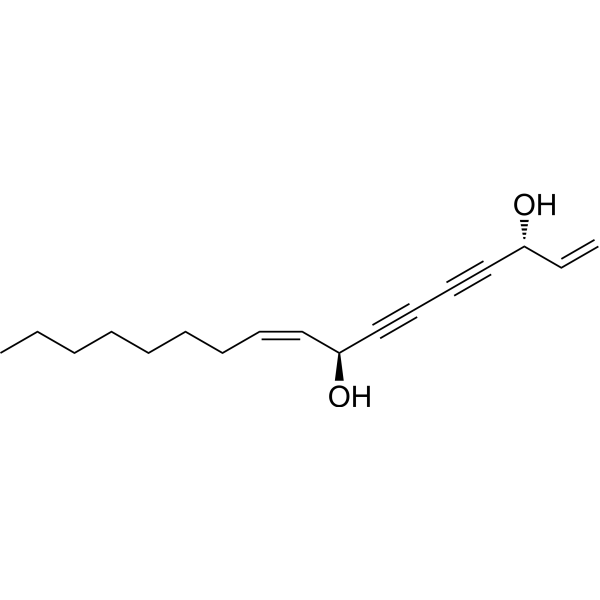
(+)-(3R,8S)-Falcarindiol ((3R,8S)-Falcarindiol; 3 (R),8 (S),9 (Z)-Falcarindiol) is an orally active polyacetylene anti-mycobacterial agent. (+)-(3R,8S)-Falcarindiol exhibits antibacterial activity against Gram-positive bacteria, Gram-negative bacteria and mycobacteria. Co-administration of (+)-(3R,8S)-Falcarindiol with (3R)-falcarinol alters the composition of gut microbiota, reduces colonic tumor lesions and slows down polyp growth. (+)-(3R,8S)-Falcarindiol can be used in research related to tuberculosis and colorectal cancer .
|
-
- HY-105099R
-
|
KRM-1648 (Standard); ABI-1648 (Standard)
|
Antibiotic
Reference Standards
DNA/RNA Synthesis
Bacterial
|
Infection
Inflammation/Immunology
|
|
Rifalazil (Standard) is the analytical standard of Rifalazil. This product is intended for research and analytical applications. Rifalazil (KRM-1648; ABI-1648), a rifamycin derivative, inhibits the bacterial DNA-dependent RNA polymerase and kills bacterial cells by blocking off the β-subunit in RNA polymerase[1]. Rifalazil (KRM-1648; ABI-1648) is an antibiotic, exhibits high potency against mycobacteria, gram-positive bacteria, Helicobacter pylori, C. pneumoniae and C. trachomatis with MIC values from 0.00025 to 0.0025 μg/ml[3]. Rifalazil (KRM-1648; ABI-1648) has the potential for the treatment of Chlamydia infection, Clostridium difficile associated diarrhea (CDAD), and tuberculosis (TB)[2].
|
-
- HY-N11685
-
|
Xanthogalol
|
Bacterial
Fungal
|
Infection
|
|
(±)-Lomatin (Xanthogalol) (Compound 10) is a coumarin-type secondary metabolite. (±)-Lomatin can be found in Coleonema album. (±)-Lomatin can be used for the research of bacterial infections, mycobacterial infections, and fungal infections .
|
-
- HY-120054
-
|
|
Bacterial
|
Infection
|
|
Antibacterial agent 322 is an antibacterial agent that inhibits the growth of various bacteria. Antibacterial agent 322 can be used in research on bacterial infections .
|
-
- HY-141619
-
|
|
Bacterial
|
Infection
|
|
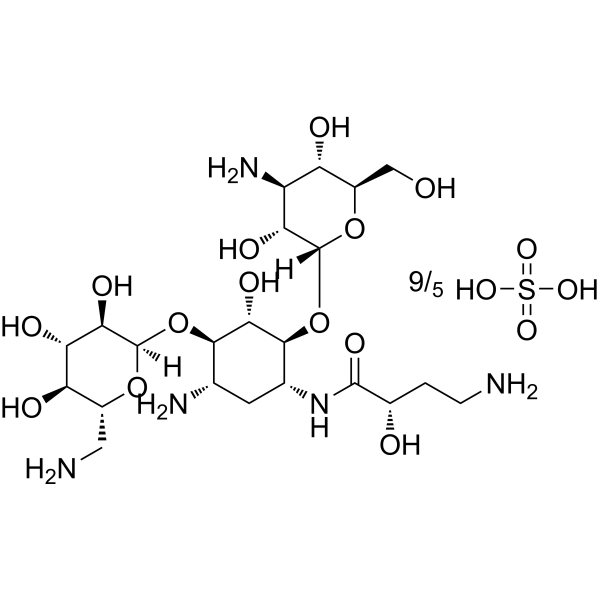
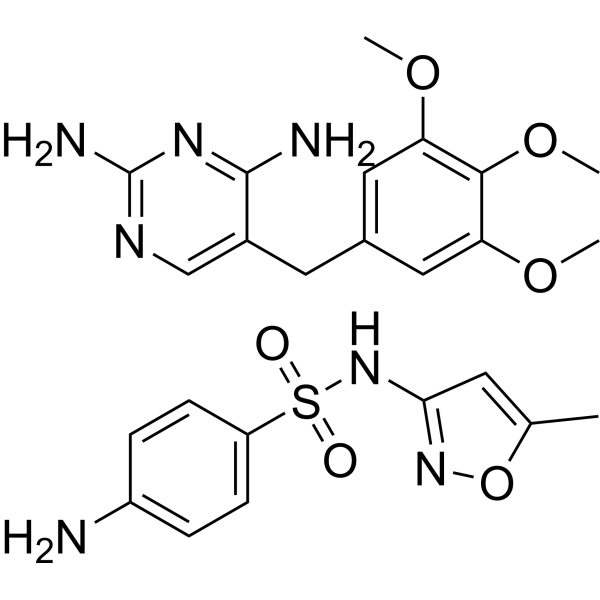
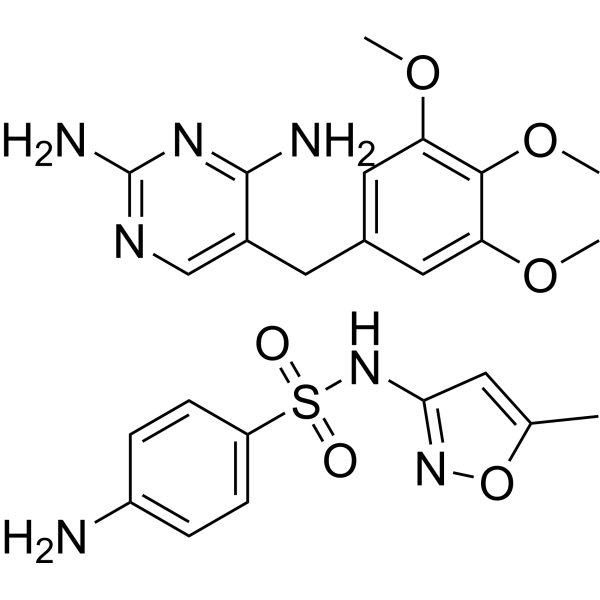
Cotrimoxazole (Trimethoprim/sulfamethoxazole 1:5), an antibacterial agent, is a Trimethoprim (HY-B0510) and Sulfamethoxazole (HY-B0322) mixture. The ratio of Trimethoprim to Sulfamethoxazole in the combination mixture is 1 : 5 .
|
-
- HY-12770R
-
|
Mebeverine metabolite Mebeverine alcohol (Standard)
|
Reference Standards
Drug Metabolite
|
Neurological Disease
|
|
Mebeverine alcohol (Standard) is an analytical standard for Mebeverine alcohol. This product is intended for research and analytical applications. Eperezolid (PNU-100592) is an orally active protein synthesis inhibitor that targets the bacterial 50S ribosomal subunit. Eperezolid competitively binds to a specific site on the ribosomal 50S subunit (overlapping with the binding sites of Chloramphenicol (HY-B0239) and Lincomycin (HY-117660)) to inhibit the translation initiation stage and exert antibacterial activity. Eperezolid can induce host cell autophagy to enhance the clearance of intracellular mycobacteria, and its MIC90 for Staphylococcus aureus and Enterococcus is 1-4 μg/mL. Eperezolid is mainly used for antibacterial research on infections with Gram-positive bacteria such as methicillin-resistant (HY-121544) Staphylococci and vancomycin-resistant (HY-B0671) Enterococci, as well as infections with intracellular bacteria such as Mycobacterium tuberculosis .
|
-
- HY-D1737
-
|
|
Bacterial
|
Infection
|
|
RADA is a fluorescent D-amino acid (FDAA) with high photostability and thermostability, which emits yellow-to-orange fluorescence. RADA shows low outer membrane permeability in wild-type Gram-negative Escherichia coli, but it targets penicillin-binding proteins and L,D-transpeptidases, mimics the interaction between acyl acceptors and enzyme intermediates, and integrates into peptidoglycan during biosynthesis. As a peptidoglycan labeling reagent, RADA metabolically integrates into the nascent peptidoglycan of live bacterial cells, labels the peptidoglycan at the poles and lateral walls of mycobacteria, and enables visualization of peptidoglycan synthesis and remodeling processes. RADA serves as a non-specific stain for fixed cells, is non-toxic to bacterial cells, and its red-shifted excitation/emission spectra reduce phototoxicity. RADA also supports virtual pulse-chase labeling experiments and stochastic optical reconstruction microscopy for sub-diffraction-limited imaging of bacterial cell walls .
|
-
- HY-141619A
-
|
|
Bacterial
|
Infection
|
|
Cotrimoxazole (Trimethoprim/sulfamethoxazole 1:19), an antibacterial agent, is a Trimethoprim (HY-B0510) and Sulfamethoxazole (HY-B0322) mixture. The ratio of Trimethoprim to Sulfamethoxazole in the combination mixture is 1 : 19 .
|
-
- HY-N19876
-
-
- HY-N14664
-
|
|
Antibiotic
Bacterial
|
Infection
|
|
Actithiazic acid is a thiazolidinone antibiotic that targets biotin synthase. Actithiazic acid interferes with essential bacterial metabolism by inhibiting the final step of biotin synthesis (conversion of desthiobiotin to biotin, IC50 = 0.45 μM). Actithiazic acid can be used in studies related to mycobacterial infections .
|
-
| Cat. No. |
Product Name |
Type |
-
- HY-D2919
-
|
|
Fluorescent Dye
|
|
DMN-Tre is a conjugate of a solvatochromic fluorescent dye and trehalose. DMN-Tre takes advantage of the substrate promiscuity of the endogenous antigen 85 protein complex in mycobacteria to be metabolically integrated into the hydrophobic mycobacterial membrane. Once entering this hydrophobic environment, the linked DMN dye fluorescence is "turned on", enabling specific labeling . DMN-Tre can be used to reflect bacterial metabolic activity and support physiological studies of Mycobacterium tuberculosis .
|
-
- HY-D1543
-
|
|
Fluorescent Dye
|
|
Pyronin B is an organic cationic dye used for the staining of bacteria, mycobacteria and ribonucleic acids. Pyronin B is also used as a small hydrophobic (SH) protein channel inhibitor .
|
-
- HY-D2729
-
|
|
Fluorescent Dye
|
|
Cy3-NO2-Tre is a nitroreductase-responsive cyanine-based fluorescent probe that specifically labels Mycobacterium tuberculosis (Mtb). Cy3-NO2-tre generated fluorescence after activation by a specific nitroreductase, Rv3368c, which is conserved in the Mycobacteriaceae. Cy3-NO2-tre effectively imaged mycobacteria within infected host cells, tracked the infection process, and visualized Mycobacterium smegmatis being endocytosed by macrophages (Ex/Em= 540-550/575-625 nm) .
|
-
- HY-D3389
-
|
|
Fluorescent Dye
|
|
sCy5DL-amide is an amidated fluorescent D-amino acid conjugated to Sulfo-Cyanine 5, and a peptidoglycan labeling agent. sCy5DL-amide incorporates into bacterial peptidoglycan cell wall via transpeptidase-mediated reactions, replacing the fourth or fifth D-amino acid of the peptidoglycan stem peptide for visualization of nascent peptidoglycan biosynthesis. sCy5DL-amide produces clear cell outline, septum labeling, and high localization density in Bacillus subtilis, including a 'V-shape' pattern at cell-cell contact areas. sCy5DL-amide exhibits robust incorporation into Gram-positive bacteria and mycobacteria, with reduced incorporation into Gram-negative bacteria (Ex/Em = 646/666 nm) .
|
-
- HY-D3391
-
|
|
Fluorescent Dye
|
|
RMR-Tre is a fluorescent probe targeting the mycobacterial acyltransferase Ag85. Under the catalysis of Ag85, RMR-Tre undergoes 6-position mycoloylation and anchors to the mycobacterial membrane, while achieving fluorescence activation by inhibiting the intramolecular twisted charge transfer state transition. RMR-Tre can distinguish live mycobacteria from dead ones through metabolism-driven labeling, enabling rapid, wash-free, low-background detection of viable bacteria. RMR-Tre reports the drug resistance of Mycobacterium tuberculosis via the trehalose catalytic shift activity readout associated with TreS. In addition, RMR-Tre can be combined with flow cytometry or high-content imaging techniques to visualize and quantitatively analyze the metabolic heterogeneity of Mycobacterium tuberculosis related to persistence and drug resistance. RMR-Tre is widely used in tuberculosis-related research .
|
-
- HY-D3390
-
|
|
Fluorescent Dye
|
|
sCy5DA is a is a fluorescent D-amino acid . sCy5DA incorporates into bacterial peptidoglycan layers and cross-links via transpeptidase action, replacing peptidoglycan stem peptide D-amino acids. sCy5DA labels live bacterial cell walls, nascent peptidoglycan biosynthesis sites, and diverse bacterial species including Gram-negative, Gram-positive, and mycobacteria (Ex/Em = 646/665 nm) .
|
-
- HY-D1737
-
|
|
Fluorescent Dye
|
|
RADA is a fluorescent D-amino acid (FDAA) with high photostability and thermostability, which emits yellow-to-orange fluorescence. RADA shows low outer membrane permeability in wild-type Gram-negative Escherichia coli, but it targets penicillin-binding proteins and L,D-transpeptidases, mimics the interaction between acyl acceptors and enzyme intermediates, and integrates into peptidoglycan during biosynthesis. As a peptidoglycan labeling reagent, RADA metabolically integrates into the nascent peptidoglycan of live bacterial cells, labels the peptidoglycan at the poles and lateral walls of mycobacteria, and enables visualization of peptidoglycan synthesis and remodeling processes. RADA serves as a non-specific stain for fixed cells, is non-toxic to bacterial cells, and its red-shifted excitation/emission spectra reduce phototoxicity. RADA also supports virtual pulse-chase labeling experiments and stochastic optical reconstruction microscopy for sub-diffraction-limited imaging of bacterial cell walls .
|
| Cat. No. |
Product Name |
Type |
-
- HY-Y0607
-
|
|
Biochemical Assay Reagents
|
|
4-Nitrobenzoic acid is a nitroaromatic compound that can be used in the synthesis of other active compounds. 4-Nitrobenzoic acid is also an inhibitor agent, which can be used for the recognition of the Mycobacterium tuberculosis complex and differentiation from non-tuberculous mycobacteria .
|
| Cat. No. |
Product Name |
Target |
Research Area |
-
- HY-P4284
-
|
|
Proteasome
ClpP
Bacterial
|
Infection
|
|
Z-GGF-CMK is an Antibacterial agent, an inhibitor of the ClpP1P2 serine protease complex (with an IC50 of 50 μM against intracellular ClpP1P2 protease activity in Mycobacterium bovis BCG), and a selective inhibitor of the mycobacterial Proteasome (with an IC50 of 50 μM against the proteasome in M. bovis BCG). Z-GGF-CMK inhibits the growth of mycobacteria. Z-GGF-CMK exhibits cytotoxic activity against liver cancer cells. Z-GGF-CMK can be used in the research of tuberculosis .
|
| Cat. No. |
Product Name |
Category |
Target |
Chemical Structure |
-
- HY-16566A
-
-
-
- HY-B1864A
-
-
-
- HY-N1976
-
|
(3R,8S)-Falcarindiol; 3(R),8(S),9(Z)-Falcarindiol
|
Infection
Structural Classification
Natural Products
Classification of Application Fields
Decachaeta ovatifolia (DC.) R.M.King & H.Rob.
Umbelliferae
Plants
Inflammation/Immunology
Disease Research Fields
Source Classification
|
|
|
(+)-(3R,8S)-Falcarindiol ((3R,8S)-Falcarindiol; 3 (R),8 (S),9 (Z)-Falcarindiol) is an orally active polyacetylene anti-mycobacterial agent. (+)-(3R,8S)-Falcarindiol exhibits antibacterial activity against Gram-positive bacteria, Gram-negative bacteria and mycobacteria. Co-administration of (+)-(3R,8S)-Falcarindiol with (3R)-falcarinol alters the composition of gut microbiota, reduces colonic tumor lesions and slows down polyp growth. (+)-(3R,8S)-Falcarindiol can be used in research related to tuberculosis and colorectal cancer .
|
-
-
- HY-N1969
-
-
-
- HY-Z16210
-
-
-
- HY-16566R
-
|
Kanamycin A (Standard)
|
Microorganisms
Source Classification
|
Reference Standards
Antibiotic
Bacterial
|
|
Kanamycin (Standard) is the analytical standard of Kanamycin. This product is intended for research and analytical applications. Kanamycin (Kanamycin A) is an orally active antibacterial (gram-negative/positive bacteria) agent, inhibits translocation and causes misencoding by binding to the 70 S ribosomal subunit. Kanamycin shows good inhibitory activity to both M. tuberculosis (sensitive and drug-resistant ) and K. pneumonia, which can be used in studies of tuberculosis and pneumonia[1][2][3][4].
|
-
-
- HY-N14664
-
-
-
- HY-N10069
-
-
-
- HY-120733
-
-
-
- HY-N14913
-
-
-
- HY-N14902
-
-
-
- HY-N14469
-
-
-
- HY-N13995
-
-
-
- HY-N14803
-
-
-
- HY-118553
-
-
-
- HY-N14541
-
-
-
- HY-N14538
-
-
-
- HY-121136A
-
-
-
- HY-N14865
-
-
-
- HY-N14485
-
-
-
- HY-N14864
-
-
-
- HY-121136
-
-
-
- HY-N14862
-
-
-
- HY-N14475
-
-
-
- HY-N14677
-
-
-
- HY-N14889
-
|
|
Natural Products
Microorganisms
Source Classification
|
Antibiotic
Bacterial
|
|
Ophiobolin D is a terpenoid antibiotic found in Cochliobulus miyabeanus and has four components A, B, C and D. A, B, C have anti-Gram-positive bacteria, mycobacteria and fungi, and have a strong inhibitory effect on some plant pathogens. D has a weak inhibitory effect on Staphylococcus aureus .
|
-
-
- HY-16566AR
-
-
-
- HY-B1864AR
-
-
-
- HY-122292
-
|
|
Animals
Antibiotics
Source Classification
|
Antibiotic
Bacterial
|
|
Celastramycin A is an antibiotic isolated from Streptomyces MaB-QuH-8, which exhibits antimicrobial activity against series of gram-negative bacteria and mycobacteria, with MICs between 0.05-3.1 μg/ml . Celastramycin A exhibits immunosuppressing efficacy in ex vivo Drosophila through immune deficiency pathway (IC50 of 0.008 μg/ml), inhibits the immunoresponse in human innate immunity through TNF-α signaling, inhibits IL-8 production in HUEVCs with IC50 of 0.06 μg/ml .
|
-
-
- HY-N13971
-
-
-
- HY-N11685
-
-
-
- HY-N19876
-
-
| Cat. No. |
Product Name |
Chemical Structure |
-
- HY-B0329S
-
|
|
|
Isoniazid-d4 is the deuterium labeled Isoniazid. Isoniazid (INH) is a proagent and must be activated by a bacterial catalase-peroxidase enzyme KatG. Isoniazid is bactericidal to rapidly dividing mycobacteria and has anti-tuberculostatic activity .
|
-
-
- HY-10392S
-
|
|
|
Sutezolid- 13C4 (PNU-100480- 13C4) is 13C labeled Sutezolid. Sutezolid (PNU-100480), an orally active oxazolidinone antimicrobial agent, acts by inhibiting bacterial protein synthesis. Sutezolid has potent activity against mycobacteria, and is used for the research of drug-resistant tuberculosis .
|
-
Your information is safe with us. * Required Fields.
Inquiry Information
- Product Name:
- Cat. No.:
- Quantity:
- MCE Japan Authorized Agent:

