

1. Search Result
Search Result
Results for "

NaSal

" in MedChemExpress (MCE) Product Catalog:

86

Inhibitors & Agonists

4

Biochemical Assay Reagents

4

Peptides

6

Inhibitory Antibodies

7

Natural
Products

7

Isotope-Labeled Compounds

1

Oligonucleotides

Cat. No. Product Name Target Research Areas Chemical Structure
  • HY-N7434
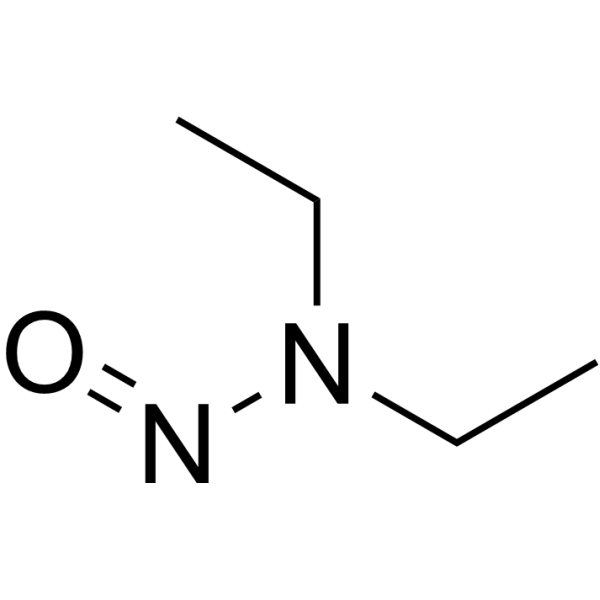
    N-Nitrosodiethylamine
    5+ Cited Publications

    Diethylnitrosamine; DEN; DENA

    DNA/RNA Synthesis Cancer
    N-Nitrosodiethylamine (Diethylnitrosamine) is a potent hepatocarcinogenic dialkylnitrosoamine. N-Nitrosodiethylamine is mainly present in tobacco smoke, water, cheddar cheese, cured, fried meals and many alcoholic beverages. N-Nitrosodiethylamine is responsible for the changes in the nuclear enzymes associated with DNA repair/replication. N-Nitrosodiethylamine results in various tumors in all animal species. The main target organs are the nasal cavity, trachea, lung, esophagus and liver.
    N-Nitrosodiethylamine
  • HY-B0801
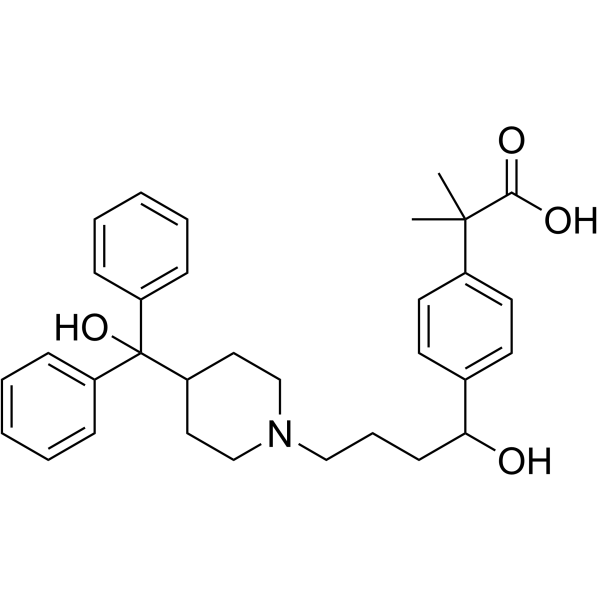
    Fexofenadine
    5 Publications Verification

    MDL-16455; Terfenadine carboxylate

    Histamine Receptor Inflammation/Immunology Cancer
    Fexofenadine (MDL-16455) is an orally active and nonsedative H1 receptor antagonist. Fexofenadine can be used in allergic rhinitis and chronic idiopathic urticarial research .
    Fexofenadine
  • HY-B0167A
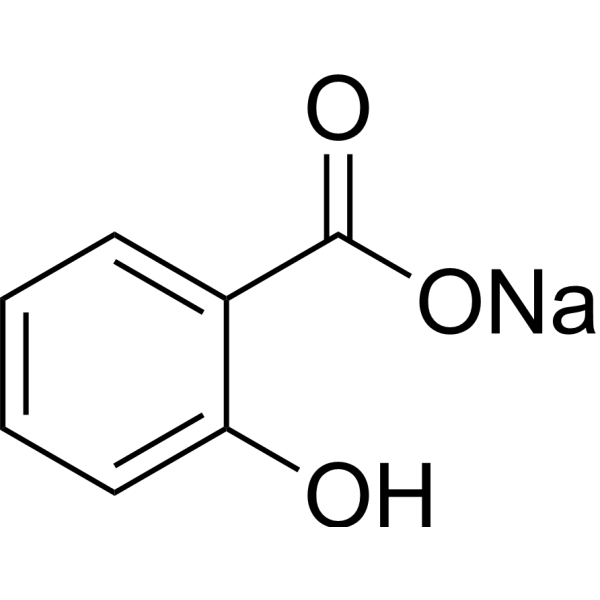
    Sodium Salicylate
    Maximum Cited Publications
    15 Publications Verification

    Salicylic acid sodium salt; 2-Hydroxybenzoic acid sodium salt

    Environmental Pollutants Ribosomal S6 Kinase (RSK) Endogenous Metabolite Apoptosis COX Autophagy NF-κB Inflammation/Immunology Cancer
    Sodium Salicylate (Salicylic acid sodium salt) inhibits cyclo-oxygenase-2 (COX-2) activity independently of transcription factor (NF-κB) activation . Sodium Salicylate is also a S6K inhibitor.Sodium Salicylate is a NF-κB inhibitor that decreases inflammatory gene expression and improves repair in aged muscle .
    Sodium Salicylate
  • HY-P990774

    ASP-7266; TRAB-1; UPB-101

    Interleukin Related Inflammation/Immunology
    Verekitug (ASP-7266; TRAB-1; UPB-101) is a human monoclonal antibody targeting the thymic stromal lymphopoietin receptor (TSLPR), with a mean half-life of approximately 20 days. At doses of Verekitug ≥100 mg, complete and sustained TSLPR-specific occupancy is achieved, and the antibody does not bind to IL-7Rα. By inhibiting TSLP-driven inflammatory responses, Verekitug blocks TSLP-induced cell proliferation and TARC expression, while reducing fractional exhaled NO levels, blood eosinophil counts, and levels of IL-5 and IgE. Verekitug significantly improves scores for nasal polyps, nasal congestion and olfactory dysfunction, with favorable safety and good tolerability; potential adverse reactions include headache, upper respiratory tract infection, sinusitis and nasopharyngitis. Verekitug is used in relevant studies on asthma, chronic rhinosinusitis with nasal polyps and chronic obstructive pulmonary disease .
    Verekitug
  • HY-B0801A
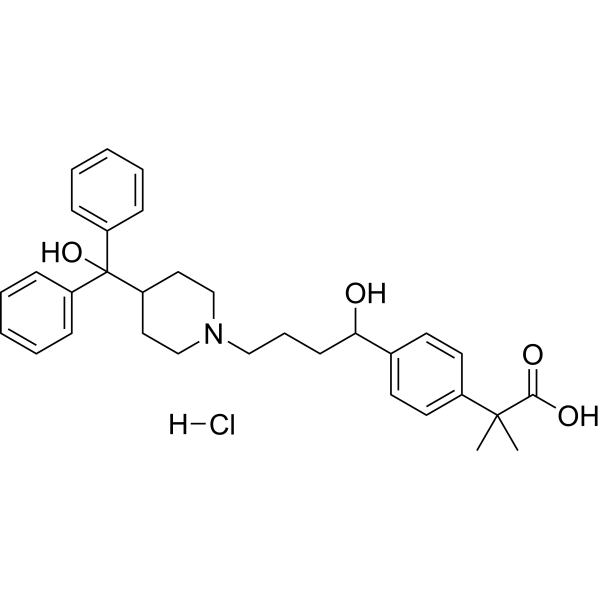
    Fexofenadine hydrochloride
    5 Publications Verification

    MDL-16455 hydrochloride; Terfenadine carboxylate hydrochloride

    Histamine Receptor Inflammation/Immunology Cancer
    Fexofenadine (MDL-16455) hydrochloride is an orally active and nonsedative H1 receptor antagonist. Fexofenadine hydrochloride can be used in allergic rhinitis and chronic idiopathic urticarial research .
    Fexofenadine hydrochloride
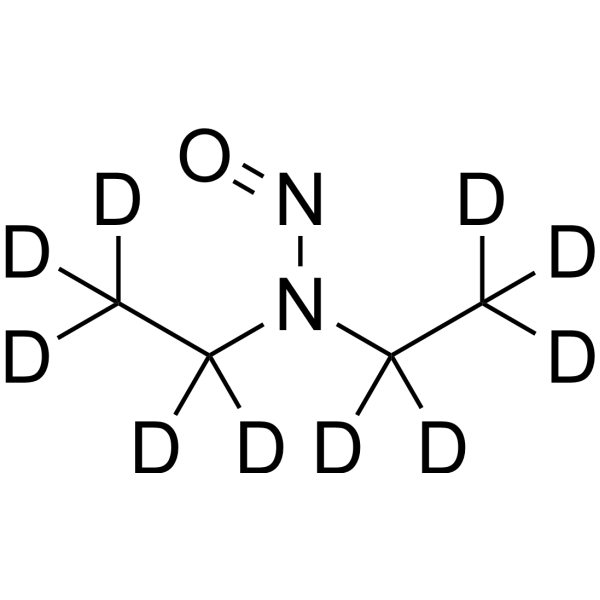
  • HY-N7434S1

    Diethylnitrosamine-d10; DEN-d10; DENA-d10

    DNA/RNA Synthesis Cancer
    N-Nitrosodiethylamine-d10 is the deuterium labeled N-Nitrosodiethylamine . N-Nitrosodiethylamine (Diethylnitrosamine) is a potent hepatocarcinogenic dialkylnitrosoamine. N-Nitrosodiethylamine is mainly present in tobacco smoke, water, cheddar cheese, cured, fried meals and many alcoholic beverages. N-Nitrosodiethylamine is responsible for the changes in the nuclear enzymes associated with DNA repair/replication. N-Nitrosodiethylamine results in various tumors in all animal species. The main target organs are the nasal cavity, trachea, lung, esophagus and liver.
    N-Nitrosodiethylamine-d10
  • HY-B1289

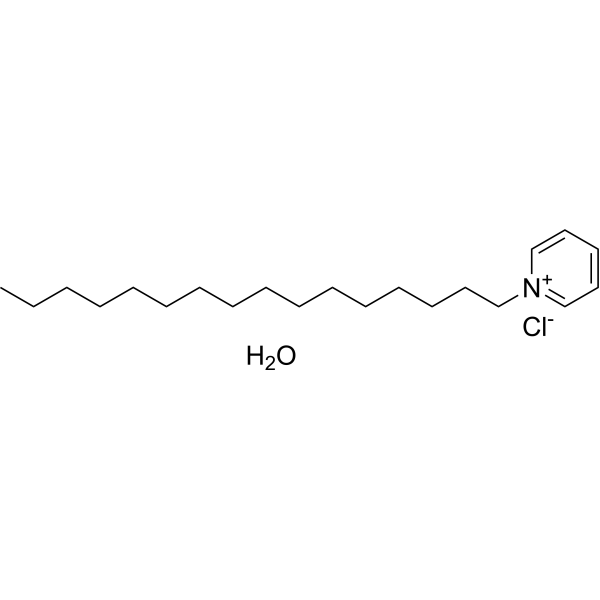
    Hexadecylpyridinium chloride monohydrate

    Bacterial Infection
    Cetylpyridinium chloride monohydrate is a cationic quaternary ammonium compound used in some types of mouthwashes, toothpastes, and throat and nasal sprays as an antiseptic that kills bacteria and other microorganisms. Effectively prevents plaque and reduces gingivitis.
    Cetylpyridinium chloride monohydrate
  • HY-N2597
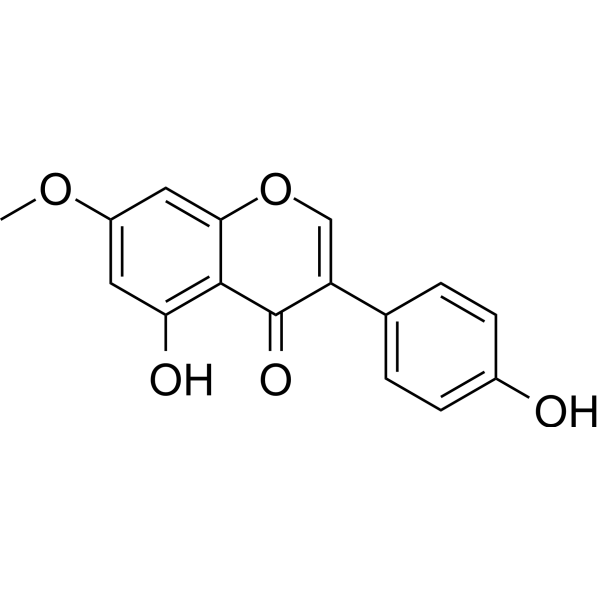
    Prunetin
    3 Publications Verification

    Aldehyde Dehydrogenase (ALDH) Inflammation/Immunology
    Prunetin, an O-methylated isoflavone, possesses anti-inflammatory activity. Prunetin is a potent human aldehyde dehydrogenases inhibitor .
    Prunetin
  • HY-32337
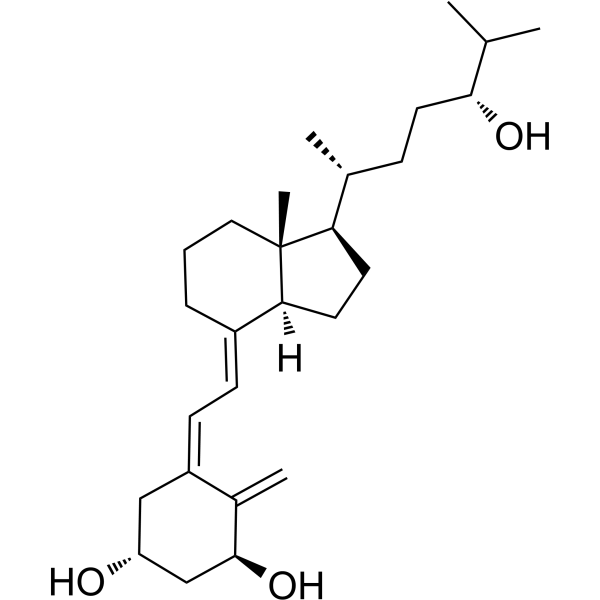
    Tacalcitol
    3 Publications Verification

    1,24(R)-Dihydroxyvitamin D3; 1.alpha.,24R-Dihydroxyvitamin D3

    VD/VDR Interleukin Related Metabolic Disease Inflammation/Immunology Cancer
    Tacalcitol (1,24(R)-Dihydroxyvitamin D3; 1.alpha.,24R-Dihydroxyvitamin D3) can promote normal bone growth by regulating calcium ions. Tacalcitol inhibits cancer cell proliferation and migration. Tacalcitol can be used in the research of inflammation, cancer, and skin diseases .
    Tacalcitol
  • HY-P1014
    HCGRP-(8-37)
    2 Publications Verification

    Human α-CGRP (8-37)

    CGRP Receptor Cardiovascular Disease
    HCGRP-(8-37) (Human α-CGRP (8-37)) is a fragment of human calcitonin gene-related peptide (hCGRP) and an antagonist of the CGRP receptor, with an IC50 of 32.1 pM against the CGRP receptor. HCGRP-(8-37) blocks adenylate cyclase activation induced by CGRP receptor ligands and attenuates vascular responses triggered by CGRP. HCGRP-(8-37) reduces capsaicin-induced vasodilation in porcine nasal mucosa and superficial skin. HCGRP-(8-37) serves as a research tool to distinguish effects mediated by CGRP or calcitonin receptors, and to investigate CGRP-induced vascular effects .
    HCGRP-(8-37)
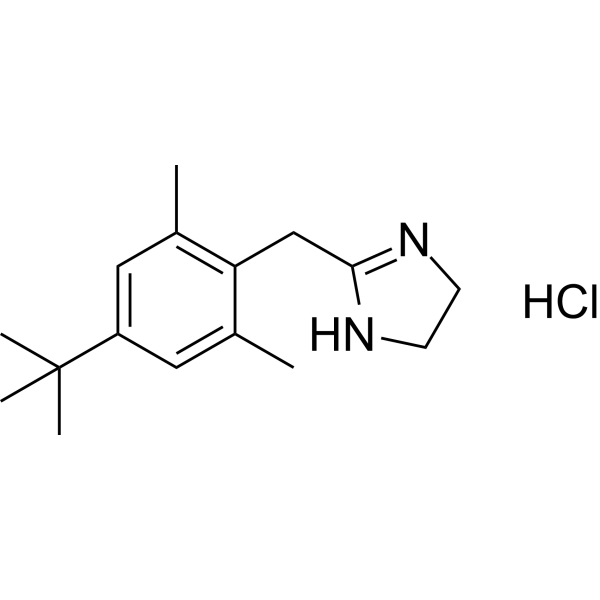
  • HY-B0475

    Adrenergic Receptor Inflammation/Immunology
    Xylometazoline hydrochloride is an α-adrenergic receptor agonist (Ki=0.05-1.7 μM). Xylometazoline hydrochloride can constrict nasal blood vessels and increase nasal airflow. Xylometazoline hydrochloride can be used in nose stuffiness and runny nose research .
    Xylometazoline hydrochloride
  • HY-B0556A

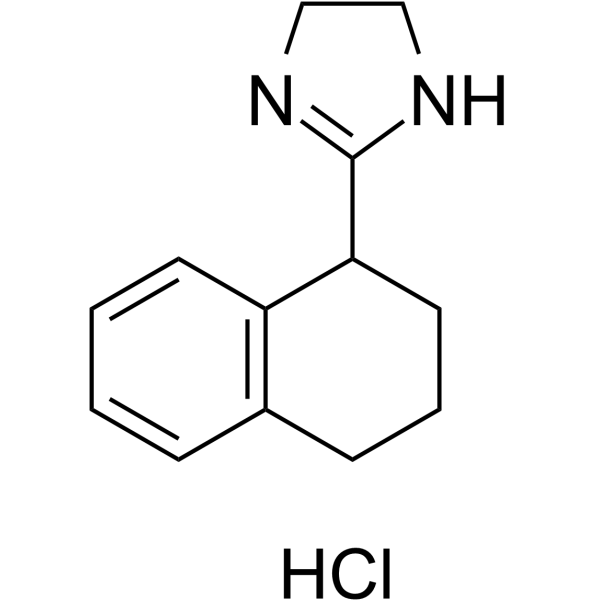
    Tetryzoline hydrochloride

    Adrenergic Receptor Cardiovascular Disease Endocrinology
    Tetrahydrozoline hydrochloride (Tetryzoline hydrochloride), a derivative of imidazoline, is an α-adrenergic agonist that causes vasoconstriction. Tetrahydrozoline hydrochloride is widely used for the research of nasal congestion and conjunctival congestion .
    Tetrahydrozoline hydrochloride
  • HY-W011518
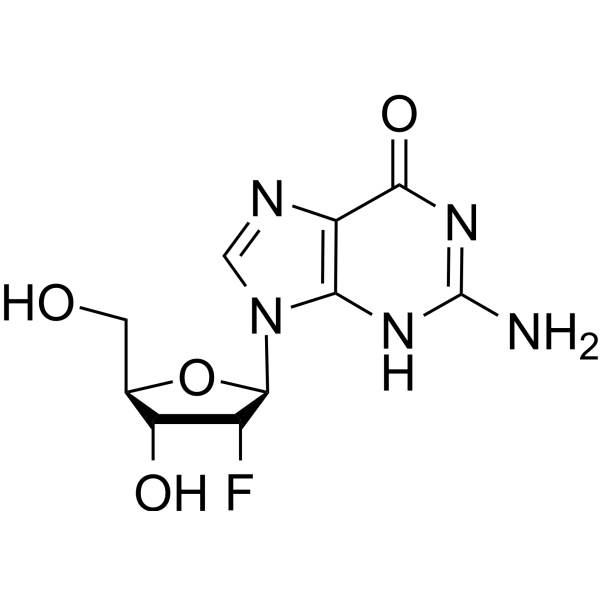
    2′-Deoxy-2′-fluoroguanosine
    1 Publications Verification

    Nucleoside Antimetabolite/Analog Influenza Virus Infection
    2′-Deoxy-2′-fluoroguanosine is a nucleoside analog and potent influenza virus inhibitor with an EC90 value of <0.35 μM against influenza A and B viruses. 2′-Deoxy-2′-fluoroguanosine inhibits influenza virus replication in the upper respiratory tract, thereby ameliorating fever and nasal inflammation .
    2′-Deoxy-2′-fluoroguanosine
  • HY-111772A

    (R)-VX-445

    Drug Isomer CFTR Inflammation/Immunology
    (R)-Elexacaftor ((R)-VX-445) is the enantiomer of Elexacaftor (HY-111772). Elexacaftor is an orally active CFTR modulator that targets nucleotide-binding domain 1. Elexacaftor stabilizes misfolded F508del-CFTR protein, enhances its trafficking to the plasma membrane, and significantly improves metabolic stability, thermal stability and ion conductivity. Elexacaftor not only restores chloride transport function in nasal epithelial cells and rescues multiple CFTR mutation subtypes, but also exerts multiplicative synergistic effects with Ivacaftor (HY-13017), and is often used in a triple combination therapy with Tezacaftor (HY-15448). Elexacaftor is widely used in basic and clinical translational research on cystic fibrosis .
    (R)-Elexacaftor
  • HY-P990094

    CSL311

    c-Fms Inflammation/Immunology
    Trabikibart (CSL311) is a specific inhibitor targeting the βc receptor (CSF2RB) that inhibits signal transduction mediated by GM-CSF, IL-5, and IL-3. Trabikibart exhibits significant anti-inflammatory and anti-edema effects, reduces myeloid cell infiltration, and inhibits inflammatory cell survival. Trabikibart also possesses antiviral immune functions, which alleviate pulmonary inflammation, reverse airway dysfunction and fibrosis, and thereby restore impaired pulmonary function. Trabikibart can be used in research on related diseases such as acute respiratory distress syndrome, viral pneumonia, asthma, and chronic rhinosinusitis with nasal polyps .
    Trabikibart
  • HY-P990933

    CM-326

    Interleukin Related Inflammation/Immunology
    Ocankitug (CM-326) is a humanized IgG1κ antibody targeting thymic stromal lymphopoietin (TSLP). It can be used for research on type 2 inflammatory respiratory diseases, including moderate to severe asthma, chronic sinusitis with nasal polyps, etc.
    Ocankitug
  • HY-172760

    SARS-CoV Infection
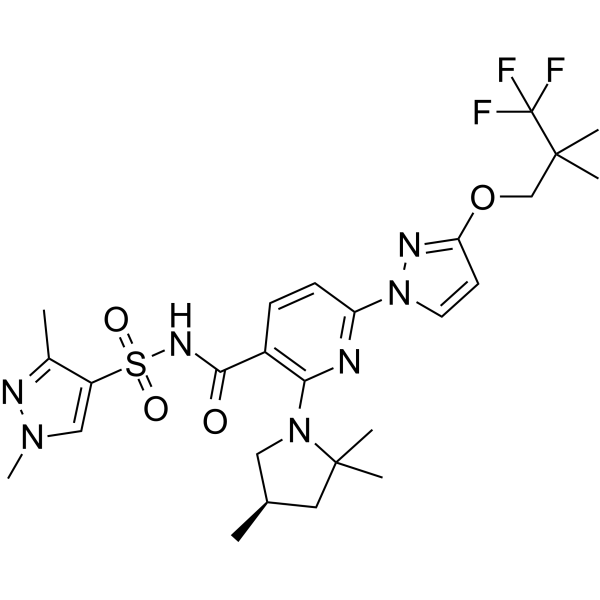
    CIM-834 is an orally effective inhibitor of SARS-CoV-2 membrane protein. CIM-834 can prevent the assembly of infectious virus particles without inhibiting the synthesis of viral RNA. CIM-834 can reduce the viral titer in the lungs of SCID mice infected nasally with SARS-CoV-2, block the spread of SARS-CoV-2 among Syrian hamsters, and inhibit the replication of SARS-CoV-2 (including variants) and SARS-CoV. CIM-834 can be used in related research on COVID-19 .
    CIM-834
  • HY-B2162B

    Chondroitin polysulfate sodium (from bovine)

    Reactive Oxygen Species (ROS) Endogenous Metabolite Inflammation/Immunology
    Chondroitin sulfate (Chondroitin polysulfate) sodium (from bovine)) is a sulfated linear polysaccharide extracted from bovine sources, belonging to glycosaminoglycans. Chondroitin sulfate sodium (from bovine) inhibits osteoclast-mediated bone resorption and exhibits antioxidant activity, which is negatively correlated with molecular weight. Chondroitin sulfate sodium (from bovine) can be used in studies related to osteoarthritis .
    Chondroitin sulfate sodium (from bovine)
  • HY-11044

    Histamine Receptor Neurological Disease Metabolic Disease Inflammation/Immunology
    PF-03654746 Tosylate is a potent, selective and brain-penetrant histamine H3 receptor antagonist. PF-03654746 Tosylate reduces allergen-induced nasal symptoms . PF-03654746 Tosylate has potential for treatment of human cognitive disorders, improves cognitive efficacy and disease-modifying effects in Alzheimer's disease (AD) .
    PF-03654746 Tosylate
  • HY-12093
    MMP408
    1 Publications Verification

    MMP Inflammation/Immunology
    MMP408 is a selective and orally effective inhibitor of MMP-12 with IC50 values for human, mouse and rat MMP-12 of 2 nM, 160 nM and 3 μM respectively. MMP408 exhibits IC50 value for human MMP-13 of 120 nM, and its activity against other MMPs is weak. MMP408 can alleviate inflammation, fibrosis and tissue remodeling by inhibiting MMP-12. MMP408 can be used in the research of chronic obstructive pulmonary disease and chronic sinusitis with nasal polyps .
    MMP408
  • HY-173521

    SARS-CoV DNA/RNA Synthesis Virus Protease Infection
    JNJ-9676 is an orally active Coronavirus M protein inhibitor and selective Sarbecovirus inhibitor. JNJ-9676 binds to the M protein dimer and forces the protein into an alternative conformational state with a compound-induced binding pocket. JNJ-9676 demonstrates in vitro nanomolar antiviral activity against SARS-CoV-2, SARS-CoV and Sarbecovirus strains from bat and pangolin zoonotic origin .
    JNJ-9676
  • HY-12093A

    Drug Isomer MMP Cadherin Inflammation/Immunology
    (R)-MMP408 is an isomer of MMP408 (HY-12093). MMP408 is an orally active MMP-12 inhibitor (IC50=2.0 nM for hMMP-12) that effectively interferes with the epithelial-mesenchymal transition (EMT) process. MMP408 significantly upregulates the expression of E-cadherin in nasal epithelial cells, while inhibiting mesenchymal markers such as vimentin, α-smooth muscle actin and fibronectin, thereby reversing the EMT phenotype. MMP408 is used in studies of airway remodeling-related diseases, including chronic rhinosinusitis with nasal polyps, chronic obstructive pulmonary disease (COPD) and asthma .
    (R)-MMP408
  • HY-Y1155

    HMPA

    Environmental Pollutants DNA Alkylator/Crosslinker Biochemical Assay Reagents Cytochrome P450 Inflammation/Immunology Endocrinology Cancer
    Hexamethylphosphoramide is an orally active polar aprotic solvent, flame retardant additive, and carcinogen. Hexamethylphosphoramide undergoes cytochrome P-450-mediated N-demethylation to Formaldehyde. Hexamethylphosphoramide induces DNA-protein crosslinks. Hexamethylphosphoramide has been linked to nasal tumors (squamous cell carcinoma, adenoid squamous cell carcinoma), squamous metaplasia, rhinitis, tracheitis, and reversible and irreversible infertility .
    Hexamethylphosphoramide
  • HY-W008293

    Drug Derivative Inflammation/Immunology
    Himic anhydride is an acid anhydride compound and sensitizer. Himic anhydride with cross-reactivity to hexahydrophthalic anhydride. Himic anhydride induces immunoglobulin E (IgE)-mediated sensitization and allergic immune responses. Himic anhydride can be used for the research of occupational asthma .
    Himic anhydride
  • HY-W042337

    Environmental Pollutants Apoptosis Others
    3-Methyl-4-nitrophenol, an environmental contaminant, is a well-known constituent of diesel exhaust particles and degradation products of insecticide fenitrothion. 3-Methyl-4-nitrophenol can induce nasal epithelial cell apoptosis and increase the permeability of the nasal epithelial barrier. 3-Methyl-4-nitrophenol is also toxic to the female reproductive system.
    3-Methyl-4-nitrophenol
  • HY-B1317

    Neohetramine

    Histamine Receptor Inflammation/Immunology
    Thonzylamine is an orally active H1 histamine receptor antagonist with good antihistaminic and antianaphylactic properties. Thonzylamine can be used for the research of hypersensitivity diseases, nasal congestion, allergic conjunctivitis and other allergic diseases .
    Thonzylamine
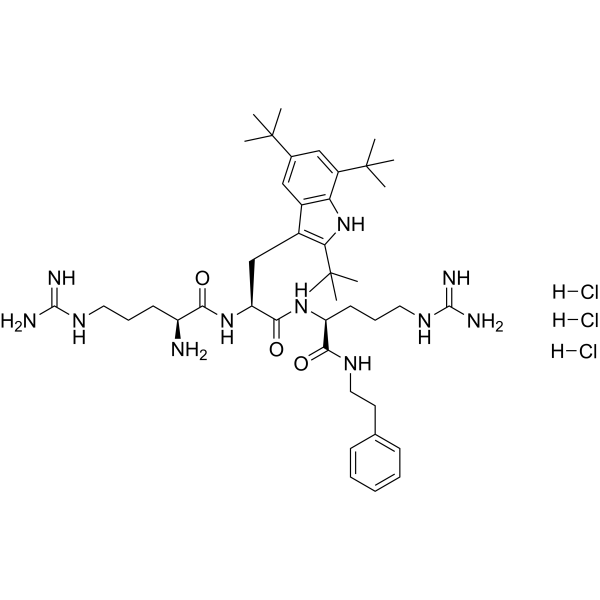
  • HY-119123A

    LTX-109 trihydrochloride

    Fungal Bacterial Infection
    Voxvoganan (LTX-109) trihydrochloride, a topical antimicrobial, is highly effective against S. aureus with a MIC range of 2 to 4 μg/mL. Voxvoganan trihydrochloride can be used for the research of bacterial skin infections, fungal infections and nasal decolonisation of MRSA .
    Voxvoganan trihydrochloride
  • HY-116953

    LXB4

    Endogenous Metabolite Inflammation/Immunology
    Lipoxin B4 (LXB4) is a structurally distinct product of arachidonic acid metabolism. Lipoxin B4 reduces leukocyte infiltration and mucus secretion in the nasal mucosa and decreases mast cell and eosinophil degranulation in the upper airway. Lipoxin B4 decreases airway inflammation, mucus metaplasia and hyper- responsiveness in the lower airway. Lipoxin B4 shows mucosal protective actions and has the potential for the research of allergic inflammation in the upper and lower airways .
    Lipoxin B4
  • HY-N7434S

    Diethylnitrosamine-d4; DEN-d4; DENA-d4

    DNA/RNA Synthesis Cancer
    N-Nitrosodiethylamine-d4 is the deuterium labeled N-Nitrosodiethylamine . N-Nitrosodiethylamine (Diethylnitrosamine) is a potent hepatocarcinogenic dialkylnitrosoamine. N-Nitrosodiethylamine is mainly present in tobacco smoke, water, cheddar cheese, cured, fried meals and many alcoholic beverages. N-Nitrosodiethylamine is responsible for the changes in the nuclear enzymes associated with DNA repair/replication. N-Nitrosodiethylamine results in various tumors in all animal species. The main target organs are the nasal cavity, trachea, lung, esophagus and liver.
    N-Nitrosodiethylamine-d4
  • HY-W015593

    Adrenergic Receptor Cardiovascular Disease
    Methylhexanamine hydrochloride is an aliphatic amine and a vasoconstrictor that can be administered by inhalation to the nasal mucosa to exert its effect as a nasal decongestant .
    Methylhexanamine hydrochloride
  • HY-119123

    LTX-109

    Fungal Bacterial Infection
    Voxvoganan (LTX-109), a topical antimicrobial, is highly effective against S. aureus with a MIC range of 2 to 4 μg/mL. Voxvoganan can be used for the research of bacterial skin infections, fungal infections and nasal decolonisation of MRSA .
    Voxvoganan
  • HY-N2597R

    Reference Standards Aldehyde Dehydrogenase (ALDH) Inflammation/Immunology
    Prunetin, an O-methylated isoflavone, possesses anti-inflammatory activity. Prunetin is a potent human aldehyde dehydrogenases inhibitor .
    Prunetin (Standard)
  • HY-W075176

    Insecticide Infection
    Transfluthrin is an insecticide with extremely low acute toxicity to vertebrates. It acts as a mosquito repellent, exerts mosquito control effects via electric heating fumigators, and is widely used in studies related to malaria, bancroftian filariasis and mosquito-borne infectious diseases. Transfluthrin may also induce adverse reactions such as pulmonary sensory irritation, sensitization, genotoxicity and respiratory depression, and can increase the concentrations and activities of CYP2E1 and CYP3A2 in rat brains. Transfluthrin can be removed from wastewater through biodegradation and activated sludge adsorption, and can be degraded by microorganisms such as *Azovibrio* and *Tauera* .
    Transfluthrin
  • HY-B0475A

    Adrenergic Receptor Inflammation/Immunology
    Xylometazoline is an α-adrenergic receptor agonist (Ki=0.05-1.7 μM). Xylometazoline can constrict nasal blood vessels and increase nasal airflow. Xylometazoline hydrochloride can be used in nose stuffiness and runny nose research .
    Xylometazoline
  • HY-B0556

    Tetryzoline

    Adrenergic Receptor Cardiovascular Disease
    Tetrahydrozoline (Tetryzoline), a derivative of imidazoline, is an α-adrenergic agonist that causes vasoconstriction. Tetrahydrozoline is widely used for the research of nasal congestion and conjunctival congestion .
    Tetrahydrozoline
  • HY-B0167AR

    Salicylic acid sodium salt (Standard); 2-Hydroxybenzoic acid sodium salt (Standard)

    Reference Standards COX NF-κB Ribosomal S6 Kinase (RSK) Autophagy Apoptosis Endogenous Metabolite Inflammation/Immunology Cancer
    Sodium Salicylate (Standard) is the analytical standard of Sodium Salicylate. This product is intended for research and analytical applications. Sodium Salicylate (Salicylic acid sodium salt) inhibits cyclo-oxygenase-2 (COX-2) activity independently of transcription factor (NF-κB) activation . Sodium Salicylate is also a S6K inhibitor.Sodium Salicylate is a NF-κB inhibitor that decreases inflammatory gene expression and improves repair in aged muscle .
    Sodium Salicylate (Standard)
  • HY-171948

    Liposome Cancer
    FO-35 is an ionizable lipid that can be used to synthesize lipid nanoparticles (LNPs). FO-35 can be used to delivery mRNA to mouse muscle and nasal mucosa as well as ferret lungs .
    FO-35
  • HY-B0556AS

    Tetryzoline-d4 hydrochloride

    Isotope-Labeled Compounds Adrenergic Receptor Cardiovascular Disease Endocrinology
    Tetrahydrozoline-d4 (hydrochloride) is the deuterium labeled Tetrahydrozoline hydrochloride. Tetrahydrozoline hydrochloride (Tetryzoline hydrochloride), a derivative of imidazoline, is an α-adrenergic agonist that causes vasoconstriction. Tetrahydrozoline hydrochloride is widely used for the research of nasal congestion and conjunctival congestion .
    Tetrahydrozoline-d4 hydrochloride
  • HY-W722796

    Adrenergic Receptor Others
    Tuaminoheptane sulfate is an alpha-adrenergic receptor agonist. Tuaminoheptane sulfate exerts its decongestant and irritant effects by inhibiting norepinephrine reuptake and promoting its release. Tuaminoheptane sulfate can be used in research on nasal diseases such as decongestion .
    Tuaminoheptane sulfate
  • HY-11045

    Histamine Receptor Neurological Disease Inflammation/Immunology Endocrinology
    PF-03654746 is a potent and selective histamine H3 receptor antagonist with high brain penetration. PF-03654746 reduces allergen-induced nasal symptoms, might be a novel therapeutic strategy to further explore allergic rhinitis . PF-03654746 improves cognitive efficacy and disease-modifying effects in Alzheimer's disease (AD) .
    PF-03654746
  • HY-B0801R

    MDL-16455 (Standard); Terfenadine carboxylate (Standard)

    Histamine Receptor Reference Standards Inflammation/Immunology Cancer
    Fexofenadine (Standard) is the analytical standard of Fexofenadine. This product is intended for research and analytical applications. Fexofenadine (MDL-16455) is an orally active and nonsedative H1 receptor antagonist. Fexofenadine can be used in allergic rhinitis and chronic idiopathic urticarial research .
    Fexofenadine (Standard)
  • HY-19238

    5-HT Receptor Neurological Disease
    BMS-181885 is a selective 5-HT1 receptor agonist and a ligand for 5-HT1B/1D receptors. BMS-181885 exhibits anti-migraine activity. BMS-181885 can be used in the research of neurological diseases such as migraine .
    BMS-181885
  • HY-N7434R

    Diethylnitrosamine (Standard); DEN (Standard); DENA (Standard)

    Reference Standards DNA/RNA Synthesis Cancer
    N-Nitrosodiethylamine (Standard) is the analytical standard of N-Nitrosodiethylamine. This product is intended for research and analytical applications. N-Nitrosodiethylamine (Diethylnitrosamine) is a potent hepatocarcinogenic dialkylnitrosoamine. N-Nitrosodiethylamine is mainly present in tobacco smoke, water, cheddar cheese, cured, fried meals and many alcoholic beverages. N-Nitrosodiethylamine is responsible for the changes in the nuclear enzymes associated with DNA repair/replication. N-Nitrosodiethylamine results in various tumors in all animal species. The main target organs are the nasal cavity, trachea, lung, esophagus and liver.
    N-Nitrosodiethylamine (Standard)
  • HY-121496

    Toll-like Receptor (TLR) Influenza Virus Infection Inflammation/Immunology Cancer
    3M-011 is a potent dual toll-like receptor TLR7/8 agonist and a cytokine inducer. 3M-011 significantly inhibits H3N2 influenza viral replication in the nasal cavity. 3M-011 is also a potent adjuvant to radiotherapy that induces local and profound systemic immune responses during radiotherapy. 3M-011 strongly has antitumor action .
    3M-011
  • HY-174350

    Casein Kinase SARS-CoV Infection
    CK2-IN-15 (Compound Biv5) is a selective and potent bivalent protein kinase CK2 inhibitor with an IC50 value of 51 pM. CK2-IN-15 significantly reduces the replication of SARS-CoV-2 in HEK-ACE2-TMPRSS2 and Vero cells, and also reduces viral replication in an ex vivo model of human nasal epithelial cells. CK2-IN-15 is promising for research of β-coronavirus infection-related diseases .
    CK2-IN-15
  • HY-P991515

    Interleukin Related Inflammation/Immunology
    TQH-2722 is a humanized IgG4 anti-IL-4Rα monoclonal antibody. TQH-2722 targets the IL-4Rα receptor in humans, effectively disrupting the interaction between IL-4Rα and the downstream cytokines IL-4 and IL-13, thereby inhibiting inflammatory response. TQH-2722 can be used for the study of atopic dermatitis (AD) and chronic rhinosinusitis with nasal polyps (CRSwNP) .
    TQH-2722
  • HY-12709A
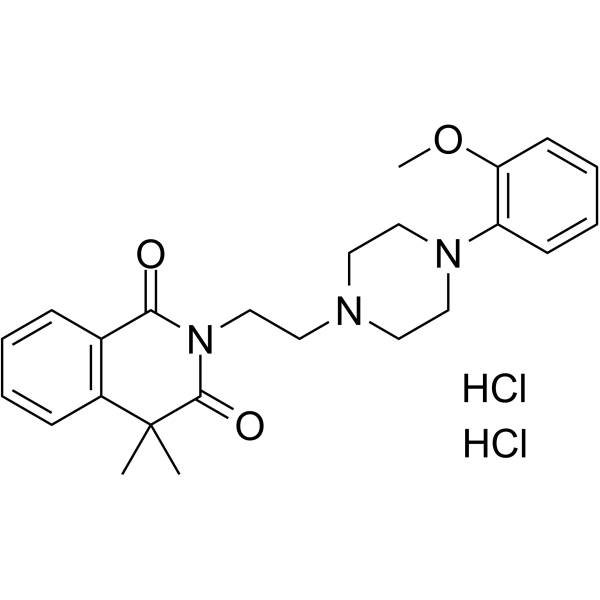
    ARC 239 dihydrochloride
    1 Publications Verification

    Adrenergic Receptor Cardiovascular Disease Inflammation/Immunology
    ARC 239 dihydrochloride is a selective α2B/2C adrenoceptor antagonist (pKd values are 5.95, 7.41 and 7.56 at α2A, α2B, and α2C receptors respectively). ARC 239 dihydrochloride binds to CHO cell membranes expressing human recombinant a2A-, a2B- or a2C-adrenoceptor subtypes with pKis of 5.6, 8.4, and 7.08, respectively .
    ARC 239 dihydrochloride
  • HY-W653841

    Endogenous Metabolite Parasite Infection Inflammation/Immunology Cancer
    Chondroitin sulfate A disodium is a mucopolysaccharide extracted from animal cartilages such as porcine nasal cartilage, and serves as a major structural component of cartilage. Chondroitin sulfate A disodium is one of the specific receptors for the adhesion of Plasmodium falciparum-infected red blood cells in the microcirculation. Chondroitin sulfate A disodium can be used together with selenium to prepare nanoparticles for protecting cartilage against T‑2 toxin-induced damage. Chondroitin sulfate A disodium is abnormally highly expressed in ameloblastoma, and is particularly enriched in stellate reticulum-like tumor cells. Chondroitin sulfate A disodium can be applied to studies on Plasmodium infection mechanisms, cartilage protection and oral tumors .
    Chondroitin sulfate A disodium
  • HY-B0475S

    Adrenergic Receptor Isotope-Labeled Compounds Inflammation/Immunology
    Xylometazoline-d4 hydrochloride is deuterated labeled Xylometazoline hydrochloride (HY-B0475). Xylometazoline hydrochloride is an α-adrenergic receptor agonist (Ki=0.05-1.7 μM). Xylometazoline hydrochloride can constrict nasal blood vessels and increase nasal airflow. Xylometazoline hydrochloride can be used in nose stuffiness and runny nose research .
    Xylometazoline-d4 hydrochloride
  • HY-B0556B

    Tetryzoline nitrate

    Adrenergic Receptor Cardiovascular Disease Metabolic Disease
    Tetrahydrozoline (Tetryzoline) nitrate , a derivative of imidazoline, is an α-adrenergic agonist that causes vasoconstriction. Tetrahydrozoline is widely used for the research of nasal congestion and conjunctival congestion .
    Tetrahydrozoline nitrate

Inquiry Online

Your information is safe with us. * Required Fields.

Salutation


Country or Region *

Applicant Name *


Organization Name *

Department *


Email Address *


Product Name *

Cat. No.


Requested quantity *

Phone Number *


Remarks

Inquiry Online

Inquiry Information

Product Name:
Cat. No.:
Quantity:
MCE Japan Authorized Agent:

