1. Search Result
Search Result
Isoforms Recommended: P2Y1 Receptor
Results for "

P2Y1 receptor

" in MedChemExpress (MCE) Product Catalog:

41

Inhibitors & Agonists

2

Biochemical Assay Reagents

1

Natural
Products

2

Recombinant Proteins

3

Oligonucleotides

Cat. No. Product Name Target Research Areas Chemical Structure
  • HY-13104
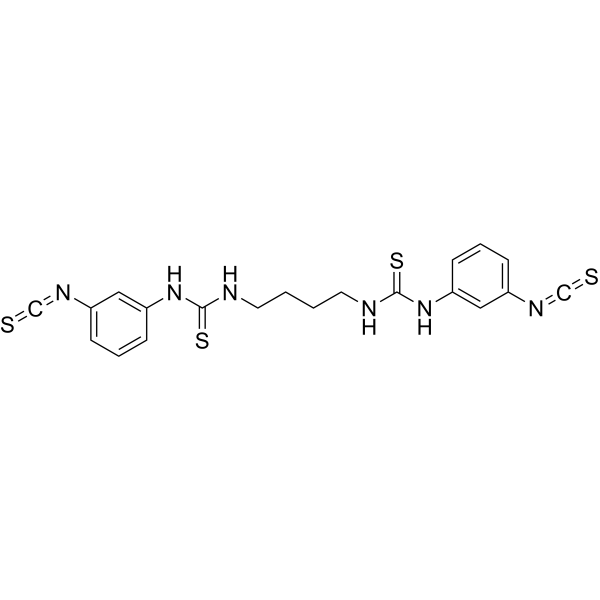
    MRS 2578
    Maximum Cited Publications
    12 Publications Verification

    P2Y Receptor Apoptosis Cardiovascular Disease
    MRS 2578 is a selective and potent P2Y6 receptor antagonist with IC50s of 37 nM (human) and 98 nM (rat). MRS 2578 exhibits insignificant activity at P2Y1, P2Y2, P2Y4, and P2Y11 receptors .
    MRS 2578
  • HY-13831
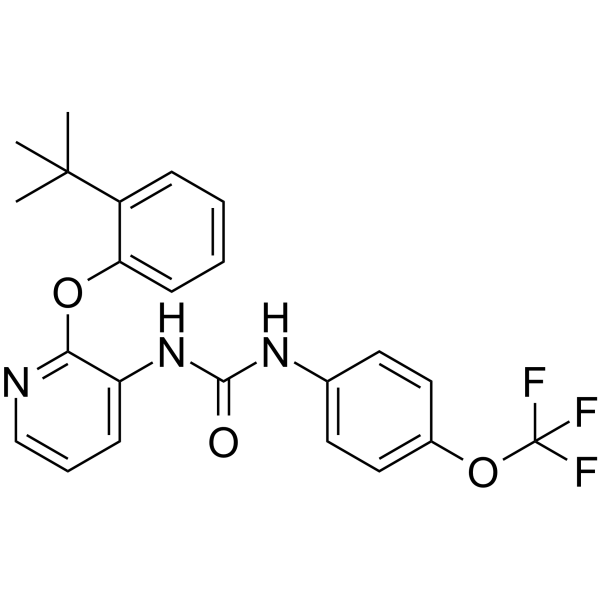
    BPTU
    1 Publications Verification

    BMS-646786

    P2Y Receptor Neurological Disease Cancer
    BPTU (BMS-646786) is a non-nucleotide P2Y1 receptor allosteric antagonist with antithrombotic activity. BPTU is able to block the P2Y1 receptor located at the neuromuscular junction of the gastrointestinal tract .
    BPTU
  • HY-110322A
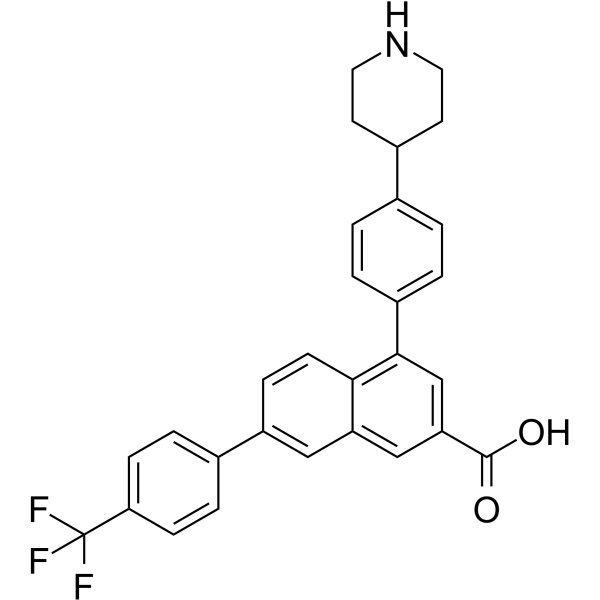
    PPTN
    4 Publications Verification

    P2Y Receptor Inflammation/Immunology
    PPTN, a chemical probe, is a potent, high-affinity, competitive and highly selective P2Y14 receptor antagonist with a KB value of 434 pM. PPTN exhibits no agonist or antagonist effect at the P2Y1, P2Y2, P2Y4, P2Y6, P2Y11, P2Y12, or P2Y13 receptors. Anti-inflammatory and immune activity .
    PPTN
  • HY-110322
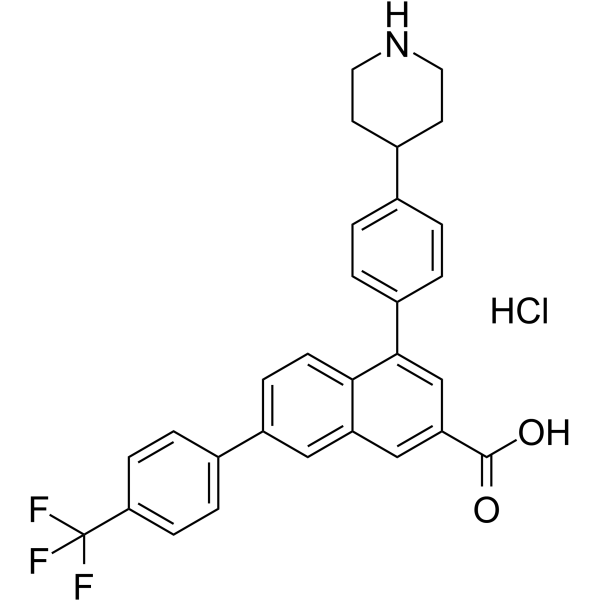
    PPTN hydrochloride
    4 Publications Verification

    P2Y Receptor Inflammation/Immunology
    PPTN hydrochloride is a potent, high-affinity, competitive and highly selective P2Y14 receptor antagonist with a KB value of 434 pM. PPTN hydrochloride exhibits no agonist or antagonist effect at the P2Y1, P2Y2, P2Y4, P2Y6, P2Y11, P2Y12, or P2Y13 receptors. Anti-inflammatory and anti-immune activity .
    PPTN hydrochloride
  • HY-108648

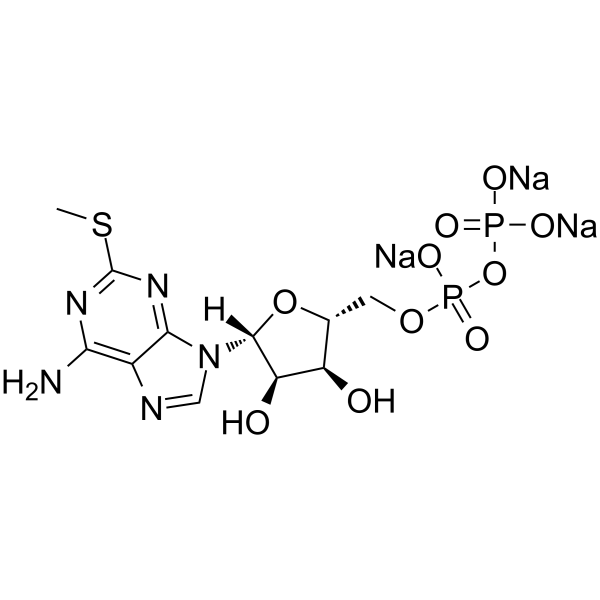
    2-Methylthioadenosine diphosphate trisodium; 2-Methylthio-ADP trisodium

    P2Y Receptor Neurological Disease
    2-Methylthioadenosine diphosphate trisodium is a potent purinergic P2Y receptors agonist, with EC50s of 19, 6.2, and 5 nM for human P2Y13, mouse P2Y13 and human P2Y12, respectively. 2-Methylthioadenosine diphosphate trisodium has pEC50s of 8.29 and 5.75 for human P2Y1 and rat P2Y6, respectively. 2-Methylthioadenosine diphosphate trisodium induces platelet aggregation and shape change, and inhibits cyclic AMP accumulation in platelets exposed to prostaglandin E1 .
    2-MeS-ADP trisodium
  • HY-108662

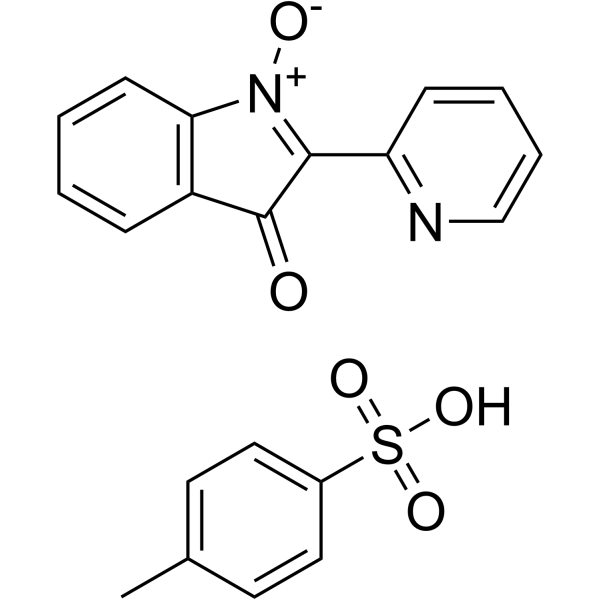
    2,2'-Pyridylisatogen tosylate

    P2Y Receptor Inflammation/Immunology Cancer
    PIT (2,2'-Pyridylisatogen tosylate) is a selective and non-competitive antagonist of P2Y1 receptor with an IC50 value of 0.14 μM for human P2Y1 receptor. PIT antagonizes P2Y1 receptor signaling without affecting nucleotide binding. PIT is an irreversible antagonist of responses to ATP at metabotropic purinoceptors (of the P2Y family) in some smooth muscles. PIT can be used for the research of chronic bronchitis and asthma .
    PIT
  • HY-108658

    P2Y Receptor Cardiovascular Disease
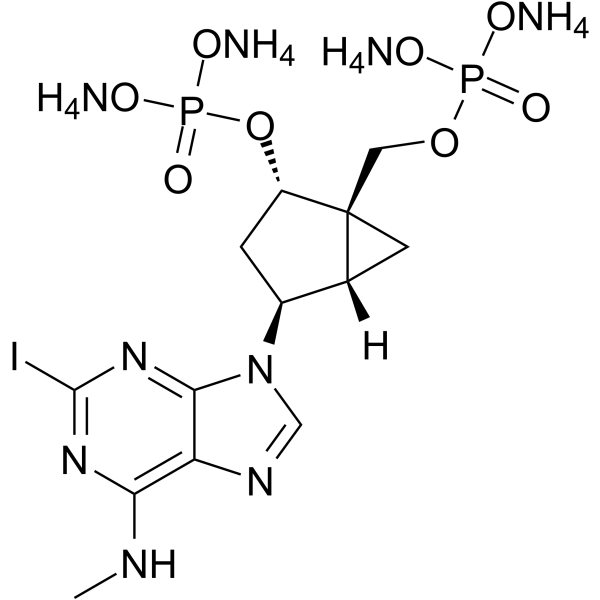
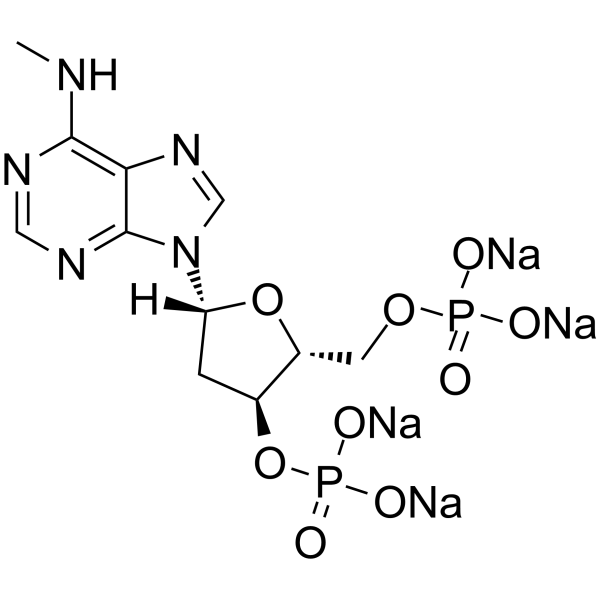
    MRS2500 tetraammonium is a potent, selective and stable antagonist of the P2Y1 receptor (Ki=0.78 nM for recombinant human P2Y1 receptor). MRS2500 tetraammonium inhibits the ADP-induced aggregation of human platelets with an IC50 value of 0.95 nM. Antithrombotic activity .
    MRS2500 tetraammonium
  • HY-108657A

    P2Y Receptor Neurological Disease
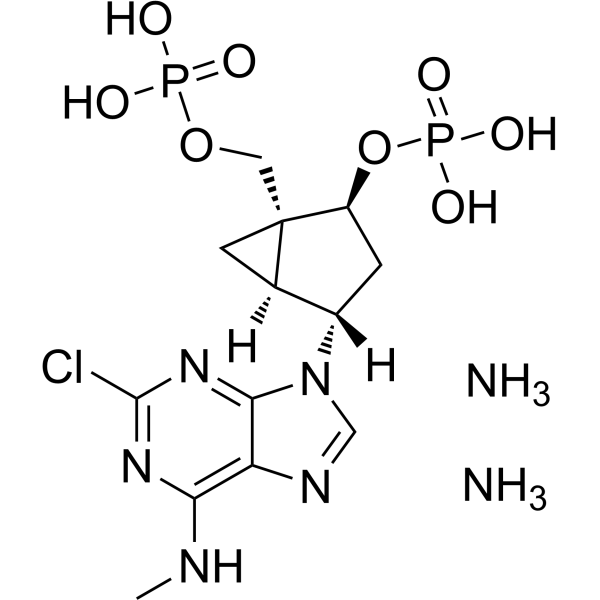
    MRS2279 diammonium is a selective and high affinity P2Y1 receptor antagonist, with a Ki value of 2.5 nM and an IC50 value of 51.6 nM. MRS2279 diammonium competitively inhibits ADP-promoted platelet aggregation with an pKb value of 8.05 .
    MRS2279 diammonium
  • HY-W250153

    P2Y Receptor Cardiovascular Disease
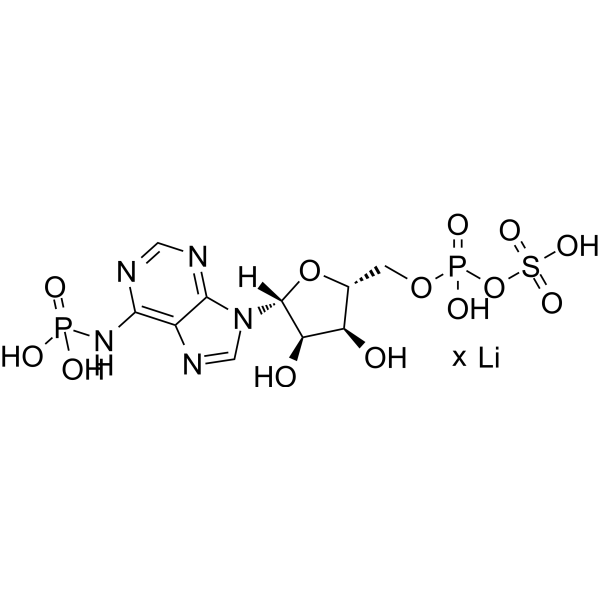
    Adenosine 3'-phosphate 5'-phosphosulfate lithium, an adenine nucleotide derivative, is a selective P2Y1 antagonist with no effect on P2Y2, P2Y4, or P2Y6 receptors. Adenosine 3'-phosphate 5'-phosphosulfate lithium can competitive inhibit ADP-induced platelet aggregation, as well as the ability of ADP to cause shape change and increases in Ca 2+ in platelets, but had no effect on the inhibition of stimulated adenylate cyclase by ADP. Adenosine 3'-phosphate 5'-phosphosulfate lithium is a co-substrate used for the sulfonation of glycans. Adenosine 3'-phosphate 5'-phosphosulfate lithium can be used for Golgi-resident PAP-specific 3'-phosphatase-coupled sulfotransferase assays, which as donor substrate to transfer a sulfonate group .
    Adenosine 3'-phosphate 5'-phosphosulfate lithium
  • HY-101308A
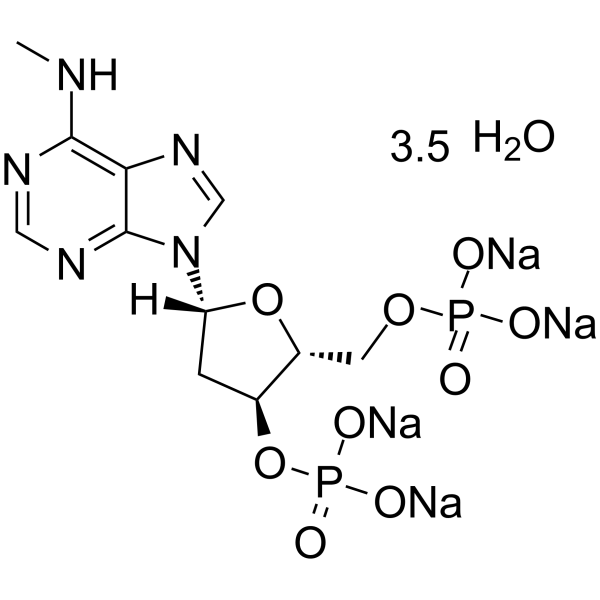
    MRS2179 tetrasodium hydrate
    2 Publications Verification

    P2Y Receptor Cardiovascular Disease
    MRS2179 tetrasodium hydrate is a competitive P2Y1 receptor antagonist, with a Kb of 102 nM and a pA2 of 6.99 for turkey P2Y1 receptor. MRS2179 tetrasodium hydrate is selective for P2Y1 over P2X1 (IC50=1.15 µM), P2X3 (12.9 µM), P2X2, P2X4, P2Y2, P2Y4, and P2Y6 receptors . MRS2179 tetrasodium hydrate inhibits platelet aggregation .
    MRS2179 tetrasodium hydrate
  • HY-108656

    P2Y Receptor Arrestin Cardiovascular Disease
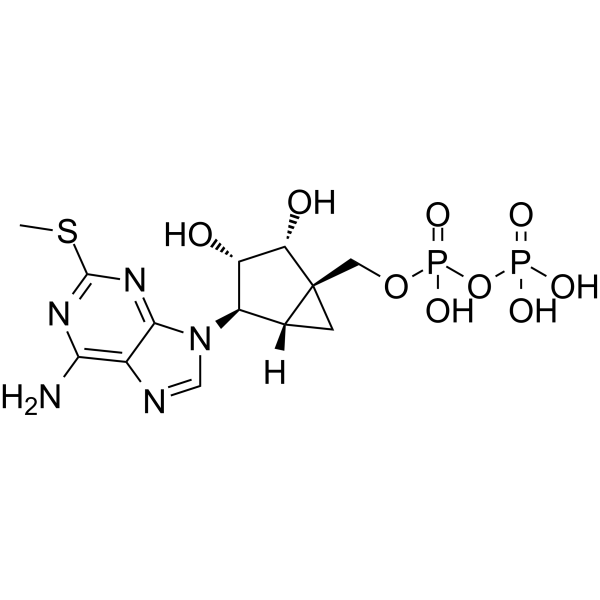
    MRS2365 is a potent and selective P2Y1 receptor (EC50=0.4 nM) /[ 35S]GTPγS binding/β-arrestin 2 recruitment agonist with an EC50 of 0.4 nM. MRS2365 relieves mechanical allodynia and increases mechanical sensitivity. MRS2365 shows little agonist or antagonist activity at the P2Y12 or P2Y13 receptors .
    MRS2365
  • HY-108648A

    2-Methylthioadenosine diphosphate; 2-Methylthio-ADP

    P2Y Receptor Neurological Disease
    2-MeSADP is a P2Y receptor agonist, with an EC50 of 5 nM for human P2Y12, EC50 values of 19 nM and 13 nM for human P2Y13, and an EC50 of 6.2 nM for mouse P2Y13. It shows slightly higher selectivity for P2Y12 over human P2Y13. 2-MeSADP triggers increases in intracellular calcium levels, Gi-mediated cAMP inhibition, adenylate cyclase inhibition and downstream signal transduction. 2-MeSADP can be used in research related to glaucoma .
    2-MeSADP
  • HY-164090

    P2Y Receptor Cardiovascular Disease
    Adenosine 3'-phosphate 5'-phosphosulfate, an adenine nucleotide derivative, is a selective P2Y1 antagonist with no effect on P2Y2, P2Y4, or P2Y6 receptors. Adenosine 3'-phosphate 5'-phosphosulfate can competitive inhibit ADP-induced platelet aggregation, as well as the ability of ADP to cause shape change and increases in Ca 2+ in platelets, but had no effect on the inhibition of stimulated adenylate cyclase by ADP. Adenosine 3'-phosphate 5'-phosphosulfate is a co-substrate used for the sulfonation of glycans. Adenosine 3'-phosphate 5'-phosphosulfate can be used for Golgi-resident PAP-specific 3'-phosphatase-coupled sulfotransferase assays, which as donor substrate to transfer a sulfonate group .
    Adenosine 3'-phosphate 5'-phosphosulfate
  • HY-173447

    NTPDase CD73 Cancer
    8-BuS-AMP is a NTPDase1 inhibitor and a CD73/CD39 inhibitor, with an IC50 of 35 μM and a Ki value of 0.292 μM against human NTPDase1; its Ki values against human CD73 and CD39 are 1.19 μM and 0.847 μM, respectively. 8-BuS-AMP binds to the substrate-binding pockets of NTPDase1 and CD73 to effectively block the conversion of ATP and AMP to adenosine, thereby enhancing the activation and proliferation of human peripheral T lymphocytes. 8-BuS-AMP possesses excellent enzymatic hydrolysis resistance and metabolic stability, resists hydrolysis by multiple NTPDase subtypes, and shows no activity against P2Y1 and P2Y12 receptors. 8-BuS-AMP can be used in purinergic signaling pathway and cancer-related studies .
    8-BuS-AMP
  • HY-108656A

    P2Y Receptor Arrestin Cardiovascular Disease
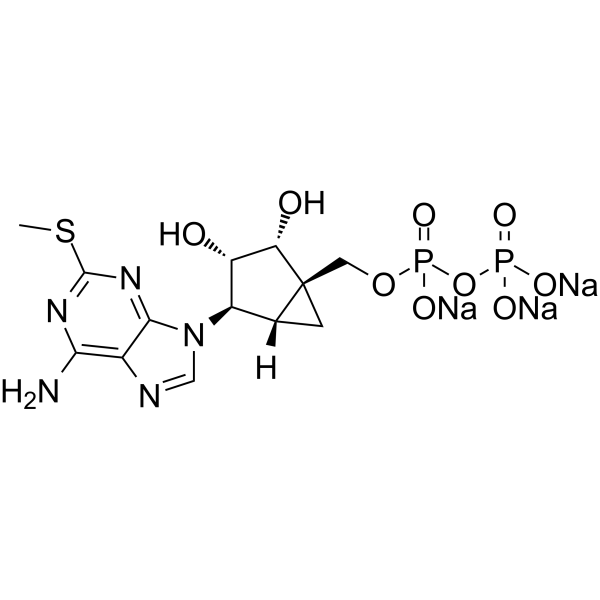
    MRS2365 trisodium is a potent and selective P2Y1 receptor (EC50=0.4 nM)/[ 35S]GTPγS binding/β-arrestin 2 recruitment agonist. MRS2365 trisodium relieves mechanical allodynia and increases mechanical sensitivity .
    MRS2365 trisodium
  • HY-137955

    P2Y Receptor Cardiovascular Disease Others Neurological Disease
    MRS 2211 sodium hydrate is a competitive P2Y13 receptor antagonist (pIC50= 5.97). MRS 2211 sodium hydrate is highly selective to the P2Y13 receptor, showing more than 20-fold selectivity compared to the P2Y1 and P2Y12 receptors. MRS 2211 sodium hydrate can be used to further investigate the role of the P2Y13 receptor in different physiological and pathological processes, such as its function in blood cells, the nervous system and the immune system .
    MRS 2211 sodium hydrate
  • HY-137325A

    Calcium Channel Metabolic Disease
    2-Chloro-ATP sodium (2-Chloro ATP) is an adenine nucleotide and an analog of ATP. It is an antagonist of the purinergic P2Y1 receptor and inhibits intracellular calcium mobilization induced by ADP (HY-W010918) in Jurkat cells expressing the human receptor (Ki=2.3 μM). 2-Chloro-ATP sodium is an agonist of the purinergic P2X receptor and induces inward currents in HEK293 cells expressing human bladder smooth muscle or rat PC12 forms of the receptor (EC50=0.5 and 2.5 μM). 2-Chloro-ATP sodium induces relaxation of precontracted guinea pig cecal strips in a concentration-dependent manner. 2-Chloro-ATP sodium has been used to study the substrate specificity of cyclic nucleotide-dependent protein kinases such as protein kinase A (PKA) and PKG.
    2-Chloro-ATP sodium
  • HY-115273

    P2Y Receptor Others
    MRS-2179 is a selective and competitive antagonist for P2Y1 receptor, with KB of 0.177 μM .
    MRS-2179
  • HY-101308

    P2Y Receptor Cardiovascular Disease
    MRS2179 tetrasodium is a competitive P2Y1 receptor antagonist, with a Kb of 102 nM and a pA2 of 6.99 for turkey P2Y1 receptor. MRS2179 tetrasodium is selective for P2Y1 over P2X1 (IC50=1.15 µM), P2X3 (12.9 µM), P2X2, P2X4, P2Y2, P2Y4, and P2Y6 receptors . MRS2179 tetrasodium inhibits platelet aggregation .
    MRS2179 tetrasodium
  • HY-175675

    P2Y Receptor Keap1-Nrf2 Cardiovascular Disease Neurological Disease
    P2Y1 antagonist 4 is a selective P2Y1 receptor antagonist with excellent blood-brain barrier (BBB) penetration. P2Y1 antagonist 4 inhibits P2Y1 receptor-mediated cytosolic Ca 2+ increase (IC50 = 1.95 μM) and platelet aggregation (IC50 = 3.24 μM) induced by ADP in rabbit washed platelets. P2Y1 antagonist 4 significantly upregulates the level of nuclear Nrf2 protein in H2O2-treated HT22 cells. P2Y1 antagonist 4 reduces myocardial infarct size in a mouse acute myocardial infarction (MI) model. P2Y1 antagonist 4 can be used for the study of ischemic stroke and myocardial infarction .
    P2Y1 antagonist 4
  • HY-N7740

    P2Y Receptor Endogenous Metabolite Others
    Adenosine 2',5'-diphosphate sodium is a competitive P2Y1 antagonist. Adenosine 2',5'-diphosphate sodium exhibits non-selective antagonism at recombinant and human platelet P2X1 receptors .
    Adenosine 2',5'-diphosphate sodium
  • HY-108657

    P2Y Receptor Neurological Disease
    MRS2279 is a selective and high affinity P2Y1 receptor antagonist, with a Ki of 2.5 nM and an IC50 of 51.6 nM. MRS2279 competitively inhibits ADP-promoted platelet aggregation with an apparent affnity (pKB=8.05) .
    MRS2279
  • HY-N9422

    P2Y Receptor Cardiovascular Disease
    Adenosine 3'-phosphate 5'-phosphosulfate triethylamine, an adenine nucleotide derivative, is a selective P2Y1 antagonist with no effect on P2Y2, P2Y4, or P2Y6 receptors. Adenosine 3'-phosphate 5'-phosphosulfate triethylamine can competitive inhibit ADP-induced platelet aggregation, as well as the ability of ADP to cause shape change and increases in Ca 2+ in platelets, but had no effect on the inhibition of stimulated adenylate cyclase by ADP. Adenosine 3'-phosphate 5'-phosphosulfate triethylamine is a co-substrate used for the sulfonation of glycans. Adenosine 3'-phosphate 5'-phosphosulfate triethylamine can be used for Golgi-resident PAP-specific 3'-phosphatase-coupled sulfotransferase assays, which as donor substrate to transfer a sulfonate group .
    Adenosine 3'-phosphate 5'-phosphosulfate triethylamine
  • HY-120612

    P2Y Receptor Cardiovascular Disease
    BMS-884775 is a selective and orally active P2Y1 antagonist with an IC50 of 0.1 nM for the human P2Y1 receptor. BMS-884775 has a similar efficacy in preventing arterial thrombosis to Clopidogrel (HY-15283) and Prasugrel (HY-15284), but treatment with BMS-884775 results in shorter bleeding time and lower bleeding risk. BMS-884775 can be used in research related to antiplatelet and arterial thrombosis-associated diseases .
    BMS-884775
  • HY-179133

    P2Y Receptor PKA Raf MEK ERK Inflammation/Immunology
    HDB-1 is a selective inhibitor of the P2Y14 receptor (P2Y14R) with an IC50 of 26 pM. HDB-1 shows no significant inhibition on P2Y1R, P2Y2R, P2Y4R, P2Y6R, and P2Y12R. HDB-1 blocks the activation of hepatic stellate cells (HSC) by inhibiting the PKA/Raf1/MEK/ERK signaling pathway mediated by P2Y14R, thereby alleviating the core pathological process of liver fibrosis. HDB-1 can be used for the study of liver fibrosis .
    HDB-1
  • HY-137610A

    P2X Receptor P2Y Receptor Neurological Disease
    TNP-ATP is an antagonist of purinergic P2Y1, P2X3, and P2X2/3 receptors (IC50 = 6, 0.9, and 7 nM, respectively, in HEK293 cells expressing human receptors). TNP-ATP reduces acetate-induced calcium flux in 1321N1 cells expressing P2X3 and P2X2/3 receptors (IC50 = 100 and 62 nM, respectively). TNP-ATP dose-dependently attenuates acetate-induced abdominal contractions in a mouse visceral pain model (ED50 = 6.35 µmol/kg) [1][2].
    TNP-ATP tetrasodium
  • HY-174126

    P2Y Receptor Cardiovascular Disease
    P2Y1 antagonist 2 (Compound 19) is a P2Y1 receptor antagonist (IC50: 0.49 μM). P2Y1 antagonist 2 has significant antiplatelet aggregation activity and exerts its effects by inhibiting P2Y1 receptor. P2Y1 antagonist 2 can upregulate nuclear Nrf2 protein levels, exhibit neuroprotective effects, and resist oxidative stress damage. P2Y1 antagonist 2 can effectively reduce cerebral infarction area and improve neurobehavioral function, and can be used in the study of ischemic stroke .
    P2Y1 antagonist 2
  • HY-W250153A

    P2Y Receptor Cardiovascular Disease
    Adenosine 3'-phosphate 5'-phosphosulfate lithium hydrate, an adenine nucleotide derivative, is a selective P2Y1 antagonist with no effect on P2Y2, P2Y4, or P2Y6 receptors. Adenosine 3'-phosphate 5'-phosphosulfate lithium hydrate can competitive inhibit ADP-induced platelet aggregation, as well as the ability of ADP to cause shape change and increases in Ca 2+ in platelets, but had no effect on the inhibition of stimulated adenylate cyclase by ADP. Adenosine 3'-phosphate 5'-phosphosulfate lithium hydrate is a co-substrate used for the sulfonation of glycans. Adenosine 3'-phosphate 5'-phosphosulfate lithium hydrate can be used for Golgi-resident PAP-specific 3'-phosphatase-coupled sulfotransferase assays, which as donor substrate to transfer a sulfonate group .
    Adenosine 3'-phosphate 5'-phosphosulfate lithium, hydrate
  • HY-123202

    P2Y Receptor Cancer
    MRS2603 is a pyridoxal derivative. MRS2603 antagonized both P2Y1 and P2Y13 receptors .
    MRS2603
  • HY-115273A

    P2Y Receptor Others
    MRS 2179 ammonium is a selective and competitive antagonist for P2Y1 receptor, with KB of 0.177 μM .
    MRS 2179 ammonium
  • HY-119145

    P2Y Receptor Cardiovascular Disease
    MRS2496 is a selective P2Y1 receptor antagonist with an IC50 value of 1.5 μM, exhibiting antiplatelet aggregation activity. MRS2496 can be used in the research of antiplatelet aggregation and blood-related diseases .
    MRS2496
  • HY-D1199

    P2X Receptor P2Y Receptor Inflammation/Immunology
    Blue FPG-A trisodium is a selective antagonist of P2X1 receptor and P2Y1 receptor with IC50 values of 35.5 μM and 2.6 μM, respectively. Blue FPG-A trisodium is a structural isomer of the components of Reactive Blue 2 (RB2) .
    Blue FPG-A trisodium
  • HY-113723

    P2Y Receptor Cardiovascular Disease
    MRS2298? is a potent acyclic P2Y1 receptor antagonist with a Ki of 29.6 nM. MRS2298 inhibits the ADP-induced aggregation of human platelets with an IC50 of 62.8 nM. MRS2298 inhibits Ca 2+ rise in platelets with an IC50 of 810 nM .
    MRS2298
  • HY-137626

    P2Y Receptor Others
    Sp-ATPαS is a regulator of ATP-binding proteins. Sp-ATPαS is a competitive antagonist of the human P2Y1 receptor, which can inhibit the calcium signal induced by ADP. Sp-ATPαS is metabolically more stable than ATP . Sp-ATPαS can be used to study the binding patterns of metals and nucleotides in enzymatic reactions.
    Sp-ATPαS
  • HY-13104R

    P2Y Receptor Apoptosis Cardiovascular Disease
    MRS 2578 (Standard) is the analytical standard of MRS 2578. This product is intended for research and analytical applications. MRS 2578 is a selective and potent P2Y6 receptor antagonist with IC50s of 37 nM (human) and 98 nM (rat). MRS 2578 exhibits insignificant activity at P2Y1, P2Y2, P2Y4, and P2Y11 receptors .
    MRS 2578 (Standard)
  • HY-103055

    P2Y Receptor Inflammation/Immunology
    PPTN mesylate is a potent, high-affinity, competitive and highly selective P2Y14 receptor antagonist with a KB value of 434 pM. PPTN mesylate exhibits no agonist or antagonist effect at the P2Y1, P2Y2, P2Y4, P2Y6, P2Y11, P2Y12, or P2Y13 receptors. Anti-inflammatory and immune activity .
    PPTN mesylate
  • HY-124405

    P2Y Receptor Cardiovascular Disease
    P2Y1 antagonist 6 (Example 30) is a P2Y1 receptor (P2Y1 Receptor) antagonist and can be used in antithrombotic research .
    P2Y1 antagonist 6
  • HY-108662R

    2,2'-Pyridylisatogen tosylate (Standard)

    Reference Standards P2Y Receptor Inflammation/Immunology Cancer
    PIT (Standard) is the analytical standard of PIT (HY-108662). This product is intended for research and analytical applications. PIT (2,2'-Pyridylisatogen tosylate) is a selective and non-competitive antagonist of P2Y1 receptor with an IC50 value of 0.14 μM for human P2Y1 receptor. PIT antagonizes P2Y1 receptor signaling without affecting nucleotide binding. PIT is an irreversible antagonist of responses to ATP at metabotropic purinoceptors (of the P2Y family) in some smooth muscles. PIT can be used for the research of chronic bronchitis and asthma .
    PIT (Standard)
  • HY-130284

    P2X Receptor Cardiovascular Disease
    NF864 is a selectivelyP2X1 receptorinhibitor in human platelets .
    NF864
  • HY-137626A

    P2Y Receptor Others
    Sp-ATPαS tetrasodium is a thiophosphonate analogue of ATP. Sp-ATPαS tetrasodium is a competitive antagonist of the human P2Y1 receptor and can inhibit the calcium signal induced by ADP. Sp-ATPαS tetrasodium has higher metabolic stability than ATP. Sp-ATPαS tetrasodium can be used to study the binding mode of metal-nucleotide in enzymatic reactions .
    Sp-ATPαS tetrasodium solution (100mM)
  • HY-108654

    P2Y Receptor Apoptosis Drug Derivative Phospholipase NO Synthase Neurological Disease Inflammation/Immunology Endocrinology
    PSB 0474 (3-phenacyl-UDP) is a UDP (HY-113359) analog and selective P2Y6 receptor agonist, with an EC50 value of 70 nM for the hP2Y6 receptor. PSB 0474 activates Phospholipase C-coupled receptors to increase intracellular inositol phosphate levels. PSB 0474 enhances NO release by upregulating inducible iNOS and induces Apoptosis. PSB 0474 increases micturition frequency in urine of anesthetized rats, without altering bladder contraction amplitude/duration or causing urothelial damage. PSB 0474 can be used in studies related to chronic brain inflammation .
    PSB 0474

Inquiry Online

Your information is safe with us. * Required Fields.

Salutation


Country or Region *

Applicant Name *


Organization Name *

Department *


Email Address *


Product Name *

Cat. No.


Requested quantity *

Phone Number *


Remarks

Inquiry Online

Inquiry Information

Product Name:
Cat. No.:
Quantity:
MCE Japan Authorized Agent:

