1812 Results for "

Protein synthesis

" in MedChemExpress (MCE) Product Catalog:
Products (1812)

1812 Results for "Protein synthesis" in MCE Product Catalog:

436
436 Publications Verification
Cat. No.: HY-B1743
CAS No.: 53-79-2
Synonyms: CL13900
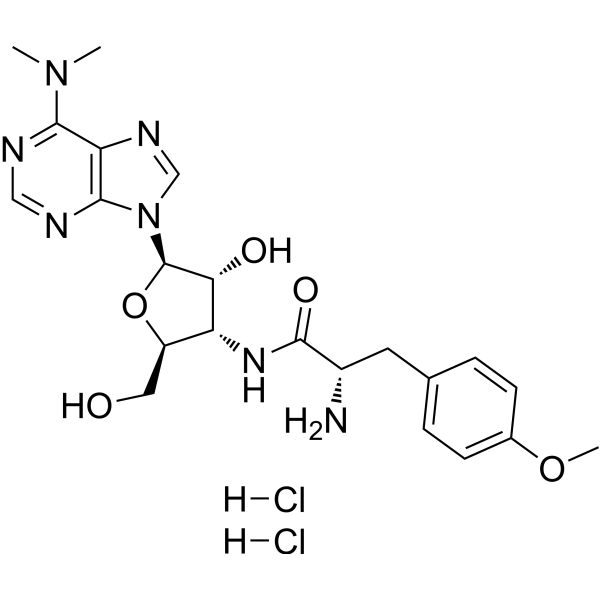
Puromycin dihydrochloride is the dihydrochloride salt of puromycin. Puromycin is an aminoglycoside antibiotic that inhibits protein synthesis.
loading...
    loading...
436
436 Publications Verification
Cat. No.: HY-B1743A
CAS No.: 58-58-2
Synonyms: CL13900 dihydrochloride
Puromycin dihydrochloride (CL13900 dihydrochloride), an aminonucleoside antibiotic, inhibits protein synthesis .
loading...
    loading...
248
248 Cited Publications
Cat. No.: HY-13948
CAS No.: 4474-91-3
Purity:  99.98%
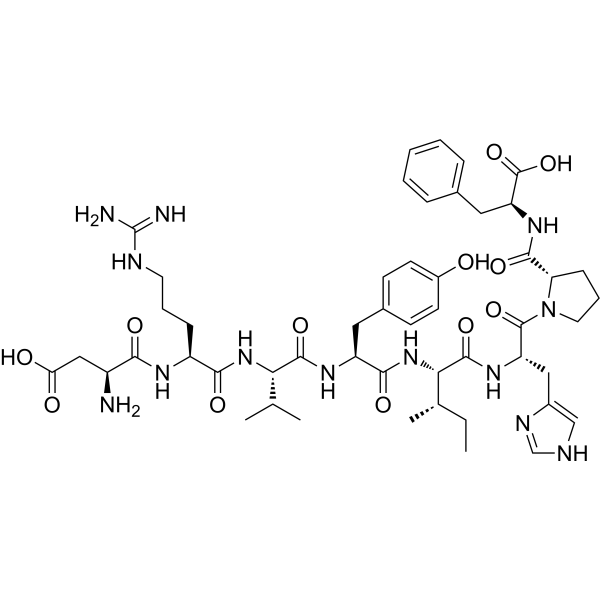
Synonyms: Angiotensin II; Ang II; DRVYIHPF
Angiotensin II (Angiotensin II) is a vasoconstrictor and a major bioactive peptide of the renin/angiotensin system. Angiotensin II human plays a central role in regulating human blood pressure, which is mainly mediated by interactions between Angiotensin II and the G-protein-coupled receptors (GPCRs) Angiotensin II type 1 receptor (AT1R) and Angiotensin II type 2 receptor (AT2R). Angiotensin II human stimulates sympathetic nervous stimulation, increases aldosterone biosynthesis and renal actions. Angiotensin II human induces growth of vascular smooth muscle cells, increases collagen type I and III synthesis in fibroblasts, leading to thickening of the vascular wall and myocardium, and fibrosis. Angiotensin II human also induces apoptosis. Angiotensin II induces capillary formation from endothelial cells via the LOX-1 dependent redox-sensitive pathway .
loading...
    loading...
248
248 Cited Publications
Cat. No.: HY-13948A
CAS No.: 68521-88-0
Purity:  99.62%
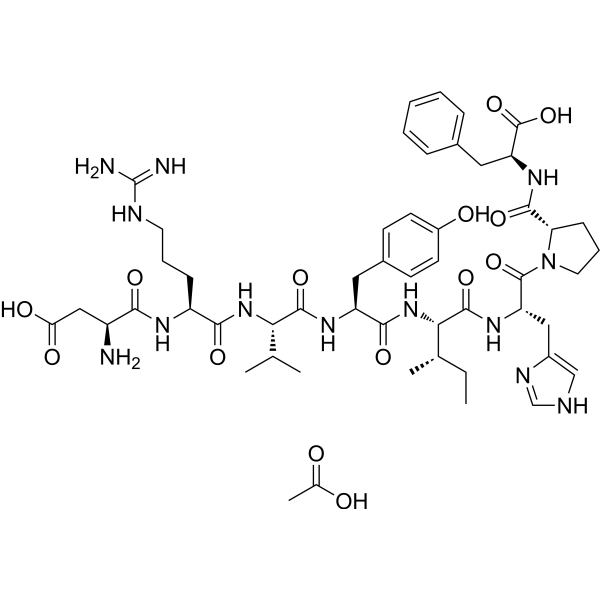
Synonyms: Angiotensin II acetate; Ang II acetate; DRVYIHPF acetate
Angiotensin II human (Angiotensin II) acetate is a vasoconstrictor and a major bioactive peptide of the renin/angiotensin system. Angiotensin II human acetate plays a central role in regulating human blood pressure, which is mainly mediated by interactions between Angiotensin II and the G-protein-coupled receptors (GPCRs) Angiotensin II type 1 receptor (AT1R) and Angiotensin II type 2 receptor (AT2R). Angiotensin II human acetate stimulates sympathetic nervous stimulation, increases aldosterone biosynthesis and renal actions. Angiotensin II human acetate induces growth of vascular smooth muscle cells, increases collagen type I and III synthesis in fibroblasts, leading to thickening of the vascular wall and myocardium, and fibrosis. Angiotensin II human acetate also induces apoptosis. Angiotensin II human acetate induces capillary formation from endothelial cells via the LOX-1 dependent redox-sensitive pathway .
loading...
    loading...
248
248 Cited Publications
Cat. No.: HY-13948B
CAS No.: 2761969-44-0
Purity:  98.84%
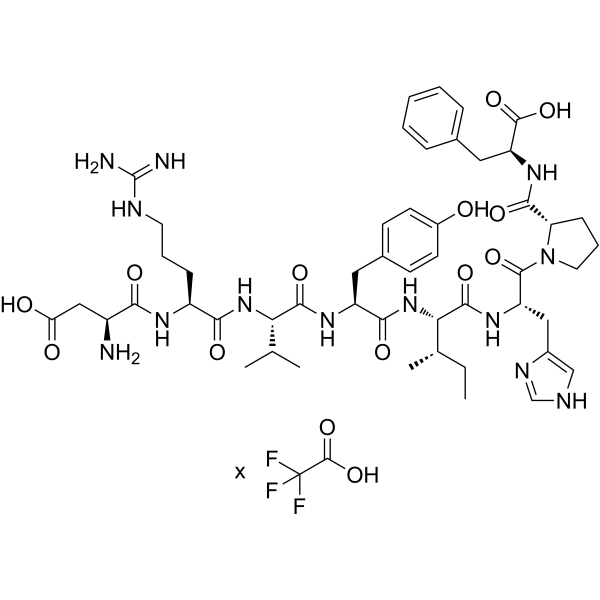
Synonyms: Angiotensin II TFA; Ang II TFA; DRVYIHPF TFA
Angiotensin II human (Angiotensin II) TFA is a vasoconstrictor and a major bioactive peptide of the renin/angiotensin system. Angiotensin II human TFA plays a central role in regulating human blood pressure, which is mainly mediated by interactions between Angiotensin II and the G-protein-coupled receptors (GPCRs) Angiotensin II type 1 receptor (AT1R) and Angiotensin II type 2 receptor (AT2R). Angiotensin II human TFA stimulates sympathetic nervous stimulation, increases aldosterone biosynthesis and renal actions. Angiotensin II human TFA induces growth of vascular smooth muscle cells, increases collagen type I and III synthesis in fibroblasts, leading to thickening of the vascular wall and myocardium, and fibrosis. Angiotensin II human TFA also induces apoptosis. Angiotensin II human TFA induces capillary formation from endothelial cells via the LOX-1 dependent redox-sensitive pathway .
loading...
    loading...
226
226 Cited Publications
Cat. No.: HY-10484
CAS No.: 1160295-21-5
Purity:  98.58%
Synonyms: MLN4924 hydrochloride
Research Areas:  

Cancer

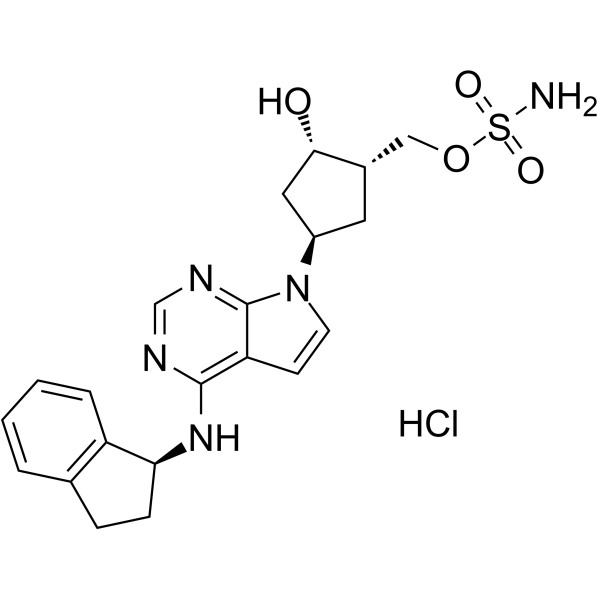
Pevonedistat (MLN4924) hydrochloride is a potent and selective NEDD8-activating enzyme (NAE) inhibitor, with an IC50 of 4.7 nM. Pevonedistat hydrochloride induces the deregulation of S-phase DNA synthesis, thereby disrupting protein turnover mediated by cullin-RING ligase, leading to apoptosis of human tumor cells. Pevonedistat hydrochloride suppresses the growth of human tumour xenografts in mice .
loading...
    loading...
226
226 Cited Publications
Cat. No.: HY-70062
CAS No.: 905579-51-3
Synonyms: MLN4924
Research Areas:  

Cancer

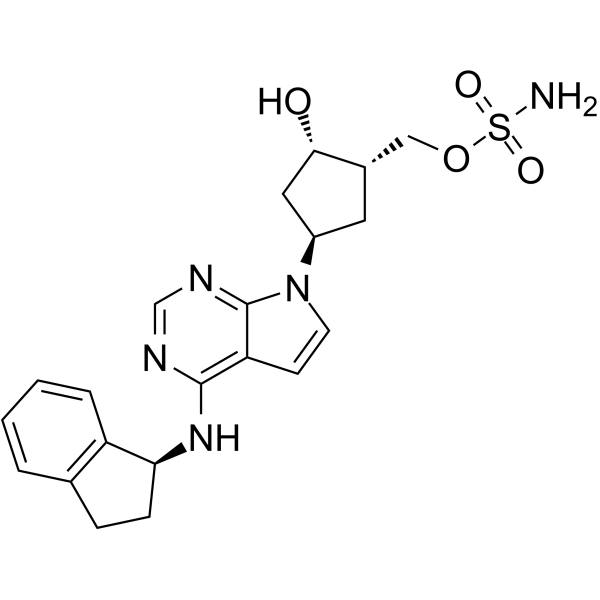
Pevonedistat (MLN4924) is a potent and selective NEDD8-activating enzyme (NAE) inhibitor with an IC50 of 4.7 nM. Pevonedistat induces the deregulation of S-phase DNA synthesis, thereby disrupting protein turnover mediated by cullin-RING ligase, leading to apoptosis of human tumor cells. Pevonedistat suppresses the growth of human tumour xenografts in mice .
loading...
    loading...
192
192 Cited Publications
Cat. No.: HY-W008923
CAS No.: 17086-28-1
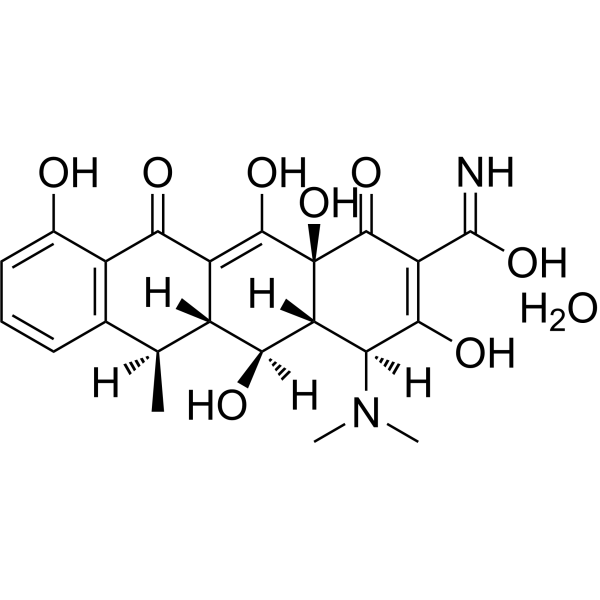
Doxycycline monohydrate is an orally active highly lipophilic, tissue-permeable MMP inhibitor with broad-spectrum antibacterial activity. Doxycycline monohydrate is also a semi-synthetic antibiotic with chelating properties, which blocks bacterial protein synthesis and inhibits extracellular matrix degradation through interactions with zinc and calcium atoms. Doxycycline monohydrate also inhibits mitochondrial biogenesis, translation, and the expression of respiratory chain proteins. Doxycycline monohydrate induces apoptosis, inhibits autophagy and EMT, downregulates stem cell markers, and activates the PI3K-AKT pathway, thereby effectively inhibiting the viability and proliferation of cancer cells such as breast cancer cells. Doxycycline monohydrate also promotes the survival and self-renewal of embryonic stem cells and neural stem cells, and reduces the frequency of medium changes in culture. Doxycycline monohydrate has been applied in studies related to breast cancer, prostate cancer, bladder cancer, and other cancers .
loading...
    loading...
174
174 Cited Publications
Cat. No.: HY-A0098
CAS No.: 11089-65-9
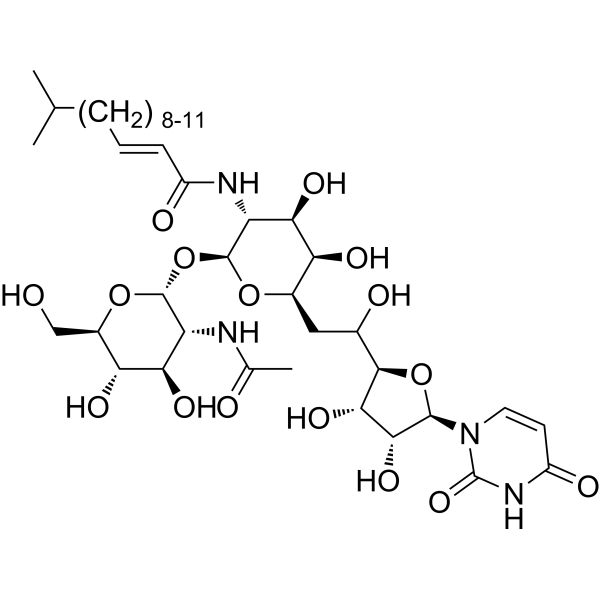
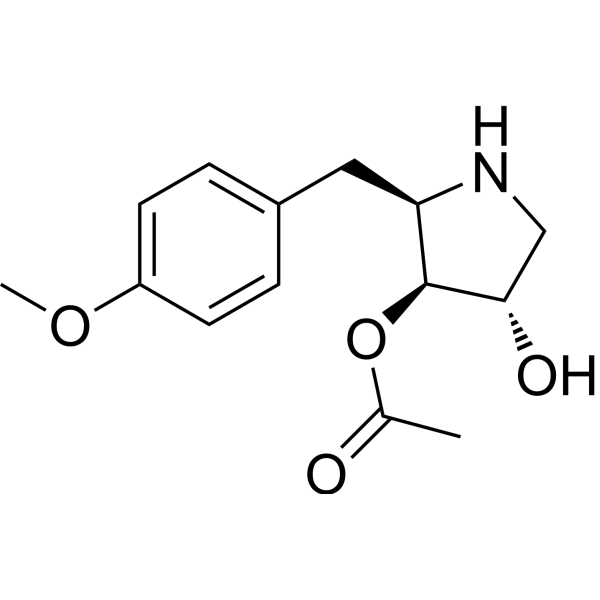
Tunicamycin is a mixture of homologous nucleoside antibiotic that inhibits N-linked glycosylation and blocks GlcNAc phosphotransferase (GPT). Tunicamycin causes accumulation of unfolded proteins in cell endoplasmic reticulum (ER) and induces ER stress, and causes blocking of DNA synthesis and cell cycle arrest in G1 phase. Tunicamycin inhibits gram-positive bacteria, yeasts, fungi, and viruses and has anti-cancer activity .Tunicamycin increases exosome release in cervical cancer cells .
loading...
    loading...
155
155 Cited Publications
Cat. No.: HY-18982
CAS No.: 22862-76-6
Synonyms: Flagecidin; Wuningmeisu C
Anisomycin is a potent protein synthesis inhibitor which interferes with protein and DNA synthesis by inhibiting peptidyl transferase or the 80S ribosome system . Anisomycin is a JNK activator, which increases phospho-JNK . Anisomycin is a bacterial antibiotic .
loading...
    loading...
76
76 Cited Publications
Cat. No.: HY-B0470
CAS No.: 1405-10-3
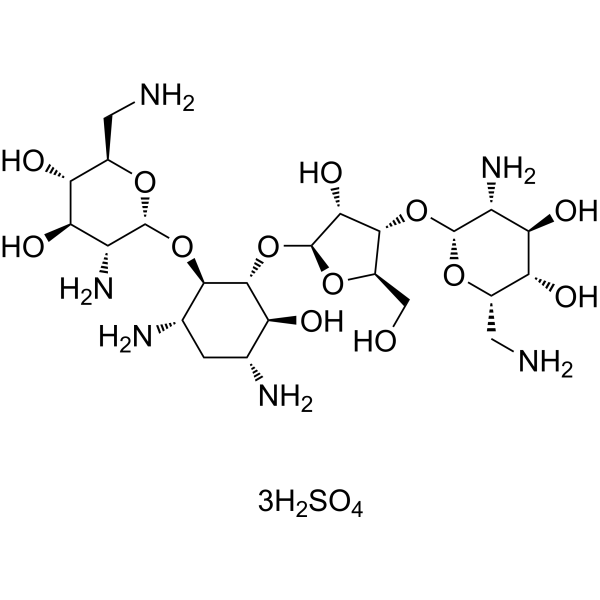
Neomycin sulfate, an aminoglycoside antibiotic, exerts antibacterial activity through irreversible binding of the nuclear 30S ribosomal subunit, thereby blocking bacterial protein synthesis. Neomycin sulfate is a known phospholipase C (PLC) inhibitor. Neomycin sulfate potently inhibits both the nuclear translocation of angiogenin and angiogenin-induced cell proliferation and angiogenesis. Neomycin sulfate inhibits IP3-mediated Ca 2+ release, MgATP-dependent Ca 2+ uptake, and electrical excitation-evoked skeletal muscle Ca 2+ transients. Neomycin sulfate depletes gut microbiota in specific mouse models, causes hearing impairment, and kidney damage with prolonged exposure. Neomycin sulfate can be used for the research of cancer .
loading...
    loading...
73
73 Cited Publications
Cat. No.: HY-K1057

Puromycin is an aminonucleoside antibiotic produced by Streptomyces alboniger. It inhibits protein synthesis by disrupting peptide transfer on ribosomes, causing premature chain termination during translation. It can kill most gram-positive bacteria and various animal or insect cells.

loading...
    loading...
72
72 Cited Publications
Cat. No.: HY-D0924
CAS No.: 210892-23-2
Synonyms: Sulfo-Cyanine5.5
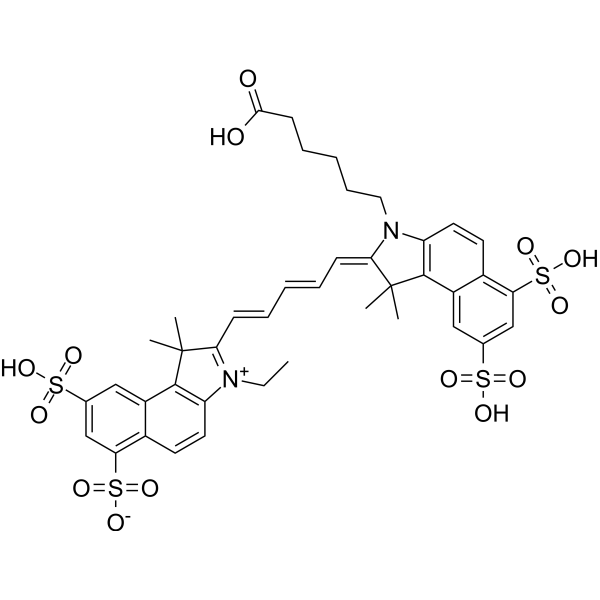
Cy5.5 is a CY dye. CY, short for Cyanine, is a compound consisting of two nitrogen atoms connected by an odd number of methyl units. Cyanine compounds have the characteristics of long wavelength, adjustable absorption and emission, high extinction coefficient, good water solubility and relatively simple synthesis . CY dyes are of en used for the labeling of proteins, antibodies and small molecular compounds. For the labeling of protein antibodies, the combination can be completed through a simple mixing reaction. Below, we introduce the labeling method of protein antibody labeling, which has certain reference significance .
loading...
    loading...
72
72 Cited Publications
Cat. No.: HY-17412
CAS No.: 13614-98-7
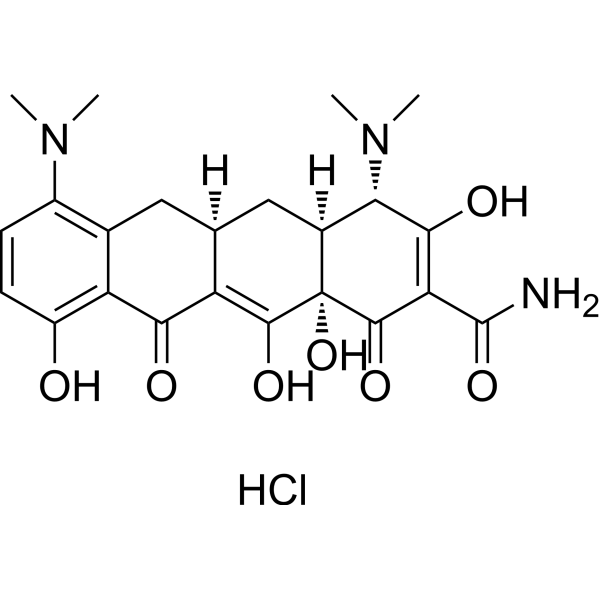
Minocycline hydrochloride is an orally active, potent and BBB-penetrated semi-synthetic tetracycline antibiotic. Minocycline hydrochloride is a hypoxia-inducible factor (HIF)-1α inhibitor. Minocycline hydrochloride shows anti-cancer, anti-inflammatory, and glutamate antagonist effects. Minocycline hydrochloride reduces glutamate neurotransmission and shows neuroprotective properties and antidepressant effects. Minocycline hydrochloride inhibits bacterial protein synthesis through binding with the 30S subunit of the bacterial ribosome, resulting in a bacteriostatic effect .
loading...
    loading...
72
72 Cited Publications
Cat. No.: HY-17412A
CAS No.: 10118-90-8
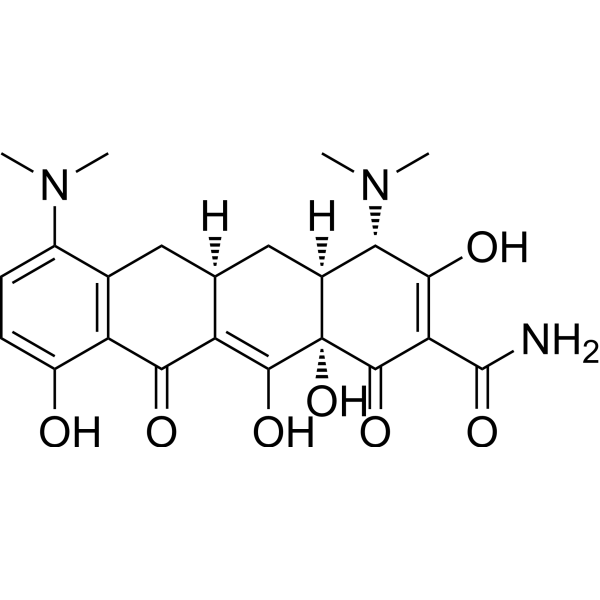
Minocycline is an orally active, potent and BBB-penetrated semi-synthetic tetracycline antibiotic. Minocycline is a hypoxia-inducible factor (HIF)-1α inhibitor. Minocycline shows anti-cancer, anti-inflammatory, and glutamate antagonist effects. Minocycline reduces glutamate neurotransmission and shows neuroprotective properties and antidepressant effects. Minocycline inhibits bacterial protein synthesis through binding with the 30S subunit of the bacterial ribosome, resulting in a bacteriostatic effect .
loading...
    loading...
68
68 Cited Publications
Cat. No.: HY-17561
CAS No.: 108321-42-2
Synonyms: Geneticin sulfate; Antibiotic G-418 sulfate
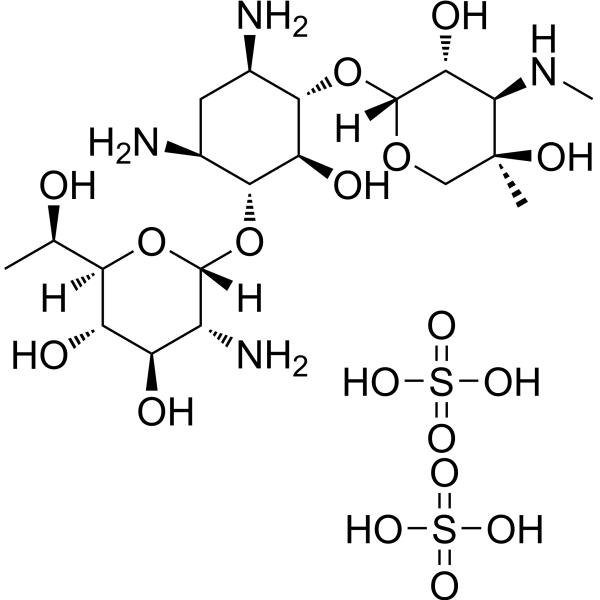
G-418 disulfate (Geneticin sulfate), is an aminoglycoside antibiotic, inhibits protein synthesis in eukaryotes and prokaryotes. G-418 disulfate is commonly used as a selective agent for eukaryotic cells .
loading...
    loading...
68
68 Cited Publications
Cat. No.: HY-108718
CAS No.: 49863-47-0
Synonyms: Geneticin; Antibiotic G-418
Research Areas:  

Infection

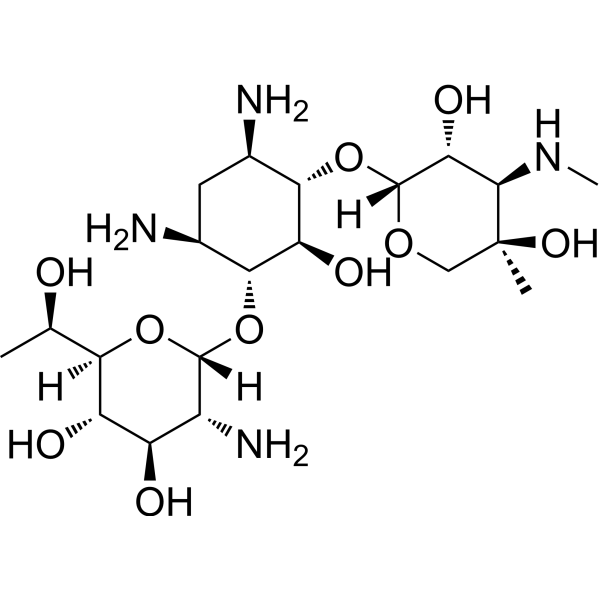
G-418 (Geneticin) is an aminoglycoside antibiotic with a structure similar to gentamicin. It is toxic to both eukaryotic and prokaryotic cells and works by interfering with protein synthesis .
loading...
    loading...
56
56 Cited Publications
Cat. No.: HY-10394
CAS No.: 165800-03-3
Purity:  99.95%
Synonyms: PNU-100766
Target:  

Bacterial Antibiotic

Research Areas:  

Infection Cancer

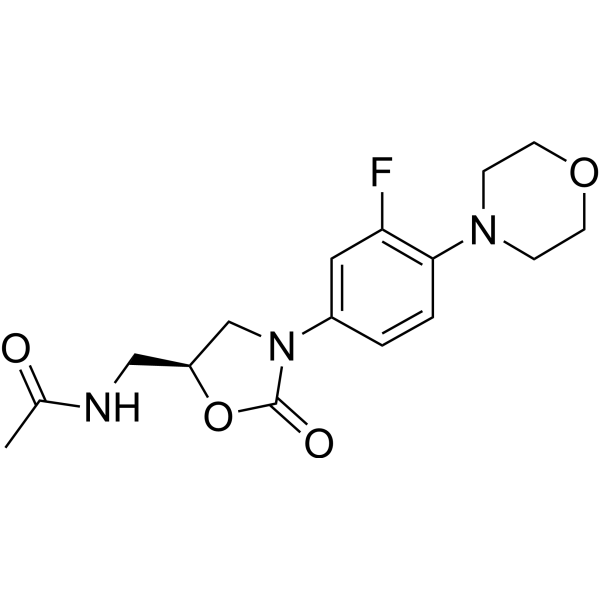
Linezolid (PNU-100766) is the first member of the class of oxazolidinone synthetic antibiotic. Linezolid acts by inhibiting the initiation of bacterial protein synthesis. Linezolid is used for the treatment of serious infections caused by Gram-positive bacteria that are resistant to several other antibiotics .
loading...
    loading...
49
49 Cited Publications
Cat. No.: HY-B1906
CAS No.: 57-92-1
Synonyms: Agrept; Agrimycin; Streptomycin A
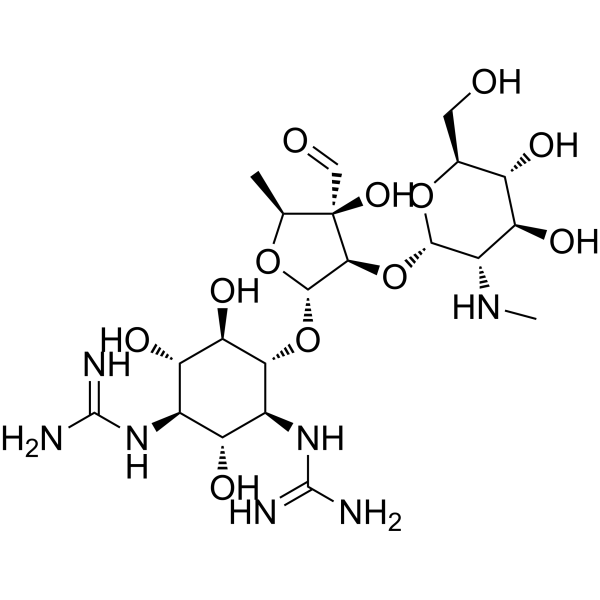
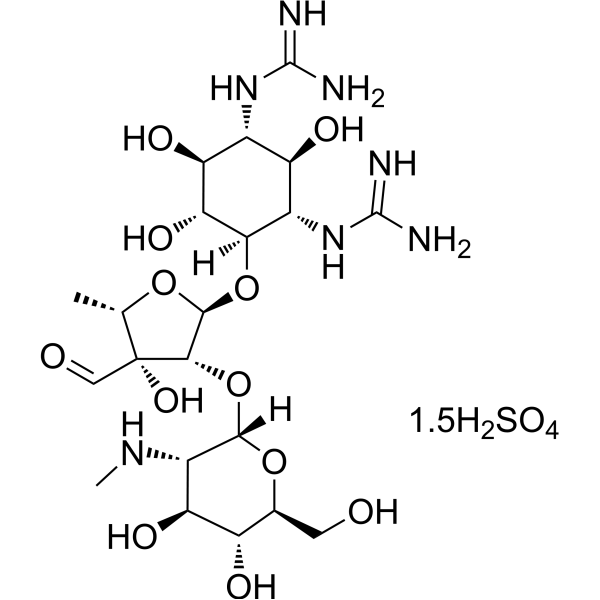
Streptomycin (Agrept) is an effective antibiotic against M. tuberculosis, is used for the research of tuberculosis (TB). Streptomycin also is a bacteriocidal agent that can be used for the research of a number of bacterial infections. Streptomycin can bind strongly to nucleic acids, interferes and blocks protein synthesis while permitting continued RNA and DNA synthesis. Streptomycin, as a common antibiotic used in culture media, also is a blocker of stretch-activated and mechanosensitive ion channels in neurons and cardiac myocytes .
loading...
    loading...
loading...
    loading...

