1. Search Result
Search Result
Results for "

ROS scavenge

" in MedChemExpress (MCE) Product Catalog:

89

Inhibitors & Agonists

7

Biochemical Assay Reagents

4

Peptides

37

Natural
Products

9

Isotope-Labeled Compounds

Cat. No. Product Name Target Research Areas Chemical Structure
  • HY-W015913
    Pyruvic acid sodium
    Maximum Cited Publications
    16 Publications Verification

    Sodium 2-oxopropanoate; Acetylformic acid sodium

    Reactive Oxygen Species (ROS) Endogenous Metabolite Metabolic Disease
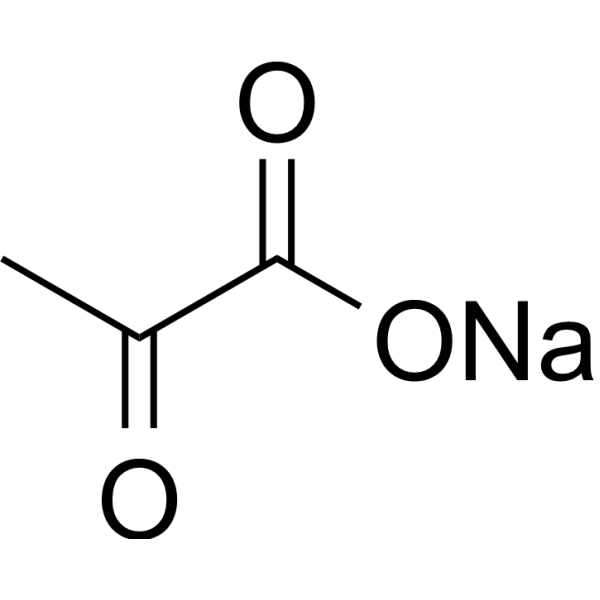
    Sodium 2-oxopropanoate (Sodium pyruvate), a three-carbon metabolite of Glucose, is a compound produced in the glycolytic pathway. Sodium 2-oxopropanoate is a free radical scavenger that can scavenge ROS .
    Pyruvic acid sodium
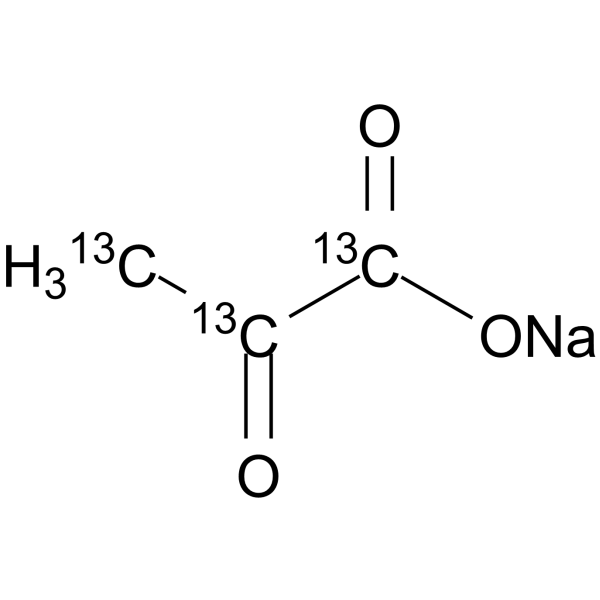
  • HY-W015913S
    Pyruvic acid-13C3 sodium
    1 Publications Verification

    Sodium 2-oxopropanoate-13C3; Acetylformic acid-13C3 sodium

    Reactive Oxygen Species (ROS) Endogenous Metabolite Metabolic Disease
    Sodium 2-oxopropanoate- 13C3 is the 13C-labeled Sodium 2-oxopropanoate. Sodium 2-oxopropanoate (Sodium pyruvate), a three-carbon metabolite of Glucose, is a compound produced in the glycolytic pathway. Sodium 2-oxopropanoate is a free radical scavenger that can scavenge ROS .
    Pyruvic acid-13C3 sodium
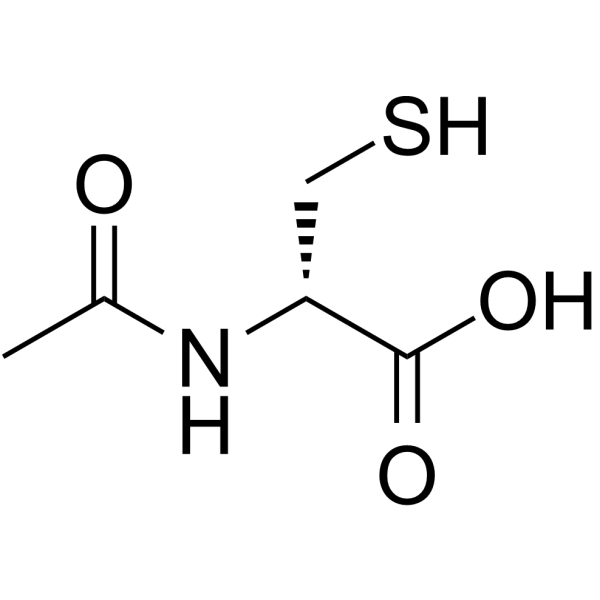
  • HY-136386
    N-Acetyl-D-cysteine
    3 Publications Verification

    Reactive Oxygen Species (ROS) Others
    N-Acetyl-D-cysteine has antioxidant activities and scavenges ROS through the reaction with its thiol group, but cannot enter the glutathione metabolic pathway .
    N-Acetyl-D-cysteine
  • HY-N0578
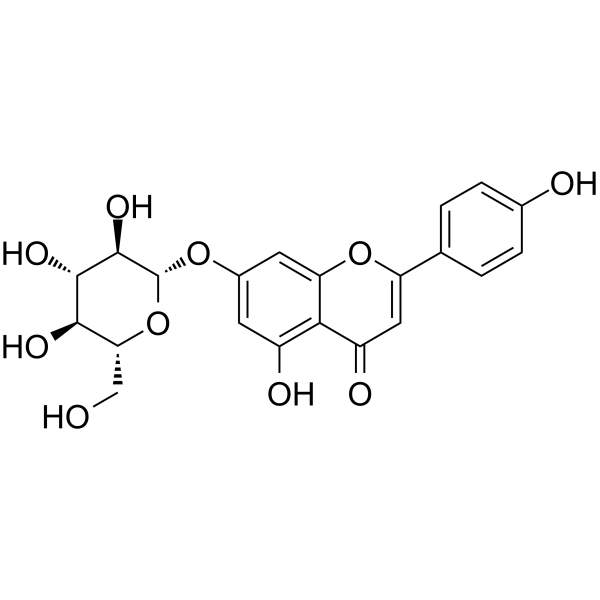
    Apigenin 7-glucoside
    5+ Cited Publications

    Apigenin-7-O-β-D-glucopyranoside; Cosmosiin; Apigetrin

    Reactive Oxygen Species (ROS) Cancer
    Apigenin-7-glucoside (Apigenin-7-O-β-D-glucopyranoside) exhibits significant anti-proliferative and antioxidant activity and scavenges reactive oxygen species (ROS) .
    Apigenin 7-glucoside
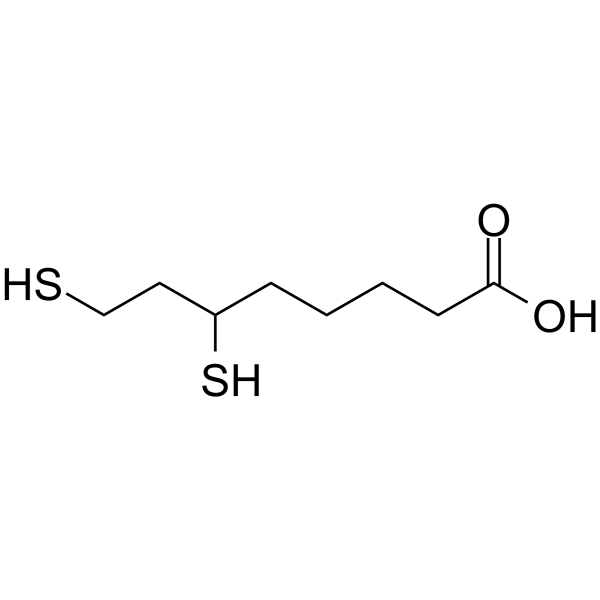
  • HY-116807
    Dihydrolipoic Acid
    2 Publications Verification

    DHLA

    Reactive Oxygen Species (ROS) Neurological Disease Inflammation/Immunology
    Dihydrolipoic Acid (DHLA) is an excellent antioxidant capable of scavenging almost any oxygen-centered radical . Dihydrolipoic acid exhibits anti-inflammatory properties in various diseases. Dihydrolipoic Acid exerts a preventive effect via ERK/Nrf2/HO-1/ROS/NLRP3 pathway in LPS-induced sickness behavior rats. Dihydrolipoic Acid can be used for the reaserch of depression .
    Dihydrolipoic Acid
  • HY-W013507

    Environmental Pollutants Glutathione Peroxidase Phytohormone Reactive Oxygen Species (ROS) NF-κB Apoptosis Neurological Disease Inflammation/Immunology Cancer
    (rac)-Methyl jasmonate is the racemate of Methyl jasmonate (HY-135663). Methyl jasmonate is a phytohormone that regulates the defense response of plants under biotic and biotic stress through jasmonate signaling pathway. Methyl jasmonate inhibits the activation of NF-κB signaling pathway. Methyl jasmonate can promote the mitochondrial ROS production, but also scavenges free radicals and reduces the oxidative stress. Methyl jasmonate exhibits anti-inflammatory, antitumor, anticonvulsant, antinociceptive and sedative activities .
    (rac)-Methyl jasmonate
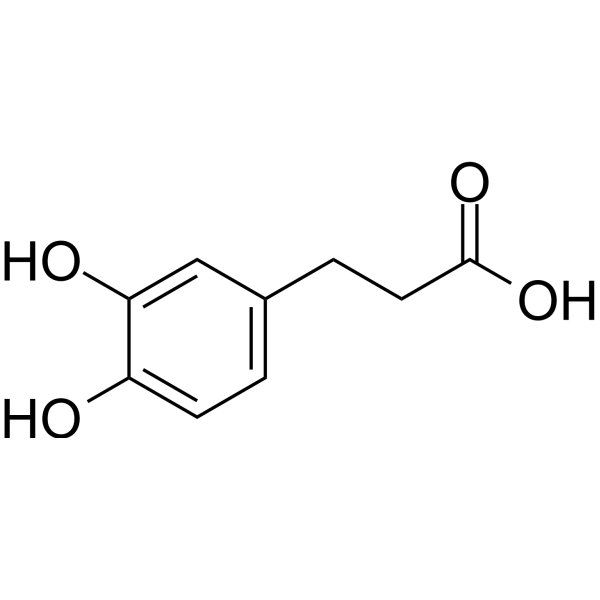
  • HY-N2406
    Dihydrocaffeic acid
    2 Publications Verification

    3,4-Dihydroxy-benzenepropanoic acid

    p38 MAPK Endogenous Metabolite Reactive Oxygen Species (ROS) NO Synthase Inflammation/Immunology
    Dihydrocaffeic acid is a microbial metabolite of flavonoids. Dihydrocaffeic acid scavenges intracellular ROS and increases nitric oxide synthase activity. Dihydrocaffeic acid reduces phosphorylation of MAPK p38 and prevent UVB-induced skin damage. Dihydrocaffeic acid has antioxidant, anti-inflammatory and anti-cartilage degradation activities .
    Dihydrocaffeic acid
  • HY-128741

    Endogenous Metabolite Reactive Oxygen Species (ROS) Apoptosis Toll-like Receptor (TLR) PI3K Akt Cardiovascular Disease Neurological Disease Inflammation/Immunology Cancer
    D-Allose exhibits antitumor activity against various cancer cells. D-Allose scavenges reactive oxygen species (ROS) and reduces oxidative stress damage. D-Allose exhibits anti-inflammatory and neuroprotective through inhibition of TLR4/PI3K/AKT signaling pathway. D-Allose exhibits antihypertensive, cryoprotective, and anti-osteoporotic activities .
    D-Allose
  • HY-16686
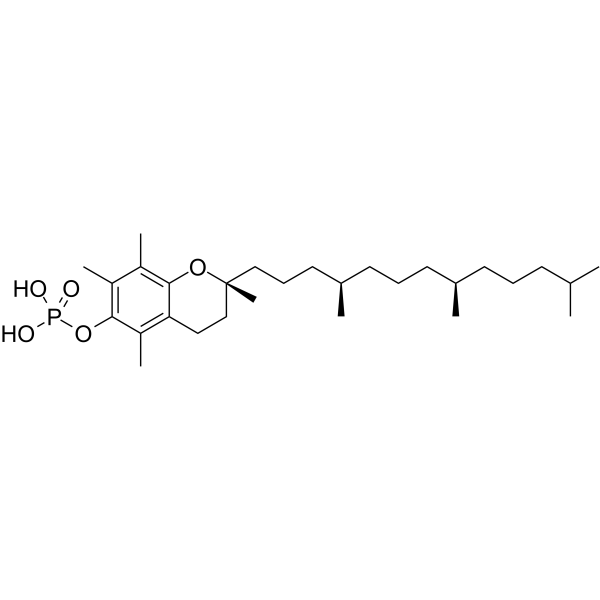
    α-Tocopherol phosphate
    5+ Cited Publications

    alpha-Tocopherol phosphate; TocP; vitamin E phosphate

    Apoptosis Reactive Oxygen Species (ROS) Cancer
    α-Tocopherol phosphate is an antioxidant that protects against long-wave UVA1 induced cell death and scavenge UVA1 induced ROS in a skin cell model. α-Tocopherol phosphate exhibits angiogenesis-promoting activity .
    α-Tocopherol phosphate
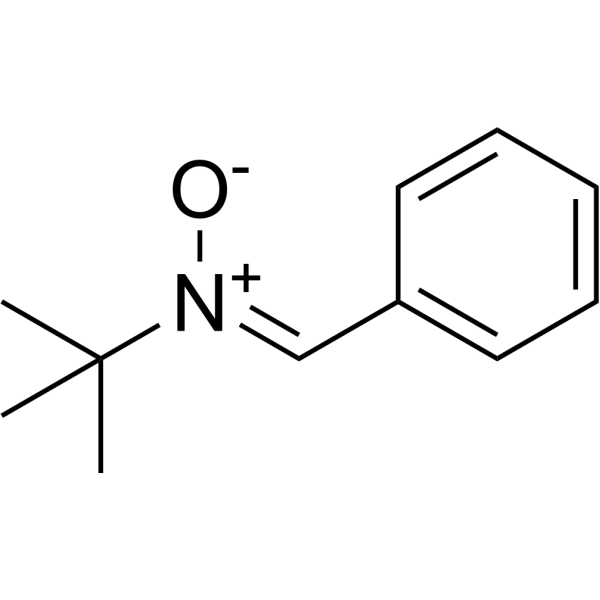
  • HY-128463
    N-tert-Butyl-α-phenylnitrone
    2 Publications Verification

    COX Reactive Oxygen Species (ROS) Neurological Disease Metabolic Disease Inflammation/Immunology
    N-tert-Butyl-α-phenylnitrone is a nitrone-based free radical scavenger that forms nitroxide spin adducts. N-tert-Butyl-α-phenylnitrone inhibits COX2 catalytic activity. N-tert-Butyl-α-phenylnitrone has potent ROS scavenging, anti-inflammatory, neuroprotective, anti-aging and anti-diabetic activities, and can penetrate the blood-brain barrier .
    N-tert-Butyl-α-phenylnitrone
  • HY-W004761

    Hypodiboric acid

    Bacterial Reactive Oxygen Species (ROS) Infection Inflammation/Immunology
    Tetrahydroxydiboron (Hypodiboric acid) acts as a hydrogel initiator and bioadhesion promoter, with broad-spectrum antibacterial activity, ROS scavenging capacity, and osteogenic induction properties. Tetrahydroxydiboron initiates rapid gelation by generating free radicals through reactions with vinyl monomers and dissolved oxygen, overcoming oxygen inhibition without deoxygenation or external triggers. Tetrahydroxydiboron achieves strong bioadhesion via interaction with carboxymethyl chitosan. Tetrahydroxydiboron can be used in the research of periodontitis and related inflammatory diseases .
    Tetrahydroxydiboron
  • HY-N6929
    Angelic acid
    1 Publications Verification

    Ferroptosis Keap1-Nrf2 Reactive Oxygen Species (ROS) Neurological Disease Cancer
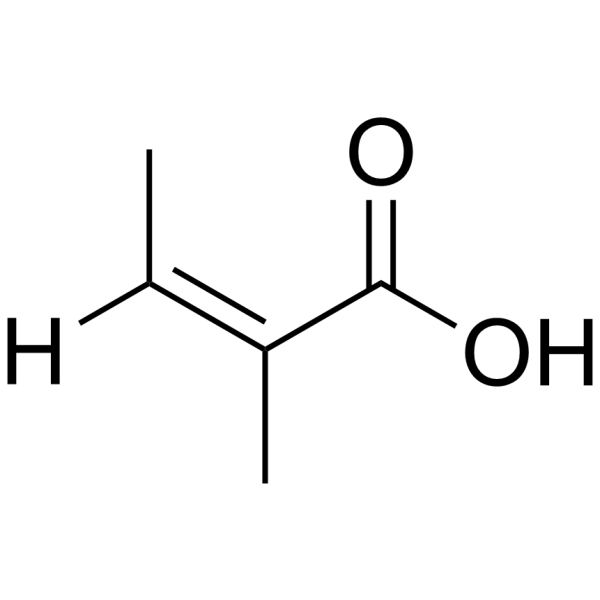
    Angelic acid is a ferroptosis inducer, targeting NRF2 degradation. Angelic acid binds to NRF2 protein and promotes NRF2 degradation via ubiquitination-proteasome pathway, relieves the inhibitory effect of NRF2 on oxidative stress and lipid peroxidation. Then, Angelic acid induces ferroptosis in tumor cells. Angelic acid can enhance the accumulation of intracellular reactive oxygen species (ROS), upregulate ferroptosis-related markers CHAC1 and PTGS2, and synergize with ferroptosis inducers to enhance anti-tumor effects. Angelic acid also has the activity of scavenging UVA-induced ROS in vitro, inhibiting skin fibroblast senescence and extracellular matrix degradation. Angelic Acid helps wound healing with sedative activity .
    Angelic acid
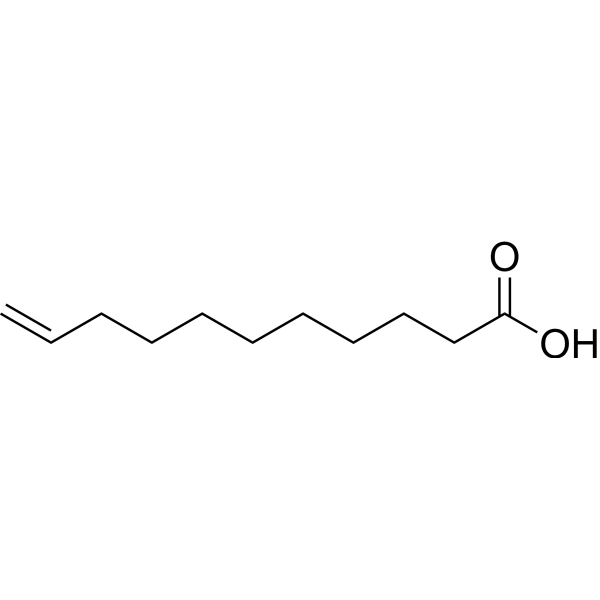
  • HY-B0914

    Undecylenic acid

    Environmental Pollutants Bacterial Fungal Proteasome Amyloid-β Reactive Oxygen Species (ROS) Infection Neurological Disease Endocrinology Cancer
    10-Undecenoic acid (Undecylenic acid) is an antifungal agent. 10-Undecenoic acid inhibits oligomerization, scavenges ROS and inhibits μ-calpain activity. 10-Undecenoic acid has neuroprotective effects. 10-Undecenoic acid has anticancer effects on a variety of tumors. 10-Undecenoic acid inhibits C. albicans biofilm formation and MRSA infection. 10-Undecenoic acid inhibits quorum sensing signals of Bacillus subtilis and Pseudomonas aeruginosa .
    10-Undecenoic acid,98% (stabilized with TBC)
  • HY-N3387

    Apoptosis NF-κB Akt MMP Inflammation/Immunology Cancer
    Licoricidin (LCD) is isolated from Glycyrrhiza uralensis Fisch, possesses anti-cancer activities. Licoricidin (LCD) inhibit SW480 cells (IC50=7.2 μM) by inducing cycle arrest, apoptosis and autophagy, and is a potential chemopreventive or chemotherapeutic agent against colorectal cancer . Licoricidin (LCD) inhibits Lung Metastasis by inhibition of tumor angiogenesis and lymphangiogenesis as well as changes in the local microenvironment of tumor tissues the anticarcinogenic effect . Licoricidin enhanced gemcitabine-induced cytotoxicity in Osteosarcoma (OS) cells by inactivation of the Akt and NF-κB pathways in vitro and in vivo . Licoricidin blocks UVA-induced photoaging via ROS scavenging, limits the activity of MMP-1, it can be considered as an active ingredient in new topically applied anti-ageing formulations .
    Licoricidin
  • HY-N5048

    6'-O-Galloyl paeoniflorin

    NF-κB ERK JNK Nuclear Factor of activated T Cells (NFAT) Keap1-Nrf2 PI3K Akt Reactive Oxygen Species (ROS) Apoptosis DNA/RNA Synthesis Infection Neurological Disease Metabolic Disease Inflammation/Immunology
    Galloylpaeoniflorin (6'-O-Galloyl paeoniflorin) is an orally active galloylated derivative of Paeoniflorin (HY-N0293) found in peony roots with various anti-inflammatory and antioxidant activities. Galloylpaeoniflorin suppresses RANKL-induced activation of ERK, JNK, c-Fos, c-Jun, and NFATc1, and reduces osteoclast-specific gene expression. Galloylpaeoniflorin activates Nrf2 and PI3K/Akt pathways, inhibits NF-κB activation, and scavenges ROS to reduce oxidative DNA, lipid, and protein damage. Galloylpaeoniflorin attenuates neuroinflammation, inhibits apoptosis, reduces Helicobacter pylori-induced gastric mucosa injury and UVB-induced cell damage. Galloylpaeoniflorin can be used for the research of osteoporosis, gastritis, ischemic stroke and skin diseases .
    Galloylpaeoniflorin
  • HY-19416
    AEOL-10150 pentachloride
    1 Publications Verification

    Reactive Oxygen Species (ROS) NF-κB Inflammation/Immunology Cancer
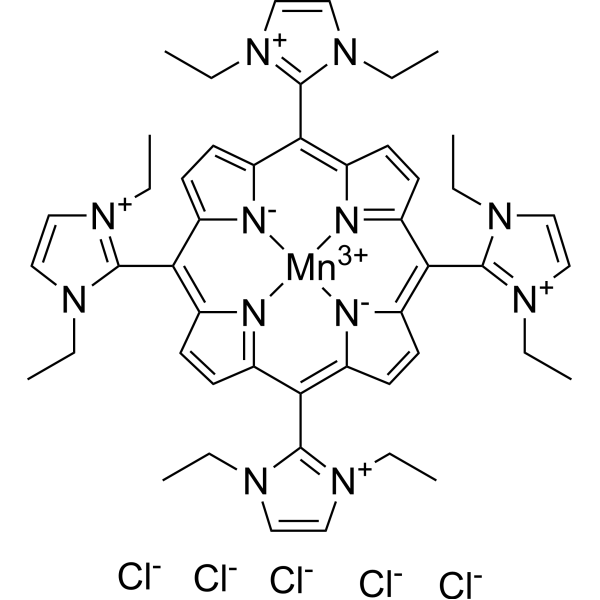
    AEOL-10150 pentachloride is a metalloporphyrin-catalyzed antioxidant and a superoxide dismutase mimetic. AEOL-10150 pentachloride scavenges ROS and RNS, and modulates the NF-κB signaling pathway. AEOL-10150 pentachloride has potent antioxidant and anti-inflammatory activities. AEOL-10150 pentachloride effectively mitigates tissue damage caused by radiation and chemical agents such as CEES (HY-W199190). AEOL-10150 pentachloride synergizes with radiotherapy to exert anticancer effects on prostate tumors .
    AEOL-10150 pentachloride
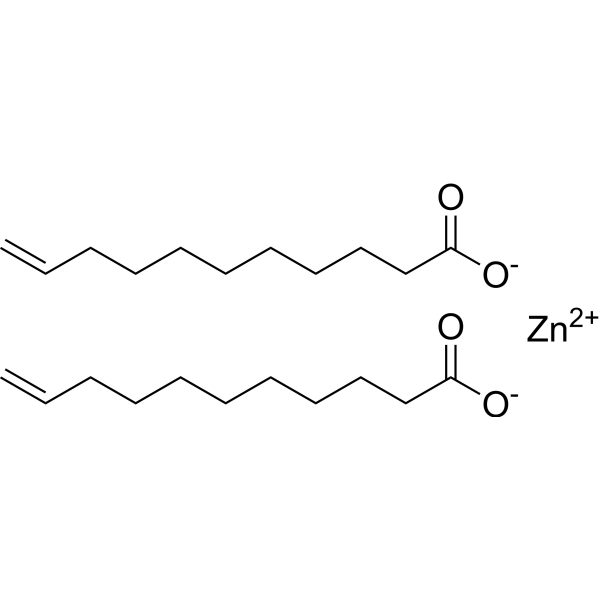
  • HY-B0914A
    10-Undecenoic acid zinc salt
    2 Publications Verification

    Zinc undecylenate

    Fungal Bacterial Amyloid-β Reactive Oxygen Species (ROS) Proteasome Infection Neurological Disease Endocrinology Cancer
    10-Undecenoic acid zinc salt (Undecylenic acid zinc salt) is an antifungal agent. 10-Undecenoic acid zinc salt inhibits oligomerization, scavenges ROS and inhibits μ-calpain activity. 10-Undecenoic acid zinc salt has neuroprotective effects. 10-Undecenoic acid zinc salt has anticancer effects on a variety of tumors. 10-Undecenoic acid zinc salt inhibits C. albicans biofilm formation and MRSA infection. 10-Undecenoic acid zinc salt inhibits quorum sensing signals of Bacillus subtilis and Pseudomonas aeruginosa .
    10-Undecenoic acid zinc salt
  • HY-126956

    Reactive Oxygen Species (ROS) MMP Collagen PPAR DNA/RNA Synthesis Apoptosis Caspase Metabolic Disease Inflammation/Immunology
    Porphyra 334 is a carnosine-like amino acid and a natural photoprotective agent and antioxidant. Porphyra-334 exerts its photoprotective effects by scavenging ROS, inhibiting the expression and activity of MMP-1/8, and promoting the synthesis of collagen and elastin. Porphyra 334 effectively inhibits linoleic acid oxidation induced by alkyl radicals (AAPH) and singlet oxygen. Porphyra 334 has anti-obesity potential by inhibiting the expression of PPARγ2 and C/EBPα. Porphyra 334 protects cells against UV-induced DNA damage and apoptosis by inhibiting the activation of caspase-3 .
    Porphyra 334
  • HY-N4102

    Apoptosis JNK FOXO Reactive Oxygen Species (ROS) Caspase Neurological Disease
    5,7-Dihydroxy-4-methylcoumarin is an antioxidant. 5,7-Dihydroxy-4-methylcoumarin protects mouse cochlear hair cells from Cisplatin-induced damage, enhances cell viability and inhibits apoptosis. 5,7-Dihydroxy-4-methylcoumarin downregulates phosphorylated JNK levels, increases the ratio of phosphorylated FoxO1 to total FoxO1, scavenges free radicals, reduces ROS accumulation, maintains mitochondrial membrane potential and alleviates mitochondrial dysfunction. 5,7-Dihydroxy-4-methylcoumarin downregulates the expression of caspase-3 and improves cell viability. 5,7-Dihydroxy-4-methylcoumarin can be used in studies related to ototoxicity .
    5,7-Dihydroxy-4-methylcoumarin
  • HY-119979

    Cardanol C15:1

    Apoptosis Reactive Oxygen Species (ROS) Mitochondrial Metabolism MMP CDK Caspase Bcl-2 Family PARP MDM-2/p53 Cholinesterase (ChE) Infection Inflammation/Immunology Cancer
    Cardanol monoene (Cardanol C15:1) is a phenolic compound which can be found in cashew nut shell liquid. Cardanol monoene can inhibit cancer cells proliferation, migration, cause S phase arrest, induce apoptosis, ROS production and mitochondrial depolarization. Cardanol monoene downregulates MMP-2, MMP-9, cyclinA1 expression, regulates CDK2, p53, Bax, cytochrome c, cleaved caspase-3, cleaved PARP, Apaf-1 expression and Bax/Bcl-2 ratio. Cardanol monoene shows weak DPPH radical scavenging activity and AChE inhibition activity. Cardanol monoene is lethal to Artemia salina nauplii. Cardanol monoene. Cardanol monoene can be used for the research of cancer, infection and inflamation .
    Cardanol monoene
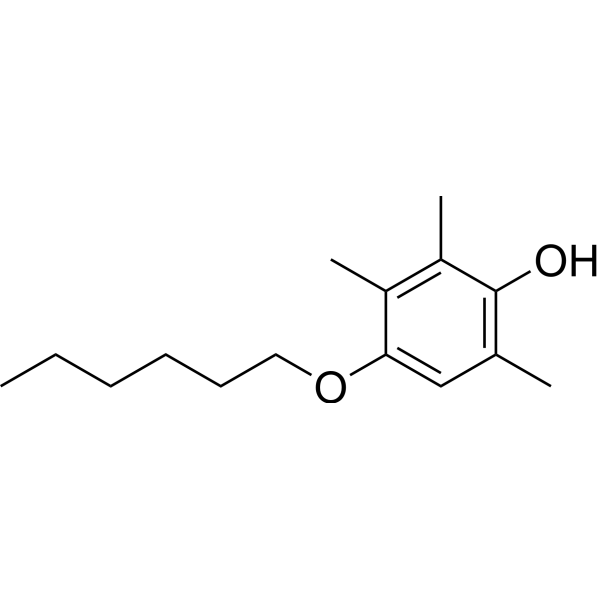
  • HY-100768
    HTHQ
    2 Publications Verification

    1-O-hexyl-2,3,5-trimethylhydroquinone; HX-1171; BTT-105

    Reactive Oxygen Species (ROS) Cancer
    HTHQ (1-O-hexyl-2,3,5-trimethylhydroquinone) is a potent lipophilic phenolic antioxidant. HTHQ has considerable anti-oxidative activity by directly reacting with reactive oxygen species (ROS) and scavenging ROS to form more stable free radicals .
    HTHQ
  • HY-W015913S3

    Sodium 2-oxopropanoate-13C; Acetylformic acid-13C-1 sodium

    Endogenous Metabolite Reactive Oxygen Species (ROS) Metabolic Disease
    Sodium 2-oxopropanoate- 13C is the 13C labeled Sodium 2-oxopropanoate . Sodium 2-oxopropanoate (Sodium pyruvate), a three-carbon metabolite of Glucose, is a compound produced in the glycolytic pathway. Sodium 2-oxopropanoate is a free radical scavenger that can scavenge ROS .
    Pyruvic acid-13C-1 sodium
  • HY-111806
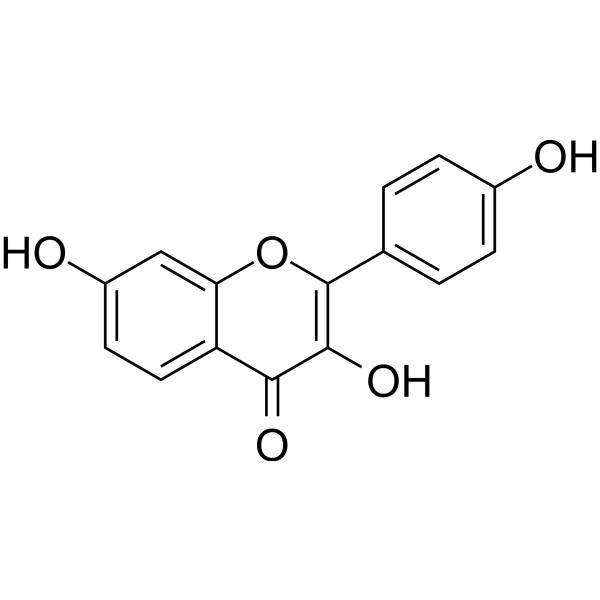
    3,7,4'-Trihydroxyflavone
    2 Publications Verification

    5-Deoxykampferol; Resokaempferol

    Reactive Oxygen Species (ROS) Leukotriene Receptor DNA/RNA Synthesis Inflammation/Immunology
    3,7,4'-Trihydroxyflavone (5-Deoxykampferol) is a flavonoid compound that can be isolated from the stems of Rhus javanica var. roxburghiana. 3,7,4'-Trihydroxyflavone has the effect of cleaving DNA in the presence of copper ions. 3,7,4'-Trihydroxyflavone also has anti-inflammatory and antioxidant activities and can scavenge various reactive oxygen species (ROS) and reactive nitrogen species (RNS) .
    3,7,4'-Trihydroxyflavone
  • HY-N4095

    Aryl Hydrocarbon Receptor Glycosidase Reactive Oxygen Species (ROS) GLUT Metabolic Disease Inflammation/Immunology Cancer
    Brevifolincarboxylic acid is a phenolic compound. Brevifolincarboxylic acid can be isolated from Duchesnea chrysantha. Brevifolincarboxylic acid inhibits α-glucosidase with an IC50 value of 323.46 μM. Brevifolincarboxylic acid has an inhibitory effect on the aryl hydrocarbon receptor (AhR). Brevifolincarbacid scavenges ROS. Brevifolincarbacid restores the glucose uptake activity of myotubes. Brevifolincarboxylic acid has antitumor activity against lung and gastric cancer. Brevifolincarbacid can be used in the study of diabetes and inflammatory diseases .
    Brevifolincarboxylic acid
  • HY-W002942

    1,2,3,4-Tetrahydroquinolin-8-ol; 8-hydroxy-1,2,3,4-tetrahydroquinoline

    Ferroptosis Reactive Oxygen Species (ROS) Inflammation/Immunology
    Ferroptosis-IN-21 is a ferroptosis inhibitor that protects against renal I/R injury by suppressing ferroptosis and directly scavenging peroxyl radicals. Ferroptosis-IN-21 displays broad-spectrum anti-ferroptotic efficacy across multiple inducers in renal tubular epithelial cells, with nanomolar potency and robust suppression of lipid Reactive Oxygen Species (ROS). Ferroptosis-IN-21 significantly ameliorates renal I/R injury in mice, reducing histological damage, functional impairment, and inflammatory cytokine expression, while decreasing lipid peroxidation biomarkers such as 4-hydroxynonenal. Ferroptosis-IN-12 can be used for research in the field of ferroptosis-targeted drug development .
    Ferroptosis-IN-21
  • HY-N1980

    Reactive Oxygen Species (ROS) Inflammation/Immunology
    3'-Hydroxypuerarin is an isoflavone isolated from the roots of Pueraria lobata (Willd.) Ohwi. 3'-Hydroxypuerarin is a antioxidant, which shows marked ONOO(-), NO•, total ROS scavenging activities .
    3'-Hydroxypuerarin
  • HY-W127530

    alpha-Tocopherol phosphate disodium; TocP disodium; Vitamin E phosphate disodium

    Apoptosis Reactive Oxygen Species (ROS) Cardiovascular Disease Cancer
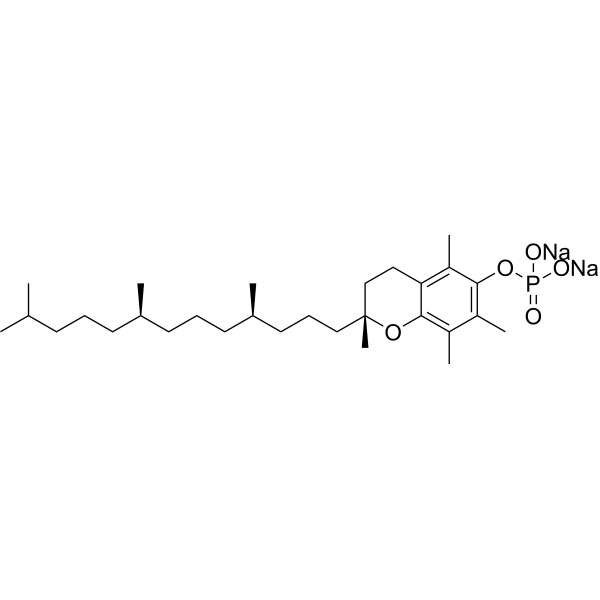
    α-Tocopherol phosphate disodium is an antioxidant that protects against long-wave UVA1 induced cell death and scavenge UVA1 induced ROS in a skin cell model. α-Tocopherol phosphate disodium exhibits angiogenesis-promoting activity .
    α-Tocopherol phosphate disodium
  • HY-122917

    Aldose Reductase Reactive Oxygen Species (ROS) Cardiovascular Disease Inflammation/Immunology Cancer
    Danshenol A, an abietane-type diterpenoid, is an aldose reductase (AR) inhibitor with an IC50 of 0.1 μM. Danshenol A can protect endothelial cells from oxidative stress by directly scavenging ROS. Danshenol A has anti-inflammatory and antitumor properties. Danshenol A can be used for atherosclerosis research .
    Danshenol A
  • HY-N16129

    Nymphaeol A; Propolin C

    COX Reactive Oxygen Species (ROS) Calcium Channel Ferroptosis Mitochondrial Metabolism MMP Inflammation/Immunology Cancer
    Diplacone is an orally active geranyl flavanone. It is isolated from the fruits of Paulownia tomentosa. Diplacone reduces COX-2 levels and increases the pro-MMP2/MMP2 ratio. It induces ferroptosis-mediated cell death. Diplacone enhances mitochondrial Ca 2+ influx and ROS production. It possesses anti-inflammatory and free radical-scavenging activities. Diplacone can be used in research related to ulcerative colitis and non-small cell lung cancer .
    Diplacone
  • HY-W013494R

    Reference Standards Endogenous Metabolite Metabolic Disease Cancer
    L-Carnosine (Standard) is the analytical standard of L-Carnosine. This product is intended for research and analytical applications. L-Carnosine is a dipeptide of the amino acids beta-alanine and histidine and has the potential to suppress many of the biochemical changes that accompany aging. In Vitro: L-Carnosine is a dipeptide of the amino acids beta-alanine and histidine and has the potential to suppress many of the biochemical changes that accompany aging .
    L-Carnosine also exhibits some antioxidant effects. The antioxidant mechanism of L-Carnosine is attributed to its chelating effect against metal ions, superoxide dismutase (SOD)-like activity, and ROS and free radicals scavenging ability .
    L-Carnosine (Standard)
  • HY-B0914R

    Undecylenic acid (Standard)

    Reference Standards Fungal Amyloid-β Reactive Oxygen Species (ROS) Proteasome Bacterial Infection Neurological Disease Endocrinology Cancer
    10-Undecenoic acid (Standard) is the analytical standard of 10-Undecenoic acid. This product is intended for research and analytical applications. 10-Undecenoic acid (Undecylenic acid) is an antifungal agent. 10-Undecenoic acid inhibits oligomerization, scavenges ROS and inhibits μ-calpain activity. 10-Undecenoic acid has neuroprotective effects. 10-Undecenoic acid has anticancer effects on a variety of tumors. 10-Undecenoic acid inhibits C. albicans biofilm formation and MRSA infection. 10-Undecenoic acid inhibits quorum sensing signals of Bacillus subtilis and Pseudomonas aeruginosa .
    10-Undecenoic acid (Standard)
  • HY-NP192

    Reactive Oxygen Species (ROS) Bacterial COX NO Synthase Toll-like Receptor (TLR) p38 MAPK NF-κB Interleukin Related Cholinesterase (ChE) Bcl-2 Family Tyrosinase PI3K Akt Infection Neurological Disease Metabolic Disease Inflammation/Immunology Cancer
    Sericin is an orally active globular protein produced by silkworm cocoons. Sericin inhibits the expression of COX2, iNOS, TLR4, MAPK and NF-κB; reduces the levels of IL-18, IL-1 and CCL2; antagonizes the activity of AChE; and downregulates the expression of Bcl-2. Sericin enhances the PI3K/AKT-mediated insulin signaling pathway. Sericin inhibits the activity of tyrosinase (Tyrosinase), scavenges ROS, chelates metal ions, and increases the levels of antioxidant enzymes. Sericin induces apoptosis and arrests the cell cycle. Sericin exhibits antibacterial, moisturizing, cardioprotective and anticoagulant properties. Sericin can be used in research related to type 2 diabetes, hyperlipidemia, obesity, Alzheimer's disease, colon cancer, peripheral nerve injury and ischemic myocardial infarction .
    Sericin
  • HY-W770183

    Isotope-Labeled Compounds Others
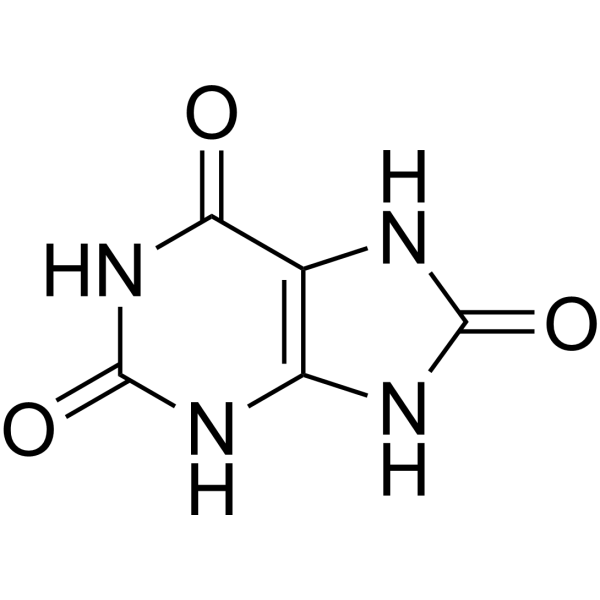
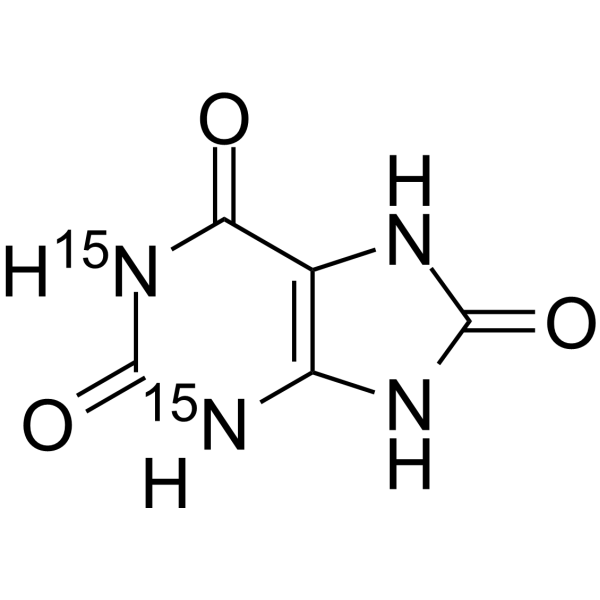
    Uric acid- 13C3 is 13C-labeled Uric acid (HY-B2130). Uric acid is the end product of purine metabolism in the human body. Uric acid can scavenge reactive oxygen species (ROS), such as singlet oxygen and peroxynitrite, and inhibit lipid peroxidation.
    Uric acid-13C3
  • HY-142125

    Xanthine Oxidase Reactive Oxygen Species (ROS) Apoptosis Inflammation/Immunology Cancer
    Broussochalcone A is an antioxidant and an inhibitor of Xanthine Oxidase (IC50=2.21 μM), with free radical scavenging activity. Broussochalcone A inhibits iron-induced lipid peroxidation and nitric oxide synthesis in lipopolysaccharide (LPS) -activated macrophages. Broussochalcone A also induces Apoptosis of human renal carcinoma cells by increasing ROS levels and activating FOXO3 signaling pathways .
    Broussochalcone A
  • HY-W013507R

    Reference Standards NF-κB Reactive Oxygen Species (ROS) Glutathione Peroxidase Phytohormone Apoptosis Neurological Disease Inflammation/Immunology Cancer
    (rac)-Methyl jasmonate (Standard) is the analytical standard of Methyl jasmonate. This product is intended for research and analytical applications. (rac)-Methyl jasmonate is the racemate of Methyl jasmonate (HY-135663). Methyl jasmonate is a phytohormone that regulates the defense response of plants under biotic and biotic stress through jasmonate signaling pathway. Methyl jasmonate inhibits the activation of NF-κB signaling pathway. Methyl jasmonate can promote the mitochondrial ROS production, but also scavenges free radicals and reduces the oxidative stress. Methyl jasmonate exhibits anti-inflammatory, antitumor, anticonvulsant, antinociceptive and sedative activities .
    (rac)-Methyl jasmonate (Standard)
  • HY-N10176

    Reactive Oxygen Species (ROS) MMP Cardiovascular Disease
    D-Isofloridoside, one of the polysaccharide precursors, has the activity of scavenging free radicals, inhibiting ROS expression, and inhibiting MMP-2 and MMP-9 .
    D-Isofloridoside
  • HY-N9097

    Reactive Oxygen Species (ROS) SOD Glutathione Peroxidase PKC NADPH Oxidase Metabolic Disease Inflammation/Immunology
    Niazirin is an orally active antioxidant. Niazirin can be isolated from Moringa oleifera Lam. Niazirin reduces the production levels of ROS and MDA, while increasing the levels of superoxide dismutase SOD and glutathione peroxidase GPx. Niazirin also abolishes high glucose-induced PKCζ activation and inhibits Nox4 protein expression. Niazirin exhibits excellent free radical scavenging activity. Niazirin significantly inhibits high glucose-induced proliferation of vascular smooth muscle cells. Niazirin can be used in the research of diabetic atherosclerosis .
    Niazirin
  • HY-149837

    Fluorescent Dye Inflammation/Immunology
    PRO-F is a photoactivable H2S donor with ROS scavenging ability. PRO-F can be activated by light to produce fluorescent signal, for real-time tracking of released H2S. PRO-F activation doesn’t consume endogenous substances. deliver H2S in an intracellular environment to protect cells from excessive reactive oxygen species (ROS) induced damage. PRO-F shows enhancement on chronic wound healing, researched in diabetic models as well .
    PRO-F
  • HY-W129230

    2-Hydroxybenzoic acid diethylamine

    Reactive Oxygen Species (ROS) Others
    Salicylic acid diethylamine (2-Hydroxybenzoic acid diethylamine) is a hormone involved in plant signaling. Salicylic acid diethylamine antagonizes the oxidative damaging effect of metal toxicity directly by acting as an antioxidant to scavenge the ROS and by activating the antioxidant systems of plants and indirectly by reducing uptake of metals from their medium of growth .
    Salicylic acid diethylamine
  • HY-W015913R
    Pyruvic acid sodium (Standard)
    5+ Cited Publications

    Sodium 2-oxopropanoate (Standard); Acetylformic acid sodium (Standard)

    Reference Standards Reactive Oxygen Species (ROS) Endogenous Metabolite Metabolic Disease
    Sodium 2-oxopropanoate (Standard) is the analytical standard of Sodium 2-oxopropanoate. This product is intended for research and analytical applications. Sodium 2-oxopropanoate (Sodium pyruvate), a three-carbon metabolite of Glucose, is a compound produced in the glycolytic pathway. Sodium 2-oxopropanoate is a free radical scavenger that can scavenge ROS .
    Pyruvic acid sodium (Standard)
  • HY-107355

    Reactive Oxygen Species (ROS) Inflammation/Immunology
    Letosteine is an orally active, potent and safe expectorant. Letosteine has the effect of scavenging reactive oxygen species (ROS). Letosteine dissolves bronchial mucus and reduces respiratory inflammation symptoms, and restores gas exchanges and natural defense mechanisms in the lung. Letosteine can be used for acute or chronic respiratory diseases (such as bronchopneumopathies) research .
    Letosteine
  • HY-N0578R

    Apigenin-7-O-β-D-glucopyranoside (Standard); Cosmosiin (Standard); Apigetrin (Standard)

    Reference Standards Reactive Oxygen Species (ROS) Cancer
    Apigenin 7-glucoside (Standard) is the analytical standard of Apigenin 7-glucoside. This product is intended for research and analytical applications. Apigenin-7-glucoside (Apigenin-7-O-β-D-glucopyranoside) exhibits significant anti-proliferative and antioxidant activity and scavenges reactive oxygen species (ROS) .
    Apigenin 7-glucoside (Standard)
  • HY-128741S

    Isotope-Labeled Compounds Endogenous Metabolite Akt Apoptosis Reactive Oxygen Species (ROS) PI3K Cancer
    D-Allose- 13C is the 13C labeled D-Allose (HY-128741). D-Allose exhibits antitumor activity against various cancer cells. D-Allose scavenges reactive oxygen species (ROS) and reduces oxidative stress damage. D-Allose exhibits anti-inflammatory and neuroprotective through inhibition of TLR4/PI3K/AKT signaling pathway. D-Allose exhibits antihypertensive, cryoprotective, and anti-osteoporotic activities .
    D-Allose-13C
  • HY-N6929R

    Reference Standards Ferroptosis Keap1-Nrf2 Reactive Oxygen Species (ROS) Neurological Disease Cancer
    Angelic acid (Standard)) is the analytical standard of Angelic acid (HY-N6929). This product is intended for research and analytical applications. Angelic acid is a ferroptosis inducer, targeting NRF2 degradation. Angelic acid binds to NRF2 protein and promotes NRF2 degradation via ubiquitination-proteasome pathway, relieves the inhibitory effect of NRF2 on oxidative stress and lipid peroxidation. Then, Angelic acid induces ferroptosis in tumor cells. Angelic acid can enhance the accumulation of intracellular reactive oxygen species (ROS), upregulate ferroptosis-related markers CHAC1 and PTGS2, and synergize with ferroptosis inducers to enhance anti-tumor effects. Angelic acid also has the activity of scavenging UVA-induced ROS in vitro, inhibiting skin fibroblast senescence and extracellular matrix degradation. Angelic Acid helps wound healing with sedative activity .
    Angelic acid (Standard)
  • HY-178342

    Xanthine Oxidase Reactive Oxygen Species (ROS) SOD Metabolic Disease Inflammation/Immunology Cancer
    Xanthine oxidase-IN-18 is a potent orally activeXanthine oxidase (XO) inhibitor (IC50 = 0.263 μM). Xanthine oxidase-IN-18 exerts inhibition by directly and stably binding to the xanthine oxidase Mo-co active site. Xanthine oxidase-IN-18 exhibits reactive oxygen species (ROS) scavenging activity. Xanthine oxidase-IN-18 shows anti-hyperuricemia effects in a Potassium oxonate (HY-17511)-induced hyperuricemic rat model. Xanthine oxidase-IN-18 can be used for hyperuricemia, breast and lung cancer research .
    Xanthine oxidase-IN-18
  • HY-175862

    Aldose Reductase Reactive Oxygen Species (ROS) PI3K Akt SOD p38 MAPK Keap1-Nrf2 Metabolic Disease
    ALR2-IN-9 is a potent ALR2 inhibitor (IC50 = 21.8 nM) with excellent antioxidant activity (EC50 for DPPH radical scavenging = 2.8 μM). ALR2-IN-9 interacts directly with Reactive Oxygen Species (ROS)/Reactive Nitrogen Species (RNS) and interrupts the free radical chain reactions, and as an endogenous enzymatic antioxidant regulator, which regulates enzyme functions of CAT and SOD. ALR2-IN-9 regulates PI3K/Akt/Nrf2 pathway to attenuate hyperglycemia-mediated mitochondrial superoxide overproduction in vitro, and ameliorates CuSO4- and H2O2-induced oxidative stress in vivo. ALR2-IN-9 prolongs lifespan of C. elegans via the regulation of stress response genes such as PMK-1. ALR2-IN-9 is a promising anti-aging drug candidate. ALR2-IN-9 can be used for diabetic complication research .
    ALR2-IN-9
  • HY-146172

    Reactive Oxygen Species (ROS) Inflammation/Immunology Cancer
    Antioxidant agent-3 (Compound 14q), an potent antioxidant, displays potent DPPH radicals scavenging activity and ABTS + scavenging activity with IC50s of 26.58 and 30.31 μM, respectively. Antioxidant agent-3 (Compound 14q) increases reactive oxygen species (ROS), superoxide dismutase (SOD) and glutathione (GSH), and reduced lactate dehydrogenase (LDH) in H2O2-treated HepG2 cells .
    Antioxidant agent-3
  • HY-144392

    Cholinesterase (ChE) Neurological Disease
    AChE/BuChE-IN-1 (Compound 1), a chrysin derivative, is a selective butyrylcholinesterase (BuChE) inhibitor with an IC50 of 0.48 μM. AChE/BuChE-IN-1 inhibits acetylcholinesterase (AChE) with an IC50 of 7.16 μM. AChE/BuChE-IN-1 shows strong scavenging ·OH activities with a IC50 of 0.1674 μM. AChE/BuChE-IN-1 inhibits reactive oxygen species (ROS), Aβ1-42 aggregation (self-, Cu2+-induced, AChE-induced). AChE/BuChE-IN-1 has high BBB permeability and bioavailability and low cell toxicity. AChE/BuChE-IN-1 has the potential for Alzheimer' disease (AD) research .
    AChE/BuChE-IN-1
  • HY-149723

    Ferroptosis Cancer
    Ferroptosis-IN-5 (compound 9c) is a ferroptosis inhibitor with iron-chelating and reactive oxygen species (ROS) scavenging activities .
    Ferroptosis-IN-5
  • HY-167814

    Biochemical Assay Reagents
    Trimethylsilyl-D-(+)-mannitol is a compound with osmoprotective activity that can effectively scavenge reactive oxygen species (ROS) and provide protection for plants and microorganisms.
    Trimethylsilyl-D-(+)-mannitol

Inquiry Online

Your information is safe with us. * Required Fields.

Salutation


Country or Region *

Applicant Name *


Organization Name *

Department *


Email Address *


Product Name *

Cat. No.


Requested quantity *

Phone Number *


Remarks

Inquiry Online

Inquiry Information

Product Name:
Cat. No.:
Quantity:
MCE Japan Authorized Agent:

