


Search Result
Results for "
Retinal degeneration
" in MedChemExpress (MCE) Product Catalog:
1
Biochemical Assay Reagents
1
Isotope-Labeled Compounds
| Cat. No. |
Product Name |
Target |
Research Areas |
Chemical Structure |
-
- HY-140739
-
|
|
Liposome
|
Neurological Disease
Cancer
|
|
DSPE-PEG2000-Maleimide sodium (purity>95%) is a phospholipid-PEG conjugate. DSPE-PEG2000-Maleimide utilizes the amphiphilicity of DSPE to insert into the lipid bilayer of liposomes or nanoparticles. DSPE-PEG2000-Maleimide covalently couples to the sulfhydryl (-SH) of ligands (such as antibodies, peptides, or proteins) via thiol-maleimide click chemistry, giving the particles targeting capabilities. DSPE-PEG2000-Maleimide sodium (purity>95%) can be used in the researches of breast cancer, lymphoma, and inherited retinal degeneration .
|
-
-
- HY-107543
-
|
8-CPT-2'-O-Me-cAMP sodium
|
Ras
|
Cardiovascular Disease
|
|
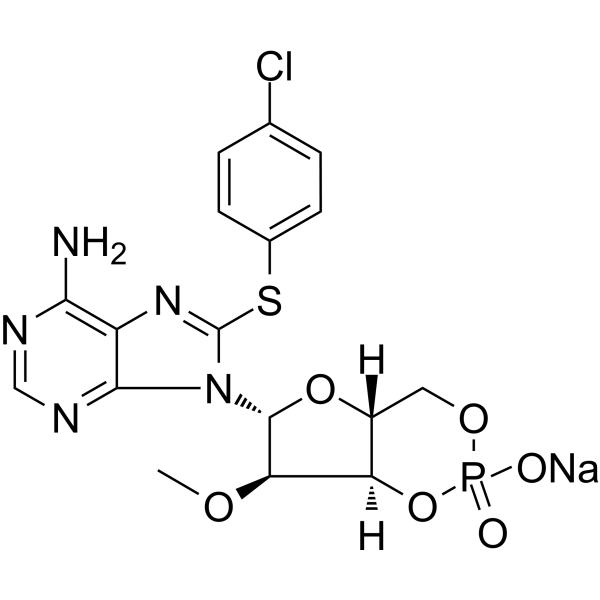
8-pCPT-2′-O-Me-cAMP (8-CPT-2'-O-Me-cAMP) sodium, an analog of cAMP, is an activator of exchange proteins activated by cAMP (Epac). 8-pCPT-2′-O-Me-cAMP sodium activates Epac1 (EC50 = 2.2 μM), but not PKA (EC50 >10 μM). 8-pCPT-2′-O-Me-cAMP sodium stimulates Epac-mediated Ca 2+ release in pancreatic β-cells in vitro. 8-pCPT-2′-O-Me-cAMP sodium is a Rap1 activator. 8-pCPT-2′-O-Me-cAMP sodium enhances the retinal pigment epithelium barrier against the pathological choroidal endothelial cell invasion that occurs in macular degeneration .
|
-
-
- HY-P99116
-
|
RG7716; RO-6867461
|
VEGFR
|
Cardiovascular Disease
Metabolic Disease
Inflammation/Immunology
|
|
Faricimab, an overall good safety and tolerability profile, is a bispecific antibody targeting Angiopoietin-2 (Ang-2) and vascular endothelial growth factor-A (VEGF-A). Faricimab prevents retinal vascular leakage, cell death and inflammation in retinal ischemia/reperfusion (I/R) injury and sCNV mouse models. Faricimab demonstrates statistically superior visual acuity gains versus Ranibizumab (HY-P9951). Faricimab can be used for retinal diseases, such as age-related macular degeneration (w-AMD), diabetic macular edema (DME) and macular edema following retinal vein occlusion (RVO) .
|
-
-
- HY-136234
-
|
9Z β-Carotene
|
Endogenous Metabolite
|
Others
|
|
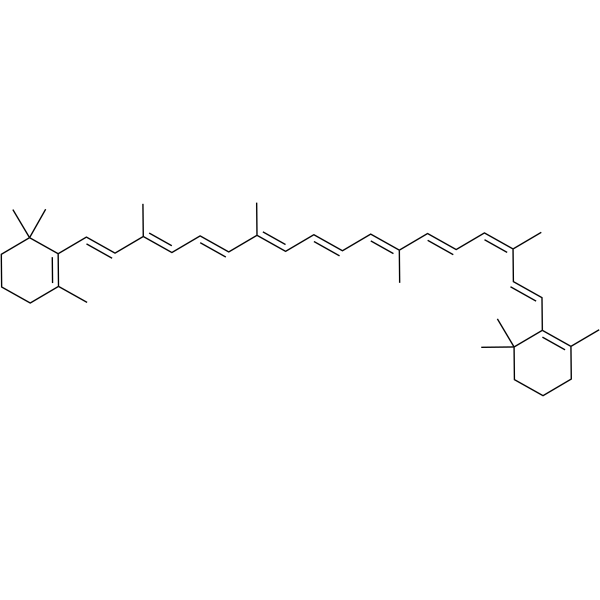
9-cis-β-Carotene, a precursor of retinal, is cleaved by beta-carotene oxygenase 1 (BCMO1) to produce 9-cis-retinal. 9-cis-β-Carotene inhibits photoreceptor degeneration and restores retinal function in vivo. 9-cis-β-Carotene has the potential for the study of congenital stationary night blindness and fundus albipunctatus .
|
-
-
- HY-116711
-
|
11-cis Retinaldehyde; 11-cis Vitamin A aldehyde
|
Drug Derivative
Endogenous Metabolite
|
Neurological Disease
|
|
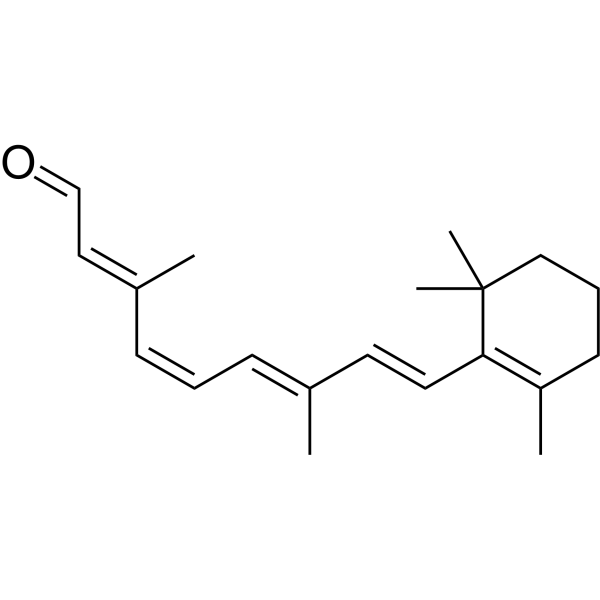
11-cis-Retinal (11-cis Retinaldehyde; 11-cis Vitamin A aldehyde), oxidized form of 11-cis-Retinol (HY-W587807), is a naturally occurring visual component. 11-cis-Retinal binds to opsin in the mammalian visual system as an inverse agonist forming the inactive conformation of rhodopsin. 11-cis-Retinal plays a crucial role in vision, growth and development. 11-cis-Retinal can restore visual function in moths with visual impairments. 11-cis-Retinal can restore retinal function in an early-age LCA2 retinal degeneration 12 mouse model .
|
-
-
- HY-110195
-
-
-
- HY-W009123
-
|
cis-13-Docosenamide
|
Endogenous Metabolite
Bacterial
|
Infection
Neurological Disease
|
|
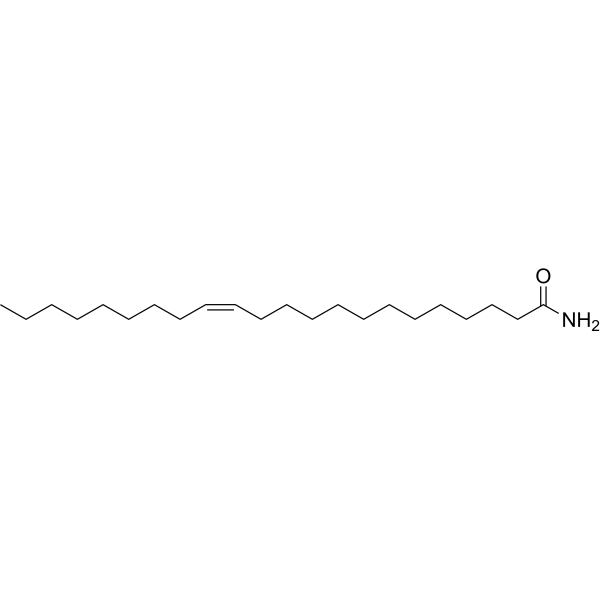
Erucamide is an orally active, blood-brain barrier-permeable TMEM19 ligand and T3SS inhibitor. Erucamide exerts retinal neuroprotective effects in mouse models of retinal degeneration. Erucamide attenuates depression- and anxiety-like behaviors in mice.\n\nErucamide binds to the conserved hydrophobic pocket in HrcC, disrupts its outer membrane localization, and blocks T3SS-mediated effector protein secretion in Gram-negative pathogenic bacteria. Erucamide enhances the antimicrobial immunity of plants against pathogenic bacteria. Erucamide can be used in research related to retinitis pigmentosa, anxiety and depression, bacterial wilt, and bacterial blight .
|
-
-
- HY-19696B
-
|
Tauroursodeoxycholic acid dihydrate; TUDCA dihydrate; UR 906 dihydrate
|
Caspase
Apoptosis
Endogenous Metabolite
IRE1
NF-κB
JNK
Reactive Oxygen Species (ROS)
Akt
|
Neurological Disease
Metabolic Disease
Inflammation/Immunology
|
|
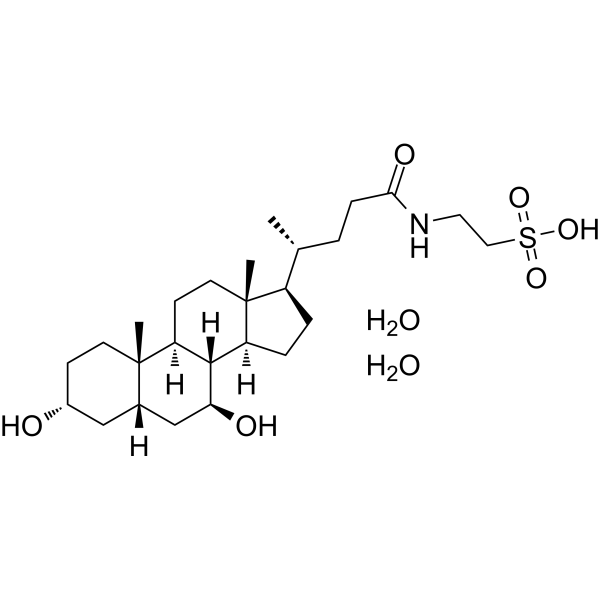
Tauroursodeoxycholate dehydrate is an orally active taurine conjugate of Ursodeoxycholic acid (HY-13771). Tauroursodeoxycholate dehydrate inhibits caspase-3/7, Apoptosis, IRE1α/TRAF2/NF-κB, prevents JNK phosphorylation, inhibits ROS generation, and activates Akt signaling. Tauroursodeoxycholate dehydrate prevents cataract formation, reduces renal tubular damage in type 2 diabetic mice, reduces I/R injury in liver, and inhibits intestinal inflammation and barrier disruption in nonalcoholic fatty liver disease .
|
-
-
- HY-14608R
-
|
|
Reference Standards
Endogenous Metabolite
iGluR
Ferroptosis
Apoptosis
|
Neurological Disease
|
L-Glutamic acid (Standard) is the analytical standard of L-Glutamic acid. This product is intended for research and analytical applications. L-Glutamic acid is an excitatory amino acid neurotransmitter that acts as an agonist for all subtypes of glutamate receptors (metabolic rhodophylline, NMDA, and AMPA). L-Glutamic acid has an agonist effect on the release of DA from dopaminergic nerve endings. L-Glutamic acid can be used in the study of neurological diseases .
IC50 & Target:DA .
In Vitro: L-Glutamic acid (120, 500, 750, 1000 mg/dL) can reduce the harmful effect of lithium on the embryonic development of Xenopus Xenopus .
L-Glutamic acid (2, 5, 10, 20 mM, 24-48 h) can induce neuroexcitotoxicity in neuroblastoma .
In Vivo: L-Glutamic acid (3 g/kg, subcutaneous injection) can promote excitotoxic degeneration of retinal ganglion cells in mice .
L-Glutamic acid (750 mg/kg, intraperitoneal injection) can reduce and inhibit oxidative stress induced by chlorpyrifos (CPF) in rats .
|
-
-
- HY-148457
-
|
Izervay
|
Complement System
|
Infection
Neurological Disease
Inflammation/Immunology
|
|
Avacincaptad pegol (Izervay) is a selective inhibitor targeting complement component C5, and is a pegylated ribonucleic acid aptamer. Avacincaptad pegol inhibits the cleavage of C5 into pro-inflammatory C5a and C5b, which forms the membrane attack complex (C5b-9), thereby reducing inflammatory cell recruitment and retinal cell damage. Avacincaptad pegol can slow the growth of geographic atrophy (GA) lesions and reduce the risk of persistent vision loss. Avacincaptad pegol can be used in research of geographic atrophy associated with age-related macular degeneration (AMD) and has been approved by the FDA .
|
-
-
- HY-124717
-
|
|
Endogenous Metabolite
|
Others
|
|
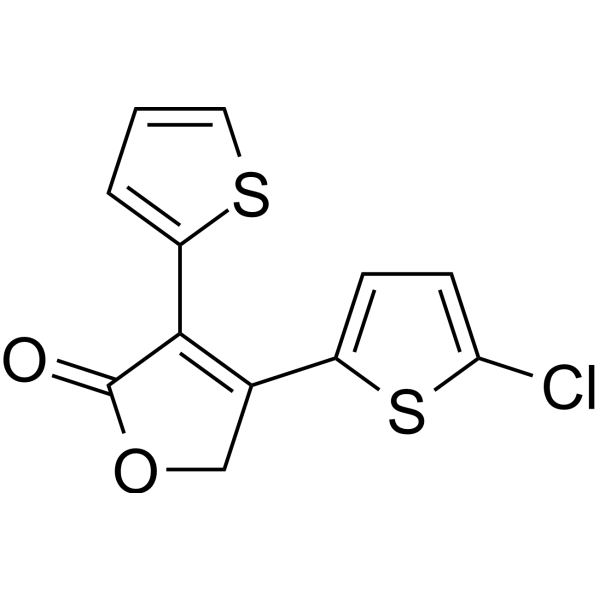
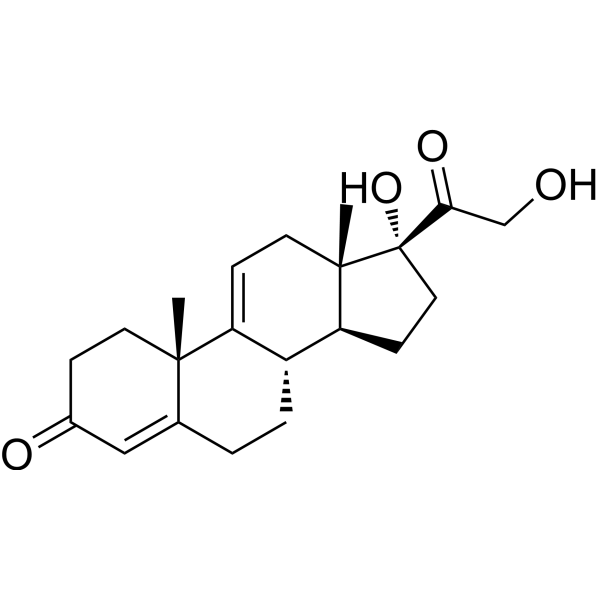
YC-001 is an inverse agonist and antagonist of rod opsin. YC-001 reversibly binds rod opsin and stabilizes the rod opsin structure. YC-001 protects mice from bright light-induced retinal degeneration. YC-001 has the potential for the research of retinal degeneration .
|
-
-
- HY-145628
-
|
|
Sigma Receptor
|
Neurological Disease
Inflammation/Immunology
|
|
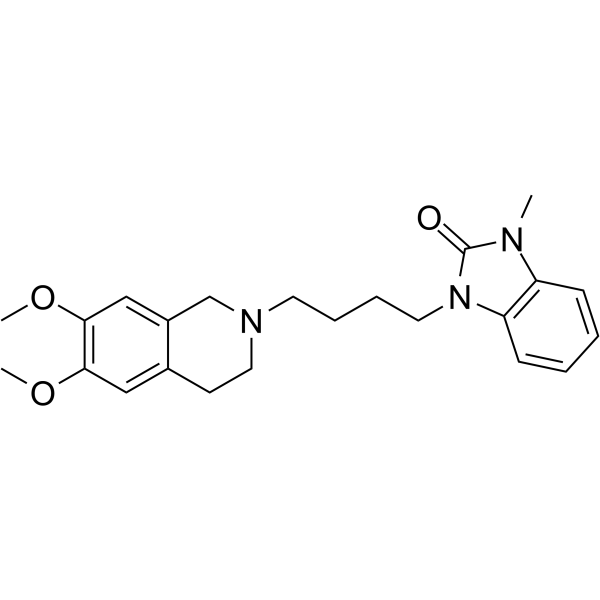
CM398 is a highly selective, orally active Sigma-2 receptor ligand with a Ki value of 0.43 nM. CM398 ameliorates age-related macular degeneration. CM398 exerts analgesic effects on visceral pain, inflammatory pain and neuropathic pain. CM398 can be used in research related to age-related macular degeneration, neuropathic pain and inflammatory pain .
|
-
-
- HY-P10227
-
-
-
- HY-101446
-
|
|
Trk Receptor
ERK
Apoptosis
|
Neurological Disease
|
|
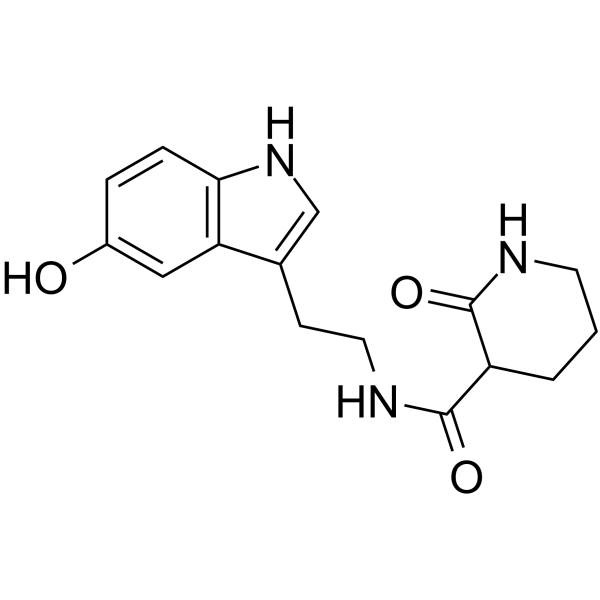
HIOC is a potent and selective activator of TrkB (tropomyosin related kinase B) receptor. HIOC can pass the blood-brain and blood-retinal barriers.HIOC activates TrkB/ERK pathway and decreases neuronal cell apoptosis. HIOC attenuates early brain injury after SAH (subarachnoid hemorrhage). HIOC shows protective activity in an animal model for light-induced retinal degeneration .
|
-
-
- HY-P99576
-
|
OG1953
|
VEGFR
|
Others
|
|
Tarcocimab (OG1953) is a humanized anti-VEGFA monoclonal antibody (IgG1 type). Tarcocimab is available for research in retinal vein occlusion (RVO) and wet age-related macular degeneration (AMD).
|
-
-
- HY-N11499
-
|
|
Bacterial
|
Infection
Inflammation/Immunology
|
|
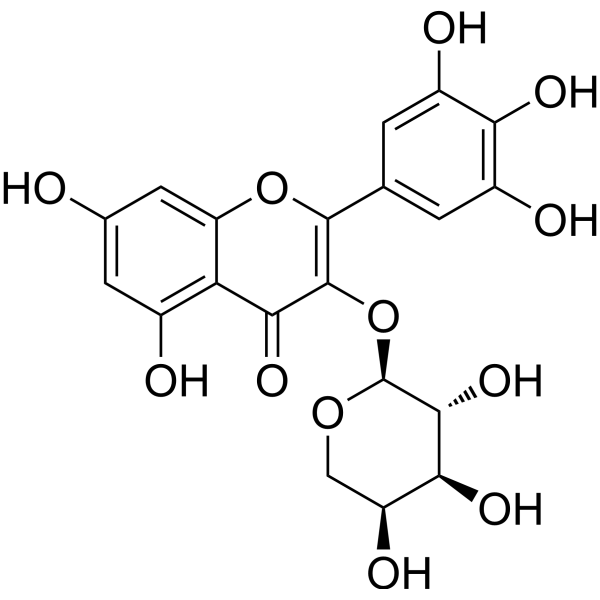
Myricetin 3-O-α-L-arabinopyranoside is a quercetin derivative and plant flavonoid with antioxidant, antibacterial and antiurease effects. Myricetin 3-O-α-L-arabinopyranoside inhibits A2E photooxidation-induced RPE cell death. Myricetin 3-O-α-L-arabinopyranoside is protective against retinal degeneration and protects against blue light (BL)-induced damage in RPE cells and mouse models .
|
-
-
- HY-116098
-
|
AL-4940
|
Biochemical Assay Reagents
|
Cancer
|
|
Anecortave desacetate (AL-4940) is an angiogenesis inhibitor. Anecortave is indicated for the study of exudative (wet) age-related macular degeneration as well as retinal tumors .
|
-
-
- HY-113127
-
|
|
Apoptosis
|
Others
|
|
L-Tryptophanamide is a compound discovered in wet age-related macular degeneration research, which has activities related to affecting retinal cell proliferation, apoptosis, necrosis and angiogenesis. In in vitro experiments, L-Tryptophanamide affects the proliferation, apoptosis and necrosis of human retinal pigment epithelial cells, and promotes tube formation and migration of human retinal endothelial cells.
|
-
-
- HY-N7270
-
|
|
Others
|
Inflammation/Immunology
|
|
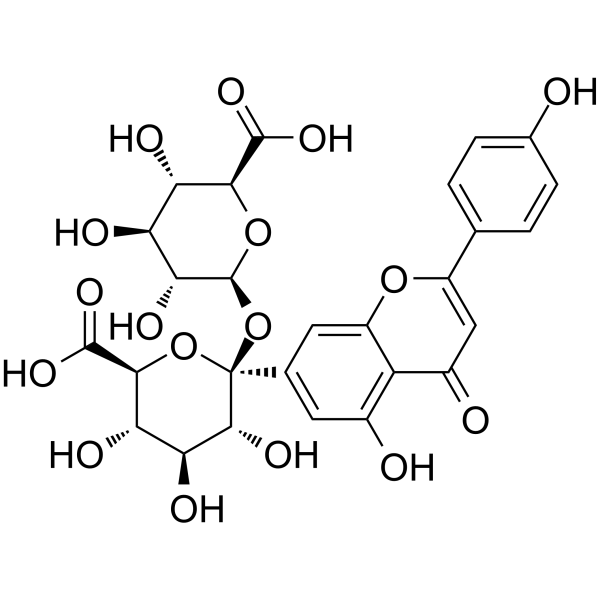
Apigenin-7-diglucuronide is a flavonoid glycoside and is present in an assortment of medicinal plants with anti-inflammatory or ant-oxidant activities. Apigenin-7-diglucuronide protects retinas against bright light-induced photoreceptor degeneration through the inhibition of retinal oxidative stress and inflammation .
|
-
-
- HY-116312
-
|
8-CPT-2'-O-Me-cAMP
|
Ras
|
Cardiovascular Disease
|
|
8-pCPT-2′-O-Me-cAMP (8-CPT-2'-O-Me-cAMP), an analog of cAMP, is an activator of exchange proteins activated by cAMP (Epac). 8-pCPT-2′-O-Me-cAMP activates Epac1 (EC50 = 2.2 μM), but not PKA (EC50 >10 μM). 8-pCPT-2′-O-Me-cAMP stimulates Epac-mediated Ca 2+ release in pancreatic β-cells in vitro. 8-pCPT-2′-O-Me-cAMP is a Rap1 activator. 8-pCPT-2′-O-Me-cAMP enhances the retinal pigment epithelium barrier against the pathological choroidal endothelial cell invasion that occurs in macular degeneration .
|
-
-
- HY-162904
-
|
|
Mitochondrial Metabolism
|
Cardiovascular Disease
|
|
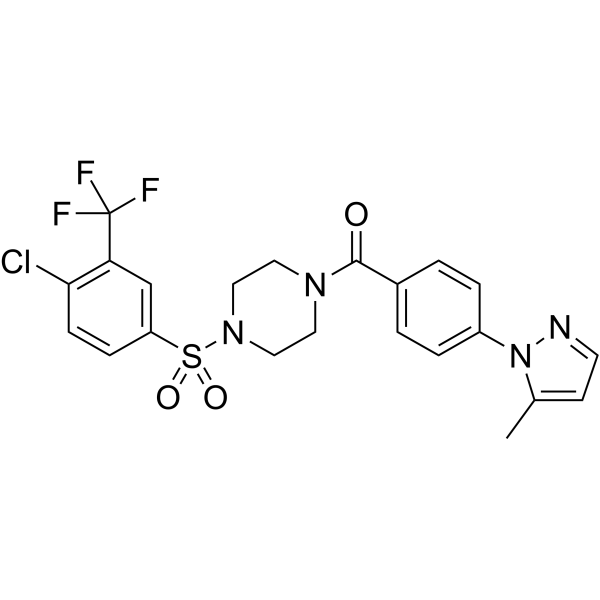
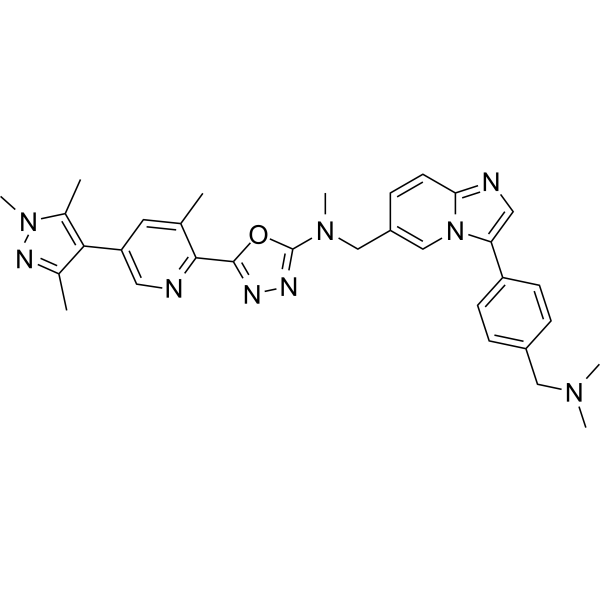
BPU17 binds to PHB1 and causes mild defects in mitochondrial function by defects in the PHB1-PHB2 interaction. This impairment inhibits the SRF/CArG-box-dependent transcription, resulting in the suppression of epithelial-mesenchymal transition (EMT) of retinal pigment epithelial cells (RPEs). BPU17 exhibits antifibrotic activity in vivo. BPU17 is promising for research of anti-neovascular age-related macular degeneration (nAMD) agent .
|
-
-
- HY-140739A
-
|
|
Liposome
|
Neurological Disease
Cancer
|
|
DSPE-PEG2000-Maleimide free acid is a phospholipid-PEG conjugate. DSPE-PEG2000-Maleimide free acid utilizes the amphiphilicity of DSPE to insert into the lipid bilayer of liposomes or nanoparticles. DSPE-PEG2000-Maleimide free acid covalently couples to the sulfhydryl (-SH) of ligands (such as antibodies, peptides, or proteins) via thiol-maleimide click chemistry, giving the particles targeting capabilities. DSPE-PEG2000-Maleimide free acid can be used in the researches of breast cancer, lymphoma, and inherited retinal degeneration .
|
-
-
- HY-P991886
-
|
|
Complement System
|
Neurological Disease
|
|
ANX-M1 is a blood-brain barrier-permeable anti-C1q antibody. ANX-M1 can slow down the progression of retinal degeneration following photo-oxidative damage. ANX-M1 has been incorporated into nanocarriers to evaluate its brain delivery efficacy in a mouse model of Alzheimer's disease. ANX-M1 is applicable for research on age-related macular degeneration and Alzheimer's disease [1] .
|
-
-
- HY-178919
-
|
|
Formyl Peptide Receptor (FPR)
Apoptosis
Bacterial
|
Inflammation/Immunology
|
|
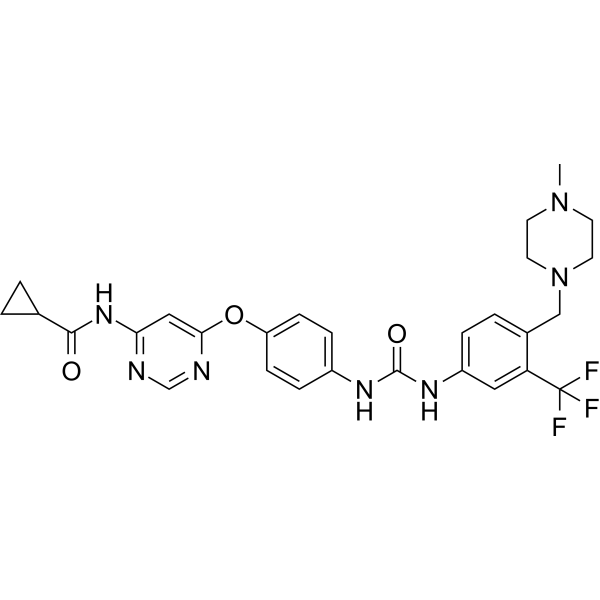
N-19004 is a FPR1 antagonist. N-19004 shows broad-spectrum antibacterial effects against a variety of pathogens. N-19004 exhibits significant retinal protective effects in the rd10 mouse model of retinitis pigmentosa (RP). N-19004 can attenuate retinal dysfunction, mitigate rod and cone degeneration, and reduce immune cell activation, gliosis, inflammation, oxidative stress, and apoptosis. N-19004 can reduce the size of laser-induced choroidal lesions and promote edema absorption through dual anti-inflammatory and anti-angiogenic effects. N-19004 can be used for the research of retinal degenerative diseases such as retinitis pigmentosa .
|
-
-
- HY-175664
-
|
|
RPE65
|
Metabolic Disease
|
|
EYE-003 is an orally active RPE65 inhibitor with an IC50 of 102 nM. EYE-003 regulates the visual cycle in mice by reducing 11-cis-retinal (11cRAL) (HY-116711) synthesis and increasing all-trans-retinyl esters (atREs). EYE-003 suppresses scotopic ERG b-wave amplitude and exerts protective effects against retinal degeneration in Abca4 ⁻/⁻ Rdh8 ⁻/⁻ mice (a STGD1 model) by reducing retinal autofluorescent puncta and preserving outer nuclear layer (ONL) thickness in a dose-dependent manner. EYE-003 can be used for the study of visual cycle-associated retinopathies, such as Stargardt disease type 1 (STGD1) .
|
-
-
- HY-175178
-
|
|
Arrestin
Adrenergic Receptor
|
Endocrinology
|
|
Arrestin-3 modulator-1 (Compound LSH-3) is an arrestin-3 modulator. Arrestin-3 modulator-1 binds arrestin-3 at the interdomain interface. Arrestin-3 modulator-1 enhances recruitment of arrestin-3 to phosphorylation-deficient β2AR in cells with increase of FRET levels. Arrestin-3 modulator-1 can be used for congenital disorders like retinal degeneration, hyperthyroidism and obesity research .
|
-
-
- HY-109869
-
|
|
Orphan Nuclear Receptor
|
Others
|
|
Photoregulin1 is a compound with the potential to inhibit retinitis pigmentosa that modulates gene expression in retinal cells and slows the degeneration of photoreceptors in a mouse model.
|
-
-
- HY-172232
-
|
|
Lipocalin Family
|
Neurological Disease
|
|
STG-001 is a retinol binding protein 4 (RBP4) antagonist. STG-001 inhibits RBP4 to reduce the synthesis of retinal and diretinol, thereby preventing photoreceptor degeneration. STG-001 can be used in the study of sexually precocious nephropathy (STGD) .
|
-
-
- HY-122129
-
|
|
Endogenous Metabolite
|
Metabolic Disease
|
|
Very long chain polyunsaturated fatty acids (VLCPUFA) are present in retina, sperm, and brain. Though little is known of their biosynthesis or functional roles in these tissues, recent studies using the elongation of very long-chain FA-4 protein suggest a unique role for VLCPUFA in retinal development and macular degeneration. Dotriaconta-14,17,20,23,26,29-hexaenoic acid is a C32:6 VLCPUFA whose specific biological actions are largely unknown, but are thought to involve normal photoreceptor cell function in the retina.
|
-
-
- HY-122129S
-
|
|
Isotope-Labeled Compounds
Endogenous Metabolite
|
Metabolic Disease
|
|
Dotriaconta-14,17,20,23,26,29-hexaenoic acid-d6 is deuterium labeled Dotriaconta-14,17,20,23,26,29-hexaenoic acid. Very long chain polyunsaturated fatty acids (VLCPUFA) are present in retina, sperm, and brain. Though little is known of their biosynthesis or functional roles in these tissues, recent studies using the elongation of very long-chain FA-4 protein suggest a unique role for VLCPUFA in retinal development and macular degeneration. Dotriaconta-14,17,20,23,26,29-hexaenoic acid is a C32:6 VLCPUFA whose specific biological actions are largely unknown, but are thought to involve normal photoreceptor cell function in the retina .
|
-
-
- HY-119059
-
|
|
RPE65
|
Metabolic Disease
|
|
CU239 is a potent and competitive non-retinoic acid inhibitor of RPE65 with an IC50 for RPE65 isomerase (11-cis retinal) of 6 μM. CCU239 exhibits delayed chromophore regeneration after light bleach, and conferrs a partial protection of the retina against injury from high intensity light. CU239 can be used for the study of retinal degeneration .
|
-
-
- HY-141489
-
|
|
Biochemical Assay Reagents
Liposome
|
Neurological Disease
|
|
DSPE-PEG2000-Carboxy NHS sodium is a linker. DSPE-PEG2000-Carboxy NHS sodium enables conjugation of targeting peptides to lipid nanoparticles after their preparation. DSPE-PEG2000-Carboxy NHS (sodium) is applicable to the research of hereditary retinal degeneration .
|
-
-
- HY-182385
-
|
|
Lipocalin Family
|
Metabolic Disease
|
|
BPN-14136 is an orally effective retinol-binding protein 4 (RBP4) inhibitor. BPN-14136 inhibits the binding of retinol to RBP4 with an IC50 of 12.8 nM. BPN-14136 inhibits retinol-dependent RBP4-transthyretin interaction (IC50 = 43.6 nM) and reduces circulating plasma RBP4 levels in vivo. BPN-14136 decreases the formation of cytotoxic bisretinoids in retinal pigment epithelial cells. BPN-14136 can be used for the research of atrophic age-related macular degeneration and Stargardt disease .
|
-
-
- HY-176994
-
-
-
- HY-107543R
-
|
8-CPT-2'-O-Me-cAMP sodium (Standard)
|
Reference Standards
Ras
|
Cardiovascular Disease
|
|
8-pCPT-2′-O-Me-cAMP sodium (Standard) is the analytical standard of 8-pCPT-2′-O-Me-cAMP (sodium) (HY-107543). This product is intended for research and analytical applications. 8-pCPT-2′-O-Me-cAMP (8-CPT-2'-O-Me-cAMP) sodium, an analog of cAMP, is an activator of exchange proteins activated by cAMP (Epac). 8-pCPT-2′-O-Me-cAMP sodium activates Epac1 (EC50 = 2.2 μM), but not PKA (EC50 >10 μM). 8-pCPT-2′-O-Me-cAMP sodium stimulates Epac-mediated Ca2+ release in pancreatic β-cells in vitro. 8-pCPT-2′-O-Me-cAMP sodium is a Rap1 activator. 8-pCPT-2′-O-Me-cAMP sodium enhances the retinal pigment epithelium barrier against the pathological choroidal endothelial cell invasion that occurs in macular degeneration .
|
-
| Cat. No. |
Product Name |
Type |
-
- HY-140739
-
|
|
Biochemical Assay Reagents
|
|
DSPE-PEG2000-Maleimide sodium (purity>95%) is a phospholipid-PEG conjugate. DSPE-PEG2000-Maleimide utilizes the amphiphilicity of DSPE to insert into the lipid bilayer of liposomes or nanoparticles. DSPE-PEG2000-Maleimide covalently couples to the sulfhydryl (-SH) of ligands (such as antibodies, peptides, or proteins) via thiol-maleimide click chemistry, giving the particles targeting capabilities. DSPE-PEG2000-Maleimide sodium (purity>95%) can be used in the researches of breast cancer, lymphoma, and inherited retinal degeneration .
|
| Cat. No. |
Product Name |
Target |
Research Area |
| Cat. No. |
Product Name |
Target |
Research Area |
Image |
-
- HY-P99116
-
|
RG7716; RO-6867461
|
VEGFR
|
Cardiovascular Disease
Metabolic Disease
Inflammation/Immunology
|
|
Faricimab, an overall good safety and tolerability profile, is a bispecific antibody targeting Angiopoietin-2 (Ang-2) and vascular endothelial growth factor-A (VEGF-A). Faricimab prevents retinal vascular leakage, cell death and inflammation in retinal ischemia/reperfusion (I/R) injury and sCNV mouse models. Faricimab demonstrates statistically superior visual acuity gains versus Ranibizumab (HY-P9951). Faricimab can be used for retinal diseases, such as age-related macular degeneration (w-AMD), diabetic macular edema (DME) and macular edema following retinal vein occlusion (RVO) .
|
-
(5)
-
- HY-P99576
-
|
OG1953
|
VEGFR
|
Others
|
|
Tarcocimab (OG1953) is a humanized anti-VEGFA monoclonal antibody (IgG1 type). Tarcocimab is available for research in retinal vein occlusion (RVO) and wet age-related macular degeneration (AMD).
|
-
(5)
-
- HY-P991886
-
|
|
Complement System
|
Neurological Disease
|
|
ANX-M1 is a blood-brain barrier-permeable anti-C1q antibody. ANX-M1 can slow down the progression of retinal degeneration following photo-oxidative damage. ANX-M1 has been incorporated into nanocarriers to evaluate its brain delivery efficacy in a mouse model of Alzheimer's disease. ANX-M1 is applicable for research on age-related macular degeneration and Alzheimer's disease [1] .
|
-
(5)
| Cat. No. |
Product Name |
Category |
Target |
Chemical Structure |
-
- HY-116711
-
-
-
- HY-19696B
-
-
-
- HY-14608R
-
|
|
Structural Classification
Microorganisms
Disease markers
Endocrine diseases
Amino acids
Nervous System Disorder
Endogenous metabolite
Cardiovascular System Disorder
Cancer
Source Classification
|
Reference Standards
Endogenous Metabolite
iGluR
Ferroptosis
Apoptosis
|
L-Glutamic acid (Standard) is the analytical standard of L-Glutamic acid. This product is intended for research and analytical applications. L-Glutamic acid is an excitatory amino acid neurotransmitter that acts as an agonist for all subtypes of glutamate receptors (metabolic rhodophylline, NMDA, and AMPA). L-Glutamic acid has an agonist effect on the release of DA from dopaminergic nerve endings. L-Glutamic acid can be used in the study of neurological diseases .
IC50 & Target:DA .
In Vitro: L-Glutamic acid (120, 500, 750, 1000 mg/dL) can reduce the harmful effect of lithium on the embryonic development of Xenopus Xenopus .
L-Glutamic acid (2, 5, 10, 20 mM, 24-48 h) can induce neuroexcitotoxicity in neuroblastoma .
In Vivo: L-Glutamic acid (3 g/kg, subcutaneous injection) can promote excitotoxic degeneration of retinal ganglion cells in mice .
L-Glutamic acid (750 mg/kg, intraperitoneal injection) can reduce and inhibit oxidative stress induced by chlorpyrifos (CPF) in rats .
|
-
-
- HY-124717
-
-
-
- HY-N11499
-
-
-
- HY-N7270
-
-
| Cat. No. |
Product Name |
Chemical Structure |
-
- HY-122129S
-
|
|
|
Dotriaconta-14,17,20,23,26,29-hexaenoic acid-d6 is deuterium labeled Dotriaconta-14,17,20,23,26,29-hexaenoic acid. Very long chain polyunsaturated fatty acids (VLCPUFA) are present in retina, sperm, and brain. Though little is known of their biosynthesis or functional roles in these tissues, recent studies using the elongation of very long-chain FA-4 protein suggest a unique role for VLCPUFA in retinal development and macular degeneration. Dotriaconta-14,17,20,23,26,29-hexaenoic acid is a C32:6 VLCPUFA whose specific biological actions are largely unknown, but are thought to involve normal photoreceptor cell function in the retina .
|
-
| Cat. No. |
Product Name |
|
Classification |
-
- HY-140739
-
|
|
|
Pegylated Lipids
|
|
DSPE-PEG2000-Maleimide sodium (purity>95%) is a phospholipid-PEG conjugate. DSPE-PEG2000-Maleimide utilizes the amphiphilicity of DSPE to insert into the lipid bilayer of liposomes or nanoparticles. DSPE-PEG2000-Maleimide covalently couples to the sulfhydryl (-SH) of ligands (such as antibodies, peptides, or proteins) via thiol-maleimide click chemistry, giving the particles targeting capabilities. DSPE-PEG2000-Maleimide sodium (purity>95%) can be used in the researches of breast cancer, lymphoma, and inherited retinal degeneration .
|
-
- HY-148457
-
|
Izervay
|
|
Aptamers
|
|
Avacincaptad pegol (Izervay) is a selective inhibitor targeting complement component C5, and is a pegylated ribonucleic acid aptamer. Avacincaptad pegol inhibits the cleavage of C5 into pro-inflammatory C5a and C5b, which forms the membrane attack complex (C5b-9), thereby reducing inflammatory cell recruitment and retinal cell damage. Avacincaptad pegol can slow the growth of geographic atrophy (GA) lesions and reduce the risk of persistent vision loss. Avacincaptad pegol can be used in research of geographic atrophy associated with age-related macular degeneration (AMD) and has been approved by the FDA .
|
-
- HY-140739A
-
|
|
|
Pegylated Lipids
|
|
DSPE-PEG2000-Maleimide free acid is a phospholipid-PEG conjugate. DSPE-PEG2000-Maleimide free acid utilizes the amphiphilicity of DSPE to insert into the lipid bilayer of liposomes or nanoparticles. DSPE-PEG2000-Maleimide free acid covalently couples to the sulfhydryl (-SH) of ligands (such as antibodies, peptides, or proteins) via thiol-maleimide click chemistry, giving the particles targeting capabilities. DSPE-PEG2000-Maleimide free acid can be used in the researches of breast cancer, lymphoma, and inherited retinal degeneration .
|
Your information is safe with us. * Required Fields.
Inquiry Information
- Product Name:
- Cat. No.:
- Quantity:
- MCE Japan Authorized Agent:

