335 Results for "

Rodents

" in MedChemExpress (MCE) Product Catalog:
Products (335)

335 Results for "Rodents" in MCE Product Catalog:

48
48 Publications Verification
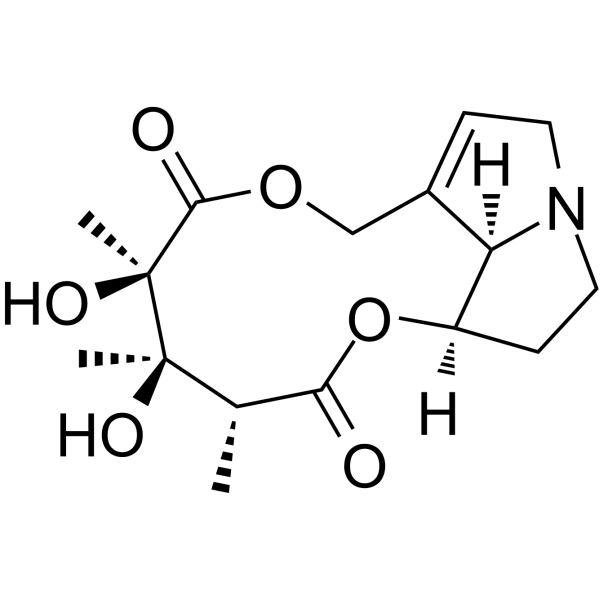
Cat. No.: HY-N0750
CAS No.: 315-22-0
Synonyms: Crotaline
Monocrotaline is an 11-membered macrocyclic pyrrolizidine alkaloid. Monocrotaline inhibits OCT-1 and OCT-2 with IC50s of 36.8 µM and 1.8 mM, respectively. Monocrotaline has antitumor activity and is cytotoxic to hepatocellular carcinoma cells. Monocrotaline is used to induce a model of pulmonary hypertension in rodents. [2][6][8].
loading...
    loading...
21
21 Cited Publications
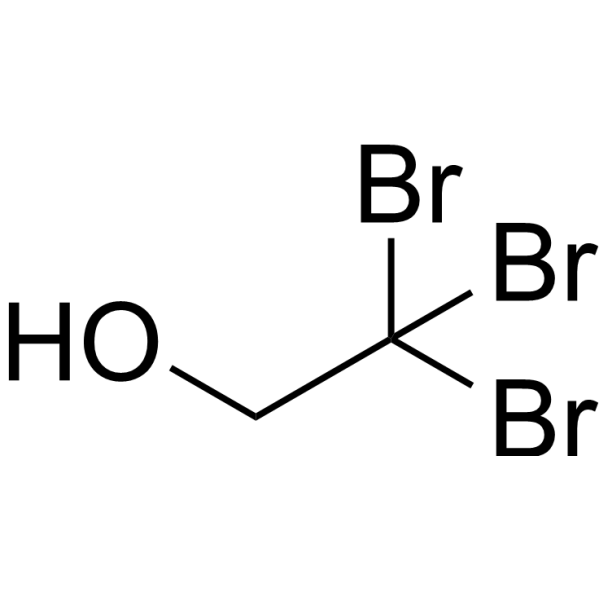
Cat. No.: HY-B1372
CAS No.: 75-80-9
Synonyms: 2,2,2-Tribromoethanol; Narcolan
Research Areas:  

Neurological Disease

Tribromoethyl alcohol (2,2,2-Tribromoethanol) is used to animals, particularly rodents, before surgery.
loading...
    loading...
12
12 Cited Publications
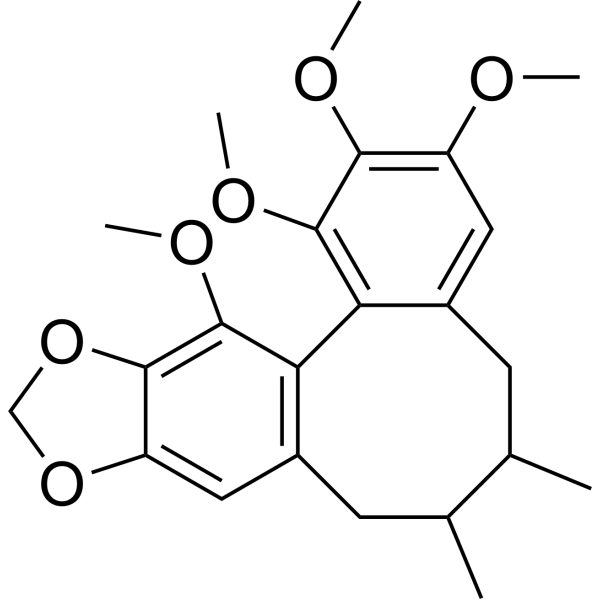
Cat. No.: HY-N0089
CAS No.: 61281-37-6
Synonyms: γ-Schisandrin; Wuweizisu B
Schisandrin B (γ-Schisandrin) is a biphenylcyclooctadiene derivative isolated from Schisandra chinensis and has been shown to have antioxidant effects on the liver and heart of rodents.
loading...
    loading...
12
12 Cited Publications
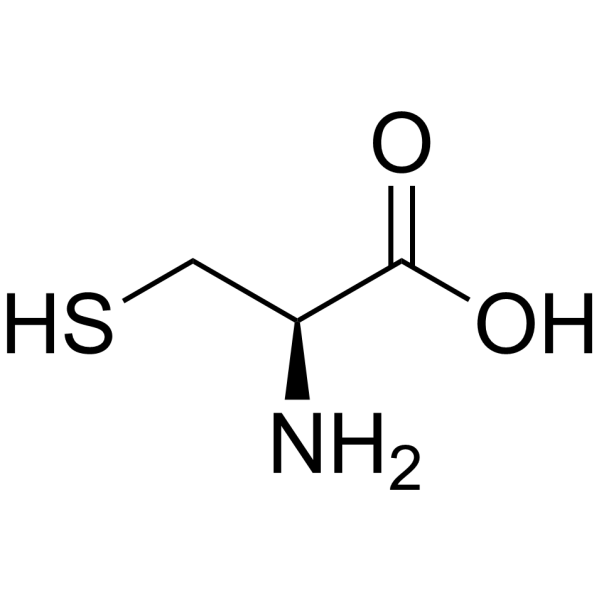
Cat. No.: HY-Y0337
CAS No.: 52-90-4
Synonyms: Cysteine
L-Cysteine (Cysteine) is an orally active conditionally essential amino acid with hypoglycemic effects, which acts as a precursor for biologically active molecules such as hydrogen sulphide (H2S), glutathione and taurine. L-Cysteine promotes the proliferation and differentiation of neural stem cells via the CBS/H2S pathway. L-Cysteine suppresses ghrelin and reduces appetite in rodents and humans. L-Cysteine can be used as an anorectic agent .
loading...
    loading...
12
12 Cited Publications
Cat. No.: HY-Y0337A
CAS No.: 52-89-1
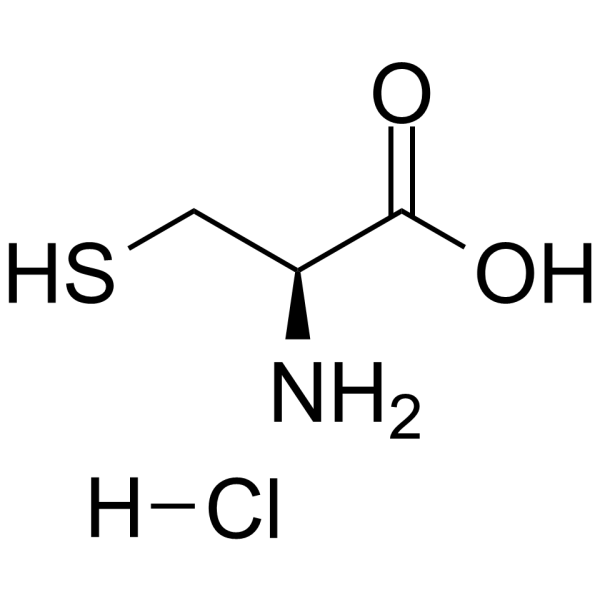
L-Cysteine hydrochloride is an orally active conditionally essential amino acid, which acts as a precursor for biologically active molecules such as hydrogen sulphide (H2S), glutathione and taurine. L-Cysteine hydrochloride suppresses ghrelin and reduces appetite in rodents. L-Cysteine hydrochloride inhibits Aspergillus flavus growth and AFB synthesis by disrupting cell structure and antioxidant system balance. L-Cysteine hydrochloride enhances relaxant responses of rat aortic rings to NO and reduces responses to endothelium-derived relaxing factor (EDRF) .
loading...
    loading...
7
7 Cited Publications
Cat. No.: HY-15023
CAS No.: 900510-03-4
Purity:  99.95%
Synonyms: PF-3274167
Target:  

Oxytocin Receptor

Research Areas:  

Endocrinology

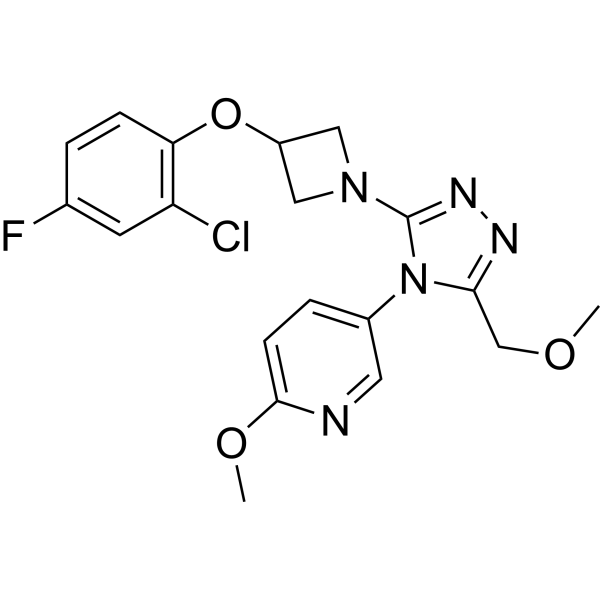
Cligosiban (PF-3274167) is an orally active, highly selective, and centrally permeable oxytocin receptor antagonist with good pharmacokinetics in rats and can inhibit physiological ejaculation in rodents [1][2].
loading...
    loading...
6
6 Cited Publications
Cat. No.: HY-131723
CAS No.: 1434-54-4
Purity:  98.48%
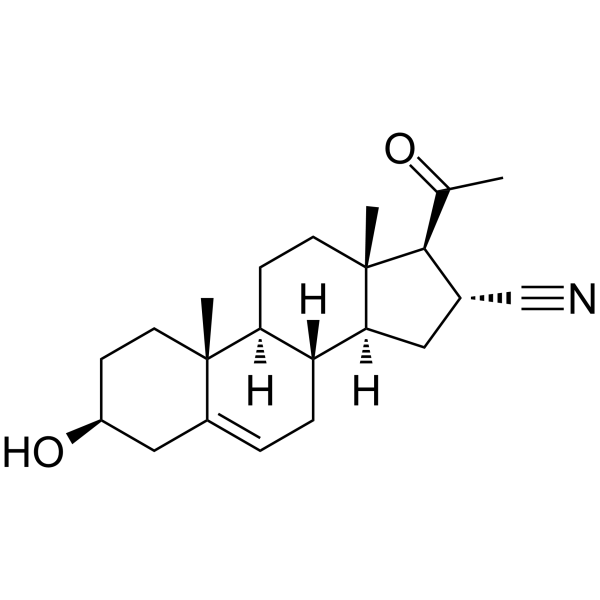
Pregnenolone 16α-carbonitrile is an orally active prototypical and effective rodent-PXR activator. Pregnenolone 16α-carbonitrile, a synthetic steroid, induces cytochrome P450 3A expression. Pregnenolone 16α-carbonitrile exhibits increased resistance to subsequent stressful insults .
loading...
    loading...
6
6 Cited Publications
Cat. No.: HY-101418
CAS No.: 1428327-31-4
Purity:  99.79%
Target:  

P2X Receptor

Research Areas:  

Neurological Disease

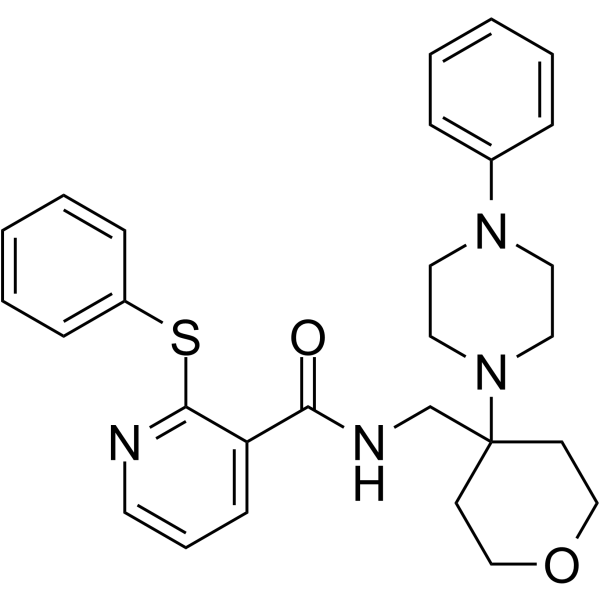
JNJ-47965567 is a centrally permeable, high-affinity, selective P2X7 antagonist, with pKis of 7.9 and 8.7 for human and rat P2X7, respectively. JNJ-47965567 can be used to probe the role of central P2X7 in rodent models of CNS pathophysiology .
loading...
    loading...
4
4 Cited Publications
Cat. No.: HY-W011845
CAS No.: 57-97-6
Synonyms: 7,12-DMBA; 7,12-Dimethylbenzanthracene
Research Areas:  

Cancer

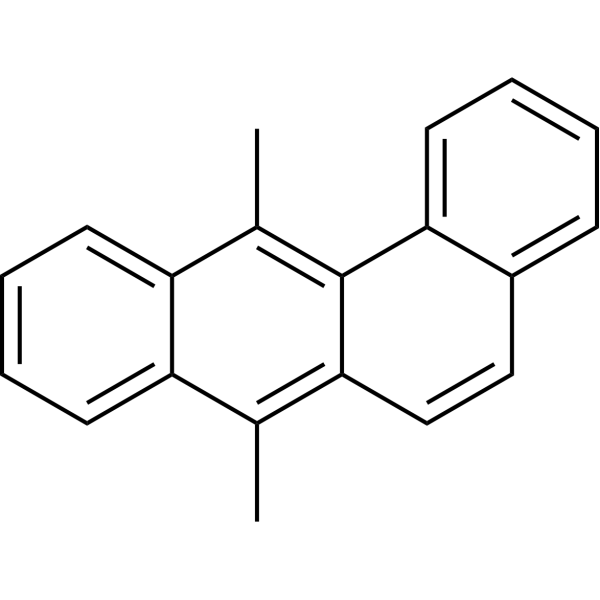
DMBA has carcinogenic activity as a polycyclic aromatic hydrocarbon (PAH). DMBA is used to induce tumor formation in various rodent models .
loading...
    loading...
4
4 Cited Publications
Cat. No.: HY-108593
CAS No.: 202821-81-6
Synonyms: BMS-A
Target:  

Potassium Channel

Research Areas:  

Neurological Disease

BMS 191011 (BMS-A) is a potent BKCa channel opener (large-conductance Ca 2+-activated potassium channel). BMS-191011 shows neuroprotective activities in rodent models of stroke .
loading...
    loading...
3
3 Cited Publications
Cat. No.: HY-138171
CAS No.: 2089251-33-0
Purity:  99.50%
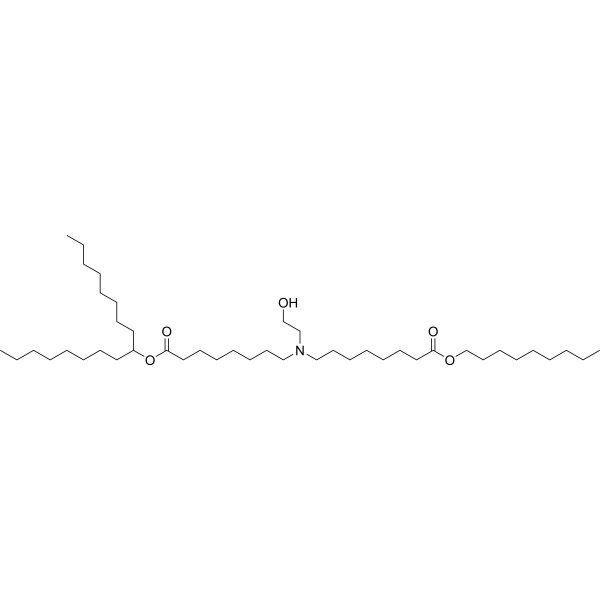
Lipid 5 is an amino lipid that affords efficient mRNA delivery in rodent and primate models. Lipid 5 shows optimal pharmacokinetics and non-toxic side effects .
loading...
    loading...
3
3 Cited Publications
Cat. No.: HY-N0614
CAS No.: 56038-13-2
Synonyms: E955; Trichlorosucrose
Target:  

Endogenous Metabolite

Research Areas:  

Cancer

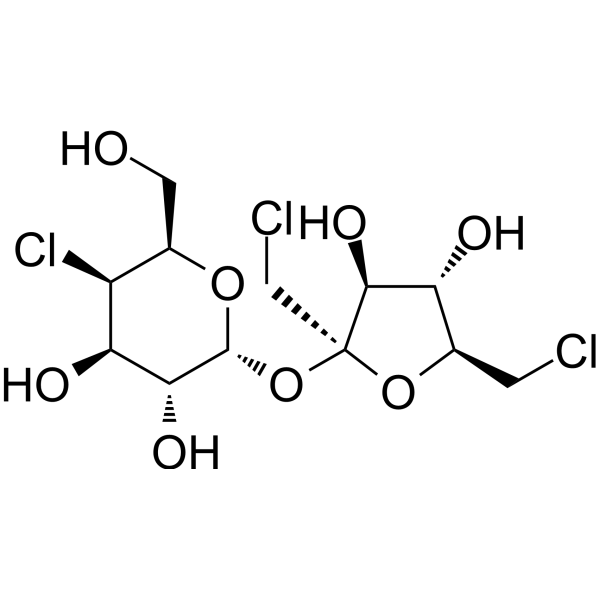
Sucralose (E955; Trichlorosucrose) is a non-nutritive artificial sweetener and sugar substitute. Sucralose can activate a conserved neural fasting response and thereby exerts an appetite-stimulating effect in rodents .
loading...
    loading...
3
3 Cited Publications
Cat. No.: HY-P1197
CAS No.: 478507-53-8
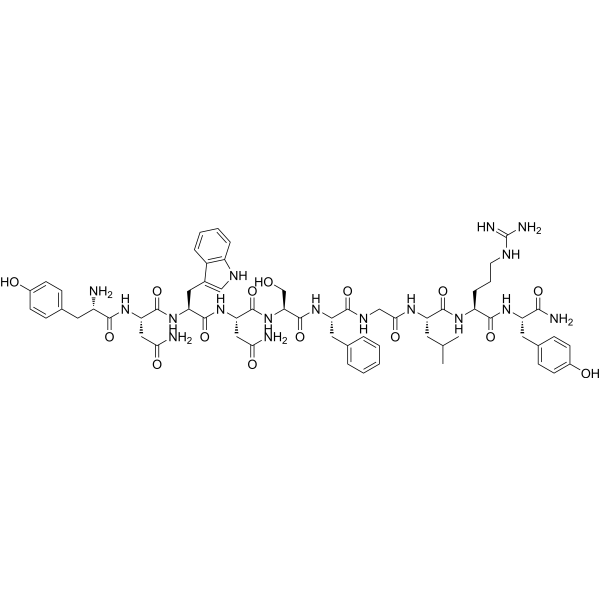
Kisspeptin-10 (mouse, rat) is a potent vasoconstrictor and inhibitor of angiogenesis. Kisspeptin-10 (mouse, rat) is a ligand for the rodent kisspeptin receptor (KISS1, GPR54). Kisspeptin-10 reduces Methotrexate-induced reproductive toxicity as a potential antioxidant compound .
loading...
    loading...
3
3 Cited Publications
Cat. No.: HY-16579
CAS No.: 56776-32-0
Synonyms: HOE 36-801 hydrochloride
Target:  

GABA Receptor

Research Areas:  

Neurological Disease

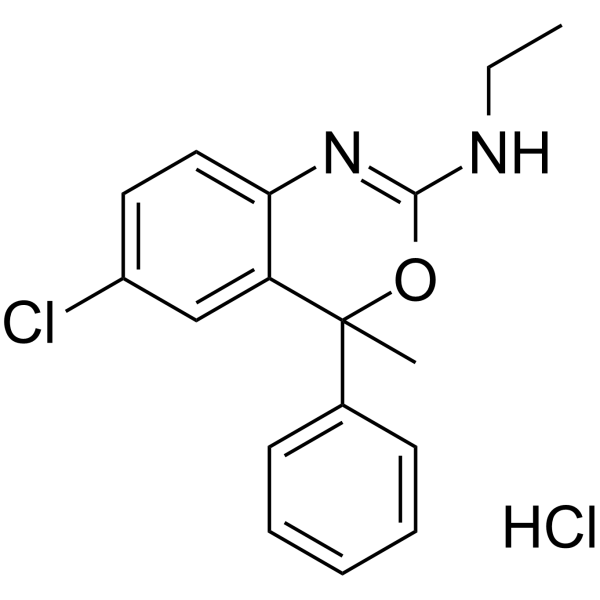
Etifoxine hydrochloride, a non-benzodiazepine GABAergic compound, is a positive allosteric modulator of α1β2γ2 and α1β3γ2 subunit-containing GABAA receptors. Etifoxine hydrochloride reveals anxiolytic and anticonvulsant properties in rodents .
loading...
    loading...
3
3 Cited Publications
Cat. No.: HY-16579A
CAS No.: 21715-46-8
Synonyms: HOE 36-801
Target:  

GABA Receptor

Research Areas:  

Neurological Disease

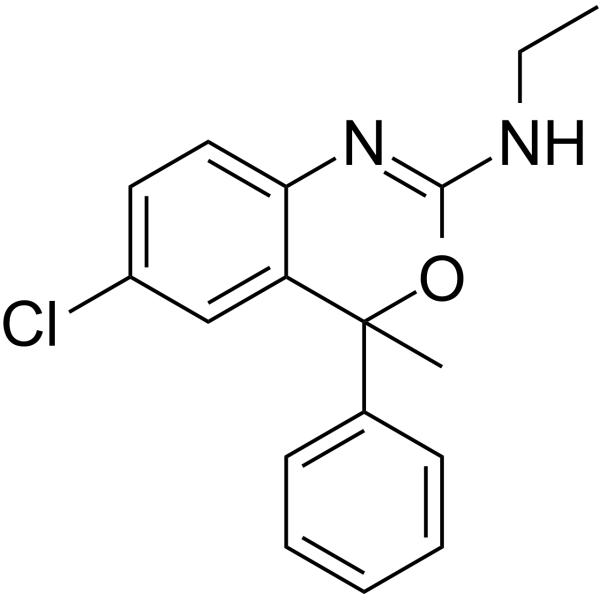
Etifoxine, a non-benzodiazepine GABAergic compound, is a positive allosteric modulator of α1β2γ2 and α1β3γ2 subunit-containing GABAA receptors. Etifoxine reveals anxiolytic and anticonvulsant properties in rodents .
loading...
    loading...
3
3 Cited Publications
Cat. No.: HY-P1197A
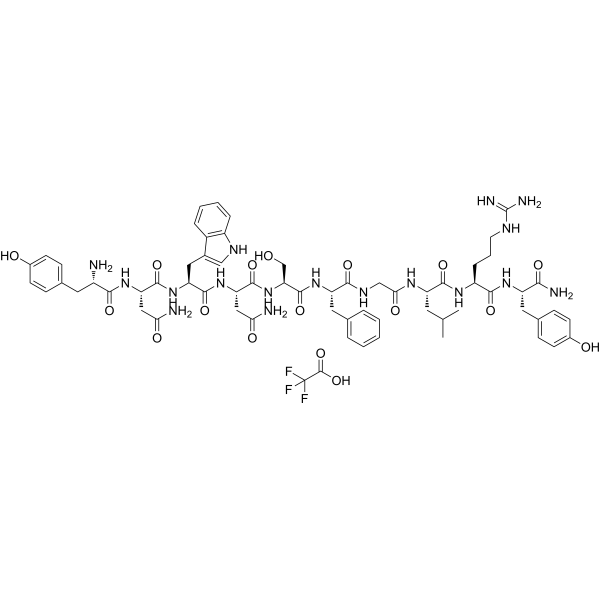
Kisspeptin-10 (mouse, rat) TFA is a potent vasoconstrictor and inhibitor of angiogenesis. Kisspeptin-10 (mouse, rat) TFA is a ligand for the rodent kisspeptin receptor (KISS1, GPR54). Kisspeptin-10 (mouse, rat) TFA reduces Methotrexate-induced reproductive toxicity as a potential antioxidant compound .
loading...
    loading...
3
3 Cited Publications
Cat. No.: HY-A0168
CAS No.: 313348-27-5
Synonyms: CVT-3146
Target:  

Adenosine Receptor

Research Areas:  

Cardiovascular Disease Cancer

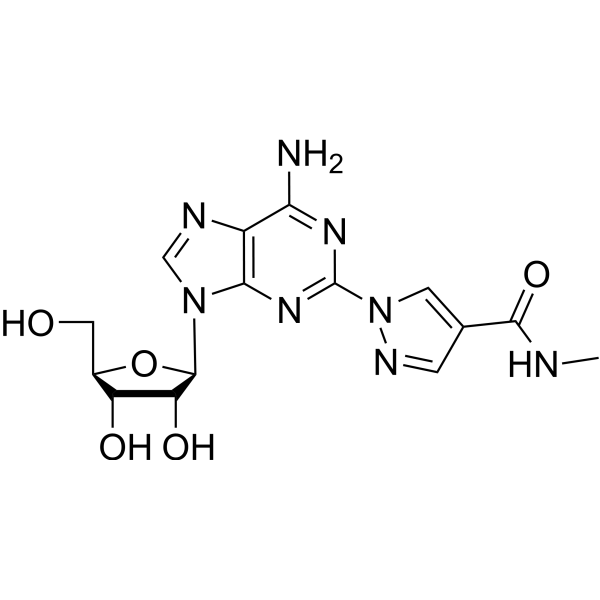
Regadenoson (CVT-3146) is a selective A2A adenosine receptor agonist and vasodilator that increases coronary blood flow, can be used in study of myocardial perfusion imaging. Regadenoson also increases the permeability of the blood-brain barrier (BBB) in rodents, can be used to study increased delivery of agents to the human CNS .
loading...
    loading...
3
3 Cited Publications
Cat. No.: HY-13967
CAS No.: 865231-46-5
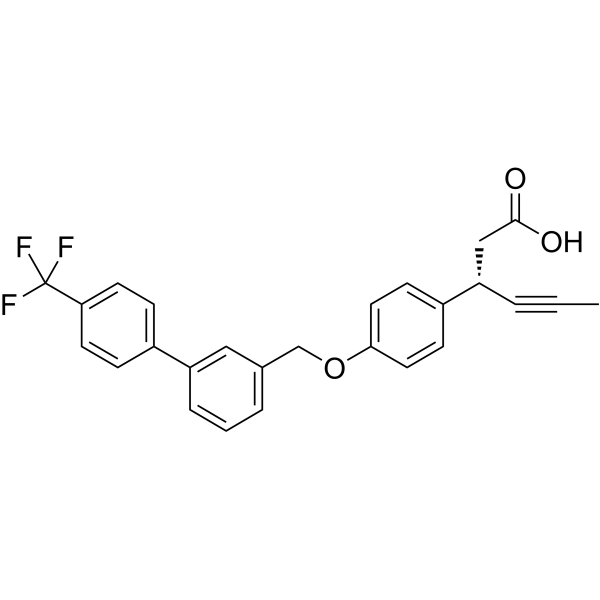
AMG 837 is an orally active, selective GPR40/FFA1 agonist with an EC50 of 1.5 nM against human GPR40. AMG 837 stimulates insulin secretion in a glucose-dependent manner, and effectively improves glycemic control in both normal and diabetic rodent models . AMG 837 binds to the BacA protein and impairs the survival and replication of Brucella. AMG 837 can be used in research related to type 2 diabetes and brucellosis .
loading...
    loading...
3
3 Cited Publications
Cat. No.: HY-123857
CAS No.: 2166558-11-6
Purity:  99.82%
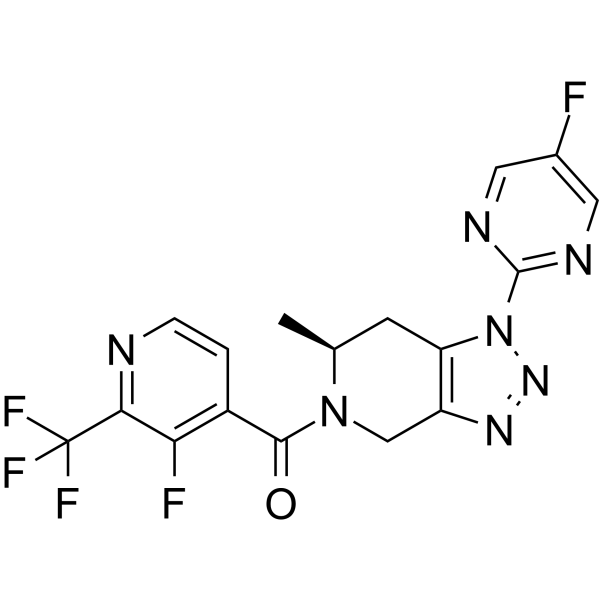
JNJ-55308942 is a high-affinity, selective, brain-penetrant P2X7 functional antagonist (hP2X7: IC50=10 nM, Ki=7.1 nM; rP2X7: IC50=15 nM, Ki=2.9 nM). JNJ-55308942 is orally bioavailable, binds to brain P2X7 and blocks IL-1β release from adult rodent brain .
loading...
    loading...
3
3 Cited Publications
Cat. No.: HY-126301
CAS No.: 1354790-56-9
Purity:  99.79%
Target:  

Ferroportin

Research Areas:  

Metabolic Disease

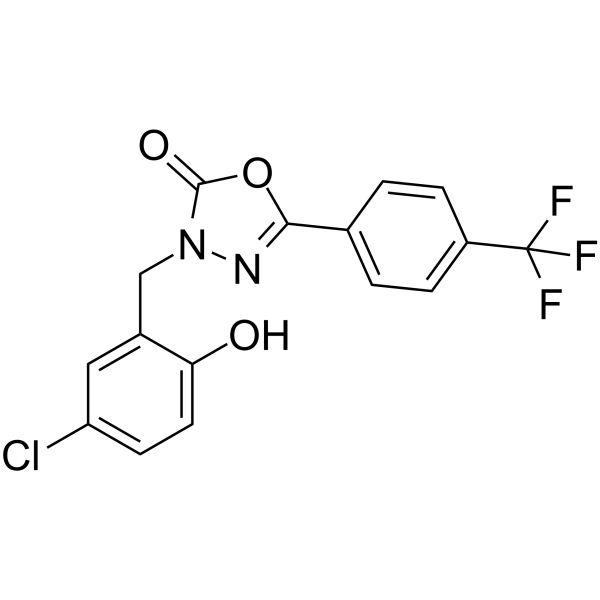
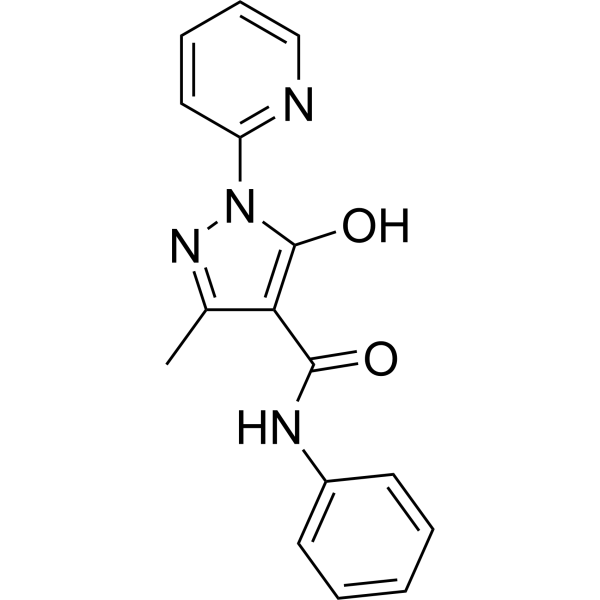
DMT1 blocker 1 is an orally active blocker of divalent metal transporter 1 (DMT1) with an IC50 of 0.64 μM. DMT1 blocker 1 inhibits intestinal cell absorption of non-heme iron, thereby alleviating iron overload by blocking the DMT1 transporter. DMT1 blocker 1 demonstrates significant efficacy in rodent models of acute iron hyperabsorption. DMT1 blocker 1 is useful for studying iron overload disorders such as hereditary hemochromatosis and thalassemia .
loading...
    loading...

