
From 11:00 pm to 12:00 pm EST ( 8:00 pm to 9:00 pm PST ) on January 6th, the website will be under maintenance. We are sorry for the inconvenience. Please arrange your schedule properly.
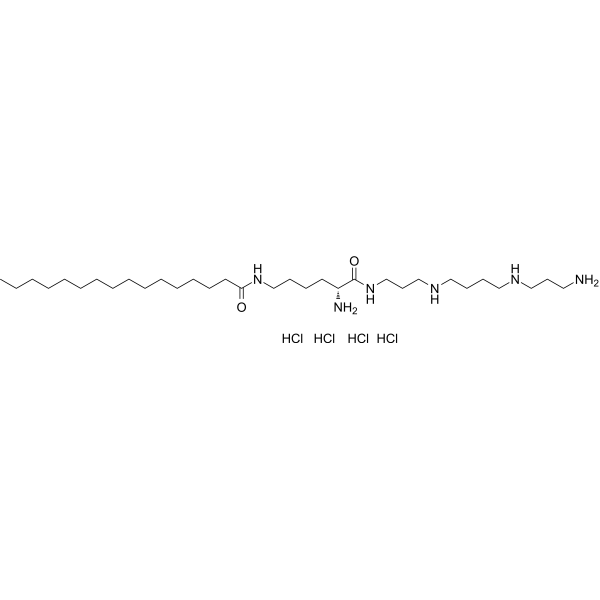
AMXT-1501 tetrahydrochloride is a Bacterial agent and polyamine transport system inhibitor. AMXT-1501 tetrahydrochloride targets membrane phospholipids and exhibits antibacterial activity against a variety of Gram-positive and Gram-negative multidrug-resistant bacteria . AMXT-1501 tetrahydrochloride inhibits capsular biosynthesis in Streptococcuspneumoniae. AMXT-1501 tetrahydrochloride targets ornithine decarboxylase and polyamines to inhibit the proliferation of neuroblastoma cells . AMXT-1501 tetrahydrochloride in combination with DFMO (HY-B0744) induces Apoptosis in neuroblastoma cells. AMXT-1501 tetrahydrochloride is applicable to research related to multidrug-resistant bacterial infections, pneumococcal infections, Streptococcuspneumoniae infections, and neuroblastoma .
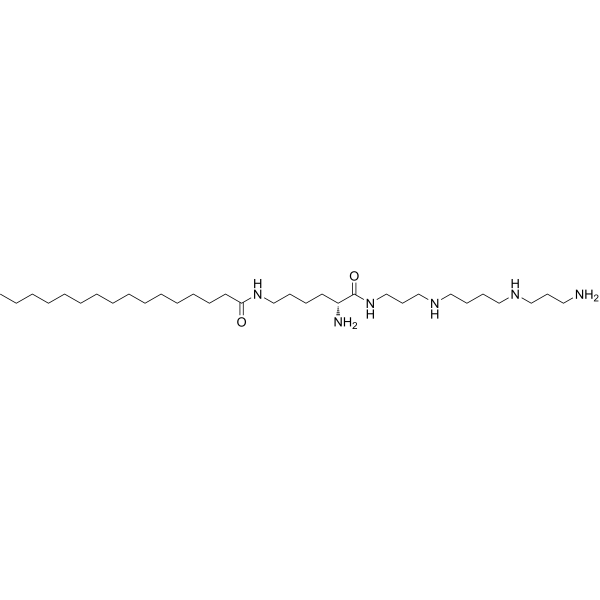
AMXT-1501 is a Bacterial agent and polyamine transport system inhibitor. AMXT-1501 targets membrane phospholipids and exhibits antibacterial activity against a variety of Gram-positive and Gram-negative multidrug-resistant bacteria . AMXT-1501 inhibits capsular biosynthesis in Streptococcuspneumoniae. AMXT-1501 targets ornithine decarboxylase and polyamines to inhibit the proliferation of neuroblastoma cells . AMXT-1501 in combination with DFMO (HY-B0744) induces Apoptosis in neuroblastoma cells. AMXT-1501 is applicable to research related to multidrug-resistant bacterial infections, pneumococcal infections, Streptococcuspneumoniae infections, and neuroblastoma .
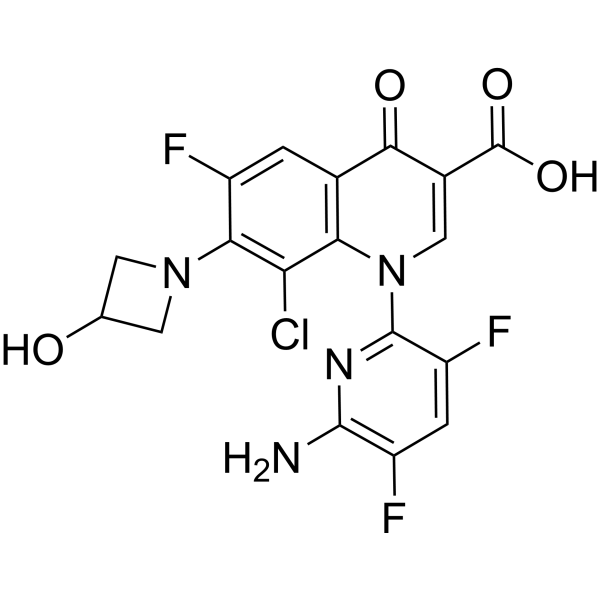
Delafloxacin (RX-3341; WQ-3034; ABT492) is a broad-spectrum fluoroquinolone antibiotic. Delafloxacin has a broad spectrum of activity that includes drug-resistant Staphylococcus aureus, Streptococcuspneumoniae, and Klebsiella pneumonia .
β-N-Acetylhexosaminidase, Streptococcuspneumoniae is a cell surface virulence factor of Streptococcuspneumoniae, which contains two synergistically acting GH20 domains (with higher activity in GH20-2). β-N-Acetylhexosaminidase, Streptococcuspneumoniae specifically recognizes and hydrolyzes substrates with β(1,2) glycosidic bonds via Trp-443 and Tyr-482 residues. β-N-Acetylhexosaminidase, Streptococcuspneumoniae catalyzes the hydrolysis of β(1,2)-linked N-acetylglucosamine groups and related disaccharides, and promotes persistent colonization of bacteria in the airway by modifying host defense molecules and releasing monosaccharides for bacterial growth. β-N-Acetylhexosaminidase, Streptococcuspneumoniae can be used in studies related to Streptococcuspneumoniae infection, acute pneumonia, otitis media and meningitis .
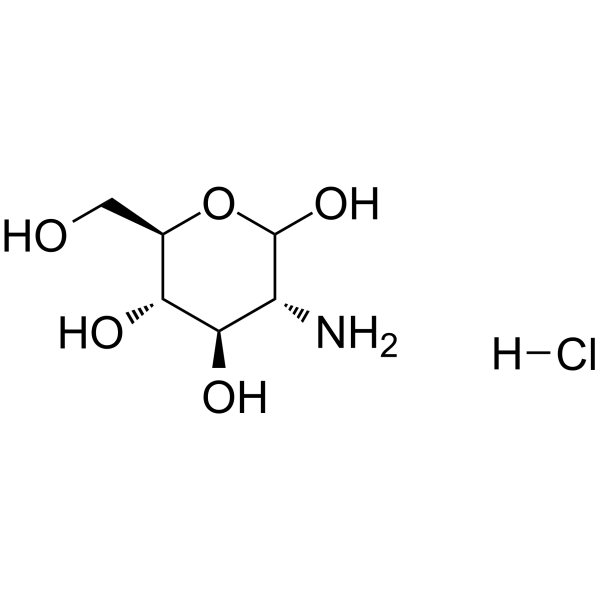
2-Amino-2-deoxyglucose hydrochloride (D-Glucosamine Hydrochloride) is a glucose analog that is specifically recognized and transported by the cell membrane GLUT1. 2-Amino-2-deoxyglucose hydrochloride acts as a tumor-targeting ligand and a guiding molecule for the synthesis of prodrug conjugates, thus delivering drugs precisely to tumor cells. 2-Amino-2-deoxyglucose hydrochloride is applicable to diagnostic imaging and therapeutic efficacy monitoring of solid tumors and various cancers (e.g., breast cancer, glioblastoma). 2-Amino-2-deoxyglucose hydrochloride also helps bacteria resist lysozyme digestion by integrating into the non-N-acetylated residues of Streptococcuspneumoniae peptidoglycan. 2-Amino-2-deoxyglucose hydrochloride is used in studies on tumor metabolism and the exploration of bacterial drug resistance mechanisms .
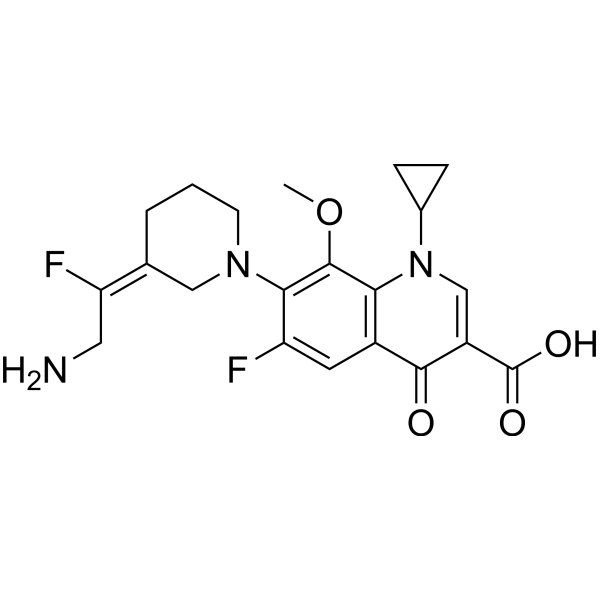
Avarofloxacin (JNJ-Q2) is a broad-spectrum fluoroquinolone antibacterial agent being developed for the treatment of acute bacterial skin and skin-structure infections and community-acquired pneumonia with oral activity. Avarofloxacin (JNJ-Q2) is an aminoethylidenylpiperidine fluoroquinolone that demonstrates antibacterial effect against numerous Gram-positive bacteria with a mean 0.12 mg/L MIC90 value. Avarofloxacin (JNJ-Q2) has potential for treatment of methicillin-resistant Staphylococcus aureus (MRSA) infections .
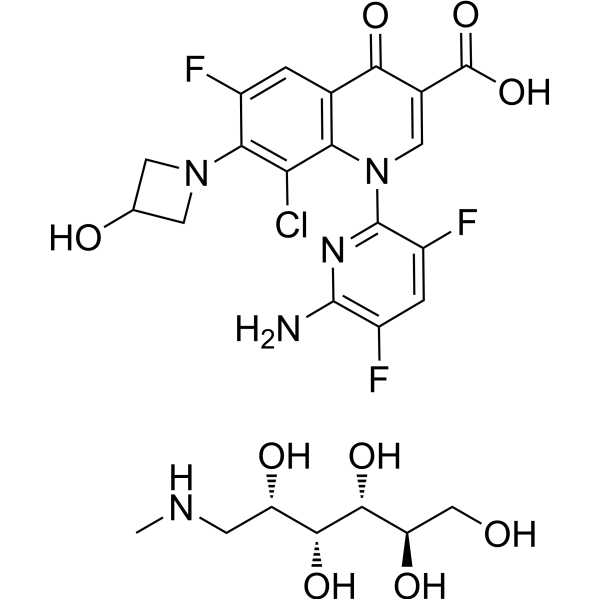
Delafloxacin meglumine (ABT492 meglumine; RX-3341 meglumine; WQ-3034 meglumine) is a broad-spectrum fluoroquinolone antibiotic. Delafloxacin has a broad spectrum of activity that includes drug-resistant Staphylococcus aureus, Streptococcuspneumoniae, and Klebsiella pneumonia .
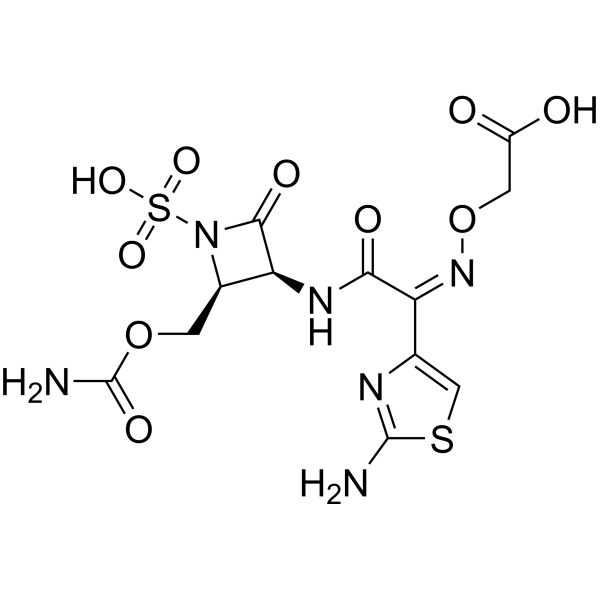
Carumonam (AMA-1080; Ro 17-2301) is a sulfonated monocyclic β-Lactam Antibiotic, targeting to penicillin-binding protein (PBP). Carumonam exerts highly activity against Enterobacteriaceae, Pseudomonas aeruginosa, and Haemophilus influenzae, while it weakly and even inactively inhibits Streptococcuspneumoniae and Staphylococcus aureus. Carumonam is resistant to beta-lactamase-mediated hydrolysis .
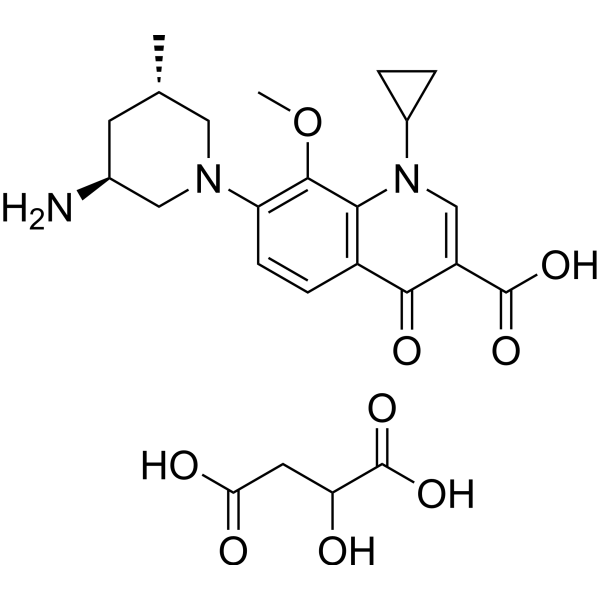
Nemonoxacin (TG-873870) malate is a nonfluorinated quinolone antibiotic. Nemonoxacin malate has broad-spectrum activity against Gram-positive, Gram-negative and atypical pathogens. Nemonoxacin malate can inhibit drug-resistant Streptococcuspneumoniae and Methicillin-resistant Staphylococcus aureus. Nemonoxacin malate can be used for the research of community-acquired pneumonia .
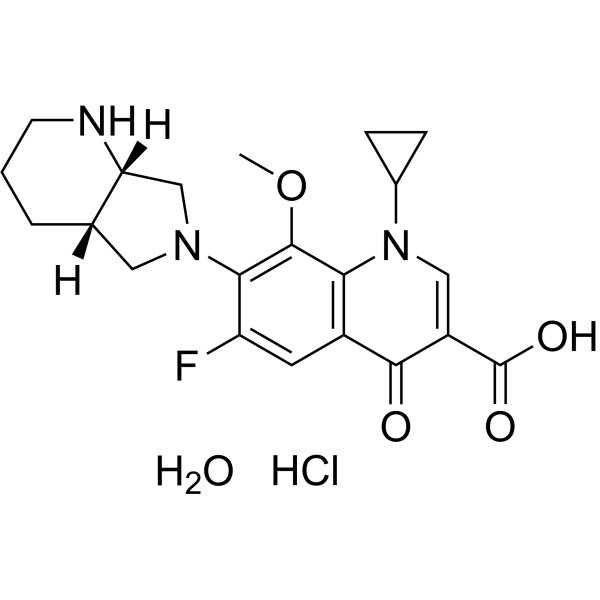
Moxifloxacin (BAY 12-8039) hydrochloride monohydrate is an orally active bacterial inhibitor that is effective against Streptococcuspneumoniae. Moxifloxacin hydrochloride monohydrate can be used in tuberculosis research .
Cefditoren is a broad-spectrum oral active cephalosporin that acts as a penicillin-binding protein (PBP) inhibitor. Cefditoren binds to specific PBPs in Gram-positive and Gram-negative bacteria, thereby inhibiting cell wall synthesis. Cefditoren also reduces serum levels of the inflammatory biomarkers IL-6 and KL-6. Cefditoren can be used in research related to acute exacerbation of chronic bronchitis, pharyngitis-tonsillitis, uncomplicated skin and skin structure infections, respiratory tract infections, acute pyelonephritis, and enterococcal endocarditis .
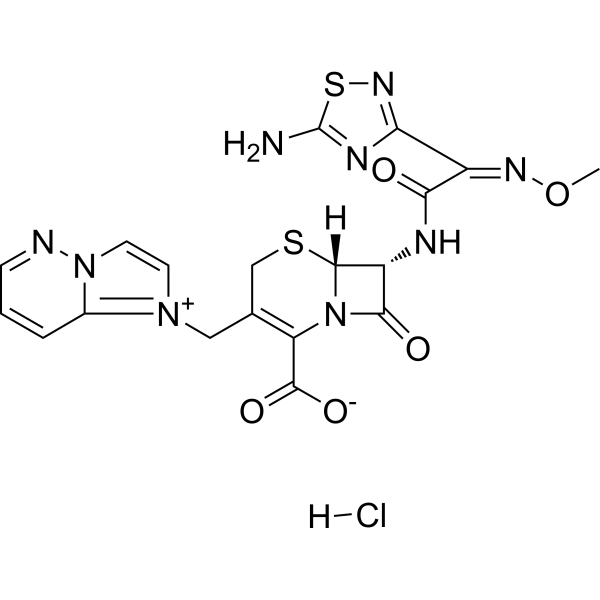
Cefozopran (SCE-2787) hydrochloride is a potent antibiotic with broad-spectrum antibacterial activity. Cefozopran hydrochloride binds PBPs, induces cell wall destruction, cell elongation, filamentation, irregular septa formation, and bactericidal, bacteriolytic activity. Cefozopran hydrochloride reduces bacterial counts and eradicates bacteria in mouse respiratory, urinary, and thigh muscle infections. Cefozopran hydrochloride can be used for the research of bacterial infections .
Rhodomyrtone is an antibiotic that can be found in the leaves of Rhodomyrtus tomentosa. Rhodomyrtone kills Gram-positive bacterial cells without causing bacteriolysis. Rhodomyrtone exhibits activity against a variety of Gram-positive bacteria, including Bacillus cereus, Bacillus subtilis, Enterococcus faecalis, Staphylococcus epidermidis, Streptococcus gordonii, Streptococcuspneumoniae, Streptococcus pyogenes and Streptococcus salivarius. Rhodomyrtone is applicable to studies related to bacterial infections .
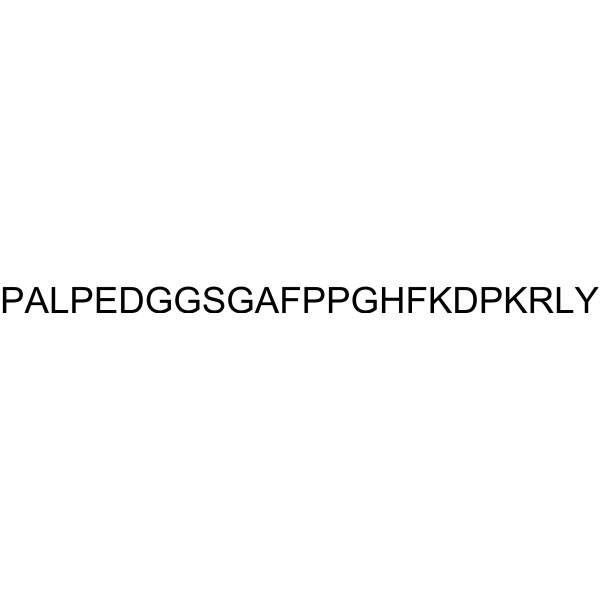
Competence-Stimulating Peptide-2 (CSP-2) is a 17-amino acid signal peptide produced by Streptococcuspneumoniae, with an EC50 of 50.7 nM for its compatible receptor ComD2. Competence-Stimulating Peptide-2 (CSP-2) can regulate bacterial phenotypes such as competence development, virulence, and biofilm formation through quorum sensing .
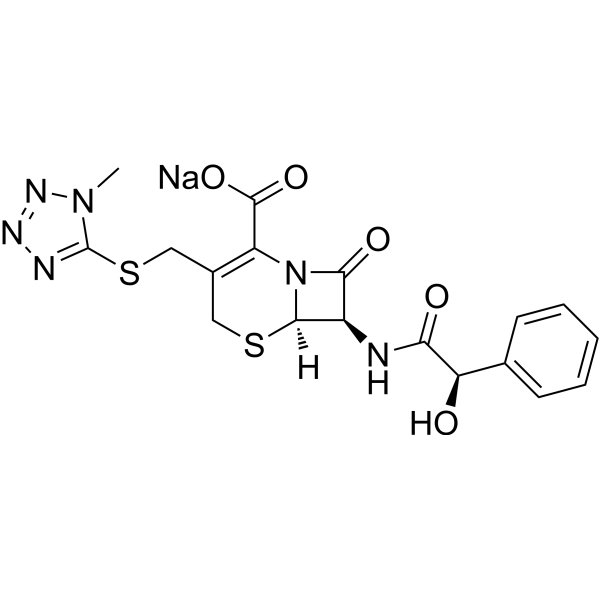
Cefamandole (Cephamandole) sodium is a semi-synthetic second-generation cephalosporin antibiotic with broad-spectrum antimicrobial activity. Cefamandole sodium is resistant to hydrolysis by β-lactamases produced by some Gram-negative bacteria. Cefamandole sodium kills Gram-positive cocci and various Gram-negative bacilli mainly by inhibiting cell wall synthesis, but it is inactive against Pseudomonas, Proteus vulgaris and Providencia stuartii, and its efficacy is affected by inoculum size. The plasma elimination half-life of Cefamandole sodium in rats is only 0.4 h, it is mainly excreted in urine in biologically active form, and it hardly penetrates the non-inflamed blood-brain barrier. Cefamandole sodium is widely used in studies related to bacterial infections .
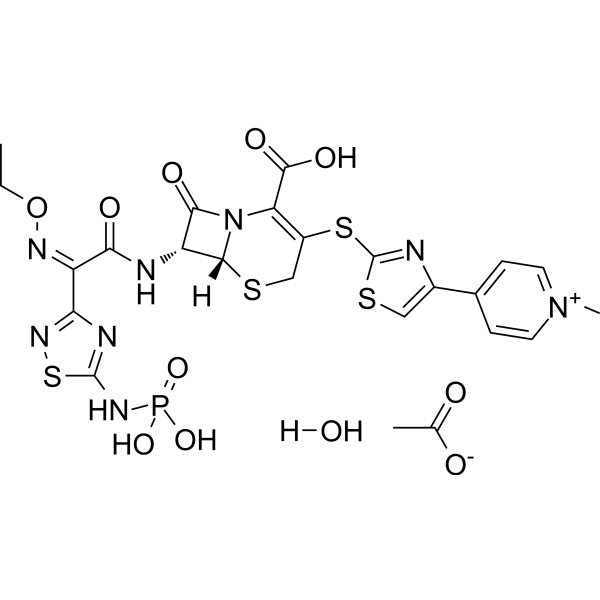
Ceftaroline fosamil hydrate is a potent cephalosporin antibiotic. Ceftaroline fosamil hydrateshows broad-spectrum activity against Gram-positive pathogens, including methicillin-resistant Staphylococcus aureus (MRSA) and multidrug-resistant Streptococcuspneumoniae, and common Gram-negative organisms. Ceftaroline fosamil hydrate has anti-infective activity, and can be used for the research of complicated skin and skin structure infections (cSSSIs) and community-acquired bacterial pneumonia (CABP) .
Brain Derived Basic Fibroblast Growth Factor (1-24) (FGF basic 1-24) is a synthetic peptide, shows anti-bacterial and anti-HBV activities. Brain Derived Basic Fibroblast Growth Factor (1-24) can be used in infection disease and immune disease research .
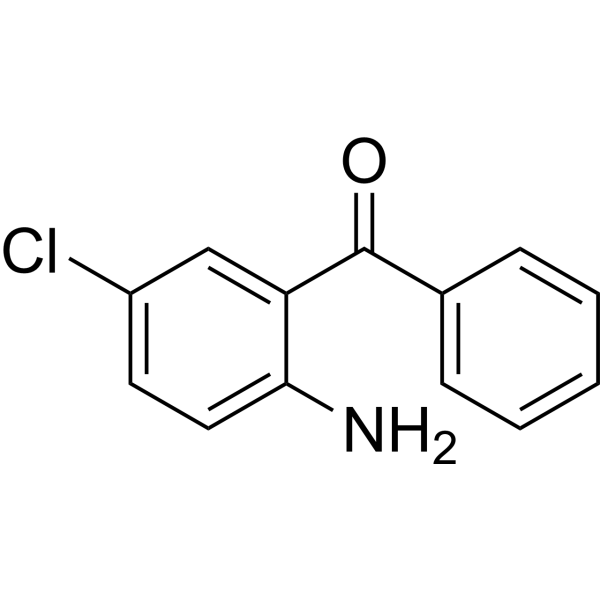
2-Amino-5-chlorobenzophenone (5-Chloro-2-aminobenzophenone) is a chemical intermediate. Derivatives of 2-Amino-5-chlorobenzophenone serve as skeletal muscle relaxants. 2-Amino-5-chlorobenzophenone acts as a starting material for the synthesis of anti-biofilm 2-amino-5-chlorobenzophenone Schiff bases. 2-Amino-5-chlorobenzophenone is applicable to research related to bacterial infections .\n
Pneumolysin-IN-1 (compound PB-3) is a targeted small molecule inhibitor of Pneumolysin (PLY) (IC50=3.1 µM). Pneumolysin-IN-1 is a pore blocking agent and an anti-virulence factor. Pneumolysin-IN-1 can be used to study the infection caused by Streptococcuspneumoniae .
Endo-β-N-acetylglucosaminidase D (Endo D), isolated from Streptococcuspneumoniae. Endo-β-N-acetylglucosaminidase D hydrolyzes Fc N-glycan of intact IgG antibodies after sequential removal of the sialic acid, galactose, and internal GlcNAc residues in the N-glycan. Endo-β-N-acetylglucosaminidase D possesses transglycosylation activity with sugar oxazoline as the donor substrate .
Nafithromycin (WCK 4873) is an orally available antibiotic that inhibits community-acquired pneumonia caused by Streptococcuspneumoniae, Haemophilus influenzae, Moraxella catarrhalis, and Methicillin (HY-121544)-susceptible Staphylococcus aureus. The MIC90 of nafithromycin against macrolide-resistant and telithromycin (HY-A0062)-insensitive Streptococcuspneumoniae is 0.12 mg/liter .
AR-709 is a diaminopyrimidine antibiotic. AR-709 exhibits potent antibacterial activity against Streptococcuspneumoniae (MIC = 0.03 mg/L). AR-709 can be used for research on bacterial infections .
RWJ-49815 is a histidine kinase inhibitor. RWJ-49815 inhibits the autokinase activity of purified GST-Sln1 and the autophosphorylation of KinA in vitro. RWJ-49815 acts as a fungal growth inhibitor . RWJ-49815 serves as a bactericide against Gram-positive pathogenic bacteria. RWJ-49815 is applicable to research related to fungal infections and Gram-positive bacterial infections .
ADEP-14 (ADEP26) is a ClpP activator. ADEP-14 exhibits antibacterial activity against Gram-negative and Gram-positive bacteria. ADEP-14 can be used in studies related to bacterial infections .
Cefozopran (SCE-2787) is a potent antibiotic with broad-spectrum antibacterial activity. Cefozopran binds PBPs, induces cell wall destruction, cell elongation, filamentation, irregular septa formation, and bactericidal, bacteriolytic activity. Cefozopran reduces bacterial counts and eradicates bacteria in mouse respiratory, urinary, and thigh muscle infections. Cefozopran can be used for the research of bacterial infections .
BC-7013 is a novel semi-synthetic pleuromutilin derivative. BC-7013 has excellent activity against Gram-positive pathogenic bacteria. BC-7013 exhibits potent antibacterial properties against both Staphylococcus, Streptococcus and penicillin-resistant Streptococcuspneumoniae. BC-7013 has activity against Gram-positive pathogenic bacteria, BC-7013 is useful in the research of acute bacterial skin and skin structure infection (ABSSSI) .
BB-83698 is a peptide deformylase (PDF) inhibitor. BB-83698 exhibits potent in vitro activity against Streptococcuspneumoniae, with a minimum inhibitory concentration (MIC) range of 0.06-0.25μg/mL. BB-83698 elevates the survival rate of mice regardless of whether the infecting strain carries resistance mechanisms. BB-83698 can be used for the study of diseases related to drug-resistant Streptococcuspneumoniae infections .
Cefamandole (Cephamandole) is a semi-synthetic second-generation cephalosporin antibiotic with broad-spectrum antimicrobial activity. Cefamandole is resistant to hydrolysis by β-lactamases produced by some Gram-negative bacteria. Cefamandole kills Gram-positive cocci and various Gram-negative bacilli mainly by inhibiting cell wall synthesis, but it is inactive against Pseudomonas, Proteus vulgaris and Providencia stuartii, and its efficacy is affected by inoculum size. The plasma elimination half-life of Cefamandole in rats is only 0.4 h, it is mainly excreted in urine in biologically active form, and it hardly penetrates the non-inflamed blood-brain barrier. Cefamandole is widely used in studies related to bacterial infections .
Xibornol (Bactacine) has strong antibacterial action against Streptococcuspneumoniae, Streptococcus pyogenes, and Staphyloccus aureus, as well as against Actinomyces israelii and Corynebacterium ulcerans. Xibornol has the potential for using for the antisepsis of the oral cavity and as adjuvant in pharyngeal infections caused by Gram-positive microorganisms .
(±)-ε-Viniferin is a racemate of ε-Viniferin (HY-N3841). (±)-ε-Viniferin exhibits P450 inhibitory antioxidants, as well as hepato-protective and antimicrobial activities. (±)-ε-Viniferin has antibacterial and antibiofilm activity against Gram-positive bacteria Streptococcuspneumoniae with a MIC of 20 μM .
Biclotymol is an antimicrobial agent against gram-positive cocci. Biclotymol inhibits Streptococcuspneumoniae and Haemophilus influenzae, with MIC of 150 and 150 μM. Biclotymol exhibits anti-inflammatory and analgesic activity and ameliorates the otolaryngology infection and throat sore .
Cefpirome (HR 810) is a fourth generation cephalosporin. Cefpirome shows antibacterial activity. Cefpirome also has in vitro activity against Streptococcuspneumoniae .
Albomycin δ2 is a siderophore-antibiotic conjugate targeting bacterial ribosomes (MIC: 0.0625 μg/mL against S. pneumoniae, 0.125 μg/mL against MRSA). Albomycin δ2 is promising for research of Streptococcuspneumoniae and Staphylococcus aureus infections .
Albomycin ε is a siderophore-antibiotic conjugate targeting bacterial ribosomes (MIC values:>512 μg/mL). Albomycin ε is promising for research of Streptococcuspneumoniae and Staphylococcus aureus infections .
Delafloxacin-d5 is deuterium labeled Delafloxacin. Delafloxacin (RX-3341; WQ-3034; ABT492) is a broad-spectrum fluoroquinolone antibiotic. Delafloxacin has a broad spectrum of activity that includes drug-resistant Staphylococcus aureus, Streptococcuspneumoniae, and Klebsiella pneumonia .
Delafloxacin (Standard) is the analytical standard of Delafloxacin. This product is intended for research and analytical applications. Delafloxacin (RX-3341; WQ-3034; ABT492) is a broad-spectrum fluoroquinolone antibiotic. Delafloxacin has a broad spectrum of activity that includes drug-resistant Staphylococcus aureus, Streptococcuspneumoniae, and Klebsiella pneumonia .
Delafloxacin (meglumine) (Standard) is the analytical standard of Delafloxacin (meglumine). This product is intended for research and analytical applications. Delafloxacin meglumine (ABT492 meglumine; RX-3341 meglumine; WQ-3034 meglumine) is a broad-spectrum fluoroquinolone antibiotic. Delafloxacin has a broad spectrum of activity that includes drug-resistant Staphylococcus aureus, Streptococcuspneumoniae, and Klebsiella pneumonia[1].
FK-041 is an orally active cephalosporin antibiotic with high affinity for penicillin-binding proteins (PBPs). FK-041 exhibits broad-spectrum antibacterial activity, exerting potent antibacterial effects against Gram-positive bacteria, most Gram-negative bacteria, anaerobes, and so on. FK-041 also shows good efficacy against some drug-resistant strains such as penicillin-resistant Streptococcuspneumoniae. FK-041 is an antibacterial agent and can be used in the research of infectious diseases .
Ranbezolid (RBx7644 free base) is an orally active, oxazolidinone antibiotic against Gram-positive and Gram-negative anaerobes including Staphylococcus aureus, Staphylococcus epidermidis and Bacteroides fragilis. Ranbezolid can inhibit the 50s ribosomal subunit with an IC50 of 17 μM for bacterial ribosomes. Ranbezolid interferes cell wall and lipid synthesis. Ranbezolid can rapidly kill bacteria, significantly reduce bacterial load, and has better cardiovascular safety. Ranbezolid can be used for the study of antibiotics for anaerobic bacteria .
YM-17K (MC-352) is a macrolide antibiotic. YM-17K exhibits antimicrobial activity against Gram-positive bacteria, Gram-negative bacteria, and anaerobic bacteria. YM-17K exhibits stable activity in serum and is less affected by pH values .
PDF-IN-2 is a peptidyl deformylase (PDF) inhibitor. PDF-IN-2 has average IC50 values of 0.25, 0.50 and 0.34 nM, and average MIC values of 0.16, 0.33 and 0.25 μg/mL for StreptococcuspneumoniaePDF WT, G70V and G70D, respectively. PDF-IN-2 can be used in the research of infectious diseases .
5-(Pyridin-4-yl)-1,3,4-oxadiazole-2-thiol (Compound 3n) is an antimicrobial and antioxidant agent, that inhibits Escherichia coli and Staphylococcus epidermidis, with MIC of 8 and 4 μg/mL. 5-(Pyridin-4-yl)-1,3,4-oxadiazole-2-thiol exhibits antioxidant activity with IC50 of 17.47 μM using DPPH free radical-scavenging method .
Antibacterial agent 199 (Compound 2) is an activator for caseinolytic protease (ClpP) with a Kd of 0.7 μM. Antibacterial agent 199 exhibits antibacterial efficacy against Gram-positive strains Staphylococcus aureus, Streptococcuspneumoniae and Gram-negative strain Neisseria meningitidis, with MICs of 16, 0.5 and 0.5 μg/mL, respectively .
DNA Gyrase-IN-11 (Compound 23Be) is an inhibitor for protein synthesis (IC50 is 0.74 μM) and DNA replication. DNA Gyrase-IN-11 inhibits DNA gyrase, that inhibits E. coli DNA supercoiling with IC50 of 11.9 μM. DNA Gyrase-IN-11 exhibits antibacterial efficacy, that inhibits Streptococcuspneumoniae, Streptococcus pyogenes, Haemophilus influenzae and Staphylococcus aureus, with MICs of 0.008-0.25 μg/mL .
SCH 34343 is a penem antibiotic. SCH 34343 is highly active against Streptococcuspneumoniae (MIC50 ≤ 0.015 mg/L), viridans streptococci (MIC50 = 0.06 mg/L), streptococci of groups A (MIC50 = 0.03 mg/L), B (MIC50 = 0.06 mg/L), C and G (MIC50 = 0.03 mg/L), and Str. bovis. SCH 34343 can be used for antibacterial research .
LY 255262 is an antibacterial agent. LY 255262 exhibits potent inhibitory effects against a variety of Gram-positive and Gram-negative bacteria in vitro. LY 255262 has MIC values of 64, 0.25, 0.5, 0.25, 0.25, 1, and 1 μg/mL for Staphylococcus aureus, Streptococcuspneumoniae, Haemophilus influenza, Escherichia coli, Klebsiella, Enterobacter aerogenes, and Serratia, respectively. LY 255262 has a relatively weak inhibitory effect on Pseudomonas (MIC >128 μg/mL). LY 255262 can be used in antibacterial research .
Paulomenol A has the effect of anti-Gram-positive bacteria including Staphylococcus aureus, Streptococcus pyogenes, Streptococcuspneumoniae and so on .
SCH 34343 sodium is a potent β-lactam Antibiotic with bactericidal activity against Streptococcuspneumoniae, viridans streptococci, streptococci of groups A, B, C and G, and Str. bovis .
Nocathiacin II (Nocathiacine II) is highly resistant to Gram-positive bacteria, including methicillin-resistant Staphylococcus aureus (MRSA), penicillin-resistant Streptococcuspneumoniae (PRSP) and multidrug resistant Enterococcus faecalis (MREF) .
Nocathiacin III (Nocathiacine III) is highly resistant to Gram-positive bacteria, including methicillin-resistant Staphylococcus aureus (MRSA), penicillin-resistant Streptococcuspneumoniae (PRSP) and multidrug resistant Enterococcus faecalis (MREF) .
ACT-387042 is a bacterial topoisomerase inhibitor with broad-spectrum activity against Gram-positive and Gram-negative bacteria, including methicillin-resistant Staphylococcus aureus and penicillin- and fluoroquinolone-resistant Streptococcuspneumoniae .
Moxifloxacin (hydrochloride monohydrate) (Standard) is the analytical standard of Moxifloxacin (hydrochloride monohydrate). This product is intended for research and analytical applications. Moxifloxacin (BAY 12-8039) hydrochloride monohydrate is an orally active bacterial inhibitor that is effective against Streptococcuspneumoniae. Moxifloxacin hydrochloride monohydrate can be used in tuberculosis research .
Cetefloxacin (E 4868) is a board-spectrum antibacterial antibiotic, MIC of 0.007-8 µg/ml. Cetefloxacin exhibits good pharmacokinetic characters in mice. Cetefloxacin exhibits protective effects against Escherichia coli, Pseudomonas aeruginosa, Staphylococcus aureus, and Streptococcuspneumoniae in mice .
Martinomycin is an antibiotic, which inhibits Staphylococcus spp., Streptococcus spp. and Enterococcus spp., with MICs ranging from 0.06 to 0.5 μg/mL .
Timcodar mesylate (VX-853-2) and its analog VX-710 are mammalian multidrug-resistant bacterial efflux pump inhibitors that directly inhibit ethidium bromide efflux in Staphylococcus aureus. Timcodar mesylate has the potential to enhance antibiotic activity by inhibiting bacterial efflux pumps, effectively reducing the minimum inhibitory concentration of some antibiotics against Gram-positive pathogens such as Staphylococcus aureus, Enterococcus and Streptococcuspneumoniae .
PD 131628 is an antimicrobial agent and active PD 131112 metabolite. PD 131628 is two- to four-fold more active than Ciprofloxacin (HY-B0356), inhibiting all strains of Staphylococcus aureus and Streptococcuspneumoniae. PD 131628 is very active against Neisseria spp., Haemophilus influenzae and Moraxella catarrhalis, with MIC90s ranging from 0.004 to 0.008 mg/L .
RNAP-NusG-IN-1 is an RNAP-NusG inhibitor. RNAP-NusG-IN-1 has antibacterial activity against Gram-positive bacteria, with the strongest activity against Streptococcuspneumoniae, showing an MIC value of 1 μg/mL .
DS21412020 is a fluoroquinolone antibacterial agent. DS21412020 inhibits bacterial DNA gyrase (GyrA) and topoisomerase IV, leading to DNA breaks. DS21412020 exhibits significant activity against Gram-positive bacteria such as Staphylococcus aureus (MIC = 0.006 μg/mL), Streptococcuspneumoniae (MIC = 0.05 μg/mL), and Methicillin (HY-121544)-resistant Staphylococcus aureus (MIC = 0.2 μg/mL), and Gram-negative bacteria such as Escherichia coli (MIC = 0.006 μg/mL) and Pseudomonas aeruginosa (MIC = 0.78 μg/mL). DS21412020 significantly reduces bacterial load in mouse pneumonia and MRSA infection models. DS21412020 can be used in the development of next-generation quinolone antibiotics .
DK 507k is an orally active 8-methoxyquinolone Antibacterial agent. DK 507k targets DNA gyrase subunit A (GyrA) and modulates the function of GyrA. DK 507k inhibits the growth of various Gram-positive and Gram-negative bacteria, including Pseudomonas aeruginosa and Methicillin (HY-121544)-resistant Staphylococcus aureus. DK 507k eliminates Penicillin-tolerant Streptococcuspneumoniae from the lungs of mice. DK 507k can be used in research related to sepsis and *Streptococcuspneumoniae* pneumonia .
PBP1b-IN-1 is a penicillin-binding protein inhibitor, with an IC50 of 0.042 μM against PBP1b of Streptococcuspneumoniae and an IC50 of 7.6 μM against PBP3 of Escherichia coli. PBP1b-IN-1 exerts antibacterial activity by targeting penicillin-binding proteins to inhibit bacterial peptidoglycan cross-linking. PBP1b-IN-1 can be used in studies related to bacterial infections .
Paulomenol B has the effect of anti-Gram-positive bacteria including Staphylococcus aureus, Streptococcus pyogenes, Streptococcuspneumoniae and so on .
BC-1175 (CB-181963) is a novel cephalosporin and antibacterial agent. CB-181963 displays strong binding to altered PBP 2a. CB-181963 demonstrates marked efficacy against MRSA, Klebsiella pneumoniae, Streptococcuspneumoniae, and Escherichia coli .
Sanfetrinem cilexetil (GV 118819X), a prodrug of Sanfetrinem (HY-106922), is an orally active antibiotic. Sanfetrinem cilexetil shows potent efficacy against experimental murine septicemia caused by Staphylococcus aureus, Streptococcus pyogenes, and Escherichia coli and against murine respiratory infections caused by Streptococcuspneumoniae .
Nocathiacin I (Nocathiacine I) is highly resistant to Gram-positive bacteria, including methicillin-resistant Staphylococcus aureus (MRSA), penicillin-resistant Streptococcuspneumoniae (PRSP) and multidrug resistant Enterococcus faecalis (MREF) .
Cefcanel is an orally active cephalosporin and antibacterial agent. Cefcanel inhibits growth of methicillin-susceptible Staphylococcus aureus, methicillin-susceptible Staphylococcus epidermidis, Haemophilus influenzae, Moraxella catarrhalis. Cefcanel acts as a substrate hydrolyzed by TEM-1, TEM-3, and Moraxella Bro-1 beta-lactamases .
Aquastatin C is a glycoaromatic derivative that can be found in Sporothrix sp. FN611. Aquastatin C is a substance that neither regulates bacterial enzymes nor inhibits bacterial growth .
Viscosin is a cyclic lipopeptide compound produced by the Pseudomonas genus. Viscosin exerts its antibacterial effect through two mechanisms: membrane permeabilization and interference with cell wall synthesis. Viscosin shows significant antibacterial activity against various Gram-positive bacteria, but has no inhibitory effect on fungi. Viscosin can be used for the study of bacterial infections .
2-Hexylglutaconic acid is a 2-Pentenedioic acid (HY-W073501A) derivative found in the soil-derived fungus Gongronella butleri. 2-Pentenedioic acid is a chemical building block in synthesis, with research applications focusing on metabolic studies .
sCy5DA is a is a fluorescent D-amino acid . sCy5DA incorporates into bacterial peptidoglycan layers and cross-links via transpeptidase action, replacing peptidoglycan stem peptide D-amino acids. sCy5DA labels live bacterial cell walls, nascent peptidoglycan biosynthesis sites, and diverse bacterial species including Gram-negative, Gram-positive, and mycobacteria (Ex/Em = 646/665 nm) .
Olamufloxacin (HSR-903) methanesulfonate is an orally active fluoroquinolone antibacterial agent. Olamufloxacin methanesulfonate inhibits DNA supercoiling activity. Olamufloxacin methanesulfonate exhibits activity against Gram-positive, Gram-negative, chlamydial, and quinolone-resistant bacterial strains. Olamufloxacin methanesulfonate can be used for the research of bacterial infections .
Olamufloxacin (HSR-903) is an orally active fluoroquinolone antibacterial agent. Olamufloxacin inhibits DNA supercoiling activity. Olamufloxacin exhibits activity against Gram-positive, Gram-negative, chlamydial, and quinolone-resistant bacterial strains. Olamufloxacin can be used for the research of bacterial infections .
Cefozopran (SCE-2787) dihydrochloride is a potent antibiotic with broad-spectrum antibacterial activity. Cefozopran dihydrochloride binds PBPs, induces cell wall destruction, cell elongation, filamentation, irregular septa formation, and bactericidal, bacteriolytic activity. Cefozopran dihydrochloride reduces bacterial counts and eradicates bacteria in mouse respiratory, urinary, and thigh muscle infections. Cefozopran dihydrochloride can be used for the research of bacterial infections .
PD 0305970 is an orally active bacterialgyrase and topoisomerase inhibitor. PD 0305970 shows exceptional activity against gram-positive and fastidious organisms and more modest activity against gram-negative species. PD 0305970 shows low spontaneous resistance frequencies. PD 0305970 shows antibacterial efficacy in murine streptococcal sepsis and pneumococcal pneumonia models. PD 0305970 can be used for the research of bacterial infection .
sCy5DA is a is a fluorescent D-amino acid . sCy5DA incorporates into bacterial peptidoglycan layers and cross-links via transpeptidase action, replacing peptidoglycan stem peptide D-amino acids. sCy5DA labels live bacterial cell walls, nascent peptidoglycan biosynthesis sites, and diverse bacterial species including Gram-negative, Gram-positive, and mycobacteria (Ex/Em = 646/665 nm) .
Moxifloxacin (BAY 12-8039) hydrochloride monohydrate is an orally active bacterial inhibitor that is effective against Streptococcuspneumoniae. Moxifloxacin hydrochloride monohydrate can be used in tuberculosis research .
2-Amino-5-chlorobenzophenone (5-Chloro-2-aminobenzophenone) is a chemical intermediate. Derivatives of 2-Amino-5-chlorobenzophenone serve as skeletal muscle relaxants. 2-Amino-5-chlorobenzophenone acts as a starting material for the synthesis of anti-biofilm 2-amino-5-chlorobenzophenone Schiff bases. 2-Amino-5-chlorobenzophenone is applicable to research related to bacterial infections .\n
Competence-Stimulating Peptide-2 (CSP-2) is a 17-amino acid signal peptide produced by Streptococcuspneumoniae, with an EC50 of 50.7 nM for its compatible receptor ComD2. Competence-Stimulating Peptide-2 (CSP-2) can regulate bacterial phenotypes such as competence development, virulence, and biofilm formation through quorum sensing .
Brain Derived Basic Fibroblast Growth Factor (1-24) (FGF basic 1-24) is a synthetic peptide, shows anti-bacterial and anti-HBV activities. Brain Derived Basic Fibroblast Growth Factor (1-24) can be used in infection disease and immune disease research .
2-Amino-2-deoxyglucose hydrochloride (D-Glucosamine Hydrochloride) is a glucose analog that is specifically recognized and transported by the cell membrane GLUT1. 2-Amino-2-deoxyglucose hydrochloride acts as a tumor-targeting ligand and a guiding molecule for the synthesis of prodrug conjugates, thus delivering drugs precisely to tumor cells. 2-Amino-2-deoxyglucose hydrochloride is applicable to diagnostic imaging and therapeutic efficacy monitoring of solid tumors and various cancers (e.g., breast cancer, glioblastoma). 2-Amino-2-deoxyglucose hydrochloride also helps bacteria resist lysozyme digestion by integrating into the non-N-acetylated residues of Streptococcuspneumoniae peptidoglycan. 2-Amino-2-deoxyglucose hydrochloride is used in studies on tumor metabolism and the exploration of bacterial drug resistance mechanisms .
Rhodomyrtone is an antibiotic that can be found in the leaves of Rhodomyrtus tomentosa. Rhodomyrtone kills Gram-positive bacterial cells without causing bacteriolysis. Rhodomyrtone exhibits activity against a variety of Gram-positive bacteria, including Bacillus cereus, Bacillus subtilis, Enterococcus faecalis, Staphylococcus epidermidis, Streptococcus gordonii, Streptococcuspneumoniae, Streptococcus pyogenes and Streptococcus salivarius. Rhodomyrtone is applicable to studies related to bacterial infections .
(±)-ε-Viniferin is a racemate of ε-Viniferin (HY-N3841). (±)-ε-Viniferin exhibits P450 inhibitory antioxidants, as well as hepato-protective and antimicrobial activities. (±)-ε-Viniferin has antibacterial and antibiofilm activity against Gram-positive bacteria Streptococcuspneumoniae with a MIC of 20 μM .
Albomycin δ2 is a siderophore-antibiotic conjugate targeting bacterial ribosomes (MIC: 0.0625 μg/mL against S. pneumoniae, 0.125 μg/mL against MRSA). Albomycin δ2 is promising for research of Streptococcuspneumoniae and Staphylococcus aureus infections .
Albomycin ε is a siderophore-antibiotic conjugate targeting bacterial ribosomes (MIC values:>512 μg/mL). Albomycin ε is promising for research of Streptococcuspneumoniae and Staphylococcus aureus infections .
Antibacterial agent 199 (Compound 2) is an activator for caseinolytic protease (ClpP) with a Kd of 0.7 μM. Antibacterial agent 199 exhibits antibacterial efficacy against Gram-positive strains Staphylococcus aureus, Streptococcuspneumoniae and Gram-negative strain Neisseria meningitidis, with MICs of 16, 0.5 and 0.5 μg/mL, respectively .
Paulomenol A has the effect of anti-Gram-positive bacteria including Staphylococcus aureus, Streptococcus pyogenes, Streptococcuspneumoniae and so on .
Nocathiacin II (Nocathiacine II) is highly resistant to Gram-positive bacteria, including methicillin-resistant Staphylococcus aureus (MRSA), penicillin-resistant Streptococcuspneumoniae (PRSP) and multidrug resistant Enterococcus faecalis (MREF) .
Nocathiacin III (Nocathiacine III) is highly resistant to Gram-positive bacteria, including methicillin-resistant Staphylococcus aureus (MRSA), penicillin-resistant Streptococcuspneumoniae (PRSP) and multidrug resistant Enterococcus faecalis (MREF) .
Martinomycin is an antibiotic, which inhibits Staphylococcus spp., Streptococcus spp. and Enterococcus spp., with MICs ranging from 0.06 to 0.5 μg/mL .
Paulomenol B has the effect of anti-Gram-positive bacteria including Staphylococcus aureus, Streptococcus pyogenes, Streptococcuspneumoniae and so on .
Nocathiacin I (Nocathiacine I) is highly resistant to Gram-positive bacteria, including methicillin-resistant Staphylococcus aureus (MRSA), penicillin-resistant Streptococcuspneumoniae (PRSP) and multidrug resistant Enterococcus faecalis (MREF) .
Aquastatin C is a glycoaromatic derivative that can be found in Sporothrix sp. FN611. Aquastatin C is a substance that neither regulates bacterial enzymes nor inhibits bacterial growth .
Viscosin is a cyclic lipopeptide compound produced by the Pseudomonas genus. Viscosin exerts its antibacterial effect through two mechanisms: membrane permeabilization and interference with cell wall synthesis. Viscosin shows significant antibacterial activity against various Gram-positive bacteria, but has no inhibitory effect on fungi. Viscosin can be used for the study of bacterial infections .
2-Hexylglutaconic acid is a 2-Pentenedioic acid (HY-W073501A) derivative found in the soil-derived fungus Gongronella butleri. 2-Pentenedioic acid is a chemical building block in synthesis, with research applications focusing on metabolic studies .
The PLY protein, a cholesterol-dependent toxin, induces cytolysis by forming pores in host membranes with a significant conformational change and oligomeric pore complex formation. Cholesterol is crucial for binding, insertion, and pore formation. PLY Protein, Streptococcus pneumoniae serotype 4 is the recombinant others-derived PLY protein, expressed by E. coli, with tag free.
The PLY protein, a cholesterol-dependent toxin, induces cytolysis by forming pores in host membranes with a significant conformational change and oligomeric pore complex formation. Cholesterol is crucial for binding, insertion, and pore formation. PLY Protein, Streptococcus pneumoniae serotype 4 (N-His) is the recombinant PLY protein, expressed by E. coli , with N-His labeled tag.
The PLY protein, a cholesterol-dependent toxin, induces cytolysis by forming pores in host membranes with a significant conformational change and oligomeric pore complex formation. Cholesterol is crucial for binding, insertion, and pore formation. PLY Protein, Streptococcus pneumoniae serotype 4 (sf9, His-Myc) is the recombinant PLY protein, expressed by sf9 insect cells , with N-10*His, C-Myc labeled tag.
Delafloxacin-d5 is deuterium labeled Delafloxacin. Delafloxacin (RX-3341; WQ-3034; ABT492) is a broad-spectrum fluoroquinolone antibiotic. Delafloxacin has a broad spectrum of activity that includes drug-resistant Staphylococcus aureus, Streptococcuspneumoniae, and Klebsiella pneumonia .
Inquiry Online
Your information is safe with us. * Required Fields.
Western blot analysis of extracts from THP-1(lane 2(20μg), Jurkat (lane 3(20μg) and NIH3T3(lane 4(20μg) using FOXO1A (HY-P80132) Rabbit mAb. Proteins were transferred
to a PVDF membrane and blocked with 5% non-fat milk in TBST for 2 hour at room temperature. The primary antibody (1/1000) and Loading control antibody (Beta Actin, HY-P80438, 1/10000) was
used in 5% non-fat milk in TBST at 4°C overnight. Goat Anti-Mouse/Rabbit IgG-HRP Secondary Antibody (1/10000) was used for 1 hour at room temperature.
Western blot analysis of extracts from THP-1(lane 2(20μg), Jurkat (lane 3(20μg) and NIH3T3(lane 4(20μg) using FOXO1A (HY-P80132) Rabbit mAb. Proteins were transferred
to a PVDF membrane and blocked with 5% non-fat milk in TBST for 2 hour at room temperature. The primary antibody (1/1000) and Loading control antibody (Beta Actin, HY-P80438, 1/10000) was
used in 5% non-fat milk in TBST at 4°C overnight. Goat Anti-Mouse/Rabbit IgG-HRP Secondary Antibody (1/10000) was used for 1 hour at room temperature.
Western blot analysis of extracts from THP-1(lane 2(20μg), Jurkat (lane 3(20μg) and NIH3T3(lane 4(20μg) using FOXO1A (HY-P80132) Rabbit mAb. Proteins were transferred
to a PVDF membrane and blocked with 5% non-fat milk in TBST for 2 hour at room temperature. The primary antibody (1/1000) and Loading control antibody (Beta Actin, HY-P80438, 1/10000) was
used in 5% non-fat milk in TBST at 4°C overnight. Goat Anti-Mouse/Rabbit IgG-HRP Secondary Antibody (1/10000) was used for 1 hour at room temperature.
Western blot analysis of extracts from THP-1(lane 2(20μg), Jurkat (lane 3(20μg) and NIH3T3(lane 4(20μg) using FOXO1A (HY-P80132) Rabbit mAb. Proteins were transferred
to a PVDF membrane and blocked with 5% non-fat milk in TBST for 2 hour at room temperature. The primary antibody (1/1000) and Loading control antibody (Beta Actin, HY-P80438, 1/10000) was
MedchemExpress Validation 03
Western blot analysis of extracts from THP-1(lane 2(20μg), Jurkat (lane 3(20μg) and NIH3T3(lane 4(20μg) using FOXO1A (HY-P80132) Rabbit mAb. Proteins were transferred
MedchemExpress Validation 04
Western blot analysis of extracts from THP-1(lane 2(20μg), Jurkat (lane 3(20μg) and NIH3T3(lane 4(20μg) using FOXO1A (HY-P80132) Rabbit mAb. Proteins were transferred
to a PVDF membrane and blocked with 5% non-fat milk in TBST for 2 hour at room temperature. The primary antibody (1/1000) and Loading control antibody (Beta Actin, HY-P80438, 1/10000) was
used in 5% non-fat milk in TBST at 4°C overnight. Goat Anti-Mouse/Rabbit IgG-HRP Secondary Antibody (1/10000) was used for 1 hour at room temperature.
MedchemExpress Validation
Western blot analysis of extracts from THP-1(lane 2(20μg), Jurkat (lane 3(20μg) and NIH3T3(lane 4(20μg) using FOXO1A (HY-P80132) Rabbit mAb. Proteins were transferred
to a PVDF membrane and blocked with 5% non-fat milk in TBST for 2 hour at room temperature. The primary antibody (1/1000) and Loading control antibody (Beta Actin, HY-P80438, 1/10000) was
used in 5% non-fat milk in TBST at 4°C overnight. Goat Anti-Mouse/Rabbit IgG-HRP Secondary Antibody (1/10000) was used for 1 hour at room temperature.
Western blot analysis of extracts from THP-1(lane 2(20μg), Jurkat (lane 3(20μg) and NIH3T3(lane 4(20μg) using FOXO1A (HY-P80132) Rabbit mAb. Proteins were transferred
to a PVDF membrane and blocked with 5% non-fat milk in TBST for 2 hour at room temperature. The primary antibody (1/1000) and Loading control antibody (Beta Actin, HY-P80438, 1/10000) was
used in 5% non-fat milk in TBST at 4°C overnight. Goat Anti-Mouse/Rabbit IgG-HRP Secondary Antibody (1/10000) was used for 1 hour at room temperature.
MedchemExpress Validation
Western blot analysis of extracts from THP-1(lane 2(20μg), Jurkat (lane 3(20μg) and NIH3T3(lane 4(20μg) using FOXO1A (HY-P80132) Rabbit mAb. Proteins were transferred
to a PVDF membrane and blocked with 5% non-fat milk in TBST for 2 hour at room temperature. The primary antibody (1/1000) and Loading control antibody (Beta Actin, HY-P80438, 1/10000) was
used in 5% non-fat milk in TBST at 4°C overnight. Goat Anti-Mouse/Rabbit IgG-HRP Secondary Antibody (1/10000) was used for 1 hour at room temperature.
MedchemExpress Validation
Western blot analysis of extracts from THP-1(lane 2(20μg), Jurkat (lane 3(20μg) and NIH3T3(lane 4(20μg) using FOXO1A (HY-P80132) Rabbit mAb. Proteins were transferred
to a PVDF membrane and blocked with 5% non-fat milk in TBST for 2 hour at room temperature. The primary antibody (1/1000) and Loading control antibody (Beta Actin, HY-P80438, 1/10000) was
used in 5% non-fat milk in TBST at 4°C overnight. Goat Anti-Mouse/Rabbit IgG-HRP Secondary Antibody (1/10000) was used for 1 hour at room temperature.
MedchemExpress Validation
Western blot analysis of extracts from THP-1(lane 2(20μg), Jurkat (lane 3(20μg) and NIH3T3(lane 4(20μg) using FOXO1A (HY-P80132) Rabbit mAb. Proteins were transferred
to a PVDF membrane and blocked with 5% non-fat milk in TBST for 2 hour at room temperature. The primary antibody (1/1000) and Loading control antibody (Beta Actin, HY-P80438, 1/10000) was
used in 5% non-fat milk in TBST at 4°C overnight. Goat Anti-Mouse/Rabbit IgG-HRP Secondary Antibody (1/10000) was used for 1 hour at room temperature.
MedchemExpress Validation
Western blot analysis of extracts from THP-1(lane 2(20μg), Jurkat (lane 3(20μg) and NIH3T3(lane 4(20μg) using FOXO1A (HY-P80132) Rabbit mAb. Proteins were transferred
to a PVDF membrane and blocked with 5% non-fat milk in TBST for 2 hour at room temperature. The primary antibody (1/1000) and Loading control antibody (Beta Actin, HY-P80438, 1/10000) was
used in 5% non-fat milk in TBST at 4°C overnight. Goat Anti-Mouse/Rabbit IgG-HRP Secondary Antibody (1/10000) was used for 1 hour at room temperature.
MedchemExpress Validation
Western blot analysis of extracts from THP-1(lane 2(20μg), Jurkat (lane 3(20μg) and NIH3T3(lane 4(20μg) using FOXO1A (HY-P80132) Rabbit mAb. Proteins were transferred
to a PVDF membrane and blocked with 5% non-fat milk in TBST for 2 hour at room temperature. The primary antibody (1/1000) and Loading control antibody (Beta Actin, HY-P80438, 1/10000) was
used in 5% non-fat milk in TBST at 4°C overnight. Goat Anti-Mouse/Rabbit IgG-HRP Secondary Antibody (1/10000) was used for 1 hour at room temperature.
MedchemExpress Validation
Western blot analysis of extracts from THP-1(lane 2(20μg), Jurkat (lane 3(20μg) and NIH3T3(lane 4(20μg) using FOXO1A (HY-P80132) Rabbit mAb. Proteins were transferred
to a PVDF membrane and blocked with 5% non-fat milk in TBST for 2 hour at room temperature. The primary antibody (1/1000) and Loading control antibody (Beta Actin, HY-P80438, 1/10000) was
used in 5% non-fat milk in TBST at 4°C overnight. Goat Anti-Mouse/Rabbit IgG-HRP Secondary Antibody (1/10000) was used for 1 hour at room temperature.
MedChemExpress values your privacy and your trust is important to us. We use cookies to enhance your website experience. Some cookies are necessary to run the website.
Privacy and Cookie Policy

