
1. Search Result
Search Result
Results for "

Sugar

" in MedChemExpress (MCE) Product Catalog:

1028

Inhibitors & Agonists

4

Screening Libraries

15

Fluorescent Dyes

594

Biochemical Assay Reagents

14

Peptides

1

MCE Kits

139

Natural
Products

1

Recombinant Proteins

118

Isotope-Labeled Compounds

1

Antibodies

15

Click Chemistry

11

Oligonucleotides

8

GMP Molecules

Cat. No. Product Name Target Research Areas Chemical Structure
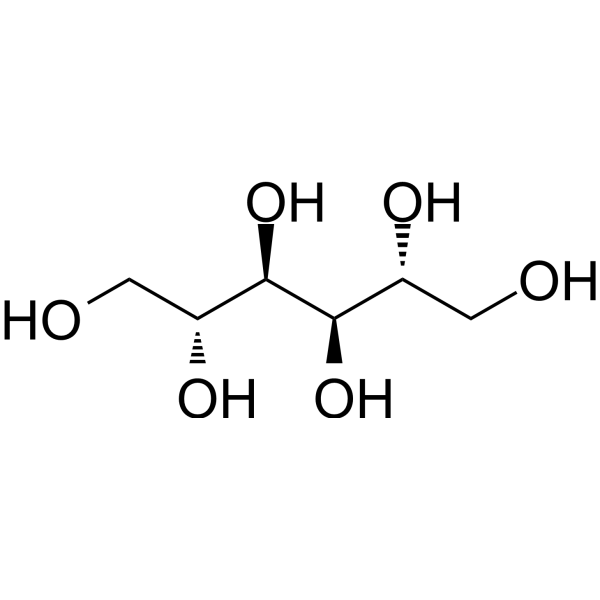
  • HY-B0400
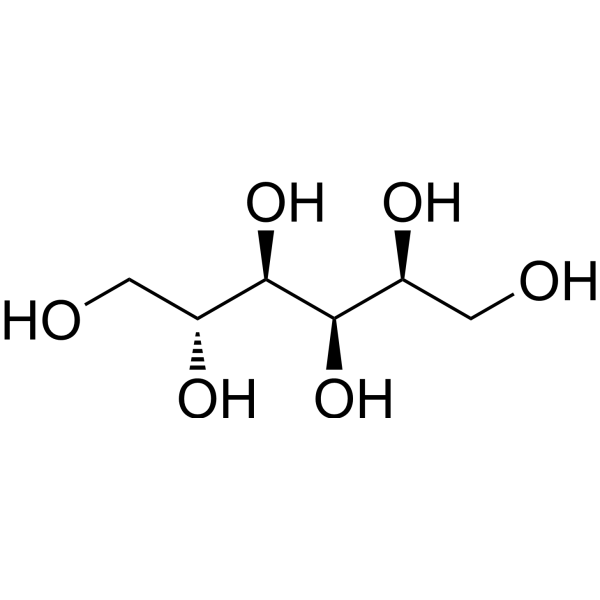
    D-Sorbitol
    2 Publications Verification

    Sorbitol; D-Glucitol

    Environmental Pollutants Endogenous Metabolite Bacterial Others
    D-Sorbitol (Sorbitol) is a six-carbon sugar alcohol and can used as a sugar substitute. D-Sorbitol can be used as a stabilizing excipient and/or isotonicity agent, sweetener, humectant, thickener and dietary supplement .
    D-Sorbitol
  • HY-145934
    UDP-GalNAz disodium
    1 Publications Verification

    UDP-N-azidoacetylgalactosamine disodium

    Biochemical Assay Reagents OGT Glycosidase Metabolic Disease
    UDP-GalNAz (UDP-N-azidoacetylgalactosamine) disodium is the analogue of UDP-GalNAc disodium (HY-114365). UDP-GalNAc disodium is the donor substrate of many N-acetylgalactosaminyltransferases, enzymes which transfer GalNAc from the nucleotide sugar to a saccharide or peptide acceptor. UDP-GalNAz disodium is a click chemistry reagent, it contains an Azide group and can undergo copper-catalyzed azide-alkyne cycloaddition reaction (CuAAc) with molecules containing Alkyne groups. It can also undergo strain-promoted alkyne-azide cycloaddition (SPAAC) reactions with molecules containing DBCO or BCN groups .
    UDP-GalNAz disodium
  • HY-N11287A
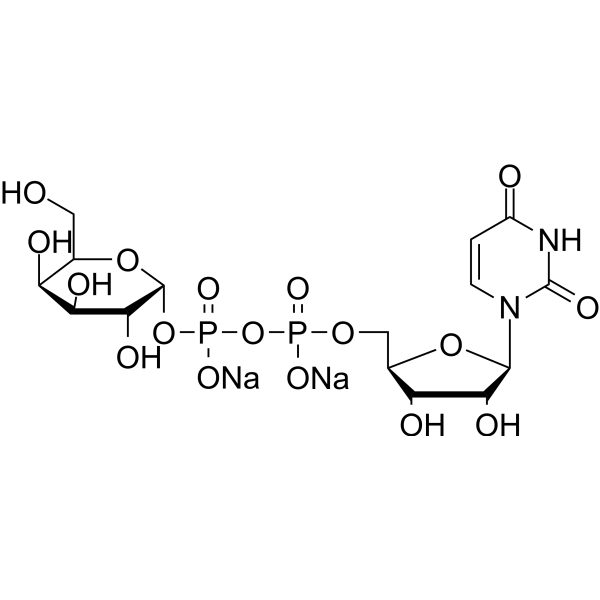
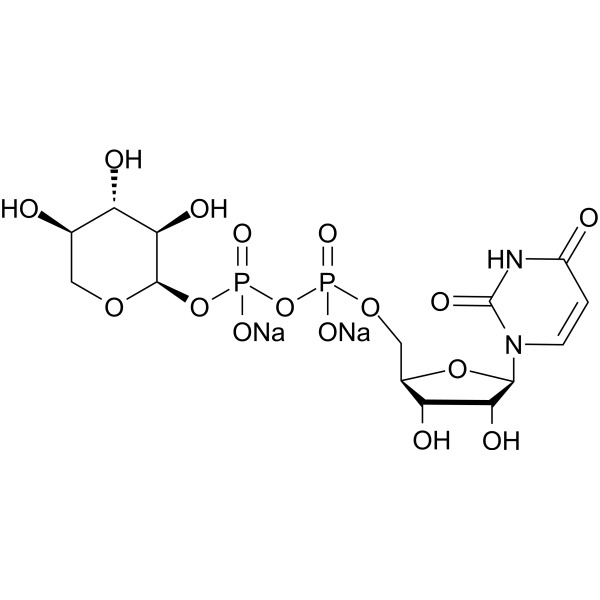
    UDP-xylose disodium
    2 Publications Verification

    Endogenous Metabolite Others
    UDP-xylose disodium is an endogenous sugar nucleotide and a catalytic substrate of UDP-xylose disodium synthase (UXS). UDP-xylose disodium is a sugar donor for the synthesis of glycoproteins, polysaccharides, various metabolites and oligosaccharides in plants, vertebrates and fungi, and participates in the synthesis of proteoglycans as a glycosyl donor. UDP-xylose disodium participates in the regulation of the synthesis of extracellular matrix components and can be used to study the mechanism of proteoglycan biosynthesis in glycobiology and related diseases (such as connective tissue diseases)[1][2].
    UDP-xylose disodium
  • HY-112942A
    CMP-Sialic acid sodium salt
    4 Publications Verification

    CMP-Neu5Ac sodium salt

    Endogenous Metabolite Metabolic Disease
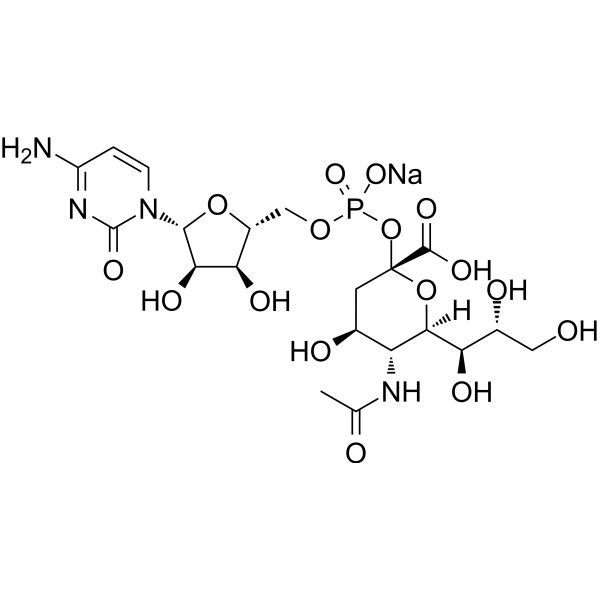
    CMP-Sialic acid (CMP-Neu5Ac) sodium salt is an allosteric inhibitor of UDP-GlcNAc 2-epimerase. CMP-Sialic acid sodium salt provides a substrate for Golgi sialyltransferases. CMP-Sialic acid sodium salt is an important sugar nucleotide for biosynthesis of sialic acid and its conjugates .
    CMP-Sialic acid sodium salt
  • HY-N0537
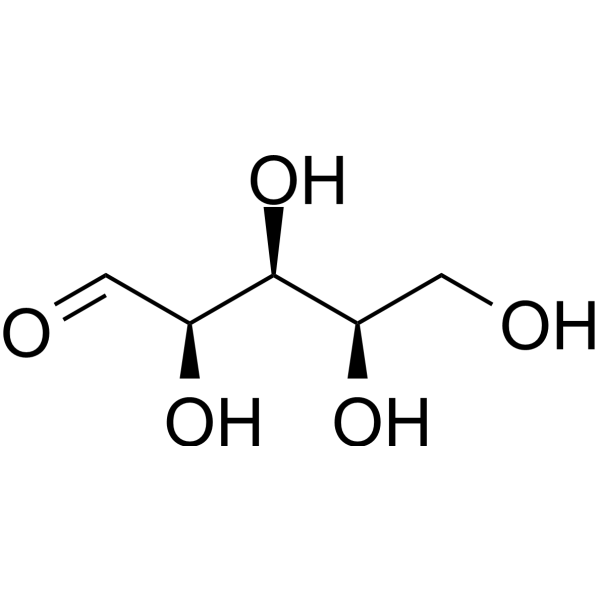
    Xylose
    5 Publications Verification

    D-(+)-Xylose; (+)-Xylose; Wood Sugar

    Environmental Pollutants Endogenous Metabolite Metabolic Disease
    Xylose (D-(+)-Xylose) is a natural pentose sugar that is catalyzed by xylose isomerase to form xylulose, which is a key step in the anaerobic ethanol fermentation of Xylose. Xylose can be used by microorganisms to produce fuels, chemicals, and bulk industrial enzymes. Xylose provides the substances and energy for cells, as a carbon source for the biosynthesis of high-value chemicals and biofuel. Xylose can be used to fully explore lignocellulose resources and provide a new direction for microbia fermentation .
    Xylose
  • HY-N0614
    Sucralose
    3 Publications Verification

    E955; Trichlorosucrose

    Endogenous Metabolite Cancer
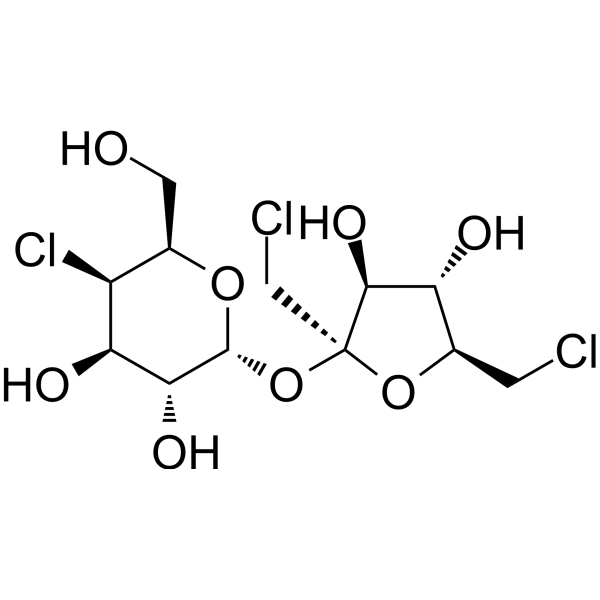
    Sucralose (E955; Trichlorosucrose) is a non-nutritive artificial sweetener and sugar substitute. Sucralose can activate a conserved neural fasting response and thereby exerts an appetite-stimulating effect in rodents .
    Sucralose
  • HY-114365
    UDP-GalNAc disodium
    1 Publications Verification

    UDP-N-acetyl-D-galactosamine disodium

    Endogenous Metabolite Metabolic Disease Cancer
    UDP-GalNAc (UDP-N-acetyl-D-galactosamine) disodium is a sugar nucleotide and a substrate for EpsC115. EpsC115 is a mutant with N-terminal residues 1-115 deleted from the exopolymeric substance (EPS). UDP-GalNAc disodium is a donor substrate for many N-acetylgalactosaminyltransferases, which transfer GalNAc from nucleotide sugars to sugar or peptide acceptors. UDP-GalNAc disodium provides a sugar group donor for glycosylation reactions. UDP-GalNAc disodium can be used in cancer research, such as colorectal and breast cancer .
    UDP-GalNAc disodium
  • HY-134433

    Endogenous Metabolite Metabolic Disease
    GDP-L-fucose is a nucleotide sugar that is a key substrate for the biosynthesis of fucose oligosaccharides, providing the fucose moiety for the oligosaccharides.The formation of GDP-L-fucose occurs through two pathways, the major ab initio metabolic pathway and the minor remedial metabolic pathway. GDP-L-fucose is associated with diabetes in rats .
    GDP-L-fucose
  • HY-106950A

    Diphosphofructose trisodium; Esafosfan trisodium; FDP trisodium

    Endogenous Metabolite Cardiovascular Disease
    Fosfructose trisodium (Diphosphofructose trisodium, Esafosfan trisodium, FDP trisodium) is a cytoprotective natural sugar phosphate used in research on cardiovascular ischemia, sickle cell anemia, and asthma. Fosfructose trisodium acts by stimulating anaerobic glycolysis, which produces adenosine triphosphate under ischemic conditions .
    Fosfructose trisodium
  • HY-100551

    Endogenous Metabolite Others
    meso-Erythritol is a sugar alcohol that found in a variety of foods (e.g., pear, watermelon), is 60-80% as sweet as sucrose, and can be used as low-calorie sweetener food additives .
    meso-Erythritol
  • HY-147063

    Endogenous Metabolite Others
    N-acetyl-α-d-glucosamine 1-phosphate disodium (GlcNAc-1-P) is an ectopic sugar phosphate and a key intermediate in N-glycoprotein biosynthesis. N-acetyl-α-d-glucosamine 1-phosphate disodium serves as a metabolic precursor of teichoic acid and muramic acid, which are components of bacterial cell walls .
    N-Acetyl-α-D-glucosamine 1-phosphate disodium
  • HY-B2122

    PPAR Fatty Acid Synthase (FASN) Others
    Maltitol is an orally active polyol and sugar alcohol sweetener produced by the hydrogenation of maltose. Maltitol can replace sucrose and has characteristics of having a minor impact on blood sugar and potential prebiotic effects .
    Maltitol
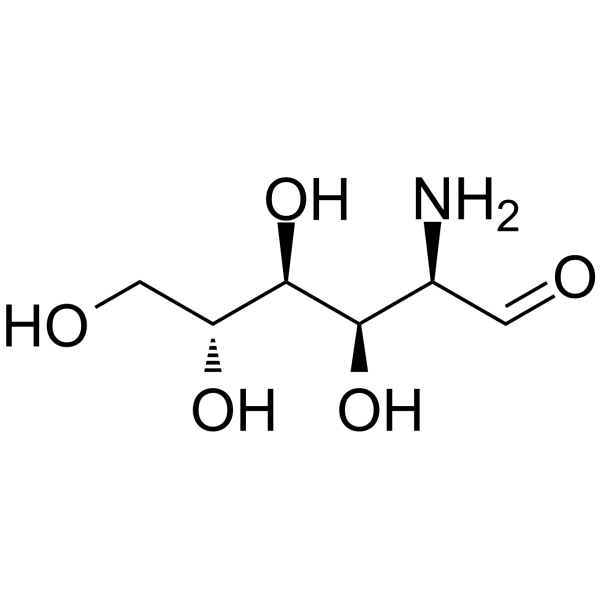
  • HY-W016445

    1-Amino-1-deoxy-D-glucitol, 98%

    Biochemical Assay Reagents Others
    D-Glucamine, 98% (1-Amino-1-deoxy-D-glucitol, 98%) is an amino sugar derivative that serves as an excipient in pharmaceutical formulations. D-Glucamine, 98% also acts as a substrate for studies investigating sugar transporter pathways
    D-Glucamine, 98%
  • HY-76691

    Endogenous Metabolite Bacterial Infection
    D-Ribonolactone is sugar lactone and an inhibitor of β-galactosidase of Escherichia coli with a Ki of 26 mM .
    D-Ribonolactone
  • HY-N2353
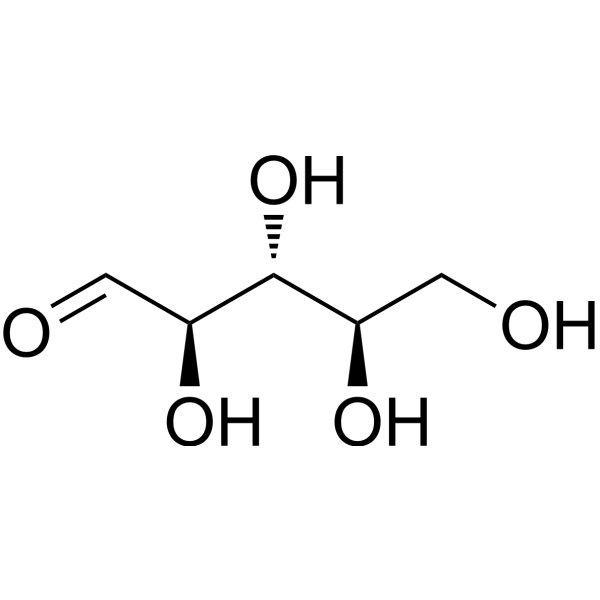
    Arabinose
    1 Publications Verification

    (±)​-​Arabinose; DL-​Arabinose; dl-​Arabinose

    Environmental Pollutants Endogenous Metabolite Neurological Disease Inflammation/Immunology Cancer
    Arabinose is a pentose sugar commonly found in plants. Arabinose alleviates immune dysregulation and inflammation by promoting balanced immune responses and reducing inflammation. Arabinose induces cytotoxicity, autophagy (Autophagy), and cell cycle arrest in breast cancer cells through the p38-MAPK signaling pathway. Arabinose activates the ACSS2-PPARγ/TFEB-AMPK axis in neuroblastoma cells, thereby exerting neuromodulatory/antidepressant effects. Arabinose can also be used as an intermediate in compound synthesis. Arabinose may be applied in research related to immune inflammation, depression, breast cancer, and other diseases .
    Arabinose
  • HY-Y0418

    Dulcitol; Melampyrit; NSC 1944

    Endogenous Metabolite Others
    Dulcite (Dulcitol; Melampyrit; NSC 1944) is a sugar alcohol. Dulcite is produced by the reduction of galactose by aldose reductase in non-insulin-dependent cells .
    Dulcite
  • HY-N2514

    α-D-Lactose

    Others Others
    α-Lactose (α-D-Lactose) is the major sugar present in milk. Lactose exists in the form of two anomers, α and β. The α form normally crystallizes as a monohydrate .
    α-Lactose
  • HY-N11287

    Endogenous Metabolite Others
    UDP-xylose is an endogenous sugar nucleotide and a catalytic substrate of UDP-xylose synthase (UXS). UDP-xylose is a sugar donor for the synthesis of glycoproteins, polysaccharides, various metabolites and oligosaccharides in plants, vertebrates and fungi, and participates in the synthesis of proteoglycans as a glycosyl donor. UDP-xylose participates in the regulation of the synthesis of extracellular matrix components and can be used to study the mechanism of proteoglycan biosynthesis in glycobiology and related diseases (such as connective tissue diseases)[1][2].
    UDP-xylose
  • HY-112942

    CMP-Neu5Ac

    Endogenous Metabolite Metabolic Disease
    CMP-Sialic acid (CMP-Neu5Ac) is an allosteric inhibitor of UDP-GlcNAc 2-epimerase. CMP-Sialic acid provides a substrate for Golgi sialyltransferases. CMP-Sialic acid is an important sugar nucleotide for biosynthesis of sialic acid and its conjugates .
    CMP-Sialic acid
  • HY-D0007

    Tetrazolium blue

    Biochemical Assay Reagents Others
    Blue Tetrazolium is a tetrazolium salt chromogenic dye that can be reduced to a dark blue formazan product. Blue Tetrazolium is applicable for assays such as succinate dehydrogenase activity detection and reducing sugar quantification. Blue Tetrazolium also serves as a novel corrosion inhibitor for cold-rolled steel in hydrochloric acid solutions. Blue Tetrazolium has a broad wavelength range (480-600 nm), with the maximum absorbance observed at 540 nm .
    Blue Tetrazolium
  • HY-B0400B

    Sorbito, for cell culture; D-Glucitol, for cell culture

    Environmental Pollutants Biochemical Assay Reagents Others
    D-Sorbitol (D-Glucitol), for cell culture is a six-carbon sugar alcohol that can be used as a sugar substitute. D-Sorbitol, for cell culture serves as an osmotic regulator, cryoprotectant and carbon source in various plant and microbial cell culture media .
    D-Sorbitol, for cell culture
  • HY-B1827A
    D-Galacturonic acid
    2 Publications Verification

    D-galUA

    Endogenous Metabolite Metabolic Disease
    D-Galacturonic acid (D-galUA), as the main component of pectin, is abundantly present in plants. The carboxyl group of D-Galacturonic acid can bind to metal cations. D-Galacturonic acid plays an important role in the food industry, pharmaceutical field, and heavy metal removal, among other aspects .
    D-Galacturonic acid
  • HY-B1673

    Environmental Pollutants Bacterial Infection Cancer
    D-Lactose monohydrate is a sugar. D-Lactose monohydrate can be utilized by most bacteria. D-Lactose monohydrate promotes the growth of tobacco B6S3 tumor tissue. D-Lactose monohydrate is used in the research of the growth mechanism of plant tumor tissues and the sugar utilization of bacteria .
    D-Lactose monohydrate
  • HY-B0400S1

    Sorbitol-13C; D-Glucitol-13C

    Endogenous Metabolite Others
    D-Sorbitol- 13C is the 13C labeled D-Sorbitol. D-Sorbitol (Sorbitol) is a six-carbon sugar alcohol and can used as a sugar substitute. D-Sorbitol can be used as a stabilizing excipient and/or isotonicity agent, sweetener, humectant, thickener and dietary s
    D-Sorbitol-13C
  • HY-W779019

    D-(+)-Xylose-13C5; (+)-Xylose-13C5; Wood Sugar-13C5

    Isotope-Labeled Compounds Endogenous Metabolite Metabolic Disease
    Xylose- 13C5 (D-(+)-Xylose- 13C5) is 13C labeled Xylose. Xylose (D-(+)-Xylose) is a natural pentose sugar that is catalyzed by xylose isomerase to form xylulose, which is a key step in the anaerobic ethanol fermentation of Xylose. Xylose can be used by microorganisms to produce fuels, chemicals, and bulk industrial enzymes. Xylose provides the substances and energy for cells, as a carbon source for the biosynthesis of high-value chemicals and biofuel. Xylose can be used to fully explore lignocellulose resources and provide a new direction for microbia fermentation .
    Xylose-13C5
  • HY-156905

    Biochemical Assay Reagents Others
    6-Azido-N-acetylgalactosamine-UDP (Compound 5) is a 6-azido-modified nucleotide sugar. It acts as an active sugar donor in lactose glycosylation catalyzed by beta-1,3-N-Acetylhexaminyltransferase (LgtA). Azido-modified nucleotide sugars are strategically used in copper-free click chemistry to modify the N-glycan core structure of IgG .
    6-Azido-N-acetylgalactosamine-UDP
  • HY-N0537R

    D-(+)-Xylose (Standard); (+)-Xylose (Standard); Wood Sugar (Standard)

    Reference Standards Endogenous Metabolite Metabolic Disease
    Xylose (Standard) (D-(+)-Xylose (Standard)) is the analytical standard of Xylose (HY-N0537). This product is intended for research and analytical applications. Xylose (D-(+)-Xylose) is a natural pentose sugar that is catalyzed by xylose isomerase to form xylulose, which is a key step in the anaerobic ethanol fermentation of Xylose. Xylose can be used by microorganisms to produce fuels, chemicals, and bulk industrial enzymes. Xylose provides the substances and energy for cells, as a carbon source for the biosynthesis of high-value chemicals and biofuel. Xylose can be used to fully explore lignocellulose resources and provide a new direction for microbia fermentation.
    Xylose (Standard)
  • HY-134433A

    Endogenous Metabolite Metabolic Disease
    GDP-L-fucose disodium is a nucleotide sugar that is a key substrate for the biosynthesis of fucose oligosaccharides. GDP-L-fucose disodium provides the fucose moiety for the oligosaccharides. The formation of GDP-L-fucose disodium occurs through two pathways, the major de novo metabolic pathway and the minor remedial metabolic pathway .
    GDP-L-fucose disodium
  • HY-N0614R

    E955 (Standard); Trichlorosucrose (Standard)

    Reference Standards Endogenous Metabolite Cancer
    Sucralose (Standard) is the analytical standard of Sucralose. This product is intended for research and analytical applications. Sucralose?(E955; Trichlorosucrose) is a?non-nutritive?artificial?sweetener and sugar substitute. Sucralose can activate a conserved neural fasting response and thereby exerts an appetite-stimulating effect in rodents .
    Sucralose (Standard)
  • HY-W587841

    Drug Intermediate Metabolic Disease
    D-Xylulose 5-phosphate is a sugar phosphate ester intermediate and also a core metabolite of the pentose phosphate pathway. D-Xylulose 5-phosphate can be used in the research of metabolic diseases .
    D-Xylulose 5-phosphate
  • HY-N0537S3

    D-(+)-Xylose-2-13C; (+)-Xylose-2-13C; Wood Sugar-2-13C

    Isotope-Labeled Compounds Endogenous Metabolite Metabolic Disease
    Xylose-2- 13C (D-(+)-Xylose-2- 13C) is the 13C labeled Xylose (HY-N0537). Xylose (D-(+)-Xylose) is a natural pentose sugar that is catalyzed by xylose isomerase to form xylulose, which is a key step in the anaerobic ethanol fermentation of Xylose. Xylose can be used by microorganisms to produce fuels, chemicals, and bulk industrial enzymes. Xylose provides the substances and energy for cells, as a carbon source for the biosynthesis of high-value chemicals and biofuel. Xylose can be used to fully explore lignocellulose resources and provide a new direction for microbia fermentation .
    Xylose-2-13C
  • HY-E70066

    Others Others
    UDP-sugar pyrophosphorylase (AtUSP) is a broad substrate enzyme that synthesizes nucleotide sugars. UDP-sugar pyrophosphorylase catalyzes the conversion of various monosaccharide 1-phosphates to the respective UDP-sugars in the salvage pathway .
    UDP-sugar pyrophosphorylase (AtUSP)
  • HY-107950

    Biochemical Assay Reagents Others
    Invert sugar is a mixture of dextrose and levulose. Invert sugar is formed when sucrose is split in two by an enzyme or acid. Invert sugar can be used as a sweetener .
    Invert sugar
  • HY-E70028

    Endogenous Metabolite Metabolic Disease
    UDP-sugar pyrophosphorylase (BlUSP) is the enzyme capable of activating glucose-1-phosphate (Glc-1-P) to UDP-glucose (UDP-Glc). UDP-sugar pyrophosphorylase (BlUSP) catalyzes a reversible transfer of the uridyl group from UTP to sugar-1-phosphate, producing UDP-sugar and pyrophosphate (PPi) .
    UDP-sugar pyrophosphorylase (BlUSP)
  • HY-B0400R

    Sorbitol (Standard); D-Glucitol (Standard)

    Reference Standards Endogenous Metabolite Bacterial Others
    D-Sorbitol (Standard) is the analytical standard of D-Sorbitol. This product is intended for research and analytical applications. D-Sorbitol (Sorbitol) is a six-carbon sugar alcohol and can used as a sugar substitute. D-Sorbitol can be used as a stabilizing excipient and/or isotonicity agent, sweetener, humectant, thickener and dietary supplement .
    D-Sorbitol (Standard)
  • HY-113407CR

    Reference Standards Drug Intermediate Metabolic Disease
    D-Fructose-6-phosphate disodium monohydrate (Standard) is the analytical standard of D-Fructose-6-phosphate disodium monohydrate. D-Fructose-6-phosphate is an intermediate of Glycolysis. D-Fructose-6-phosphate is the precursor for the synthesis of amino sugars, such as galactosamine and glucosamine .
    D-Fructose-6-phosphate disodium monohydrate (Standard)
  • HY-B0400S

    Sorbitol-d8; D-Glucitol-d8

    Endogenous Metabolite Others
    D-Sorbitol-d8 is the deuterium labeled D-Sorbitol. D-Sorbitol (Sorbitol) is a six-carbon sugar alcohol and can used as a sugar substitute. D-Sorbitol can be used as a stabilizing excipient and/or isotonicity agent, sweetener, humectant, thickener and dietary supplement .
    D-Sorbitol-d8
  • HY-128753S6

    Isotope-Labeled Compounds Endogenous Metabolite Drug Intermediate Metabolic Disease
    D-Lyxose-d is the deuterium labeled D-Lyxose. D-Lyxose is an endogenous metabolite. D-Lyxose is a rare pentose sugar with significant potential for drug synthesis. D-Lyxose can be used as a starting material for anti-tumor drugs such as alpha galactose ceramide immunostimulants. D-Lyxose can be used as a precursor for L-nucleoside analogs for the development of antiviral drugs. D-Lyxose can be used as a synthetic intermediate for other rare sugars such as L-ribose .
    D-Lyxose-d
  • HY-W039924
    N-Azidoacetylmannosamine
    1 Publications Verification

    Drug Metabolite Metabolic Disease
    N-Azidoacetylmannosamine is an azide-labeled sugar that can be metabolically incorporated into glycoproteins. N-Azidoacetylmannosamine can then react with alkynes or phosphines that are linked to fluorescent or biotin tags for visualization or capture of the glycoproteins. N-Azidoacetylmannosamine can be used for studying glycan structures and functions in vivo .
    N-Azidoacetylmannosamine
  • HY-P2917A

    GyK, Cellulomonas sp.

    Endogenous Metabolite Others
    Glycerol kinase, Cellulomonas sp. (EC 2.7.1.30) is a bacterial sugar kinase, is often used in biochemical studies. Glycerol kinase, Cellulomonas sp. catalyzes the first step of glycerol metabolism by transforming the triol into glycerol-3-P (G3P). Glycerol kinase, Cellulomonas sp. is crucial for regulating channel/facilitator-independent uptake of glycerol into the cell .
    Glycerol kinase, Cellulomonas sp.
  • HY-121305B

    Drug Intermediate Others
    L-Ribulose solution is a 1 M solution of L-Ribulose in water. L-Ribulose is an L-form pentulose. L-Ribulose serves as a key precursor for the synthesis of L-ribose and L-nucleoside analogs .
    L-Ribulose (solution)
  • HY-176909

    Infection
    Farnesyl phosphoryl-β-D-ribose is a phosphorylated sugar derivative that belongs to the class of polyprenylphosphoryl sugars. Farnesyl phosphoryl-β-D-ribose can be used for the study of Mycobacterium tuberculosis infection .
    Farnesyl phosphoryl-β-D-ribose
  • HY-W087904R

    α-D-Lactose hydrate (Standard)

    Endogenous Metabolite Reference Standards Others
    α-Lactose (hydrate) (Standard) is the analytical standard of α-Lactose (hydrate). This product is intended for research and analytical applications. α-Lactose (hydrate) (α-D-Lactose (hydrate)) is the principal carbohydrate in the milk of most mammals. α-Lactose (hydrate) consists of glucose and galactose and exists in the form of two anomers, α and β. α-Lactose (hydrate) has many uses in the food and pharmaceutical industries, such as a free-flowing or agglomerating agent, a diluent for pigments, flavors, or enzymes .
    α-Lactose hydrate (Standard)
  • HY-126847

    Biochemical Assay Reagents Others
    N-Acylkansosamine is an N-acylamino sugar that can be isolated from the trehalose-containing lipooligosaccharide antigens of Mycobacterium kansasii .
    N-Acylkansosamine
  • HY-127005

    DNA Alkylator/Crosslinker Cancer
    Ritrosulfan is a member of the alkylating sugar alcohol. Ritrosulfan is a hydrolyzing alkylating agent with anti-tumor activity .
    Ritrosulfan
  • HY-114598

    SGLT Metabolic Disease
    WAY-123783 is a potent, selective and orally active sodium-dependent glucose cotransporter 2 (SGLT2) inhibitor producing activity after metabolism. WAY-123783 can increase the excretion of sugar in urine and at the same time lower the blood sugar level in db/db mice (ED50 = 9.85 mg/kg). WAY-123783 can be used for the research of metabolic disease, such as diabetes .
    WAY-123783
  • HY-76691R

    Endogenous Metabolite Bacterial Reference Standards Infection
    D-Ribonolactone (Standard) is the analytical standard of D-Ribonolactone. This product is intended for research and analytical applications. D-Ribonolactone is sugar lactone and an inhibitor of β-galactosidase of Escherichia coli with a Ki of 26 mM .
    D-Ribonolactone (Standard)
  • HY-130003

    Others Metabolic Disease
    Hypoglycemic agent 1 acts as a therapeutic and/or prophylactic agent for diabetes. Hypoglycemic agent 1 has an action for lowering blood sugar .
    Hypoglycemic agent 1
  • HY-128753S7

    Isotope-Labeled Compounds Endogenous Metabolite Drug Intermediate Metabolic Disease
    D-Lyxose-d-1 is the deuterium labeled D-Lyxose. D-Lyxose is an endogenous metabolite. D-Lyxose is a rare pentose sugar with significant potential for drug synthesis. D-Lyxose can be used as a starting material for anti-tumor drugs such as alpha galactose ceramide immunostimulants. D-Lyxose can be used as a precursor for L-nucleoside analogs for the development of antiviral drugs. D-Lyxose can be used as a synthetic intermediate for other rare sugars such as L-ribose .
    D-Lyxose-d-1
  • HY-128753S3

    Isotope-Labeled Compounds Endogenous Metabolite Drug Intermediate Others
    D-Lyxose- 13C-2 is the 13C labeled D-Lyxose. D-Lyxose is an endogenous metabolite. D-Lyxose is a rare pentose sugar with significant potential for drug synthesis. D-Lyxose can be used as a starting material for anti-tumor drugs such as alpha galactose ceramide immunostimulants. D-Lyxose can be used as a precursor for L-nucleoside analogs for the development of antiviral drugs. D-Lyxose can be used as a synthetic intermediate for other rare sugars such as L-ribose .
    D-Lyxose-13C-2

Inquiry Online

Your information is safe with us. * Required Fields.

Salutation


Country or Region *

Applicant Name *


Organization Name *

Department *


Email Address *


Product Name *

Cat. No.


Requested quantity *

Phone Number *


Remarks

Inquiry Online

Inquiry Information

Product Name:
Cat. No.:
Quantity:
MCE Japan Authorized Agent:

