1. Search Result
Search Result
Results for "

Sugar nucleotides

" in MedChemExpress (MCE) Product Catalog:

48

Inhibitors & Agonists

5

Biochemical Assay Reagents

1

Peptides

1

MCE Kits

15

Natural
Products

8

Isotope-Labeled Compounds

3

Click Chemistry

3

Oligonucleotides

Cat. No. Nombre del producto Target Áreas de investigación Chemical Structure
  • HY-145934
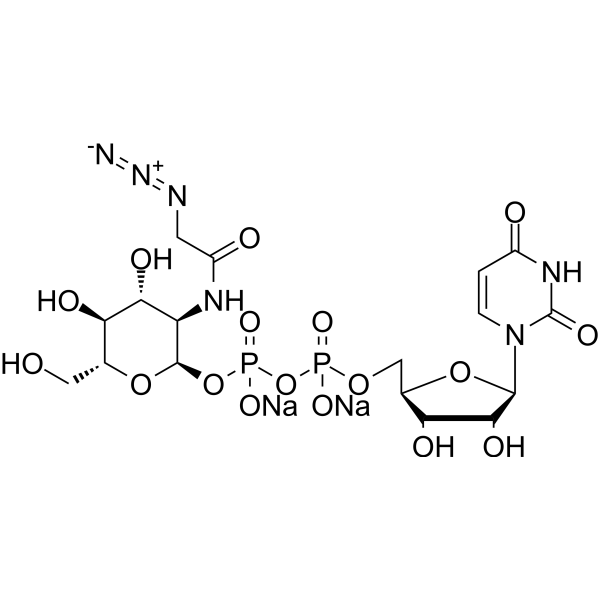
    UDP-GalNAz disodium
    1 Publications Verification

    UDP-N-azidoacetylgalactosamine disodium

    Biochemical Assay Reagents OGT Glycosidase Metabolic Disease
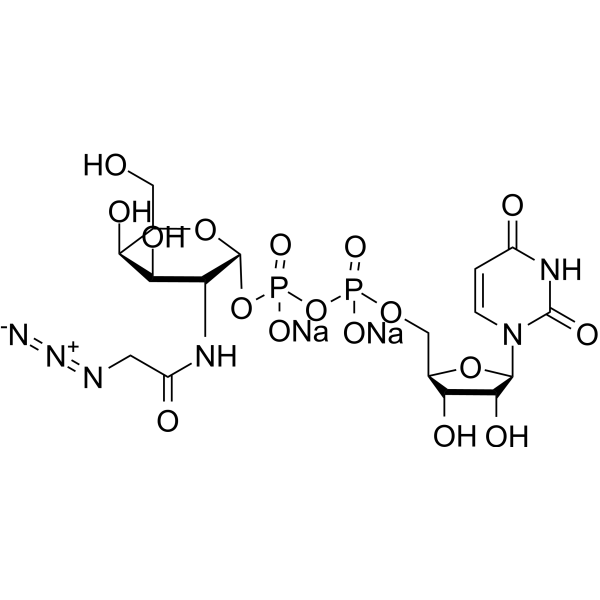
    UDP-GalNAz (UDP-N-azidoacetylgalactosamine) disodium is the analogue of UDP-GalNAc disodium (HY-114365). UDP-GalNAc disodium is the donor substrate of many N-acetylgalactosaminyltransferases, enzymes which transfer GalNAc from the nucleotide sugar to a saccharide or peptide acceptor. UDP-GalNAz disodium is a click chemistry reagent, it contains an Azide group and can undergo copper-catalyzed azide-alkyne cycloaddition reaction (CuAAc) with molecules containing Alkyne groups. It can also undergo strain-promoted alkyne-azide cycloaddition (SPAAC) reactions with molecules containing DBCO or BCN groups .
    UDP-GalNAz disodium
  • HY-N11287A
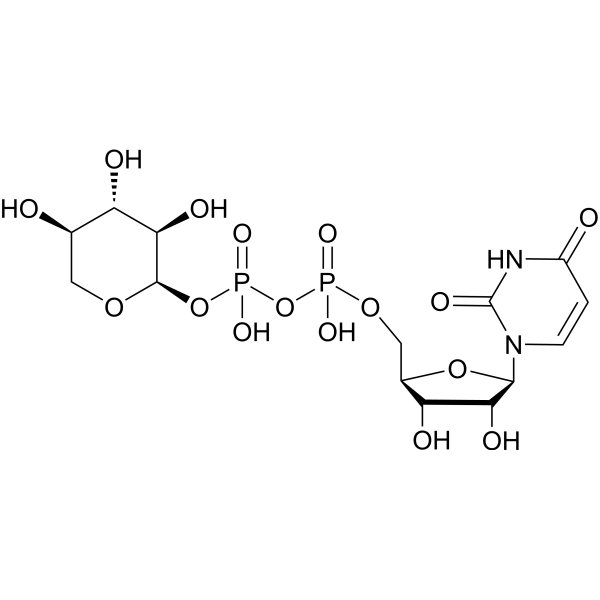
    UDP-xylose disodium
    2 Publications Verification

    Endogenous Metabolite Others
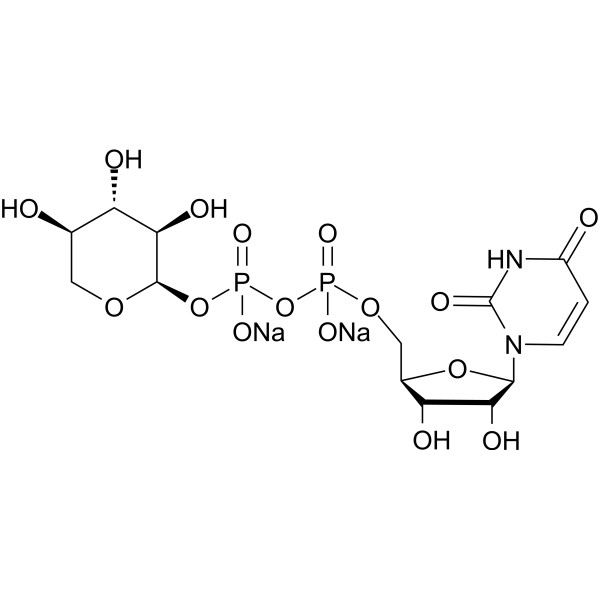
    UDP-xylose disodium is an endogenous sugar nucleotide and a catalytic substrate of UDP-xylose disodium synthase (UXS). UDP-xylose disodium is a sugar donor for the synthesis of glycoproteins, polysaccharides, various metabolites and oligosaccharides in plants, vertebrates and fungi, and participates in the synthesis of proteoglycans as a glycosyl donor. UDP-xylose disodium participates in the regulation of the synthesis of extracellular matrix components and can be used to study the mechanism of proteoglycan biosynthesis in glycobiology and related diseases (such as connective tissue diseases)[1][2].
    UDP-xylose disodium
  • HY-112942A
    CMP-Sialic acid sodium salt
    4 Publications Verification

    CMP-Neu5Ac sodium salt

    Endogenous Metabolite Metabolic Disease
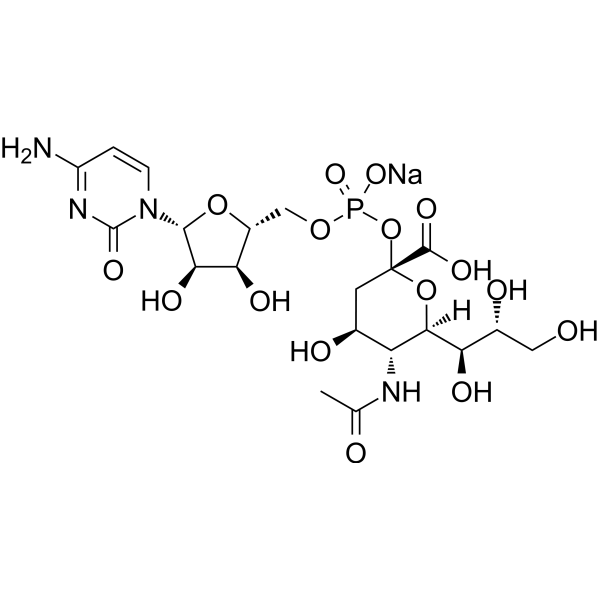
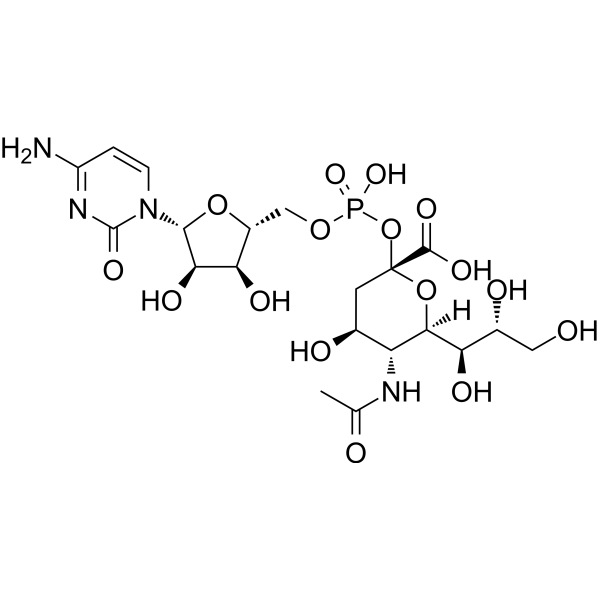
    CMP-Sialic acid (CMP-Neu5Ac) sodium salt is an allosteric inhibitor of UDP-GlcNAc 2-epimerase. CMP-Sialic acid sodium salt provides a substrate for Golgi sialyltransferases. CMP-Sialic acid sodium salt is an important sugar nucleotide for biosynthesis of sialic acid and its conjugates .
    CMP-Sialic acid sodium salt
  • HY-114364
    UDP-Galactose disodium
    4 Publications Verification

    Endogenous Metabolite P2Y Receptor Metabolic Disease
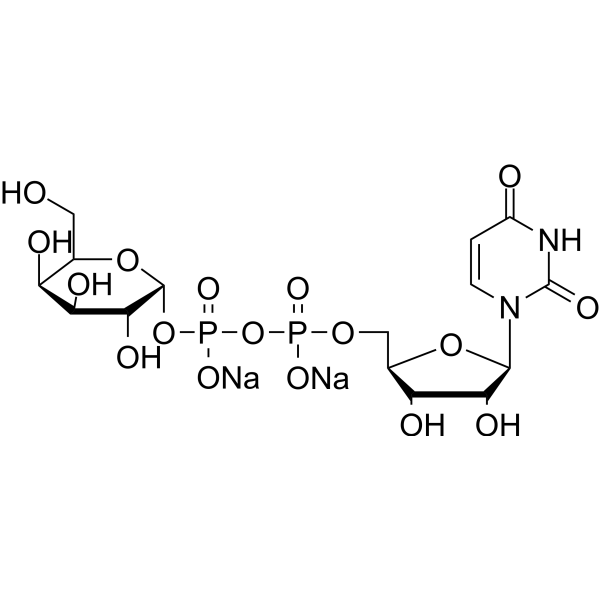
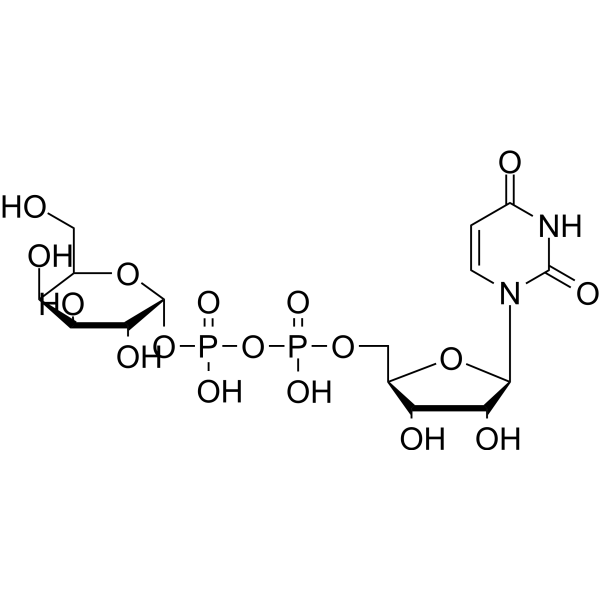
    UDP-Galactose disodium is a monosaccharide and a key glycosyl donor molecule in cells that participates in nucleotide sugar metabolism. UDP-Galactose disodium is the natural agonist of the P2Y14 receptor coupled to Gi proteins in the immune system (IC50 = 0.67 μM, hP2Y14). UDP-Galactose disodium can be used to study cell signal transduction and substance metabolism .
    UDP-Galactose disodium
  • HY-114365
    UDP-GalNAc disodium
    1 Publications Verification

    UDP-N-acetyl-D-galactosamine disodium

    Endogenous Metabolite Metabolic Disease Cancer
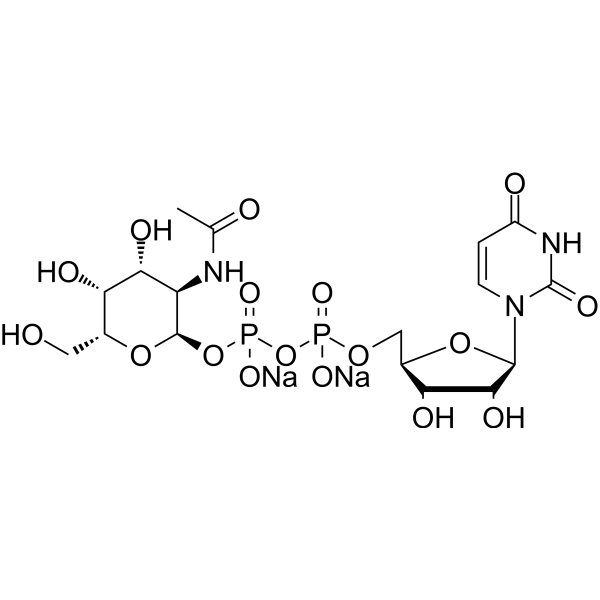
    UDP-GalNAc (UDP-N-acetyl-D-galactosamine) disodium is a sugar nucleotide and a substrate for EpsC115. EpsC115 is a mutant with N-terminal residues 1-115 deleted from the exopolymeric substance (EPS). UDP-GalNAc disodium is a donor substrate for many N-acetylgalactosaminyltransferases, which transfer GalNAc from nucleotide sugars to sugar or peptide acceptors. UDP-GalNAc disodium provides a sugar group donor for glycosylation reactions. UDP-GalNAc disodium can be used in cancer research, such as colorectal and breast cancer .
    UDP-GalNAc disodium
  • HY-134433

    Endogenous Metabolite Metabolic Disease
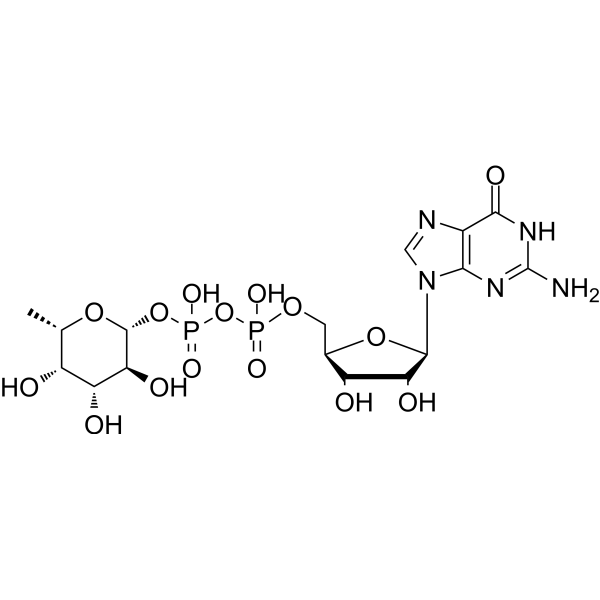
    GDP-L-fucose is a nucleotide sugar that is a key substrate for the biosynthesis of fucose oligosaccharides, providing the fucose moiety for the oligosaccharides.The formation of GDP-L-fucose occurs through two pathways, the major ab initio metabolic pathway and the minor remedial metabolic pathway. GDP-L-fucose is associated with diabetes in rats .
    GDP-L-fucose
  • HY-W009162
    Cytidine 5'-monophosphate
    1 Publications Verification

    5'-Cytidylic acid; 5'-CMP

    Endogenous Metabolite Metabolic Disease
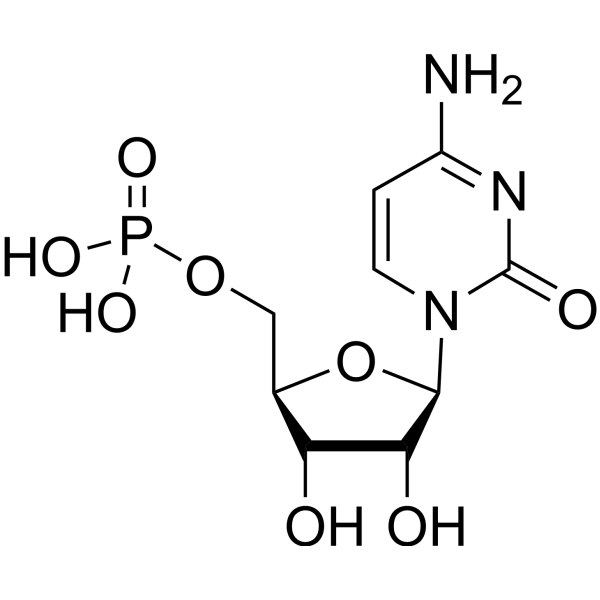
    Cytidine 5'-monophosphate (5'-Cytidylic acid) is a nucleotide which is used as a monomer in RNA. Cytidine 5'-monophosphate consists of the nucleobase cytosine, the pentose sugar ribose, and the phosphate group .
    Cytidine 5'-monophosphate
  • HY-116956

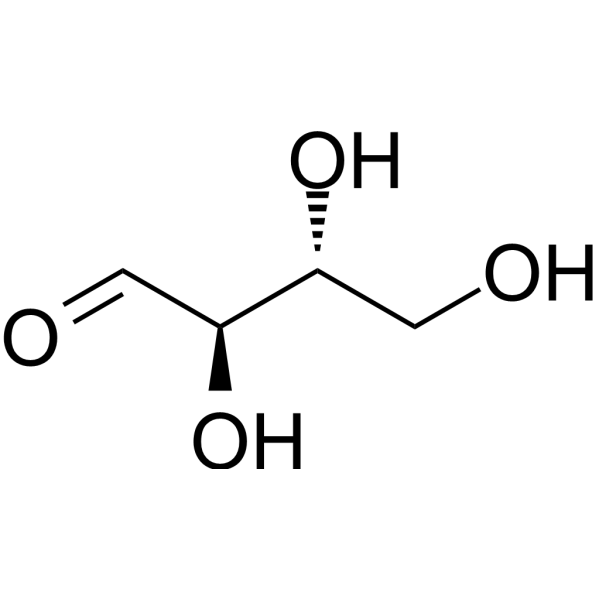
    Biochemical Assay Reagents Others
    D-Erythrose is a four-carbon sugar classified as an aldose. D-Erythrose has unique chemical properties that make it an important intermediate in various metabolic pathways, especially in the biosynthesis of amino acids and nucleotides. It also plays a role in the pentose phosphate pathway, which generates reducing equivalents for biosynthetic reactions and cellular defense against oxidative damage.
    D-Erythrose (50% in water)
  • HY-145934A

    OGT Biochemical Assay Reagents Glycosidase Metabolic Disease
    UDP-GlcNAz disodium is the analogue of UDP-GlcNAc disodium (HY-112174). UDP-GlcNAc disodium is the donor substrate of many N-acetylgalactosaminyltransferases, enzymes which transfer GlcNAc from the nucleotide sugar to a saccharide or peptide acceptor. UDP-GlcNAc disodium is a click chemistry reagent, it contains an Azide group and can undergo copper-catalyzed azide-alkyne cycloaddition reaction (CuAAc) with molecules containing Alkyne groups. It can also undergo strain-promoted alkyne-azide cycloaddition (SPAAC) reactions with molecules containing DBCO or BCN groups .
    UDP-GlcNAz disodium
  • HY-N11287

    Endogenous Metabolite Others
    UDP-xylose is an endogenous sugar nucleotide and a catalytic substrate of UDP-xylose synthase (UXS). UDP-xylose is a sugar donor for the synthesis of glycoproteins, polysaccharides, various metabolites and oligosaccharides in plants, vertebrates and fungi, and participates in the synthesis of proteoglycans as a glycosyl donor. UDP-xylose participates in the regulation of the synthesis of extracellular matrix components and can be used to study the mechanism of proteoglycan biosynthesis in glycobiology and related diseases (such as connective tissue diseases)[1][2].
    UDP-xylose
  • HY-112942

    CMP-Neu5Ac

    Endogenous Metabolite Metabolic Disease
    CMP-Sialic acid (CMP-Neu5Ac) is an allosteric inhibitor of UDP-GlcNAc 2-epimerase. CMP-Sialic acid provides a substrate for Golgi sialyltransferases. CMP-Sialic acid is an important sugar nucleotide for biosynthesis of sialic acid and its conjugates .
    CMP-Sialic acid
  • HY-150524

    Endogenous Metabolite P2Y Receptor Metabolic Disease
    UDP-Galactose is a monosaccharide and a key glycosyl donor molecule in cells that participates in nucleotide sugar metabolism. UDP-Galactose is the natural agonist of the P2Y14 receptor coupled to Gi proteins in the immune system (IC50 = 0.67 μM, hP2Y14). UDP-Galactose can be used to study cell signal transduction and substance metabolism .
    UDP-Galactose
  • HY-156905

    Biochemical Assay Reagents Others
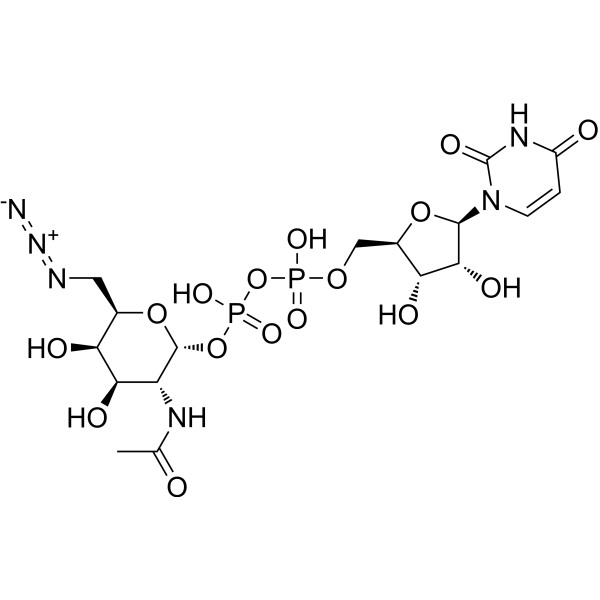
    6-Azido-N-acetylgalactosamine-UDP (Compound 5) is a 6-azido-modified nucleotide sugar. It acts as an active sugar donor in lactose glycosylation catalyzed by beta-1,3-N-Acetylhexaminyltransferase (LgtA). Azido-modified nucleotide sugars are strategically used in copper-free click chemistry to modify the N-glycan core structure of IgG .
    6-Azido-N-acetylgalactosamine-UDP
  • HY-134433A

    Endogenous Metabolite Metabolic Disease
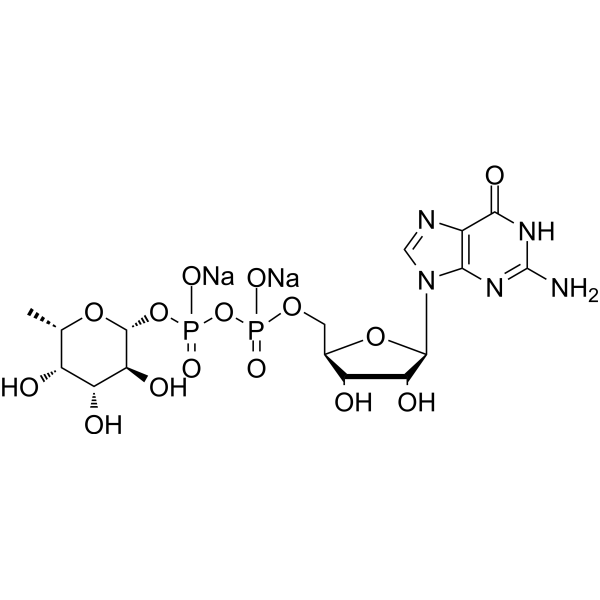
    GDP-L-fucose disodium is a nucleotide sugar that is a key substrate for the biosynthesis of fucose oligosaccharides. GDP-L-fucose disodium provides the fucose moiety for the oligosaccharides. The formation of GDP-L-fucose disodium occurs through two pathways, the major de novo metabolic pathway and the minor remedial metabolic pathway .
    GDP-L-fucose disodium
  • HY-E70020

    Others Others
    UDP-Glc dehydrogenase (UGDH) catalyzes is a NAD+-dependent enzyme that catalyzes the two-fold oxidation of UDP-glucose (UDP-Glc) to produce UDP-glucuronic acid. UDP-Glc dehydrogenase (UGDH) is a key enzyme in the nucleotide-sugar interconversion pathway necessary for biosynthesis of many cell-wall polysaccharides .
    UDP-Glc dehydrogenase (UGDH)
  • HY-W145649
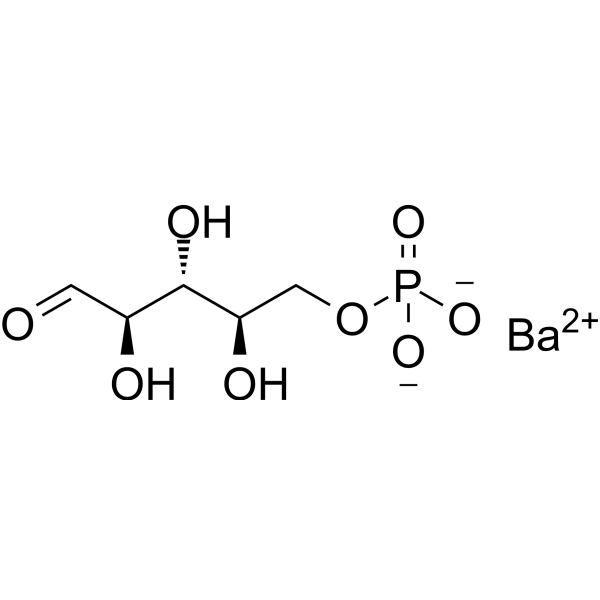
    Ribose-5-phosphate barium salt
    1 Publications Verification

    Biochemical Assay Reagents Others
    Ribose-5-phosphate Barium Salt is an organic compound that belongs to the monosaccharide phosphate family. It is commonly used as an intermediate in various biochemical pathways, especially in the biosynthesis of nucleotides and coenzymes. Ribose-5-phosphate Barium Salt has several applications in biochemical research, including as a precursor for the synthesis of other phosphorylated sugars and as a substrate for enzymes involved in the pentose phosphate pathway. In addition, it can be used as an energy source and dietary supplement for certain microorganisms.
    Ribose-5-phosphate barium salt
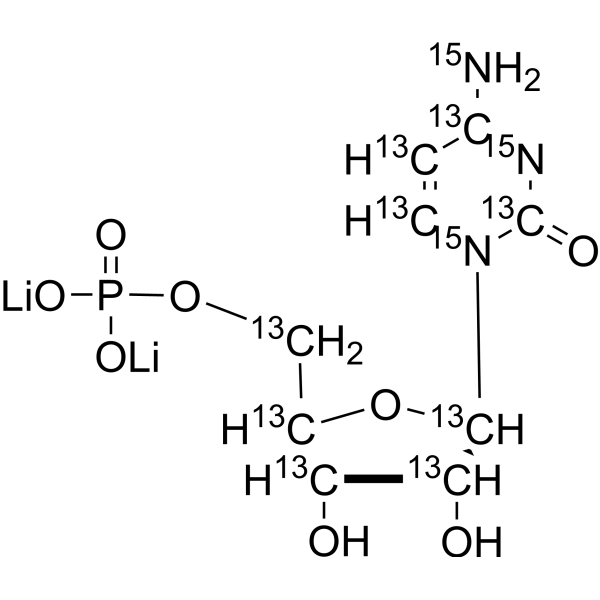
  • HY-W009162S5

    5'-Cytidylic acid-13C9,15N3 dilithium; 5'-CMP-13C9,15N3 dilithium

    Isotope-Labeled Compounds Endogenous Metabolite Metabolic Disease
    Cytidine 5′-monophosphate- 13C9, 15N3 (5'-Cytidylic acid- 13C9, 15N3 dilithium; 5'-CMP- 13C9, 15N3) dilithium is 13C and 15N-labeled Cytidine 5'-monophosphate (HY-W009162). Cytidine 5'-monophosphate (5'-Cytidylic acid) is a nucleotide which is used as a monomer in RNA. Cytidine 5'-monophosphate consists of the nucleobase cytosine, the pentose sugar ribose, and the phosphate group.
    Cytidine 5′-monophosphate-13C9,15N3 dilithium
  • HY-E70066

    Others Others
    UDP-sugar pyrophosphorylase (AtUSP) is a broad substrate enzyme that synthesizes nucleotide sugars. UDP-sugar pyrophosphorylase catalyzes the conversion of various monosaccharide 1-phosphates to the respective UDP-sugars in the salvage pathway .
    UDP-sugar pyrophosphorylase (AtUSP)
  • HY-148596

    UDP-N-Acetyl-D-glucosamine; Uridine diphospho-N-acetylglucosamine; UDP-N-acetylglucosamine

    Endogenous Metabolite P2Y Receptor Drug Intermediate Glycosyltransferase Infection
    UDP-GlcNAc (UDP-N-Acetyl-D-glucosamine) is an important component and precursor of bacterial peptidoglycan. UDP-GlcNAc is a nucleotide sugar used by Glycosyltransferases to synthesize glycoproteins, glycosaminoglycans, glycolipids, and glycoRNA. UDP-GlcNAc also serves as the donor substrate for forming O-GlcNAc, a dynamic intracellular protein modification involved in diverse signaling and disease processes. UDP-GlcNAc is the sugar nucleotide donor for the synthesis of O-GlcNAc modified proteins. UDP-GlcNAc also acts as a full agonist of the P2Y14 receptor and inhibits the formation of cAMP. UDP-GlcNAc can be used in studies related to bacterial infections .
    UDP-GlcNAc
  • HY-164770A

    ApU sodium

    DNA/RNA Synthesis Others
    Adenosyl-(3′→5′)-uridine (ApU) sodium is a nucleotide, which is composed of an adenine base and a uracil sugar molecule through a 3'-5' phosphodiester bond. Adenosyl-(3′→5′)-uridine (ApU) sodium participates in the biological processes, such as gene expression regulation, signal transduction, and protein synthesis .
    Adenosyl-(3′→5′)-uridine sodium
  • HY-177891

    UDP-4N3-Glc disodium

    Nucleoside Antimetabolite/Analog Others
    UDP-4-azido-4-deoxy-D-Glc disodium is a sugar nucleotide.
    UDP-4-azido-4-deoxy-D-Glc disodium
  • HY-W415798

    Endogenous Metabolite Others
    Ac4GalNAlk is a weakly alkyne-labeled reagent for metabolic oligosaccharide engineering (MOE) that can be used to detect protein glycosylation. MOE reagents can be activated by cellular biosynthetic machinery into nucleotide sugars, which can be further traced through the introduction of glycoproteins in bioorthogonal chemistry. Ac4GalNAlk promotes nucleotide-sugar biosynthesis and increases bioorthogonal cell surface markers .
    Ac4GalNAlk
  • HY-W009162R

    5'-Cytidylic acid (Standard); 5'-CMP (Standard)

    Reference Standards Endogenous Metabolite Metabolic Disease
    Cytidine 5'-monophosphate (Standard) is the analytical standard of Cytidine 5'-monophosphate. This product is intended for research and analytical applications. Cytidine 5'-monophosphate (5'-Cytidylic acid) is a nucleotide which is used as a monomer in RNA. Cytidine 5'-monophosphate consists of the nucleobase cytosine, the pentose sugar ribose, and the phosphate group .
    Cytidine 5'-monophosphate (Standard)
  • HY-N11102

    dTDP-L-Rhamnose

    Endogenous Metabolite Bacterial Infection
    Thymidine-5'-diphosphate-L-rhamnose (dTDP-L-Rhamnose) is a key activated nucleotide sugar in bacteria, with a KD value of 13 μM for Listeria monocytogenes RmlT. Thymidine-5'-diphosphate-L-rhamnose acts as a high-energy donor for L-Rhamnose (HY-N1420), and is specifically used for the synthesis of bacterial cell wall polysaccharides, capsules and virulence factors .
    Thymidine-5'-diphosphate-L-rhamnose
  • HY-114364S

    Isotope-Labeled Compounds Others
    UDP-α-D-Galactose- 13C disodium is the 13C labeled UDP-α-D-Galactose disodium. UDP-Galactose disodium is a monosaccharide and a key glycosyl donor molecule in cells that participates in nucleotide sugar metabolism. UDP-Galactose disodium is the natural agonist of the P2Y14 receptor coupled to Gi proteins in the immune system (IC50 = 0.67 μM, hP2Y14). UDP-Galactose disodium can be used to study cell signal transduction and substance metabolism .
    UDP-α-D-Galactose-13C disodium
  • HY-145934B

    OGT Biochemical Assay Reagents Glycosidase Metabolic Disease
    UDP-GlcNAz is the analogue of UDP-GlcNAc disodium (HY-112174). UDP-GlcNAc disodium is the donor substrate of many N-acetylgalactosaminyltransferases, enzymes which transfer GlcNAc from the nucleotide sugar to a saccharide or peptide acceptor. UDP-GlcNAc disodium is a click chemistry reagent, it contains an Azide group and can undergo copper-catalyzed azide-alkyne cycloaddition reaction (CuAAc) with molecules containing Alkyne groups. It can also undergo strain-promoted alkyne-azide cycloaddition (SPAAC) reactions with molecules containing DBCO or BCN groups .
    UDP-GlcNAz
  • HY-164770

    ApU

    DNA/RNA Synthesis Others
    Adenosyl-(3′→5′)-uridine (ApU) is a nucleotide, which is composed of an adenine base and a uracil sugar molecule through a 3'-5' phosphodiester bond. Adenosyl-(3′→5′)-uridine (ApU) participates in the biological processes, such as gene expression regulation, signal transduction, and protein synthesis .
    Adenosyl-(3′→5′)-uridine
  • HY-112944A

    CMP-NeuNAz sodium

    Sialyltransferase Infection
    CMP-SiaNAz (CMP-NeuNAz) sodium is a sialic acid nucleotide sugar derivative. CMP-SiaNAz sodium is integrated into the glycosidic chain through the action of STs in the Golgi apparatus, forming SiaNAz substances. CMP-SiaNAz sodium can serve as a substrate for bacterial-derived sialic acid transferases and is used for chemical enzymatic labeling and imaging of cell surface glycosides .
    CMP-SiaNAz sodium
  • HY-134902

    UDP-α-6N3-glucose; 6-Azidoglucose-UDP

    Nucleoside Antimetabolite/Analog Others
    UDP-6-azido-6-Deoxy-D-Glc (UDP-α-6N3-glucose) is a nucleotide sugar. UDP-α-6 N3-glucoside can be used in the selective labeling of 5-hmC in genomic DNA .
    UDP-6-azido-6-Deoxy-D-Glc
  • HY-N11102A

    dTDP-L-Rhamnose disodium

    Endogenous Metabolite Bacterial Infection
    Thymidine-5'-diphosphate-L-rhamnose (dTDP-L-Rhamnose) disodium is a key activated nucleotide sugar in bacteria, with a KD value of 13 μM for Listeria monocytogenes RmlT. Thymidine-5'-diphosphate-L-rhamnose disodium acts as a high-energy donor for L-Rhamnose (HY-N1420), and is specifically used for the synthesis of bacterial cell wall polysaccharides, capsules and virulence factors .
    Thymidine-5'-diphosphate-L-rhamnose disodium
  • HY-145064

    Phosphodiesterase (PDE) Infection Cancer
    Enpp-1-IN-6 is a potent inhibitor of ectonucleotide pyrophosphatase-phosphodiesterase 1 (enpp-1). The ENPP 1 has broad specificity and can cleave a variety of substrates, including phosphodiester bonds of nucleotides and nucleotide sugars and pyrophosphate bonds nucleotides and nucleotide sugars. Enpp-1-IN-6 has the potential for the research of cancer and infectious diseases (extracted from patent WO2021203772A1, compound 51) .
    Enpp-1-IN-6
  • HY-145070

    Phosphodiesterase (PDE) Infection Cancer
    Enpp-1-IN-9 is a potent inhibitor of ectonucleotide pyrophosphatase-phosphodiesterase 1 (enpp-1). The ENPP 1 has broad specificity and can cleave a variety of substrates, including phosphodiester bonds of nucleotides and nucleotide sugars and pyrophosphate bonds nucleotides and nucleotide sugars. Enpp-1-IN-9 has the potential for the research of cancer and infectious diseases (extracted from patent WO2021203772A1, compound 51) .
    Enpp-1-IN-9
  • HY-145065

    Phosphodiesterase (PDE) Infection Cancer
    Enpp-1-IN-7 is a potent inhibitor of ectonucleotide pyrophosphatase-phosphodiesterase 1 (enpp-1). The ENPP 1 has broad specificity and can cleave a variety of substrates, including phosphodiester bonds of nucleotides and nucleotide sugars and pyrophosphate bonds nucleotides and nucleotide sugars. Enpp-1-IN-7 has the potential for the research of cancer and infectious diseases (extracted from patent WO2021203772A1, compound 51) .
    Enpp-1-IN-7
  • HY-145069

    Phosphodiesterase (PDE) Cancer
    Enpp-1-IN-8 is a potent inhibitor of ectonucleotide pyrophosphatase-phosphodiesterase 1 (enpp-1). The ENPP 1 has broad specificity and can cleave a variety of substrates, including phosphodiester bonds of nucleotides and nucleotide sugars and pyrophosphate bonds nucleotides and nucleotide sugars. Enpp-1-IN-8 has the potential for the research of cancer and infectious diseases (extracted from patent WO2021203772A1, compound 51) .
    Enpp-1-IN-8
  • HY-145063

    Phosphodiesterase (PDE) Infection Inflammation/Immunology Cancer
    Enpp-1-IN-5 is a potent inhibitor of ectonucleotide pyrophosphatase-phosphodiesterase 1 (enpp-1). The ENPP 1 has broad specificity and can cleave a variety of substrates, including phosphodiester bonds of nucleotides and nucleotide sugars and pyrophosphate bonds nucleotides and nucleotide sugars. Enpp-1-IN-5 has the potential for the research of cancer and infectious diseases (extracted from patent WO2019046778A1/WO2021203772A1, compound 1) .
    Enpp-1-IN-5
  • HY-116295A

    P2Y Receptor p38 MAPK Calcium Channel Cardiovascular Disease
    MRS2690 disodium is a selective P2Y14 receptor agonist. MRS2690 disodium inhibits adenylyl cyclase activity, thereby reducing intracellular cAMP levels and mediating concentration-dependent vasoconstriction of porcine coronary arteries. MRS2690 disodium induces intracellular calcium mobilization, activates P38 and stimulates [ 35S]GTPγS binding to RBL-2H3 cell membranes. MRS2690 enhances antigen (NP-BSA)-, C3a-induced β-hexosaminidase (β-Hex) release. MRS2690 disodium can be used for ischemic heart disease .
    MRS2690 disodium
  • HY-116295

    P2Y Receptor p38 MAPK Calcium Channel Cardiovascular Disease
    MRS2690 is a selective P2Y14 receptor agonist. MRS2690 inhibits adenylyl cyclase activity, thereby reducing intracellular cAMP levels and mediating concentration-dependent vasoconstriction of porcine coronary arteries. MRS2690 induces intracellular calcium mobilization, activates P38 and stimulates [ 35S]GTPγS binding to RBL-2H3 cell membranes. MRS2690 enhances antigen (NP-BSA)-, C3a-induced β-hexosaminidase (β-Hex) release. MRS2690can be used for ischemic heart disease .
    MRS2690
  • HY-131561

    Ara-uridine triphosphate

    DNA/RNA Synthesis Others
    Ara-UTP is a sugar-modified nucleotide triphosphate that deceives RNA polymerases and blocks chain extension.
    Ara-UTP
  • HY-W768246

    Isotope-Labeled Compounds Endogenous Metabolite Metabolic Disease
    Galactose 1-phosphate- 13C6 potassium is the 13C-labeled Galactose 1-phosphate Potassium salt (HY-113143A). Galactose 1-phosphate Potassium salt is is an intermediate in the galactose metabolism and nucleotide sugars.
    Galactose 1-phosphate-13C6 potassium
  • HY-W009162S

    Isotope-Labeled Compounds Endogenous Metabolite Metabolic Disease
    Cytidine 5′-monophosphate- 15N3 (disodium) is the 15N labeled Cytidine 5'-monophosphate disodium . Cytidine 5'-monophosphate (5'-Cytidylic acid) disodium is a nucleotide which is used as a monomer in RNA. Cytidine 5'-monophosphate disodium consists of the nucleobase cytosine, the pentose sugar ribose, and the phosphate group .
    Cytidine 5′-monophosphate-15N3 disodium
  • HY-W009162S2

    5'-Cytidylic acid-d12 dilithium; 5'-CMP-d12 dilithium

    Isotope-Labeled Compounds Endogenous Metabolite Metabolic Disease
    Cytidine 5′-monophosphate-d12 (5'-Cytidylic acid-d12 dilithium; 5'-CMP-d12) dilithium is deuterium labeled Cytidine 5'-monophosphate (HY-W009162). Cytidine 5'-monophosphate (5'-Cytidylic acid) is a nucleotide which is used as a monomer in RNA. Cytidine 5'-monophosphate consists of the nucleobase cytosine, the pentose sugar ribose, and the phosphate group.
    Cytidine 5′-monophosphate-d12 dilithium
  • HY-W009162S4

    5'-Cytidylic acid-15N3 dilithium; 5'-CMP-15N3 dilithium

    Isotope-Labeled Compounds Endogenous Metabolite Metabolic Disease
    Cytidine 5′-monophosphate- 15N3 (5'-Cytidylic acid- 15N3 dilithium; 5'-CMP- 15N3) dilithium is 15N labeled Cytidine 5'-monophosphate (HY-W009162). Cytidine 5'-monophosphate (5'-Cytidylic acid) is a nucleotide which is used as a monomer in RNA. Cytidine 5'-monophosphate consists of the nucleobase cytosine, the pentose sugar ribose, and the phosphate group.
    Cytidine 5′-monophosphate-15N3 dilithium
  • HY-W009162S1

    5'-Cytidylic acid-13C9 dilithium; 5'-CMP-13C9 dilithium

    Isotope-Labeled Compounds Endogenous Metabolite Metabolic Disease
    Cytidine 5′-monophosphate- 13C9 (5'-Cytidylic acid- 13C9 dilithium; 5'-CMP- 13C9) dilithium is 13C-labeled Cytidine 5'-monophosphate (HY-W009162). Cytidine 5'-monophosphate (5'-Cytidylic acid) is a nucleotide which is used as a monomer in RNA. Cytidine 5'-monophosphate consists of the nucleobase cytosine, the pentose sugar ribose, and the phosphate group.
    Cytidine 5′-monophosphate-13C9 dilithium
  • HY-W009162S3

    5'-Cytidylic acid-15N3,d12 dilithium; 5'-CMP-15N3,d12 dilithium

    Isotope-Labeled Compounds Endogenous Metabolite Metabolic Disease
    Cytidine 5′-monophosphate- 15N3,d12 (5'-Cytidylic acid- 15N3,d12 dilithium; 5'-CMP- 15N3,d12) dilithium is deuterium and 15N labeled Cytidine 5'-monophosphate (HY-W009162). Cytidine 5'-monophosphate (5'-Cytidylic acid) is a nucleotide which is used as a monomer in RNA. Cytidine 5'-monophosphate consists of the nucleobase cytosine, the pentose sugar ribose, and the phosphate group.
    Cytidine 5′-monophosphate-15N3,d12 dilithium
  • HY-164903

    Biochemical Assay Reagents Others
    UDP-D-GalNAlk is an alkyne-modified UDP sugar and unnatural sugar nucleotide. UDP-D-GalNAlk allows in vitro synthesis via mutant AGX1 enzyme. UDP-D-GalNAlk serves as a substrate for engineered GalNAc-T enzymes, enabling the selective installation of alkyne-modified D-GalNAc derivatives in glycoproteomes. UDP-D-GalNAlk is a biochemical reagent used as a biological material or organic compound for life science research .
    UDP-D-GalNAlk
  • HY-164903A

    Biochemical Assay Reagents Others
    UDP-D-GalNAlk disodium is an alkyne-modified UDP sugar and unnatural sugar nucleotide. UDP-D-GalNAlk disodium allows in vitro synthesis via mutant AGX1 enzyme. UDP-D-GalNAlk disodium serves as a substrate for engineered GalNAc-T enzymes, enabling the selective installation of alkyne-modified D-GalNAc derivatives in glycoproteomes. UDP-D-GalNAlk disodium is a biochemical reagent used as a biological material or organic compound for life science research .
    UDP-D-GalNAlk disodium
  • HY-112942B

    CMP-Neu5Ac disodium

    Endogenous Metabolite Metabolic Disease
    CMP-Sialic acid (CMP-Neu5Ac) sodium is an allosteric inhibitor of UDP-GlcNAc 2-epimerase. CMP-Sialic acid sodium provides a substrate for Golgi sialyltransferases. CMP-Sialic acid sodium is an important sugar nucleotide for biosynthesis of sialic acid and its conjugates .
    CMP-Sialic acid disodium
  • HY-E71162

    Biochemical Assay Reagents Others
    1,4-β-D-Xylan synthase (EC 2.4.2.24) belongs to the family of glycosyltransferases, specifically the pentosyltransferases. 1,4-β-D-Xylan synthase (EC 2.4.2.24) participates in starch and sucrose metabolism and nucleotide sugars metabolism.
    1,4-β-D-Xylan synthase

Consulta en línea

Your information is safe with us. * Required Fields.

Saludo


Country or Region *

Nombre del solicitante *


Nombre de la Organizaciòn *

Department *


Direcciòn del E-mail *


Nombre del producto *

Cat. No.


Requested quantity *

Número de teléfono *


Observaciones

Consulta en línea

Inquiry Information

Nombre del producto:
Cat. No.:
Cantidad:
MCE Japan Authorized Agent:

