From 11:00 pm to 12:00 pm EST ( 8:00 pm to 9:00 pm PST ) on January 6th, the website will be under maintenance. We are sorry for the inconvenience. Please arrange your schedule properly.
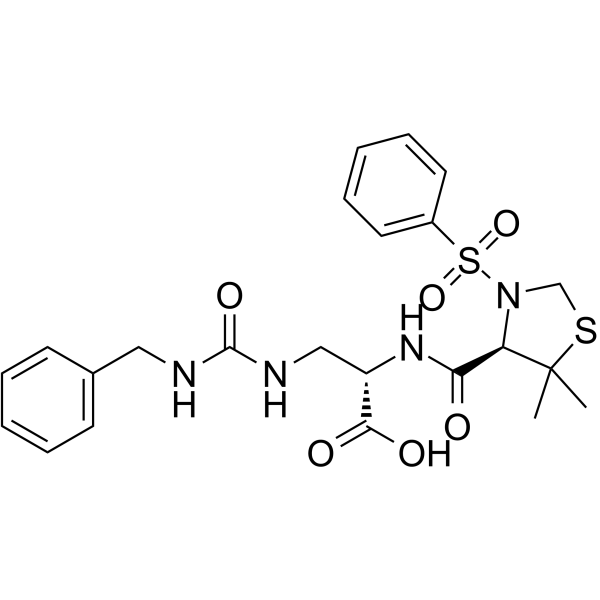
TC-I 15 (TC-I-15) is a type of allosteric collagen-binding integrin α2β1 inhibitor, and it also inhibits α1β1 and α11β1. TC-I 15 inhibits platelet adhesion to collagen and thrombus deposition. TC-I 15 prevents the formation of a pre-metastatic microenvironment by inhibiting the uptake of cancer-associated fibroblast (CAF) extracellular vesicles (EVs) by lung fibroblasts, which reduces the metastasis of salivary gland adenocystic carcinoma (SACC) to the lungs in mouse models, .
TC-E 5003 is a selective protein arginine methyltransferase 1 (PRMT1) inhibitor with an IC50 of 1.5 µM against hPRMT1. TC-E 5003 modulates the lipopolysaccharide (LPS) (HY-D1056)-induced AP-1 and NF-κB signaling pathways with anti-inflammatory properties. TC-E 5003 also upregulates the expression of Ucp1 and Fgf21, activates protein kinase A signaling and lipolysis in primary subcutaneous adipocytes from both mouse and humans. TC-E 5003 is promising for research of obesity and associated metabolic disorders, oxidative stress, inflammation and cancers .
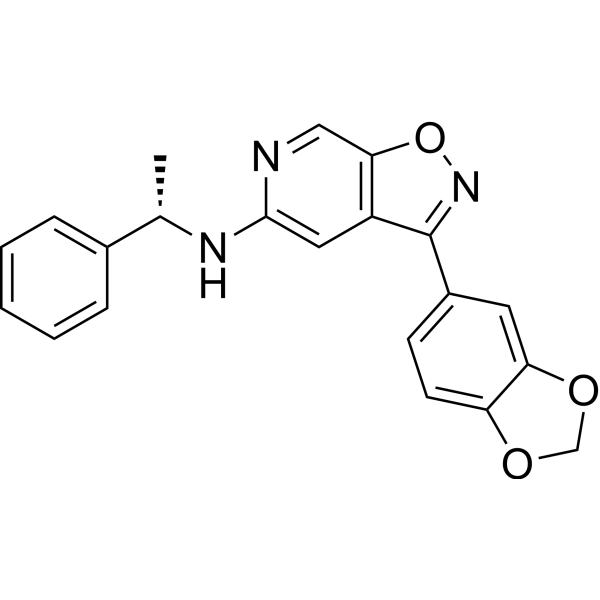
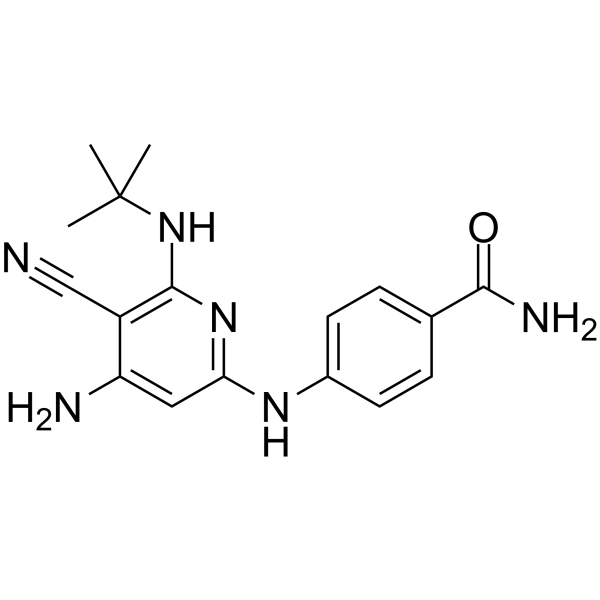
TC-DAPK 6 is a potent, ATP-competitive, and highly selective DAPK inhibitor (IC50=69 and 225 nM against DAPK1 and DAPK3, respectively, with 10 μM ATP).
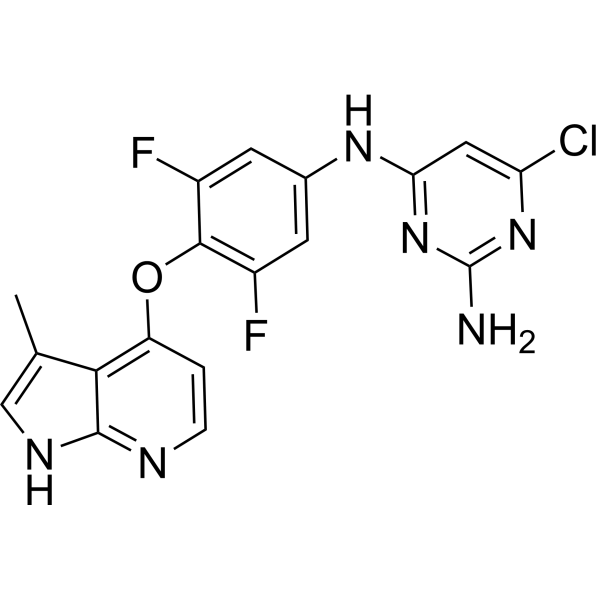
BAY-549 (Azaindole 1), a chemical probe, is an orally active and ATP-competitive ROCK inhibitor with IC50s of 0.6 and 1.1 nM for human ROCK-1 and ROCK-2, respectively .
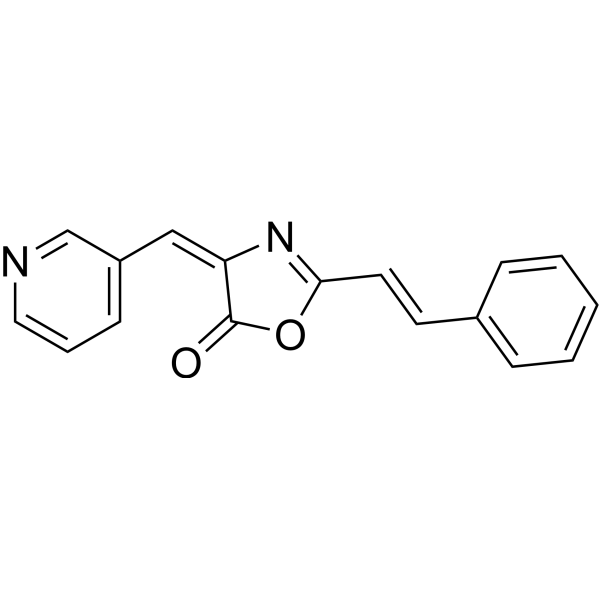
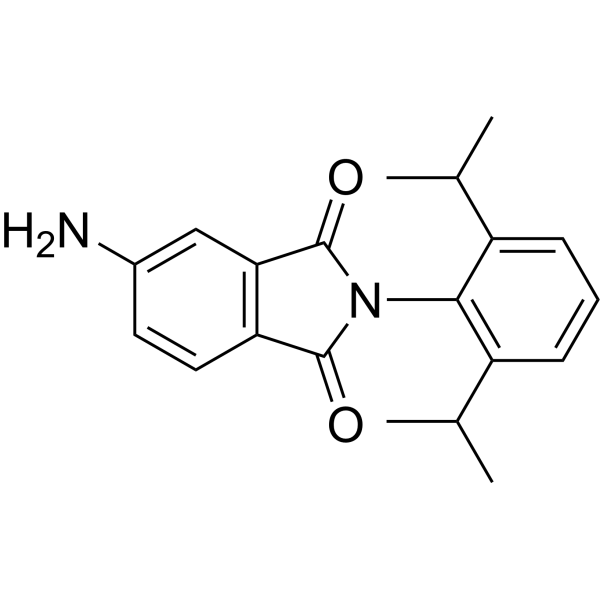
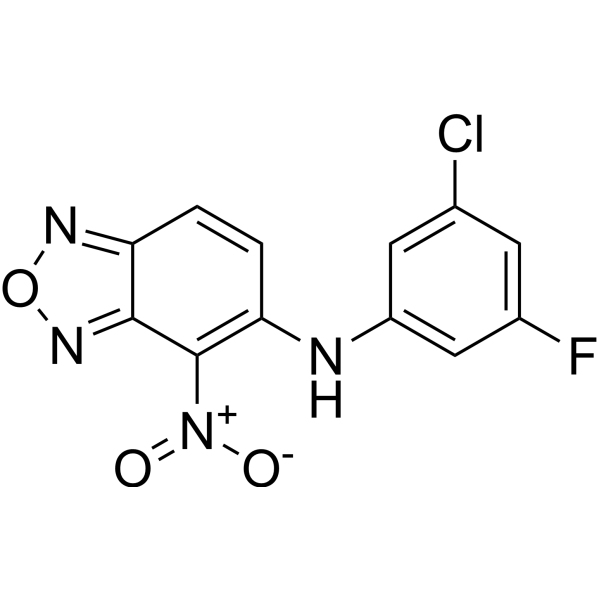
TC-2153 is a selective inhibitor of striatal-enriched protein tyrosine phosphatase (STEP), with psychotropic activity and low acute toxicity. TC-2153 increases the expression of brain-derived neurotropic factor (BDNF) in the brain. And it decreases MAOA and 5-HT1A receptors mRNA level in midbrain. TC-2153 also inhibits 5-HT2A receptor-mediated signaling .
TC-S 7009 is a potent and selective HIF-2α inhibitor with a Kd of 81 nM. TC-S 7009 is more selective for HIF-2α than HIF-1α (Kd ? 5 μM). TC-S 7009 disrupts HIF-2α heterodimerization, decreases DNA-binding activity, and reduces HIF-2α target gene expression .
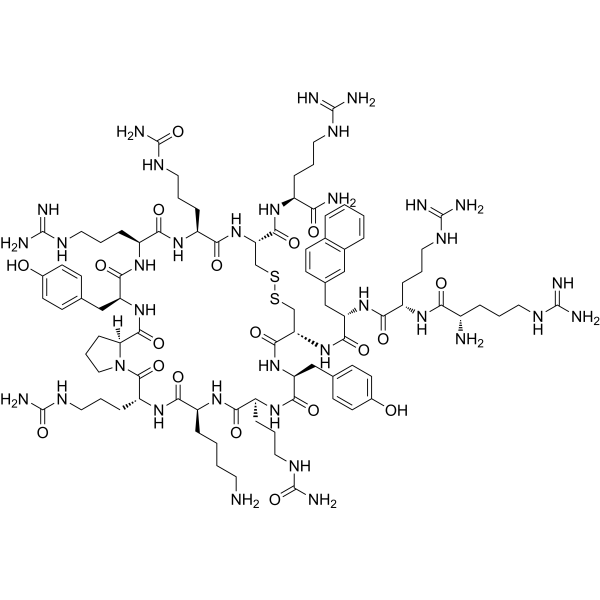
TC14012, a serum-stable derivative of T140, is a selective and peptidomimetic CXCR4 antagonist with an IC50 of 19.3 nM. TC14012 is a potent CXCR7 agonist with an EC50 of 350 nM for recruiting β-arrestin 2 to CXCR7. TC14012 has anti-HIV activity and anti-cancer activity .
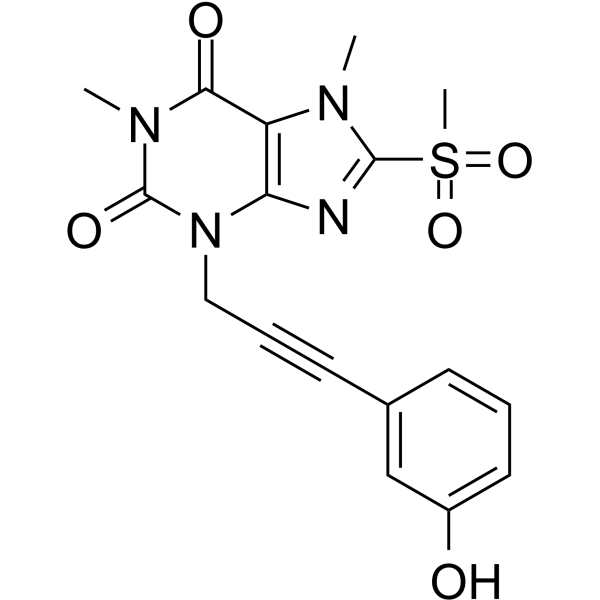
TC-N 1752 is a potent and orally active inhibitor of Nav1.7, with IC50s of 0.17 μM, 0.3 μM, 0.4 μM, 1.1 μM and 2.2 μM at hNav1.7, hNav1.3, hNav1.4, hNaV1.5 and rNav1.8, respectively. TC-N 1752 also inhibits tetrodotoxin-sensitive sodium channels. TC-N 1752 shows analgesic efficacy in the Formalin model of pain .
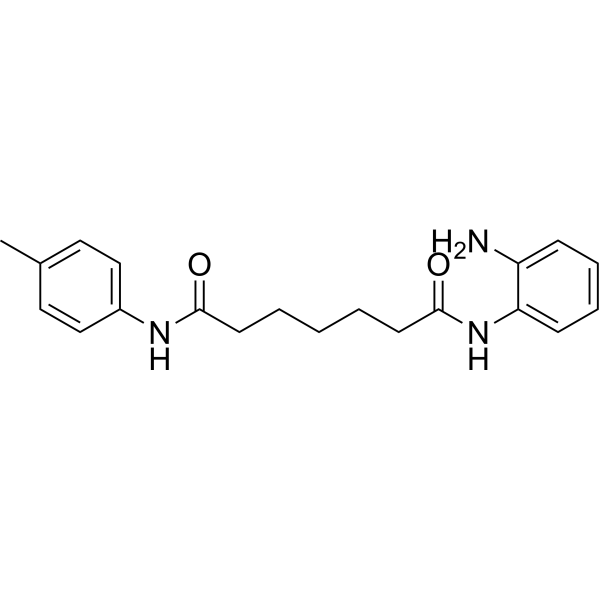
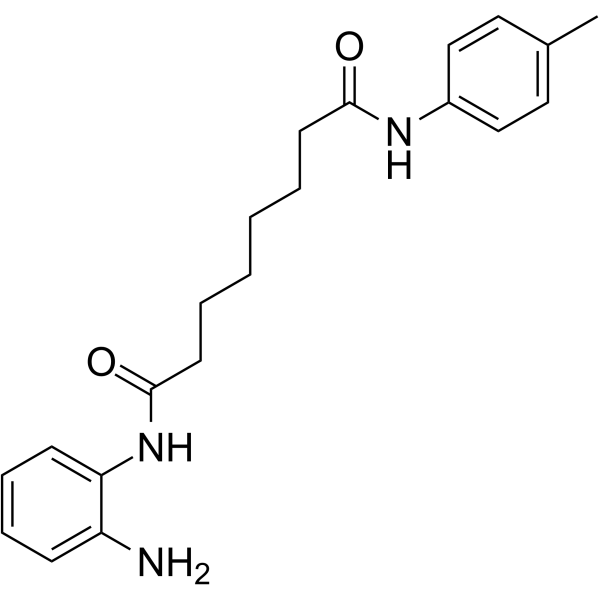
Pimelic Diphenylamide 106 (TC-H 106) is a slow, tight binding class I HDAC inhibitor (inhibits HDAC1, 2, and 3 with IC50 values of 150 nM, 760 nM, and 370 nM, respectively), with no activity against class II HDACs. Pimelic Diphenylamide 106 modulates dopamine concentration and protects dopamine cells by inducing VMAT2 expression. Pimelic Diphenylamide 106 can be used in the study of neuropsychiatric diseases such as attention deficit hyperactivity disorder (ADHD) .
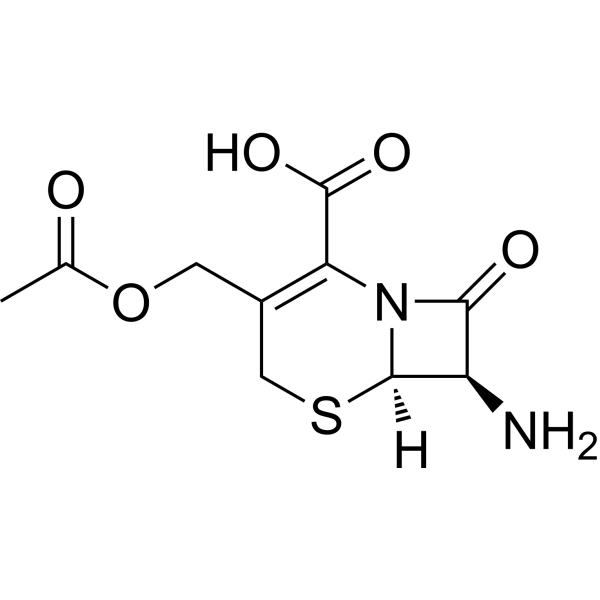
7-aminocephalosporanic acid (7-ACA) is a HSP90β inhibitor and an antibiotic. 7-Aminocephalosporanic acid is the core chemical structure of the synthesis of cephalosporin antibiotics and an effective β-lactamase inhibitor .
TC11 is a MCL1 degrader and Caspase-9 and CDK1 activator. TC11 functions as a phenylacetylamide derivative and is structurally related to immunomodulatory active molecules. TC11 induces degradation of MCL1 leading to apoptotic death during prolonged mitotic arrest.
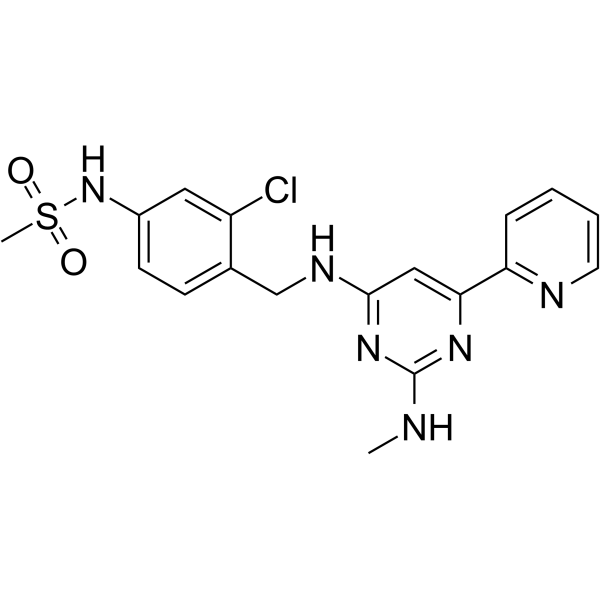
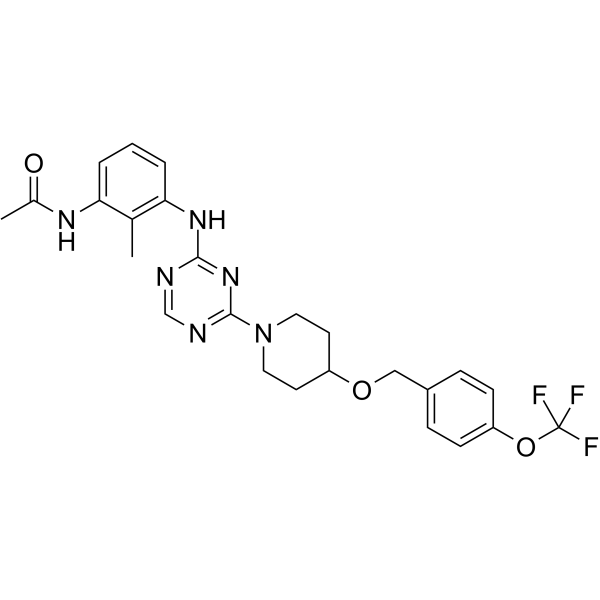
TC-G 1005 is a potent, selective and orally active agonist of the BA receptor Takeda G protein-coupled receptor 5 (TGR5), with EC50s of 0.72 and 6.2 nM for hTGR5 and mTGR5, respectively. TC-G 1005 can reduce glucose levels in vivo .
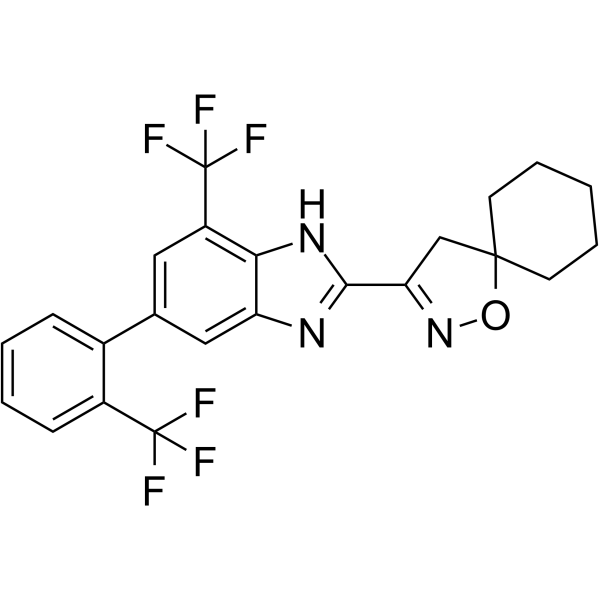
TC-I 2014 (compound 5) is a potent and orally active Benzimidazole-containing transient receptor potential melastatin 8 (TRPM8) antagonist, with IC50 values of 0.8 nM, 3.0 nM and 4.4 nM for canine, human and rat channels respectively. TC-I 2014 exhibits antiallodynic properties in pain models .
TC LPA5 4 is a LPA5 (GPR92)-specific non-lipid antagonist. TC LPA5 4 inhibits LPA-induced aggregation of isolated human platelet (LPA5-RH7777 cell line) with an IC50 of 800 nM. TC LPA5 4 displays selectivity for LPA5 over 80 other screened agent targets . TC LPA5 4 inhibits cell proliferation and migration of thyroid cancer cells .
TC ASK 10 (Compound 10) is a potent, selective and orally active apoptosis signal-regulating kinase 1 (ASK1) inhibitor with an IC50 of 14 nM. The inhibitory activities of TC ASK 10 towards other representative panel of kinases are less than 50%, except for ASK2 (IC50 of 0.51 μM) .
Bradanicline (TC-5619) is an orally active agonist of α7 nAChR with moderate blood-brain barrier penetration. Bradanicline exhibits high affinity and subtype selectivity for human α7 nAChR. Bradanicline possesses antitussive activity that depends on sustained receptor binding and activation. Bradanicline requires systemic administration to dose-dependently inhibit cough induced by citric acid, bradykinin and inhaled nicotine. Bradanicline is well tolerated in preclinical studies and is widely used in research related to chronic refractory cough .
ML336 is quinazolinone-based inhibitor against venezuelan equine encephalitis virus (VEEV), with IC50s of 32, 20, and 42 nM for VEEV TC-83 CPE , VEEV V3526 CPE, VEEV Wild Type CPE, respectively. ML336 potently inhibits a VEEV-induced cytopathic effect in three strains of the virus (TC-83, V3526, and wild type Trinidad donkey) in the low nanomolar range .
DU-14 (PTP1B/TC-PTP PROTAC) is a potent and selective PTP1B and TC-PTP dual PROTAC degrader. DU-14 (PTP1B/TC-PTP PROTAC) has the IC50 for PTP1B and TC-PTP phosphatase activity of 24.2 nM and 30.1 nM, respectively. DU-14 (PTP1B/TC-PTP PROTAC) enhances IFN-γ signaling, promotes T cell activation, and has anti-tumor activity. (Pink: PTP1B/TC-PTP inhibitor (HY-171027); Black: Linker (HY-W340290); Blue: E3 ligand (HY-112078)) .
Mebrofenin (SQ 26962) is a type of iminodiacetic acid (IDA). Mebrofenin is available as a ready to use the kit for radio-labeling with Tc-99m. Tc-99m Mebrofenin, a diagnostic agent, is used for hepatobiliary imaging. Tc-99m Mebrofenin is the radiopharmaceutical of choice for the evaluation of hepatic function .
H-Tyr-Phe-OH (L-Tyrosyl-L-phenylalanine) is an orally active inhibitor of Angiotensin converting enzyme (ACE), with an inhibiton rate of 48% at 50 μM. H-Tyr-Phe-OH can be used as an biomarker for differentiating benign thyroid nodules (BTN) from thyroid cancer (TC). H-Tyr-Phe-OH exhibits xanthine oxidase inhibition (uric acid lowering) activity and serves as regulator in IL-8 production in neutrophil-like cells .
TC-A 2317 hydrochloride is an orally active Aurora A kinase inhibitor (Ki=1.2 nM). TC-A 2317 hydrochloride exhibits excellent selectivity to Aurora B kinase (Ki=101 nM) and other 60 kinases, good cell permeability and good PK profile. Antitumor activity .
TC-2559 idifumarate is a CNS-selective, orally active α4β2 subtype of nicotinic acetylcholine receptor (nAChR) partial agonist (EC50=0.18 μM). TC-2559 difumarate shows selectivity for α4β2 over α2β4, α4β4 and α3β4 receptors, with EC50s in the range of 10-30 µM. Antinociceptive effect .
TC OT 39 is a synthetic oxytocin analog, as well as a selective agonist of oxytocin receptor (OXTR, EC50=180 nM). TC OT 39 is also an Avprla vasopressin receptor antagonist with an Ki value of 330 nM. TC OT 39 exhibits sedative effects in mouse models .
Ispronicline (TC-1734), an orally active, brain-selective α4β2 nicotine acetylcholine receptor (nAChR) partial agonist, has shown memory-enhancing properties in rodents and a good tolerability profile. Ispronicline binds to the α4β2 nAChR with high affinity (Ki=11 nM) and is highly selective to other nAChRs such as α7 nAChR and α3β4 nAChR .
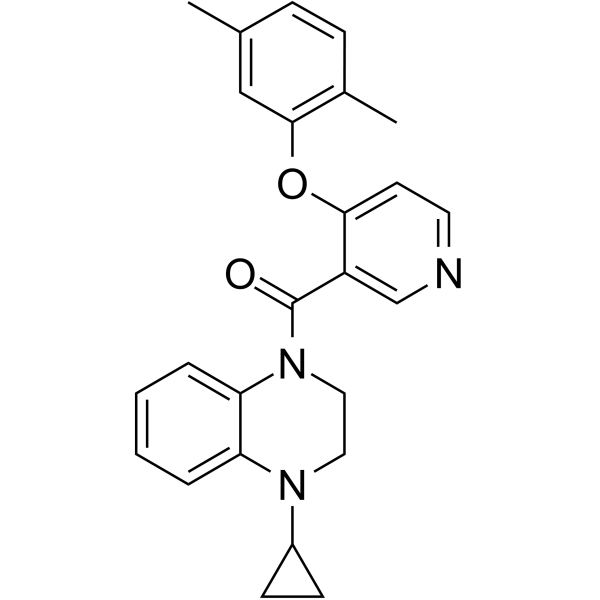
TC-F2 is a reversible non-covalent binding inhibitor of fatty acid amide hydrolase (FAAH) with an IC50 of 28 nM. FAAH is involved in many human diseases, particularly cancer, pain and inflammation as well as neurological, metabolic and cardiovascular disorders .
Sodium Glucoheptonate is used as a kit for radio-labeling with Tc-99m. Tc-99m glucoheptonate is kidney- and brain-imaging agent, and can be used in brain-tumor detection .
TC HSD 21 is a potent 17β-hydroxysteroid dehydrogenase type 3 (17β-HSD3) inhibitor with an IC50 of 14 nM. TC HSD 21 shows excellent selectivity over 17β-HSD isoenzymes and nuclear receptors .
TC-E 5008 is a potent mutant IDH1 inhibitor with Ki values of 190 nM and 120 nM for R132H and R132C IDH1 mutants, respectively. TC-E 5008 exhibits very weak activity against WT-IDH1 with a Ki value of 12.3 μM. TC-E 5008 has anti-proliferative activity on multiple ER positive breast cancer cell lines .
TC299423 is an orally active, brain-penetrant, selective and potent agonist for α6β2 ? and α4β2 ? nicotinic acetylcholine receptors (nAChRs) with anxiolytic and antinociceptive properties. TC299423 acts primarily through α6β2 ? nAChRs that are implicated in the anxiolytic effects of nicotine. TC299423 elicits reward-related behavior mediated through α6β2 ? nAChRs in hypersensitive α6L90’S mice. TC299423 elicits dopamine release and dose not suppress nicotine self-administration in rats. TC299423 is proming for rasearch of addiction and Parkinson’s disease .
TC-E 5005 is a potent and selective PDE10A inhibitor with IC50 values of 7.28, 239, 779, 919, 3,100, and 3,700 nM for PDE10A, 2A, 11A, 5A, 7B and 3A, respectively. TC-E 5005 inhibits adrenergic and neurogenic smooth muscle contractions in the human prostate .
TC9-305 is a potent and selective apoptosis inhibitor. TC9-305 has strong inhibitory activity against both Bim and tBid-induced apoptosis with EC50 values of 0.42 and 0.23 μM. TC9-305 can maintain the mitochondrial membrane potential, reduce ROS production, prevent the release of cytochrome c and block the upstream pathways of mitochondrial-mediated apoptosis. TC9-305 can be used for the research of neurological disease, such as storke .
TC-2559 free base is a α4β2 nicotinic acetylcholine receptor (nAChR) agonists with an EC50 of 0.18 μM. TC-2559 free base shows much weaker potencies on the group of b4-containing nAChR subtypes, α2β4, α4β4 and α3β4 receptors, with EC50s in the range of 10-30 µM. TC-2559 free base can increase the discharge of dopamine cells in the ventral tegmental area (VTA) of rats in vitro, enhancing the excitability and aggressive behavior of VTA dopamine neurons. TC-2559 free base inhibits STAT3 to exert anti-inflammatory properties and relieves mice mechanical allodynia and improve rats cognitive deficits. TC-2559 free base can be used for the study of nerve pain .
TC14012 TFA, a serum-stable derivative of T140, is a selective and peptidomimetic CXCR4 antagonist with an IC50 of 19.3 nM. TC14012 TFA is a potent CXCR7 agonist with an EC50 of 350 nM for recruiting β-arrestin 2 to CXCR7. TC14012 TFA has anti-HIV activity and anti-cancer activity .
TC-E 5001 is an inhibitor of Wnt pathway that inhibits tankyrase 1/2 (TNKS1/2) via novel adenosine pocket binding, with Kds of 79 nM and 28 nM, respectively. TC-E 5001 also inhibits Axin2 and STF, with IC50s of 0.709 μM and 0.215 μM, respectively .
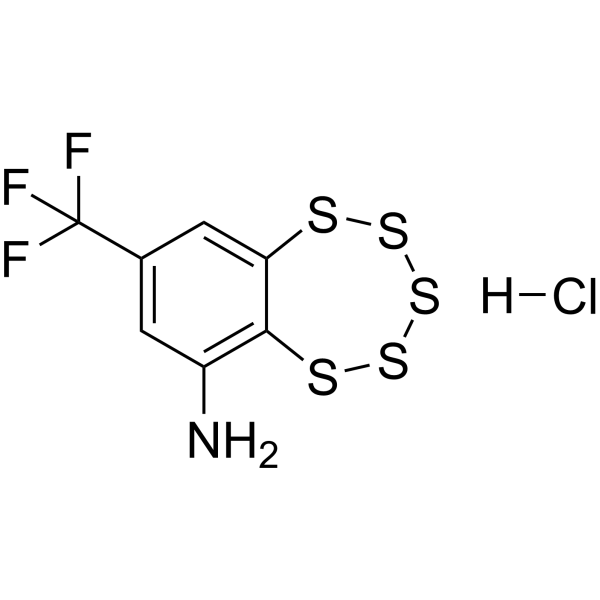
Tricyclic cytosine tC is a fluorescent base analogue that can be used as a fluorescent probe in nucleic acid-containing systems. The excitation wavelength is 385 nm and the emission wavelength is 505 nm .
THR-β agonist 10 is an orally active and selective THR-β agonist, with an EC50 of 11 nM. THR-β agonist 10 significantly reduces ALT (Alanine Aminotransferase), TC (Total Cholesterol), and LDL-C (Low-Density Lipoprotein Cholesterol) levels, and improves steatosis, ballooning, inflammation and fibrosis in the metabolic dysfunction-associated steatohepatitis (MASH) mouse model. THR-β agonist 10 can be used for the study of MASH .
3-Thiophenecarboxaldehyde is a thiophene derivative substrate for biocatalytic reduction to 3-thiophenemethanol, and can be processed by Pseudomonas putida S12 cells. 3-Thiophenecarboxaldehyde functions as an intermediate compound. 3-Thiophenecarboxaldehyde exhibits toxicity toward Pseudomonas putida S12 cells at elevated concentrations, reducing specific growth rate and final biomass yield .
Dexmecamylamine ((+)-Mecamylamine) is the antagonist for nicotinic acetylcholine receptor (nAChR), that antagonises the α3β4/α4β2/α7/α1β1γδ receptor with IC50 of micromolare levels. Dexmecamylamine exhibits anxiolytic and antidepressant-like activities .
TC-2559 fumarate is a potent and selective neuronal acetylcholine receptor agonist. TC-2559 fumarate is potent and efficacious in the activation of CNS receptors and reduces glutamate-induced neurotoxicity in vitro .
TC-1698 dihydrochloride is a selective α7 nicotinic acetylcholine receptors agonist with EC50 value of 0.16 μM and 0.46 μM for monkey α7 nicotinic receptor and human α7 nicotinic receptor, respectively. TC-1698 dihydrochloride improves memory and has neuroprotective effects. TC-1698 dihydrochloride can be used for Alzheimer's disease research .
TC-1698 is a selective α7 nicotinic acetylcholine receptors agonist with EC50 value of 0.16 μM and 0.46 μM for monkey α7 nicotinic receptor and human α7 nicotinic receptor, respectively. TC-1698 improves memory and has neuroprotective effects. TC-1698 can be used for Alzheimer's disease research .
TC-P 262 is a potent P2X3 inhibitor. TC-P 262 shows inhibition by bindings to hP2X3. TC-P 262 has the potential for the research of rheumatoid arthritis, cough, and pain .
TC-PTP-IN-1 (compound 8) is a potent TC-PTP inhibitor with an IC50 value of 9.2 nM, Ki values of 4.3, 34 nM for TC-PTP, PTP1B, respectively. TC-PTP-IN-1 increases the protein expression of pSre416 . TC-PTP-IN-1 (compound 3) is the TC-PTP Ligand of TP1L (HY-160151) .
TC-6683 (AZD1446) is a selective α4β2 nicotinic acetylcholine receptor (nAChR) agonist. TC-6683 does not show significant therapeutic effects in the animal model of DYT1 dystonia.TC-6683 can be used for the research of neurological disease, such as cognitive disorder .
TC13172-NH-COOH is a PROTAC target protein ligand (Ligands for Target Protein for PROTACs). TC13172-NH-COOH can be used for synthesis PROTAC MLKL Degrader-2 (HY-169072) .
TC113 is a c(RGDyK)-Based conjugate of Gemcitabine (GEM). TC113 could be internalized by A549 cells through integrin αvβ3. TC113 shows potent antiproliferative properties against WM266.4 and A549 cells .
TC-2216 is a compound with antidepressant and anxiolytic activity that has shown activity in multiple animal models and may exert its effects by acting on α4β2 neuronal nicotinic receptors.
TC-G 24 (Compound 24) is a potent, selective glycogen synthase kinase-3β (GSK-3β) inhibitor with an IC50 of 17.1 nM. TC-G 24 can cross the BBB and can be used for studying many diseases such as type 2 diabetes mellitus, stroke, Alzheimer, and other related diseases .
TC-SP 14 (compound 14) is an orally active and potent S1P1 agonist (EC50 = 0.042 μM) with minimal activity at S1P3 (EC50 = 3.47 μM). TC-SP 14 significantly reduces blood lymphocyte counts and attenuates a delayed type hypersensitivity (DTH) response to antigen challenge .
TC2 is an efficient GIPR-preferring monomeric quadruple agonist that can respectively activate GIPR, GLP-1R, GcgR, and Y2R with IC50 values of 0.47, 2.1, 30, and 55 nM respectively. TC2 exhibits a significant GLP-1R preference, with a significant reduction in β-inhibitory protein 2 (βArr2) recruitment, while maintaining a strong cAMP signal. TC2 can be used for research on obesity and diabetes .
PTP1B/TC-PTP IN-1 is a PTP1B and TC-PTP dual inhibitor. PTP1B/TC-PTP IN-1 can be used as a target protein ligand for the synthesis of DU-14 (PTP1B/TC-PTP PROTAC) (HY-164864) .
TC-N 22A is a potent, selective, orally active and brain-permeable mGlu4 PAM with an EC50 of 9 nM in human mGlu4-expressing BHK cells. TC-N 22A is less active (EC50>10 μM) in agonist and PAM model at mGlu 1, 2, 3, 5, and 7 receptors. TC-N 22A has the potential for research of CNS disease in vivo .
Tc-BQ0413 exhibits binds specifically to prostate-specific membrane antigen (PSMA) with good affinity. Tc-BQ0413 can be used as a single-photon emission computed tomography (SPECT) imaging agent, when labeled with technetium-99m .
TC4 is a highly balanced single-molecule quadruple agonist that can respectively activate GIPR, GLP-1R, GcgR, and Y2R with IC50 values of 0.95, 31, 81, and 1100 nM respectively. TC4 exhibits extremely strong signal bias on GLP-1R and has very low recruitment efficacy for β-inhibitor protein 2 (βArr2) and this strong cAMP preference is believed to maximize metabolic benefits (such as weight loss and hypoglycemia) while possibly minimizing side effects mediated by β-inhibitor protein recruitment (such as receptor desensitization). TC4 can be used for research on obesity and diabetes .
Methoxy-SANT-2 (TC-132) is a potent hedgehog antagonist with an IC50 value of 79.8 nM. Methoxy-SANT-2 inhibits the Gli1 reporter gene expression. Methoxy-SANT-2 has the potential for the research of cancer .
TC-MCH 7c, a phenylpyridone derivative, is an orally available, selective and brain-penetrable MCH1R antagonist with an IC50 of 5.6 nM for hMCH1R . TC-MCH 7c has Kis of 3.4 nM and 3.0 nM of human and mouse MCH1R, respectively .
Tc-Me2P is a 99MTC-labeled acrylamide (PnAO) derivative that contains two 4-methyl-2-nitroimidazole groups. The primary activity of Tc-Me2P is as an imaging agent for tumor hypoxia. By specifically binding to hypoxic regions in tumor tissue, it can be used for single photon emission computed tomography (SPECT) and positron emission tomography (PET) imaging to detect hypoxia in tumors. Tc-Me2P can be used to study the targeting of different chemical structures in tumors and normal tissues .
TC2N Human Pre-designed siRNA Set A contains three designed siRNAs for TC2N gene (Human), as well as a negative control, a positive control, and a FAM-labeled negative control.
Bradanicline (TC-5619) tosylate is an orally active agonist of α7 nAChR with moderate blood-brain barrier penetration. Bradanicline hydrochloride exhibits high affinity and subtype selectivity for human α7 nAChR. Bradanicline hydrochloride possesses antitussive activity that depends on sustained receptor binding and activation. Bradanicline hydrochloride requires systemic administration to dose-dependently inhibit cough induced by citric acid, bradykinin and inhaled nicotine. Bradanicline hydrochloride is well tolerated in preclinical studies and is widely used in research related to chronic refractory cough .
SH3TC2 Human Pre-designed siRNA Set A contains three designed siRNAs for SH3TC2 gene (Human), as well as a negative control, a positive control, and a FAM-labeled negative control.
SH3TC1 Human Pre-designed siRNA Set A contains three designed siRNAs for SH3TC1 gene (Human), as well as a negative control, a positive control, and a FAM-labeled negative control.
Mebrofenin (Standard) is the analytical standard of Mebrofenin. This product is intended for research and analytical applications. Mebrofenin (SQ 26962) is a type of iminodiacetic acid (IDA). Mebrofenin is available as a ready to use the kit for radio-labeling with Tc-99m. Tc-99m Mebrofenin, a diagnostic agent, is used for hepatobiliary imaging. Tc-99m Mebrofenin is the radiopharmaceutical of choice for the evaluation of hepatic function .
Sodium Glucoheptonate (Standard) is the analytical standard of Sodium Glucoheptonate. This product is intended for research and analytical applications. Sodium Glucoheptonate is used as a kit for radio-labeling with Tc-99m. Tc-99m glucoheptonate is kidney- and brain-imaging agent, and can be used in brain-tumor detection[1][2].
CD55 Human Pre-designed siRNA Set A contains three designed siRNAs for CD55 gene (Human), as well as a negative control, a positive control, and a FAM-labeled negative control.
7-Aminocephalosporanic acid (Standard) is the analytical standard of 7-Aminocephalosporanic acid. This product is intended for research and analytical applications. 7-aminocephalosporanic acid (7-ACA) is a HSP90β inhibitor and an antibiotic. 7-Aminocephalosporanic acid is the core chemical structure of the synthesis of cephalosporin antibiotics and an effective β-lactamase inhibitor .
TCN2 Human Pre-designed siRNA Set A contains three designed siRNAs for TCN2 gene (Human), as well as a negative control, a positive control, and a FAM-labeled negative control.
TC-2559 is an orally active, selective central nervous system Nicotinic acetylcholinereceptor agonist with a Ki value of 5 nM. TC-2559 activates central nervous system receptors selectively over peripheral nervous system receptors. TC-2559 improves scopolamine (HY-N0296)-induced cognitive impairment and enhances radial arm maze performance. TC-2559 can be used in the research of neurodegenerative diseases .
TC-O 9311 (Standard) is the analytical standard of TC-O 9311 (HY-101777). This product is intended for research and analytical applications. TC-O 9311 is a potent orphan G protein-coupled receptor 139 (GPR139) agonist with an EC50 of 39 nM .
TC-I 15 (Standard) is the analytical standard of TC-I 15 (HY-107588). This product is intended for research and analytical applications. TC-I 15 (TC-I-15) is a type of allosteric collagen-binding integrin α2β1 inhibitor, and it also inhibits α1β1 and α11β1. TC-I 15 inhibits platelet adhesion to collagen and thrombus deposition. TC-I 15 prevents the formation of a pre-metastatic microenvironment by inhibiting the uptake of cancer-associated fibroblast (CAF) extracellular vesicles (EVs) by lung fibroblasts, which reduces the metastasis of salivary gland adenocystic carcinoma (SACC) to the lungs in mouse models, .
TC-E 5003 (Standard) is the analytical standard of TC-E 5003 (HY-107574). This product is intended for research and analytical applications. TC-E 5003 is a selective protein arginine methyltransferase 1 (PRMT1) inhibitor with an IC50 of 1.5 µM against hPRMT1. TC-E 5003 modulates the lipopolysaccharide (LPS) (HY-D1056)-induced AP-1 and NF-κB signaling pathways with anti-inflammatory properties. TC-E 5003 also upregulates the expression of Ucp1 and Fgf21, activates protein Kinase A signaling and lipolysis in primary subcutaneous adipocytes from both mouse and humans. TC-E 5003 is promising for research of obesity and associated metabolic disorders, oxidative stress, inflammation and cancers .
TC-N 1752 (Standard) is the analytical standard of TC-N 1752 (HY-107405). This product is intended for research and analytical applications. TC-N 1752 is a potent and orally active inhibitor of Nav1.7, with IC50s of 0.17 μM, 0.3 μM, 0.4 μM, 1.1 μM and 2.2 μM at hNav1.7, hNav1.3, hNav1.4, hNaV1.5 and rNav1.8, respectively. TC-N 1752 also inhibits tetrodotoxin-sensitive sodium channels. TC-N 1752 shows analgesic efficacy in the Formalin model of pain .
TC8026 is an allosteric-covalent inhibitor targeting protein disulfide isomerase (PDI), with an IC50 of 7 μM against human PDI. TC8026 induces endoplasmic reticulum stress-mediated apoptosis. TC8026 is a hit compound with PDI inhibitory activity identified via high-throughput screening, and it can be used for the research of glioblastoma .
3-Et-3TC (Page 87, Compound 3b) is a structurally modified derivative of Lamivudine (HY-B0250). 3-Et-3TC can inhibit the activation of the NLRP3 inflammasome and can be used for the study of retinal degenerative diseases .
TC13172 (Standard) is the analytical standard of TC13172 (HY-101524). This product is intended for research and analytical applications. TC13172 is a mixed lineage kinase domain-like protein (MLKL) inhibitor with an EC50 value of 2 nM for HT-29 cells .
TC HSD 21 (Standard) is the analytical standard of TC HSD 21 (HY-103394). This product is intended for research and analytical applications. TC HSD 21 is a potent 17β-hydroxysteroid dehydrogenase type 3 (17β-HSD3) inhibitor with an IC50 of 14 nM. TC HSD 21 shows excellent selectivity over 17β-HSD isoenzymes and nuclear receptors .
TC ASK 10 (Standard) is the analytical standard of TC ASK 10 (HY-103258). This product is intended for research and analytical applications. TC ASK 10 (Compound 10) is a potent, selective and orally active apoptosis signal-regulating kinase 1 (ASK1) inhibitor with an IC50 of 14 nM. The inhibitory activities of TC ASK 10 towards other representative panel of kinases are less than 50%, except for ASK2 (IC50 of 0.51 μM) .
TC LPA5 4 (Standard) is the analytical standard of TC LPA5 4 (HY-107615). This product is intended for research and analytical applications. TC LPA5 4 is a LPA5 (GPR92)-specific non-lipid antagonist. TC LPA5 4 inhibits LPA-induced aggregation of isolated human platelet (LPA5-RH7777 cell line) with an IC50 of 800 nM. TC LPA5 4 displays selectivity for LPA5 over 80 other screened agent targets . TC LPA5 4 inhibits cell proliferation and migration of thyroid cancer cells .
TC-G-1008 (Standard) is the analytical standard of TC-G-1008 (HY-103007). This product is intended for research and analytical applications. TC-G-1008 (GPR39-C3) is a potent and orally available GPR39 agonist with EC50 values of 0.4 and 0.8 nM for rat and human receptors respectively.
Bradanicline (TC-5619) tosylate is an orally active agonist of α7 nAChR with moderate blood-brain barrier penetration. Bradanicline tosylate exhibits high affinity and subtype selectivity for human α7 nAChR. Bradanicline tosylate possesses antitussive activity that depends on sustained receptor binding and activation. Bradanicline tosylate requires systemic administration to dose-dependently inhibit cough induced by citric acid, bradykinin and inhaled nicotine. Bradanicline tosylate is well tolerated in preclinical studies and is widely used in research related to chronic refractory cough .
BAY-549 (Standard) is the analytical standard of BAY-549 (HY-10319). This product is intended for research and analytical applications. BAY-549 (Azaindole 1), a chemical probe, is an orally active and ATP-competitive ROCK inhibitor with IC50s of 0.6 and 1.1 nM for human ROCK-1 and ROCK-2, respectively .
TP1L is a potent and selective T-cell protein tyrosine phosphatase (TC-PTP) PROTAC degrader, with a DC50 value of 35.8 nM. TP1L elevates the phosphorylation level of TC-PTP substrates including pSTAT1 and pJAK1. TP1L selectively enhances IFN-γ signaling and increases MHC-I expression. TP1L activates TCR signaling through increases phosphorylation of LCK. TP1L enhances CAR-T cell mediated tumor killing efficacy through activation of the CAR-T cells. TP1L can be used for the study of cancer. (Pink: TC-PTP ligand: (HY-138964), Blue: E3 ligase CRBN Ligand (HY-A0003), Black: Linker: (HY-140002)) .
Dimepiperate (Standard) is the analytical standard of Dimepiperate. This product is intended for research and analytical applications. Dimepiperate (MY 93) is a thiocarbamate (TC) pesticide. Dimepiperate has potential off-targets effect for the inhibition of ABHD6 .
Mitochondrial respiration-IN-4 (Compound TC11) is a potent mitochondrial respiration inhibitor. Mitochondrial respiration-IN-4 impairs Reactive Oxygen Species (ROS) in and induces apoptosis in MCF7 cells .
Terbufibrol (Standard) is the analytical standard of Terbufibrol (HY-101812). This product is intended for research and analytical applications. Terbufibrol has been shown highly active in reducing serum total cholesterol (TC) levels in the normal and hypercholesterolemic male rat.
BIT-225 is an inhibitor for Vpu protein through block of Vpu ion channel, and thus inhibits the release of HIV-1, especially in monocyte-derived macrophages (EC50 is 2.25 μM), without significant cytotoxicity (TC50 is 284 μM) .
MyD88-IN-4 is a MyD88 inhibitor. MyD88-IN-4 exerts antiviral effects by up-regulating IFN-β, and anti-inflammatory effects by inhibiting pro-inflammatory cytokine production. MyD88-IN-4 prevents MyD88 homodimer formation and its interaction with IRF3/IRF7. MyD88-IN-4 demonstrates efficacy against encephalitic alphavirus infections by reducing viral replication and improving survival in VEEV TC-83-infected mouse models. MyD88-IN-4 can be used for the study of alphavirus infections, bacterial toxin-related diseases, and sepsis .
PCSK9-IN-31 (Compound WX002) is an orally active PCSK9 inhibitor. PCSK9-IN-31 can lower low-density lipoprotein cholesterol (LDL-C) and total cholesterol (TC) in high cholesterol fed model rats .
dCDK9-202 a potent CDK9 PROTAC degrader with an DC50 value of 3.5 nM. dCDK9-202 exhibits broad-spectrum anti-tumor activity and extensively disrupts the oncogenic transcriptome. dCDK9-202 can activate Caspase-3/7, increase the level of cleaved PARP, and directly induce apoptosis of tumor cells. dCDK9-202 effectively inhibits TC-71 tumor growth without any signs of toxicity in mice. dCDK9-202 can be used for the study of EGFR-driven cancers such as sarcoma (Pink: CDK9 ligand (HY-178862); Blue: CRBN ligand (HY-W248665); Black: Linker (HY-N8015)) .
σ1 Receptor antagonist 4 (compound TC1) is a selective sigma1 (σ1) receptor antagonist with a Ki of 10 nM. σ1 Receptor antagonist 4 is weakly active at σ2 receptor (Ki of 370 nM) and has no activity at dopamine (DAT), serotonin (SERT), and norepinephrine (NET) transporters .
PADRE peptide is a pan-HLA-DR binding epitope and immunostimulant. PADRE peptide binds to the peptide-binding groove of MHC class II molecules for presentation to CD4 + T cells, thereby effectively stimulating specific immune responses. PADRE peptide not only enhances anti-tumor immune responses, inhibits tumor growth and prolongs survival; it also significantly increases the frequency of E7-specific CD8 + T cells and improves therapeutic efficacy against TC-1 tumors when used in combination with E7 peptide-based vaccines and poly (I:C). The intensity of the immune response induced by PADRE peptide is lower than that of the Ii-PADRE DNA vaccine, and it fails to enhance the immune effect of CRT-E7 DNA. PADRE peptide is widely applicable to research on related tumors such as melanoma, glioblastoma and cervical cancer .
BIT-225 (Standard) is the analytical standard of BIT-225 (HY-106282). This product is intended for research and analytical applications. BIT-225 is an inhibitor for Vpu protein through block of Vpu ion channel, and thus inhibits the release of HIV-1, especially in monocyte-derived macrophages (EC50 is 2.25 μM), without significant cytotoxicity (TC50 is 284 μM) .
PBD dimer-2 (compound 2c) is a C8-linked pyrrolobenzodiazepine dimer. PBD dimer-2 can span an extra base pair and cross-link the 5′-Pu-GA(T/A)TC-Py sequence. PBD dimer-2 can be used as a payload for antibody–agent conjugates (ADCs), and it can be used for the research of cancer .
AMPK activator 6 (Compound GC) reduces lipid content and activates the AMPK pathway in HepG2 and 3T3-L1 cells. AMPK activator 6 significantly suppresses the increase in triglyceride (TG) , total cholesterol (TC), low-density lipoprotein-C (LDL-C), and other biochemical indices in blood serum. AMPK activator 6 can be used for the research of non-alcoholic fatty liver disease (NAFLD) and metabolic syndrome .
HIV-IN-13 (compound 7) is a potent HIV inhibitor with low cellular toxicity. HIV-IN-13 inhibits HIV in CEM-SS cells with an EC50 of 1.38 μM. HIV-IN-13 displays antiviral activity in hPBMCs infected with different HIV strains (EC50 = 2.01-10.7 μM), while showing low cellular toxicity (TC50 >100 μM). HIV-IN-13 can be used for HIV-infection research .
KDM2/7-IN-1 (TC-E 5002) is a selective histone demethylase KDM2/7 subfamily inhibitor (IC50 values are 0.2, 1.2, 6.8, 55, 83, >100 and >120 μM for KDM7A, KDM7B, KDM2A, KDM5A, KDM4C, KDM6A and KDM4A respectively). KDM2/7-IN-1 inhibits growth of HeLa and KYSE-150 cancer cells in vitro .
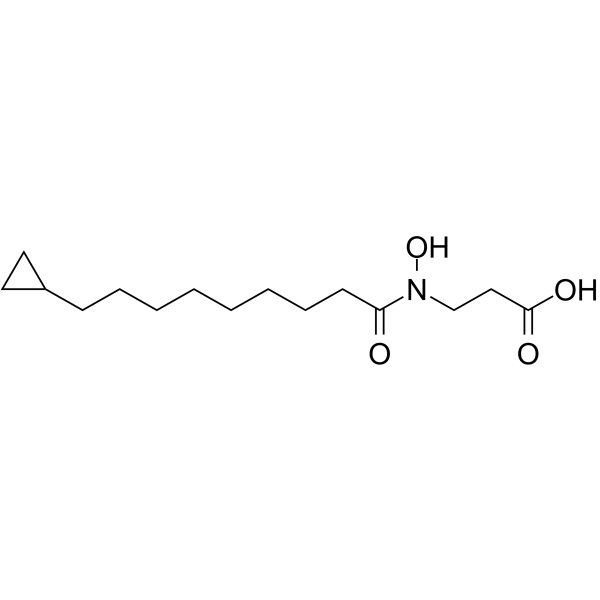
GPR109 receptor agonist-3 is an orally active GPR109 receptor agonist, with an IC50 of 310 nM.
GPR109 receptor agonist-3 retains the antioxidation and cytoprotection of Lipoic acid (HY-18733). GPR109 receptor agonist-3 reduces total cholesterol (TC), triglyceride (TG), low-density lipoprotein cholesterol (LDL-C) and increases high-density lipoprotein cholesterol (HDL-C) in high-fat diet-fed rats. GPR109 receptor agonist-3 can be used for the study of atherosclerosis .
THR-β agonist 11 is an orally active and selective thyroid hormone receptor (THR-β) agonist. THR-β agonist 11 shows potent cholesterol-lowering activity in cholesterol-fed rats. THR-β agonist 11 significantly reduces serum total TG, LDL-cholesterol, liver total TC and TG levels, and alleviates hepatic steatosis, inflammation and fibrosis in HFD-CCl4-induced Metabolic dysfunction-associated steatohepatitis (MASH) model mice. THR-β agonist 11 can be used for the study of metabolic dysfunction-associated steatohepatitis (MASH) and other fibrotic diseases .
PCSK9-IN-29 is a lipid-lowering agent. PCSK9-IN-29 can increase low-density lipoprotein receptor (LDLR) protein expression and decrease PCSK9 protein expression in hepG2 cells. PCSK9-IN-29 can reduce the levels of serum LDL-C, TC, and liver enzyme ALT in crab eating macaques fed a high-fat diet, lower body weight and fat, and increase bone mineral content. PCSK9-IN-29 can be used for research on non-alcoholic fatty liver disease and obesity .
2-Acetamidophenol (Orthocetamol) is a regulator that targets ferroptosis and glutathione metabolic pathways, is the ortho-regioisomer of Paracetamol (HY-66005). 2-Acetamidophenol has anti-atherosclerotic activity, and inhibiting total cholesterol (TC) and triglyceride (TG) in a zebrafish hyperlipidemia model with IC50s for 30 μM and 40 μM, respectively. 2-Acetamidophenol upregulates the expression of glutathione synthesis-related genes (such as GCLC, GCLM, GSS) and iron ion transport genes (such as FPN1, FTH), reduces the accumulation of intracellular reactive oxygen species (ROS) and ferrous ions (Fe 2+), and enhances the activity of glutathione peroxidase GPX4, thereby inhibiting macrophage phagocytosis of oxidized low-density lipoprotein (ox-LDL) and foam cell formation .
JTT-553 is a DGAT1 inhibitor (IC50: 2.38 nM). JTT-553 reduces plasma concentrations of glucose, insulin, non-esterified fatty acids (NEFA), total cholesterol (TC), and hepatic triglycerides (TG). JTT-553 improves insulin-dependent glucose uptake and glucose intolerance in adipose tissue of DIO mice. JTT-553 reduces TNF-α mRNA levels and increases GLUT4 mRNA levels in adipose tissue of KK-Ay mice. JTT-553 improves adipose tissue insulin resistance and systemic glucose metabolism by reducing body weight. JTT-553 can be used in the study of obesity and type 2 diabetes mellitus (T2DM) .
2-Acetamidophenol-d3 (Orthocetamol-d3) is the deuterium labeled 2-Acetamidophenol (HY-W015600). 2-Acetamidophenol (Orthocetamol) is a regulator that targets ferroptosis and glutathione metabolic pathways, is the ortho-regioisomer of Paracetamol (HY-66005). 2-Acetamidophenol has anti-atherosclerotic activity, and inhibiting total cholesterol (TC) and triglyceride (TG) in a zebrafish hyperlipidemia model with IC50s for 30 μM and 40 μM, respectively. 2-Acetamidophenol upregulates the expression of glutathione synthesis-related genes (such as GCLC, GCLM, GSS) and iron ion transport genes (such as FPN1, FTH), reduces the accumulation of intracellular reactive oxygen species (ROS) and ferrous ions (Fe2+), and enhances the activity of glutathione peroxidase GPX4, thereby inhibiting macrophage phagocytosis of oxidized low-density lipoprotein (ox-LDL) and foam cell formation .
2-Acetamidophenol (Standard) is the analytical standard of 2-Acetamidophenol. This product is intended for research and analytical applications. 2-Acetamidophenol (Orthocetamol) is a regulator that targets ferroptosis and glutathione metabolic pathways, is the ortho-regioisomer of Paracetamol (HY-66005). 2-Acetamidophenol has anti-atherosclerotic activity, and inhibiting total cholesterol (TC) and triglyceride (TG) in a zebrafish hyperlipidemia model with IC50s for 30 μM and 40 μM, respectively. 2-Acetamidophenol upregulates the expression of glutathione synthesis-related genes (such as GCLC, GCLM, GSS) and iron ion transport genes (such as FPN1, FTH), reduces the accumulation of intracellular reactive oxygen species (ROS) and ferrous ions (Fe 2+), and enhances the activity of glutathione peroxidase GPX4, thereby inhibiting macrophage phagocytosis of oxidized low-density lipoprotein (ox-LDL) and foam cell formation .
PTP1B/AKR1B1-IN-1 is a dual inhibitor of protein tyrosine phosphatase 1B (PTP1B) and aldose reductase (AKR1B1), with IC50s of 0.06 μM and 4.3 μM, respectively. PTP1B/AKR1B1-IN-1 also inhibits TC-PTP with an IC50 value of 9 μM. PTP1B/AKR1B1-IN-1 serves as an insulin-mimetic agent in murine myoblasts, and reduces AKR1B1-dependent sorbitol accumulation. PTP1B/AKR1B1-IN-1 inhibits development of type 2 diabetes mellitus (T2DM) to control blood glucose levels .
Anti-Mouse/Human VLA-4/CD49d Antibody (PS/2) is an anti-mouse/human VLA-4/CD49d IgG2b monoclonal antibody. Anti-Mouse/Human VLA-4/CD49d Antibody (PS/2) can reduce VLA-4 positive cells. Anti-Mouse/Human VLA-4/CD49d Antibody (PS/2) can inhibit the migration of Tc1 cells to tumors. Anti-Mouse/Human VLA-4/CD49d Antibody (PS/2) inhibits the retention of leukemia cells in the spleen and bone marrow by blocking VLA-4. Anti-Mouse/Human VLA-4/CD49d Antibody (PS/2) can be used for research on inflammation conditions and cancer such as experimental autoimmune encephalomyelitis (EAE), melanoma and leukemia .
Mebrofenin (SQ 26962) is a type of iminodiacetic acid (IDA). Mebrofenin is available as a ready to use the kit for radio-labeling with Tc-99m. Tc-99m Mebrofenin, a diagnostic agent, is used for hepatobiliary imaging. Tc-99m Mebrofenin is the radiopharmaceutical of choice for the evaluation of hepatic function .
Mebrofenin (Standard) is the analytical standard of Mebrofenin. This product is intended for research and analytical applications. Mebrofenin (SQ 26962) is a type of iminodiacetic acid (IDA). Mebrofenin is available as a ready to use the kit for radio-labeling with Tc-99m. Tc-99m Mebrofenin, a diagnostic agent, is used for hepatobiliary imaging. Tc-99m Mebrofenin is the radiopharmaceutical of choice for the evaluation of hepatic function .
TC14012, a serum-stable derivative of T140, is a selective and peptidomimetic CXCR4 antagonist with an IC50 of 19.3 nM. TC14012 is a potent CXCR7 agonist with an EC50 of 350 nM for recruiting β-arrestin 2 to CXCR7. TC14012 has anti-HIV activity and anti-cancer activity .
PADRE peptide is a pan-HLA-DR binding epitope and immunostimulant. PADRE peptide binds to the peptide-binding groove of MHC class II molecules for presentation to CD4 + T cells, thereby effectively stimulating specific immune responses. PADRE peptide not only enhances anti-tumor immune responses, inhibits tumor growth and prolongs survival; it also significantly increases the frequency of E7-specific CD8 + T cells and improves therapeutic efficacy against TC-1 tumors when used in combination with E7 peptide-based vaccines and poly (I:C). The intensity of the immune response induced by PADRE peptide is lower than that of the Ii-PADRE DNA vaccine, and it fails to enhance the immune effect of CRT-E7 DNA. PADRE peptide is widely applicable to research on related tumors such as melanoma, glioblastoma and cervical cancer .
H-Tyr-Phe-OH (L-Tyrosyl-L-phenylalanine) is an orally active inhibitor of Angiotensin converting enzyme (ACE), with an inhibiton rate of 48% at 50 μM. H-Tyr-Phe-OH can be used as an biomarker for differentiating benign thyroid nodules (BTN) from thyroid cancer (TC). H-Tyr-Phe-OH exhibits xanthine oxidase inhibition (uric acid lowering) activity and serves as regulator in IL-8 production in neutrophil-like cells .
TC14012 TFA, a serum-stable derivative of T140, is a selective and peptidomimetic CXCR4 antagonist with an IC50 of 19.3 nM. TC14012 TFA is a potent CXCR7 agonist with an EC50 of 350 nM for recruiting β-arrestin 2 to CXCR7. TC14012 TFA has anti-HIV activity and anti-cancer activity .
TC2 is an efficient GIPR-preferring monomeric quadruple agonist that can respectively activate GIPR, GLP-1R, GcgR, and Y2R with IC50 values of 0.47, 2.1, 30, and 55 nM respectively. TC2 exhibits a significant GLP-1R preference, with a significant reduction in β-inhibitory protein 2 (βArr2) recruitment, while maintaining a strong cAMP signal. TC2 can be used for research on obesity and diabetes .
TC4 is a highly balanced single-molecule quadruple agonist that can respectively activate GIPR, GLP-1R, GcgR, and Y2R with IC50 values of 0.95, 31, 81, and 1100 nM respectively. TC4 exhibits extremely strong signal bias on GLP-1R and has very low recruitment efficacy for β-inhibitor protein 2 (βArr2) and this strong cAMP preference is believed to maximize metabolic benefits (such as weight loss and hypoglycemia) while possibly minimizing side effects mediated by β-inhibitor protein recruitment (such as receptor desensitization). TC4 can be used for research on obesity and diabetes .
Anti-Mouse/Human VLA-4/CD49d Antibody (PS/2) is an anti-mouse/human VLA-4/CD49d IgG2b monoclonal antibody. Anti-Mouse/Human VLA-4/CD49d Antibody (PS/2) can reduce VLA-4 positive cells. Anti-Mouse/Human VLA-4/CD49d Antibody (PS/2) can inhibit the migration of Tc1 cells to tumors. Anti-Mouse/Human VLA-4/CD49d Antibody (PS/2) inhibits the retention of leukemia cells in the spleen and bone marrow by blocking VLA-4. Anti-Mouse/Human VLA-4/CD49d Antibody (PS/2) can be used for research on inflammation conditions and cancer such as experimental autoimmune encephalomyelitis (EAE), melanoma and leukemia .
7-aminocephalosporanic acid (7-ACA) is a HSP90β inhibitor and an antibiotic. 7-Aminocephalosporanic acid is the core chemical structure of the synthesis of cephalosporin antibiotics and an effective β-lactamase inhibitor .
Mebrofenin (Standard) is the analytical standard of Mebrofenin. This product is intended for research and analytical applications. Mebrofenin (SQ 26962) is a type of iminodiacetic acid (IDA). Mebrofenin is available as a ready to use the kit for radio-labeling with Tc-99m. Tc-99m Mebrofenin, a diagnostic agent, is used for hepatobiliary imaging. Tc-99m Mebrofenin is the radiopharmaceutical of choice for the evaluation of hepatic function .
CD55/DAF protein does not possess the conserved residue(s) necessary for propagating feature annotation. CD55/DAF Protein, Cynomolgus (HEK293, His) is the recombinant cynomolgus-derived CD55/DAF protein, expressed by HEK293 , with C-His labeled tag.
The TCN2/Transcobalamin-2 protein plays a key role as the primary vitamin B12 binding and transporter, ensuring efficient delivery of cobalamin to cells.Its complex interactions involve binding to CD320, specifically to the LDL receptor class A domain.TCN2/Transcobalamin-2 Protein, Mouse (HEK293, C-His) is the recombinant mouse-derived TCN2/Transcobalamin-2 protein, expressed by HEK293 , with C-6*His labeled tag.
The CD55/DAF protein is critical in the immune system, recognizing C4b and C3b fragments, interfering with their enzymatic conversion and preventing the formation of complement cascade amplifying convertase. This regulatory mechanism alleviates complement-induced damage by inhibiting complement activation. CD55/DAF Protein, Human (HEK293, His) is the recombinant human-derived CD55/DAF protein, expressed by HEK293 , with C-6*His labeled tag.
The CD55/DAF protein lacks conserved residues critical for feature annotation propagation and exhibits unique qualities that have prompted exploration of its structural and functional implications. This unique property suggests underlying nuances in molecular interactions and regulatory mechanisms. CD55/DAF Protein, Rat (HEK293, Fc) is the recombinant rat-derived CD55/DAF protein, expressed by HEK293 , with C-hFc labeled tag.
The CD55/DAF protein is critical in the immune system and recognizes C4b and C3b fragments. It interacts with cell-associated C4b and C3b, interfering with their enzymatic conversion and preventing the formation of complement cascade amplifying convertase. CD55/DAF Protein, Mouse (HEK293, His) is the recombinant mouse-derived CD55/DAF protein, expressed by HEK293 , with C-His labeled tag.
RRAS2 protein, a GTP-binding with GTPase activity, crucially regulates the MAPK signaling pathway, impacting diverse cellular processes and playing a pivotal role in orchestrating cellular responses. Its influence extends to regulating craniofacial development, emphasizing its multifaceted role in biological pathways essential for proper cellular and developmental outcomes. RRAS2 Protein, Human is the recombinant human-derived RRAS2 protein, expressed by E. coli , with tag free.
RRAS2 protein, a GTP-binding with GTPase activity, crucially regulates the MAPK signaling pathway, impacting diverse cellular processes and playing a pivotal role in orchestrating cellular responses. Its influence extends to regulating craniofacial development, emphasizing its multifaceted role in biological pathways essential for proper cellular and developmental outcomes. RRAS2 Protein, Human (His, Strep) is the recombinant human-derived RRAS2 protein, expressed by E. coli , with N-Strep, N-6*His labeled tag.
WISP1/CCN4 Protein, a member of the CCN family, is involved in cellular processes such as cell proliferation, migration, and differentiation.It is implicated in various diseases, including cancer and fibrosis.The potential therapeutic targeting of WISP1/CCN4 Protein and its role in disease pathogenesis make it a subject of interest in biomedical research.WISP1/CCN4 Protein, Mouse (HEK293, His) is the recombinant mouse-derived WISP1/CCN4 protein, expressed by HEK293 , with C-His labeled tag.
The PC4/SUB1 protein acts as a multifunctional coactivator that cooperates with TAF to promote functional interactions between upstream activators and the general transcription machinery. Its role extends to the potential stability of multiprotein transcription complexes. PC4/SUB1 Protein, Human (His) is the recombinant human-derived PC4/SUB1 protein, expressed by E. coli , with N-His labeled tag.
The RAC1 protein is a plasma membrane-associated small GTPase that dynamically regulates multiple cellular responses by cycling between an active GTP-bound state and an inactive GDP-bound state. In its active form, RAC1 regulates processes such as secretory function, phagocytosis, cell polarization, neuronal activity, and growth factor-induced membrane ruffle formation. RAC1 Protein, Human (sf9, GST) is the recombinant human-derived RAC1 protein, expressed by Sf9 insect cells , with N-GST labeled tag.
SLC19A2 Protein, supported by studies, crucially transports thiamine and mediates H(+)-dependent pyridoxine uptake. This dual function highlights SLC19A2's vital role in cellular processes for essential vitamin intake, emphasizing its significance in sustaining metabolic and biochemical functions. SLC19A2 Protein, Human (sf9, His, Strep, FLAG) is the recombinant human-derived SLC19A2 protein, expressed by sf9 insect cells , with N-Strep, C-Flag, N-8*His labeled tag.
2-Acetamidophenol-d3 (Orthocetamol-d3) is the deuterium labeled 2-Acetamidophenol (HY-W015600). 2-Acetamidophenol (Orthocetamol) is a regulator that targets ferroptosis and glutathione metabolic pathways, is the ortho-regioisomer of Paracetamol (HY-66005). 2-Acetamidophenol has anti-atherosclerotic activity, and inhibiting total cholesterol (TC) and triglyceride (TG) in a zebrafish hyperlipidemia model with IC50s for 30 μM and 40 μM, respectively. 2-Acetamidophenol upregulates the expression of glutathione synthesis-related genes (such as GCLC, GCLM, GSS) and iron ion transport genes (such as FPN1, FTH), reduces the accumulation of intracellular reactive oxygen species (ROS) and ferrous ions (Fe2+), and enhances the activity of glutathione peroxidase GPX4, thereby inhibiting macrophage phagocytosis of oxidized low-density lipoprotein (ox-LDL) and foam cell formation .
RAN; ARA24; OK/SW-cl.81; GTP-binding nuclear protein Ran; Androgen receptor-associated protein 24; GTPase Ran; Ras-like protein TC4; Ras-related nuclear protein
WB, ICC/IF, IP
Human, Mouse, Monkey
Ran Antibody (YA1821) is a Rabbit-derived and non-conjugated IgG monoclonal antibody, targeting to Ran.
RAN; ARA24; OK/SW-cl.81; GTP-binding nuclear protein Ran; Androgen receptor-associated protein 24; GTPase Ran; Ras-like protein TC4; Ras-related nuclear protein
WB, ICC/IF, IP
Human, Mouse, Monkey
Ran Antibody (YA1821) is a Rabbit-derived and non-conjugated IgG monoclonal antibody, targeting to Ran.
TC2N Human Pre-designed siRNA Set A contains three designed siRNAs for TC2N gene (Human), as well as a negative control, a positive control, and a FAM-labeled negative control.
SH3TC2 Human Pre-designed siRNA Set A contains three designed siRNAs for SH3TC2 gene (Human), as well as a negative control, a positive control, and a FAM-labeled negative control.
SH3TC1 Human Pre-designed siRNA Set A contains three designed siRNAs for SH3TC1 gene (Human), as well as a negative control, a positive control, and a FAM-labeled negative control.
CD55 Human Pre-designed siRNA Set A contains three designed siRNAs for CD55 gene (Human), as well as a negative control, a positive control, and a FAM-labeled negative control.
TCN2 Human Pre-designed siRNA Set A contains three designed siRNAs for TCN2 gene (Human), as well as a negative control, a positive control, and a FAM-labeled negative control.
Western blot analysis of extracts from THP-1(lane 2(20μg), Jurkat (lane 3(20μg) and NIH3T3(lane 4(20μg) using FOXO1A (HY-P80132) Rabbit mAb. Proteins were transferred
to a PVDF membrane and blocked with 5% non-fat milk in TBST for 2 hour at room temperature. The primary antibody (1/1000) and Loading control antibody (Beta Actin, HY-P80438, 1/10000) was
used in 5% non-fat milk in TBST at 4°C overnight. Goat Anti-Mouse/Rabbit IgG-HRP Secondary Antibody (1/10000) was used for 1 hour at room temperature.
Western blot analysis of extracts from THP-1(lane 2(20μg), Jurkat (lane 3(20μg) and NIH3T3(lane 4(20μg) using FOXO1A (HY-P80132) Rabbit mAb. Proteins were transferred
to a PVDF membrane and blocked with 5% non-fat milk in TBST for 2 hour at room temperature. The primary antibody (1/1000) and Loading control antibody (Beta Actin, HY-P80438, 1/10000) was
used in 5% non-fat milk in TBST at 4°C overnight. Goat Anti-Mouse/Rabbit IgG-HRP Secondary Antibody (1/10000) was used for 1 hour at room temperature.
Western blot analysis of extracts from THP-1(lane 2(20μg), Jurkat (lane 3(20μg) and NIH3T3(lane 4(20μg) using FOXO1A (HY-P80132) Rabbit mAb. Proteins were transferred
to a PVDF membrane and blocked with 5% non-fat milk in TBST for 2 hour at room temperature. The primary antibody (1/1000) and Loading control antibody (Beta Actin, HY-P80438, 1/10000) was
used in 5% non-fat milk in TBST at 4°C overnight. Goat Anti-Mouse/Rabbit IgG-HRP Secondary Antibody (1/10000) was used for 1 hour at room temperature.
Western blot analysis of extracts from THP-1(lane 2(20μg), Jurkat (lane 3(20μg) and NIH3T3(lane 4(20μg) using FOXO1A (HY-P80132) Rabbit mAb. Proteins were transferred
to a PVDF membrane and blocked with 5% non-fat milk in TBST for 2 hour at room temperature. The primary antibody (1/1000) and Loading control antibody (Beta Actin, HY-P80438, 1/10000) was
MedchemExpress Validation 03
Western blot analysis of extracts from THP-1(lane 2(20μg), Jurkat (lane 3(20μg) and NIH3T3(lane 4(20μg) using FOXO1A (HY-P80132) Rabbit mAb. Proteins were transferred
MedchemExpress Validation 04
Western blot analysis of extracts from THP-1(lane 2(20μg), Jurkat (lane 3(20μg) and NIH3T3(lane 4(20μg) using FOXO1A (HY-P80132) Rabbit mAb. Proteins were transferred
to a PVDF membrane and blocked with 5% non-fat milk in TBST for 2 hour at room temperature. The primary antibody (1/1000) and Loading control antibody (Beta Actin, HY-P80438, 1/10000) was
used in 5% non-fat milk in TBST at 4°C overnight. Goat Anti-Mouse/Rabbit IgG-HRP Secondary Antibody (1/10000) was used for 1 hour at room temperature.
MedchemExpress Validation
Western blot analysis of extracts from THP-1(lane 2(20μg), Jurkat (lane 3(20μg) and NIH3T3(lane 4(20μg) using FOXO1A (HY-P80132) Rabbit mAb. Proteins were transferred
to a PVDF membrane and blocked with 5% non-fat milk in TBST for 2 hour at room temperature. The primary antibody (1/1000) and Loading control antibody (Beta Actin, HY-P80438, 1/10000) was
used in 5% non-fat milk in TBST at 4°C overnight. Goat Anti-Mouse/Rabbit IgG-HRP Secondary Antibody (1/10000) was used for 1 hour at room temperature.
Western blot analysis of extracts from THP-1(lane 2(20μg), Jurkat (lane 3(20μg) and NIH3T3(lane 4(20μg) using FOXO1A (HY-P80132) Rabbit mAb. Proteins were transferred
to a PVDF membrane and blocked with 5% non-fat milk in TBST for 2 hour at room temperature. The primary antibody (1/1000) and Loading control antibody (Beta Actin, HY-P80438, 1/10000) was
used in 5% non-fat milk in TBST at 4°C overnight. Goat Anti-Mouse/Rabbit IgG-HRP Secondary Antibody (1/10000) was used for 1 hour at room temperature.
MedchemExpress Validation
Western blot analysis of extracts from THP-1(lane 2(20μg), Jurkat (lane 3(20μg) and NIH3T3(lane 4(20μg) using FOXO1A (HY-P80132) Rabbit mAb. Proteins were transferred
to a PVDF membrane and blocked with 5% non-fat milk in TBST for 2 hour at room temperature. The primary antibody (1/1000) and Loading control antibody (Beta Actin, HY-P80438, 1/10000) was
used in 5% non-fat milk in TBST at 4°C overnight. Goat Anti-Mouse/Rabbit IgG-HRP Secondary Antibody (1/10000) was used for 1 hour at room temperature.
MedchemExpress Validation
Western blot analysis of extracts from THP-1(lane 2(20μg), Jurkat (lane 3(20μg) and NIH3T3(lane 4(20μg) using FOXO1A (HY-P80132) Rabbit mAb. Proteins were transferred
to a PVDF membrane and blocked with 5% non-fat milk in TBST for 2 hour at room temperature. The primary antibody (1/1000) and Loading control antibody (Beta Actin, HY-P80438, 1/10000) was
used in 5% non-fat milk in TBST at 4°C overnight. Goat Anti-Mouse/Rabbit IgG-HRP Secondary Antibody (1/10000) was used for 1 hour at room temperature.
MedchemExpress Validation
Western blot analysis of extracts from THP-1(lane 2(20μg), Jurkat (lane 3(20μg) and NIH3T3(lane 4(20μg) using FOXO1A (HY-P80132) Rabbit mAb. Proteins were transferred
to a PVDF membrane and blocked with 5% non-fat milk in TBST for 2 hour at room temperature. The primary antibody (1/1000) and Loading control antibody (Beta Actin, HY-P80438, 1/10000) was
used in 5% non-fat milk in TBST at 4°C overnight. Goat Anti-Mouse/Rabbit IgG-HRP Secondary Antibody (1/10000) was used for 1 hour at room temperature.
MedchemExpress Validation
Western blot analysis of extracts from THP-1(lane 2(20μg), Jurkat (lane 3(20μg) and NIH3T3(lane 4(20μg) using FOXO1A (HY-P80132) Rabbit mAb. Proteins were transferred
to a PVDF membrane and blocked with 5% non-fat milk in TBST for 2 hour at room temperature. The primary antibody (1/1000) and Loading control antibody (Beta Actin, HY-P80438, 1/10000) was
used in 5% non-fat milk in TBST at 4°C overnight. Goat Anti-Mouse/Rabbit IgG-HRP Secondary Antibody (1/10000) was used for 1 hour at room temperature.
MedchemExpress Validation
Western blot analysis of extracts from THP-1(lane 2(20μg), Jurkat (lane 3(20μg) and NIH3T3(lane 4(20μg) using FOXO1A (HY-P80132) Rabbit mAb. Proteins were transferred
to a PVDF membrane and blocked with 5% non-fat milk in TBST for 2 hour at room temperature. The primary antibody (1/1000) and Loading control antibody (Beta Actin, HY-P80438, 1/10000) was
used in 5% non-fat milk in TBST at 4°C overnight. Goat Anti-Mouse/Rabbit IgG-HRP Secondary Antibody (1/10000) was used for 1 hour at room temperature.
MedchemExpress Validation
Western blot analysis of extracts from THP-1(lane 2(20μg), Jurkat (lane 3(20μg) and NIH3T3(lane 4(20μg) using FOXO1A (HY-P80132) Rabbit mAb. Proteins were transferred
to a PVDF membrane and blocked with 5% non-fat milk in TBST for 2 hour at room temperature. The primary antibody (1/1000) and Loading control antibody (Beta Actin, HY-P80438, 1/10000) was
used in 5% non-fat milk in TBST at 4°C overnight. Goat Anti-Mouse/Rabbit IgG-HRP Secondary Antibody (1/10000) was used for 1 hour at room temperature.
MedChemExpress values your privacy and your trust is important to us. We use cookies to enhance your website experience. Some cookies are necessary to run the website.
Privacy and Cookie Policy

