
1. Search Result
Search Result
Results for "

Thermogenesis

" in MedChemExpress (MCE) Product Catalog:

22

Inhibitors & Agonists

1

Peptides

8

Natural
Products

Cat. No. Product Name Target Research Areas Chemical Structure
  • HY-116771A
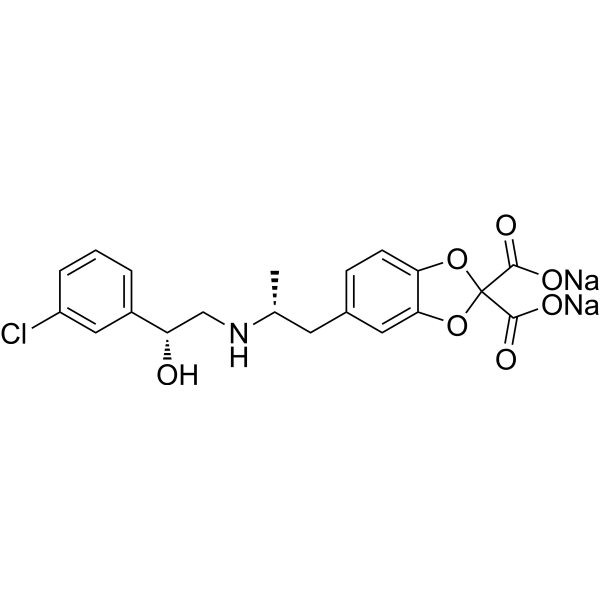
    CL 316243
    Maximum Cited Publications
    24 Publications Verification

    Adrenergic Receptor Metabolic Disease
    CL316243 is a highly potent selective β3-adrenoceptor agonist with a EC50 of 3 nM, but is an extremely poor to β1/2- receptors .CL316243 is a effective stimulant of adipocyte lipolysis and increases brown adipose tissue thermogenesis and metabolic rate . CL316243 has the potential for the treatment obesity, diabetes and urge urinary incontinence .
    CL 316243
  • HY-N1420
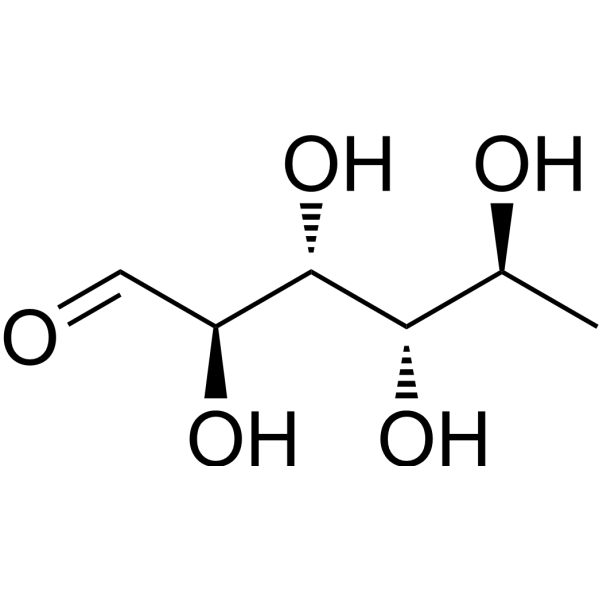
    Rhamnose
    1 Publications Verification

    L-Rhamnose

    Environmental Pollutants Endogenous Metabolite PKA MMP Interleukin Related Infection Metabolic Disease Cancer
    Rhamnose (L-Rhamnose ) is an orally active deoxysugar. Rhamnose can inhibit levels of pro-inflammatory interleukin and matrix metalloproteinases (MMPs) in skin aging models. Rhamnose can promote the phosphorylation levels of PKA substrates and HSL in SVF-derived adipocytes, stimulating PKA signaling. Rhamnose can act against obesity in mice by stimulating fat dopamine receptors and inducing thermogenesis. Rhamnose shows anti-aging effects. Rhamnose monohydrate can be used in the study of Ehrlich’s solid tumors and sarcomas .
    Rhamnose
  • HY-P2917

    GyK

    Nuclear Hormone Receptor 4A/NR4A Metabolic Disease Inflammation/Immunology
    Glycerol kinase, microorganism (GyK) acts as a NR4A1 inhibitor with enzymatic activity. It directly binds to and inhibits the transcription factor NR4A1, thereby negatively regulating hepatic gluconeogenesis and reducing blood glucose levels. Glycerol kinase, microorganism positively regulates UCP1 expression via partial dependence on the β-adrenergic receptor-cAMP-CREB pathway, promotes browning of white adipose tissue and thermogenesis, and further modulates intracellular fatty acid composition and energy metabolism. In diabetic mouse models, overexpression of Glycerol kinase effectively antagonizes NR4A1-induced hyperglycemia, demonstrating potential for improving glucose homeostasis. Glycerol kinase, microorganism can be used for studies on diabetes and obesity .
    Glycerol kinase, microorganism
  • HY-N1420A
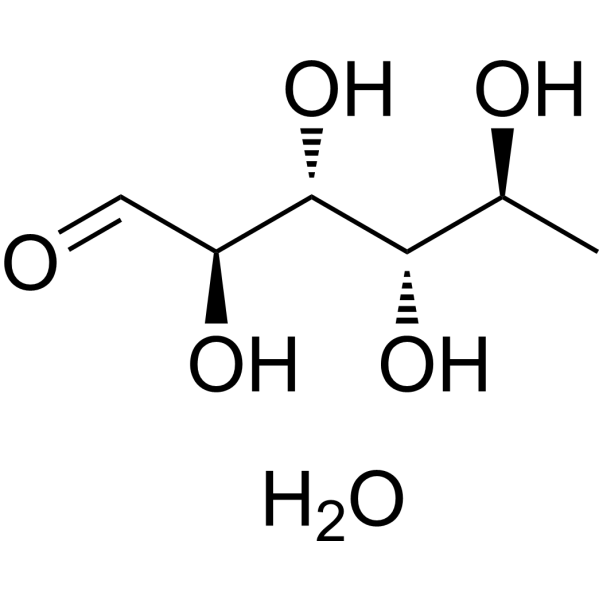
    Rhamnose monohydrate
    1 Publications Verification

    L-Rhamnose monohydrate

    Endogenous Metabolite MMP Interleukin Related PKA Infection Metabolic Disease Cancer
    Rhamnose monohydrate (L-Rhamnose monohydrate) is an orally active deoxysugar. Rhamnose monohydrate can inhibit levels of pro-inflammatory interleukin and matrix metalloproteinases (MMPs) in skin aging models. Rhamnose can promote the phosphorylation levels of PKA substrates and HSL in SVF-derived adipocytes, stimulating PKA signaling. Rhamnose monohydrate can act against obesity in mice by stimulating fat dopamine receptors and inducing thermogenesis. Rhamnose monohydrate shows anti-aging effects. Rhamnose monohydrate can be used in the study of Ehrlich’s solid tumors and sarcomas .
    Rhamnose monohydrate
  • HY-110079

    IPK Superfamily Cancer
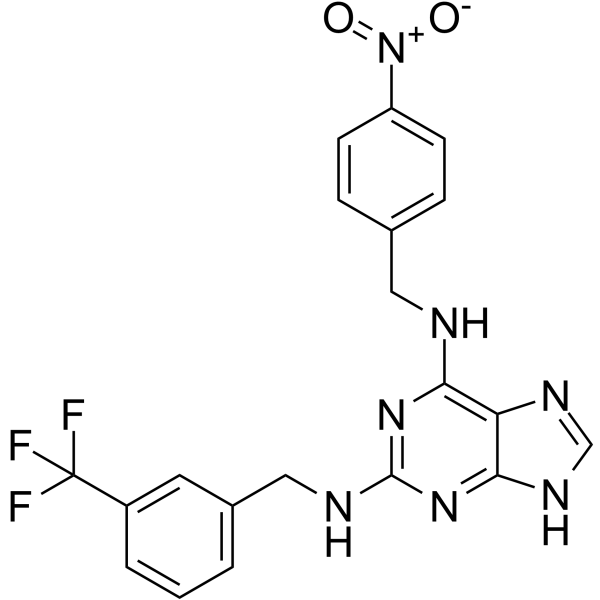
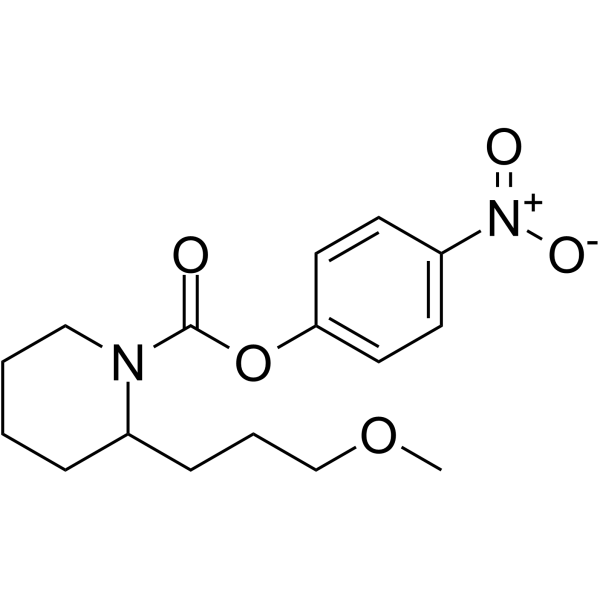
    TNP is a competitive, reversible inhibitor of IP6K1 and IP3K, with IC50s of 0.55 μM and 10.2 μM for IP6K1 and IP3K, respectively. TNP competitively binds to the ATP binding site of IP6K, inhibits the generation of 5-IP7, and thus relieves the inhibition of 5-IP7 on the AKT signaling pathway. TNP can enhance insulin sensitivity and promote thermogenesis in adipose tissue. TNP cannot effectively pass through the blood-brain barrier and is mainly used in the study of obesity, type 2 diabetes, and metabolic syndrome. However, TNP also inhibits CYP3A4 and may need further optimization[1][2][3].
    TNP
  • HY-114557

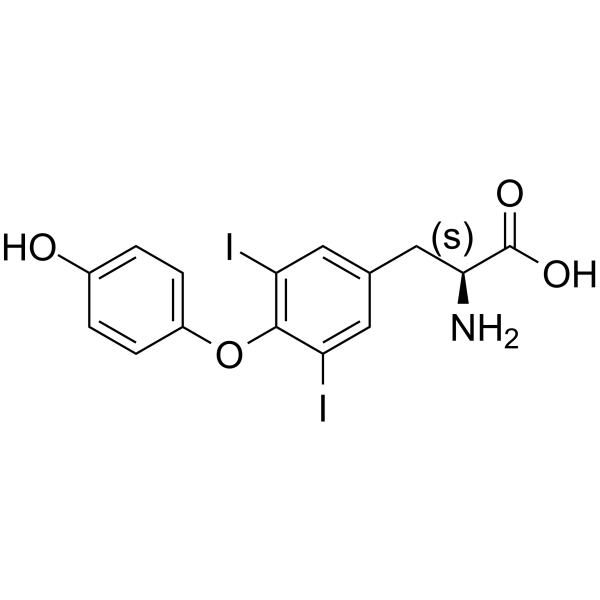
    3,5-Diiodo-L-thyronine

    JNK NF-κB Sirtuin PGC-1α COX TGF-β Receptor Collagen Metabolic Disease Inflammation/Immunology Endocrinology
    NSC 90469 (3,5-Diiodo-L-thyronine) is an orally active thyroid hormone derivative. NSC 90469 inhibits JNK phosphorylation and NF-κB acetylation, blocks SIRT1 protein expression, induces elevated PGC-1α levels, and stimulates COX activity. NSC 90469 enhances UCP1-mediated thermogenesis, increases hepatic Dio1 activity, inhibits TSH levels and hypothalamic-pituitary-thyroid axis function, enhances lipid metabolism, and regulates energy metabolism via the mitochondrial pathway. NSC 90469 prevents blood glucose reduction, reduces urinary albumin excretion, inhibits renal matrix expansion, decreases TGF-β1 expression, and reduces renal fibronectin and type Ⅳ collagen deposition. NSC 90469 also increases energy expenditure and prevents diet-induced overweight. NSC 90469 can be used in studies related to diabetic nephropathy, hypothyroidism, non-alcoholic fatty liver disease, and diet-induced obesity .
    NSC 90469
  • HY-116330

    Calcium Channel TRP Channel Neurological Disease Inflammation/Immunology
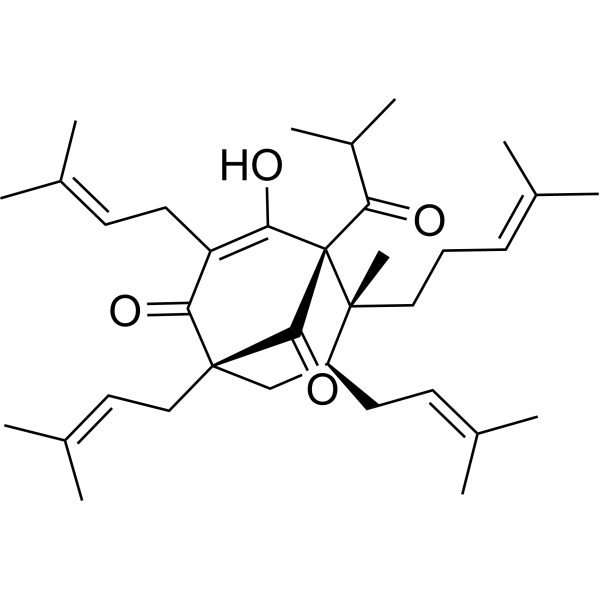
    Hyperforin is a transient receptor canonical 6 (TRPC6) channels activator. Hyperforin modulates Ca 2+ levels by activating Ca 2+-conducting non-selective canonical TRPC6 channels and triggers adipose tissue thermogenesis via the Dlat-AMPK signaling axis to suppress obesity. Hyperforin also shows diverse pharmacological activities including anti-depression, anti-tumor, anti-dementia, anti-diabetes. Hyperforin modulates γδ T cells to secret IL-17α, improves Imiquimod (HY-B0180)-induced psoriasis-like mice model .
    Hyperforin
  • HY-120602

    Carboxylesterase (CES) PPAR Interleukin Related Mitochondrial Metabolism Metabolic Disease Inflammation/Immunology
    WWL229 is a selective inhibitor of carboxylesterase 3 (CES3) with an IC50 1.94 μM. WWL229 attenuates LPS (HY-D1056)-induced pro-inflammatory cytokine mRNA levels, inhibits lipolysis and adipose thermogenesis, impairs mitochondrial function, and promotes lipid storage. WWL229 can be used for the research of obesity, insulin resistance, type 2 diabetes, and lung inflammation .
    WWL229
  • HY-153813

    p38 MAPK Mitochondrial Metabolism Others
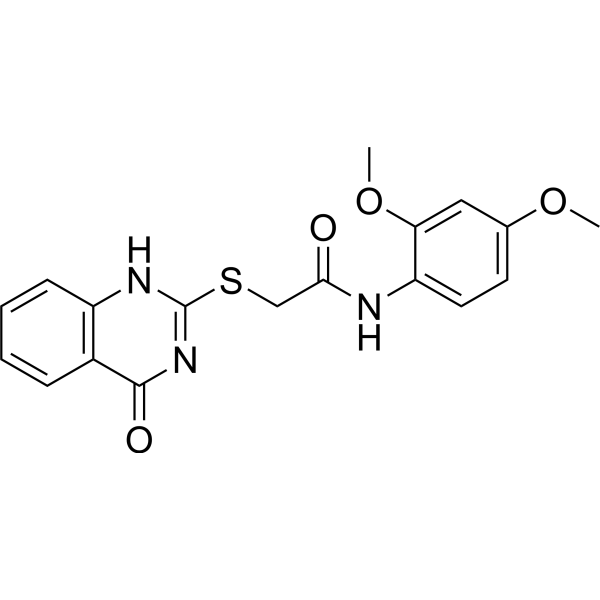
    Z16078526 induces endogenous Ucp1 expression, promotes p38 MAPK phosphorylation and lipolysis in primary mouse brown adipocytes. Z16078526 activates thermogenic gene expression and mitochondrial activity (uncoupled respiration) in mouse brown adipocytes. Z16078526 also stimulates thermogenesis in the mouse .
    Z16078526
  • HY-113654

    TRP Channel Others
    AMG 7905 is a hypothermia-inducing transient receptor potential vanilloid type 1 (TRPV1) antagonist. AMG 7905 potentiates TRPV1 channels activation by protons and drives the reflectory inhibition of thermogenesis and tail-skin vasoconstriction, while potently blocking channel activation by capsaicin .
    AMG 7905
  • HY-116771
    CL 316243 free acid
    Maximum Cited Publications
    24 Publications Verification

    Adrenergic Receptor Metabolic Disease
    CL316243 free acid is a highly potent selective β3-adrenoceptor agonist with a EC50 of 3 nM, but is an extremely poor to β1/2- receptors. CL316243 free acid is a effective stimulant of adipocyte lipolysis and increases brown adipose tissue thermogenesis and metabolic rate. CL316243 free acid has the potential for the treatment obesity, diabetes and urge urinary incontinence .
    CL 316243 free acid
  • HY-133095

    STAT PPAR Inflammation/Immunology
    BML-260 is a potent inhibitor of dual-specific phosphatases JSP-1 and DUSP22. BML-260 can activate UCP1 and thermogenesis in adipocytes in a JSP-1-independent manner. The effect of BML-260 on adipocytes is partially achieved through the activation of CREB, STAT3, and PPAR signaling pathways. BML-260 can be used in the research of inflammatory and proliferative disorders associated with JNK signaling dysfunction as well as obesity .
    BML-260
  • HY-159120

    HIF/HIF Prolyl-Hydroxylase Metabolic Disease
    ZG-2291 is a selective inhibitor targeting FIH (Factor Inhibiting HIF) with oral activity. By binding to FIH, ZG-2291 promotes a conformational flip of a catalytically important tyrosine, enabling selective inhibition of FIH without affecting other 2OG oxygenases in the JmjC subfamily. ZG-2291k enhances thermogenesis in ob/ob mice and improves obesity-related symptoms and metabolic dysfunctions. ZG-2291 holds promise for research in the field of obesity-related diseases .
    ZG-2291
  • HY-N1420AR

    L-Rhamnose monohydrate (Standard)

    Reference Standards Endogenous Metabolite MMP Interleukin Related PKA Infection Metabolic Disease Cancer
    Rhamnose monohydrate (Standard) is the analytical standard of Rhamnose monohydrate (HY-N1420A). Rhamnose monohydrate (L-Rhamnose monohydrate) is an orally active deoxysugar. Rhamnose monohydrate can inhibit levels of pro-inflammatory interleukin and matrix metalloproteinases (MMPs) in skin aging models. Rhamnose can promote the phosphorylation levels of PKA substrates and HSL in SVF-derived adipocytes, stimulating PKA signaling. Rhamnose monohydrate can act against obesity in mice by stimulating fat dopamine receptors and inducing thermogenesis. Rhamnose monohydrate shows anti-aging effects. Rhamnose monohydrate can be used in the study of Ehrlich’s solid tumors and sarcomas .
    Rhamnose monohydrate (Standard)
  • HY-110034

    BTS 54-505

    Drug Metabolite Metabolic Disease
    Didesmethylsibutramine (BTS 54-505) hydrochloride is the primary amine metabolite of Sibutramine (antidepressant and anti-obesity agent). Didesmethylsibutramine hydrochloride inhibits NMDA-evoked activity. Didesmethylsibutramine hydrochloride is also a reuptake inhibitor. Didesmethylsibutramine hydrochloride induces thermogenesis .
    Didesmethylsibutramine hydrochloride
  • HY-110034R

    BTS 54-505 (Standard)

    Drug Metabolite Reference Standards Metabolic Disease
    Didesmethylsibutramine (hydrochloride) (Standard) is the analytical standard of Didesmethylsibutramine (hydrochloride). This product is intended for research and analytical applications. Didesmethylsibutramine (BTS 54-505) hydrochloride is the primary amine metabolite of Sibutramine (antidepressant and anti-obesity agent). Didesmethylsibutramine hydrochloride inhibits NMDA-evoked activity. Didesmethylsibutramine hydrochloride is also a reuptake inhibitor. Didesmethylsibutramine hydrochloride induces thermogenesis .
    Didesmethylsibutramine hydrochloride (Standard)
  • HY-113654A

    TRP Channel Cardiovascular Disease
    AMG 7905 TFA is a hypothermia-inducing transient receptor potential vanilloid type 1 (TRPV1) antagonist. AMG 7905 TFA potentiates TRPV1 channels activation by protons and drives the reflectory inhibition of thermogenesis and tail-skin vasoconstriction, while potently blocking channel activation by capsaicin .
    AMG 7905 TFA
  • HY-N12515

    Others Metabolic Disease
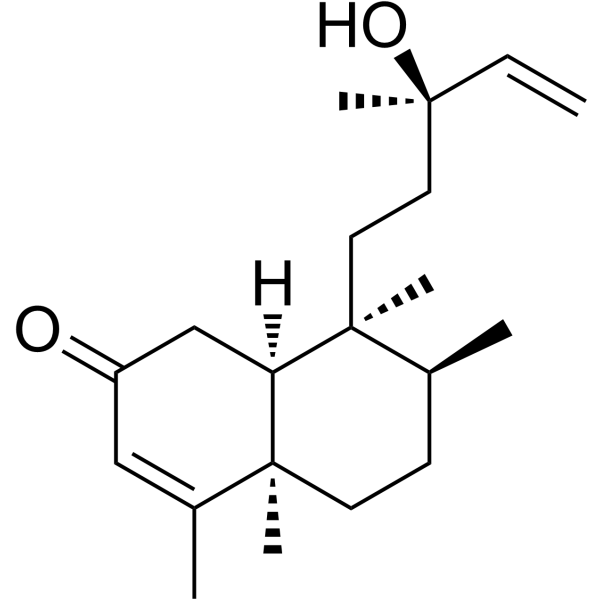
    Pinuseldarone (compound 1), extracted from Pinus eldarica needles regulats brown adipogenesis and thermogenesis .
    Pinuseldarone
  • HY-117119

    5-HT Receptor Metabolic Disease
    VER-3323 is an oral active 5-HT2C agonist and belongs to the class of indoline analogs. VER-3323 reduces food intake in rats by inducing swallowing dysfunction, with no significant impact on energy expenditure generated through thermogenesis or exercise. VER-3323 can be utilized in obesity research .
    VER-3323
  • HY-114557R

    3,5-Diiodo-L-thyronine (Standard)

    Reference Standards Endogenous Metabolite Metabolic Disease
    NSC 90469 (Standard) is the analytical standard of NSC 90469. This product is intended for research and analytical applications. NSC 90469 (3,5-Diiodo-L-thyronine) is an orally active thyroid hormone derivative. NSC 90469 inhibits JNK phosphorylation and NF-κB acetylation, blocks SIRT1 protein expression, induces elevated PGC-1α levels, and stimulates COX activity. NSC 90469 enhances UCP1-mediated thermogenesis, increases hepatic Dio1 activity, inhibits TSH levels and hypothalamic-pituitary-thyroid axis function, enhances lipid metabolism, and regulates energy metabolism via the mitochondrial pathway. NSC 90469 prevents blood glucose reduction, reduces urinary albumin excretion, inhibits renal matrix expansion, decreases TGF-β1 expression, and reduces renal fibronectin and type Ⅳ collagen deposition. NSC 90469 also increases energy expenditure and prevents diet-induced overweight. NSC 90469 can be used in studies related to diabetic nephropathy, hypothyroidism, non-alcoholic fatty liver disease, and diet-induced obesity .
    NSC 90469 (Standard)
  • HY-W783478

    PI3K Akt mTOR p38 MAPK NF-κB Neurological Disease Metabolic Disease Inflammation/Immunology Cancer
    Calebin A is a PI3K/Akt/mTOR, MAPK, and NF-κB inhibitor with oral effectiveness. Calebin A can block the autophagy-repressive, inhibiting apoptosis. Calebin A has anti-tumor activity by epigenetic regulation. Calebin A suppresses adipogenesis, modulates thermogenesis, and enriches gut probiotics. Calebin A can be used in research on osteoarthritis, Alzheimer's disease, type 2 diabetes, malignant peripheral nerve sheath tumors, and colorectal cancer .
    Calebin A
  • HY-171722

    Asc-C9

    Insecticide PGC-1α Infection Cancer
    Ascr#10 (Asc-C9) is an orally active thermogenesis inducer and insecticide that can be obtained from Monochamus alternatus. Ascr#10 binds to the insect adipokinetic hormone (AKH) receptor (Ka=272 µM) and stimulates mitochondrial biogenesis via the PGC1α-UCP4 axis. Consequently, Ascr#10 induces UCP4-mediated uncoupled respiration, reduces the ATP/ADP ratio and accelerates lipid mobilization, thereby driving the thermogenesis process. Ascr#10 delays pupation and exerts specific chemotaxis toward dispersive fourth-stage pinewood nematode LIV larvae. Ascr#10 promotes cold acclimation of Monochamus alternatus larvae through metabolic inhibition and cryoprotectant accumulation, enhancing their survival rate under cold stress. Ascr#10 also induces browning of white adipose tissue and activates brown adipose tissue in mice, thereby helping the body resist cold and tumor growth. Ascr#10 can be widely applied to research related to pine wilt disease, lung tumors and cold stress .
    Ascr#10

Inquiry Online

Your information is safe with us. * Required Fields.

Salutation


Country or Region *

Applicant Name *


Organization Name *

Department *


Email Address *


Product Name *

Cat. No.


Requested quantity *

Phone Number *


Remarks

Inquiry Online

Inquiry Information

Product Name:
Cat. No.:
Quantity:
MCE Japan Authorized Agent:

