
Search Result
Results for "
U-87
" in MedChemExpress (MCE) Product Catalog:
10
Isotope-Labeled Compounds
| Cat. No. |
Product Name |
Target |
Research Areas |
Chemical Structure |
-
- HY-12033
-
|
2-ME2; NSC-659853
|
Microtubule/Tubulin
Reactive Oxygen Species (ROS)
Apoptosis
Autophagy
Endogenous Metabolite
|
Cancer
|
|
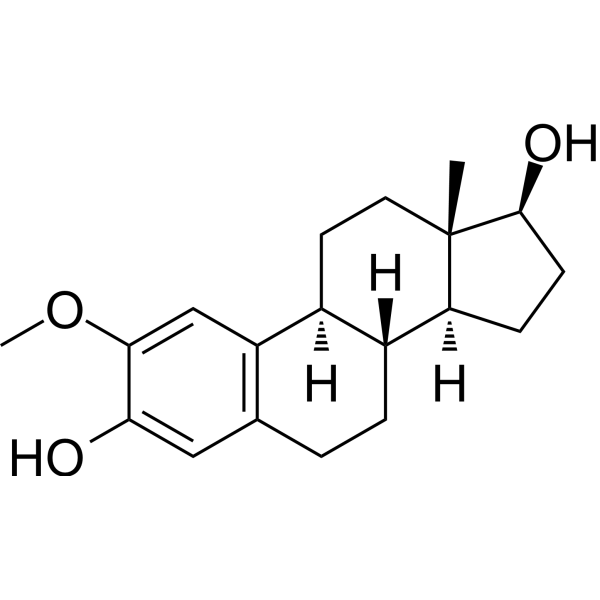
2-Methoxyestradiol (2-ME2), an orally active endogenous metabolite of 17β-estradiol (E2), is an apoptosis inducer and an angiogenesis inhibitor with potent antineoplastic activity. 2-Methoxyestradiol also destablize microtubules. 2-Methoxyestradio, also a potent superoxide dismutase (SOD) inhibitor and a ROS-generating agent, induces autophagy in the transformed cell line HEK293 and the cancer cell lines U87 and HeLa .
|
-
-
- HY-B1490
-
|
|
Serotonin Transporter
Apoptosis
Autophagy
|
Neurological Disease
Inflammation/Immunology
Cancer
|
|
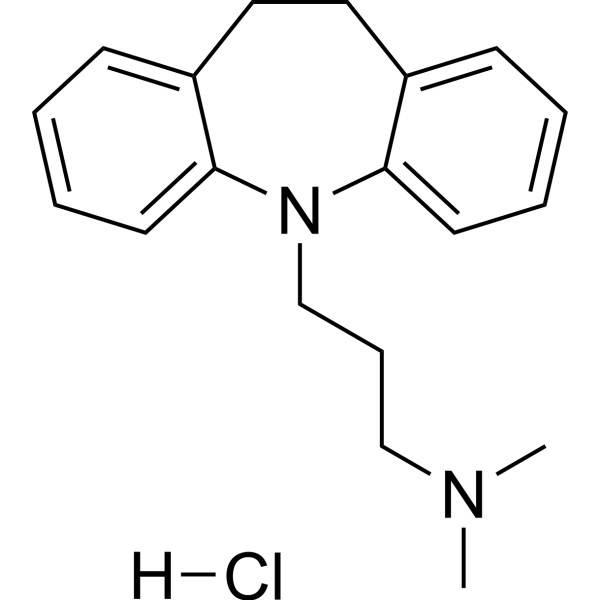
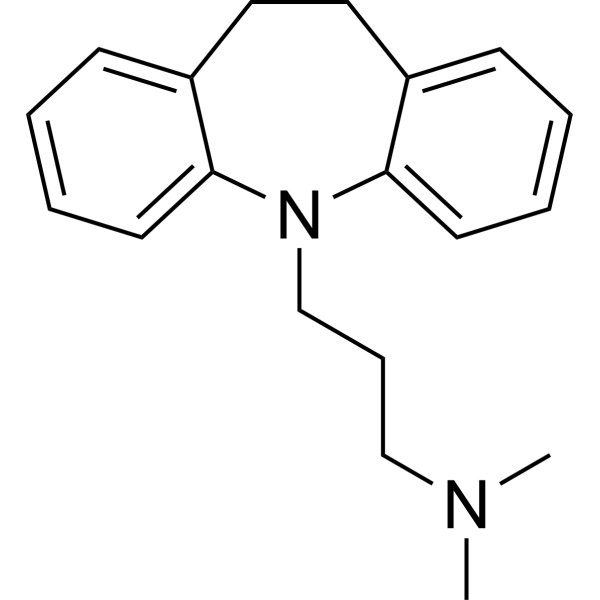
Imipramine hydrochloride is an orally active tertiary amine tricyclic antidepressant. Imipramine hydrochloride is a Fascin1 inhibitor with antitumor activities. Imipramine hydrochloride also inhibits serotonin transporter with an IC50 value of 32 nM. Imipramine hydrochloride stimulates U-87MG glioma cells autophagy and induces HL-60 cell apoptosis. Imipramine hydrochloride shows neuroprotective and immunomodulatory effects .
|
-
-
- HY-N0662
-
-
-
- HY-B1490A
-
|
|
Serotonin Transporter
Autophagy
Apoptosis
|
Neurological Disease
Inflammation/Immunology
Cancer
|
|
Imipramine is an orally active tertiary amine tricyclic antidepressant. Imipramine is a Fascin1 inhibitor with antitumor activities. Imipramine also inhibits serotonin transporter with an IC50 value of 32 nM. Imipramine stimulates U-87MG glioma cells autophagy and induces HL-60 cell apoptosis. Imipramine shows neuroprotective and immunomodulatory effects .
|
-
-
- HY-P99250
-
|
MetMAb
|
c-Met/HGFR
|
Cancer
|
|
Onartuzumab (MetMAb) is a unique, humanized and affinity-matured monovalent (one-armed) monoclonal antibody against the MET receptor. Onartuzumab potently inhibits HGF binding and receptor phosphorylation and signaling. Onartuzumab has antibody-like pharmacokinetics and antitumor activity .
|
-
-
- HY-B0754A
-
|
Hematoporphyrin IX dihydrochloride
|
Apoptosis
Endogenous Metabolite
|
Cancer
|
|
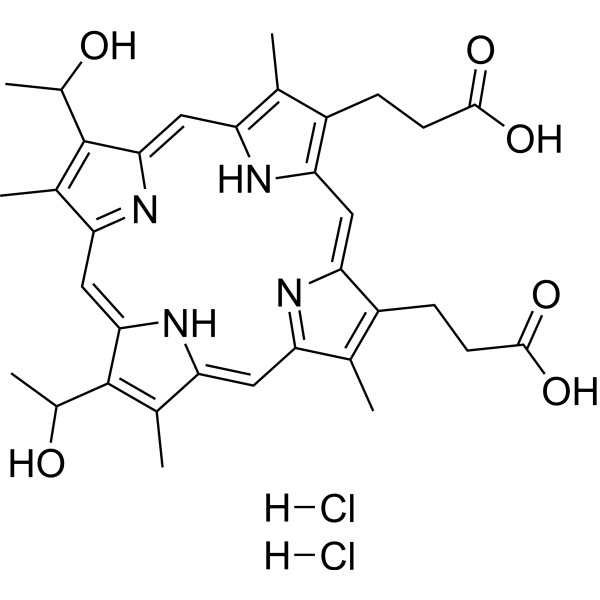
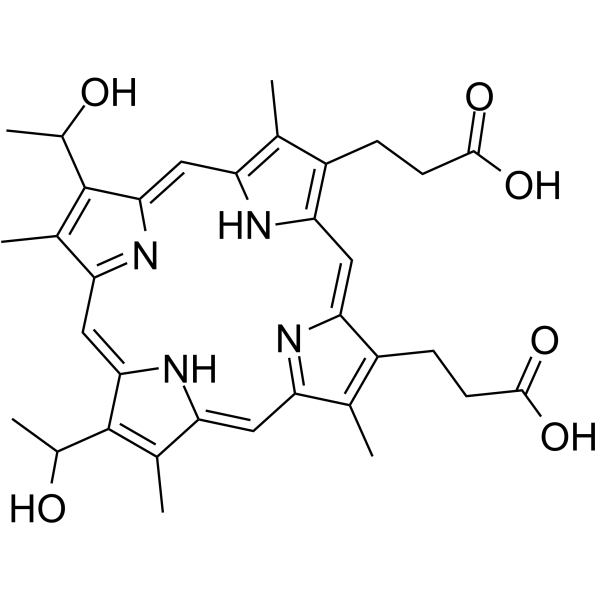
Hematoporphyrin dihydrochloride (Hematoporphyrin IX dihydrochloride), a photosensitizer, is a substrate for affinity chromatography of heme-binding proteins. Hematoporphyrin dihydrochloride can induce apoptosis in U87 glioma cells and decrease tumor growth in vivo when exposed to red light .
|
-
-
- HY-A0077
-
-
-
- HY-100475
-
-
-
- HY-111449
-
BAY-218
2 Publications Verification
AHR antagonist 1
|
Aryl Hydrocarbon Receptor
|
Inflammation/Immunology
Cancer
|
|
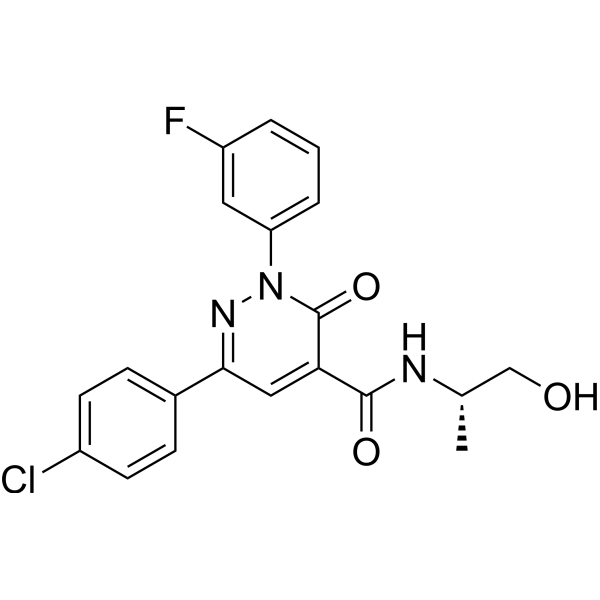
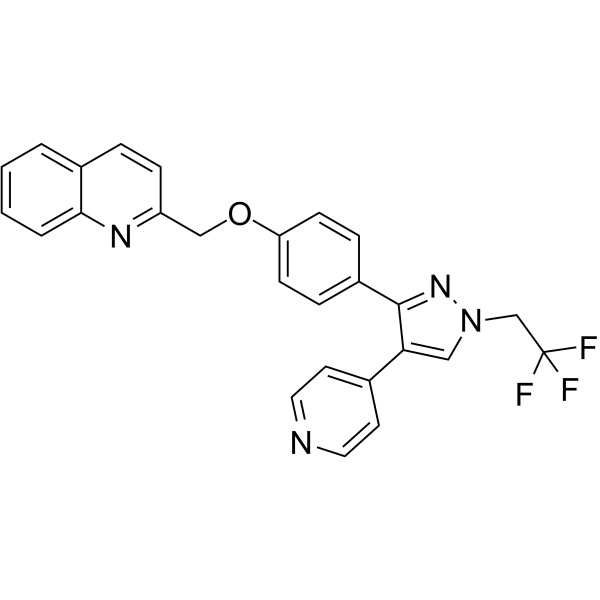
BAY-218 (AHR antagonist 1) is an aryl hydrocarbon receptor (AHR) antagonist. BAY-218 has AHR inhibitory activity with an IC50 of 39.9 nM in in U87 glioblastoma cells. BAY-218 can be used for the research of cancer or conditions with dysregulated immune responses .
|
-
-
- HY-148242
-
BAY-069
3 Publications Verification
|
Fluorescent Dye
|
Cancer
|
|
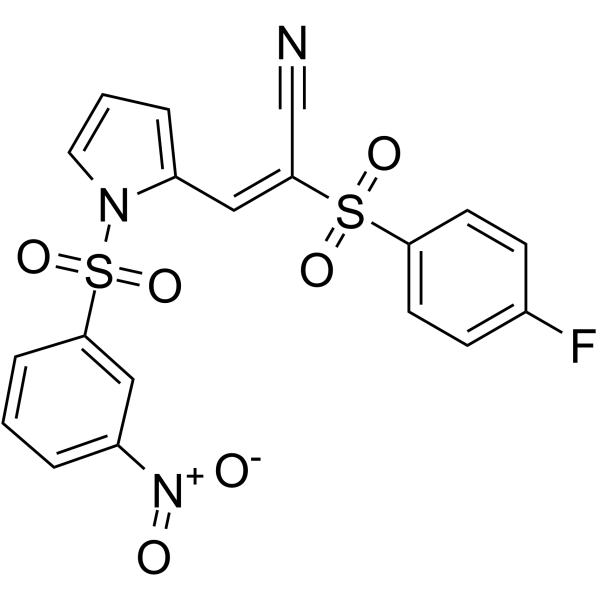
BAY-069 is a potent branched-chain amino acid transaminases 1 (BCAT1) and BCAT2 inhibitor with IC50 values of 31 nM and 153 nM, respectively. BAY-069 also can be used as a chemical probe. BAY-069 can be used tor research anticancer .
|
-
-
- HY-14550
-
-
-
- HY-B0754
-
|
Hematoporphyrin IX
|
Apoptosis
Endogenous Metabolite
|
Cancer
|
|
Hematoporphyrin (Hematoporphyrin IX), a photosensitizer, is a substrate for affinity chromatography of heme-binding proteins. Hematoporphyrin can induce apoptosis in U87 glioma cells and decrease tumor growth in vivo when exposed to red light .
|
-
-
- HY-12833
-
AMZ30
1 Publications Verification
|
Phosphatase
Akt
ERK
|
Others
|
|
AMZ30 is selective protein phosphatase methylesterase-1(PME-1) inhibitor with IC50s of 600 nM and 3.5 µM in human cell lysates and in HEK 293T cells, respectively. AMZ30 shows >100-fold selectivity relative to other serine hydrolases. AMZ30 reduces the demethylated form of PP2A in living cells. AMZ30 attenuates muscle cell differentiation. AMZ30 increases the resistance of U87MG and U251MG glioblastoma cells to t-BHP-induced oxidative stress. AMZ30can be used for the study of glioblastoma .
|
-
-
- HY-B0380A
-
|
|
Opioid Receptor
Toll-like Receptor (TLR)
Calcium Channel
Potassium Channel
IRAK
ERK
JNK
NF-κB
Akt
Apoptosis
|
Neurological Disease
Metabolic Disease
Inflammation/Immunology
Cancer
|
|
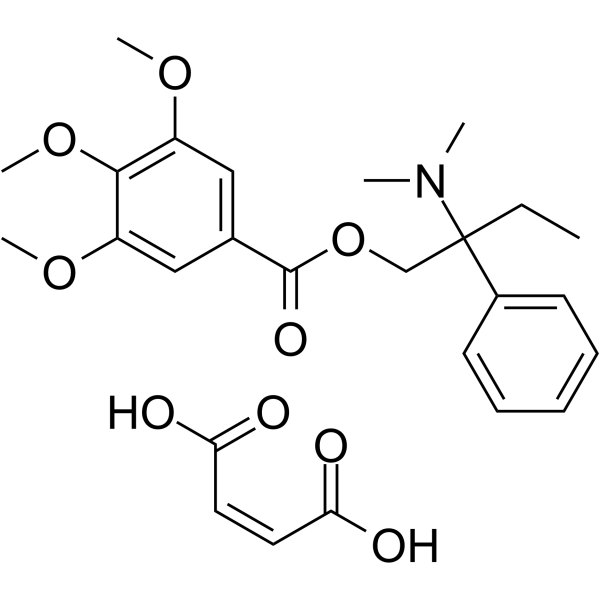
Trimebutine maleate is a multi-target inhibitor and opioid receptor agonist with antimuscarinic activity. Trimebutine maleate inhibits L-type Ca 2+ channels and large-conductance calcium-activated potassium channels (BKCa channels), thereby inhibiting extracellular calcium influx and potassium ion efflux. Trimebutine maleate also targets Toll-like receptors, inhibits Toll-like receptor 2/4/7/8/9 signals, and inhibits LPS-induced IRAK1 activation, as well as ERK1/2, JNK and NF-κB activation, thereby exerting anti-inflammatory effects. Trimebutine maleate also induces tumor cell apoptosis by inhibiting the AKT/ERK pathway. Trimebutine maleate also inhibits excessive contraction of smooth muscle and can be used in the study of gastrointestinal disorders such as irritable bowel syndrome (IBS) .
|
-
-
- HY-108693
-
|
|
Leukotriene Receptor
Apoptosis
|
Inflammation/Immunology
|
|
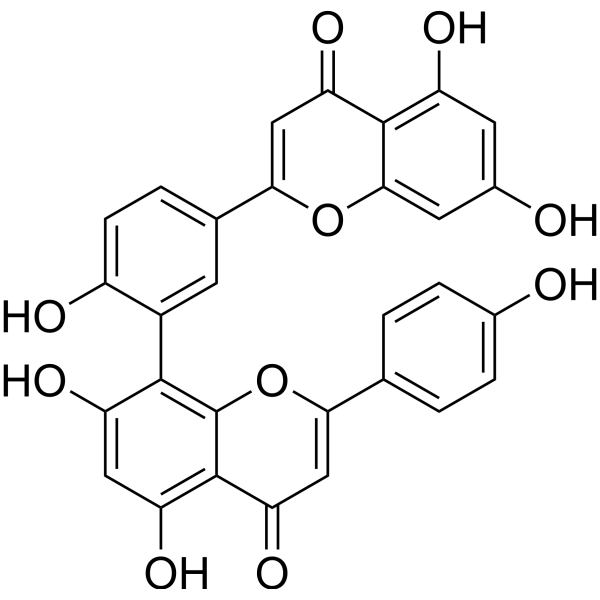
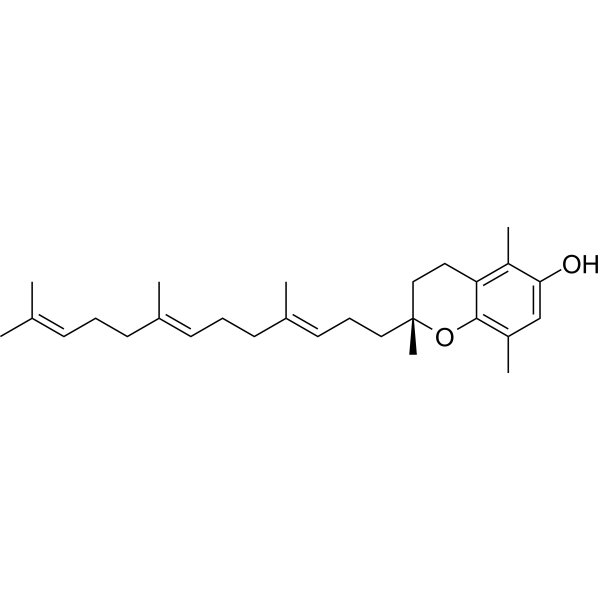
β-Tocotrienol is an isomer of vitamin E. β-Tocotrienol is a less potent antioxidant than α-tocotrienol. β-Tocotrienol can be found in the tocotrienol-rich fraction (TRF) of palm oil, which possesses anti-carcinogenic effects in vitro on human colon carcinoma and prostate cancer cells. β-Tocotrienol inhibits the growth of A549 (GI50 = 1.38 μM) and U87MG (GI50 = 2.53 μM) cells. β-Tocotrienol also induces apoptosis in cancer cells. β-Tocotrienol can inhibit PD-L1 expression and mitigates PD-L1-mediated immune suppression in vitro and in vivo .
|
-
-
- HY-153627
-
|
|
Deubiquitinase
|
Cancer
|
|
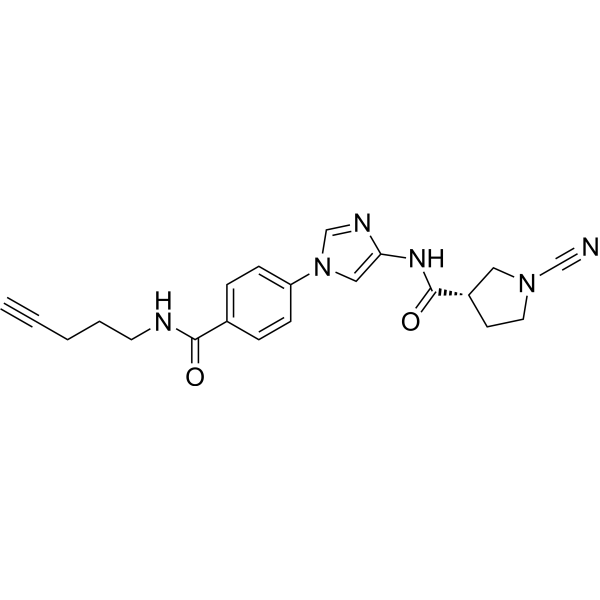
GK13S is a deubiquitinase UCHL1 ligand and inhibitor. GK13S inhibits recombinant and cellular UCHL1. GK13S reduces levels of monoubiquitin in human glioblastoma cells . GK13S is a click chemistry reagent, it contains an Alkyne group and can undergo copper-catalyzed azide-alkyne cycloaddition (CuAAc) with molecules containing Azide groups.
|
-
-
- HY-116273
-
|
|
Phospholipase
|
Cancer
|
|
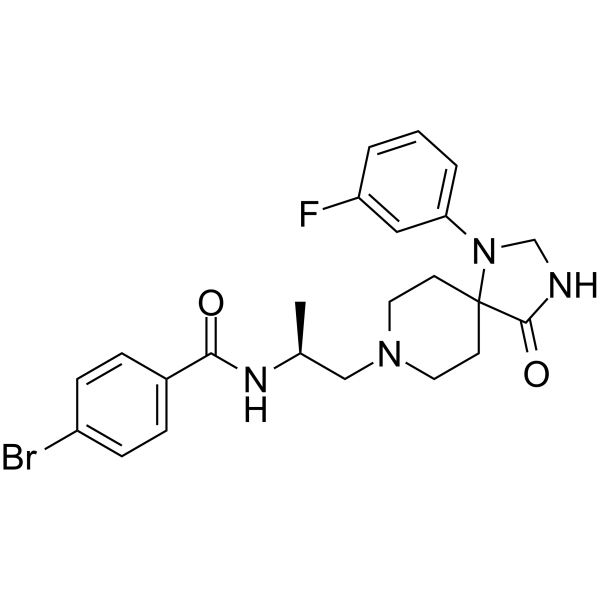
ML299 is a selective allosteric modulator and a dual inhibitor of phospholipases D1 and D2 (IC50 values are 6 and 12 nM, respectively). ML299 decreases invasive migration in U87-MG glioblastoma cells .
|
-
-
- HY-16532
-
|
AEZS-108; AN-152
|
Peptide-Drug Conjugates (PDCs)
GnRH Receptor
|
Cancer
|
|
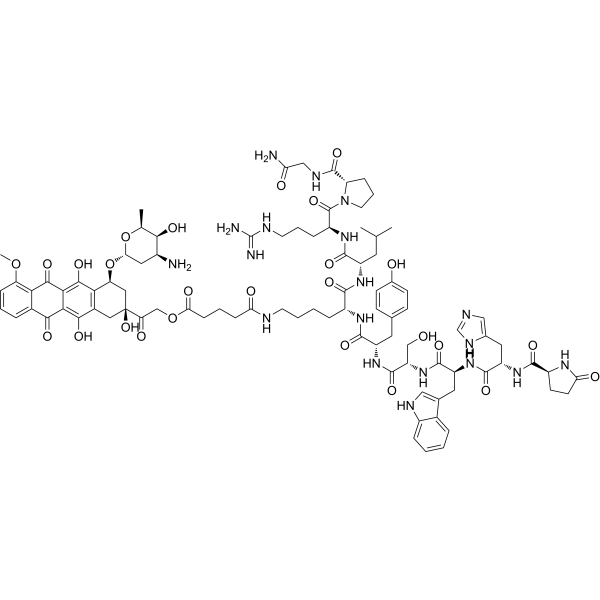
Zoptarelin doxorubicin (AEZS-108; AN-152) is a hybrid anticancer agent, containing Zoptarelin and Doxorubicin. Zoptarelin doxorubicin has been used to research targeting tumors expressing LHRH receptors. Zoptarelin doxorubicin abolishes tumor progression and induces remarkable apoptosis in vitro .
|
-
-
- HY-12033S2
-
|
2-ME2-d5; NSC-659853-d5
|
Isotope-Labeled Compounds
Microtubule/Tubulin
Reactive Oxygen Species (ROS)
Apoptosis
Autophagy
Endogenous Metabolite
|
Cancer
|
|
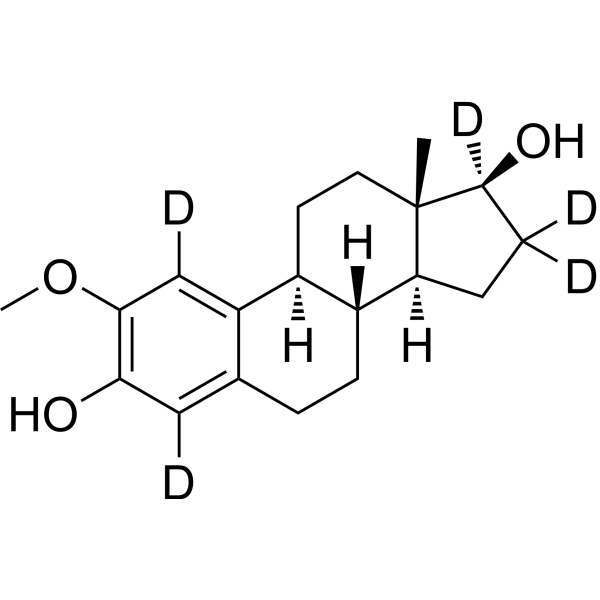
2-Methoxyestradiol-d5 is the deuterium labeled 2-Methoxyestradiol. 2-Methoxyestradiol (2-ME2), an orally active endogenous metabolite of 17β-estradiol (E2), is an apoptosis inducer and an angiogenesis inhibitor with potent antineoplastic activity. 2-Methoxyestradiol also destablize microtubules. 2-Methoxyestradio, also a potent superoxide dismutase (SOD) inhibitor and a ROS-generating agent, induces autophagy in the transformed cell line HEK293 and the cancer cell lines U87 and HeLa .
|
-
-
- HY-106892
-
|
348U87
|
DNA/RNA Synthesis
|
Infection
|
|
BW 348U87 is an inhibitor for ribonucleotide reductase, which exhibits synergistic effect with Acyclovir (HY-17422), potentiate the antiviral activity of Acyclovir against herpes simplex virus (HSV) in athymic nude mouse model .
|
-
-
- HY-168708
-
|
|
Histone Demethylase
Apoptosis
|
Cancer
|
|
AH2-14c is an inhibitor for DNA demethylase ALKBH2. AH2-14c inhibits the cell viability (IC50 is 4.56 µM) and migration of GBM U87. AH2-14c regulates the expression of apoptosis-related genes, and induces apoptosis in GBM U87 cell .
|
-
-
- HY-155439
-
|
|
FAK
|
Cancer
|
FAK-IN-14 (compound 8d) is a focal adhesion kinase(FAK) inhibitor with an IC50 value of 0.2438 nM. FAK-IN-14 induces U87-MG cell early apoptosis and arrest the cell at the G2/M phase .
|
-
-
- HY-149530
-
|
|
EGFR
Apoptosis
|
Cancer
|
|
EGFR-IN-86 (compound 4i) is an EGFR inhibitor (IC50: 1.5 nM) with high activity against glioblastoma. EGFR-IN-86 induces apoptosis and arrests the U87 cell cycle in the G2/M phase .
|
-
-
- HY-173066
-
|
|
PROTACs
Indoleamine 2,3-Dioxygenase (IDO)
|
Cancer
|
|
NU227326 is a blood-brain barrier penetrant IDO1 PROTAC degrader, with a DC50 of 4.5 nM in HiBiT degradation assays. NU227326 degrades IDO1 in U87 and GBM43 cells, with DC50 values of 7.1 nM and 11.8 nM, respectively (WB assays). NU227326 is applicable to research related to glioblastoma, prostate cancer, triple-negative breast cancer, pancreatic cancer, and ovarian cancer .
|
-
-
- HY-N3001
-
|
|
STAT
VEGFR
Bcl-2 Family
Survivin
IAP
NF-κB
Apoptosis
Caspase
|
Neurological Disease
Inflammation/Immunology
Cancer
|
|
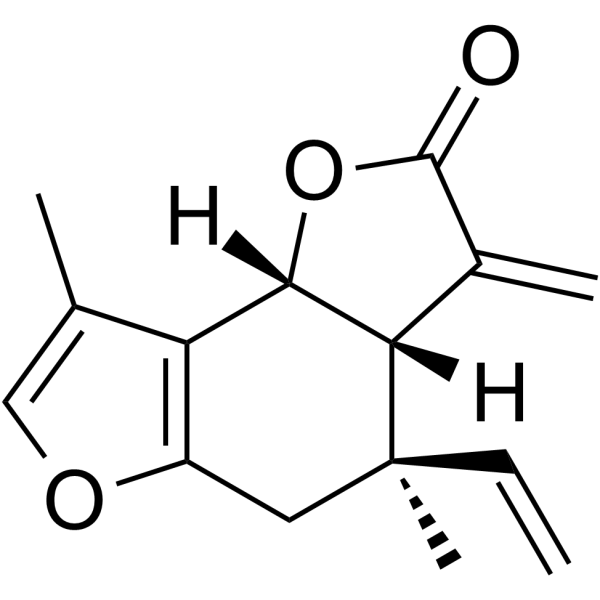
Isolinderalactone is a sesquiterpene that exhibits anti-cancer, anti-inflammatory, and neuroprotective effects. Isolinderalactone inhibits VEGF expression and tyrosine phosphorylation of VEGFR2. Isolinderalactone decreases viability and induces apoptosis in U-87 glioblastoma (GBM) cells and colorectal cancer (CRC) cells. Isolinderalactone induces G2/M phase cell cycle arrest, ROS generation, pJNK/p38 MAPK activation, in colorectal cancer (CRC) cells. Isolinderalactone blocks LPS (HY-D1056)-induced NF-κB activation while activating Nrf2-HMOX1 signaling in RAW264.7 macrophages. Isolinderalactone improves cognitive dysfunction in APP/PS1 mice. Isolinderalactone can be used for the study of Glioblastoma multiforme (GBM), colorectal cancer, Alzheimer’s disease and acute lung injury .
|
-
-
- HY-15398C
-
|
Epicholecalciferol
|
Hedgehog
|
Cancer
|
|
3-epi-Vitamin D3 (Epicholecalciferol) (Compound 4), a Vitamin D3 analogue, is a Hedgehog pathway inhibitor with an IC50 of 39.2 μM measured in U87MG cells .
|
-
-
- HY-150401
-
|
|
ADC Payload
Topoisomerase
|
Cancer
|
|
Exatecan-amide-cyclopropanol (compound 1) is a anticancer agent. Exatecan-amide-cyclopropanol shows anti-proliferation activity against SK-BR-3 and U87 cells, with IC50 values of 0.12 and 0.23 nM, respectively .
|
-
-
- HY-B1490R
-
|
|
Reference Standards
Serotonin Transporter
Apoptosis
Autophagy
|
Neurological Disease
Inflammation/Immunology
Cancer
|
|
Imipramine (hydrochloride) (Standard) is the analytical standard of Imipramine (hydrochloride). This product is intended for research and analytical applications. Imipramine hydrochloride is an orally active tertiary amine tricyclic antidepressant. Imipramine hydrochloride is a Fascin1 inhibitor with antitumor activities. Imipramine hydrochloride also inhibits serotonin transporter with an IC50 value of 32 nM. Imipramine hydrochloride stimulates U-87MG glioma cells autophagy and induces HL-60 cell apoptosis. Imipramine hydrochloride shows neuroprotective and immunomodulatory effects .
|
-
-
- HY-136479
-
|
|
Sirtuin
|
Cancer
|
|
F0911-7667 is a SIRT1 activator that induces autophagic cell death in U87MG and T98G cells by activating the AMPK-mTOR-ULK complex. CWR tripeptide was also identified as a SIRT1 activator that reduced p53 acetylation in IMR32 neuroblastoma cells and protected cells from cell death induced by Aβ fragments .
|
-
-
- HY-116165
-
|
|
Phospholipase
|
Cancer
|
|
ML298 is a potent and selective inhibitor of Phospholipase D2 (PLD2) with an IC50 of 355 nM. ML298 decreases invasive migration in U87-MG glioblastoma cells .
|
-
-
- HY-13768S1
-
|
|
Isotope-Labeled Compounds
Topoisomerase
Autophagy
|
Cancer
|
|
Topotecan-d6 is the deuterium labeled Topotecan. Topotecan (SKF 104864A; NSC 609669) is a Topoisomerase I inhibitor. The IC50 values of Topotecan at 24 h are 2.73±0.25 μM of U251 cells, 2.95±0.23 μM of U87 cells, 5.46±0.41 μM of GSCs-U251 and 5.95 μM of GSCs-U87 .
|
-
-
- HY-19130
-
|
|
Adenosine Receptor
|
Neurological Disease
|
|
BW-534U87 is an orally active adenosine A1 receptor agonist and competitive adenosine deaminase (ADA) inhibitor (Ki=7 μM). BW-534U87 elevates brain adenosine levels and suppresses epileptiform activity. BW-534U87 demonstrate anticonvulsant efficacy in animal seizure models. BW-534U87 is promising for research of epilepsy and adenosine-related neuropsychiatric disorders .
|
-
-
- HY-156349
-
|
|
Apoptosis
|
Others
|
|
Sec61-IN-4 (Compound 16b) is a Sec61 inhibitor (IC50: 0.04 nM in U87-MG cells) .
|
-
-
- HY-151879
-
-
-
- HY-175213
-
|
|
Isocitrate Dehydrogenase (IDH)
|
Cancer
|
|
Mutant IDH1-IN-7 is a highly selective Isocitrate Dehydrogenase 1 (IDH1) R132H (IC50 = 0.26 μM, Kd = 2.1 μM)/R132C (IC50 = 1.1 μM) inhibitor. Mutant IDH1-IN-7 has no inhibitory effect on wild-type IDH1, IDH2-wt, and IDH2 R140Q. Mutant IDH1-IN-7 inhibits 2-Hydroxyglutarate (2-HG) production in U87-MG R132H cells (EC50 = 0.55 μM). Mutant IDH1-IN-7 exhibits moderate antiproliferative effects on U87-MG R132H and HT-1080 cells .
|
-
-
- HY-175291
-
|
|
MMP
Cadherin
|
Cancer
|
|
Cystatin B agonist 1 is an orally active MMP-2/9 inhibitor. Cystatin B agonist 1 exhibits inhibitory effects with IC50 values of 3.95 and 3.43 μM against U87 and T98G cells, respectively. Cystatin B agonist 1 induces the cell-cycle arrest at S phase, inhibits angiogenesis, and suppresses migration and invasion of MG cells. Cystatin B agonist 1 inhibits tumor growth in U87 MG xenograft model. Cystatin B agonist 1 can be used for the study of malignant glioma (MG) .
|
-
-
- HY-123410
-
|
|
Cannabinoid Receptor
|
Cancer
|
|
KM-233 is a classical cannabinoid with good blood brain barrier penetration. KM-233 possesses a selective affinity for the CB2 receptors relative to THC. KM-233 is effective at reducing U87 glioma tumor burden, and can be used for glioma research .
|
-
-
- HY-129094
-
|
|
CXCR
|
Cancer
|
|
ICT5040 is a small molecule CXCR4 antagonist (IC50=3.8 μM). ICT5040 inhibits CXCL12-mediated proliferation and migration, and suppresses CXCL12-induced intracellular calcium mobilisation in U87 glioma cells .
|
-
-
- HY-155684
-
|
|
PROTACs
VEGFR
PDGFR
Ephrin Receptor
|
Cancer
|
|
SA-PA is an intracellular self-assembled PROTAC based on azide and alkyne. SA-PA is able to selectively degrade VEGFR-2, PDGFR-β and EphB4 proteins in U87 cells. SA-PA can be converted to PROTAC in situ by click reaction with the help of endogenous copper in tumor tissues .
|
-
-
- HY-175530
-
|
|
OLIG2
|
Cancer
|
|
OLIG2-IN-1 is a potent and selective oligodendrocyte transcription factor 2 (OLIG2) inhibitor. OLIG2-IN-1 directly and dose-dependently downregulates nuclear OLIG2 levels with an IC50 value of 0.88 μM. OLIG2-IN-1 exhibits strong anti-proliferative activity in U87 and U251 cells with IC50 values of 7.02 μM and 6.43 μM, respectively. OLIG2-IN-1 can be used for the research of cancer, such as glioblastoma multiforme .
|
-
-
- HY-12033S1
-
|
2-ME2-13C6; NSC-659853-13C6
|
Isotope-Labeled Compounds
Microtubule/Tubulin
Reactive Oxygen Species (ROS)
Apoptosis
Autophagy
Endogenous Metabolite
|
Cancer
|
|
2-Methoxyestradiol- 13C6 is the 13C-labeled 2-Methoxyestradiol. 2-Methoxyestradiol (2-ME2), an orally active endogenous metabolite of 17β-estradiol (E2), is an apoptosis inducer and an angiogenesis inhibitor with potent antineoplastic activity. 2-Methoxyestradiol also destablize microtubules. 2-Methoxyestradio, also a potent superoxide dismutase (SOD) inhibitor and a ROS-generating agent, induces autophagy in the transformed cell line HEK293 and the cancer cell lines U87 and HeLa .
|
-
-
- HY-12033S
-
|
|
Isotope-Labeled Compounds
Microtubule/Tubulin
Reactive Oxygen Species (ROS)
Apoptosis
Autophagy
Endogenous Metabolite
|
Cancer
|
|
2-Methoxyestradiol- 13C,d3 is the 13C- and deuterium labeled 2-Methoxyestradiol. 2-Methoxyestradiol (2-ME2), an orally active endogenous metabolite of 17β-estradiol (E2), is an apoptosis inducer and an angiogenesis inhibitor with potent antineoplastic activity. 2-Methoxyestradiol also destablize microtubules. 2-Methoxyestradio, also a potent superoxide dismutase (SOD) inhibitor and a ROS-generating agent, induces autophagy in the transformed cell line HEK293 and the cancer cell lines U87 and HeLa .
|
-
-
- HY-B1490AS
-
|
|
Isotope-Labeled Compounds
Serotonin Transporter
|
Neurological Disease
Inflammation/Immunology
Cancer
|
|
Imipramine-d6 is the deuterium labeled Imipramine hydrochloride. Imipramine is an orally active tertiary amine tricyclic antidepressant. Imipramine is a Fascin1 inhibitor with antitumor activities. Imipramine also inhibits serotonin transporter with an IC50 value of 32 nM. Imipramine stimulates U-87MG glioma cells autophagy and induces HL-60 cell apoptosis. Imipramine shows neuroprotective and immunomodulatory effects .
|
-
-
- HY-B1490S1
-
-
-
- HY-B1490AR
-
|
|
Serotonin Transporter
Autophagy
Apoptosis
Reference Standards
|
Neurological Disease
Inflammation/Immunology
Cancer
|
|
Imipramine (Standard) is the analytical standard of Imipramine. This product is intended for research and analytical applications. Imipramine is an orally active tertiary amine tricyclic antidepressant. Imipramine is a Fascin1 inhibitor with antitumor activities. Imipramine also inhibits serotonin transporter with an IC50 value of 32 nM. Imipramine stimulates U-87MG glioma cells autophagy and induces HL-60 cell apoptosis. Imipramine shows neuroprotective and immunomodulatory effects .
|
-
-
- HY-144808
-
|
|
Microtubule/Tubulin
|
Cancer
|
|
Anticancer agent 40 (compound 3e) is a potent anticancer agent. Anticancer agent 40 shows anticancer activities with IC50s of 0.94, 0.98, 0.96, 0.95, 2.13 nM for SKBR-3, SKOV-3, PC-3, U-87, HDF cells, respectively .
|
-
-
- HY-114459
-
|
|
Isocitrate Dehydrogenase (IDH)
|
Cancer
|
|
Mutant IDH1-IN-4 (compound 434) is an inhibitor of mutant Isocitrate dehydrogenase 1 (IDH 1), with IC50 values of ≤ 0.5 μM for mutant IDH1 in R132H, HT1080 and U87R132H cells .
|
-
-
- HY-168279
-
|
|
VEGFR
|
Cancer
|
|
VEGF-IN-1 (compound 6) can reduce the release of VEGF in U87-MG cells and inhibit angiogenesis in vitro. VEGF-IN-1 can inhibit cell proliferation by inducing autophagy in tumor cells, with an IC50 value of 28.35 μM for U87-MG cells .
|
-
-
- HY-146275
-
|
|
LXR
|
Cancer
|
|
LXRβ agonist-3 (compound 4-13) is a potent and selective LXRβ (liver X receptor β) agonist, with an EC50 of 0.095 μM. LXRβ agonist-3 efficiently inhibits U87EGFRvIII cell, with an IC50 of 3.75 μM. LXRβ agonist-3 shows antitumor activity, and can inhibit glioblastoma .
|
-
-
- HY-172159
-
|
|
HDAC
Apoptosis
|
Cancer
|
|
FF2039 (compound 1j) is a specific HDAC1, HDAC6, and HDAC isoforms of class I, IIa and IIb PROTAC degrader. FF2039 demonstrates s significant antiproliferative activity against both hematological and solid cancer cell lines, driven by cell cycle arrest and Apoptosis induction. FF2039 inhibits HDAC isoform of HDAC1, HDAC2, HDAC4 and HDAC6 with IC50s of 1.03, 2.15, 12.4 and 0.053 μM, respectively. FF2039 shows antiproliferative activity against different tumor entities of MM.1S, MDA-MB-231 and U-87MG with EC50s of 2.8, 28 and 30 μM, respectively. (Pink: PRMT5 ligand (HY-168864); Blue: E3 ligase ligand HY-W957284); Black: linker (HY-W881439); E3+linker (HY-172185 )) .
|
-
- HY-170577
-
|
|
Pyruvate Kinase
Apoptosis
|
Cancer
|
|
PKM2-IN-8 (Compound 9b) is a pyruvate kinase M2 (PKM2) inhibitor (IC50 = 0.31 μM). PKM2-IN-8 has potent antiproliferative activity against U87MG glioma cells. PKM2-IN-8 can induce early apoptosis and reduce lactate levels. PKM2-IN-8 can be used for the research of glioblastoma .
|
-
- HY-168899
-
|
|
FAK
Apoptosis
|
Cancer
|
|
FAK-IN-24 (Compound 9f) is a FAK inhibitor (IC50: 0.815 nM). FAK-IN-24 induces DNA damage and apoptosis. FAK-IN-24 has anti-glioblastoma activity. FAK-IN-24 inhibits proliferation of glioblastoma cell lines U87-MG (IC50 = 15 nM) and U251 (IC50 = 20 nM). FAK-IN-24 inhibits tumor growth in U87-MG xenograft model .
|
-
- HY-173116
-
|
|
Carbonic Anhydrase
|
Cancer
|
|
DOTA-XYIMSR-01 is a molecular probe targeting CAIX that can be labeled with 177Lu for the inhibition and localization of malignant gliomas. The uptake of [177Lu] Lu-XYIMSR-01 in U87MG tumors is 6.19 % of the injected dose per gram (% ID/g), and the tumor-to-muscle uptake ratio is 20.14. In the orthotopic glioma model, combined injection with Temozolomide (HY-17364) can significantly improve the survival rate of mice and inhibit tumor growth. DOTA-XYIMSR-01 shows promise for research in the field of anti-cancer therapy .
|
-
- HY-178178
-
|
|
PARP
Reactive Oxygen Species (ROS)
DNA/RNA Synthesis
Apoptosis
|
Cancer
|
|
PARP1-IN-46 is a potent PARP-1 inhibitor with an IC50 of 2.4 nM. PARP1-IN-46 demonstrates remarkable anti-proliferative activity in both rat (C6) and human (U87MG) glioma cells. PARP1-IN-46 promotes PARP cleavage, triggers DNA damage, and increases ROS. PARP1-IN-46 effectively inhibits the migration, invasion and colony formation of glioma cells, and ultimately induces cell apoptosis. PARP1-IN-46 can be used to the study of glioma .
|
-
- HY-149427
-
|
|
PI3K
|
Cancer
|
|
PI3Kα-IN-12 (compound 13) is a highly selective PI3Kα inhibitor (IC50: 1.2 nM). PI3Kα-IN-12 inhibits HCT-116 and U87-MG with IC50s values of 0.83 and 1.25 μM, respectively. PI3Kα-IN-12 (40 mg/kg; IP) causes tumor regression in a U87-MG cell line xenograft mouse model .
|
-
- HY-B0380AR
-
|
|
Reference Standards
Opioid Receptor
Apoptosis
Potassium Channel
NF-κB
Akt
IRAK
JNK
Toll-like Receptor (TLR)
ERK
Calcium Channel
|
Neurological Disease
Metabolic Disease
Inflammation/Immunology
Cancer
|
|
Trimebutine maleate (Standard) is the analytical standard of Trimebutine maleate (HY-B0380A). This product is intended for research and analytical applications. Trimebutine maleate is a multi-target inhibitor and opioid receptor agonist with antimuscarinic activity. Trimebutine maleate inhibits L-type Ca 2+ channels and large-conductance calcium-activated potassium channels (BKCa channels), thereby inhibiting extracellular calcium influx and potassium ion efflux. Trimebutine maleate also targets Toll-like receptors, inhibits Toll-like receptor 2/4/7/8/9 signals, and inhibits LPS-induced IRAK1 activation, as well as ERK1/2, JNK and NF-κB activation, thereby exerting anti-inflammatory effects. Trimebutine maleate also induces tumor cell apoptosis by inhibiting the AKT/ERK pathway. Trimebutine maleate also inhibits excessive contraction of smooth muscle and can be used in the study of gastrointestinal disorders such as irritable bowel syndrome (IBS) .
|
-
- HY-131065
-
|
|
c-Met/HGFR
|
Cancer
|
|
MET kinase-IN-2 is a potent, selective, orally bioavailable MET kinase inhibitor with an IC50 of 7.4 nM. MET kinase-IN-2 has antitumor activity .
|
-
- HY-147682
-
|
|
NF-κB
Apoptosis
|
Cancer
|
|
NF-κB-IN-5 (compound 4d) is an orally active and potent NF-κB inhibitor by interacting directly with NF-κB. NF-κB-IN-5 shows antitumor activity against human cancer cell lines (HCT116, U87-MG, HepG2, BGC823, PC9), with IC50 values of 5.35, 2.81, 2.83, 2.02 and 3.90 μM, respectively. NF-κB-IN-5 induces apoptosis in U87-MG tumor cell and cell cycle arrest in G0/G1 phase .
|
-
- HY-168338
-
|
|
Cannabinoid Receptor
Caspase
|
Cancer
|
|
CB2 receptor agonist 8 (Compound 17) is an agonist for cannabinoid receptor 2 (CB2 receptor). CB2 receptor agonist 8 exhibits cytotoxicity in cells U87, RPMI 8226, HL-60, and L929 with IC50s of 91.03, 16.29, 23.51 and 564.6 μM, respectively. CB2 receptor agonist 8 activates caspase 3/7, increases the expressions of pro-apoptotic genes BAX, BAD, BIM and tumor suppressor genes p53, and induces apoptosis in U87. CB2 receptor agonist 8 inhibits the migration of U87 .
|
-
- HY-155440
-
|
|
FAK
|
Cancer
|
|
FAK-IN-15 (Compound 9b) is a focal adhesion kinase (FAK) inhibitor with an IC50 value of 0.2691 nM. FAK-IN-15 has anti-tumor activity with an IC50 value of 1.033 μM against U87-MG cells .
|
-
- HY-157125
-
|
|
PI3K
Apoptosis
|
Cancer
|
|
PI3Kα-IN-14 (compound F8) is a selective PI3Kα inhibitor with an IC50 of 0.14 nM. PI3Kα-IN-14 induces a great decrease in mitochondrial membrane which caused cell cycle arrest at G1 phase and apoptosis in U87-MG cells. PI3Kα-IN-14 shows significant anti-proliferative activities against three tumor-derived cell lines (PC-3: IC50 of 0.28 μM; HCT-116: IC50 of 0.57 μM; and U87-MG: IC50 of 1.37 μM) .
|
-
- HY-N0662R
-
-
- HY-13768S
-
|
SKF 104864A-d5; NSC 609669-d5
|
Isotope-Labeled Compounds
Topoisomerase
Autophagy
|
Cancer
|
|
Topotecan-d5 is the deuterium labeled Topotecan. Topotecan (SKF 104864A; NSC 609669) is a Topoisomerase I inhibitor. The IC50 values of Topotecan at 24 h are 2.73±0.25 μM of U251 cells, 2.95±0.23 μM of U87 cells, 5.46±0.41 μM of GSCs-U251 and 5.95±0.24 μM of GSCs-U87 .
|
-
- HY-178034
-
|
|
PROTACs
Oxysterol-binding Protein-related Protein (ORP)
|
Cancer
|
|
PROTAC OSBP Degrader-1 (Compound 5) is a Oxysterol-binding protein (OSBP) PROTAC degrader with a DC50 of 322 nM (24 h). PROTAC OSBP Degrader-1 can rapidly penetrate into cells and induce massive recruitment of OSBP at the Trans-Golgi network. PROTAC OSBP Degrader-1 has potent anticancer activity with potent cytotoxicity against U-87 MG, A549, MCF7, HeLa and MDA-MB-231 cells . Pink: OSBP ligand (HY-178035); Blue: CRBN ligase ligand (HY-10984); Black: linker
|
-
- HY-N12834
-
|
|
Others
|
Inflammation/Immunology
Cancer
|
|
Ecdysoside B (compound 6b) is a pregnanoside compound isolated from the plant Ecdysanthera rosea. Ecdysoside B and its derivatives and isomers shows anticancer, immunosuppressive and anti-inflammatory activities. Ecdysoside B shows cytotoxicity to a variety of human tumor cell lines, including PANC-1 (human pancreatic cancer cells), A375 (human melanoma cells) and U87 (brain glioma U87 cells). Ecdysoside B can be used for research in the areas of cancer, immunomodulation and anti-inflammato .
|
-
- HY-117991
-
|
|
VEGFR
|
Cancer
|
|
DW10075 is a highly selective and orally active VEGFR inhibitor targeting the VEGF/VEGFR pathway. DW10075 selectively inhibits VEGFR-1, VEGFR-2, and VEGFR-3, but has no effect on FGFR and PDGFR. DW10075 inhibits VEGF-induced HUVEC proliferation, migration, and tube formation. And DW10075 inhibits angiogenesis in both the rat aortic ring model and the chick chorionic membrane model. DW10075 also exhibits antiproliferative activity against human cancer cell lines, with IC50s of 2.2 μM and 22.2 μM against U87-MG human glioblastoma cells and A375 melanoma cells, respectively. In the nude mouse U87-MG xenograft tumor model, DW10075 (po) significantly inhibits tumor growth and reduces the expression of CD31 and Ki67 in tumor tissues.
|
-
- HY-17662
-
|
AK-918/41759663
|
Bcl-2 Family
|
Cancer
|
|
Mol4 (AK-918/41759663) is a highly selective BCL-2 protein inhibitor (IC50=153.3 μM). Mol4 induces mitochondrial outer membrane permeabilization (MOMP) and cytochrome c release, showing significant antiproliferative activity against glioblastoma (U87-MG) cell lines. Mol4 is promising for research of BCL-2-dependent tumors (e.g., chronic lymphocytic leukemia) .
|
-
- HY-162090
-
|
|
TRP Channel
|
Cancer
|
|
TRPC antagonist 1 (compound 15g) is a potent TRP channel (TRPC) antagonist with IC50s of 2.4 μM, 12.2 μM, 7.6 μM, 2.9 μM, and 3.4 μM for TRPC3, TRPC4, TRPC5, TPRC6, and TRPC7, respectively. TRPC antagonist 1 displays noteworthy anti-glioblastoma efficacy in vitro against U87 cell lines .
|
-
- HY-161256
-
|
|
Microtubule/Tubulin
Apoptosis
|
Cancer
|
|
Tubulin inhibitor 41 (Compd D19), a promising anti-GBM (glioblastoma) lead compound and tublin inhibitor with BBB permeability, induces G2/M phase arrest, resulted in cell apoptosis and inhibits the migration of U87 cells .
|
-
- HY-162078
-
|
|
Casein Kinase
|
Cancer
|
|
Antiproliferative agent-46 (compound 5e) is an inhibitor of the casein kinase-2 enzyme (CK2) receptor. Antiproliferative agent-46 has a potent antiproliferative activity with an IC50 value of 5.75 μM on the U87 cell line .
|
-
- HY-157168
-
|
|
Trk Receptor
|
Neurological Disease
|
|
TrkA-IN-6 (compound R48) is a hydrazone-like, selective inhibitor of tropomyosin kinase type A receptor kinase (TrkA). TrkA-IN-6 exhibited a higher cytotoxic effect on U87 GBM cells than Temozolomide (HY-17364), with an IC50 of 68.99 μM .
|
-
- HY-112666
-
|
FTS amide; Salirasib amide
|
Ras
|
Cancer
|
|
Farnesyl thiosalicylic acid amide (FTS-A) is an orally active derivative of farnesyl thiosalicylic acid (HY-14754). Farnesyl thiosalicylic acid amide reduces Ras-GTP levels and inhibits cell growth with IC50s of 20 and 10 μM for Panc-1 and U87 cells, respectively. Farnesyl thiosalicylic acid amide can be used for the research of cancer .
|
-
- HY-155685
-
|
|
PROTACs
VEGFR
Ephrin Receptor
Apoptosis
|
Cancer
|
|
SA-VA is an intracellular self-assembled PROTAC based on azide and alkyne. SA-VA is able to selectively degrade VEGFR-2 and EphB4 proteins in U87 cells. SA-VA can be converted to PROTAC in situ by click reaction with the help of endogenous copper in tumor tissues. SA-VA promotes apoptosis and blocks cells in S phase .
|
-
- HY-N12887
-
|
|
Mitochondrial Metabolism
|
Others
Cancer
|
|
Mycothiazole is an inhibitor for mitochondrial electron transport chain (ETC) complex I. Mycothiazole exhibits cytotoxicity in cancer cells Huh7 (IC50 is 55.8 μM), U87 and MCF7. Mycothiazole induces apoptosis in Huh7. Mycothiazole utilizes the unfolded protein response (UPR) and heat shock response (HSR) pathway involved transcription factors ATFS-1 and HSF1, to extend the lifespan of C. elegans .
|
-
- HY-149376
-
|
|
Microtubule/Tubulin
|
Cancer
|
|
Tubulin inhibitor 38 (compound 14) is a tetrazole-based Tubulin inhibitor with antiproliferative potencies. Tubulin inhibitor 38 (100 nM,24 h) mediates mitotic arrest,blocks cell cycle at G2/M phase and induces apoptosis. Tubulin inhibitor 38 exhibits high cytotoxicity with high selectivity index among HeLa,MCF7,and U87 MG cells .
|
-
- HY-146715
-
|
|
Microtubule/Tubulin
Apoptosis
|
Cancer
|
|
IDO/Tubulin-IN-2 (HT2) is a potent TDO and tubulin inhibitor. IDO/Tubulin-IN-2 also shows potent activity against U87, HepG2, A549, HCT-116, and LO2 cancer cell lines, with IC50 values of 0.43, 0.036, 0.041, 0.095 and 1.04 μM, respectively. IDO/Tubulin-IN-2 remarkably promotes the antitumor activity .
|
-
- HY-178140
-
|
|
STAT
|
Cancer
|
|
STAT3-IN-47 is an orally active STAT3 inhibitor. STAT3-IN-47 exhibits broad-spectrum anti-tumor activity against HeLa, HepG2, U87, and LN229 cells. STAT3-IN-47 suppresses STAT3 activation in vitro. STAT3-IN-47 can be used for the study of solid tumors, especially central nervous system (CNS) malignancies and hepatocellular carcinoma .
|
-
- HY-169002
-
|
|
Phosphatase
|
Cancer
|
|
PP5-IN-2 is an orally active and selective protein phosphatase 5 (PP5) inhibitor with an IC50 value of 0.9 μM. PP5-IN-2 activates p53 and downregulates cyclin D1 and MGMT, which shows potency in cell cycle arrest and reverses Temozolomide (TMZ) (HY-17364) resistance in the U87 MG cell line. PP5-IN-2 effectively inhibits tumor growth in the xenograft mouse model .
|
-
- HY-12033R
-
|
2-ME2 (Standard); NSC-659853 (Standard)
|
Microtubule/Tubulin
Reactive Oxygen Species (ROS)
Apoptosis
Autophagy
Endogenous Metabolite
Reference Standards
|
Cancer
|
|
2-Methoxyestradiol (Standard) is the analytical standard of 2-Methoxyestradiol. This product is intended for research and analytical applications. 2-Methoxyestradiol (2-ME2), an orally active endogenous metabolite of 17β-estradiol (E2), is an apoptosis inducer and an angiogenesis inhibitor with potent antineoplastic activity. 2-Methoxyestradiol also destablize microtubules. 2-Methoxyestradio, also a potent superoxide dismutase (SOD) inhibitor and a ROS-generating agent, induces autophagy in the transformed cell line HEK293 and the cancer cell lines U87 and HeLa .
|
-
- HY-B2085
-
|
Arsthinol; Balarsen
|
Drug Intermediate
|
Cancer
|
|
Arsthinenol is an orally active antitumor agent, that exhibits cytotoxicity in U87MG cells with an IC50 of 31.6 μM. Arsthinenol forms complex with cyclodextrin, inhibits the tumor growth and improves the survival rates of U87MG xenograft mice .
|
-
- HY-173431
-
|
|
Dopamine Receptor
Reactive Oxygen Species (ROS)
|
Cancer
|
|
Dopamine D4 receptor ligand 3 (Compound 16) is a dopamine D4 receptor (D4R) antagonist (pKi: 8.86). Dopamine D4 receptor ligand 3 has pIC50 values of 5.78, 5.55, and 6.17 for Go, Gi, and βArr2 sensors in HEK-293T cells, respectively. Dopamine D4 receptor ligand 3 inhibits the viability of three human glioma cell lines, U87 MG, T98G, and U251 MG. Dopamine D4 receptor ligand 3 induces ROS production and mitochondrial dysfunction in glioma cells .
|
-
- HY-143234
-
|
|
Isocitrate Dehydrogenase (IDH)
|
Cancer
|
|
mIDH1-IN-1 (compound 43) is a potent and selective mIDH1 (mutant isocitrate dehydrogenases 1) inhibitor, with an IC50 of 961.5 nM. mIDH1-IN-1 potently inhibits intracellular 2-HG (2-hydroxyglutarate) production in HT1080 cells, with an EC50 of 208.6 ± 8.0 nM. mIDH1-IN-1 shows a significant anti-proliferation activity on IDH1 mutant-U-87 cells, with an IC50 of 41.8 nM. mIDH1-IN-1 is an antitumor agent, and can be used for IDH1 mutated solid tumors research .
|
-
- HY-176162
-
|
|
Reactive Oxygen Species (ROS)
Apoptosis
|
Cancer
|
|
BJ-13 is a reactive oxygen species (ROS) inducer that can lead to mitochondrial membrane potential collapse and caspase-dependent apoptosis. BJ-13 inhibits the proliferation of SGC-7901, U-87MG, and HepG-2 cancer cells (IC50 values of 15.33, 27.18, and 20.44 nM, respectively). BJ-13 can be used in the study of gastric cancer .
|
-
- HY-B1490S
-
|
|
Serotonin Transporter
Apoptosis
Autophagy
|
Neurological Disease
Inflammation/Immunology
Cancer
|
|
Imipramine-d4 (hydrochloride) is the deuterium labeled Imipramine hydrochloride. Imipramine hydrochloride is an orally active tertiary amine tricyclic antidepressant. Imipramine hydrochloride is a Fascin1 inhibitor with antitumor activities. Imipramine hydrochloride also inhibits serotonin transporter with an IC50 value of 32 nM. Imipramine hydrochloride stimulates U-87MG glioma cells autophagy and induces HL-60 cell apoptosis. Imipramine hydrochloride shows neuroprotective and immunomodulatory effects .
|
-
- HY-B1490AS1
-
|
|
Serotonin Transporter
Isotope-Labeled Compounds
Apoptosis
Autophagy
|
Others
|
|
Imipramine-d4 is deuterium labeled Imipramine. Imipramine is an orally active tertiary amine tricyclic antidepressant. Imipramine is a Fascin1 inhibitor with antitumor activities. Imipramine also inhibits serotonin transporter with an IC50 value of 32 nM. Imipramine stimulates U-87MG glioma cells autophagy and induces HL-60 cell apoptosis. Imipramine shows neuroprotective and immunomodulatory effects .
|
-
- HY-B1490AS3
-
-
- HY-N12135
-
|
|
Others
|
Cancer
|
|
15α-Hydroxy-20-oxo-6,7-seco-ent-kaur-16-en-1,7α(6,11α)-diolide (compound 2) is an enantio-kaurene diterpenoid (ent -kaurene diterpenoid), which can be isolated from Rubescens rubescens. 15α-Hydroxy-20-oxo-6,7-seco-ent-kaur-16-en-1,7α(6,11α)-diolide has cellular activity against EC-1, U87, A549, MCF-7 and HeLa cell lines Toxicity, IC50s are 37.69 μM, 79.362 μM, 80.07 μM, 197.35 μM, 462.13 μM, and 180.09 μM respectively .
|
-
- HY-119780
-
-
- HY-158251
-
|
|
PARP
|
Cancer
|
|
BIBD-300 is a PARP-1 imaging agent with high affinity for PARP-1. BIBD-300 can accurately localize C6 and U87MG tumors, which can be used for research in the diagnosis of breast cancer, prostate cancer, glioma, and liver cancer .
|
-
- HY-136765
-
|
|
PI3K
|
Cancer
|
|
PI3K-IN-11 (compound 13) is a PI3K inhibitor, which selectively inhibits PI3Kα, PI3Kβ, PI3K, and PI3Kδ (IC50s=6.4, 13, 8, and 11 nM, respectively) over mTOR (IC50=2.9 μM). PX-13-17OH is greater than 420-fold selective for PI3K in a panel of 20 lipid and protein kinases. PX-13-17OH inhibits phosphorylation of Akt and S6 kinase (S6K) in PTEN-negative U87MG cells when used at concentrations ranging from 0.03 to 1 μg/mL. It inhibits tumor growth in a U87MG mouse xenograft model when administered at doses ranging from 2.5 to 10 mg/kg.
|
-
- HY-121916
-
|
|
Isocitrate Dehydrogenase (IDH)
|
Cancer
|
|
ML309 is a highly selective and potent inhibitor of the R132H mutant isocitrate dehydrogenase 1 (IDH1 R132H), with an IC50 of 96 nM. ML309 is a competitive inhibitor of α-KG, with a Ki value of 156 nM, and its inhibitory activity against the wild-type IDH1 is greater than 35 μM. ML309 effectively reduces the production of the tumor metabolite 2-HG in U87MG cells. ML309 can be used as a chemical probe to study the role of the mutant IDH1 in cancer .
|
-
- HY-170607
-
|
|
Apoptosis
|
Cancer
|
|
HPCR exhibits anti-proliferative activity against multi cancer cells. HPCR is involved in cell apoptosis .
|
-
- HY-156124
-
|
|
Sigma Receptor
|
Cancer
|
|
Sigma-2 Radioligand 1 (compound 1) is a Sigma-2 selective ligand. Sigma-2 Radioligand 1 has good biodistribution in mice and good in vivo activity in rats. [18F] Modified Sigma-2 Radioligand 1 for visualization of tumors in micro-PET/CT imaging, exhibiting high tumor uptake and tumor-to-background ratio. Experiments show that Sigma-2 Radioligand 1 binds highly specifically in U87MG glioma xenografts .
|
-
- HY-144450
-
|
|
PI3K
Akt
|
Cancer
|
|
PI3K-IN-29 is a potent PI3K inhibitor. PI3K-IN-29 displays good inhibition potencies against U87MG, HeLa and HL60 cells with IC50 values of 0.264, 2.04 and 1.14 µM, respectively. PI3K-IN-29 inhibits PI3K/Akt pathway by inhibiting phosphorylation of Akt that is catalyzed by PI3K .
|
-
- HY-163691
-
|
|
Carbonic Anhydrase
|
Cancer
|
|
Antitumor agent-163 (Compound 3) is a photosensitizer used in Molecular-Targeted Photodynamic Therapy (MT-PDT) targeting carbonic anhydrase IX (CAIX). Antitumor agent-163 inactivates CAIX protein via singlet oxygen under 540 nm wavelength light, without affecting internal standard proteins such as α-tubulin, β-actin, and proliferating cell nuclear antigen (PCNA). Antitumor agent-163 induces cell membrane damage, inhibits cell viability (IC50 is 0.2 and 0.05 μM for A549 and U87MG). Antitumor agent-163 exhibits antitumor efficacy in mouse model .
|
-
- HY-108693R
-
|
|
Leukotriene Receptor
Reference Standards
Apoptosis
|
Inflammation/Immunology
|
|
β-Tocotrienol (Standard) is the analytical standard of β-Tocotrienol. This product is intended for research and analytical applications. β-Tocotrienol is an isomer of vitamin E. β-Tocotrienol is a less potent antioxidant than α-tocotrienol. β-Tocotrienol can be found in the tocotrienol-rich fraction (TRF) of palm oil, which possesses anti-carcinogenic effects in vitro on human colon carcinoma and prostate cancer cells. β-Tocotrienol inhibits the growth of A549 (GI50 = 1.38 μM) and U87MG (GI50 = 2.53 μM) cells. β-Tocotrienol also induces apoptosis in cancer cells. β-Tocotrienol can inhibit PD-L1 expression and mitigates PD-L1-mediated immune suppression in vitro and in vivo .
|
-
- HY-A0077R
-
-
- HY-181517
-
|
|
Bacterial
|
Infection
Cancer
|
|
Antitumor agent-212 is a α-exo-methylene-selenolactone derivative with prominent selective antitumor activity. Antitumor agent-212 exhibits an MIC value of 128 μg/mL against Gram-positive bacteria. Antitumor agent-212 exhibits significant antitumor effects in the U87 human glioma xenograft model. Antitumor agent-212 can be used for the study of glioma, breast cancer and non-small cell lung cancer, and antibacterial study .
|
-
- HY-181580
-
|
|
FAP
|
Cancer
|
|
FAP Ligand 3 (compound 54) is a reagent that binds to FAP, with a Ki value of 0.092 nM against human targets. FAP Ligand 3 acts as a tumor-retaining agent and serves as a FAP-targeted positron emission tomography (PET) tracer for tumor imaging. FAP Ligand 3 is applicable to studies related to U87MG glioma .
|
-
- HY-100475R
-
|
|
Apoptosis
Reference Standards
MDM-2/p53
Prolyl Endopeptidase (PREP)
|
Cancer
|
|
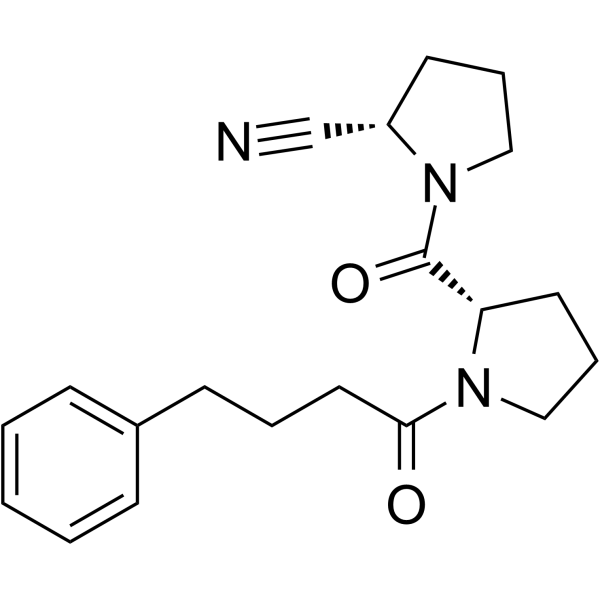
KYP-2047 (Standard) is the analytical standard of KYP-2047 (HY-100475). This product is intended for research and analytical applications. KYP-2047 is a potent and BBB-penetrating prolyl-oligopeptidase (POP) inhibitor, with an Ki value of 0.023 nM. KYP-2047 reduces glioblastoma proliferation through angiogenesis and apoptosis modulation .
|
-
- HY-A0077A
-
-
- HY-173044
-
|
|
5-HT Receptor
Dopamine Receptor
|
Neurological Disease
|
|
5-HT1AR/5-HT6R ligand-1 (Compound PP13) is the ligand for 5-HT receptor that exhibits good affinity to 5-HT1AR, 5-HT6R and 5-HT7R (Ki of 19, 69 and 198 nM, respectively), thereby inhibiting the cAMP production in HEK293 cell with EC50 of 1535, 488 and 53 nM, respectively. 5-HT1AR/5-HT6R ligand-1 exhibits anti-proliferative activity against a variety of cancer cells (IC50 for 1321N1, U87MG, MCF7, and AsPC-1 is 9.6, 13.6, 19.3 and 14.6 μM, respectively). 5-HT1AR/5-HT6R ligand-1 also exhibits antagonist activity for dopamine receptor D2R with Ki of 1903 nM .
|
-
- HY-182958
-
|
|
Hsp-targeting Chimeras
Epigenetic Reader Domain
HSP
|
Cancer
|
|
Hsp70TAC BRD4 Degrader-1 is a degrader targeting BRD4, with a KD value of 0.22 μM. Hsp70TAC BRD4 Degrader-1 forms a ternary complex with Hsp70 (KD: 5.13 μM), and specifically and efficiently degrades intracellular BRD4 via the ubiquitin-proteasome pathway. Hsp70TAC BRD4 Degrader-1 exhibits potent anti-tumor proliferative activity. Hsp70TAC BRD4 Degrader-1 can be used in studies related to triple-negative breast cancer and glioblastoma multiforme. (Pink: BRD4 ligand (HY-78695); Blue: HSP70 ligand (HY-182979); Black: linker (HY-B0236)) .
|
-
- HY-146669
-
|
|
Cholinesterase (ChE)
|
Neurological Disease
|
|
BChE-IN-6 (compound 12) is a potent BChE inhibitor, with a Ki of 0.182 μM. BChE-IN-6 shows chelating capacity on Zn 2+. BChE-IN-6 can be used for Alzheimer’s disease (AD) research .
|
-
- HY-N19938
-
|
|
Reactive Oxygen Species (ROS)
|
Others
|
|
Roseopurpurin B is a polyketide compound found in Aspergillus aculeatus DL1011 and Penicillium roseopurpureum (CMB-MF038), with DPPH scavenging activity. Roseopurpurin B shows no cytotoxicity against human cancer cells, and exhibits no growth inhibitory activity against Gram-positive or Gram-negative bacteria .
|
-
- HY-168969
-
|
|
PROTACs
|
Neurological Disease
Cancer
|
|
AA-BR-157 is a metallothionein 2A (MT2A) PROTAC degrader. AA-BR-157 increases intracellular zinc levels, downregulates DIAPH3, disrupts cytoskeleton remodeling, and reduces the migration and invasion abilities of cancer cells. AA-BR-157 can be used for research on triple-negative breast cancer and glioblastoma .
|
-
- HY-123612
-
|
|
Choline Kinase
Early 2 Factor (E2F)
Fluorescent Dye
|
Neurological Disease
Cancer
|
|
JAS239 is a blood-brain barrier-permeable ChoK inhibitor. JAS239 inhibits phosphocholine synthesis and reduces the expression level of E2F1 protein. JAS239 exhibits near-infrared fluorescence properties. JAS239 exerts anti-tumor activity against glioblastoma. JAS239 can be used in studies related to glioblastoma .
|
-
- HY-182959
-
|
|
Hsp-targeting Chimeras
LYTACs
PD-1/PD-L1
HSP
|
Cancer
|
|
Hsp70TAC PD-1 Degrader-2 is a PD-L1 Hsp70TAC (Hsp70-targeting Chimeras) degrader with Kd values of 0.36 μM. Hsp70TAC PD-1 Degrader-2 forms a ternary complex with Hsp70 and PD-L1 to drive PD-L1 degradation. Hsp70TAC PD-1 Degrader-2 induces degradation of mature membrane-bound PD-L1 in an Hsp70-dependent manner and via caveolin-mediated endocytosis and lysosomal trafficking. Hsp70TAC PD-1 Degrader-2 accumulates preferentially in tumor cells with elevated Hsp70 expression for tumor-selective PD-L1 degradation. Hsp70TAC PD-1 Degrader-2 can be used for the research of cancer, such as breast invasive carcinoma, glioblastoma multiforme, diffuse large b-cell lymphoma . (Pink: PD-1/PD-L1 ligand (HY-19745A); Blue: Hsp70 ligand (HY-182979); Black: linker (HY-182982)).
|
-
- HY-181529
-
|
|
VDAC
PERK
|
Cancer
|
|
NCATS-SM0225 is an endoplasmic reticulum-associated degradation (ERAD) inhibitor and a direct binder of VDAC1, VDAC2 and VDAC3. NCATS-SM0225 exhibits an IC50of 1.02 μM for ERAD and a Kd of 3.13 μM for human VDAC1 binding. NCATS-SM0225 disrupts cellular calcium homeostasis, enhances VDAC1-IP3R coupling and activating PERK. NCATS-SM0225 selectively kills cancer cells, exhibits tumor growth inhibitory effects in melanoma xenograft models. NCATS-SM0225 can be used for research on multiple cancers including melanoma, as well as the molecular mechanisms of ERAD and calcium homeostasis regulation .
|
-
| Cat. No. |
Product Name |
Target |
Research Area |
-
- HY-16532
-
|
AEZS-108; AN-152
|
Peptide-Drug Conjugates (PDCs)
GnRH Receptor
|
Cancer
|
|
Zoptarelin doxorubicin (AEZS-108; AN-152) is a hybrid anticancer agent, containing Zoptarelin and Doxorubicin. Zoptarelin doxorubicin has been used to research targeting tumors expressing LHRH receptors. Zoptarelin doxorubicin abolishes tumor progression and induces remarkable apoptosis in vitro .
|
-
- HY-P11029
-
|
|
Peptides
|
Cancer
|
|
CES (CESPLLSEC) is a homing peptide targeting Synaptosomal associated protein 25 (SNAP25). CES specifically homes in intracranial U87MG and the WT-glioblastoma (GBM) model. CES can be used as a targeting peptide for drug delivery for cancers research .
|
| Cat. No. |
Product Name |
Target |
Research Area |
Image |
-
- HY-P99250
-
|
MetMAb
|
c-Met/HGFR
|
Cancer
|
|
Onartuzumab (MetMAb) is a unique, humanized and affinity-matured monovalent (one-armed) monoclonal antibody against the MET receptor. Onartuzumab potently inhibits HGF binding and receptor phosphorylation and signaling. Onartuzumab has antibody-like pharmacokinetics and antitumor activity .
|
-
(5)
| Cat. No. |
Product Name |
Category |
Target |
Chemical Structure |
-
- HY-12033
-
-
-
- HY-N0662
-
-
-
- HY-B0754A
-
-
-
- HY-B0754
-
-
-
- HY-N3001
-
-
-
- HY-N0662R
-
-
-
- HY-N12834
-
|
|
Apocynaceae
Structural Classification
Plants
Urceola rosea (Hook. & Arn.) D. J. Middleton
Steroids
Source Classification
|
Others
|
|
Ecdysoside B (compound 6b) is a pregnanoside compound isolated from the plant Ecdysanthera rosea. Ecdysoside B and its derivatives and isomers shows anticancer, immunosuppressive and anti-inflammatory activities. Ecdysoside B shows cytotoxicity to a variety of human tumor cell lines, including PANC-1 (human pancreatic cancer cells), A375 (human melanoma cells) and U87 (brain glioma U87 cells). Ecdysoside B can be used for research in the areas of cancer, immunomodulation and anti-inflammato .
|
-
-
- HY-N12887
-
|
|
Natural Products
Marine natural products
Sponge
Source Classification
|
Mitochondrial Metabolism
|
|
Mycothiazole is an inhibitor for mitochondrial electron transport chain (ETC) complex I. Mycothiazole exhibits cytotoxicity in cancer cells Huh7 (IC50 is 55.8 μM), U87 and MCF7. Mycothiazole induces apoptosis in Huh7. Mycothiazole utilizes the unfolded protein response (UPR) and heat shock response (HSR) pathway involved transcription factors ATFS-1 and HSF1, to extend the lifespan of C. elegans .
|
-
-
- HY-12033R
-
-
-
- HY-N12135
-
|
|
Senegalia pennata (L.) Maslin
Terpenoids
Labiatae
Diterpenoids
Plants
Source Classification
|
Others
|
|
15α-Hydroxy-20-oxo-6,7-seco-ent-kaur-16-en-1,7α(6,11α)-diolide (compound 2) is an enantio-kaurene diterpenoid (ent -kaurene diterpenoid), which can be isolated from Rubescens rubescens. 15α-Hydroxy-20-oxo-6,7-seco-ent-kaur-16-en-1,7α(6,11α)-diolide has cellular activity against EC-1, U87, A549, MCF-7 and HeLa cell lines Toxicity, IC50s are 37.69 μM, 79.362 μM, 80.07 μM, 197.35 μM, 462.13 μM, and 180.09 μM respectively .
|
-
-
- HY-N19938
-
-
| Cat. No. |
Product Name |
Chemical Structure |
-
- HY-12033S2
-
|
|
|
2-Methoxyestradiol-d5 is the deuterium labeled 2-Methoxyestradiol. 2-Methoxyestradiol (2-ME2), an orally active endogenous metabolite of 17β-estradiol (E2), is an apoptosis inducer and an angiogenesis inhibitor with potent antineoplastic activity. 2-Methoxyestradiol also destablize microtubules. 2-Methoxyestradio, also a potent superoxide dismutase (SOD) inhibitor and a ROS-generating agent, induces autophagy in the transformed cell line HEK293 and the cancer cell lines U87 and HeLa .
|
-
-
- HY-13768S1
-
|
|
|
Topotecan-d6 is the deuterium labeled Topotecan. Topotecan (SKF 104864A; NSC 609669) is a Topoisomerase I inhibitor. The IC50 values of Topotecan at 24 h are 2.73±0.25 μM of U251 cells, 2.95±0.23 μM of U87 cells, 5.46±0.41 μM of GSCs-U251 and 5.95 μM of GSCs-U87 .
|
-
-
- HY-12033S1
-
|
|
|
2-Methoxyestradiol- 13C6 is the 13C-labeled 2-Methoxyestradiol. 2-Methoxyestradiol (2-ME2), an orally active endogenous metabolite of 17β-estradiol (E2), is an apoptosis inducer and an angiogenesis inhibitor with potent antineoplastic activity. 2-Methoxyestradiol also destablize microtubules. 2-Methoxyestradio, also a potent superoxide dismutase (SOD) inhibitor and a ROS-generating agent, induces autophagy in the transformed cell line HEK293 and the cancer cell lines U87 and HeLa .
|
-
-
- HY-12033S
-
|
|
|
2-Methoxyestradiol- 13C,d3 is the 13C- and deuterium labeled 2-Methoxyestradiol. 2-Methoxyestradiol (2-ME2), an orally active endogenous metabolite of 17β-estradiol (E2), is an apoptosis inducer and an angiogenesis inhibitor with potent antineoplastic activity. 2-Methoxyestradiol also destablize microtubules. 2-Methoxyestradio, also a potent superoxide dismutase (SOD) inhibitor and a ROS-generating agent, induces autophagy in the transformed cell line HEK293 and the cancer cell lines U87 and HeLa .
|
-
-
- HY-B1490AS
-
|
|
|
Imipramine-d6 is the deuterium labeled Imipramine hydrochloride. Imipramine is an orally active tertiary amine tricyclic antidepressant. Imipramine is a Fascin1 inhibitor with antitumor activities. Imipramine also inhibits serotonin transporter with an IC50 value of 32 nM. Imipramine stimulates U-87MG glioma cells autophagy and induces HL-60 cell apoptosis. Imipramine shows neuroprotective and immunomodulatory effects .
|
-
-
- HY-B1490S1
-
|
|
|
Imipramine-d3 (hydrochloride) is deuterium labeled Imipramine (hydrochloride). Imipramine is an orally active tertiary amine tricyclic antidepressant. Imipramine is a Fascin1 inhibitor with antitumor activities. Imipramine also inhibits serotonin transporter with an IC50 value of 32 nM. Imipramine stimulates U-87MG glioma cells autophagy and induces HL-60 cell apoptosis. Imipramine shows neuroprotective and immunomodulatory effects .
|
-
-
- HY-13768S
-
|
|
|
Topotecan-d5 is the deuterium labeled Topotecan. Topotecan (SKF 104864A; NSC 609669) is a Topoisomerase I inhibitor. The IC50 values of Topotecan at 24 h are 2.73±0.25 μM of U251 cells, 2.95±0.23 μM of U87 cells, 5.46±0.41 μM of GSCs-U251 and 5.95±0.24 μM of GSCs-U87 .
|
-
-
- HY-B1490S
-
|
|
|
Imipramine-d4 (hydrochloride) is the deuterium labeled Imipramine hydrochloride. Imipramine hydrochloride is an orally active tertiary amine tricyclic antidepressant. Imipramine hydrochloride is a Fascin1 inhibitor with antitumor activities. Imipramine hydrochloride also inhibits serotonin transporter with an IC50 value of 32 nM. Imipramine hydrochloride stimulates U-87MG glioma cells autophagy and induces HL-60 cell apoptosis. Imipramine hydrochloride shows neuroprotective and immunomodulatory effects .
|
-
-
- HY-B1490AS1
-
|
|
|
Imipramine-d4 is deuterium labeled Imipramine. Imipramine is an orally active tertiary amine tricyclic antidepressant. Imipramine is a Fascin1 inhibitor with antitumor activities. Imipramine also inhibits serotonin transporter with an IC50 value of 32 nM. Imipramine stimulates U-87MG glioma cells autophagy and induces HL-60 cell apoptosis. Imipramine shows neuroprotective and immunomodulatory effects .
|
-
-
- HY-B1490AS3
-
|
|
|
Imipramine-d4-1 is the deuterium labeled Imipramine (HY-W010179). Imipramine is an orally active tertiary amine tricyclic antidepressant. Imipramine is a Fascin1 inhibitor with antitumor activities. Imipramine also inhibits serotonin transporter with an IC50 value of 32 nM. Imipramine stimulates U-87MG glioma cells autophagy and induces HL-60 cell apoptosis. Imipramine shows neuroprotective and immunomodulatory effects .
|
-
| Cat. No. |
Product Name |
|
Classification |
-
- HY-153627
-
|
|
|
Alkynes
|
|
GK13S is a deubiquitinase UCHL1 ligand and inhibitor. GK13S inhibits recombinant and cellular UCHL1. GK13S reduces levels of monoubiquitin in human glioblastoma cells . GK13S is a click chemistry reagent, it contains an Alkyne group and can undergo copper-catalyzed azide-alkyne cycloaddition (CuAAc) with molecules containing Azide groups.
|
Your information is safe with us. * Required Fields.
Inquiry Information
- Product Name:
- Cat. No.:
- Quantity:
- MCE Japan Authorized Agent:

