
Search Result
Results for "
U2OS
" in MedChemExpress (MCE) Product Catalog:
2
Biochemical Assay Reagents
1
Isotope-Labeled Compounds
| Cat. No. |
Product Name |
Target |
Research Areas |
Chemical Structure |
-
- HY-113596
-
|
Acetyl-CoA trisodium
|
Oxidative Phosphorylation
Endogenous Metabolite
Autophagy
|
Metabolic Disease
|
|
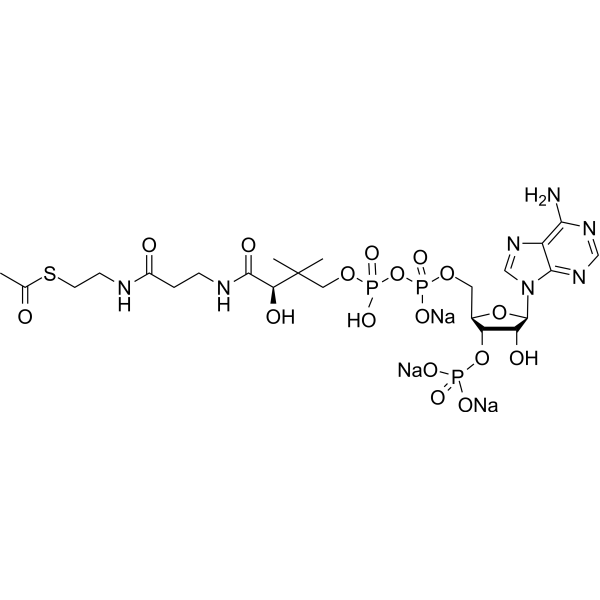
Acetyl-coenzyme A (Acetyl-CoA) trisodium is a membrane-impermeant central metabolic intermediate, participates in the TCA cycle and oxidative phosphorylation metabolism. Acetyl-coenzyme A trisodium, regulates various cellular mechanisms by providing (sole donor) acetyl groups to target amino acid residues for post-translational acetylation reactions of proteins. Acetyl Coenzyme A trisodium is also a key precursor of lipid synthesis [2] .
|
-
-
- HY-108477
-
|
TMP 1363
|
G-quadruplex
Telomerase
Cholinesterase (ChE)
SARS-CoV
|
Cancer
|
|
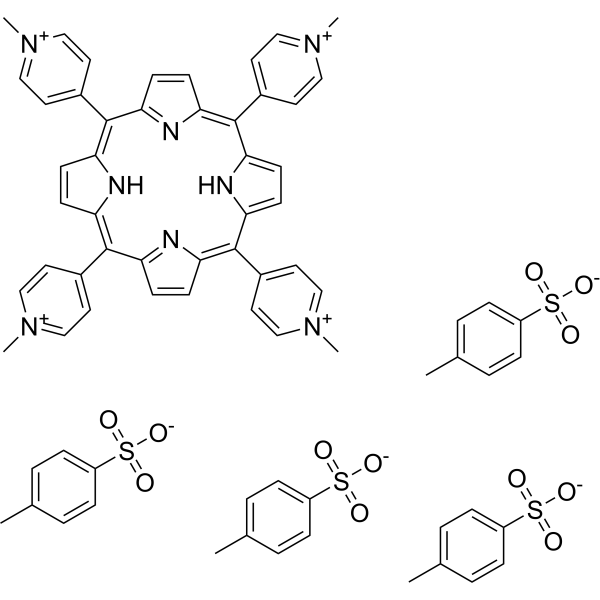
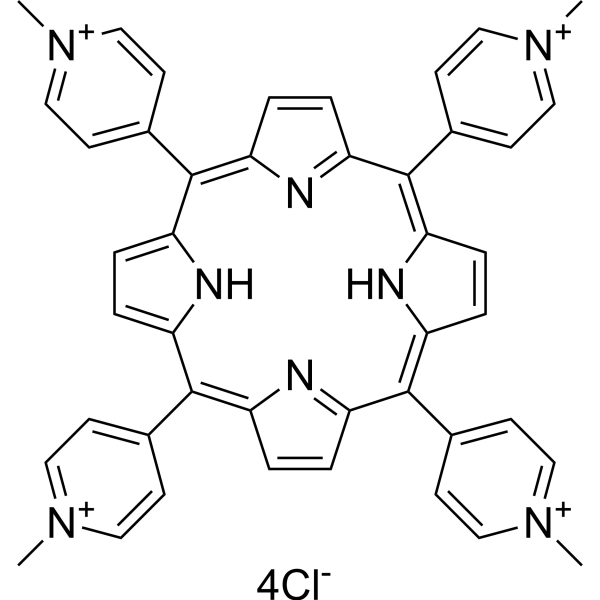
TMPyP4 tosylate (TMP 1363) is a quadruplex-specific ligand. TMPyP4 tosylate inhibits the interaction between G-quadruplexes and IGF-1. TMPyP4 tosylate is a telomerase inhibitor and inhibits cancer cells proliferation. TMPyP4 tosylate is also a stabilizer of nucleic acid secondary structure and an acetylcholinesterase inhibitor. Besides, TMPyP4 tosylate has antiviral activity against SARS-CoV-2 [2] .
|
-
-
- HY-112680A
-
|
|
G-quadruplex
|
Neurological Disease
|
|
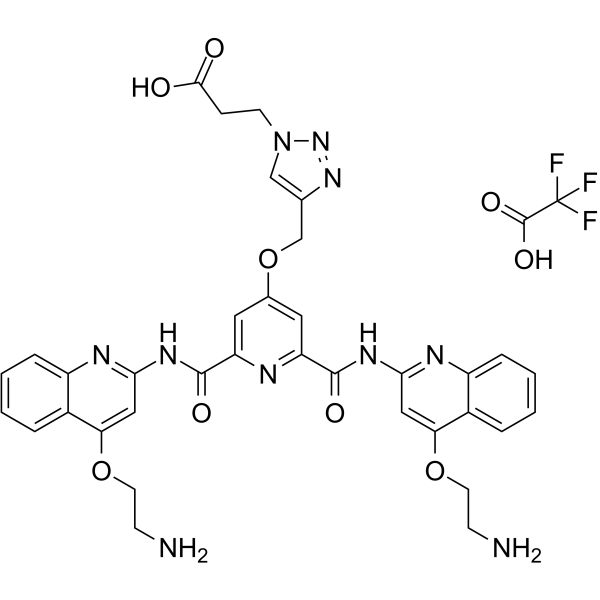
Carboxy pyridostatin trifluoroacetate salt is a G-quadruplex ligand. Carboxy pyridostatin trifluoroacetate salt has a highly molecular specificity to RNA on DNA G4s and reduces ATF-5 protein. Carboxy pyridostatin trifluoroacetate salt reduces cell proliferation and hinders stress granule (SG) formation [2] .
|
-
-
- HY-128892
-
EN6
5 Publications Verification
|
Autophagy
|
Neurological Disease
|
|
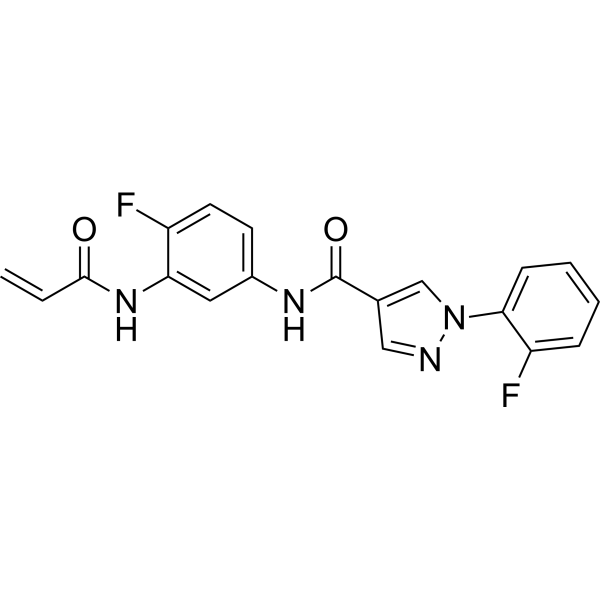
EN6 is a small-molecule in vivo autophagy activator that covalently targets cysteine 277 in the ATP6V1A subunit of the lysosomal v-ATPase. EN6-mediated modification of ATP6V1A uncouples v-ATPase from Rag, leading to inhibition of mTORC1 signalling, increased lysosomal acidification, and activation of autophagy. EN6 also scavenges TDP-43 aggregates (causative agents of frontotemporal dementia) in a lysosome-dependent manner .
|
-
-
- HY-19979
-
|
|
DNA/RNA Synthesis
|
Cancer
|
|
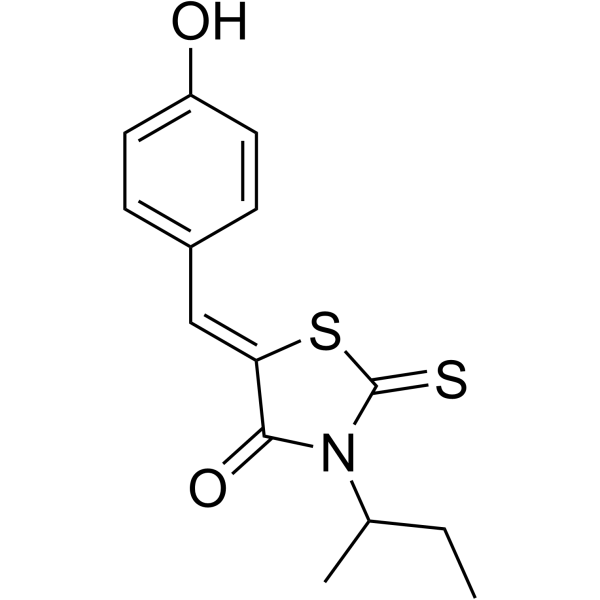
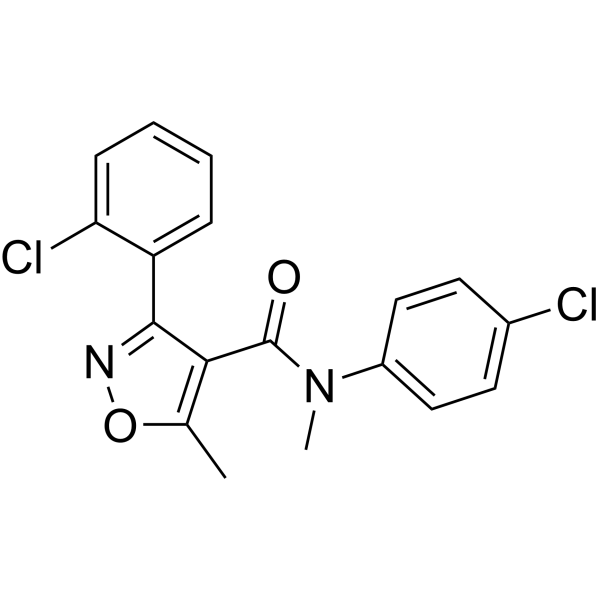
RCM-1 is a forkhead box M1 (FOXM1) inhibitor with an EC50 of 0.72 μM in U2OS cells. RCM-1 blocks the nuclear localization and increased the proteasomal degradation of FOXM1. RCM-1 can be used for asthma and other chronic airway diseases research .
|
-
-
- HY-14229
-
|
CCDC
|
G protein-coupled Bile Acid Receptor 1
Calcium Channel
|
Metabolic Disease
|
|
TGR5 Receptor Agonist (CCDC), a potent Takeda G protein-coupled receptor 5 (TGR5; GPCR19) agonist, shows improved potency in the U2-OS cells and melanophore cells with pEC50s of 6.8 and 7.5, respectively. TGR5 Receptor Agonist can induce peripheral and central hypersensitivity to bladder distension in mice, and increase intracellular Ca 2+ concentration. TGR5 Receptor Agonist can also reduces food intake and improves insulin responsiveness, in diet-induced obese mice. TGR5 Receptor Agonist can be used to research diabetes, bladder hypersensitivity and anti-obesity [2] .
|
-
-
- HY-124754
-
|
BTRX-335140; CYM-53093
|
Opioid Receptor
|
Neurological Disease
Metabolic Disease
|
|
Navacaprant (BTRX-335140) is a selective and orally active κ opioid receptor (KOR) antagonist, has antagonist activity for κOR, μOR and δOR with IC50 values of 0.8 nM, 110 nM, and 6500 nM, respectively.
Navacaprant endows with favorable in vitro ADMET and in vivo pharmacokinetic profiles and medication-like duration of action in rats. Navacaprant distributes well into the CNS and can be used for the research of neuropathy .
|
-
-
- HY-148764
-
|
|
Cryptochrome
Molecular Glues
Apoptosis
|
Cancer
|
|
M47 is a molecular glue that selectively destabilizes Cryptochrome 1 (CRY1) and increases degradation of the CRY1 in the nucleus. M47 enhances apoptosis in Ras-transformed P53-deficient mouse skin fibroblast lines and enhances life span in p53 knockout mice. M47 can be used in research of cancer .
|
-
-
- HY-124586
-
-
-
- HY-151500
-
|
|
Amine N-methyltransferase
|
Metabolic Disease
|
JBSNF-00002 free base is an orally active small molecule inhibitor of the tricyclic nicotinamide N-methyltransferase (NNMT) with IC50 values for human, mouse and monkey sources of NNMT of 33, 210 and 190 nM respectively. JBSNF-00002 free base can reduce endogenous MNA levels in U2OS osteosarcoma cells, with its EC50 being 2.5 μM. JBSNF-00002 free base exhibits significant anti-obesity and anti-diabetic activities in the diet-induced obesity (DIO) model. JBSNF-00002 free base can be used for the study of metabolic diseases such as obesity, type 2 diabetes and non-alcoholic fatty liver disease .
|
-
-
- HY-100789
-
|
|
Apoptosis
Polo-like Kinase (PLK)
Mitosis
|
Cancer
|
|
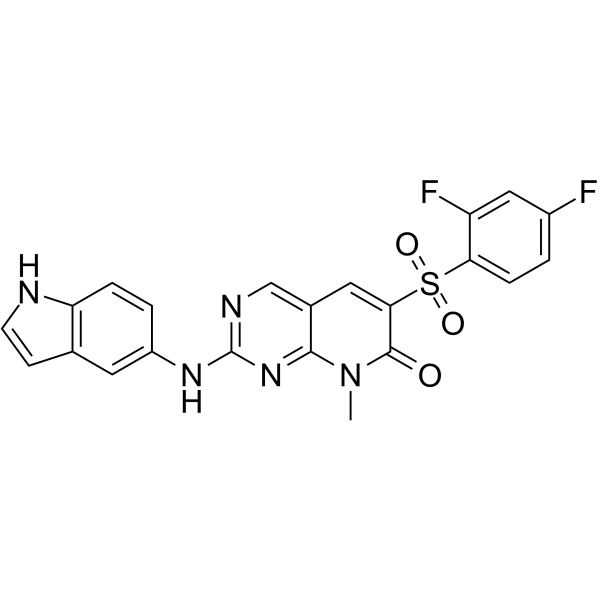
ON1231320 is a highly specific polo like kinase 2 (PLK2) inhibitor with an IC50 of 0.31 μM. ON1231320 blocks tumor cell cycle progression in the G2/M phase in mitosis, causing apoptotic cell death. ON1231320, an arylsulfonyl pyrido-pyrimidinone, has antitumor activity [2].
|
-
-
- HY-153660
-
|
MC-4R Agonist 2
|
Melanocortin Receptor
|
Metabolic Disease
|
|
Bivamelagon (MC-4R Agonist 2) is an orally active MC4R agonist with EC50 values of 0.562 nM (Luci assay) and 36.5 nM (cAMP assay), and a Ki of 65 nM. Bivamelagon can be used for the research of diseases such as obesity and diabetes .
|
-
-
- HY-162289
-
|
|
DNA/RNA Synthesis
|
Neurological Disease
Cancer
|
|
FAZ-3780 is an inhibitor that binds to the NTF2L domain of G3BP1/2. FAZ-3780 binds to the NTF2L nsP3 of G3BP1 with high affinity, with a Kd of 0.15 μM and a Pep-FRET IC50 of 0.7 μM. FAZ-3780 targets the protein-protein interaction domain of G3BP1/2, and specifically inhibits the co-condensation of G3BP1, caprin 1 and RNA in vitro. FAZ-3780 inhibits stress granule formation and disassembles pre-formed stress granules. FAZ-3780 can be used in studies related to cancer and neurodegenerative diseases .
|
-
-
- HY-114293A
-
|
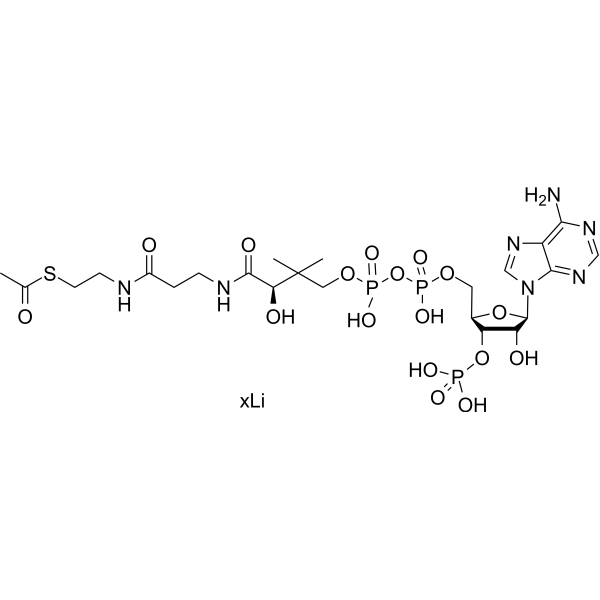
Acetyl-CoA trilithium
|
Oxidative Phosphorylation
Endogenous Metabolite
Autophagy
|
Cardiovascular Disease
Metabolic Disease
|
|
Acetyl-coenzyme A (Acetyl-CoA) trilithium is a membrane-impermeant central metabolic intermediate, participates in the TCA cycle and oxidative phosphorylation metabolism. Acetyl-coenzyme A trilithium regulates various cellular mechanisms by providing (sole donor) acetyl groups to target amino acid residues for post-translational acetylation reactions of proteins. Acetyl Coenzyme A trilithium is also a key precursor of lipid synthesis [2] .
|
-
-
- HY-169053
-
|
|
IKK
NF-κB
|
Cancer
|
SU1261 is an IKK inhibitor with Ki values of 10 nM and 680 nM for IKKα and IKKβ, respectively. SU1261 can inhibit non-canonical NF-κB signaling in U2OS osteosarcoma cells .
|
-
-
- HY-114293
-
|
Acetyl-CoA
|
Oxidative Phosphorylation
Endogenous Metabolite
Autophagy
|
Cardiovascular Disease
Metabolic Disease
|
|
Acetyl-coenzyme A (Acetyl-CoA) is a membrane-impermeant central metabolic intermediate, participates in the TCA cycle and oxidative phosphorylation metabolism. Acetyl-coenzyme A, regulates various cellular mechanisms by providing (sole donor) acetyl groups to target amino acid residues for post-translational acetylation reactions of proteins. Acetyl Coenzyme A is also a key precursor of lipid synthesis [2] .
|
-
-
- HY-111083
-
|
CID23612552
|
GPR55
|
Others
|
|
ML-191 is an antagonist of GPR55. It inhibits GPR55 signaling induced by lysophosphatidylinositol (EC50=1.076 µM in U2OS cells overexpressing GPR55). ML-191 inhibits LPI-induced phosphorylation of ERK1/2 (IC50=328 nM) and receptor-dependent translocation of PKCβII when used at a concentration of 30 µM .
|
-
-
- HY-157251
-
|
|
Histone Methyltransferase
|
Cancer
|
|
UNC8153 TFA is a potent and selective nuclear receptor-binding SET domain-containing 2 (NSD2)-targeted degrader with a Kd of 24 nM. UNC8153 TFA reduces the cellular levels of both NSD2 protein (DC50 in cell U2OS is 0.35 μM) and the H3K36me2 chromatin mark. UNC8153 TFA contains a simple warhead that confers proteasome-dependent degradation of NSD2 .
|
-
-
- HY-147066
-
|
|
DYRK
|
Cancer
|
|
Dyrk1A-IN-4 is a potent and orally active Dyrk1A inhibitor. Dyrk1A-IN-4 exhibits IC50s against DYRK1A and DYRK2 of 2 nM and 6 nM. Dyrk1A-IN-4 exhibits the inhibition of the DYRK1A pSer520 autophosphorylation in U2OS cells with an IC50 of 28 nM. Dyrk1A-IN-4 can be used for the studies of ovarian adenocarcinoma, neuroblastoma and cervical squamous cell carcinoma .
|
-
-
- HY-136726
-
|
CINK4
|
CDK
|
Cancer
|
|
GP-82996 (CINK4) is a pharmacological inhibitor of CDK4/6. GP-82996 has IC50s of 1.5, 5.6 and 25 μM for CDK4/cyclin D1, CDK6/cyclin D1 and Cdk5/p35, respectively. GP-82996 induces the apoptosis of cancer cells U2OS. GP-82996 can be used in the research of cancer [2].
|
-
-
- HY-151500B
-
|
|
Amine N-methyltransferase
|
Metabolic Disease
|
JBSNF-00002 hydrochloride is an orally active small molecule inhibitor of the tricyclic nicotinamide N-methyltransferase (NNMT) with IC50 values for human, mouse and monkey sources of NNMT of 33, 210 and 190 nM respectively. JBSNF-00002 hydrochloride can reduce endogenous MNA levels in U2OS osteosarcoma cells, with its EC50 being 2.5 μM. JBSNF-00002 hydrochloride exhibits significant anti-obesity and anti-diabetic activities in the diet-induced obesity (DIO) model. JBSNF-00002 hydrochloride can be used for the study of metabolic diseases such as obesity, type 2 diabetes and non-alcoholic fatty liver disease .
|
-
-
- HY-148078
-
PFM03
3 Publications Verification
|
Endonuclease
|
Others
|
|
PFM03 is a MRE11 Endonuclease inhibitor. PFM03 regulates DNA double-strand break repair (DSBR) by nonhomologous end-joining (NHEJ) .
|
-
-
- HY-113596A
-
|
Acetyl-CoA lithium
|
Oxidative Phosphorylation
Endogenous Metabolite
Autophagy
|
Cardiovascular Disease
Metabolic Disease
|
|
Acetyl-coenzyme A (Acetyl-CoA) lithium is a membrane-impermeant central metabolic intermediate, participates in the TCA cycle and oxidative phosphorylation metabolism. Acetyl-coenzyme A lithium, regulates various cellular mechanisms by providing (sole donor) acetyl groups to target amino acid residues for post-translational acetylation reactions of proteins. Acetyl Coenzyme A lithium is also a key precursor of lipid synthesis [2] .
|
-
-
- HY-N8439
-
|
Phx-3
|
HSP
Bacterial
Antibiotic
|
Infection
Cancer
|
|
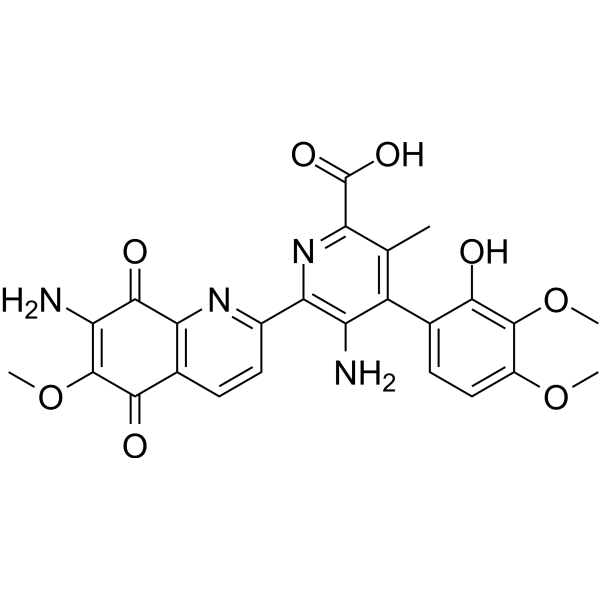
Questiomycin A (Phx-3) is a GRP78 (cytoprotective endoplasmic reticulum chaperone) degrader and enhances the anticancer activity of Sorafenib. Questiomycin A is also an antimicrobial/antibiotic that can be obtained from the metabolite of Pseudomonas chlororaphis HT66. Questiomycin A can be used in research on biological control of cancer and plant diseases [2].
|
-
-
- HY-P10426
-
|
|
HIF/HIF Prolyl-Hydroxylase
VEGFR
|
Cancer
|
|
cyclo(CLLFVY) is an inhibitor for hypoxia inducible factor-1 (HIF-1), with IC50 of 19 μM (in U2OS) and 16 μM (in MCF-7). cyclo(CLLFVY) binds to the PAS-B domain of HIF-1α, inhibits HIF-1 dimerization and transcriptional activity. cyclo(CLLFVY) downregulates the expression of hypoxia response genes, such as VEGF and CAIX, exhibits antitumor against the HIF-1 associated cancers .
|
-
-
- HY-174996
-
|
|
PROTACs
Epigenetic Reader Domain
Apoptosis
|
Cancer
|
|
NEP162 is a BRD4 PROTAC degrader with DC50s of 1.2 and 1.6 μM in SW480 and U2OS cells. NEP162 exhibits antiproliferative activity, effectively inhibits tumor growth and induces apoptosis. NEP162 can be used for the study of osteosarcoma, colorectal cancer and non-small cell lung cancer, etc. (Pink: BRD4 ligand : (HY-78695), Blue: E3 ligase Ligand (HY-D2259), BLACK: Linker, E3 ligase ligand-linker conjugate (HY-174997)) .
|
-
-
- HY-114208A
-
|
|
Histone Methyltransferase
|
Cancer
|
|
BI-9321 trihydrochloride is a potent, selective and cellular active nuclear receptor-binding SET domain 3 (NSD3)-PWWP1 domain antagonist with a Kd value of 166 nM. BI-9321 trihydrochloride is inactive against NSD2-PWWP1 and NSD3-PWWP2. BI-9321 trihydrochloride specifically disrupts histone interactions of the NSD3-PWWP1 domain with an IC50 of 1.2 μM in U2OS cells .
|
-
-
- HY-175479
-
|
|
Salt-inducible Kinase (SIK)
TNF Receptor
Interleukin Related
|
Inflammation/Immunology
|
|
GLPG4970 is a potent, selective and orally active salt-inducible kinase 2/3 (SIK2/SIK3) dual inhibitor with IC50 values of 0.3 nM and 0.7 nM. GLPG4970 has weak inhibition of hERG channel with an IC50 of 29 μM. GLPG4970 can decrease TNFα release and increase IL-10 release GLPG4970 can be used for the researches of inflammation and immunology, such as colitis .
|
-
-
- HY-12442
-
|
|
STAT
Apoptosis
|
Cancer
|
|
LY5 is a STAT3 inhibitor with an IC50 value of 0.5 μM. LY5 induces apoptosis and inhibits STAT3 phosphorylation. LY5 shows antitumor activity in vivo, it can be used for the research of cancer .
|
-
-
- HY-148948
-
|
|
NAMPT
|
Neurological Disease
|
|
NAMPT activator-3, a NAT derivative, is a NAMPT activator with an EC50 of 2.6 μM and a KD of 132 nM. NAMPT activator-3 effectively protects cultured cells from FK866 (HY-50876)-mediated toxicity. NAMPT activator-3 exhibits strong neuroprotective efficacy in a chemotherapy-induced peripheral neuropathy (CIPN) mouse model without any overt toxicity .
|
-
-
- HY-117213
-
|
S1P1-IN-Ex26
|
LPL Receptor
|
Neurological Disease
Metabolic Disease
Inflammation/Immunology
|
|
Ex26 (S1P1-IN-Ex26) is a potent and selective sphingosine 1-phosphate receptor 1 (S1P1) antagonist (IC50=0.93 nM). Ex26 shows >3,000-fold selectivity for S1P1 over other Sphingosine 1-phosphate receptors. Ex26 can be used in experimental autoimmune encephalomyelitis reseach .
|
-
-
- HY-112680
-
|
|
G-quadruplex
|
Neurological Disease
|
|
Carboxypyridostatin is a G-quadruplex ligand. Carboxypyridostatin has a highly molecular specificity to RNA on DNA G4s and reduces ATF-5 protein. Carboxypyridostatin reduces cell proliferation and hinders stress granule (SG) formation [2] .
|
-
-
- HY-156135
-
|
|
MDM-2/p53
RET
DNA/RNA Synthesis
Apoptosis
Caspase
|
Endocrinology
Cancer
|
|
NSC194598 is a p53 DNA-binding inhibitor with an IC50 value of 180 nM. NSC194598 inhibits p53 DNA binding and induction of target genesn when p53 is stabilized and activated by irradiation or chemotherapy. NSC194598 can interfere with transcriptional activation of mutated rearranged during transfection (RET) gene, induce apoptosis and G0/G1 phase arrest. NSC194598 can be used for the researches of acute radiation toxicity and medullary thyroid carcinoma [2].
|
-
-
- HY-157251A
-
|
|
Histone Methyltransferase
|
Cancer
|
|
UNC8153 is a potent and selective nuclear receptor-binding SET domain-containing 2 (NSD2)-targeted degrader with a Kd of 24 nM. UNC8153 reduces the cellular levels of both NSD2 protein (DC50 in cell U2OS is 0.35 μM) and the H3K36me2 chromatin mark. UNC8153 contains a simple warhead that confers proteasome-dependent degradation of NSD2 .
|
-
-
- HY-P3730
-
|
|
CDK
|
Cancer
|
|
Cdk2/Cyclin Inhibitory Peptide I (Tat-LFG), a CDK2 inhibitor, kills U2OS osteosarcoma cells in a dose-dependent manner .
|
-
-
- HY-W011215
-
|
|
Apoptosis
Reactive Oxygen Species (ROS)
|
Inflammation/Immunology
|
|
Dihexyl phthalate is one of the commonly used phthalate esters in various plastics and consumer products. Dihexyl phthalate is classified as a priority pollutant and an endocrine disruptor. Dihexyl phthalate can induce reactive oxygen species (ROS) accumulation, promote inflammation, and lead to significant increases in apoptosis and inflammation-related gene expression levels. Dihexyl phthalate can cause testicular atrophy and is a reproductive toxicant [2].
|
-
-
- HY-163499
-
|
|
NAMPT
|
Cancer
|
|
NAMPT activator-7 (Compound 232) is an activator for nicotinamide phosphoribosyltransferase (NAMPT), with EC50 < 0.5 μM. NAMPT activator-7 activates NAMPT in cells U2OS with cellular EC50 of < 0.5 μM .
|
-
-
- HY-163500
-
|
|
NAMPT
|
Cancer
|
|
NAMPT activator-8 (Compound 278) is an activator for nicotinamide phosphoribosyltransferase (NAMPT), with EC50 < 0.5 μM. NAMPT activator-8 activates NAMPT in cells U2OS with cellular EC50 of < 0.5 μM .
|
-
-
- HY-115570
-
|
GW108X
|
Kinesin
ULK
Autophagy
|
Cancer
|
|
GW406108X is a specific Kif15 (Kinesin-12) inhibitor with an IC50 of 0.82 uM in ATPase assays. GW406108X, a potent autophagy inhibitor, shows ATP competitive inhibition against ULK1 with a pIC50 of 6.37 (427 nM). GW406108X inhibits ULK1 kinase activity and blocks autophagic flux, without affecting the upstream signaling kinases mTORC1 and AMPK [2].
|
-
-
- HY-134828
-
AZ506
2 Publications Verification
|
Histone Methyltransferase
|
Cancer
|
|
AZ506 is a potent SMYD2 inhibitor with an IC50 of 17 nM. AZ506 inhibits SMYD2 methyltransferase activity in cells, leading to a decrease in the SMYD2-mediated methylation signal .
|
-
-
- HY-154852
-
|
|
GSK-3
CDK
|
Neurological Disease
|
|
GSK-3 inhibitor 4 is an orally active and brain-penetrant inhibitor of GSK-3, CDK2, and CDK5, with IC50 values of 0.56 nM (GSK-3β), 0.45 nM (GSK-3α), 0.47 μM, and 0.68 μM, respectively. GSK-3 inhibitor 4 effectively reduces the phosphorylation level of Tau protein. GSK-3 inhibitor 4 can be used in Alzheimer's disease (AD) studies .
|
-
-
- HY-I0450
-
|
|
Drug Derivative
|
Cancer
|
|
Anticancer agent 265 (compound 1) is an anticancer compound. Anticancer agent 265 exhibits in vitro anticancer activity against three human bone cancer lines, U2OS, Saos-2, and GC9811, with IC50 values of 13.1, 11.7, and 14.6 μM, respectively .
|
-
-
- HY-128221
-
|
|
SGK
|
Inflammation/Immunology
|
|
SGK1-IN-5 (Compound 1) is an inhibitor for serum and glucocorticoid regulated kinase SGK 1 with an IC50 of 3 nM. SGK1-IN-5 inhibits SGK-1 dependent phosphorylation of GSK3β in U2OS cells with an IC50 of 1.4 μM. SGK1-IN-5 can be used in research about osteoarthritis or rheumatism .
|
-
-
- HY-114208
-
|
|
Histone Methyltransferase
|
Cancer
|
|
BI-9321, a chemical probe, is a potent, selective and cellular active nuclear receptor-binding SET domain 3 (NSD3)-PWWP1 domain antagonist with a Kd value of 166 nM. BI-9321 is inactive against NSD2-PWWP1 and NSD3-PWWP2. BI-9321 specifically disrupts histone interactions of the NSD3-PWWP1 domain with an IC50 of 1.2 μM in U2OS cells .
|
-
-
- HY-N10073
-
|
|
Others
|
Cancer
|
|
Eupahualin C is a sesquiterpene lactone that can be isolated from Eupatorium hualienense. Eupahualin C shows cytotoxicity to K562 and U2OS cancer cells .
|
-
-
- HY-151500A
-
|
|
Amine N-methyltransferase
|
Metabolic Disease
|
JBSNF-00002 TFA is an orally active small molecule inhibitor of the tricyclic nicotinamide N-methyltransferase (NNMT) with IC50 values for human, mouse and monkey sources of NNMT of 33, 210 and 190 nM respectively. JBSNF-00002 TFA can reduce endogenous MNA levels in U2OS osteosarcoma cells, with its EC50 being 2.5 μM. JBSNF-00002 TFA exhibits significant anti-obesity and anti-diabetic activities in the diet-induced obesity (DIO) model. JBSNF-00002 TFA can be used for the study of metabolic diseases such as obesity, type 2 diabetes and non-alcoholic fatty liver disease .
|
-
-
- HY-N7385
-
|
|
MMP
Apoptosis
|
Cancer
|
|
Nudol is a phenanthrene compound that has anti-cancer activity. Nudol inhibits cell proliferation, induces cell apoptosis. Nudol inhibits MMP-2M and MMP-9 activity (Ki: 988.9 nM, 1.76 μM, respectively). Nudol can be used in the research of cancers, such as osteosarcoma [2].
|
-
-
- HY-139149
-
|
|
Histone Acetyltransferase
|
Cancer
|
|
NiCur is a potent and selective CBP histone acetyltransferase (HAT) inhibitor with an IC50 value of 0.35 μΜ. NiCur, which blocks CBP HAT activity and downregulates p53 activation upon genotoxic stress. NiCur can be used for performing mechanistic studies without affecting the expression of target proteins .
|
-
-
- HY-151799
-
|
|
p62
E1/E2/E3 Enzyme
Apoptosis
|
Cancer
|
|
P62-RNF168 agonist-1 (compound 5a) is a low cytotoxicity P62-RNF168 agonist that enhances the interaction between P62 and RNF168. P62-RNF168 agonist-1 induces a reduction in H2A ubiquitination mediated by RNF168 and impairs homologous recombination-mediated DNA repair. P62-RNF168 agonist-1 also inhibits the growth of xenograft tumors in mice in a dose-dependent manner .
|
-
-
- HY-151500C
-
|
|
Amine N-methyltransferase
|
Metabolic Disease
|
JBSNF-00002 is an orally active small molecule inhibitor of the tricyclic nicotinamide N-methyltransferase (NNMT) with IC50 values for human, mouse and monkey sources of NNMT of 33, 210 and 190 nM respectively. JBSNF-00002 can reduce endogenous MNA levels in U2OS osteosarcoma cells, with its EC50 being 2.5 μM. JBSNF-00002 exhibits significant anti-obesity and anti-diabetic activities in the diet-induced obesity (DIO) model. JBSNF-00002 can be used for the study of metabolic diseases such as obesity, type 2 diabetes and non-alcoholic fatty liver disease .
|
-
- HY-158318
-
|
|
DNA/RNA Synthesis
|
Cancer
|
|
NUDT5/14 antagonist 1 (Compound 9) is a selective, dual antagonist for nucleotide diphosphate kinase NUDT5 and NUDT14, with IC50 of 0.27 and 0.16 μM, respectively. NUDT5/14 antagonist 1 binds to Bruton’s tyrosine kinase (BTK) with an IC50 of 0.377 μM .
|
-
- HY-144650
-
|
|
Apoptosis
HSP
|
Cancer
|
|
Hsp90-Cdc37-IN-3 (Compound 9) is a novel celastrol−imidazole derivative with anticancer activity. Hsp90-Cdc37-IN-3 inhibits Hsp90−Cdc37 by covalent-binding, and induces apoptosis .
|
-
- HY-110315
-
|
|
Apoptosis
MDM-2/p53
Epigenetic Reader Domain
|
Cardiovascular Disease
|
|
Ischemin sodium is a CBP bromodomain inhibitor that inhibits p53 interaction with CBP and transcriptional activity in cells. Ischemin sodium salt inhibits p53-induced p21 activation with an IC50 value of 5 µM. Ischemin sodium salt also prevents apoptosis in ischemic cardiomyocytes. Ischemin sodium salt can be used in the study of cardiovascular diseases (such as myocardial ischemia) .
|
-
- HY-148246
-
|
|
TGF-β Receptor
|
Cancer
|
|
MU1700, a chemical probe, is an orally active and potent ALK1/2 inhibitor with IC50s of 13 nM and 6 nM, respectively. MU1700 shows cell membrane permeability and high brain permeability .
|
-
- HY-156240
-
|
|
E1/E2/E3 Enzyme
Keap1-Nrf2
|
Metabolic Disease
|
|
DI-1548 is a potent, selective, and irreversible covalent inhibitor of DCN1 (IC50 = 4.6 nM). DI-1548 potently and selectively inhibits cullin 3 neddylation at nanomolar concentrations, and exhibits no obvious effect on the neddylation of other cullin members (including cullin 1, 2, 4A, 4B, and 5). DI-1548 exhibits no cytotoxicity. DI-1548 covalently binds to DCN1, disrupting the DCN1-UBC12 interaction, causing the collapse of the neddylation complex, inactivating CRL3, leading to NRF2 accumulation and upregulation of its target genes, and ultimately protecting mice from liver damage. DI-1548 can be used in liver injury research .
|
-
- HY-169296
-
|
|
IMPDH
|
Cancer
|
|
IMPDH2-IN-4 (Compound 2d) is a selective IMPDH2 inhibitor with a Ki,app value of 1.8 μM. IMPDH2-IN-4 exhibits anti-cancer activity against osteosarcoma. IMPDH2-IN-4 can be used in research related to osteosarcoma .
|
-
- HY-124132
-
|
|
Autophagy
|
Cancer
|
|
Autophagy-IN-4 (Compound 34) is an autophagy inhibitor, with an EC50 of 0.5 μM and a LD50 of 27 μM for U2OS cells .
|
-
- HY-14229R
-
|
CCDC (Standard)
|
G protein-coupled Bile Acid Receptor 1
Calcium Channel
Reference Standards
|
Metabolic Disease
|
|
TGR5 Receptor Agonist (Standard) is the analytical standard of TGR5 Receptor Agonist. This product is intended for research and analytical applications. TGR5 Receptor Agonist (CCDC), a potent Takeda G protein-coupled receptor 5 (TGR5; GPCR19) agonist, shows improved potency in the U2-OS cells and melanophore cells with pEC50s of 6.8 and 7.5, respectively. TGR5 Receptor Agonist can induce peripheral and central hypersensitivity to bladder distension in mice, and increase intracellular Ca2+ concentration. TGR5 Receptor Agonist can also reduces food intake and improves insulin responsiveness, in diet-induced obese mice. TGR5 Receptor Agonist can be used to research diabetes, bladder hypersensitivity and anti-obesity [2] .
|
-
- HY-P3731
-
|
|
CDK
|
Cancer
|
|
Cdk2/Cyclin Inhibitory Peptide II (Tat-LDL), a CDK2 inhibitor, kills U2OS osteosarcoma cells in a dose-dependent manner .
|
-
- HY-109015S
-
|
Chidamide-d4; HBI-8000-d4; CS 055-d4
|
Isotope-Labeled Compounds
HDAC
|
Cancer
|
|
Tucidinostat-d4 is the deuterium labeled Tucidinostat. Tucidinostat is a potent and orally bioavailable HDAC enzymes class I (HDAC1/2/3) and class IIb (HDAC10) inhibitor, with IC50s of 95, 160, 67 and 78 nM, respectively .
|
-
- HY-161863
-
|
|
Microtubule/Tubulin
Reactive Oxygen Species (ROS)
Apoptosis
|
Cancer
|
|
Tubulin polymerization-IN-67 (Compound 5h) is an inhibitor for tubulin polymerization on colchicine binding site with an IC50 of 2.92 μM. Tubulin polymerization-IN-67 inhibits the proliferation of cancer cells HT29, A549, U2OS, MG-63 and HeLa with IC50s of 0.12-4.13 μM. Tubulin polymerization-IN-67 arrests the cell cycle at G2/M phase, induces apoptosis in cell U2OS, inhibits the cell migration of A549. Tubulin polymerization-IN-67 reduces the mitochondrial membrane potential (MMP) and increase intracellular ROS, inhibits the angiogenesis in HUVECs. Tubulin polymerization-IN-67 exhibits antitumor efficacy in mice
|
-
- HY-169418
-
|
|
Microtubule/Tubulin
Apoptosis
|
Cancer
|
|
Tubulin polymerization-IN-71 (Compound 4k) is an inhibitor for tubulin polymerization with an IC50 of 3.06 μM. Tubulin polymerization-IN-71 inhibits the proliferation of cancer cell MG-63 and U2OS with IC50 of 0.08-0.14 μM. Tubulin polymerization-IN-71 arrests the cell cycle at G2/M phase, and induces apoptosis in MG-63 .
|
-
- HY-170301
-
|
|
Quinone Reductase
Keap1-Nrf2
|
Others
|
|
Keap1-IN-1 (Compound 27) is the inhibitor for Keap1, that covalently modifys the Cys151 site in the BTB domain of KEAP1, and interfers with the interaction between Keap-Nrf. Keap1-IN-1 upregulates the mRNA expression of the antioxidant stress element (ARE)-dependent gene NQO1 with an EC50 of 160 nM. Keap1-IN-1 exhibits cytotoxicity in cell U2OS with an EC50 of 527 nM .
|
-
- HY-103453
-
|
|
Estrogen Receptor/ERR
|
Endocrinology
|
|
(R)-DPN (compound 3) is a selective ERβ ligand with EC50s of 2.9, 0.8 nM for ERα and ERβ, respectively. (R)-DPN shows a very high affinity and potency preference for ERβ over ERα. (R)-DPN shows cytoxicity for HEC-1 and U2OS cells with EC50s of 286, 205 nM, respectively .
|
-
- HY-161860
-
|
|
Bacterial
|
Cancer
|
|
Antibacterial agent 233 (Compound 7c) exhibits inhibitory efficacy against Helicobacter pylori with MIC of 0.4-1.6 μg/mL. Antibacterial agent 233 inhibits jack bean urease (IC50 is 0.27 μg/mL), changes the permeability of H. pylori cell membrane, causes the leakage of cellular contents. Antibacterial agent 233 exhibits metabolic stability in whole blood and artificial gastric fluid. Antibacterial agent 233 exhibits antitumor efficacy against U2OS in mice .
|
-
- HY-161628
-
|
|
Topoisomerase
|
Cancer
|
|
Tapcin is a dual inhibitor for topoisomerase I and topoisomerase II, with IC50 of 203 and 71 nM. Tapcin inhibits proliferations of cancer cells A-375, HeLa, Huh7.5, U2-OS, A549, Caco-2 and HT29, with IC50s of 441, 1.04, 40.5, 0.002, 0.006, 0.287 and 0.842 nM, respectively. Tapcin exhibits antitumor activity in HT29 xenograft model .
|
-
- HY-163518
-
|
|
E1/E2/E3 Enzyme
|
Cancer
|
|
Antitumor agent-153 (compound 11b) is an optimized H2A histone ubiquitination inhibitor based on PRT4165 (HY-19817). Antitumor agent-153 inhibits the viability of human osteosarcoma U2OS cells and reduces histone H2A monoubiquitination, exhibiting anticancer activity .
|
-
- HY-146080
-
|
|
Apoptosis
|
Cancer
|
|
Antitumor agent-61 (Compound 9b), Irinotecan (Ir) derivative, is a potential antitumor agent. Antitumor agent-61 displays potent activity with IC50s of 0.92, 1.39, 1.75, 2.20, 3.05 and 3.23 μM against five human cancer cells SK-OV-3, SK-OV-3/CDDP, U2OS, MCF-7, A549 and MG-63, respectively. Antitumor agent-61 induces SK-OV-3 cells apoptosis through mitochondrion pathways .
|
-
- HY-122645
-
|
|
Epigenetic Reader Domain
|
Cancer
|
|
SMARCA2-IN-4 (Compound 26) is an inhibitor for SWI/SNF chromatin remodeling complexe SMARCA by targeting the bromodomains. SMARCA2-IN-4 exhibits high affinity for PB1(5), SMARCA2B and SMARCA4 with Kd of 124, 262 and 417 nM .
|
-
- HY-172531
-
|
|
Dynamin
Ras
|
Neurological Disease
|
|
Sulfonadyn-47 is a GTP-competitive dynamin I (dynI) inhibitor that targets the active site in the GTPase domain of dynamin I, with IC50 values of 3.5 μM against dynI, 27.3 μM in clathrin-mediated endocytosis (CME) assays, and 12.3 μM in synaptic vesicle endocytosis (SVE) assays. Sulfonadyn-47 increases seizure threshold. Sulfonadyn-47 can be used the study for the seizure.
|
-
- HY-153660A
-
|
MC-4R Agonist 2 hydrochloride
|
Melanocortin Receptor
|
Metabolic Disease
|
|
Bivamelagon (MC-4R Agonist 2) hydrochloride is an orally active and BBB-penetrable MC4R agonist with EC50 values of 0.562 nM (Luci assay) and 36.5 nM (cAMP assay), and a Ki of 65 nM. Bivamelagon hydrochloride can be used for the research of diseases such as obesity and diabetes .
|
-
- HY-163460
-
-
- HY-171035
-
|
|
Quinone Reductase
Keap1-Nrf2
Aminotransferases (Transaminases)
|
Metabolic Disease
|
|
PRL-295 is an orally active inhibitor targeting Keap1-Nrf2 interaction. PRL-295 increases the thermal stability of Keap1 and disrupts its interaction with Nrf2, thereby activating the Nrf2-dependent transcriptional target NAD(P)H:quinone oxidoreductase 1 (NQO1). PRL-295 protects against Acetaminophen (HY-66005)-induced liver injury in mice .
|
-
- HY-110315A
-
|
|
Epigenetic Reader Domain
Apoptosis
MDM-2/p53
|
Cardiovascular Disease
|
|
Ischemin is a CBP bromodomain inhibitor that inhibits p53 interaction with CBP and transcriptional activity in cells. Ischemin inhibits p53-induced p21 activation with an IC50 value of 5 µM. Ischemin also prevents apoptosis in ischemic cardiomyocytes. Ischemin can be used in the study of cardiovascular diseases (such as myocardial ischemia) .
|
-
- HY-159798
-
|
|
PROTACs
p38 MAPK
|
Cancer
|
|
NR-11c is a selective and potent p38α PROTAC degrader. NR-11c effectively degrades p38α in a variety of tumor cells. When administered intraperitoneally or intravenously to mice, NR-11c primarily acts in the liver. NR-11c can be used in cancer research. (Pink: p38α inhibitor 5 (HY-159799); Black: linker (HY-159800); Blue: VHL E3 ligase ligand (HY-112078)) .
|
-
- HY-110347
-
|
|
Mps1
|
Cancer
|
|
Mps1-IN-1 dihydrochloride is a potent and ATP-competitive Mps1 kinase inhibitor with an IC50 of 367 nM. Mps1-IN-1 dihydrochloride inhibit Mps1 mitotic kinase activity and abrogates spindle assembly checkpoint (SAC) function. Mps1-IN-1 dihydrochloride decreases the viability of both cancer and ‘normal’ cells .
|
-
- HY-P3730A
-
|
|
CDK
|
Cancer
|
|
Cdk2/Cyclin Inhibitory Peptide I (Tat-LFG) acetate, a CDK2 inhibitor, kills U2OS osteosarcoma cells in a dose-dependent manner .
|
-
- HY-183802
-
|
|
PROTACs
Histone Acetyltransferase
|
Cancer
|
|
PROTAC CBP/P300 Degrader-4 is a p300/CBP PROTAC degrader with DC50 of 17.4 nM and 10.2 nM against p300 and CBP in U2OS cells, respectively. PROTAC CBP/P300 Degrader-4 forms ternary complexes with p300 or CBP and an E3 ligase, drives ubiquitination, and mediates proteasomal degradation. PROTAC CBP/P300 Degrader-4 can be used for the research of hematological malignancies .
|
-
- HY-103455
-
|
|
Estrogen Receptor/ERR
|
Others
|
|
ZK164015 is an estrogen-glucocorticoid receptor chimera that can be used as a compound screening tool to evaluate tissue-selective estrogen activity. ZK164015 was used to evaluate its effects on ER function in osteoblasts in studies based on green fluorescent protein (GFP)-receptor chimeras. In osteoblast-like (ROS and U2OS) and breast cancer (MCF7) cells, ZK164015 showed different effects in response to ER agonists, including modulation of ERE-luc activity and effects on nuclear mobility.
|
-
- HY-117846
-
|
|
DNA/RNA Synthesis
|
Cancer
|
|
MLAF50 is apotent REV1 UBM2-Ubiquitin interaction inhibitor. MLAF50 inhibits chromatin co-localization of REV1 with PCNA following DNA-damage induction .
|
-
- HY-P10286
-
|
|
MDM-2/p53
|
Cancer
|
|
Phage-derived 12/1 peptide exhibits antitumor activity by targeting MDM2 and MDMX, an thus disrupt the MDM2-p53 and MDMX-p53 interaction, with IC50 of 0.15 and 1.25 μM .
|
-
- HY-115570A
-
|
(Z/E)-GW108X
|
Kinesin
ULK
Autophagy
|
Cancer
|
|
(Z/E)-GW406108X is a mixture of different configurations of GW406108X (HY-115570). GW406108X is a specific Kif15 (Kinesin-12) inhibitor with an IC50 of 0.82 uM .
|
-
- HY-168890
-
|
|
Telomerase
Apoptosis
|
Cancer
|
|
TRF2-IN-1 (compound F2) is a potent telomere repeat-binding factor 2 (TRF2) inhibitor. TRF2-IN-1 shows antiproliferative activity. TRF2-IN-1 induces apoptosis. TRF2-IN-1 directly bind to the TRF2TRFH domain and selectively inhibits TRF2 protein expression and telomeric localization. TRF2-IN-1 shows anticancer activity. TRF2-IN-1 has the potential for the research of osteosarcoma .
|
-
- HY-200129
-
|
|
DNA/RNA Synthesis
|
Cancer
|
|
PCNA-IN-1 (Compound 11) is a PCNA/PIP-box interaction inhibitor, with IC50 of >50 μM. PCNA-IN-1 can be used in research of cancer .
|
-
- HY-174429
-
|
|
HSV
|
Infection
|
|
HSV-1-IN-3 (Compound A50) is a HSV inhibitor. HSV-1-IN-3 shows good antiviral efficacy against both Acyclovir (HY-17422) -sensitive and -resistant HSV strains .
|
-
- HY-W773183
-
|
Betulonic acid methyl ester; Methyl 3-oxolup-20(29)-en-28-oate
|
Drug Intermediate
|
Cancer
|
|
Methyl betulonate (Betulonic acid methyl ester) is a triterpenoid. Methyl betulonate inhibits cell growth of eight tumor (including resistant) and two normal fibroblast cell lines with the IC50s >50.0 μM .
|
-
- HY-123599
-
|
|
DNA/RNA Synthesis
|
Cancer
|
|
IACS-4619 (compound 4) is a highly selective 2-aminopyrimidine-based MTH1 (MutT homolog 1) inhibitor (IC50=0.2 nM). IACS-4619 inhibits MTH1 by blocking its hydrolysis of oxidized purine nucleotides such as 8-oxo-dGTP, thereby preventing MTH1 from inhibiting the incorporation of oxidized nucleotides into DNA. IACS-4619 significantly inhibits endogenous MTH1 activity in MTH1-overexpressing U2OS cells, but without antiproliferative or cytotoxic effects on various human cancer and normal cell lines. IACS-4619 can be used in oncology research related to the MTH1 target .
|
-
- HY-179650
-
|
|
Histone Methyltransferase
Apoptosis
|
Cancer
|
|
NSD2-PWWP1-IN-5 (Compound 13) is an effective NSD2-PWWP1 inhibitor with a Kd value of 78 nM. NSD2-PWWP1-IN-5 competitively blocks the recognition of H3K36me2 and DNA by NSD2-PWWP1, thereby weakening its binding ability to nucleosomes. NSD2-PWWP1-IN-5 inhibits the proliferation of U2OS osteosarcoma cells and induces cell cycle arrest and apoptosis. NSD2-PWWP1-IN-5 can be used for the study of osteosarcoma .
|
-
- HY-118912
-
|
|
Orphan Nuclear Receptor
MDM-2/p53
|
Inflammation/Immunology
Cancer
|
|
BMH-9 (Compound Z54) is a modulator for nuclear receptor subfamily 2, group F, member 6 (NR2F6) (also known as nuclear orphan receptor Ear2) . BMH-9 is an activator for p53 signaling pathway through interaction with DNA. BMH-9 inhibits proliferation of human cancer cells, exhibits antitumor efficacy in NOD-SCID mouse models .
|
-
- HY-179588
-
|
|
PROTACs
Epigenetic Reader Domain
c-Myc
|
Cancer
|
|
PROTAC BET Degrader-14 is a highly efficient PROTAC targeting BET (bromodomain and extra-terminal domain). PROTAC BET Degrader-14 can degrade all BET (BRD2, BRD3, BRD4) family proteins. PROTAC BET Degrader-14 potently degrades BET proteins in U2OS osteosarcoma cell lines (BRD4 DC50 = 130 nM) and KYSE180 esophageal squamous cell carcinoma cell lines (DC50 = 40 nM). PROTAC BET Degrader-14’s dependence on the ubiquitin-proteasome system. PROTAC BET Degrader-14 decreases levels of BET-regulated gene products c-Myc, RUNX2, and KRT14. PROTAC BET Degrader-14 can be used for the study of osteosarcoma .
|
-
- HY-115465
-
|
|
DNA/RNA Synthesis
|
Cancer
|
|
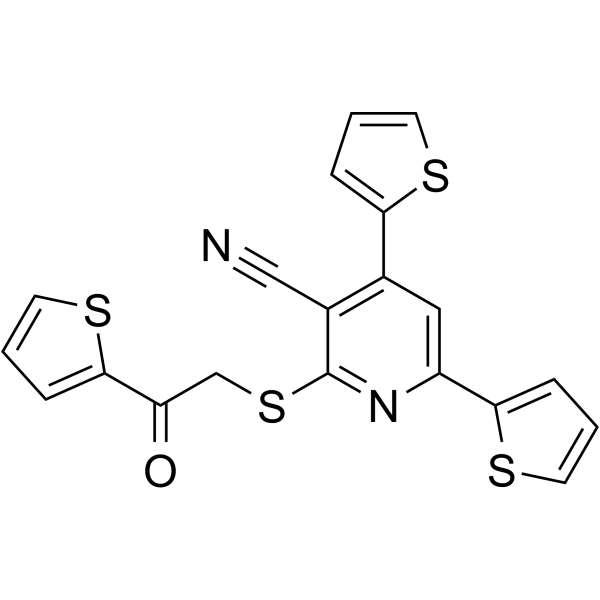
Rev1-CT/RIR PPI-IN-1 (Compound 1) is a thiophene-based compound. Rev1-CT/RIR PPI-IN-1 can specifically disrupt the protein-protein interaction between Rev1-CT and RIR, with an IC50 value of 2.5 µM. Rev1-CT/RIR PPI-IN-1 can enhance chemosensitivity and reduce the mutation rate in Cisplatin (HY-17394)-sensitive HT-1080 cells. Rev1-CT/RIR PPI-IN-1 can be used for tumor research .
|
-
- HY-W011215R
-
|
|
Apoptosis
Reactive Oxygen Species (ROS)
Reference Standards
|
Inflammation/Immunology
|
|
Dihexyl phthalate (Standard) is the analytical standard of Dihexyl phthalate (HY-W011215). This product is intended for research and analytical applications. Dihexyl phthalate is one of the commonly used phthalate esters in various plastics and consumer products. Dihexyl phthalate is classified as a priority pollutant and an endocrine disruptor. Dihexyl phthalate can induce reactive oxygen species (ROS) accumulation, promote inflammation, and lead to significant increases in apoptosis and inflammation-related gene expression levels. Dihexyl phthalate can cause testicular atrophy and is a reproductive toxicant [2].
|
-
- HY-D3360
-
|
|
Fluorescent Dye
|
Others
|
|
JF630-HTL is a fluorogenic Janelia Fluor (JF) Si-rhodamine HaloTag ligand. JF630-HTL covalently labels HaloTag fusion proteins in living cells. JF630-HTL displays low fluorescence in the unbound state, but exhibits a marked fluorescence enhancement upon binding to HaloTag. JF630-HTL can be used for live-cell imaging applications .
|
-
- HY-181818
-
|
|
Keap1-Nrf2
NO Synthase
TNF Receptor
Interleukin Related
|
Neurological Disease
Inflammation/Immunology
|
|
4,5-Dehydro-6-oxoallosecurinine is a Keap1-Nrf2 pathway activator. 4,5-Dehydro-6-oxoallosecurinine promotes the nuclear translocation of Keap1-Nrf2, and induces the expression of antioxidant and cytoprotective genes. 4,5-Dehydro-6-oxoallosecurinine reduces the production of NO, and decreases the levels of iNOS, TNF-α, IL-6 and IL-1β in LPS-stimulated microglia. 4,5-Dehydro-6-oxoallosecurinine can be used for the research of neurodegenerative diseases .
|
-
- HY-100789R
-
|
|
Apoptosis
Polo-like Kinase (PLK)
Mitosis
Reference Standards
|
Cancer
|
|
ON1231320 (Standard) is the analytical standard of ON1231320 (HY-100789). This product is intended for research and analytical applications. ON1231320 is a highly specific polo like kinase 2 (PLK2) inhibitor with an IC50 of 0.31 μM. ON1231320 blocks tumor cell cycle progression in the G2/M phase in mitosis, causing apoptotic cell death. ON1231320, an arylsulfonyl pyrido-pyrimidinone, has antitumor activity [2].
|
-
- HY-183265
-
|
|
Creatine Kinase
ATP Synthase
Mitochondrial Metabolism
Reactive Oxygen Species (ROS)
|
Cancer
|
|
GO847 is an orally active casein kinase 2 (CK2) inhibitor with an IC50 of 40.2 nM. GO847 increases intracellular ATP levels, impairs Mitochondrial metabolic flexibility, and promotes excessive mitochondrial ROS production. GO847 alters the period length of cellular circadian rhythms. GO847 inhibits the growth of acute myeloid leukemia cells. GO847 can be used for the research of acute myeloid leukemia .
|
-
- HY-181850
-
|
|
G-quadruplex
DNA/RNA Synthesis
Cyclic GMP-AMP Synthase
STING
Autophagy
|
Cancer
|
|
Telomeric G4s ligand 2 is an orally active, selective ligand of telomeric G-quadruplex (G4), with an IC50 of 0.4 μM. Telomeric G4s ligand 2 binds to dimeric telomeric G4, inhibits the activities of DHX36 and BLM helicases. Telomeric G4s ligand 2 activates cGAS-STING and TERRA-ZBP1 pathways, inducing autophagy and G2/M cell cycle arrest, and exhibits antiproliferative effects across cancer cell lines. Telomeric G4s ligand 2 can be used for the study of colorectal cancer .
|
-
- HY-14402
-
|
|
LPL Receptor
|
Infection
Inflammation/Immunology
|
|
AMG 369 is an orally active and potent dual S1P1/S1P5 agonist with limited activity at S1P3 and no activity at S1P2/S1P4. AMG 369 reduces blood lymphocyte counts. AMG 369 delays onset and reduces severity of experimental autoimmune encephalomyelitis in rat .
|
-
- HY-183584
-
|
|
GSK-3
Src
DYRK
Tau Protein
Microtubule/Tubulin
|
Neurological Disease
|
|
ARN25699 is a kinase inhibitor with an IC50 of 5.5 nM against GSK-3β, 2.2 nM against FYN-α, and 242.3 nM against DYRK1A, and it exhibits oral bioavailability. ARN25699 reduces hyperphosphorylation of tau protein and promotes microtubule bundle formation. ARN25699 has a broader kinome inhibitory profile and targets kinases associated with the pathogenic mechanisms linked to Alzheimer's disease. ARN25699 can be used in the research of Alzheimer's disease and related tauopathies .
|
-
- HY-181840
-
|
|
Endonuclease
|
Cancer
|
|
MU262 is a MUS81 inhibitor with an IC50 value of 0.87 μM. MU262 directly inhibits the catalytic activity of MUS81 without interfering with DNA binding, induces genomic instability in tumor cells, and specifically inhibits the HR/BIR repair pathway. The combination of MU262 with Cisplatin (HY-17394) significantly enhances the chemotherapeutic killing effect. MU262 serves as a chemical biology tool for studying MUS81 function, and also acts as a lead compound for the development of anticancer therapies that exploit DNA repair defects in cancer cells .
|
-
- HY-110374
-
|
|
Epigenetic Reader Domain
Apoptosis
|
Cancer
|
|
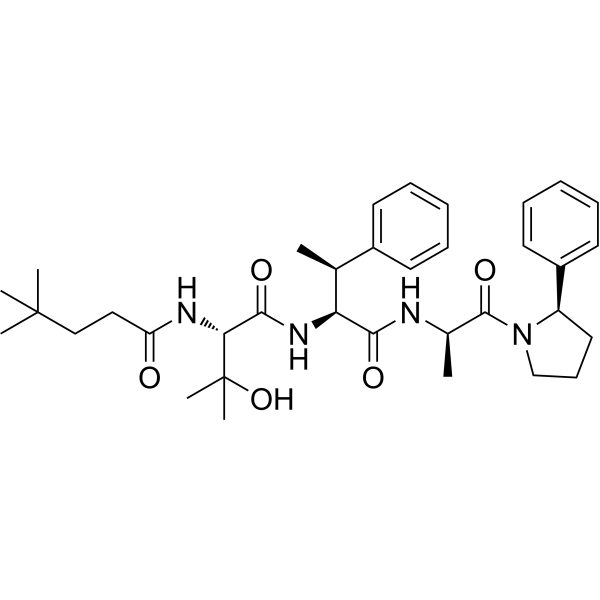
NVS-CECR2-1, a non-BET family Bromodomain (BRD) inhibitor, is a potent and selective cat eye syndrome chromosome region, candidate 2 (CECR2) inhibitor. NVS-CECR2-1 binds to CECR2 BRD with high affinity (IC50=47 nM; KD=80 nM). NVS-CECR2-1 exhibits cytotoxic activity and induces apoptosis against various cancer cells by targeting CECR2 as well as via CECR2-independent mechanism . NVS-CECR2-1 is a chemical probe.
|
-
- HY-182389
-
-
- HY-181933
-
|
|
Clathrin
Dynamin
|
Infection
|
|
Clathrin-IN-5 (Compound 9) is a Clathrin N-terminal domain-Amphiphysin protein-protein interaction inhibitor with an IC50 of 2.77 μM. Clathrin-IN-5 inhibits the protein-protein interaction between the clathrin N-terminal domain and amphiphysin. Clathrin-IN-5 inhibits clathrin-mediated endocytosis with an IC50 of 4.6 μM. Clathrin-IN-5 inhibits the GTPase activity of Dynamin I with an IC50 of 29.7 μM .
|
-
- HY-182705
-
|
|
Estrogen Receptor/ERR
|
Endocrinology
|
|
Org 214444-0 is an orally active, nanomolar-potent and selective FSHR agonist, with EC50 values of 2.0 nM and 1.2 nM in human and rat (measured in CHO cells). Org 214444-0 activates human granulosa cells in vitro, supports rat follicular development and induces ovulation in vivo. Org 214444-0 can be used for the research of infertility .
|
-
- HY-185652
-
|
|
PROTACs
E1/E2/E3 Enzyme
|
Neurological Disease
Inflammation/Immunology
|
|
dTAG-TRIMTAC is a PROTAC-like degrader targeting TRIM21. dTAG-TRIMTAC forms a ternary complex with TRIM21 and target proteins to drive degradation of oligomeric/assembled substrates via TRIM21 clustering-based activation, with degradation dependent on endogenous TRIM21. dTAG-TRIMTAC can be used for the research of neurodegenerative disease and inflammatory disease .
|
-
- HY-122236
-
|
|
Mitosis
Kinesin
Microtubule/Tubulin
Aurora Kinase
|
Cancer
|
|
UMK57 is a MCAK activator and kinetochore-microtubule destabilizer. UMK57 enhances MCAK-dependent microtubule depolymerization, increases kinetochore-microtubule turnover, reduces chromosome mis-segregation and lagging chromosomes, and inhibits cancer cell proliferation. UMK57 triggers adaptive resistance in Aurora B cancer cells via reversible Aurora B signaling pathway alterations. UMK57 can be used for the research of solid tumors [2].
|
-
- HY-145103
-
|
|
Histone Methyltransferase
|
Cancer
|
|
UNC6934 is a selective NSD2-PWWP1 antagonist with IC50 values of 78 nM and 104 nM, and a Ka of 91 nM against human targets. UNC6934 binds to the canonical methyl-lysine binding pocket of NSD2-PWWP1 and directly competes with H3K36me2 for binding. UNC6934 induces the aggregation of NSD2 within the nucleolus, without altering ribosomal RNA transcription, global H3K36me2 levels or the proliferation of KMS-11 cells. UNC6934 can be used in studies related to multiple myeloma and diffuse intrinsic pontine glioma. [2]
|
-
- HY-D2188
-
|
|
Deubiquitinase
|
Cancer
|
|
IMP-2373 is a low-toxicity activity-based probe targeting covalent pan-deubiquitinase (DUB), which modulates and monitors DUB activity via covalent binding to the catalytic cysteine and active site of DUB. IMP-2373 enables real-time tracking of dynamic intracellular DUB activity in physiologically relevant living cell systems, and quantitative analysis of activity changes induced by pharmacological inhibition or MYC dysregulation. IMP-2373 can be used for research on related diseases such as B-cell lymphoma [2].
|
-
- HY-181839
-
|
|
Discoidin Domain Receptor
|
Inflammation/Immunology
|
|
DDR1/2 IN-4 (Compound 37) is a selective dual DDR1 and DDR2 kinase inhibitor, with a pKi of 8.6 for DDR1 and a pKi of 8.2 for DDR2. DDR1/2 IN-4 functionally inhibits the kinase activities of DDR1 and DDR2. DDR1/2 IN-4 inhibits the release of MCP-1. DDR1/2 IN-4 can be used in studies related to idiopathic pulmonary fibrosis .
|
-
- HY-D3415
-
|
|
Fluorescent Dye
G-quadruplex
|
Cancer
|
|
TOR-G4 is a Fluorescent probe that binds to G-quadruplex (G4) nucleic acid structures. TOR-G4 exhibits a unique fluorescence lifetime when bound to G4 compared to other structures, enabling sensitive discrimination between G4-bound and non-G4-bound states. TOR-G4 mainly colocalizes with RNA in the cytoplasm and nucleolus. TOR-G4 can be used to investigate the roles of RNA G4 in cells. TOR-G4 shows cytotoxicity against osteosarcoma cells .
|
-
- HY-146248B
-
|
|
Poly(ADP-ribose) Glycohydrolase (PARG)
SARS-CoV
Protease Activated Receptor (PAR)
|
Metabolic Disease
|
|
TFMU-ADPr diammonium is a selective reporter substrate of SARS-CoV-2 Macro1 (IC50=0.59 μM), with an excitation wavelength (λEx) of 385 nm, and an emission wavelength (λEm) of 502 nm (or 495 nm). TFMU-ADPr diammonium can also undergo enzymatic hydrolysis with Poly(ADP-ribose) Glycohydrolase (PARG) sourced from human, Tetrahymena thermophila and ADP-ribosylhydrolase 3 from human to release fluorophores, thereby directly reporting total poly (ADP-ribose) hydrolase activity. TFMU-ADPr diammonium binds to the ADPr-binding site of SARS-CoV-2 Macro1, and its TFMU moiety inserts into the narrow hydrophobic groove of this protein. TFMU-ADPr diammonium can thus be used to evaluate small-molecule inhibitors targeting PAR hydrolases under in vitro conditions, to investigate the regulatory mechanisms of ADP-ribosyl catabolic enzymes, or to detect PAR hydrolase activity in whole-cell lysate assays. TFMU-ADPr diammonium is also applicable to COVID-19-related research [2] .
|
-
- HY-182040
-
|
|
NF-κB
Heme Oxygenase (HO)
Interleukin Related
Reactive Oxygen Species (ROS)
NO Synthase
|
Inflammation/Immunology
|
|
Nrf2 activator-24 is a Nrf2 activator with anti-inflammatory and antioxidant activities. Nrf2 activator-24 promotes the nuclear translocation of Nrf2, thereby inducing the expression of downstream antioxidant and cytoprotective genes. Nrf2 activator-24 inhibits cytokine-driven inflammatory responses in keratinocytes. Nrf2 activator-24 attenuates inflammation, nitrosation and oxidative stress responses in macrophages. Nrf2 activator-24 alleviates local inflammation and atopic dermatitis-like symptoms in DNCB-induced mouse models. Nrf2 activator-24 can be used in research related to atopic dermatitis .
|
-
- HY-150145
-
|
|
Nucleoside Antimetabolite/Analog
Fluorescent Dye
|
Others
|
|
Cy5-UTP is a fluorescently labeled ribonucleotide triphosphate that can be used as a substrate for terminal deoxynucleotidyl transferase (TdT). Cy5-UTP can be employed to label RNA probes generated in vitro (Ex/Em: 650/665 nm). Cy5-UTP can be applied in FISH, multi-color fluorescence analysis, especially in dual-color expression arrays that combine with Cy5-UTP [2].
|
-
- HY-B0603
-
-
- HY-158742
-
|
GL13; SBB-A-B
|
Tyrosinase
|
Others
|
|
SBB-Analogue (GL13) Biotin (GL13; SBB-A-B) consists of a Sudan Black B (SBB) (HY-D0213) derivative conjugated with biotin. SBB-Analogue (GL13) Biotin potently detects senescent cells and eliminates the drawback of false-positive staining caused by serum starvation and cell fusion in SA-β-gal assays. SBB-Analogue (GL13) Biotin can be used in flow cytometry, immunofluorescence analysis, and other applications .
|
-
- HY-B0603R
-
|
|
Reference Standards
Smo
Glucocorticoid Receptor
|
Infection
Inflammation/Immunology
Endocrinology
|
|
Fluticasone (Standard) is the analytical standard of Fluticasone. This product is intended for research and analytical applications. Fluticasone is an inhaled corticosteroid used for respiratory research. Fluticasone is a Smo agonist with an IC50 value of 99 nM. Fluticasone activates Hedgehog signaling and promotes the proliferation of primary neuronal stem or precursor cells [2].
|
-
- HY-182746
-
|
|
MDM-2/p53
Drug Derivative
|
Cancer
|
|
RG7388-PEG3-Click-F is a fluorinated analog of the MDM2 inhibitor RG7388 (HY-15676), with an IC50 of 16.8 nM against MDM2. [ 18F]RG7388-PEG3-Click-F exhibits high uptake and specificity in MDM2-expressing myeloma cells, and can be used for non-invasive assessment of MDM2 protein expression levels in tumors .
|
-
- HY-130311
-
|
2-Monolinolein; 2-Monolinoleoylglycerol
|
Cannabinoid Receptor
|
Neurological Disease
|
|
2-Linoleoyl glycerol (2-Monolinolein) is a partial CB1 receptor agonist with a pEC50 of 4.781. 2-Linoleoyl glycerol activates the hCB1 receptor. 2-Linoleoyl glycerol does not induce an increase in intracellular free Ca 2+. 2-Linoleoyl glycerol can be used in the research of neurological disorders [2].
|
-
- HY-W784030
-
|
|
Amino Acid Derivatives
Biochemical Assay Reagents
Fluorescent Dye
|
Others
|
|
N-TCO-L-lysine is a non-canonical amino acid. N-TCO-L-lysine contains a trans-cyclooctene (TCO) bioorthogonal reactive linker. N-TCO-L-lysine undergoes a bioorthogonal click reaction with SiR-Tz to enable fluorescent labeling of endogenously expressed proteins with site-specific incorporation. When used in combination with SiR-Tz, N-TCO-L-lysine allows super-resolution and live-cell imaging of endogenous proteins .
|
-
- HY-12835
-
|
|
LPL Receptor
|
Inflammation/Immunology
|
|
S1P1 agonist III is an orally active hS1P1 agonist with an EC50 value of 18 nM. S1P1 agonist III shows limited activity against hS1P3. S1P1 agonist III can be used in the research of multiple sclerosis .
|
-
- HY-P992356
-
|
|
Topoisomerase
|
Cancer
|
|
GENA-104A16 is a humanized monoclonal antibody targeting CNTN4, with multiple functions including immunostimulation, cytotoxicity and immunoregulation. By binding to CNTN4, GENA-104A16 blocks its interaction with APP, thereby restoring T cell function, inducing tumor cell death and regulating tumor-infiltrating immune cell populations. GENA-104A16 also exerts topoisomerase I inhibitory activity via the payload Exatecan (HY-13631). GENA-104A16 can be used in research related to colon cancer liver metastasis and other CNTN4-expressing solid tumors [2] .
|
-
- HY-N4067
-
|
isoCDCA
|
FXR
Endogenous Metabolite
|
Metabolic Disease
|
|
Isochenodeoxycholic acid (isoCDCA) is a FXR agonist. Isochenodeoxycholic acid activates the activity of FXR and induces the mRNA expression of FXR target genes (Ostβ and Kng1). Isochenodeoxycholic acid serves as a substrate for the liver class I ADH γγ isozyme-mediated 3β-dehydrogenation reaction [2].
|
-
- HY-183102
-
|
|
Aurora Kinase
Apoptosis
|
Cancer
|
|
ATC12 is a Aurora-A kinase inhibitor. ATC12 binds to Aurora-A and competes with TPX2 for binding to disrupt the Aurora-A/TPX2 interaction. ATC12 inhibits cancer cell proliferation, induces apoptosis and cellular senescence. ATC12 can be used in the research of breast cancer .
|
-
- HY-181449
-
-
- HY-B0877
-
|
SQ-18566
|
Smo
Caspase
RAR/RXR
CDK
|
Cardiovascular Disease
Neurological Disease
Inflammation/Immunology
|
|
Halcinonide (SQ-18566) is an orally active Smoothened (Smo) agonist. Halcinonide activates the Hedgehog signaling pathway by binding to Smo and promoting its internalization and expression, thereby activating Gli transcription factors. Halcinonide not only stimulates cell proliferation, increases the expression of cyclin D2/CDK6 and inhibits the degradation of caspase-3, but also suppresses Bcl-2/Bax-mediated apoptosis, oxidative stress and inflammatory responses. Halcinonide activates RxRγ to upregulate the expression of myelin genes, thereby reducing cerebral infarction and improving behavioral deficits. Halcinonide has been used in studies related to multiple sclerosis and ischemic stroke [2] .
|
-
- HY-183643
-
|
|
DNA/RNA Synthesis
|
Cancer
|
|
RUVBL1/2-IN-1 is an orally active RUVBL1/2 complex inhibitor with an EC50 of 0.012 μM against human targets. RUVBL1/2-IN-1 impairs ATPase-related functions, thereby reducing nuclear MYC protein levels, impairing DNA damage response and inhibiting cancer cell proliferation. In a MYC-dependent Burkitt's lymphoma xenograft model, RUVBL1/2-IN-1 effectively inhibits tumor growth and suppresses the activity of RUVBL1 R117H mutant cells. RUVBL1/2-IN-1 has been applied in research related to MYC-dependent Burkitt's lymphoma .
|
-
- HY-146248
-
|
|
SARS-CoV
Poly(ADP-ribose) Glycohydrolase (PARG)
Protease Activated Receptor (PAR)
|
Infection
|
|
TFMU-ADPr is a selective reporter substrate of SARS-CoV-2 Macro1 (IC50=0.59 μM), with an excitation wavelength (λEx) of 385 nm, and an emission wavelength (λEm) of 502 nm (or 495 nm). TFMU-ADPr can also undergo enzymatic hydrolysis with Poly(ADP-ribose) Glycohydrolase (PARG) sourced from human, Tetrahymena thermophila and ADP-ribosylhydrolase 3 from human to release fluorophores, thereby directly reporting total poly (ADP-ribose) hydrolase activity. TFMU-ADPr binds to the ADPr-binding site of SARS-CoV-2 Macro1, and its TFMU moiety inserts into the narrow hydrophobic groove of this protein. TFMU-ADPr can thus be used to evaluate small-molecule inhibitors targeting PAR hydrolases under in vitro conditions, to investigate the regulatory mechanisms of ADP-ribosyl catabolic enzymes, or to detect PAR hydrolase activity in whole-cell lysate assays. TFMU-ADPr is also applicable to COVID-19-related research [2] .
|
-
- HY-182335
-
|
|
Itk
Trk Receptor
Interleukin Related
IFNAR
|
Inflammation/Immunology
|
|
PF-07245303 is a ITK/TRK inhibitor. PF-07245303 reduces the production of inflammatory cytokines such as IL-4 and IFNγ, and inhibits the phosphorylation of PLCγ1. PF-07245303 inhibits nerve growth factor-induced basophil activation and the phosphorylation of TRKA. PF-07245303 reduces oxazolone-induced ear swelling in mouse ear tissues. PF-07245303 is applicable to research related to atopic dermatitis .
|
-
- HY-181065
-
|
|
Epigenetic Reader Domain
|
Cancer
|
|
LS-170 is a YEATS2 YEATS domain inhibitor with an IC50 of 0.14 μM. LS-170 displays selectivity for the YEATS2 YEATS domain over other YEATS domain family members and other epigenetic 'reader' and 'eraser' proteins. LS-170 reduces chromatin occupancy of the Ada-two-A-containing (ATAC) complex, decreases ATAC-dependent histone acetylation levels, and downregulates expression of ATAC-governed genes. LS-170 suppresses tumor growth in a lung cancer mouse model. LS-170 can be used for the research of non-small cell lung cancer .
|
-
| Cat. No. |
Product Name |
Type |
-
- HY-146248
-
|
|
Fluorescent Dye
|
|
TFMU-ADPr is a selective reporter substrate of SARS-CoV-2 Macro1 (IC50=0.59 μM), with an excitation wavelength (λEx) of 385 nm, and an emission wavelength (λEm) of 502 nm (or 495 nm). TFMU-ADPr can also undergo enzymatic hydrolysis with Poly(ADP-ribose) Glycohydrolase (PARG) sourced from human, Tetrahymena thermophila and ADP-ribosylhydrolase 3 from human to release fluorophores, thereby directly reporting total poly (ADP-ribose) hydrolase activity. TFMU-ADPr binds to the ADPr-binding site of SARS-CoV-2 Macro1, and its TFMU moiety inserts into the narrow hydrophobic groove of this protein. TFMU-ADPr can thus be used to evaluate small-molecule inhibitors targeting PAR hydrolases under in vitro conditions, to investigate the regulatory mechanisms of ADP-ribosyl catabolic enzymes, or to detect PAR hydrolase activity in whole-cell lysate assays. TFMU-ADPr is also applicable to COVID-19-related research [2] .
|
-
- HY-D2188
-
|
|
Fluorescent Dye
|
|
IMP-2373 is a low-toxicity activity-based probe targeting covalent pan-deubiquitinase (DUB), which modulates and monitors DUB activity via covalent binding to the catalytic cysteine and active site of DUB. IMP-2373 enables real-time tracking of dynamic intracellular DUB activity in physiologically relevant living cell systems, and quantitative analysis of activity changes induced by pharmacological inhibition or MYC dysregulation. IMP-2373 can be used for research on related diseases such as B-cell lymphoma [2].
|
-
- HY-D3360
-
|
|
Fluorescent Dye
|
|
JF630-HTL is a fluorogenic Janelia Fluor (JF) Si-rhodamine HaloTag ligand. JF630-HTL covalently labels HaloTag fusion proteins in living cells. JF630-HTL displays low fluorescence in the unbound state, but exhibits a marked fluorescence enhancement upon binding to HaloTag. JF630-HTL can be used for live-cell imaging applications .
|
-
- HY-D3415
-
|
|
Fluorescent Dye
|
|
TOR-G4 is a Fluorescent probe that binds to G-quadruplex (G4) nucleic acid structures. TOR-G4 exhibits a unique fluorescence lifetime when bound to G4 compared to other structures, enabling sensitive discrimination between G4-bound and non-G4-bound states. TOR-G4 mainly colocalizes with RNA in the cytoplasm and nucleolus. TOR-G4 can be used to investigate the roles of RNA G4 in cells. TOR-G4 shows cytotoxicity against osteosarcoma cells .
|
| Cat. No. |
Product Name |
Type |
-
- HY-113596A
-
|
Acetyl-CoA lithium
|
Biochemical Assay Reagents
|
|
Acetyl-coenzyme A (Acetyl-CoA) lithium is a membrane-impermeant central metabolic intermediate, participates in the TCA cycle and oxidative phosphorylation metabolism. Acetyl-coenzyme A lithium, regulates various cellular mechanisms by providing (sole donor) acetyl groups to target amino acid residues for post-translational acetylation reactions of proteins. Acetyl Coenzyme A lithium is also a key precursor of lipid synthesis [2] .
|
-
- HY-150145
-
|
|
Biochemical Assay Reagents
|
|
Cy5-UTP is a fluorescently labeled ribonucleotide triphosphate that can be used as a substrate for terminal deoxynucleotidyl transferase (TdT). Cy5-UTP can be employed to label RNA probes generated in vitro (Ex/Em: 650/665 nm). Cy5-UTP can be applied in FISH, multi-color fluorescence analysis, especially in dual-color expression arrays that combine with Cy5-UTP [2].
|
| Cat. No. |
Product Name |
Target |
Research Area |
-
- HY-P10426
-
|
|
HIF/HIF Prolyl-Hydroxylase
VEGFR
|
Cancer
|
|
cyclo(CLLFVY) is an inhibitor for hypoxia inducible factor-1 (HIF-1), with IC50 of 19 μM (in U2OS) and 16 μM (in MCF-7). cyclo(CLLFVY) binds to the PAS-B domain of HIF-1α, inhibits HIF-1 dimerization and transcriptional activity. cyclo(CLLFVY) downregulates the expression of hypoxia response genes, such as VEGF and CAIX, exhibits antitumor against the HIF-1 associated cancers .
|
-
- HY-P3730
-
|
|
CDK
|
Cancer
|
|
Cdk2/Cyclin Inhibitory Peptide I (Tat-LFG), a CDK2 inhibitor, kills U2OS osteosarcoma cells in a dose-dependent manner .
|
-
- HY-P3730A
-
|
|
CDK
|
Cancer
|
|
Cdk2/Cyclin Inhibitory Peptide I (Tat-LFG) acetate, a CDK2 inhibitor, kills U2OS osteosarcoma cells in a dose-dependent manner .
|
-
- HY-P10286
-
|
|
MDM-2/p53
|
Cancer
|
|
Phage-derived 12/1 peptide exhibits antitumor activity by targeting MDM2 and MDMX, an thus disrupt the MDM2-p53 and MDMX-p53 interaction, with IC50 of 0.15 and 1.25 μM .
|
| Cat. No. |
Product Name |
Target |
Research Area |
Image |
-
- HY-P992356
-
|
|
Topoisomerase
|
Cancer
|
|
GENA-104A16 is a humanized monoclonal antibody targeting CNTN4, with multiple functions including immunostimulation, cytotoxicity and immunoregulation. By binding to CNTN4, GENA-104A16 blocks its interaction with APP, thereby restoring T cell function, inducing tumor cell death and regulating tumor-infiltrating immune cell populations. GENA-104A16 also exerts topoisomerase I inhibitory activity via the payload Exatecan (HY-13631). GENA-104A16 can be used in research related to colon cancer liver metastasis and other CNTN4-expressing solid tumors [2] .
|
-
(5)
| Cat. No. |
Product Name |
Category |
Target |
Chemical Structure |
| Cat. No. |
Product Name |
Chemical Structure |
-
- HY-109015S
-
|
|
|
Tucidinostat-d4 is the deuterium labeled Tucidinostat. Tucidinostat is a potent and orally bioavailable HDAC enzymes class I (HDAC1/2/3) and class IIb (HDAC10) inhibitor, with IC50s of 95, 160, 67 and 78 nM, respectively .
|
-
Your information is safe with us. * Required Fields.
Inquiry Information
- Product Name:
- Cat. No.:
- Quantity:
- MCE Japan Authorized Agent:

