71 Results for "

UV-B

" in MedChemExpress (MCE) Product Catalog:
Products (71)

71 Results for "UV-B" in MCE Product Catalog:

7
7 Publications Verification
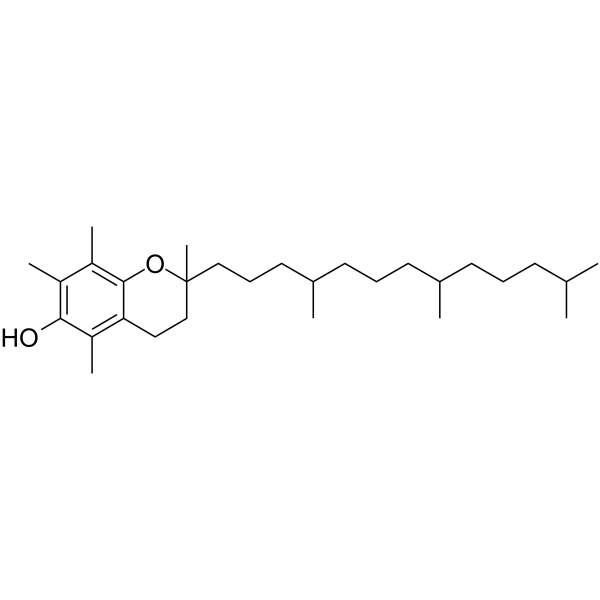
Cat. No.: HY-W020044
CAS No.: 10191-41-0
Synonyms: DL-α-Tocopherol
DL-alpha-Tocopherol is a synthetic vitamin E, with antioxidation effect. DL-alpha-Tocopherol protects human skin fibroblasts against the cytotoxic effect of UVB .
loading...
    loading...
2
2 Cited Publications
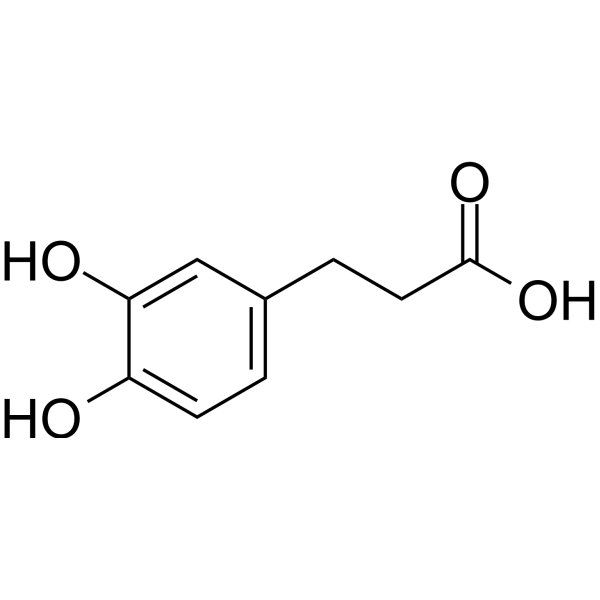
Cat. No.: HY-N2406
CAS No.: 1078-61-1
Synonyms: 3,4-Dihydroxy-benzenepropanoic acid
Dihydrocaffeic acid is a microbial metabolite of flavonoids. Dihydrocaffeic acid scavenges intracellular ROS and increases nitric oxide synthase activity. Dihydrocaffeic acid reduces phosphorylation of MAPK p38 and prevent UVB-induced skin damage. Dihydrocaffeic acid has antioxidant, anti-inflammatory and anti-cartilage degradation activities .
loading...
    loading...
2
2 Cited Publications
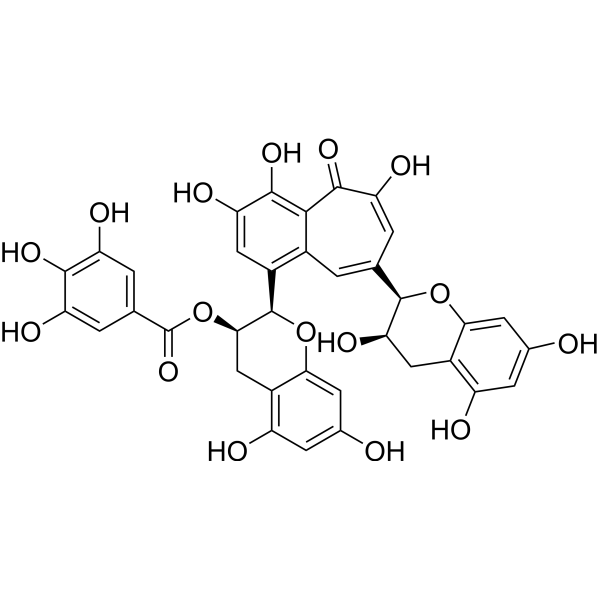
Cat. No.: HY-N0244
CAS No.: 28543-07-9
Theaflavin-3'-gallate is a monomer of theaflavins found in black tea, which has anti-UVB damage activity and inhibits cell apoptosis and necroptosis. Theaflavin-3'-gallate acts as a pro-oxidant and induces oxidative stress in cancer cells, inhibiting xanthine oxidase (OX), with an IC50 of 7.6 μM .
loading...
    loading...
2
2 Cited Publications
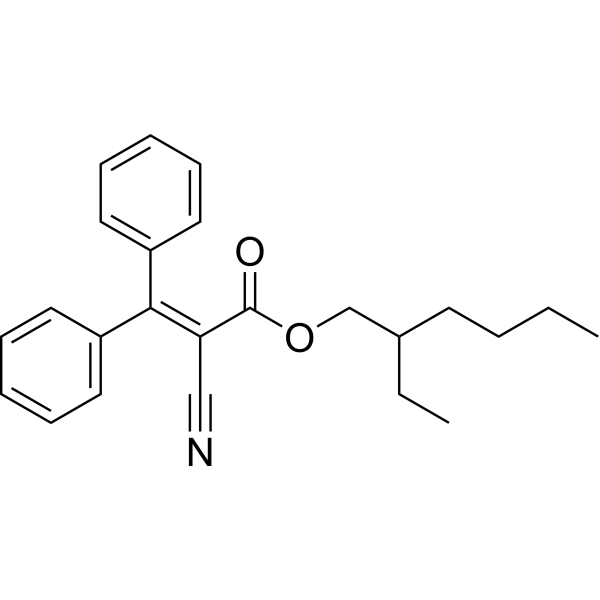
Cat. No.: HY-A0087
CAS No.: 6197-30-4
Octocrylene is an organic ultraviolet (UV) filter that absorbs mainly UVB radiation and shorter UVA wavelengths. Octocrylene acts as a partial agonist of PPARγ, which alters the gene transcription profile of lipid metabolism enzymes. In addition, Octocrylene is cytotoxic and genotoxic to human skin fibroblasts and mediates the biosynthesis of estrogens such as estriol in zebrafish larvae, while affecting antioxidant pathways including glutathione transferase and peroxisomes .
loading...
    loading...
1
1 Cited Publications
Cat. No.: HY-B0897
CAS No.: 103597-45-1
Research Areas:  

Others

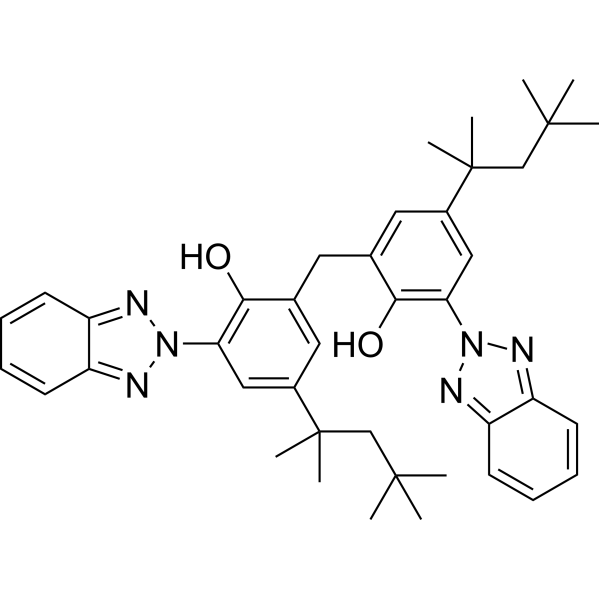
Bisoctrizole is a broad-spectrum UVA/UVB absorber that belongs to the benzotriazole class of compounds. Bisoctrizole absorbs UV light through hydroxyphenyl groups, causing reversible electronic transitions, thereby converting light energy into heat energy, inhibiting UV-induced material or skin damage. Bisoctrizole is highly efficient in capturing UVA (320-400 nm) and some UVB (280-320 nm) radiation. Bisoctrizole delays the photodegradation of materials such as silicones, improving their UV aging resistance or enhancing the photoprotective ability of sunscreen products .
loading...
    loading...
Cat. No.: HY-130705A
CAS No.: 17592-07-3
Purity:  99.68%
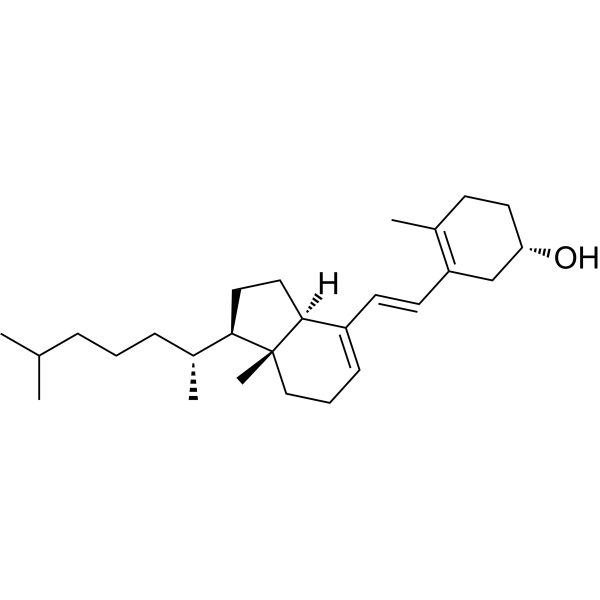
Tachysterol 3 is a photoproduct of Previtamin D3 (HY-130705). Previtamin D3 is an orally active, thermolabile steroidal compound that generates vitamin D3, as well as biologically inactive lumisterol and tachysterol. Previtamin D3 is synthesized in the skin of humans and rats via the UV-B-mediated photoconversion of 7-dehydrocholesterol. Previtamin D3 lacks direct anti-rachitic activity, and its in vivo activity relies on the vitamin D3 it produces. Previtamin D3 can be used in studies related to rickets and vitamin D metabolism .
loading...
    loading...
Cat. No.: HY-A0299
CAS No.: 2239-67-0
Synonyms: Tripeptide 29
Target:  

MMP

Research Areas:  

Inflammation/Immunology

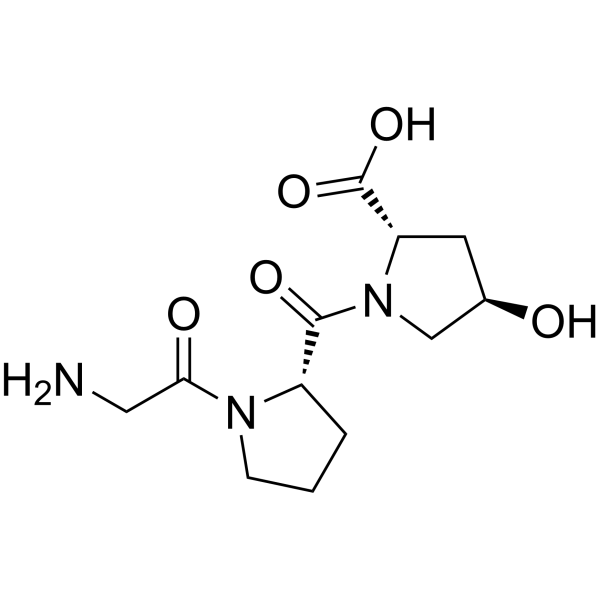
H-Gly-Pro-Hyp-OH is a collagen-derived peptide and also a dipeptidyl peptidase-4 inhibitor.\nH-Gly-Pro-Hyp-OH inhibits the activity of dipeptidyl peptidase-4 in vitro. H-Gly-Pro-Hyp-OH binds to the DNA-binding site of the JUN/FOS complex, blocks the formation of the DNA-JUN/FOS complex, and inhibits transcriptional activity. H-Gly-Pro-Hyp-OH is applicable to research related to skin photoaging, UVB-induced skin aging/photoaging, and thrombosis .
loading...
    loading...
Cat. No.: HY-W251181
CAS No.: 1428450-95-6
Target:  

Tyrosinase

Research Areas:  

Metabolic Disease

Isobutylamido thiazolyl resorcinol is a selective hTyr inhibitor with an IC50 of 1.1  μM. Isobutylamido thiazolyl resorcinol shows an IC50 of 108  μM against mushroom Tyrosinase. Isobutylamido thiazolyl resorcinol effectively prevents pigmentation caused by UVB irradiation. Isobutylamido thiazolyl resorcinol significantly improves the visibility of acne-induced hyperpigmentation .
loading...
    loading...
Cat. No.: HY-P10533
CAS No.: 845727-64-2
Target:  

Tyrosinase

Research Areas:  

Others

Cysteine peptide is a tyrosinase inhibitor with skin-whitening, antioxidant and multi-regulatory activities. Cysteine peptide inhibits enzyme activity and blocks melanin transport, effectively reducing UV-B-induced skin erythema and pigmentation. Cysteine peptide synergistically maintains skin health by quenching ROS, resisting oxidative stress and promoting pheomelanin production. Cysteine peptide safely prevents daily ultraviolet damage and supports moderate sun exposure for vitamin D synthesis. Cysteine peptide also acts as a plant signaling factor to regulate vegetative growth, development and stress resistance responses .
loading...
    loading...
Cat. No.: HY-N2007
CAS No.: 93-07-2
Synonyms: 3,4-Dimethoxybenzoic acid
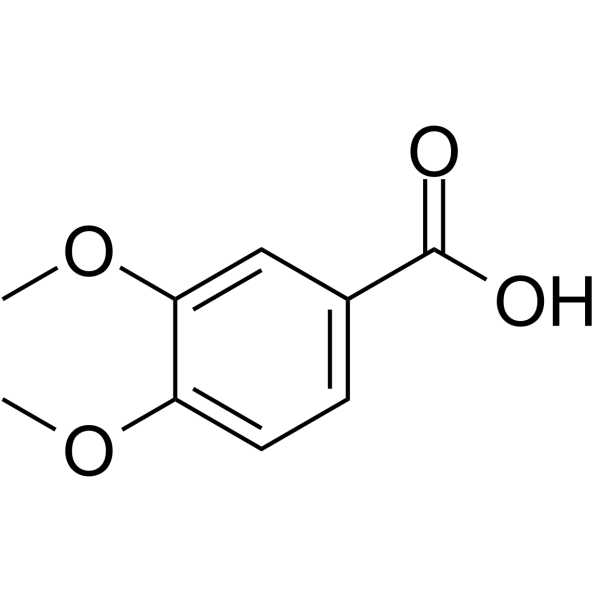
Veratric acid (3,4-Dimethoxybenzoic acid) is an orally active phenolic compound derived from vegetables and fruits, has antioxidant and anti-inflammatory activities . Veratric acid also acts as a protective agent against hypertension-associated cardiovascular remodelling . Veratric acid reduces upregulated COX-2 expression, and levels of PGE2, IL-6 after UVB irradiation .
loading...
    loading...
Cat. No.: HY-P0064
CAS No.: 221227-05-0
Synonyms: Palmitoyl Tetrapeptide-7
Target:  

Interleukin Related

Research Areas:  

Inflammation/Immunology

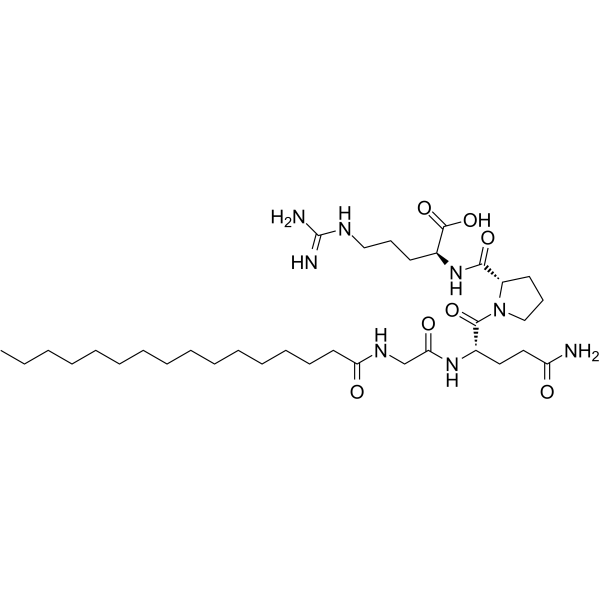
Palmitoyl Tetrapeptide-3 (Palmitoyl Tetrapeptide-7) is a synthetic peptide corresponding to amino acids 341-344 of the human immunoglobulin heavy chain, with the ability to stimulate phagocytosis. Palmitoyl tetrapeptide-3 reduces interleukin-6 (IL-6) secretion in keratinocytes and inhibits the UVB radiation-exposure inflammatory response of skin. Palmitoyl tetrapeptide-3 It also has anti-inflammatory and anti-aging effects, reducing skin wrinkles by promoting the production of elastic fibers in the papillary dermis .
loading...
    loading...
Cat. No.: HY-N5048
CAS No.: 122965-41-7
Synonyms: 6'-O-Galloyl paeoniflorin
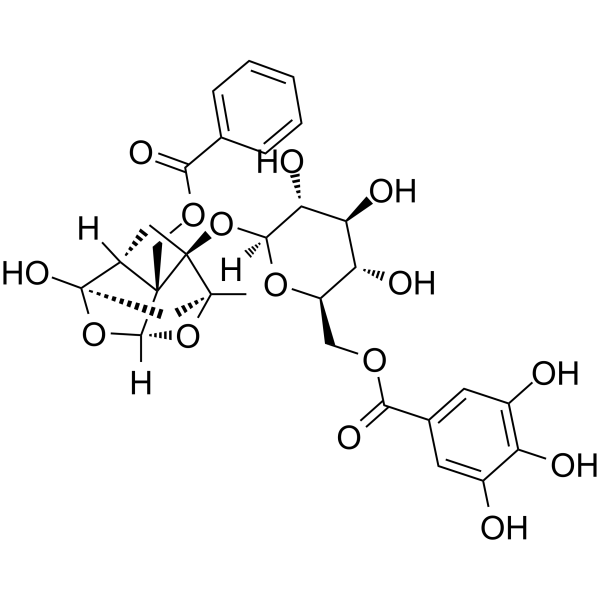
Galloylpaeoniflorin (6'-O-Galloyl paeoniflorin) is an orally active galloylated derivative of Paeoniflorin (HY-N0293) found in peony roots with various anti-inflammatory and antioxidant activities. Galloylpaeoniflorin suppresses RANKL-induced activation of ERK, JNK, c-Fos, c-Jun, and NFATc1, and reduces osteoclast-specific gene expression. Galloylpaeoniflorin activates Nrf2 and PI3K/Akt pathways, inhibits NF-κB activation, and scavenges ROS to reduce oxidative DNA, lipid, and protein damage. Galloylpaeoniflorin attenuates neuroinflammation, inhibits apoptosis, reduces Helicobacter pylori-induced gastric mucosa injury and UVB-induced cell damage. Galloylpaeoniflorin can be used for the research of osteoporosis, gastritis, ischemic stroke and skin diseases .
loading...
    loading...
Cat. No.: HY-109655
CAS No.: 88122-99-0
Purity:  ≥98.0%
Synonyms: Octyl triazone
Research Areas:  

Others

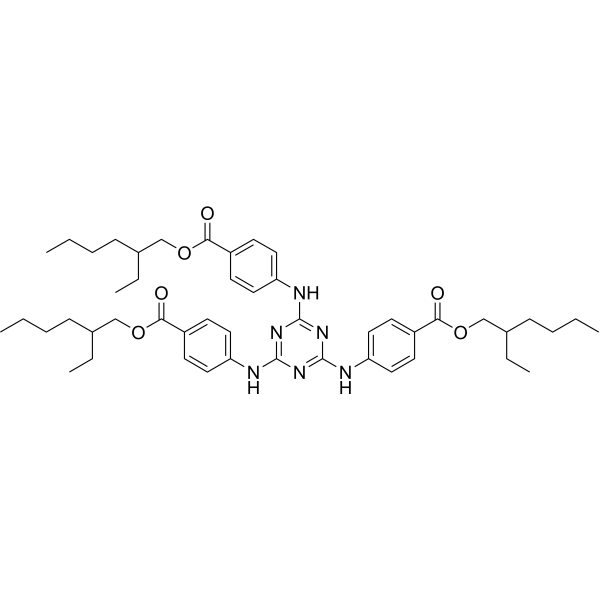
Ethylhexyl triazone is an approved ultraviolet-B (UV-B) chemical filter for commercial sunscreens.
loading...
    loading...
Cat. No.: HY-B0966
CAS No.: 131-53-3
Synonyms: Benzophenone-8; UV-24
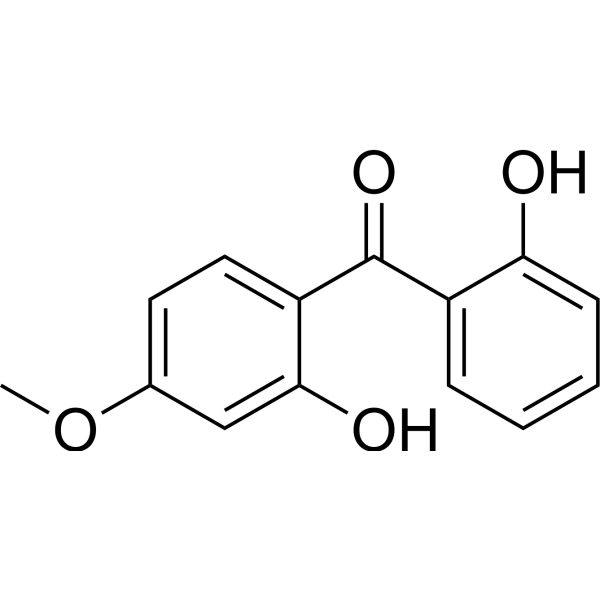
Dioxybenzone (Benzophenone-8; UV-24) is an organic compound used to block UVB and short-wave UVA (ultraviolet) radiation. Dioxybenzone has orally activity. Dioxybenzone exhibits estrogenic disrupting effect. Dioxybenzone up-regulates inflammatory cytokines. Dioxybenzone can be used for cancer, reproductive system disease and inflammatory disease study .
loading...
    loading...
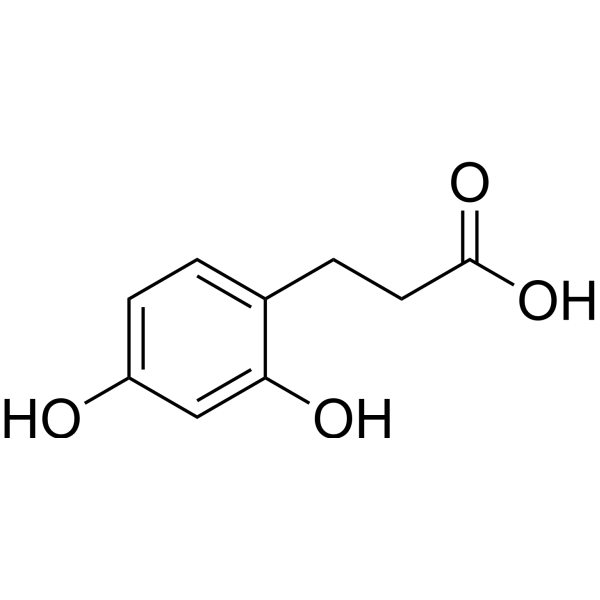
Cat. No.: HY-N1750
CAS No.: 5631-68-5
3-(2,4-Dihydroxyphenyl) propanoic acid (DPPacid) is a competitive Tyrosinase inhibitor. It exhibits an IC50 value of 3.02 μM against mushroom tyrosinase with L-tyrosine as the substrate, an IC50 value of 62 μM with DL-DOPA as the substrate, and a Ki value of 11.5 μM. 3-(2,4-Dihydroxyphenyl) propanoic acid shows no DPPH radical scavenging activity. It can be used in studies related to ultraviolet B (UVB)-induced hyperpigmentation .
loading...
    loading...
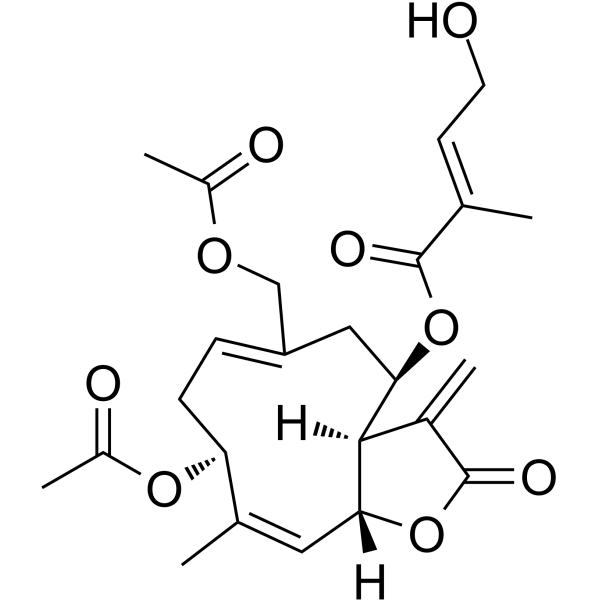
Cat. No.: HY-N0754
CAS No.: 877822-40-7
Eupalinolide A is a Yes-associated protein (YAP) degrader and HSP70 inducer. Eupalinolide A inhibits osteogenic differentiation of tendon-derived stem cells (TDSCs). Eupalinolide A induces autophagy in hepatocellular carcinoma cells via activating the ROS/ERK signaling pathway. Eupalinolide A protects PAM212 cells from UVB-, Menadione (HY-B0332)-, or heat shock-induced apoptosis. Eupalinolide A alleviates trauma-induced heterotopic ossification (HO) of Achilles tendon and inhibits growth of MHCC97-L and HCCLM3 hepatocellular carcinoma xenograft tumors in mice. Eupalinolide A can be used for the study of traumatic heterotopic ossification of tendons and hepatocellular carcinoma .
loading...
    loading...
Cat. No.: HY-133079
CAS No.: 183476-82-6
Purity:  ≥98.0%
Synonyms: tetra-isopalmitoyl Ascorbic acid; IPAA; Tetrahexyldecyl Ascorbate
Research Areas:  

Endocrinology

Ascorbyl tetra-2-hexyldecanoate (tetra-isopalmitoyl Ascorbic acid; IPAA) is a lipophilic derivative of vitamin C (L-ascorbic acid). Ascorbyl tetra-2-hexyldecanoate (100 μM ) can prevent the decrease in viability of HaCaT keratinocytes induced by UVB, hydrogen peroxide, or tert-butyl hydroperoxide, and reduce the production of IL-1α and prostaglandin E2 (PGE2). Topical application of ascorbyl tetra-2-hexyldecanoate (1%) increases epidermal viability thickness, stratum corneum water content, and skin smoothness, and reduces skin roughness in hairless mice. Ascorbyl tetra-2-hexyldecanoate can be used to develop skin whitening agents in the beauty industry.
loading...
    loading...
Cat. No.: HY-W583212
CAS No.: 14354-67-7
Synonyms: ZnMP
Zn (II) Mesoporphyrin IX (ZnMP) is a heme oxygenase inhibitor with photochemical substrate activity. Zn (II) Mesoporphyrin IX specifically inhibits the activity of bone marrow heme oxygenase. In vitro, Zn (II) Mesoporphyrin IX inhibits the growth of erythroid and myeloid progenitor cells in rabbit bone marrow, and blocks the rhG-CSF-induced mobilization of these progenitor cells into the peripheral blood, exhibiting toxicity to hematopoietic growth and progenitor cell production in rabbits. Zn (II) Mesoporphyrin IX undergoes irreversible photochemical decomposition conforming to first-order kinetic characteristics when irradiated with UV-B in 95% ethanol solution. Zn (II) Mesoporphyrin IX can be used in hematopoietic regulation research, but its photolability and toxic effects on the hematopoietic system require attention .
loading...
    loading...
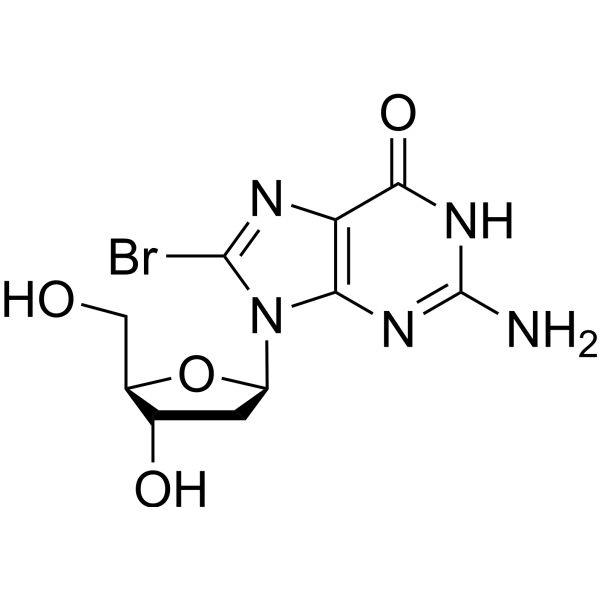
Cat. No.: HY-W011168
CAS No.: 13389-03-2
8-Bromo-2'-deoxyguanosine is an inflammation-related DNA halogenated adduct and an early biomarker of inflammation-induced oxidative tissue damage. The formation of 8-Bromo-2'-deoxyguanosine precedes that of oxidative and nitrative products, and it can be generated via the MPO-H2O2-Cl --Br - system. 8-Bromo-2'-deoxyguanosine serves as the immunogen for preparing the monoclonal antibody mAb8B3, which can be used to detect early DNA modifications in preclinical models; its urinary level also increases significantly in inflammatory disease models. 8-Bromo-2'-deoxyguanosine can also be produced in the dermis of UV-B irradiated mice, and the extract of Coprinus comatus significantly reduces its level. 8-Bromo-2'-deoxyguanosine finds applications in studies related to inflammatory diseases, diabetes, hepatocellular carcinoma, and UV-B induced skin inflammation .
loading...
    loading...
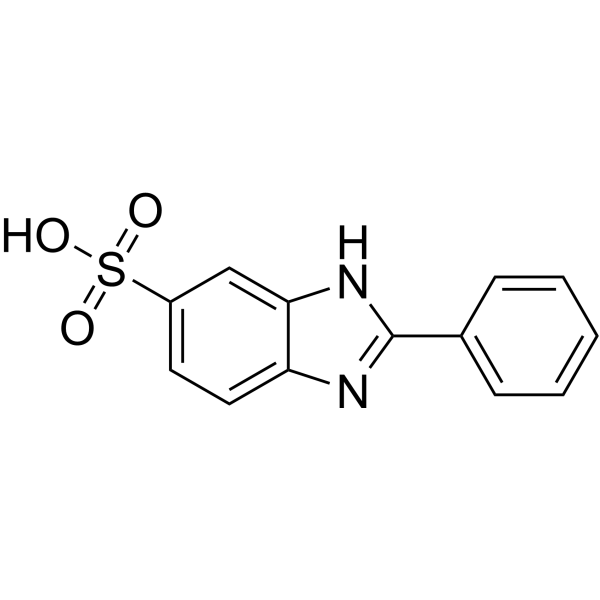
Cat. No.: HY-109654
CAS No.: 27503-81-7
Purity:  ≥98.0%
Research Areas:  

Metabolic Disease

Ensulizole is a sulfonated UV absorber and can intense UVB and partial UVA absorption. Ensulizole can damage the DNA through the generation of reactive oxygen species (ROS) upon UV or sunlight irradiation .
loading...
    loading...

