





1. Search Result
Search Result
Results for "

Venom

" in MedChemExpress (MCE) Product Catalog:

153

Inhibitors & Agonists

1

Screening Libraries

4

Biochemical Assay Reagents

118

Peptides

1

Inhibitory Antibodies

25

Natural
Products

2

Recombinant Proteins

1

Isotope-Labeled Compounds

Cat. No. Product Name Target Research Areas Chemical Structure
  • HY-P1902

    Apoptosis Cardiovascular Disease
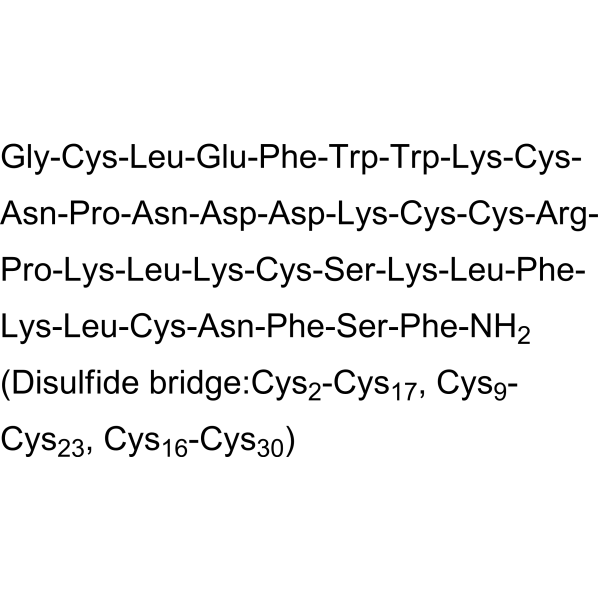
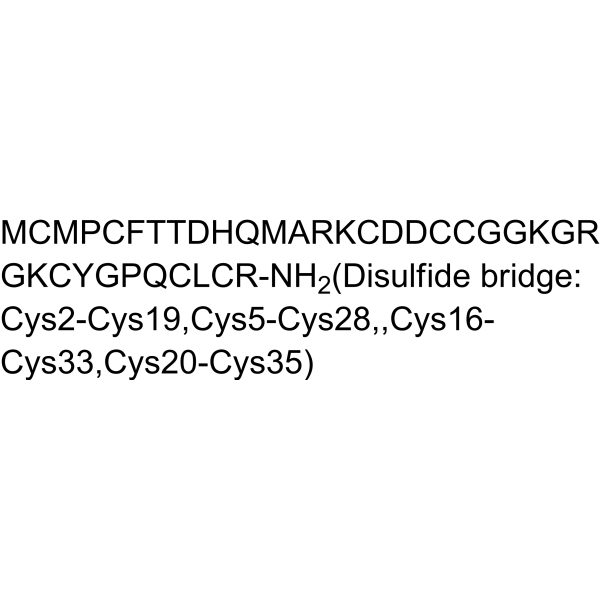
    Cardiotoxin Analog (CTX) IV (6-12) is a membrane active peptide that specifically targets negatively charged phospholipid membranes (such as phosphatidylserine and phosphatidylinositol). Cardiotoxin Analog (CTX) IV (6-12) was discovered in the venom of the Taiwan cobra. Cardiotoxin Analog (CTX) IV (6-12) is a chemically synthesized snake venom cardiotoxin that binds to cell membranes and embeds into lipid bilayers through hydrophobic interactions and electrostatic attraction, thereby destroying the stability of membrane structure. Cardiotoxin Analog (CTX) IV (6-12) can induce membrane lipid disorder and cell lysis, exhibiting hemolysis and cytotoxicity .
    Cardiotoxin Analog (CTX) IV (6-12)
  • HY-P0256
    Apamin
    5+ Cited Publications

    Apamine

    Potassium Channel Neurological Disease Inflammation/Immunology
    Apamin (Apamine) is an 18 amino acid peptide neurotoxin found in apitoxin (bee venom), is known as a specifically selective blocker of Ca 2+-activated K + (SK) channels and exhibits anti-inflammatory and anti-fibrotic activity .
    Apamin
  • HY-P0173A
    Chlorotoxin
    2 Publications Verification

    Chloride Channel Cancer
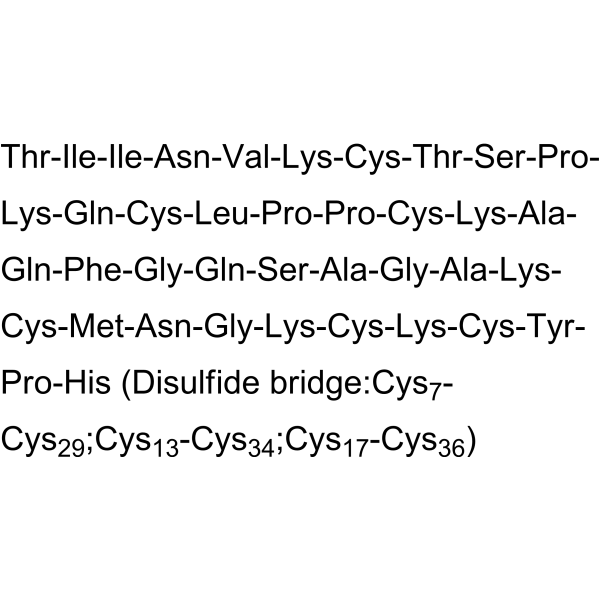
    Chlorotoxin is a 36 amino-acid peptide from the venom of the Israeli scorpion Leiurus quinquestriatus with anticancer activity. Chlorotoxin is a chloride channel blocker.
    Chlorotoxin
  • HY-NP004

    CVF

    Complement System Inflammation/Immunology
    Cobra Venom Factor (CVF) is a selective activator targeting complement components C3, C5, and factor B in the complement system. After binding to factor B, Cobra Venom Factor is cleaved by factor D, forming a stable C3/C5 convertase resistant to regulatory proteins H and I. This continuously hydrolyzes C3 and C5, depleting serum complement while inducing neutrophil migration, vascular leakage, and increased TNF-α levels. Cobra Venom Factor can be used to deplete complement and mimic complement activation-related pathological states, and is applied in animal models of complement-mediated diseases such as acute respiratory distress syndrome (ARDS), sepsis, and shock. Cobra Venom Factor can be isolated from the venom of cobras (e.g., Naja atra, Naja melanoleuca, Naja kaouthia, etc.) .
    Cobra Venom Factor
  • HY-P1902A

    Apoptosis Cardiovascular Disease
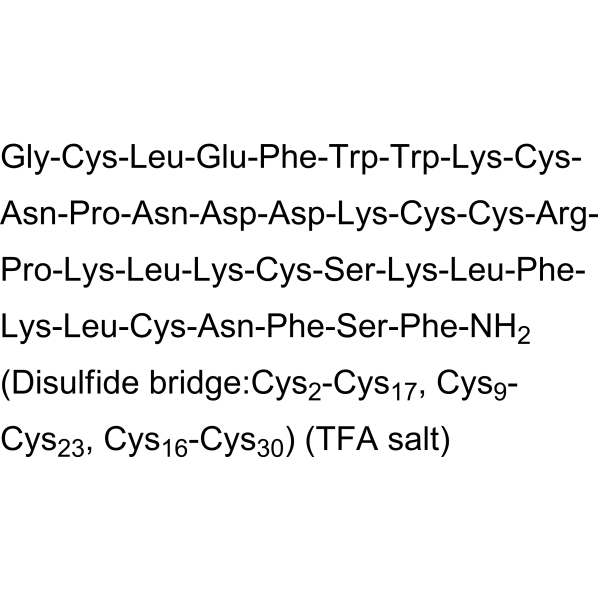
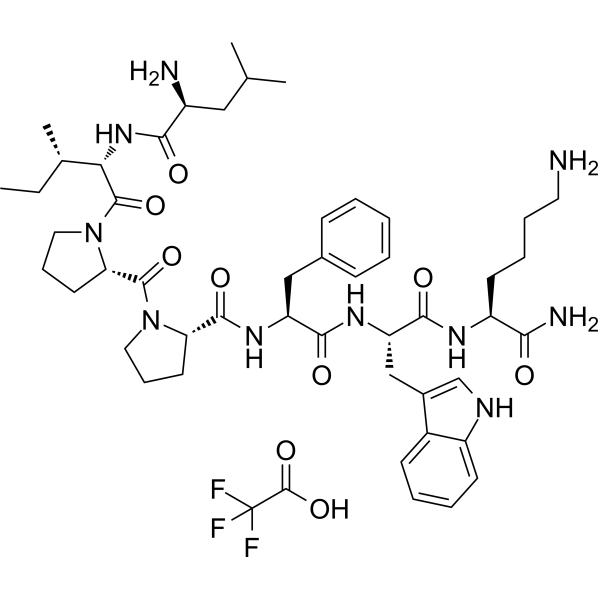
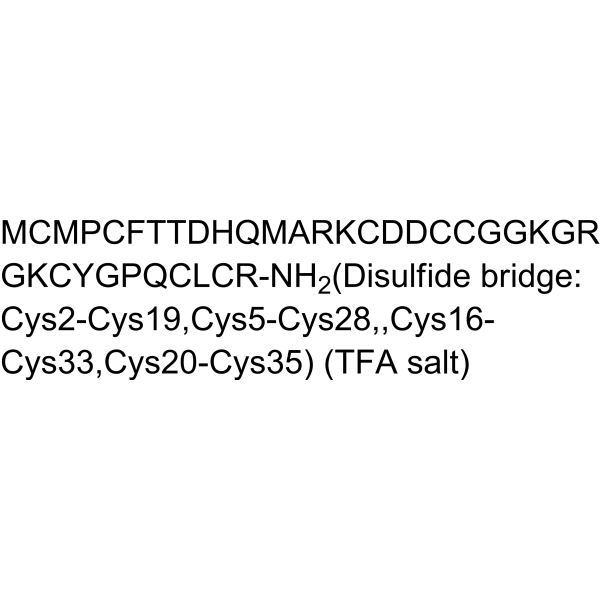
    Cardiotoxin Analog (CTX) IV (6-12) TFA is a membrane active peptide that specifically targets negatively charged phospholipid membranes (such as phosphatidylserine and phosphatidylinositol). Cardiotoxin Analog (CTX) IV (6-12) TFA was discovered in the venom of the Taiwan cobra. Cardiotoxin Analog (CTX) IV (6-12) TFA is a chemically synthesized snake venom cardiotoxin that binds to cell membranes and embeds into lipid bilayers through hydrophobic interactions and electrostatic attraction, thereby destroying the stability of membrane structure. Cardiotoxin Analog (CTX) IV (6-12) TFA can induce membrane lipid disorder and cell lysis, exhibiting hemolysis and cytotoxicity .
    Cardiotoxin Analog (CTX) IV (6-12) TFA
  • HY-P3029A

    PLA2, Crotalus adamanteus Venom

    Phospholipase Others
    Phospholipase A2, Crotalus adamanteus Venom (PLA2) catalyzes the hydrolysis of the sn-2 position of membrane glycerophospholipids to liberate arachidonic acid (AA). Phospholipase A2, Crotalus adamanteus Venom is a member of the class of heat-stable, calcium-dependent enzymes, is often used in biochemical studies .
    Phospholipase A2, Crotalus adamanteus Venom
  • HY-P0246

    Endogenous Metabolite Metabolic Disease
    Mastoparan, a tetradecapeptide which is a component of wasp venom, stimulates release of prolactin from cultured rat anterior pituitary cells.
    Mastoparan
  • HY-P0173B
    Chlorotoxin TFA
    2 Publications Verification

    Chloride Channel Cancer
    Chlorotoxin TFA is a peptide isolated from the venom of the scorpion Leiurus quinquestriatus, acts as a chloride channel blocker . Anti-cancer activity .
    Chlorotoxin TFA
  • HY-12537

    Histamine Receptor 5-HT Receptor Inflammation/Immunology Endocrinology
    Peptide 401, a potent mast cell degranulating factor from bee venom, suppresses the increased vascular permeability due to intradermal injection of various smooth muscle spasmogens (histamine, and 5-HT).
    Peptide 401
  • HY-P3914

    Oct-CA(1-7)M(2-9)

    Bacterial Infection
    Cecropin A (1-7)-Melittin A (2-9) is an antimicrobial peptide with antimicrobial activity against a broad spectrum of Gram-positive and Gram-negative aerobic bacteria, as well as antimalarial activity, without the adverse hemolytic properties of bee venom peptides .
    Cecropin A (1-7)-Melittin A (2-9)
  • HY-P1443

    Sodium Channel Cancer
    OD1 is a scorpion α-toxin that can be isolated from the venom of the Iranian yellow scorpion (Odonthobuthus doriae. OD1 is a modulator of mammalian Nav1.7 (EC50: 4.5 nM) .
    OD1
  • HY-P3985

    Bradykinin potentiating peptide B

    Angiotensin-converting Enzyme (ACE) Cardiovascular Disease Others
    Bradykinin potentiator B (Bradykinin potentiating peptide B) is venom of Agkistrodon halys blomhoffi. Bradykinin potentiator B is a potent ACE inhibitor. Bradykinin potentiator inhibits the activity of bradykinin inhibitory peptidase .
    Bradykinin potentiator B
  • HY-W013741

    Biochemical Assay Reagents DNA Alkylator/Crosslinker DNA/RNA Synthesis Others
    CME-carbodiimide is a nucleic acid modification reagent. CME-carbodiimide reacts specifically with uracil and guanine residues of RNA, as well as guanine and thymine residues of denatured DNA; it does not react with native DNA. Modification of DNA by CME-carbodiimide inhibits phosphodiester bond cleavage or DNA hydrolysis mediated by pancreatic ribonuclease, snake venom phosphodiesterase and deoxyribonuclease .
    CME-carbodiimide
  • HY-P2705

    Endogenous Metabolite Others
    Mastoparan X is a GTP-binding regulatory protein (G protein)-activating peptide, and a tetradecapeptide from wasp venom. Mastoparan X acts function by the direct activation of G protein that couple to phospholipase C to cause secretion from various kinds of cells .
    Mastoparan X
  • HY-P3269

    Calcium Channel Cardiovascular Disease
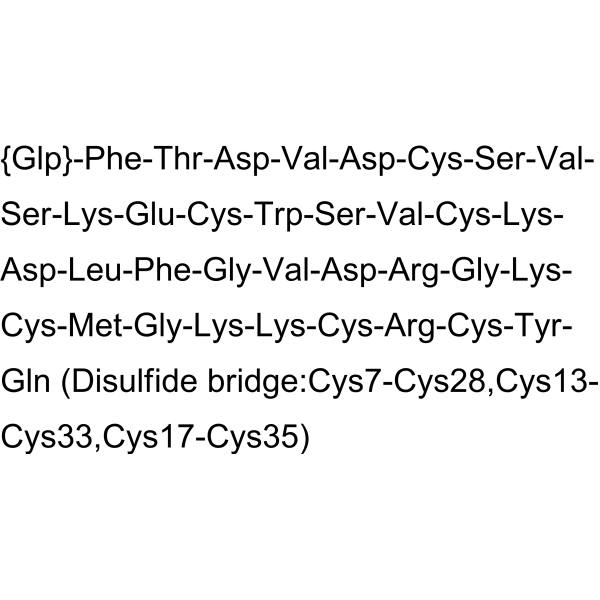
    Calciseptine is a natural polypeptide toxin found in the venom of the black mamba snake (Dendroaspis p. polylepis). Calciseptine is a highly effective and selective blocker of the L-type channel of the Cav1.2 subtype, with an IC50 value of 92 nM. Calciseptine has no effect on Cav3.1, Cav2.2, Cav2.1, Cav1.1, voltage-sensitive sodium channels and potassium channels. Calciseptine exhibits negative inotropic and negative relaxant effects on mice, and does not affect heart rate or the action potential of sinoatrial node pacemaker cells. Calciseptine can be used for research on cardiovascular diseases[1].
    Calciseptine
  • HY-P3095

    Endogenous Metabolite Neurological Disease
    α-Latrotoxin, a potent neurotoxin from black widow spider venom, triggers synaptic vesicle exocytosis from presynaptic nerve terminals .
    α-Latrotoxin
  • HY-P5152

    Sodium Channel Neurological Disease
    Scorpion toxin Tf2 is a β-scorpion toxin, which is firstly identified in the venom of the Brazilian scorpion Tityus fasciolatus. Scorpion toxin Tf2 is a Nav1.3 activator, which is a neuronal voltage-gated sodium (Nav) subtype implicated in epilepsy and nociception. Scorpion toxin Tf2 enhances hNav1.3 activation voltage and opens the channel at resting membrane potentials .
    Scorpion toxin Tf2
  • HY-P3037A

    Calcium Channel Neurological Disease
    Imperatoxin A TFA is a peptide toxin derived from the venom of the African scorpion Pandinus imperator. Imperatoxin A TFA is a Ca 2+-release channels/ryanodine receptors (RyRs) activator. Imperatoxin A TFA enhances the influx of Ca 2+ from the sarcoplasmatic reticulum into the cell .
    Imperatoxin A TFA
  • HY-W012479S

    D-Tryptophan-d5

    Isotope-Labeled Compounds Endogenous Metabolite Metabolic Disease
    H-D-Trp-OH-d5 (D-Tryptophan-d5) is the deuterium labeled H-D-Trp-OH. H-D-Trp-OH is a D-stereoisomer of tryptophan and occasionally found in naturally produced peptides such as the marine venom peptide.
    H-D-Trp-OH-d5
  • HY-P2878A

    PDE, Rattlesnake Venom

    Phosphodiesterase (PDE) Metabolic Disease
    Phosphodiesterase l, Rattlesnake venom (PDE, Rattlesnake venom) is a non-selective phosphodiester bond hydrolase targeting phosphodiester bonds in oligonucleotides, catalyzing their hydrolysis into mononucleotides. Phosphodiesterase l, Rattlesnake venom cleaves phosphodiester linkages in DNA fragments digested by DNase I. Phosphodiesterase l, Rattlesnake venom is promising for research of nucleic acid structure and metabolism .
    Phosphodiesterase l, Rattlesnake venom
  • HY-P5652

    Bacterial Infection
    Bombolitin II is an antimicrobial peptide derived from bumblebee venom. Bombolitin II can lysate erythrocyte and liposome .
    Bombolitin II
  • HY-P5781

    Sodium Channel Neurological Disease
    δ-Theraphotoxin-Hm1b is a 42-amino acid peptide isolated from Togo starburst tarantula (Heteroscodra maculata) venom. δ-Theraphotoxin-Hm1b selectively inhibits inactivation of NaV1.1 but have no effect on NaV1.7 .
    δ-Theraphotoxin-Hm1b
  • HY-P1441

    Sodium Channel Others
    Mambalgin-1 is a toxin isolated from black mamba venom. Mambalgin-1 is a disulfide-rich polypeptide consisting of 57 amino acids and belongs to the family of three-finger toxins. Mambalgin-1 can bind to and stabilize ASICs (acid-sensing ion channels) in a physiologically relevant closed-channel conformation .
    Mambalgin 1
  • HY-P10518

    Bacterial Infection
    Anoplin is an antimicrobial peptide found in the venom of the solitary wasp (Anoplius samariensis). Anoplin exhibits antimicrobial activity against a wide range of bacteria, including both gram-positive and gram-negative bacteria. Anoplin can be used in the development of antibiotics .
    Anoplin
  • HY-P5159

    Sodium Channel Inflammation/Immunology
    Crotamine is a Na + channel modulator. Crotamine is a 42 amino acid toxin cross-linked by three disulfide bridges. Crotamine has analgesic activity. Crotamine also interacts with lipid membranes and shows myonecrotic activity. Crotamine can be isolated from Crotalus durissus terrificus venom .
    Crotamine
  • HY-P5159A

    Sodium Channel Inflammation/Immunology
    Crotamine TFA is a Na + channel modulator. Crotamine is a 42 amino acid toxin cross-linked by three disulfide bridges. Crotamine has analgesic activity. Crotamine also interacts with lipid membranes and shows myonecrotic activity. Crotamine can be isolated from Crotalus durissus terrificus venom .
    Crotamine TFA
  • HY-P11193

    Bacterial Fungal Infection
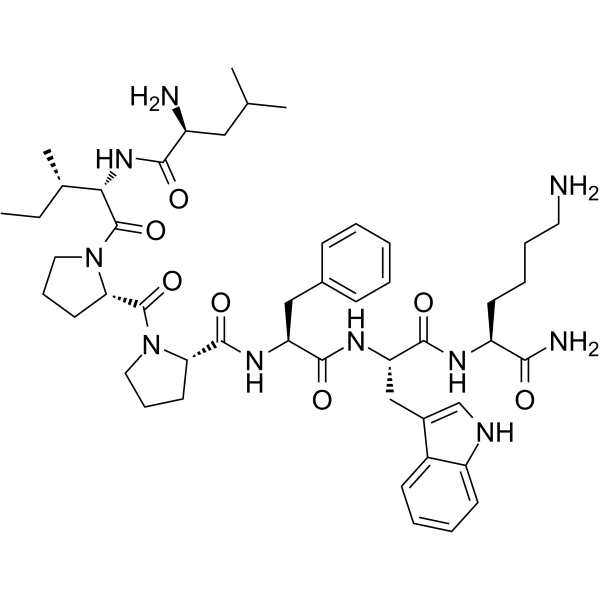
    Scolopin-2 is an antimicrobial peptide that can be isolated from centipede venoms. Scolopin-2 shows strong antimicrobial activities against a panel of Gram-positive/negative bacteria and fungi (MIC ≤ 7.5 μg/mL) . Scolopin-2 shows moderate hemolytic activity against both human and rabbit red cells. Scolopin-2 can be used for antimicrobial research .
    Scolopin-2
  • HY-P3009D

    Factor Xa Cardiovascular Disease
    Rat Factor Xa is prepared by activating purified Rat Factor X with Russells' Viper Venom, after which the Russells' Viper Venom is removed.
    Rat Factor Xa
  • HY-P3009C

    Factor Xa Cardiovascular Disease
    Rabbit Factor Xa is prepared by activating purified Rabbit Factor X with Russells' Viper Venom, after which the Russells' Viper Venom is removed.
    Rabbit Factor Xa
  • HY-P3009A

    Factor Xa Cardiovascular Disease
    Canine Factor Xa is prepared by activating purified Canine Factor X with Russells' Viper Venom, after which the Russells' Viper Venom is removed.
    Canine Factor Xa
  • HY-P3009B

    Factor Xa Cardiovascular Disease
    Porcine Factor Xa is prepared by activating purified Porcine Factor X with Russells' Viper Venom, after which the Russells' Viper Venom is removed.
    Porcine Factor Xa
  • HY-N0879

    ψ-Bufarenogin

    Others Cancer
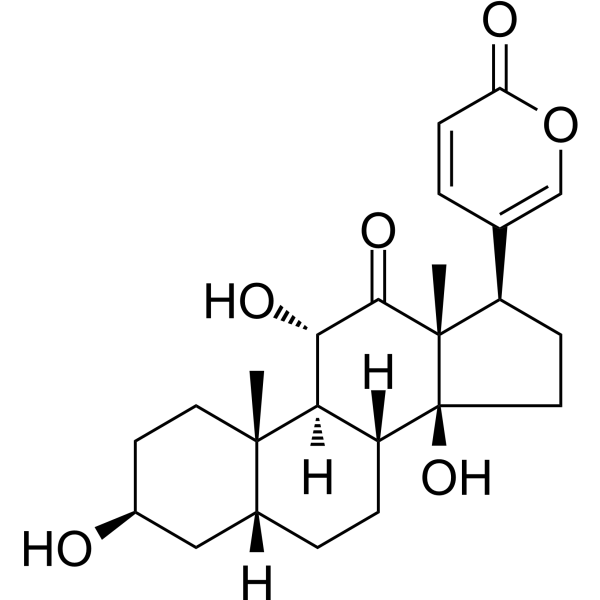
    Pseudobufarenogin (ψ-Bufarenogin) is an extract of toad venom with an unknown activity background.
    Pseudobufarenogin
  • HY-P1543

    GLP Receptor Amylases GCGR Neurological Disease
    Exendin-3 is a biologically active peptides isolated from venoms of the Gila monster lizards, Heloderma horridurn.
    Exendin-3
  • HY-N4255

    Others Cancer
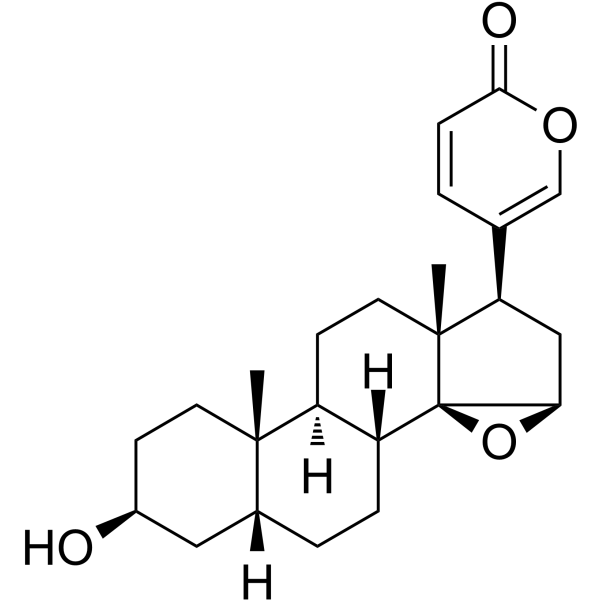
    Resibufagin is a kind of bufadienolide isolated from the venom of Bufo bufo gargarizans, has anti-tumor activities .
    Resibufagin
  • HY-P4071

    Cathelicidin-OH antimicrobial peptide

    Bacterial Infection
    OH-CATH is a natural antimicrobial peptide that can be isolated from the venom and tissue of Ophiophagus hannah (King Cobra) .
    OH-CATH
  • HY-P1084

    β-PMTX

    Sodium Channel Neurological Disease
    β-Pompilidotoxin (β-PMTX), a wasp venom, can slow sodium channel inactivation and increases steady-state sodium current in cells .
    β-Pompilidotoxin
  • HY-P3065

    Calcium Channel Neurological Disease
    Calcicludine is a protein toxin from the venom of the green mamba that inhibits high-voltage-activated calcium channel, especially L-type calcium channel .
    Calcicludine
  • HY-P5833

    κ-Bgt

    nAChR Neurological Disease
    κ-Bungarotoxin (κ-Bgt) is a potent, selective, and slowly reversible antagonist of α3β2 neuronal nicotinic acetylcholine receptors with an IC50 of 2.30 nM .
    κ-Bungarotoxin
  • HY-P2619

    Angiotensin Receptor Peptide-Drug Conjugates (PDCs) Cardiovascular Disease
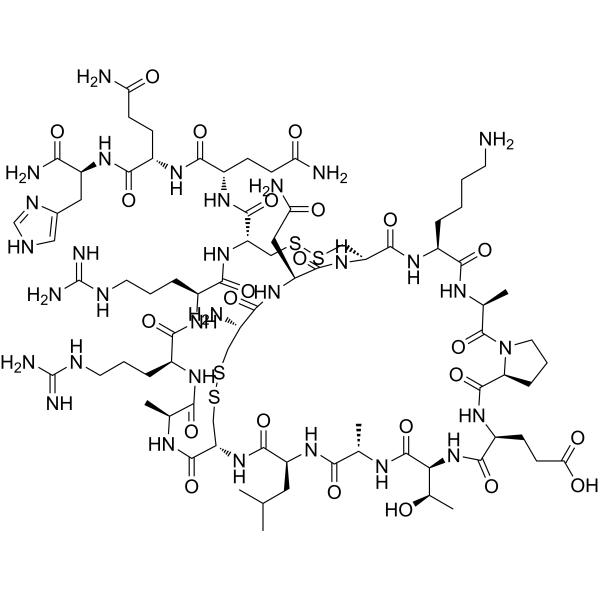
    BPP 5a is a bradykinin-potentiating peptide with vasorelaxant activity, which is found in Bothrops jararaca venom. BPP 5a is an angiotensin-converting enzyme (ACE) inhibitor with a Ki value of 400 nM. BPP 5a is promising for research of hypertension and cardiovascular diseases .
    BPP 5a
  • HY-P0256A
    Apamin TFA
    5+ Cited Publications

    Apamine TFA

    Potassium Channel Neurological Disease Inflammation/Immunology
    Apamin TFA (Apamine TFA) is an 18 amino acid peptide neurotoxin found in apitoxin (bee venom), is known as a specifically selective blocker of Ca 2+-activated K + (SK) channels and exhibits anti-inflammatory and anti-fibrotic activity .
    Apamin TFA
  • HY-P3050

    GCGR Cardiovascular Disease
    Helospectin II is a neuropeptide of the vasoactive intestinal peptide (VIP) family. Helospectin II has vasodilatory and antihypertensive activities, and decreases blood pressure. Helospectin II is originally isolated from the salivary gland venom of the lizard Heloderma suspectum .
    Helospectin II
  • HY-P5653

    Bacterial Infection
    Bombolitin III is an antimicrobial peptide derived from bumblebee venom. Bombolitin III can lysate erythrocyte and liposome .
    Bombolitin III
  • HY-P5654

    Bacterial Infection
    Bombolitin IV is an antimicrobial peptide derived from bumblebee venom. Bombolitin IV can lysate erythrocyte and liposome .
    Bombolitin IV
  • HY-P5851

    Biochemical Assay Reagents Neurological Disease
    AaHI is a neurotoxin that can be obtained from the venom of the North African scorpion Androctonus australis hector. AaHI can be used as a tool for the development of active substances with toxin-neutralizing capabilities .
    AaHI
  • HY-P5835

    Potassium Channel Neurological Disease
    δ-Dendrotoxin is a K + channel blocker that can be obtained from the venom of the black mamba snake. δ-Dendrotoxin can be used in the study of neurological diseases .
    δ-Dendrotoxin
  • HY-P5629

    Bacterial Infection
    MCF is an antimicrobial peptide derived from bee venom. MCF has activity against E.coli W 160-37, S.aureus 8530 and B.subtilis, the MIC values are 35-45 μg/ml, 25-35 μg/ml and 15-25 μg/ml .
    MCF
  • HY-P5780

    Sodium Channel Neurological Disease
    π-TRTX-Hm3a is a 37-amino acid peptide isolated from Togo starburst tarantula (Heteroscodra maculata) venom. π-TRTX-Hm3a pH-dependently inhibits acid-sensing ion channel 1a (ASIC1a) with an IC50 of 1-2 nM and potentiates ASIC1b with an EC50 of 46.5 nM .
    π-TRTX-Hm3a
  • HY-P5854

    Potassium Channel Neurological Disease
    Aa1 toxin, a neurotoxic peptide that can be obtained from the venom of Androctonus australis Garzoni, is a specific potassium channel blocker. Aa1 toxin can be used in the study of neurological diseases .
    Aa1 toxin
  • HY-141555

    Phosphodiesterase (PDE) Tyrosinase Others
    5,5′-(1,3-Propanediyl)bis-1,3,4-oxadiazole-2(3H)-thione is a weak inhibitor for snake venom and human recombinant phosphodiesterase 1 with IC50 of 429 and 467 μM. 5,5′-(1,3-Propanediyl)bis-1,3,4-oxadiazole-2(3H)-thione inhibits mushroom tyrosinase weakly, with Ki of 1.9 μM .
    5,5′-(1,3-Propanediyl)bis-1,3,4-oxadiazole-2(3H)-thione
  • HY-P5857

    Micrurotoxin 2

    GABA Receptor Neurological Disease
    MmTx2 toxin is a GABAA receptor modulator that enhances GABAA receptor sensitivity to agonists. MmTx2 toxin can be obtained from venom of coral snake. MmTx2 toxin can be used in the study of neurological diseases such as epilepsy, schizophrenia and chronic pain .
    MmTx2 toxin

Inquiry Online

Your information is safe with us. * Required Fields.

Salutation


Country or Region *

Applicant Name *


Organization Name *

Department *


Email Address *


Product Name *

Cat. No.


Requested quantity *

Phone Number *


Remarks

Inquiry Online

Inquiry Information

Product Name:
Cat. No.:
Quantity:
MCE Japan Authorized Agent:

