1. Search Result
Search Result
Results for "

Wistar

" in MedChemExpress (MCE) Product Catalog:

190

Inhibitors & Agonists

1

Fluorescent Dye

8

Biochemical Assay Reagents

13

Peptides

1

Inhibitory Antibodies

42

Natural
Products

1

Click Chemistry

2

Oligonucleotides

1

GMP Molecules

Cat. No. Product Name Target Research Areas Chemical Structure
  • HY-13687
    IKK 16
    Maximum Cited Publications
    29 Publications Verification

    IKK LRRK2 P-glycoprotein PKD NF-κB TNF Receptor Interleukin Related Cardiovascular Disease Inflammation/Immunology
    IKK 16 is an orally active IKK inhibitor. IKK 16 shows IC50s of 40 nM, 70 nM, 200 nM, and 50 nM for IKK2, IKK complex, IKK1, and LRRK 2, respectively. IKK 16 is also a pan-PKD inhibitor, inhibiting PKD1, PKD2, and PKD3 with IC50s of 153.9, 115, and 99.7 nM, respectively. IKK 16 is also an ABCB1 inhibitor, interfering with the binding of ABCB1 to its substrates. IKK 16 protects against LPS (HY-D1056)-induced multiple organ dysfunction by reducing the acute inflammatory response induced by endotoxin exposure. IKK 16 can restore renal function and alleviate fibrosis in acute kidney injury. IKK 16 attenuates cardiac dysfunction associated with polymicrobial sepsis in mice with type 2 diabetes mellitus (T2DM) by inhibiting the NF-κB pathway .
    IKK 16
  • HY-126389

    Environmental Pollutants Endogenous Metabolite Fungal NF-κB Biochemical Assay Reagents Infection Inflammation/Immunology
    Chitin, from crab carapace (powder),biomedical research grade is a long-chain polymer of N-acetylglucosamine with β-(1-4) linkages. Chitin, from crab carapace (powder),biomedical research grade is found in the exoskeleton of crabs. Chitin, from crab carapace (powder),biomedical research grade inhibits the activation of NF-κB p65, alters the translocation of NF-κB p65 to the nucleus, and interacts with the cell wall of Candida species. Chitin, from crab carapace (powder),biomedical research grade exerts antifungal and anti-inflammatory effects. Chitin, from crab carapace (powder),biomedical research grade can be used in the research of gastric ulcer and candidiasis .
    Chitin, from crab carapace (powder),biomedical research grade
  • HY-B1391
    D-Panthenol
    1 Publications Verification

    Dexpanthenol

    Environmental Pollutants Endogenous Metabolite Inflammation/Immunology Cancer
    D-Panthenol is the biologically-active alcohol of pantothenic acid, which leads to an elevation in the amount of coenzyme A in the cell. D-panthenol exhibits nephroprotective effect in AKI, promotes tissue repair and regeneration.
    D-Panthenol
  • HY-12654
    Molidustat
    5+ Cited Publications

    BAY 85-3934

    HIF/HIF Prolyl-Hydroxylase Cardiovascular Disease
    Molidustat (BAY 85-3934) is an orally active inhibitor of hypoxia-inducible factor prolyl hydroxylase (HIF-PH) with IC50 values of 480 nM, 280 nM, and 450 nM for PHD1, PHD2, and PHD3, respectively. Molidustat can elevate the levels of circulating erythropoietin (EPO) to near-normal physiological ranges. Molidustat can be utilized in the research of renal anemia .
    Molidustat
  • HY-Z0478
    (-)-Limonene
    1 Publications Verification

    (S)-(-)-Limonene

    Bacterial Antibiotic CaMK Infection Cardiovascular Disease Metabolic Disease
    (-)-Limonene ((S)-(-)-Limonene) is orally active and can cause mild bronchoconstriction. (-)-Limonene alleviates cytosolic and mitochondrial oxidative stress by inhibiting the increase of calcium ions (Ca 2+) and Ca 2+/calmodulin-dependent protein kinase II (CaMKII). It also exerts anti-stress effects by inhibiting the activity of the hypothalamic-pituitary-adrenal (HPA) axis. Additionally, (-)-Limonene can be used as an antibacterial agent in aquaculture .
    (-)-Limonene
  • HY-W001160

    Endogenous Metabolite Calcium Channel nAChR Neurological Disease Endocrinology Cancer
    5-Hydroxyindole is an orally active hydroxylated indole and tryptophan metabolite. 5-Hydroxyindole activates α7 nicotinic acetylcholine receptors and acts on intestinal L-type calcium channels. 5-Hydroxyindole slows down the desensitization of 5-HT3 receptor-mediated ion currents in cells. 5-Hydroxyindole causes convulsions and loss of consciousness. 5-Hydroxyindole is used in the study of neuroblastoma, schizophrenia, and diseases related to intestinal motility disorders .
    5-Hydroxyindole
  • HY-Y0399

    Norvaline

    Amyloid-β TNF Receptor Arginase Neurological Disease Metabolic Disease
    L-Norvaline is the inhibitor for arginase, that promotes the production of NO, reduces oxidative stress, improves insulin resistance, and exhibits antioxidant and anti-hyperglycemic effects. L-Norvaline can be used in research of Alzheimer’s disease .
    L-Norvaline
  • HY-B1727
    Phenanthrene
    1 Publications Verification

    Environmental Pollutants Apoptosis Inflammation/Immunology Cancer
    Phenanthrene is an orally active polycyclic aromatic hydrocarbon (PAH) that induces inflammation, oxidative stress, and apoptosis. Additionally, phenanthrene is commonly used to detect or assess PAH pollution in the environment .
    Phenanthrene
  • HY-B0106A

    UCB 6474

    Drug Derivative Neurological Disease
    Etiracetam is a racetam-class nootropic agent. Etiracetam enhances learning and memory in both normal and amnesic rats. Etiracetam can be used in studies related to memory retrieval disorders and amnesic diseases such as Alzheimer's disease .
    Etiracetam
  • HY-Y0946

    Environmental Pollutants Inflammation/Immunology Cancer
    Acetamide is used as an intermediate in the synthesis of methylamine, thioacetamide, and insecticides, and as a plasticizer in leather, cloth and coatings. Acetamide has carcinogenicity. Acetamide derivatives may has antioxidant activity and potential anti-inflammatory activity. Acetamide holds promise for research in the fields of anti-inflammatory and cancer studies .
    Acetamide
  • HY-105174A

    JAK FAK Neurological Disease Metabolic Disease
    BPC 157 acetate is an orally active peptide. BPC 157 acetate exhibits multiple activities such as promoting wound healing, tendon healing, neuroprotection, and gastrointestinal protection. BPC 157 acetate can be used in the research of tendon injury, burn, gastric ulcer, and neurological diseases .
    BPC 157 acetate
  • HY-W042193

    δ-Valerolactam

    Endogenous Metabolite Metabolic Disease
    2-Piperidone is an endogenous metabolite. 2-Piperidone is the biomarker for the activity of CYP2E1 .
    2-Piperidone
  • HY-13687A
    IKK 16 hydrochloride
    Maximum Cited Publications
    29 Publications Verification

    IKK LRRK2 P-glycoprotein PKD NF-κB TNF Receptor Interleukin Related Cardiovascular Disease Inflammation/Immunology
    IKK 16 hydrochloride is an orally active IKK inhibitor. IKK 16 hydrochloride shows IC50s of 40 nM, 70 nM, 200 nM, and 50 nM for IKK2, IKK complex, IKK1, and LRRK 2, respectively. IKK 16 hydrochloride is also a pan-PKD inhibitor, inhibiting PKD1, PKD2, and PKD3 with IC50s of 153.9, 115, and 99.7 nM, respectively. IKK 16 hydrochloride is also an ABCB1 inhibitor, interfering with the binding of ABCB1 to its substrates. IKK 16 hydrochloride protects against LPS (HY-D1056)-induced multiple organ dysfunction by reducing the acute inflammatory response induced by endotoxin exposure. IKK 16 hydrochloride can restore renal function and alleviate fibrosis in acute kidney injury. IKK 16 hydrochloride attenuates cardiac dysfunction associated with polymicrobial sepsis in mice with type 2 diabetes mellitus (T2DM) by inhibiting the NF-κB pathway .
    IKK 16 hydrochloride
  • HY-101432

    ICI-54450; Acidum fenclozicum; Mialex

    COX Inflammation/Immunology
    Fenclozic acid (ICI-54450) is an orally active anti-inflammatory, analgesic, and antipyretic agent. Fenclozic acid exhibits anti-inflammatory activity in Edadjuvant-induced arthritis and Carrageenin-induced oedema in rats. Fenclozic acid can be used for the research of arthritis .
    Fenclozic acid
  • HY-B1014

    VD/VDR p38 MAPK JNK ERK NF-κB Akt GSK-3 PKA Apoptosis Cardiovascular Disease Inflammation/Immunology Cancer
    Acenocoumarol is an anticoagulant that functions as a Vitamin K antagonist. Acenocoumarol inhibits MAPK/ERK/JNK signaling pathway, reduces the nuclear translocation of NF-κB p65, activates Akt/GSK3β signaling pathway. Acenocoumarol induces apoptosis in cell A549, arrests cell cycle at S phase .
    Acenocoumarol
  • HY-132189

    P-glycoprotein Neurological Disease
    Laniquidar is a non-competitive P-gp inhibitor with an IC50 of 0.51 μM. Laniquidar binds to the P-gp transporter with high affinity and exhibits low activity as a substrate. Laniquidar is applicable to epilepsy-related research .
    Laniquidar
  • HY-W013331
    Deoxyartemisinin
    1 Publications Verification

    2-Deoxyartemisinin

    TNF Receptor Neurological Disease Inflammation/Immunology
    Deoxyartemisinin (2-Deoxyartemisinin) is an orally active anti-inflammatory and analgesic agent. Deoxyartemisinin selectively reduces the level of the pro-inflammatory cytokine TNF-α. Deoxyartemisinin alleviates neuropathic pain, inflammatory pain, and croton oil-induced ear edema.\nDeoxyartemisinin exerts an analgesic effect against thermal stimulation. Deoxyartemisinin has anti-ulcer activity. Deoxyartemisinin can be used in research related to inflammatory diseases, pain, and gastric ulcers .
    Deoxyartemisinin
  • HY-W013851

    Environmental Pollutants Biochemical Assay Reagents Others
    EDTA-OH is a chelating agent, which forms thermodynamically stable chelates with metal ions like calcium, magnesium, iron, zinc and copper . EDTA-OH exhibits ability of phytoremediation in heavy-metal-contaminated soils . EDTA-OH is able to cross brain-blood barrier .
    EDTA-OH
  • HY-101509
    HSL-IN-1
    3 Publications Verification

    Lipase Metabolic Disease
    HSL-IN-1 (compound 24b) is a potent and orally active hormone sensitive lipase (HSL) inhibitor (IC50=2 nM) with a significantly reduced reactive metabolite liability .
    HSL-IN-1
  • HY-150700

    ERK Metabolic Disease
    RLX-33 is a potent, selective and blood-brain barrier (BBB) penetrant relaxin family peptide 3 (RXFP3) antagonist, also blocks relaxin-3-induced ERK1/2 phosphorylation, with IC50 values of 2.36 μM for RXFP3, 7.82 and 13.86 μM for ERK1 and ERK2 phosphorylation, respectively. RLX-33 can block the stimulation of food intake induced by the RXFP3-selective agonist R3/I5 in rats. RLX-33 can be used for the research of metabolic syndrome .
    RLX-33
  • HY-136704

    Glutaminase Cancer
    GLS1 Inhibitor-1 (Compound 27) is an orally active inhibitor for glutaminase 1 (GLS1) with an IC50 of 0.021 μM. GLS1 Inhibitor-1 inhibits the proliferation of PC-3 with an IC50 of 0.3 nM. GLS1 Inhibitor-1 exhibits antitumor efficacy against NCI-H1703 with GI50 of 0.011 μM. GLS1 Inhibitor-1 exhibits moderate pharmacokinetic characteristics .
    GLS1 Inhibitor-1
  • HY-154795

    Caspase NOD-like Receptor (NLR) Inflammation/Immunology
    Magnesium isoglycyrrhizinate hydrate is the active component found in licorice plant (Glycyrrhiza glabra). Magnesium isoglycyrrhizinate hydrate exhibits anti-inflammatory activity through NLRP3 inflammasome pathway, and attenuates the chronic obstructive pulmonary disease in rats .
    Magnesium isoglycyrrhizinate hydrate
  • HY-168366

    Opioid Receptor Neurological Disease
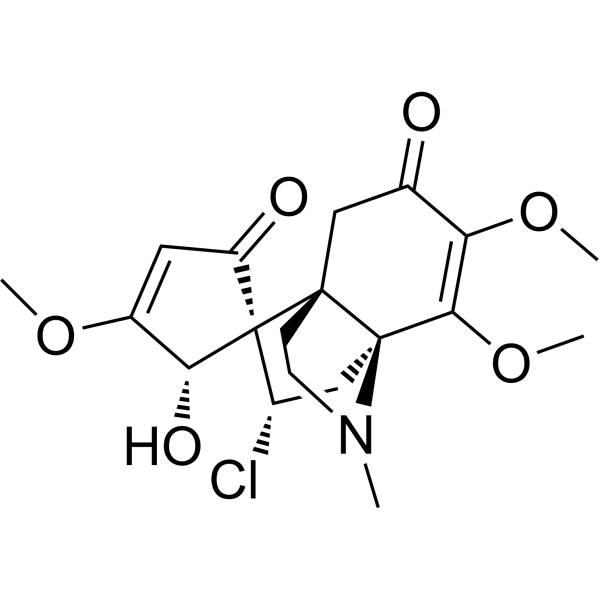
    R-6890 is a Brorphine-related opioid receptor antagonist that exhibits differential binding activities toward rat opioid receptors (IC50=4.6 nM (0.05 M Tris; pH 7.4) and 170 nM (0.05 M Tris+0.1 M NaCl)). R-6890 displaces bound labeled opioids from receptors, and its binding affinity is affected by environmental factors, decreasing in the presence of NaCl. R-6890 crosses the blood-brain barrier (BBB) and exerts analgesic effects in the warm water-induced tail-flick reflex model of male Wistar rats .
    R-6890
  • HY-108656

    P2Y Receptor Arrestin Cardiovascular Disease
    MRS2365 is a potent and selective P2Y1 receptor (EC50=0.4 nM) /[ 35S]GTPγS binding/β-arrestin 2 recruitment agonist with an EC50 of 0.4 nM. MRS2365 relieves mechanical allodynia and increases mechanical sensitivity. MRS2365 shows little agonist or antagonist activity at the P2Y12 or P2Y13 receptors .
    MRS2365
  • HY-129963

    Endogenous Metabolite DNA/RNA Synthesis Others
    3'-UMP disodium is a nucleotide, that is a component of ribonucleic acid (RNA) and would be converted to uracil in rat jejunum .
    3'-UMP disodium
  • HY-116930

    Melatonin Receptor Metabolic Disease
    S-20928 is an antagonist for melatonin receptor through inhibition of binding of melatonin to its receptors. S-20928 enhances the 2-Deoxy-D-glucose (2DG) (HY-13966)-induced increase in blood glucose and glucagon levels in rats brain .
    S-20928
  • HY-113316A

    Endogenous Metabolite Opioid Receptor Neurological Disease
    (±)-Salsolinol hydrochloride is the hydrochloride form of (±)-Salsolinol (HY-113316). (±)-Salsolinol hydrochloride is a Dopamine (HY-B0451)-derived endogenous metabolite. (±)-Salsolinol hydrochloride activates μ-opioid receptors (MORs), reduces GABAergic transmission, increases the excitability of dopamine (DA) neurons, and thus accelerates the sustained firing of neurons in the posterior ventral tegmental area (pVTA) .
    (±)-Salsolinol hydrochloride
  • HY-108656A

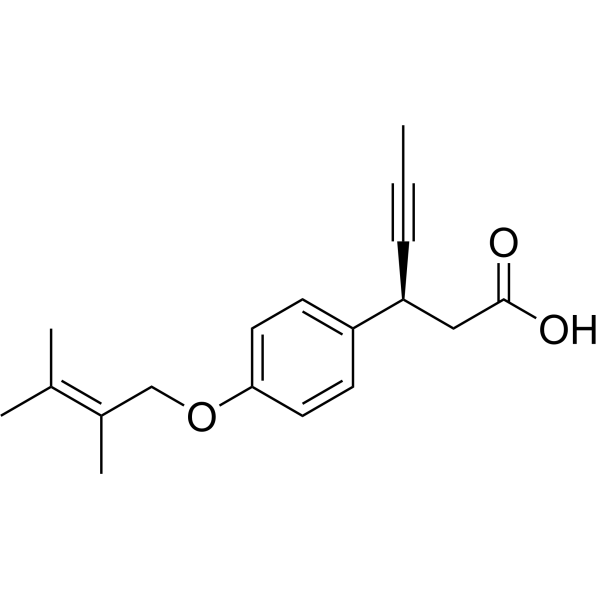
    P2Y Receptor Arrestin Cardiovascular Disease
    MRS2365 trisodium is a potent and selective P2Y1 receptor (EC50=0.4 nM)/[ 35S]GTPγS binding/β-arrestin 2 recruitment agonist. MRS2365 trisodium relieves mechanical allodynia and increases mechanical sensitivity .
    MRS2365 trisodium
  • HY-B2007

    Environmental Pollutants Acetyl-CoA Carboxylase Herbicide Metabolic Disease Inflammation/Immunology
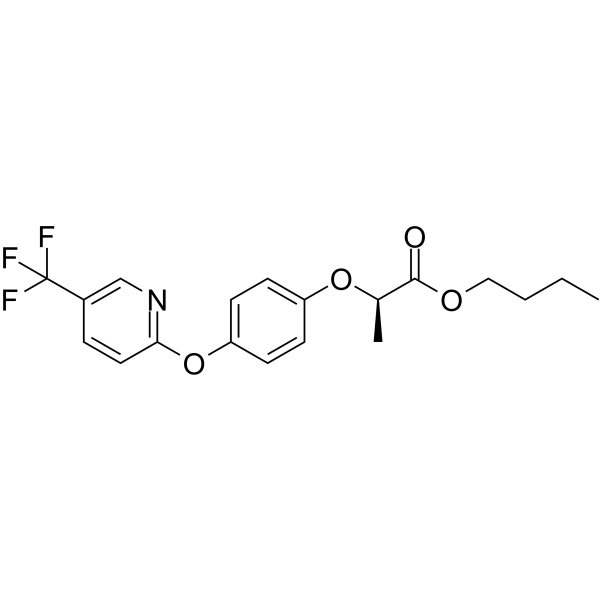
    Fluazifop-P-butyl is an orally active herbicide and ACCase inhibitor. Fluazifop-P-butyl blocks the formation of malonyl-CoA, disrupts lipid synthesis in sensitive plants, and exhibits concentration-dependent phytotoxicity to non-target maize seedlings. Fluazifop-P-butyl induces oxidative stress in male Wistar rats, impairs their liver and kidney functions, and disrupts testicular function .
    Fluazifop-P-butyl
  • HY-131929

    NO Synthase Inflammation/Immunology
    AE-ITU dihydrobromide is the dihydrobromide form of AE-ITU. AE-ITU dihydrobromide is a selective inhibitor for inducible NO synthase (iNOS), and attenuates the liver dysfunction caused by endotoxaemia in rats .
    AE-ITU dihydrobromide
  • HY-W250580

    Biochemical Assay Reagents Others
    Dimethicone is an orally active biochemical assay reagents consisting of a fully methylated linear siloxane polymer whose ends are blocked by trimethylsiloxane units. Dimethicone can lubricate hair and physically block the respiratory system of lice to remove lice. Dimethicone has potential applications in cosmetics and daily cleaning products .
    Dimethicone
  • HY-NP002H

    Biochemical Assay Reagents Others
    Porcine Serum Albumin (globulin free) is a serum albumin protein containing a flexible C-terminal region. Porcine Serum Albumin (globulin free) induces the production of anti-PSA IgG antibodies in rats and triggers severe immune responses upon secondary administration .
    Porcine Serum Albumin (globulin free)
  • HY-B1391R

    Dexpanthenol (Standard)

    Reference Standards Endogenous Metabolite Inflammation/Immunology Cancer
    D-Panthenol (Standard) is the analytical standard of D-Panthenol. This product is intended for research and analytical applications. D-Panthenol is the biologically-active alcohol of pantothenic acid, which leads to an elevation in the amount of coenzyme A in the cell. D-panthenol exhibits nephroprotective effect in AKI, promotes tissue repair and regeneration.
    D-Panthenol (Standard)
  • HY-143444

    JAK Neurological Disease Metabolic Disease Inflammation/Immunology Cancer
    JAK-IN-20 is a potent, pan and orally active JAK inhibitor with an IC50s of 7 nM, 5 nM, 14 nM for JAK1, JAK2, JAK3, respectively. JAK-IN-20 shows excellent pharmacokinetics and displays anti-inflammatory efficacy in vivo .
    JAK-IN-20
  • HY-W039923

    Insulin Receptor Endocrinology
    β-D-Galactose pentaacetate is a negative regulator of insulin with plasma membrane penetrating ability and can be hydrolyzed by intracellular esterases. β-D-Galactose pentaacetate inhibits Leucine (HY-N0486)-induced insulin release in Wistar rat islets, potentially preventing excessive insulin release in pathological conditions .
    β-D-Galactose pentaacetate
  • HY-172419

    GM-1020

    iGluR Neurological Disease
    Blixeprodil (GM-1020) is the orally active antagonist for NMDA receptor with an affinity of Ki=3.25 µM in rat cortical tissue. Blixeprodil inhibits NR1/2A-NMDAR-mediated currents in HEK293 cell with IC50 of 1.192 µM. Blixeprodil exhibits antidepressant in rats models. Blixeprodil can cross blood-brain barrier .
    Blixeprodil
  • HY-129415

    Hexaprazole

    Drug Derivative Others
    Esaprazole (Hexaprazole) is an antiulcer agent that has the effect of promoting the healing of peptic ulcer. Esaprazole can inhibit the secretion of gastric acid and pepsin .
    Esaprazole
  • HY-Y0399R

    Amyloid-β Reference Standards TNF Receptor Arginase Neurological Disease Metabolic Disease
    L-Norvaline (Standard) is the analytical standard of L-Norvaline (HY-Y0399). This product is intended for research and analytical applications. L-Norvaline is the inhibitor for arginase, that promotes the production of NO, reduces oxidative stress, improves insulin resistance, and exhibits antioxidant and anti-hyperglycemic effects. L-Norvaline can be used in research of Alzheimer’s disease .
    L-Norvaline (Standard)
  • HY-B1727R

    Reference Standards Apoptosis Inflammation/Immunology Cancer
    Phenanthrene (Standard) is the analytical standard of Phenanthrene. This product is intended for research and analytical applications. Phenanthrene is an orally active polycyclic aromatic hydrocarbon (PAH) that induces inflammation, oxidative stress, and apoptosis. Additionally, phenanthrene is commonly used to detect or assess PAH pollution in the environment .
    Phenanthrene (Standard)
  • HY-107614G

    1-Oleoyl-sn-glycero-3-phosphate sodium; 1-Oleoyl-LPA sodium

    LPL Receptor ROCK TGF-beta/Smad TGF-β Receptor Neurological Disease Cancer
    1-Oleoyl lysophosphatidic acid sodium (GMP) is the GMP-grade form of 1-Oleoyl lysophosphatidic acid sodium (HY-107614). GMP-grade small molecules serve as auxiliary reagents in cell therapy. 1-Oleoyl lysophosphatidic acid sodium is a bioactive lipid signaling molecule. 1-Oleoyl lysophosphatidic acid sodium inhibits lysoPLD-catalyzed hydrolysis of lysophosphatidylcholine and FS-3. 1-Oleoyl lysophosphatidic acid sodium activates LPA1 and LPA2, thereby triggering calcium mobilization, NFATc1 translocation, Rho/ROCK activation, Smad2/3 phosphorylation and c-Fos expression. 1-Oleoyl lysophosphatidic acid sodium induces anxiety-like, depression-like and hypoactivity phenotypes, regulates osteoclast cytoskeleton and viability, reduces osteoclast bone resorptive activity, and drives mesenchymal stem cell differentiation into myofibroblast-like cells. 1-Oleoyl lysophosphatidic acid sodium stimulates the secretion of transforming growth factor-β1 and stromal cell-derived factor-1. 1-Oleoyl lysophosphatidic acid sodium is applicable to research related to anxiety, depression and ovarian cancer .
    1-Oleoyl lysophosphatidic acid sodium
  • HY-160602

    Free Fatty Acid Receptor Metabolic Disease
    CPL207280 is an orally active GPR40/FFA1 agonist with an antidiabetic effect. CPL207280 can effectively enhance glucose-stimulated insulin secretion and improve glucose tolerance in MIN6 pancreatic β-cells as well as in healthy Wistar Han rats and diabetic rat models. CPL207280 can be used for the research of type 2 diabetes .
    CPL207280
  • HY-119671

    COX Lipoxygenase Endocrinology
    BW 755C is a 5-lipoxygenase (5-LO) inhibitor with an IC50 of 5 μM. BW 755C also inhibits cyclooxygenase (COX) with IC50s of 0.65 and 1.2 μg/mL against COX-1 and COX-2, respectively .
    BW 755C
  • HY-128029

    Phosphorylase Metabolic Disease
    Glycogen phosphorylase-IN-1 (Compound 42) is an inhibitor for human liver glycogen phosphorylase (hlGPa) and hepatocyte glycogen-derived glucose production with IC50s of 53 and 380 nM, respectively. Glycogen phosphorylase-IN-1 reveals efficacy towards type 2 diabetes .
    Glycogen phosphorylase-IN-1
  • HY-114753

    CR-2249; XY-2401

    iGluR Neurological Disease
    Neboglamine (CR-2249; XY-2401) is a modulator for N-methyl-D-aspartate (NMDA) receptor. Neboglamine increases the levels of fos-like immunoreactivity (FLI)-positive cells in the prefrontal cortex, nucleus accumbens, and lateral septal nucleus in rat models, .restores NMDA (HY-17551) -mediated neurotransmitter release, and inhibits phencyclidine-induced hyperlocomotion .
    Neboglamine
  • HY-W042193R

    δ-Valerolactam (Standard)

    Reference Standards Endogenous Metabolite Metabolic Disease
    2-Piperidone is an endogenous metabolite. 2-Piperidone is the biomarker for the activity of CYP2E1 .
    2-Piperidone (Standard)
  • HY-P10320

    Tumstatin (69-88), human

    PI3K Akt Cardiovascular Disease
    T3 Peptide is an active fragment of tumstatin. T3 Peptide binds integrin αvβ3vβ5, activates the PI3K/Akt/p70S6K signaling pathway, and thus stimulates the proliferation and migration of rat cardiac fibroblasts .
    T3 Peptide
  • HY-100827

    LF22-0542

    Bradykinin Receptor Inflammation/Immunology
    Safotibant (LF22-0542) is a selective antagonist for kinin B1 receptor (BKB1R), with Ki of 0.35 and 6.5 nM, for human and mouse BKB1R, respectively. Safotibant exhibits analgesic and anti-inflammatory property in mice model .
    Safotibant
  • HY-W015467

    Pyridine-3-sulphonic acid

    Drug Derivative Metabolic Disease
    Pyridine-3-sulfonic acid (Pyridine-3-sulphonic acid) is an orally active structural analog of Nicotine acid (HY-B0143). Pyridine-3-sulfonic acid significantly reduces hepatic cholesterol synthesis in rats but lacks cholesterol-lowering activity. Pyridine-3-sulfonic acid does not interfere with the metabolism of Nicotine acid .
    Pyridine-3-sulfonic acid
  • HY-134521

    COX Inflammation/Immunology
    Diclofenac amide is a prodrug for Diclofenac sodium (HY-15037). Diclofenac amide is an orally active inhibitor for COX-1/2, that inhibits the production of prostaglandins (PG) and thromboxanes (TX). Diclofenac amide exhibits anti-inflammatory efficacy in Carrageenan (HY-125474)-induced rat paw edema model without causing gastric ulcer (300 μmol/kg) .
    Diclofenac amide
  • HY-110161

    Somatostatin Receptor Cardiovascular Disease Endocrinology
    sst2 Receptor agonist-1 is a potent somatostatin receptor subtype 2 (sst2) agonist with a Ki value of 0.025 nM and a cAMP IC50 value of 4.8 nM. sst2 Receptor agonist-1 can inhibit rat growth hormone (GH) secretion and ocular neovascular lesion formation. Antiangiogenic effect .
    sst2 Receptor agonist-1

Inquiry Online

Your information is safe with us. * Required Fields.

Salutation


Country or Region *

Applicant Name *


Organization Name *

Department *


Email Address *


Product Name *

Cat. No.


Requested quantity *

Phone Number *


Remarks

Inquiry Online

Inquiry Information

Product Name:
Cat. No.:
Quantity:
MCE Japan Authorized Agent:

