51 Results for "

Zebrafish larvae

" in MedChemExpress (MCE) Product Catalog:
Products (51)

51 Results for "Zebrafish larvae" in MCE Product Catalog:

2
2 Cited Publications
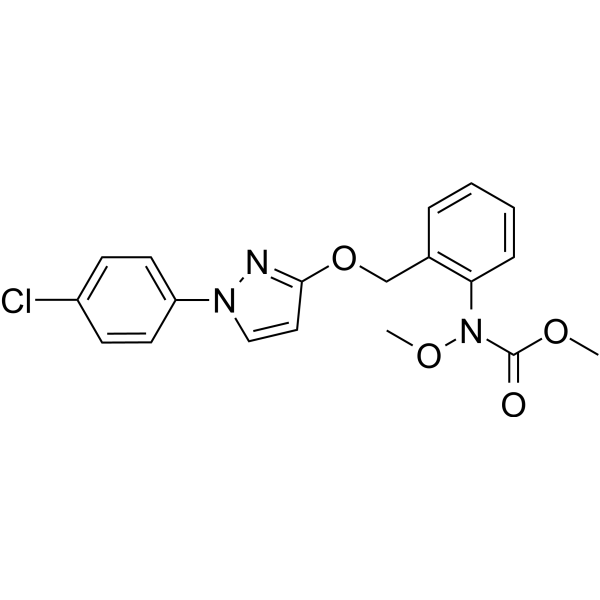
Cat. No.: HY-N6626
CAS No.: 175013-18-0
Pyraclostrobin is a highly effective and broad-spectrum strobilurin fungicide. Pyraclostrobin can induce oxidative DNA damage, mitochondrial dysfunction and autophagy through the activation of AMPK/mTOR signaling. Pyraclostrobin can be used to control crop diseases .
loading...
    loading...
2
2 Cited Publications
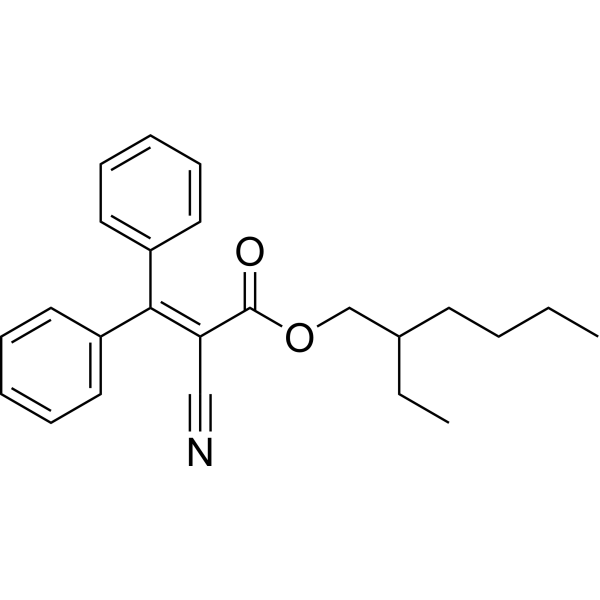
Cat. No.: HY-A0087
CAS No.: 6197-30-4
Octocrylene is an organic ultraviolet (UV) filter that absorbs mainly UVB radiation and shorter UVA wavelengths. Octocrylene acts as a partial agonist of PPARγ, which alters the gene transcription profile of lipid metabolism enzymes. In addition, Octocrylene is cytotoxic and genotoxic to human skin fibroblasts and mediates the biosynthesis of estrogens such as estriol in zebrafish larvae, while affecting antioxidant pathways including glutathione transferase and peroxisomes .
loading...
    loading...
1
1 Cited Publications
Cat. No.: HY-W011689
CAS No.: 793-24-8
Domaines de recherche:  

Others

6PPD is a rubber antioxidant that scavenges ozone and forms nitro radicals. Exposure to 6PPD reduces the hatching rate, impairs spontaneous locomotor activity, shortens body length and causes malformations in zebrafish embryos. 6PPD also induces oxidative stress in zebrafish embryos .
loading...
    loading...
1
1 Cited Publications
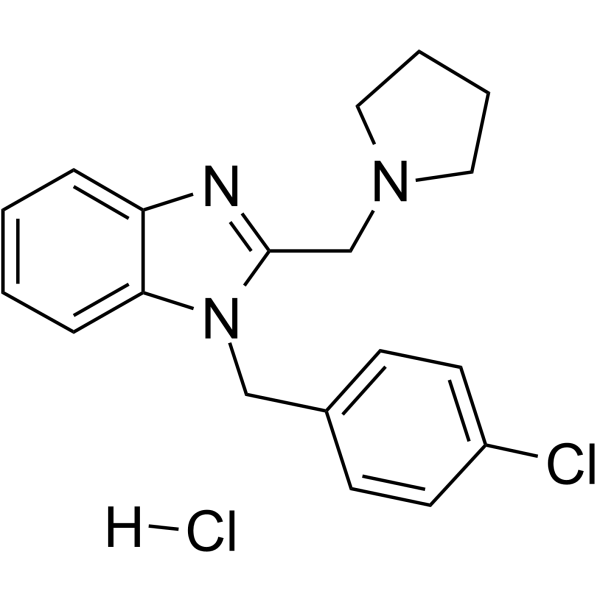
Cat. No.: HY-30234A
CAS No.: 1163-36-6
Target:  

TRP Channel Apoptosis

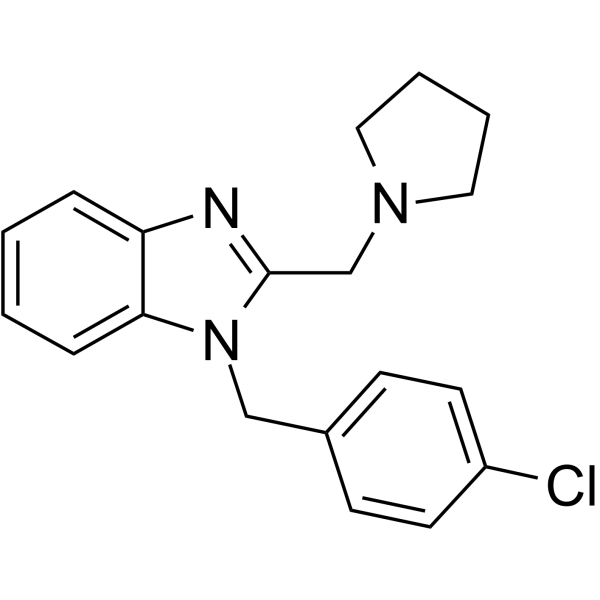
Clemizole hydrochloride is an orally active, blood-brain barrier permeable TRPC5 inhibitor, with an IC50 value of 1.05-1.34 μM against mouse TRPC5. Clemizole hydrochloride blocks TRPC1:TRPC5, TRPC3, TRPC4, TRPC6, TRPC7, hERG, hKCNQ1/hKCNE1 and hKv1.5 channels, and activates TRPA1; it modulates 5HT-2B and HTR2A receptors; it inhibits HCV RNA replication, CrtN enzymatic activity, oxidative stress, neuroinflammation, cell apoptosis and bacterial virulence; it maintains blood-brain barrier (BBB) integrity; it enhances DNA repair capacity; it improves cell viability; and it alters cardiac electrophysiological properties. Clemizole hydrochloride can be used in the research of Dravet syndrome, hepatitis C virus infection, Staphylococcus aureus skin infection, Cisplatin (HY-17394)-induced nephrotoxicity, STXBP1-related diseases, traumatic brain injury and xeroderma pigmentosum type C .
loading...
    loading...
1
1 Cited Publications
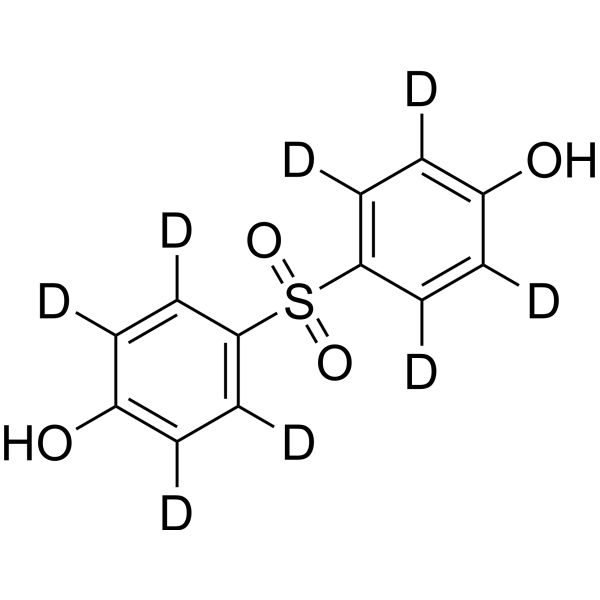
Cat. No.: HY-W011927S
CAS No.: 2483831-28-1
Synonyms: Bisphenol S (4,4'-Sulfonyldiphenol)-d8
4,4'-Sulfonyldiphenol-d8 (Bisphenol S (4,4'-Sulfonyldiphenol)-d8) is the deuterium labeled 4,4'-Sulfonyldiphenol (HY-W011927).4,4'-Sulfonyldiphenol (Bisphenol S; Bis(4-hydroxyphenyl) sulfone), a substitute for Bisphenol A (HY-18260), is widely used in industrial and consumer products. 4,4'-Sulfonyldiphenol is an estrogen receptor (ER) agonist and can competitively bind to thyroid hormone receptors (TR) with IC50 values for TRα and TRβ are 2650 μM and 2294 μM respectively, thereby affecting breast development and reducing the expression of androgen receptor (AR) in fetal testes. 4,4'-Sulfonyldiphenol promotes the progression of glioblastoma by upregulating the EZH2 mediated PI3K/AKT/mTOR pathway. Under chronic exposure, 4,4'-Sulfonyldiphenol can cause significant lipid deposition and dyslipidemia in the mouse liver by upregulating JunB and Atf3, and has a role in causing obesity at low doses. 4,4'-Sulfonyldiphenol induces intestinal inflammation by altering the intestinal microbiome. 4,4'-Sulfonyldiphenol accelerates the progression of atherosclerosis in zebrafish embryo larvae.
loading...
    loading...
1
1 Cited Publications
Cat. No.: HY-30234
CAS No.: 442-52-4
Target:  

TRP Channel Apoptosis

Clemizole is an orally active, blood-brain barrier permeable TRPC5 inhibitor, with an IC50 value of 1.05-1.34 μM against mouse TRPC5. Clemizole blocks TRPC1:TRPC5, TRPC3, TRPC4, TRPC6, TRPC7, hERG, hKCNQ1/hKCNE1 and hKv1.5 channels, and activates TRPA1; it modulates 5HT-2B and HTR2A receptors; it inhibits HCV RNA replication, CrtN enzymatic activity, oxidative stress, neuroinflammation, cell apoptosis and bacterial virulence; it maintains blood-brain barrier (BBB) integrity; it enhances DNA repair capacity; it improves cell viability; and it alters cardiac electrophysiological properties. Clemizole can be used in the research of Dravet syndrome, hepatitis C virus infection, Staphylococcus aureus skin infection, Cisplatin (HY-17394)-induced nephrotoxicity, STXBP1-related diseases, traumatic brain injury and xeroderma pigmentosum type C .
loading...
    loading...
Cat. No.: HY-W011927
CAS No.: 80-09-1
Synonyms: Bisphenol S; Bis(4-hydroxyphenyl) sulfone
4,4'-Sulfonyldiphenol (Bisphenol S; Bis(4-hydroxyphenyl) sulfone), a substitute for Bisphenol A (HY-18260), is widely used in industrial and consumer products. 4,4'-Sulfonyldiphenol is an oally ative estrogen receptor (ER) agonist and can competitively bind to thyroid hormone receptors (TR) with IC50 values for TRα and TRβ are 2650 μM and 2294 μM respectively, thereby affecting breast development and reducing the expression of androgen receptor (AR) in fetal testes. 4,4'-Sulfonyldiphenol promotes the progression of glioblastoma by upregulating the EZH2 mediated PI3K/AKT/mTOR pathway. Under chronic exposure, 4,4'-Sulfonyldiphenol can cause significant lipid deposition and dyslipidemia in the mouse liver by upregulating JunB and Atf3, and has a role in causing obesity at low doses. 4,4'-Sulfonyldiphenol induces intestinal inflammation by altering the intestinal microbiome. 4,4'-Sulfonyldiphenol accelerates the progression of atherosclerosis in zebrafish embryo larvae .
loading...
    loading...
Cat. No.: HY-A0278
CAS No.: 79983-71-4
Synonyms: (-)-Hexaconazol
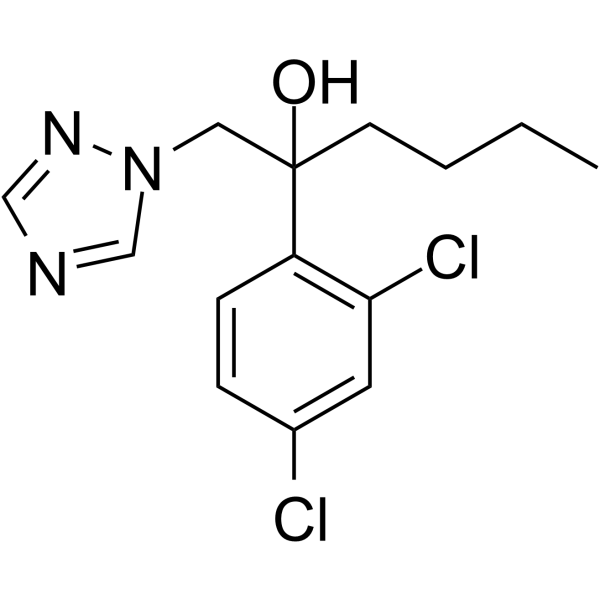
Hexaconazole is a demethylation enzyme inhibitor and a synthetic fungicide that targets many fungi, especially ascomycetes and basidiomycetes, and it can enhance the activity of SOD and peroxidase. Hexaconazole causes endocrine disorders in zebrafish larvae .
loading...
    loading...
Cat. No.: HY-120972
CAS No.: 728912-45-6
Pureté:  98.30%
Target:  

Fluorescent Dye

Domaines de recherche:  

Others

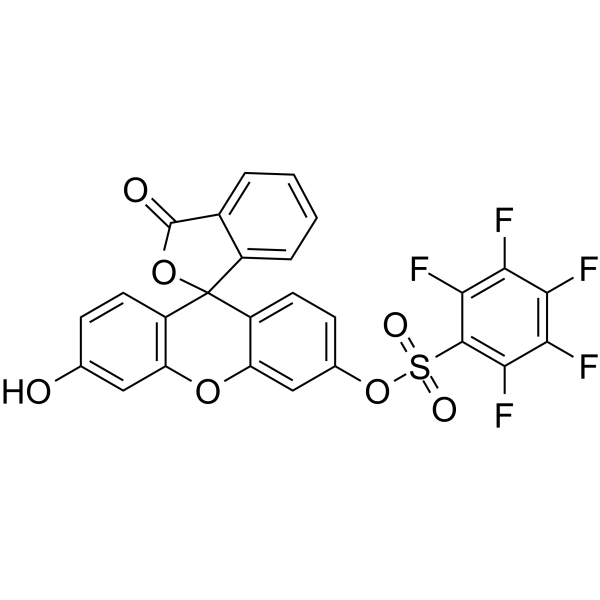
Pentafluorobenzenesulfonyl fluorescein is a H2O2-selective sensor that can be used to detect H2O2 levels in cells. Pentafluorobenzenesulfonyl fluorescein is generally non-fluorescent, but emits fluorescence when its sulfonyl bond undergoes perhydrolysis by H2O2 . Pentafluorobenzenesulfonyl fluorescein undergoes slight cleavage of its sulfonate ester bond by [Cu (phen)2] 2+, and can detect hydrogen peroxide around the ablation sites of fin tissues and keratinocytes in zebrafish larvae .
loading...
    loading...
Cat. No.: HY-W009154
CAS No.: 6825-20-3
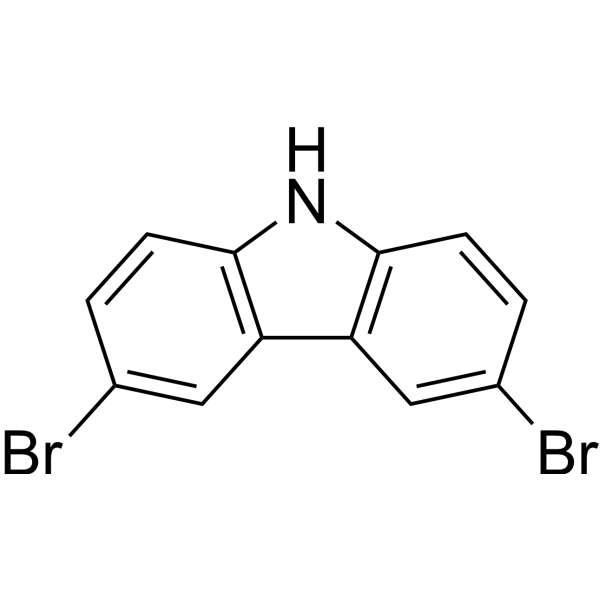
3,6-Dibromocarbazole is a glucocorticoid receptor (GR) inhibitor and Environmental pollutant. 3,6-Dibromocarbazole induces abnormal development of zebrafish embryos and disrupts the neurohormonal function of the hypothalamic-pituitary-adrenal axis in zebrafish larvae. 3,6-Dibromocarbazole increases the α-diversity of soil bacteria, alters community structure, enhances interspecific competition, regulates metabolic functions, and changes the abundance of genes related to nitrogen fixation, nitrification and carbon cycling. 3,6-Dibromocarbazole exerts endocrine-disrupting potential by interfering with the gluconeogenesis pathway .
loading...
    loading...
Cat. No.: HY-W744966
CAS No.: 374726-62-2
Domaines de recherche:  

Infection

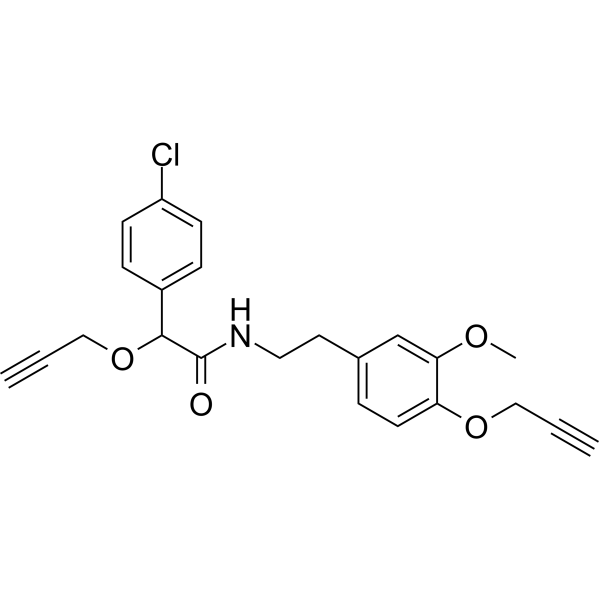
Mandipropamid is a cellulose synthase (CesA3) inhibitor and fungicide, with an IC50 of 19.8 nM against Phytophthora infestans. Mandipropamid inhibits the synthesis of crystalline cellulose on the cell surface, disrupts the cell wall structure of oomycetes, and induces germ tube tip swelling and growth arrest in Phytophthora infestans. S-Mandipropamid, an isomer of Mandipropamid, exhibits enantioselective acute toxicity to zebrafish embryos and larvae. Mandipropamid is applicable to studies related to plant infections .
loading...
    loading...
Cat. No.: HY-119896
CAS No.: 99129-21-2
Pureté:  ≥95.0%
Domaines de recherche:  

Neurological Disease

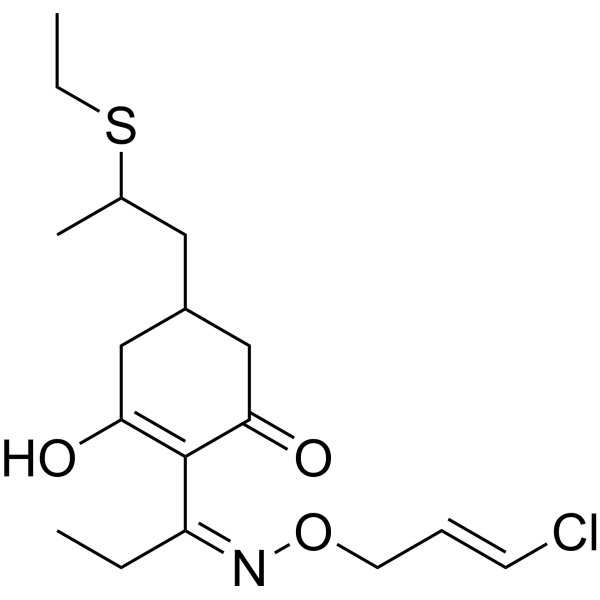
Clethodim is a postemergence herbicide. Clethodim shows developmental toxicity and neurotoxicity in zebrafish embryos and larvae .
loading...
    loading...
Cat. No.: HY-21200
CAS No.: 375-92-8
Synonyms: 1-Perfluoroheptanesulfonic acid; Perfluoroheptanesulphonic acid; PFHpS
Target:  

iGluR

Domaines de recherche:  

Infection

Perfluoroheptanesulfonic acid (1-Perfluoroheptanesulfonic acid; Perfluoroheptanesulphonic acid) is a perfluoroalkyl substance (PFAS). PFHpS can induce malformations in zebrafish larvae (EC50=168.1 μM). It has also been found in landfill leachate, and fetal exposure to PFHpS can lead to reduced birth weight.
loading...
    loading...
Cat. No.: HY-N13239
Target:  

Apoptosis

Domaines de recherche:  

Inflammation/Immunology

Dandelion Extract is a dandelion extract, and its ingredients include: Flavone. Dandelion Extract can reduce LPS-induced inflammatory responses in RAW264.7 cells by regulating cell polarization and apoptosis. Dandelion Extract can also reduce CuSO4-induced inflammatory response in zebrafish larvae. .
loading...
    loading...
Cat. No.: HY-W011927R
CAS No.: 80-09-1
Synonyms: Bisphenol S (Standard); Bis(4-hydroxyphenyl) sulfone (Standard)
4,4'-Sulfonyldiphenol (Bisphenol S; Bis(4-hydroxyphenyl) sulfone) (Standard) is the analytical standard of 4,4'-Sulfonyldiphenol (HY-W011927). This product is intended for research and analytical applications. 4,4'-Sulfonyldiphenol, a substitute for Bisphenol A (HY-18260), is widely used in industrial and consumer products. 4,4'-Sulfonyldiphenol is an estrogen receptor (ER) agonist and can competitively bind to thyroid hormone receptors (TR) with IC50 values for TRα and TRβ are 2650 μM and 2294 μM respectively, thereby affecting breast development and reducing the expression of androgen receptor (AR) in fetal testes. 4,4'-Sulfonyldiphenol promotes the progression of glioblastoma by upregulating the EZH2 mediated PI3K/AKT/mTOR pathway. Under chronic exposure, 4,4'-Sulfonyldiphenol can cause significant lipid deposition and dyslipidemia in the mouse liver by upregulating JunB and Atf3, and has a role in causing obesity at low doses. 4,4'-Sulfonyldiphenol induces intestinal inflammation by altering the intestinal microbiome. 4,4'-Sulfonyldiphenol accelerates the progression of atherosclerosis in zebrafish embryo larvae.
loading...
    loading...
Cat. No.: HY-N6032
CAS No.: 60820-94-2
Synonyms: Phytolaccoside B
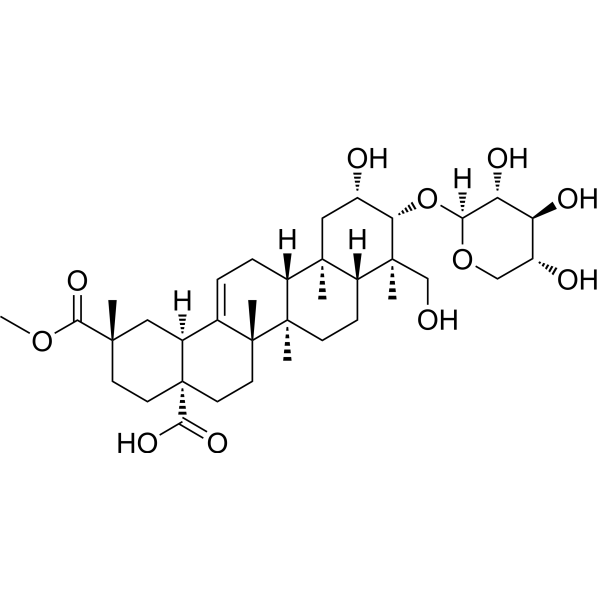
Esculentoside B (Phytolaccoside B) is a natural product from the roots of Phytolacca acinosa Roxb. Esculentoside B is neurotoxic to zebrafish larvae, and impairs their central nervous system development. Esculentoside B inhibits inflammatory response and has antifungal activity .
loading...
    loading...
Cat. No.: HY-18402
CAS No.: 615-22-5
Target:  

Drug Derivative

Domaines de recherche:  

Cardiovascular Disease

2-(Methylthio)benzothiazole is a derivative of 2-Mercaptobenzothiazole (HY-W017113). 2-(Methylthio)benzothiazole reduces heart rate, causes pericardial edema and deformity, delays cardiac maturation, decreases stroke volume and cardiac output, and leads to vascular structural defects in zebrafish larvae .
loading...
    loading...
Cat. No.: HY-N9164
CAS No.: 62874-52-6
Hecubine is a monoterpene indole alkaloid found in Ervatamia ocinalis. Hecubine activates TREM2 expression, reduces LPS (HY-D1056)-stimulated inammatory cytokines (TNF-αIL-6IL-1β) overexpression, as well as suppresses the levels of TLR4-, MyD88-, MAPK/PI3K/AKT- and NF-κB-related proteins. Hecubin also exhibits antioxidative effect, reduces ROS production and activates of the Nrf2/HO-1 pathway. Hecubine rescues LPS-induced behavioral deficits in zebrash larvae. Hecubine can be used for the research of neural inflammation-associated central nervous system diseases .
loading...
    loading...
Cat. No.: HY-169940
Target:  

HDAC

Domaines de recherche:  

Inflammation/Immunology

Fibrostat (Compound 5n) is a selective HDAC6 inhibitor that exerts antifibrotic effects by inhibiting HDAC6 activity, with an IC50 value of 63 nM. It also exhibits good selectivity over HDAC1, HDAC3, HDAC5, HDAC8, HDAC10, and HDAC11. Fibrostat significantly downregulates fibrotic markers (fibronectin and collagen 1) in fibroblasts. Additionally, Fibrostat demonstrated no toxicity in rat-perfused heart and zebrafish larvae models. Fibrostat shows potential for research into fibrosis-related diseases .
loading...
    loading...
Cat. No.: HY-172605
Target:  

Steroid Sulfatase

Domaines de recherche:  

Cancer

Steroid sulfatase-IN-9 (compound 54E) is a steroid sulfatase (STS) inhibitor with the inhibition rates of 87.03% at 10 μM. Steroid sulfatase-IN-9 shows no detectable toxic effects in zebrafish larvae model .
loading...
    loading...

