
Search Result
Results for "
activity test
" in MedChemExpress (MCE) Product Catalog:
4
Biochemical Assay Reagents
2
Isotope-Labeled Compounds
| Cat. No. |
Product Name |
Target |
Research Areas |
Chemical Structure |
-
- HY-101410
-
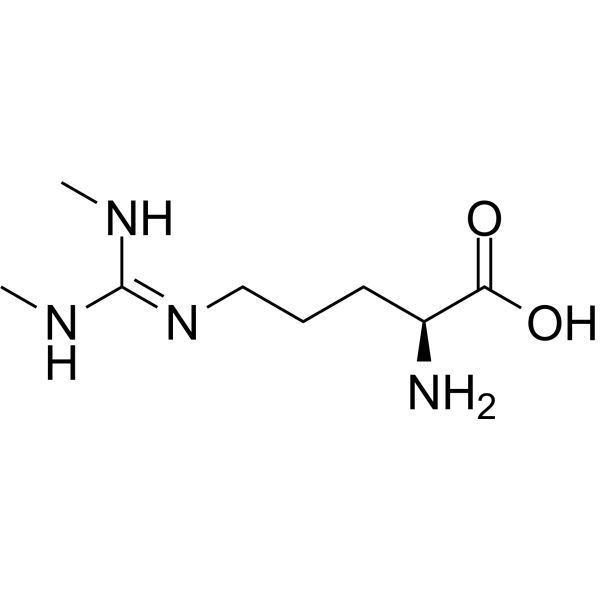
SDMA
3 Publications Verification
Symmetric dimethylarginine; NG,NG'-Dimethyl-L-arginine
|
Endogenous Metabolite
NO Synthase
NF-κB
|
Inflammation/Immunology
|
|
SDMA (Symmetric dimethylarginine) is an endogenous inhibitor of nitric oxide (NO) synthase activity. SDMA, a novel kidney biomarker, permits earlier diagnosis of kidney disease than traditional creatinine testing.
|
-
-
- HY-D0018
-
|
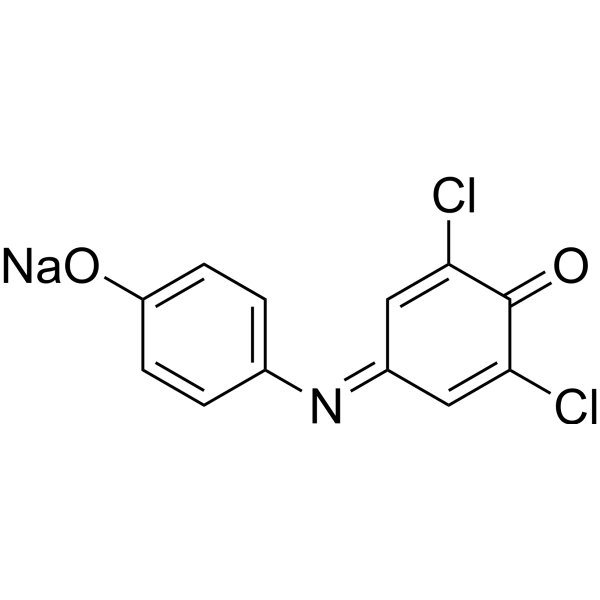
Dichlorophenylindophenol sodium; DCPIP sodium; Indochlorophenol sodium
|
Biochemical Assay Reagents
|
Others
|
|
DCIP sodium is a blue dye commonly used in various biochemical and biotechnological applications as an indicator of redox reactions. DCIP sodium has unique chemical properties that change color according to the oxidation state of the substance being tested. It is commonly used in enzyme assays, such as measuring the activity of succinate dehydrogenase, or in protein quantification methods, such as the Lowry assay.
|
-
-
- HY-N3017
-
|
|
Antibiotic
|
Neurological Disease
Inflammation/Immunology
|
|
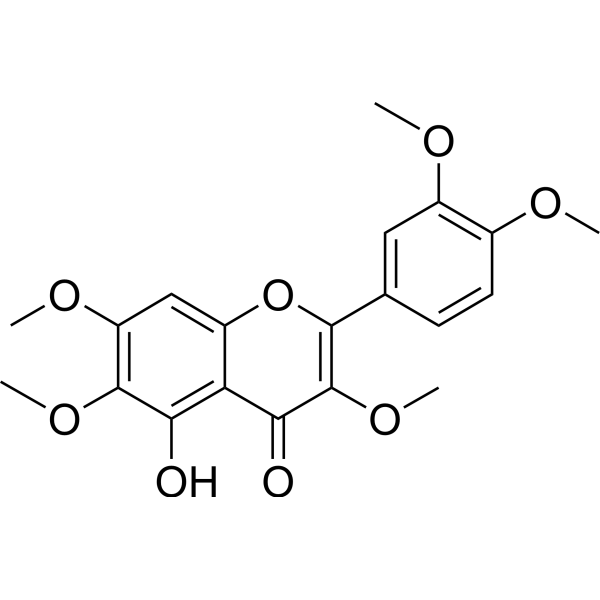
Artemitin is a flavonoid neuroanesthetic agent with moderate cytotoxicity. Artemitint has selective inhibitory activity against Meth-A sarcoma cells with an ED50 of 5-10 μg/mL, and has no significant effect on LLC lung cancer cells. Artemitin exerts anticancer activity by affecting cell proliferation signaling pathways, and also has potential anti-inflammatory and neuroprotective effects. Artemitin exhibits a dose-dependent antinociceptive effect in the mouse hot plate test, with an ED50 of 1.6 μg/kg, and has analgesic activity .
|
-
-
- HY-15511
-
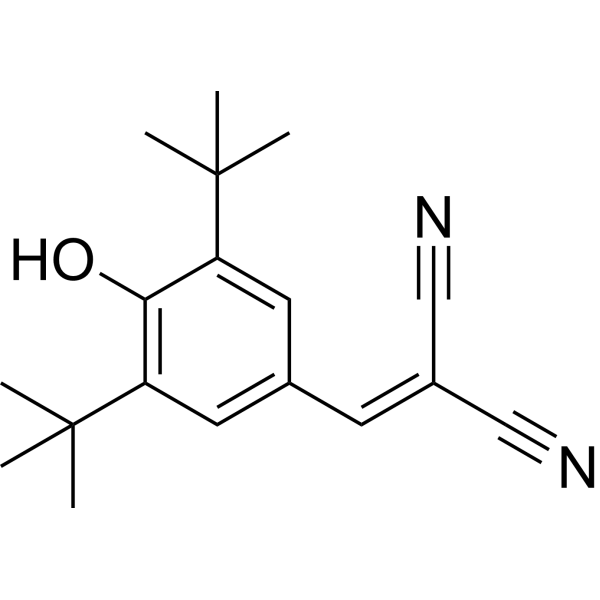
Tyrphostin A9
Maximum Cited Publications
6 Publications Verification
Tyrphostin 9; Malonoben
|
Environmental Pollutants
VEGFR
PDGFR
Influenza Virus
|
Infection
Cancer
|
|
Tyrphostin A9, a PDGFR inhibitor, is a potent inducer of mitochondrial fission. Tyrphostin A9 emerged as the most potent and selective of 51 tyrosine kinase inhibitors tested against the TNF-induced respiratory burst. Tyrphostin A9 has anti-influenza virus activities.
|
-
-
- HY-W049970
-
|
|
Environmental Pollutants
Bacterial
|
Infection
|
|
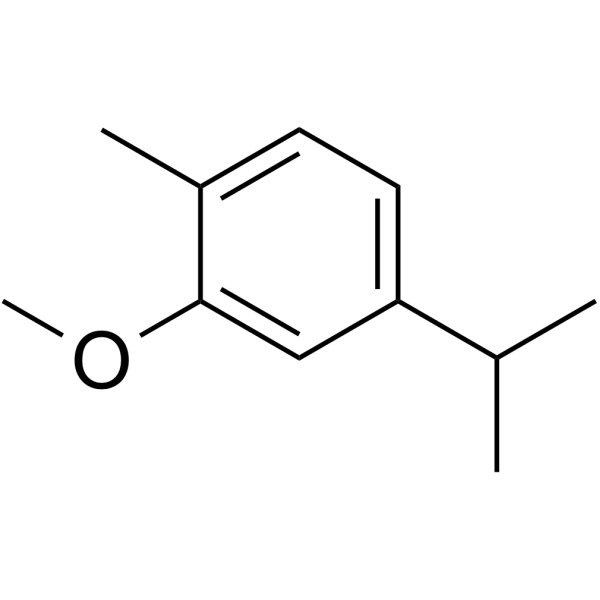
Carvacrol methyl ether is a carvacrol derivative isolated from plant essential oils. Carvacrol methyl ether essentially lost its antibacterial activity, exhibiting only a weak inhibitory effect on Saccharomyces cerevisiae at the highest tested concentration of 3 g/L .
|
-
-
- HY-N7240
-
|
|
Others
|
Metabolic Disease
|
|
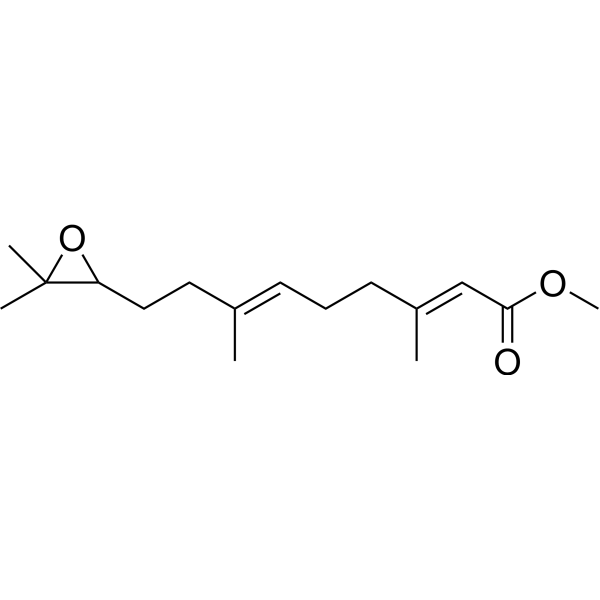
(Rac)-Juvenile hormone III is a cecropia juvenile hormone and juvenile hormone agonist. (Rac)-Juvenile hormone III induces test insects to retain larval characteristics after the final molt to the adult stage. (Rac)-Juvenile hormone III exhibits juvenile hormone activity in Tenebrio molitor pupae and last-instar nymphs of Oncopeltus fasciatus. (Rac)-Juvenile hormone III possesses morphogenetic activity in insect assays .
|
-
-
- HY-114771
-
|
|
Drug Intermediate
|
Inflammation/Immunology
|
|
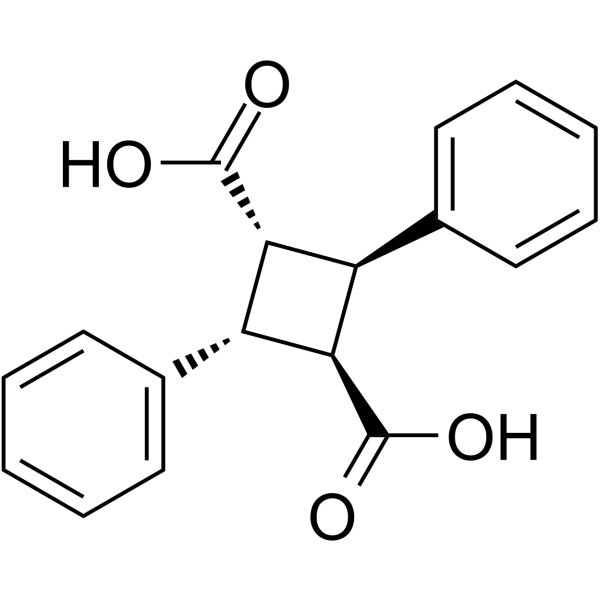
α-Truxillic acid is form by the dimerization of two molecules of α-trans-cinnamic acid, with anti-inflammatory activities. α-Truxillic acid has no analgesic activity, but its derivatives bound to camphor fragments exhibit significant activity in the peripheral analgesic model (writhing test) .
|
-
-
- HY-W039938
-
|
|
Fluorescent Dye
|
Others
|
|
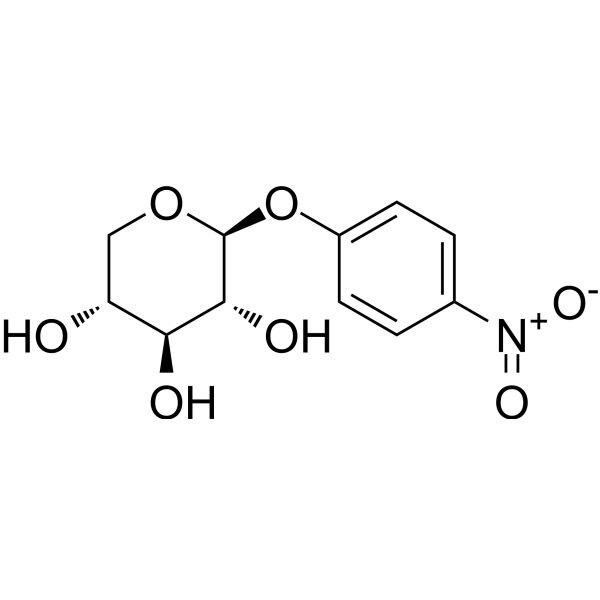
4-Nitrophenyl β-D-xylopyranoside is a chromogenic β-xylosidase substrate. 4-Nitrophenyl β-D-xylopyranoside can be used to test β-xylosidase activity .
|
-
-
- HY-N0446
-
|
|
ADC Payload
|
Cancer
|
|
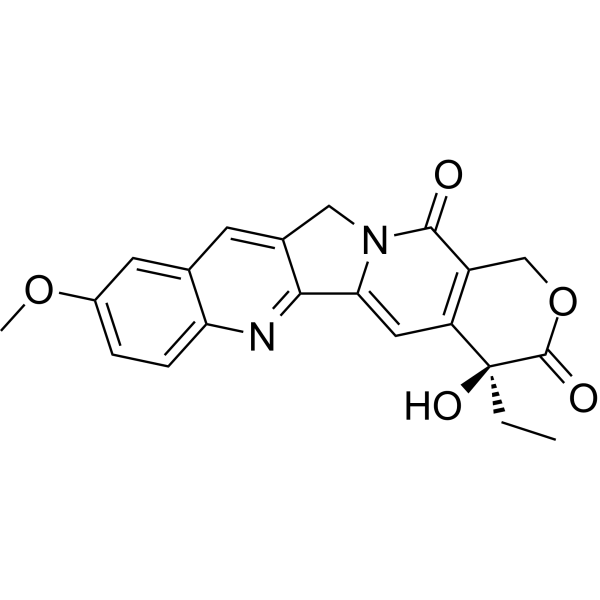
10-Methoxycamptothecin is a natural bioactive derivative of camptothecin (CPT) isolated from Camptotheca acuminata, and has been confirmed to possess high anti-cancer properties. 10-Methoxycamptothecin has higher cytotoxicity than 10-hydroxycamptothecin by testing antitumor activity against 2774 cell lines .
|
-
-
- HY-137367
-
|
|
Cathepsin
|
Infection
|
|
Z-Val-Val-Arg-AMC is a fluorescent peptide substrate that can be used to test the activity of cathepsins .
|
-
-
- HY-P4460
-
|
|
Ser/Thr Protease
|
Cancer
|
|
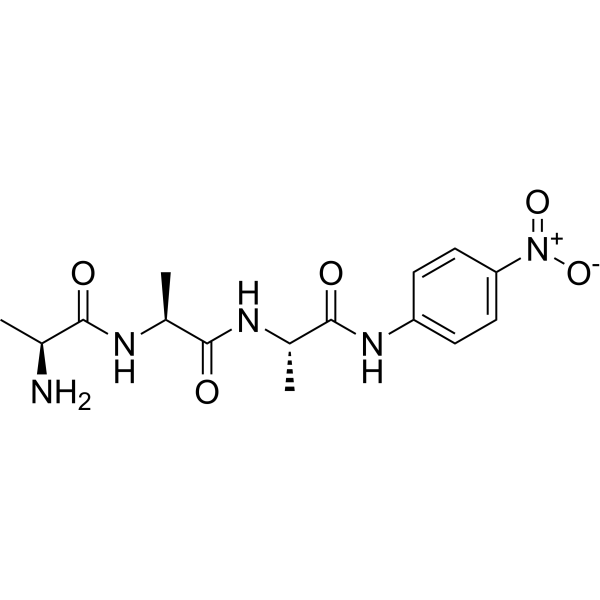
AAA-pNA is a chromogenic substrate of Tripeptidyl-peptidase II. AAA-pNA can be used to test Tripeptidyl-peptidase II activity .
|
-
-
- HY-N4111
-
|
|
Others
|
Inflammation/Immunology
Cancer
|
|
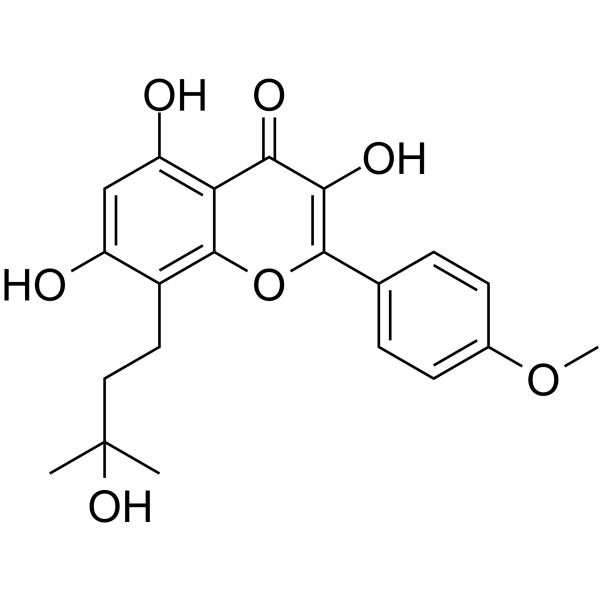
Wushanicaritin exhibits significant antioxidant activity (IC50=35.3 μM) in DPPH radical scavenging activity tests. Antitumor effects and anti-inflammatory property .
|
-
-
- HY-A0235
-
|
Stakane
|
COX
|
Neurological Disease
|
|
Antrafenine (Stakane) is a non-narcotic analgesic. Antrafenine demonstrates central analgesic effects in acetic acid writhing test and mouse hot plate test experiments. Antrafenine significantly alleviates the pain of osteoarthritis. Antrafenine exhibits mild anti-inflammatory activity in a rat toe edema model. Antrafenine can be used in pain and anti-inflammatory research .
|
-
-
- HY-P4453
-
|
|
Caspase
|
Cancer
|
|
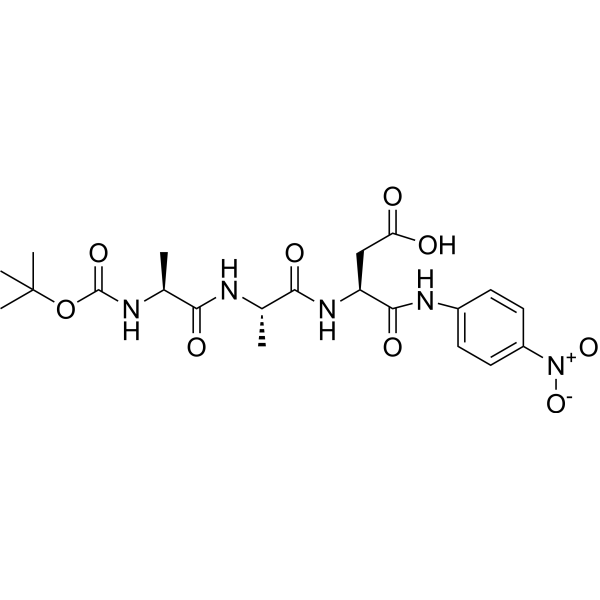
Boc-Ala-Ala-Asp-pNA is a chromogenic substrate of granzyme B. Boc-Ala-Ala-Asp-pNA can be used to test functional activity of granzyme B .
|
-
-
- HY-101410R
-
|
Symmetric dimethylarginine (Standard); NG,NG'-Dimethyl-L-arginine (Standard)
|
Reference Standards
Endogenous Metabolite
NO Synthase
NF-κB
|
Inflammation/Immunology
|
|
SDMA (Standard) is the analytical standard of SDMA. This product is intended for research and analytical applications. SDMA (Symmetric dimethylarginine) is an endogenous inhibitor of nitric oxide (NO) synthase activity. SDMA, a novel kidney biomarker, permits earlier diagnosis of kidney disease than traditional creatinine testing.
|
-
-
- HY-P1746
-
|
PKC (19-31)
|
PKC
|
Inflammation/Immunology
|
|
Protein Kinase C (19-31), a peptide inhibitor of protein kinase C (PKC), derived from the pseudo-substrate regulatory domain of PKCa (residues 19-31), is used as protein kinase C substrate peptide for testing the protein kinase C activity .
|
-
-
- HY-N9502
-
|
|
Endogenous Metabolite
|
Neurological Disease
|
|
Linalool oxide is a monoterpene and found in aromatic plant essential oils and is a secondary metabolite in elongating wheat plants. Linalool oxide has antinociceptive, anticonvulsant, and anxiolytic activity. Linalool oxide can be used for the research of pain, epilepsy, anxiety disorders .
|
-
-
- HY-P4449A
-
|
|
Caspase
|
Cancer
|
|
Ac-VRPR-AMC TFA is a fluorogenic metacaspase substrate. Ac-VRPR-AMC TFA can be used to assay metacaspase activity .
|
-
-
- HY-B1307
-
|
|
Cytochrome P450
|
Neurological Disease
|
|
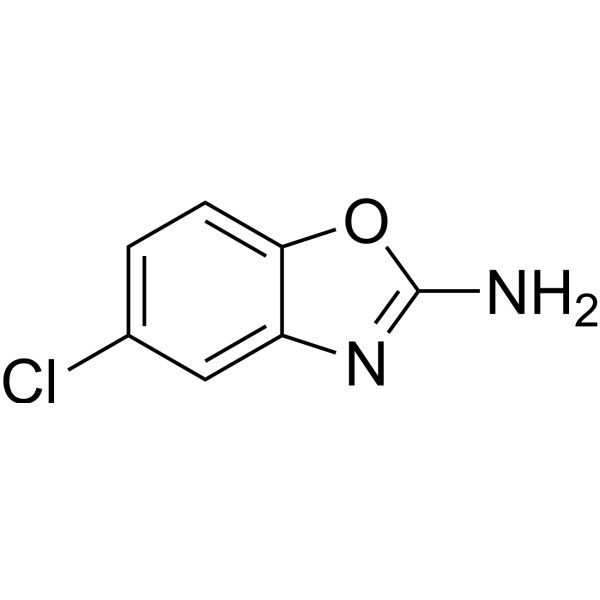
Zoxazolamine is widely used for a pharmacologic test that serves as a convenient indicator of changes in cytochrome P-450 activity in rodents.
|
-
-
- HY-P4455
-
|
|
Bacterial
|
Infection
|
|
Boc-AAG-pNA is a glycine endopeptidase substrate. Boc-AAG-pNA can be used to test the amidase activity glycine endopeptidase .
|
-
-
- HY-116108
-
|
Musk tibetine
|
Olfactory Receptor
|
Cancer
|
|
Musk tibetene (Musk tibetine) is a nitro musk compound with carcinogenic activity. Musk tibetine reveals no genotoxicity in the micronucleus test with human lymphocytes and human hepatoma cell line .
|
-
-
- HY-W010169
-
|
|
Biochemical Assay Reagents
|
Others
|
|
Sodium 4-aminobenzoate is a biochemical assay reagent. According to its structure, sodium 4-aminobenzoate exhibits antioxidant, anticoagulant, fubrinolytic and immunomodulating activities, and can be utilized as a protective agent against UV-irradiation and in diagnostic tests for the state of the gastrointestinal tract .
|
-
-
- HY-134113
-
|
CBZ-Chromozym TH
|
Biochemical Assay Reagents
|
Others
|
|
Z-Gly-Pro-Arg-pNA (z-GPR-pNA) is a photometric substrate in Prostate-Specific Antigen (PSA) activation protease assays. Z-Gly-Pro-Arg-pNA (z-GPR-pNA) can be used for the test of trypsin activity .
|
-
-
- HY-W775174
-
|
C.I. Solvent red 80
|
Fluorescent Dye
|
|
|
Citrus red 2 (CI Solvent red 80) is a synthetic dye with coloring power and antioxidant activity. Citrus red 2 can be used in food and cosmetics to provide a bright color to the product. Citrus red 2 is also used as a reference substance for testing and analysis in certain situations.
|
-
-
- HY-P5486
-
|
|
Bacterial
|
Others
|
|
Tet-20 is a biological active peptide. (Tet-20, is a synthetic cathelicidin-derived peptide. It was tested as infection-resistant coating for medical devices. When tethered on an implant surface Tet-20 exhibited broad antimicrobial activities both in vivo and in vitro. It can stop biofilm formation and appears to be non-toxic to eukaryotic cells)
|
-
-
- HY-P4458
-
|
|
Ser/Thr Protease
|
Cancer
|
|
Boc-QAR-pNA is a chromogenic substrate of trypsin. Boc-QAR-pNA can be used to test trypsin activity .
|
-
-
- HY-P4482
-
|
|
Bacterial
|
Infection
|
|
Suc-AAPE-pNA is a chromogenic substrate of glutamyl endopeptidase. Suc-AAPE-pNA can be used to test glutamyl endopeptidase activity .
|
-
-
- HY-P4470
-
|
|
Ser/Thr Protease
|
Cancer
|
|
Phe-Pro-Ala-pNA is a chromogenic substrate of tripeptidyl peptidase. Phe-Pro-Ala-pNA can be used to test tripeptidyl peptidase activity .
|
-
-
- HY-P4464
-
|
|
Ser/Thr Protease
|
Cancer
|
|
Ala-Phe-Pro-pNA is a chromogenic substrate of tripeptidyl peptidase. Ala-Phe-Pro-pNA can be used to test tripeptidyl peptidase activity .
|
-
-
- HY-P4464A
-
|
|
Ser/Thr Protease
|
Cancer
|
|
Ala-Phe-Pro-pNA TFA is a chromogenic substrate of tripeptidyl peptidase. Ala-Phe-Pro-pNA TFA can be used to test tripeptidyl peptidase activity .
|
-
-
- HY-139748
-
|
|
Antibiotic
Bacterial
|
Infection
|
|
S32212 is a serotonin type 2C receptor inverse agonist and an α2 adrenoceptor antagonist. S32212 exhibits antidepressant activity and can reduce immobility time in forced-swim test in rats .
|
-
-
- HY-116266
-
|
|
5-HT Receptor
|
Others
|
|
RS 67333 is a 5-HT4R agonist with stress-preventive activity. RS 67333 attenuates stress-induced body weight changes and prevents depression- and anxiety-like behaviors in two mouse strains tested in different stress models.
|
-
-
- HY-P4449
-
|
|
Caspase
|
Cancer
|
|
Ac-VRPR-AMC is a fluorogenic metacaspase substrate. Ac-VRPR-AMC can be used to tests metacaspase activity .
|
-
-
- HY-135886
-
|
|
Biochemical Assay Reagents
|
Others
|
|
2-Nitrophenyl α-D-galactopyranoside, a nitrophenyl derivative, is a substrate to test for hydrolytic activity of glycosyl hydrolase .
|
-
-
- HY-121345
-
-
-
- HY-N4111R
-
-
-
- HY-119912
-
|
Stakane dihydrochloride
|
COX
|
Neurological Disease
Inflammation/Immunology
|
|
Antrafenine (Stakane) dihydrochloride is a non-narcotic analgesic. Antrafenine dihydrochloride demonstrates central analgesic effects in acetic acid writhing test and mouse hot plate test experiments. Antrafenine dihydrochloride significantly alleviates osteoarthritis pain. Antrafenine dihydrochloride exhibits mild anti-inflammatory activity in a rat toe edema model. Antrafenine dihydrochloride can be used for pain and anti-inflammatory research .
|
-
-
- HY-129807
-
|
|
5-HT Receptor
|
Neurological Disease
|
|
LY-228729 is a selective 5-HT1A receptor agonist. LY-228729 can reduce the rearing frequency of rats and decrease their activity in the central area in the open field test. LY-228729 can reduce the immobility time of rats and increase their swimming time in the forced swim test. LY-228729 can be used in the research of neurological diseases .
|
-
-
- HY-13974
-
|
|
Adrenergic Receptor
|
Neurological Disease
|
|
S32212 is a serotonin type 2C receptor inverse agonist and an 2 adrenoceptor antagonist. S32212 exhibits antidepressant activity and can reduce immobility time in forced-swim test in rats .
|
-
-
- HY-117963
-
|
|
Antibiotic
|
Infection
|
|
Lincosamine is a lincosamide antibiotic with activity that inhibits bacterial growth. Lincosamine is primarily produced by Streptomyces lincolnensis. Lincosamine has shown efficacy in combating certain bacterial infections, especially against Klebsiella pneumoniae. Lincosamine ranked among 14 other antimicrobial compounds in its activity against Klebsiella pneumoniae in a test .
|
-
-
- HY-117845
-
|
LL-E19085α
|
Antibiotic
Bacterial
|
Infection
|
|
Citreamicin alpha (LL-E 19085-alpha) is an antibiotic whose in vitro antimicrobial activity against 429 clinical isolates of Gram-positive cocci has been tested by the agar dilution method. These microorganisms included 313 strains of Staphylococci and 116 strains of Streptococci. The in vitro activity of Citreamicin alpha was compared with that of ampicillin, amoxicillin, ceftriaxone, erythromycin, and vancomycin. For Staphylococci, the MIC values of Citreamicin alpha ranged from 0.12-4.0 μg/ml, and for Streptococcus pyogenes of the genus Streptococcus, it was 0.03-0.12 μg/ml. However, enterococci were relatively resistant, requiring 2.0 μg/ml of the agent to inhibit 64% of the 62 tested strains. The in vitro activity of this antibiotic was much better than that of ampicillin, amoxicillin, ceftriaxone, and erythromycin, but comparable or slightly inferior to that of vancomycin.
|
-
-
- HY-169737
-
|
|
Glycosidase
Amylases
|
Metabolic Disease
|
|
Inulobiose is a difructan disaccharide that can be isolated from Pistacia vera L.. Inulobiose inhibits α-glycosidase and α-amylase activities with IC50s of 1.87 and 40.72 mg/mL, respectively. Inulobiose can be used for the research of diabetes and glomerular filtration rate testing .
|
-
-
- HY-N5054
-
|
|
TNF Receptor
|
Inflammation/Immunology
|
|
(R)-5,7-Dimethoxyflavanone shows potent antimutagenic activity against MeIQ mutagenesis in Ames test using the S. typhimurium TA100 and TA98 strains . And (R)-5,7-Dimethoxyflavanone significantly and dose-dependently inhibits the inflammatory mediato .
|
-
-
- HY-16745A
-
|
KRP-AM1977 hydrochloride
|
Bacterial
|
Infection
|
|
Lascufloxacin (KRP-AM1977) hydrochloride is a potent antibacterial compound candidate with broad-spectrum activity against various clinical isolates. Lascufloxacin hydrochloride shows the most potent activity against Gram-positive bacteria compared to other tested quinolones. Lascufloxacin hydrochloride demonstrates incomplete cross-resistance against existing quinolone-resistant strains. Lascufloxacin hydrochloride has potent inhibitory activity against both wild-type and mutated target enzymes.
|
-
-
- HY-135495
-
|
|
Sodium Channel
Histamine Receptor
|
Inflammation/Immunology
|
|
AM-0466 is a sodium channel inhibitor with nanomolar levels of NaV1.7 inhibitory activity. AM-0466 exhibits potent pharmacodynamic activity in a NaV1.7-dependent histamine-induced itch model. AM-0466 also showed significant analgesic effects in capsaicin-induced pain models. After optimizing its pharmacokinetic properties, AM-0466 was advanced into in vivo targeting and efficacy models for testing .
|
-
-
- HY-15511R
-
|
Tyrphostin 9 (Standard); Malonoben (Standard)
|
VEGFR
Influenza Virus
PDGFR
Reference Standards
|
Infection
Cancer
|
|
Tyrphostin A9 (Standard) is the analytical standard of Tyrphostin A9. This product is intended for research and analytical applications. Tyrphostin A9, a PDGFR inhibitor, is a potent inducer of mitochondrial fission. Tyrphostin A9 emerged as the most potent and selective of 51 tyrosine kinase inhibitors tested against the TNF-induced respiratory burst. Tyrphostin A9 has anti-influenza virus activities.
|
-
-
- HY-N5067
-
|
Multifidin
|
Others
|
Inflammation/Immunology
|
|
Rhodiocyanoside A is found to show antiallergic activity in a passive cutaneous anaphylaxis test in rat .
|
-
-
- HY-W714505
-
|
|
Opioid Receptor
|
Neurological Disease
|
|
AH 7563 structurally belongs to the opioid compounds and exhibits analgesic activity. In the phenylquinone test and hot plate test, the ED50 of AH 7563 for analgesia in mice were 15.3 mg/kg (orally) and 15.5 mg/kg (subcutaneous injection), respectively .
|
-
-
- HY-P10276
-
|
|
Caspase
|
Cancer
|
|
Ac-VAD-AFC is a fluorescent substrate for caspases and can be used to test the activity of caspases .
|
-
-
- HY-W713878
-
|
|
Caspase
|
Others
|
|
Ac-VDVAD-pNA is a caspase-2 substrate. Ac-VDVAD-pNA can be used to test the activity of caspase-2 .
|
-
- HY-P10189
-
-
- HY-P4477
-
|
|
Ser/Thr Protease
|
Others
|
|
Suc-AAPR-pNA is a substrate of trypsin acyl-enzymes. Suc-AAPR-pNA can be used to test trypsin acyl-enzymes activity .
|
-
- HY-118205
-
|
|
Bacterial
|
Infection
|
|
SCH-538415 is a novel acyl carrier protein synthase inhibitor isolated from an unknown bacterial microorganism. The structural elucidation of compound 1 was completed by analyzing spectral data including UV, MS and 2D-NMR spectra. Compound 1 showed inhibitory activity in the acyl carrier protein synthase (AcpS) test with an IC50 value of 4.19 μM and exhibited antibacterial activity against Staphylococcus aureus in the agar diffusion test.
|
-
- HY-105127
-
|
CGP 11305A hydrochloride
|
Monoamine Oxidase
|
Neurological Disease
|
Brofaromine (hydrochloride) is a monoamine oxidase A (MAO-A) inhibitor and a 5-HT uptake inhibitor. Brofaromine (hydrochloride) shows antidepressant-like activity in the social conflict test in rats .
|
-
- HY-P4475
-
-
- HY-W040156
-
|
|
Fungal
|
Infection
|
|
Oxadixyl is a fungicide with activity that inhibits the growth of fungi. Oxadixyl was tested during the malic fermentation of red wine, where its concentration may be affected. The biological activity of Oxadixyl helps to evaluate its effect on microorganisms during the winemaking process .
|
-
- HY-W293502
-
|
2-Chloro-4-nitrophenyl-beta-D-galactopyranoside
|
Biochemical Assay Reagents
|
Others
|
|
2-Chloro-4-nitrophenyl-β-D-galactopyranoside is a chromogenic substrate used for testing enzyme activity. It is commonly used in molecular biology research to detect and measure the activity of β-galactosidase (biosynth: EC03318).
|
-
- HY-19289
-
|
RWJ 54428
|
Bacterial
|
Infection
|
|
MC-02479 is a novel cephalosporin. RWJ-54428 has good activity against most of the organisms tested, including methicillin-resistant staphylococci, E. faecalis, and penicillin-resistant pneumococci, and has moderate activity against E. faecium .
|
-
- HY-103216A
-
|
|
Adrenergic Receptor
|
Neurological Disease
|
|
RWJ-52353 hydrochloride is an orally potent, highly selective α2D adrenergic receptor agonist (Ki: 1.5 nM) with potential analgesic effects. RWJ-52353 hydrochloride demonstrated analgesic activity in abdominal tests in rats and mice, and improved agitation in mice in the hot plate test and tail flick test. RWJ-52353 hydrochloride also regulates the organic cation transporter (OCT) subtype, inhibiting rOCT1 and rOCT2 with IC50s of 100 μM and 20 μM respectively; it also activates rOCT3, affecting [3H]-1- in cells. Methyl-4-phenylpyridinium ([3H]MPP) transport .
|
-
- HY-N4227
-
|
|
Endogenous Metabolite
|
Cancer
|
|
Conicasterol is a 4-mercaptosteroid with significant cytotoxic activity. Conicasterol showed an IC50 value of 6.23 μg/mL in a test on a human breast adenocarcinoma cell line (MCF-7). Conicasterol's antitumor activity makes it a potential bioactive lead molecule .
|
-
- HY-W013254
-
|
|
Glycosidase
|
Others
|
|
2-Nitrophenyl β-D-glucopyranoside is a substrate for β-glucosidase. 2-Nitrophenyl β-D-glucopyranoside can be used to test β-glucosidase activity .
|
-
- HY-114723
-
|
|
DNA/RNA Synthesis
|
Others
|
|
NPD9948 is an antitussive agent with antitussive activity in a guinea pig antitussive test. Its half antitussive dose (AtD50) is 14.5 mg/kg and 22.6 mg/kg when injected intraperitoneally and orally, respectively.
|
-
- HY-121804
-
|
|
Parasite
|
Others
|
|
SSJ-183 is a compound with antimalarial activity, with activity that modulates antimalarial effects and pharmacokinetic properties. SSJ-183 has shown some activity in antimalarial studies, and its pharmacokinetic properties are between those of other tested compounds, which is of certain significance for the study of new antimalarial combination therapies.
|
-
- HY-137425
-
|
|
Biochemical Assay Reagents
|
Others
|
|
N-Biotinyl-12-aminododecanoic acid is a compound formed by linking biotin and 12-aminododecanoic acid through an amide bond. N-Biotinyl-12-aminododecanoic acid is used as a biotinylation reagent to test the ligation activity of SimL .
|
-
- HY-118285
-
|
|
mGluR
|
Neurological Disease
|
|
Ro4491533 is a selective, negative allosteric mGluR2/3 receptor modulator that is equally effective on both subtypes. Ro4491533 can completely block glutamate-induced calcium mobilization and glutamate-induced [35S]GTPγS binding accumulation. Ro4491533 has good pharmacokinetic properties in mice and rats, high oral bioavailability, and can pass through the blood-brain barrier. Ro4491533 can also reverse the motor inhibition effect of LY379268 in mice and show antidepressant activity in the forced swim test and tail suspension test.
|
-
- HY-W040156R
-
|
|
Fungal
Reference Standards
|
Infection
|
|
Oxadixyl (Standard) is the analytical standard of Oxadixyl. This product is intended for research and analytical applications. Oxadixyl is a fungicide with activity that inhibits the growth of fungi. Oxadixyl was tested during the malic fermentation of red wine, where its concentration may be affected. The biological activity of Oxadixyl helps to evaluate its effect on microorganisms during the winemaking process .
|
-
- HY-147730
-
|
|
HDAC
|
Cancer
|
|
A variety of compounds were designed and synthesized by modifying cap groups. The enzyme inhibition test showed that compound 12C had broad-spectrum enzyme inhibitory activity, and compounds 9m and 9q were more inclined to inhibit HDAC6, showing a certain selective inhibitory activity among the representative subtypes.
|
-
- HY-101040R
-
|
Q203 (Standard); IAP6 (Standard)
|
Reference Standards
Bacterial
Antibiotic
|
Infection
|
|
Oxadixyl (Standard) is the analytical standard of Oxadixyl. This product is intended for research and analytical applications. Oxadixyl is a fungicide with activity that inhibits the growth of fungi. Oxadixyl was tested during the malic fermentation of red wine, where its concentration may be affected. The biological activity of Oxadixyl helps to evaluate its effect on microorganisms during the winemaking process .
|
-
- HY-120757
-
|
|
Virus Protease
|
Others
|
|
LP-130 is a statin-based inhibitor that is a universal inhibitor with nanomolar inhibitory activity against all tested retroviral proteases. Crystal structure studies of its binding to different retroviral proteases have shown that it can adapt to different active site regions to achieve inhibition.
|
-
- HY-106752
-
|
MRS-3310
|
Annexin A
|
Neurological Disease
|
|
CI-936 (MRS-3310) is an orally active A2 agonist with 25 nM affinity. CI-936 produces potent and selective effects in preclinical tests predictive of antipsychotic efficacy. CI-936 inhibits exploratory activity in mice .
|
-
- HY-P1746A
-
|
PKC (19-31) TFA
|
PKC
|
Inflammation/Immunology
|
|
Protein Kinase C (19-31) TFA, a peptide inhibitor of protein kinase C (PKC), derived from the pseudo-substrate regulatory domain of PKCa (residues 19-31), is used as protein kinase C substrate peptide for testing the protein kinase C activity .
|
-
- HY-116062
-
|
|
Monoamine Transporter
Dopamine Transporter
Adrenergic Receptor
|
Others
|
|
JNJ-7925476 (hydrochloride) is a triple monoamine uptake inhibitor with the ability to regulate neurotransmitter levels and antidepressant activity. JNJ-7925476 (hydrochloride) can be rapidly absorbed into the plasma in rats, with a higher concentration in the brain than in plasma. It can induce an increase in the levels of extracellular serotonin, dopamine, and norepinephrine in the rat cerebral cortex, and exhibits antidepressant activity in the mouse tail suspension test.
|
-
- HY-N15112
-
|
|
Others
|
Cancer
|
|
Pintulin can inhibit P388, L 1210, HL-60, KB and other tumor cell lines with IC50s (μg/mL) of 0.8, 0.8, 0.8, 0.25, respectively. Pintulin has only very weak antibacterial activity against the microorganisms tested .
|
-
- HY-P4466
-
|
|
HIV Protease
|
Infection
|
|
Arg-Val-(Nle-p-nitro)-Phe-Glu-Ala-Nle-NH2 is a fluorogenic substrate of HIV-1 protease. Arg-Val-(Nle-p-nitro)-Phe-Glu-Ala-Nle-NH2 can be used to test HIV-1 protease activity .
|
-
- HY-170945
-
|
|
iGluR
Serotonin Transporter
|
Neurological Disease
|
|
Antidepressant agent 9 (Compound 24) is an orally active and BBB-penetrable NMDAR and SERT inhibitor with IC50 values of 3.50 μM and 1044 nM, respectively. Antidepressant agent 9 has good metabolic stability and plasma exposure. Antidepressant agent 9 can exert antidepressant-like activity in the mouse forced swim test .
|
-
- HY-P5296
-
|
|
Fluorescent Dye
|
Others
|
|
Dabsyl-Leu-Gly-Gly-Gly-Ala-Edans is a fluorophore Dabsyl-labeled peptide. Dabsyl-Leu-Gly-Gly-Gly-Ala-Edans can be used to test the peptidase activity of the LasA protease of Pseudomonas aeruginosa. Dabsyl-Leu-Gly-Gly-Gly-Ala-Edans has enzyme specificity and has application value .
|
-
- HY-117831
-
|
|
Endogenous Metabolite
Bacterial
|
Infection
|
|
NSC-79887 is a nucleoside hydrolase (NH) inhibitor with activity against Bacillus anthracis. NSC-79887 is considered a good candidate inhibitor of nucleoside hydrolases for biological testing and further development. The pharmacokinetic (ADMET) prediction of NSC-79887 showed that all physicochemical parameters were within the acceptable range for human use .
|
-
- HY-162572
-
|
|
Parasite
|
Infection
|
|
Bitipazone, diacetylbis(piperidinethyl)thiourea cysteine ester (I), has potent anticoccidial activity. Bitipazone showed significant efficacy and good tolerability in rabbits and turkeys, and in chronic toxicity tests, bitipazone was tolerated in turkeys at concentrations below 90 ppm in feed. Pharmacokinetic studies show that bitipazone is eliminated slowly from the blood and organs of these animal species .
|
-
- HY-111066
-
|
|
Dopamine Receptor
|
Others
|
|
JNJ-37822681 is a fast dissociating D2 antagonist with activity in inhibiting schizophrenia. JNJ-37822681 has high specificity for D2 receptors and is effective in animal models, inducing increased levels of extracellular serotonin, dopamine, and norepinephrine in the rat cerebral cortex, and exhibiting antidepressant activity in the mouse tail suspension test, while having a good brain distribution and lower prolactin release.
|
-
- HY-111189
-
|
|
GlyT
|
Neurological Disease
|
|
GSK931145 is a glycine transporter 1 (GlyT1) inhibitor with anti-epileptic activity. GSK931145 exhibits a low minimum effective dose in the maximum electrical stimulation threshold test, indicating that it has a significant anti-epileptic effect. GSK931145 is also suitable as a positron emission tomography (PET) radioligand for quantifying the availability of glycine transporters in the living brain .
|
-
- HY-170688
-
|
|
Bacterial
Reactive Oxygen Species (ROS)
|
Infection
|
|
Antibacterial agent 119 (Compound 21 g) is an antibacterial candidate against Methicillin (HY-121544)-resistant Staphylococcus aureus (MICs less than 1 μg/mL against tested strains). Antibacterial agent 119 induces ROS production. Antibacterial agent 119 also acts on the bacterial cell membrane to cause membrane breakage. Antibacterial agent 119 exhibits potent antibacterial activity with low cytotoxicity, rapid bactericidal ability, and good in vivo antibacterial activity .
|
-
- HY-147786
-
|
|
TGF-β Receptor
|
Cancer
|
|
TGFβRI-IN-5 (Compound 4b) is a potent inhibitor of TGFβRI with an IC50 of 0.08 μM. TGFβRI-IN-5 displays amazing anticancer activity 5–7 times that of reference agent against all the tested cell lines. TGFβRI-IN-5 enhances apoptosis and arrested G2/M phase of cell cycle .
|
-
- HY-D0018R
-
|
Dichlorophenylindophenol sodium (Standard); DCPIP sodium (Standard); Indochlorophenol sodium (Standard)
|
Biochemical Assay Reagents
Reference Standards
|
Others
|
|
DCIP (sodium) (Standard) is the analytical standard of DCIP (sodium). This product is intended for research and analytical applications. DCIP sodium is a blue dye commonly used in various biochemical and biotechnological applications as an indicator of redox reactions. DCIP sodium has unique chemical properties that change color according to the oxidation state of the substance being tested. It is commonly used in enzyme assays, such as measuring the activity of succinate dehydrogenase, or in protein quantification methods, such as the Lowry assay.
|
-
- HY-100679B
-
|
|
Monoamine Oxidase
|
Neurological Disease
|
|
(R)-Pirlindole mesylate is selective and reversible a Monoamine oxidase A (MAO-A) inhibitor with an IC50 of 0.43 μM for MAO-A over MAO-B. (R)-Pirlindole mesylate has an antidepressant activity. (R)-Pirlindole mesylate significantly decreases immobility time of the forced swim test and inhibits Reserpine (HY-N0480)-induced palpebral ptosis in behavioural mice models. (R)-Pirlindole mesylate can be used for depression research .
|
-
- HY-W049970R
-
|
|
Reference Standards
Bacterial
|
Infection
|
|
Carvacrol methyl ether (Standard) is the analytical standard of Carvacrol methyl ether (HY-W049970). This product is intended for research and analytical applications. Carvacrol methyl ether is a carvacrol derivative isolated from plant essential oils. Carvacrol methyl ether essentially lost its antibacterial activity, exhibiting only a weak inhibitory effect on Saccharomyces cerevisiae at the highest tested concentration of 3 g/L .
|
-
- HY-19752
-
|
CID-25010775 free base
|
mAChR
|
Neurological Disease
|
|
VU0357017 (CID-25010775) is a potent, selective and brain-penetrant allosteric agonist of M1 muscarinic acetylcholine receptor, with an EC50 of 477 nM. VU0357017 is highly selective for M1 and has no activity at M2-M5 up to the highest concentrations tested (30 μM). VU0357017 can be used for the research of Alzheimer’s disease and schizophrenia .
|
-
- HY-105977
-
|
|
Others
|
Inflammation/Immunology
|
|
Chinoin 127 is a non anesthetic analgesic agent with strong anti-inflammatory activity. Chinoin 127 shows potent analgesic effect in the hot plate test, Randall Selitto test, and torsion test .
|
-
- HY-N17844
-
|
|
Drug Derivative
|
Others
|
|
Rubiasin A is an anthracene derivative found in the combined roots and stems of Rubia cordifolia. Rubiasin A shows no antiproliferative activity in testing involving colon cancer cells .
|
-
- HY-B1307R
-
|
|
Cytochrome P450
Reference Standards
|
Neurological Disease
|
|
Zoxazolamine (Standard) is the analytical standard of Zoxazolamine. This product is intended for research and analytical applications. Zoxazolamine is widely used for a pharmacologic test that serves as a convenient indicator of changes in cytochrome P-450 activity in rodents.
|
-
- HY-N18293
-
|
|
HSV
|
Infection
|
|
Makisterone A 2-acetate is a steroid compound that can be isolated from the 75% ethanol extract of Cyanotis arachnoidea. Experimental tests show that Makisterone A 2-acetate has no anti-HSV-1 activity .
|
-
- HY-N19506
-
|
|
Fungal
|
Infection
|
|
Vincadifformine N (4)-oxide is a monoterpenoid indole alkaloid. Vincadifformine N (4)-oxide can be isolated from Rhazya stricta. Vincadifformine N (4)-oxide shows a MIC > 50 μg/mL against tested Candida strains and exhibits no antifungal activity .
|
-
- HY-N15508
-
|
|
NO Synthase
|
Inflammation/Immunology
|
|
Harzianoside B is a diterpene aminoglycoside compound discovered from Trichoderma sp. SCSIOW21. Harzianoside B has the activity of inhibiting the production of NO. In the experiment with macrophage RAW 264.7 cells, its IC50 value is close to the maximum tested concentration of 100 µM. It can be used in the research of the anti-inflammatory field .
|
-
- HY-180800
-
|
|
COX
|
Neurological Disease
Inflammation/Immunology
|
Anti-inflammatory agent 110 (Compound 7b) is a analgesic/anti-inflammatory agent. Anti-inflammatory agent 110 has a good binding affinity for COX-2. Anti-inflammatory agent 110 demonstrated potent analgesic and anti-inflammatory activities in the mouse hot plate test and the rat carrageenan edema model .
|
-
- HY-N9869
-
|
|
Bacterial
|
Infection
|
|
(E,Z)-Platanoside is a flavonoid glycoside. (E,Z)-Platanoside is a potent and highly selective MRSA inhibitor; it exhibits low activity against other tested strains, including Gram-negative bacteria, intracellular Mycobacterium intracellulare, Candida albicans, Cryptococcus neoformans, and Aspergillus fumigatus. (E,Z)-Platanoside can be used in research on MRSA infections .
|
-
- HY-119925
-
|
|
Drug Intermediate
|
Neurological Disease
|
|
Amaralin is a sesquiterpene lactone with analgesic activity, which exists in the leaves and stems of Helenium amarum (Raf.) H. Rock. When administered subcutaneously, Amaralin produces analgesic effects in the mouse tail-flick test. When administered subcutaneously, Amaralin inhibits acetic acid-induced writhing syndrome in mice. Amaralin can be used for pain-related research .
|
-
- HY-182363
-
|
|
Serotonin Transporter
|
Neurological Disease
|
|
A6CDQ is a human organic cation transporter (hOCT) inhibitor with antidepressant-like activity that can cross the blood-brain barrier. A6CDQ potently inhibits the transport activities mediated by hOCT1, hOCT2 and hOCT3. A6CDQ exhibits significant antidepressant-like effects in the mouse tail suspension test. A6CDQ can be used in studies related to depression .
|
-
- HY-126230A
-
|
|
Endogenous Metabolite
|
Cancer
|
|
(Rac)-PAT-494 is a type II autotaxin inhibitor with the activity of inhibiting the production of lysophosphatidic acid (LPA) in the blood. (Rac)-PAT-494 can participate in the inhibition of diseases related to cancer, fibrosis and inflammation by antagonizing the function of autotaxin. (Rac)-PAT-494 shows high activity in biochemical and plasma tests. (Rac)-PAT-494 can reduce plasma LPA levels after oral administration to rats .
|
-
- HY-N19243
-
|
|
Histamine Receptor
|
Inflammation/Immunology
|
|
6-O-Senesioyl plenolin is a sesquiterpene lactone found in Centipeda minima with antiallergic activity. 6-O-Senesioyl plenolin inhibits histamine release from mast cells (IC50 = 18 μM) and suppresses pigment exudation in passive cutaneous anaphylaxis tests. 6-O-Senesioyl plenolin can be used in research related to allergy .
|
-
- HY-111096
-
|
|
Caspase
|
Cardiovascular Disease
Metabolic Disease
|
|
IDN-7314 is a pan-Caspase inhibitor with an IC50 of 0.2-7 nM against all tested Caspases. IDN-7314 abrogates Jo2-induced caspase-3/7 activity. IDN-7314 reduces the procoagulant activity of tissue factor in hepatocytes. IDN-7314 is applicable to research related to chemically induced hepatitis, fulminant liver failure and apoptotic liver injury .
|
-
- HY-180373
-
|
|
Parasite
|
Infection
|
|
WR 30090 (Compound 37) is a broad-spectrum antimalarial agent that does not rely on the classical antifolate pathway. WR 30090 exhibits strong activity against a variety of chloroquine-sensitive and resistant Plasmodium falciparum strains, especially the highly resistant Vietnamese strain. WR 30090 shows high activity in mouse malaria tests, with a minimum effective dose of 5 mg/kg and a minimum cure dose of 20 mg/kg. WR 30090 can be used for research on acute malaria .
|
-
- HY-19752A
-
|
CID-25010775
|
mAChR
|
Neurological Disease
|
|
VU0357017 hydrochloride (CID-25010775) is a potent, selective and brain-penetrant allosteric agonist of M1 muscarinic acetylcholine receptor, with an EC50 of 477 nM. VU0357017 hydrochloride is highly selective for M1 and has no activity at M2-M5 up to the highest concentrations tested (30 μM). VU0357017 hydrochloride can be used for the research of Alzheimer’s disease and schizophrenia .
|
-
- HY-N7240S
-
|
|
Isotope-Labeled Compounds
Others
|
Others
|
|
Juvenile Hormone III-d3 is the deuterium labeled Juvenile Hormone III. (Rac)-Juvenile Hormone III is a cecropia juvenile hormone and juvenile hormone agonist. (Rac)-Juvenile Hormone III induces test insects to retain larval characteristics after the final molt to the adult stage. (Rac)-Juvenile Hormone III exhibits juvenile hormone activity in Tenebrio molitor pupae and last-instar nymphs of Oncopeltus fasciatus. (Rac)-Juvenile Hormone III possesses morphogenetic activity in insect assays .
|
-
- HY-W391625
-
|
(Rac)-Epiligulyl oxide
|
Fungal
|
Cancer
|
|
(Rac)-Dehydrocostus Lactone ((Rac)-Epiligulyl oxide) is a natural product with antiparasitic activity. (Rac)-Dehydrocostus Lactone can significantly inhibit the growth of Trypanosoma brucei rhodesiense. (Rac)-Dehydrocostus Lactone exhibits a broad spectrum of biological effects, including anti-inflammatory, anticancer, antiviral and antimicrobial activities. (Rac)-Dehydrocostus Lactone also has antifungal, antioxidant, antidiabetic, antiulcer and antihelminthic effects. (Rac)-Dehydrocostus Lactone exhibits different IC(50) values in cytotoxicity tests and has a high selectivity index .
|
-
- HY-N0446R
-
|
|
ADC Payload
Reference Standards
|
Cancer
|
|
10-Methoxycamptothecin (Standard) is the analytical standard of 10-Methoxycamptothecin. This product is intended for research and analytical applications. 10-Methoxycamptothecin is a natural bioactive derivative of camptothecin (CPT) isolated from Camptotheca acuminata, and has been confirmed to possess high anti-cancer properties. 10-Methoxycamptothecin has higher cytotoxicity than 10-hydroxycamptothecin by testing antitumor activity against 2774 cell lines .
|
-
- HY-N7988A
-
|
|
Drug Derivative
|
Inflammation/Immunology
|
|
(E)-4,6,12-Tetradecatriene8,10-diyne-1,3-diacetate is a polyacetylene found in the rhizomes of Atractylodes lancea. (E)-4,6,12-Tetradecatriene8,10-diyne-1,3-diacetate shows no inhibitory activity against 5-lipoxygenase and COX-1 in in vitro assays at tested concentrations .
|
-
- HY-162757
-
|
|
GABA Receptor
Sodium Channel
|
Neurological Disease
|
|
Anticonvulsant agent 5 (Compound 5c) exhibits high affinity for GABAA receptors and NaV1.3 receptors. Anticonvulsant agent 5 shows anticonvulsant efficacy in mice psychomotor epilepsy test with an ED50 of 107 mg/kg. Anticonvulsant agent 5 exhibits neuroprotective activity against Kainic acid (HY-N2309) with an IC50 of 113 μM. Anticonvulsant agent 5 is blood-brain barrier (BBB) penetrable .
|
-
- HY-105857
-
|
|
GABA Receptor
|
Neurological Disease
|
|
Thiazesim is a benzothiazepine compound with a thiophene structure and acts as a GABAA receptor inhibitor, exerting anticonvulsant and antidepressant effects. Thiazesim exhibits specific pharmacological properties in animal experiments. Thiazesim reduces motor activity in rats and effectively inhibits rat killing responses, with a ratio of 2.1 between the ED50 in rotarod tests and the ED50 for anti-killing behavior. Thiazesim can be widely used in basic and clinical studies related to epilepsy .
|
-
- HY-120938
-
|
|
TRP Channel
|
Neurological Disease
|
|
JYL-273 analog-1 (Compound 28, Example 45) is a potent transient receptor potential ion channel (TRP channel) (TRPV1) agonist (Ki = 10.8 nM). JYL-273 analog-1 has analgesic activity (PBQ-induced writhing test: ED50 = 1.0 mg/kg). JYL-273 analog-1 can be used for analgesia studies .
|
-
- HY-105857A
-
|
|
GABA Receptor
|
Neurological Disease
|
|
Thiazesim hydrochloride is a benzothiazepine compound with a thiophene structure and acts as a GABAA receptor inhibitor, exerting anticonvulsant and antidepressant effects. Thiazesim hydrochloride exhibits specific pharmacological properties in animal experiments. Thiazesim hydrochloride reduces motor activity in rats and effectively inhibits rat killing responses, with a ratio of 2.1 between the ED50 in rotarod tests and the ED50 for anti-killing behavior. Thiazesim hydrochloride can be widely used in basic and clinical studies related to epilepsy .
|
-
- HY-178378
-
|
|
Histone Methyltransferase
GLP Receptor
Reactive Oxygen Species (ROS)
Autophagy
Apoptosis
|
Cancer
|
|
G9a-IN-4 is a G9a inhibitor with high selectivity (IC50 = 32 nM). G9a-IN-4 shows high selectivity against the other tested lysine/arginine methyltransferases. G9a-IN-4 exhibits high enzymatic activity against G9a and more potent antiproliferative effects against all tested cancer cells. G9a-IN-4 significantly suppresses the H3K9me2 level. G9a-IN-4 triggers autophagy by inducing the production of ROS, thus leading to cell apoptosis and cell cycle arrest at G0/G1 in CT26 colon cells. G9a-IN-4 can be used for the study of colon cancer .
|
-
- HY-N3887
-
|
Haplophytin B; Haplophytine B
|
Bacterial
|
Infection
|
|
Evoxine (Haplophytin B) is a compound that selectively inhibits CO2-induced immunosuppression and has activity in inhibiting the expression of interleukin-6 and chemokine CCL2 in human THP-1 macrophages. Evoxine shows antimicrobial activity against a wide range of bacteria, especially performing well in minimum inhibitory concentration (MIC) tests against Escherichia coli, Bacillus subtilis, and Staphylococcus aureus. Evoxine extracts may find application in crude drug preparations in West Africa, provided that their in vivo toxicity results are negative .
|
-
- HY-113703
-
|
|
Antibiotic
|
Cancer
|
|
PD117588 is a quinolone antibacterial agent with a broad range of antibacterial activity. PD117588 exhibits excellent activity against a variety of Gram-positive and Gram-negative bacteria from cancer patients, especially against all Gram-positive strains, including methicillin-resistant Staphylococcus aureus, coagulase-negative Staphylococci, and Enterococci. PD117588 is also very effective against most Gram-negative bacilli, although ciprofloxacin shows stronger activity against Pseudomonas aeruginosa. Compared with other quinolone antibiotics, the minimum inhibitory concentration of PD117588 outperforms most of the tested microorganisms, including imipenem and ceftazidime .
|
-
- HY-W714137
-
|
Lesquerellin; 6-Methylthiohexyl isothiocyanate
|
Bacterial
|
Infection
|
|
(6-Isothiocyanatohexyl)(methyl)sulfane (Lesquerellin; 6-Methylthiohexyl isothiocyanate) is an isothiocyanate found in wasabi (W. japonica) and has various biological activities. (6-Isothiocyanatohexyl)(methyl)sulfane is active against the bacterium Bacillus subtilis and the fungus T. mentagrophytes (MIC=25 μg/mL). (6-Isothiocyanatohexyl)(methyl)sulfane also has anthelmintic activity against blue mussel (M. edulis). (6-Isothiocyanatohexyl)(methyl)sulfane has antifouling activity when applied to polyvinyl chloride (PVC) panels at a concentration of 50 μmol/cm2 in a conventional immersion test.
|
-
- HY-N10653
-
|
(-)-Altemicidin
|
Others
|
Cancer
|
|
Altemicidin is a monoterpene alkaloid originally isolated from S. sioyaensis with acaricidal and anticancer activities. It is acaricidal to two-spotted spider mites (T. urticae) in a greenhouse pot test at concentrations of 10 and 100 ppm. Altemicidin inhibits the growth of murine L1210 lymphocytic leukemia and IMC carcinoma cells (IC50s=0.84 and 0.82 μg/mL, respectively). It is toxic to mice with an LD50 value of 0.3 mg/kg.
|
-
- HY-165513
-
|
|
HIV
|
Infection
|
|
Niruriside is a HIV REV/RRE complex inhibitor. Niruriside specifically inhibits the binding interaction between HIV REV protein and RRE RNA, with an IC50 of 3.3 μM, and shows no significant activity against the unrelated R17 capsid protein/operator RNA binding system. At the tested concentrations, Niruriside fails to protect CEM-SS cells from acute HIV-1 infection. Niruriside can be used in the research of human immunodeficiency virus (HIV) infection .
|
-
- HY-W100150
-
|
|
Biochemical Assay Reagents
|
Cancer
|
|
N-((6-Methylpyridin-2-yl) carbamothioyl) benzamide (Compound L3) is a thiourea ligand and monodentate ligand. The IC50 of N-((6-Methylpyridin-2-yl) carbamothioyl) benzamide in tested cell lines is > 100 μM. N-((6-Methylpyridin-2-yl) carbamothioyl) benzamide shows no activity against colorectal cancer cells and pancreatic cancer cells .
|
-
- HY-111311
-
|
|
Bacterial
Drug Derivative
|
Infection
|
|
NVC-422 is a N-chlorotaurine analog, virucidal agent, antibacterial agent. NVC-422 exhibits virucidal activity against Ad5 by the oxidative inactivation of key viral proteins (fiber and hexon), leading to the loss of viral integrity and infectivity. NVC-422 is shown to be highly effective in killing all microbial strains tested, including antibiotic-resistant S. aureus and E. faecium. NVC-422 can be used in the research of adenoviral conjunctivitis .
|
-
- HY-116945
-
|
|
Endogenous Metabolite
|
Others
|
|
Diphenamid is a chemical compound that exhibits herbicide activity. Diphenamid acts by inhibiting the enzyme acetyl-CoA carboxylase. Diphenamid has shown resistance as a model for mimicking organic pollutants in wastewater treatment processes, especially in the presence of multiple anions. The degradation of diphenamid is significantly affected by certain inorganic ions, such as chromium (VI) and nitrogen oxides. Diphenamid shows changes in toxicity with longer treatment times, and the results of toxicity tests on selected algae indicate higher toxicity at 240 minutes of treatment .
|
-
- HY-19086
-
|
|
COX
Lipoxygenase
|
Inflammation/Immunology
|
|
SKF-105809 is a dual-action inhibitor of lipoxygenase and COX. SKF-105809 inhibits edema and inflammatory cell infiltration in mouse models of ear, paw, and peritoneum inflammation. SKF-105809 inhibits the production of relevant acute-phase reactive proteins in a mouse model of arthritis. SKF-105809 exhibits analgesic activity in a mouse abdominal contraction test and inhibits ulceration. SKF-105809 can be used in research on inflammatory and immune system diseases such as peritonitis and arthritis .
|
-
- HY-19377
-
|
|
Fungal
Cytochrome P450
|
Infection
|
|
SS-750 is an orally active Triazole derivative and antifungal agent. SS-750 binds to fungal cytochrome P450. SS-750 shows antifungal activities against Candida species and C. neoformans strains tested. SS750 shows MIC90 values of 0.25, 1, and 2 μg/mL against Candida parapsilosis, C. krusei, and C. glabrata, respectively. SS-750 improves systemic and pulmonary candidiasis caused by C. albicans .
|
-
- HY-129836
-
|
|
Antibiotic
|
Infection
|
|
L-Amoxicillin is an antibiotic with activity against a wide range of bacterial infections. L-Amoxicillin is commonly used in antibacterial combinations when used in combination with the β-lactamase inhibitor potassium clavulanic acid. The related substances analysis method for L-Amoxicillin has been developed and validated according to the International Conference on Harmonization (ICH) guidelines, ensuring its effectiveness and accuracy in mixtures. L-Amoxicillin and some of its impurities have been further analyzed in stress testing and stability studies, providing support for optimizing its application .
|
-
- HY-W040279
-
|
|
Herbicide
Acetolactate Synthase (ALS)
|
Others
|
|
Prosulfuron is a fluorinated sulfonylurea herbicide with a reported acute oral LD50 of 546 mg/kg in female rats. Prosulfuron acts by inhibiting acetolactate synthase (ALS) to block the biosynthesis of branched-chain amino acids (valine, leucine and isoleucine) in plants, thereby suppressing weed growth. Prosulfuron may disrupt the soil microbial community balance in alkaline soils with minimal chemical degradation. Prosulfuron has low toxicity to humans and mammals, and can be used for the research of broadleaf weed control in maize and sweet corn .
|
-
- HY-24366
-
|
|
Bacterial
DNA/RNA Synthesis
|
Infection
|
|
Quindoxin is an antibacterial and growth promoter, commonly used in the livestock industry. Quindoxin exhibits clear dose-dependent mutagenic activity against Salmonella typhimurium TA98 and TA100 strains. Quindoxin can cause DNA damage and has potential genotoxicity and carcinogenic risks .
|
-
- HY-N15309
-
|
Torvoside K
|
Fungal
|
Infection
|
|
Torvoside C (Torvoside K) is a compound found in Solanum torvum with antifungal activity. The ZOIs and MIC values of Torvoside C against the tested fungi (Alternaria brassicicola, Alternaria geophila, Aspergillus flavus, etc.) range from 33.4% to 87.4% and 31.25 to 250 μg/mL, respectively. Additionally, it exhibits a dose-dependent inhibitory effect on the production of mycotoxins aflatoxin B1 and fumonisin B1, which are produced by A. flavus and F. verticillioides, respectively. Torvoside C can be used for research in the field of antifungal infection .
|
-
- HY-177497
-
|
|
Histone Methyltransferase
Apoptosis
|
Cancer
|
|
SKLB-03220 is a selective and orally active EZH2 covalent inhibitor with an IC50 of 1.72 nM for EZH2 MUT. SKLB-03220 exhibits weak activities against other tested histone methyltransferases (HMTs) and kinases. SKLB-03220 displays noteworthy potency against ovarian cancer cell lines and induces cell apoptosis. SKLB-03220 significantly inhibits tumor growth in PA-1 xenograft model. SKLB-03220 can be used for the study of ovarian cancer .
|
-
- HY-121020
-
|
|
SARS-CoV
|
Infection
Others
Inflammation/Immunology
|
|
Arcapillin is a flavonoid that can be isolated from Artemisia capillaris Thunb. Arcapillin induces dose-dependent relaxation of ileum and pulmonary artery smooth muscle, causes slight urinary bladder smooth muscle contraction at highest tested concentrations. Arcapillin binds to the active site of SARS-CoV-2 Mpro via interactions with Gln139, His163, and His164, exhibits antiviral activity against SARS-CoV-2 and MERS-CoV. Arcapillin can be used for the research of gastrointestinal disorders, COVID-19, and Middle East respiratory syndrome (MERS) .
|
-
- HY-155529
-
|
|
Pim
|
Cancer
|
|
FD1024 is PIM inhibitor (IC50s: 1.96, 38.9, 4.17 nM for PIM1, 2, 3). FD1024 can be used for research of acute myeloid leukemia. FD1024 has strong antiproliferative activity against the tested AML cell lines, with 0.16 μM, 0.12 μM, 1.05 μM, 1.39μM for EOL-1, MV-4-11, KG-1, MOLM-16 cells. FD1024 also has antitumor efficacy in mice .
|
-
- HY-158230
-
|
|
Topoisomerase
|
Cancer
|
|
SN-398 is a derivative of Camptothecin (HY-158230), which is an antitumor drug. Acting by inhibiting mammalian DNA topoisomerase I (Topo I), stabilizing the Topo I-DNA complex prevents DNA rewiring to induce Topo I mediated DNA breaks. In Hela cell tests, SN-398 shows stronger antitumor activity than SN-38 (HY-13704) (IC50=1.562 μM). SN-398 can be used to study the anti-proliferation and growth inhibition of Topo I in cancer cells .
|
-
- HY-117881
-
|
|
Opioid Receptor
|
Neurological Disease
|
|
CJ-15208 is a potent and selective κ-opioid receptor antagonist with significant opioid activity. CJ-15208 exhibited strong analgesic effects in the warm water tail withdrawal test in mice and was mediated through multiple opioid receptors. The stereoisomers of CJ-15208 exhibited different opioid activity characteristics, for example, one stereoisomer exhibited κ-opioid receptor antagonism, while the other exhibited δ-opioid receptor antagonism. All stereoisomers of CJ-15208 had no significant effects on respiration. The stereoisomers of CJ-15208 did not lead to the development of drug tolerance, which makes it potential in the further development of safe opioid analgesics .
|
-
- HY-186062
-
|
|
Toll-like Receptor (TLR)
Potassium Channel
Phosphatase
|
Cardiovascular Disease
Neurological Disease
Inflammation/Immunology
|
|
HCN-IN-1 is a TLR4 inhibitor and HCN channel modulator with activity against HCN2 and HCN4.HCN-IN-1 inhibits TLR4-mediated alkaline phosphatase (SEAP) signal activity.HCN-IN-1 reduces HCN2 current across tested voltages, shifts voltage-dependent activation to more hyperpolarized potentials, slows activation kinetics, and does not affect deactivation process.HCN-IN-1 blocks HCN4 current.HCN-IN-1 exhibits analgesic, anti-inflammatory, and anti-anginal effects.HCN-IN-1 can be used for the research of inflammatory pain, neuropathic pain, heart failure, inflammation .
|
-
- HY-W015786R
-
|
|
Reference Standards
Bacterial
|
Infection
Metabolic Disease
|
|
L-Amoxicillin (Standard) is the analytical standard of L-Amoxicillin. This product is intended for research and analytical applications. L-Amoxicillin is an antibiotic with activity against a wide range of bacterial infections. L-Amoxicillin is commonly used in antibacterial combinations when used in combination with the β-lactamase inhibitor potassium clavulanic acid. The related substances analysis method for L-Amoxicillin has been developed and validated according to the International Conference on Harmonization (ICH) guidelines, ensuring its effectiveness and accuracy in mixtures. L-Amoxicillin and some of its impurities have been further analyzed in stress testing and stability studies, providing support for optimizing its application .
|
-
- HY-W743258
-
|
|
Isotope-Labeled Compounds
Antibiotic
Bacterial
|
Others
|
|
L-Amoxicillin-d4 sodium is the deuterium labeled L-Amoxicillin (HY-129836). L-Amoxicillin is an antibiotic with activity against a wide range of bacterial infections. L-Amoxicillin is commonly used in antibacterial combinations when used in combination with the β-lactamase inhibitor potassium clavulanic acid. The related substances analysis method for L-Amoxicillin has been developed and validated according to the International Conference on Harmonization (ICH) guidelines, ensuring its effectiveness and accuracy in mixtures. L-Amoxicillin and some of its impurities have been further analyzed in stress testing and stability studies, providing support for optimizing its application .
|
-
- HY-121634
-
|
|
Polo-like Kinase (PLK)
|
Others
|
|
DAP-81 is an inhibitory agent targeting Polo-like kinases (Plks), a class of evolutionarily conserved serine/threonine kinases. DAP-81 dose-dependently increases the number of monopolar spindles in treated cells. High-resolution live-cell microscopy revealed that Plk activity is required for the assembly and maintenance of bipolar mitotic spindles. Plk inhibition destabilizes centromeric microtubules while stabilizing other spindle microtubules, leading to the formation of monopolar spindles. Further testing of compounds based on "privileged scaffolds" such as the DAP scaffold may lead to the discovery of new cell division probes and anti-microtubule agents.
|
-
- HY-129836R
-
|
|
Antibiotic
Reference Standards
|
Infection
|
|
L-Amoxicillin (Standard) is the analytical standard of L-Amoxicillin. This product is intended for research and analytical applications. L-Amoxicillin is an antibiotic with activity against a wide range of bacterial infections. L-Amoxicillin is commonly used in antibacterial combinations when used in combination with the β-lactamase inhibitor potassium clavulanic acid. The related substances analysis method for L-Amoxicillin has been developed and validated according to the International Conference on Harmonization (ICH) guidelines, ensuring its effectiveness and accuracy in mixtures. L-Amoxicillin and some of its impurities have been further analyzed in stress testing and stability studies, providing support for optimizing its application .
|
-
- HY-W013762
-
|
|
Environmental Pollutants
Biochemical Assay Reagents
|
Others
|
|
Tributyl citrate is a low-toxicity and orally active citrate ester with no genotoxicity or skin sensitizing activity. Tributyl citrate also acts as a plasticizer, solvent, FDA-approved indirect food additive, and topical anesthetic, among other uses. Tributyl citrate induces a needle-prick insensitivity response that lasts for more than 2 hours, and a 5% suspension of it temporarily eliminates the corneal reflex in rabbits. Tributyl citrate causes no significant systemic toxicity in rats and cats at most tested doses, and only may cause growth retardation and gastrointestinal reactions such as diarrhea and nausea at high doses or with repeated oral administration .
|
-
- HY-179724A
-
|
|
5-HT Receptor
Dopamine Receptor
MMP
Potassium Channel
|
Neurological Disease
|
|
PZ-1657 hydrochloride (Compound 57) is a potent, selective and orally active 5-HT7 receptor inverse agonist with a Ki of 5 nM. PZ-1657 hydrochloride can inhibit the constitutive cAMP production mediated by the Gs signaling pathway (EC50 = 2.93 nM). PZ-1657 hydrochloride can significantly reduce the MMP-9 activity mediated by 5-HT7 receptors in the hippocampus of mice, and the effect is comparable to that of SB-269970 (HY-15370). PZ-1657 hydrochloride can reverse the cognitive deficits observed in the rat novel object recognition test induced by Phencyclidine without affecting the animals' spontaneous activities. PZ-1657 hydrochloride can be used for the research of emotional disorders, such as depression and bipolar disorder .
|
-
- HY-114796
-
|
|
Lipoxygenase
|
Inflammation/Immunology
|
|
tHGA is a compound with anti-inflammatory activity and has the activity to inhibit soybean 15-LOX. tHGA showed significant inhibitory effects in experiments on human leukocytes, with an IC50 value of 0.42 μM, which is close to the effect of commonly used standard NDGA. tHGA concentration-dependently inhibits the synthesis of 5-LOX products, especially the cysteine leukotriene LTC(4), with an IC50 value of 1.80 μM. and showed no cytotoxicity. The anti-inflammatory effects of tHGA do not appear to be through redox or metal chelation mechanisms, as the compound was negative in these bioactivity tests. tHGA works through a dual LOX/COX inhibition mechanism and has higher selectivity for 5-LOX and COX-2, with an IC50 value of 0.40 μM .
|
-
- HY-108882C
-
|
|
DNA/RNA Synthesis
|
Inflammation/Immunology
|
|
DNase I is an enzyme that degrades DNA. DNase I is mainly produced by digestive system organs, such as the pancreas and parotid gland. Three types of DNase I are known in mammals: pancreatic type, parotid type, and pancreatico-parotid type. DNase I plays a key role in the cleavage of extracellular DNA, and is critical for limiting inflammatory responses and maintaining homeostasis. DNase I is responsible for digesting extracellular nucleoproteins, which may be essential for preventing autoimmune reactions. Decreased DNase I activity may be associated with the occurrence and development of systemic lupus erythematosus (SLE). DNase I (filtered) is filtered through a 0.22 μM membrane and is not tested for pyrogenicity .
|
-
- HY-W052508R
-
|
N-Desalkylquetiapine (Standard)
|
5-HT Receptor
Reference Standards
|
Neurological Disease
|
|
Norquetiapine is an antidepressant and neuroprotective agent and is the active metabolic component of Quetiapine (HY-14544). Norquetiapine is also a partial 5-HT1A receptor agonist, and a presynaptic α2, 5-HT2C and 5-HT7 b> Receptor antagonist. Norquetiapine can also selectively inhibit norepinephrine transporter (NET), inhibit norepinephrine reuptake, and has potential inhibitory effects on bipolar depression, major depressive disorder, and generalized anxiety disorder. Norquetiapine demonstrated in vivo activity in forced swimming in mice and learned helplessness tests in rats .
|
-
- HY-19369
-
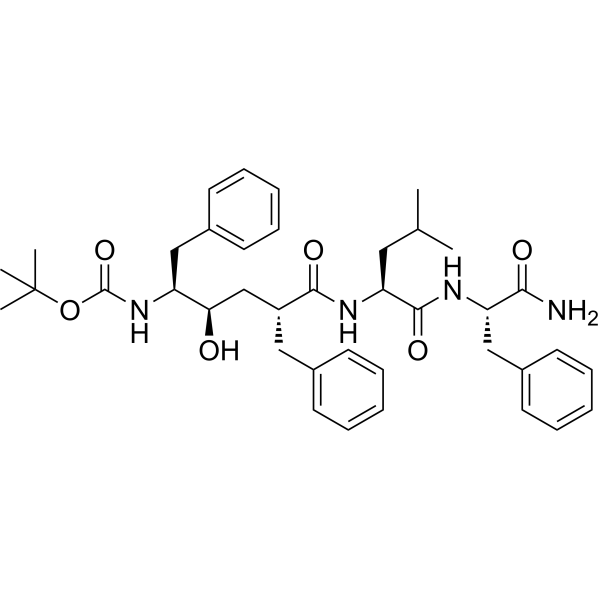
L-685458
Maximum Cited Publications
6 Publications Verification
L-685,458
|
γ-secretase
Apoptosis
|
Neurological Disease
Cancer
|
|
L-685458 is a potent transition state analog (TSA) γ-secretase inhibitor (GSI). L-685458 inhibits amyloid β-protein precursor γ-secretase activity with IC50 of 17 nM, shows greater than 50-100-fold selectivity over other aspartyl proteases tested. L685458 inhibits γ-secretase-mediated cleavage of APP-C99 and Notch-100 with IC50s of 301.3 nM and 351.3 nM, respectively. L-685458 can be used for the research of alzheimer’s disease (AD) and cancers .
|
-
- HY-122204
-
|
|
HIV
|
Infection
|
|
5M038 is an inhibitor of HIV envelope-mediated fusion with potent inhibitory activity against gp41-mediated membrane fusion. 5M038 prevents the formation of the gp41 post-fusion conformation and inhibits envelope-mediated membrane fusion in cell-cell fusion and viral infectivity assays. 5M038 has shown broad fusion inhibition in tests against multiple HIV-1 subtypes, including M and T strains. 5M038 targets a highly conserved hydrophobic pocket and binds to the gp41 trimer, thereby exerting its inhibitory effect .
|
-
- HY-122189
-
|
(-)-Akuammine; Vincamajoridine
|
Others
|
Neurological Disease
|
|
Akuammine is an indole alkaloid that has been found in Picralima nitida and has analgesic activity. It selectively binds to the μ- and κ-opioid receptors over the δ-opioid receptor (Kis=0.3, 1.68, and 10.4 μM for the human receptors, respectively). Akuammine inhibits forskolin-induced cAMP production in HEK293 cells expressing human μ- or κ-opioid receptors (IC50s=2.6 and 0.073 μM, respectively). It increases the latency to withdrawal in the tail-flick or hot plate test in mice when administered at a dose of 60 mg/kg.
|
-
- HY-116062A
-
|
|
Histone Methyltransferase
|
Neurological Disease
|
|
JNJ-7925476 is a triple reuptake inhibitor that selectively and potently inhibits the activity of the serotonin transporter (SERT), norepinephrine transporter (NET), and dopamine transporter (DAT). JNJ-7925476 is rapidly absorbed into the blood and its concentration in the brain is 7-fold higher than that in plasma. The occupancy ED(50) values of JNJ-7925476 for SERT, NET, and DAT in the rat brain are 0.18, 0.09, and 2.4 mg/kg, respectively. JNJ-7925476 rapidly induces a significant increase in the levels of extracellular serotonin, dopamine, and norepinephrine in the rat cerebral cortex in a dose-dependent manner. JNJ-7925476 exhibits potent antidepressant-like activity in the mouse tail suspension test. These results suggest that JNJ-7925476 has in vivo efficacy in biochemical and behavioral models of depression .
|
-
- HY-W540232
-
|
4-Methylphenyl ITC
|
Cholinesterase (ChE)
|
Neurological Disease
|
|
4-Methoxyphenyl isothiocyanate (4-Methylphenyl ITC) is an antioxidant, with a IC50 value of 1.25 mM for scavenging DPPH radicals. ORAC testing indicates its antioxidant capacity as 11.7 mM TE (indicating that the antioxidant efficacy of this compound is equivalent to 11.7 mmol of Trolox (HY-101445, a standard antioxidant) under the same conditions), and it extends the oxidation process by approximately 9180 seconds in the Briggs–Rauscher reaction. Additionally, 4-Methoxyphenyl isothiocyanate exhibits moderate cholinesterase inhibitory activity, with an inhibition rate of 30.4% against acetylcholinesterase (AChE) and 17.9% against butyrylcholinesterase (BChE). 4-Methoxyphenyl isothiocyanate holds potential for research in the fields of antioxidation and neurological disorders .
|
-
- HY-W013762R
-
|
|
Reference Standards
Biochemical Assay Reagents
|
Others
|
|
Tributyl citrate (Standard) is the analytical standard of Tributyl citrate. This product is intended for research and analytical applications. Tributyl citrate is a low-toxicity and orally active citrate ester with no genotoxicity or skin sensitizing activity. Tributyl citrate also acts as a plasticizer, solvent, FDA-approved indirect food additive, and topical anesthetic, among other uses. Tributyl citrate induces a needle-prick insensitivity response that lasts for more than 2 hours, and a 5% suspension of it temporarily eliminates the corneal reflex in rabbits. Tributyl citrate causes no significant systemic toxicity in rats and cats at most tested doses, and only may cause growth retardation and gastrointestinal reactions such as diarrhea and nausea at high doses or with repeated oral administration .
|
-
- HY-182366
-
|
|
Histone Methyltransferase
|
Neurological Disease
Inflammation/Immunology
|
|
EED-IN-5 is an orally active, EZH2-selective trisubstituted pyridine-based EED-H3K27me3 inhibitor and immunomodulator with anti-inflammatory activity. The IC50 value of EED-IN-5 against EED is 28.21 nM. In mouse models, EED-IN-5 preferentially and persistently accumulates in lymph nodes after oral administration. By reducing the H3K27me3 level of dendritic cells and inhibiting their migration, EED-IN-5 decreases the infiltration of specific dendritic cells, macrophages and T cells into the spinal cord and brain. EED-IN-5 exhibits hERG inhibitory activity, shows negative results in the Mini-Ames test, and causes no obvious toxicity upon long-term high-dose administration. EED-IN-5 can be used for the research of multiple sclerosis .
|
-
- HY-123702
-
|
|
Polo-like Kinase (PLK)
|
Cancer
|
|
CAP-53194 is a selective Plk1 inhibitor with potential anticancer activity. CAP-53194 was identified by a high-throughput virtual screening approach using molecular docking, showing 100-fold selectivity for Plk1 over Plk2-4 and other cell cycle kinases. CAP-53194 is able to effectively exploit subtle differences between the binding sites of Plk1 and other Ser/Thr kinases, thereby enhancing their inhibitory effects. CAP-53194 meets the Lipinski compound analog criteria and passes other ADMET filters, indicating good compound compatibility. CAP-53194 belongs to a new class of potential Plk1 inhibitors suitable for subsequent compound development and testing .
|
-
- HY-N7694
-
|
|
TGF-β Receptor
JAK
STAT
Apoptosis
|
Inflammation/Immunology
Cancer
|
|
Isotoosendanin is an orally active TGFβR1 inhibitor and abrogating its kinase activity (IC50 = 6732 nM). Isotoosendanin inhibits the JAK/STAT3 signaling pathway by directly targeting SHP-2, enhancing its stability, and reducing its ubiquitination. Isotoosendanin inhibits TGF-β-induced reduces the migration, invasion, and metastasis in triple-negative breast cancer (TNBC) cells. Isotoosendanin exhibits anti-tumor efficacy in TNBC xenograft models and A549 xenograft tumors. Isotoosendanin exhibits significant anti-inflammatory effects in acetic acid-induced vascular permeability and λ-carrageenan-induced hind paw edema tests. Isotoosendanin can be used for the study of non-small cell lung cancer (NSCLC), TNBC and inflammation .
|
-
- HY-W107409
-
|
|
Others
|
Cancer
|
|
Meridianin C is a marine natural product with anticancer activity. Meridianin C has significant inhibitory effects on four different human tongue cancer cells (YD-8, YD-10B, YD-38 and HSC-3). Meridianin C most strongly reduced the growth of YD-10B cells, the most aggressive and tumorigenic of the cell lines tested. Meridianin C also induced significant accumulation of large vesicles in YD-10B cells, validating its function through macrophagocytosis. Meridianin C reduces cellular levels of Dickkopf-related protein-3 (DKK-3), a known negative regulator of macrophagy. Meridianin C affects macrophagocytosis by downregulating DKK-3, thereby affecting cell proliferation .
|
-
- HY-W034953
-
|
|
Biochemical Assay Reagents
|
Others
|
|
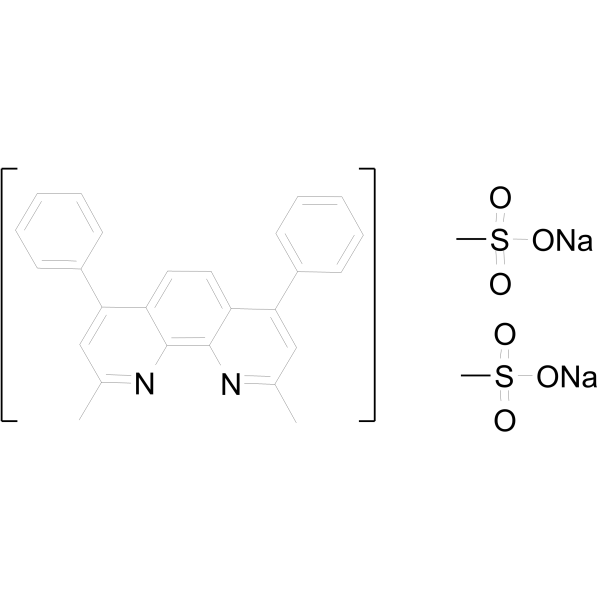
Bathocuproine disulfonate disodium (BCS) is an organic compound used as a highly sensitive colorimetric reagent for copper ions in biochemical and analytical applications. It has a bright yellow color and absorbs light at specific wavelengths, so it can be used to detect and quantify trace copper. In biochemical applications, BCS is commonly used to study the role of copper ions in various biological processes. Copper is an essential nutrient for many organisms, but it can also be toxic in high concentrations, so accurate measurement of copper levels is important to understand its impact on living systems. In terms of analysis, BCS is often used in environmental monitoring and water quality testing to detect copper pollution. It can detect copper even at very low concentrations, making it an invaluable tool for identifying potential sources of pollution and assessing the impact of industrial activities on aquatic ecosystems.
|
-
- HY-181102
-
|
|
G protein-coupled Bile Acid Receptor 1
|
Metabolic Disease
Inflammation/Immunology
|
|
TGR5 agonist 10 is a selective, allosteric and orally active Takeda G protein coupled receptor 5 (TGR5) agonist with EC50s of 0.8 μM and 0.6 μM for human TGR5 and mouse TGR5, respectively. TGR5 agonist 10 demonstrates selectivity for TGR5 over FXR. TGR5 agonist 10 activates hTGR5 and mTGR5 to induce cAMP accumulation, and positively modulates lithocholic acid functional activity and potency at hTGR5, with higher selectivity for cAMP formation over β-arrestin2 recruitment. TGR5 agonist 10 exerts glucose-lowering effects in Mus musculus oral glucose tolerance tests. TGR5 agonist 10 can be used for the research of diabetes .
|
-
- HY-W011848
-
|
2-((Benzyloxy)carbonyl)benzoic acid
|
Drug Metabolite
|
Metabolic Disease
|
|
Monobenzyl phthalate is a phthalate metabolite (aromatic alkyl chain monophthalate) with oral activity, which acts as a male reproductive development inhibitor and antiandrogen in rat fetuses .
|
-
- HY-103117
-
|
|
5-HT Receptor
|
Neurological Disease
|
|
S 32212 hydrochloride is an inverse agonist of 5-HT receptors 5-HT2(CINI) and 5-HT2(CVSV) (Kis=6.6, 8.9 nM) and an antagonist of 5-HT2A and α2β-adrenergic receptors (Ki=5.8, 5.8 nM). S 32212 hydrochloride can reduce the binding of GTPγS to Gαq, and reduce the activity of phospholipase C (PLC) in HEK293 cells expressing 5-HT2(CINI) receptor and CHO cells expressing 5-HT2(CVSV) receptor (EC50=38 and 18.6 nM, respectively). S 32212 hydrochloride (2.5 mg/kg) reduces 5-HT receptor agonist-induced head twitches and penile erections in mice and rats. S 32212 hydrochloride (10, 40 mg/kg) reduces immobility time in the forced swim test and marble burying behavior in mice and rats, exerting antidepressant and anxiolytic activities.
|
-
- HY-W075770
-
|
Nickel monoxide
|
Environmental Pollutants
Apoptosis
Reactive Oxygen Species (ROS)
Caspase
TGF-beta/Smad
p38 MAPK
Akt
PI3K
|
Infection
Metabolic Disease
Cancer
|
|
Nickel(II) oxide (nickel monoxide) is a chemical warfare agent that can enter the body through the respiratory tract and other routes, distributing to organs such as the lungs and testes. The nanoparticle form of nickel(II) oxide (NiO NPs) exhibits antibacterial, anti-leishmanial, anti-diabetic, and anti-cancer activities. NiO NPs can be activated by ultraviolet and visible light, generating reactive oxygen species (ROS). Nickel(II) oxide induces oxidative stress by generating reactive oxygen species, activating the TGF-β1-mediated MAPK and PI3K/AKT pathways, disrupting the MMPs/TIMPs balance, and upregulating the expression of inflammatory factors (IL-1β, IL-6) and apoptosis-related molecules (Bax, caspase-3, p53), while inhibiting the activity of the anti-apoptotic molecule Bcl-2. Nickel(II) oxide induces cytotoxicity, promotes fibrosis, triggers inflammatory responses, and causes apoptosis. Nickel(II) oxide can be applied in research on the safety assessment of nanomaterials, such as in the context of pulmonary fibrosis and reproductive system toxicity .
|
-
- HY-129108
-
|
(9Z)-UAB-30
|
Oct3/4
Microtubule/Tubulin
E1/E2/E3 Enzyme
Proteasome
|
Neurological Disease
Cancer
|
|
9-cis-UAB30 is a rexinoid agonist. 9-cis-UAB30 significantly decreases the proliferation, viability, and motility of both patient-derived xenografts (PDXs). 9-cis-UAB30 induced cell-cycle arrest as demonstrated by the significant increase in the percentage of cells in G1 and a decrease in the percentage of cells in S phase by downregulating SKP2 and/or 20S proteasome activity, which leads to increased p27kip1 protein stability. 9-cis-UAB30 downregulates the abundance of stem cell marker mRNAs (Oct4, Nanog, Sox2, nestin) and upregulates the abundance of differentiation marker mRNAs (β3-tubulin, NSE, HOXC9, GAP43). 9-cis-UAB30 has no adverse effects on the central nervous system and cardiovascular system at the tested dose. 9-cis-UAB30 can be used for the study of neuroblastoma, cutaneous T-cell lymphomas, and breast cancer .
|
-
- HY-N16637
-
|
|
NF-κB
PPAR
|
Inflammation/Immunology
|
|
(3R,5R)-3,5-Dihydroxy-1,7-bis(3,4-dihydroxyphenyl)heptane 3-O-β-D-glucopyranoside is a diarylheptanol glycoside compound isolated from Tacca plantaginea. (3R,5R)-3,5-Dihydroxy-1,7-bis(3,4-dihydroxyphenyl)heptane 3-O-β-D-glucopyranoside significantly inhibit TNF-α-induced NF-κB transcriptional activity (IC50 = 9.4 μM). (3R,5R)-3,5-Dihydroxy-1,7-bis(3,4-dihydroxyphenyl)heptane 3-O-β-D-glucopyranoside significantly activates PPAR transcriptional activity (EC50 = 9.9 μM) and has a specific activating effect on PPAR β(δ) (EC50 = 23.1 μM). (3R,5R)-3,5-Dihydroxy-1,7-bis(3,4-dihydroxyphenyl)heptane 3-O-β-D-glucopyranoside is non-toxic to cells at the tested concentration. (3R,5R)-3,5-Dihydroxy-1,7-bis(3,4-dihydroxyphenyl)heptane 3-O-β-D-glucopyranoside can be used for research on inflammatory conditions .
|
-
| Cat. No. |
Product Name |
Type |
-
- HY-D0018
-
|
Dichlorophenylindophenol sodium; DCPIP sodium; Indochlorophenol sodium
|
Fluorescent Dye
|
|
DCIP sodium is a blue dye commonly used in various biochemical and biotechnological applications as an indicator of redox reactions. DCIP sodium has unique chemical properties that change color according to the oxidation state of the substance being tested. It is commonly used in enzyme assays, such as measuring the activity of succinate dehydrogenase, or in protein quantification methods, such as the Lowry assay.
|
-
- HY-D0018R
-
|
Dichlorophenylindophenol sodium (Standard); DCPIP sodium (Standard); Indochlorophenol sodium (Standard)
|
Fluorescent Dye
|
|
DCIP (sodium) (Standard) is the analytical standard of DCIP (sodium). This product is intended for research and analytical applications. DCIP sodium is a blue dye commonly used in various biochemical and biotechnological applications as an indicator of redox reactions. DCIP sodium has unique chemical properties that change color according to the oxidation state of the substance being tested. It is commonly used in enzyme assays, such as measuring the activity of succinate dehydrogenase, or in protein quantification methods, such as the Lowry assay.
|
| Cat. No. |
Product Name |
Type |
-
- HY-W034953
-
|
|
Biochemical Assay Reagents
|
|
Bathocuproine disulfonate disodium (BCS) is an organic compound used as a highly sensitive colorimetric reagent for copper ions in biochemical and analytical applications. It has a bright yellow color and absorbs light at specific wavelengths, so it can be used to detect and quantify trace copper. In biochemical applications, BCS is commonly used to study the role of copper ions in various biological processes. Copper is an essential nutrient for many organisms, but it can also be toxic in high concentrations, so accurate measurement of copper levels is important to understand its impact on living systems. In terms of analysis, BCS is often used in environmental monitoring and water quality testing to detect copper pollution. It can detect copper even at very low concentrations, making it an invaluable tool for identifying potential sources of pollution and assessing the impact of industrial activities on aquatic ecosystems.
|
-
- HY-W010169
-
|
|
Biochemical Assay Reagents
|
|
Sodium 4-aminobenzoate is a biochemical assay reagent. According to its structure, sodium 4-aminobenzoate exhibits antioxidant, anticoagulant, fubrinolytic and immunomodulating activities, and can be utilized as a protective agent against UV-irradiation and in diagnostic tests for the state of the gastrointestinal tract .
|
-
- HY-W293502
-
|
2-Chloro-4-nitrophenyl-beta-D-galactopyranoside
|
Biochemical Assay Reagents
|
|
2-Chloro-4-nitrophenyl-β-D-galactopyranoside is a chromogenic substrate used for testing enzyme activity. It is commonly used in molecular biology research to detect and measure the activity of β-galactosidase (biosynth: EC03318).
|
-
- HY-137425
-
|
|
Biochemical Assay Reagents
|
|
N-Biotinyl-12-aminododecanoic acid is a compound formed by linking biotin and 12-aminododecanoic acid through an amide bond. N-Biotinyl-12-aminododecanoic acid is used as a biotinylation reagent to test the ligation activity of SimL .
|
| Cat. No. |
Product Name |
Target |
Research Area |
-
- HY-137367
-
|
|
Cathepsin
|
Infection
|
|
Z-Val-Val-Arg-AMC is a fluorescent peptide substrate that can be used to test the activity of cathepsins .
|
-
- HY-P4460
-
|
|
Ser/Thr Protease
|
Cancer
|
|
AAA-pNA is a chromogenic substrate of Tripeptidyl-peptidase II. AAA-pNA can be used to test Tripeptidyl-peptidase II activity .
|
-
- HY-P4453
-
|
|
Caspase
|
Cancer
|
|
Boc-Ala-Ala-Asp-pNA is a chromogenic substrate of granzyme B. Boc-Ala-Ala-Asp-pNA can be used to test functional activity of granzyme B .
|
-
- HY-P1746
-
|
PKC (19-31)
|
PKC
|
Inflammation/Immunology
|
|
Protein Kinase C (19-31), a peptide inhibitor of protein kinase C (PKC), derived from the pseudo-substrate regulatory domain of PKCa (residues 19-31), is used as protein kinase C substrate peptide for testing the protein kinase C activity .
|
-
- HY-P4449A
-
|
|
Caspase
|
Cancer
|
|
Ac-VRPR-AMC TFA is a fluorogenic metacaspase substrate. Ac-VRPR-AMC TFA can be used to assay metacaspase activity .
|
-
- HY-P4455
-
|
|
Bacterial
|
Infection
|
|
Boc-AAG-pNA is a glycine endopeptidase substrate. Boc-AAG-pNA can be used to test the amidase activity glycine endopeptidase .
|
-
- HY-134113
-
|
CBZ-Chromozym TH
|
Biochemical Assay Reagents
|
Others
|
|
Z-Gly-Pro-Arg-pNA (z-GPR-pNA) is a photometric substrate in Prostate-Specific Antigen (PSA) activation protease assays. Z-Gly-Pro-Arg-pNA (z-GPR-pNA) can be used for the test of trypsin activity .
|
-
- HY-P5486
-
|
|
Bacterial
|
Others
|
|
Tet-20 is a biological active peptide. (Tet-20, is a synthetic cathelicidin-derived peptide. It was tested as infection-resistant coating for medical devices. When tethered on an implant surface Tet-20 exhibited broad antimicrobial activities both in vivo and in vitro. It can stop biofilm formation and appears to be non-toxic to eukaryotic cells)
|
-
- HY-P4458
-
|
|
Ser/Thr Protease
|
Cancer
|
|
Boc-QAR-pNA is a chromogenic substrate of trypsin. Boc-QAR-pNA can be used to test trypsin activity .
|
-
- HY-P4482
-
|
|
Bacterial
|
Infection
|
|
Suc-AAPE-pNA is a chromogenic substrate of glutamyl endopeptidase. Suc-AAPE-pNA can be used to test glutamyl endopeptidase activity .
|
-
- HY-P4470
-
|
|
Ser/Thr Protease
|
Cancer
|
|
Phe-Pro-Ala-pNA is a chromogenic substrate of tripeptidyl peptidase. Phe-Pro-Ala-pNA can be used to test tripeptidyl peptidase activity .
|
-
- HY-P4464
-
|
|
Ser/Thr Protease
|
Cancer
|
|
Ala-Phe-Pro-pNA is a chromogenic substrate of tripeptidyl peptidase. Ala-Phe-Pro-pNA can be used to test tripeptidyl peptidase activity .
|
-
- HY-P4464A
-
|
|
Ser/Thr Protease
|
Cancer
|
|
Ala-Phe-Pro-pNA TFA is a chromogenic substrate of tripeptidyl peptidase. Ala-Phe-Pro-pNA TFA can be used to test tripeptidyl peptidase activity .
|
-
- HY-P4449
-
|
|
Caspase
|
Cancer
|
|
Ac-VRPR-AMC is a fluorogenic metacaspase substrate. Ac-VRPR-AMC can be used to tests metacaspase activity .
|
-
- HY-P10276
-
|
|
Caspase
|
Cancer
|
|
Ac-VAD-AFC is a fluorescent substrate for caspases and can be used to test the activity of caspases .
|
-
- HY-W713878
-
|
|
Caspase
|
Others
|
|
Ac-VDVAD-pNA is a caspase-2 substrate. Ac-VDVAD-pNA can be used to test the activity of caspase-2 .
|
-
- HY-P10189
-
-
- HY-P4477
-
|
|
Ser/Thr Protease
|
Others
|
|
Suc-AAPR-pNA is a substrate of trypsin acyl-enzymes. Suc-AAPR-pNA can be used to test trypsin acyl-enzymes activity .
|
-
- HY-P10191
-
|
|
Peptides
|
Others
|
|
β-Secretase Substrate-1, Fluorogenic is a fluorogenic substrate of β-Secretase that can be used to test β-Secretase activity .
|
-
- HY-P4475
-
-
- HY-120757
-
|
|
Virus Protease
|
Others
|
|
LP-130 is a statin-based inhibitor that is a universal inhibitor with nanomolar inhibitory activity against all tested retroviral proteases. Crystal structure studies of its binding to different retroviral proteases have shown that it can adapt to different active site regions to achieve inhibition.
|
-
- HY-P1746A
-
|
PKC (19-31) TFA
|
PKC
|
Inflammation/Immunology
|
|
Protein Kinase C (19-31) TFA, a peptide inhibitor of protein kinase C (PKC), derived from the pseudo-substrate regulatory domain of PKCa (residues 19-31), is used as protein kinase C substrate peptide for testing the protein kinase C activity .
|
-
- HY-P4466
-
|
|
HIV Protease
|
Infection
|
|
Arg-Val-(Nle-p-nitro)-Phe-Glu-Ala-Nle-NH2 is a fluorogenic substrate of HIV-1 protease. Arg-Val-(Nle-p-nitro)-Phe-Glu-Ala-Nle-NH2 can be used to test HIV-1 protease activity .
|
-
- HY-P5296
-
|
|
Fluorescent Dye
|
Others
|
|
Dabsyl-Leu-Gly-Gly-Gly-Ala-Edans is a fluorophore Dabsyl-labeled peptide. Dabsyl-Leu-Gly-Gly-Gly-Ala-Edans can be used to test the peptidase activity of the LasA protease of Pseudomonas aeruginosa. Dabsyl-Leu-Gly-Gly-Gly-Ala-Edans has enzyme specificity and has application value .
|
| Cat. No. |
Product Name |
Category |
Target |
Chemical Structure |
-
- HY-101410
-
-
-
- HY-N3017
-
-
-
- HY-W011848
-
-
-
- HY-W049970
-
-
-
- HY-N7240
-
|
|
Structural Classification
Natural Products
Animals
Source Classification
|
Others
|
|
(Rac)-Juvenile hormone III is a cecropia juvenile hormone and juvenile hormone agonist. (Rac)-Juvenile hormone III induces test insects to retain larval characteristics after the final molt to the adult stage. (Rac)-Juvenile hormone III exhibits juvenile hormone activity in Tenebrio molitor pupae and last-instar nymphs of Oncopeltus fasciatus. (Rac)-Juvenile hormone III possesses morphogenetic activity in insect assays .
|
-
-
- HY-N0446
-
-
-
- HY-W107409
-
|
|
Alkaloids
Other Alkaloids
Marine natural products
Source Classification
|
Others
|
|
Meridianin C is a marine natural product with anticancer activity. Meridianin C has significant inhibitory effects on four different human tongue cancer cells (YD-8, YD-10B, YD-38 and HSC-3). Meridianin C most strongly reduced the growth of YD-10B cells, the most aggressive and tumorigenic of the cell lines tested. Meridianin C also induced significant accumulation of large vesicles in YD-10B cells, validating its function through macrophagocytosis. Meridianin C reduces cellular levels of Dickkopf-related protein-3 (DKK-3), a known negative regulator of macrophagy. Meridianin C affects macrophagocytosis by downregulating DKK-3, thereby affecting cell proliferation .
|
-
-
- HY-N4111
-
-
-
- HY-101410R
-
-
-
- HY-N9502
-
-
-
- HY-N7694
-
-
-
- HY-116108
-
-
-
- HY-121345
-
-
-
- HY-N4111R
-
-
-
- HY-117845
-
|
LL-E19085α
|
Structural Classification
Microorganisms
Antibiotics
Source Classification
|
Antibiotic
Bacterial
|
|
Citreamicin alpha (LL-E 19085-alpha) is an antibiotic whose in vitro antimicrobial activity against 429 clinical isolates of Gram-positive cocci has been tested by the agar dilution method. These microorganisms included 313 strains of Staphylococci and 116 strains of Streptococci. The in vitro activity of Citreamicin alpha was compared with that of ampicillin, amoxicillin, ceftriaxone, erythromycin, and vancomycin. For Staphylococci, the MIC values of Citreamicin alpha ranged from 0.12-4.0 μg/ml, and for Streptococcus pyogenes of the genus Streptococcus, it was 0.03-0.12 μg/ml. However, enterococci were relatively resistant, requiring 2.0 μg/ml of the agent to inhibit 64% of the 62 tested strains. The in vitro activity of this antibiotic was much better than that of ampicillin, amoxicillin, ceftriaxone, and erythromycin, but comparable or slightly inferior to that of vancomycin.
|
-
-
- HY-N5054
-
-
-
- HY-N3887
-
|
Haplophytin B; Haplophytine B
|
Alkaloids
Other Alkaloids
Rutaceae
Plants
Haplophyllum acutifolium (DC.) G. Don
Source Classification
|
Bacterial
|
|
Evoxine (Haplophytin B) is a compound that selectively inhibits CO2-induced immunosuppression and has activity in inhibiting the expression of interleukin-6 and chemokine CCL2 in human THP-1 macrophages. Evoxine shows antimicrobial activity against a wide range of bacteria, especially performing well in minimum inhibitory concentration (MIC) tests against Escherichia coli, Bacillus subtilis, and Staphylococcus aureus. Evoxine extracts may find application in crude drug preparations in West Africa, provided that their in vivo toxicity results are negative .
|
-
-
- HY-121020
-
|
|
Structural Classification
Flavonoids
Flavones
Plants
Compositae
Artemisia capillaris Thunb.
Source Classification
|
SARS-CoV
|
|
Arcapillin is a flavonoid that can be isolated from Artemisia capillaris Thunb. Arcapillin induces dose-dependent relaxation of ileum and pulmonary artery smooth muscle, causes slight urinary bladder smooth muscle contraction at highest tested concentrations. Arcapillin binds to the active site of SARS-CoV-2 Mpro via interactions with Gln139, His163, and His164, exhibits antiviral activity against SARS-CoV-2 and MERS-CoV. Arcapillin can be used for the research of gastrointestinal disorders, COVID-19, and Middle East respiratory syndrome (MERS) .
|
-
-
- HY-N5067
-
-
-
- HY-W040156
-
|
|
Natural Products
Microorganisms
Source Classification
|
Fungal
|
|
Oxadixyl is a fungicide with activity that inhibits the growth of fungi. Oxadixyl was tested during the malic fermentation of red wine, where its concentration may be affected. The biological activity of Oxadixyl helps to evaluate its effect on microorganisms during the winemaking process .
|
-
-
- HY-N4227
-
-
-
- HY-W040156R
-
|
|
Structural Classification
Natural Products
Microorganisms
Source Classification
|
Fungal
Reference Standards
|
|
Oxadixyl (Standard) is the analytical standard of Oxadixyl. This product is intended for research and analytical applications. Oxadixyl is a fungicide with activity that inhibits the growth of fungi. Oxadixyl was tested during the malic fermentation of red wine, where its concentration may be affected. The biological activity of Oxadixyl helps to evaluate its effect on microorganisms during the winemaking process .
|
-
-
- HY-N15112
-
-
-
- HY-W049970R
-
|
|
Structural Classification
Natural Products
other families
Plants
Source Classification
|
Reference Standards
Bacterial
|
|
Carvacrol methyl ether (Standard) is the analytical standard of Carvacrol methyl ether (HY-W049970). This product is intended for research and analytical applications. Carvacrol methyl ether is a carvacrol derivative isolated from plant essential oils. Carvacrol methyl ether essentially lost its antibacterial activity, exhibiting only a weak inhibitory effect on Saccharomyces cerevisiae at the highest tested concentration of 3 g/L .
|
-
-
- HY-N0446R
-
-
-
- HY-N15309
-
|
Torvoside K
|
Structural Classification
Solanum torvum Swartz
Solanaceae
Plants
Steroids
Source Classification
|
Fungal
|
|
Torvoside C (Torvoside K) is a compound found in Solanum torvum with antifungal activity. The ZOIs and MIC values of Torvoside C against the tested fungi (Alternaria brassicicola, Alternaria geophila, Aspergillus flavus, etc.) range from 33.4% to 87.4% and 31.25 to 250 μg/mL, respectively. Additionally, it exhibits a dose-dependent inhibitory effect on the production of mycotoxins aflatoxin B1 and fumonisin B1, which are produced by A. flavus and F. verticillioides, respectively. Torvoside C can be used for research in the field of antifungal infection .
|
-
-
- HY-W015786R
-
|
|
Structural Classification
Monophenols
Phenols
Endogenous metabolite
Source Classification
|
Reference Standards
Bacterial
|
|
L-Amoxicillin (Standard) is the analytical standard of L-Amoxicillin. This product is intended for research and analytical applications. L-Amoxicillin is an antibiotic with activity against a wide range of bacterial infections. L-Amoxicillin is commonly used in antibacterial combinations when used in combination with the β-lactamase inhibitor potassium clavulanic acid. The related substances analysis method for L-Amoxicillin has been developed and validated according to the International Conference on Harmonization (ICH) guidelines, ensuring its effectiveness and accuracy in mixtures. L-Amoxicillin and some of its impurities have been further analyzed in stress testing and stability studies, providing support for optimizing its application .
|
-
-
- HY-N17844
-
-
-
- HY-N18293
-
-
-
- HY-N19506
-
-
-
- HY-N15508
-
|
|
Microorganisms
Terpenoids
Diterpenoids
Source Classification
|
NO Synthase
|
|
Harzianoside B is a diterpene aminoglycoside compound discovered from Trichoderma sp. SCSIOW21. Harzianoside B has the activity of inhibiting the production of NO. In the experiment with macrophage RAW 264.7 cells, its IC50 value is close to the maximum tested concentration of 100 µM. It can be used in the research of the anti-inflammatory field .
|
-
-
- HY-N9869
-
-
-
- HY-119925
-
-
-
- HY-N19243
-
|
|
Structural Classification
Terpenoids
Sesquiterpenes
|
Histamine Receptor
|
|
6-O-Senesioyl plenolin is a sesquiterpene lactone found in Centipeda minima with antiallergic activity. 6-O-Senesioyl plenolin inhibits histamine release from mast cells (IC50 = 18 μM) and suppresses pigment exudation in passive cutaneous anaphylaxis tests. 6-O-Senesioyl plenolin can be used in research related to allergy .
|
-
-
- HY-N7988A
-
-
-
- HY-N16637
-
|
|
Structural Classification
Phenols
Polyphenols
Schizocapsa plantaginea Hance
Plants
Taccaceae
Source Classification
|
NF-κB
PPAR
|
|
(3R,5R)-3,5-Dihydroxy-1,7-bis(3,4-dihydroxyphenyl)heptane 3-O-β-D-glucopyranoside is a diarylheptanol glycoside compound isolated from Tacca plantaginea. (3R,5R)-3,5-Dihydroxy-1,7-bis(3,4-dihydroxyphenyl)heptane 3-O-β-D-glucopyranoside significantly inhibit TNF-α-induced NF-κB transcriptional activity (IC50 = 9.4 μM). (3R,5R)-3,5-Dihydroxy-1,7-bis(3,4-dihydroxyphenyl)heptane 3-O-β-D-glucopyranoside significantly activates PPAR transcriptional activity (EC50 = 9.9 μM) and has a specific activating effect on PPAR β(δ) (EC50 = 23.1 μM). (3R,5R)-3,5-Dihydroxy-1,7-bis(3,4-dihydroxyphenyl)heptane 3-O-β-D-glucopyranoside is non-toxic to cells at the tested concentration. (3R,5R)-3,5-Dihydroxy-1,7-bis(3,4-dihydroxyphenyl)heptane 3-O-β-D-glucopyranoside can be used for research on inflammatory conditions .
|
-
| Cat. No. |
Product Name |
Chemical Structure |
-
- HY-N7240S
-
|
|
|
Juvenile Hormone III-d3 is the deuterium labeled Juvenile Hormone III. (Rac)-Juvenile Hormone III is a cecropia juvenile hormone and juvenile hormone agonist. (Rac)-Juvenile Hormone III induces test insects to retain larval characteristics after the final molt to the adult stage. (Rac)-Juvenile Hormone III exhibits juvenile hormone activity in Tenebrio molitor pupae and last-instar nymphs of Oncopeltus fasciatus. (Rac)-Juvenile Hormone III possesses morphogenetic activity in insect assays .
|
-
-
- HY-W743258
-
|
|
|
L-Amoxicillin-d4 sodium is the deuterium labeled L-Amoxicillin (HY-129836). L-Amoxicillin is an antibiotic with activity against a wide range of bacterial infections. L-Amoxicillin is commonly used in antibacterial combinations when used in combination with the β-lactamase inhibitor potassium clavulanic acid. The related substances analysis method for L-Amoxicillin has been developed and validated according to the International Conference on Harmonization (ICH) guidelines, ensuring its effectiveness and accuracy in mixtures. L-Amoxicillin and some of its impurities have been further analyzed in stress testing and stability studies, providing support for optimizing its application .
|
-
Your information is safe with us. * Required Fields.
Inquiry Information
- Product Name:
- Cat. No.:
- Quantity:
- MCE Japan Authorized Agent:

