


Search Result
Results for "
acute colitis
" in MedChemExpress (MCE) Product Catalog:
1
Biochemical Assay Reagents
| Cat. No. |
Product Name |
Target |
Research Areas |
Chemical Structure |
-
- HY-B1829A
-
|
Dexamethasone 21-phosphate disodium
|
Glucocorticoid Receptor
TGF-β Receptor
Interleukin Related
|
Neurological Disease
Inflammation/Immunology
|
|
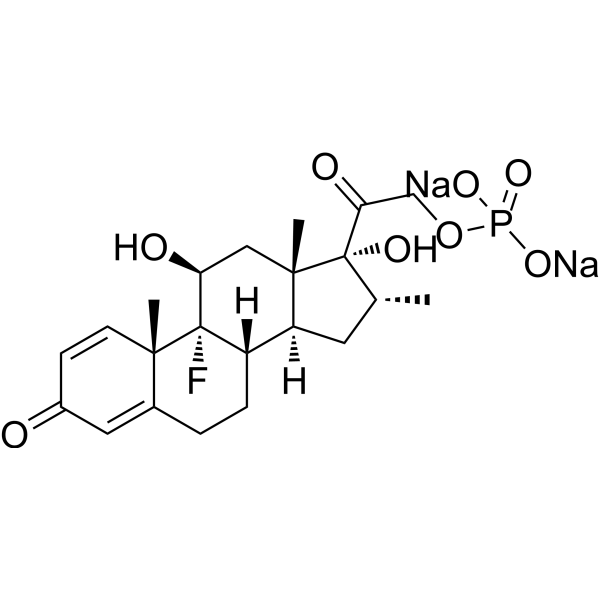
Dexamethasone phosphate (Dexamethasone 21-phosphate) disodium is a prodrug form of the glucocorticoid Dexamethasone (HY-14648). Dexamethasone phosphate disodium is produced by introducing a phosphate ester group at the 21-position of the Dexamethasone molecule, forming a salt with sodium ions, thereby significantly improving water solubility. Dexamethasone phosphate disodium inhibits LPS (HY-D1056)-induced degradation of IRAK-1 and IRAK-4, and blocks LPS-induced activation of TRAF6, p-TAK1 and p-JNK. Dexamethasone phosphate disodium inhibits the secretion of RANTES, TGF-β1 and NO, promotes the production of MIP-1α and IL-10, and blocks microglial migration. Dexamethasone phosphate disodium is almost completely converted to Dexamethasone in rat blood, and supports transdermal delivery via iontophoresis. Dexamethasone phosphate disodium can be used in research related to steroid-dependent ulcerative colitis, chemotherapy-induced vomiting, allergic asthma and acute colitis (inflammatory bowel disease) .
|
-
-
- HY-116282C
-
|
DSS (MW 35000-45000); DXS (MW 35000-45000)
|
Apoptosis
|
Infection
Inflammation/Immunology
Cancer
|
|
Dextran sulfate sodium salt (DSS) (MW 35000-45000) is a polymer of dehydrated glucose with a molecular weight of approximately 35000-45000. DSS with different molecular weights exhibits different biological activities. Dextran sulfate sodium salt (DSS) (MW 35000-45000) is a potent inducer of colitis. Dextran sulfate sodium salt (DSS) (MW 35000-45000) can be used to induce model acute colitis, chronic colitis, and colitis-related colon cancer. Dextran sulfate sodium salt (DSS) (MW 35000-45000) may be related to macrophage dysfunction, intestinal flora dysbiosis, and is particularly toxic to the colonic epithelium .
|
-
-
- HY-126360
-
|
|
TNF Receptor
Interleukin Related
|
Inflammation/Immunology
|
|
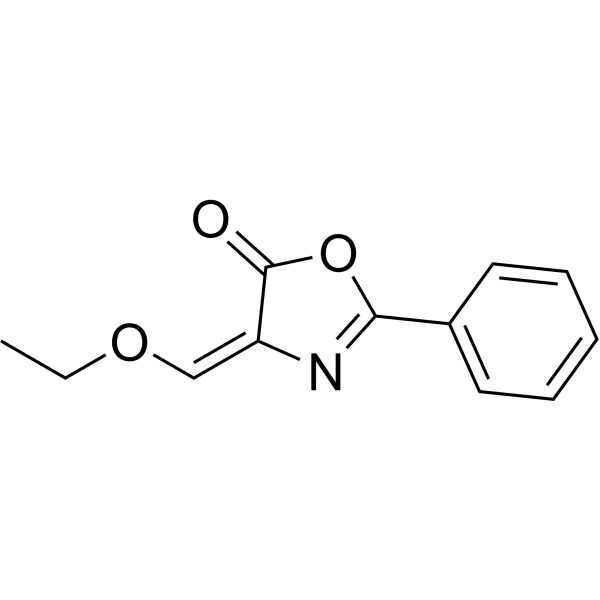
Oxazolone is a haptenizing agent that induces acute or chronic inflammation of the large intestine and is used to construct models of colitis. Oxazolone can cause Th1/Th2-dependent colitis with weight loss and diarrhea. Oxazolone-induced inflammation can be mitigated by neutralizing anti-IL-4 or anti-TNF-α antibodies or decoy IL-13R2-α-FC proteins .
|
-
-
- HY-B1077
-
|
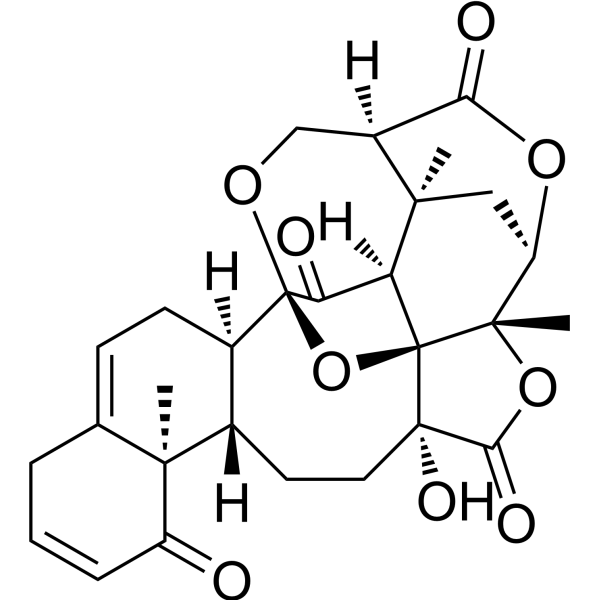
R-16341
|
Calcium Channel
Dopamine Receptor
Autophagy
Apoptosis
|
Neurological Disease
Inflammation/Immunology
Cancer
|
|
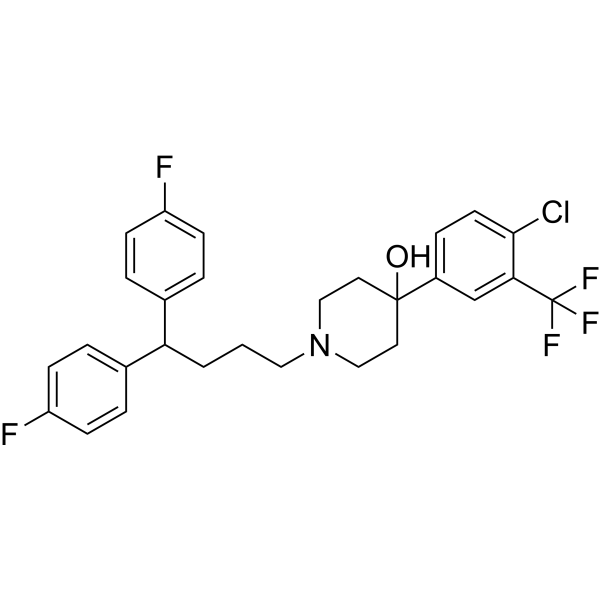
Penfluridol (R-16341) is a potent, long-acting, first-generation, oral diphenylbutylpiperidine antipsychotic agent by targeting D2-like dopamine receptor. Penfluridol effectively inhibits TNFα-induced NF-κB activation and alleviates the severity of arthritis and colitis in vivo. Penfluridol is a Ca2+-calmodulin inhibitor. Penfluridol induces apoptosis and autophagy. Penfluridol is used for chronic schizophrenia, acute psychosis, Tourette syndrome and autoimmune diseases. Penfluridol inhibites the growth of E. faecalis planktonic cells with the MIC of 7.81 μg/ml .
|
-
-
- HY-159520
-
|
Ofirnoflast; HT-6184
|
NEKs
NOD-like Receptor (NLR)
Caspase
Apoptosis
Pyroptosis
NF-κB
|
Cardiovascular Disease
Inflammation/Immunology
Cancer
|
|
Ofirnoflastum (Ofirnoflast) is an orally active first-in-class allosteric NEK7 inhibitor with an IC50 of 46 nM. Ofirnoflastum binds an allosteric site adjacent to NEK7’s ATP-binding pocket, induces conformational shifts, disrupts NEK7-NLRP3 binding, blocks NLRP3 inflammasome assembly, spares NEK7’s physiological functions, and suppresses caspase-1, caspase-8, NF-κB, and TNF activity. Ofirnoflastum reduces pro-inflammatory cytokine production, suppresses ASC specks, IL-1β release, pyroptotic cell death, and leukemic burden, induces apoptosis and erythroid differentiation, restores hematopoiesis, and improves outcomes in colitis models. Ofirnoflastum can be used for the research of myelodysplastic syndromes, chronic myelomonocytic leukemia, and acute myeloid leukemia .
|
-
-
- HY-Y0850U6
-
|
Polyvinyl alcohol (Mw 205000); Poly(Ethenol) (Mw 205000)
|
Biochemical Assay Reagents
|
Infection
Inflammation/Immunology
|
|
PVA (Polyvinyl alcohol) (Mw 205000) is a polyvinyl alcohol with a molecular weight of 205000, which is used as a biological additive. PVA (Mw 205000) can be cross-linked through physical or chemical methods to form hydrogels, and is widely applied in fields such as biomedicine, food packaging, textiles, papermaking, sensing, and electronic devices. After PVA enema, it has an improving effect on acute colitis induced by DSS (HY-116282C) in mice .
|
-
-
- HY-N0648
-
|
|
Interleukin Related
Keap1-Nrf2
Heme Oxygenase (HO)
NF-κB
Apoptosis
|
Inflammation/Immunology
|
|
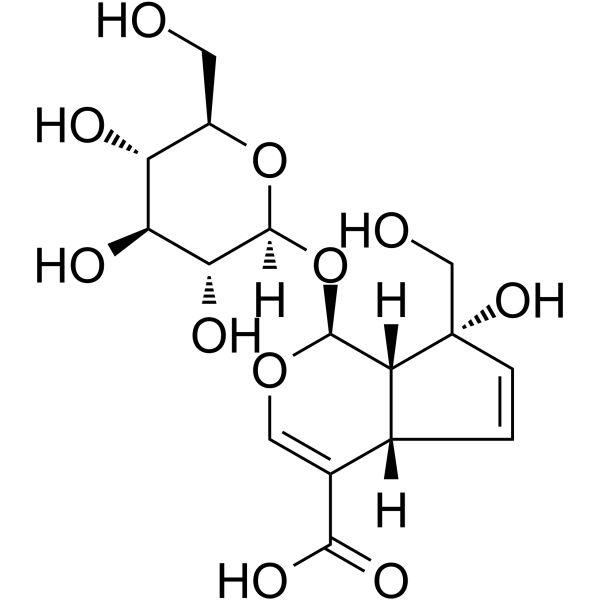
Monotropein is an iridoid glycoside that can be isolated from the roots of Morinda officinalis. Monotropein inhibits the expression of inflammatory mediators in dextran sulfate sodium (DSS)-induced colitis mouse model. Monotropein exerts protective effects against IL-1β-induced apoptosis and catabolic responses on osteoarthritis chondrocytes. Monotropein has cartilage protective activity. Monotropein can alleviate Cisplatin (HY-17394)-induced acute kidney injury by inhibiting oxidative damage, inflammation and apoptosis through activation of Nrf2/HO-1 pathway and inhibition of NF-κB signaling. Monotropein can be studied in research for osteoarthritis, acute kidney injury and acute lung injury .
|
-
-
- HY-W011641
-
|
|
Potassium Channel
Toll-like Receptor (TLR)
NF-κB
Apoptosis
Caspase
|
Cardiovascular Disease
Neurological Disease
Inflammation/Immunology
Cancer
|
|
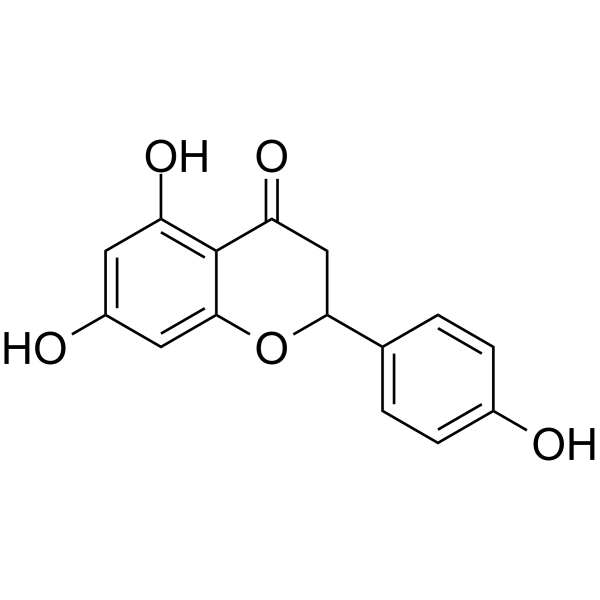
(±)-Naringenin is an orally available anti-inflammatory agent that can regulate both acute and chronic inflammation responses, while also showing antioxidant, neuroprotective, liver-protective, and anti-cancer effects. (±)-Naringenin promotes vasodilation in endothelial cells by activating BKCa channels in muscle cells. It also exerts protective effects against experimental colitis by inhibiting Toll-like receptor 4/NF-κB signaling, making it useful in studies related to sepsis, fulminant hepatitis, fibrosis, and cancer research .
|
-
-
- HY-121983
-
-
-
- HY-P99378
-
|
ALTB-168; Anti-PSGL1/CD162 Reference Antibody (neihulizumab)
|
Apoptosis
|
Inflammation/Immunology
|
|
Neihulizumab (ALTB-168) is an immune checkpoint agonistic antibody that binds to human CD162 (PSGL-1), leading to downregulation of activated T-cells. Neihulizumab can be uesd for steroid-refractory acute graft-versus-host-disease (SR-aGVHD), psoriasis, psoriatic arthritis and ulcerative colitis research .
|
-
-
- HY-152846
-
|
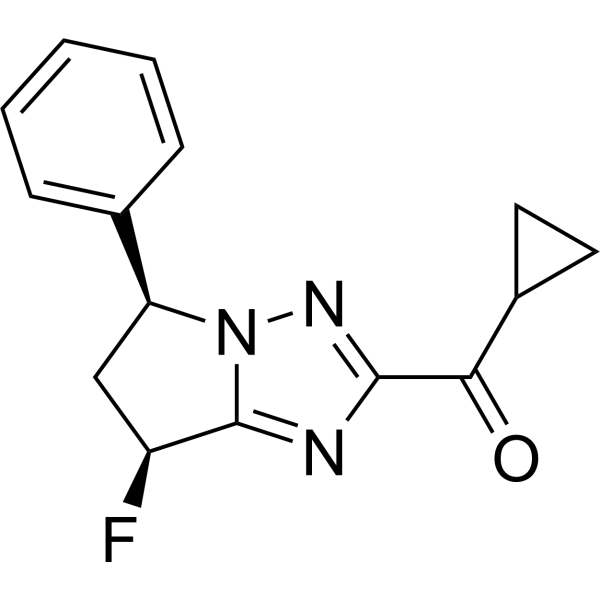
GDC-8264
|
RIP kinase
Interleukin Related
|
Cardiovascular Disease
Inflammation/Immunology
Endocrinology
|
|
Flizasertib (GDC-8264) is an orally active, reversible and selective RIP1 inhibitor with Ki app values of 0.00071 μM and 0.0013 μM for human and cynomolgus monkey RIP1 kinase, respectively. Flizasertib blocks RIP1 autophosphorylation but does not affect RIP1 protein stability. Flizasertib inhibits pro-inflammatory cytokines (CCL3, CCL4, and IL-1β) production. Flizasertib results in inhibition of colitis and ileitis. Flizasertib can be used in the research of cardiac surgery-associated acute kidney injury .
|
-
-
- HY-155998
-
|
|
NF-κB
|
Inflammation/Immunology
|
|
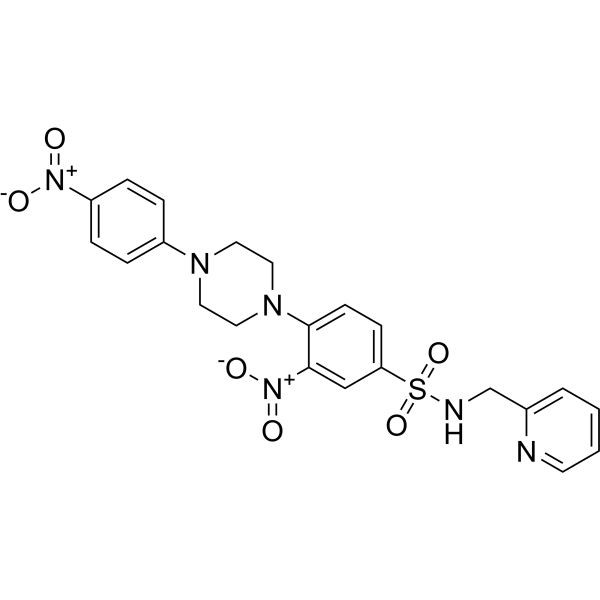
NF-κB-IN-11 (Compound 3i) is a NF-κB inhibitor. NF-κB-IN-11 inhibits TNF-α induced activation of NF-κB pathway, and inhibits nuclear translocation of NF-κB. NF-κB-IN-11 down-regulates the expression levels of phosphor-IKK, IκBα, and NF-κB p65. NF-κB-IN-11 has anti-inflammatory activity, and alleviates dextran sulfate sodium-induced colitis in mice. NF-κB-IN-11 (p.o.) shows a MTD more than 1852 mg/kg in mice acute toxicity assay .
|
-
-
- HY-109569
-
|
|
Autophagy
Apoptosis
Interleukin Related
|
Metabolic Disease
Inflammation/Immunology
Cancer
|
|
Vitamin K2 is an orally active proliferation inhibitor. Vitamin K2 induces Autophagy and Apoptosis. Vitamin K2 reduces the levels of proinflammatory cytokines (such as IL-1β, TNF-α, and IL-6). Vitamin K2 inhibits cell growth in leukemia cells. Vitamin K2 can be used for the research of involutional osteoporosis, non-alcoholic fatty liver disease, ulcerative colitis, acute myeloid leukemia, myelodysplastic syndromes, and hepatocellular carcinoma .
|
-
-
- HY-155765
-
|
|
NF-κB
|
Inflammation/Immunology
|
|
Anti-inflammatory agent 51 (compound 11d) is an amide/sulfonamide derivative with anti-inflammatory activities. Anti-inflammatory agent 51 inhibits NF-κB activation, has the potential for acute lung injury and ulcerative colitis research .
|
-
-
- HY-N0278
-
|
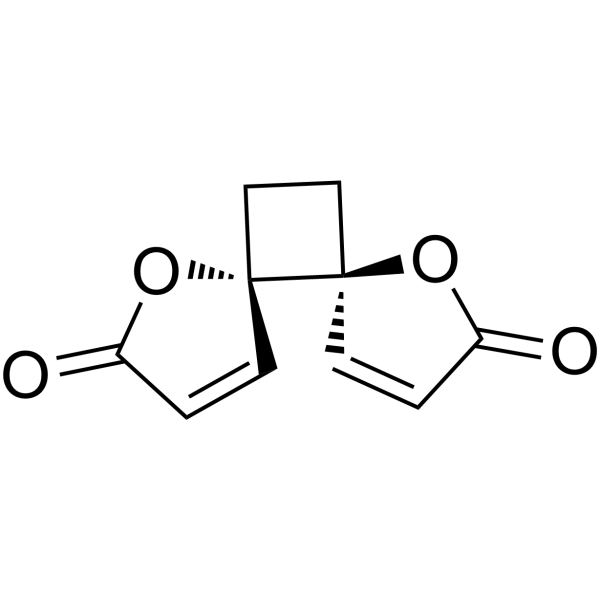
Pulsatilla camphor; Anemonine; trans-Anemonin
|
PKC
NO Synthase
|
Inflammation/Immunology
|
|
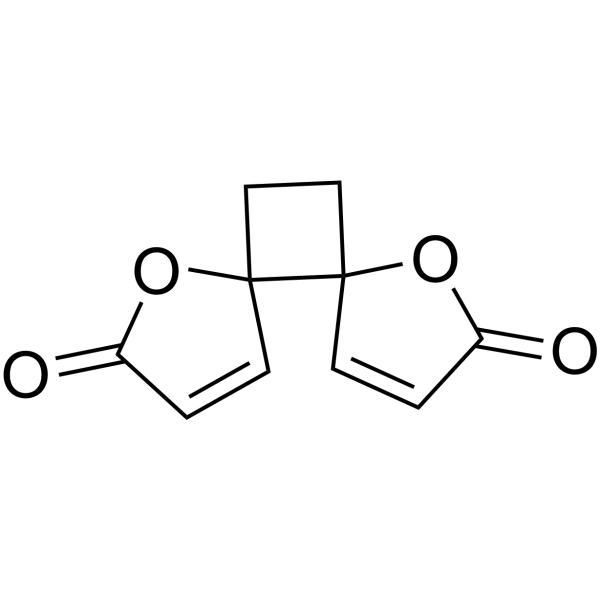
Anemonin (Pulsatilla camphor), a selective iNOS inhibitor, is also a PKC-θ inhibitor. Anemonin can significantly inhibit the translation or protein stability of PKC-θ protein. Anemonin also ameliorates dextran sodium sulfate-induced acute ulcerative colitis (UC) in mice. Anemonin can be used in the research of inflammation-related diseases .
|
-
-
- HY-N0278A
-
|
(Rac)-Pulsatilla camphor; (Rac)-Anemonine
|
PKC
NO Synthase
|
Inflammation/Immunology
|
|
(Rac)-Anemonin ((Rac)-Pulsatilla camphor) is the diastereoisomer of Anemonin (HY-N0278). Anemonin (Pulsatilla camphor), a selective iNOS inhibitor, is also a PKC-θ inhibitor. Anemonin can significantly inhibit the translation or protein stability of PKC-θ protein. Anemonin also ameliorates dextran sodium sulfate-induced acute ulcerative colitis (UC) in mice. Anemonin can be used in the research of inflammation-related diseases .
|
-
-
- HY-B1829
-
|
Dexamethasone 21-phosphate
|
Glucocorticoid Receptor
TGF-β Receptor
Interleukin Related
|
Neurological Disease
Inflammation/Immunology
|
|
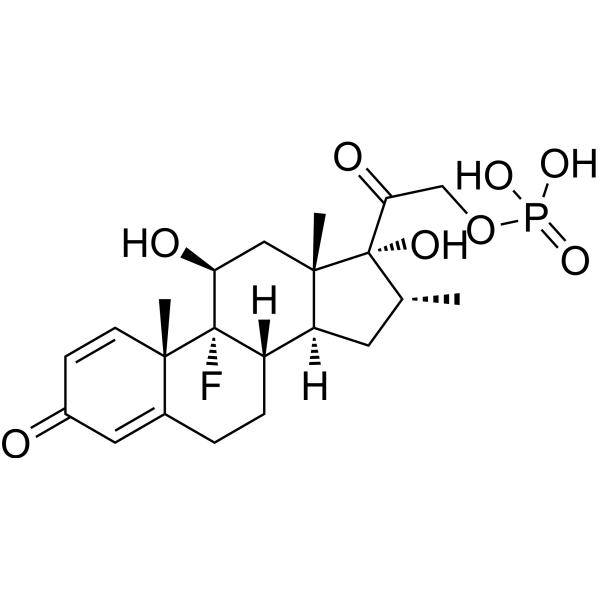
Dexamethasone phosphate (Dexamethasone 21-phosphate) is a prodrug form of the glucocorticoid Dexamethasone (HY-14648). Dexamethasone phosphate is prepared by introducing a phosphate ester group to the hydroxyl group at position 21 of the Dexamethasone molecule. Dexamethasone phosphate inhibits LPS (HY-D1056)-induced degradation of IRAK-1 and IRAK-4, and blocks LPS-induced activation of TRAF6, p-TAK1 and p-JNK. Dexamethasone phosphate inhibits the secretion of RANTES, TGF-β1 and NO, promotes the production of MIP-1α and IL-10, and blocks microglial migration. Dexamethasone phosphate is almost completely converted to Dexamethasone in rat blood, and supports transdermal delivery via iontophoresis. Dexamethasone phosphate can be used in research related to steroid-dependent ulcerative colitis, chemotherapy-induced vomiting, allergic asthma and acute colitis (inflammatory bowel disease) .
|
-
-
- HY-168734
-
|
|
Cannabinoid Receptor
|
Inflammation/Immunology
|
|
CB2 receptor agonist 9 (Compound 33) is an orally active agonist for cannabinoid receptor 2 (CB2 receptor) with an EC50 of 16.2 nM. CB2 receptor agonist 9 inhibits the expression of TNF-α, IL-1β and IL-6, exhibits anti-inflammatory efficacy in DDS (HY-116282)-induced mouse acute colitis model .
|
-
-
- HY-162901
-
|
|
NOD-like Receptor (NLR)
|
Inflammation/Immunology
|
NLRP3-IN-48 is an NLRP3 inhibitor. NLRP3-IN-48 targets the NLRP3 protein, affecting the assembly of the NLRP3 inflammasome and thereby inhibiting its activation. NLRP3-IN-48 has anti-inflammatory activity in a mouse model of acute colitis induced by DSS .
|
-
-
- HY-162317
-
|
|
JAK
p38 MAPK
|
Infection
|
|
AMPK-IN-5 (compound 7m) is a Osthole (HY-N0054) derivative, and blocks MAPK signal transduction by inhibiting the phosphorylation of JNK and p38, thereby inhibiting the release of inflammatory cytokines. AMPK-IN-5 reduce DSS-induced ulcerative colitis and LPS (HY-D1056)-induced acute lung injury .
|
-
-
- HY-168567
-
|
|
RIP kinase
NF-κB
p38 MAPK
|
Inflammation/Immunology
|
|
RIPK2-IN-6 (Compound 15a) is an inhibitor for RIPK, that inhibits the phosphorylation of RIPK2, and thus inhibits the NF-κB and MAPK signaling pathways. RIPK2-IN-6 exhibits anti-inflammatory and anti-fibrotic activities in Dextran sodium sulfate (HY-116282C)-induced mice colitis models .
|
-
-
- HY-B1077R
-
|
R-16341 (Standard)
|
Reference Standards
Calcium Channel
Dopamine Receptor
Autophagy
Apoptosis
|
Neurological Disease
Inflammation/Immunology
Cancer
|
|
Penfluridol (Standard) is the analytical standard of Penfluridol. This product is intended for research and analytical applications. Penfluridol (R-16341) is a potent, long-acting, first-generation, oral diphenylbutylpiperidine antipsychotic agent by targeting D2-like dopamine receptor. Penfluridol effectively inhibits TNFα-induced NF-κB activation and alleviates the severity of arthritis and colitis in vivo. Penfluridol is a Ca2+-calmodulin inhibitor. Penfluridol induces apoptosis and autophagy. Penfluridol is used for chronic schizophrenia, acute psychosis, Tourette syndrome and autoimmune diseases. Penfluridol inhibites the growth of E. faecalis planktonic cells with the MIC of 7.81 μg/ml .
|
-
-
- HY-157211
-
|
|
NF-κB
p38 MAPK
|
Inflammation/Immunology
|
|
Anti-inflammatory agent 66 (compound 8) is a pterostilbene derivative with anti-inflammatory activity. Anti-inflammatory agent 66 inhibits pro-inflammatory cytokines by blocking the LPS-induced NF-κB/MAPK signaling pathway and effectively alleviates DSS-induced acute colitis in mice .
|
-
-
- HY-N0648R
-
|
|
Reference Standards
Interleukin Related
Heme Oxygenase (HO)
Keap1-Nrf2
NF-κB
Apoptosis
|
Inflammation/Immunology
|
|
Monotropein (Standard) is the analytical standard of Monotropein. This product is intended for research and analytical applications. Monotropein is an iridoid glycoside that can be isolated from the roots of Morinda officinalis. Monotropein inhibits the expression of inflammatory mediators in dextran sulfate sodium (DSS)-induced colitis mouse model. Monotropein exerts protective effects against IL-1β-induced apoptosis and catabolic responses on osteoarthritis chondrocytes. Monotropein has cartilage protective activity. Monotropein can alleviate Cisplatin (HY-17394)-induced acute kidney injury by inhibiting oxidative damage, inflammation and apoptosis through activation of Nrf2/HO-1 pathway and inhibition of NF-κB signaling. Monotropein can be studied in research for osteoarthritis, acute kidney injury and acute lung injury .
|
-
-
- HY-158434
-
|
|
IRAK
|
Inflammation/Immunology
|
|
IRAK1-IN-1 (compound B8) is an orally active IRAK1 inhibitor. IRAK1-IN-1 inhibits the release of IL-6 with the IC50 values of 4.57 μM and 6.51 μM on mouse cells J774A. 1 and human cells THP-1, respectively. IRAK1-IN-1 alleviats LPS (HY-D1056)-induced acute lung injury (ALI) and DSS(HY-116282C)-induced colitis in mice .
|
-
-
- HY-162641
-
|
|
IRAK
NF-κB
p38 MAPK
TNF Receptor
|
Inflammation/Immunology
|
|
AF-45 inhibits IRAK4 and IRAK1, with IC50s of 128 nM and 1765 nM. AF-45 inhibits the release of IL-6 and TNF-α in macrophages, with IC50s of 0.53-1.54 μM and 0.6-2.75 μM. AF-45 is also an inhibitor for NF-κB/MAPK signaling pathway. AF-45 exhibits anti-inflammatory activities against DSS-induced ulcerative colitis and Lipopolysaccharide (HY-D1056)-induced acute lung injury in mouse model. AF-45 exhibits good pharmacokinetic characteristics in rat models .
|
-
-
- HY-P10914
-
|
|
MDM-2/p53
Autophagy
|
Inflammation/Immunology
Cancer
|
|
D-CopA3 is the inhibitor for MDM2 and the activator for p53 signaling pathway. D-CopA3 exhibits cytotoxicity in colorectal cancer cells HCT-116, LoVo, and RKO (IC50=15-18 μM), induces JNK/Beclin-1 mediated autophagy. D-CopA3 downregulates the expression of cell cycle inhibitory protein p21Cip1/Waf1, enhances the mucosal barrier function and reduces penetration of inflammatory mediators. D-CopA3 exhibits anti-inflammtory activity in mouse C. difficile toxin A-induced acute enteritis models and DSS (HY-116282)-induced chronic colitis models. D-CopA3 exhibits antitumor efficacy in mouse HCT-116 xenograft models .
|
-
-
- HY-181907
-
|
|
HyT
Keap1-Nrf2
HSP
|
Inflammation/Immunology
|
NBE5 is an orally active hydrophobic tag-targeting (Hyt) degrader (HyTTD) that targets Keap1. NBE5 mimics protein misfolding and recruits the molecular chaperone Hsp90, while achieving targeted degradation of Keap1 through both the ubiquitin-proteasome system and the autophagy-lysosome system. Consequently, NBE5 relieves the inhibition of the transcription factor Nrf2 by Keap1, potently activates the Nrf2-mediated endogenous antioxidant pathway, and upregulates the expression of downstream antioxidant proteins such as HO-1 and GCLM. NBE5 effectively alleviates oxidative stress and inflammatory damage, and exhibits excellent in vivo activity in a mouse model of acute colitis induced by DSS (HY-116282C) .
NBE5 consists of a hydrophobic tag (HY-W022007), a Keap1-Nrf2 ligand (HY-14909), and a linker (HY-W014831).
|
-
-
- HY-D3210
-
|
|
Fluorescent Dye
|
Inflammation/Immunology
|
|
DCM-KPV is a fluorescent probe targeting the human intestinal oligopeptide transporter PEPT1/SLC15A1 receptor (λex=480 nm, λem=620-670 nm). DCM-KPV specifically binds to PepT1 via its KPV domain and mediates receptor-targeted internalization, thus effectively accumulating in the cytoplasm and nucleus of cells overexpressing this receptor. DCM-KPV has the advantages of long emission wavelength, high emission efficiency, low photobleaching, and negligible cytotoxicity. DCM-KPV maintains stable fluorescence intensity under continuous illumination, exhibiting extremely high live cell compatibility. DCM-KPV can specifically accumulate at colonic inflammatory sites through the intestinal mucosa, enabling direct non-invasive visual differentiation between chronic and acute ulcerative colitis groups and the normal group .
|
-
| Cat. No. |
Product Name |
Type |
-
- HY-D3210
-
|
|
Fluorescent Dye
|
|
DCM-KPV is a fluorescent probe targeting the human intestinal oligopeptide transporter PEPT1/SLC15A1 receptor (λex=480 nm, λem=620-670 nm). DCM-KPV specifically binds to PepT1 via its KPV domain and mediates receptor-targeted internalization, thus effectively accumulating in the cytoplasm and nucleus of cells overexpressing this receptor. DCM-KPV has the advantages of long emission wavelength, high emission efficiency, low photobleaching, and negligible cytotoxicity. DCM-KPV maintains stable fluorescence intensity under continuous illumination, exhibiting extremely high live cell compatibility. DCM-KPV can specifically accumulate at colonic inflammatory sites through the intestinal mucosa, enabling direct non-invasive visual differentiation between chronic and acute ulcerative colitis groups and the normal group .
|
| Cat. No. |
Product Name |
Type |
-
- HY-Y0850U6
-
|
Polyvinyl alcohol (Mw 205000); Poly(Ethenol) (Mw 205000)
|
Biochemical Assay Reagents
|
|
PVA (Polyvinyl alcohol) (Mw 205000) is a polyvinyl alcohol with a molecular weight of 205000, which is used as a biological additive. PVA (Mw 205000) can be cross-linked through physical or chemical methods to form hydrogels, and is widely applied in fields such as biomedicine, food packaging, textiles, papermaking, sensing, and electronic devices. After PVA enema, it has an improving effect on acute colitis induced by DSS (HY-116282C) in mice .
|
| Cat. No. |
Product Name |
Target |
Research Area |
-
- HY-P10914
-
|
|
MDM-2/p53
Autophagy
|
Inflammation/Immunology
Cancer
|
|
D-CopA3 is the inhibitor for MDM2 and the activator for p53 signaling pathway. D-CopA3 exhibits cytotoxicity in colorectal cancer cells HCT-116, LoVo, and RKO (IC50=15-18 μM), induces JNK/Beclin-1 mediated autophagy. D-CopA3 downregulates the expression of cell cycle inhibitory protein p21Cip1/Waf1, enhances the mucosal barrier function and reduces penetration of inflammatory mediators. D-CopA3 exhibits anti-inflammtory activity in mouse C. difficile toxin A-induced acute enteritis models and DSS (HY-116282)-induced chronic colitis models. D-CopA3 exhibits antitumor efficacy in mouse HCT-116 xenograft models .
|
| Cat. No. |
Product Name |
Target |
Research Area |
Image |
-
- HY-P99378
-
|
ALTB-168; Anti-PSGL1/CD162 Reference Antibody (neihulizumab)
|
Apoptosis
|
Inflammation/Immunology
|
|
Neihulizumab (ALTB-168) is an immune checkpoint agonistic antibody that binds to human CD162 (PSGL-1), leading to downregulation of activated T-cells. Neihulizumab can be uesd for steroid-refractory acute graft-versus-host-disease (SR-aGVHD), psoriasis, psoriatic arthritis and ulcerative colitis research .
|
-
(5)
| Cat. No. |
Product Name |
Category |
Target |
Chemical Structure |
Your information is safe with us. * Required Fields.
Inquiry Information
- Product Name:
- Cat. No.:
- Quantity:
- MCE Japan Authorized Agent:

