66 Results for "

acute inflammation model

" in MedChemExpress (MCE) Product Catalog:
Products (66)

66 Results for "acute inflammation model" in MCE Product Catalog:

32
32 Publications Verification
Cat. No.: HY-N0088
CAS No.: 498-02-2
Synonyms: Acetovanillone
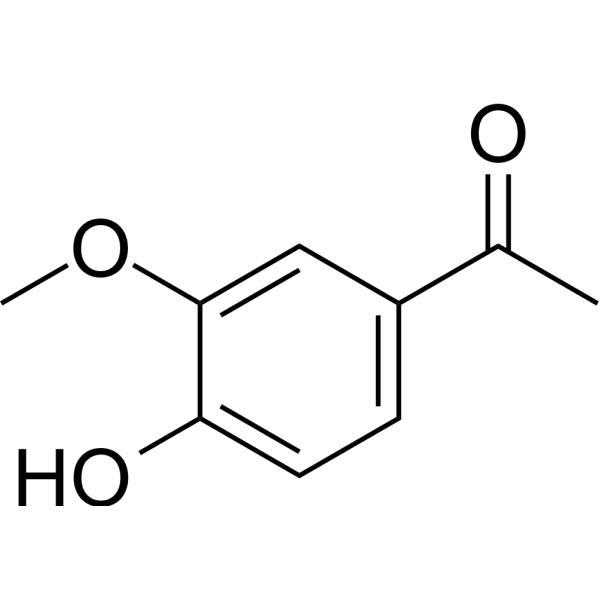
Apocynin is a selective NADPH-oxidase inhibitor with an IC50 of 10 μM . Apocynin improves acute lung inflammation in Carrageenan (HY-125474)-induced pleurisy mice model . Apocynin can also be used for cancer research . Apocynin reverses the aging process in mesenchymal stem cells to promote osteogenesis and increases bone mass .
loading...
    loading...
3
3 Cited Publications
Cat. No.: HY-N0648
CAS No.: 5945-50-6
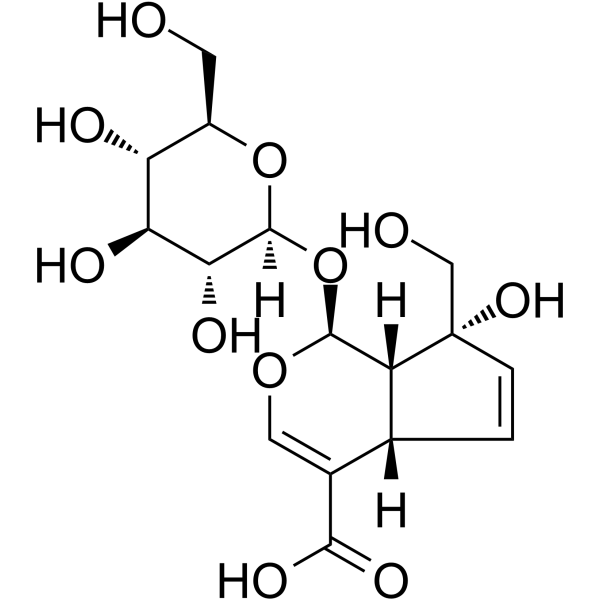
Monotropein is an iridoid glycoside that can be isolated from the roots of Morinda officinalis. Monotropein inhibits the expression of inflammatory mediators in dextran sulfate sodium (DSS)-induced colitis mouse model. Monotropein exerts protective effects against IL-1β-induced apoptosis and catabolic responses on osteoarthritis chondrocytes. Monotropein has cartilage protective activity. Monotropein can alleviate Cisplatin (HY-17394)-induced acute kidney injury by inhibiting oxidative damage, inflammation and apoptosis through activation of Nrf2/HO-1 pathway and inhibition of NF-κB signaling. Monotropein can be studied in research for osteoarthritis, acute kidney injury and acute lung injury .
loading...
    loading...
2
2 Cited Publications
Cat. No.: HY-W092043
CAS No.: 1159408-54-4
TLR4-IN-C34-C2-COO is a linker that incorporates TLR4 inhibitor TLR4-IN-C34. TLR4-IN-C34-C2-COOH can be used in the research of inflammation and acute myocardial injury. TLR4-IN-C34 inhibits TLR4 in enterocytes and macrophages, and reduces systemic inflammation in mouse models of endotoxemia and necrotizing enterocolitis .
loading...
    loading...
2
2 Cited Publications
Cat. No.: HY-170621
CAS No.: 2958649-56-2
STAT1/3-IN-1 is a potent STAT1/3 inhibitor with potent anti-inflammatory effect. STAT1/3-IN-1 inhibits phosphorylation and nuclear translocation of STAT1/3 to modulate microglial inflammation, reduces LPS (HY-D1056)-induced pro-inflammatory cytokines (NO, IL-1β, IL-6, and TNF-α) and inflammatory mediators (iNOS, COX-2). STAT1/3-IN-1 exhibits low toxicity in mice. STAT1/3-IN-1 can be used for the research of neuroinflammation .
loading...
    loading...
2
2 Cited Publications
Cat. No.: HY-12119
CAS No.: 210354-22-6
Purity:  ≥98.0%
Target:  

NO Synthase

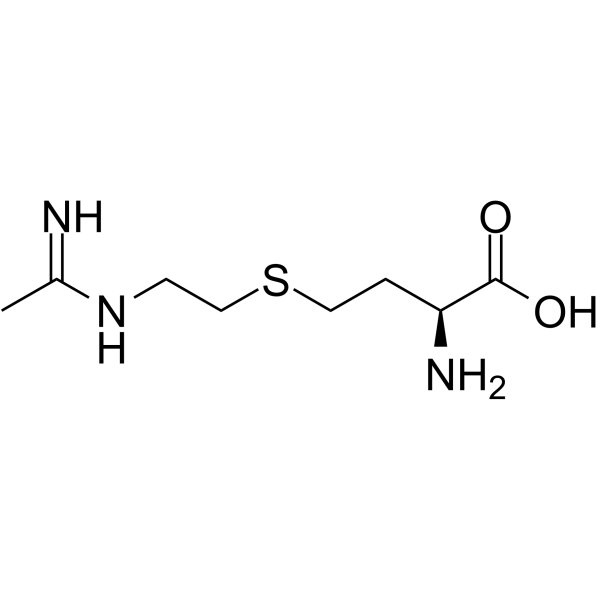
GW274150 is a potent, selective, orally active and NADPH-dependent inhibitor of human inducible nitric oxide synthase (iNOS) (IC50=2.19 μM; Kd=40 nM) and rat iNOS (ED50=1.15 μM). GW274150 also displays less potency for both humans or rats endothelial NOS (eNOS) and neuronal NOS (nNOS). GW274150 exerts a protective role in an acute model of lung injury inflammation .
loading...
    loading...
2
2 Cited Publications
Cat. No.: HY-160109
Target:  

Mucin

Research Areas:  

Inflammation/Immunology Cancer

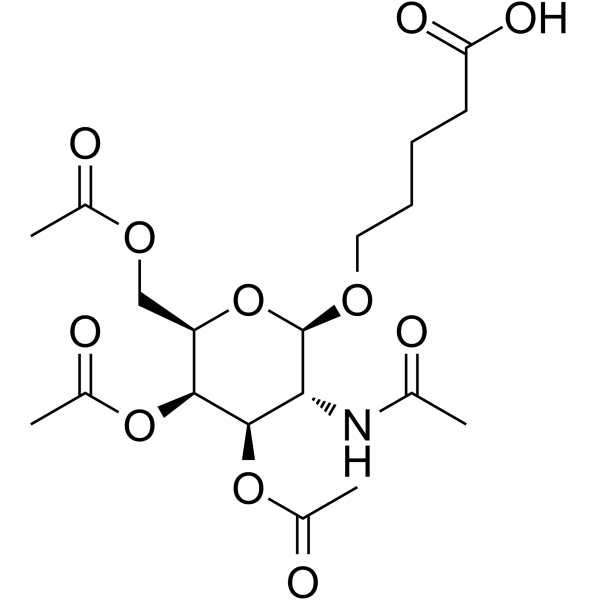
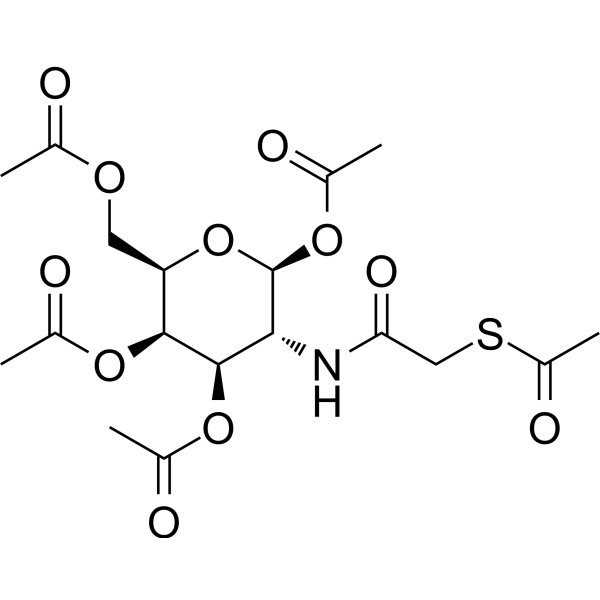
Ac5GalNTGc is a potent, peracetylated C-2 thioglycolyl-substituted GalNAc analog that efficiently inhibits mucin-type O-glycan biosynthesis. Ac5GalNTGc reduces leukocyte sialyl-Lewis-X expression and inhibits L-/P-selectin mediated rolling under flow, as well as P-selectin dependent leukocyte-platelet adhesion. Ac5GalNTGc exhibits anti-inflammatory activity in a thioglycollate-induced acute peritonitis model. Ac5GalNTGc can be used for studies of O-glycan/mucin biology, inflammation, and related translational research .
loading...
    loading...
2
2 Cited Publications
Cat. No.: HY-12119A
CAS No.: 438542-15-5
Purity:  99.85%
Target:  

NO Synthase

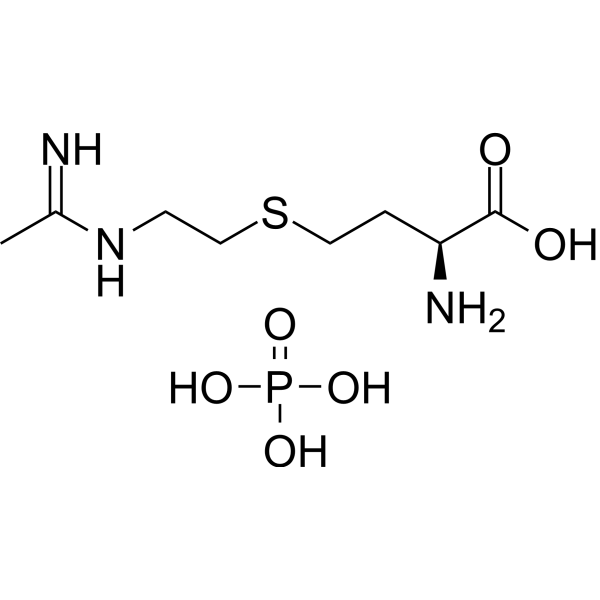
GW274150 phosphate is a potent, selective, orally active and NADPH-dependent inhibitor of human inducible nitric oxide synthase (iNOS) (IC50=2.19 μM; Kd=40 nM) and rat iNOS (ED50=1.15 μM). GW274150 phosphate displays less potency for both humans or rats endothelial NOS (eNOS) and neuronal NOS (nNOS). GW274150 phosphate exerts a protective role in an acute model of lung injury inflammation .
loading...
    loading...
2
2 Cited Publications
Cat. No.: HY-N2542
CAS No.: 115810-13-4
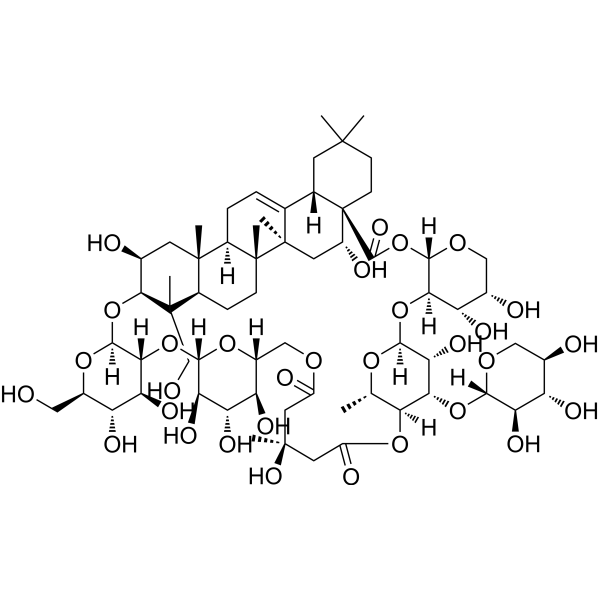
Tubeimoside III is a triterpenoid saponin. Tubeimoside III has anti-inflammatory and antitumor effects. Tubeimoside III has an LD50 of 15 mg/kg by intraperitoneal injection in ICR mice. Tubeimoside III can be used for the research of tumors and inflammatory diseases .
loading...
    loading...
2
2 Cited Publications
Cat. No.: HY-17484
CAS No.: 99464-64-9
Synonyms: CP 65703
Target:  

Drug Derivative

Research Areas:  

Inflammation/Immunology

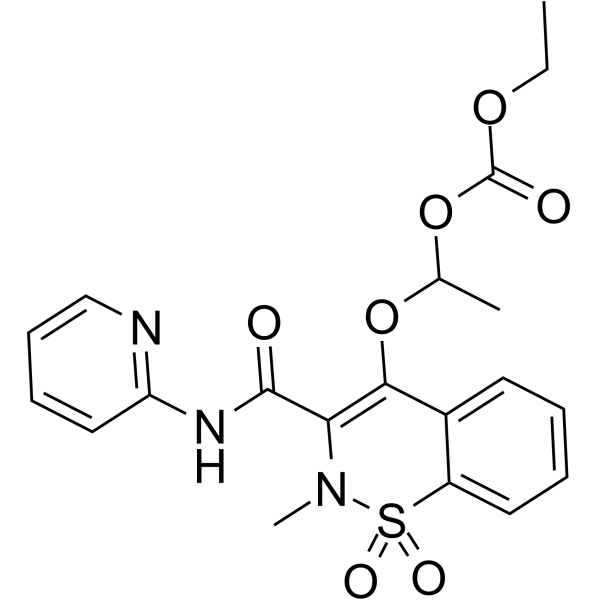
Ampiroxicam is an orally active prodrug of non-steroidal anti-inflammatory drug (NSAID). Ampiroxicam inhibits paw swelling in adjuvant-induced arthritis and acute inflammation models, and suppresses phenylbenzoquinone-induced stretching responses in mice. Ampiroxicam is rapidly and completely converted to Piroxicam (HY-B0253) via non-specific esterases and first-pass metabolism. Ampiroxicam induces contact hypersensitivity and photosensitivity reactions through photoproducts generated by UVA. Ampiroxicam can be used in research related to photosensitivity, adjuvant-induced arthritis, rheumatism, osteoarthritis and other inflammatory diseases .
loading...
    loading...
1
1 Cited Publications
Cat. No.: HY-106373
CAS No.: 9002-60-2
Purity:  99.17%
Synonyms: ACTH; Adrenocorticotrophic hormone
Adrenocorticotropic hormone (ACTH; Adrenocorticotrophic hormone) is a polypeptide tropic hormone produced by the anterior pituitary gland. Adrenocorticotropic hormone stimulates cortisol secretion from the adrenal cortex via the hypothalamic-pituitary-adrenal (HPA) axis. Adrenocorticotropic hormone regulates cortisol and androgen production. Adrenocorticotropic hormone can promote the development of spermatogenesis. Adrenocorticotropic hormone can relieve acute inflammation in gout models by inhibiting the polarization of macrophages to M1 type, inhibiting ROS and proinflammatory factor production and protecting mitochondrial function. Adrenocorticotropic hormone can be used for the researches of inflammation, endocrinology, metabolic disease, such as gout and nephrotic syndrome .
loading...
    loading...
1
1 Cited Publications
Cat. No.: HY-N0352
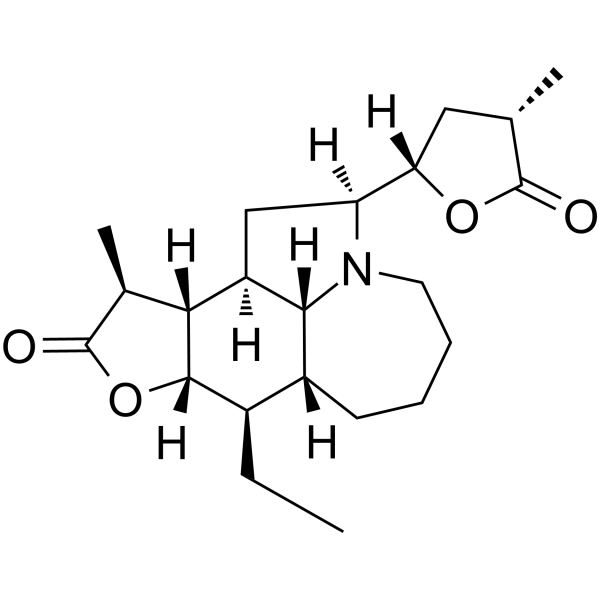
CAS No.: 6879-01-2
Tuberostemonine is a stenine alkaloid that can be isolated from Stemona tuberosa and Stemona sessifolia. Tuberostemonine is an antimalarial agent that has inhibitory activity against Ferredoxin-NADP + reductases (FNRs) from Plasmodium falciparum (PfFNR). Tuberostemonine can reduce the number of citric acid-induced coughs in guinea pigs. Tuberostemonine decreases bronchoalveolar lavage fluid (BALF), neutrophil and macrophage infiltration and reduces peribronchial and perivascular inflammatory cell infiltration in mouse model of acute lung inflammation. Tuberostemonine has a level of activity as a feeding deterrent .
loading...
    loading...
1
1 Cited Publications
Cat. No.: HY-106373A
Purity:  99.85%
Synonyms: ACTH TFA; Adrenocorticotrophic hormone TFA
Adrenocorticotropic hormone (ACTH; Adrenocorticotrophic hormone) TFA is a polypeptide tropic hormone produced by the anterior pituitary gland. Adrenocorticotropic hormone TFA stimulates cortisol secretion from the adrenal cortex via the hypothalamic-pituitary-adrenal (HPA) axis. Adrenocorticotropic hormone TFA regulates cortisol and androgen production. Adrenocorticotropic hormone TFA can promote the development of spermatogenesis. Adrenocorticotropic hormone TFA can relieve acute inflammation in gout models by inhibiting the polarization of macrophages to M1 type, inhibiting ROS and proinflammatory factor production and protecting mitochondrial function. Adrenocorticotropic hormone TFA can be used for the researches of inflammation, endocrinology, metabolic disease, such as gout and nephrotic syndrome .
loading...
    loading...
1
1 Cited Publications
Cat. No.: HY-P990181

Research Areas:  

Inflammation/Immunology

Anti-Mouse myeloperoxidase/MPO Antibody (6G4) is an anti-mouse myeloperoxidase/MPO IgG2c monoclonal antibody. Anti-Mouse myeloperoxidase/MPO Antibody (6G4) can activate the cGAS/STING pathway. Anti-Mouse myeloperoxidase/MPO Antibody (6G4) induces acute and chronic kidney injury in mice. Anti-Mouse myeloperoxidase/MPO Antibody (6G4) is often used in the construction of inflammation conditions models such as anti-neutrophil cytoplasmic antibody (ANCA)-associated vasculitides (AAV) .
loading...
    loading...
Cat. No.: HY-126360
CAS No.: 15646-46-5
Purity:  ≥98.0%
Research Areas:  

Inflammation/Immunology

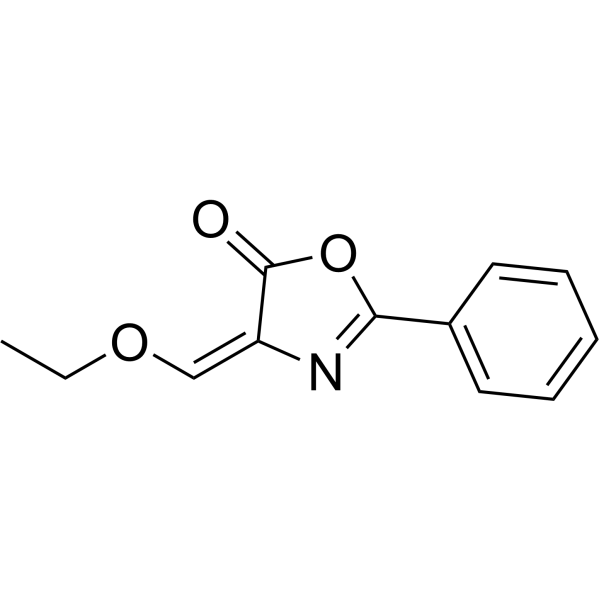
Oxazolone is a haptenizing agent that induces acute or chronic inflammation of the large intestine and is used to construct models of colitis. Oxazolone can cause Th1/Th2-dependent colitis with weight loss and diarrhea. Oxazolone-induced inflammation can be mitigated by neutralizing anti-IL-4 or anti-TNF-α antibodies or decoy IL-13R2-α-FC proteins .
loading...
    loading...
Cat. No.: HY-N2909
CAS No.: 58115-31-4
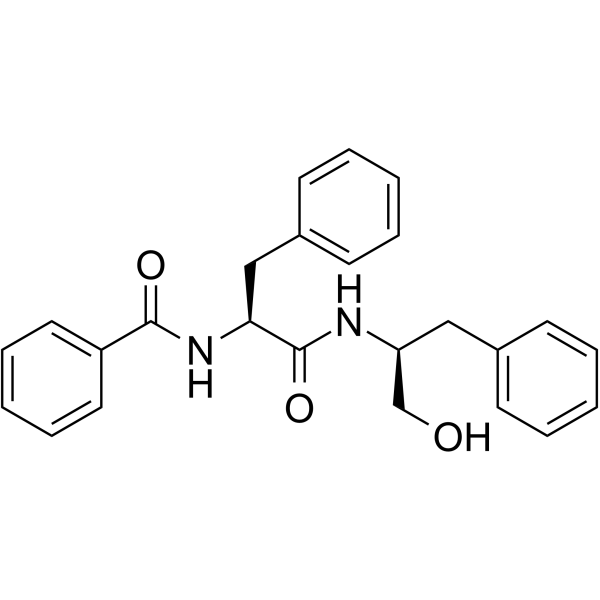
Aurantiamide is a non-covalent, orally active, blood-brain-permeable GRPR selective antagonist with anti-inflammatory and neuroprotective effects. Aurantiamide reduces inflammation and oxidative stress in renal tissue by inhibiting GRPR-mediated renal necrosis pathways (such as RIPK3/MLKL signaling) and NF-κB inflammatory pathways, exerting anti-acute kidney injury and endothelial function activities. Aurantiamide also inhibits the M1 polarization of microglia and inhibits NLRP3 activation, thereby improving AD mouse models. Aurantiamide has in vivo inhibitory efficacy in acute kidney injury models such as ischemia/reperfusion, sepsis, and hypertension models .
loading...
    loading...
Cat. No.: HY-D1056A3
Synonyms: LPS, from Escherichia coli (O26:B6)
Lipopolysaccharides, from E. coli (Escherichia coli) O26:B6 are lipopolysaccharide endotoxins and TLR-4 activators derived from E. coli, classified as S-type LPS, which can activate pathogen-associated molecular patterns (PAMP) of the immune system and induce cellular secretion of migrasomes. Lipopolysaccharides, from E. coli O26:B6 exhibit a typical three-part structure: O-antigen, core oligosaccharide, and lipid A, and can be recognized by the core-specific monoclonal antibody MAb J8-4C10. Lipopolysaccharides, from E. coli O26:B6 can promote an increase in pro-inflammatory cytokines in plasma, thereby triggering hypothalamic-pituitary-adrenal (HPA) activation and leading to adrenal oxidative damage. The pathogenic effects of Lipopolysaccharides, from E. coli O26:B6 can be used to construct various models, such as cellular inflammation models, sepsis, acute lung injury models, adrenal dysfunction models, and bladder infection models, etc .
It is recommended to prepare a solution with concentration ≥2 mg/mL. Vortex thoroughly for more than 10 minutes. Due to the adsorption characteristics of LPS, silanized container or low adsorption centrifuge tubes should be used for aliquoting and storage, and mix thoroughly before use.
loading...
    loading...
Cat. No.: HY-163897
CAS No.: 3098187-24-4
PROTAC NCOA4 degrader-1 is a VHL-based PROTAC NCOA4 degrader. PROTAC NCOA4 degrader-1 is a ferroptosis inhibitor. PROTAC NCOA4 degrader-1 reduces Fe 2+ elevation, ROS production, MDA content and PTGS2 mRNA expression. PROTAC NCOA4 degrader-1 ameliorates liver damage in a CCl4-induced acute liver injury model. PROTAC NCOA4 degrader-1 can be used for the researches of inflammation and immunology .
loading...
    loading...
Cat. No.: HY-N0168A
CAS No.: 69097-99-0
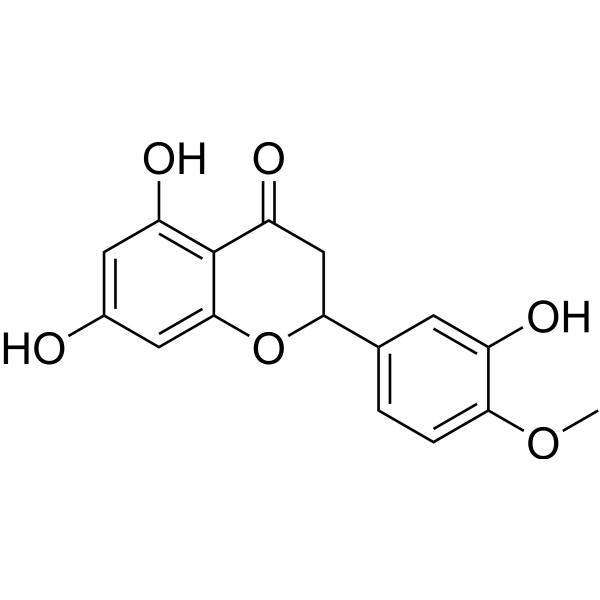
(Rac)-Hesperetin is the racemate of Hesperetin (HY-N0168), an orally active multi-target inhibitor. (Rac)-Hesperetin exhibits significant anti-tumor and anti-inflammatory activities by blocking the TGF-β1-mediated Fyn/RhoA signaling axis and the TLR4-MyD88-NF-κB inflammatory pathway. (Rac)-Hesperetin inhibits the formation of actin stress fibers and the migration and invasion of cancer cells, and is suitable for triple-negative breast cancer research. In inflammation models, (Rac)-Hesperetin effectively alleviates lung injury by reducing the release of pro-inflammatory mediators and regulating the activity of oxidative stress enzymes, and is suitable for acute lung injury research. (Rac)-Hesperetin also interferes with the entry and early replication processes of channel catfish virus, inhibits viral gene expression and progeny virus production, thereby protecting cells from virus-induced cytopathic effects .
loading...
    loading...
Cat. No.: HY-N14001
CAS No.: 2227550-73-2
Naamidine J is an imidazole-type alkaloids discovered in a sponge. Naamidine J inhibits inflammation by binding to the protein CSE1L (KD = 5.41 μM). Namidine J significantly inhibits the expression of pro-inflammatory factors such as TNF-α, IL-1β, and IL-6, and upregulates anti-inflammatory factors such as CD206 and Arg-1. Namidine J inhibits PD-L1 and shows antitumor activity. Namidine J significantly reduces pulmonary tissue edema, inflammatory cell infiltration and cytokine storm in mice. Namidine J can be used for the research on the immune microenvironment of acute lung injury and tumors .
loading...
    loading...
Cat. No.: HY-W722277A
LCC-12 formate is a mitochondria-targeted Copper 2+ -selective binder and metabolic/epigenetic reprogramming agent. LCC-12 formate inhibits NAD (H) redox cycling and reduces the NAD (H) pool. LCC-12 formate downregulates the expression of inflammatory genes and improves outcomes in mouse models of bacterial sepsis, endotoxemia, and SARS-CoV-2 infection. LCC-12 formate can be used in research related to acute inflammation, endotoxemia, sepsis, and SARS-CoV-2 infection .
loading...
    loading...

