Search Result
Results for "
adrenoceptor activity
" in MedChemExpress (MCE) Product Catalog:
10
Isotope-Labeled Compounds
| Cat. No. |
Product Name |
Target |
Research Areas |
Chemical Structure |
-
- HY-15746
-
|
|
Adrenergic Receptor
|
Cardiovascular Disease
Endocrinology
Cancer
|
|
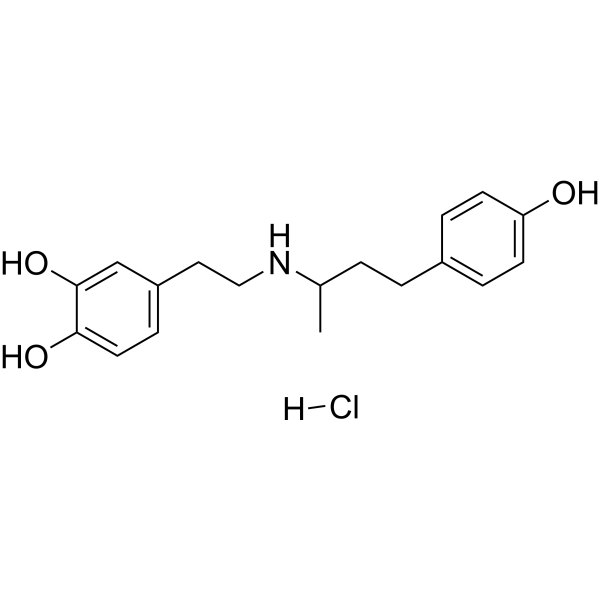
Dobutamine hydrochloride is a synthetic catecholamine that acts on α1-AR, β1-AR, β2-AR (α-1, β-1 andβ-2 adrenoceptors). Dobutamine hydrochloride is a selective β1-AR agonist, relatively weak activity at α1-AR and β2-AR. Dobutamine hydrochloride can increase cardiac output and correct hypoperfusion .
|
-
-
- HY-N1919
-
|
Raubasine
|
Adrenergic Receptor
Cholinesterase (ChE)
|
Neurological Disease
Endocrinology
|
|
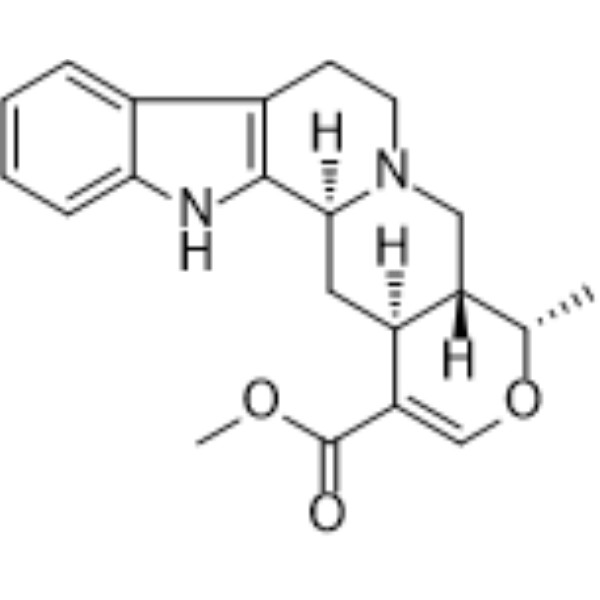
Ajmalicine (Raubasine) is a potent adrenolytic agent which preferentially blocks α1-adrenoceptor. Ajmalicine is an reversible but non-competitive nicotine receptor full inhibitor, with an IC50 of 72.3 μM. Ajmalicine also can be used as anti-hypertensive, and serpentine, with sedative activity .
|
-
-
- HY-B0431A
-
|
|
Adrenergic Receptor
|
Cardiovascular Disease
Endocrinology
Cancer
|
|
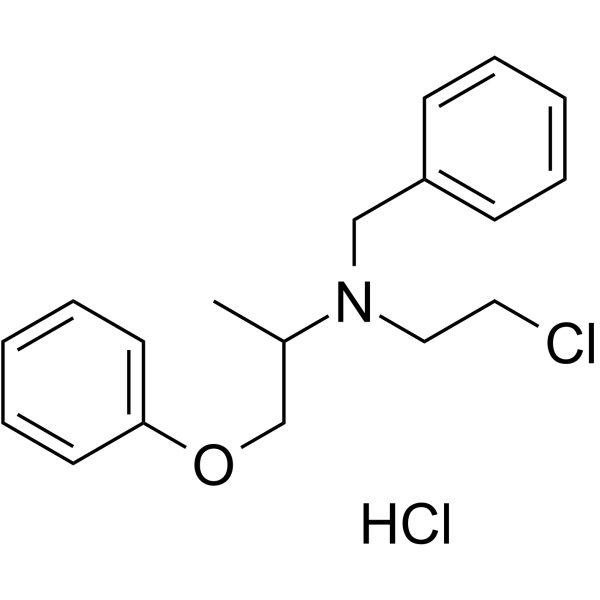
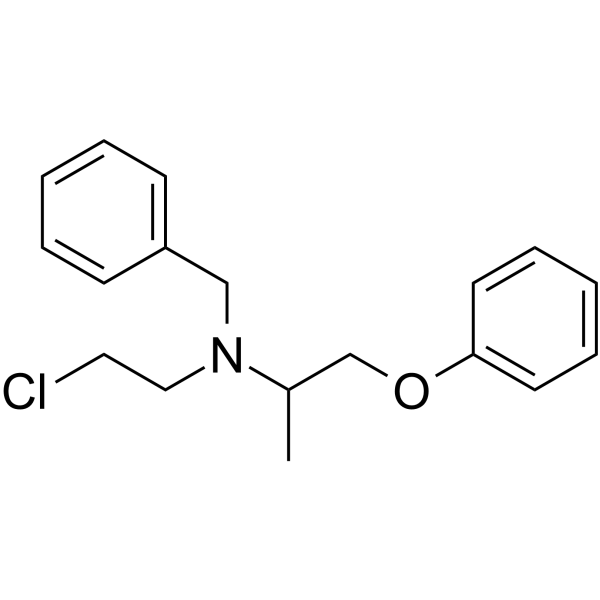
Phenoxybenzamine hydrochloride is a nonselective, irreversible, orally active α-adrenoceptor antagonist that is commonly used for the research of hypertension, specifically caused by pheochromocytoma. Phenoxybenzamine hydrochloride also shows antitumor activity .
|
-
-
- HY-103207
-
-
-
- HY-B0194A
-
|
|
Adrenergic Receptor
Apoptosis
Akt
Wnt
β-catenin
|
Neurological Disease
Endocrinology
Cancer
|
|
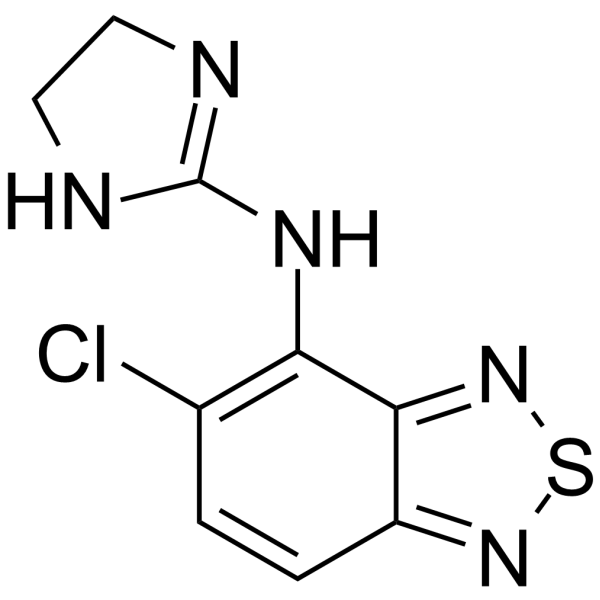
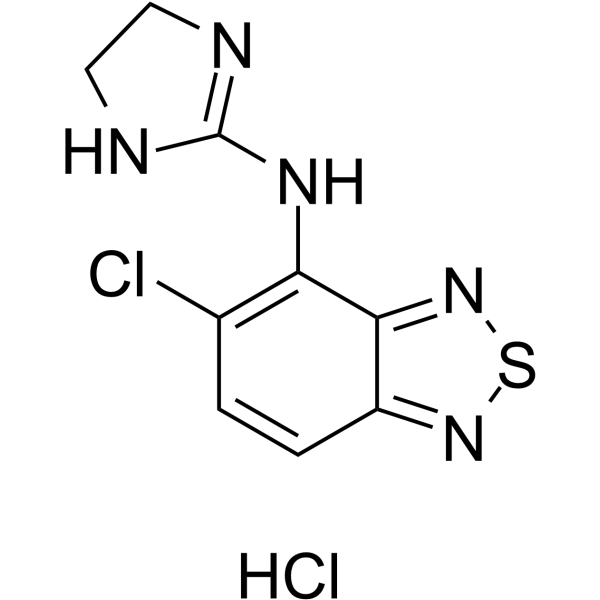
Tizanidine hydrochloride, a skeletal muscle relaxant, is an orally effective central α2-adrenoceptor agonist (IC50 = 6.9 nmol). Tizanidine hydrochloride primarily exerts muscle relaxation effects by inhibiting the release of excitatory amino acids (glutamate and aspartate) from the presynaptic terminals of spinal cord interneurons. Tizanidine hydrochloride has anti-injury activity and can inhibit gastrointestinal (GI) transport. Tizanidine hydrochloride can inhibit the proliferation, migration, and invasion of lung cancer cells and induce cell apoptosis by upregulating Nischarin and inhibiting the AKT and Wnt3a/β-catenin signaling pathways. Tizanidine hydrochloride can be used to treat spasticity caused by diseases such as multiple sclerosis (MS), stroke, and spinal cord injury (SCI) .
|
-
-
- HY-B0194
-
|
|
Adrenergic Receptor
Apoptosis
Akt
Wnt
β-catenin
|
Neurological Disease
Endocrinology
Cancer
|
|
Tizanidine, a skeletal muscle relaxant, is an orally effective central α2-adrenoceptor agonist (IC50 = 6.9 nmol). Tizanidine primarily exerts muscle relaxation effects by inhibiting the release of excitatory amino acids (glutamate and aspartate) from the presynaptic terminals of spinal cord interneurons. Tizanidine has anti-injury activity and can inhibit gastrointestinal (GI) transport. Tizanidine can inhibit the proliferation, migration, and invasion of lung cancer cells and induce cell apoptosis by upregulating Nischarin and inhibiting the AKT and Wnt3a/β-catenin signaling pathways. Tizanidine can be used to treat spasticity caused by diseases such as multiple sclerosis (MS), stroke, and spinal cord injury (SCI) .
|
-
-
- HY-12724
-
|
|
Adrenergic Receptor
Parasite
|
Cardiovascular Disease
Cancer
|
|
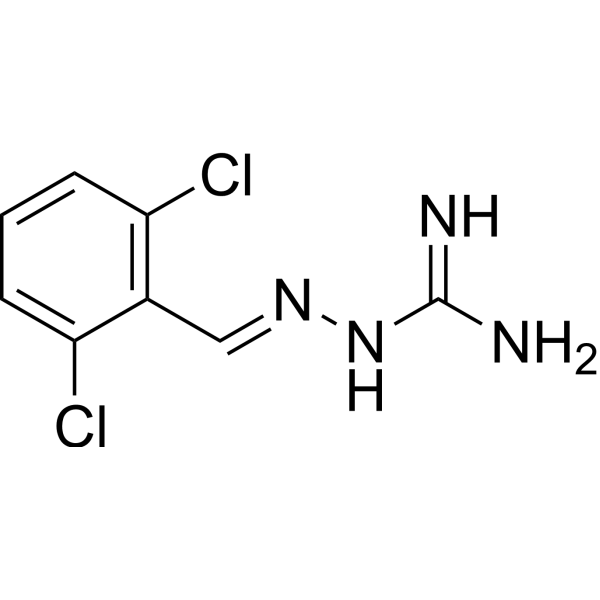
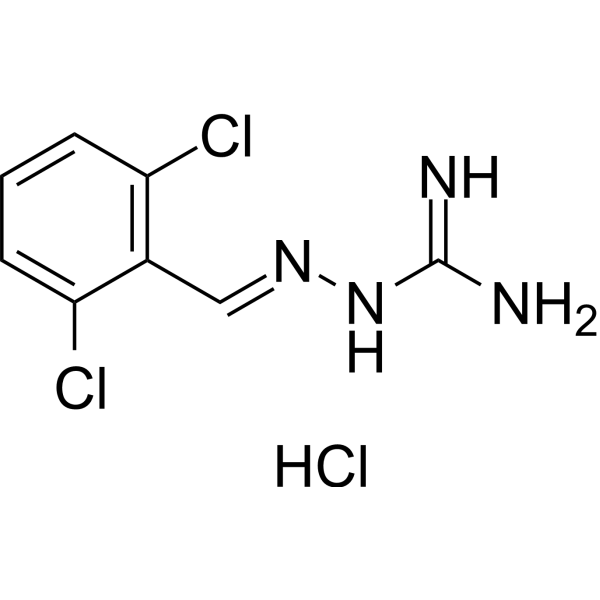
Guanabenz is an orally active α-2-adrenoceptor agonist. Guanabenz has antihypertensive effect and antiparasitic activity. Guanabenz interferes ER stress-signalling and has protective effects in cardiac myocytes. Guanabenz also is used for the research of high blood pressure .
|
-
-
- HY-N0757
-
|
|
Akt
Bcl-2 Family
Apoptosis
Adrenergic Receptor
|
Cardiovascular Disease
Inflammation/Immunology
Cancer
|
|
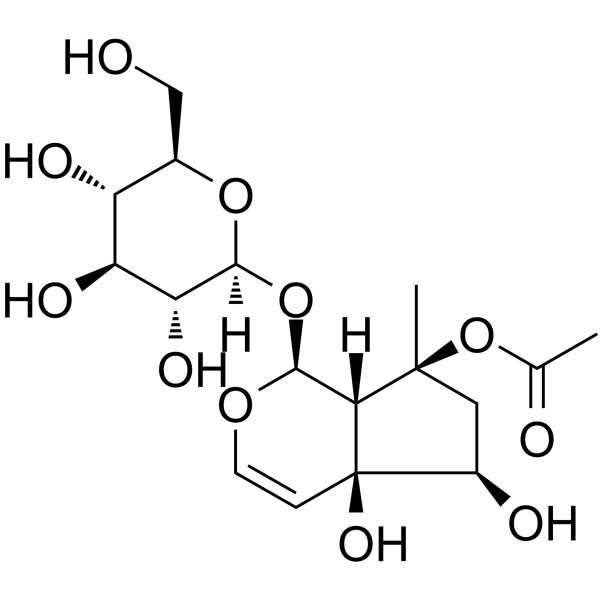
8-O-Acetylharpagide is an orally active iridoid glycoside compound. 8-O-Acetylharpagide exhibits anti-aging activity at low doses and anticancer activity at high doses. 8-O-Acetylharpagide induces late-stage apoptosis and necrosis-like death in cancer cells, and downregulates anti-apoptotic proteins such as Akt, p-Akt and Bcl-2. 8-O-Acetylharpagide is mainly metabolized in rats via demethylation, hydrolysis and glucuronidation, and its active metabolites downregulate the AKT/NF-κB/MMP9 signaling axis. 8-O-Acetylharpagide exerts vasoconstrictive effects by activating vascular α-adrenoceptor .
|
-
-
- HY-15746A
-
|
|
Adrenergic Receptor
|
Cardiovascular Disease
Endocrinology
Cancer
|
|
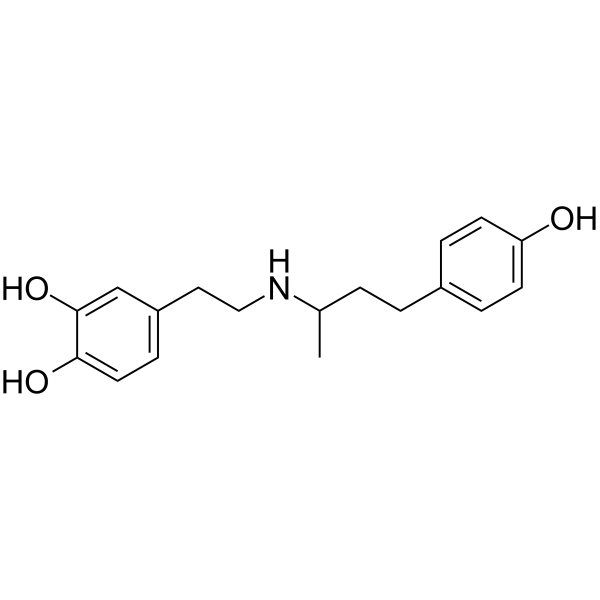
Dobutamine is a synthetic catecholamine that acts on α1-AR, β1-AR, β2-AR (α-1, β-1 andβ-2 adrenoceptors). Dobutamine is a selective β1-AR agonist, relatively weak activity at α1-AR and β2-AR. Dobutamine can increase cardiac output and correct hypoperfusion .
|
-
-
- HY-12724A
-
|
|
Parasite
Adrenergic Receptor
|
Cardiovascular Disease
Cancer
|
|
Guanabenz hydrochloride is an orally active α-2-adrenoceptor agonist. Guanabenz hydrochloride has antihypertensive effect and antiparasitic activity. Guanabenz hydrochloride interferes ER stress-signalling and has protective effects in cardiac myocytes. Guanabenz hydrochloride also is used for the research of high blood pressure .
|
-
-
- HY-12707
-
-
-
- HY-135490
-
|
|
Adrenergic Receptor
Phosphodiesterase (PDE)
|
Inflammation/Immunology
|
|
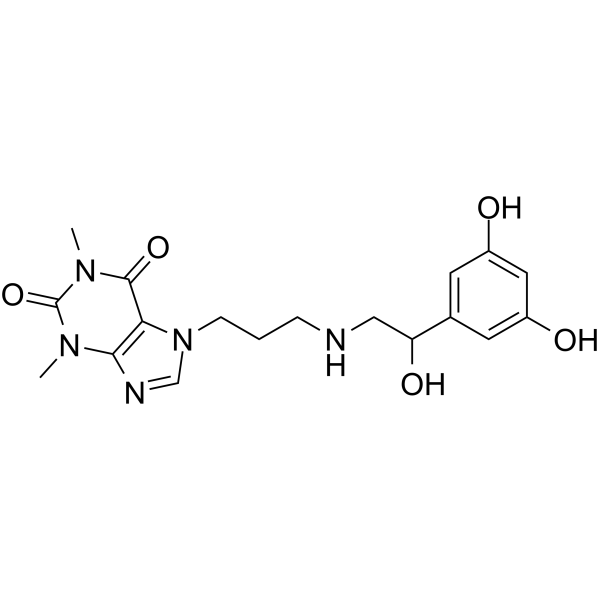
Reproterol is a selective β2-adrenoceptor agonist and cAMP phosphodiesterase (PDE) inhibitor. Reproterol inhibits adenylate cyclase-induced phosphodiesterase activity. Reproterol inhibits histamine release from mast cells. Reproterol is applicable to research related to asthma .
|
-
-
- HY-B1416A
-
-
-
- HY-B1371A
-
|
Spiroperidol hydrochloride
|
Dopamine Receptor
5-HT Receptor
Adrenergic Receptor
Chloride Channel
|
Neurological Disease
Inflammation/Immunology
|
|
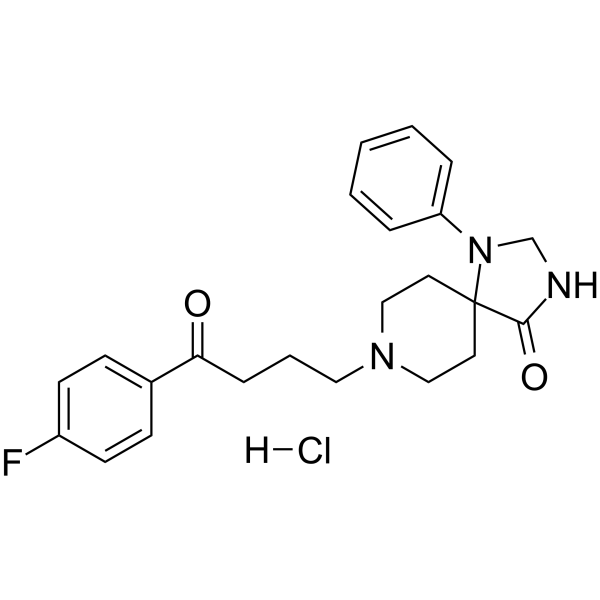
Spiperone hydrochloride (Spiroperidol hydrochloride) is a selective dopamine D2 receptor (Ki values of 0.06 nM, 0.6 nM, 0.08 nM, ~350 nM, ~3500 nM for D2, D3, D4, D1 and D5 receptors, respectively) and 5-HT2A/5-HT1A receptor (Kis of 1 nM/49 nM) antagonist. Spiperone hydrochloride is also a selective α1B-adrenoceptor antagonist. Spiperone hydrochloride activates calcium-activated chloride channel (CaCC). Antipsychotic and anti-inflammatory activities .
|
-
-
- HY-111013
-
|
|
Drug Derivative
Adrenergic Receptor
|
Cardiovascular Disease
|
|
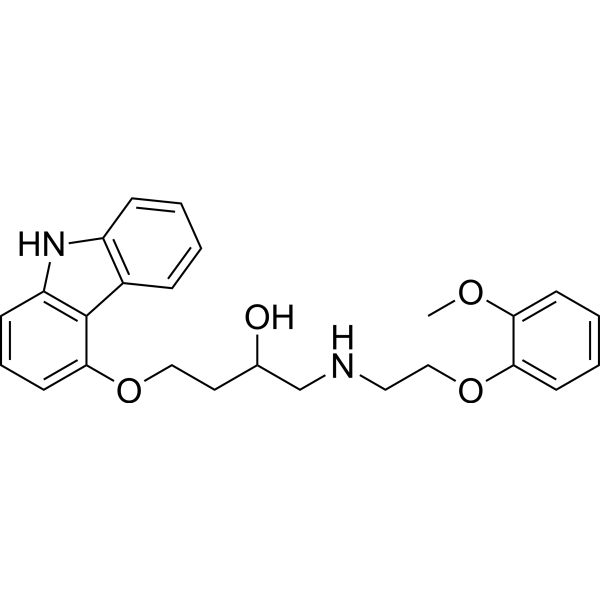
VK-II-86 is a Carvedilol (HY-B0006) analogue lacking antagonist activity at β-adrenoceptors, in hypokalaemia. VK-II-86 prevents hypokalaemia-induced ventricular arrhythmia through multi-channel effects. VK-II-86 prevents all hypokalaemia-induced changes in ion channel activity and oxidative stress .
|
-
-
- HY-B1562B
-
|
(±)-Bopindolol malonate
|
Adrenergic Receptor
Renin
5-HT Receptor
|
Cardiovascular Disease
Neurological Disease
|
|
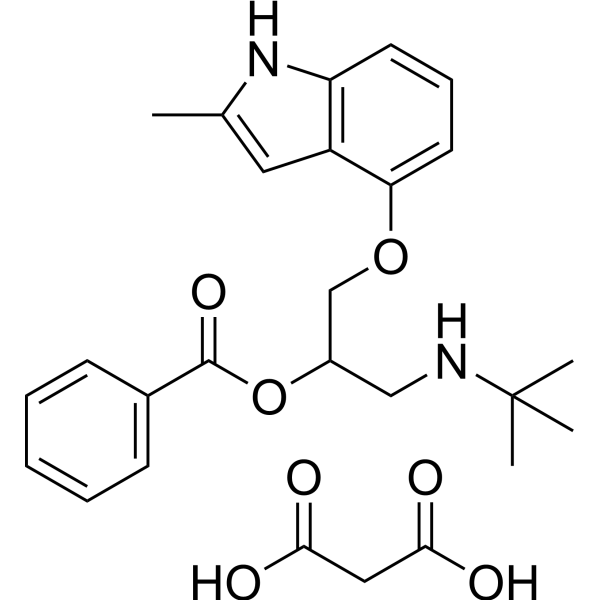
Bopindolol ((±)-Bopindolol) malonate is an orally active antagonist of β-adrenoceptors (ARs) with partial agonist activity. Bopindolol malonate is non-selective for β1- and β2-ARs and has low affinity for β3-AR subtype. Bopindolol malonate has intrinsic sympathomimetic as well as membrane stabilizing actions, inhibits renin secretion, and interacts with 5-HT receptors. Bopindolol malonate is a proagent of Pindolol (HY-B0982). Bopindolol malonate can be used for essential and renovascular hypertension research.
|
-
-
- HY-N3198A
-
|
(-)-Sophoramine
|
Adrenergic Receptor
|
Cardiovascular Disease
|
|
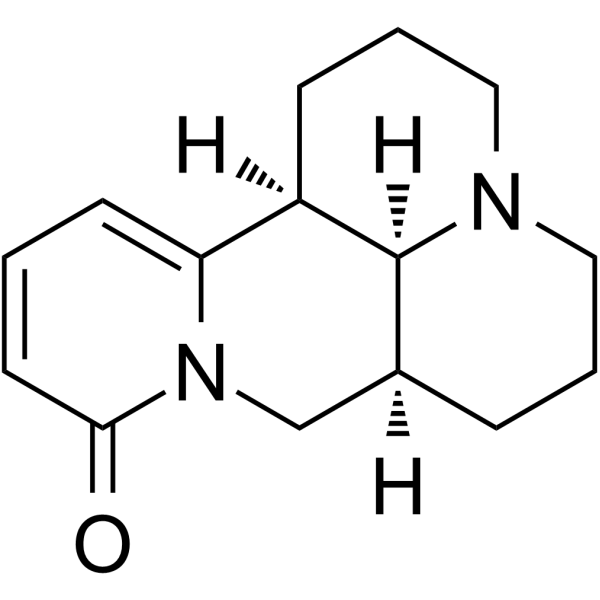
Sophoramine ((-)-Sophoramine) is a prejunctional α2-adrenoceptor inhibitor that can be found in the seeds of Sophora alopecuroides. Sophoramine inhibits prejunctional α2-adrenoceptors to facilitate norepinephrine release from adrenergic nerves. Sophoramine shows cytotoxic activity against human cancer cells, positive inotropic activity, and activity in rodent arrhythmia models. Sophoramine can be used for the research of arrhythmias .
|
-
-
- HY-119868
-
|
Butoxamin
|
Adrenergic Receptor
|
Metabolic Disease
|
|
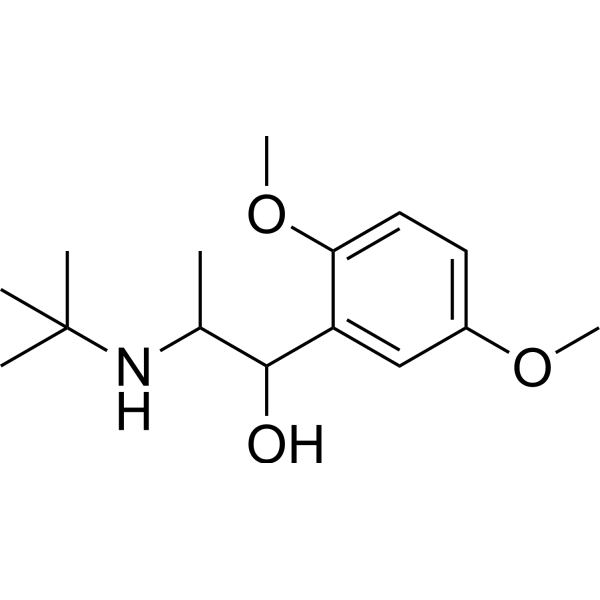
Butaxamine (Butoxamin) is a potent, selective and orally active β2-adrenoceptor antagonist. Butaxamine shows antiosteoporotic activity .
|
-
-
- HY-A0008
-
-
-
- HY-B0431
-
-
-
- HY-B0431AR
-
|
|
Reference Standards
Adrenergic Receptor
|
Cardiovascular Disease
Endocrinology
Cancer
|
|
Phenoxybenzamine (hydrochloride) (Standard) is the analytical standard of Phenoxybenzamine (hydrochloride). This product is intended for research and analytical applications. Phenoxybenzamine hydrochloride is a nonselective, irreversible, orally active α-adrenoceptor antagonist that is commonly used for the research of hypertension, specifically caused by pheochromocytoma. Phenoxybenzamine hydrochloride also shows antitumor activity .
|
-
-
- HY-B0194S
-
|
|
Isotope-Labeled Compounds
Adrenergic Receptor
Apoptosis
Akt
Wnt
β-catenin
|
Neurological Disease
Endocrinology
Cancer
|
|
Tizanidine-d4 is the deuterium labeled Tizanidine (HY-B0194). Tizanidine, a skeletal muscle relaxant, is an orally effective central α2-adrenoceptor agonist (IC50 = 6.9 nmol). Tizanidine primarily exerts muscle relaxation effects by inhibiting the release of excitatory amino acids (glutamate and aspartate) from the presynaptic terminals of spinal cord interneurons. Tizanidine has anti-injury activity and can inhibit gastrointestinal (GI) transport. Tizanidine can inhibit the proliferation, migration, and invasion of lung cancer cells and induce cell apoptosis by upregulating Nischarin and inhibiting the AKT and Wnt3a/β-catenin signaling pathways. Tizanidine can be used to treat spasticity caused by diseases such as multiple sclerosis (MS), stroke, and spinal cord injury (SCI).
|
-
-
- HY-A0252
-
-
-
- HY-U00365
-
-
-
- HY-A0252R
-
-
-
- HY-139748
-
|
|
Antibiotic
Bacterial
|
Infection
|
|
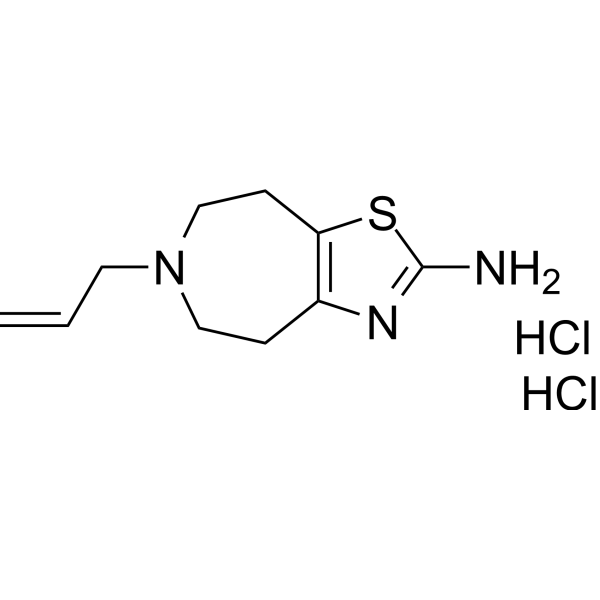
S32212 is a serotonin type 2C receptor inverse agonist and an α2 adrenoceptor antagonist. S32212 exhibits antidepressant activity and can reduce immobility time in forced-swim test in rats .
|
-
-
- HY-19578B
-
|
(±)-Isamoltane hemifumarate
|
5-HT Receptor
Adrenergic Receptor
|
Neurological Disease
|
|
Isamoltane hemifumarate is a selective antagonist of 5-HT1B receptor, with an IC50 of 39 nM for inhibits the binding of [ 125I]ICYP to 5-HT1B recognition sites in rat brain membranes. Isamoltane hemifumarate is also a β-adrenoceptor ligand, with an IC50 of 8.4 nM. Isamoltane hemifumarate shows anxiolytic activity .
|
-
-
- HY-U00019
-
-
-
- HY-129427
-
|
|
Adrenergic Receptor
|
Cardiovascular Disease
|
|
DC-015 is a selective and orally active alpha 1-adrenoceptor antagonist on plasma lipid and vascular reactivity in hyperlipidaemic rodent model. DC-015 is a synthesized quinazoline derivative. DC-015 decreases mean arterial pressure in rats. DC-015 has antihypertensive activity .
|
-
-
- HY-N1919R
-
|
Raubasine (Standard)
|
Reference Standards
Adrenergic Receptor
Cholinesterase (ChE)
|
Neurological Disease
Endocrinology
|
|
Ajmalicine (Standard) is the analytical standard of Ajmalicine. This product is intended for research and analytical applications. Ajmalicine (Raubasine) is a potent adrenolytic agent which preferentially blocks α1-adrenoceptor. Ajmalicine is an reversible but non-competitive nicotine receptor full inhibitor, with an IC50 of 72.3 μM. Ajmalicine also can be used as anti-hypertensive, and serpentine, with sedative activity .
|
-
-
- HY-U00333
-
-
-
- HY-13974
-
|
|
Adrenergic Receptor
|
Neurological Disease
|
|
S32212 is a serotonin type 2C receptor inverse agonist and an 2 adrenoceptor antagonist. S32212 exhibits antidepressant activity and can reduce immobility time in forced-swim test in rats .
|
-
-
- HY-W703936
-
|
|
Adrenergic Receptor
Cytochrome P450
|
Cardiovascular Disease
|
|
Cloranolol is an orally active nonselective β-adrenoceptor blocker. Cloranolol can reduce the content of cytochrome P-450 in rat hepatocytes, prolong hexobarbital anesthesia time, and inhibit aminopyrine-N-demethylation activity. Cloranolol can be used in the research of cardiovascular diseases such as hypertension .
|
-
-
- HY-124517
-
|
|
Histamine Receptor
Adrenergic Receptor
|
Neurological Disease
Inflammation/Immunology
|
|
Burimamide is a blocker of histamine H2-receptor. Burimamide inhibits gastric acid secretion evoked by Pentagastrin (HY-A0261) or Gastrin. Burimamide also has alpha-adrenoceptor blocking activity. Burimamide in combination with the H1-receptor antagonist Mepyramine (HY-B1281) shows anti-inflammatory activity in a rat paw edema model induced by Compound 48/80 (HY-115768) .
|
-
-
- HY-N3945R
-
|
O,O-Dimethylisoboldine (Standard); S-(+)-Glaucine (Standard); NSC 34396 (Standard)
|
Reference Standards
Phosphodiesterase (PDE)
Calcium Channel
Adrenergic Receptor
Dopamine Receptor
Influenza Virus
|
Infection
Inflammation/Immunology
|
|
Glaucine (Standard) is the analytical standard of Glaucine. This product is intended for research and analytical applications. Glaucine (O,O-Dimethylisoboldine) is an alkaloid isolated from Glaucium flavum with antitussive, bronchodilation and anti-inflammatory properties. Glaucine is a selective and orally active phosphodiesterase 4 (PDE4) inhibitor with Kis of 3.4 μM in human bronchus and polymorphonuclear leukocytes. Glaucine is also a non-selective α-adrenoceptor antagonist, a Ca2+ entry blocker, and a weak dopamine D1 and D2 receptor antagonist. Glaucine has antioxidative and antiviral activities .
|
-
-
- HY-P5846
-
|
MT3
|
mAChR
Adrenergic Receptor
|
Neurological Disease
|
|
Muscarinic toxin 3 (MT3) is a potent and non-competitive mAChR and adrenoceptors antagonist with pIC50s of 6.71, 8.79, 8.86, 7.57, 8.13, 8.49, <6.5, 7.29 against M1, M4, α1A, α1B, α1D,α2A,α2B and α2C receptors, respectively. Muscarinic toxin 3 displays prominent adrenoceptor activity .
|
-
-
- HY-111479
-
-
-
- HY-W263279
-
|
(E)-Wy-8678
|
Adrenergic Receptor
|
Cardiovascular Disease
Neurological Disease
|
|
(E)-Guanabenz ((E)-Wy-8678) is an orally active central α2-adrenoceptor agonist. (E)-Guanabenz has antihypertensive activity, acts via stimulating central α2-adrenoceptors, and reducing net sympathetic outflow into the periphery. (E)-Guanabenz also directly binds to and inhibits GADD34, and has neuroprotective activity. (E)-Guanabenz can be used for researching hypertension and Parkinson disease .
|
-
-
- HY-169340
-
|
|
Adrenergic Receptor
|
Inflammation/Immunology
|
|
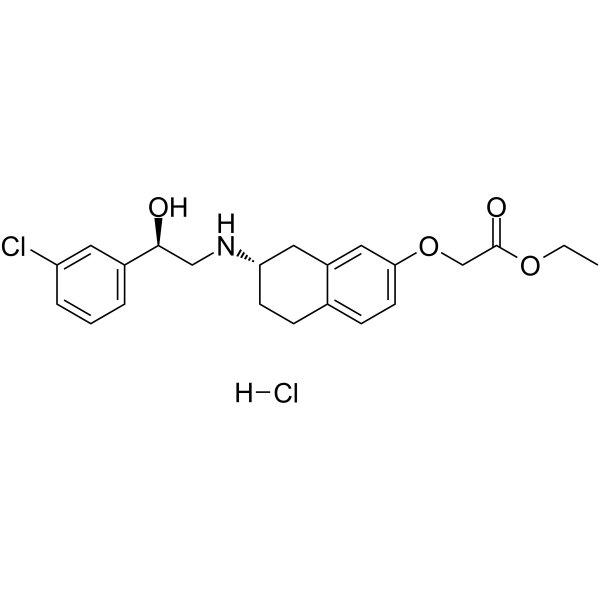
SAR-150640, a selective β3-adrenoceptor agonist, prevents the increase in MMP activity and production observed after LPS stimulation or in cases of chorioamnionitis .
|
-
-
- HY-121843
-
-
-
- HY-106499
-
-
-
- HY-106361A
-
|
CRL 40827 hydrochloride
|
Adrenergic Receptor
|
Neurological Disease
|
|
Flerobuterol hydrochloride is a beta-adrenoceptor agonist with antidepressant activity. Flerobuterol hydrochloride enhances serotonergic neurotransmission .
|
-
-
- HY-106499A
-
-
-
- HY-124270
-
|
AR-C68397AA
|
Dopamine Receptor
Adrenergic Receptor
|
Inflammation/Immunology
|
|
Sibenadet hydrochloride (AR-C68397AA) is a dual D2 dopamine receptor, beta2-adrenoceptor agonist with bronchodilator activity. Investigation in animal models of key chronic obstructive pulmonary disease (COPD) symptoms has demonstrated that Sibenadet hydrochloride effectively inhibits sensory nerve activity, thereby reducing reflex cough, mucus production and tachypnoea.
|
-
-
- HY-N1919A
-
|
Raubasine hydrochloride
|
Adrenergic Receptor
Cholinesterase (ChE)
|
Neurological Disease
Endocrinology
|
|
Ajmalicine (Raubasine) hydrochloride is a potent adrenolytic agent which preferentially blocks α1-adrenoceptor. Ajmalicine hydrochloride is an reversible but non-competitive nicotine receptor full inhibitor, with an IC50 of 72.3 μM. Ajmalicine hydrochloride also can be used as anti-hypertensive, and serpentine, with sedative activity .
|
-
-
- HY-19036
-
|
|
Adrenergic Receptor
|
Neurological Disease
|
|
SDZ NVI 085 is a compound with CNS stimulatory effects, primarily through the α1-adrenoceptor subtype, with anti-cataplexy and anti-stroke activities. SDZ NVI 085 also has a significant alertness effect and can be used to study other types of excessive sleepiness .
|
-
-
- HY-19037
-
-
-
- HY-A0008R
-
-
-
- HY-W759997
-
-
-
- HY-117084
-
|
|
Adrenergic Receptor
|
Metabolic Disease
|
|
BMS-210285 is a highly selective agonist for the 3 receptor. BMS-210285 has a Ki of 9 nM at the human 3-adrenoceptor. BMS-210285 possesses a 3 intrinsic activity of 83% relative to isoproterenol. BMS-210285 can be studied for obesity and type 2 diabetes research .
|
-
- HY-14297
-
|
|
Adrenergic Receptor
|
Endocrinology
|
|
Milveterol is a long-acting β(2)-adrenoceptor agonist with high binding activity. Milveterol exhibits high potency in vitro and a prolonged duration of action in a guinea pig bronchoprotection model. Milveterol has been structurally optimized to show enhanced binding potency compared to its parent monomer .
|
-
- HY-B1416AR
-
|
|
Adrenergic Receptor
Imidazoline Receptor
|
Cardiovascular Disease
Metabolic Disease
|
|
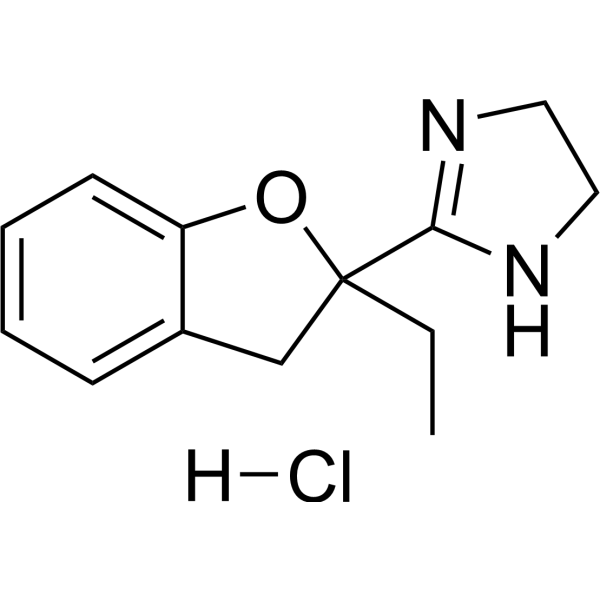
Efaroxan (hydrochloride) (Standard) is the analytical standard of Efaroxan (hydrochloride). This product is intended for research and analytical applications. Efaroxan hydrochloride is a potent, selective and orally active α2-adrenoceptor antagonist, with antidiabetic activity. Efaroxan hydrochloride is a selective I1-Imidazoline receptor antagonist. Efaroxan hydrochloride can be used for the research of cardiovascular disease .
|
-
- HY-12707A
-
-
- HY-12707B
-
-
- HY-12707C
-
-
- HY-159686
-
|
|
Adrenergic Receptor
|
Inflammation/Immunology
Endocrinology
|
|
Aclidinium is a long-acting muscarinic antagonist and long-acting β2-adrenoceptor (β2-AR) agonist with bronchodilator activity. Aclidinium can reduce hyperinflation of the lungs and increase lung function and exercise endurance time. Aclidinium is used in research on chronic obstructive pulmonary disease (COPD) .
|
-
- HY-12980A
-
|
GSK961081 Succinate; TD-5959 Succinate
|
Adrenergic Receptor
mAChR
|
Neurological Disease
|
|
Batefenterol Succinate (GSK961081 Succinate) is a first-of-its-kind inhaled bifunctional bronchodilator with smooth muscle relaxant properties. The activities of Batefenterol Succinate include acting as a smooth muscle parasympathetic antagonist and a beta2-adrenoceptor agonist. Batefenterol Succinate is used to improve respiratory function, especially in patients with chronic obstructive pulmonary disease (COPD) .
|
-
- HY-12724AR
-
|
|
Parasite
Adrenergic Receptor
Reference Standards
|
Cardiovascular Disease
Cancer
|
|
Guanabenz (hydrochloride) (Standard) is the analytical standard of Guanabenz (hydrochloride). This product is intended for research and analytical applications. Guanabenz hydrochloride is an orally active α-2-adrenoceptor agonist. Guanabenz hydrochloride has antihypertensive effect and antiparasitic activity. Guanabenz hydrochloride interferes ER stress-signalling and has protective effects in cardiac myocytes. Guanabenz hydrochloride also is used for the research of high blood pressure .
|
-
- HY-12707R
-
-
- HY-B0431AS
-
|
|
Isotope-Labeled Compounds
Adrenergic Receptor
|
Cardiovascular Disease
Endocrinology
Cancer
|
|
Phenoxybenzamine-d5 (hydrochloride) is the deuterium labeled Phenoxybenzamine hydrochloride. Phenoxybenzamine hydrochloride is a nonselective, irreversible, orally active α-adrenoceptor antagonist that is commonly used for the research of hypertension, specifically caused by pheochromocytoma. Phenoxybenzamine hydrochloride also shows antitumor activity[1][2][3].
|
-
- HY-B0098C
-
|
(S)-UK 33274
|
Adrenergic Receptor
|
Cardiovascular Disease
Neurological Disease
|
|
(S)-Doxazosin is a long-acting selective α1-adrenoceptor antagonist. (S)-Doxazosin exhibits antihypertensive activity through lowering total perioheral resistance by selective postsynaptic α1-blockade. (S)-Doxazosin reduces blood pressure in dog model with experimentally induced renal hypertension. (S)-Doxazosin can alleviate bladder outflow obstruction. (S)-Doxazosin can also be studied in mental health disorder-related research .
|
-
- HY-B0431S
-
|
|
Adrenergic Receptor
|
Cancer
|
|
Phenoxybenzamine-d5 is the deuterium labeled Phenoxybenzamine . Phenoxybenzamine is a nonselective, irreversible, orally active α-adrenoceptor antagonist that is commonly used for the research of hypertension, specifically caused by pheochromocytoma. Phenoxybenzamine also shows antitumor activity .
|
-
- HY-B0431AS1
-
|
|
Isotope-Labeled Compounds
Adrenergic Receptor
|
Cardiovascular Disease
Endocrinology
Cancer
|
|
Phenoxybenzamine (benzyl-2,3,4,5,6-d5) (hydrochloride) is the deuterium labeled Phenoxybenzamine hydrochloride. Phenoxybenzamine hydrochloride is a nonselective, irreversible, orally active α-adrenoceptor antagonist that is commonly used for the research of hypertension, specifically caused by pheochromocytoma. Phenoxybenzamine hydrochloride also shows antitumor activity[1][2][3].
|
-
- HY-W753806
-
|
UK 33274 hydrochloride
|
Akt
|
Cardiovascular Disease
|
|
Doxazosin hydrochloride (UK 33274 hydrochloride) is a compound used to inhibit hypertension and prostate hyperplasia, with activity that inhibits postsynaptic α1-adrenoceptors on vascular smooth muscle. Doxazosin hydrochloride can cause vasodilation, thereby reducing peripheral vascular resistance. Doxazosin hydrochloride was found to inhibit the proliferation and migration of hepatic stellate cells in a mouse liver fibrosis model. Doxazosin hydrochloride regulates fibrosis, autophagy, and apoptosis of hepatic stellate cells by activating the PI3K/Akt/mTOR signaling pathway. Doxazosin hydrochloride also blocks autophagic flux and induces apoptosis of hepatic stellate cells .
|
-
- HY-14300S2
-
-
- HY-167939
-
|
|
Adrenergic Receptor
|
Inflammation/Immunology
|
|
(R)-Bambuterol is a β2-receptor agonist with anti-asthmatic and colitis-improving activity. (R)-Bambuterol is indicated for the treatment of asthma and chronic obstructive pulmonary disease and has the advantage of a once-daily dosing and a favorable side effect profile. (R)-Bambuterol significantly reduced disease severity in a mouse model of colitis, more effectively than (RS)-Bambuterol or (S)-Bambuterol. (R)-Bambuterol can significantly reduce the levels of inflammatory cytokines and reduce the infiltration of macrophages in mice with colitis. (R)-Bambuterol also increases β2-adrenoceptor levels and reduces the expression of IL-6, IL-17 and other related proteins in colon tissue in a dose-dependent manner .
|
-
- HY-19578A
-
|
(±)-Isamoltane hydrochloride
|
Adrenergic Receptor
5-HT Receptor
|
Neurological Disease
|
|
Isamoltan ((±)-Isamoltane) hydrochloride is a selective antagonist of 5-HT1B receptor, with an IC50 of 39 nM for inhibits the binding of [ 125I]ICYP to 5-HT1B recognition sites in rat brain membranes. Isamoltan hydrochloride is also a β-adrenoceptor ligand, with an IC50 of 8.4 nM. Isamoltan hydrochloride shows anxiolytic activity .
|
-
- HY-B0194R
-
|
|
Reference Standards
Adrenergic Receptor
Apoptosis
Akt
Wnt
β-catenin
|
Neurological Disease
Endocrinology
Cancer
|
|
Tizanidine (Standard) is the analytical standard of Tizanidine (HY-B0194). This product is intended for research and analytical applications. Tizanidine, a skeletal muscle relaxant, is an orally effective central α2-adrenoceptor agonist (IC50 = 6.9 nmol). Tizanidine primarily exerts muscle relaxation effects by inhibiting the release of excitatory amino acids (glutamate and aspartate) from the presynaptic terminals of spinal cord interneurons. Tizanidine has anti-injury activity and can inhibit gastrointestinal (GI) transport. Tizanidine can inhibit the proliferation, migration, and invasion of lung cancer cells and induce cell apoptosis by upregulating Nischarin and inhibiting the AKT and Wnt3a/β-catenin signaling pathways. Tizanidine can be used to treat spasticity caused by diseases such as multiple sclerosis (MS), stroke, and spinal cord injury (SCI).
|
-
- HY-B0194AR
-
|
|
Reference Standards
Adrenergic Receptor
Apoptosis
Akt
Wnt
β-catenin
|
Neurological Disease
Endocrinology
Cancer
|
|
Tizanidine hydrochloride (Standard) is the analytical standard of Tizanidine hydrochloride (HY-B0194A). This product is intended for research and analytical applications. Tizanidine hydrochloride, a skeletal muscle relaxant, is an orally effective central α2-adrenoceptor agonist (IC50 = 6.9 nmol). Tizanidine hydrochloride primarily exerts muscle relaxation effects by inhibiting the release of excitatory amino acids (glutamate and aspartate) from the presynaptic terminals of spinal cord interneurons. Tizanidine hydrochloride has anti-injury activity and can inhibit gastrointestinal (GI) transport. Tizanidine hydrochloride can inhibit the proliferation, migration, and invasion of lung cancer cells and induce cell apoptosis by upregulating Nischarin and inhibiting the AKT and Wnt3a/β-catenin signaling pathways. Tizanidine hydrochloride can be used to treat spasticity caused by diseases such as multiple sclerosis (MS), stroke, and spinal cord injury (SCI).
|
-
- HY-B0194AS
-
|
|
Isotope-Labeled Compounds
Adrenergic Receptor
Apoptosis
Akt
Wnt
β-catenin
|
Neurological Disease
Endocrinology
Cancer
|
|
Tizanidine-d4 hydrochloride is deuterium labeled Tizanidine hydrochloride (HY-B0194A). Tizanidine hydrochloride, a skeletal muscle relaxant, is an orally effective central α2-adrenoceptor agonist (IC50 = 6.9 nmol). Tizanidine hydrochloride primarily exerts muscle relaxation effects by inhibiting the release of excitatory amino acids (glutamate and aspartate) from the presynaptic terminals of spinal cord interneurons. Tizanidine hydrochloride has anti-injury activity and can inhibit gastrointestinal (GI) transport. Tizanidine hydrochloride can inhibit the proliferation, migration, and invasion of lung cancer cells and induce cell apoptosis by upregulating Nischarin and inhibiting the AKT and Wnt3a/β-catenin signaling pathways. Tizanidine hydrochloride can be used to treat spasticity caused by diseases such as multiple sclerosis (MS), stroke, and spinal cord injury (SCI).
|
-
- HY-130418
-
|
|
Adrenergic Receptor
|
Cancer
|
|
(-)-Domesticine is an anti-α-1D-adrenoceptor compound with cytotoxic activity. (-)-Domesticine showed activity in MTS cytotoxicity assays against human colon cancer cell lines HCT-116 and Caco-2. (-)-Domesticine tolerates alkoxy substituents and benzoate functional groups at the C1 position in modifications of its chemical structure. The most potent compounds of (-)-Domesticine have IC50 values in the range of 23-38 μM, similar to the known cytotoxic compound etoposide .
|
-
- HY-B1562C
-
|
(±)-Bopindolol fumarate
|
Adrenergic Receptor
Renin
5-HT Receptor
|
Cardiovascular Disease
Neurological Disease
|
|
Bopindolol ((±)-Bopindolol) fumarate is an orally active antagonist of β-adrenoceptors (ARs) with partial agonist activity. Bopindolol fumarate is non-selective for β1- and β2-ARs and has low affinity for β3-AR subtype. Bopindolol fumarate has intrinsic sympathomimetic as well as membrane stabilizing actions, inhibits renin secretion, and interacts with 5-HT receptors. Bopindolol fumarate is a proagent of Pindolol (HY-B0982). Bopindolol fumarate can be used for essential and renovascular hypertension research.
|
-
- HY-B1562
-
|
(±)-Bopindolol
|
Adrenergic Receptor
Renin
5-HT Receptor
|
Cardiovascular Disease
Neurological Disease
|
|
Bopindolol ((±)-Bopindolol) is an orally active antagonist of β-adrenoceptors (ARs) with partial agonist activity. Bopindolol is non-selective for β1- and β2-ARs and has low affinity for β3-AR subtype. Bopindolol has intrinsic sympathomimetic as well as membrane stabilizing actions, inhibits renin secretion, and interacts with 5-HT receptors. Bopindolol is a proagent of Pindolol (HY-B0982). Bopindolol can be used for essential and renovascular hypertension research.
|
-
- HY-N0757R
-
|
|
Reference Standards
Akt
Bcl-2 Family
Apoptosis
Adrenergic Receptor
|
Cardiovascular Disease
Inflammation/Immunology
Cancer
|
|
8-O-Acetylharpagide (Standard) is the analytical standard of 8-O-Acetylharpagide. This product is intended for research and analytical applications. 8-O-Acetylharpagide is an iridoid glycoside compound. 8-O-Acetylharpagide exhibits anti-aging activity at low doses and anticancer activity at high doses. 8-O-Acetylharpagide induces late-stage apoptosis and necrosis-like death in cancer cells, and downregulates anti-apoptotic proteins such as Akt, p-Akt and Bcl-2. 8-O-Acetylharpagide is mainly metabolized in rats via demethylation, hydrolysis and glucuronidation, and its active metabolites downregulate the AKT/NF-κB/MMP9 signaling axis. 8-O-Acetylharpagide exerts vasoconstrictive effects by activating vascular α-adrenoceptor.
|
-
- HY-15746B
-
|
|
Adrenergic Receptor
|
Cardiovascular Disease
Endocrinology
Cancer
|
|
Dobutamine tartrate is a synthetic catecholamine that acts on α1-AR, β1-AR, β2-AR (α-1, β-1 andβ-2 adrenoceptors). Dobutamine tartrate is a selective β1-AR agonist, relatively weak activity at α1-AR and β2-AR. Dobutamine tartrate can increase cardiac output and correct hypoperfusion .
|
-
- HY-W742404
-
|
(±)-Bopindolol-d9
|
Isotope-Labeled Compounds
Adrenergic Receptor
5-HT Receptor
|
Neurological Disease
|
|
Bopindolol-d9 ((±)-Bopindolol-d9) is the deuterium labeled Bopindolol (HY-B1562). Bopindolol ((±)-Bopindolol) is an orally active antagonist of β-adrenoceptors (ARs) with partial agonist activity. Bopindolol is non-selective for β1- and β2-ARs and has low affinity for β3-AR subtype. Bopindolol has intrinsic sympathomimetic as well as membrane stabilizing actions, inhibits renin secretion, and interacts with 5-HT receptors. Bopindolol is a proagent of Pindolol (HY-B0982). Bopindolol can be used for essential and renovascular hypertension research.
|
-
- HY-15746S
-
|
|
Isotope-Labeled Compounds
Adrenergic Receptor
|
Cardiovascular Disease
Endocrinology
|
|
(rac)-Dobutamine-d4 (hydrochloride) is a labelled racemic Dobutamine hydrochloride. Dobutamine hydrochloride is a synthetic catecholamine that acts on α1-AR, β1-AR, β2-AR (α-1, β-1 andβ-2 adrenoceptors). Dobutamine hydrochloride is a selective β1-AR agonist, relatively weak activity at α1-AR and β2-AR. Dobutamine hydrochloride can increase cardiac output and correct hypoperfusion .
|
-
- HY-15746S1
-
|
|
Isotope-Labeled Compounds
Adrenergic Receptor
|
Cardiovascular Disease
Endocrinology
|
|
(rac)-Dobutamine-d6 (hydrochloride) is a labelled racemic Dobutamine hydrochloride. Dobutamine hydrochloride is a synthetic catecholamine that acts on α1-AR, β1-AR, β2-AR (α-1, β-1 andβ-2 adrenoceptors). Dobutamine hydrochloride is a selective β1-AR agonist, relatively weak activity at α1-AR and β2-AR. Dobutamine hydrochloride can increase cardiac output and correct hypoperfusion .
|
-
- HY-15746R
-
|
|
Reference Standards
Adrenergic Receptor
|
Cardiovascular Disease
Endocrinology
Cancer
|
|
Dobutamine (hydrochloride) (Standard) is the analytical standard of Dobutamine (hydrochloride). This product is intended for research and analytical applications. Dobutamine hydrochloride is a synthetic catecholamine that acts on α1-AR, β1-AR, β2-AR (α-1, β-1 andβ-2 adrenoceptors). Dobutamine hydrochloride is a selective β1-AR agonist, relatively weak activity at α1-AR and β2-AR. Dobutamine hydrochloride can increase cardiac output and correct hypoperfusion .
|
-
- HY-107155
-
|
|
Adrenergic Receptor
Ornithine decarboxylase (ODC)
|
Cardiovascular Disease
|
|
β-Blocker B-24/76 is a beta adrenoceptor blocker. β-Blocker B-24/76 exhibits beta 1-adrenoceptor blocking and beta 2-adrenoceptor stimulating properties. β-Blocker B-24/76 can suppress the increased ornithine decarboxylase activity in hypertrophied hearts. β-Blocker B-24/76 can be used for the research of cardiovascular disease .
|
-
- HY-183179
-
|
|
Adrenergic Receptor
|
Endocrinology
|
|
α1A Adrenoceptor antagonist-1 is a selective α1A adrenoceptor antagonist with a human Ki <20 nM. α1A Adrenoceptor antagonist-1 exhibits activity against benign prostatic hyperplasia (BPH) to enable less hindered urine flow. α1A Adrenoceptor antagonist-1 relaxes α1a receptor-enriched urethral smooth muscle tissue without inducing hypotension. α1A Adrenoceptor antagonist-1 can be used for the research of benign prostatic hyperplasia (BPH) .
|
-
- HY-106361
-
-
- HY-B1416
-
-
- HY-19279A
-
|
|
Adrenergic Receptor
|
Endocrinology
|
|
JTH-601 Free base is a novel alpha1-adrenoceptor antagonist that exhibits potent activity in inhibiting phenylephrine-induced contractions in lower urinary tract tissues. JTH-601 Free base competitively antagonizes alpha1-adrenoceptor-mediated contractile responses, demonstrating greater potency than prazosin or tamsulosin. JTH-601 Free base is anticipated to be effective in treating urinary outlet obstruction associated with benign prostatic hyperplasia.
|
-
- HY-180372
-
-
- HY-142110
-
|
DCMB
|
Amine N-methyltransferase
Adrenergic Receptor
|
Neurological Disease
|
|
LY 78335 (DCMB) is a brain-penetrant phenylethanolamine-N-methyltransferase (PNMT) inhibitor with a Ki of 0.09 μM. LY 78335 acts as an α₂-adrenoceptor inhibitor with an IC50 of 10 μM. LY 78335 increases spontaneous locomotor activity in rats. LY 78335 increases extracellular concentration of 3-methoxy-4-hydroxyphenylglycol (MHPG) in rat hypothalamus. LY 78335 prevents growth hormone (GH) secretion in rats. LY 78335 can be used for the research of depression .
|
-
- HY-183907
-
|
|
Calcium Channel
|
Cardiovascular Disease
|
|
Cicletanine is a voltage-dependent Ca 2+ channel inhibitor. Cicletanine inhibits α-adrenoceptor-mediated Ca 2+ release pathway, and shows vasodilatory effects on isolated vascular smooth muscle. Cicletanine directly stimulates lysosomal and cytoplasmic cholesteryl ester hydrolase activity. Cicletanine can be used for the research of hypertension .
|
-
- HY-182504
-
|
|
Dopamine Receptor
5-HT Receptor
Adrenergic Receptor
|
Neurological Disease
|
|
NRA‑0562 is a dopamine antagonist with high affinities for dopamine D1/D2/D3/D4, 5‑HT2A and α1‑adrenoceptors. NRA-0562 dose‑dependently reverses induced suppression of firing activity in rat A9 and A10 midbrain dopamine neurons, with preferential potency at A10 neurons (ED50 = 0.3 mg/kg). NRA-0562 elevates Fos-like immunoreactivity in rat nucleus accumbens and dorsolateral striatum. NRA-0562 can be used for preclinical research on schizophrenia . .
|
-
- HY-181774
-
|
|
Phosphodiesterase (PDE)
|
Endocrinology
|
|
PDE4/5-IN-1 is a selective phosphodiesterase 4/5 (PDE4/5) dual inhibitor. PDE4/5-IN-1 functionally inhibits PDE5, PDE4B2, and PDE4D2 activity. PDE4/5-IN-1 relaxes isolated rat prostate tissue, enhances nitric oxide-induced relaxation in isolated rat prostate tissue, and reduces alpha-1 adrenoceptor-mediated contractile responses in isolated rat prostate tissue. PDE4/5-IN-1 inhibits proliferation of human hyperplastic prostate cells. PDE4/5-IN-1 can be used for the research of benign prostatic hyperplasia .
|
-
| Cat. No. |
Product Name |
Target |
Research Area |
-
- HY-P5846
-
|
MT3
|
mAChR
Adrenergic Receptor
|
Neurological Disease
|
|
Muscarinic toxin 3 (MT3) is a potent and non-competitive mAChR and adrenoceptors antagonist with pIC50s of 6.71, 8.79, 8.86, 7.57, 8.13, 8.49, <6.5, 7.29 against M1, M4, α1A, α1B, α1D,α2A,α2B and α2C receptors, respectively. Muscarinic toxin 3 displays prominent adrenoceptor activity .
|
| Cat. No. |
Product Name |
Category |
Target |
Chemical Structure |
| Cat. No. |
Product Name |
Chemical Structure |
-
- HY-B0194S
-
|
|
|
Tizanidine-d4 is the deuterium labeled Tizanidine (HY-B0194). Tizanidine, a skeletal muscle relaxant, is an orally effective central α2-adrenoceptor agonist (IC50 = 6.9 nmol). Tizanidine primarily exerts muscle relaxation effects by inhibiting the release of excitatory amino acids (glutamate and aspartate) from the presynaptic terminals of spinal cord interneurons. Tizanidine has anti-injury activity and can inhibit gastrointestinal (GI) transport. Tizanidine can inhibit the proliferation, migration, and invasion of lung cancer cells and induce cell apoptosis by upregulating Nischarin and inhibiting the AKT and Wnt3a/β-catenin signaling pathways. Tizanidine can be used to treat spasticity caused by diseases such as multiple sclerosis (MS), stroke, and spinal cord injury (SCI).
|
-
-
- HY-W759997
-
|
|
|
Reproterol-d3 is the deuterium labeled Reproterol (HY-135490). Reproterol is a dual acting β2-adrenoceptor agonist and PDE inhibitor. The theophylline constituent of Reproterol inhibits phosphodiesterase activity induced by adenylyl cyclase. Reproterol has the potential for asthma research .
|
-
-
- HY-B0431AS
-
|
|
|
Phenoxybenzamine-d5 (hydrochloride) is the deuterium labeled Phenoxybenzamine hydrochloride. Phenoxybenzamine hydrochloride is a nonselective, irreversible, orally active α-adrenoceptor antagonist that is commonly used for the research of hypertension, specifically caused by pheochromocytoma. Phenoxybenzamine hydrochloride also shows antitumor activity[1][2][3].
|
-
-
- HY-B0431S
-
|
|
|
Phenoxybenzamine-d5 is the deuterium labeled Phenoxybenzamine . Phenoxybenzamine is a nonselective, irreversible, orally active α-adrenoceptor antagonist that is commonly used for the research of hypertension, specifically caused by pheochromocytoma. Phenoxybenzamine also shows antitumor activity .
|
-
-
- HY-B0431AS1
-
|
|
|
Phenoxybenzamine (benzyl-2,3,4,5,6-d5) (hydrochloride) is the deuterium labeled Phenoxybenzamine hydrochloride. Phenoxybenzamine hydrochloride is a nonselective, irreversible, orally active α-adrenoceptor antagonist that is commonly used for the research of hypertension, specifically caused by pheochromocytoma. Phenoxybenzamine hydrochloride also shows antitumor activity[1][2][3].
|
-
-
- HY-14300S2
-
|
|
|
Vilanterol-d12 (GW642444-d12) is deuterium labeled Vilanterol. Vilanterol (GW642444) is a long-acting β2-adrenoceptor (β2-AR) agonist with 24 h activity. The pEC50s for β2-AR,β1-AR and β3-AR is 10.37±0.05, 6.98±0.03 and 7.36±0.03, respectively.
|
-
-
- HY-B0194AS
-
|
|
|
Tizanidine-d4 hydrochloride is deuterium labeled Tizanidine hydrochloride (HY-B0194A). Tizanidine hydrochloride, a skeletal muscle relaxant, is an orally effective central α2-adrenoceptor agonist (IC50 = 6.9 nmol). Tizanidine hydrochloride primarily exerts muscle relaxation effects by inhibiting the release of excitatory amino acids (glutamate and aspartate) from the presynaptic terminals of spinal cord interneurons. Tizanidine hydrochloride has anti-injury activity and can inhibit gastrointestinal (GI) transport. Tizanidine hydrochloride can inhibit the proliferation, migration, and invasion of lung cancer cells and induce cell apoptosis by upregulating Nischarin and inhibiting the AKT and Wnt3a/β-catenin signaling pathways. Tizanidine hydrochloride can be used to treat spasticity caused by diseases such as multiple sclerosis (MS), stroke, and spinal cord injury (SCI).
|
-
-
- HY-W742404
-
|
|
|
Bopindolol-d9 ((±)-Bopindolol-d9) is the deuterium labeled Bopindolol (HY-B1562). Bopindolol ((±)-Bopindolol) is an orally active antagonist of β-adrenoceptors (ARs) with partial agonist activity. Bopindolol is non-selective for β1- and β2-ARs and has low affinity for β3-AR subtype. Bopindolol has intrinsic sympathomimetic as well as membrane stabilizing actions, inhibits renin secretion, and interacts with 5-HT receptors. Bopindolol is a proagent of Pindolol (HY-B0982). Bopindolol can be used for essential and renovascular hypertension research.
|
-
-
- HY-15746S
-
|
|
|
(rac)-Dobutamine-d4 (hydrochloride) is a labelled racemic Dobutamine hydrochloride. Dobutamine hydrochloride is a synthetic catecholamine that acts on α1-AR, β1-AR, β2-AR (α-1, β-1 andβ-2 adrenoceptors). Dobutamine hydrochloride is a selective β1-AR agonist, relatively weak activity at α1-AR and β2-AR. Dobutamine hydrochloride can increase cardiac output and correct hypoperfusion .
|
-
-
- HY-15746S1
-
|
|
|
(rac)-Dobutamine-d6 (hydrochloride) is a labelled racemic Dobutamine hydrochloride. Dobutamine hydrochloride is a synthetic catecholamine that acts on α1-AR, β1-AR, β2-AR (α-1, β-1 andβ-2 adrenoceptors). Dobutamine hydrochloride is a selective β1-AR agonist, relatively weak activity at α1-AR and β2-AR. Dobutamine hydrochloride can increase cardiac output and correct hypoperfusion .
|
-
Your information is safe with us. * Required Fields.
Inquiry Information
- Product Name:
- Cat. No.:
- Quantity:
- MCE Japan Authorized Agent:

