


1. Search Result
Search Result
Results for "

advanced

" in MedChemExpress (MCE) Product Catalog:

322

Inhibitors & Agonists

4

Screening Libraries

11

Fluorescent Dye

9

Biochemical Assay Reagents

10

Peptides

3

MCE Kits

88

Inhibitory Antibodies

35

Natural
Products

5

Recombinant Proteins

11

Isotope-Labeled Compounds

7

Antibodies

2

Click Chemistry

5

Oligonucleotides

Cat. No. Product Name Target Research Areas Chemical Structure
  • HY-158101
    BMS-986365
    1 Publications Verification

    CC-94676

    PROTACs Androgen Receptor Cancer
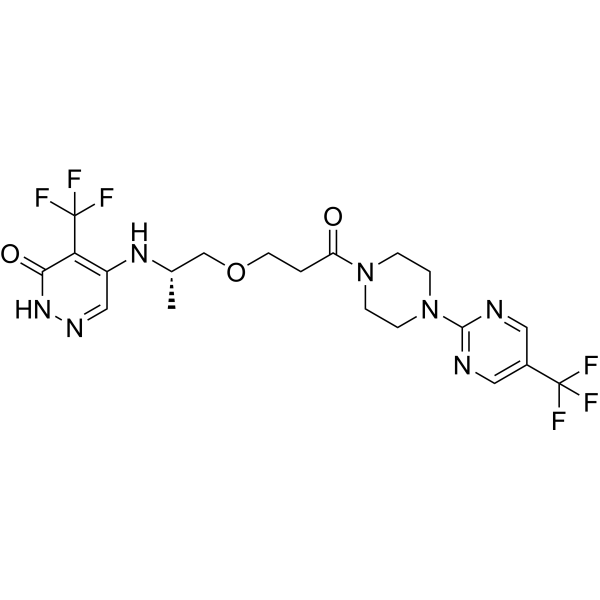
    BMS-986365 (CC-94676) is an orally active and selective targeted androgen receptor (AR) PROTAC degrader (DC50 of 10-40 nM). BMS-986365 is capable of inducing cereblon (CRBN) E3 ligase-dependent ubiquitination and degradation of the androgen receptor (AR), as well as various AR mutants. BMS-986365 shows no degradation of the close AR family members estrogen receptor (ER), progesterone receptor (PR), and glucocorticoid receptor (GR). BMS-986365 shows significant in vivo potency, degrading AR, inhibiting AR signaling, and restricting tumor growth in animal models of advanced prostate cancer. BMS-986365 can be used for the study of metastatic castration-resistant prostate cancer (mCRPC) .
    BMS-986365
  • HY-16050
    Plitidepsin
    4 Publications Verification

    Aplidine; PM90001

    DNA/RNA Synthesis SARS-CoV Infection Cancer
    Plitidepsin (Aplidine) is a potent anti-cancer agent by targeting eEF1A2 ( KD=80 nM) . Plitidepsin possesses antiviral activity and is against SARS-CoV-2 with an IC90 of 0.88 nM. Plitidepsin is usually used for multiple myeloma and advanced cancer research, and has the potential for COVID-19 research .
    Plitidepsin
  • HY-136174
    RBN-2397
    15+ Cited Publications

    PARP Cancer
    RBN-2397 is a potent, accross species and orally active NAD + competitive inhibitor of PARP7 (IC50<3 nM). RBN-2397 selectively binds to PARP7 (Kd=0.001 μM) and restores IFN signaling. RBN-2397 has the potential for the study of advanced or metastatic solid tumors .
    RBN-2397
  • HY-136255
    Camizestrant
    5+ Cited Publications

    AZD-9833

    Estrogen Receptor/ERR Cancer
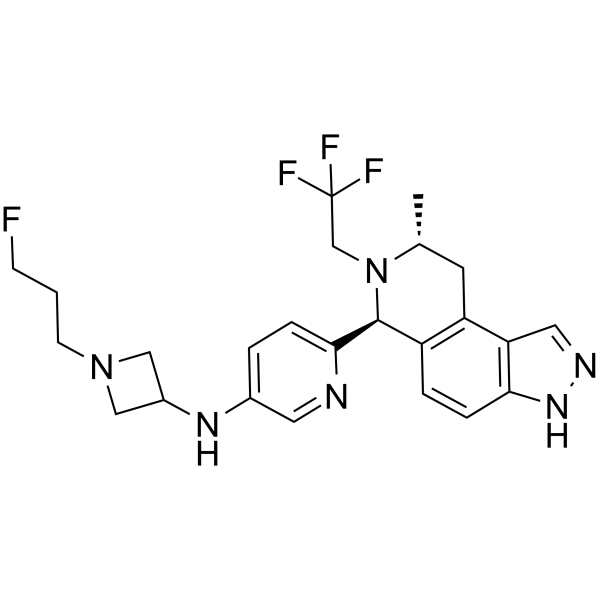
    Camizestrant (AZD-9833) is a potent and orally active estrogen receptor (ER) antagonist. Camizestrant is used for the study of ER + HER2-advanced breast cancer .
    Camizestrant
  • HY-N0033
    Poliumoside
    Maximum Cited Publications
    8 Publications Verification

    Aldose Reductase Cardiovascular Disease Metabolic Disease Inflammation/Immunology
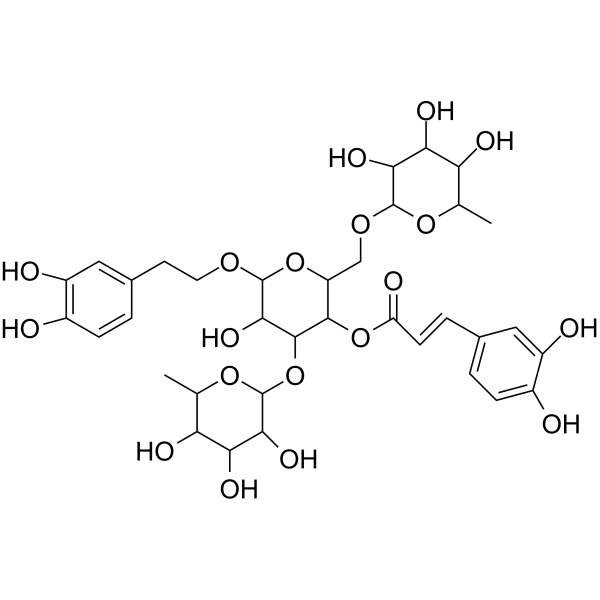
    Poliumoside, a caffeoylated phenylpropanoid glycoside, is isolated from Brandisia hancei stems and leaves. Poliumoside is an advanced glycation end product (AGE) formation and rat lens aldose reductase (RLAR) inhibitor, with IC50s of 19.69 and 8.47 μM, respectively. Poliumoside also has antiinflammatory and antioxidant activity .
    Poliumoside
  • HY-171945

    ABBV-400; Temab-A

    Antibody-Drug Conjugates (ADCs) Topoisomerase c-Met/HGFR Cancer
    Telisotuzumab Adizutecan (ABBV-400) is an anti-c-Met antibody-drug conjugate (ADC). Telisotuzumab Adizutecan is composed of the humanized anti-c-Met antibody Telisotuzumab (HY-P99391) and the topoisomerase 1 inhibitor (7-MAD-MDCPT) (HY-132162). Telisotuzumab Adizutecan exhibits significant anti-tumor activity against advanced solid tumors such as colorectal cancer, gastric cancer, and non-small cell lung cancer .
    Telisotuzumab Adizutecan
  • HY-175749

    Molecular Glues Wee1 Inflammation/Immunology Cancer
    BMS-986463, a CRBN E3 ligase modulator (CELMoD), is a WEE1 kinase molecular glue degrader. BMS-986463 significantly inhibits tumor regression and reduces the level of phospho-CDK2. BMS-986463 can be used for advanced malignant solid tumors like non-small cell lung cancer (NSCLC) research .
    BMS-986463
  • HY-145804
    Palacaparib
    1 Publications Verification

    AZD-9574

    PPAR Neurological Disease Cancer
    AZD-9574 is a potent and brain penetrant PARP1 inhibitor and shows >8000-fold selectivity for PARP1 compared to PARP2/3/5a/6. AZD-9574 acts by selectively inhibiting and trapping PARP1 at the sites of SSBs. AZD-9574 is an anti-cancer agent and can be used for HRD +?breast cancer and advanced solid malignancies research .
    Palacaparib
  • HY-106024B
    Alagebrium chloride
    5+ Cited Publications

    ALT711

    Endogenous Metabolite Metabolic Disease
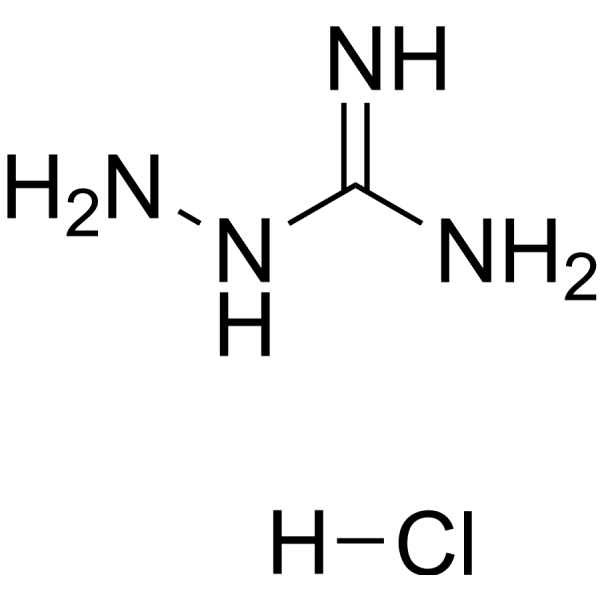
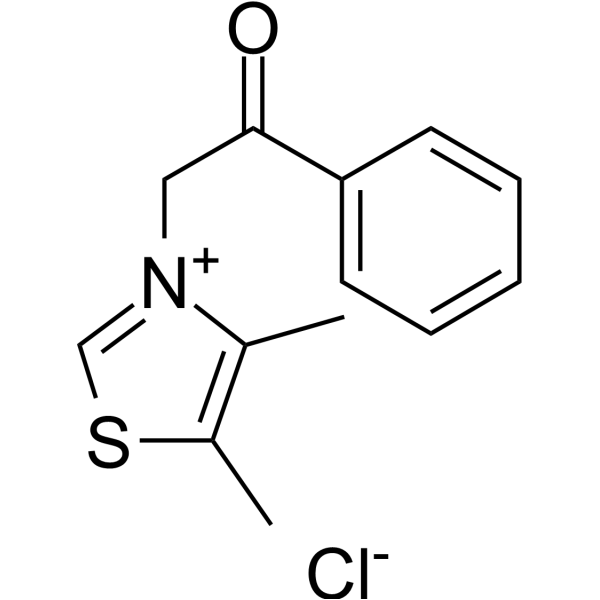
    Alagebrium chloride (ALT711) is an advanced glycation end product (AGE) inhibitor.
    Alagebrium chloride
  • HY-159641

    BAY-3605349

    Molecular Glues Keap1-Nrf2 Metabolic Disease Inflammation/Immunology Cancer
    VVD-130037 (BAY-3605349) is a covalent molecular glue and allosteric NRF2 degrader. VVD-130037 covalently binds to KEAP1 and allosterically enhances the affinity of KEAP1-CUL3, promotes the formation of the active KEAP1-CUL3 E3 ligase complex, and thereby enhances the ubiquitination and degradation of NRF2. VVD-130037 exhibits KEAP1 target-binding activity both in in vitro systems and mouse models, and it can be used in research related to NRF2-dependent cancers, solid tumors harboring KEAP1 nonsense mutations and frameshift mutations, as well as advanced solid tumors .
    VVD-130037
  • HY-N7426

    3-Deoxy-D-glucosone

    GLP Receptor Metabolic Disease
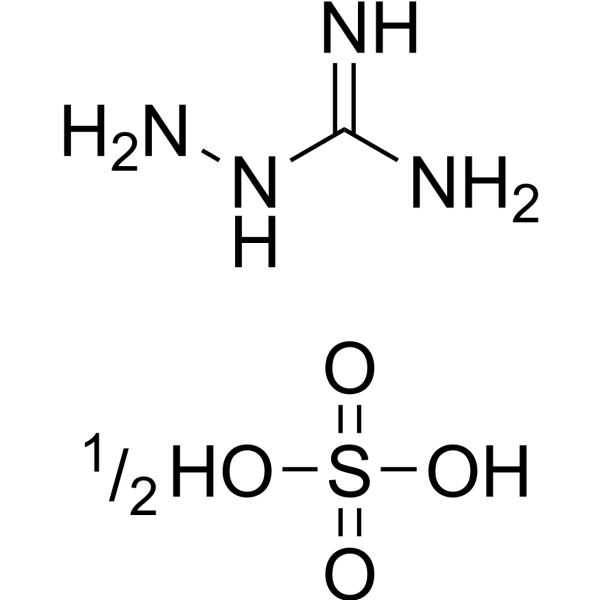
    3-Deoxyglucosone (3-Deoxy-D-glucosone) is a reactive intermediate of the Maillard reaction and the polyol pathway. 3-Deoxyglucosone rapidly reacts with protein amino groups to form advanced glycation end products (AGEs), such as imidazolone, it is the most specific AGE for 3-DG. 3-Deoxyglucosone synergizes with low glucose to potentiate GLP-1 secretion and is considered as a biomarker for diabetes .
    3-Deoxyglucosone
  • HY-14892A

    LC15-0444 tartrate

    Dipeptidyl Peptidase Metabolic Disease
    Gemigliptin tartrate (LC15-0444 tartrate) is a highly selective, reversible and competitive dipeptidyl peptidase-4 (DPP-4) inhibitor, with an IC50 of 10.3 nM for human recombinant DPP-4. Gemigliptin tartrate exhibits potent anti-glycation properties. Gemigliptin tartrate can be used for the research of advanced glycation end products (AGE)-related diabetic complications .
    Gemigliptin tartrate
  • HY-13582
    Carbendazim
    5+ Cited Publications

    Environmental Pollutants Fungal Parasite Infection Cancer
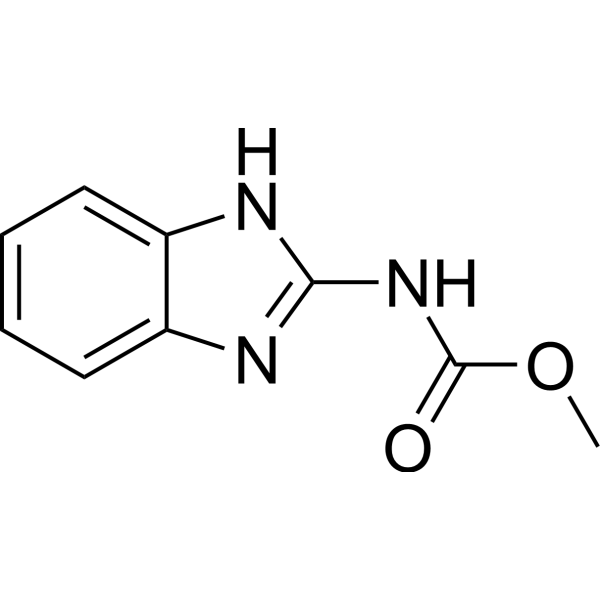
    Carbendazim is a potent and orally active broad-spectrum benzimidazole fungicide and can be acts as a pesticide for fungal diseases research, such as SeproriaFusarium and Sclerotina . Carbendazim is a benzimidazole (HY-Y1825) derivative with antitumor activity and used for cancer research, especially advanced solid tumors and lymphoma .
    Carbendazim
  • HY-P991628

    PF-08634404

    PD-1/PD-L1 VEGFR Cancer
    SSGJ-707 (PF-08634404) is a bispecific antibody targeting VEGF and PD-1. SSGJ-707 exerts dual anti-tumor effects by neutralizing VEGF and blocking the PD-1 signaling pathway. SSGJ-707 can be combined with platinum-based chemotherapy to inhibit advanced non-small cell lung cancer (NSCLC), and its inhibitory effect is not limited by PD-L1 expression levels. In the HARMONi-2 trial, the objective response rate of SSGJ-707 correlates with the PD-L1 tumor proportion score, and the incidence of grade ≥3 adverse events is comparable to that of Inetetamab (HY-P99969). SSGJ-707 is being extensively investigated for a variety of malignancies including advanced NSCLC, colorectal cancer and small cell lung cancer .
    SSGJ-707
  • HY-NP165

    AGEs

    Biochemical Assay Reagents Cardiovascular Disease Metabolic Disease Inflammation/Immunology
    Advanced glycation end products (AGEs) are a series of stable compounds generated through non-enzymatic reactions between reducing sugars and proteins, lipids, or nucleic acids. Advanced glycation end products are often used as targets to evaluate the inhibitory effects of anti-glycation compounds. Advanced glycation end products can be applied to research on diabetes, cardiovascular and cerebrovascular diseases, inflammation, aging, and other conditions .
    Advanced glycation end products
  • HY-108943
    Sabinene
    2 Publications Verification

    Others Others
    Sabinene is an naturally occurring bicyclic monoterpene which can be used as flavorings, perfume additives, fine chemicals, and advanced biofuels. Sabinene is also an orally active compound to attenuates skeletal muscle atrophy and regulates ROS-mediated MAPK/MuRF-1 pathways .
    Sabinene
  • HY-P99364
    Icrucumab
    1 Publications Verification

    Anti-VEGFR1/FLT1 Reference Antibody; IMC-18F1

    VEGFR Apoptosis p38 MAPK Akt Endocrinology Cancer
    Icrucumab (Anti-VEGFR1/FLT1 Reference Antibody; IMC-18F1) is an IgG1 antibody inhibitor targeting VEGFR-1/FLT1 with anti-tumor activity. By blocking ligand-dependent phosphorylation and downstream signal transduction, Icrucumab reduces the activities of MAPK and Akt in breast cancer xenograft models, inhibits the proliferation and invasion of VEGFR-1-positive tumor cells, and reverses the conversion of M1 macrophages to the pro-tumor M2-like phenotype. Icrucumab also inhibits tumor cell proliferation, promotes apoptosis, and effectively suppresses tumor growth through direct targeting of tumors and host support mechanisms. In addition, Icrucumab exhibits a synergistic effect when combined with chemotherapeutic agents, and it is used in research related to various cancers including advanced solid malignancies, thyroid cancer, melanoma, and lung cancer .
    Icrucumab
  • HY-B1745
    Pyridoxylamine
    5+ Cited Publications

    Endogenous Metabolite Metabolic Disease
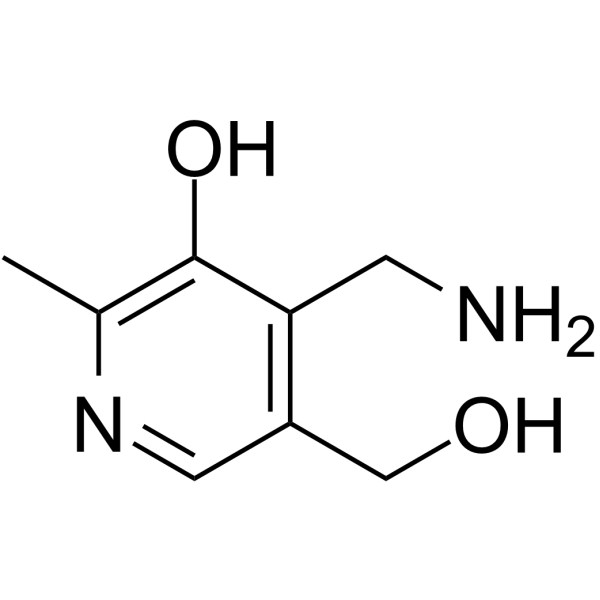
    Pyridoxylamine is an advanced glycation end production (AGEs) and lipoxidation end products (ALEs) inhibitor, to protect against diabetes-induced retinal vascular lesions.
    Pyridoxylamine
  • HY-137573
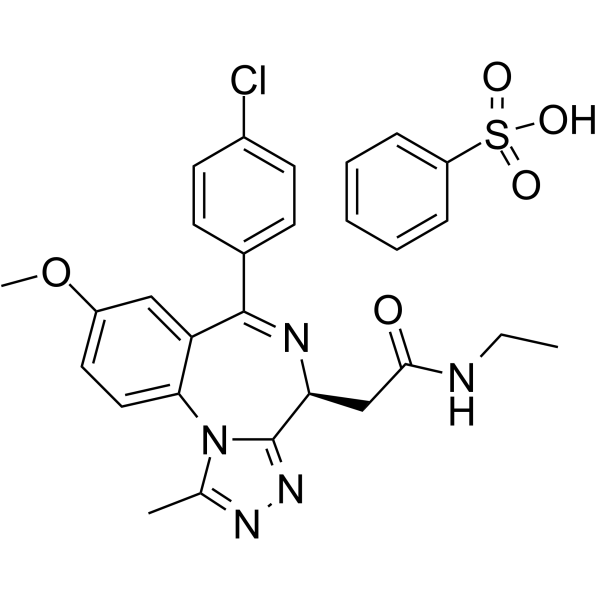
    Trotabresib
    1 Publications Verification

    CC-90010

    Epigenetic Reader Domain Cancer
    CC-90010 (compound 1) is a reversible and orally active BET inhibitor. CC-90010 is applied in the study for advanced solid tumors .
    Trotabresib
  • HY-W019724

    Drug Intermediate Reactive Oxygen Species (ROS) Neurological Disease Metabolic Disease Cancer
    2,2-Dihydroxyacetic acid is an endogenous metabolite, which is the monohydrate of Glyoxylic Acid. 2,2-Dihydroxyacetic acid may participate in the microbial glyoxylate cycle, induce an increase in reactive oxygen species, promote cell differentiation, and modify proteins to form advanced glycation end products (AGEs) (HY-NP165). 2,2-Dihydroxyacetic acid is associated with metabolic diseases such as primary hyperoxaluria .
    2,2-Dihydroxyacetic acid
  • HY-141600

    BAY 1187982

    Antibody-Drug Conjugates (ADCs) FGFR Microtubule/Tubulin Apoptosis Cancer
    Aprutumab ixadotin (BAY 1187982) is the first antibody-drug conjugate (ADC) to target FGFR2 and the first to use Auristatin-based payload. Aprutumab ixadotin contains a fully human anti-FGFR2 monoclonal antibody (Aprutumab) (HY-P99007) conjugated by lysine side chains to a non-cleavable linker and via this an innovative Auristatin W derivative. Aprutumab ixadotin can be used for the study of advanced solid tumors, such as FGFR2-positive gastric cancer and triple-negative breast cancer .
    Aprutumab ixadotin
  • HY-P9971
    Camrelizumab
    4 Publications Verification

    SHR-1210; INCSHR1210

    PD-1/PD-L1 Cancer
    Camrelizumab (SHR-1210) is a potent humanied high-affinity IgG4-κ monoclonal antibody (mAb) to PD-1. Camrelizumab binds PD-1 at a high affinity of 3 nM and inhibits the binding interaction of PD-1 and PD-L1 with an IC50 of 0.70 nM. Camrelizumab acts as anti-PD-1/PD-L1 agent and can be used for cancer research, including NSCLC, ESCC, Hodgkin lymphoma, and advanced HCC et,al .
    Camrelizumab
  • HY-P99807

    BCD-100

    PD-1/PD-L1 Cancer
    Prolgolimab (BCD-100) is a human IgG1 anti-PD-1 monoclonal antibody containing the Fc-silencing 'LALA' mutation. Prolgolimab can be used for the research of advanced melanoma .
    Prolgolimab
  • HY-119198

    Apoptosis Histone Methyltransferase Cancer
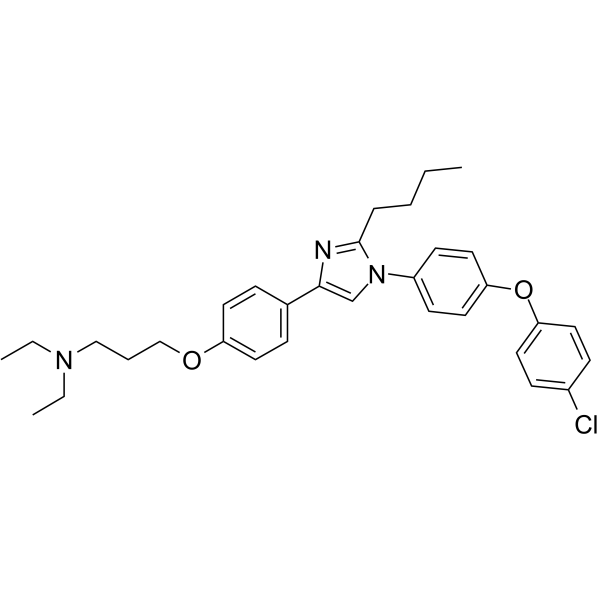
    NSC745885 an effective anti-tumor agent, shows selective toxicity against multiple cancer cell lines but not normal cells. NSC745885 is an effective down-regulator of EZH2 via proteasome-mediated degradation. NSC745885 provides possibilities for the study of advanced bladder and oral squamous cell carcinoma (OSCC) cancers .
    NSC745885
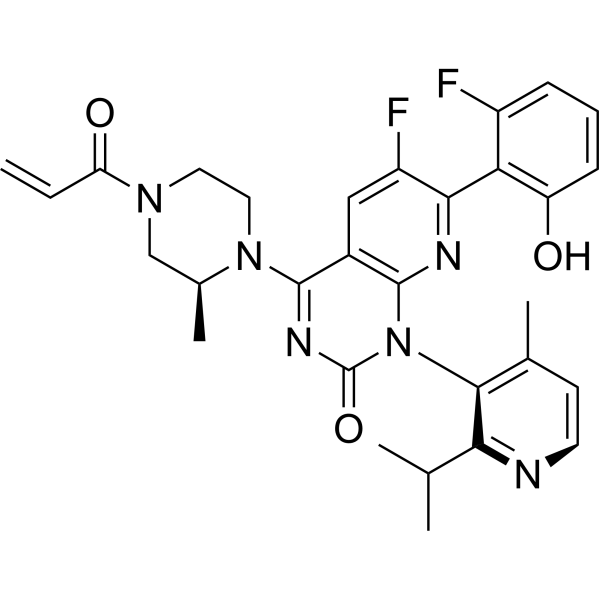
  • HY-13432
    Nanatinostat
    2 Publications Verification

    CHR-3996

    HDAC Apoptosis Cancer
    Nanatinostat (CHR-3996) is a potent, class I selective and orally active HDAC inhibitor with IC50s of 3 nM, 4 nM, and 7 nM for HDAC1, HDAC2, and HDAC3, respectively. Nanatinostat has low activity against HDAC5 (IC50 of 200 nM) and HDAC6 (IC50 of 2100 nM). Nanatinostat induces apoptosis in myeloma cells. Nanatinostat has potent anticancer effects, such as myeloma, advanced solid tumours and colorectal cancer .
    Nanatinostat
  • HY-173630

    Molecular Glues IKZF Family Cancer
    BMS-986449 is a potent and orally active CELMoD molecular glue and an IKZF2/IKZF4 degrader. BMS-986449 targets the degradation of transcription factors Helios (IKZF2) and Eos (IKZF4) in regulatory T (Treg) cells. BMS-986449 redirects the E3 ubiquitin ligase Cereblon to induce the degradation of Helios and Eos, reprogramming Treg cells and enhancing antitumor immunity. BMS-986449 is promising for research of advanced solid tumors .
    BMS-986449
  • HY-P99943

    KN-046

    PD-1/PD-L1 CTLA-4 Cancer
    Erfonrilimab (KN-046) is a monoclonal antibody targeting PD-L1/CTLA-4. Erfonrilimab blocks the PD-L1 and CTLA-4 pathways, thereby regulating T cell function. Erfonrilimab enhances the secretion of IL-2 in superantigen-stimulated peripheral blood mononuclear cells. Erfonrilimab inhibits tumor growth in xenograft and double gene knock-in mouse models. Erfonrilimab can be used in research related to a variety of advanced solid tumors, including non-small cell lung cancer and nasopharyngeal carcinoma.
    Erfonrilimab
  • HY-107207
    Kaempferol 3-neohesperidoside
    3 Publications Verification

    Kaempferol 3-O-neohesperidoside

    Insulin Receptor PI3K PKC Metabolic Disease
    Kaempferol 3-neohesperidoside (Kaempferol 3-O-neohesperidoside) is a flavonoid. Kaempferol 3-neohesperidoside mimics insulin action via the PI3K/PKC pathway, significantly promoting glucose uptake and increasing muscle glycogen content in rat soleus muscles. Kaempferol 3-neohesperidoside also exhibits anti-glycation activity. Kaempferol 3-neohesperidoside binds to albumin through hydrogen bonding and hydrophobic interactions, and inhibits the formation of advanced glycation end products. Kaempferol 3-neohesperidoside can be used in studies of diabetes and its related complications .
    Kaempferol 3-neohesperidoside
  • HY-B1745A
    Pyridoxylamine dihydrochloride
    5+ Cited Publications

    Endogenous Metabolite Metabolic Disease
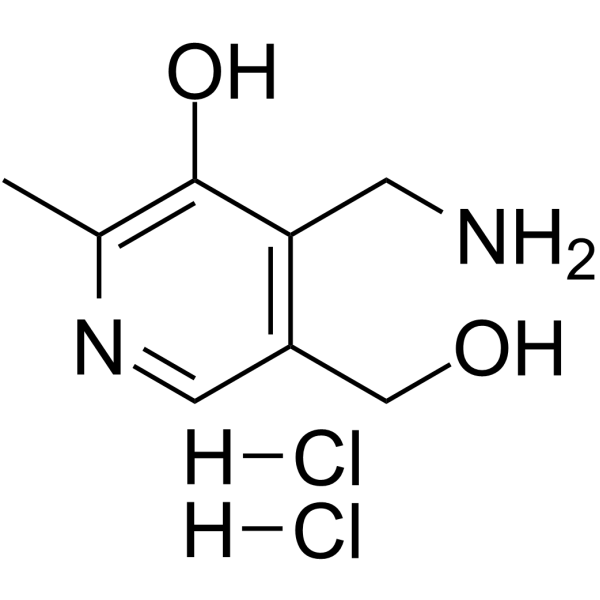
    Pyridoxylamine dihydrochloride is an advanced glycation end production (AGEs) and lipoxidation end products (ALEs) inhibitor, to protect against diabetes-induced retinal vascular lesions .
    Pyridoxylamine dihydrochloride
  • HY-18614

    Notch γ-secretase Cancer
    LY900009 is a potent and orally active, First-in-class inhibitor of Notch signaling via selective inhibition of the γ-secretase protein (GSI). LY900009 inhibits Notch signalling in tumor cell lines and endothelial cells (IC50=0.005-20 nM). LY900009 can be used for advanced cancer research .
    LY900009
  • HY-109131

    ABBV-951; Carbidopa 4′-monophosphate

    Aryl Hydrocarbon Receptor Drug Metabolite Neurological Disease
    Foscarbidopa (ABBV-951; Carbidopa 4′-monophosphate) is an inhibitory prodrug targeting peripheral aromatic L-amino acid decarboxylase. Foscarbidopa is hydrolyzed into Carbidopa (HY-B0311) by phosphatases in vivo to suppress peripheral metabolism of levodopa and elevate brain delivery of levodopa. Foscarbidopa can be used for the research of Parkinson’s disease and advanced Parkinson’s disease .
    Foscarbidopa
  • HY-P99852

    ABT165; PR1283233

    VEGFR Notch Cancer
    Dilpacimab (ABT165) is a bispecific variable domain immunoglobulin. Dilpacimab binds to and inhibits DLL4 and VEGF and acts as a tumor growth inhibitor. Dilpacimab can be used in research related to metastatic colorectal cancer and advanced solid tumors .
    Dilpacimab
  • HY-P991588

    AC101

    EGFR Apoptosis Cancer
    HLX-22 is a humanized monoclonal antibody targeting HER2. HLX-22 induces apoptosis in HER2-overexpressing breast and gastric cancer cells combined with Trastuzumab (HY-P9907). HLX-22 has potent antitumor activity against advanced solid tumors .
    HLX-22
  • HY-139300

    HMPL-813

    EGFR Cancer
    Epitinib (HMPL-813) is a selective, orally active, blood-brain barrier-permeable EGFR tyrosine kinase inhibitor. Epitinib is applicable to research on EGFR T790M-positive non-small cell lung cancer with brain metastasis and advanced solid tumors .
    Epitinib
  • HY-147218

    ARRY-067

    TAM Receptor Cancer
    PF-07265807 (ARRY-067) is a kinase inhibitor with primary targets AXL, MERTK, and TYRO3. PF-07265807 acts as an immunomodulator that cross-activates CD8 + T cells by enhancing dendritic cell function. PF-07265807 blocks downstream signal transduction of AXL and MERTK, and inhibits the proliferation and migration of tumor cells with high expression of these two kinases. PF-07265807 is applicable to research related to advanced or metastatic solid tumors, such as colorectal cancer .
    PF-07265807
  • HY-W755338

    Cl-CCA

    Biochemical Assay Reagents Others
    4-Chloro-α-cyanocinnamic acid (Cl-CCA) is an advanced, rationally designed MALDI (Matrix-assisted laser desorption ionization) matrix .
    4-Chloro-α-cyanocinnamic acid
  • HY-148511

    CMP-001

    Toll-like Receptor (TLR) IFNAR PD-1/PD-L1 Indoleamine 2,3-Dioxygenase (IDO) Cancer
    Vidutolimod (CMP-001) is a virus-like particle containing a TLR9 activator . Vidutolimod induces human peripheral blood mononuclear cells to secrete IFNα, and upregulates the gene expression of CXCL10, PDL1, IDO and CD80. Vidutolimod activates TLR9, which in turn triggers plasmacytoid dendritic cell activation, production of IFNγ and TNFα, induction of CXCL10, and recruitment of antitumor T cells. Vidutolimod causes influenza-like symptoms, hypotension and tumor regression, and its activity depends on the presence of anti- antibodies. Vidutolimod modulates monocyte function, promotes CD4 T cell proliferation, and activates multiple immune cell types in an environment with anti-Qβ antibodies. Vidutolimod prolongs the survival of tumor-bearing mice. Vidutolimod is used in research related to advanced melanoma, head and neck squamous cell carcinoma, and advanced non-small cell lung cancer .
    Vidutolimod
  • HY-P991444

    NTPDase ATP Synthase Inflammation/Immunology Cancer
    IPH5201 is a selective CD39 inhibitor and a humanized IgG1 monoclonal antibody. IPH5201 selectively binds to and inhibits the enzymatic activity of both membrane-bound and soluble CD39, blocking ATP hydrolysis. IPH5201 enhances the phenotypic maturation and activation of dendritic cells and macrophages. IPH5201 potentiates the anti-tumor effect of Oxaliplatin (HY-17371). IPH5201 shows preliminary evidence of disease stabilization in advanced solid tumor models when used as a single agent or in combination with Durvalumab (HY-P9919). IPH5201 can be used for the research of advanced solid tumors .
    IPH5201
  • HY-173630A

    Molecular Glues IKZF Family Cancer
    (R)-BMS-986449 is the racemic mixture of BMS-986449 (HY-173630). BMS-986449 is a CELMoD molecular glue and an IKZF2/IKZF4 degrader. BMS-986449 targets the degradation of transcription factors Helios (IKZF2) and Eos (IKZF4) in regulatory T (Treg) cells. BMS-986449 redirects the E3 ubiquitin ligase Cereblon to induce the degradation of Helios and Eos, reprogramming Treg cells and enhancing antitumor immunity. BMS-986449 is promising for research of advanced solid tumors .
    (Rac)-BMS-986449
  • HY-113033

    Others Biochemical Assay Reagents Neurological Disease Metabolic Disease Inflammation/Immunology
    Pentosidine is a fluorescent advanced glycation end product (AGE) and cross-linker. Pentosidine is a fluorescent cross-linked structure formed by lysine and arginine in sugar oxidation reactions, and it is commonly found in collagen, skin, bone, lens and plasma proteins . Pentosidine is used in research related to type 1 diabetes, brown cataracts, rheumatoid arthritis, atherosclerosis and neurodegenerative diseases .
    Pentosidine
  • HY-13582R
    Carbendazim (Standard)
    5+ Cited Publications

    Parasite Fungal Reference Standards Infection Cancer
    Carbendazim (Standard) is the analytical standard of Carbendazim. This product is intended for research and analytical applications. Carbendazim is a potent and orally active broad-spectrum benzimidazole fungicide and can be acts as a pesticide for fungal diseases research, such as SeproriaFusarium and Sclerotina . Carbendazim is a benzimidazole (HY-Y1825) derivative with antitumor activity and used for cancer research, especially advanced solid tumors and lymphoma .
    Carbendazim (Standard)
  • HY-P99475

    MSB-2311

    PD-1/PD-L1 Cancer
    Betifisolimab (MSB-2311) is a humanized monoclonal antibody directed against the immunosuppressive ligand PD-L1. Betifisolimab has the potential for advanced solid tumors and hematological malignancies research .
    Betifisolimab
  • HY-N7628

    Toralactone 9-O-β-D-gentiobioside

    Endogenous Metabolite Metabolic Disease
    Cassiaside C (Toralactone 9-O-β-D-gentiobioside) is a naphthopyrone isolated from the seed of Cassia tora and has inhibitory activity on advanced glycation end products (AGE) formation in vitro .
    Cassiaside C
  • HY-W585874

    EAAT Apoptosis Neurological Disease Metabolic Disease
    Nε-(Carboxyethyl) lysine is an advanced glycation end product (AGE). Nε-(Carboxyethyl) lysine induces cross-linking between proteins, thereby affecting protein structure and function and causing protein denaturation. Nε-(Carboxyethyl) lysine binds to the RAGE receptor, affects cell signal transduction, and regulates processes such as inflammatory responses, cell proliferation, and apoptosis. Nε-(Carboxyethyl) lysine affects glutamate transporters, reduces glutamate uptake and S100β protein secretion, influences neurotransmission in the nervous system, and exhibits diabetes-related neurotoxicity .
    Nε-(Carboxyethyl)lysine
  • HY-P991178

    TNF Receptor Cancer
    BMS-986156 is a fully humanized IgG1 agonist monoclonal antibody agonist corticosteroid-induced tumor necrosis factor receptor-related protein (GITR). BMS-986156 binds to GITR and promotes activation of T effector cells and inactivates T regulatory cells. BMS-986156 is indicated for use in advanced solid tumor studies .
    BMS-986156
  • HY-163668

    STING Cancer
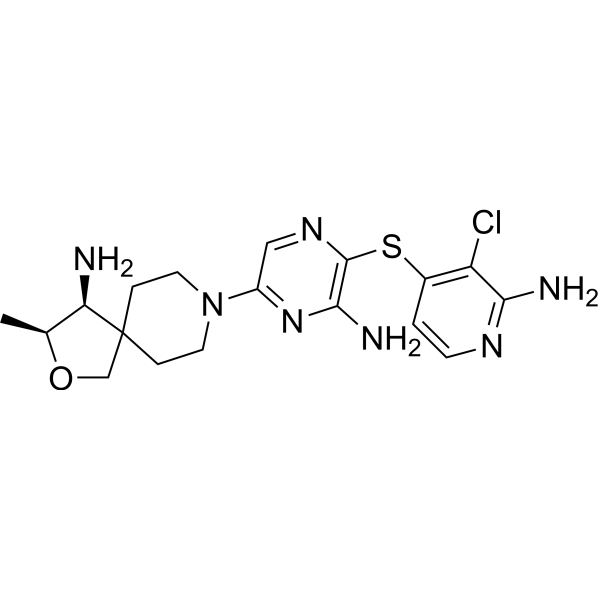
    MK-2118 is a GMP-synthesized STING agonist with the potential to inhibit advanced/metastatic solid tumors or lymphomas. .
    MK-2118
  • HY-Y0943

    Drug Metabolite Cancer
    Aldehyde Dehydrogenase Isobutyramide is an orally active liver alcohol dehydrogenase (LADH2) inhibitor. Isobutyramide inhibits ethanol metabolism and enhances differentiation-related gene expression, inducing cell cycle arrest and significantly reducing the growth rate of prostate cancer cells (LNCaP). Isobutyramide is promising for research of advanced prostate cancer .
    Isobutyramide
  • HY-153243

    c-Fms Cancer
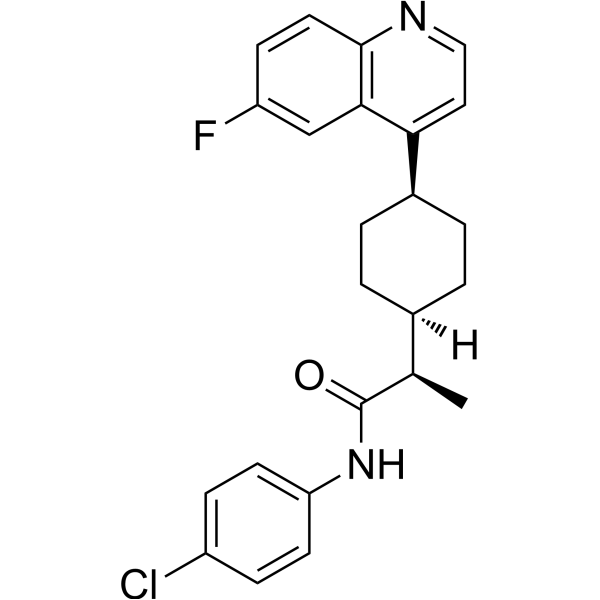
    IACS-9439 is a potent, selective, and orally active CSF1R inhibitor with a Ki value of 1 nM inhibitor. IACS-9439 can be used for advanced solid tumors research .
    IACS-9439
  • HY-P991620

    Transmembrane Glycoprotein Cancer
    JS006 is a humanized IgG4κ monoclonal antibody inhibitor targeting TIGIT/CD155. JS006 can be used to study advanced and/or metastatic cancers with resistance to PD-1/PD-L1 inhibitor such as non-small cell lung cancer (NSCLC), advanced lymphoma and advanced/metastatic triple negative breast cancer (TNBC) .
    JS006
  • HY-16050R

    Aplidine (Standard); PM90001 (Standard)

    Reference Standards DNA/RNA Synthesis SARS-CoV Infection Cancer
    Plitidepsin (Standard) is the analytical standard of Plitidepsin. This product is intended for research and analytical applications. Plitidepsin (Aplidine) is a potent anti-cancer agent by targeting eEF1A2 ( KD=80 nM) . Plitidepsin possesses antiviral activity and is against SARS-CoV-2 with an IC90 of 0.88 nM. Plitidepsin is usually used for multiple myeloma and advanced cancer research, and has the potential for COVID-19 research .
    Plitidepsin (Standard)

Inquiry Online

Your information is safe with us. * Required Fields.

Salutation


Country or Region *

Applicant Name *


Organization Name *

Department *


Email Address *


Product Name *

Cat. No.


Requested quantity *

Phone Number *


Remarks

Inquiry Online

Inquiry Information

Product Name:
Cat. No.:
Quantity:
MCE Japan Authorized Agent:

