7 Results for "

anti-radiation

" in MedChemExpress (MCE) Product Catalog:
Products (7)

7 Results for "anti-radiation" in MCE Product Catalog:

19
19 Cited Publications
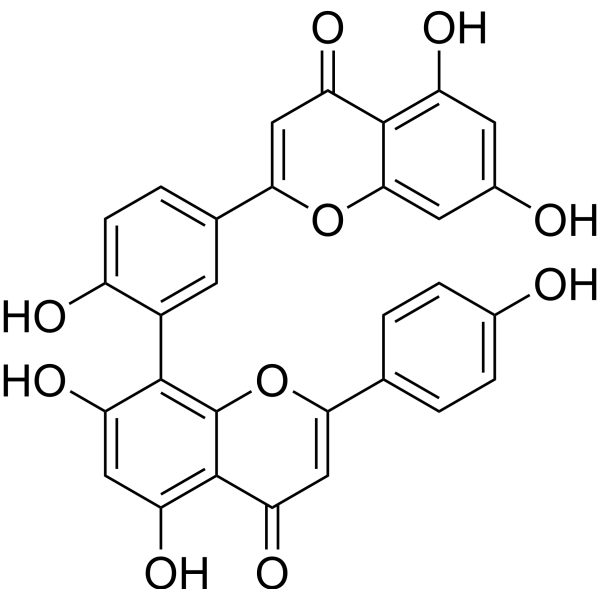
Cat. No.: HY-N0662
CAS No.: 1617-53-4
Synonyms: Didemethyl-ginkgetin
Amentoflavone (Didemethyl-ginkgetin) is a potent and orally active GABA(A) negative modulator. Amentoflavone also shows anti-inflammatory, antioxidative, anti-viral, anti-tumor, anti-radiation, anti-fungal, antibacterial activity. Amentoflavone induces apoptosis and cell cycle arrest at sub-G1 phase .
loading...
    loading...
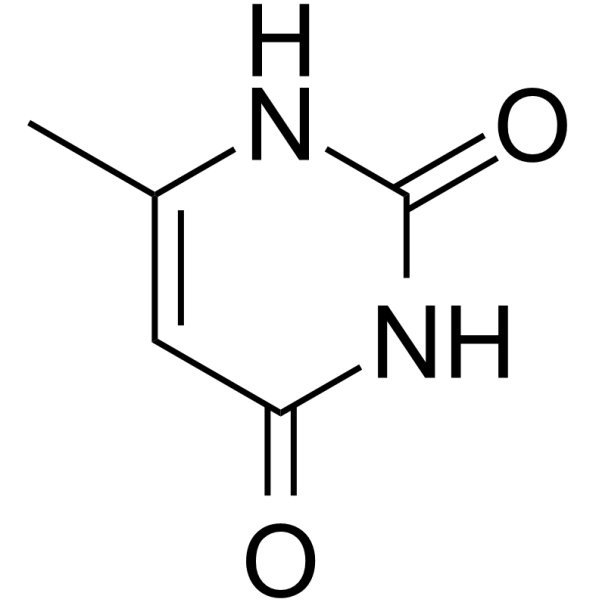
Cat. No.: HY-Y1125
CAS No.: 626-48-2
Synonyms: Pseudothymine
6-Methyluracil (Pseudothymine), a metabolite of Uracil, can be used as an indicator of acetoacetyl-CoA (AACoA) accumulation. 6-Methyluracil exhibits antiradiation effect in vivo .
loading...
    loading...
Cat. No.: HY-N0662R
CAS No.: 1617-53-4
Synonyms: Didemethyl-ginkgetin (Standard)
Amentoflavone (Standard) is the analytical standard of Amentoflavone. This product is intended for research and analytical applications. Amentoflavone (Didemethyl-ginkgetin) is a potent and orally active GABA(A) negative modulator. Amentoflavone also shows anti-inflammatory, antioxidative, anti-viral, anti-tumor, anti-radiation, anti-fungal, antibacterial activity. Amentoflavone induces apoptosis and cell cycle arrest at sub-G1 phase .
loading...
    loading...
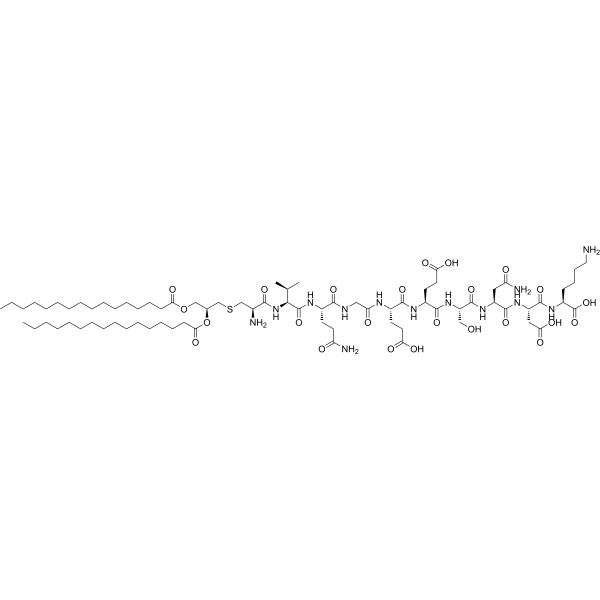
Cat. No.: HY-P5208
CAS No.: 1039381-80-0
Target:  

Inhibitory Antibodies

Research Areas:  

Cancer

CBLB 612 is an anti-radiation agent. CBLB 612 can be used in the propagation of mouse and monkey moderate stimulation hematopoietic stem cell (HSC), and lure that they are passed to peripheral blood from bone marrow into. CBLB 612 is an important auxiliary agent for cancer .
loading...
    loading...
Cat. No.: HY-173309
P53/TLR2 modulator-1 (Compound Z9) is a modulator that targets both the P53 pathway and TLR2 simultaneously, exhibiting anti-radiation activity. P53/TLR2 modulator-1 reduces apoptosis by inhibiting the radiation-induced expression of P53 and Bax. At the same time, it activates the TLR2 pathway, upregulates the expression of downstream proteins MyD88 and P65, and promotes the secretion of cytokines such as IL-6, thus exerting an anti-radiation effect. P53/TLR2 modulator-1 shows significant anti-radiation activity against both AHH-1 cells and HUVECs. It can also increase the survival rate of C57BL/6J mice irradiated with a lethal dose of radiation and reduce the damage to their hematopoietic system, the villous structure of the small intestine, and the spleen caused by radiation. P53/TLR2 modulator-1 can be used in the research of radiation injury-related diseases .
loading...
    loading...
Cat. No.: HY-Y1125R
CAS No.: 626-48-2
6-Methyluracil (Pseudothymine), a metabolite of Uracil, can be used as an indicator of acetoacetyl-CoA (AACoA) accumulation. 6-Methyluracil exhibits antiradiation effect in vivo .
loading...
    loading...
Cat. No.: HY-L178
3,066 compounds

Radiation sickness is a general term for various types and degrees of damage (or disease) occurring in the human body after exposure to ionizing radiation. Although small amounts of ionizing radiation can also cause the body to produce free radicals and ROS, causing oxidative stress, resulting in DNA damage and chromosomal aberration. Radioprotector are compounds with radiation protection that can be used to prevent/protect non-tumor cells from the harmful effects of radiation. Radioprotective compounds can prevent the damage of radioactive substances to the human body and reduce the clinical symptoms of various radioactive diseases. In addition, radioprotectors can protect normal cells from damage during radiation therapy. The ideal anti-radiation drug should not affect the sensitivity of tumor cells to radiation therapy while protecting normal cells.

MCE designs a unique collection of 3,066 radioprotectors. Radioprotector Library is an effective tool for acute Radiation Syndrome, drug combination research with radiation drugs.

